
When there are disputes about history, we often find that they occur at places where the meaning and memories can bring forward powerful emotions. Places where the underlying causes and events are either unclear or not recognized.
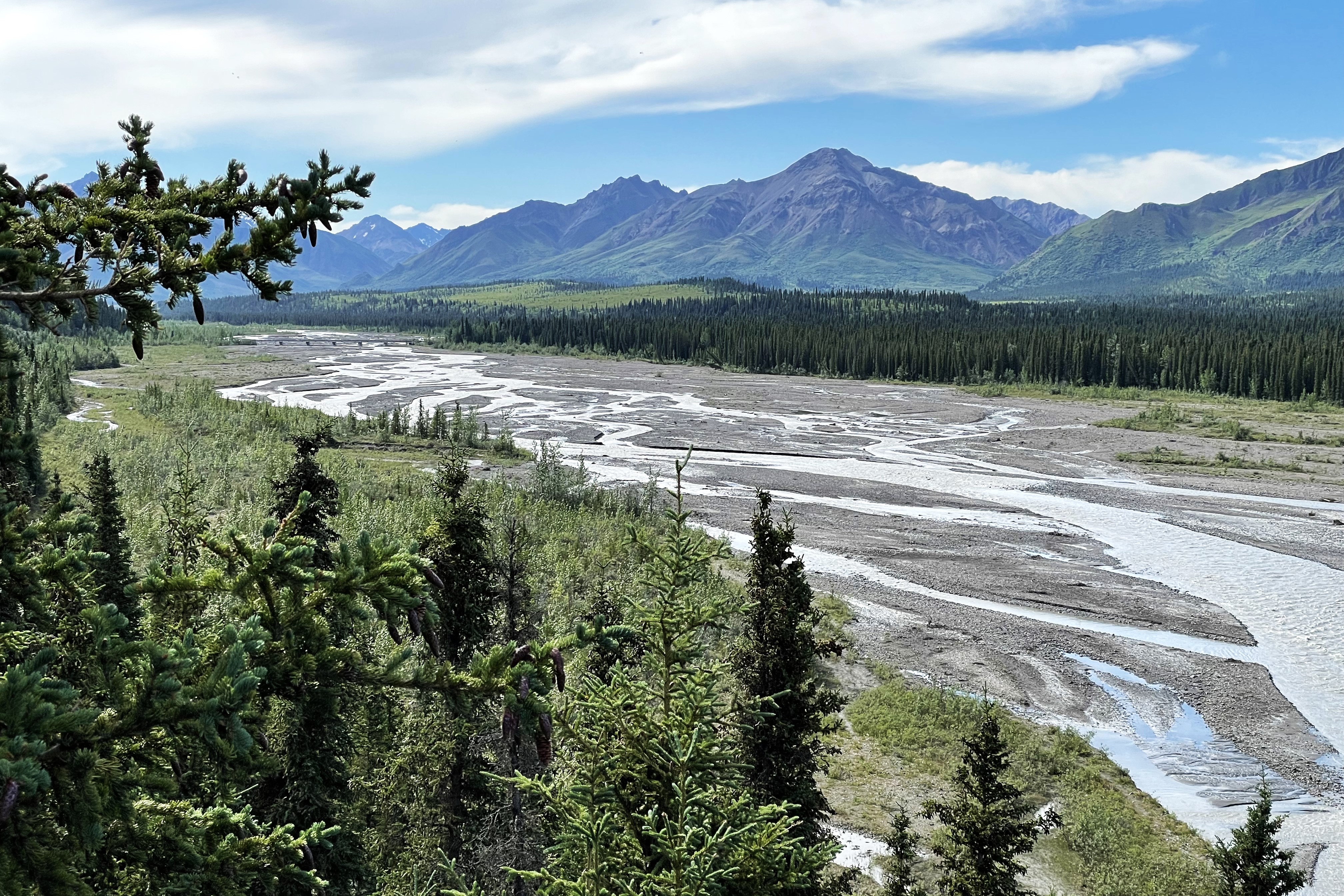
Disputed history can also arise simply out of different perceptions. If we’re being truthful, we’d admit that there are many perceptions around death. Perceptions that can be deeply felt yet that ultimately must be considered part of life’s mysteries.
There is an old Alaska Native joke that people used to live below ground and bury their dead above ground and after the white man came they had to live above ground where it was cold and bury their dead in the permafrost. Different perceptions as to what’s important.
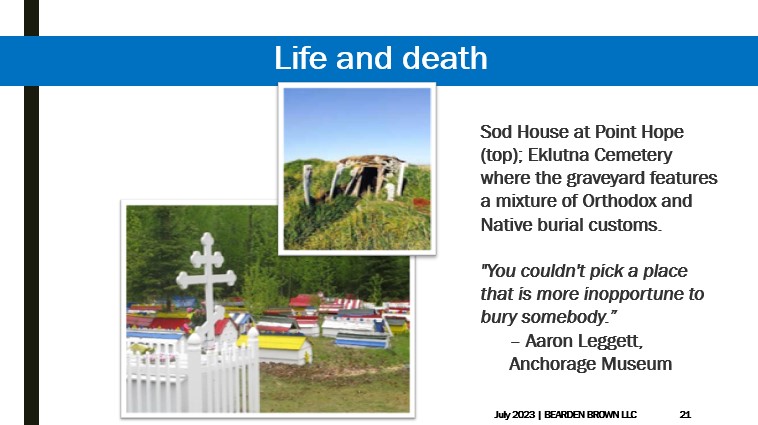
Sometimes disputed history begins with a name. For example, think of the different names Americans give our Civil War.
I’ve just completed a visit to Denali National Park and Preserve in Alaska. For more than 100 years, most Americans knew of the highest peak in North America as Mount McKinley. That is now changing.
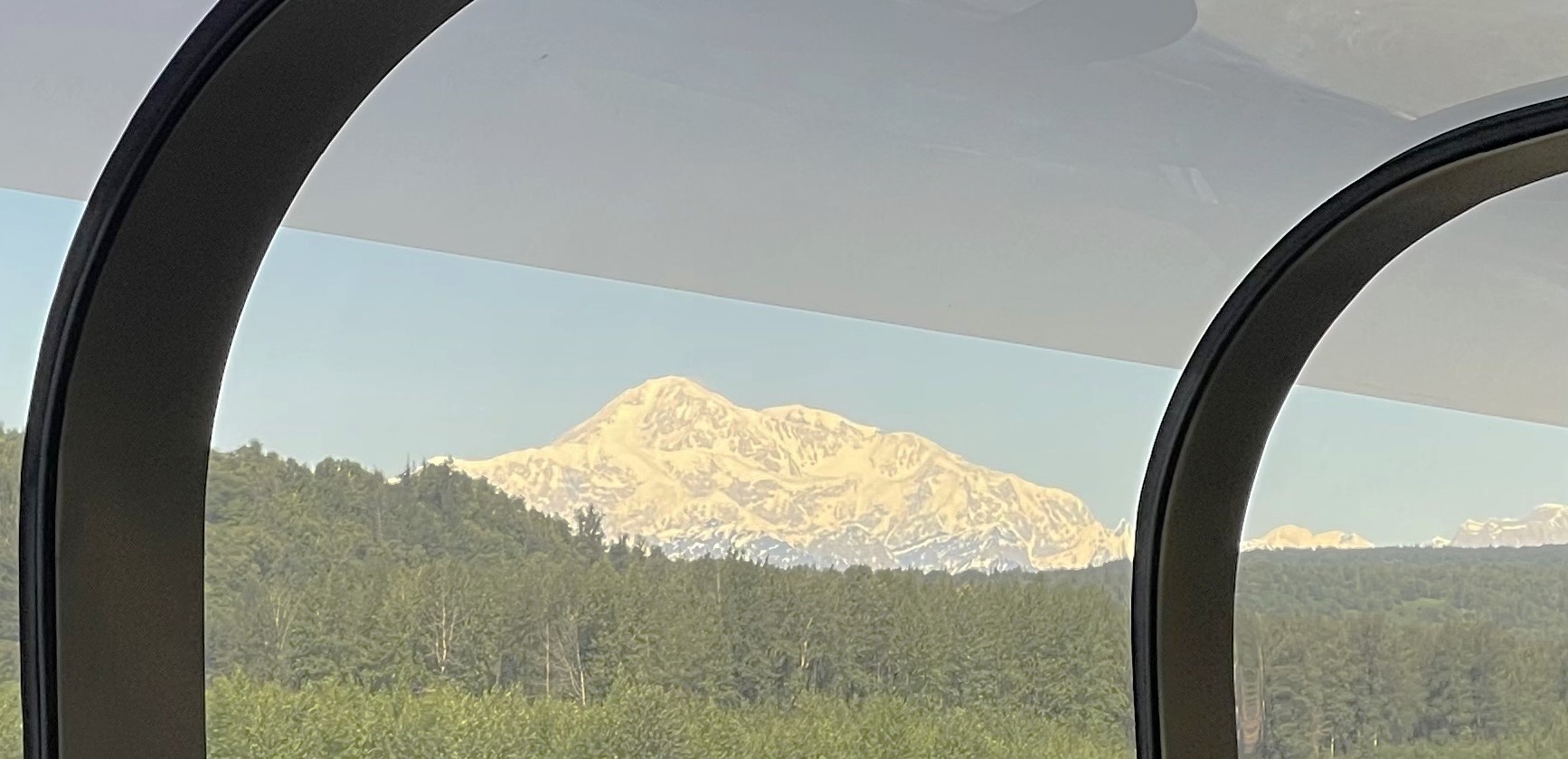
Nine different Native groups have used unique oral place names for the mountain, words that translate as “the tall one” and “mountain-big.” In 1794 George Vancouver referred to the “stupendous snow mountains” while Russian explorers had several names for the peak, including “great mountain” and “Big One.”
Disputed or difficult histories can be tied to places of destruction, colonialism, enslavement, exploitation, death, and remembrance even when that’s not the prevailing narrative being told or interpreted at those places in this moment. Battlefields, plantations, monuments, Native lands, and more often evoke strong emotions where the memories differ.
A couple of decades after the US purchased Alaska, gold prospector Frank Densmore explored the interior and subsequent prospectors along the Yukon River started calling the mountain “Densmore Mountain” or “Densmore Peak.”
“Mount McKinley” emerged after a gold prospector named William Dickey (who was an admirer of President-elect McKinley and his support for the gold standard) used the name in an 1897 New York Sun article. Although the new president had no direct connection to Alaska, the name Mount McKinley was popularized following the president’s assassination in 1901.
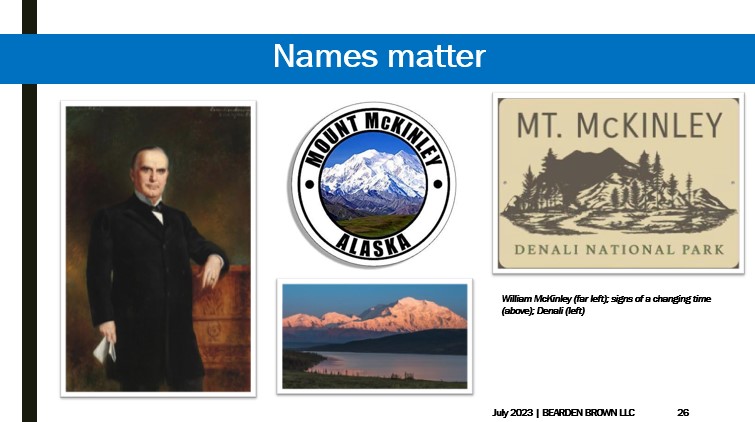
Mount McKinley became established in the American vernacular in the early 1900s, and it was enshrined when a National Park was created in 1917 with that name. However, there were still many people with connections to Interior Alaska who were disturbed by the dismissal of the Native names and history.
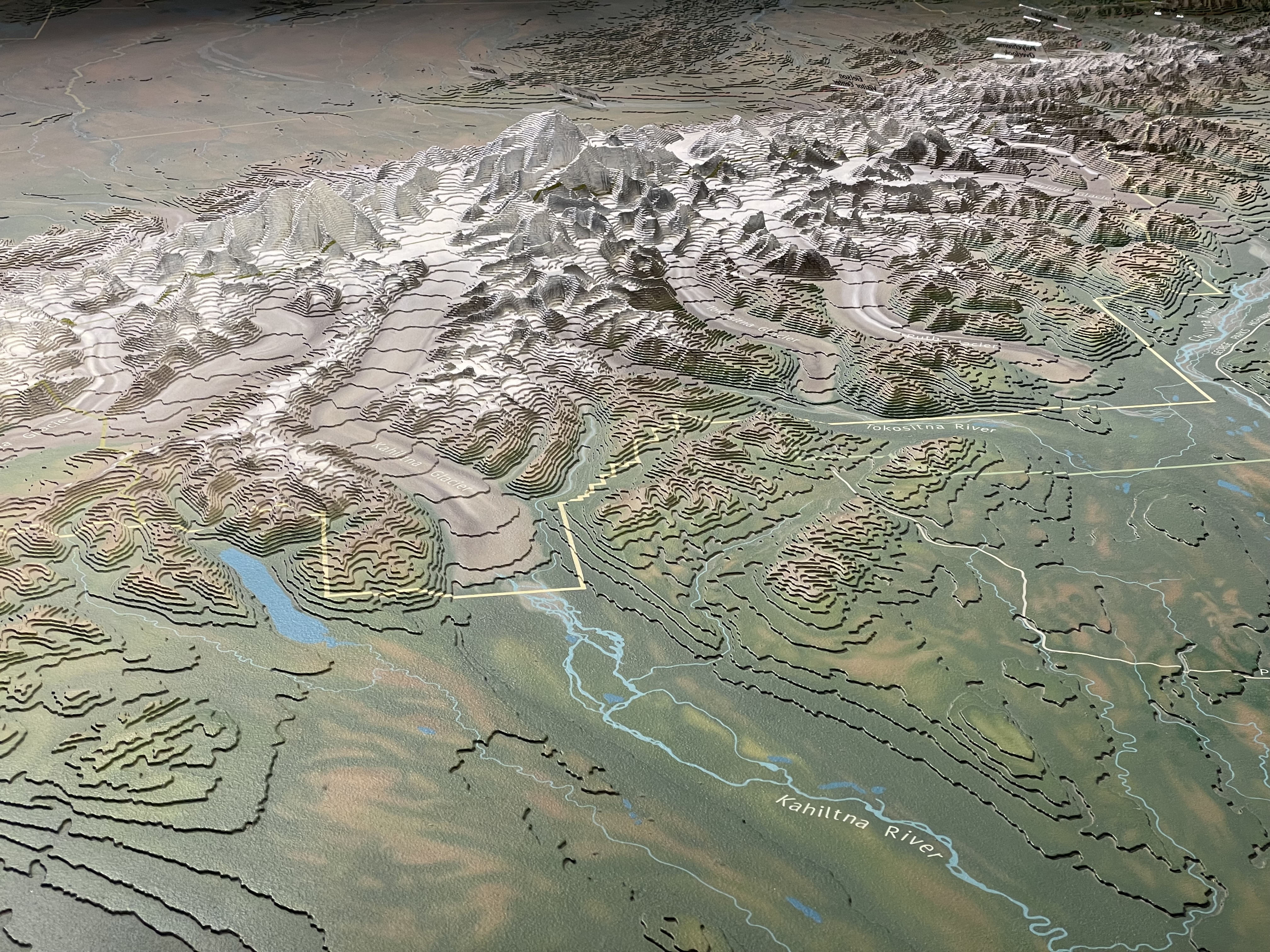
Fast-forward to the 1970s when Alaska’s legislators butted heads with Ohio’s congressional delegation, who wanted the name to continue to honor their native son. The park name was changed in 1980, but the name of Mount McKinley remained in use for the peak for four more decades. Finally in 2015, the Secretary of the Interior officially changed the name to Denali, shining a light on the long human history of the park — not just the period from the nineteenth century forward.
The National Park and Preserve is, of course, more than a name and even more than a mountain.
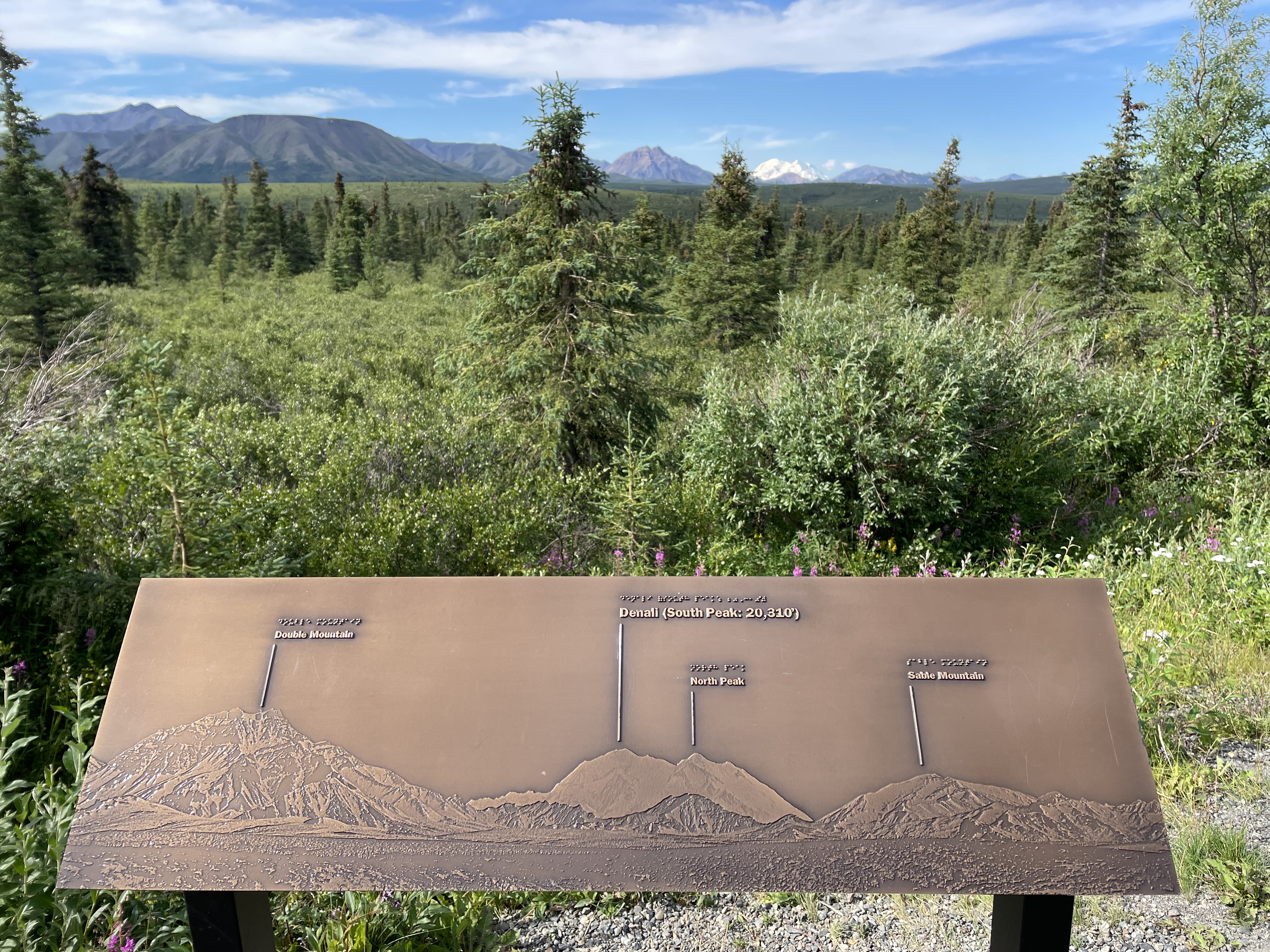
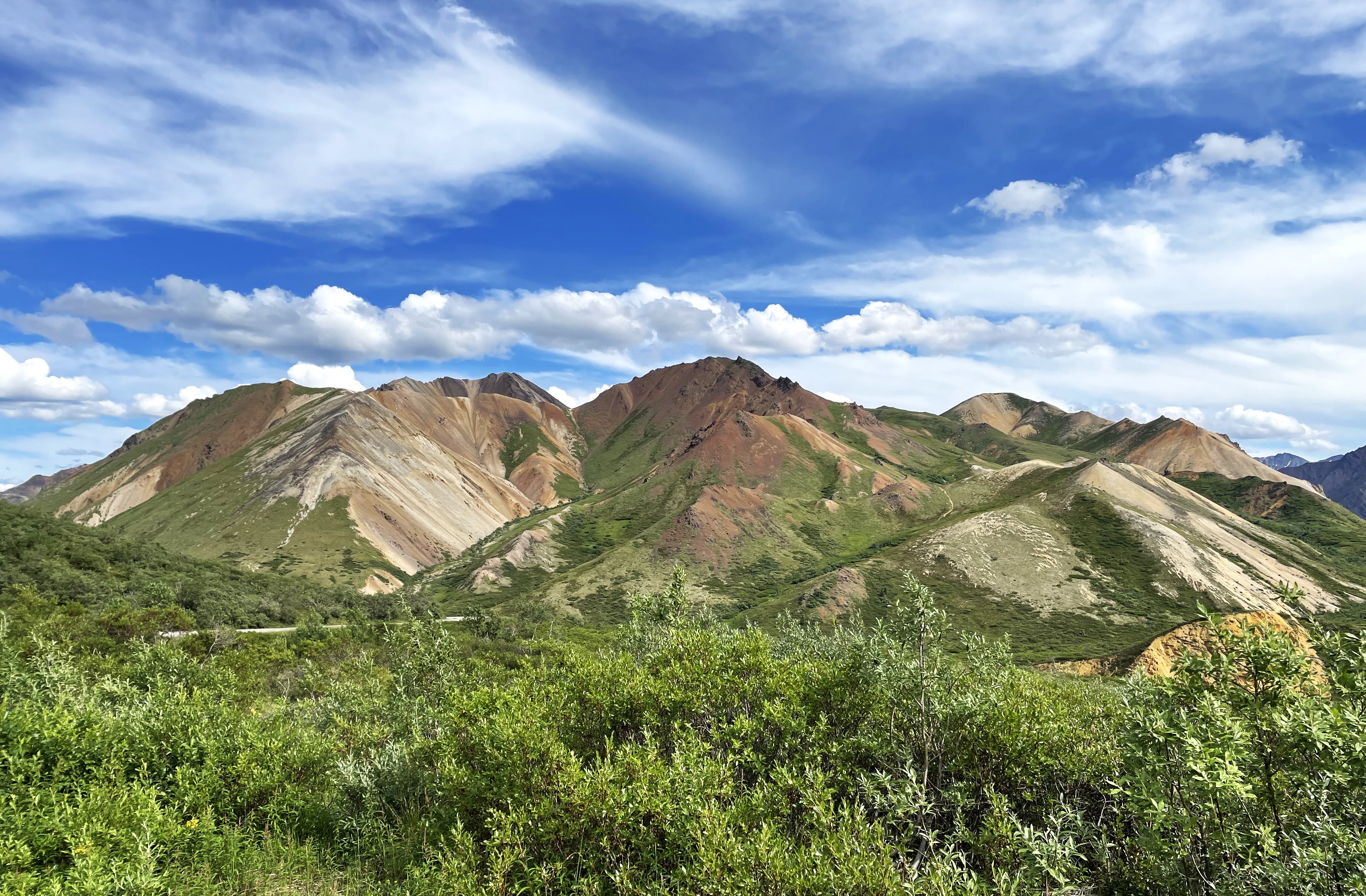
Denali is six million acres of wild land, bisected by one ribbon of road. Travelers along it see the relatively low-elevation taiga forest give way to high alpine tundra and snowy mountains, culminating in North America’s tallest peak, 20,310′ Denali. Wild animals large and small roam un-fenced lands, living as they have for ages. Solitude, tranquility and wilderness await.
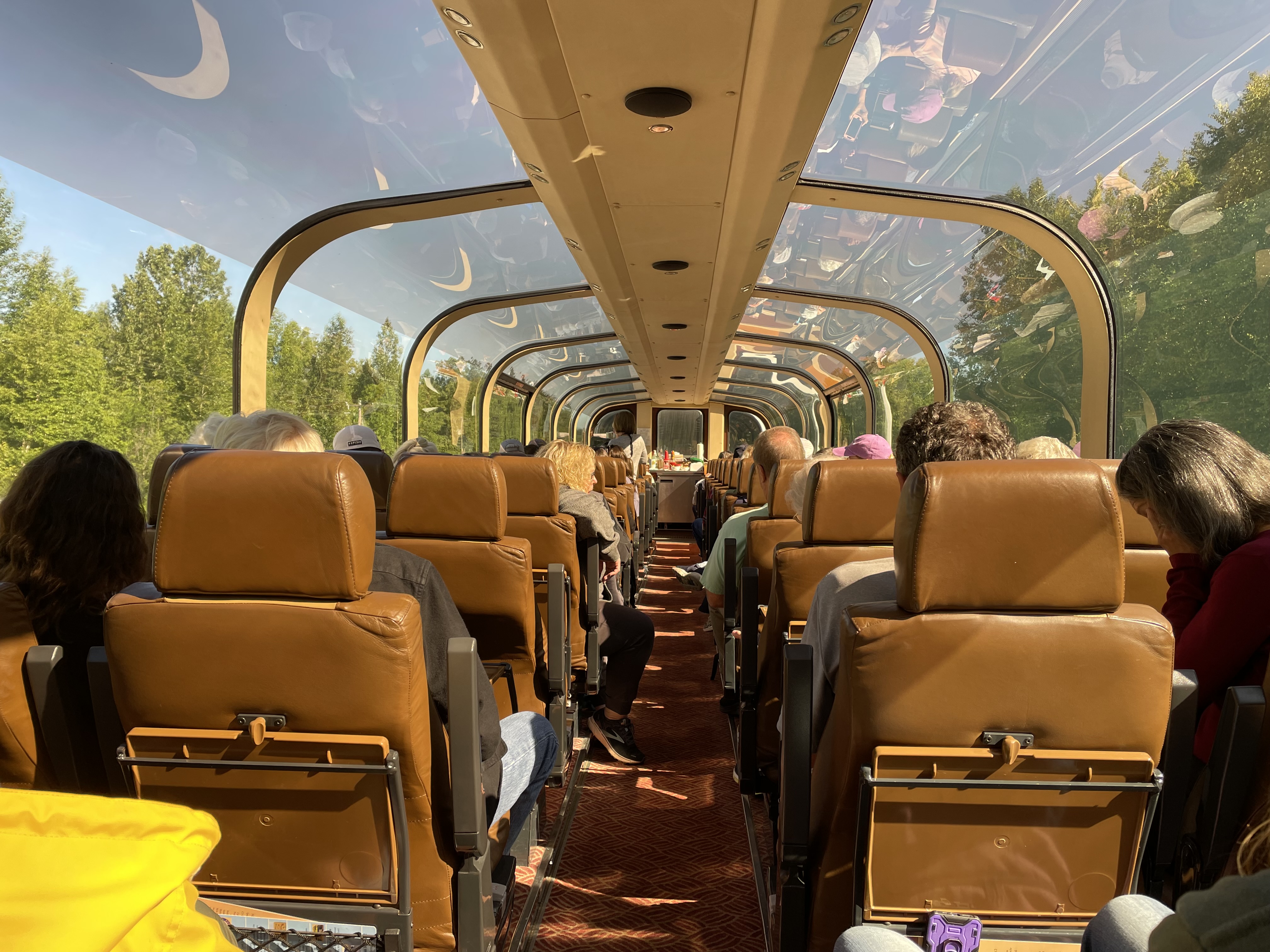
We took an awesome six-hour bus ride along that ribbon of road on what was a picture-perfect day. On that tour we saw so many extraordinary vistas as well as wildlife in their natural habitat.
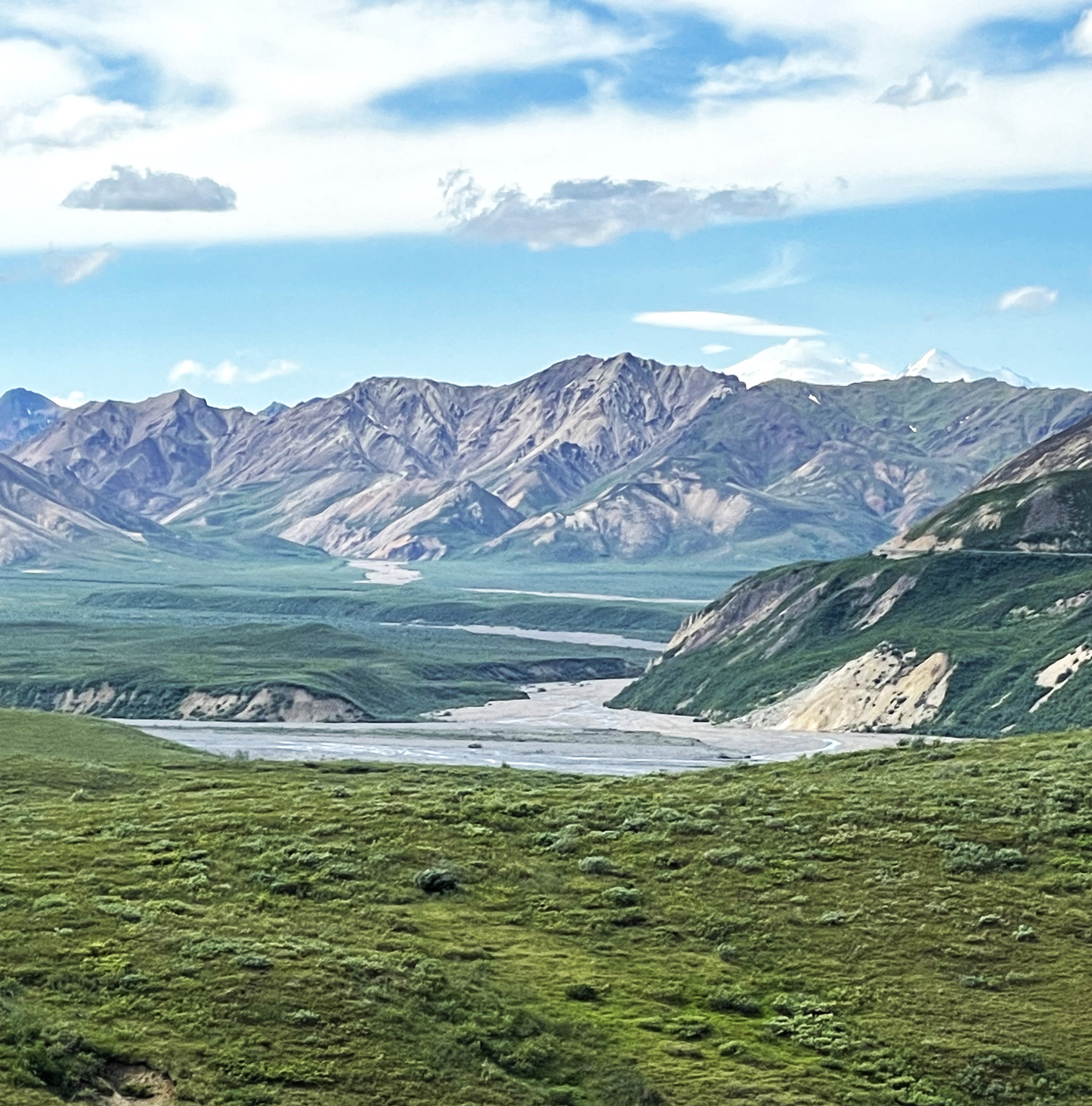
While visiting Denali I’ve considered how much difficult and disputed history comes from perspectives and memories. Perspective is a point of view . . . not the whole view. As the poet Marie Howe notes, “Memory is a poet, not a historian.” While memory is present in our minds, it inevitably points to what is no longer there. And it is shaped, and reshaped, in thousands of ways we seldom recognize or acknowledge.
All of which suggests that there will be differences in how we see the places we visit. And when we discuss hidden histories instead of covering them up, we are broadening our thoughts around the lives and contributions of those whose history has been hidden.
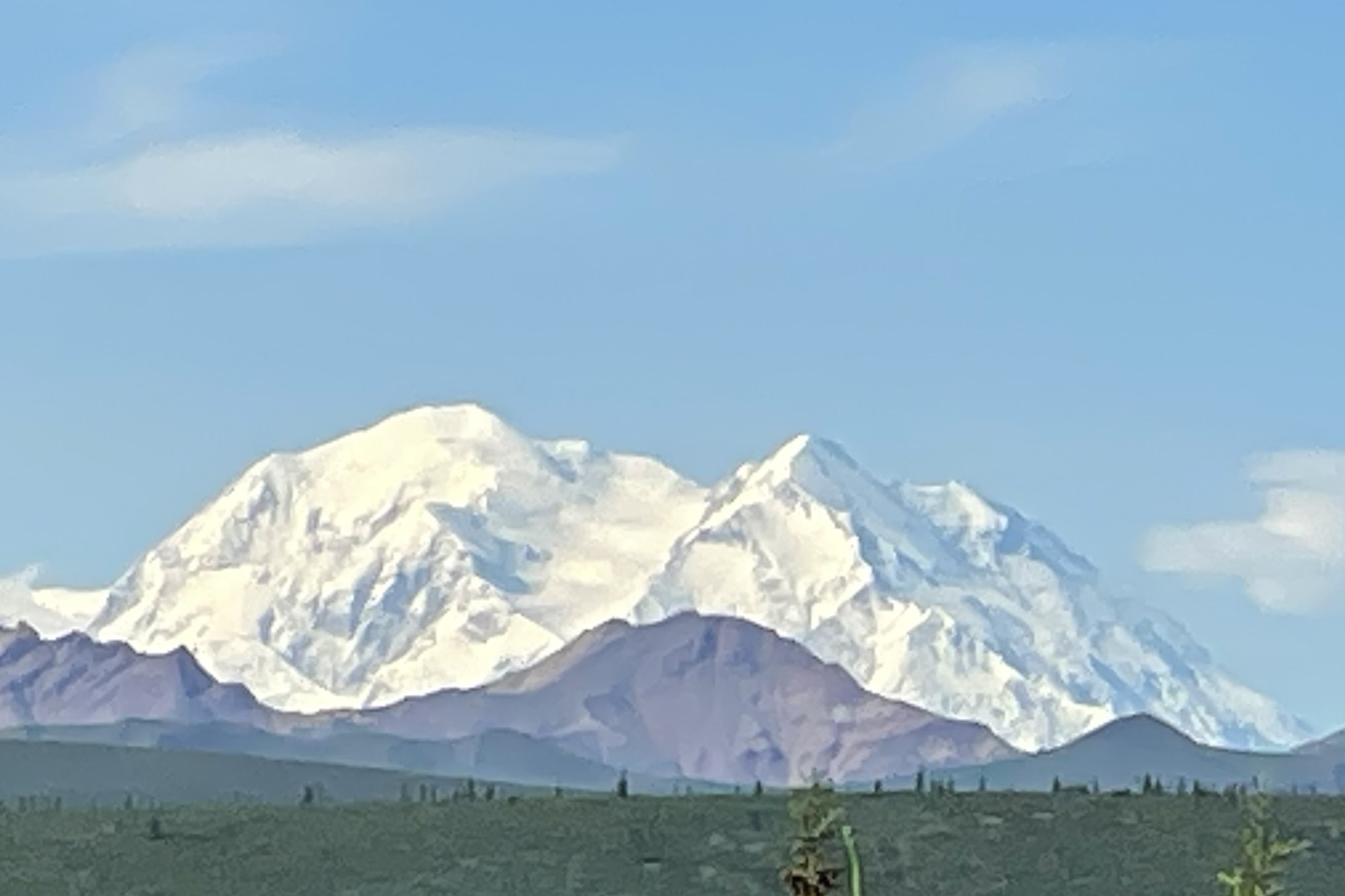
On two beautifully clear days that even astonished the locals, we were able to see part of the wonder of Denali and to be open to the many histories that come together at this exceptional place.
More to come…
DJB
All photos of Denali by DJB
 MORE TO COME...
One commentator to this post on LinkedIn wrote the following:
“Absolutely, names do matter! They carry significant meaning and cultural significance, reflecting our identity and heritage. Embracing and respecting individuals’ names is a powerful way to acknowledge their uniqueness and honor their background. It fosters inclusivity, understanding, and appreciation for diverse cultures. Let’s celebrate the beauty and diversity of names, as they are a crucial part of who we are. By using and pronouncing names correctly, we create a welcoming and respectful environment for everyone. Thank you for highlighting the importance of names and promoting a culture of acceptance and empathy.”
DJB
Pingback: Song of Alaska | MORE TO COME...
Pingback: Observations from . . . July 2023 | MORE TO COME...
Pingback: Seeking the beautiful and awe-inspiring | MORE TO COME...