
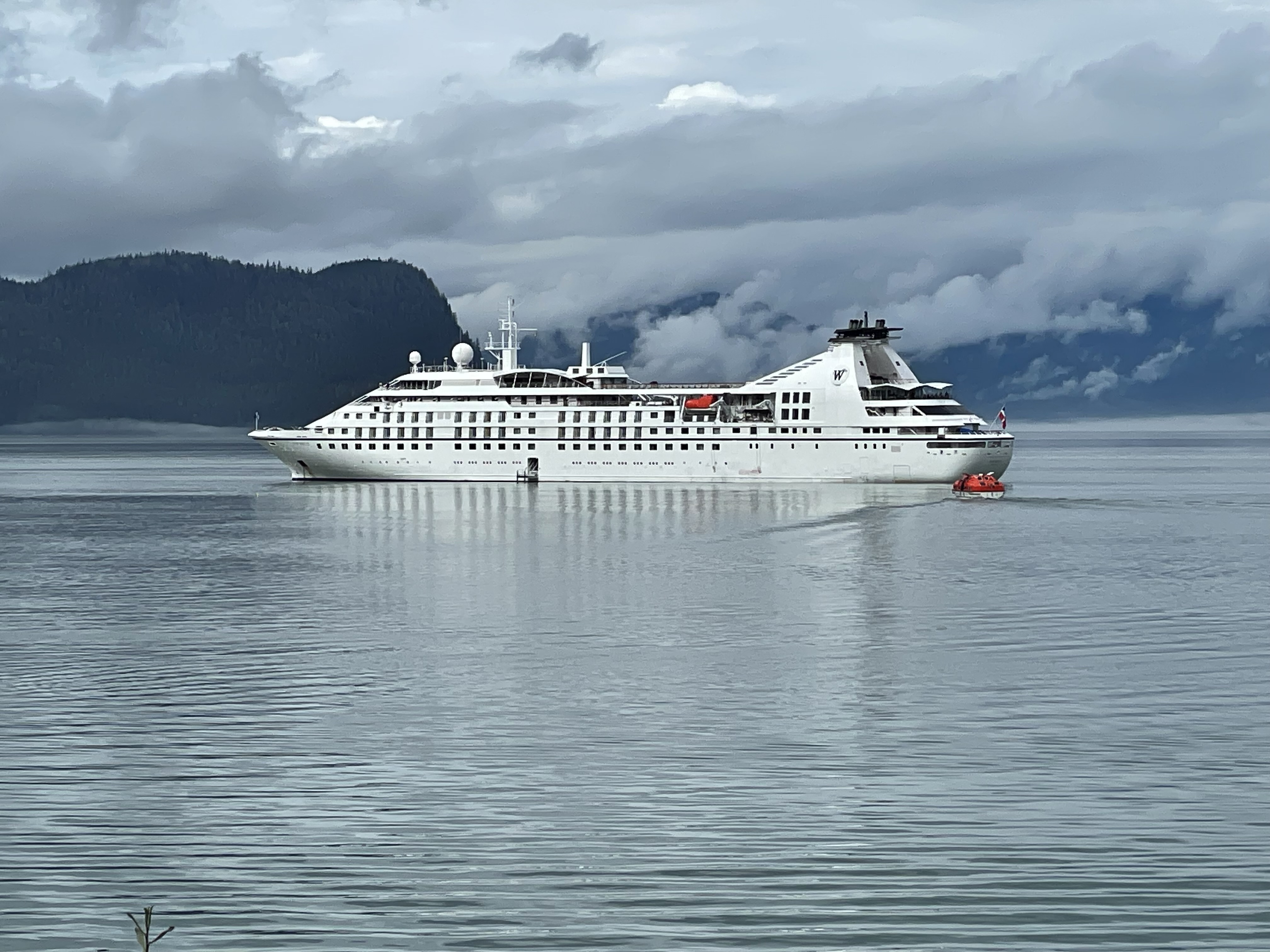
While serving as an educational expert for National Trust Tours, I’ve been fortunate over the past two weeks to take in Alaska’s breathtaking landscapes and gain an even deeper understanding of the state’s complex history. It has been a remarkable experience.
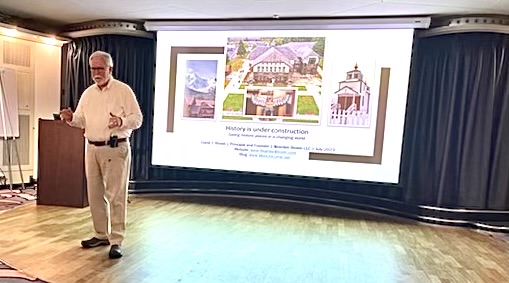
During one of my presentations, I reflected on the spirit of place alongside the Teddy Wilson classic Body and Soul. Many westerners think of historic preservation as focused almost exclusively on architecture and buildings. Laurence Loh — one of the foremost conservation specialists in Southeast Asia — suggests that the cultural essence may be better understood if one alludes to the notion of “body and soul.”


The body in this framing is “the physical fabric of the heritage site. The soul is the sum of the site’s history, traditions, memories, myths, associations, and continuity of meaning connected with people and use over time.” The two are intertwined with heritage places, even if one or the other may initially be hard to find.
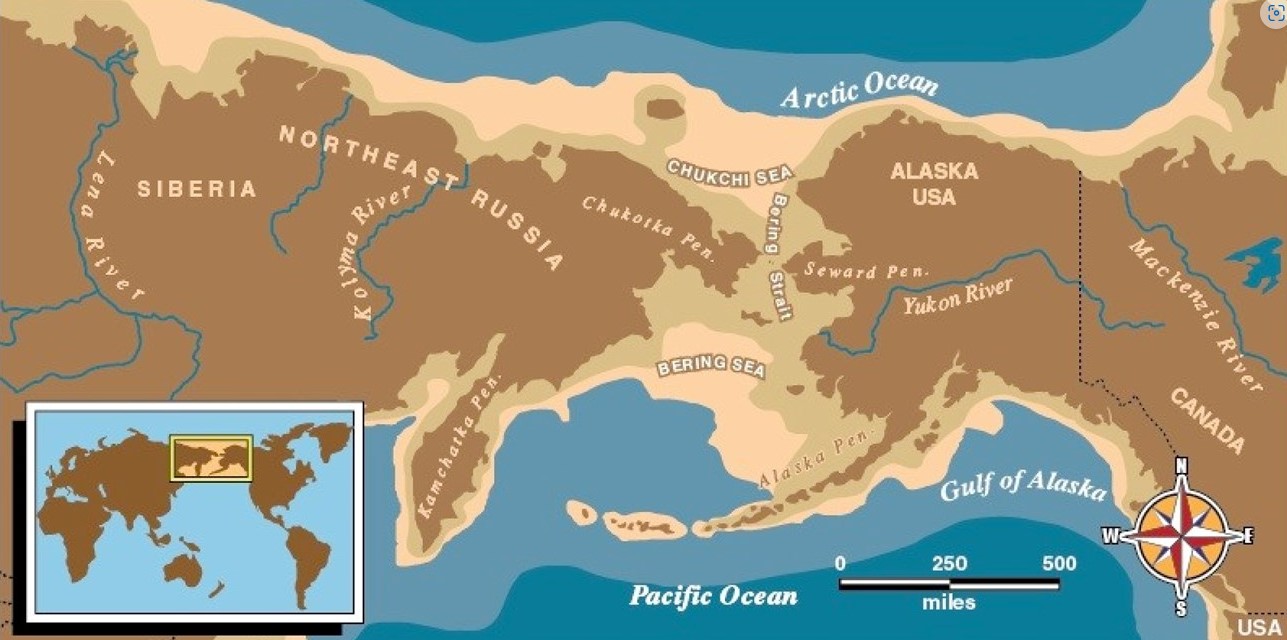
I referenced Loh’s work because while we were in the United States, it is important to remember that Alaska’s ties to Asia are part of our country’s earliest known history.
When archaeologists first discovered the National Historic Landmark Dry Creek site in the early 1970s, its 11,000-year-old archaeological artifacts were the first pieces of evidence to confirm that people migrated across the Bering Land Bridge to Alaska, validating a long-standing cultural connection between Asia and Alaska.
The earliest non-Native contact in Alaska came from Russian fur traders, and we were enlightened on this trip by the perspective of University at Albany Russian studies professor Nadieszda (Nadia) Kizenko. Her father, a Ukrainian-born Russian Orthodox priest, fled Russia in 1943 in the face of executions of priests and bishops by Joseph Stalin.
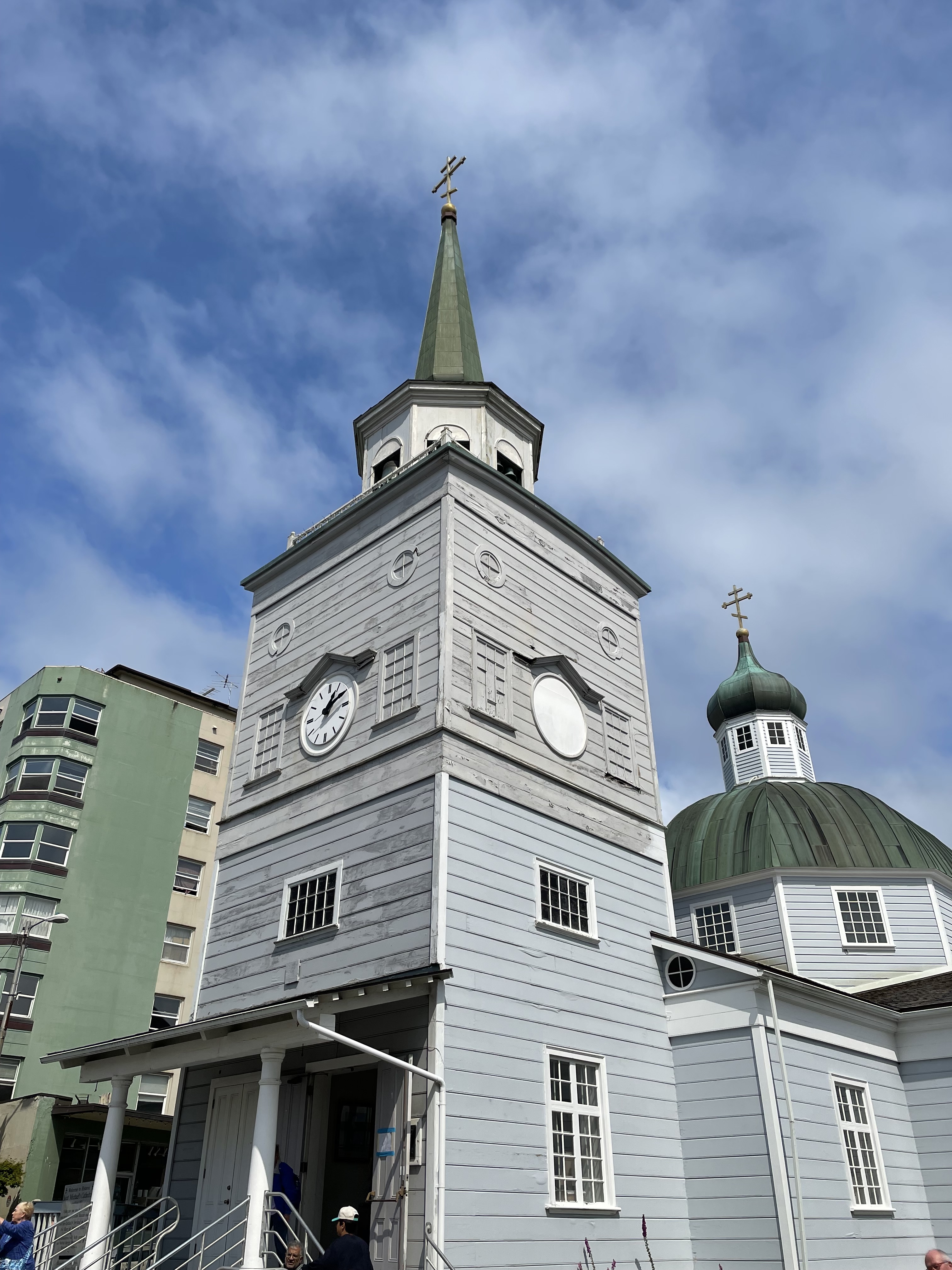
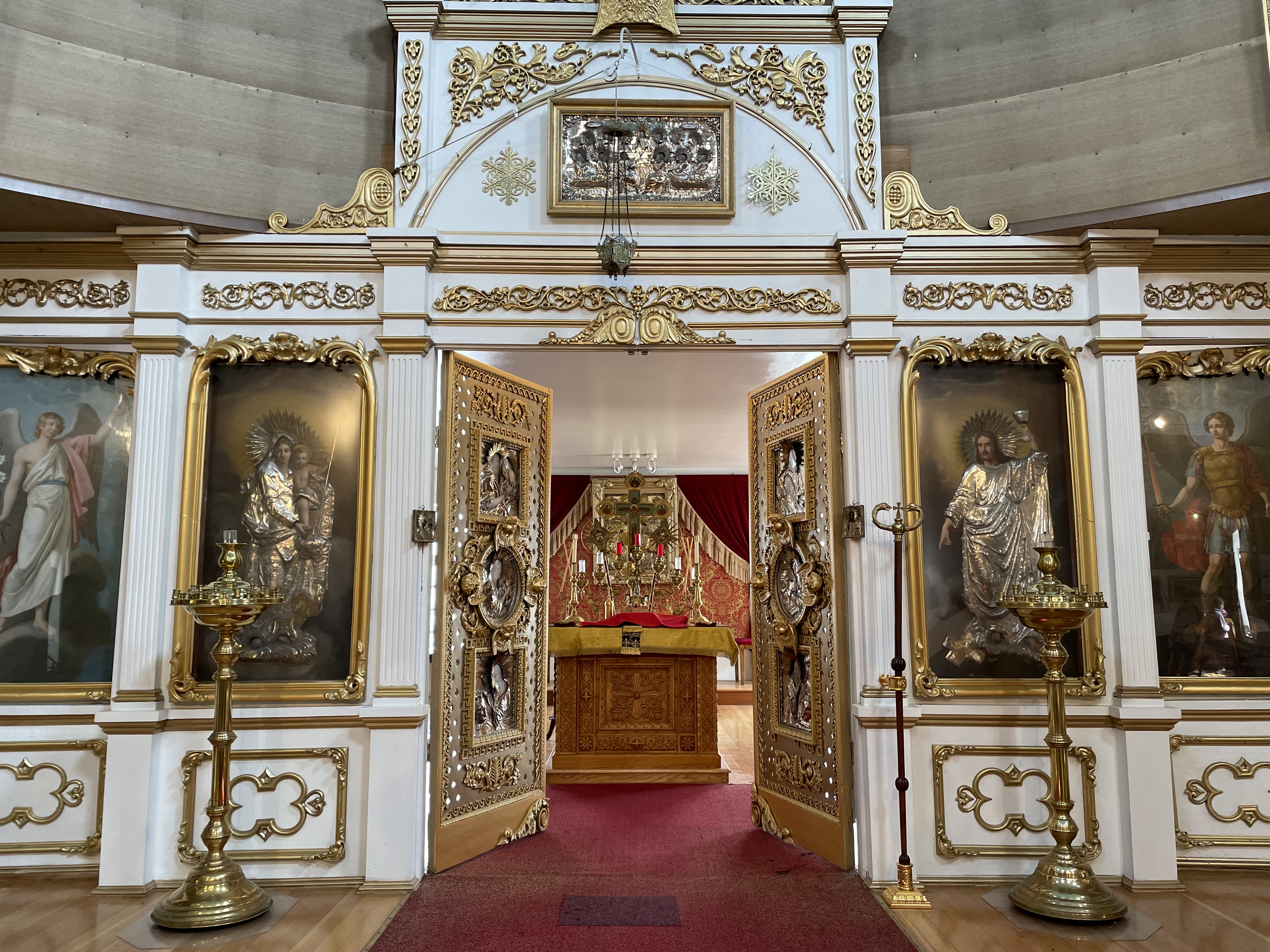
Nadia’s specialty is Russian history with a focus on religion and culture and her lectures expanded our perspective about collaborations between Native Alaskans and non-Native Russians. After touring Sitka where we visited St. Michael’s Cathedral and the faithfully restored Russian Bishop’s House, she returned with new thoughts and ideas to explore. Travel opens up so many new ways of seeing the world, and Nadia’s presentations on the Russian presence in Alaska was mind-expanding for this particular traveler.
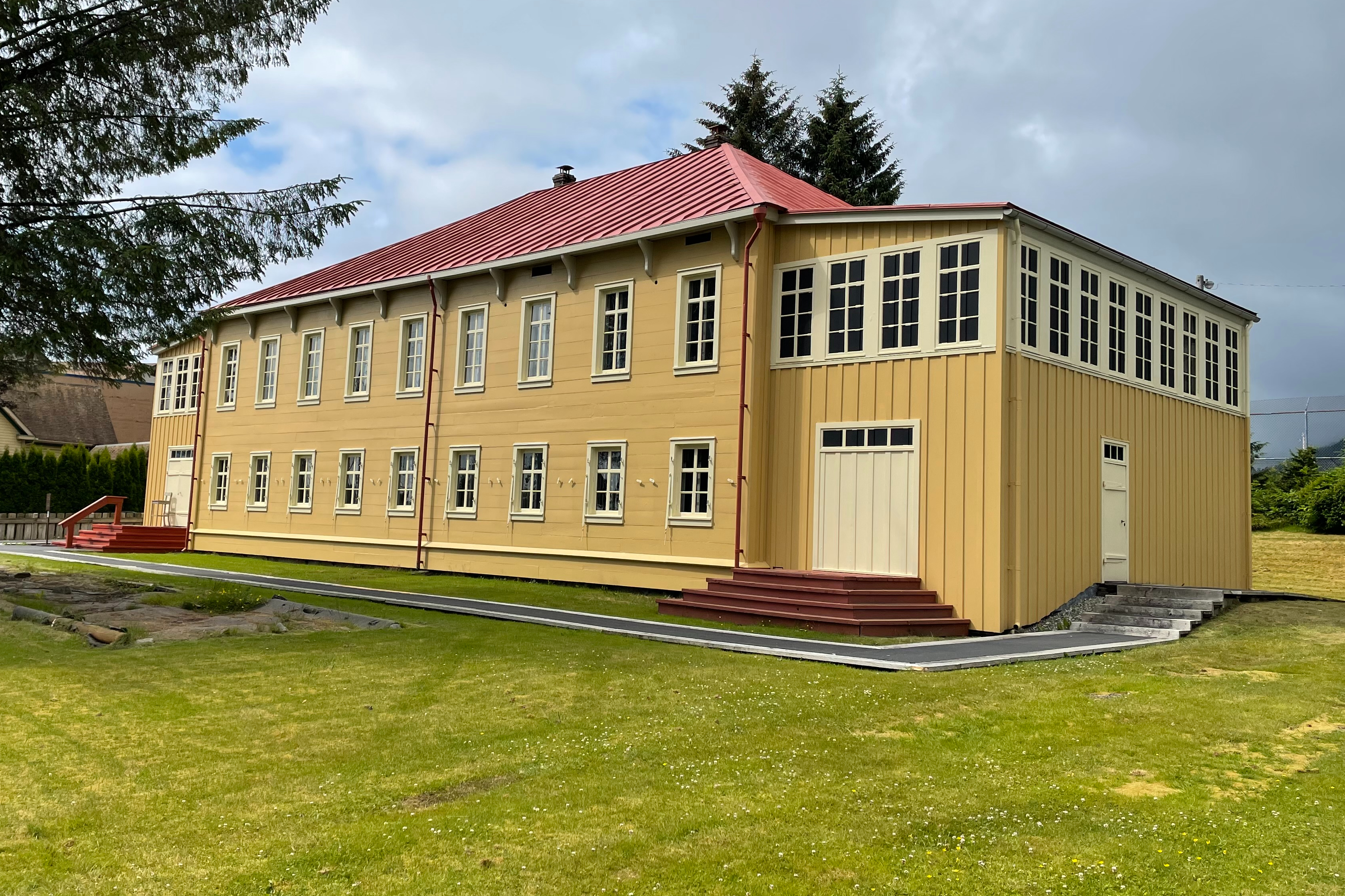
Sheldon Jackson School, also in Sitka, was another historic site that I discussed in my presentations. Sheldon Jackson began as a Presbyterian mission for Native children in 1878 and the current campus was built in 1910-1911. The Richard H. Allen Memorial Auditorium is a key part of the complex, and the National Trust helped highlight the threat to the building when it was included on the 1999 list of America’s 11 Most Endangered Places.
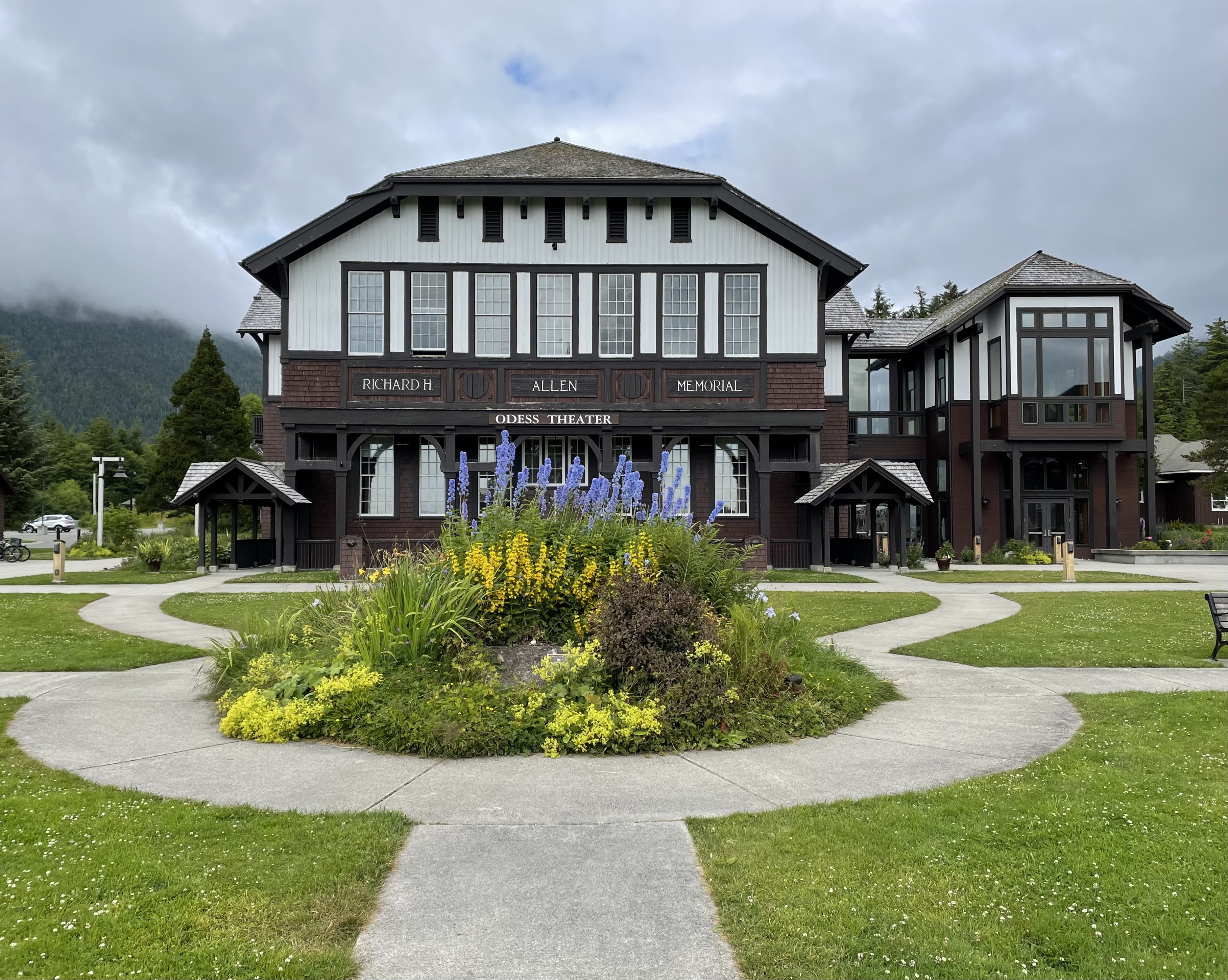
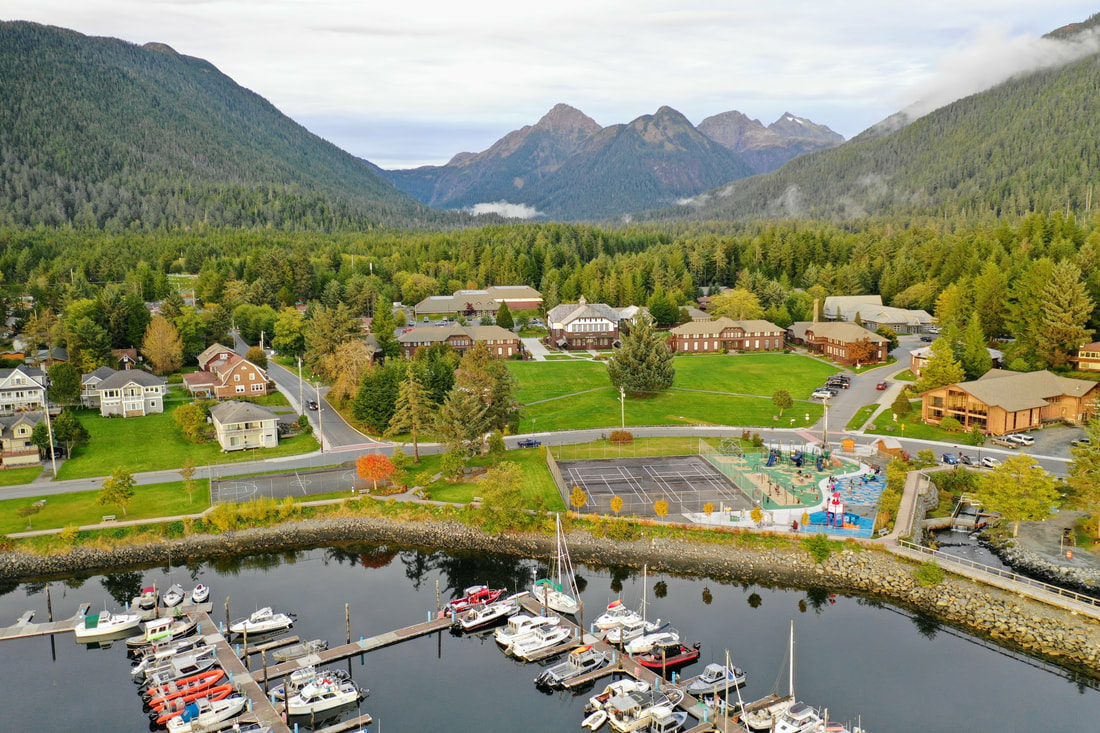
When the Sitka Fine Arts Camp took over the campus in 2011 these buildings were near the point where repair would be impossible. However, Sitka was invested in the stewardship of this landmark and once we visited the town you could see its prominence in the community’s landscape. The preservation of this campus by hundreds of dedicated volunteers is now a model which is leading to its revitalization as a home for the arts.
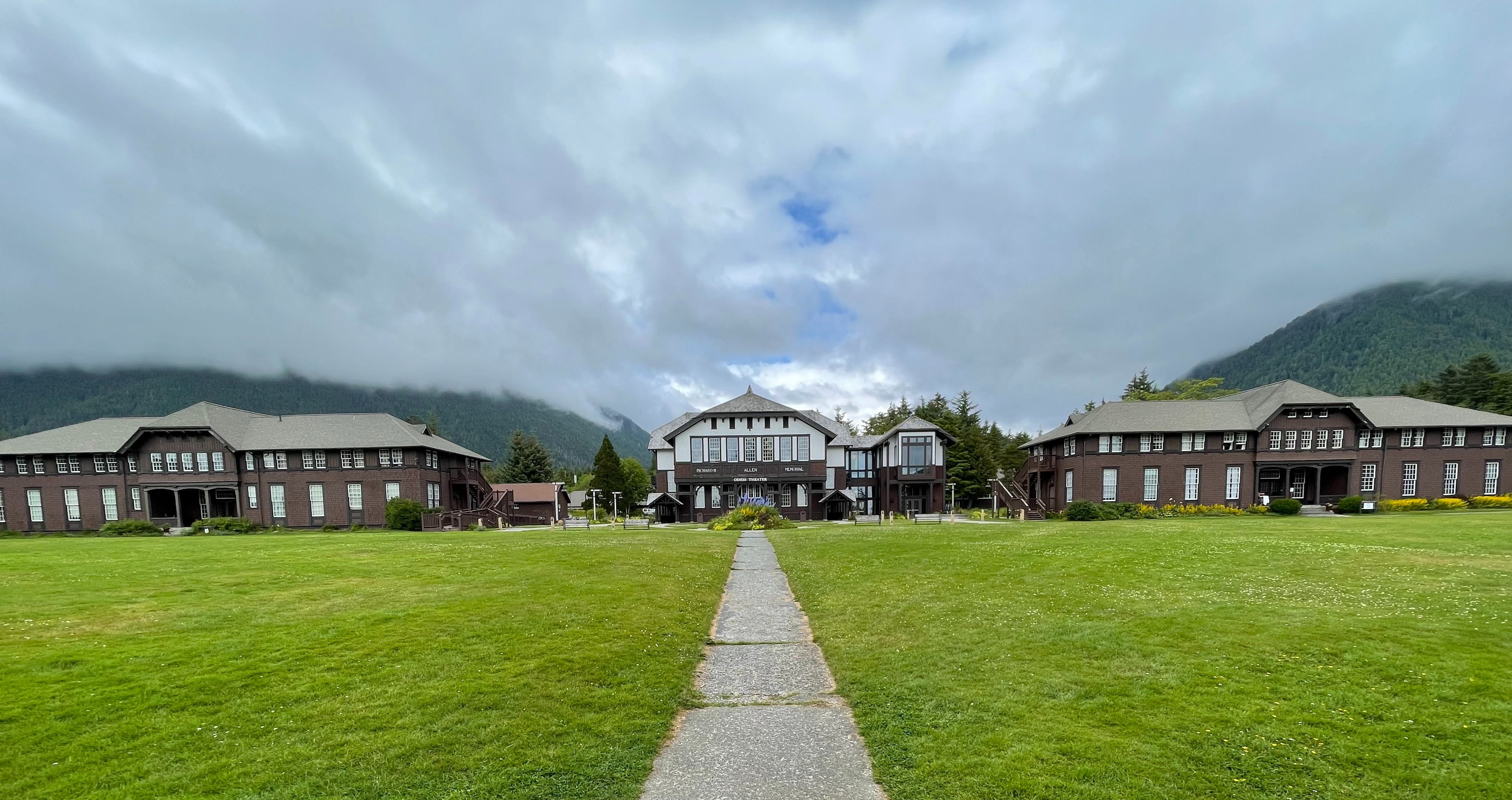
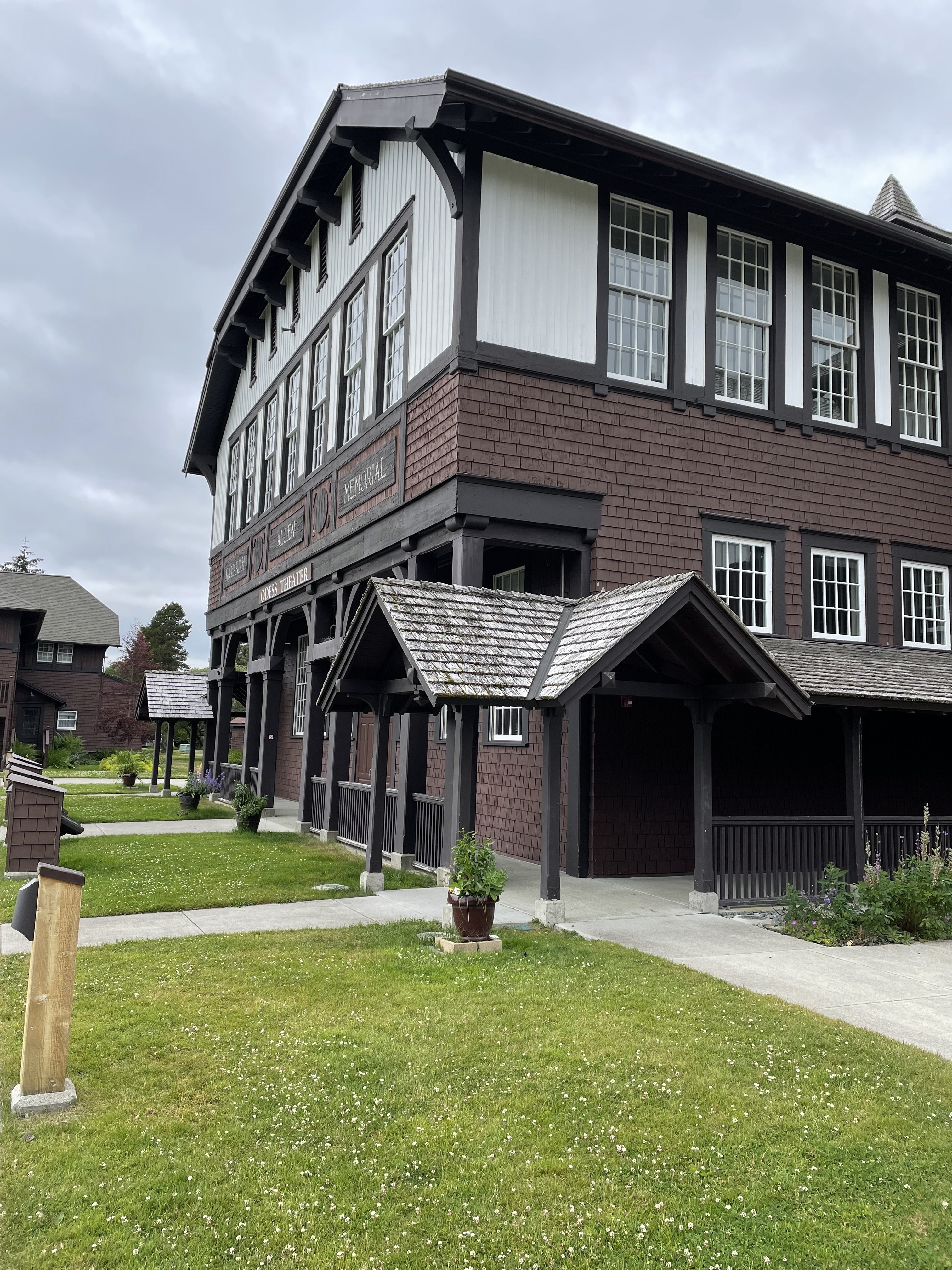
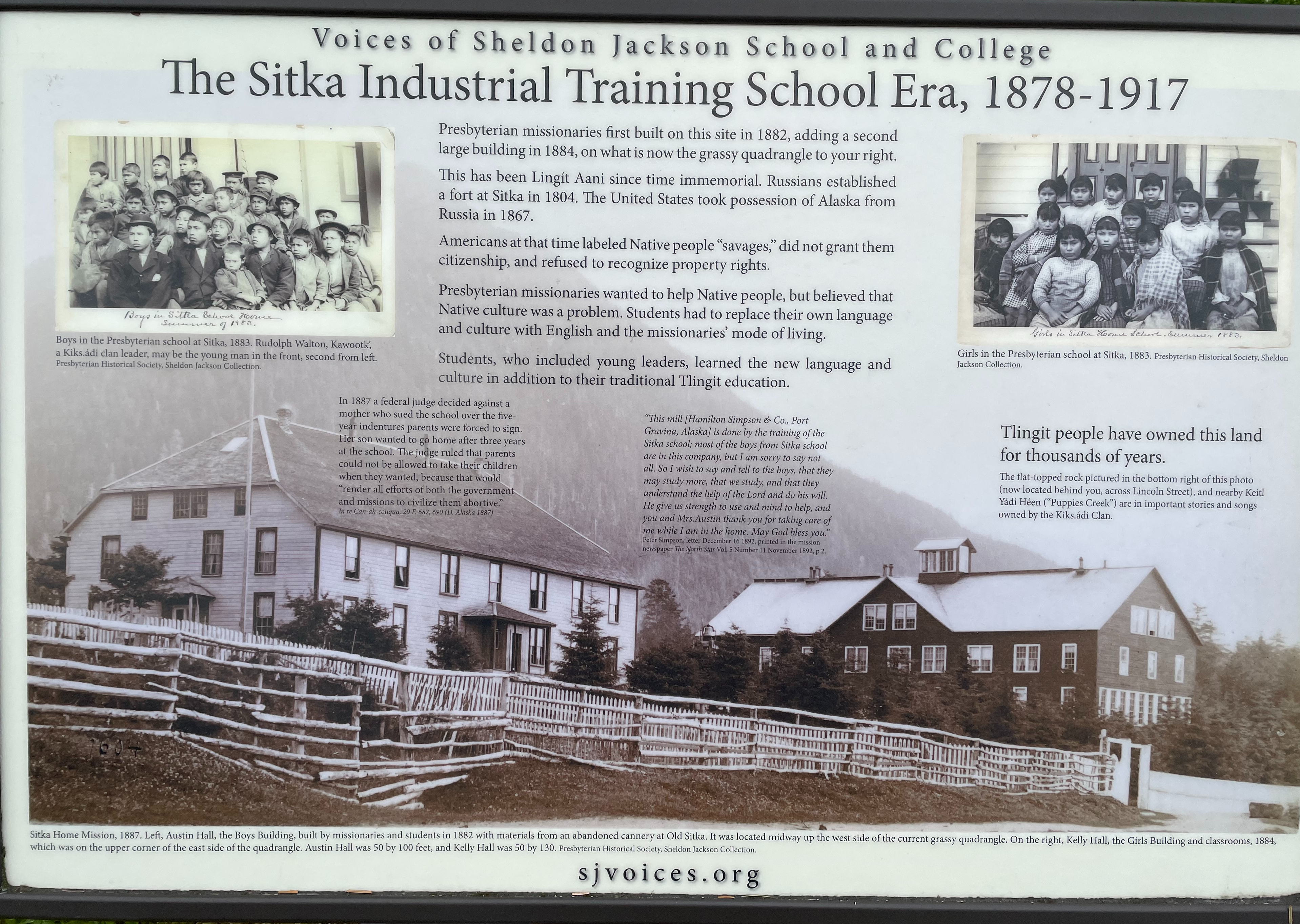
While the boarding school was better than most, it actively suppressed Native language and culture, leaving a complicated and difficult legacy. The goal of the Fine Arts Camp is to acknowledge and share the stories of those who lived and worked here in the past, and the many facets of meaning this place holds. In other words, to highlight the soul as well as the body of this place.
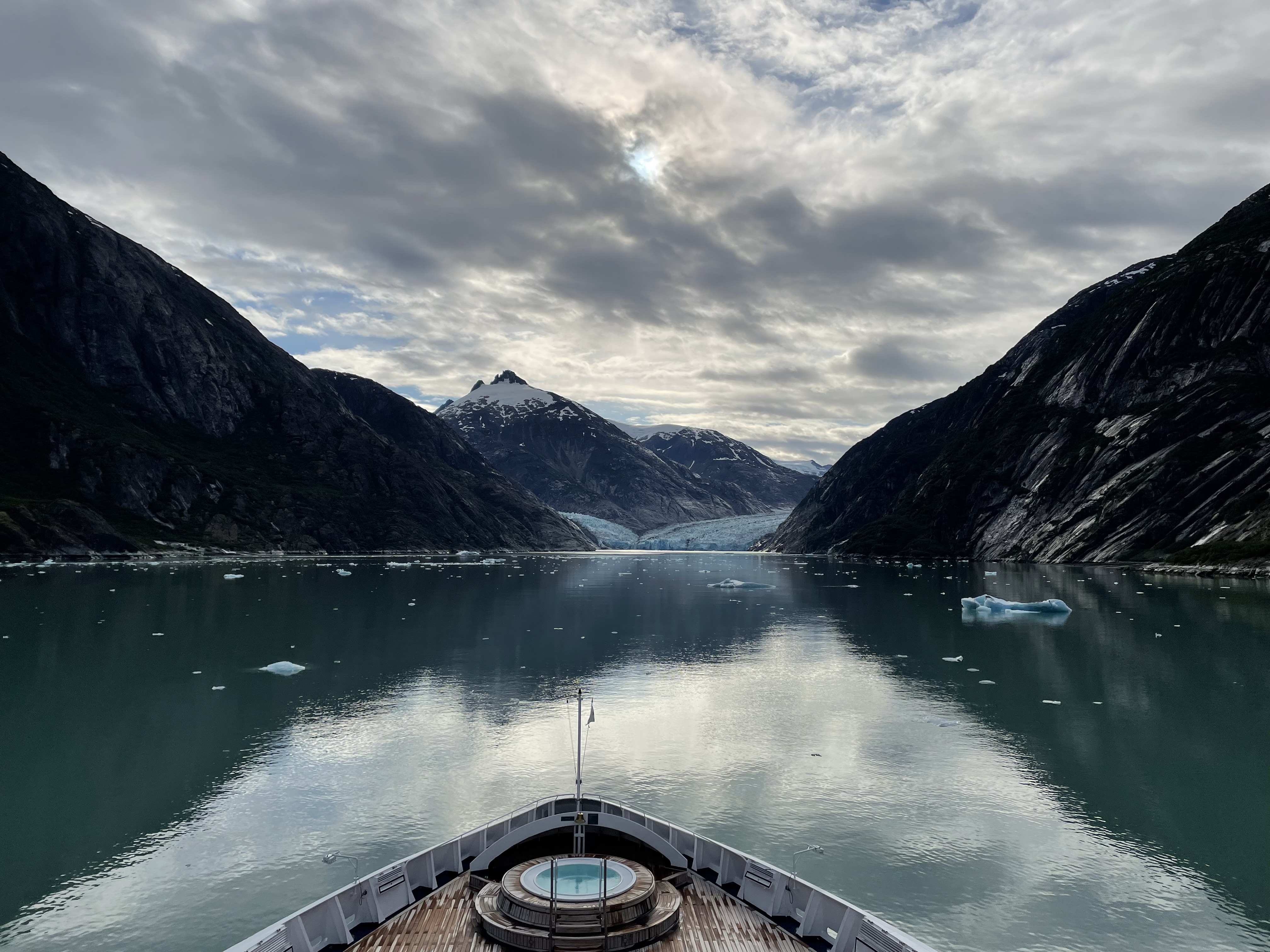
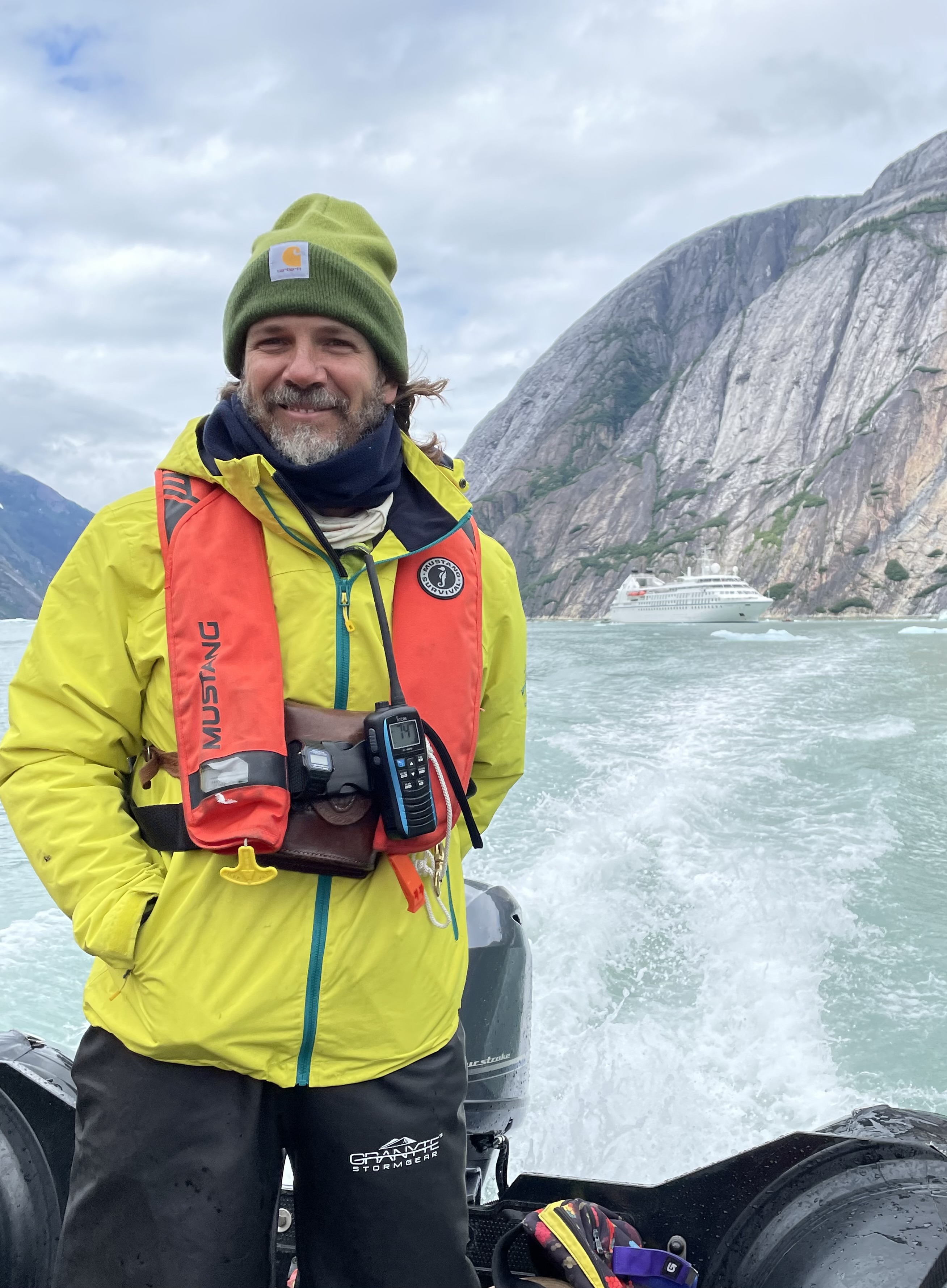
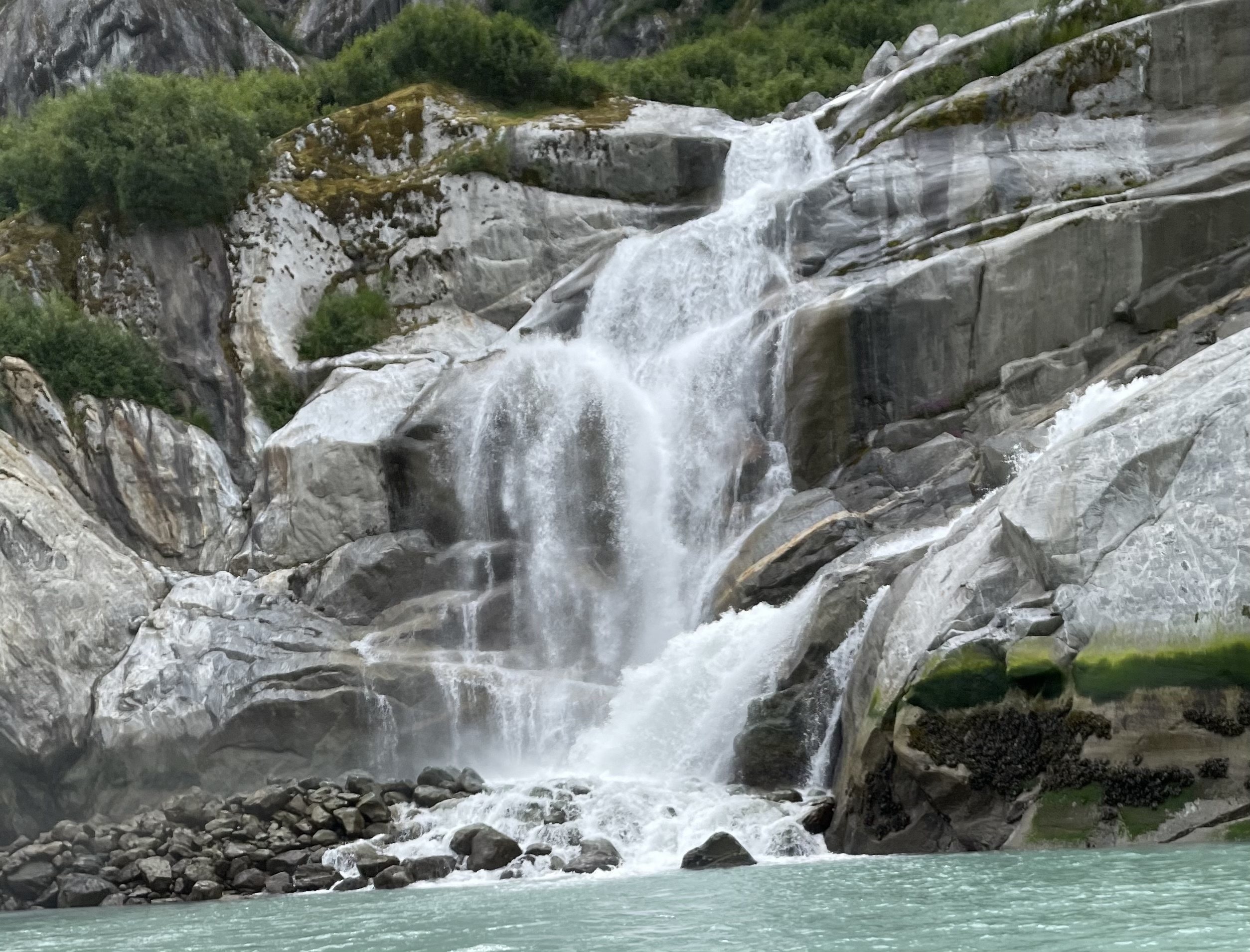
Throughout the trip we also heard from experts on glaciers, geology, and climate impacts as we explored fjords and natural wonders such as Dawes Glacier.


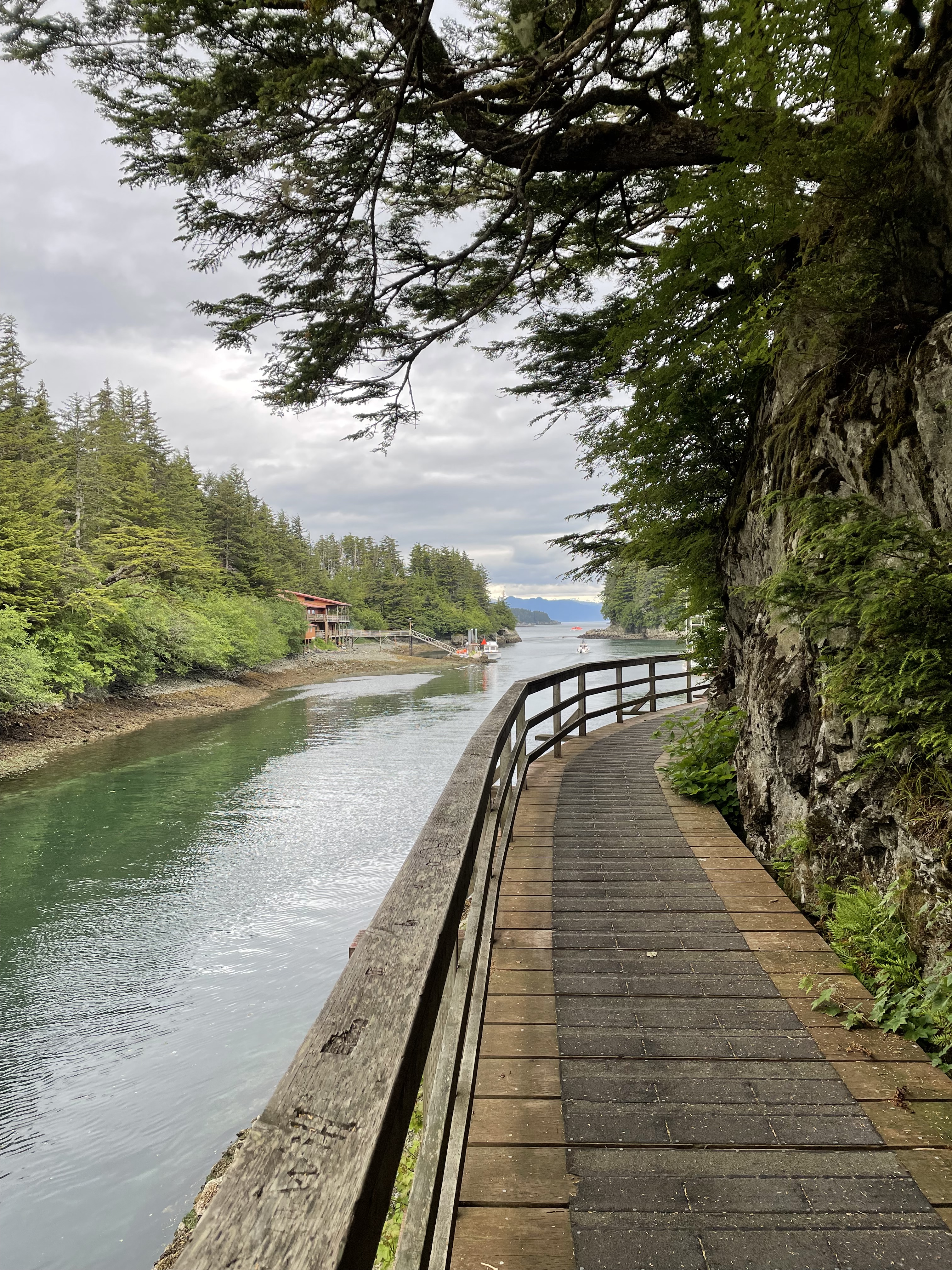
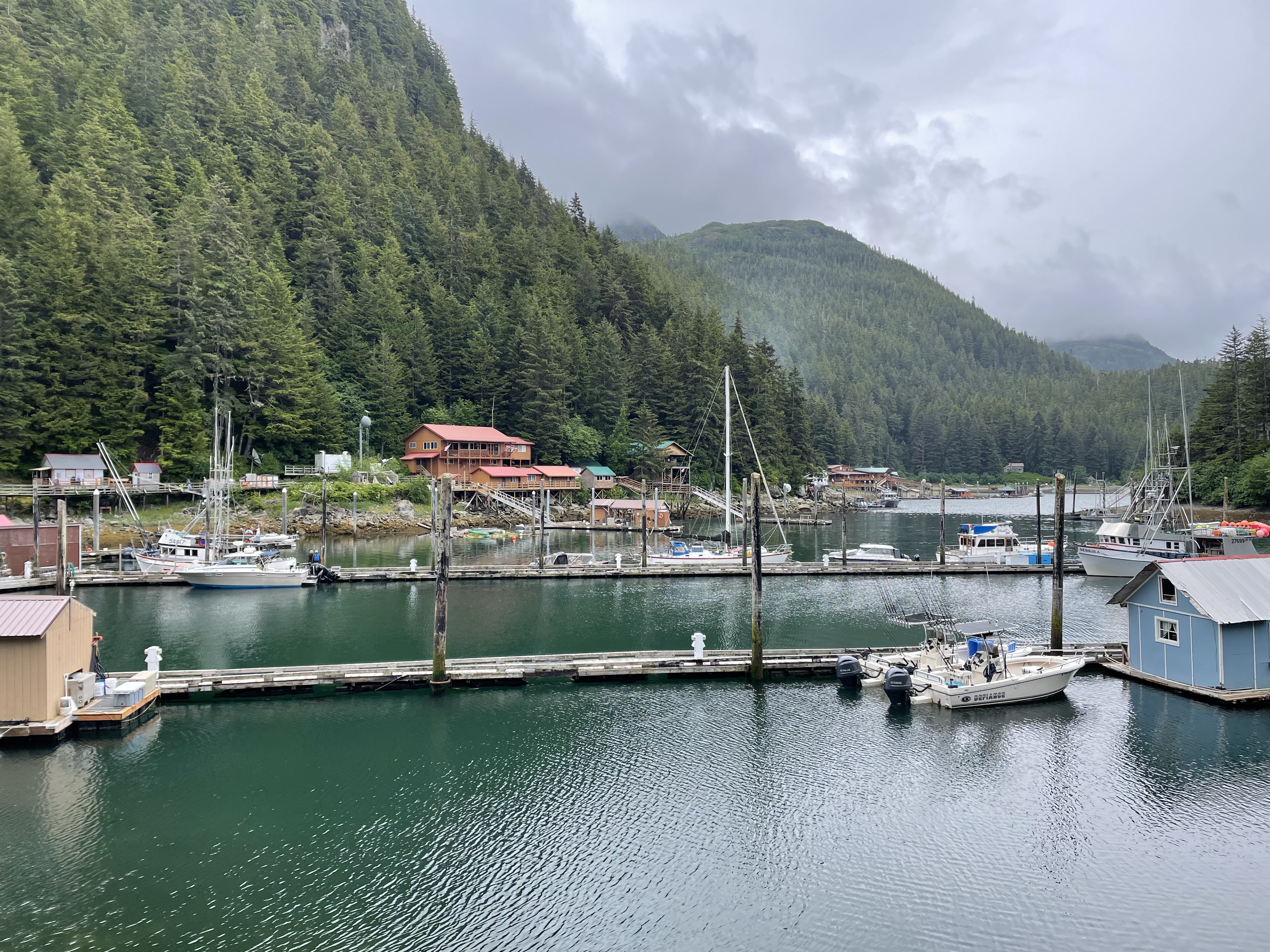
Our tour also took us to tiny Elfin Cove, an isolated village accessible only by water with boardwalks connecting the few dozen buildings. The summer sees an uptick of residents and sports tourists while the winter population is six . . . on a good day.
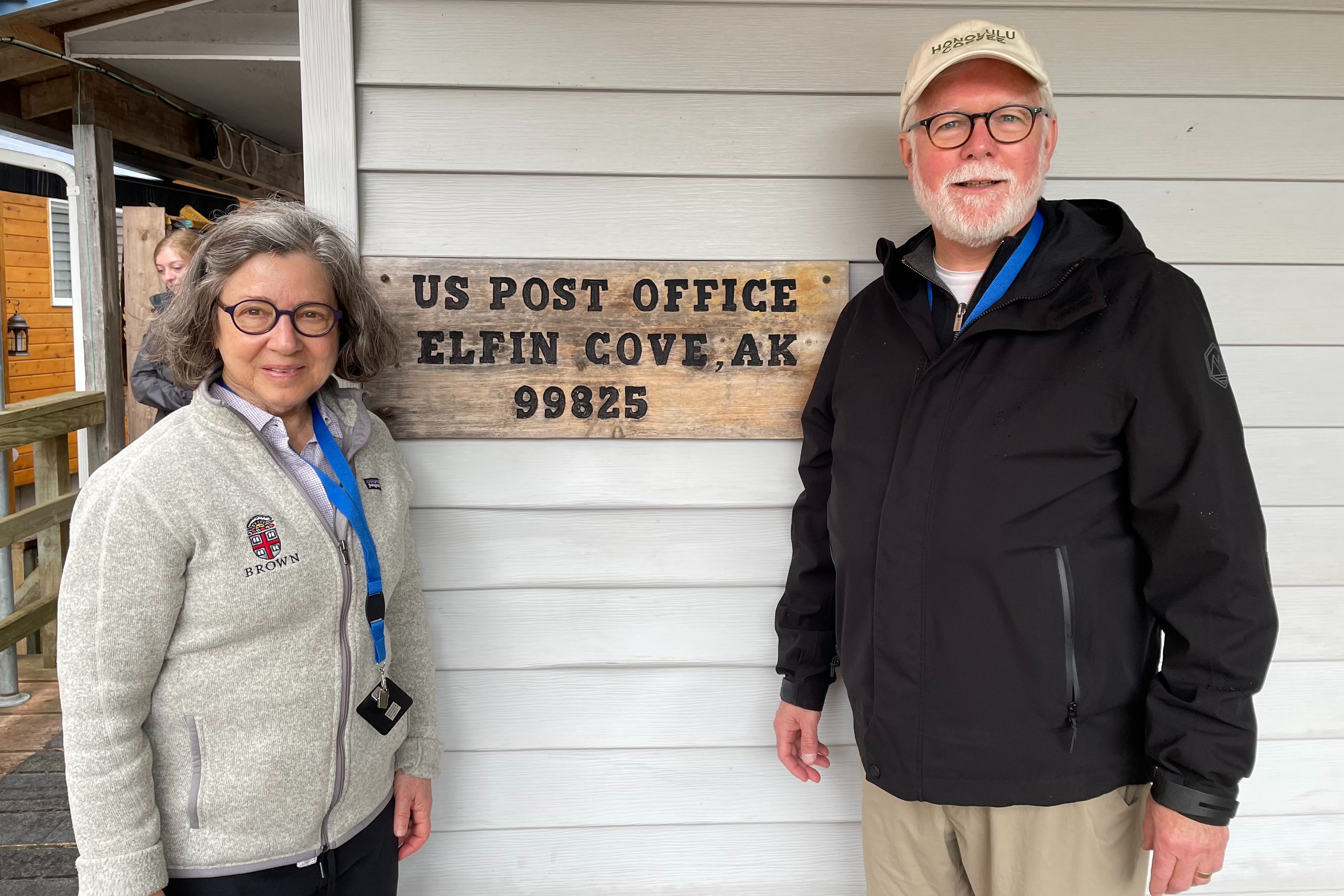
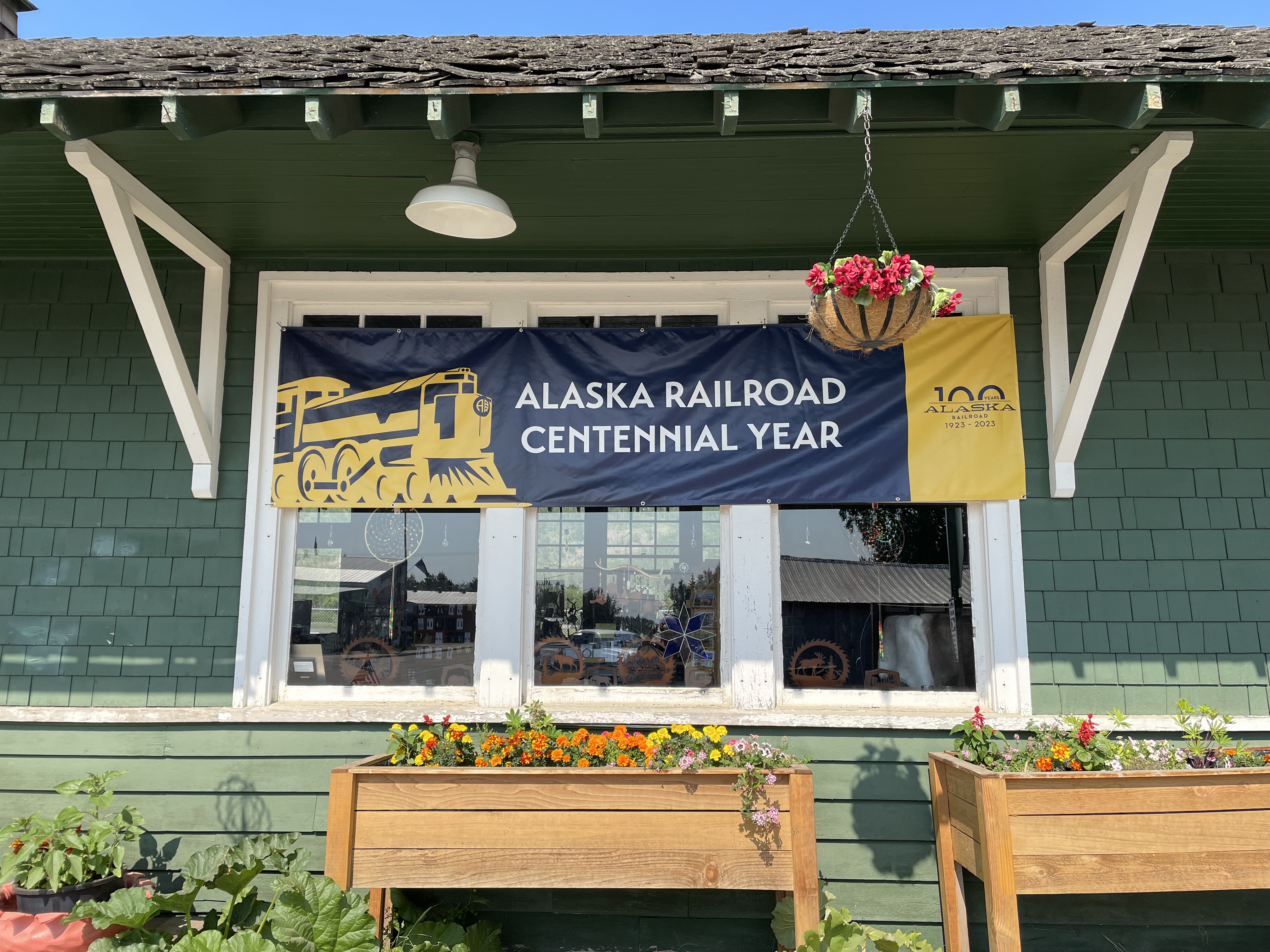
We also visited other small communities, including Wrangell along the Inside Passage (with its first-class museum) and Nenana, a small interior railroad town north of Denali.
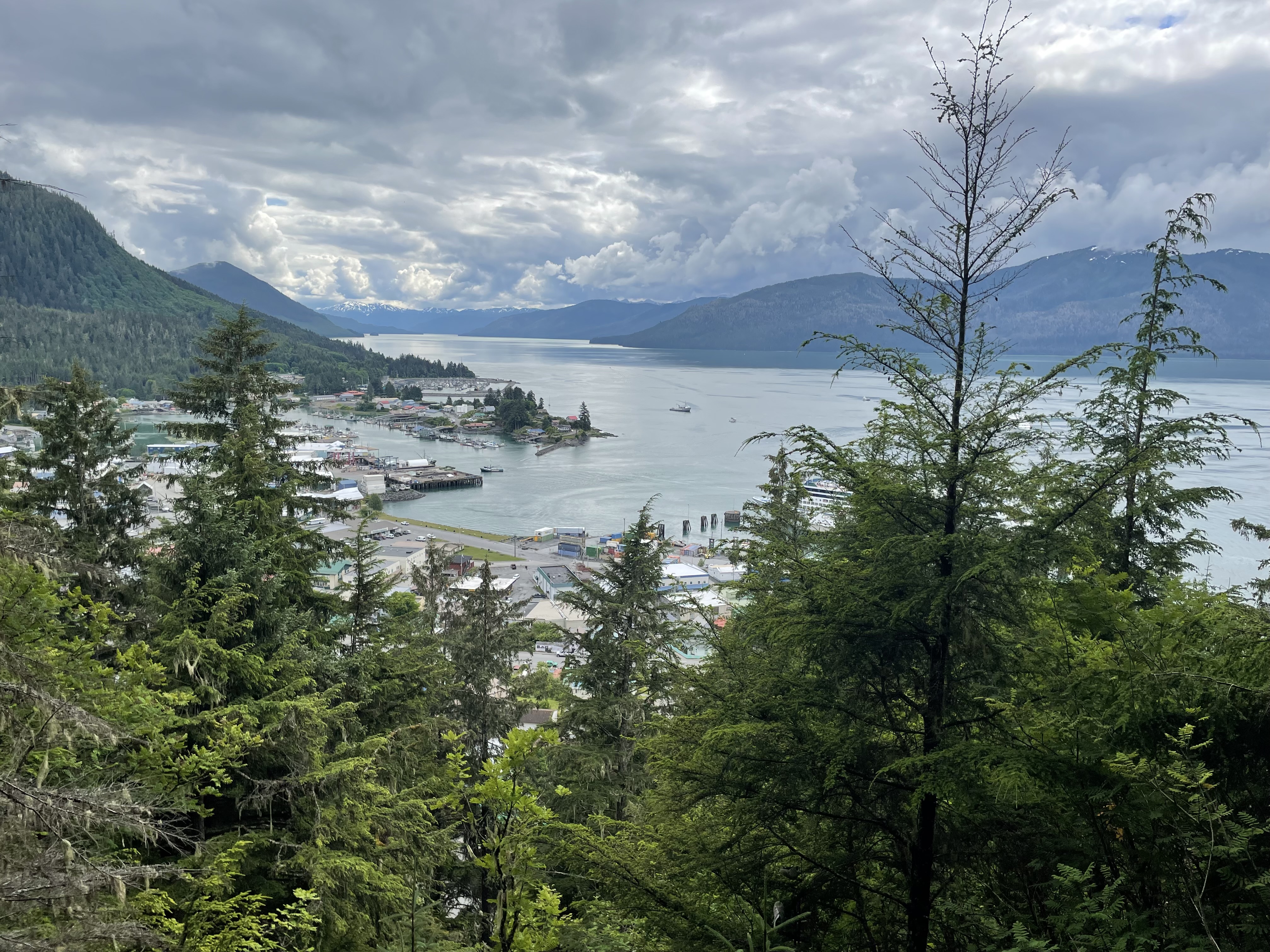
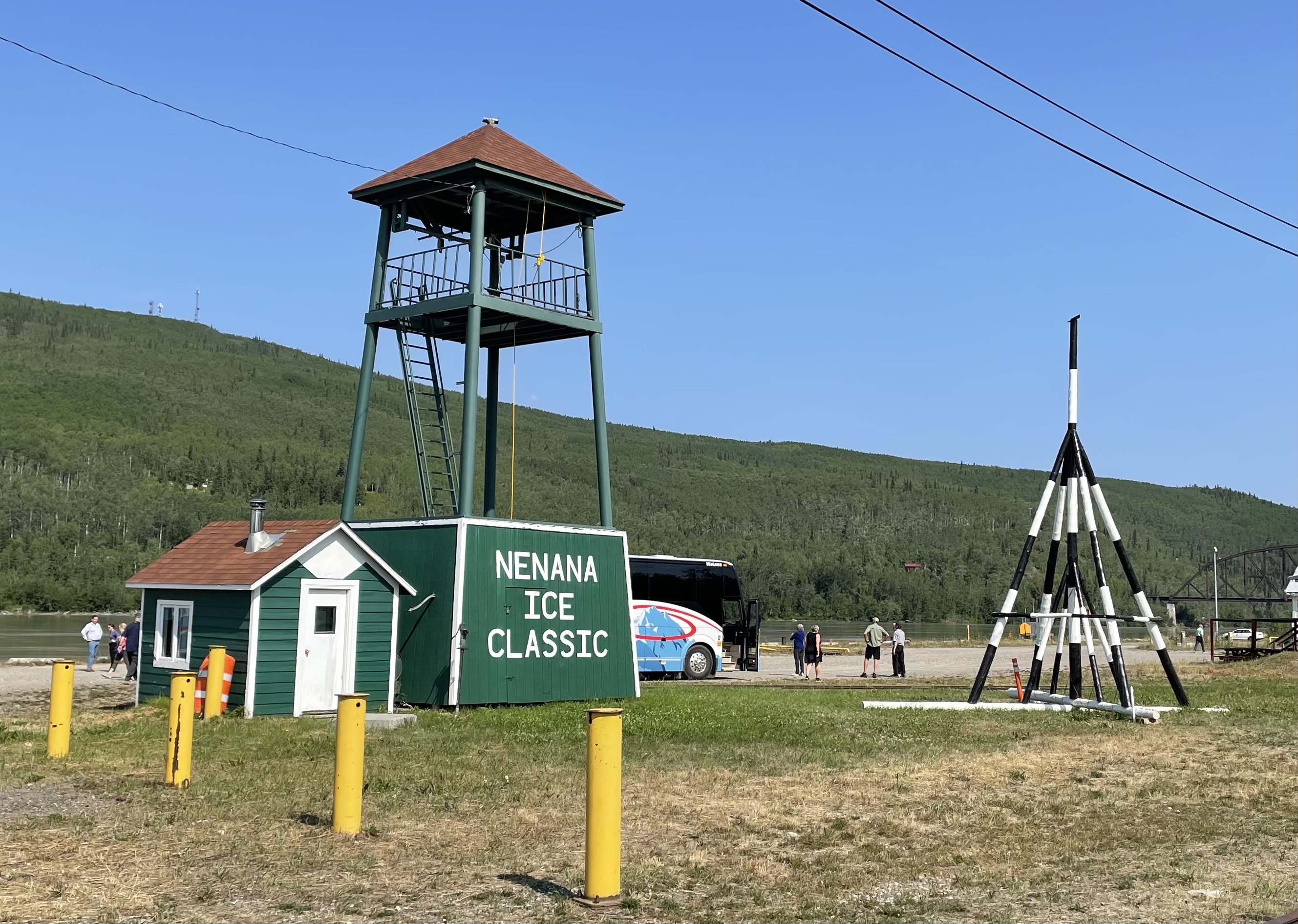
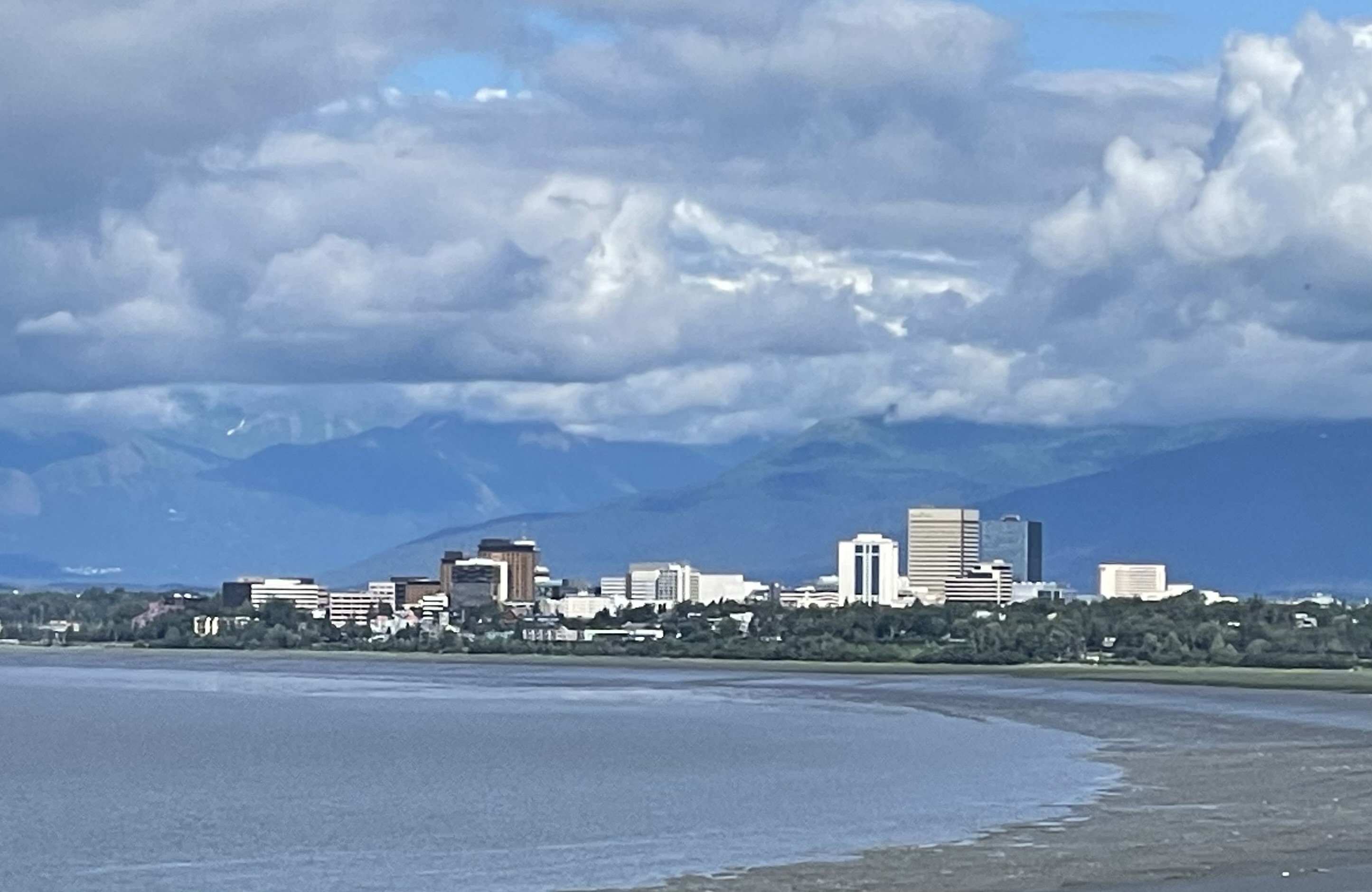
The isolation of the rural villages was juxtaposed against the few large population centers such as Fairbanks, Juneau, and the largest of them all, Anchorage, which more than 30% of the state’s population calls home.
This tune Song of Alaska by the folk duo of JoAnn and Monte was the theme for the film Aurora Hunter by photographer Todd Salat. I saw this in our Fairbanks hotel and was mesmerized by the beautiful images of sunrises, sunsets, and the Northern Lights.

In its beauty and simplicity, Song of Alaska seems to fit the landscape I experienced over the past two weeks. Enjoy.
More to come…
DJB
For other Alaska-related posts on MTC see:
- Names matter (Denali)
- You can learn a lot by reading the plaques
- Our 49th state
- Indigenous perspectives
- Life beyond the road system
Mendenhall Glacier and all other photos by DJB except where noted.
 MORE TO COME...
Pingback: Observations from . . . July 2023 | MORE TO COME...
Pingback: Exploring places that matter | MORE TO COME...
Pingback: Seeking the beautiful and awe-inspiring | MORE TO COME...