
Every state has its claim to uniqueness, but none of them is so “out there” as Louisiana. It has what can truly be called a human gumbo of European, African, Native American, and Caribbean cultures, to name just a few, all mixed together. The northern part of the state is predominantly Protestant while the South is distinctly Catholic. The broad Mississippi River goes along the eastern border of the state before bisecting the southern portion, winding some 337 miles before it empties into the Gulf of Mexico. The state’s laws are based on the Napoleonic Code rather than English Common Law. The Holy Trinity in Louisiana also refers to onions, celery, and bell peppers.

Why Louisiana Ain’t Mississippi . . . or Any Place Else! (2022) by Jay Dardenne with photography by Carol M. Highsmith is a companion book to a Louisiana Public Broadcasting documentary and a beautifully illustrated guide to a fascinating piece of America. Dardenne is a long-time politico who provides an updated look at Louisiana’s demographics, history, economy, and politics in a short but insightful introduction. He writes that Louisianans innately recognize that we’re different. The title of the book “isn’t a knock on our neighbor. It’s just a recognition that our unique blend of religious zeal and joie de vivre exists nowhere else in America.”
The bulk of the book is composed of Highsmith’s wonderful photographs taken throughout the state, capturing the flavor of this place which calls us back again and again.
Carol Highsmith is a photographer who has taken the time to notice and share the wonder. In a remarkable 43-year project, Carol has visited all 50 states and photographed the people and places of this incredible country. Tens of thousands of those images now reside with the Library of Congress. Hundreds of thousands will eventually be donated copyright free to the American people.
Carol was gracious enough to answer a few of my questions about Why Louisiana Ain’t Mississippi and—most importantly—share some of her pictures with the readers of More To Come.
DJB: Carol, how did you become interested in photography and what subjects first drew you in as you were establishing your career?
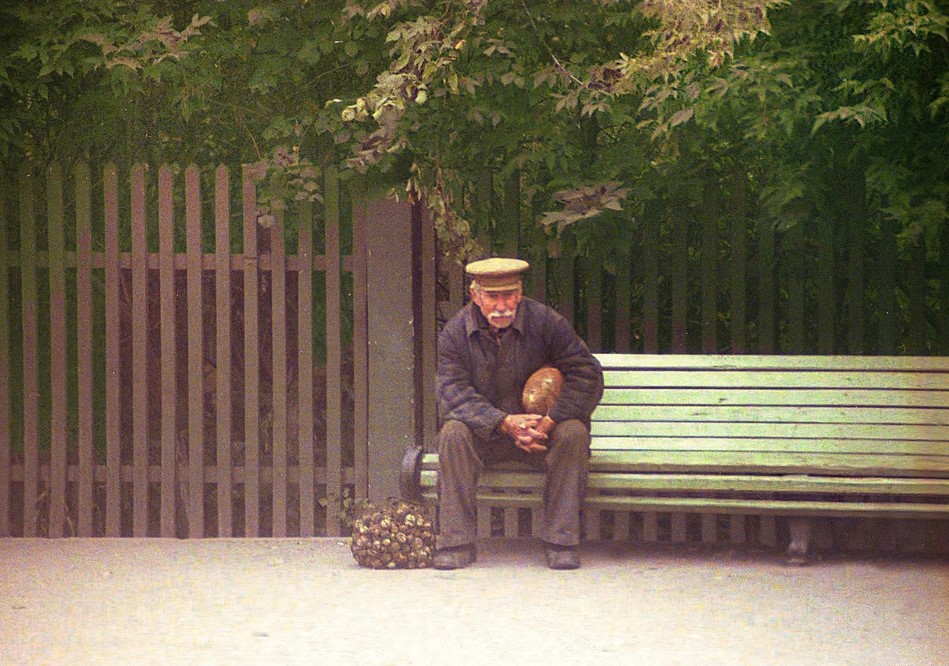
CMH: In the 70s I traveled to Russia and came home with some amazing images because it was so remote—this is one:
When I arrived home from Russia, I noticed all of downtown Washington, D.C. was under renovation. I decided to document it . . . starting with the Willard Hotel—this is the first image I took in a broken mirror. And it went from there.

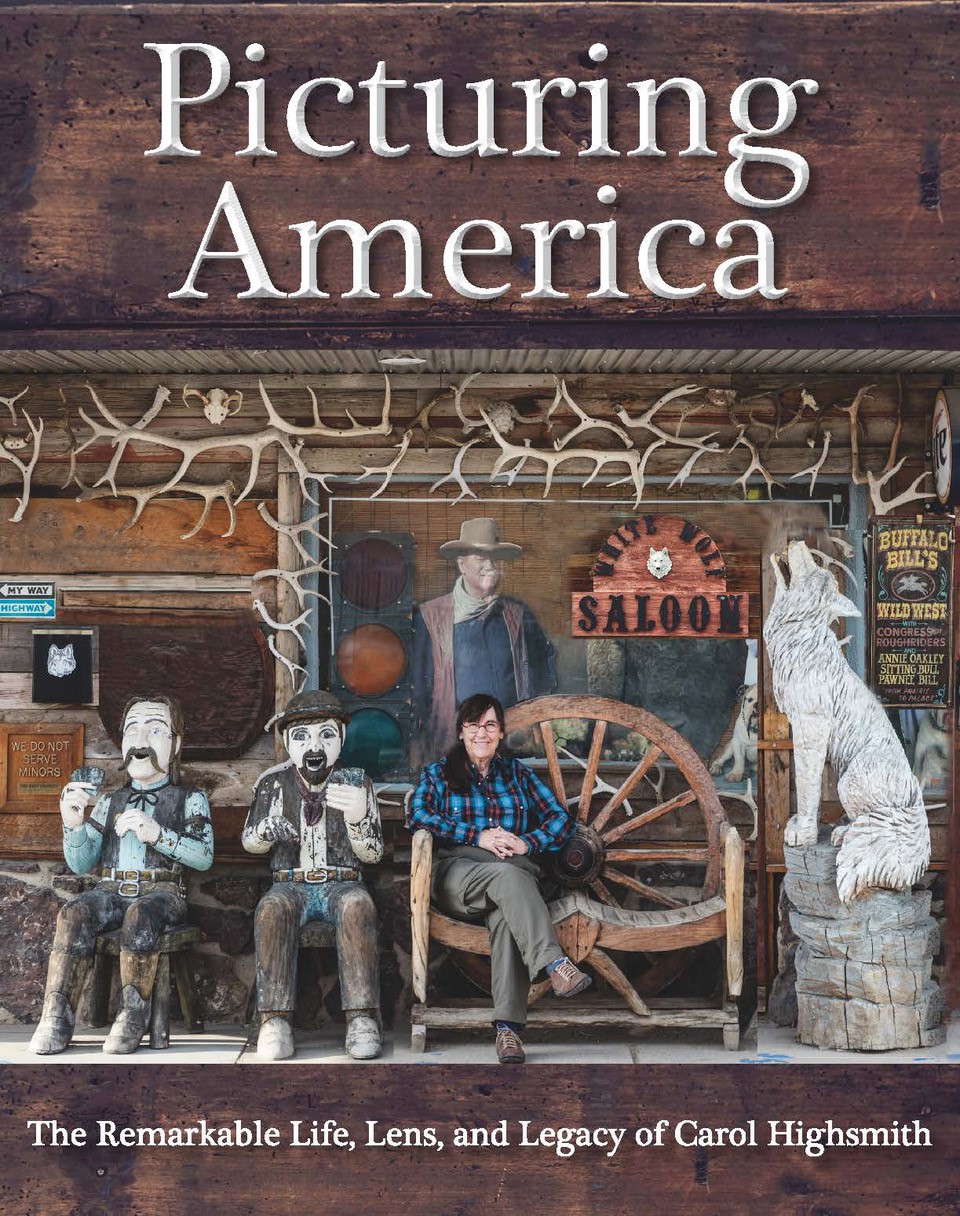
Louisiana is an incredibly diverse state. Were there particular regions or communities that intrigued you or called out to you to linger as you captured their unique essence in your work?
I worked closely with the staff at Louisiana Public Broadcasting (PBS) and Jay Dardenne who was the Lieutenant Governor of Louisiana and the narrator of the 4-hour documentary on the state of Louisiana that was tied to the book. I’m a Louisiana fan so I love all of it, but they told me what they wanted, and I caught it. The book has done very, very well.


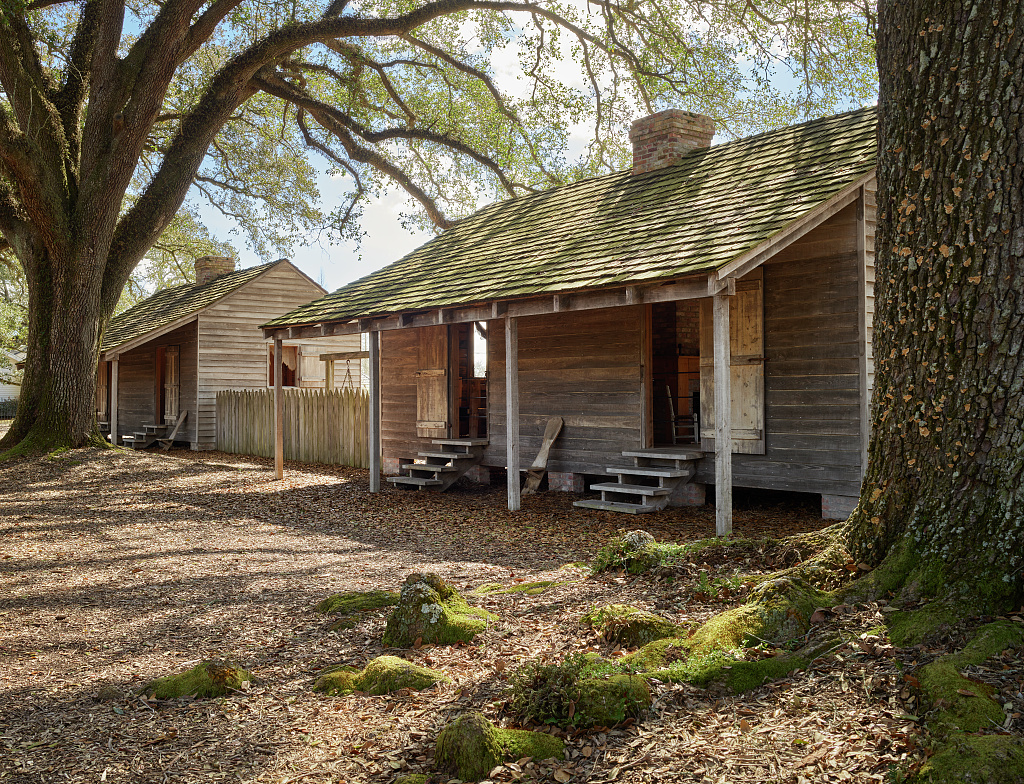

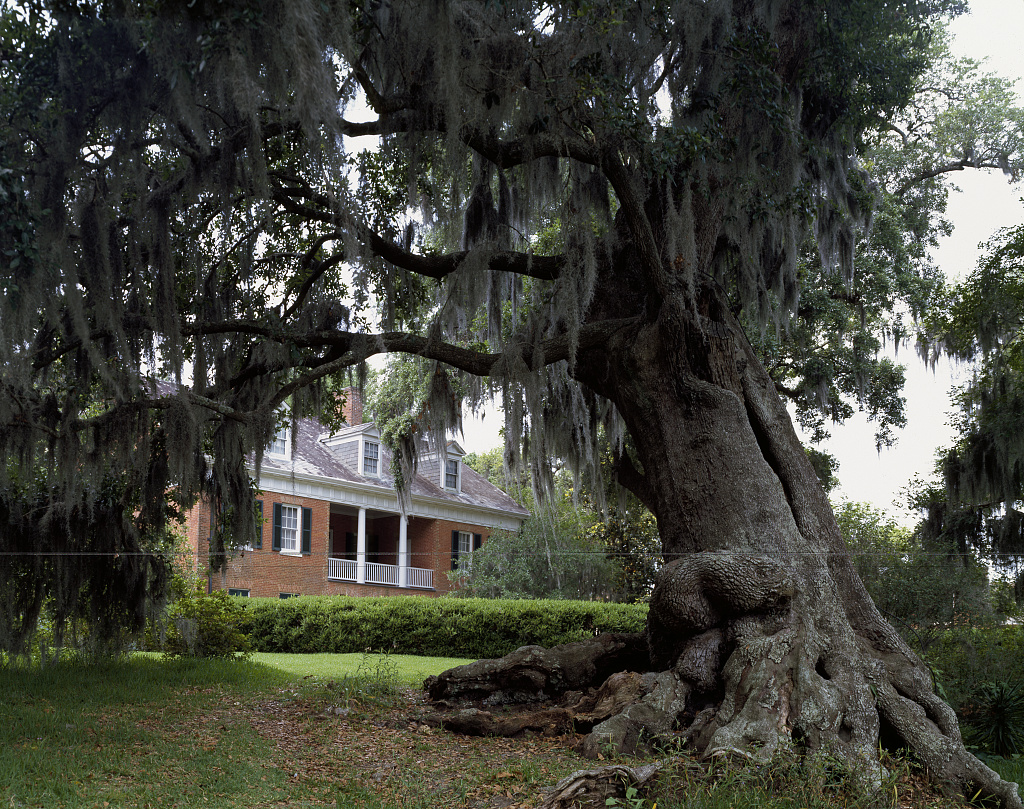
Your photograph of Gayle Benson, the owner of the NFL’s New Orleans Saints and the NBA’s New Orleans Pelicans, was taken in St. Louis Cathedral, where she is a regular lay reader. How did you choose that particular spot in which to capture this influential and powerful woman?
She is very tied to the St. Louis Cathedral so we decided it would mean a great deal to her to have her photograph taken there.

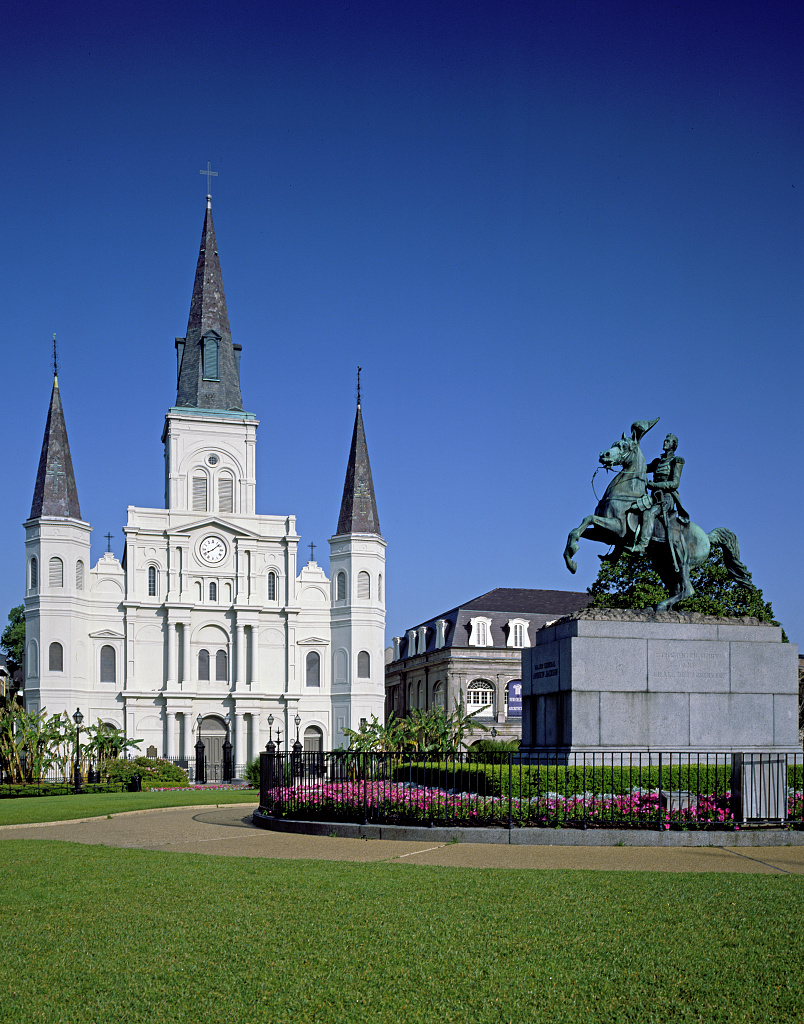
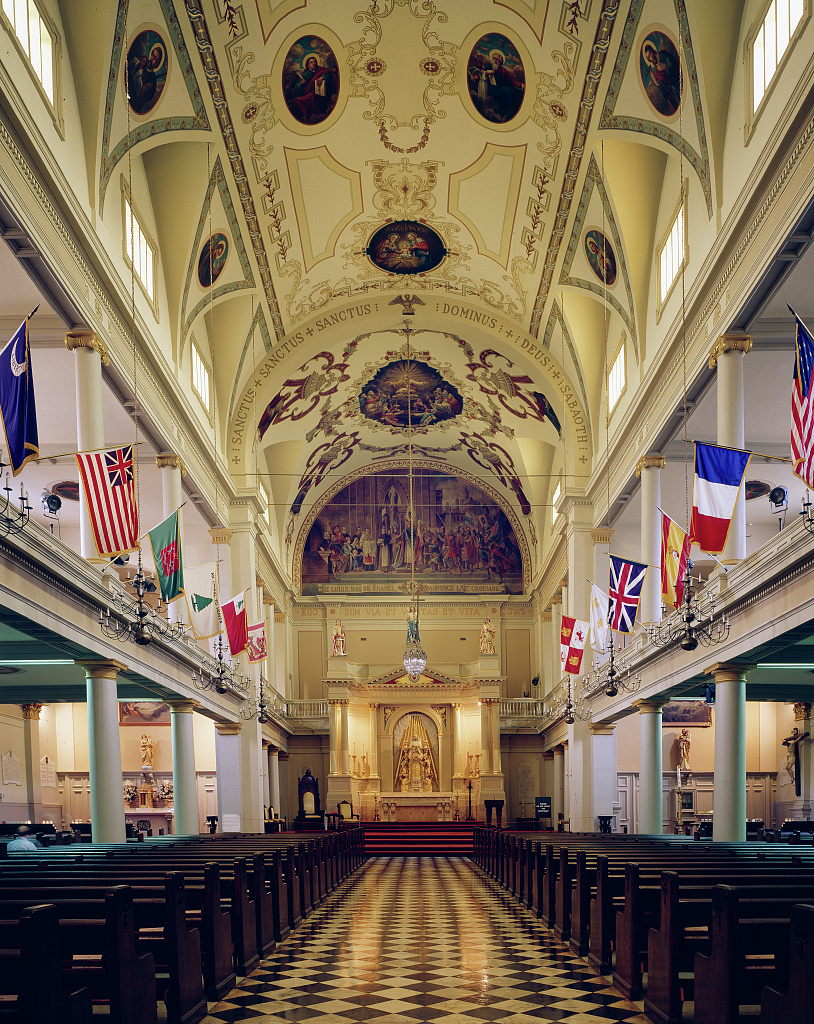
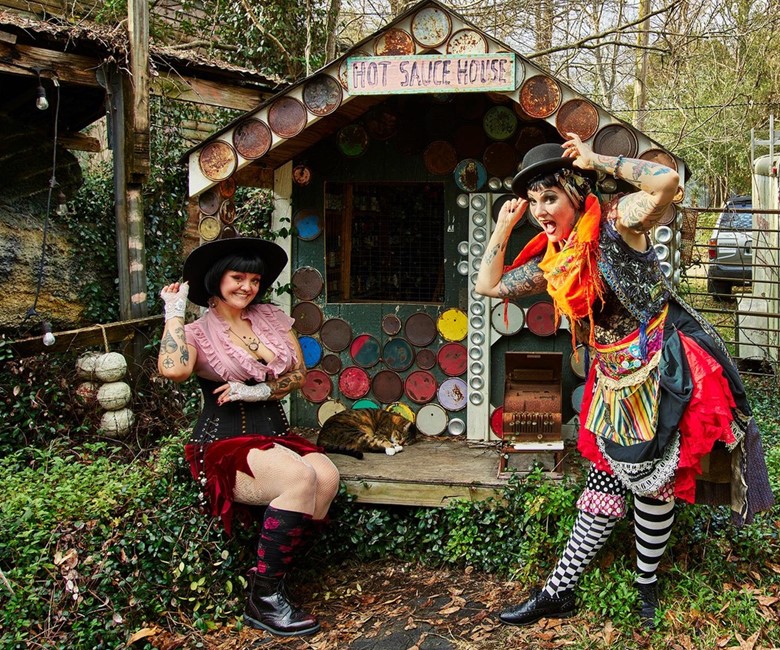
There are so many intriguing, unique, and even wacky characters in Louisiana. Which particular photographs and subjects provided the most fun for you, as a photographer?
Here’s a sampling from the book.


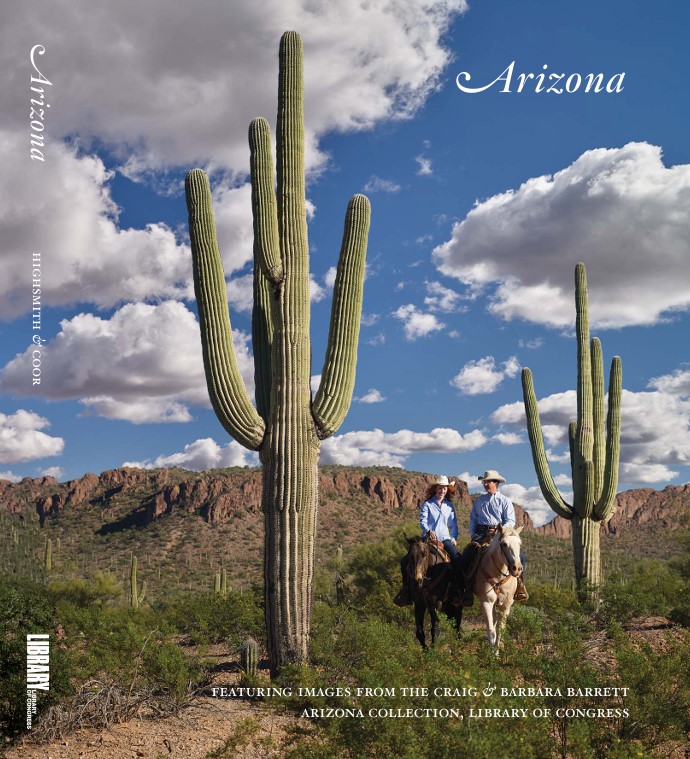
Do you have other books in print that capture specific states?
These are all available. You can click on the links to order the books (shipping included) for Arizona . . .
. . . Colorado, and . . .

. . . Wyoming.

Many thanks, Carol.
You’re welcome!
More to come . . .
DJB
The Weekly Reader links to the works of other writers I’ve enjoyed. I hope you find something that makes you laugh, think, or cry.
NOTE: All pictures by Carol M. Highsmith. Some are from the book and others are from the Louisiana section of the Highsmith Collection in the Library of Congress.
 MORE TO COME...
Pingback: Observations from . . . March 2024 | MORE TO COME...
Pingback: From the bookshelf: March 2024 | MORE TO COME...
Pingback: Conversations with writers: 2024 | MORE TO COME...
Pingback: The 2024 year-end reading list | MORE TO COME...
Pingback: Pull up a chair and let’s talk | MORE TO COME...