Harbors have been important to cultural development for thousands of years. In making the case that the “bustling port cities” of ancient Greece and their emphasis on “fluidity, interchange and connectedness” gave birth to philosophy, Adam Nicholson writes about the way that place shapes how we think.
Trade, along with the coming and going of peoples and ideas that trade brings, required “new ways of thinking about the world, of configuring our relationships with one another.” Nicolson calls this approach to life the “harbor mind” and it becomes a metaphor for thinking more expansively about a world that is always expanding before our eyes, in ancient times as well as today.
While on our recent visit to Scandinavia and the Baltic Sea with National Trust Tours, we visited eight harbor cities in seven countries, several of them Hanseatic League ports. The Hanseatic League was a medieval commercial and defensive network of merchant guilds and market towns in Central and Northern Europe, growing from the late 12th century through the 15th century. In its heyday, the Hanseatic League counted nearly 200 coastal and inner cities among its members.
But not all cities were part of the German-led network, and in fact some major ports fought to keep the Hanseatic League from their shores. This was part of the long history of warfare, conquest, independence, submission, and freedom that was a consistent theme in our travels across the Baltic Sea.
Rapid expansion, fluidity, and change are typical of ports even today, creating challenges for traditional approaches to preservation. On our travels we saw two distinct yet lively attitudes toward the marriage of past and present in cities at opposite geographic and cultural ends of the tour: Copenhagen, Denmark, perhaps the most western of cities (in more ways than one) we visited during our two weeks; and Tallinn, Estonia, on the eastern edge of the Baltic where trading routes from East and West have traditionally come together.
Copenhagen
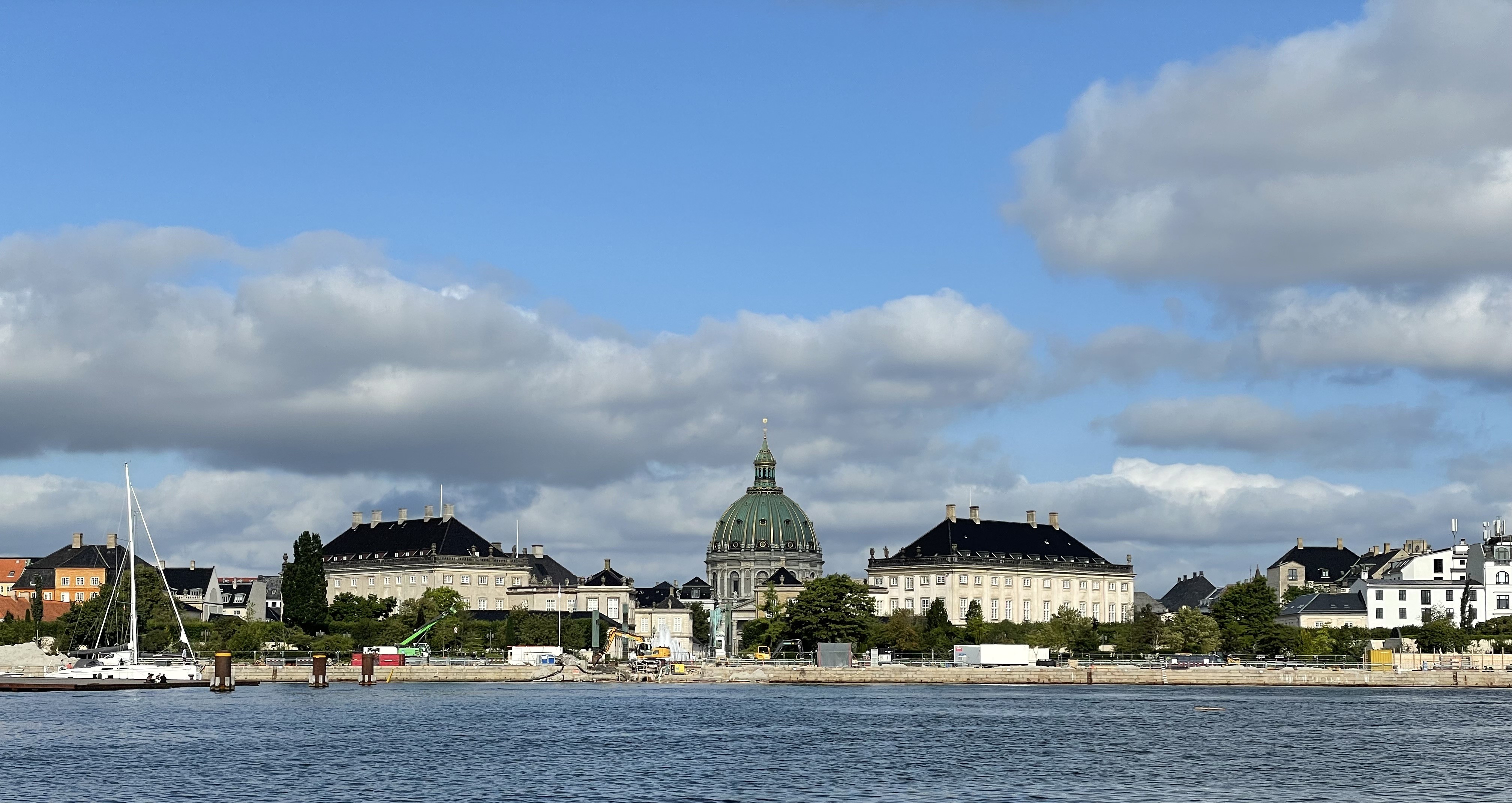
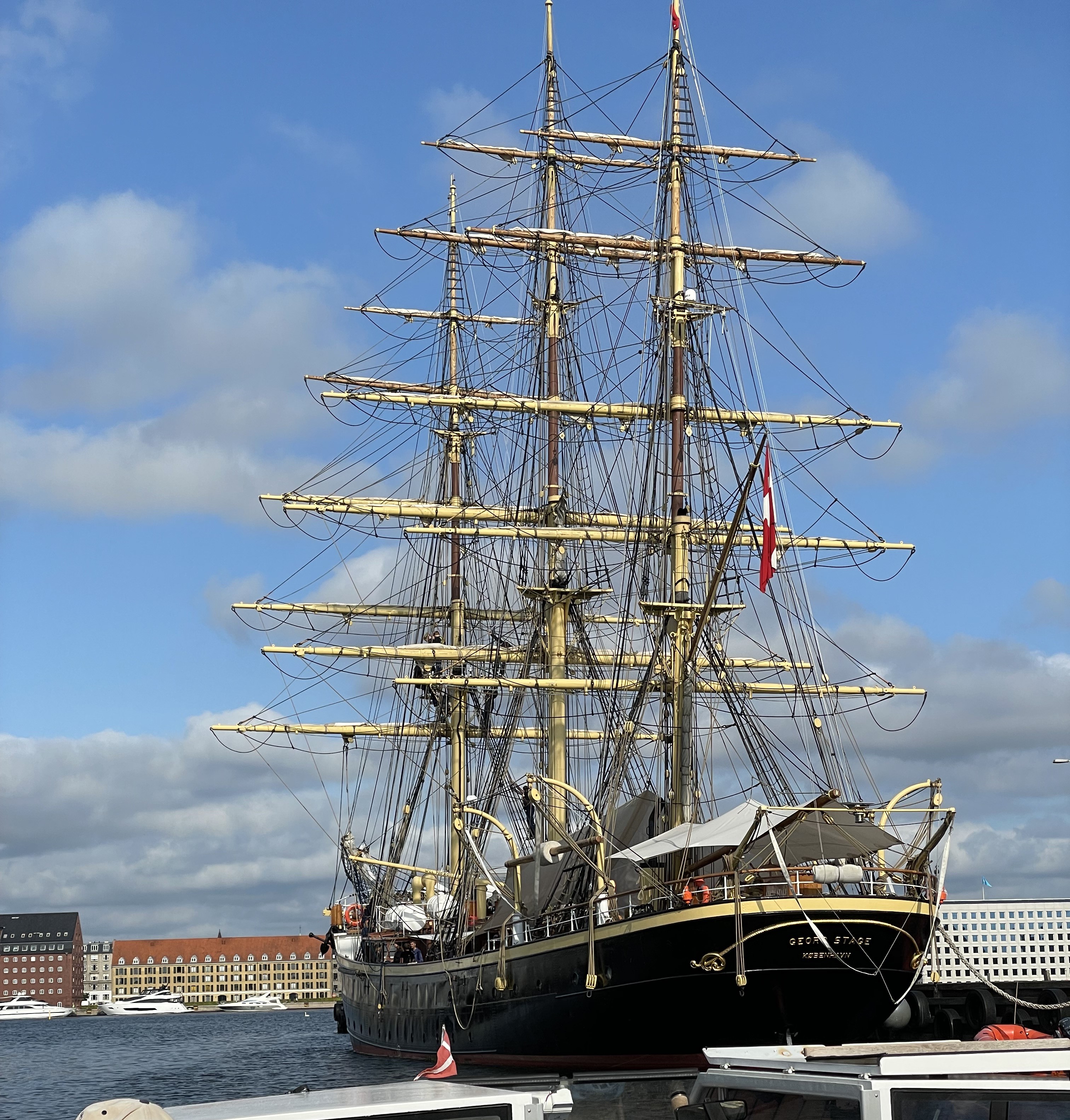
Early in our tour we boarded a small boat for a waters-edge tour of the harbor and canals of Copenhagen, a city where the harbor seems to flow throughout the old town. Initially we saw the military fortifications that protected the city’s edges, as the strategically located Copenhagen was one of those communities that fought the Hanseatic League. But this historic military and industrial area is rapidly being transformed, as older buildings are being repurposed (a favorite word in the city) and new construction is springing up on long-vacant land.
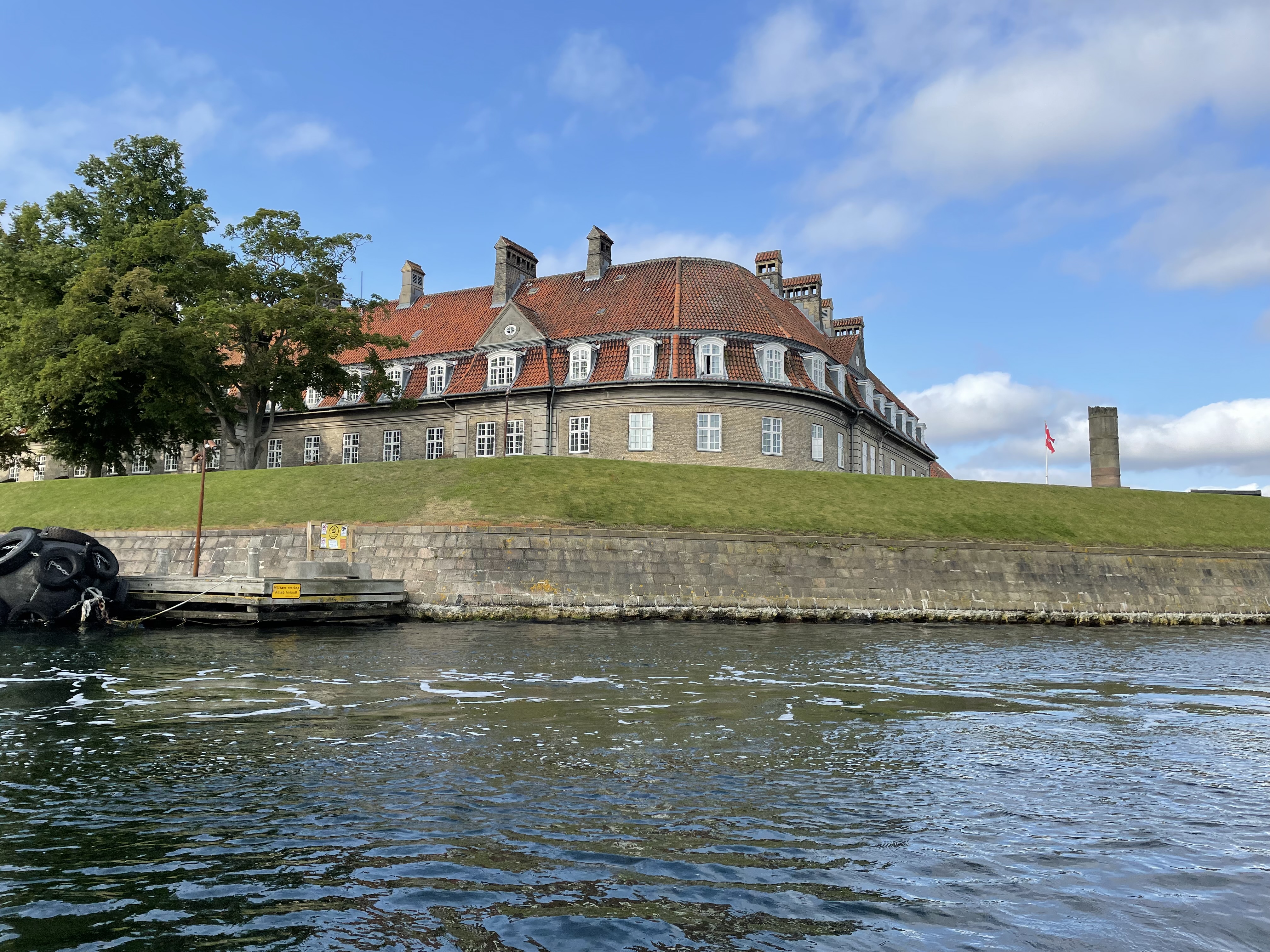
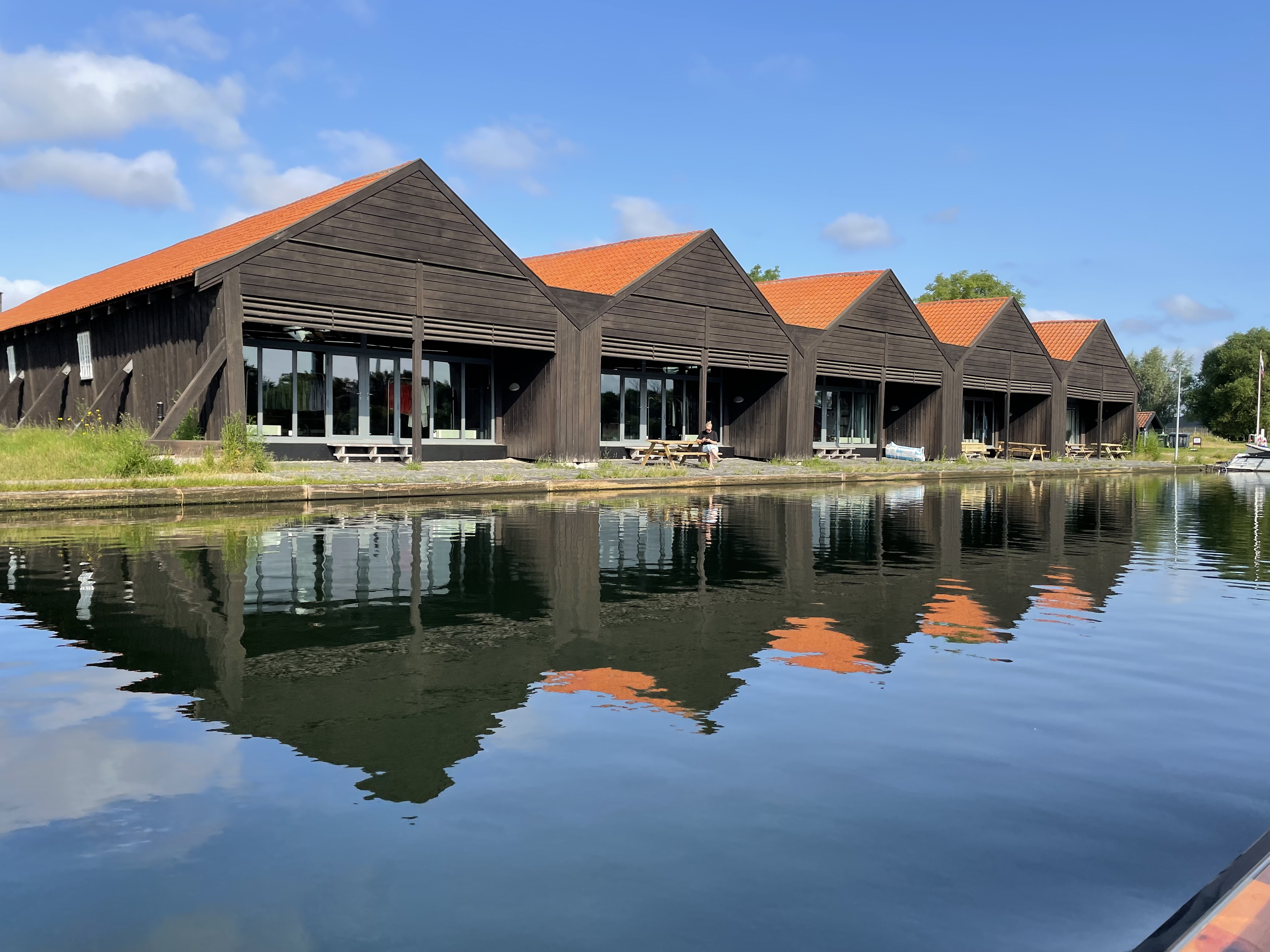
Most cultures agree that the spirit of place resides in its authenticity, a critical element in heritage conservation. Yet how do we find what is authentic in a rapidly changing environment?

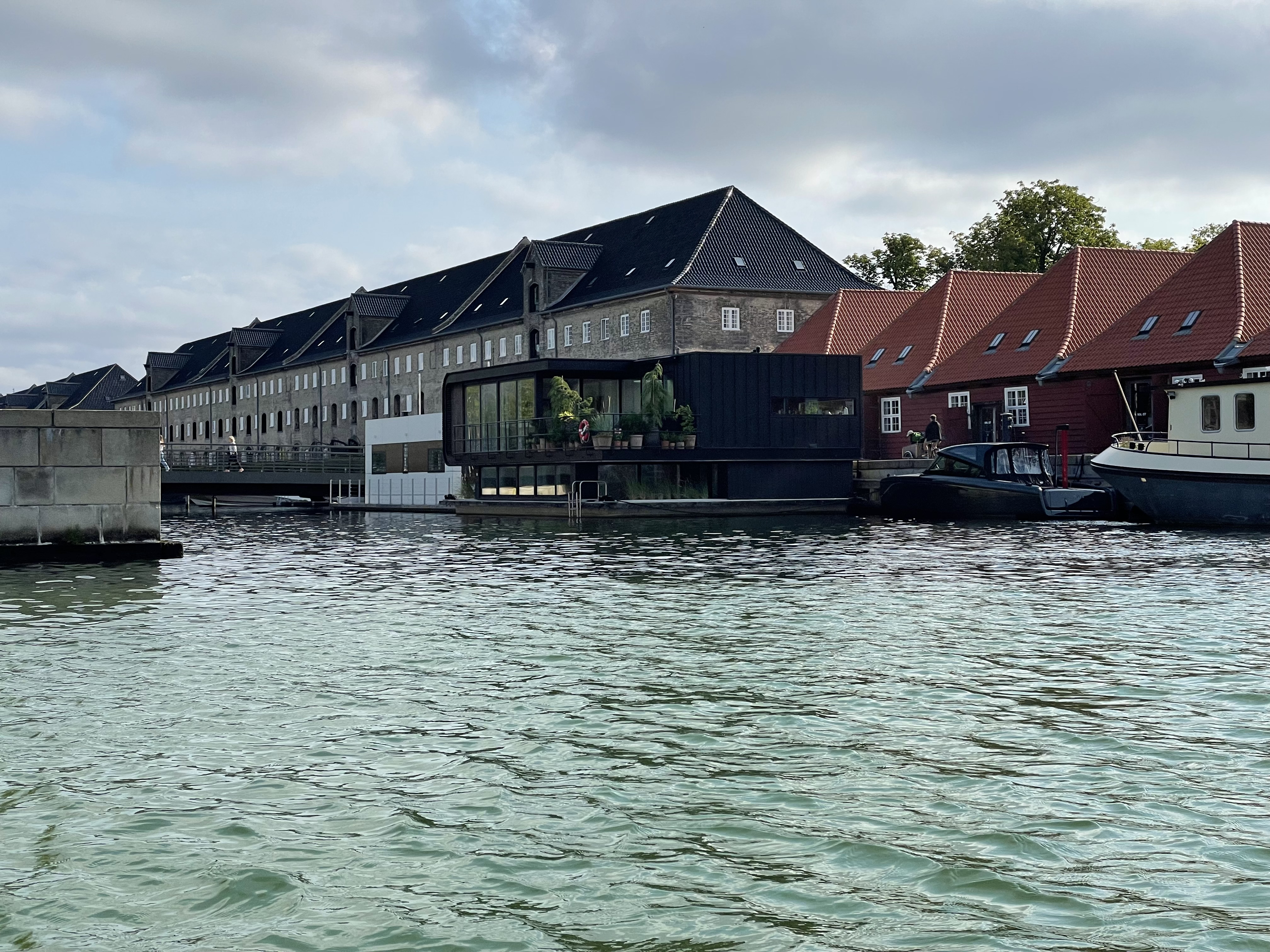
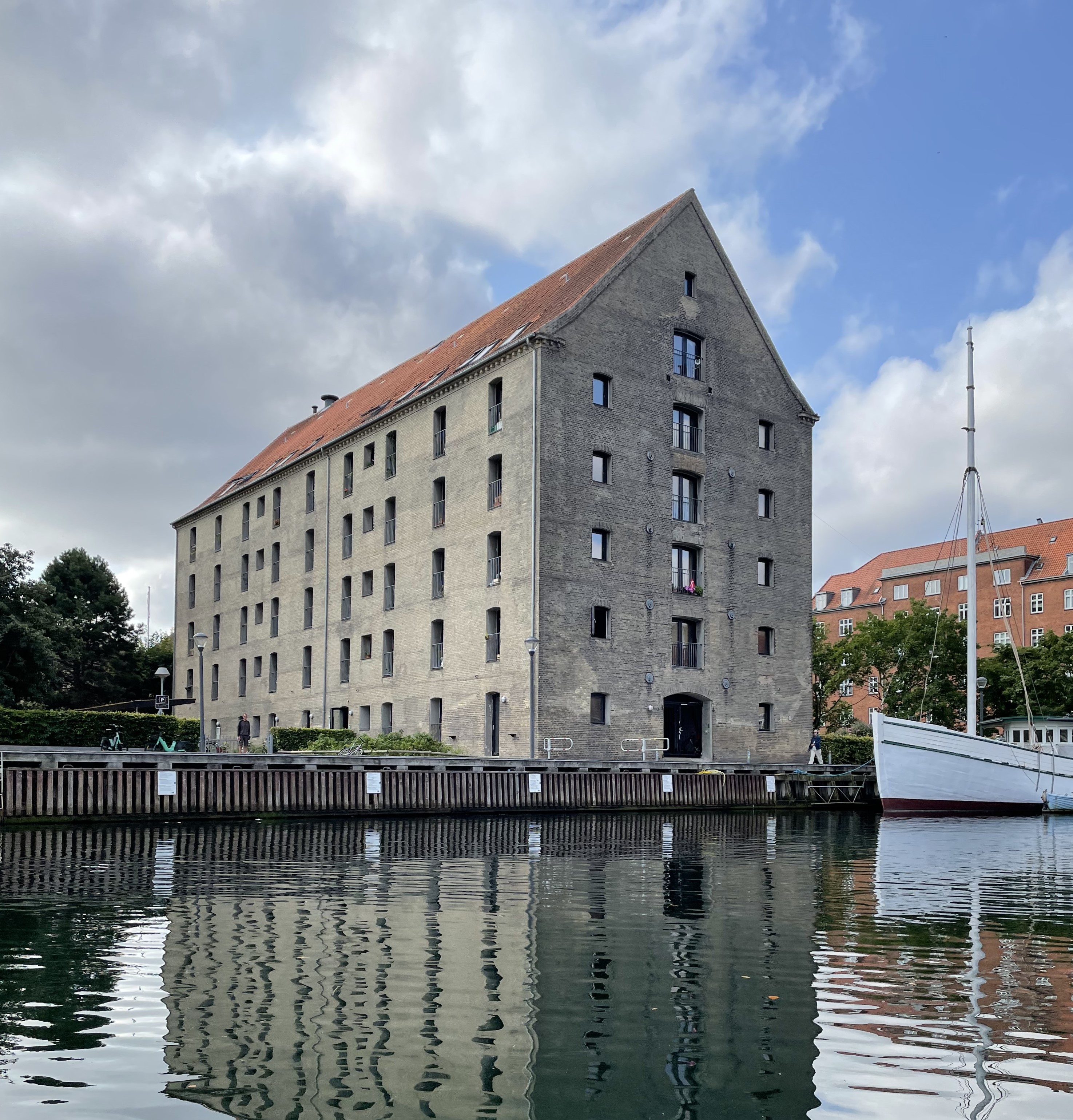
As we traveled toward the heart of the city, we saw more of the older and historic buildings that have traditionally lined the canals.
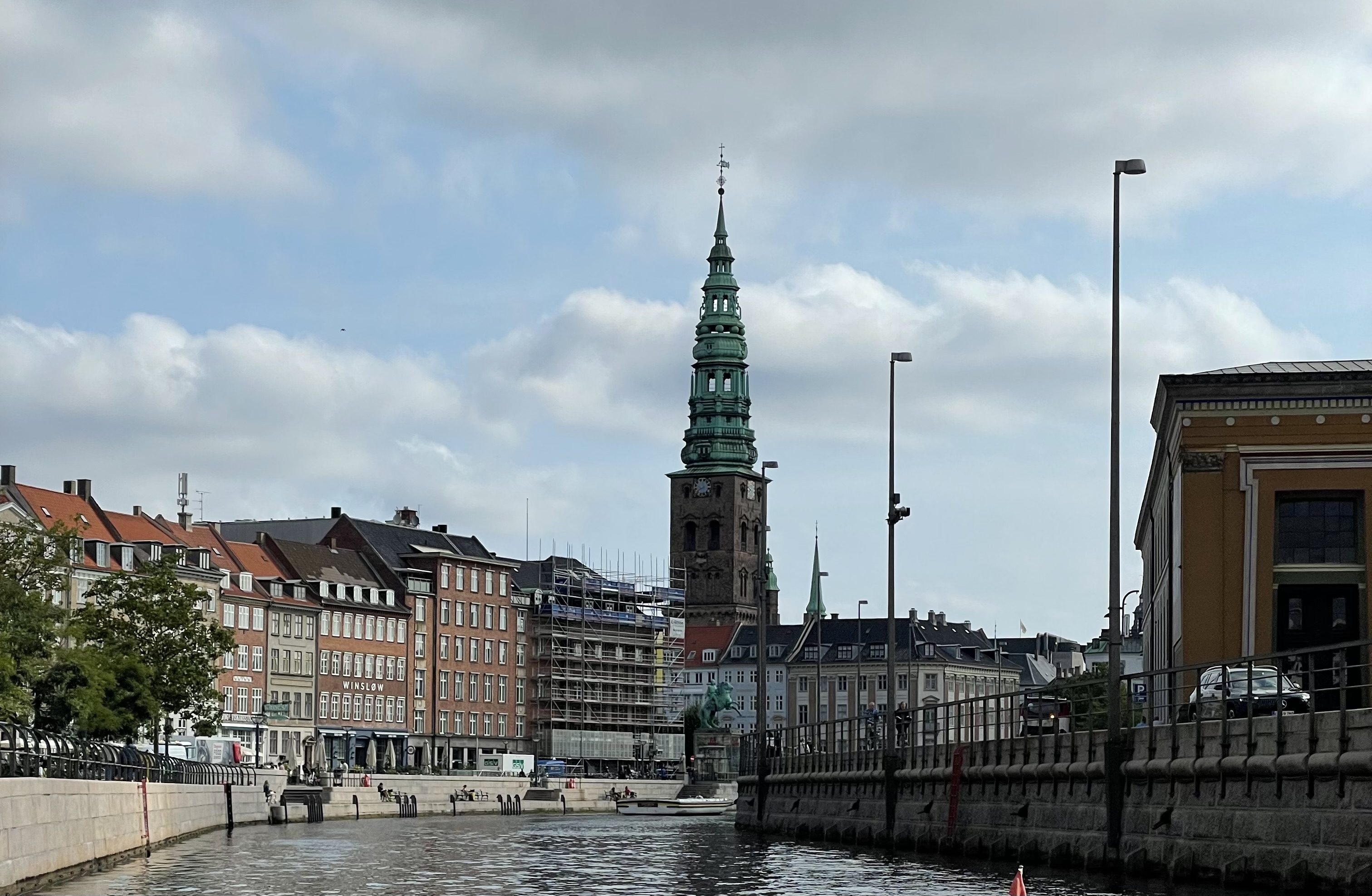
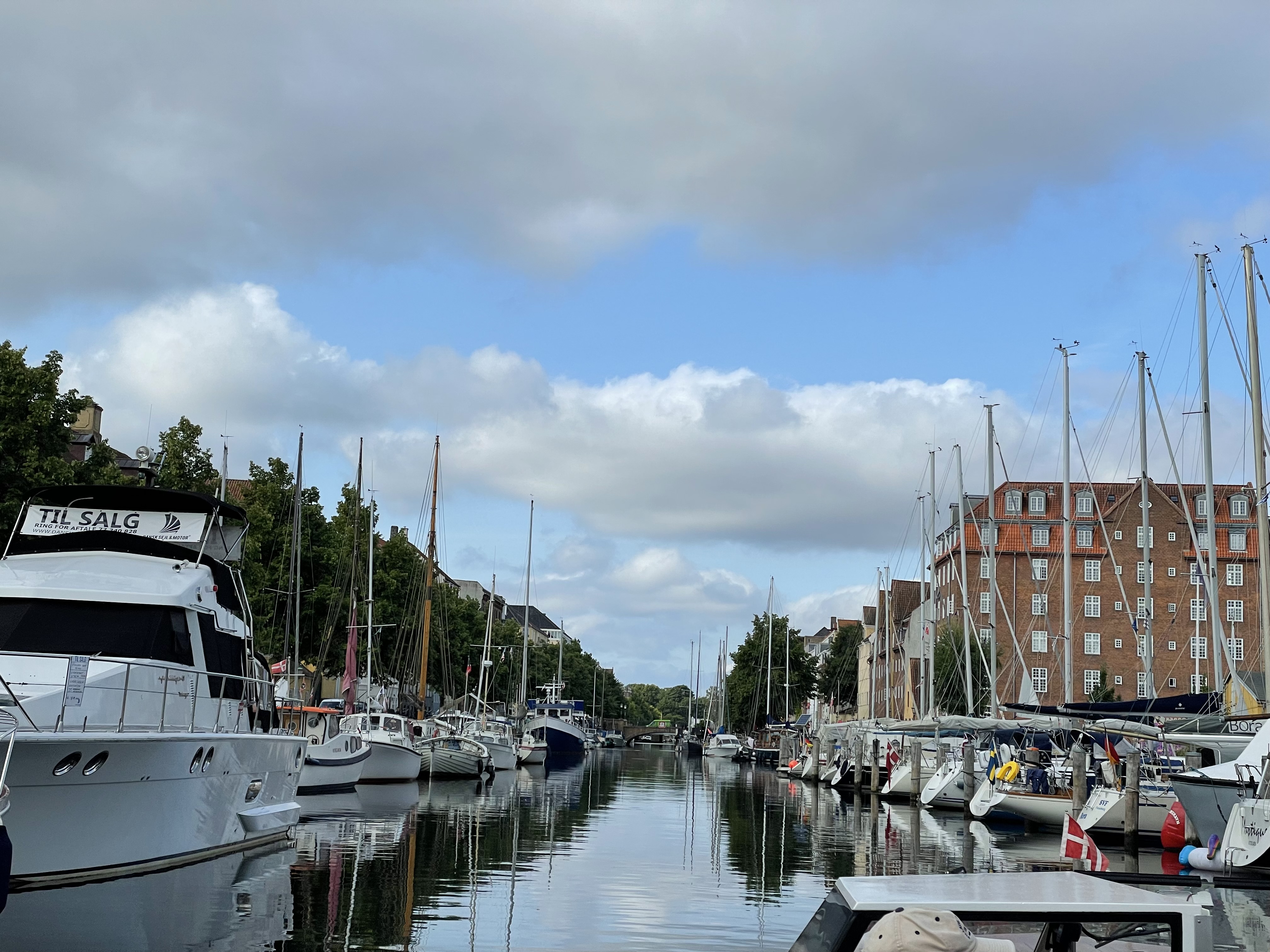
If we expand our thinking, we can see that function and meaning are two additional methods for identifying authenticity. “Spirit of place comes alive not just in the ways a site is conserved and presented, but in the way it is used and valued by people.”
Good conservation and preservation practice helps a community animate the space, whether it be an ancient city or a typical Main Street in America.
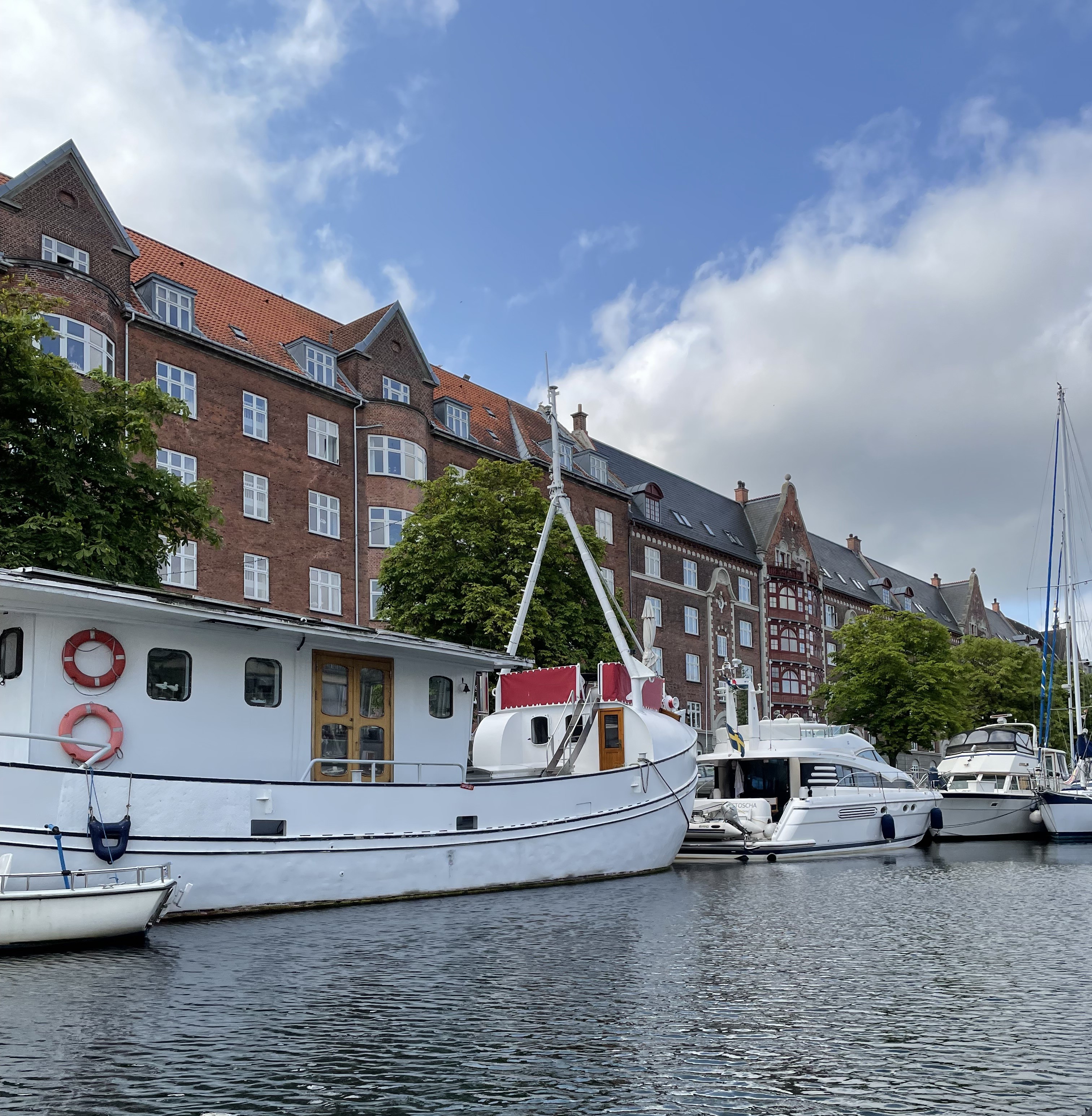
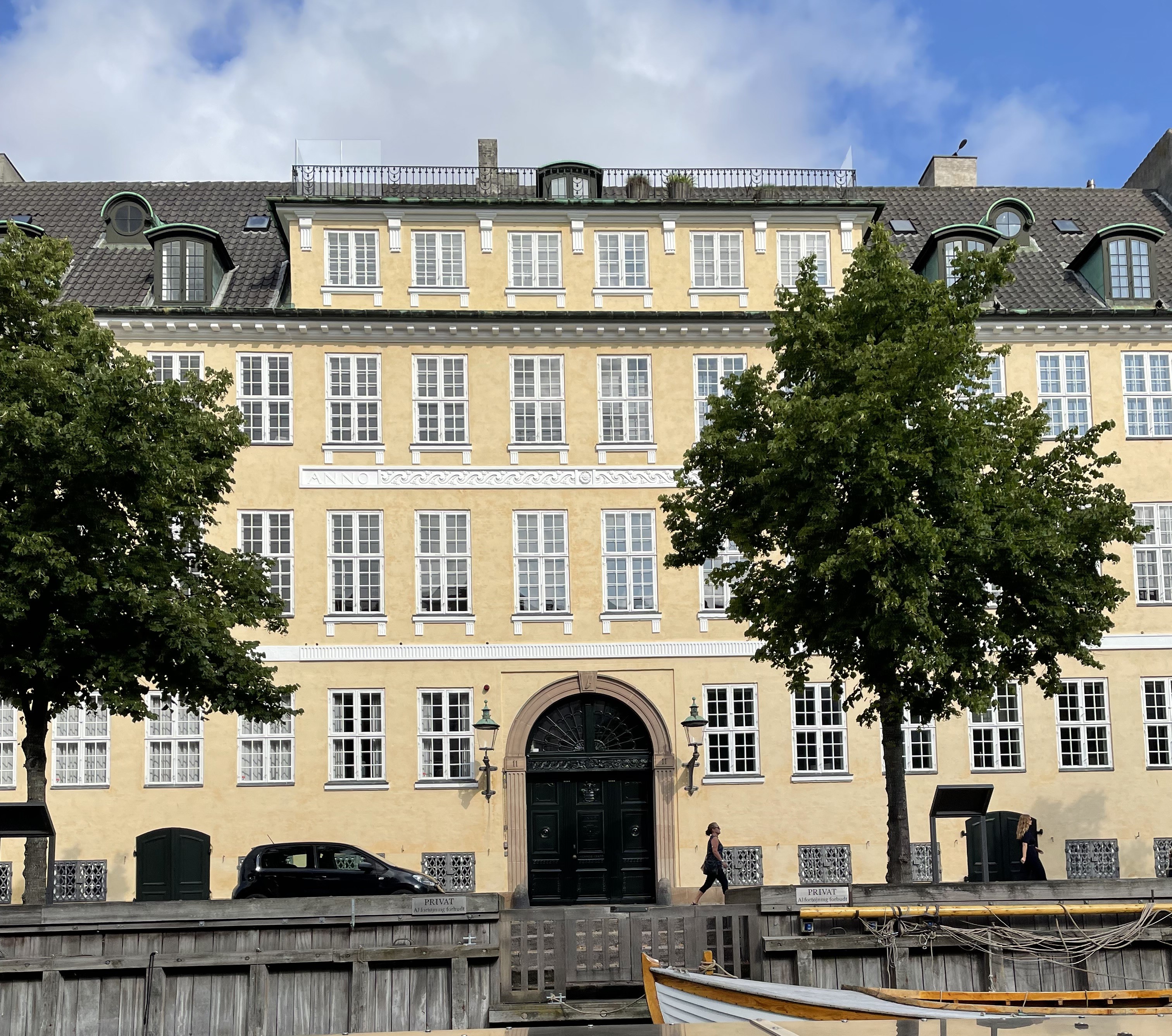
How a place or a cultural resource is animated by its community gives it meaning. Throughout our time in Copenhagen, we saw the community breathing new life into the old places, invigorating its spirit of place.
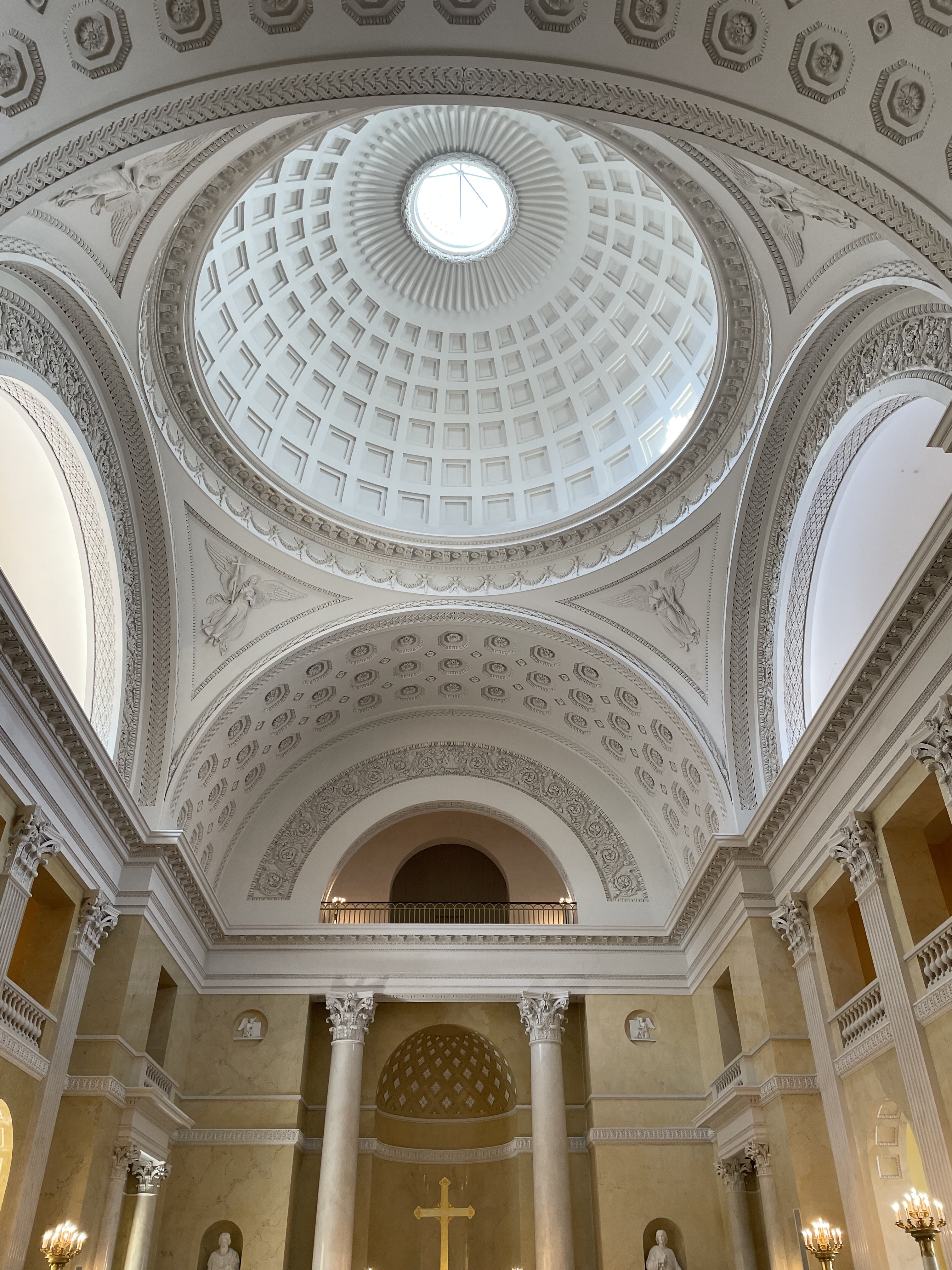


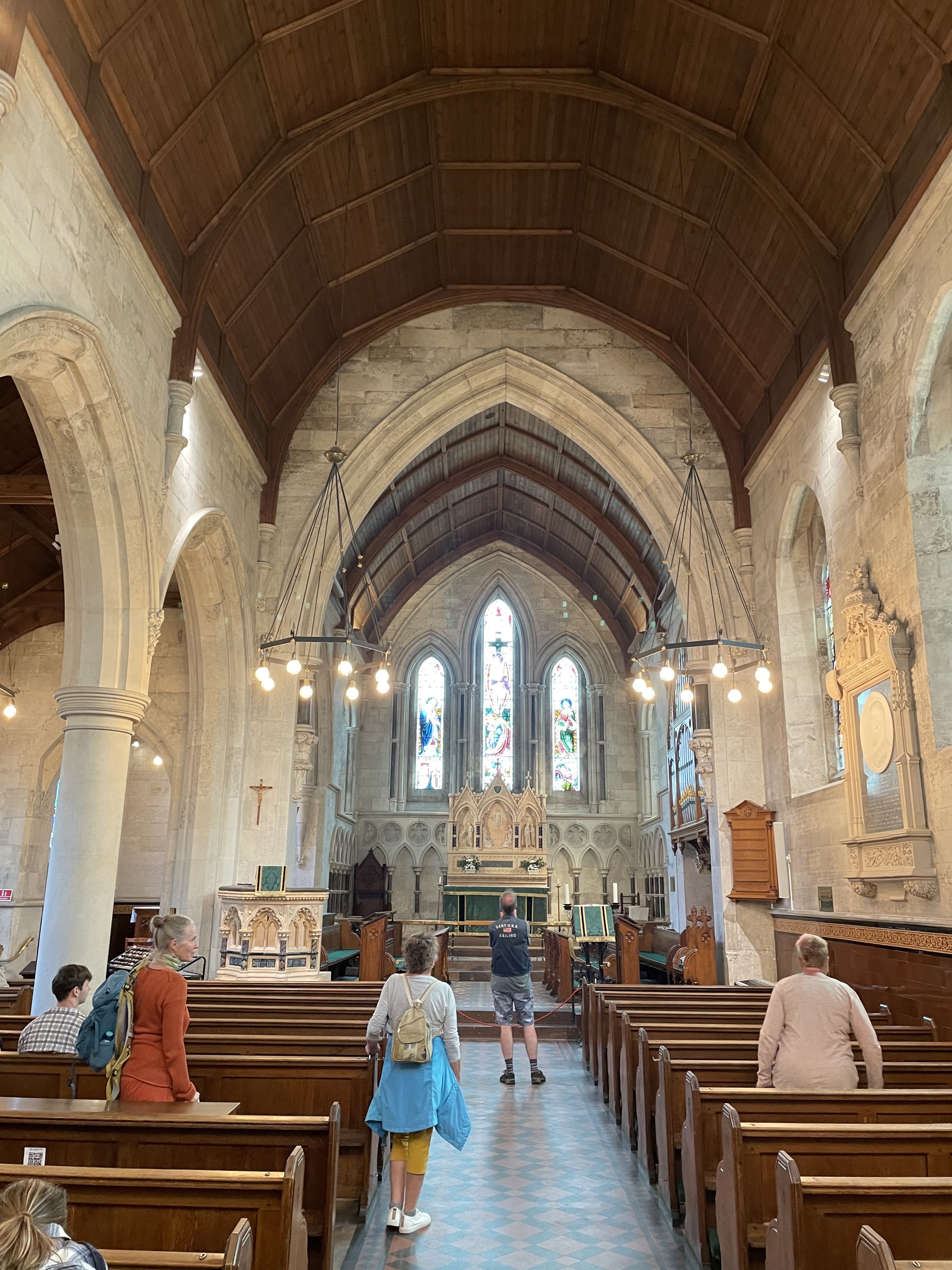

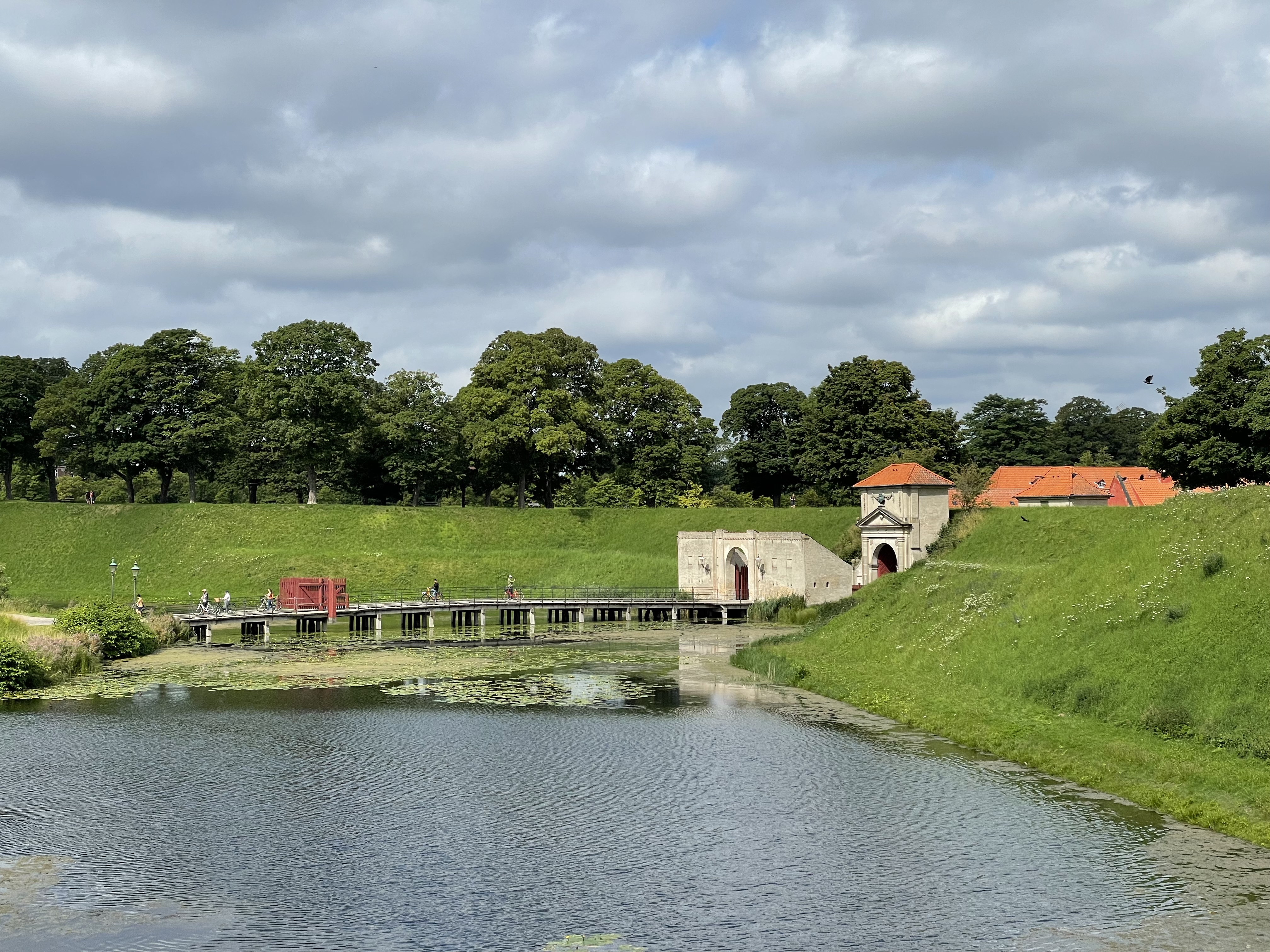

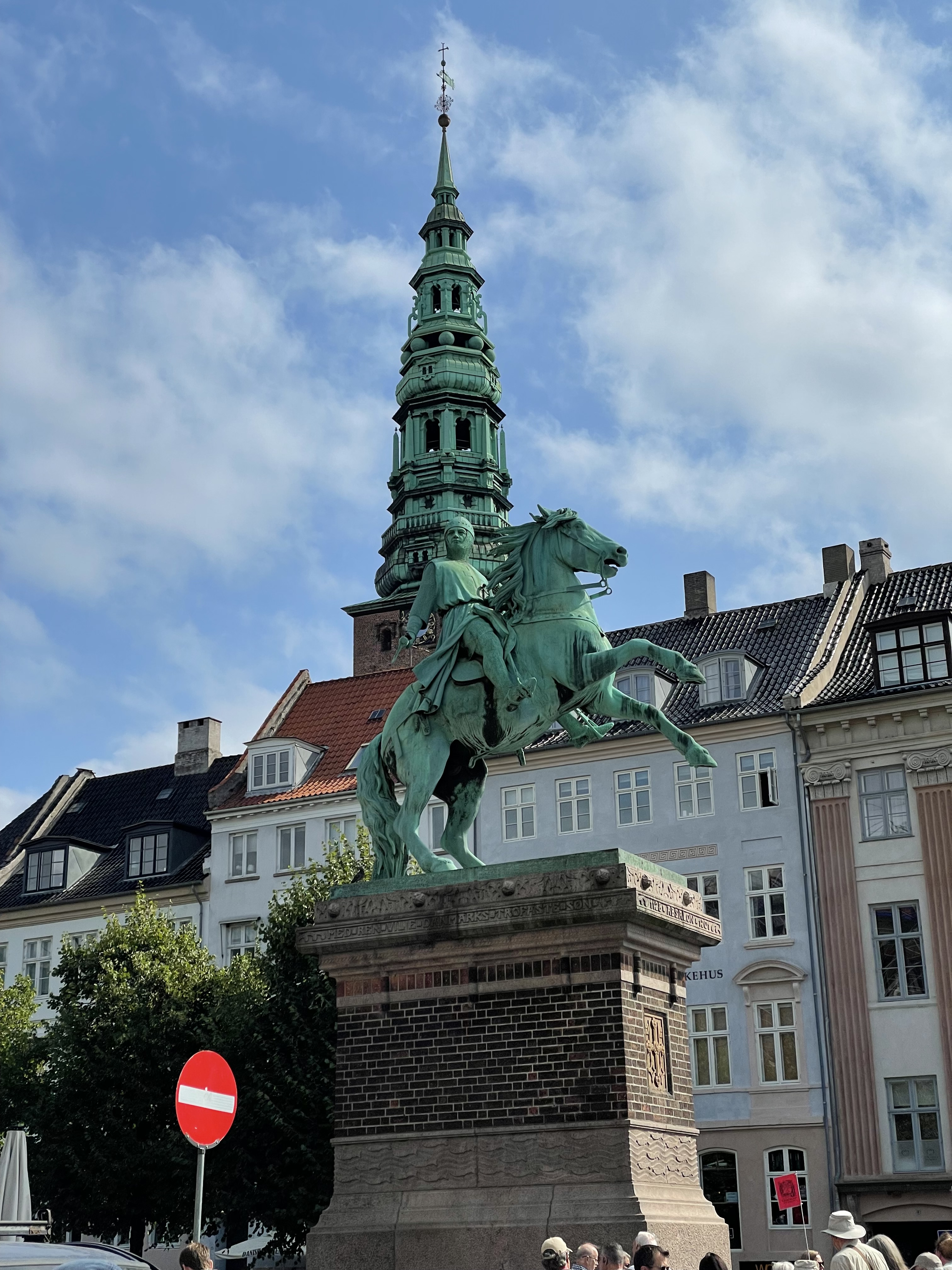
Copenhagen is a well-known city, one I visited some ten years before. While I saw much to engage my mind and senses, it was not the complete surprise that I experienced upon entering Estonia’s capital city a few days later.
Tallinn
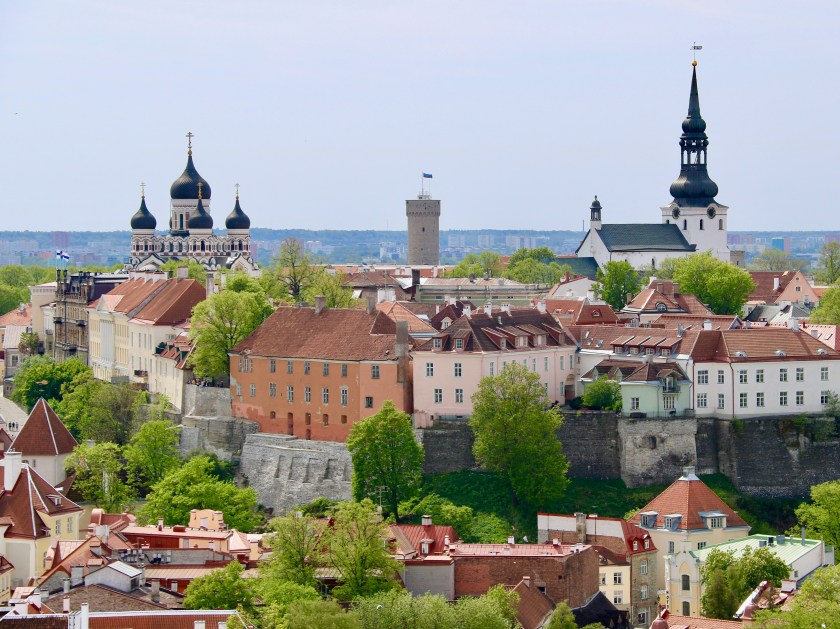
The origins of Estonia’s capital of Tallinn as we know it today date back to its founding in 1219. Unlike Copenhagen, which sits near sea level and welcomes the water in through a series of historic canals, Tallinn was founded high on a hill overlooking the Baltic Sea. A castle was built there by the crusading knights of the Teutonic Order and Tallinn developed as a major center of the Hanseatic League.
From an architectural standpoint, the historic center—a UNESCO World Heritage Site—is an exceptionally complete and well-preserved medieval northern European trading city, surrounded by massive stone walls that provided protection from invaders. Extensive segments of those walls can be seen today.
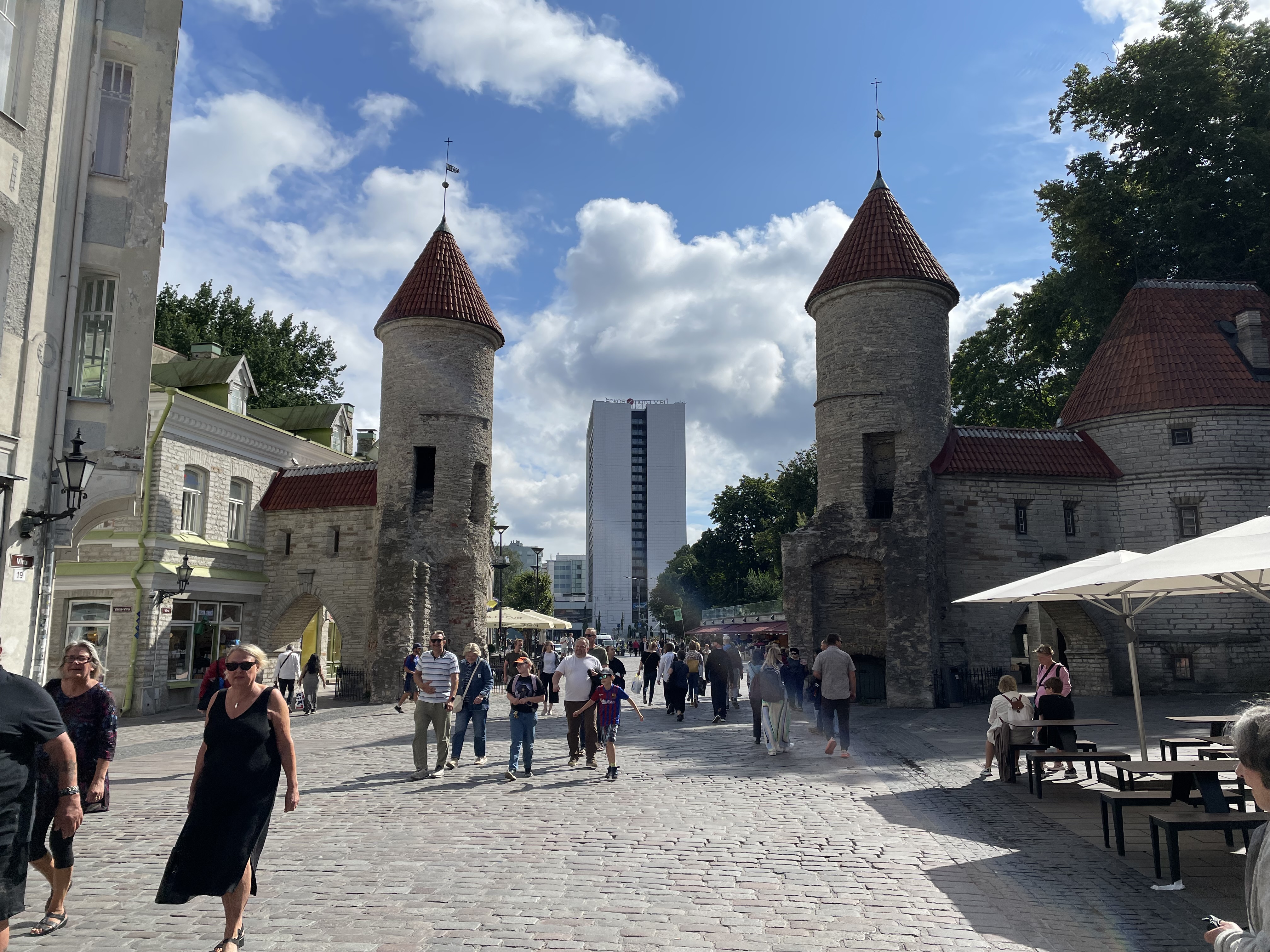
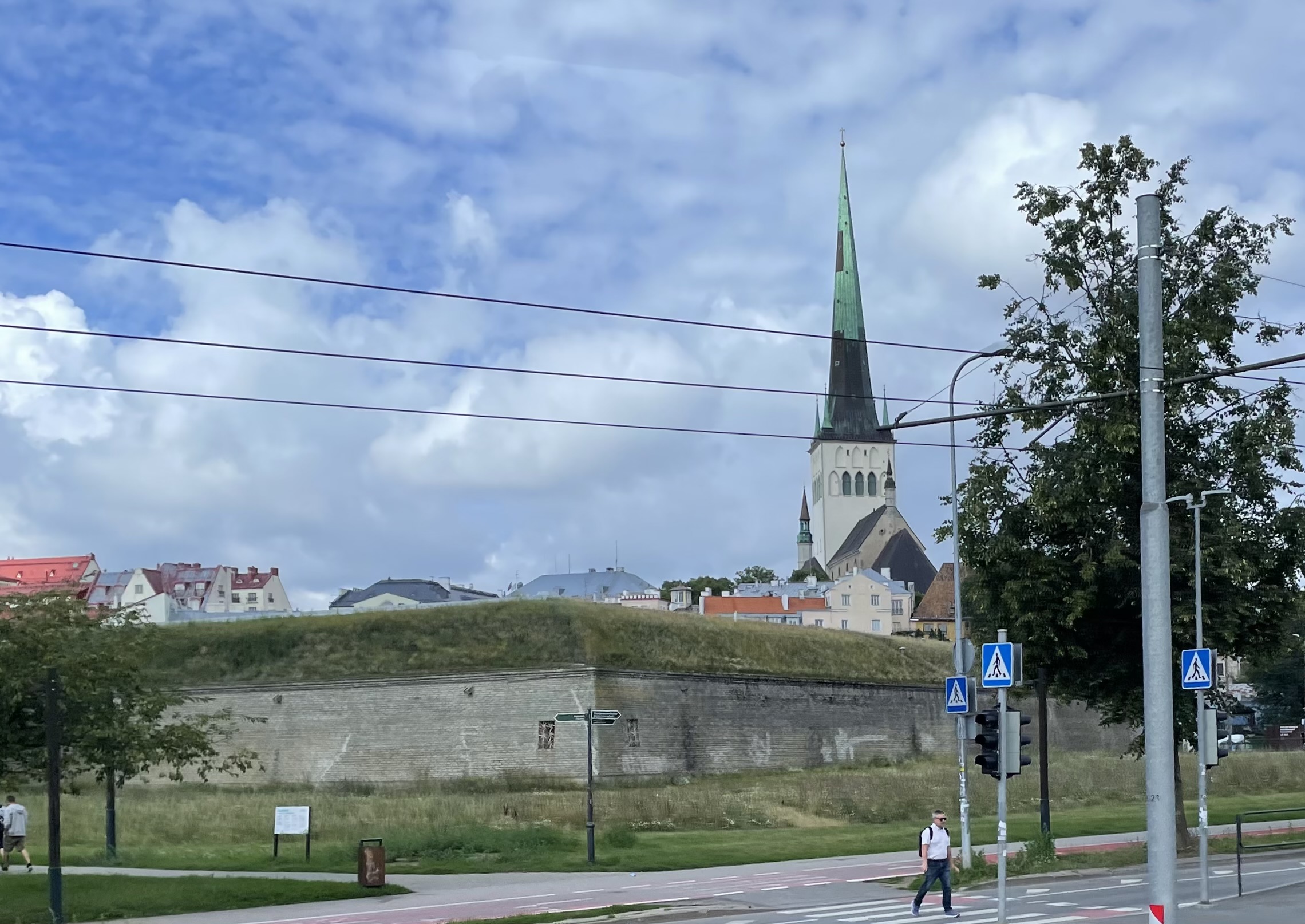
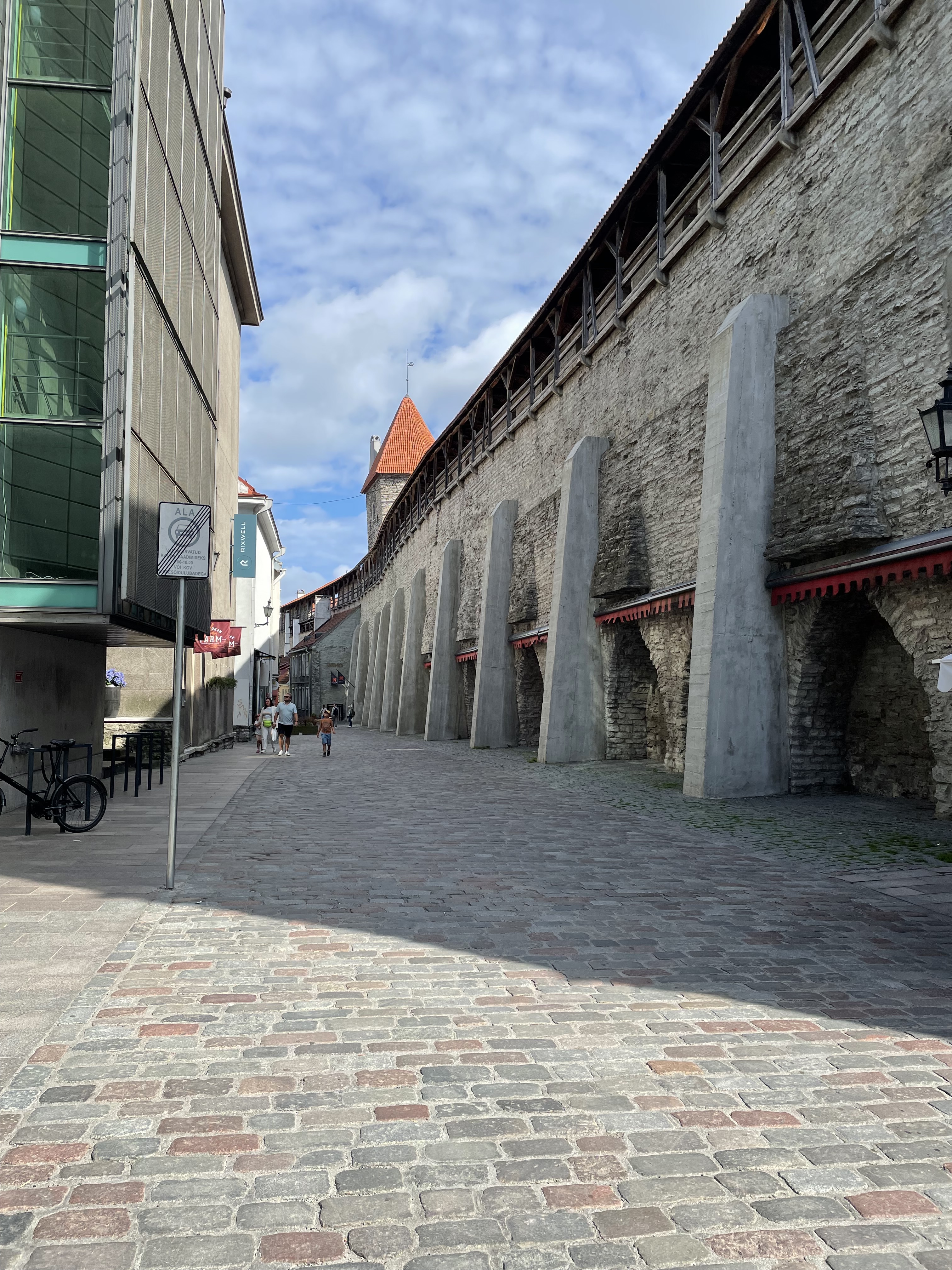
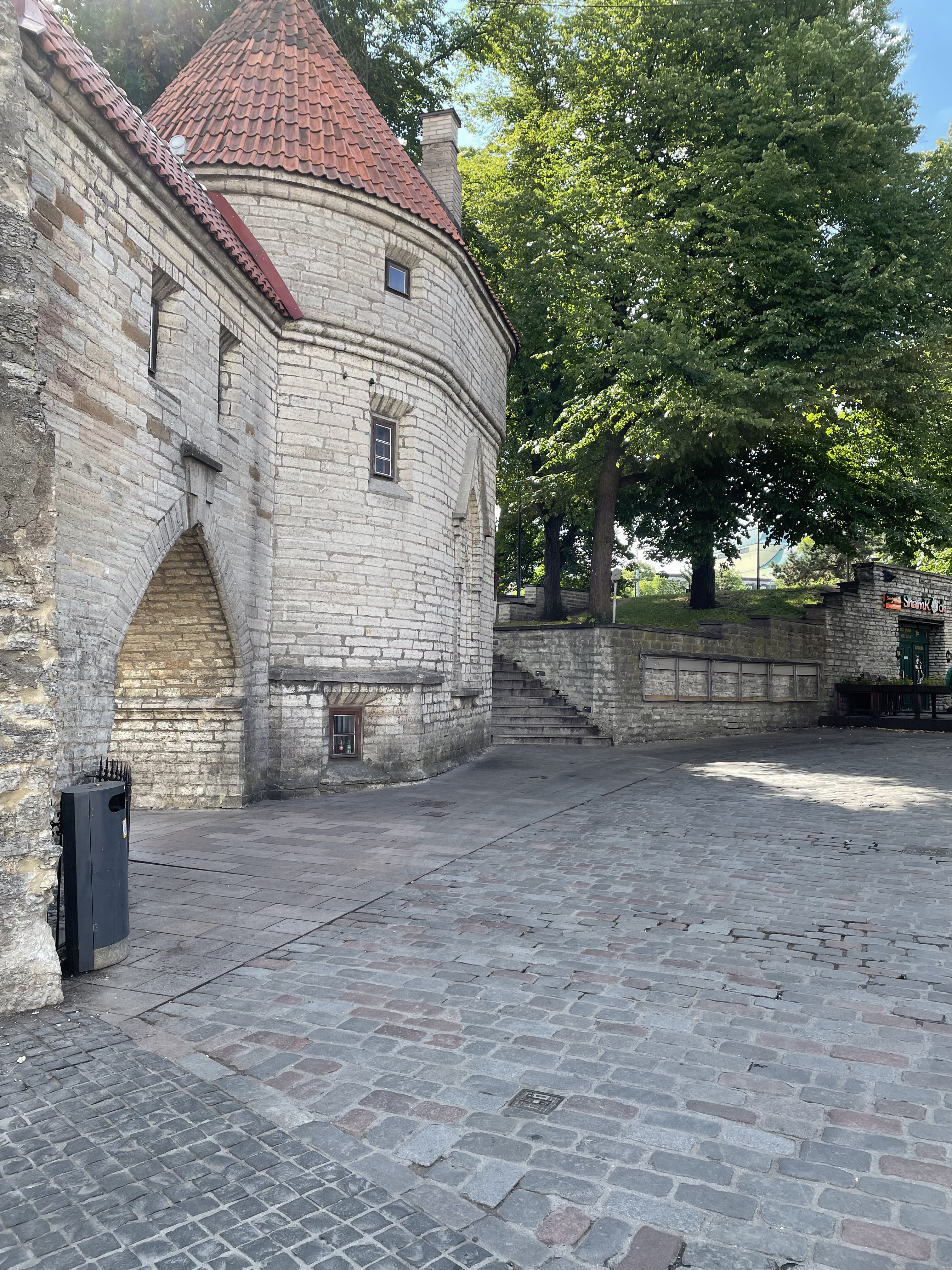
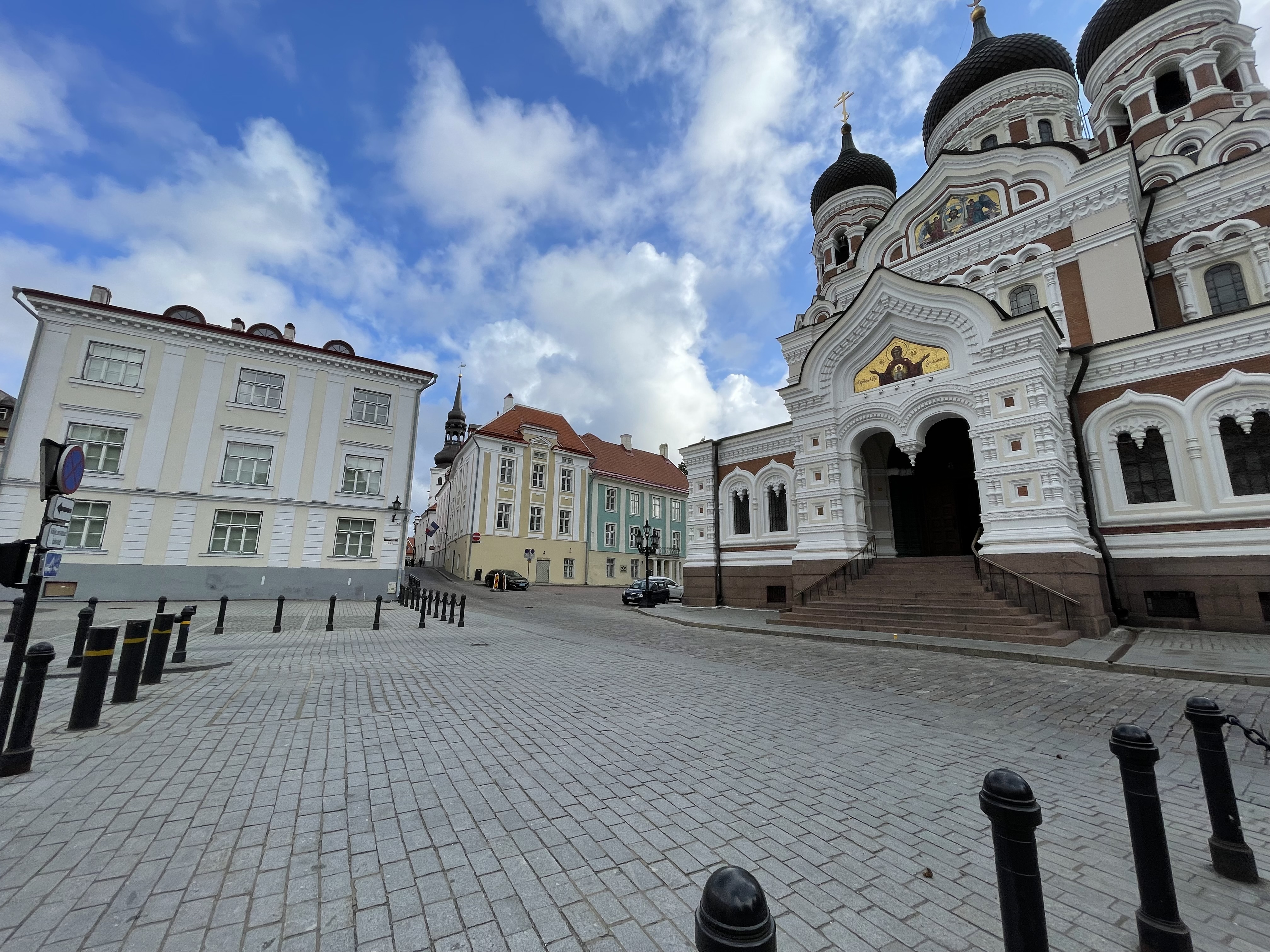
The upper town has always been the administrative center of the country, where church and state ruled.
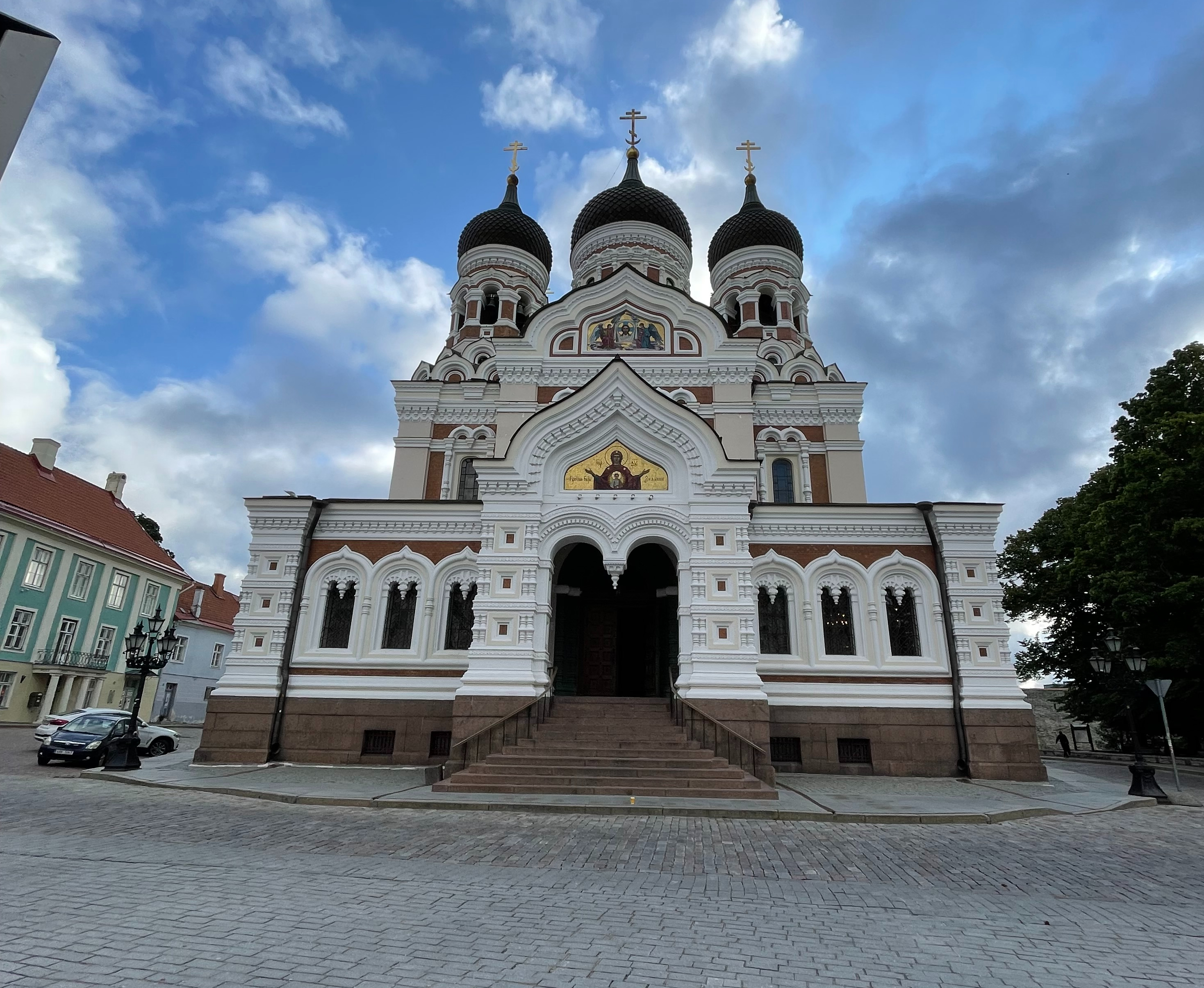
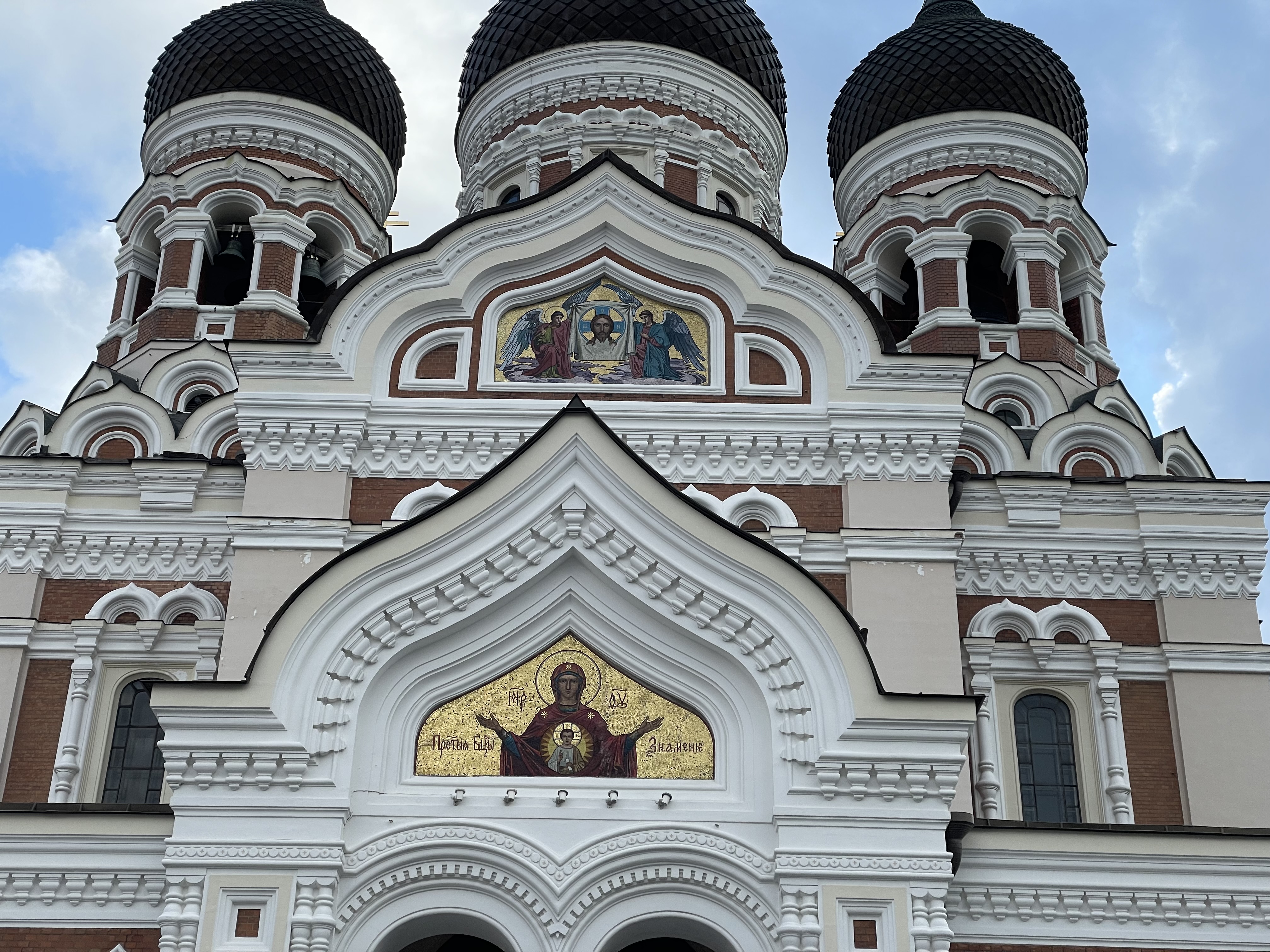
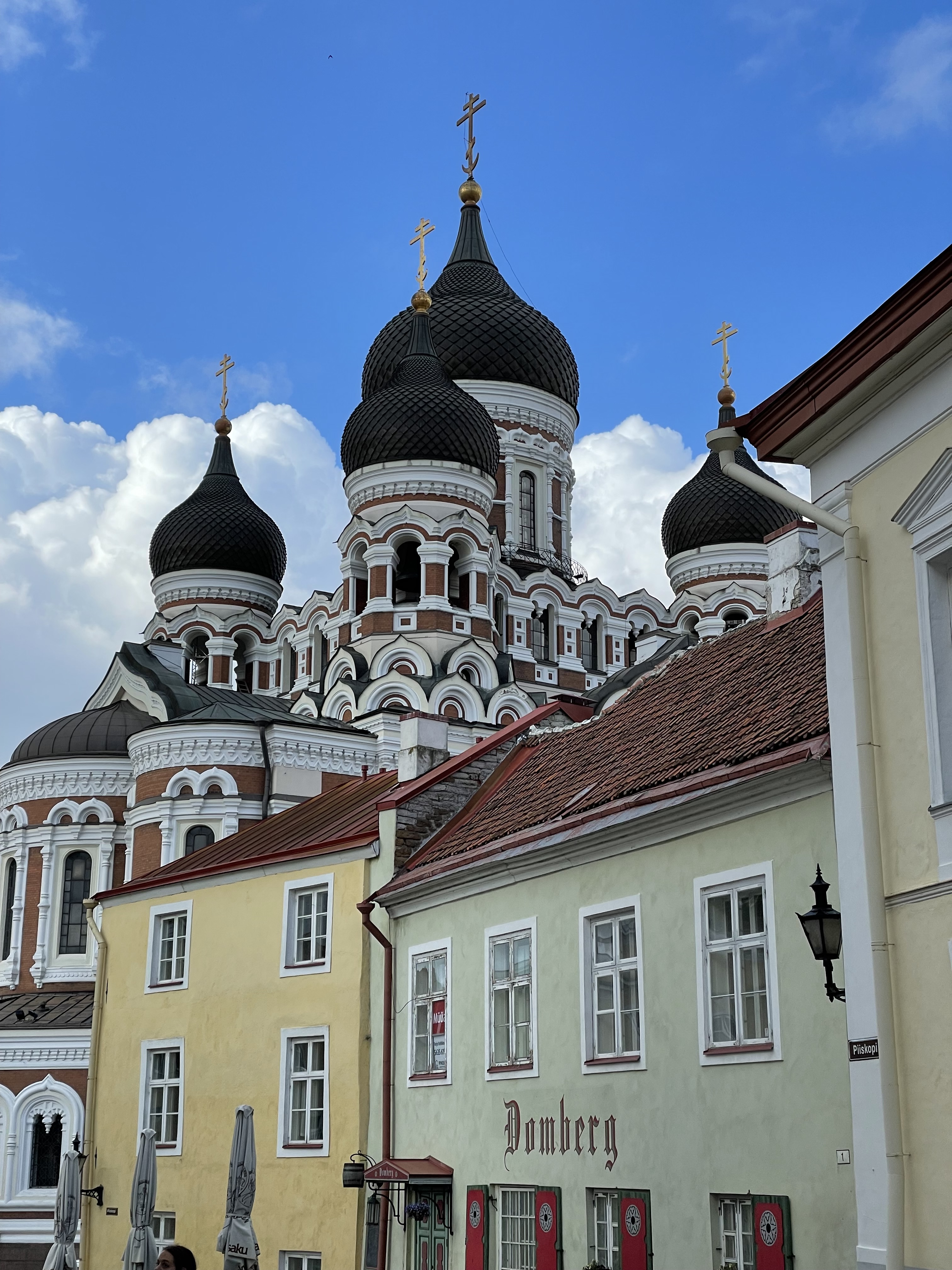
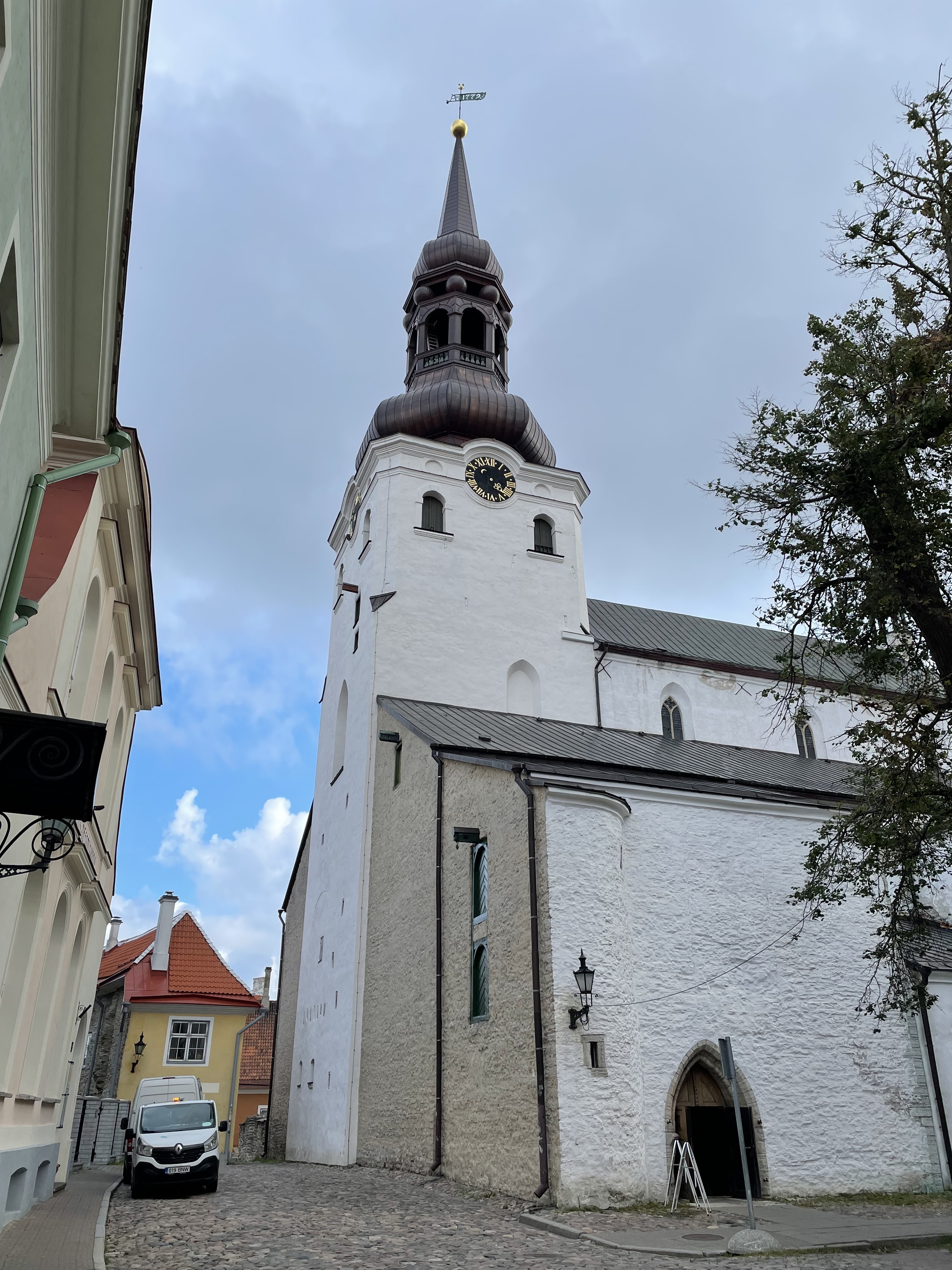
Walking down the hill toward the lower town, residents of the historic city had one gate for access, and it was tightly controlled.
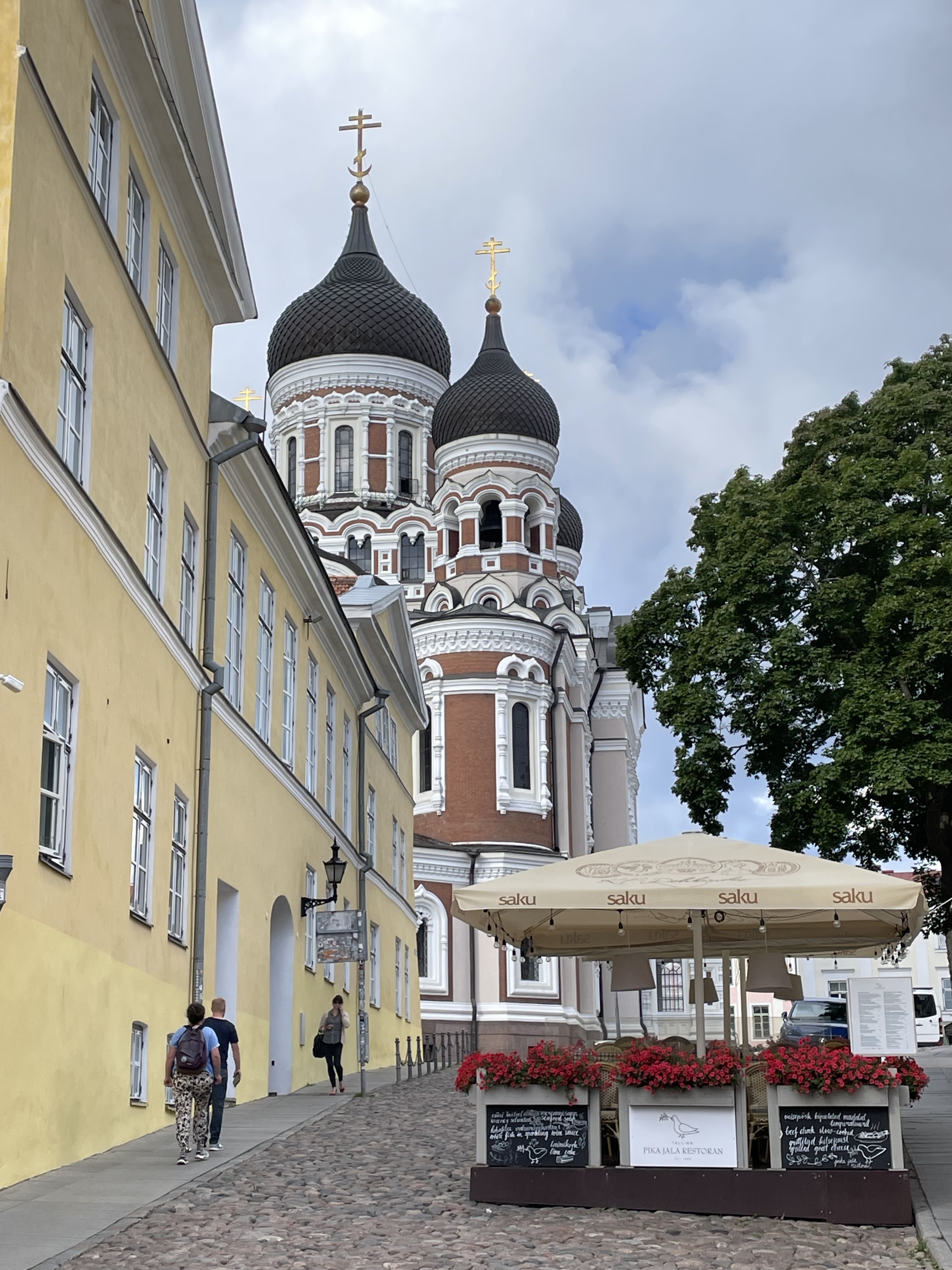
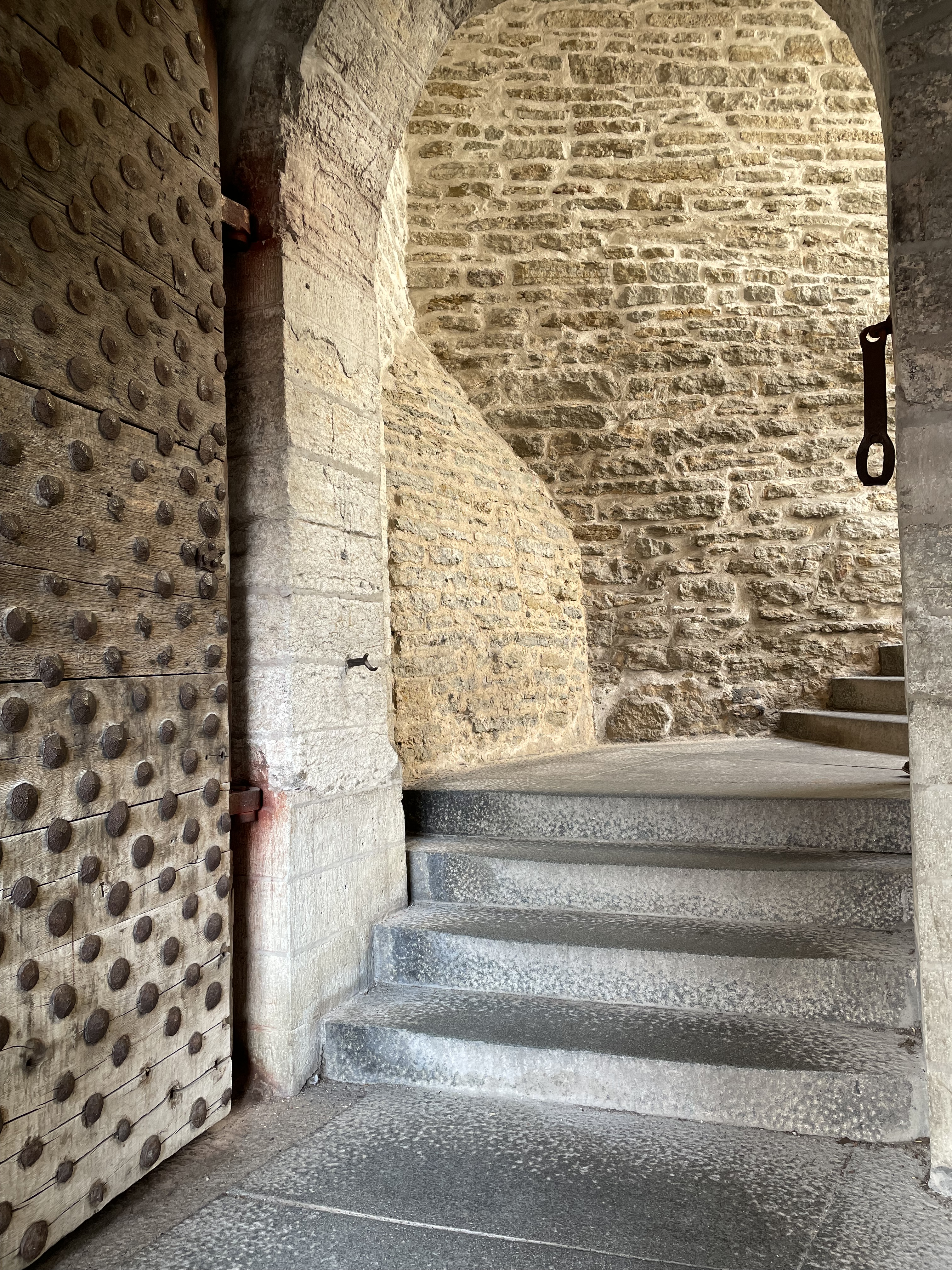
As one enters the lower town, the change is immediate. Here Tallinn has preserved the medieval urban fabric of narrow winding streets, many of which retain their medieval names.


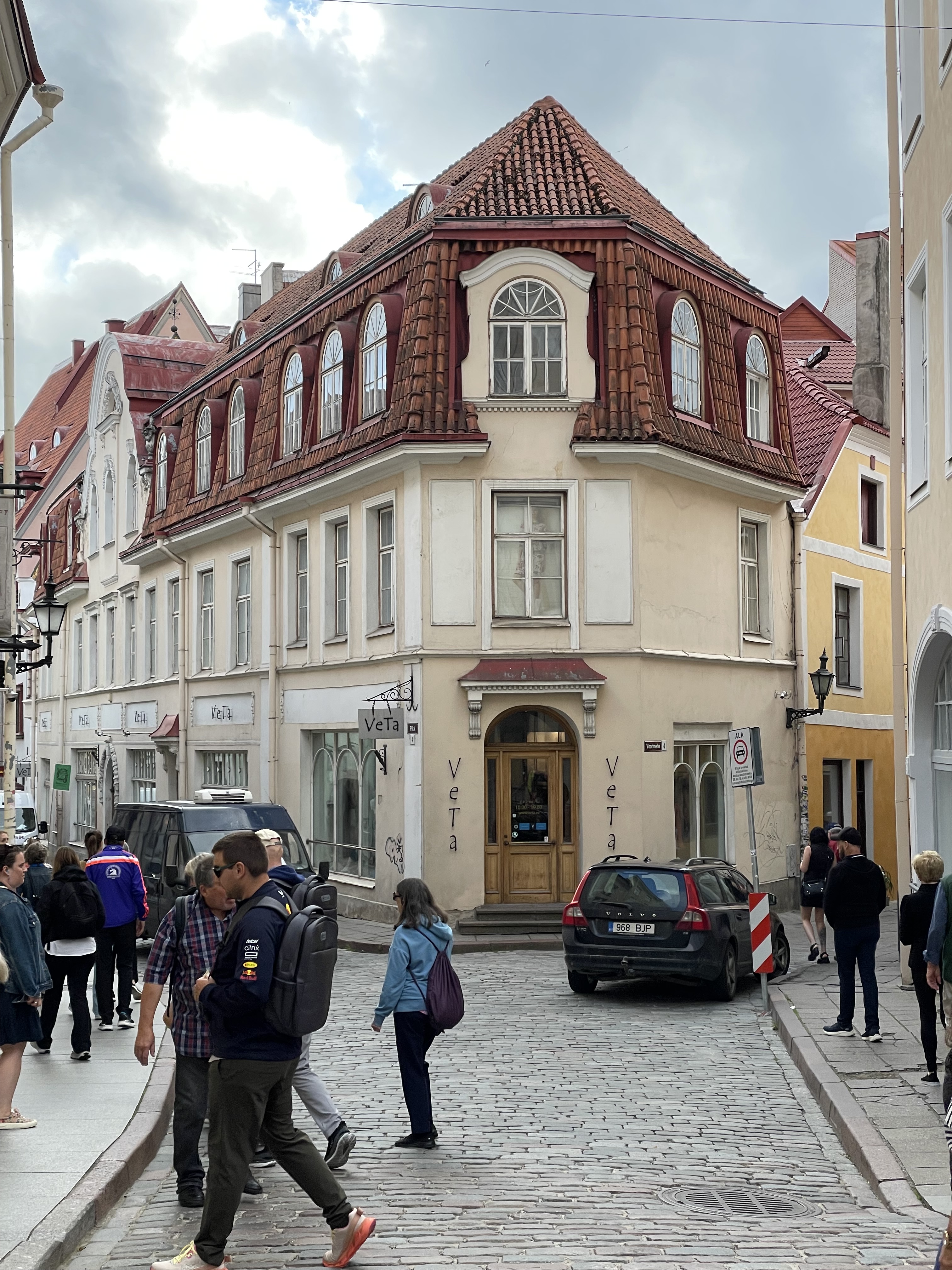
This is the city of shops, where merchants worked, lived, played, and worshiped, all while bringing together influences of East and West.
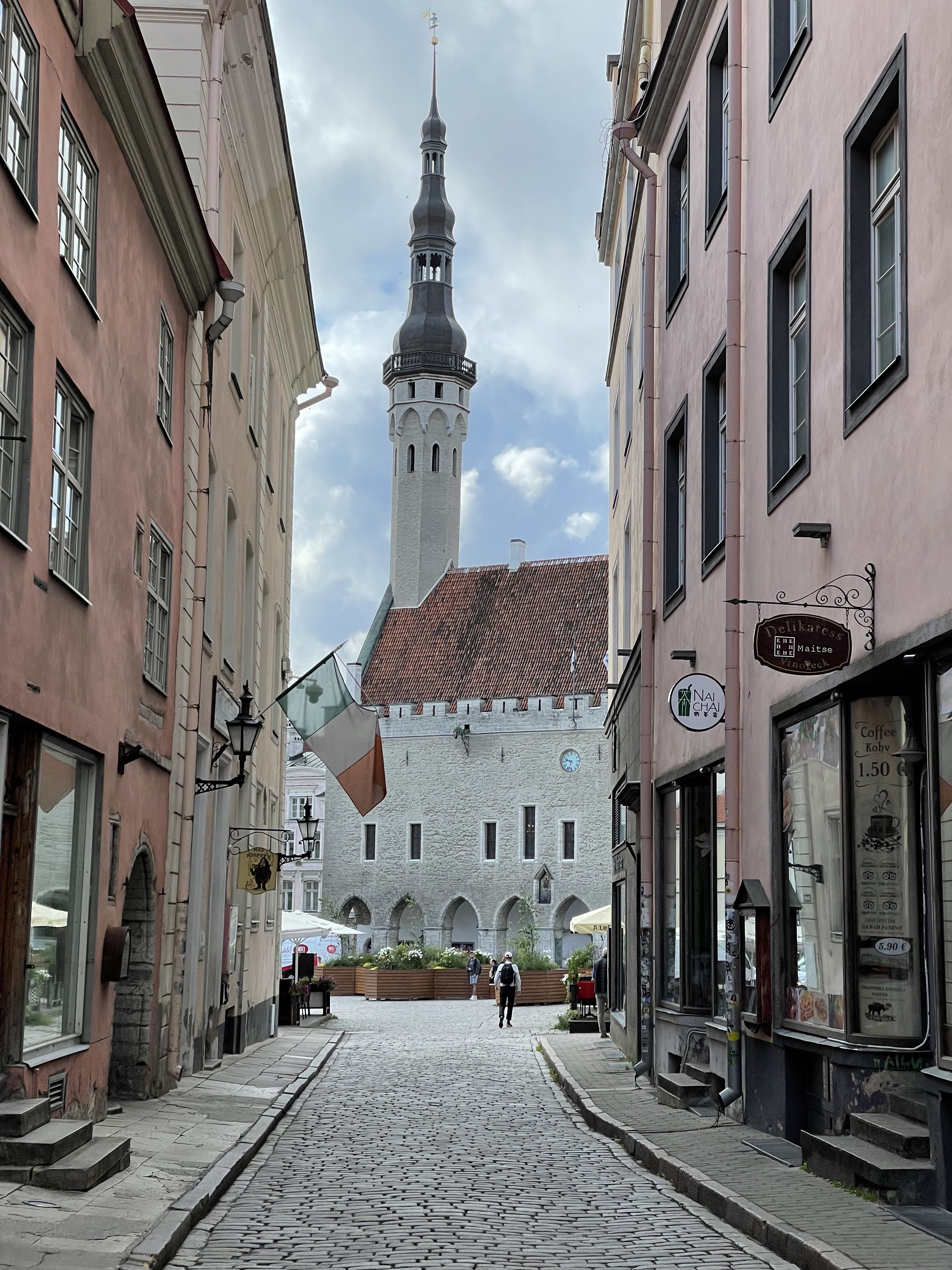
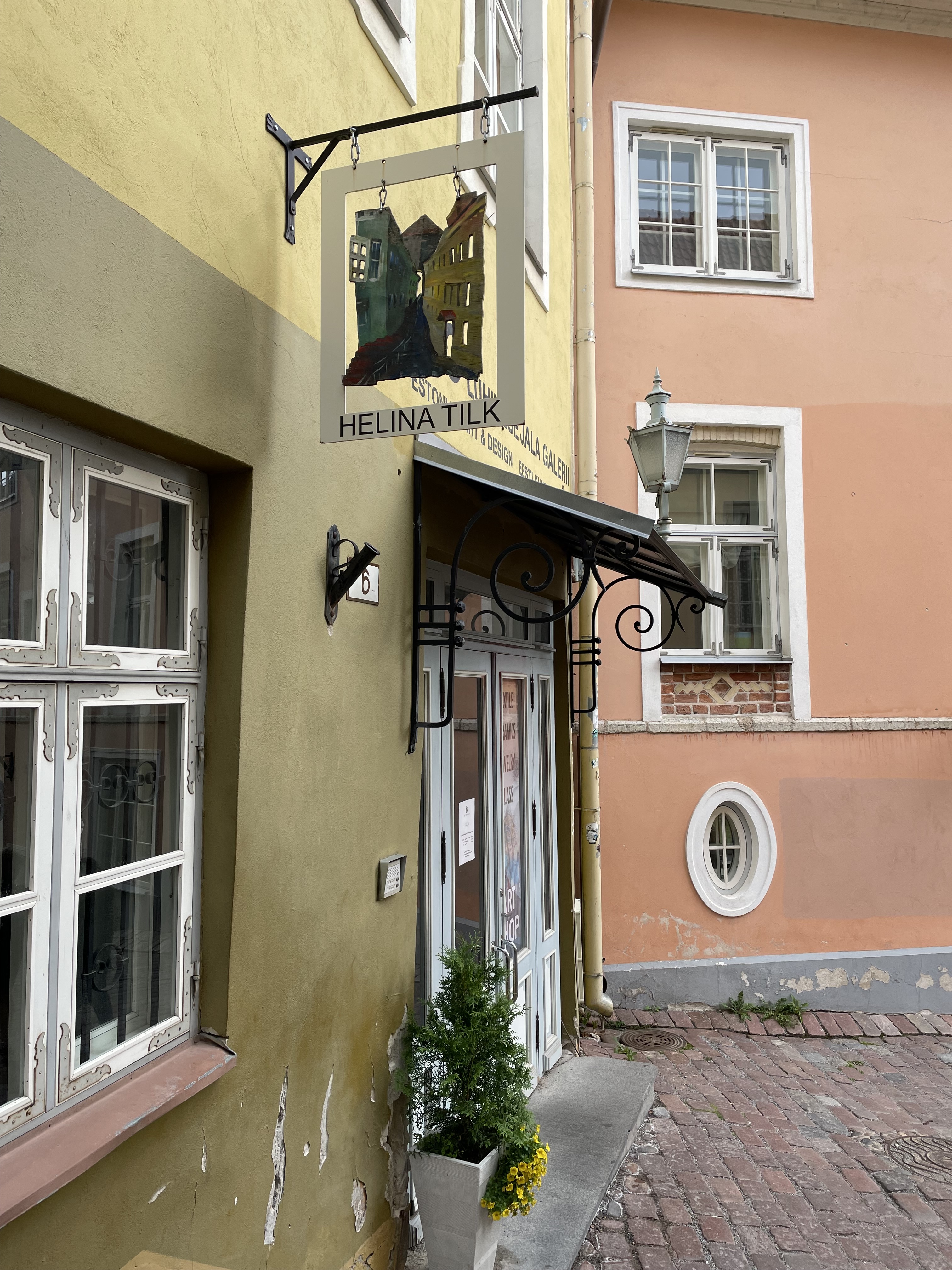
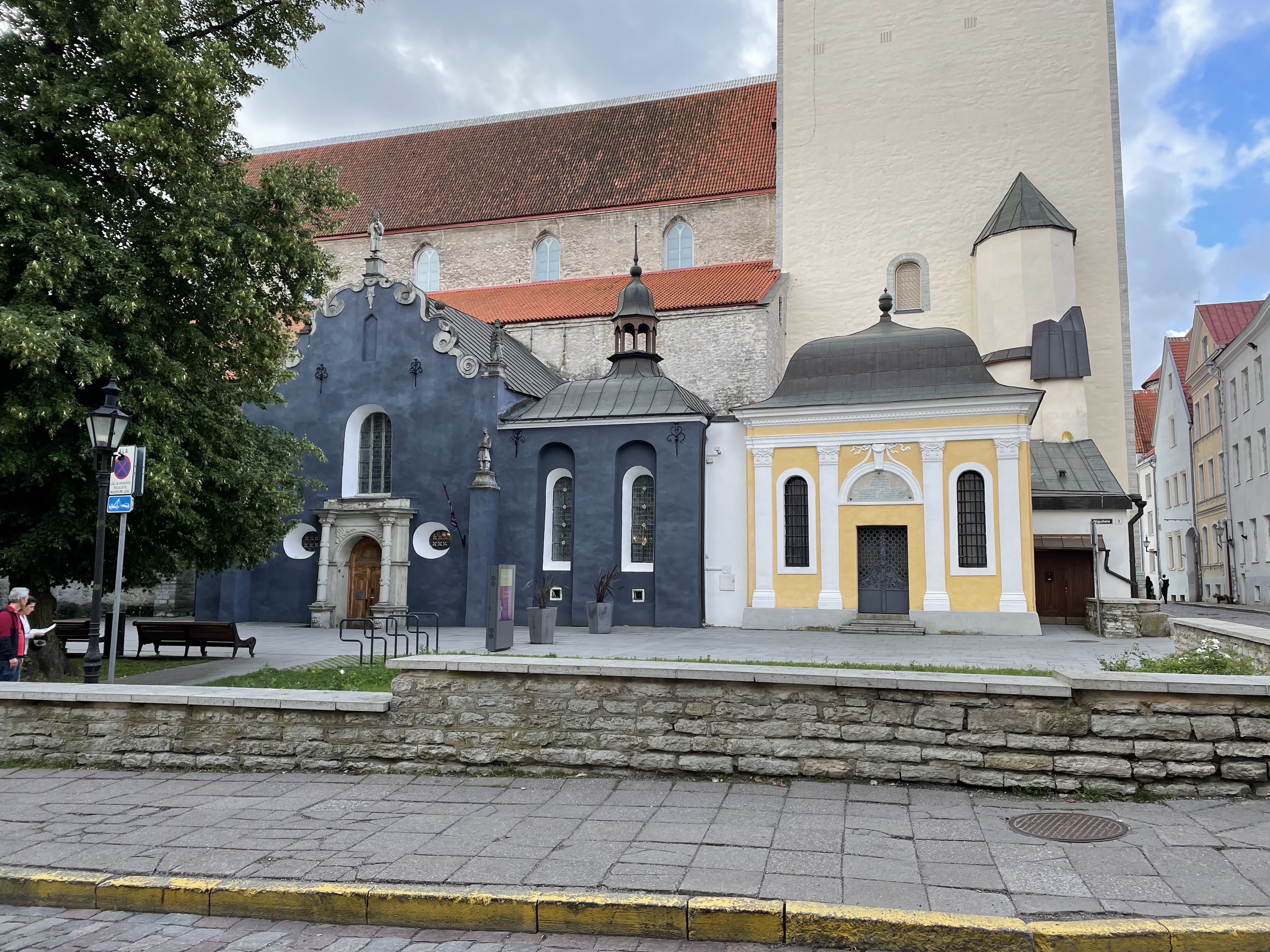
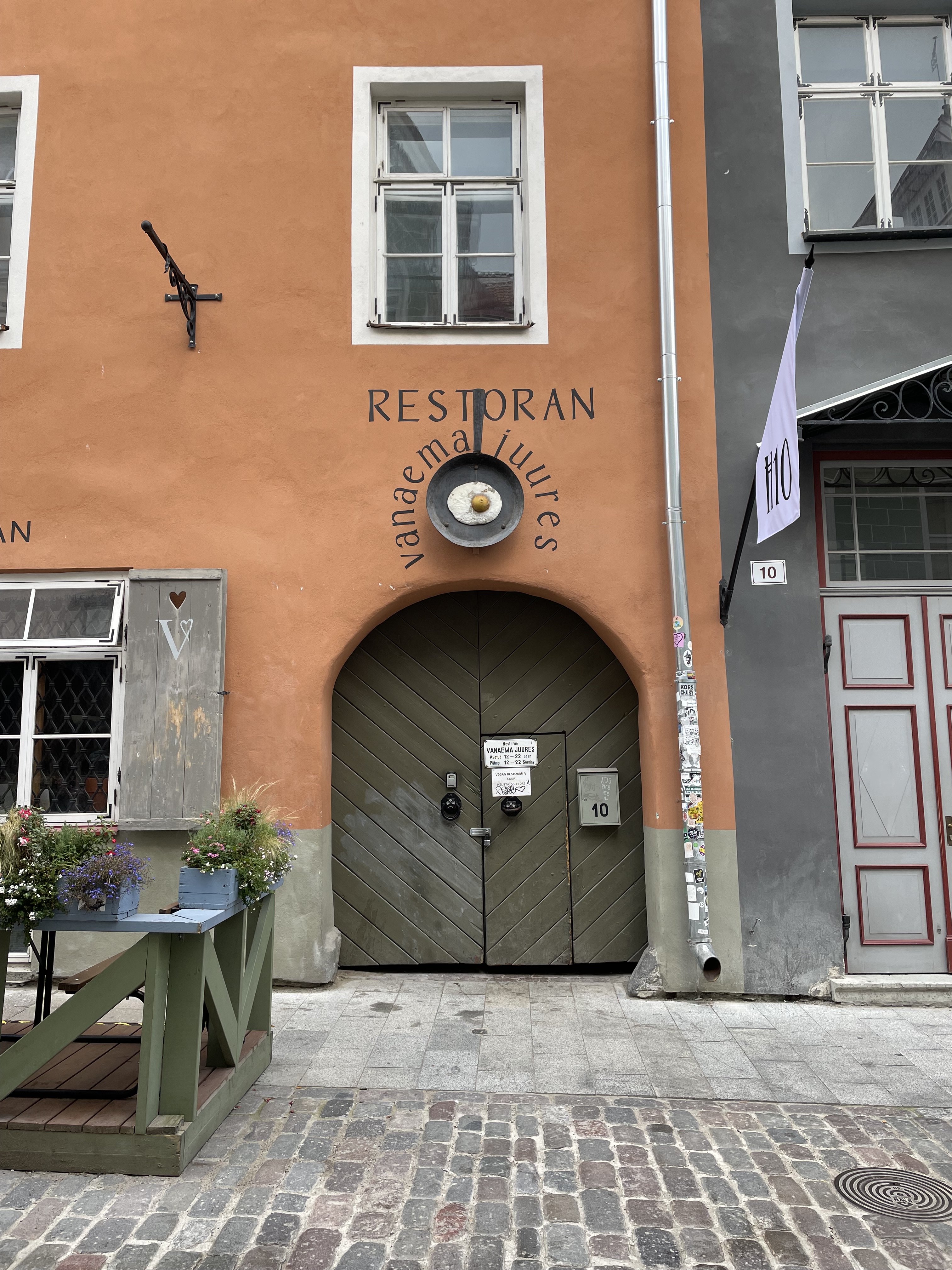
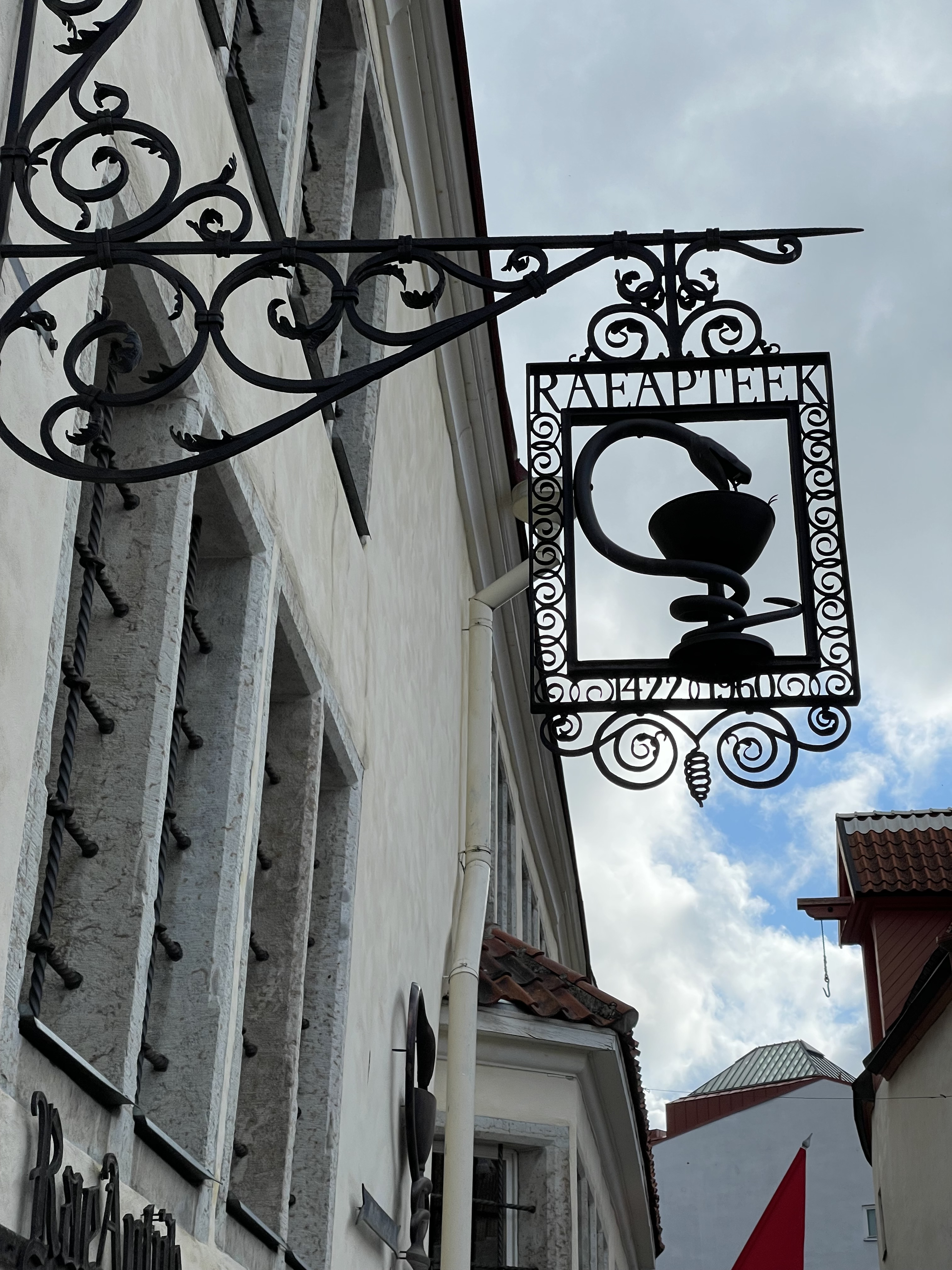
Historic and modern signs were found throughout the lower town, including the views of one merchant that reminds us of how close Estonia sits to the Russian bear.
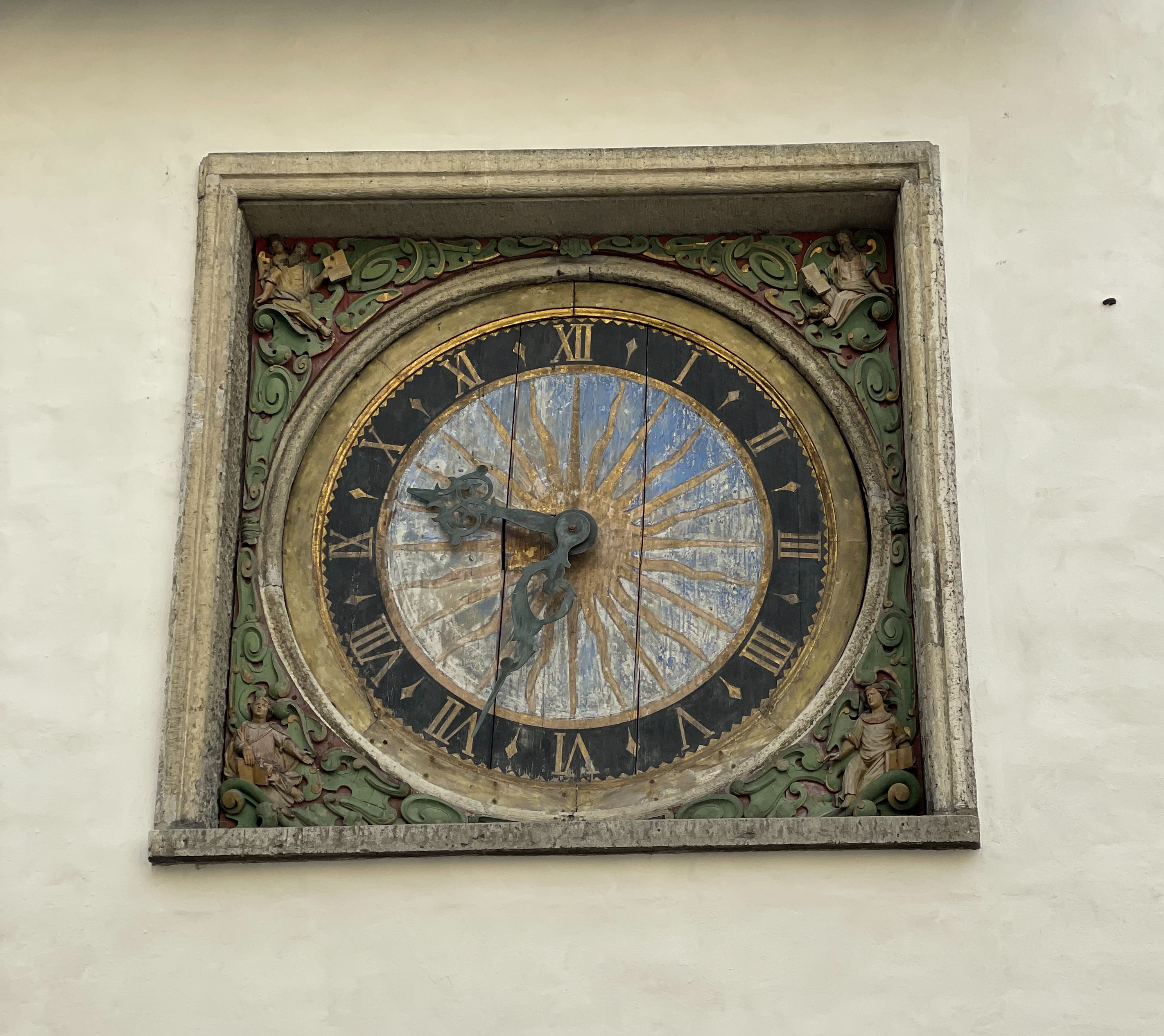
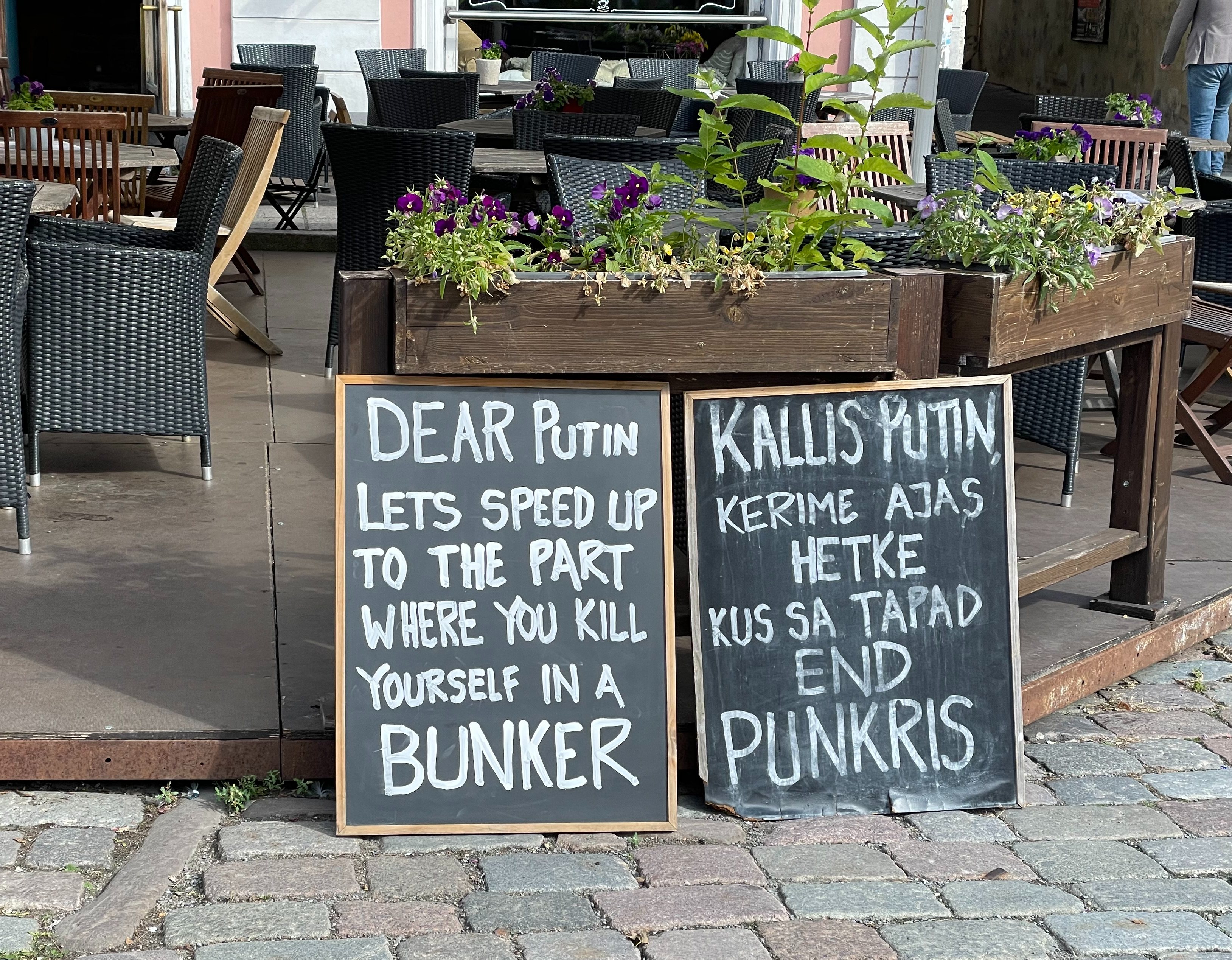
After moving through winding streets filled with shops and houses, the city suddenly leads the visitor into a vibrant and expansive town plaza, where one finds more shops, the town hall and court building, sidewalk cafes, and more.
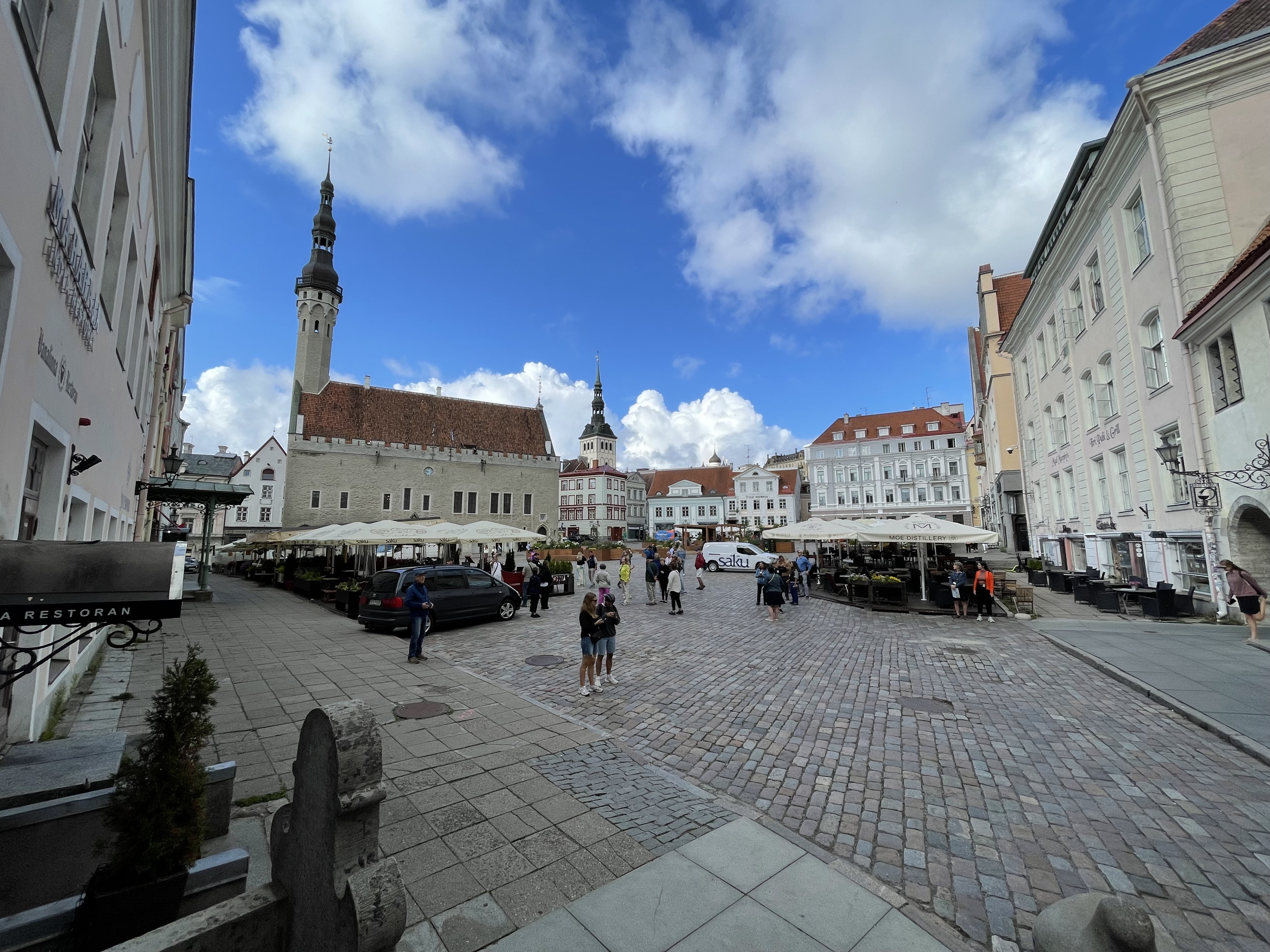
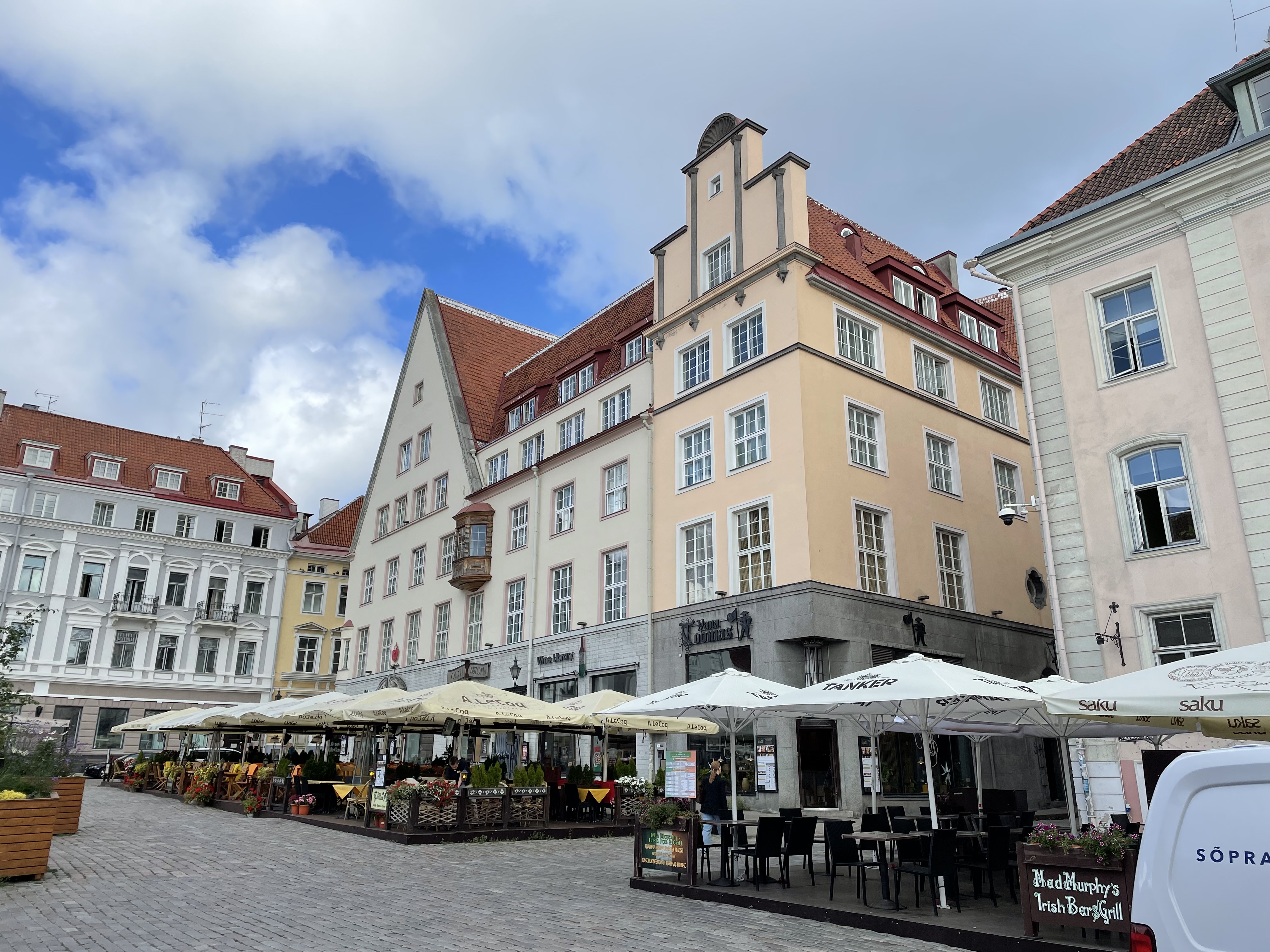
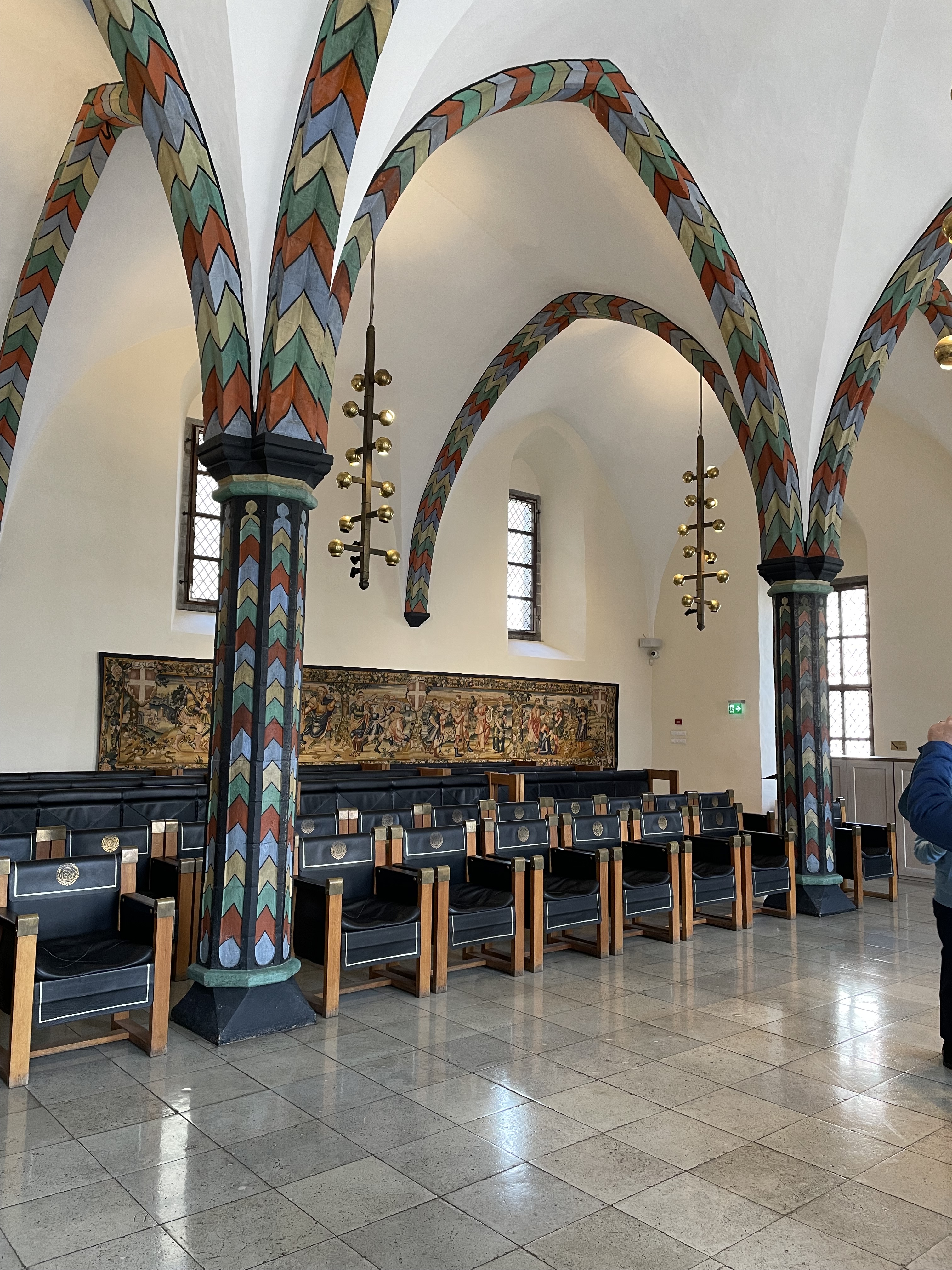

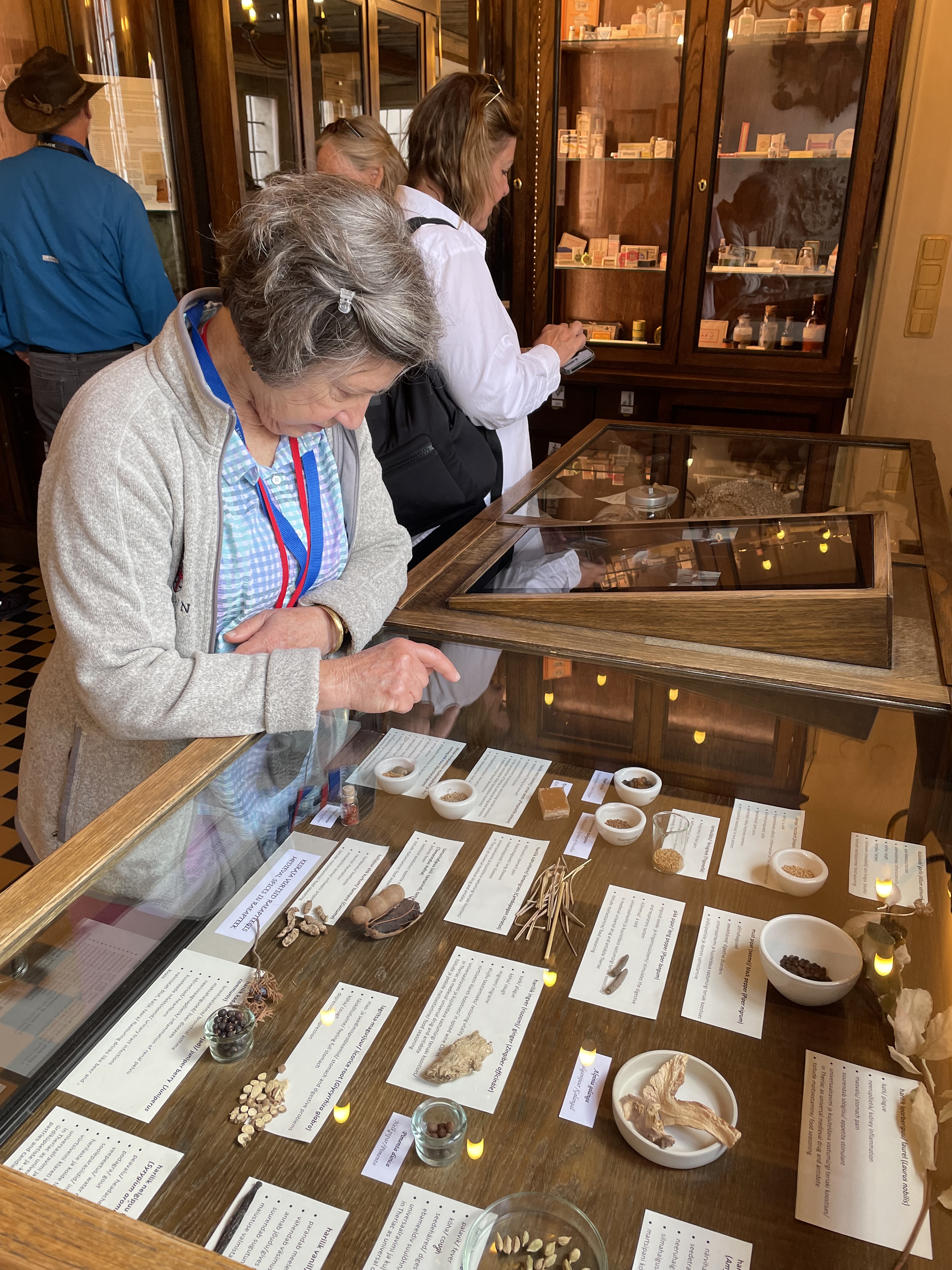
This city has survived to a remarkable degree despite the ravages of fire and war in the intervening centuries.
Tallinn is “off the beaten path” and thus primarily continues to engage with its citizens as a living city, hosting domestic, commercial and religious functions and serving as the administrative center of the country. However, as more visitors exclaim about this gem on the Baltic Sea, its treasures are becoming more widely known.

Two harbors, two cities, two approaches to preservation, two vibrant places to live as well as visit.
More to come . . .
DJB
 MORE TO COME...
And tooooooo cool! Thank you for the tour. Jane
You’re welcome, Jane!
Wonderful photos — you had great weather with those blue, blue skies and bright sunshine! I loved our stop in Tallinn when Jim and I cruised the Baltic, and Copenhagen has always been a favorite place. Thank you for helping me relive some memories. Sandy
Thanks, Sandy. So glad you enjoyed it. DJB
Pingback: Observations from . . . cooler climes | MORE TO COME...
Pingback: Observations from . . . August 2024 | MORE TO COME...
Pingback: The best of the MTC newsletter: 2024 | MORE TO COME...