
Candice has long been an admirer of the work of the pioneering nineteenth century artist Mary Cassatt, the only American among the French Impressionists. Born in Pennsylvania, Cassatt “challenged the conventional expectations of Philadelphia’s elite.” In Paris she “committed herself to a career as a professional artist and made the social, intellectual, and working lives of modern women a core subject of her prints, paintings, and pastels.”
Last Thursday we boarded a train to Philadelphia, disembarking at the magnificent 30th Street Station. From there we took a beautiful 20-minute walk along the Schuylkill River Trail on a picture-perfect summer day to the Philadelphia Museum of Art to see the exhibit Mary Cassatt at Work.

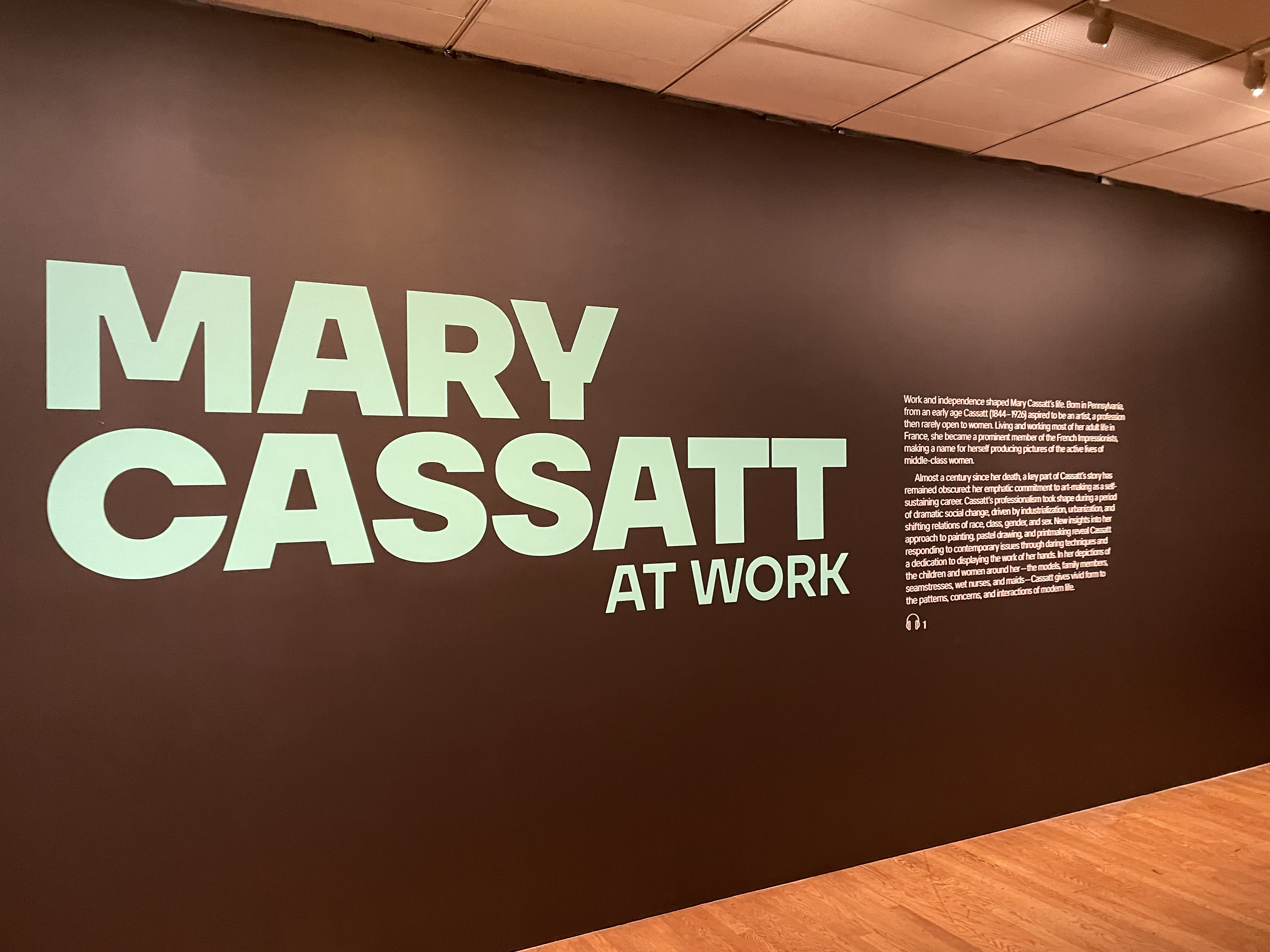
We were not disappointed. This is a rich and mind-expanding exhibition, which will remain at the museum through September 8th. We spent several hours working our way through the more than 130 Cassatt works which “follow the artist’s evolving practice and demonstrate her interest in the ‘serious work’ of artmaking.”
“Though recognized in her lifetime for her intimate depictions of women and children, Cassatt has yet to be appreciated for her serious engagement with the realities of gender and labor in her portrayal of other traditionally feminine activities, such as embroidery, reading, or making social appearances.“
The exhibition presents “new findings about the materials she used and her processes—which were advanced for her era—as it coincides with a detailed technical study of the Philadelphia Museum of Art’s significant Cassatt holdings.” Early in the exhibition, one comes upon two paintings of ladies at the theatre, where Cassatt applied and then removed various paints and changed perspectives mid-work, information uncovered in the extensive study completed for this show.


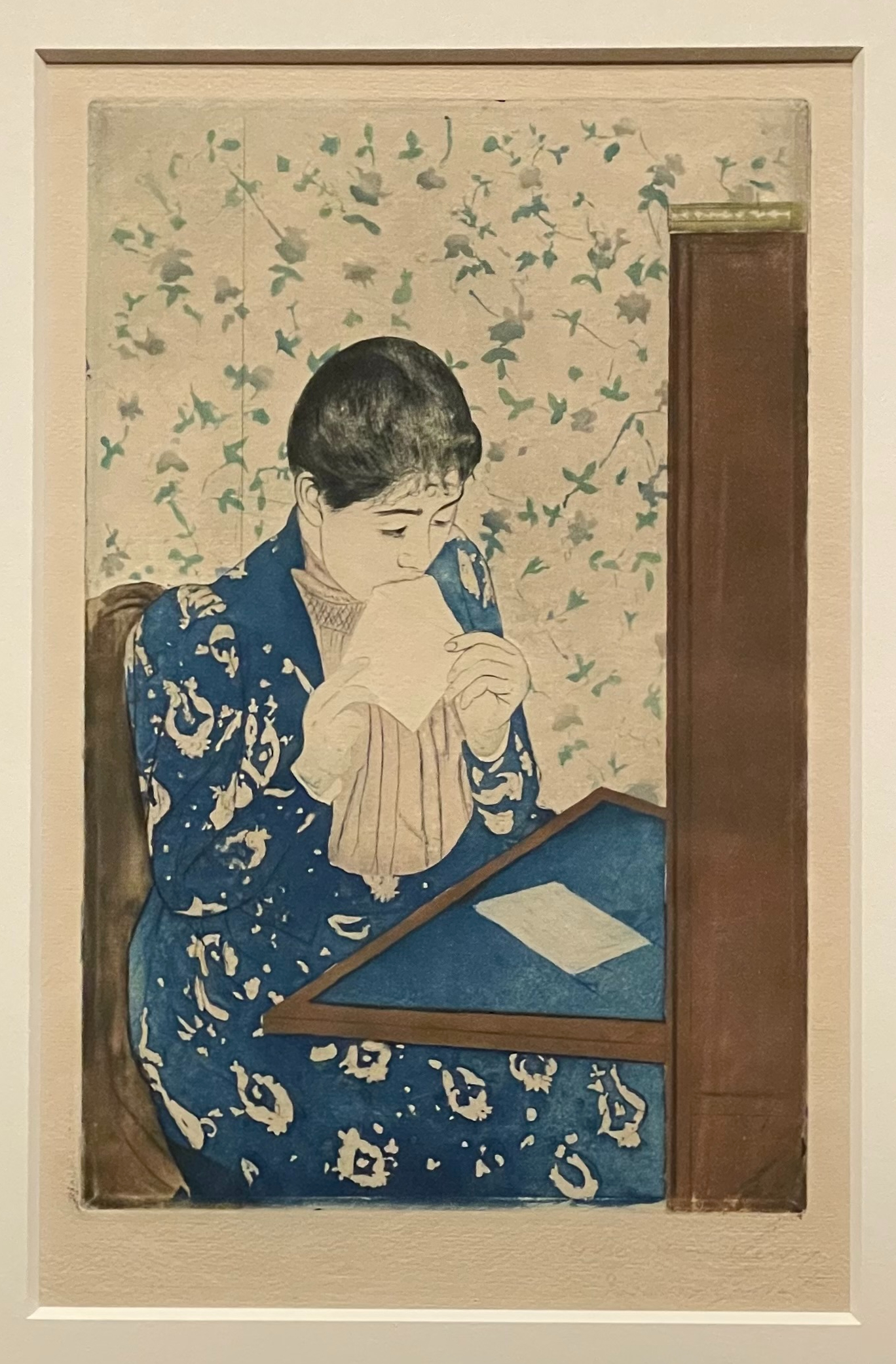
The exhibition includes the wide variety of mediums used by Cassatt such as printmaking, which she embraced after seeing a collection of Japanese prints in Paris. Her interest in Japanese prints and the process of printmaking can be seen in much of her work after 1883.
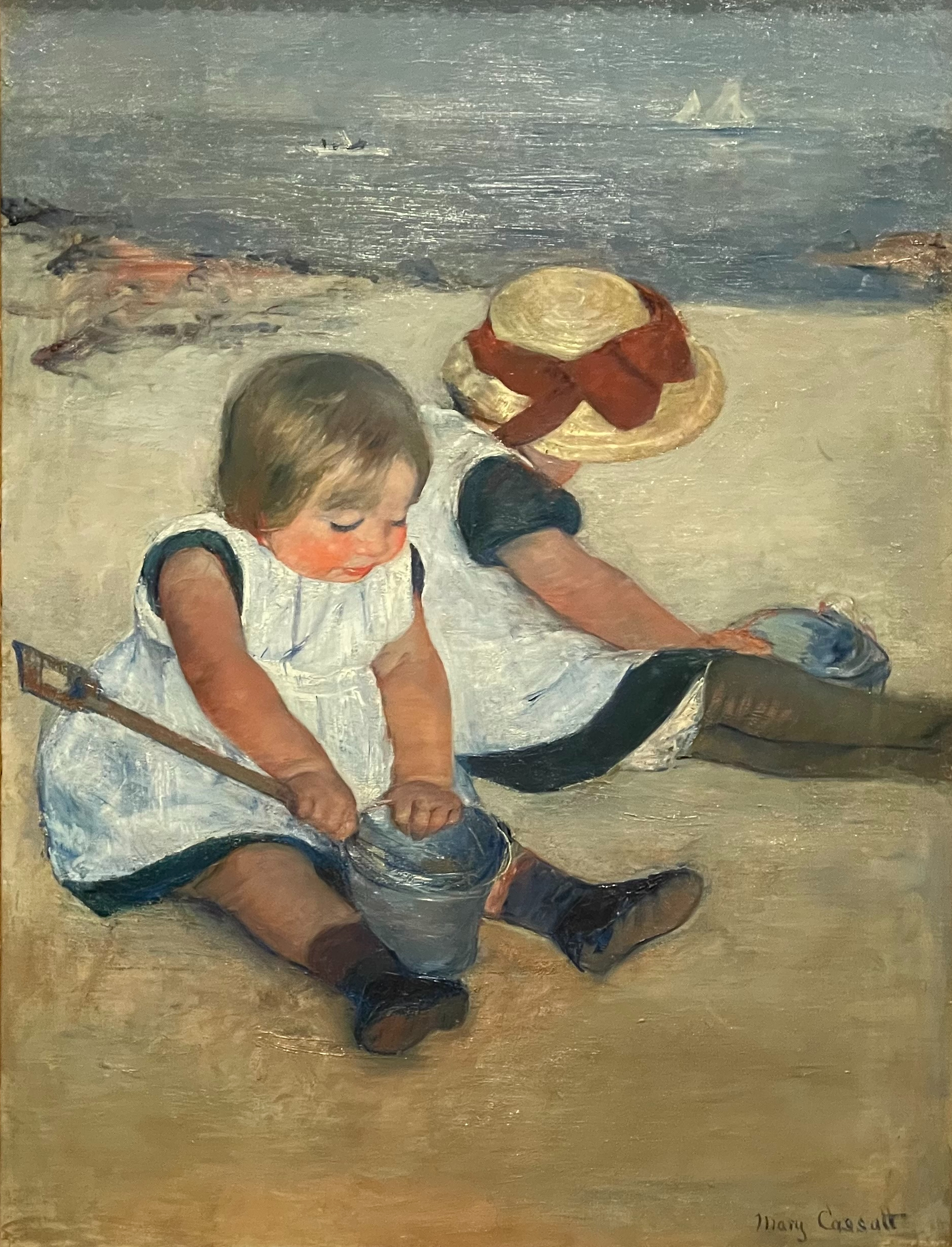
We saw some old friends on display. Children Playing on the Beach is a work we’ve both loved through the years.
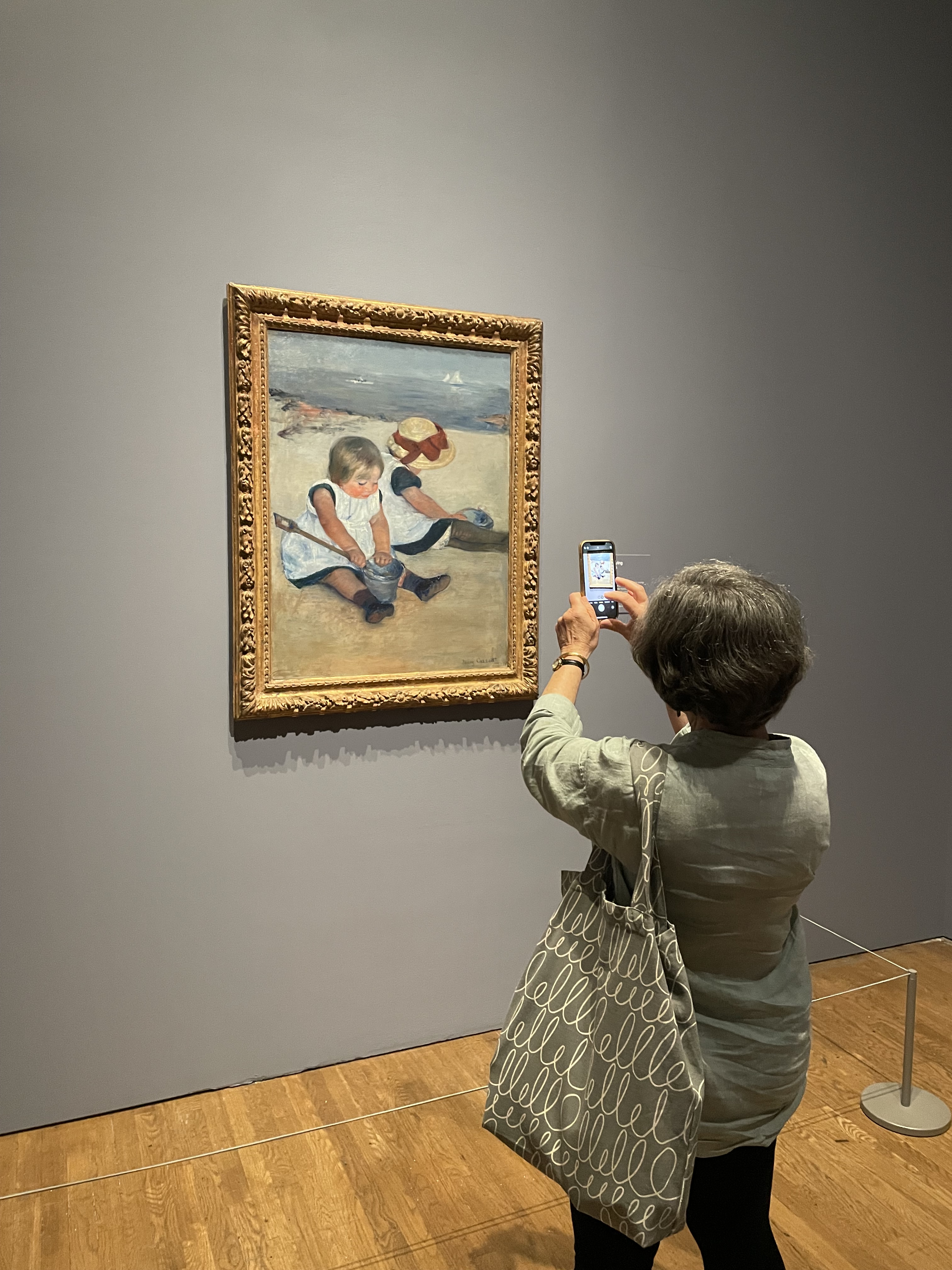
“By the time Cassatt exhibited this painting at the eighth and final impressionist exhibition in 1886,” notes the National Gallery of Art website, “her reputation as a painter of mothers and children had been well established. Critics had long commented on her ability to portray her subjects in a tender, yet unsentimental, way.” Children Playing on the Beach is one of her works influenced by her growing interest in printmaking.
“In this work, Cassatt tightly cropped the scene, tilted the picture plane forward, and reduced the number of objects in the background to draw attention to the two little girls digging in the sand. Absorbed in their activity, they embody the naturalistic attitude prevalent in both art and literature of the time.”
The National Gallery website points to the importance of this work.
“Although completed in the studio—x-radiograph studies reveal that Cassatt reworked almost every area of the canvas—the painting nonetheless conveys a sense of spontaneity and freshness. Such coastal scenes were popular among her impressionist contemporaries, but Cassatt rarely delved into the genre. This work, therefore, holds a place of singular importance within her oeuvre.“
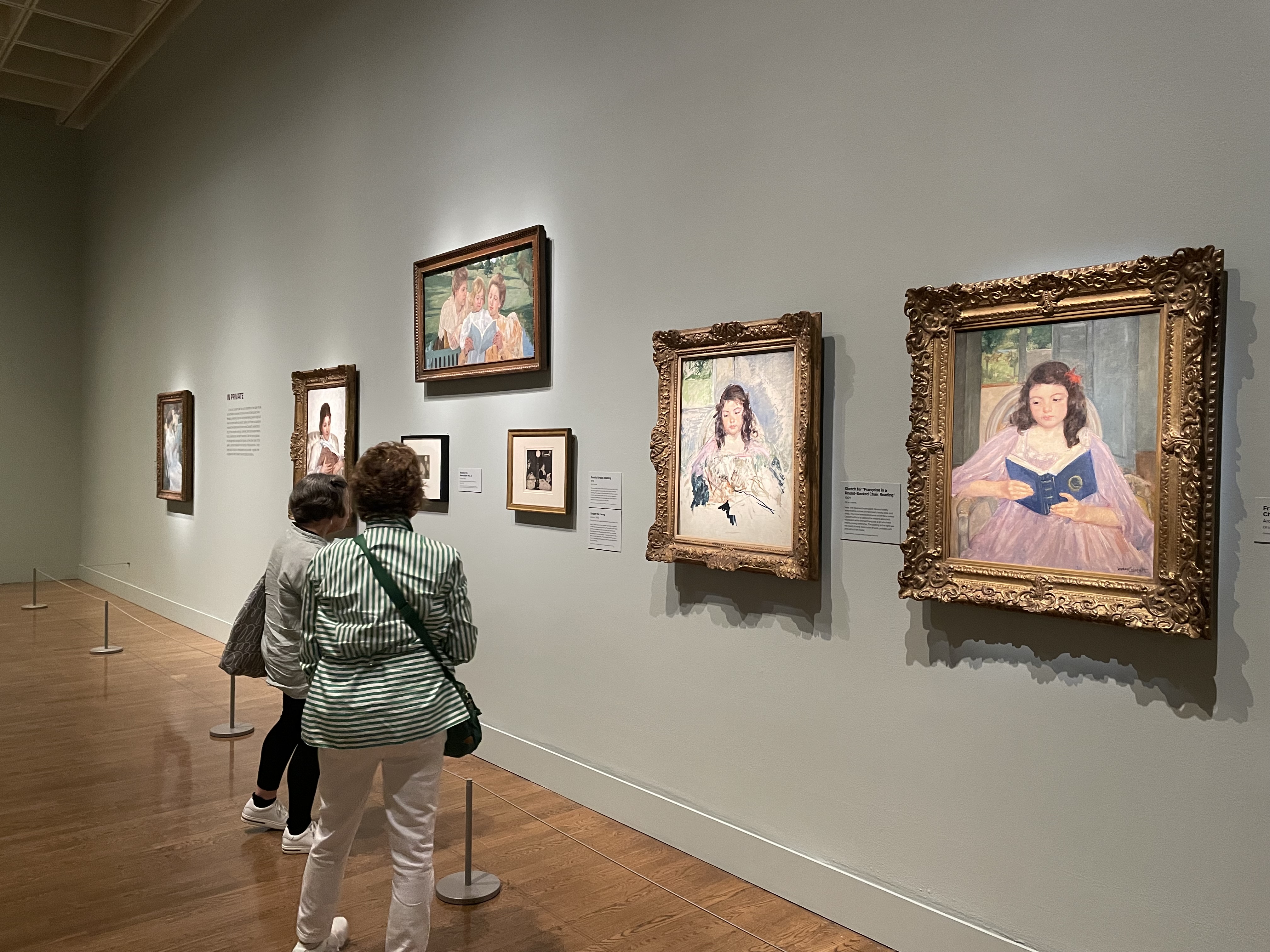
I was taken by the paintings, drawings, and prints of course, but also by the curators’ descriptions of how what we are learning about Cassatt’s work confounds the stereotype of a female artist who simply painted touching, sentimental scenes of mothers and their children. In fact, most of those adults depicted are working as caregivers, providing new dimensions to understanding these subjects.


“Mary Cassatt at Work is the first major showing of the artist’s oeuvre since 1998–99. By considering her professionalism, her biography, and the wider Parisian world she inhabited, a richer and more complex picture of Cassatt develops, inviting contemporary conversations about gender, work, and artistic agency.
And yes, this was how we felt after touring the exhibit for three hours!

It was also a good day to reflect on the role of museums in our communities.
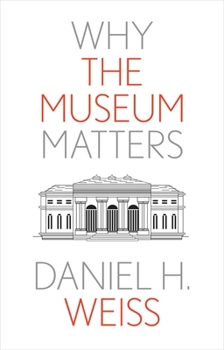
Why The Museum Matters (2022) by Daniel H. Weiss is part of the Yale University Press Why X Matters series. Weiss—President Emeritus of the Metropolitan Museum of Art where he served from 2015-2023 as President and Chief Executive Officer—makes the case that art museums have been vital in the growth and understanding of our culture and continue to have a critical role in our communities today. A short history begins in the ancient worlds of Greece and Rome, touches on how churches were often the museums of the Middle Ages, considers the European “Grand Tour” as a precursor to both collecting and curating practices, and looks at the way Enlightenment ideals of “shaping ideas, advancing learning, fostering community, and providing spaces of beauty and permanence” were key to the development of the modern art museum.
These are consequential places, argues Weiss. He quotes Nicholas Serota who writes that cumulatively, museums “offer thousands of small and large epiphanies.”
Weiss brings many of his thoughts back to personal experiences at The Met yet thoughtfully considers broader considerations “about the role of art in society and what defines a cultural experience.” He understands that the future of art museums is far from secure. There are difficulties—financial health, collecting practices, audience engagement, exclusivity, and freedom of expression—that he addresses throughout this work.
Shared governance is one solution he suggests in what is generally an optimistic look at a future “where the museum will serve a greater public while continuing to be a steward of culture and a place of discovery, discourse, inspiration, and pleasure.”
“I am convinced,” Weiss writes, “that the cultural world can play an essential role” on the journey of finding a productive way forward for our democracy . . .
“. . . in part simply by bringing us together in a shared, uplifting purpose but also by offering us perspectives that are larger than our own and that might help us to navigate toward a more just and equitable future.”
While in Philadelphia we also took the time to explore the Art Museum’s exhibit of American Ironwork from 1750-1930 . . .
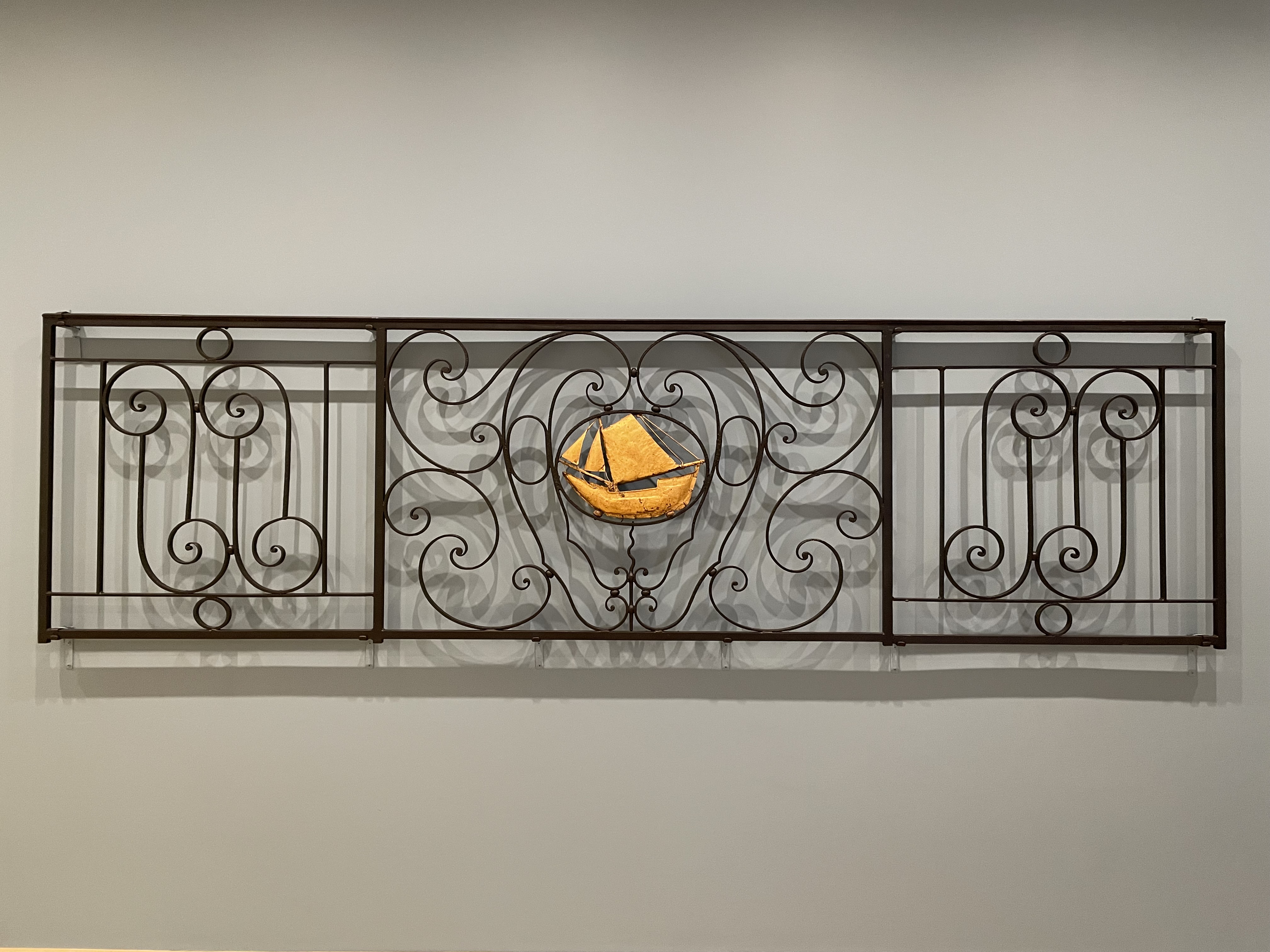
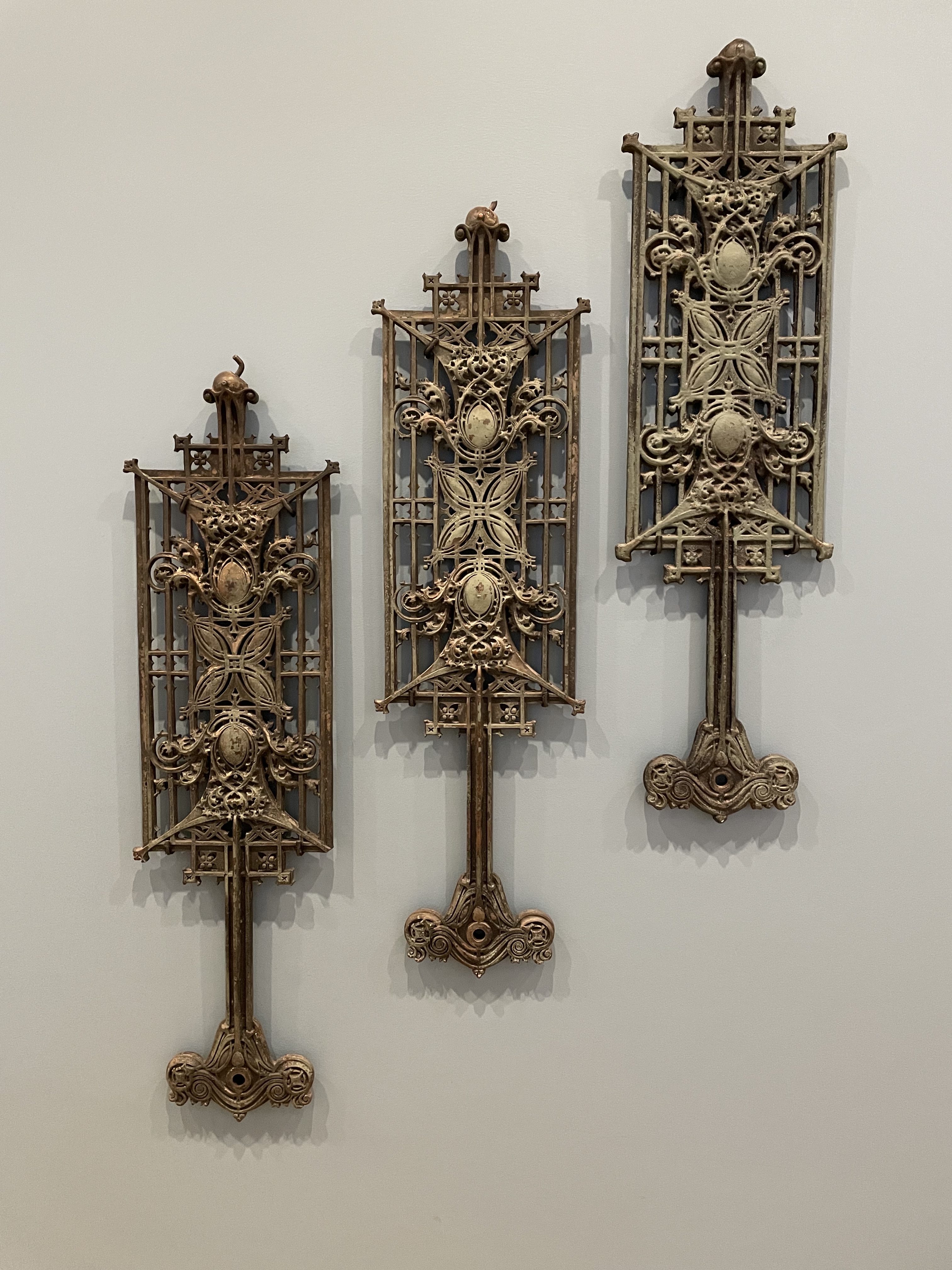
. . . as well as a small but exciting exhibition of Japanese art from the Edo period of 1615-1868.
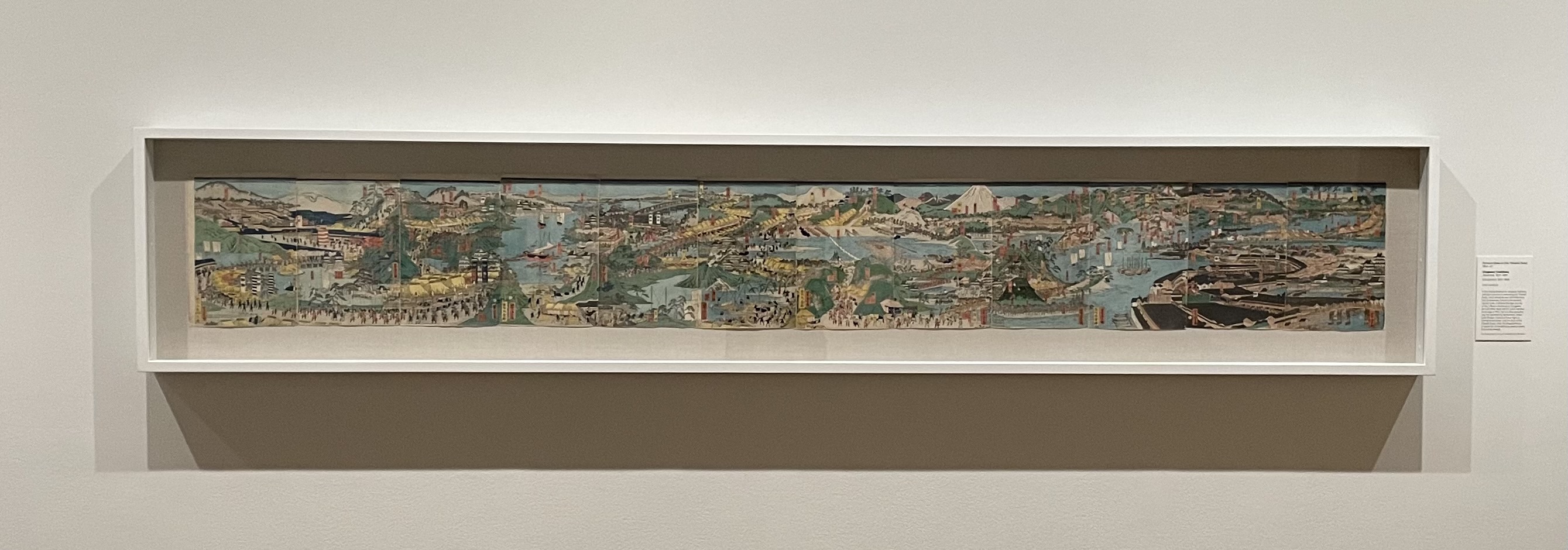


The Cassatt exhibition ends on September 8th, while the Edo Period exhibition ends in January of 2025. Just a short train ride from either Washington or New York, the Philadelphia Museum of Art matters . . . and is worth a visit.
More to come . . .
DJB
 MORE TO COME...
Pingback: Observations from . . . August 2024 | MORE TO COME...
Pingback: From the bookshelf: August 2024 | MORE TO COME...
Pingback: Baseball is the belly-button of our society | MORE TO COME...