
Malaysian architect Laurence Loh writes that historic sites convey a spirit of place. A cultural essence. And he suggests that the concept is best understood if one alludes to the notion of “body and soul.” For Loh, the body is “the physical fabric of the heritage site. The soul is the sum of the site’s history, traditions, memories, myths, associations, and continuity of meaning connected with people and use over time.”

I was thinking of Loh’s framing when reading a thoughtfully written and beautifully illustrated book on Amsterdam’s historic canal district. The editor notes early in this work that “understanding the city can be as complex as studying the biography of a human being: true identity lies in development, growth, and change.”
Body and soul, in other words.
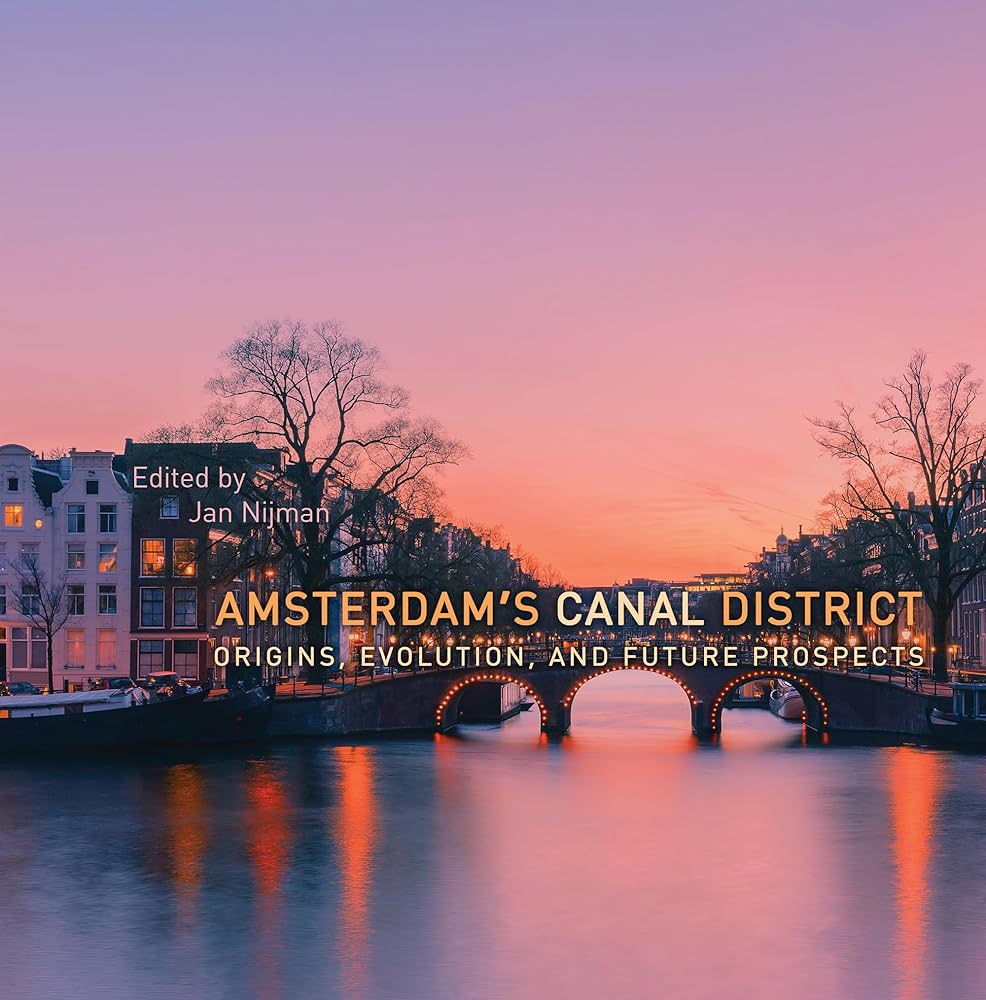
Amsterdam’s Canal District: Origins, Evolution, and Future Prospects (2020) edited by Jan Nijman moves beyond the typical focus on the iconic district’s creation in the country’s 17th century Golden Age to bring together an impressive list of scholars to highlight lessons learned from the district’s evolution. Working from a variety of disciplines, these scholars also bring varied perspectives to the study of contemporary debates facing this world class city. There is no interest among these writers in seeing the city become a memorial to a lost culture. Instead, this work is a call for “the outward appearance of its architecture to be linked with the identity of the people who created, used, and maintained it, and still inhabit it.” People are at the heart of this important work.
After Nijman’s wide-ranging introduction, he breaks the work into three parts: historical origins, evolution, and 21st century challenges. Russell Shorto’s probe of the “early modern-capitalist mindset” in Designing the World’s Most Liberal City is an especially enlightening chapter in the opening section. The roots of the city are in the water, as Shorto demonstrates in describing “an urban development project designed for the city’s residents, and designed in particular to enable those residents to do nothing less than exploit the world.” The merchants of Amsterdam could conceivably travel around the world to bring the riches of the globe home without having to set foot on dry land. And because they turned the problem of water into an advantage, the Dutch thrived on a “particular combination of individualism and communalism that helps define ‘Dutchness.'” Nobility did not own Amsterdam; it was a company town owned by merchants and early capitalists.
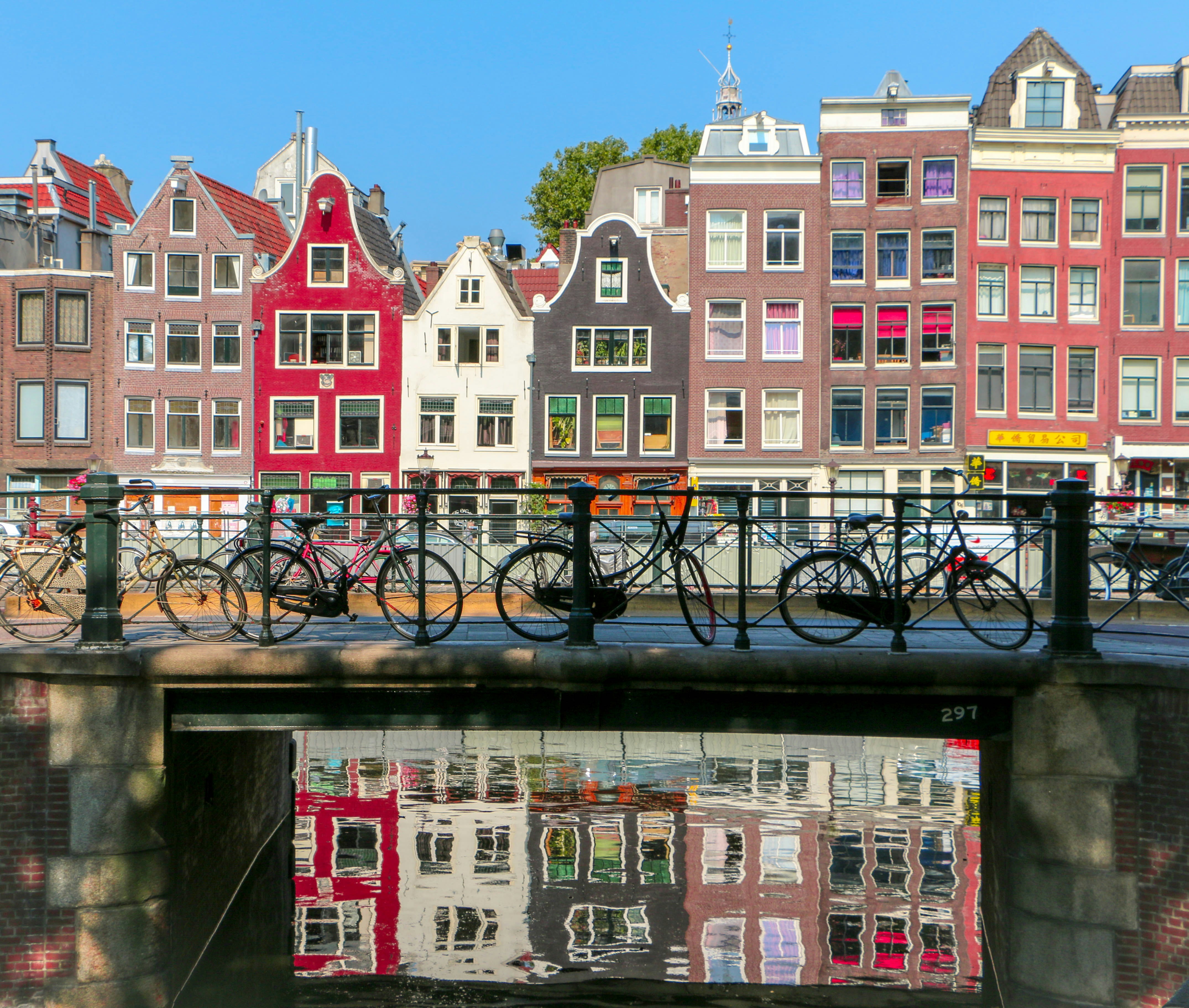
This combination of individualism and communalism comes back in Freek Schmidt’s contribution to the second section, where he speaks to the importance of the “multilayered evolution and multiple architectural idiosyncrasies” of the Canal District. These were buildings, neighborhoods, and landscapes that reflected both the individual tastes of the owners and builders but also the ever-present concerns of the city’s fathers over aesthetics and especially function.

Finally, each of the three essays in the section on 21st century challenges explores critical issues facing Amsterdam today: economic and housing pressures, recognition of contested history, and over-tourism. In many ways this section gets to the work’s key questions. Whose city is it? Which histories are celebrated or slighted?

This very readable and insightful overview of Amsterdam is filled with explanatory charts and beautiful illustrations. It is a book of interest to those who care about the future of this most intriguing of cities, but it also has much to add for those concerned with broader questions of urban planning, historic preservation, and sustainability in today’s world.
More to come . . .
DJB
Photos from UNESCO and Unsplash.
 MORE TO COME...
Pingback: Observations from . . . February 2025 | MORE TO COME...
Pingback: From the bookshelf: February 2025 | MORE TO COME...
Pingback: The year in books: 2025 | MORE TO COME...