
Disorder in life is notoriously difficult to navigate. We are living in a time where it is often hard to determine what is up and what is down. Truth is elusive while gaslighting is everywhere. Things we took for granted—like an appreciation for mercy—are no longer secure.
“A preacher gets up, quotes scripture, and reminds the gathered congregation that God loves the outcast—those in fear for their lives—the poor, prisoners, the disabled, and the oppressed.
In the midst of the daily firehose of lies and anger, we search for someplace where we can anchor our boat in turbulent waters.
Who knew that Lent—a period normally associated with contemplation and discipline—could also be seen as a time for strengthening our resolve, enabling us to remain “salt and light” under difficult circumstances?
For those from a traditional spiritual tradition the season of Lent comes along at just the right time, providing a forty-day mental and spiritual refuge; a time to center our spiritual lives and ourselves in the world.
Writing in her Everyday Ethics newsletter, Aine Donovan suggests that how we react to the events of the world is dependent upon “where we are situated in our spiritual lives.” Sarah Kendzior, an expert in authoritarian regimes, points to the importance of knowing who we are, centering into what Howard Thurman called “the sound of the genuine” inside us.
Lent is a refuge for reflection. Recalibration. Renewal. Seekers of all persuasions are welcomed to see the advantage of setting aside a season for contemplation and work—thought and action—on that which is most important yet often most neglected: our interior life.
It wasn’t until I retired that I established the yearly habit of a Lenten reading: one book, forty passages, daily time for reflection. Don’t wait that long. Lent’s refuge and rhythms are too important to let them pass because of the busyness of life. The conversations with my book group spurred by my reading this year have been especially helpful in pushing me to consider where I am spiritually during this turbulent time.
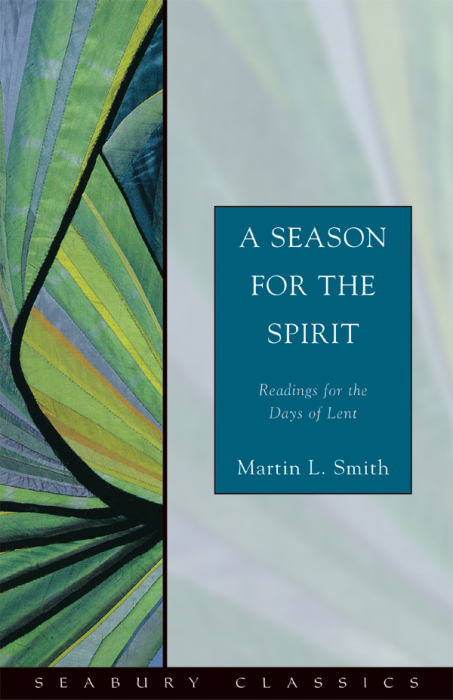
A Season for the Spirit (2004) by Martin L. Smith was originally commissioned by the Archbishop of Canterbury in 1991. These forty meditations are a journey of discovery of our humanity and humility. On Ash Wednesday as we are reminded that we came from dust and will return to dust, Smith suggests that what we are called to give up in Lent is control itself. To humble ourselves. Letting go and handing ourselves over to the divine—the Spirit—brings us much closer to the life we are called to live. Many have been trained “to invoke the word ‘discipline’ at the beginning of Lent.” Yet deliberate efforts at discipline too often fail. The paradox is that by relinquishing our efforts to control our lives we can begin to find the freedom “that is gained only through exposure to the truth.”
“Truth is not a thing, it is rather an event. Truth happens to us when the coverings of illusion are stripped away and what is real emerges into the open.”
In the Biblical story that Smith uses as a frame, we begin at the muddy river of Jordan, where Jesus is baptized with hundreds of others “swarming in the river.” This is not the picture of a singular figure seen in stained glass windows and religious iconography. Instead we see “Jesus’ solidarity with ordinary, struggling men and women.” It is a theme Smith returns to again and again: we are called to open ourselves “to intimacy and personal union with God in the Spirit, and to open ourselves to compassion and solidarity with our struggling, needy, fellow human beings.”

Each day Smith takes the reader through spiritual struggles we all face in dealing with our intimacy with the divine and our identification with God’s fallen creatures. Intimacy and community. Always both. To act in that realm brings us to experience both joy and pain.
This relationship between intimacy and community goes even deeper when we consider the words of the early philosopher and theologian Origen: “You yourself are even another little world and have within you the sun and the moon and also the stars.” This vision of the human person as a microcosm, Smith writes, “is one of the most universal of religious insights.”
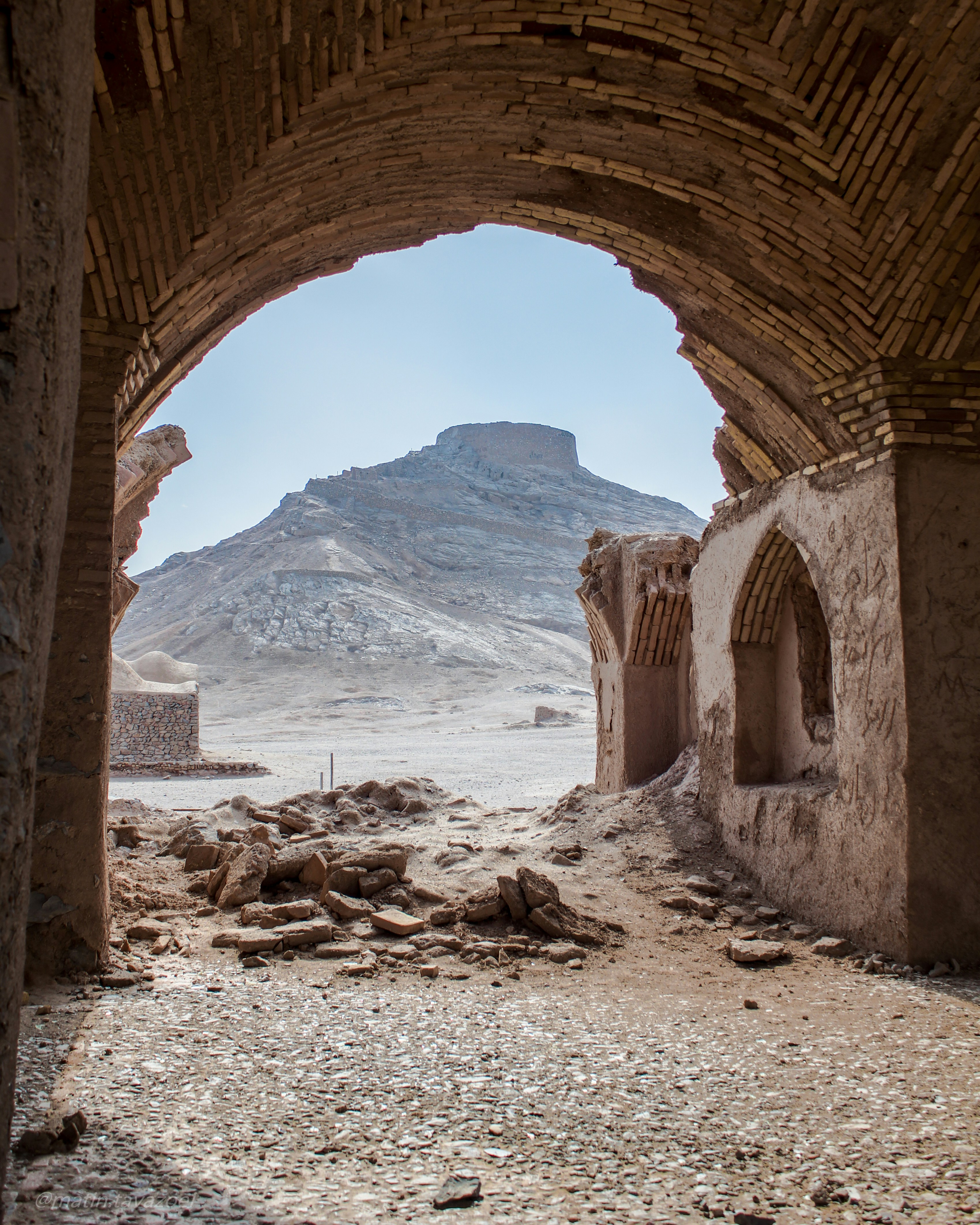
Smith often returns to the wisdom of the desert mothers and fathers. The insight that each of us is a microcosm of the whole world taught them that in refuge and retreat we do not leave the world when we go into the desert. We take it with us. That truth may “throw some light on my experience of diversity within myself.” Working to love the diverse world around us might be the path towards loving the diversity within ourselves.
“You start where you are and deepen what you already have and you realize that you are already there. We already have everything but we don’t know it and we don’t experience it. All we need is to experience what we already possess.”
Thomas Merton
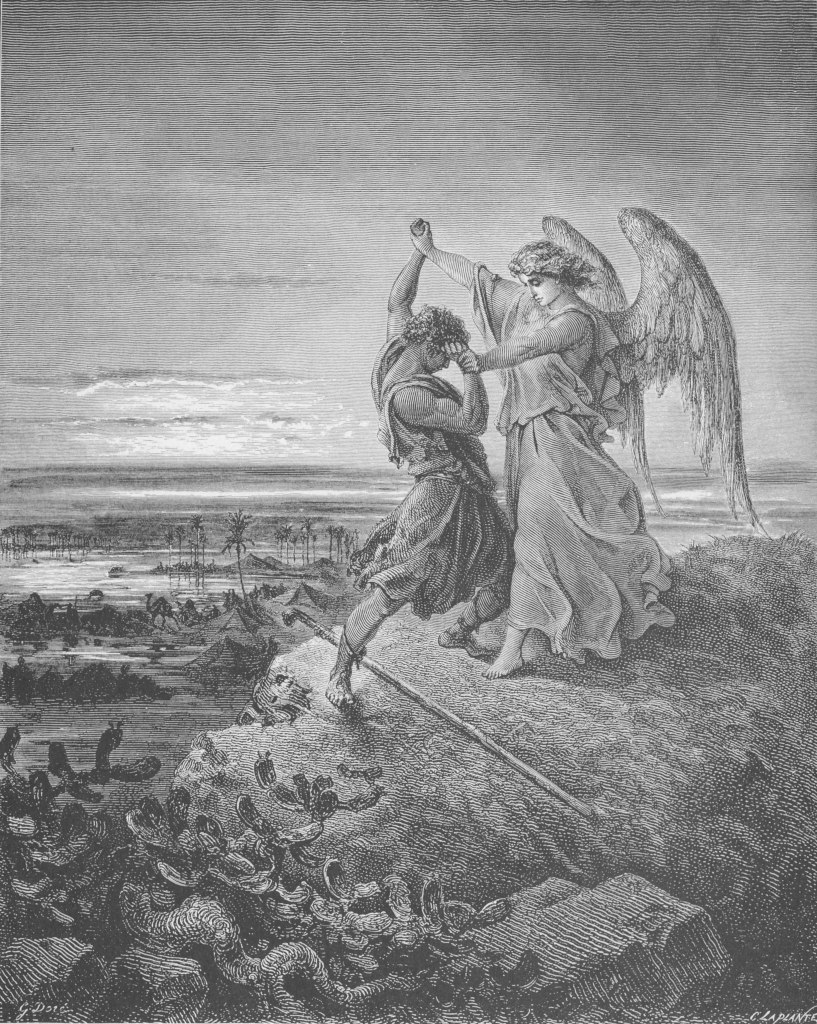
In recounting the story of Jacob wrestling with the angel—a story of great importance in religious traditions ranging from the early western monks to the Puritans of New England—Smith reminds his readers that the story is about us. “You will never go forward, never be blessed unless you are prepared to struggle with God and let God’s arms get round the violence that is in you.”
In today’s world of chaos and angst, we too often reject real reflection. We are more than ready to project our own bad behavior onto others. Smith suggests instead—in this season of recalibration and renewal—that we come to know that we are powerless to reform ourselves through our own strength. We call that which is greater than us by many different names, but the power of the recognition that we need the divine is a breakthrough to humility.
More to come . . .
DJB
Photo by Ante Hamersmit on Unsplash
 MORE TO COME...
Dear David — so timely, so meaningful, so richly right. Thank you for once again giving me some hope to reflect upon, some reflection to put some hope in.
“Smith suggests instead—in this season of recalibration and renewal—that we come to know that we are powerless to reform ourselves through our own strength. We call that which is greater than us by many different names, but the power of the recognition that we *need *the divine is a breakthrough to humility.” I’d yet again been on the verge of tears after reading today’s news, and while Lent has not been in my realm of practice or understanding, you’ve brought me to the well. Peace and strength to you and your family, Alice
Alice,
Thank you for these kind words. I’m pleased that you found this helpful, and grateful for your ongoing support and friendship.
DJB
Thanks David. Revisiting Merton’s, “New Seeds of Contemplation”
Pingback: From the bookshelf: March 2025 | MORE TO COME...
Pingback: Observations from . . . April 2025 | MORE TO COME...