
One did not have to drive far into the Dutch landscape on our recent National Trust Tours visit to Holland and Belgium to spot one of the iconic windmills that are as famous in The Netherlands as wooden shoes, tulips, and stroopwafels.
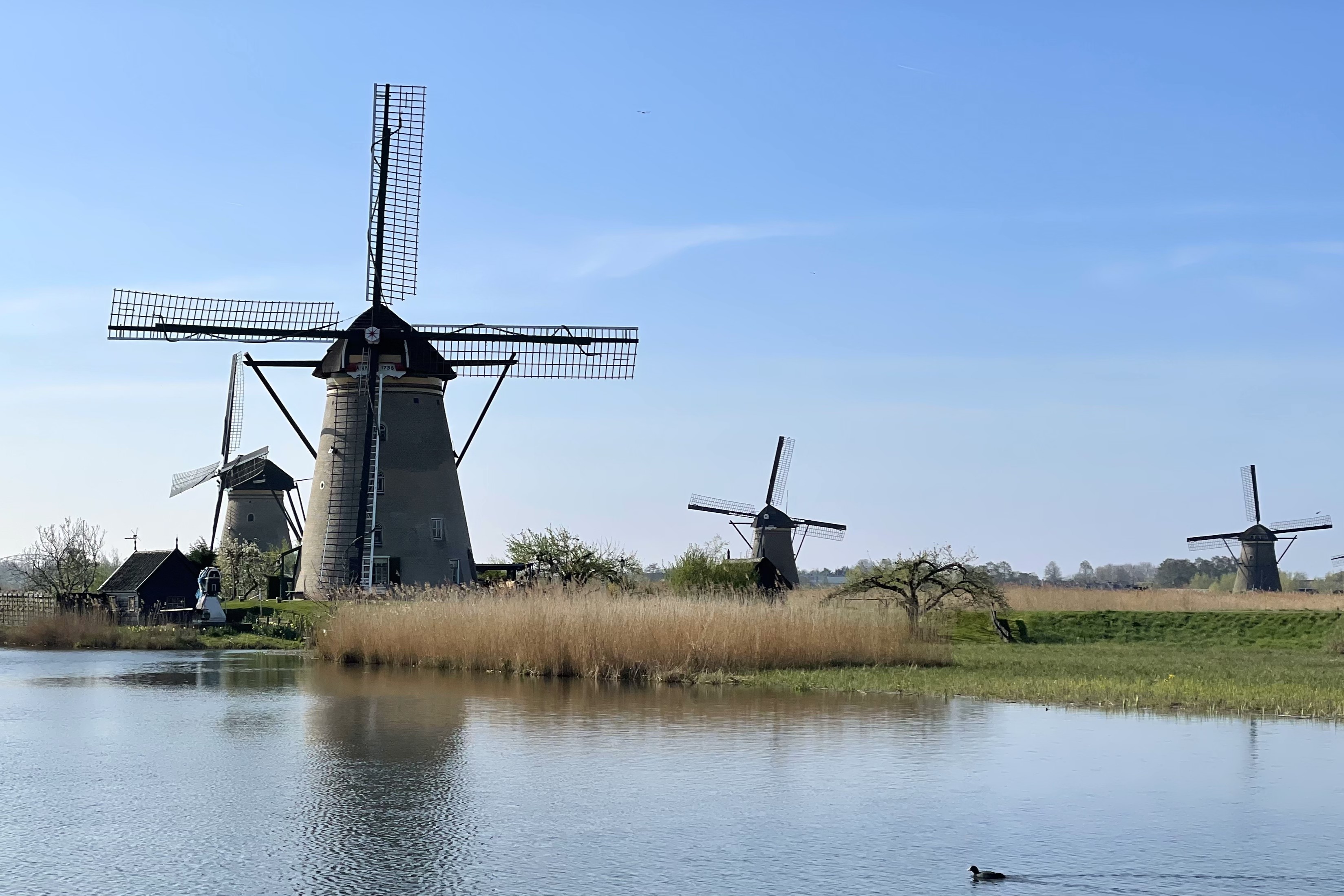
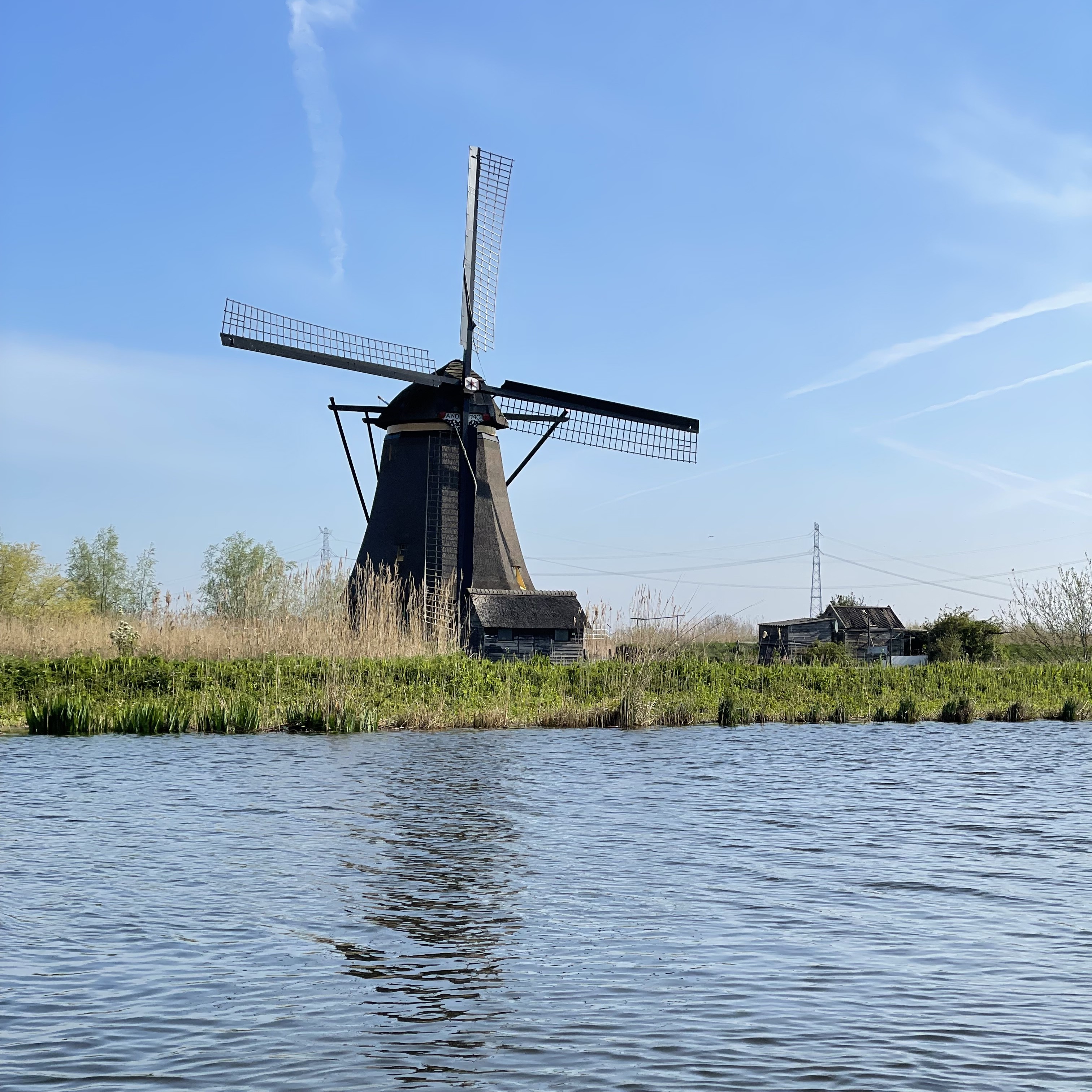
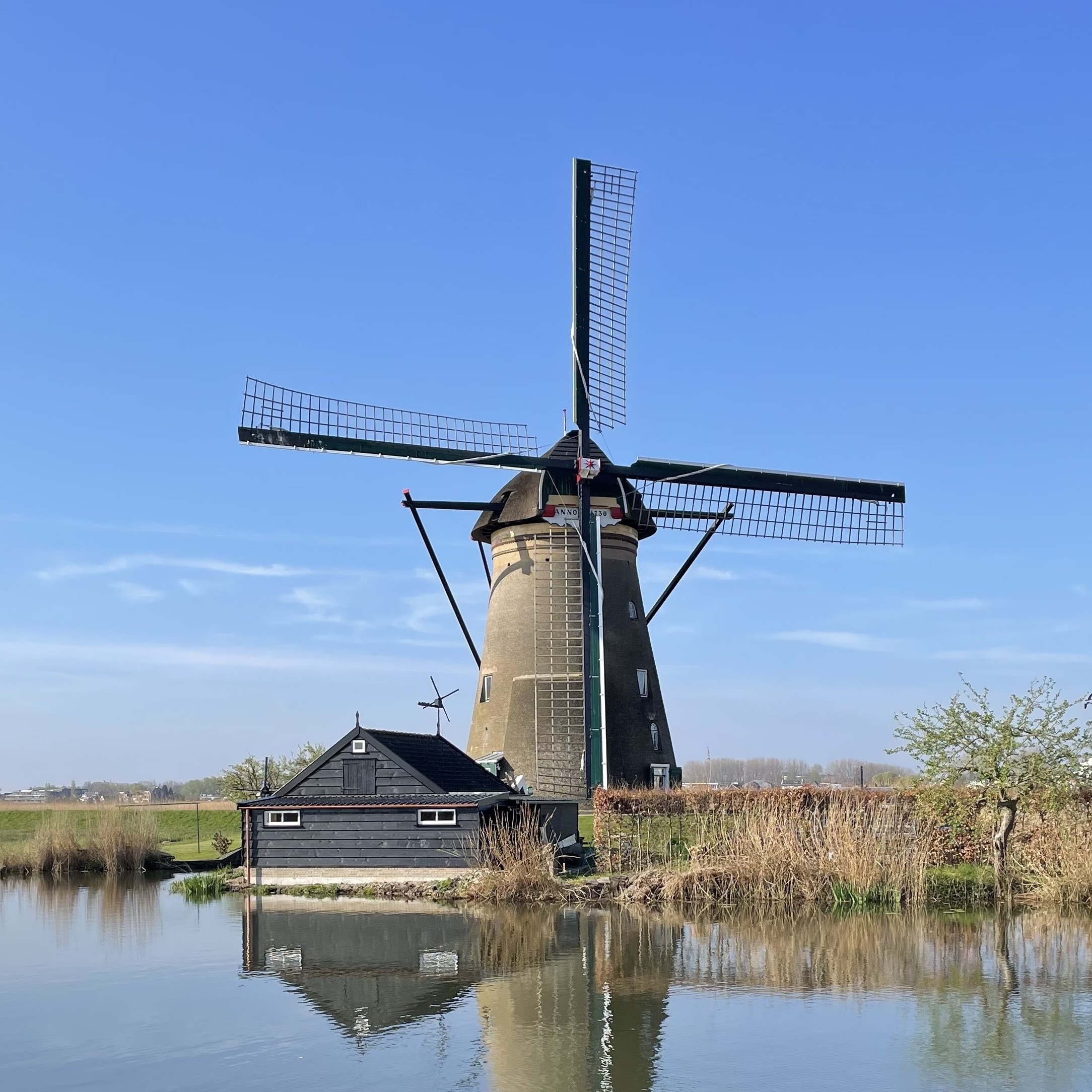
While the tendency is to see these large, silent giants as quaint and outdated modes of water management and milling, that would be the wrong conclusion, as we discovered when visiting the Mill Network at Kinderdijk. One of the country’s most famous UNESCO World Heritage Sites, it remains a relevant part of the hydraulic system today while admirably demonstrating the outstanding centuries-old contribution made by the people of the Netherlands to the technology of handling water.
“Construction of hydraulic works for the drainage of land for agriculture and settlement began in the Middle Ages and have continued uninterrupted to the present day. The site illustrates all the typical features associated with this technology—dykes, reservoirs, pumping stations, administrative buildings and a series of beautifully preserved windmills.”
My father, the lifelong engineer for the Tennessee Valley Authority with its history of water management, would have been amazed.
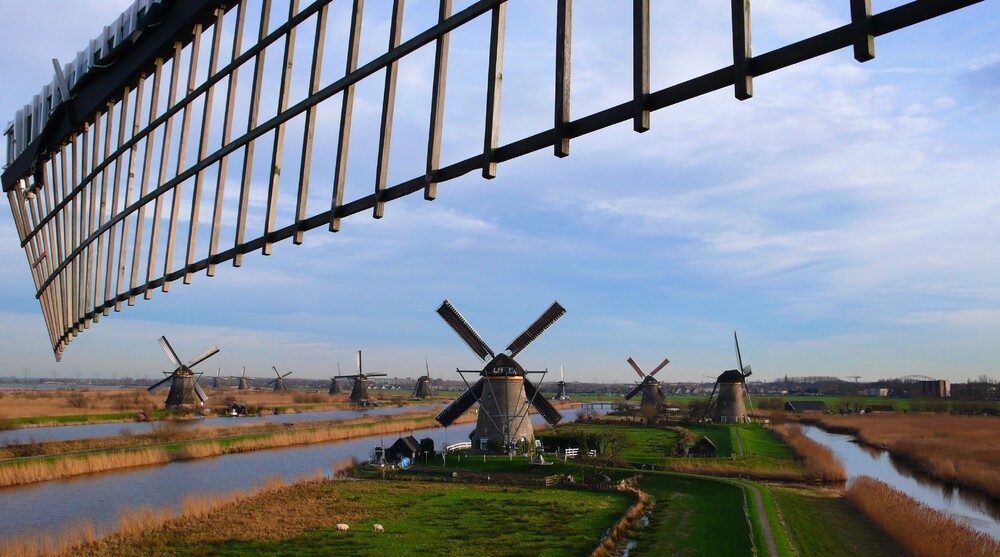
As the UNESCO designation notes, one is immediately struck by the juxtaposition of the landscapes’ horizontal features—represented by the canals, the dykes, and the fields—with the vertical rhythms of the mill system.
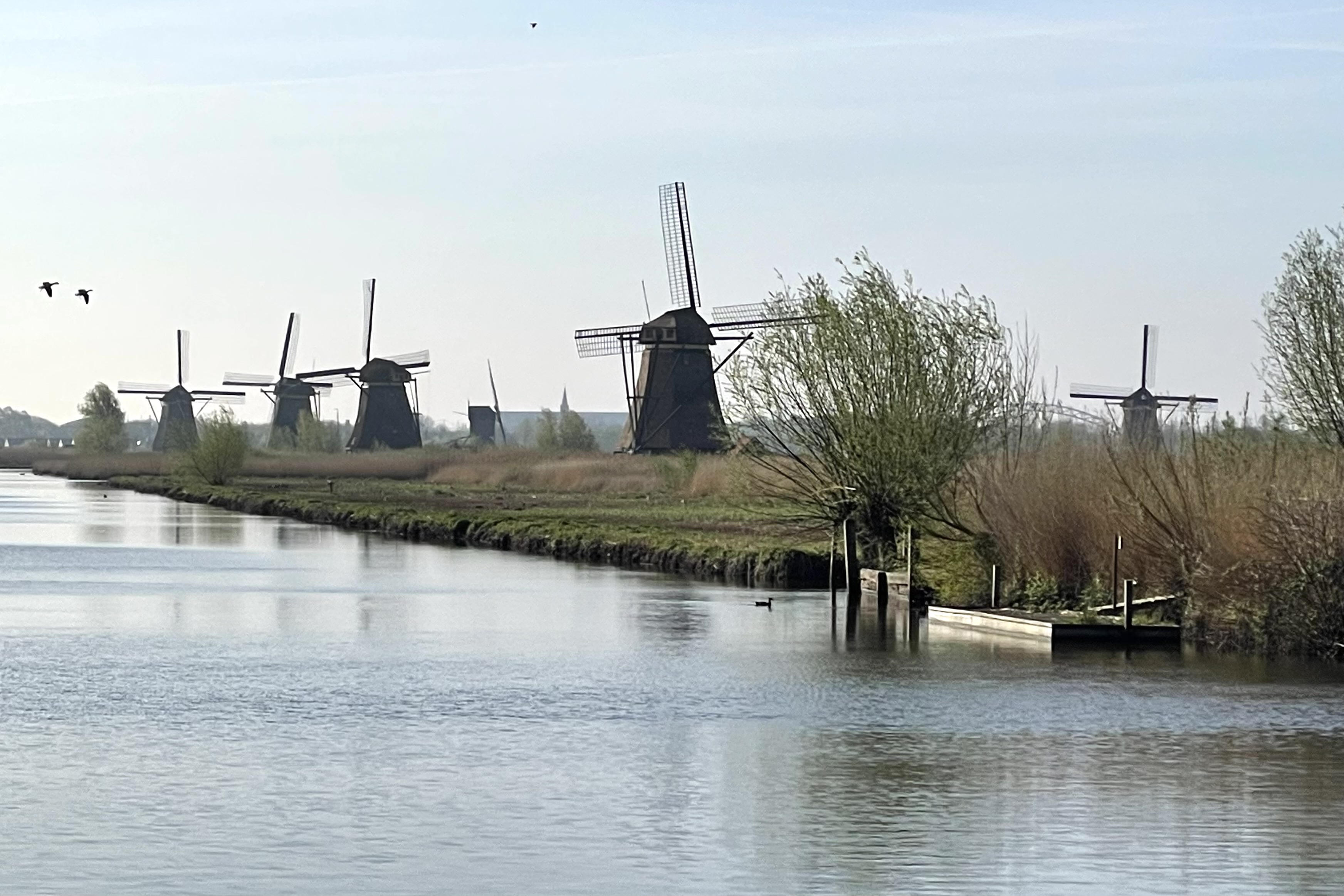
“There is no drainage network of this kind or of comparable antiquity anywhere else in the Netherlands or in the world.”
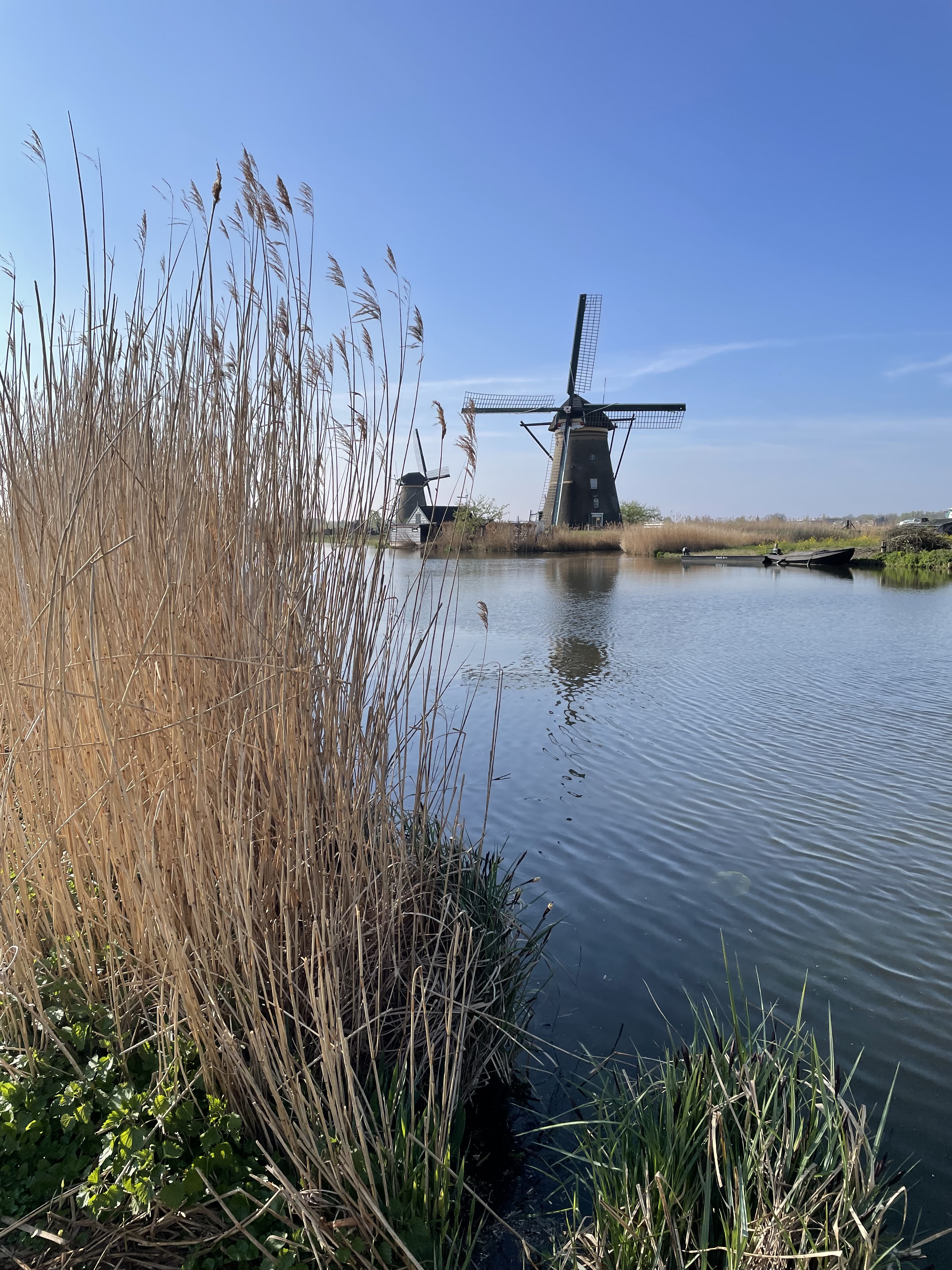
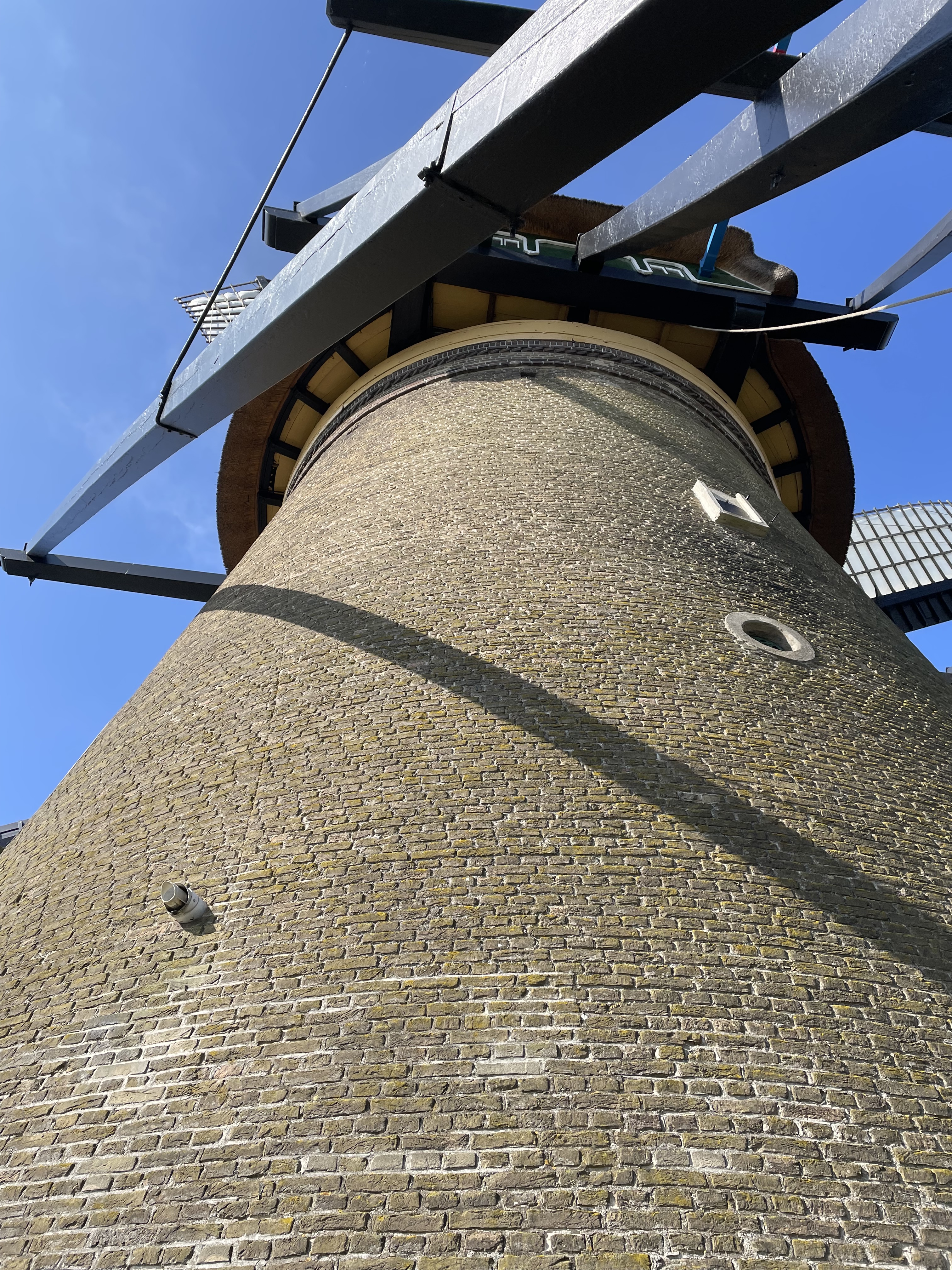
The nineteen mills that form this group of monuments are all still in operating condition, since they function as fallback mills in case of failure of the modern equipment. We were able to visit the inside of one mill that now serves as a museum. The others are occupied by working families, who have an obligation to operate the mills on a regular basis. In some instances, they also continue to serve their function as a mill for grinding wheat for flour.

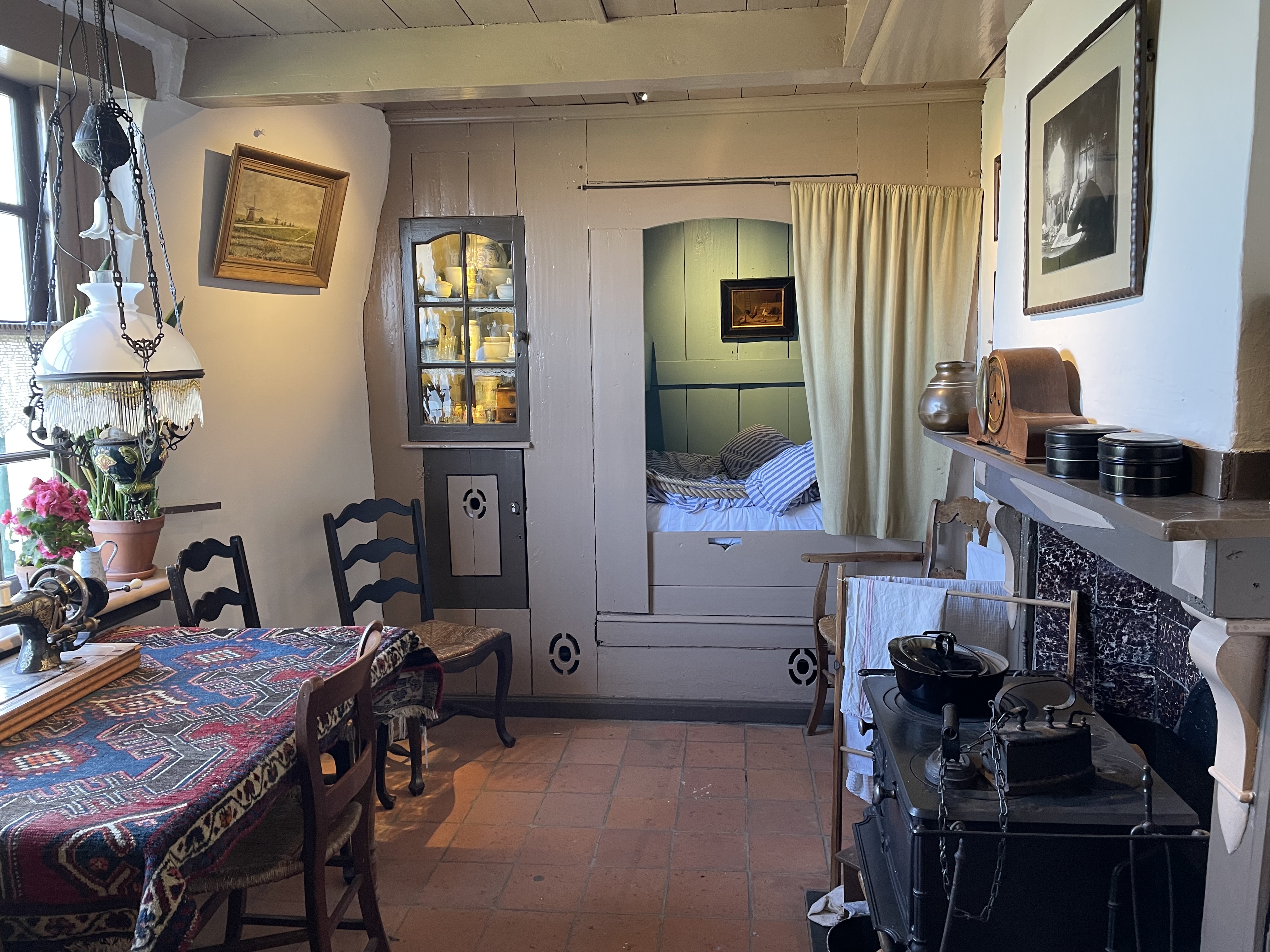
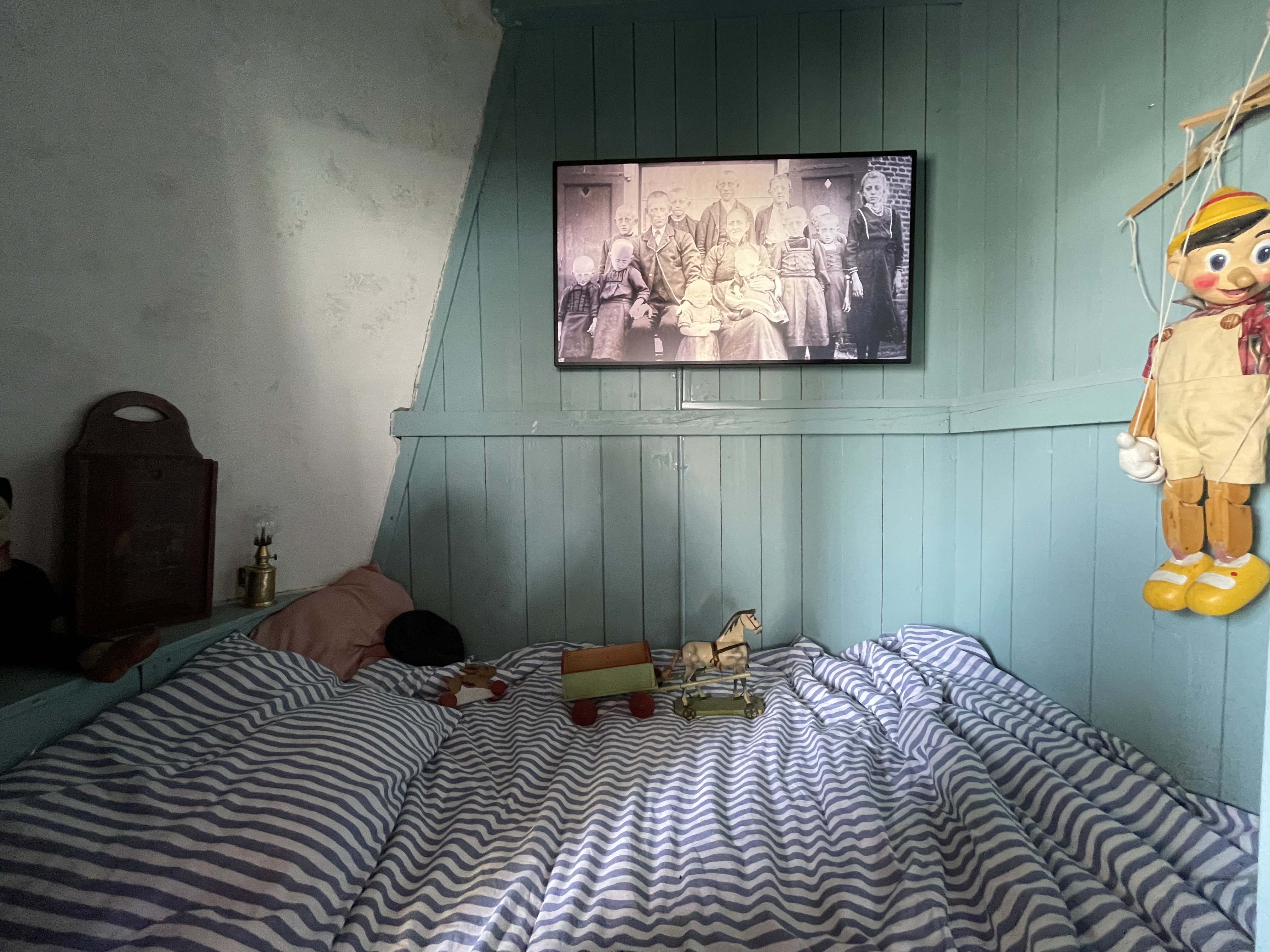

UNESCO’s nomination notes that “the authenticity in workmanship and setting of the structures and in the distinctive character and integrity of the human-made landscape is very high. No changes have been made to the functional hydraulic relationships between drainage machines, polders, and rivers since the sixteen mills of De Nederwaard and De Overwaard were built in 1738 and 1740 respectively.”
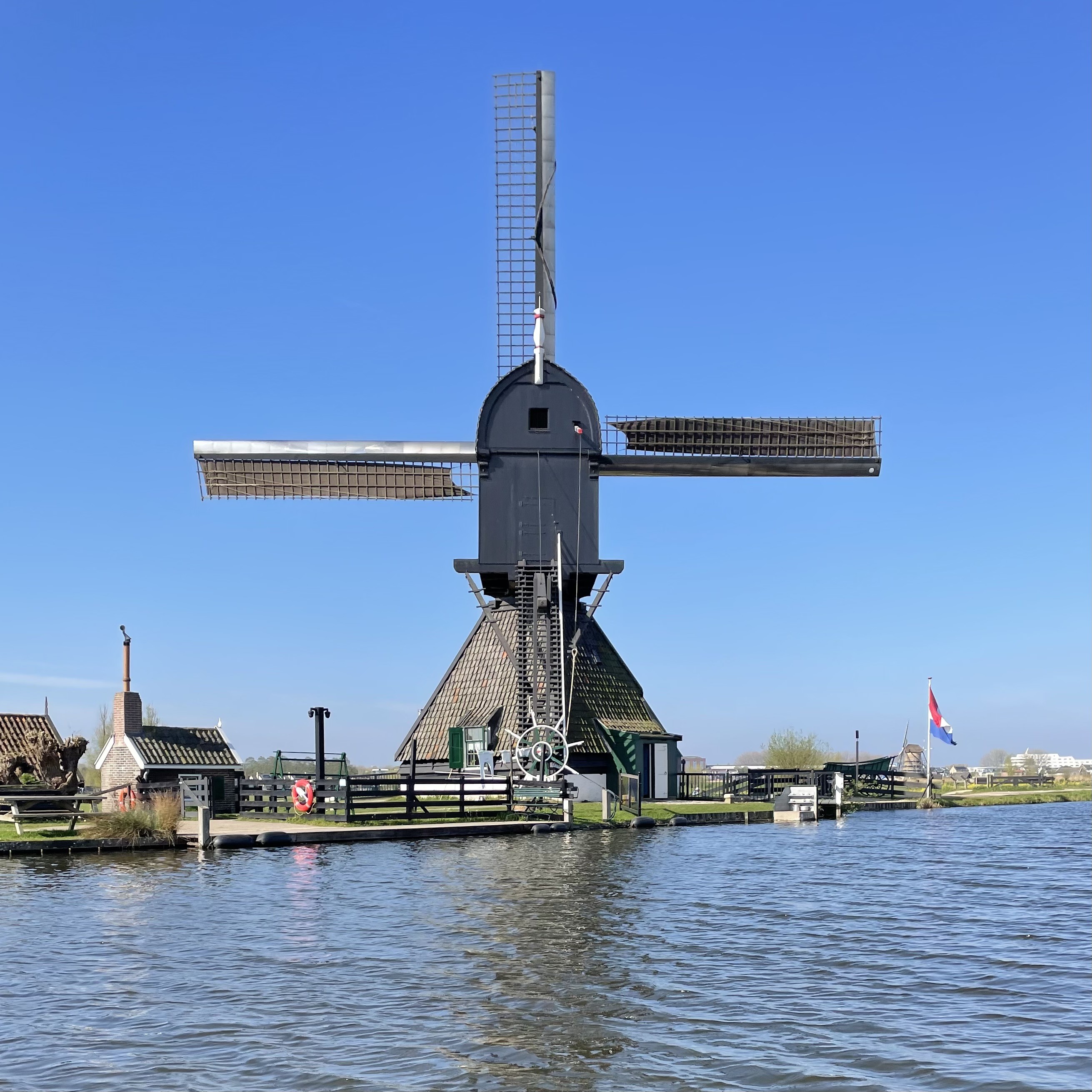
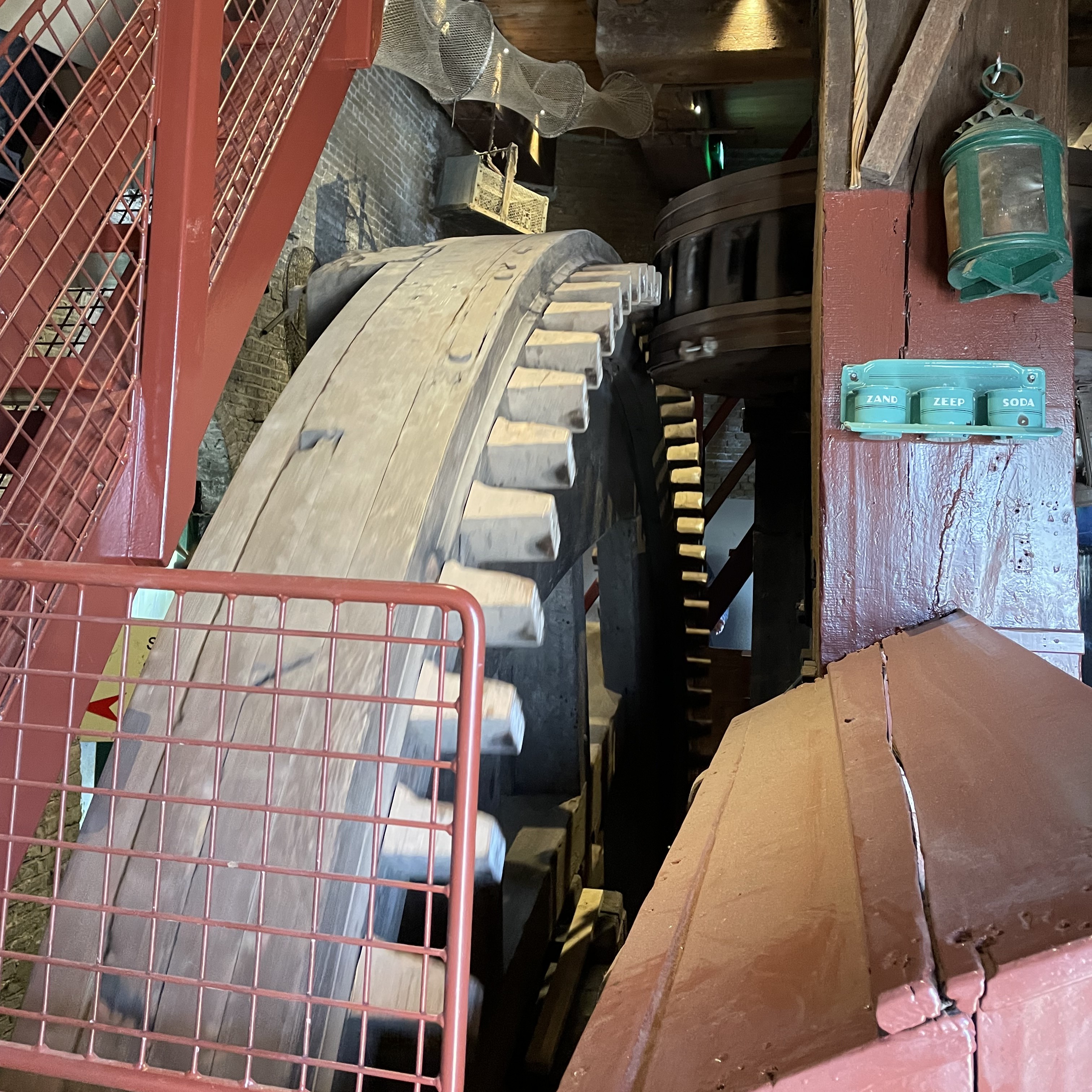
Most cultures agree that the spirit of place resides in its authenticity, a critical element in heritage conservation and with engagement. And yes, materials are an important part of determining authenticity. But as I mentioned in my lecture to our travelers, if we expand our thinking beyond materials we see that function and meaning are two additional methods for identifying authenticity. “Spirit of place comes alive not just in the ways a site is conserved and presented, but in the way it is used and valued by people.”
In the Mill Network, we certainly see authenticity of materials, but these places are also being used as critical backup parts of the modern hydraulic network. The fields don’t flood when the electric pumps go out because the historic windmills can still carry out their original function, moving water into the ditches and canals.
This site, representing the entire Lowcountry, is a testament to the industriousness, creativity, and inventiveness of the Dutch through the centuries. It also showcases the country’s care for building and managing the environment in a way that shows respect, resilience, rejuvenation.
More to come . . .
DJB
For additional posts on this National Trust Tour, visit:
Photo by Matthijs van Heerikhuize on Unsplash
 MORE TO COME...
I think were were in the Netherlands at the same time! We were on a Viking River Cruise April 1-11. Went to Kinderdijk on April 8 and then were in Amsterdam April 9-10. Did you do a cruise, too? What a small world! We could have hung out in Amsterdam. The windmills were amazing. Hope you had a great time, but sounds like you did.
Robyn, What fun! It turns out we were there at the end of your visit, arriving in Amsterdam on April 7th and then heading out to places in Holland and Belgium around the 10th or 11th. I lecture for National Trust Tours and this was the first tour on my calendar for 2025. I’d never been to either The Netherlands or Belgium so it was great fun. By Monday I’ll have the last of my posts from the trip up (total of about 4-5) including one tomorrow on the wonderful Portuguese Synagogue and Jewish Quarter in Amsterdam. NTT (and the other “associations and alumni groups” that put together these tours use a variety of travel agencies – this particular one was with Gohagan Travel out of Chicago and we were on the Viva Enjoy, a new river ship. We’ll be back there in early June for a “Great Journeys of Europe” trip from Zurich through France and Germany and ending up again in Amsterdam. Come join us sometime.
I was thinking about you after reading your post today about the Percival Everett book. That one you reviewed sounded fascinating. I have his novel “James” in my May stack. It has gotten great reviews.
Finally, I hope you saw today’s post about Richard Flanagan’s “Question 7” – it is the most amazing and genre-defying memoir I’ve read in a long time. A friend of mine who used to run a big division of NEH and who knows a thing or two about writing (his wife was the world’s authority on Emily Dickenson), says that Flanagan “writes like God.” I agree! I think you would enjoy it, if you haven’t read it already.
Take care, and I love seeing the Reds doing well. They chewed up the Orioles when they were in town a few days ago.
DJB
Pingback: Exploring the Dutch waterways | MORE TO COME...
Pingback: Observations from . . . April 2025 | MORE TO COME...
Pingback: Oh, the places we’ve seen! | MORE TO COME...