Rachel Carson wrote that in exploring nature with a child, adults “become receptive” to what lies all around them. “It is learning again to use your eyes, ears, nostrils and finger tips, opening up the disused channels of sensory impression.”
A child’s world is fresh and new, yet we often lose that clear-eyed instinct about what is beautiful and awe-inspiring before we reach adulthood. Many don’t attempt to know.
The spectacle planned in Washington this weekend has been concocted by those who have lost that instinct. They want to redirect our gaze away from the beautiful, the lovely, the inclusive and towards a cult of personality. Terms such as shock and awe are used, yet these are small individuals who do not understand wonder and reverence. They seek to misplace joy with terror. They want us to be afraid, and to forget about things in life that bring a true sense of gratitude.
Awe—of things extraordinary and ordinary—is the feeling we get when we’re in the presence of something vast that transcends our current understanding of the world. Goosebumps, tears, and chills are all emotional responses to things greater than ourselves. We respond emotionally in the moment, but then we begin an intellectual searching.
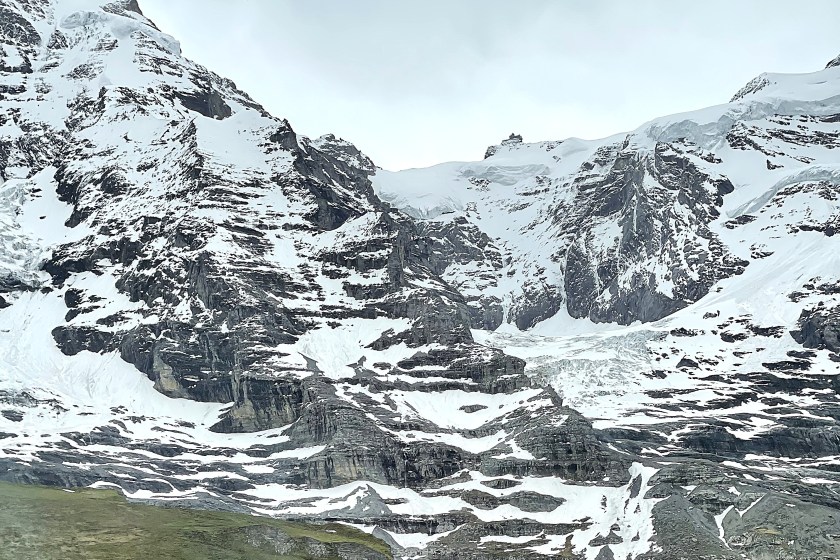
On a recent trip to the Swiss Alps and the World Heritage Site of Jungfrau-Aletsch I was reminded of my good fortune late in life to see magnificent and elemental things. Places that bring awe, in the best sense of the word. Places like the fjords of Norway. The glaciers of Alaska. The Alpine mountains and valleys of Switzerland. I’ve also encountered awe in the ordinary that’s all around us.
As it takes us beyond our normal ways of thinking, awe moves, empowers, stretches, and can transform.
Norwegian fjords
As we were coming out of pandemic lockdown in 2022, I traveled for the first time in my life to the fjords of Norway, where the majesty of the snow-capped mountains and the immense waterfalls put an important perspective on the time we had just come through and our place in the world.
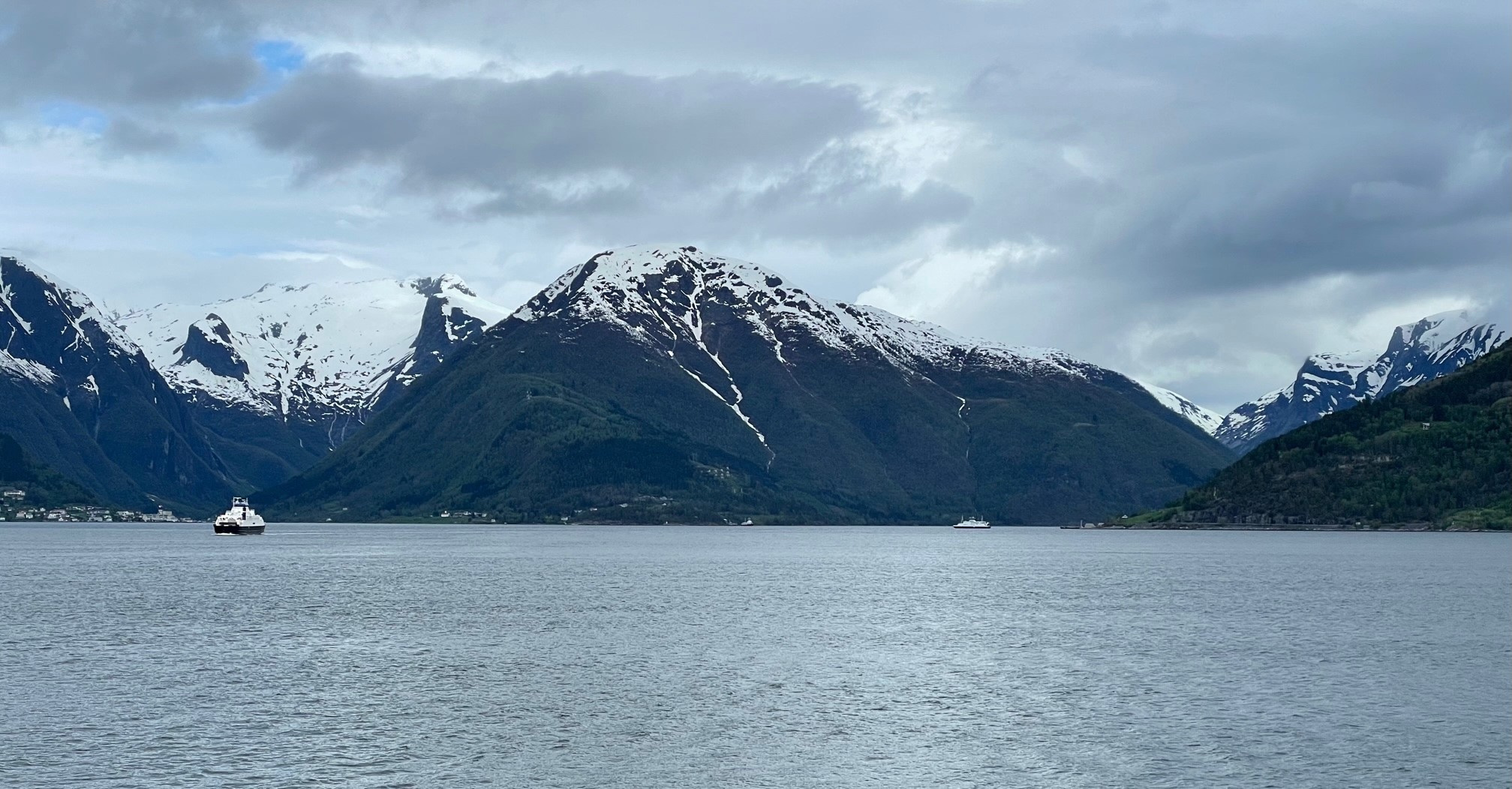
Thanks to the Flam railway, we came close to rushing waters cascading down the mountains after the spring melt. Chills were definitely a part of the experience.


Alaskan glaciers and the tall one
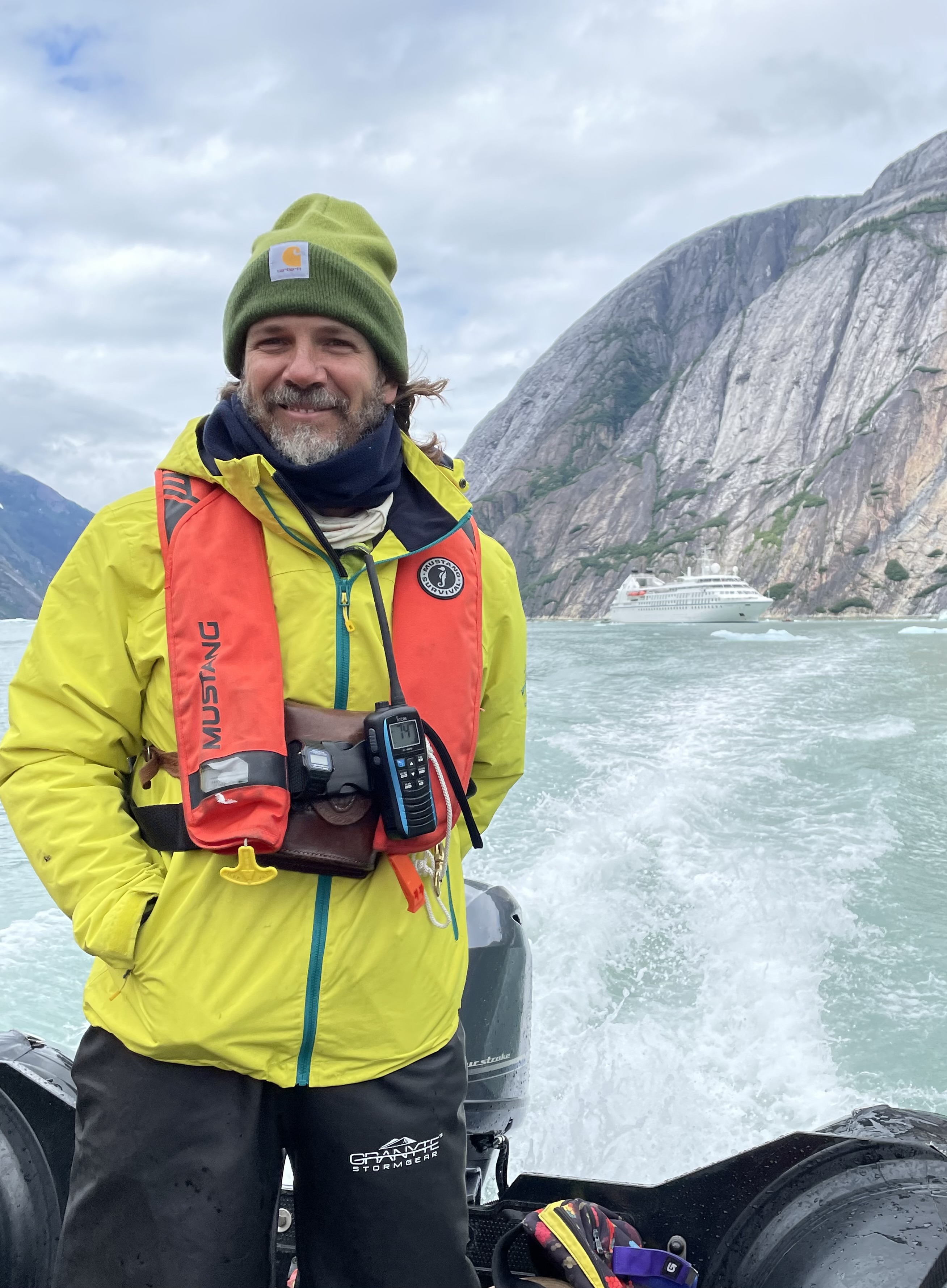
The next year we were sailing in Alaska, where we were so close we could hear the boom at the calving when huge pieces of the Dawes Glacier broke off and fell into the water. That was awe-inspiring.


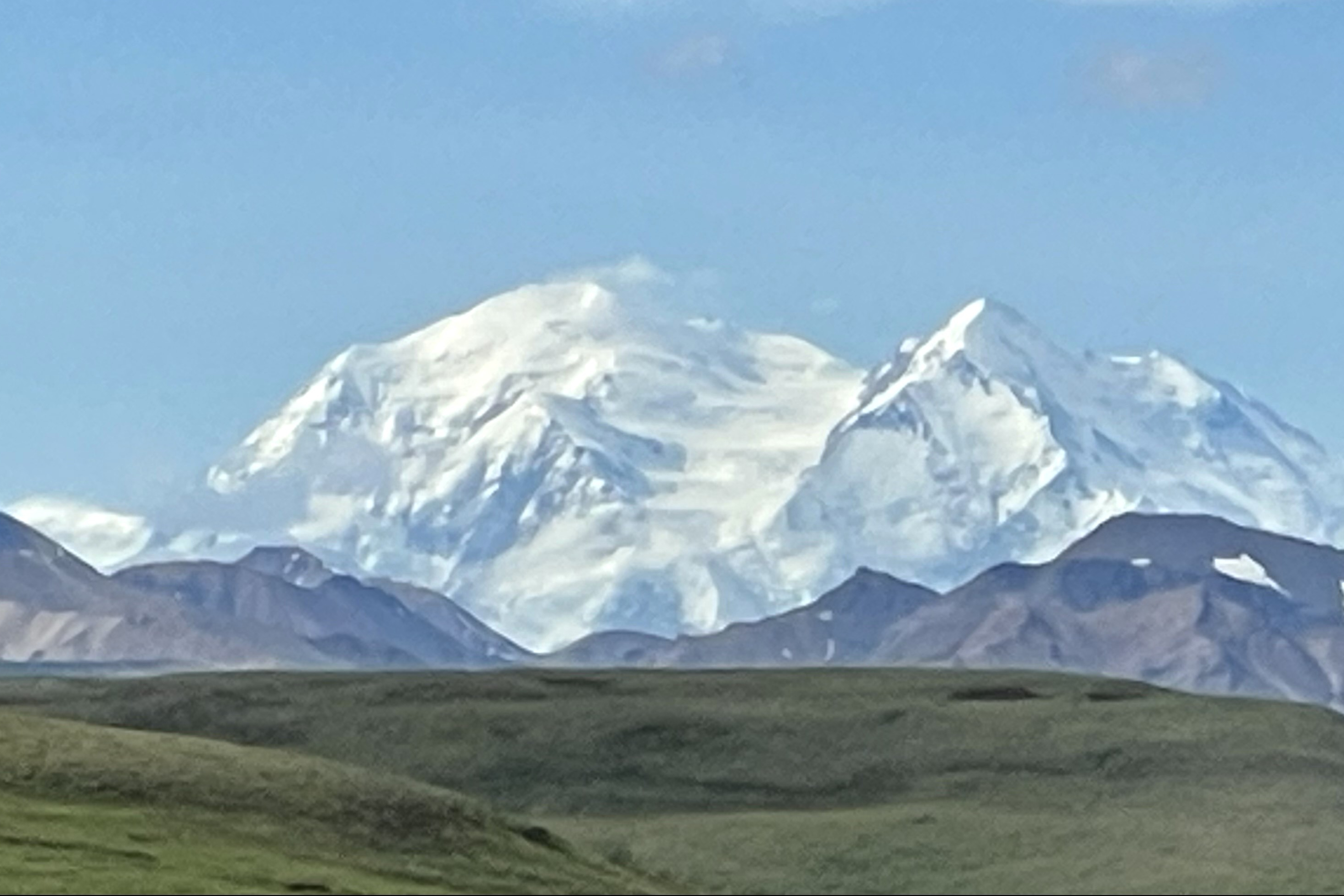
Later on that same trip, we spent two days viewing what the natives called “the big one” — Mount Denali. Nine different Native groups have used unique oral place names for the mountain, words that translate as “the tall one” and “mountain-big.” In 1794 George Vancouver referred to the “stupendous snow mountains” while Russian explorers had several names for the peak, including “great mountain” and “Big One.” Its name is Denali. And no, William McKinley had nothing to do with this special place.
Traveling to the top of Europe
On June 1st we began our Great Journey Through Europe tour in the Swiss Alpine village of Engelberg, where nature’s grandeur was already in evidence when we arrived.

The next morning we traveled to the gorgeous alpine valley of Lauterbrunnen for our transfer up to the mountain heights.

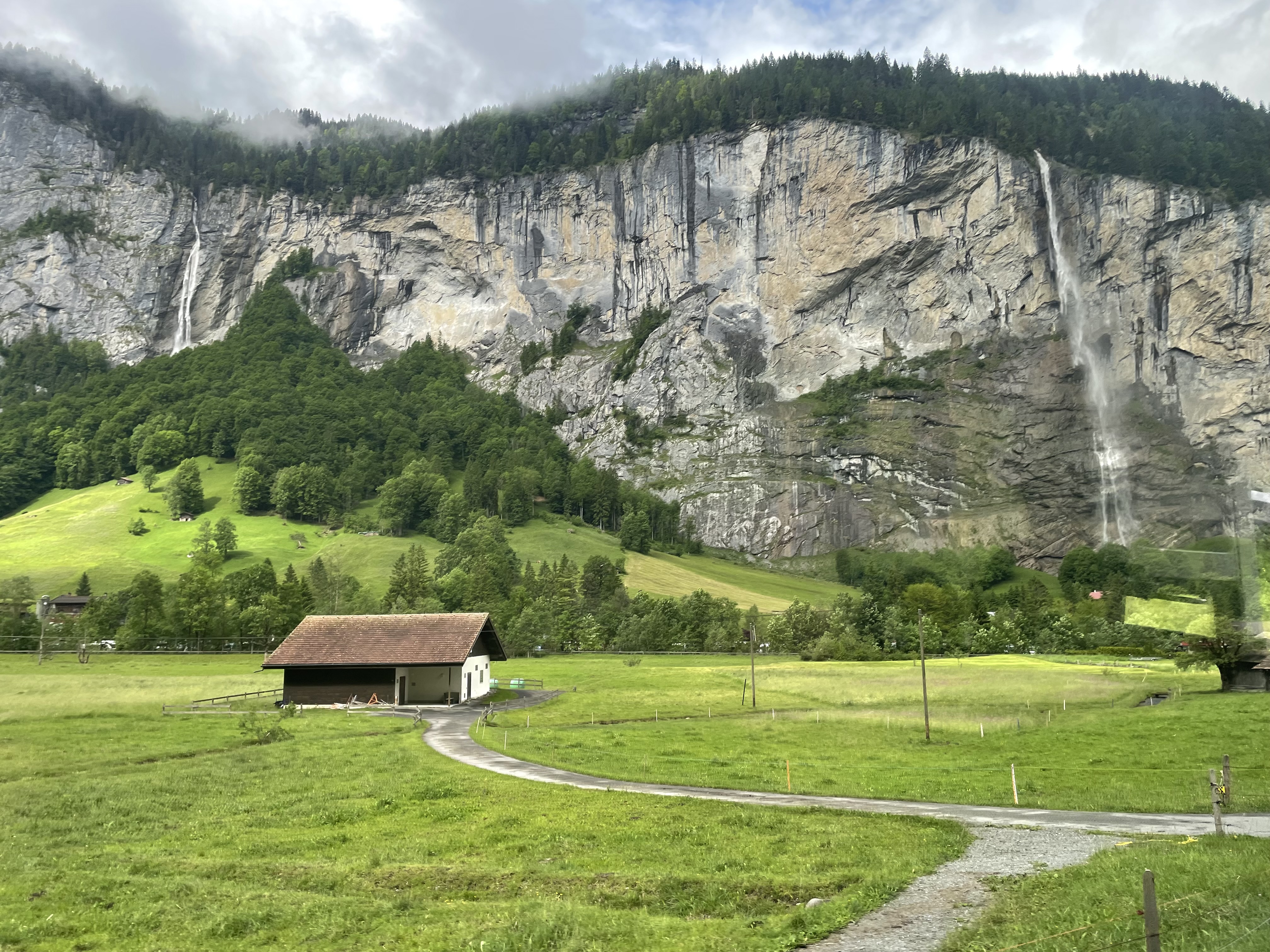
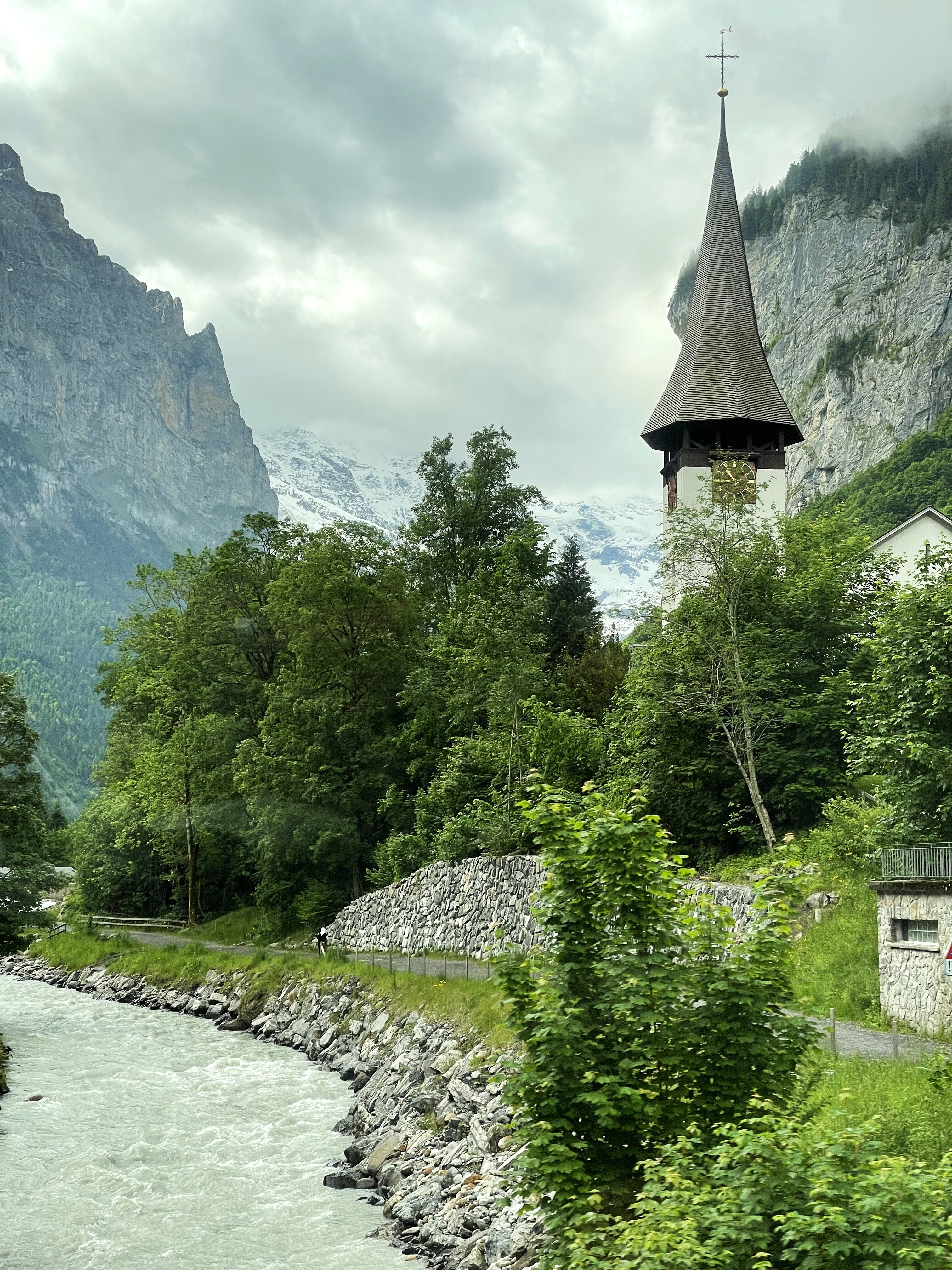
Next we took a cogwheel train ride up to Kleine Scheidegg, a mountain pass known for its stunning, unparalleled views of the Eiger, Jungrau, and Monch peaks, which make up the UNESCO World Heritage Site.

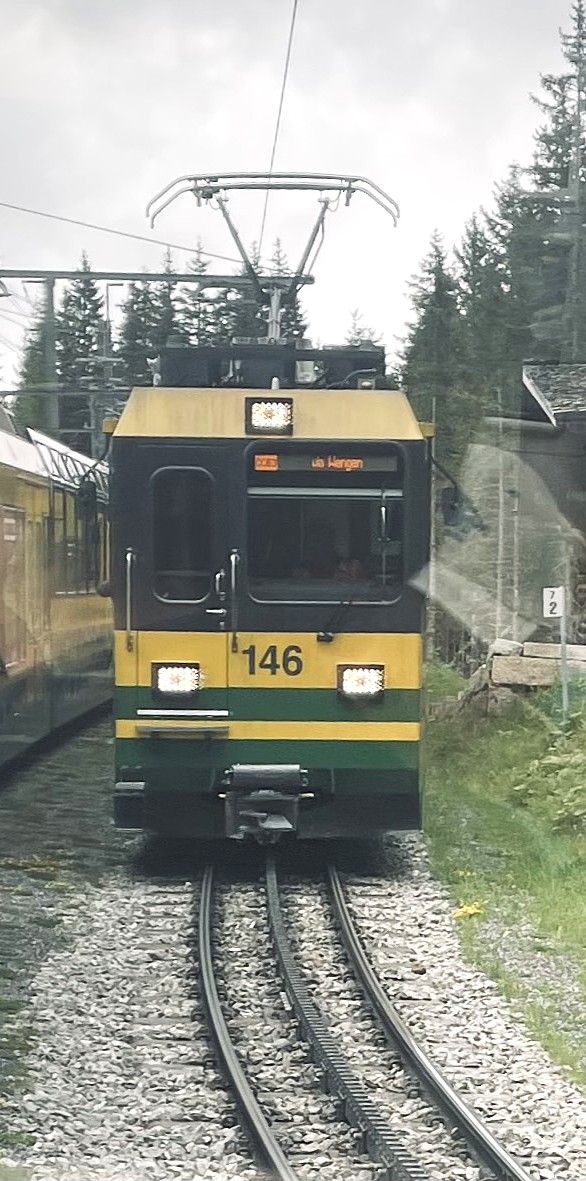

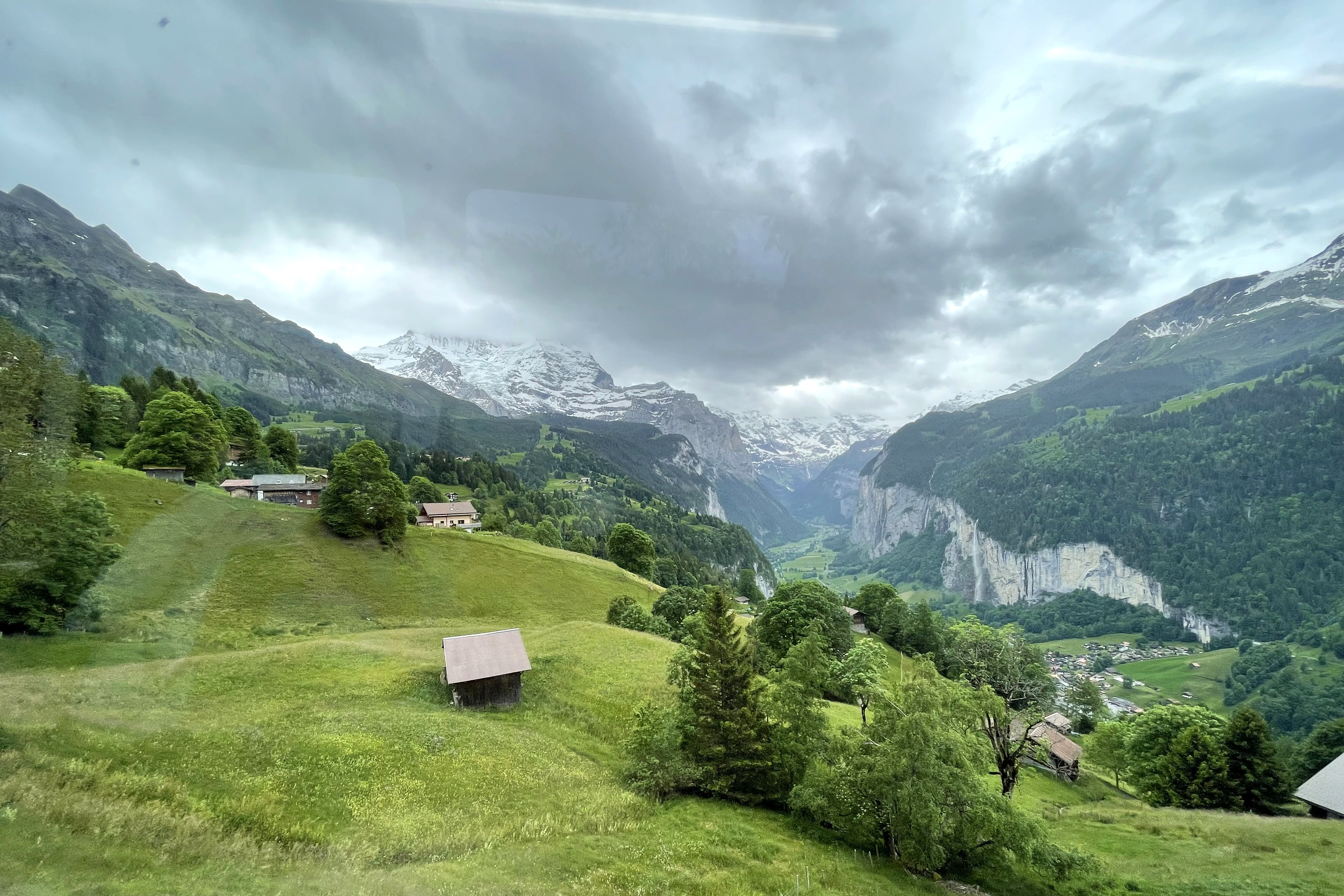
When we reached the pass we had views of the Alps that literally took your breath away. The rain stayed away until we began our descent in a cable car to the village of Grindelwald.

There is an observatory that is known as “The Top of Europe.” It was visible to us from the pass, even on a cloudy day.
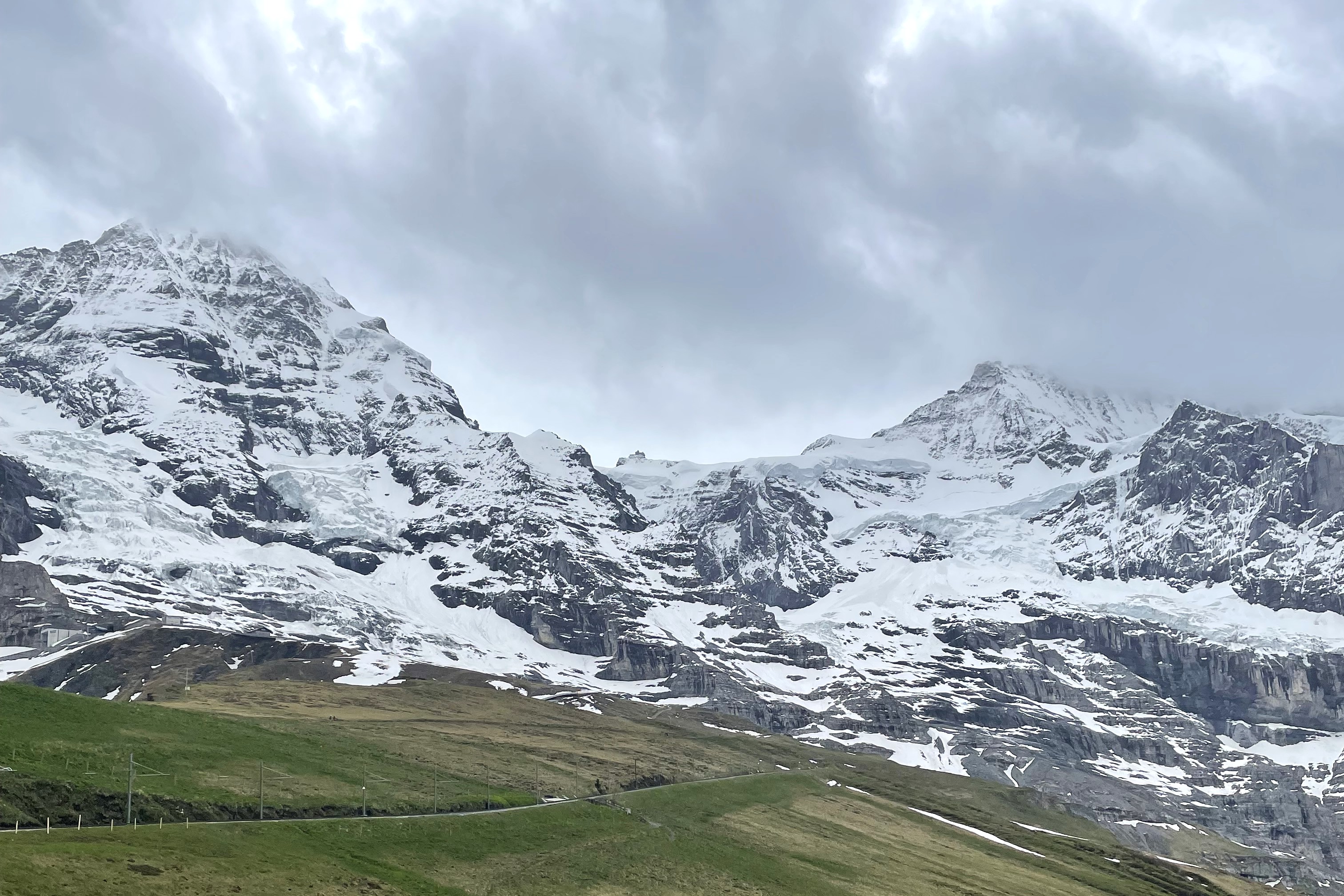
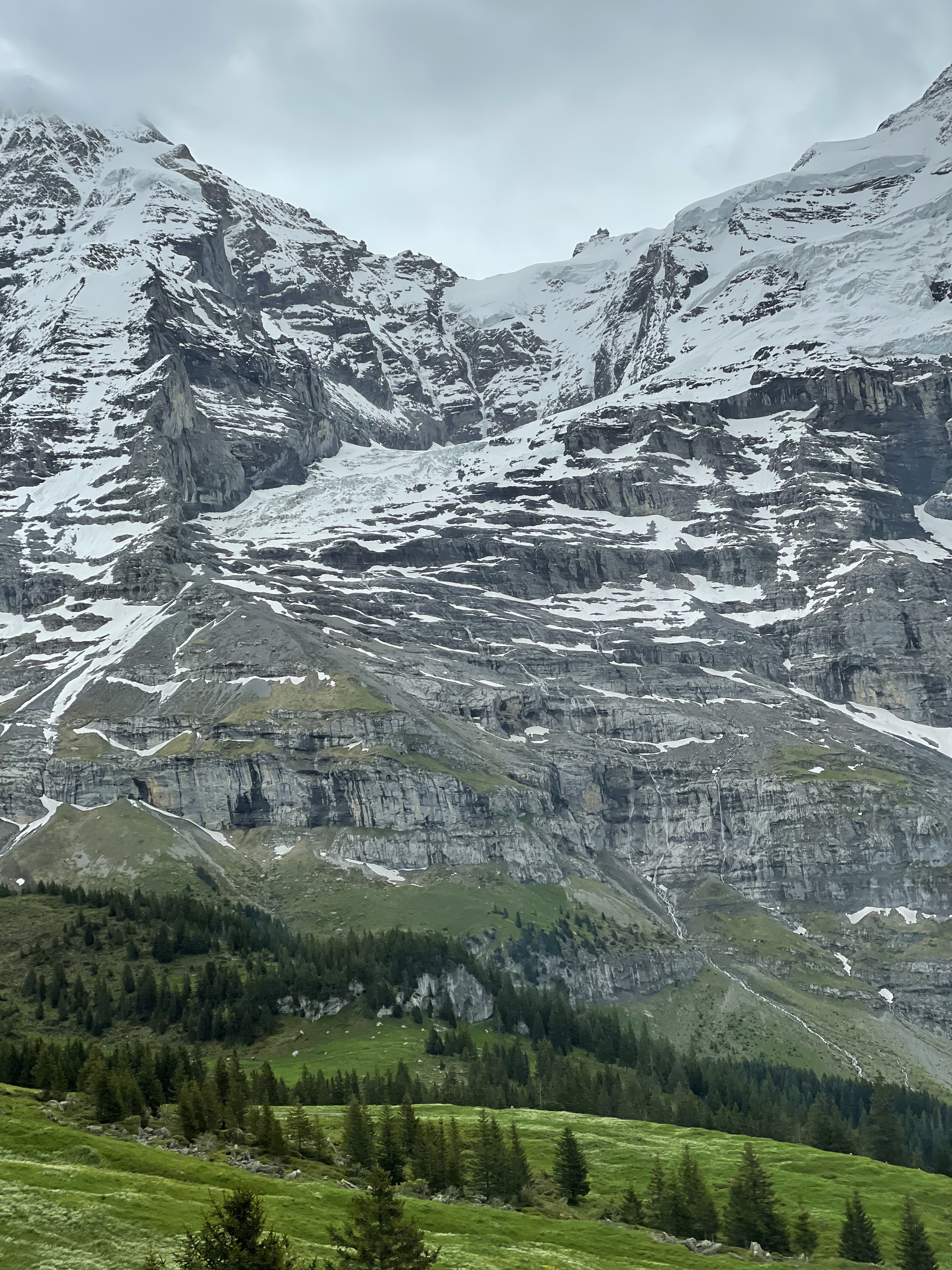

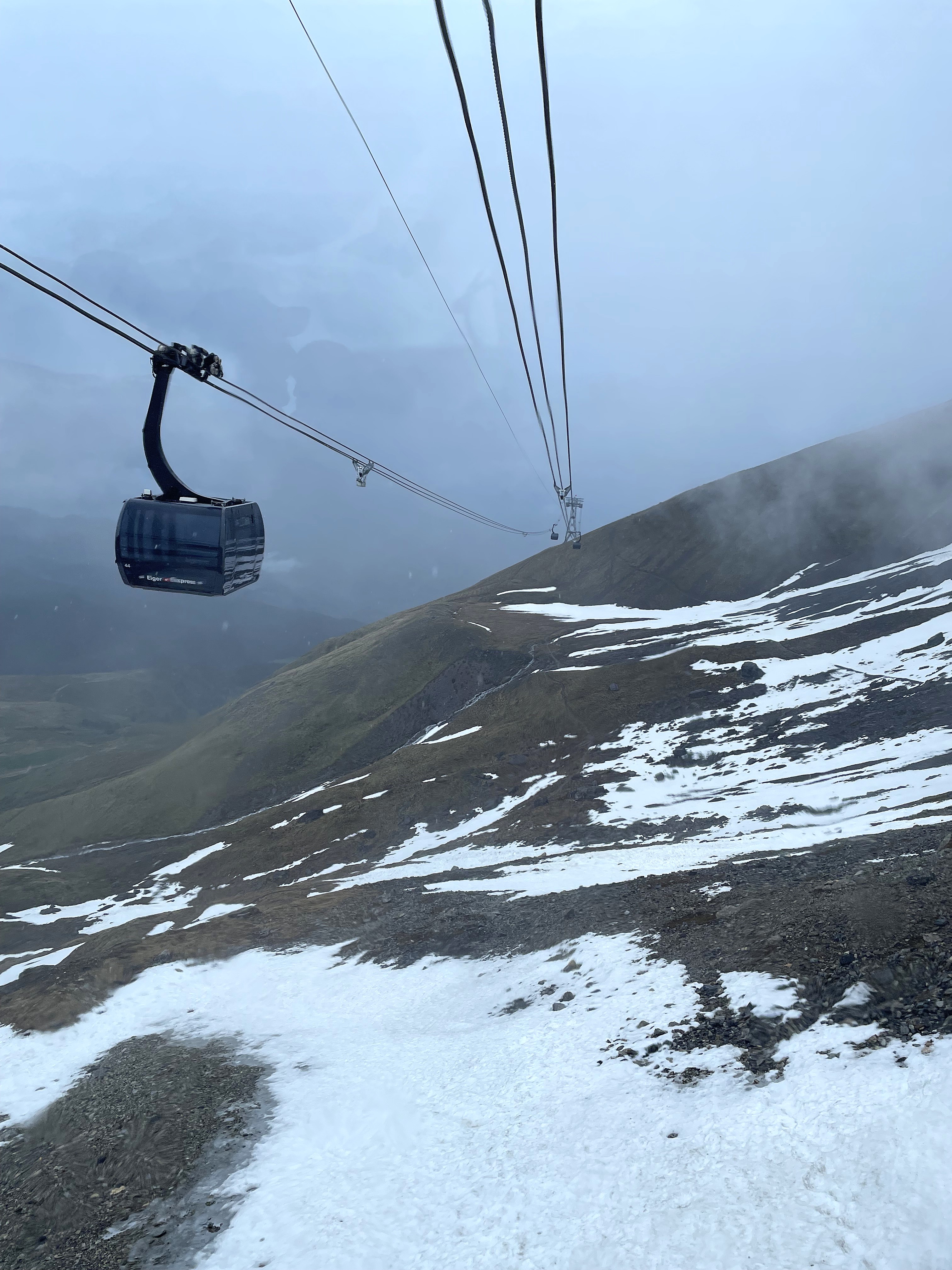
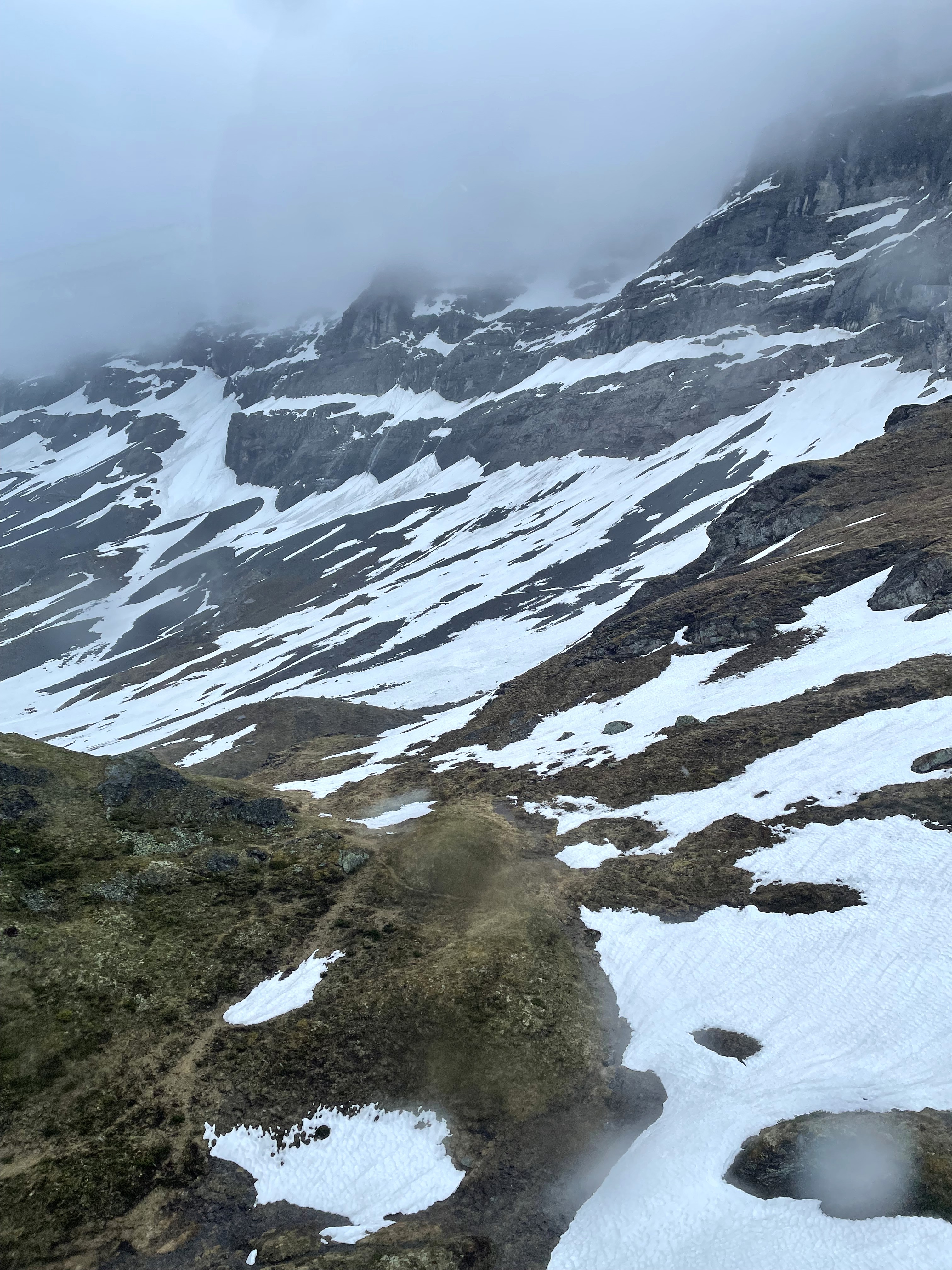
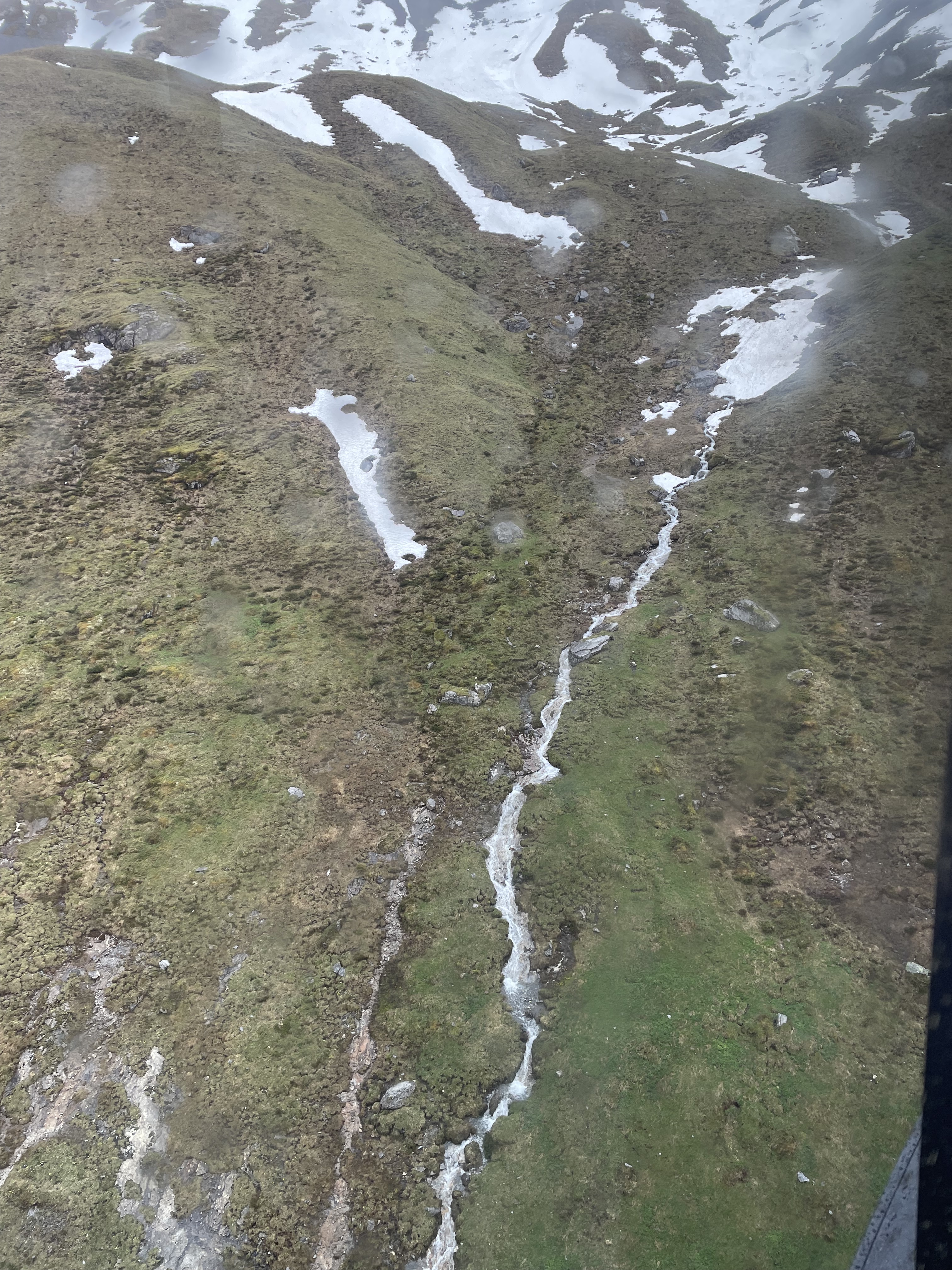
We returned to our rooms in Engelberg exhilarated by all we’d experienced. Engelberg means “Mountain of Angels” and it reflects the history of an early 12th century Benedictine monastery, which remains active today.
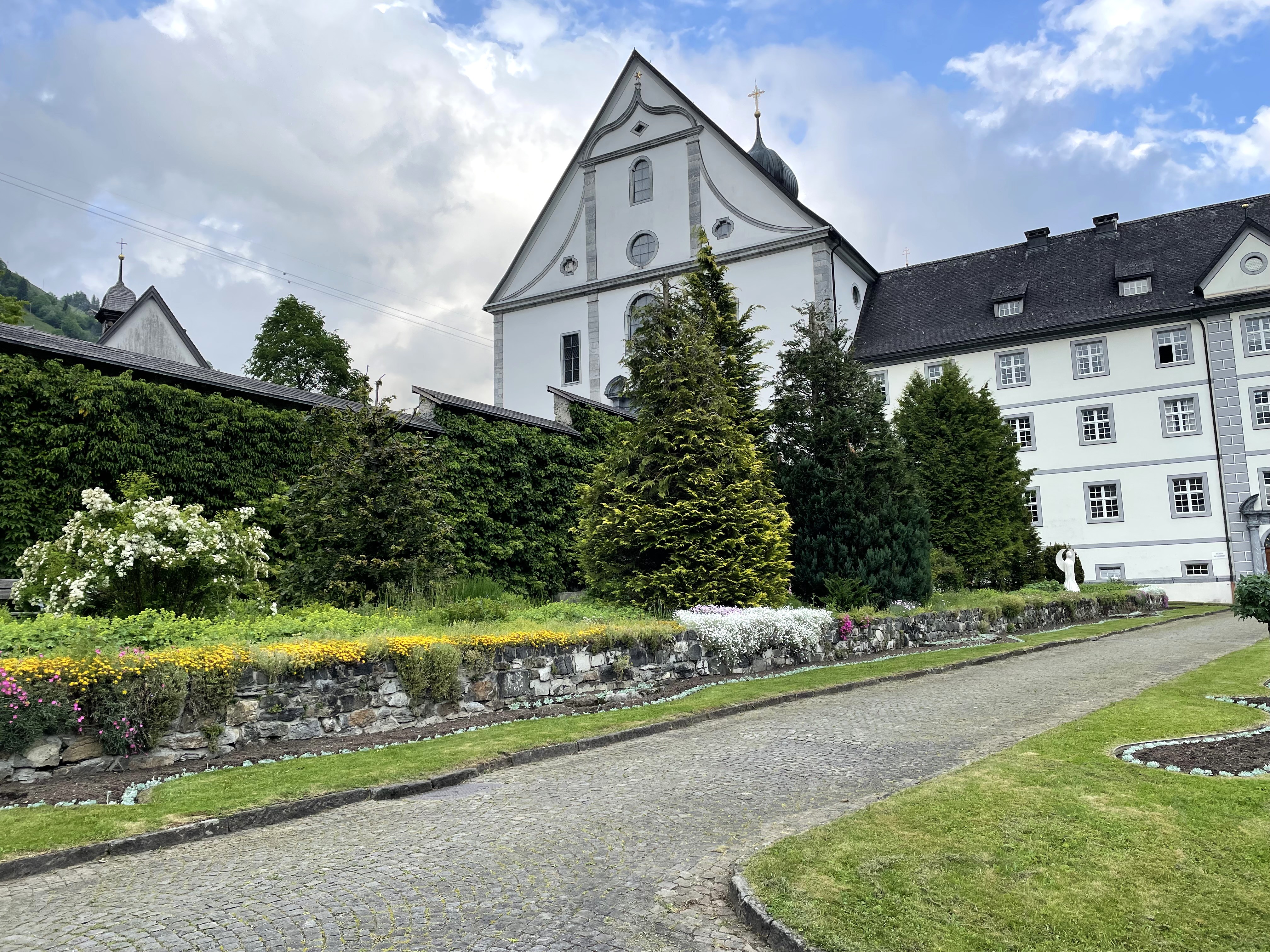


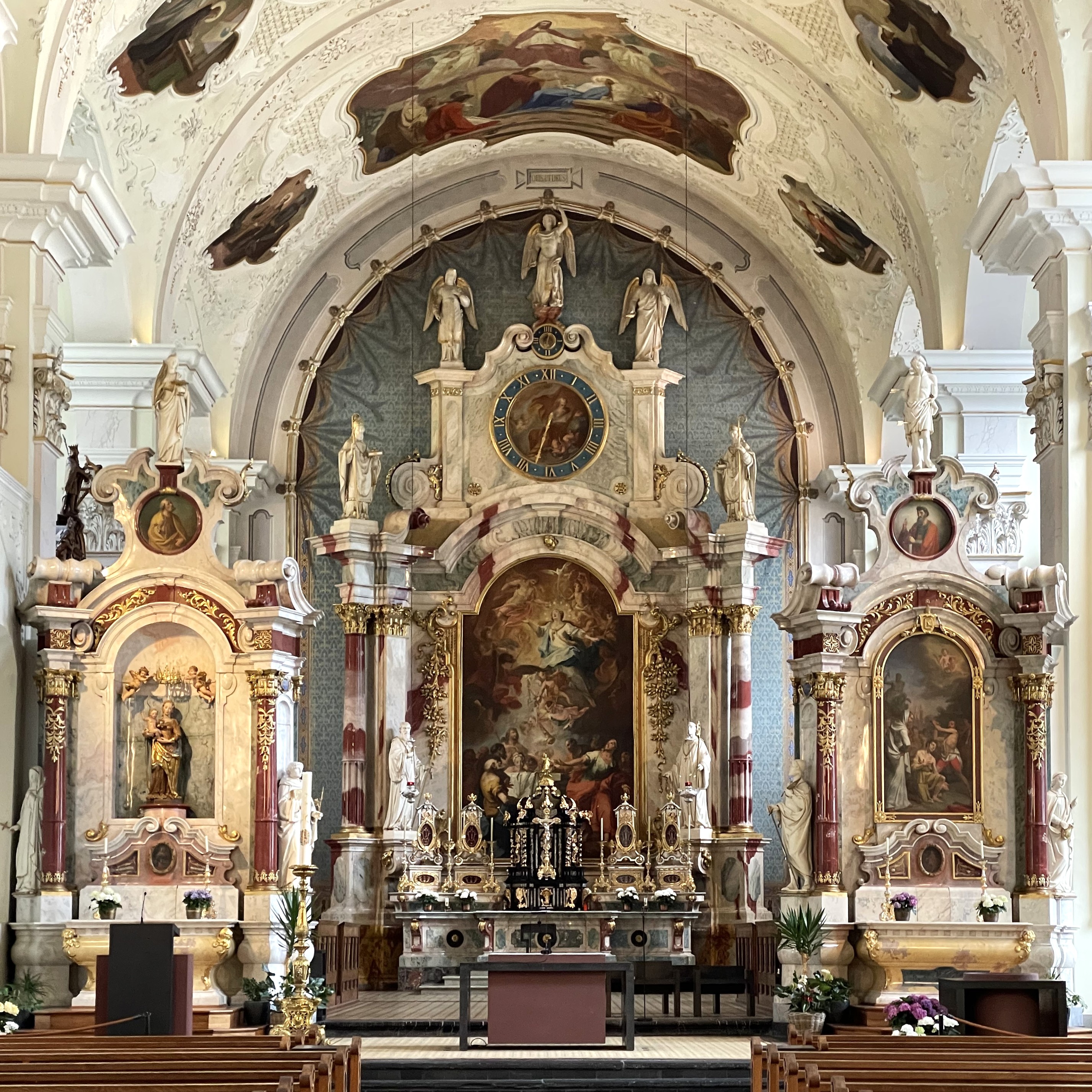

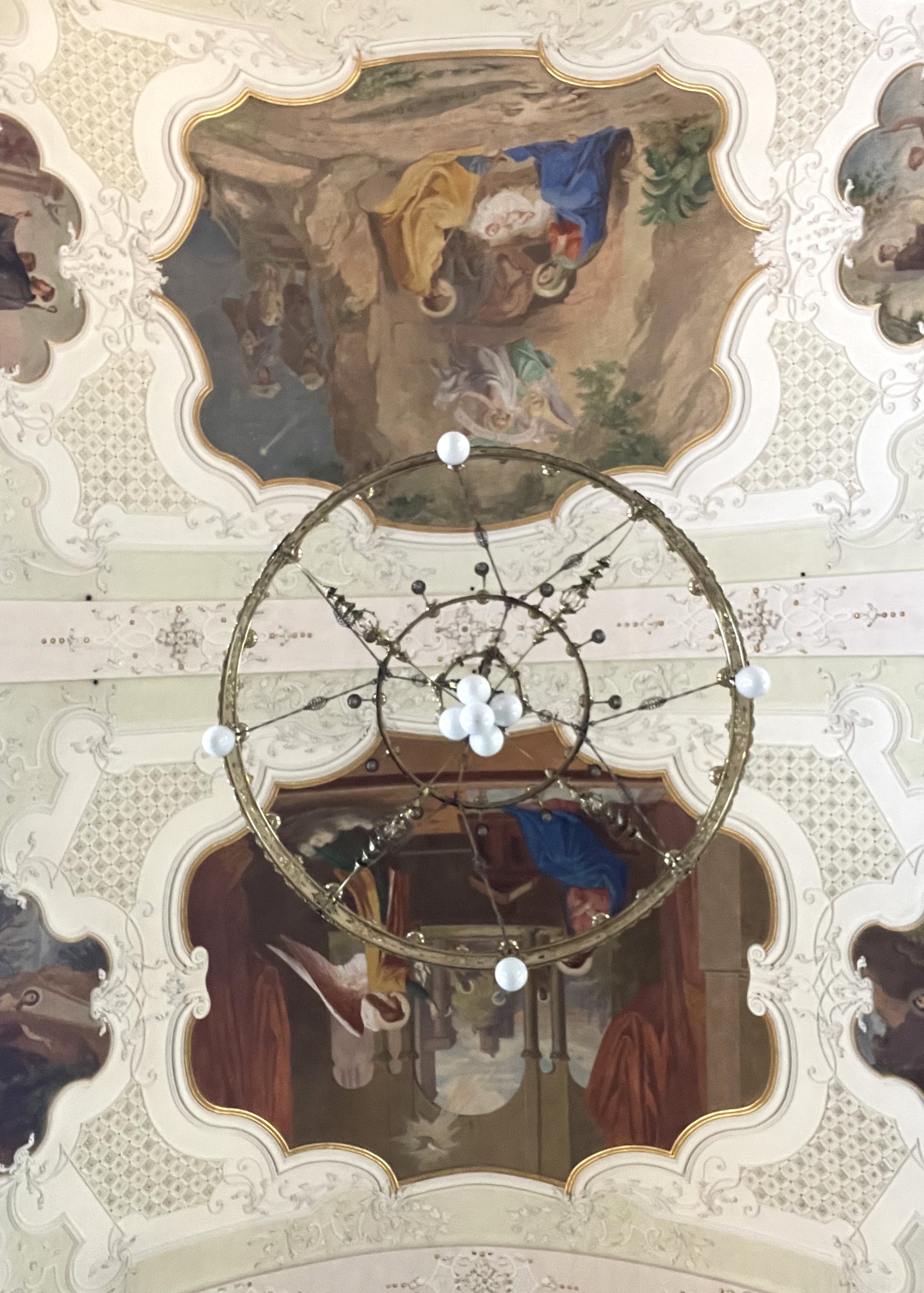

One final bit of inspiration from our trip to the Alps came as Candice and I slipped in on our last evening in town to hear the monks sing Vespers at this beautiful Abbey. The monks in the video below were a bit more musical (to be polite) than those at the Engelberg Abbey, but it nonetheless made for a moving experience.
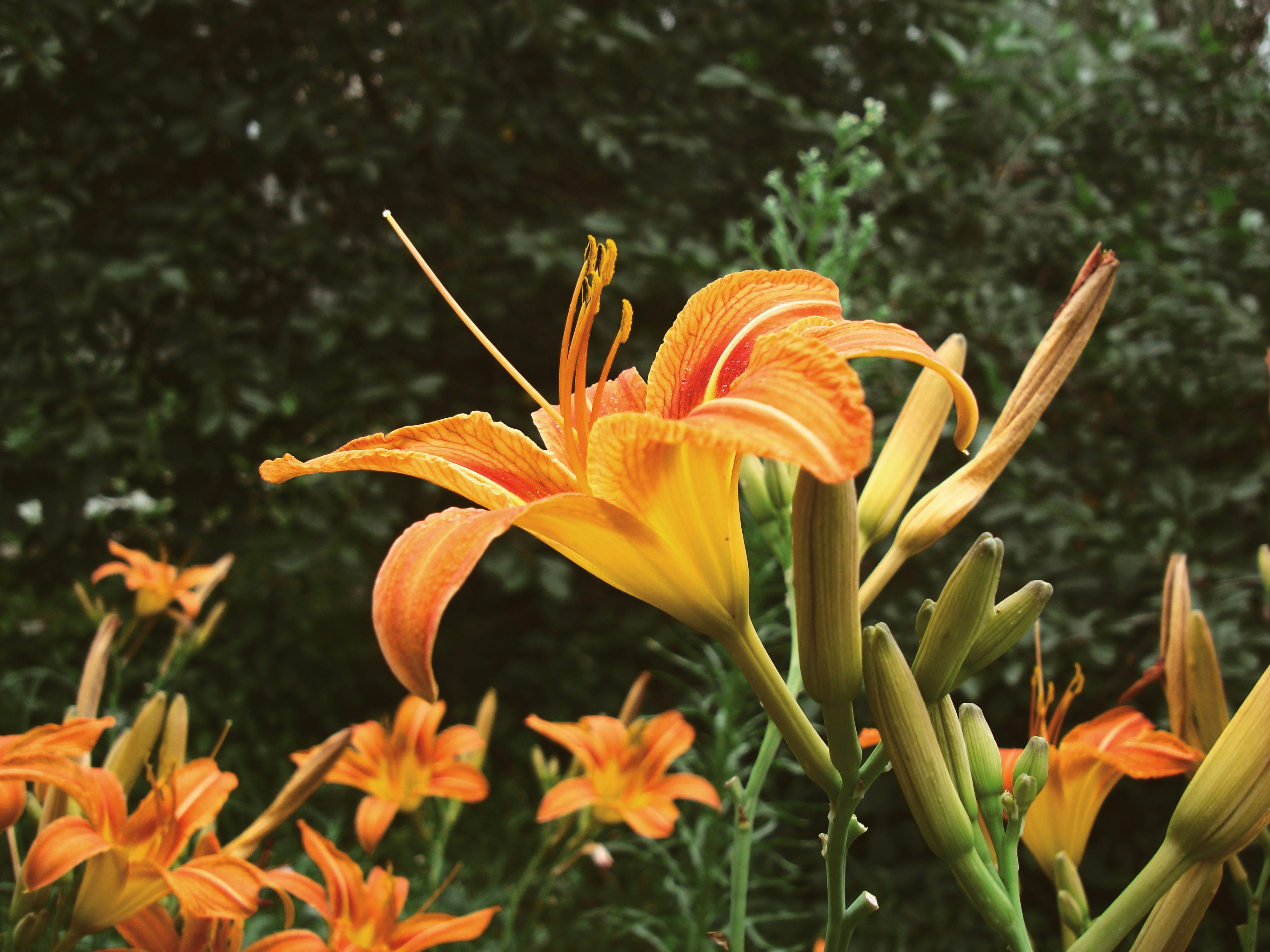
But not all beauty has to be of the snow-capped mountain peak variety. On our first day home we drove to a favorite place for dinner and saw a neighbor’s yard filled with glorious day lilies. Yet another connection with beauty, the ordinary, the extraordinary, and awe.
Living a life open to awe helps us understand that we are part of systems larger than ourselves. It is about “knowing, sensing, seeing, and understanding fundamental truths.” It is a recognition that there is much we cannot know in this life. It is an embrace of mystery, and the fascinating journey we share with others in this time and in this place.
Embrace the awe. The awe that inspires.
More to come . . .
DJB
All photos by DJB unless otherwise credited.
 MORE TO COME...
Pingback: Telling the story in a most delightful way | MORE TO COME...
Pingback: The beauty and challenges of our landmarks | MORE TO COME...
Pingback: Our journey through Europe | MORE TO COME...
Pingback: Observations from . . . June 2025 | MORE TO COME...
Pingback: Oh, the places we’ve seen! | MORE TO COME...