Great Journeys or Grand Tours of Europe harken back to a period from the 17th—19th centuries where extended travel for pleasure became a crucial part of an elite education and a symbol of social status. Neither was the case when Candice and I completed our own Great Journey earlier this month where I served as an educational expert with National Trust Tours. Nevertheless, it was an adventure we’ll long remember.
The other lecturer on our trip was British historian Jeremy Black, MBE, who has written extensively on the history of the Grand Tour, especially in the 18th century. One of his talks discussed that aspect of the history of tourism. He took us not only to the standard destinations of France and Italy but also the Low Countries, Germany, Switzerland and the Balkans. Jeremy touched on the pleasures and hazards of travel as he built a “vivid and frequently amusing picture of travel experience of British aristocrats on the Continent.”
Our 21st century tour differed significantly from those of the elites of the 1700s, but we still had a wonder-filled ten-day excursion. I’ve written about our time in the Swiss Alps, Lucerne, and touring some of the grand churches and cathedrals of Europe so this final post—primarily of images—is designed to wrap everything together.
Switzerland
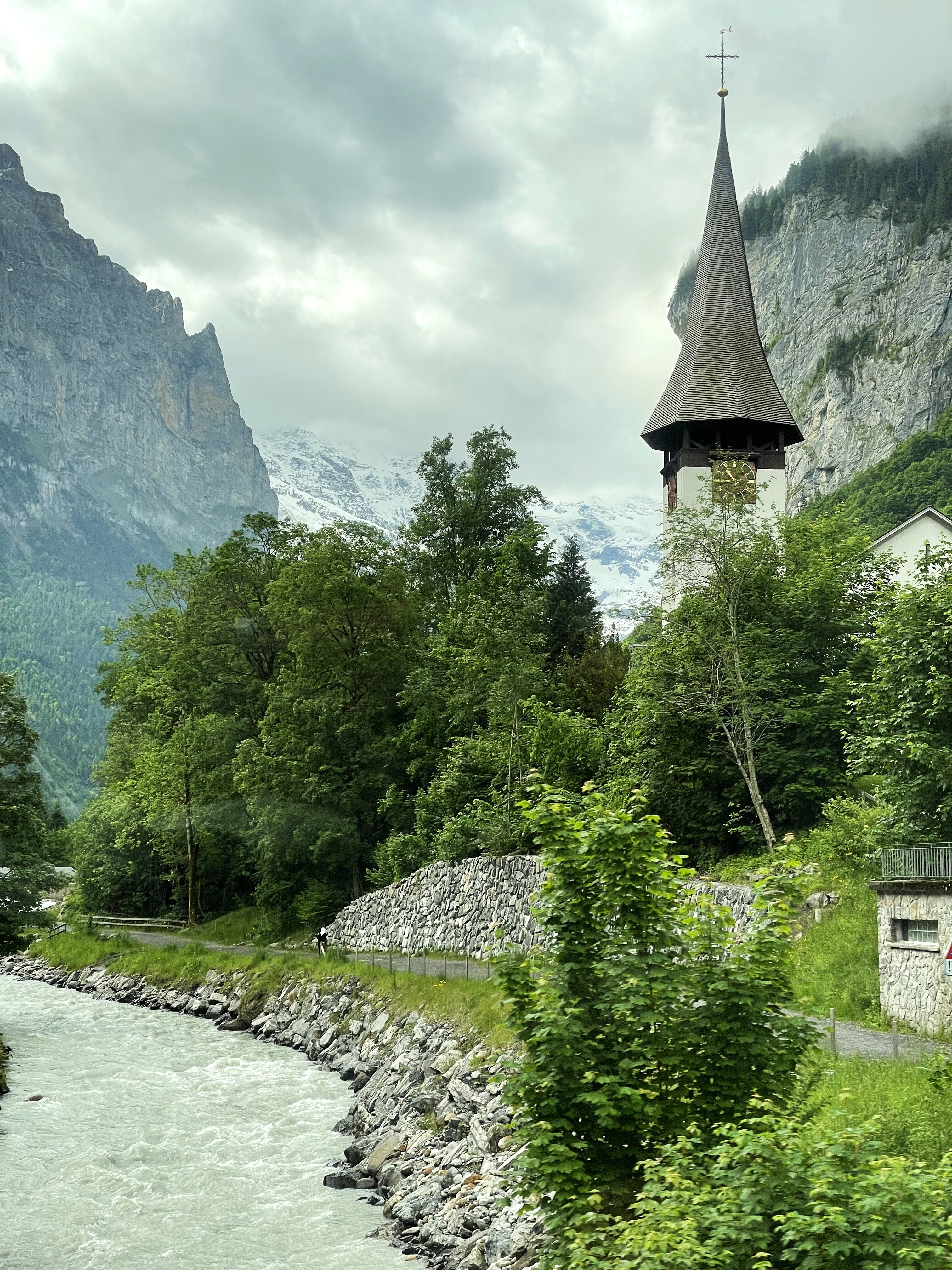
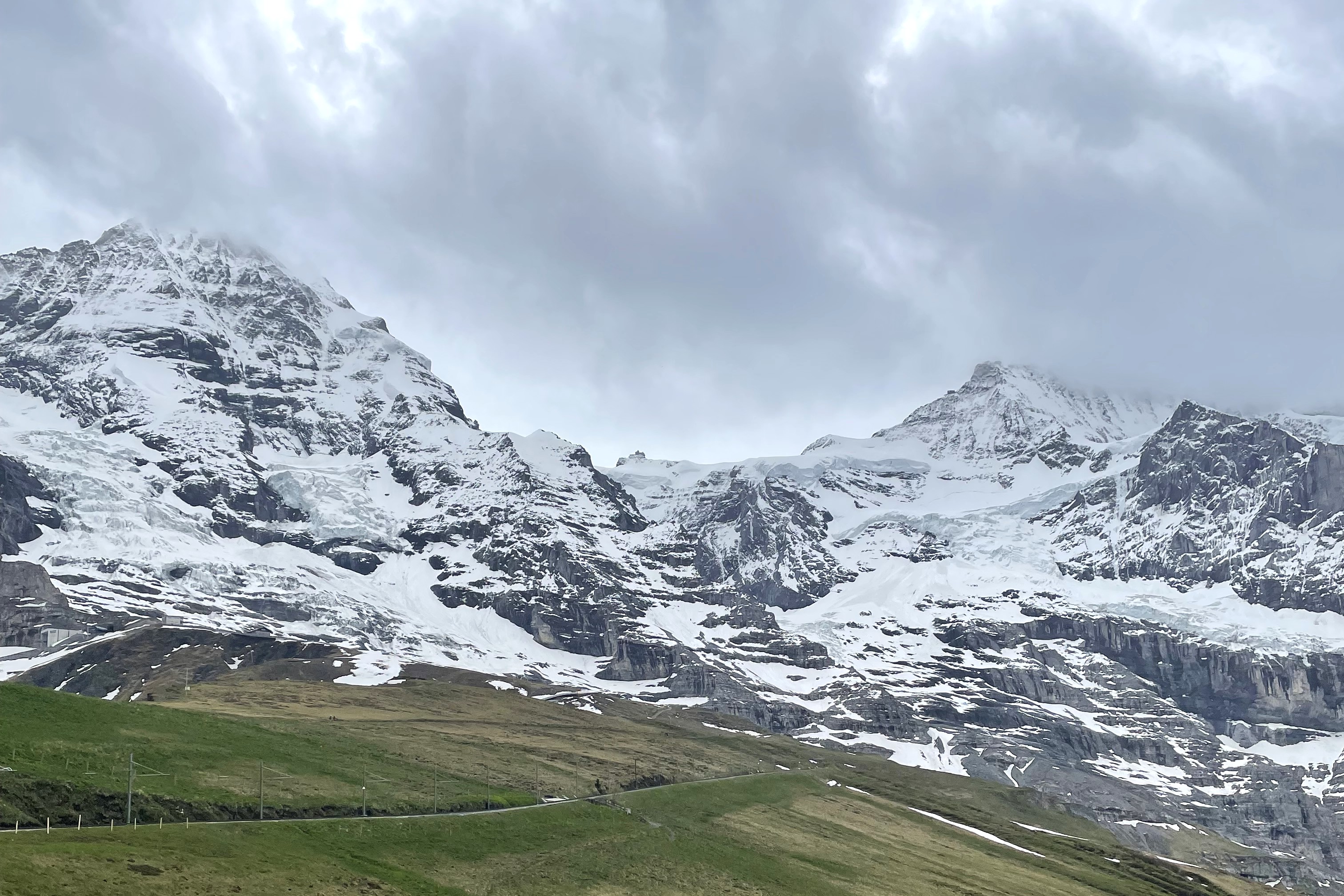
The Swiss Alps provided us with another opportunity to see great and elemental things in other parts of the world. The three photos below of Lauterbrunnen, Engelberg, and Kleine Scheidegg are just a teaser to encourage you to check out my earlier post on these three days at the top of Europe.

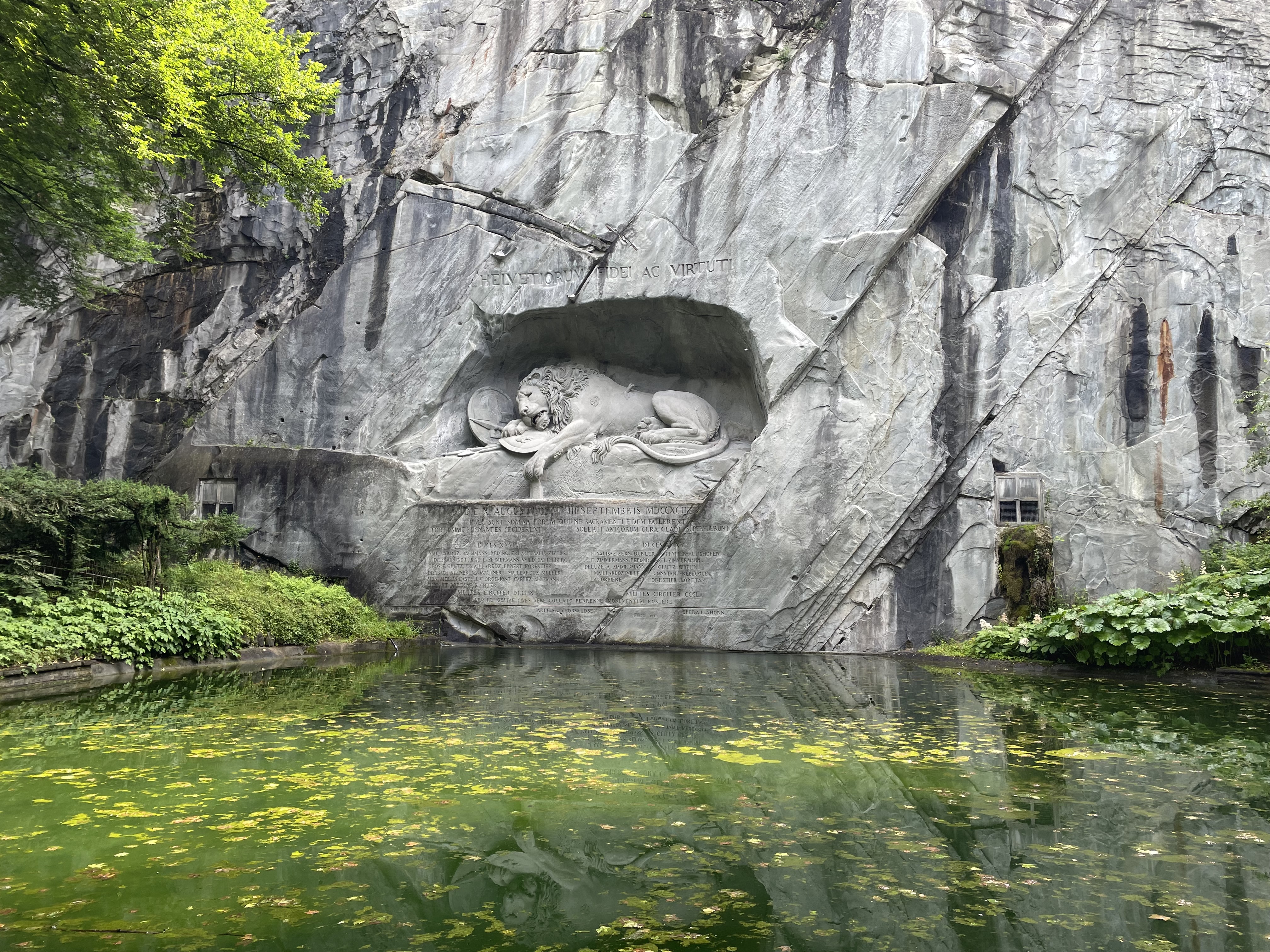
Likewise, I’ve included just a handful of photos from the picture-perfect Central Swiss city of Lucerne as encouragement to stroll through the more extensive collection in my earlier post.


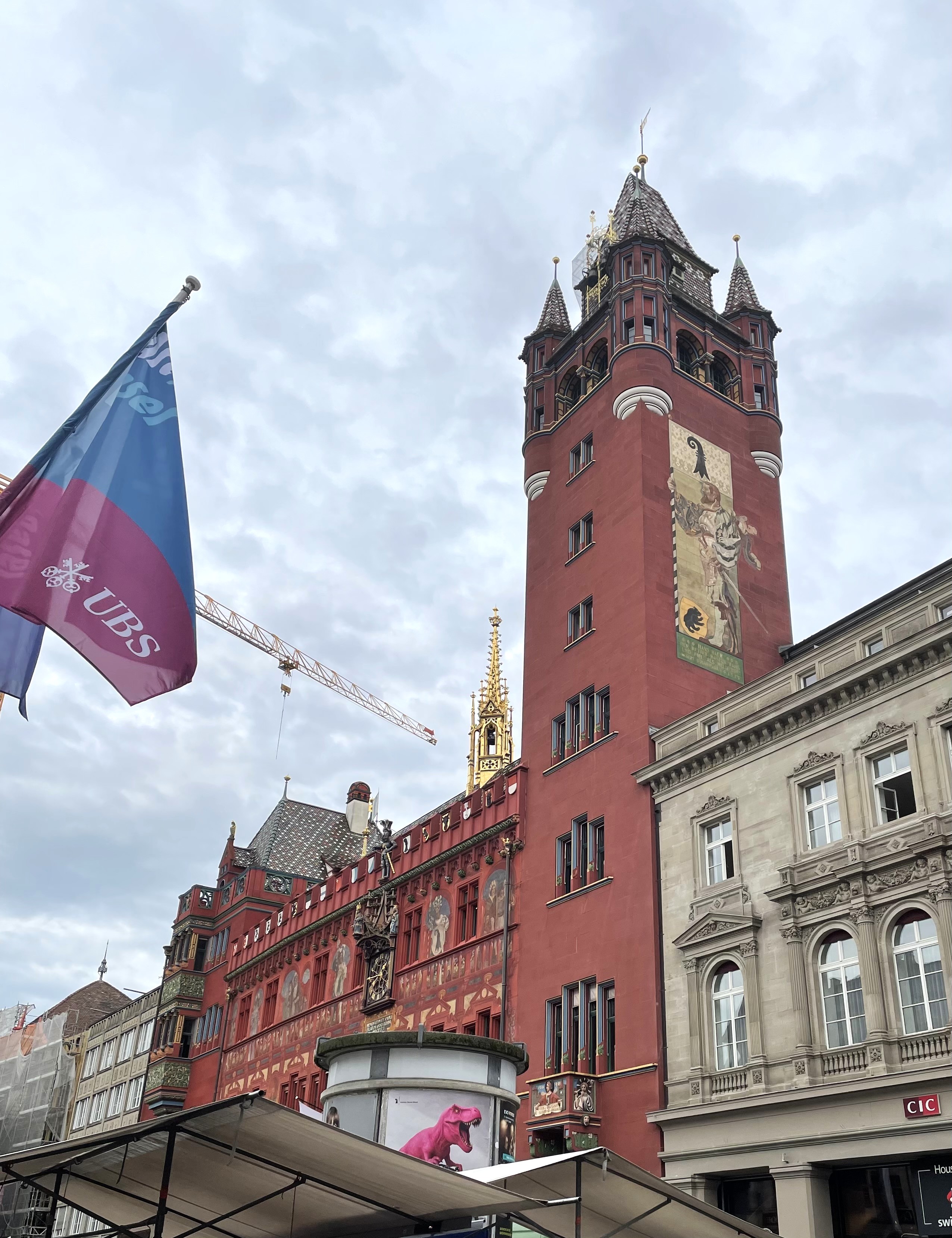
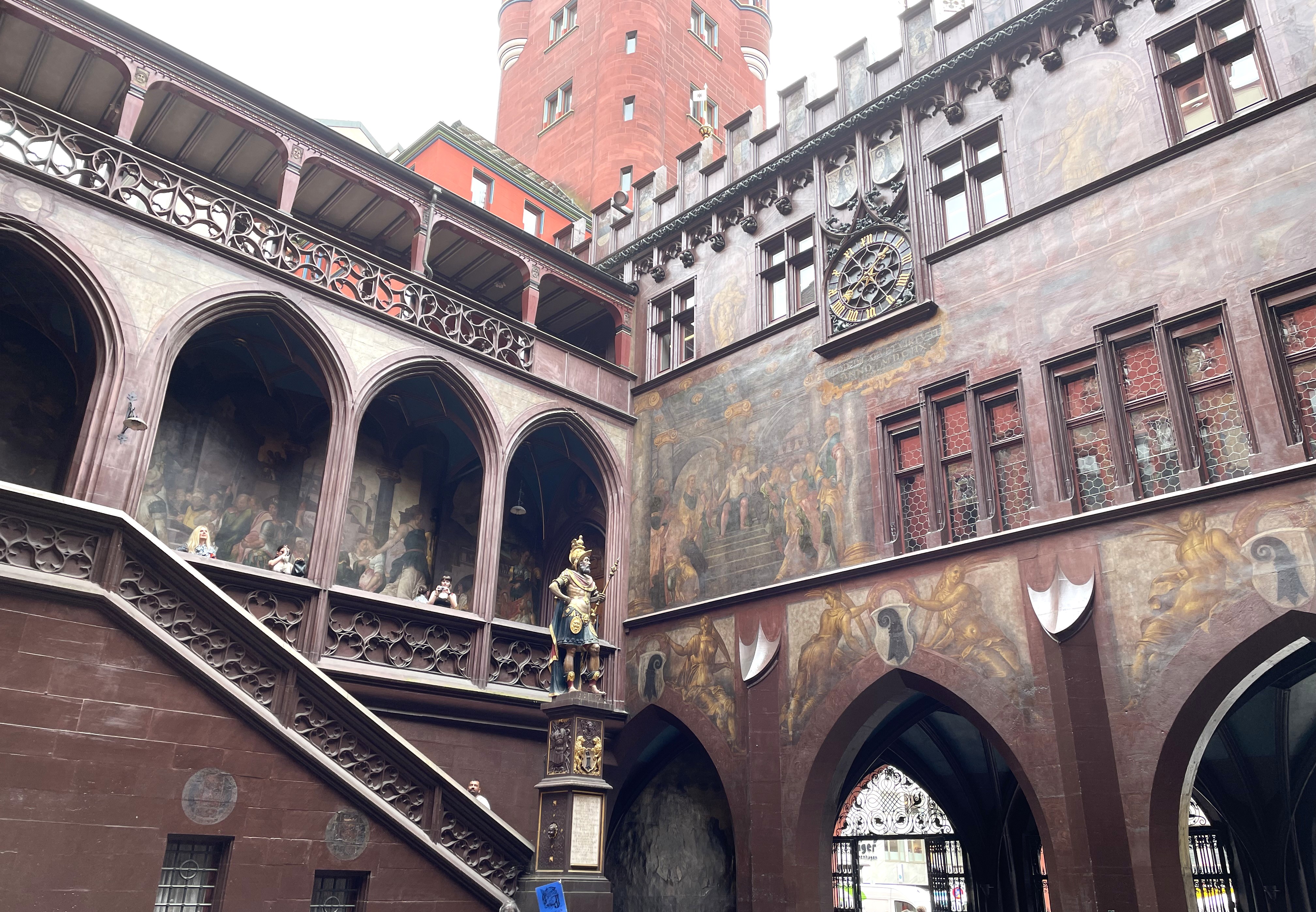
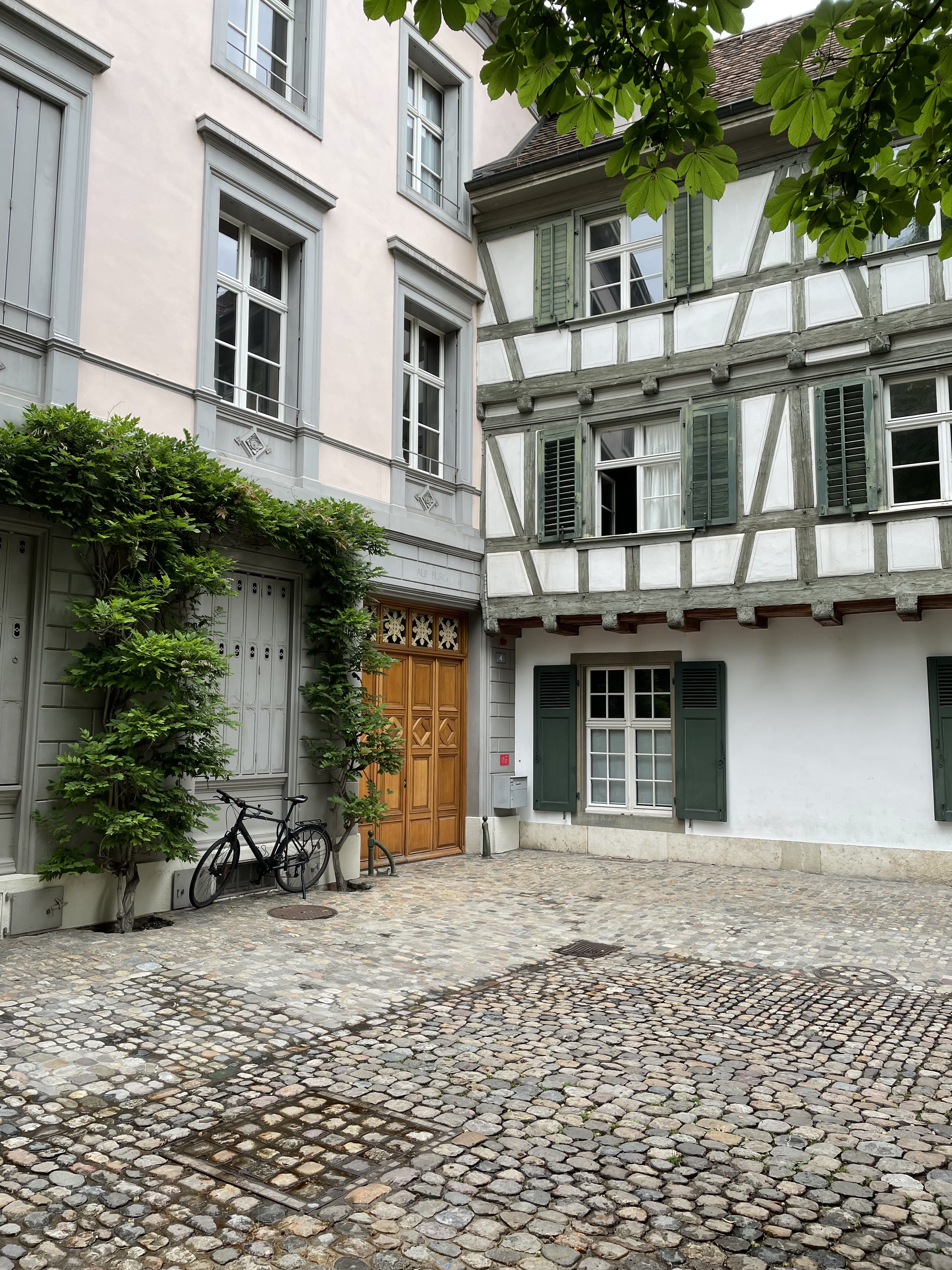
Basel, Switzerland is where we joined our ship for the cruising portion of the tour, but not before a walking tour took us to visit the magnificent town hall, historic plazas, and cathedral.



France
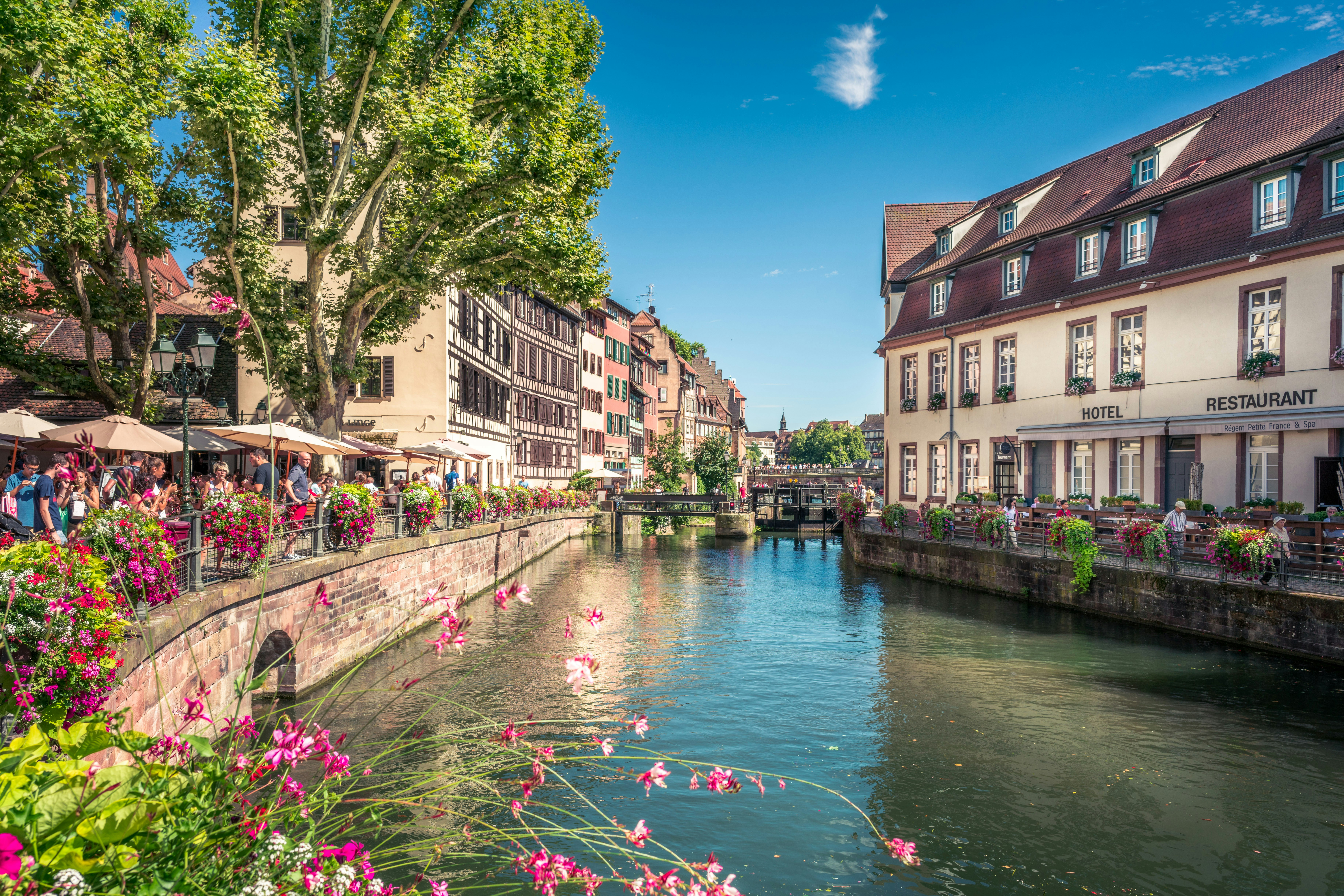
In Strasbourg one sees essentially two cities―the older Medieval city which grew around the cathedral and features building styles and urban development that grew organically over centuries―and then the new town, which was built from 1871-1918 by the Germans following the Franco-Prussian War. This part of Strasbourg reflects the principles of urban redesign for modern cities most famously featured in Paris.

There is a typical challenge in big cities around how to address through-traffic without completely damaging the minute weave of local streets. In Strasbourg’s older city one sees centuries of construction integrated into a Medieval urban plan around the cathedral in a way that respects that ancient fabric. There are Renaissance-style private residences built between the 15th century and the late 17th century in this part of the city.

However, from 1871 onwards the face of the town was significantly modified by the construction of an ambitious urban project by the Germans, leading to the emergence of a modern city where technical advances and hygiene became of increasing importance.
You can see both elements of Strasbourg in the photographs below.
Some architects of the day saw this new section as “artificial,” ill-suited to adapt to the old, organic center. However, it did have the advantage of not demolishing centuries of historic architecture that has been reused and rehabilitated time-and-time again. And, of course, now this new part of Strasbourg is also included in the UNESCO World Heritage List.


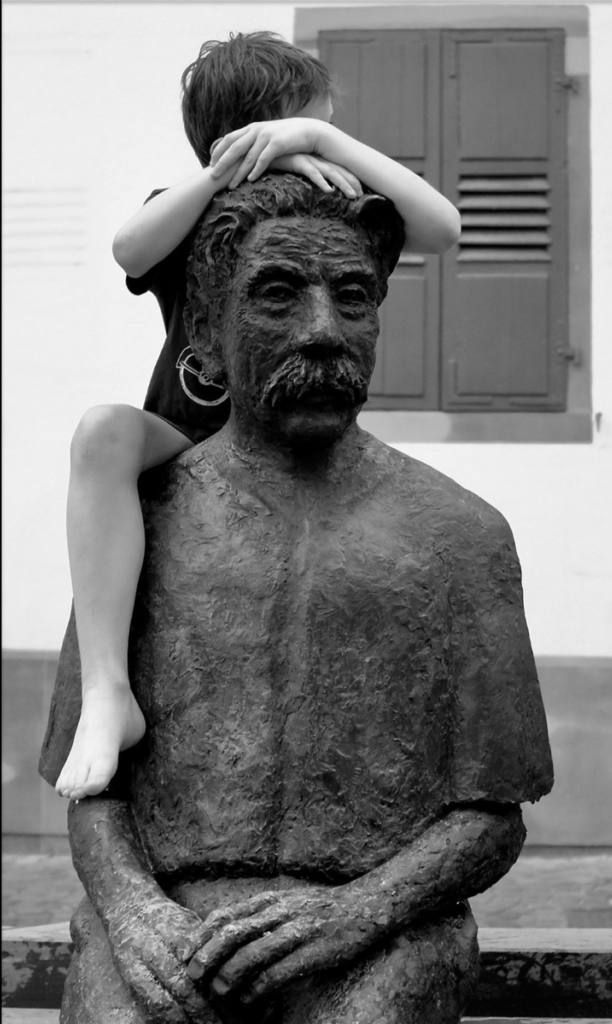
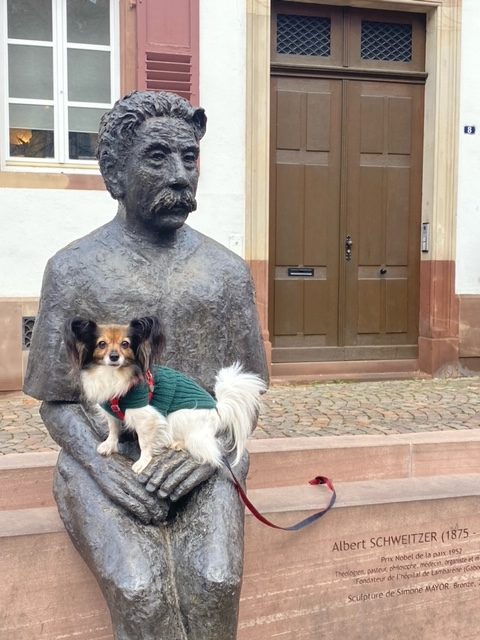
I discuss statues and monuments frequently in my talks and one of my new favorites can be found at Place Saint-Thomas in Strasbourg. The bronze statue of the Nobel laureate Albert Schweitzer (1875-1965) is the work of Simone Mayor (2021) and depicts the famed Alsatian pastor, theologian, doctor and musician seated upon a sandstone wall that runs beside the St. Thomas Church. It is a humble portrayal of the 1952 Noble Prize winner for his “Reverence for Life” philosophy.

I love the photos on the artist’s website (I’ve included a few here), which shows how so many people relate to this “common man among the people” depiction.


Germany
As we cruised the Rhine and Moselle rivers in Germany, we visited Heidelberg, Cochem, the castles of the Upper Rhine Valley, and Cologne.
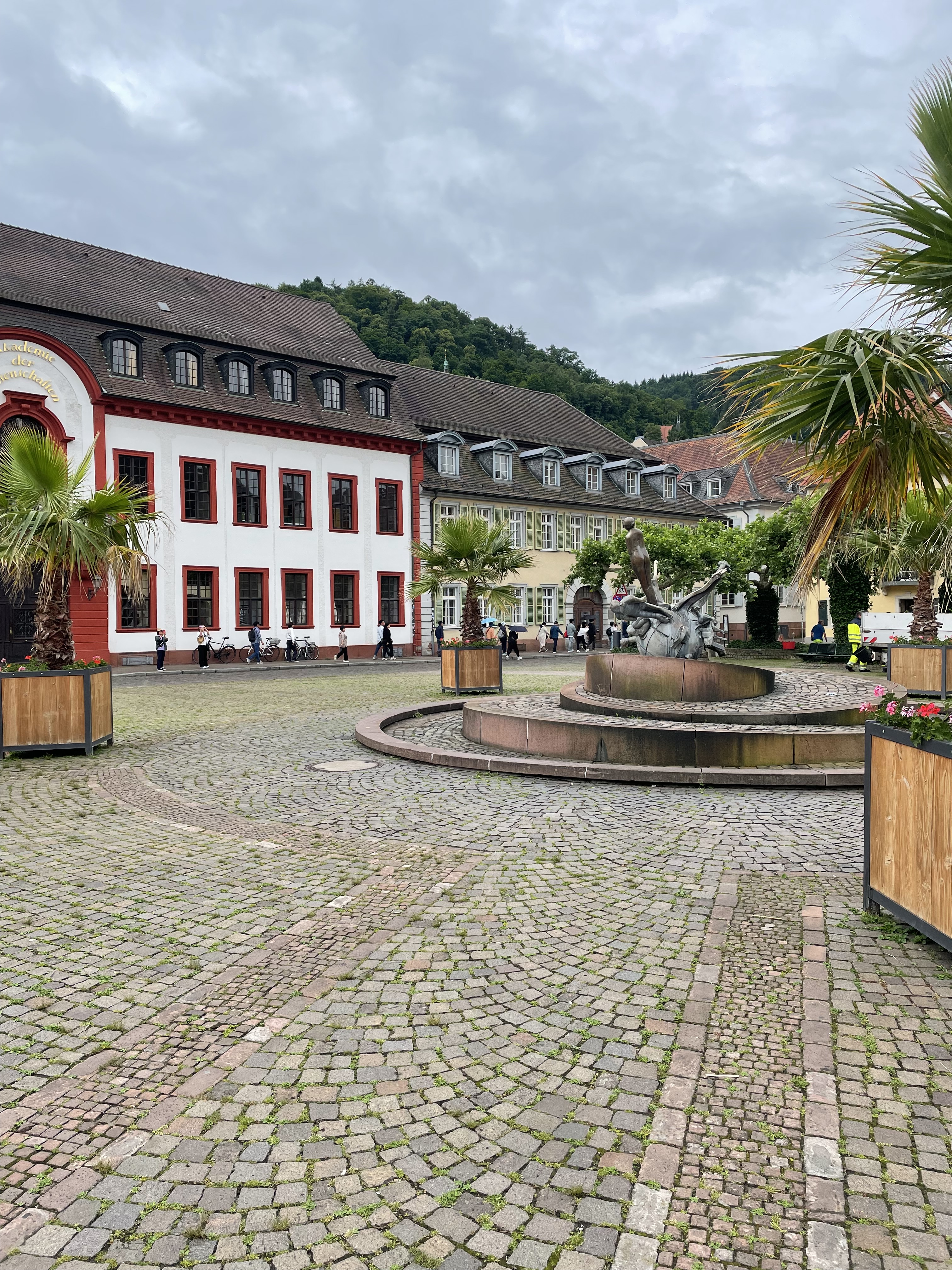
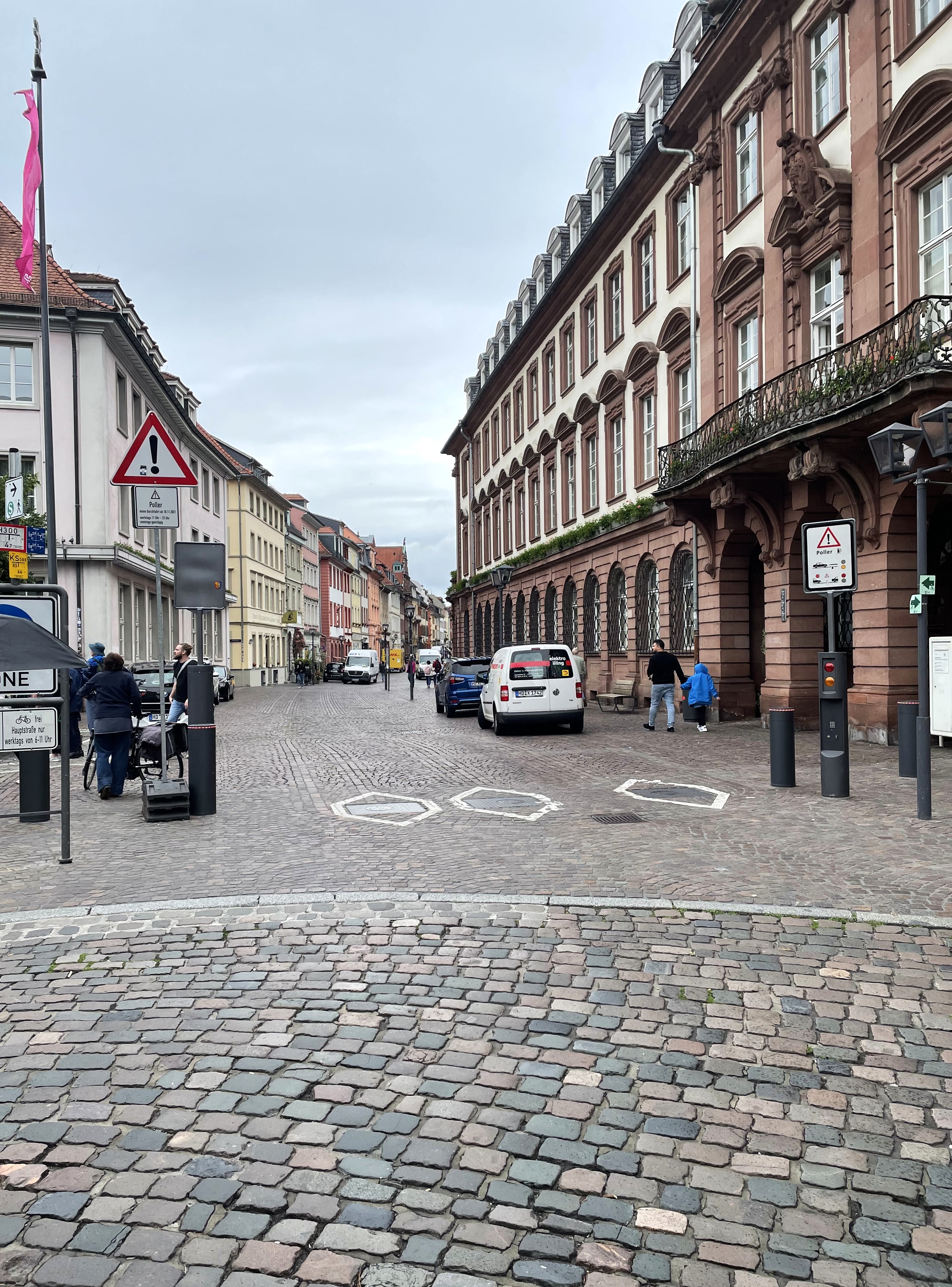
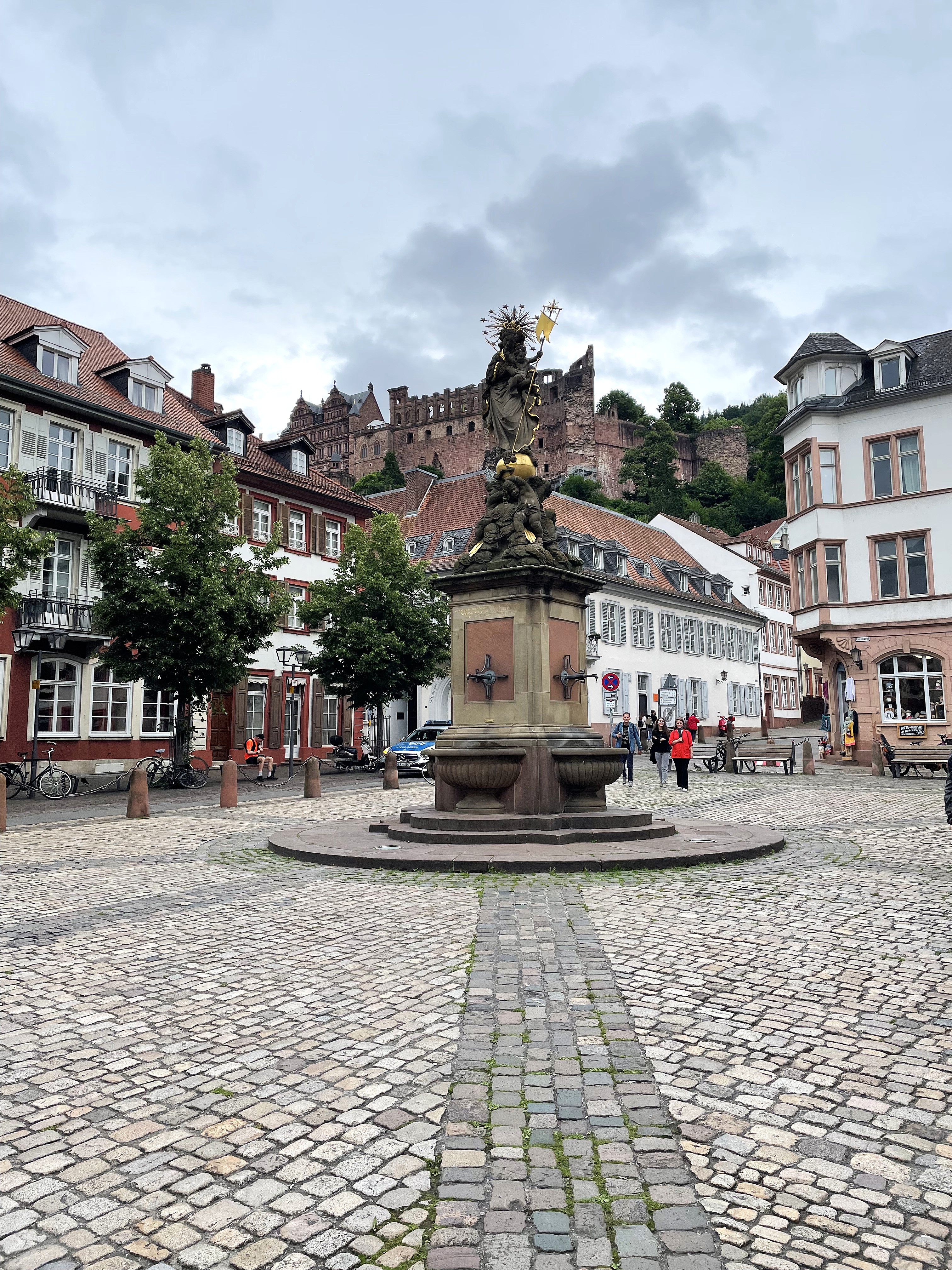
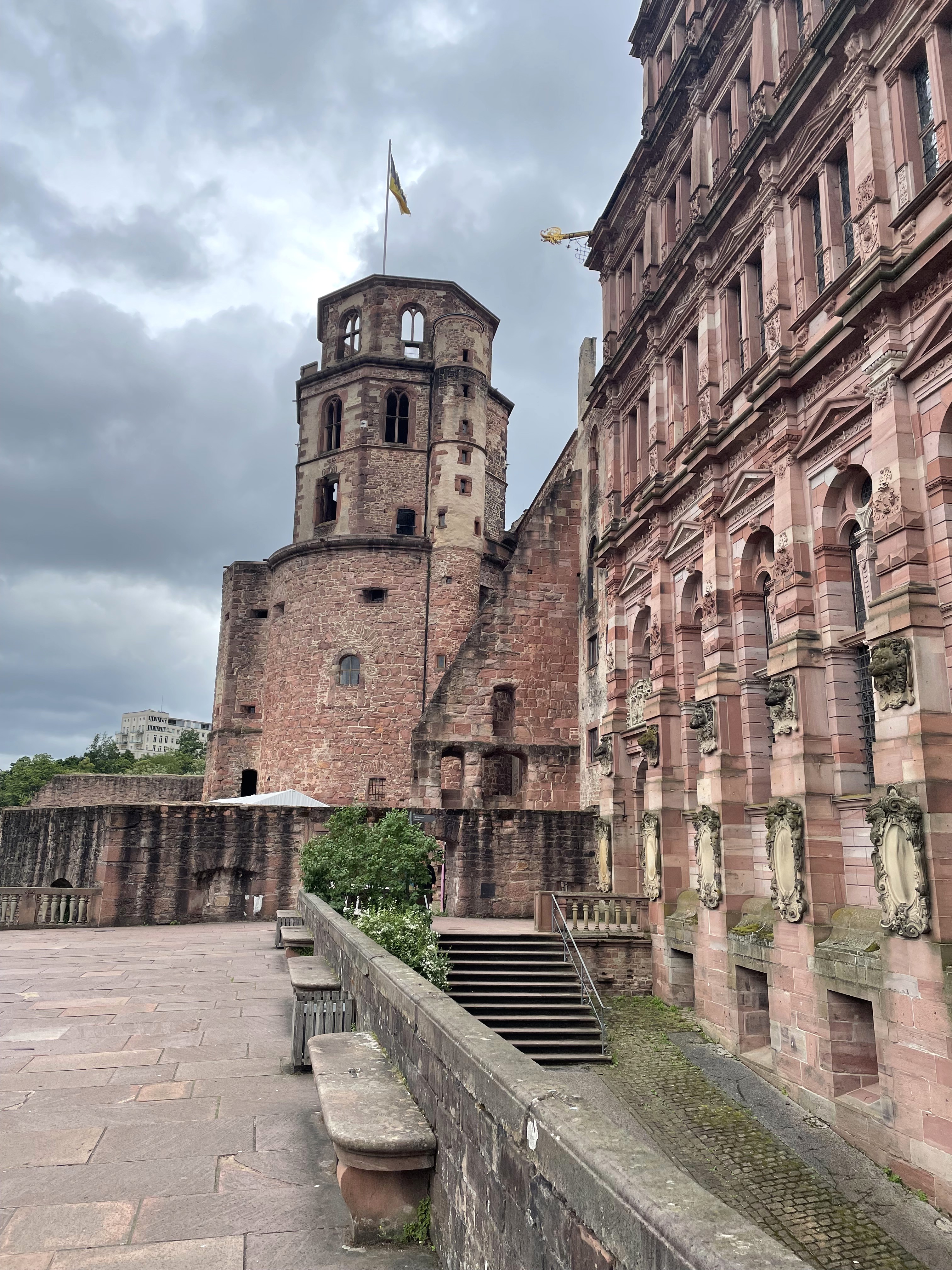
Heidelberg is a college town lying on the river Neckar, and a quarter of the population are students. During World War II the city was almost completely spared because of the lack of industrial and war-making facilities in the region, so the historic section is authentic and—to use the technical architectural term—charming.


High above the city sits Heidelberg Castle, with a mixture of ruins and functioning structures and spaces.



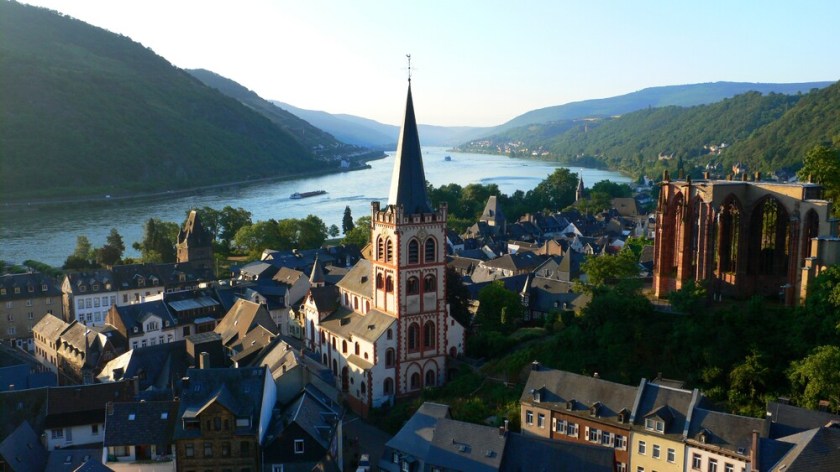
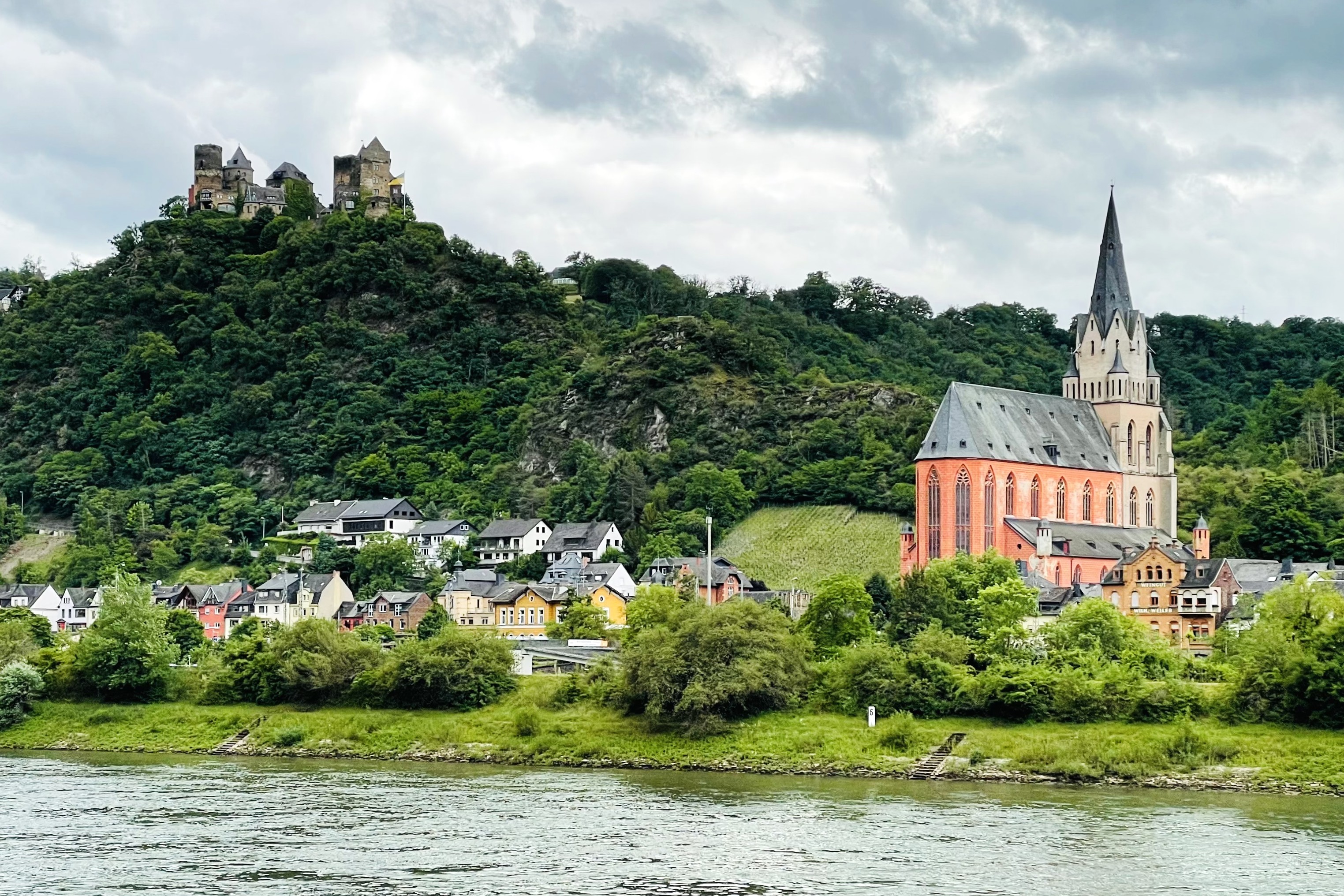
The Upper Rhine River Gorge is the setting for all those wonderful ads encouraging visitors to “take a river cruise in Europe.” The scenery is spectacular and there does seem to be another castle popping up every five minutes or so. All the photographers on the trip were busy capturing the glorious views.


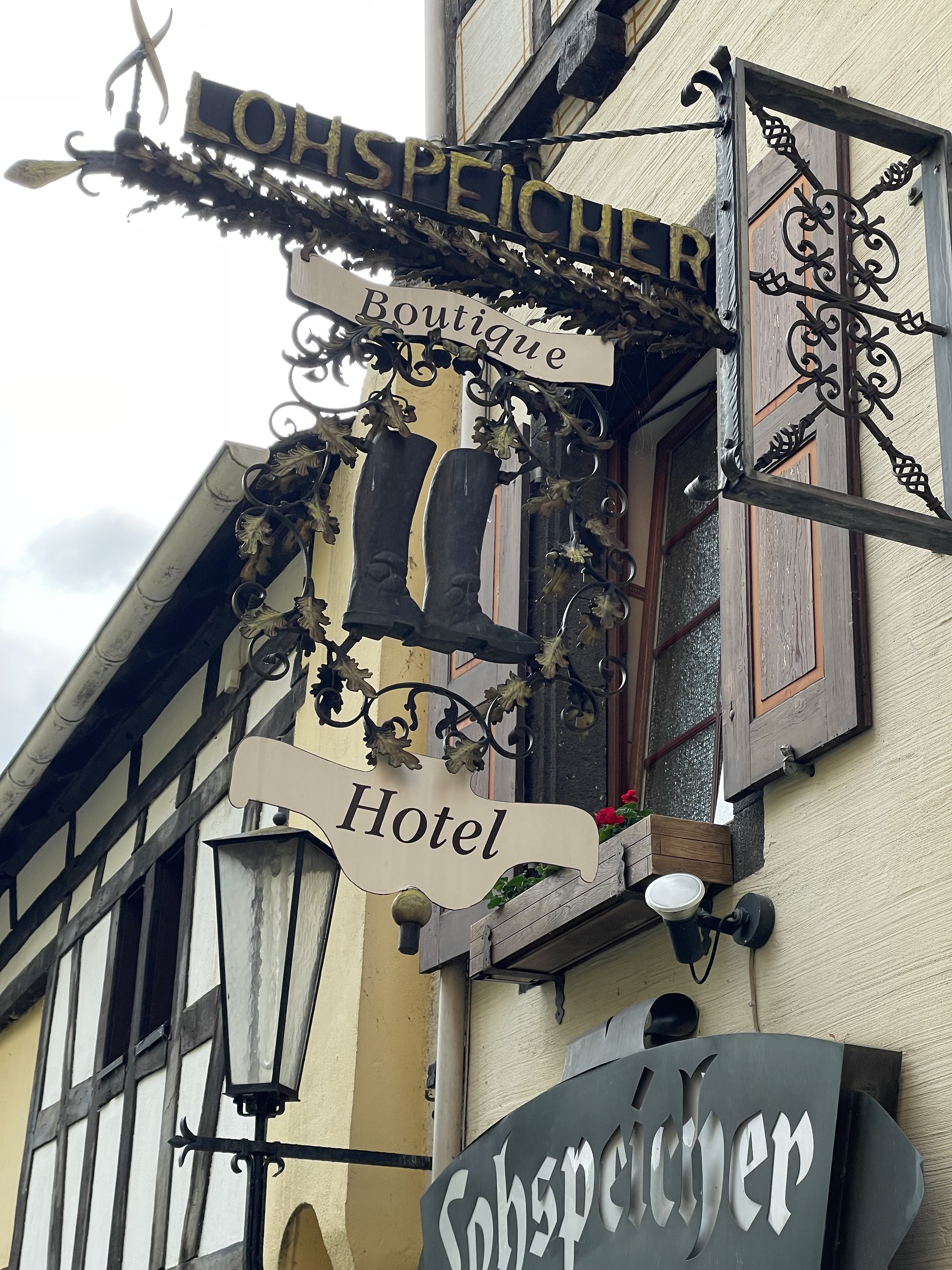
Cochem is a small town of about 5,000 people that has been part of Germany since 1815. It features small alleyways leading to the medieval market square, and a promenade along the Moselle River. Cochem Castle, which towers over the town, has a long history of changing hands after battles and wars (the last time being World War II when it was taken back from Nazi hands).

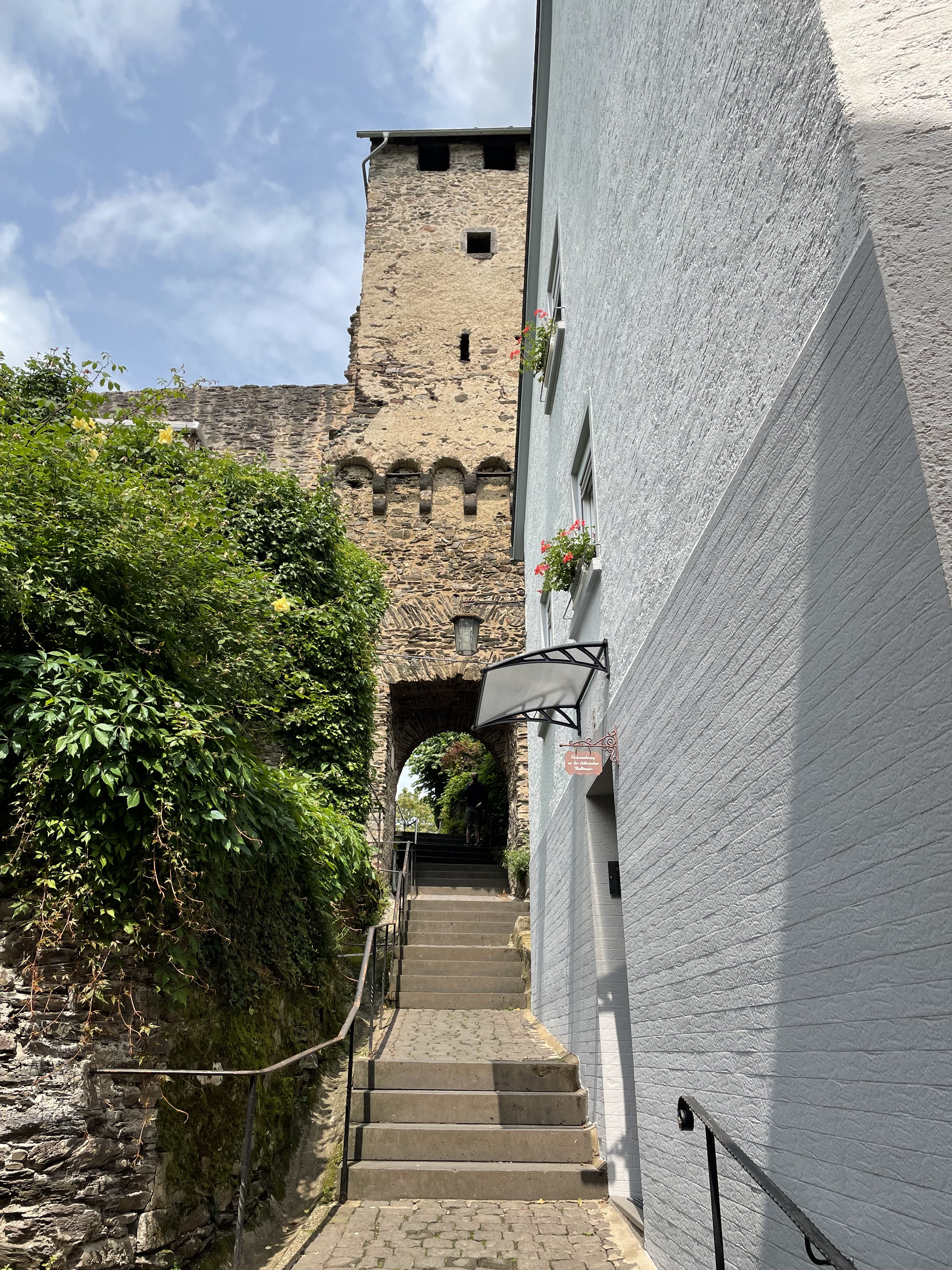
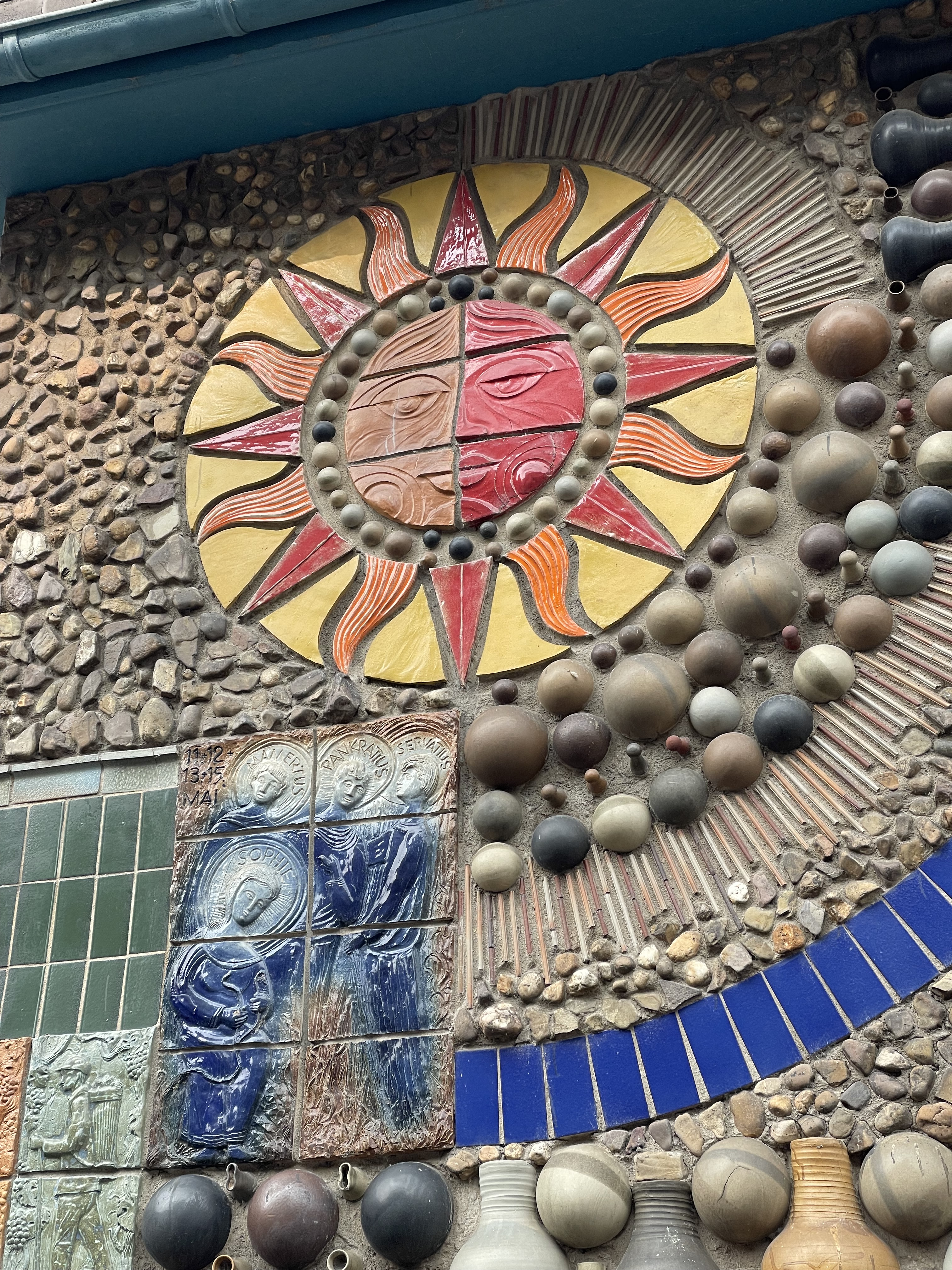
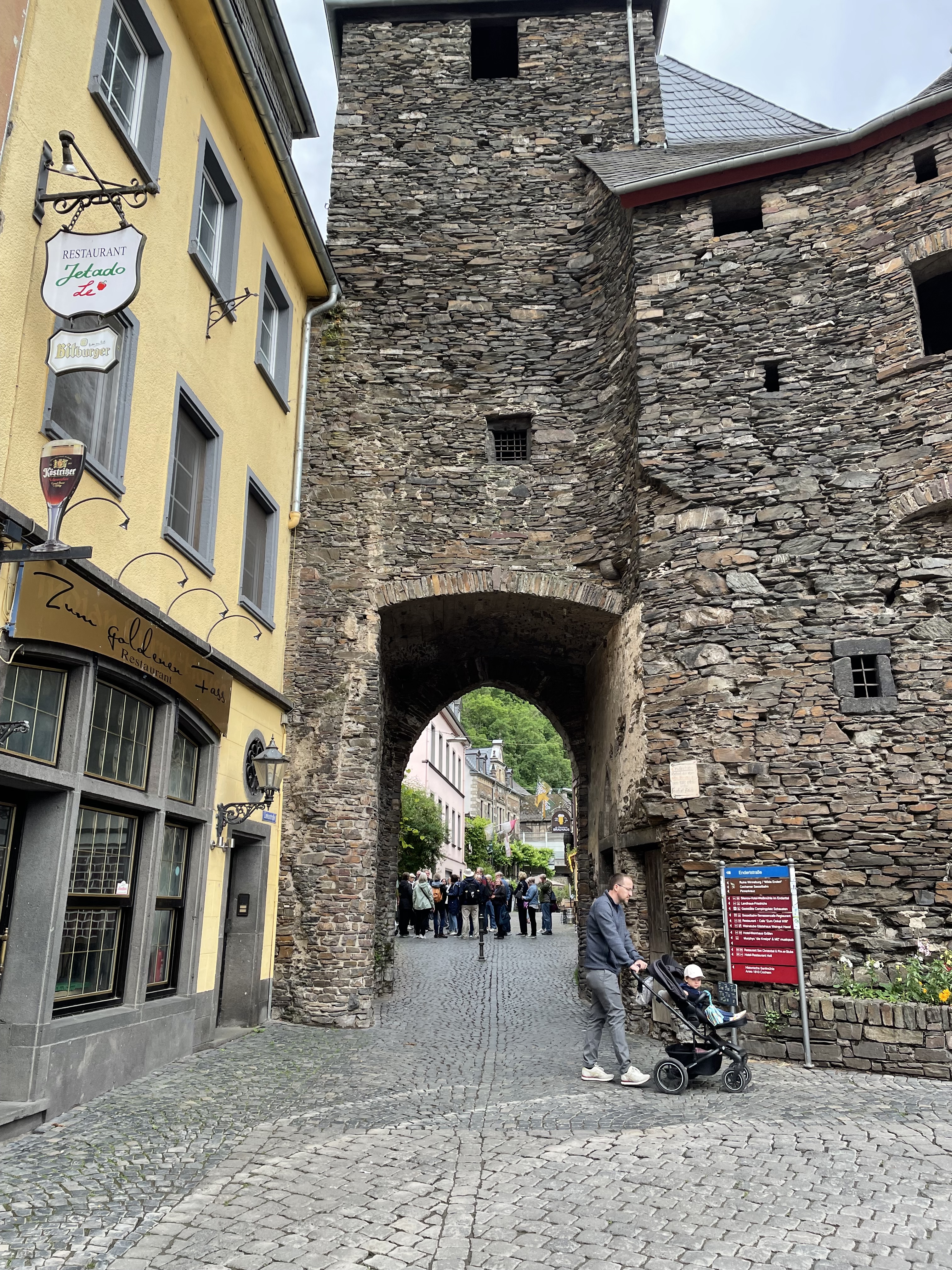
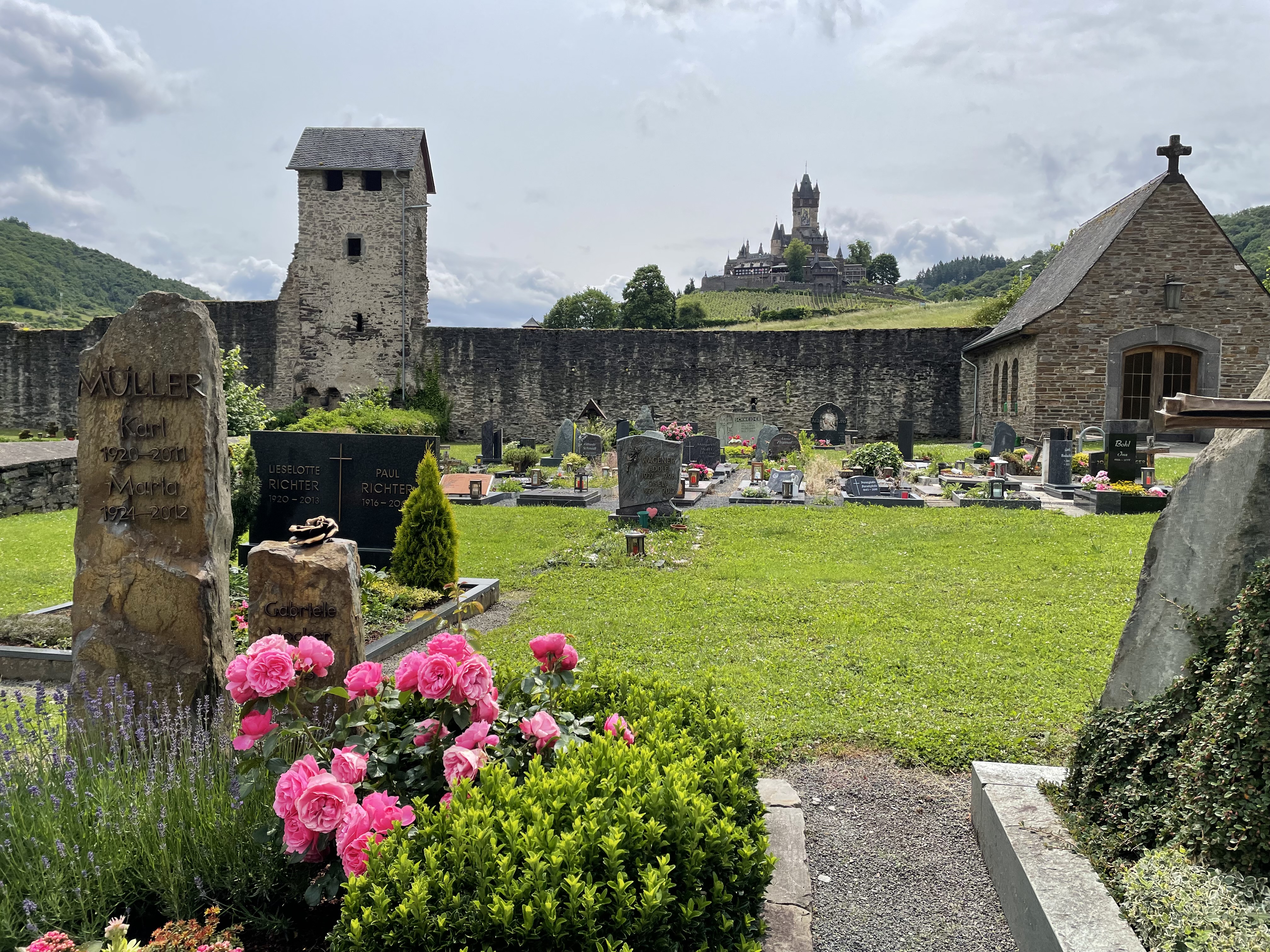
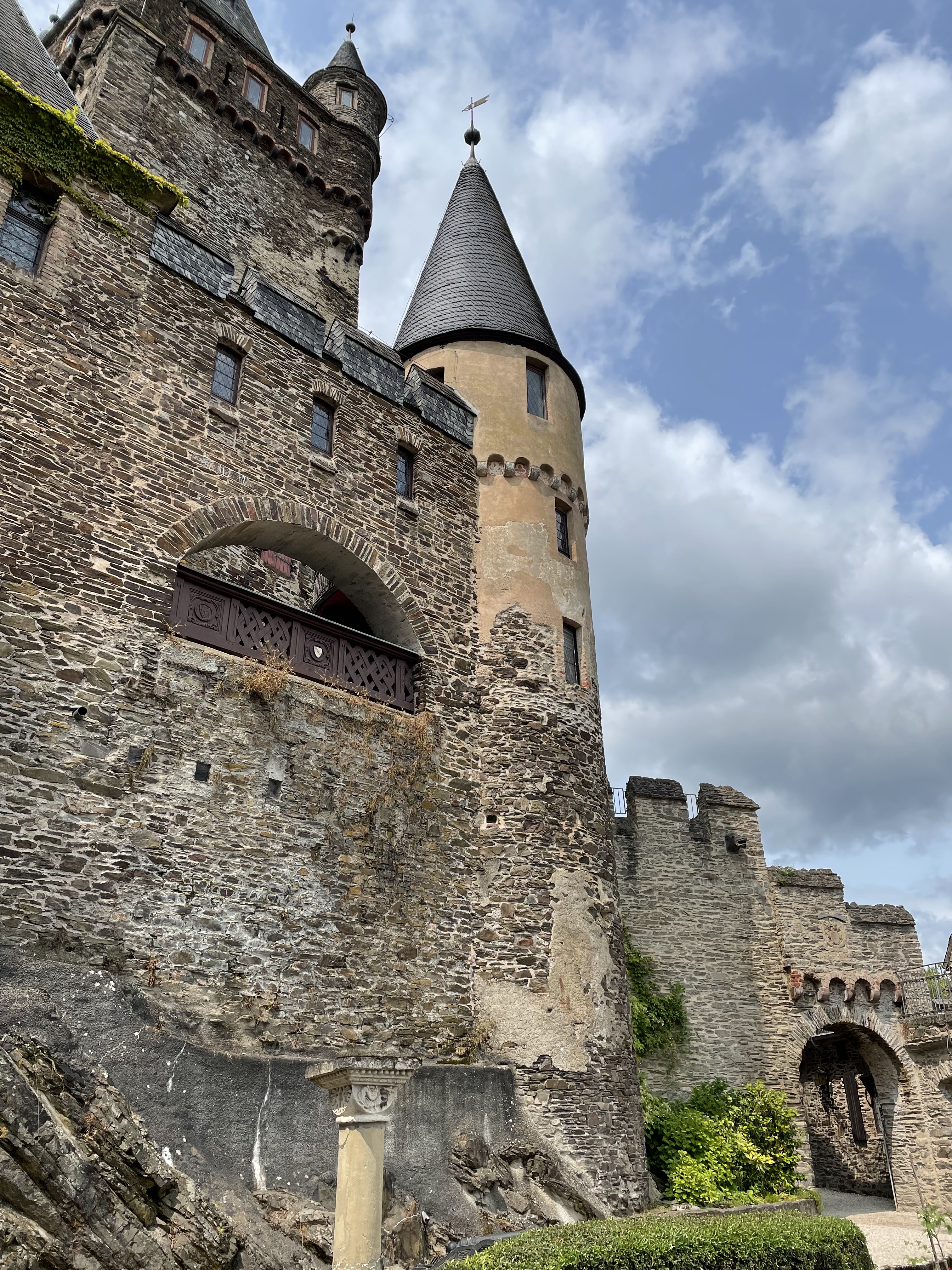

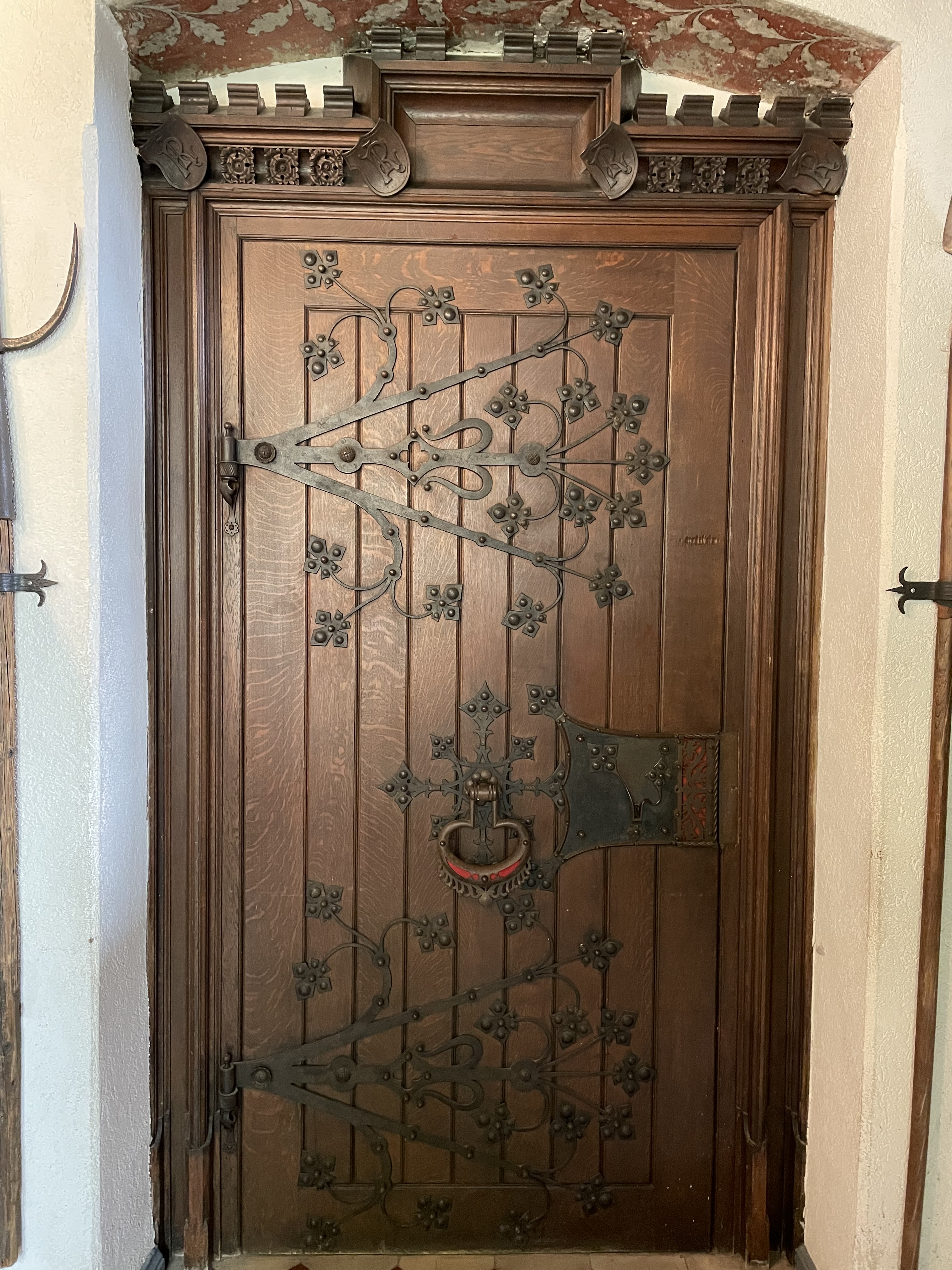


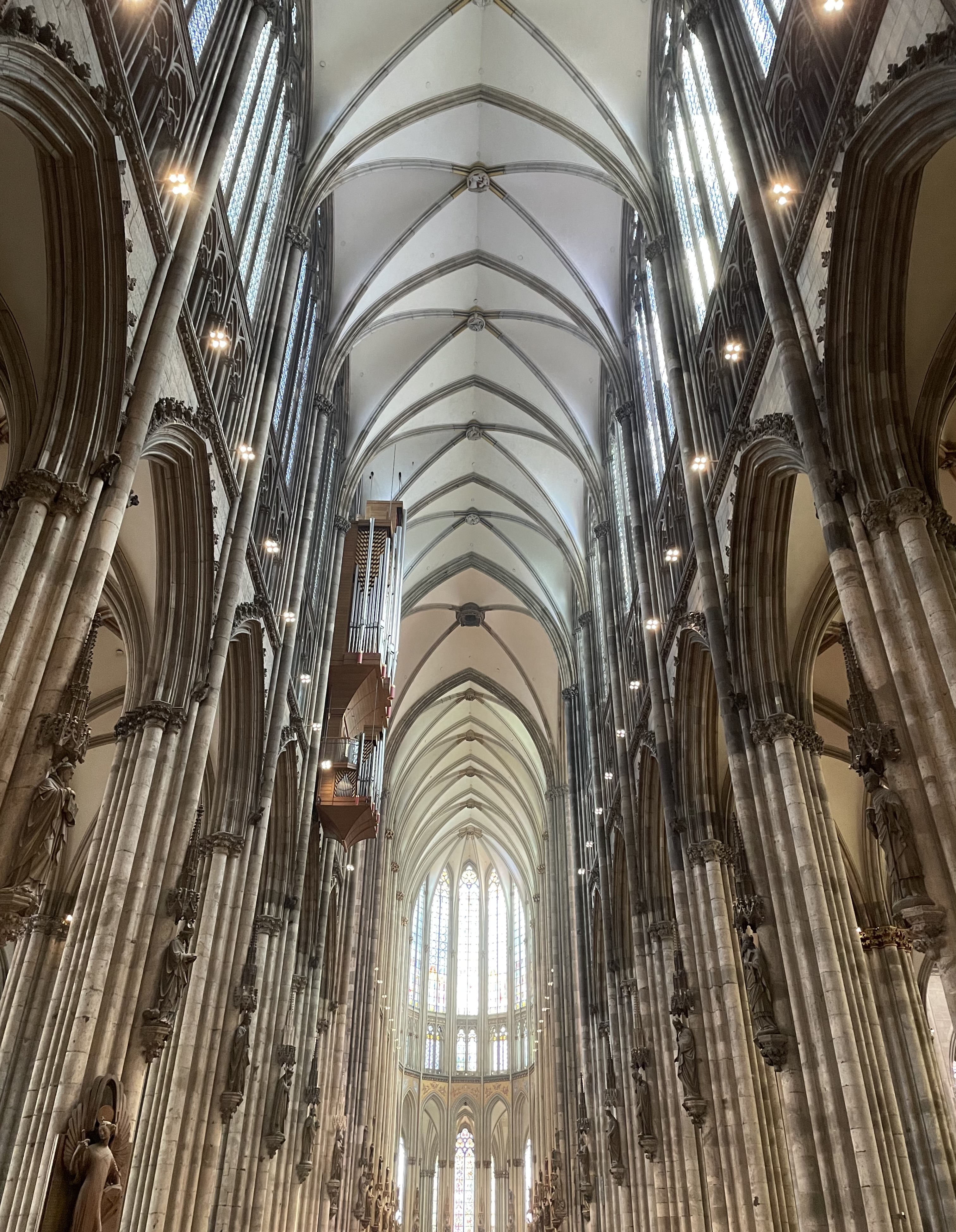
I focused on Cologne and its impressive cathedral earlier this month, so these photos are to encourage you to seek out that post.


Amsterdam
Our final day involved an afternoon canal cruise through Amsterdam, the second one we’d taken in the past six weeks. Here’s a link to a post from our earlier trip that includes some of the highlights in this most fascinating of cities.


And I’ll end on a personal note
As is our custom, Candice found a stellar local restaurant for us to explore during our first couple of days before we joined the tour. We celebrated Candice’s birthday at IGNIV Zurich. A wonderful time . . . and a delicious meal . . . was had by all!

Our next National Trust Tours trip is set for this fall. The Emerald Isle Cruise: Ireland and Northern Ireland should be splendid. There is still room available and we’d love to have you join us!
More to come . . .
DJB
Image of Upper Rhine River by Amos Chappel from UNESCO World Heritage listing. All other photos by DJB unless otherwise credited.
 MORE TO COME...
Pingback: Observations from . . . June 2025 | MORE TO COME...
Pingback: Oh, the places we’ve seen! | MORE TO COME...