
A few days ago Candice and I were discussing challenges we face and the impact of stress on our lives. For a couple of retired folks we find ourselves with a lot on our plate at the moment. We soon realized, however, that we were focusing on things we couldn’t control. *
Circle of concern. Circle of influence.
This conversations took me back to Stephen R. Covey’s classic The Seven Habits of Highly Effective People. “Be Proactive” is the very first habit, and early in the book Covey notes that we each have a wide range of concerns—“our health, our children, problems at work, the national debt, nuclear war.” He suggests we separate those from things in which we have no particular mental or emotional involvement by creating a “Circle of Concern.”
“As we look at those things within our Circle of Concern, it becomes apparent that there are some things over which we have no real control and others that we can do something about. We could identify those concerns in the latter group by circumscribing them within a smaller Circle of Influence. By determining which of these two circles is the focus of most of our time and energy, we can discover much about the degree of our proactivity. Proactive people focus their efforts in the Circle of Influence. They work on things they can do something about.”
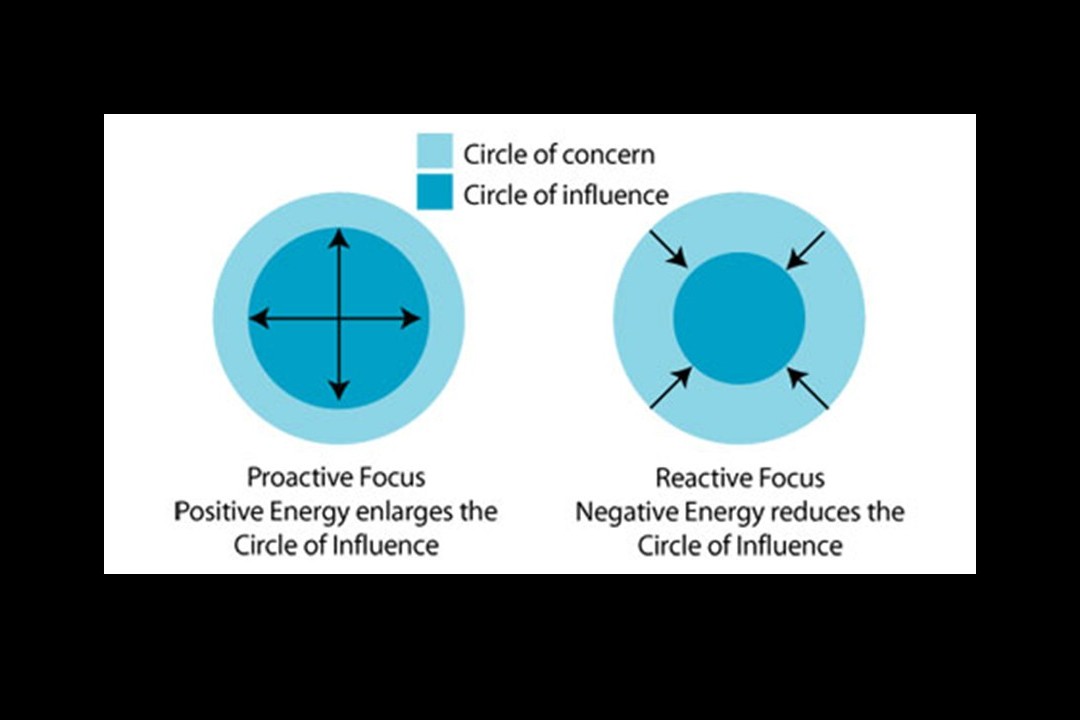
Those who focus on things they can influence radiate positive energy, causing their Circle of Influence to increase. Reactive people, however, focus on things they cannot control or influence with results that include blaming and accusing attitudes, reactive language, and increased feelings of victimization.
Victimization, in case you haven’t noticed, is in vogue these days.
I captured this idea in 70 lessons from 70 years when I included “Focus on what you can control” as lesson #5.
“Epictetus described this as our ‘chief task in life.’ I can’t control the weather or how the president acts but I can control my attitude, emotions, desires and response to external events and challenges. Anne Lamott helpfully reminds us: ‘Expectations are resentments under construction.’”
Prioritize caring about others
In thinking about areas of personal influence, I am working to prioritize caring about other people. This goes against type for me, a somewhat natural introvert. That makes it hard but certainly not impossible. Poet and songwriter Carrie Newcomer suggests that the principle of kindness and goodness given and received “expresses a deeper wisdom, a more powerful picture of our true and natural state.”
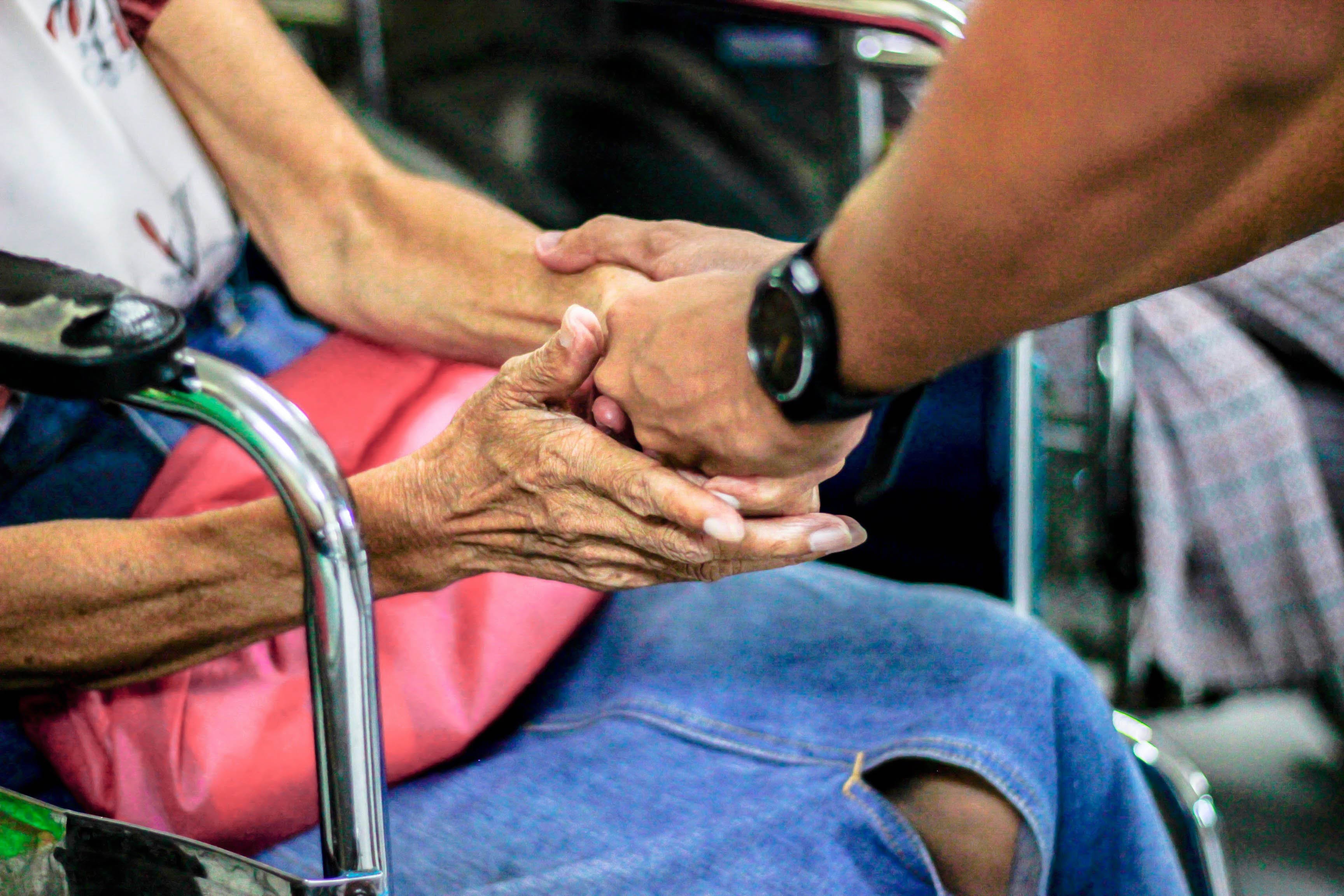
“Why do I believe this to be so? Because when kindness bubbles up naturally, it feels good, it feels right, if feels like something that is suppose to happen in the course of a extraordinary ordinary day. I believe it because I have seen small daily acts of goodness and love change things in profound ways.”
With cynicism as an easy out it takes courage to respond differently. Instead of blaming others and using reactive language, I can train my focus in different areas so that I lean into hope and believe in the power of goodness. Yes it is risky. Yes you will be disappointed. And yes, you can choose to do it all again. Author Ryan Holiday suggests that we have to be proactive to fight tendencies not to care.
“I was reading a book recently and I could feel a part of my mind trying to find a way to blame the subjects of the book for their own problems. The reason I was doing this, I came to reflect, was that if it was their fault, then I wouldn’t really have to care. I wouldn’t have to do anything or change any of my beliefs. I think it is this impulse that explains so much of where we are in the world today. THIS HEADLINE HERE is one that I think about almost every single day for that reason. You have to fight that trick of the mind, the one that looks for reasons not to care. It’s the devil’s magic.”
Holiday adds:
“Despair and cynicism only contribute to the problem. Hope, good faith, a belief in your own agency? These are the traits that drive the change that everyone else has declared to be impossible.”
Think. Focus. Prioritize. Act.
There are so many things that concern us on a daily basis, and they differ for everyone. If we realize that the first thing we can influence is where our focus is trained, then we have the option to live a life that is much more purpose-filled. Perhaps one built around kindness.
The Irish poet and author John O’Donohue says:
“. . . if you send out goodness from yourself, or if you share that which is happy or good within you, it will all come back to you multiplied ten thousand times. In the kingdom of love there is no competition, there is no possessiveness or control. The more love you give away, the more love you will have.”
Think about what concerns you. Focus on what you can influence. Prioritize caring for others. Act by sending out goodness and kindness.
I could be wrong, but when you work to focus on your concerns in this way you just might find that your life is acquiring deeper meaning. And you may also notice that your Circle of Influence expands.
More to come . . .
DJB
*NOTE: During a period of travel I’m returning to a few old chestnuts on MORE TO COME. Today’s post primarily relies on an essay from the Dark Ages of 2017.
UPDATE: It did not begin as part of a series, but this post has become the first of an August trilogy focused on recognition of the challenges we face and how we might respond in these times. Here’s the second in the series. The final is Choosing gratitude in difficult times.
Photo by Elijah Macleod on Unsplash
 MORE TO COME...
Pingback: When the narrative tries to swamp the history | MORE TO COME...
Pingback: Observations from . . . August 2025 | MORE TO COME...