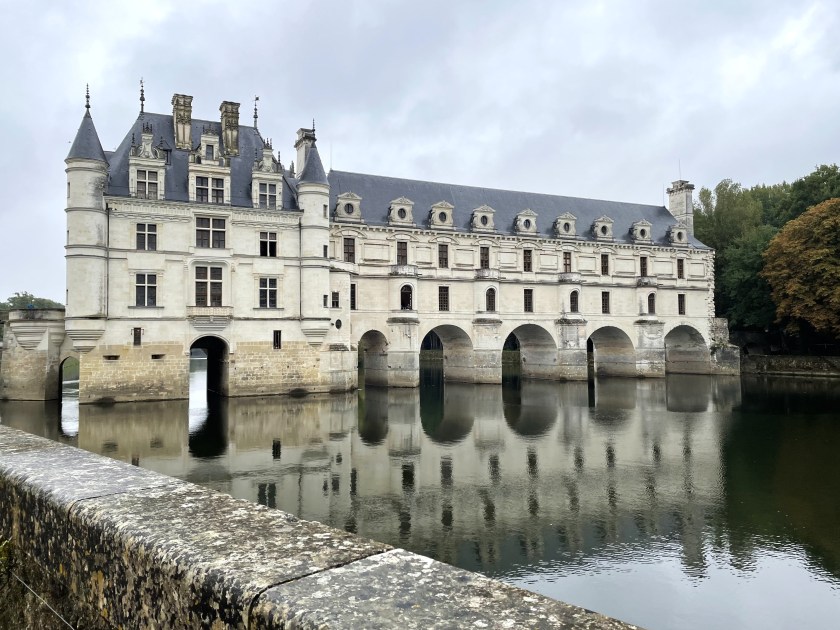
Photographs and historical notes to remember our recent visit to the Loire Valley.
In this last post about our month in Europe, I want to focus on the time between our tour in Ireland and our family gathering in Paris. Having decided to explore the French countryside during our trip, Candice and I contacted our friends who live in France and the Francophiles who travel there often to ask for advice. The suggestions were all over the map (pun intended), but we finally settled on the beautiful Loire Valley, with our base in the small city of Tours.
It turned into a magical week as we explored châteaux, cathedrals, food and wine, old towns, and charming small villages. This photo-heavy post will be a tip-of-the-iceberg account, but suffice it to say that we’d recommend the region to anyone looking to broaden their experience of France.
OUR INTRODUCTION TO TOURS
Tours (the “s” is silent) lies between France’s Cher and Loire rivers. Once a Gallic-Roman settlement, today it’s a university town of about 135,000 residents and a traditional gateway for exploring the châteaux of the Loire Valley region. After a very late arrival on Sunday morning (thanks to a security situation at the Dublin airport) we settled into Les Trésorières, our welcoming and comfortable hotel on the edge of the Old Town and in the gastronomical heart of the city. After a restful night of sleep following a long day of travel we woke up refreshed and ready to begin our week-long exploration via foot, train, and van.
It had been very dark when we arrived (did I mention it was early Sunday morning) so we were pleased to open the curtains in our hotel room to this view.

Walks through the city over the next six days unveiled a variety of architectural landmarks, intriguing small shops, enticing bistros, hidden treasures, and much more.
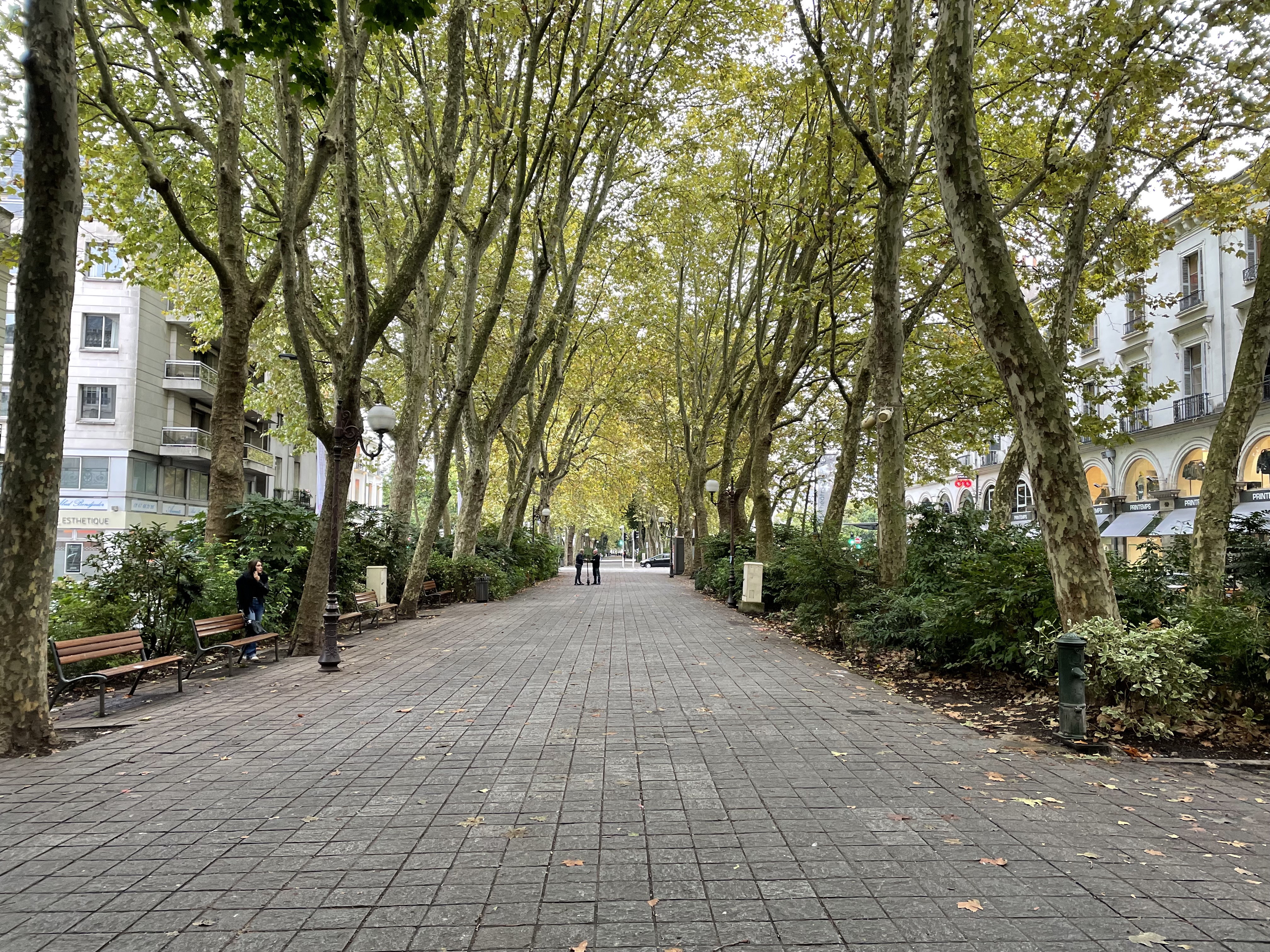


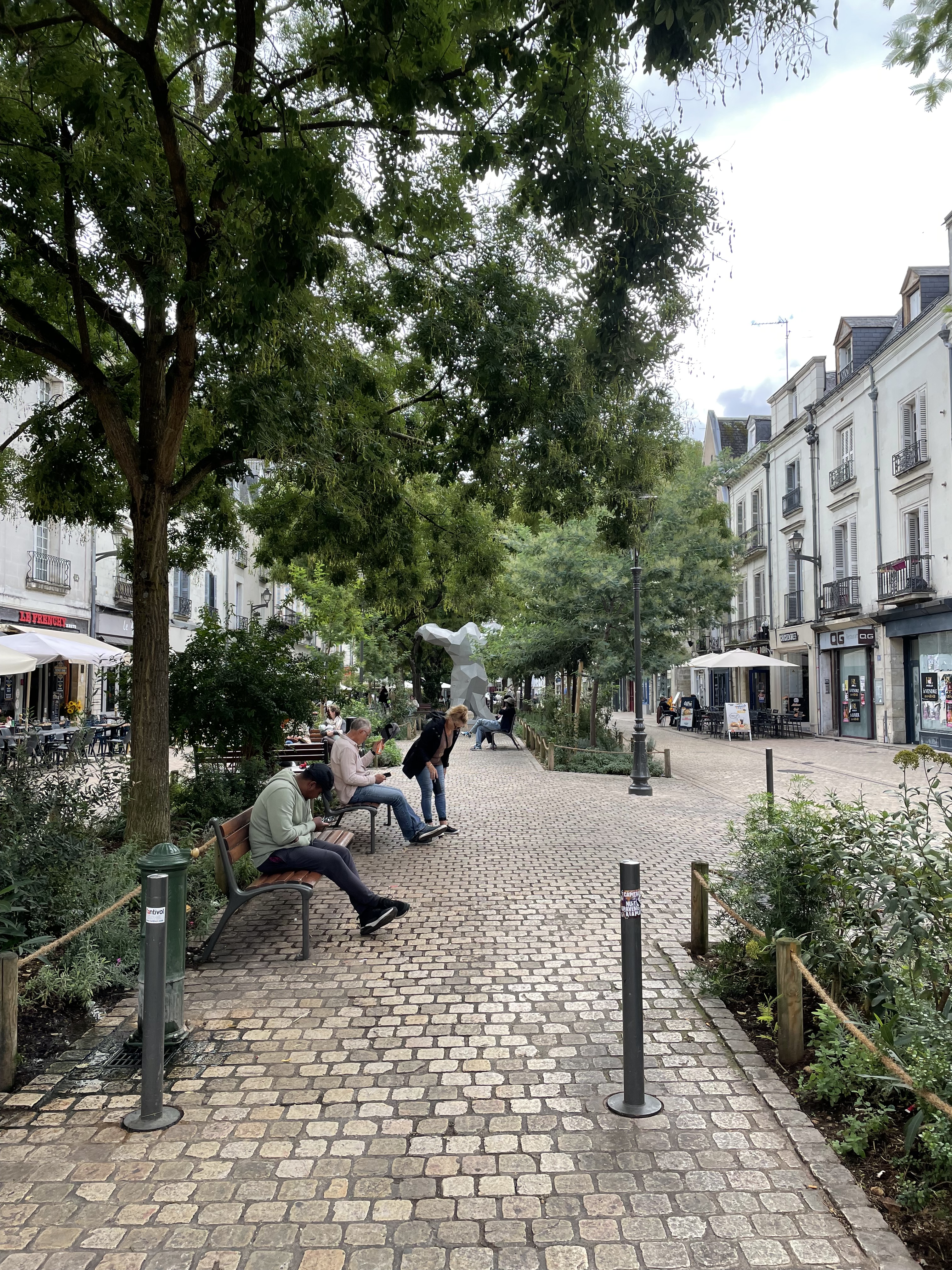
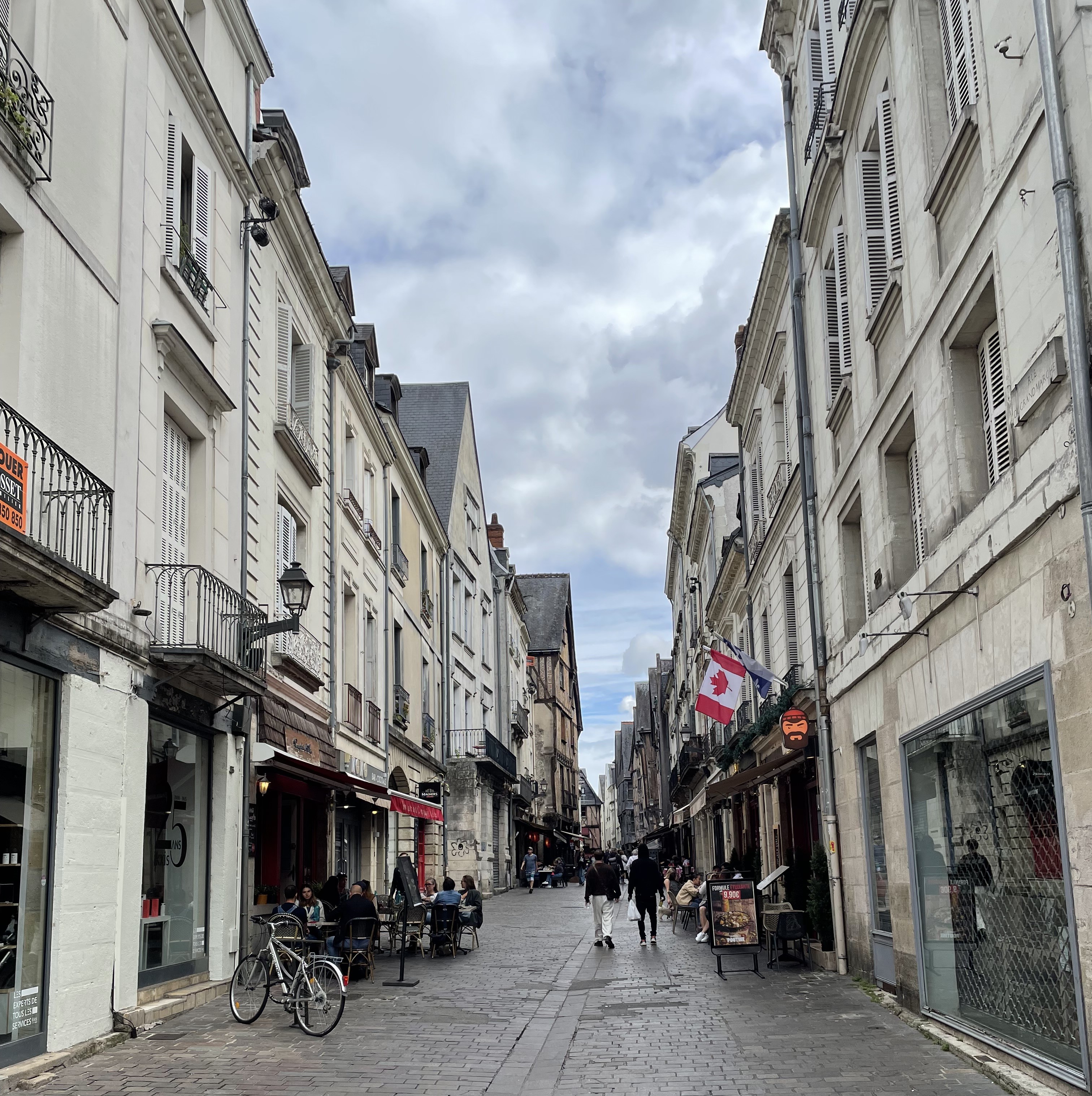

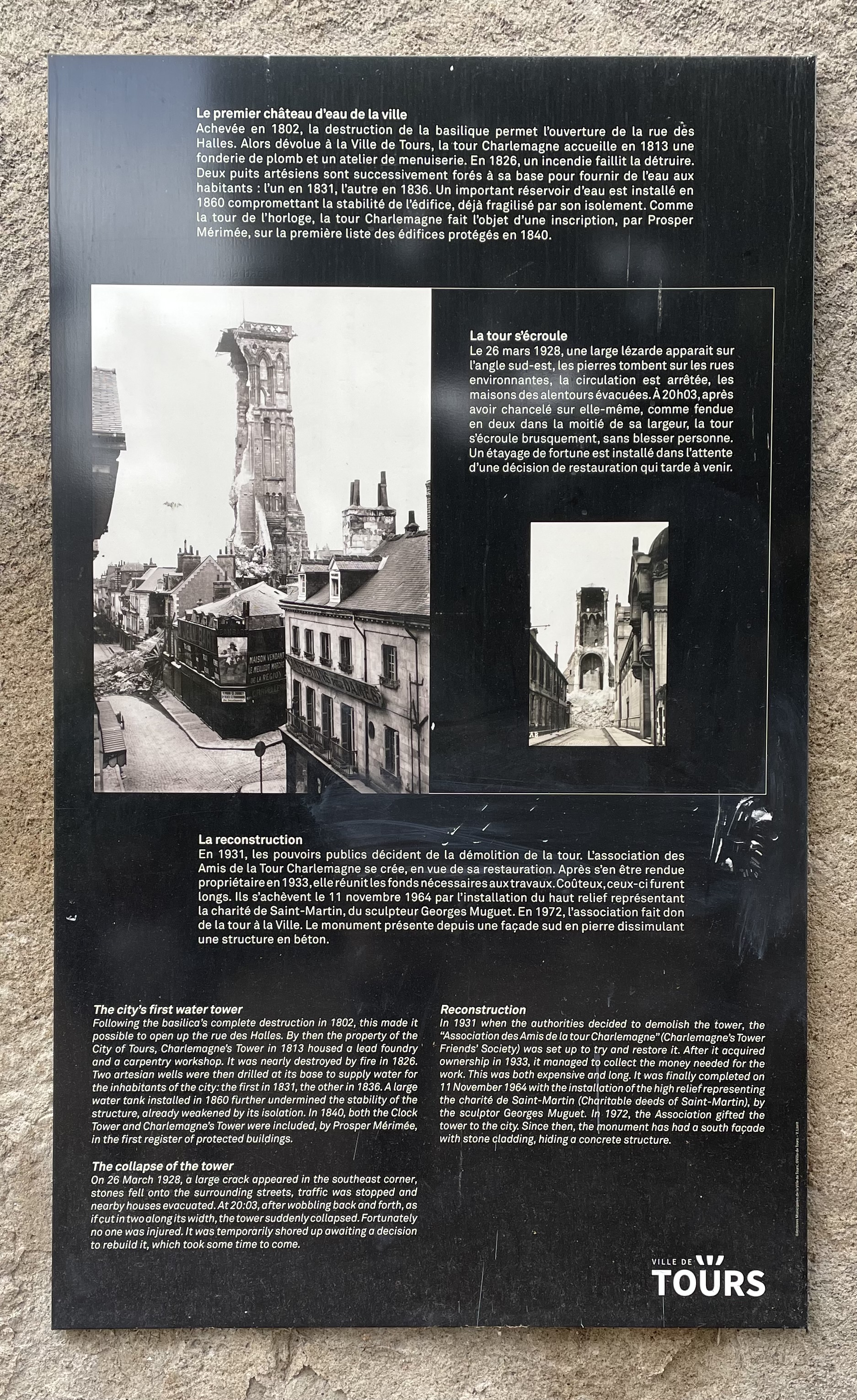
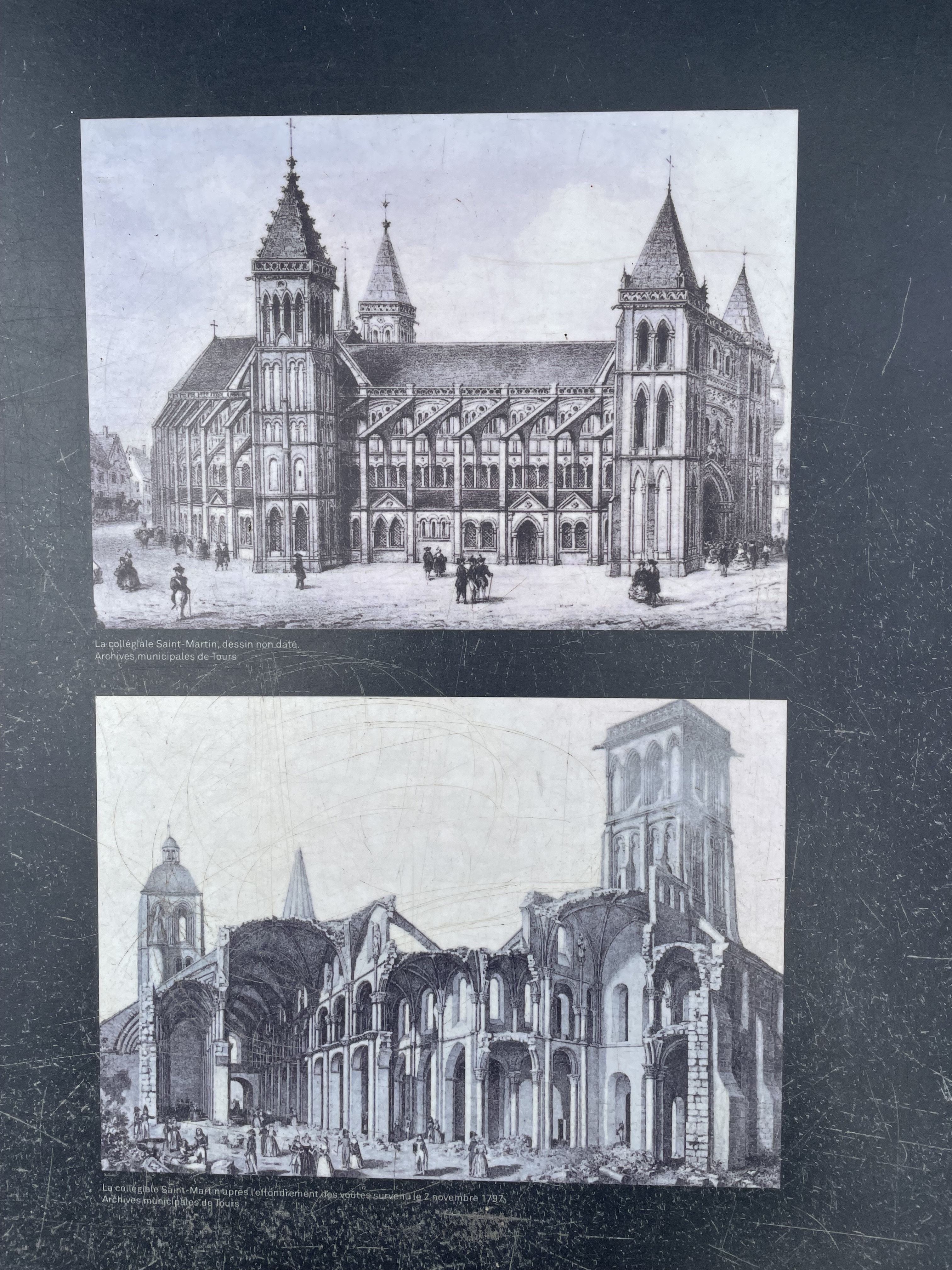
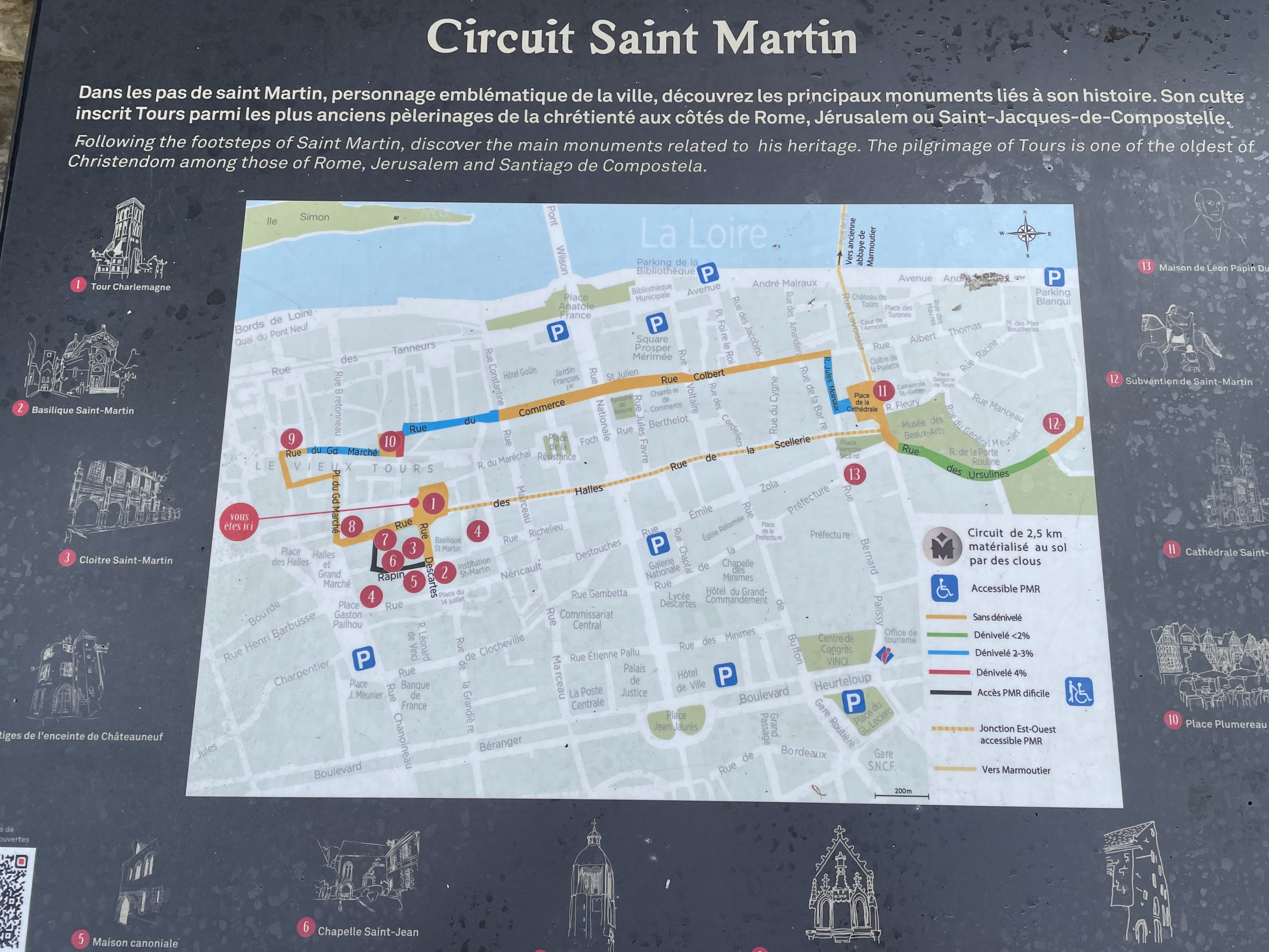
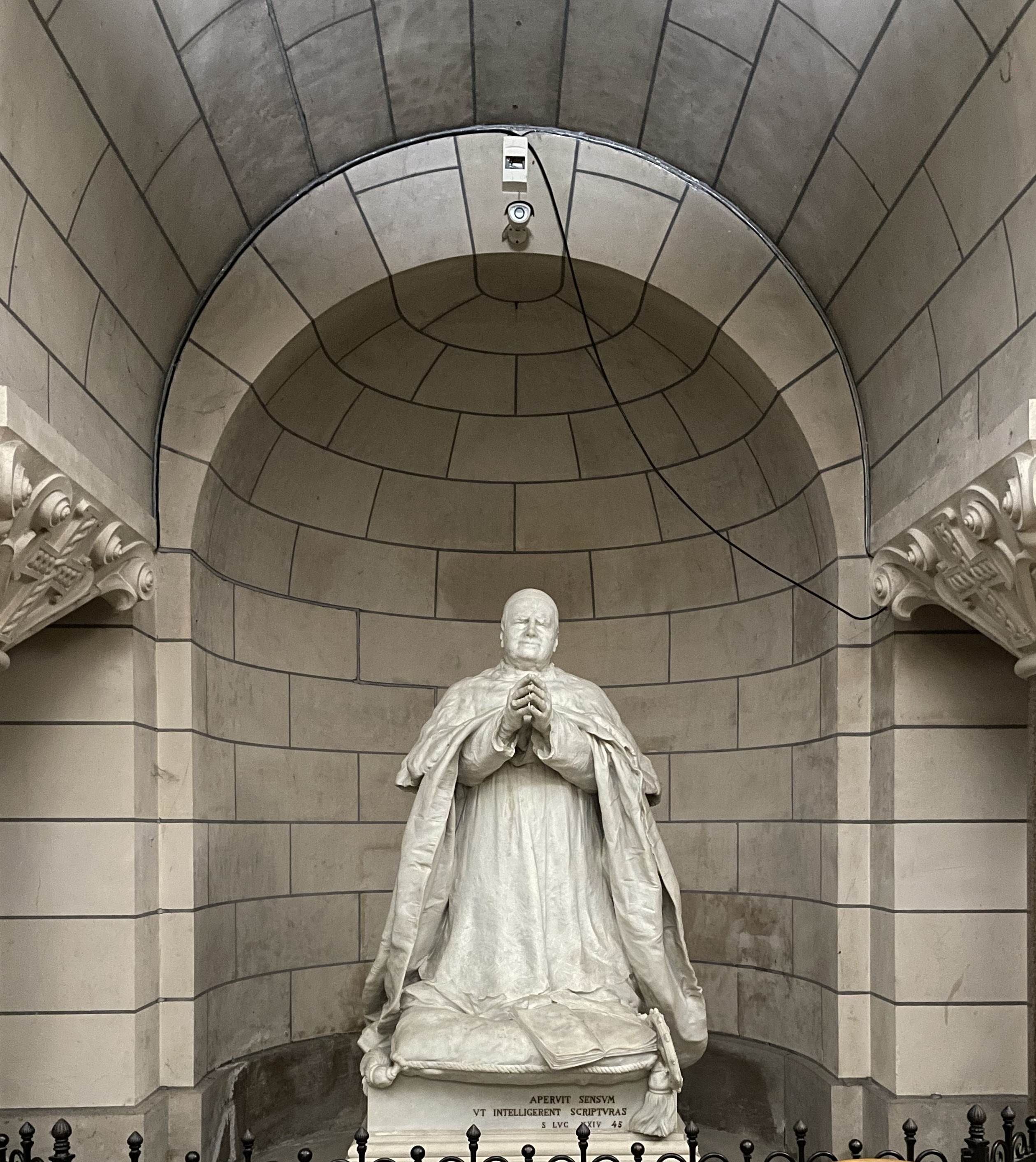
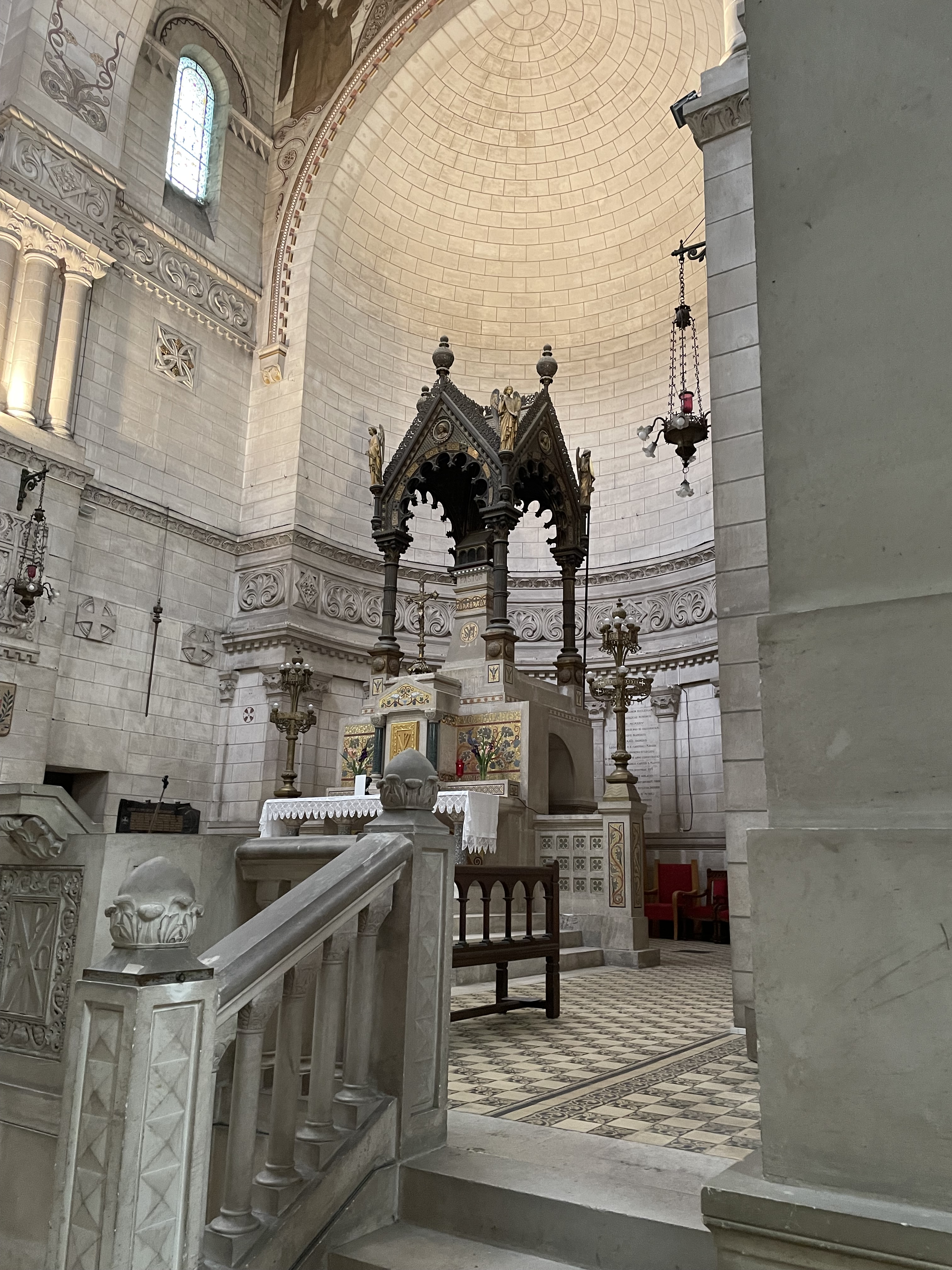
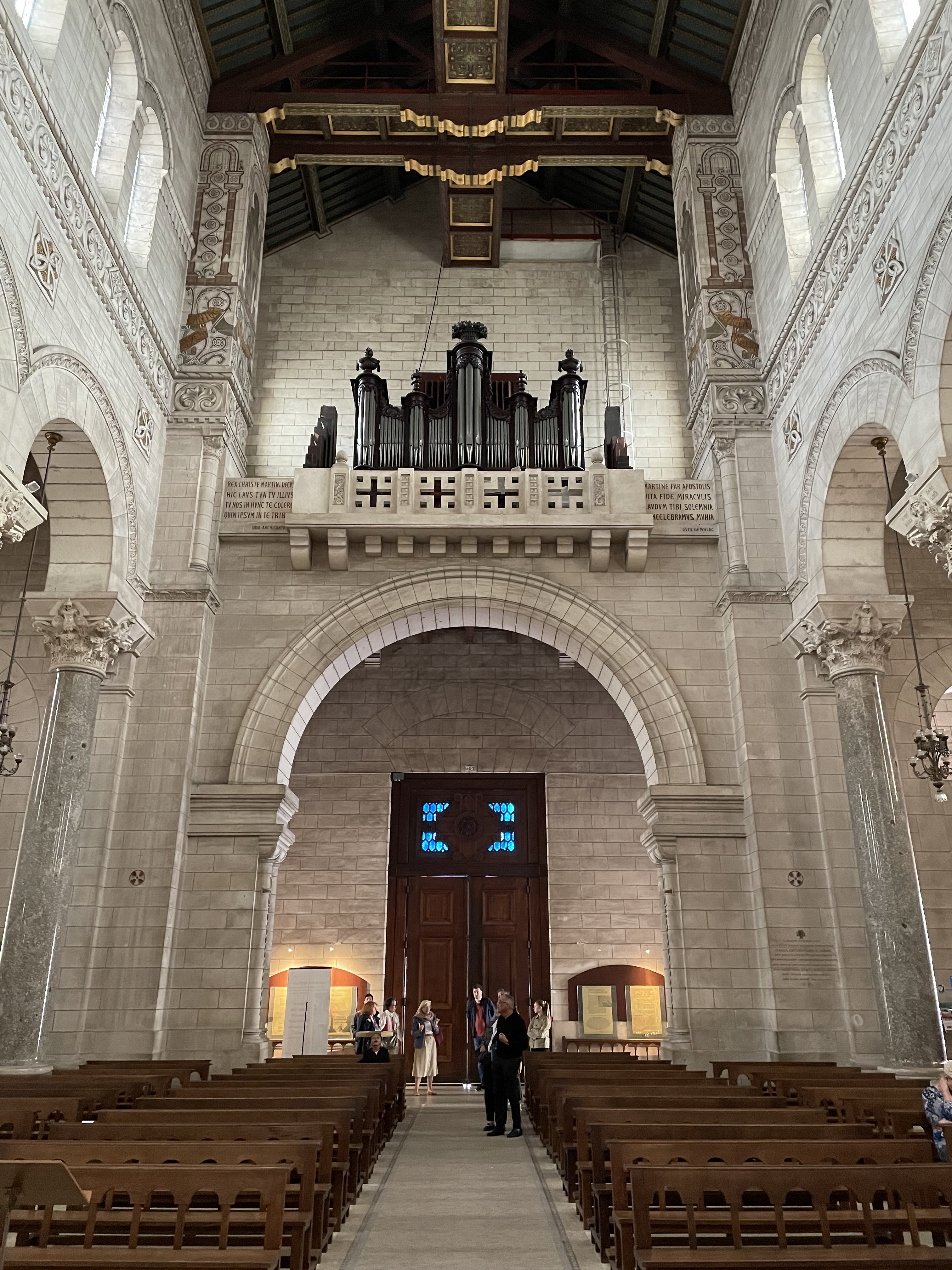
In the heart of the Old Town is the Basilica of Saint Martin which is dedicated to Saint Martin of Tours, over whose tomb it was built.

A medieval basilica was completely demolished during the French Revolution. The present church was built between 1886 and 1924 by French architect Victor Laloux in a Neo-Byzantine style. The city has done an especially good job of highlighting the history of this landmark for the casual visitor.




CUISINE TO FEED THE SOUL

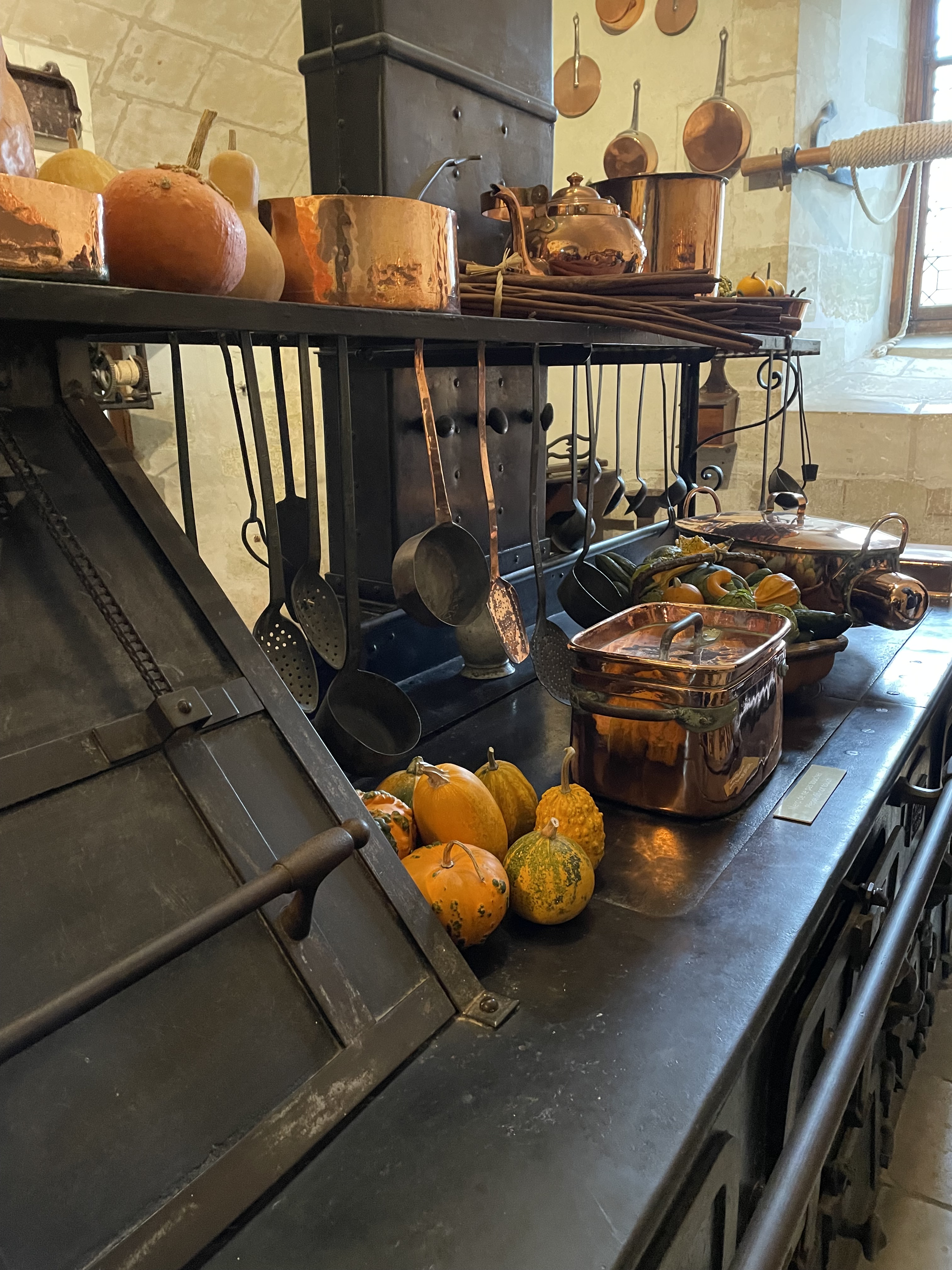
No, Candice did not go to a cooking school during our visit . . . although the thought has been bouncing around our head ever since. The historic kitchenware and beautiful food displays were part of the fascinating museum that is the Château de Chenonceau (more on that in a moment).


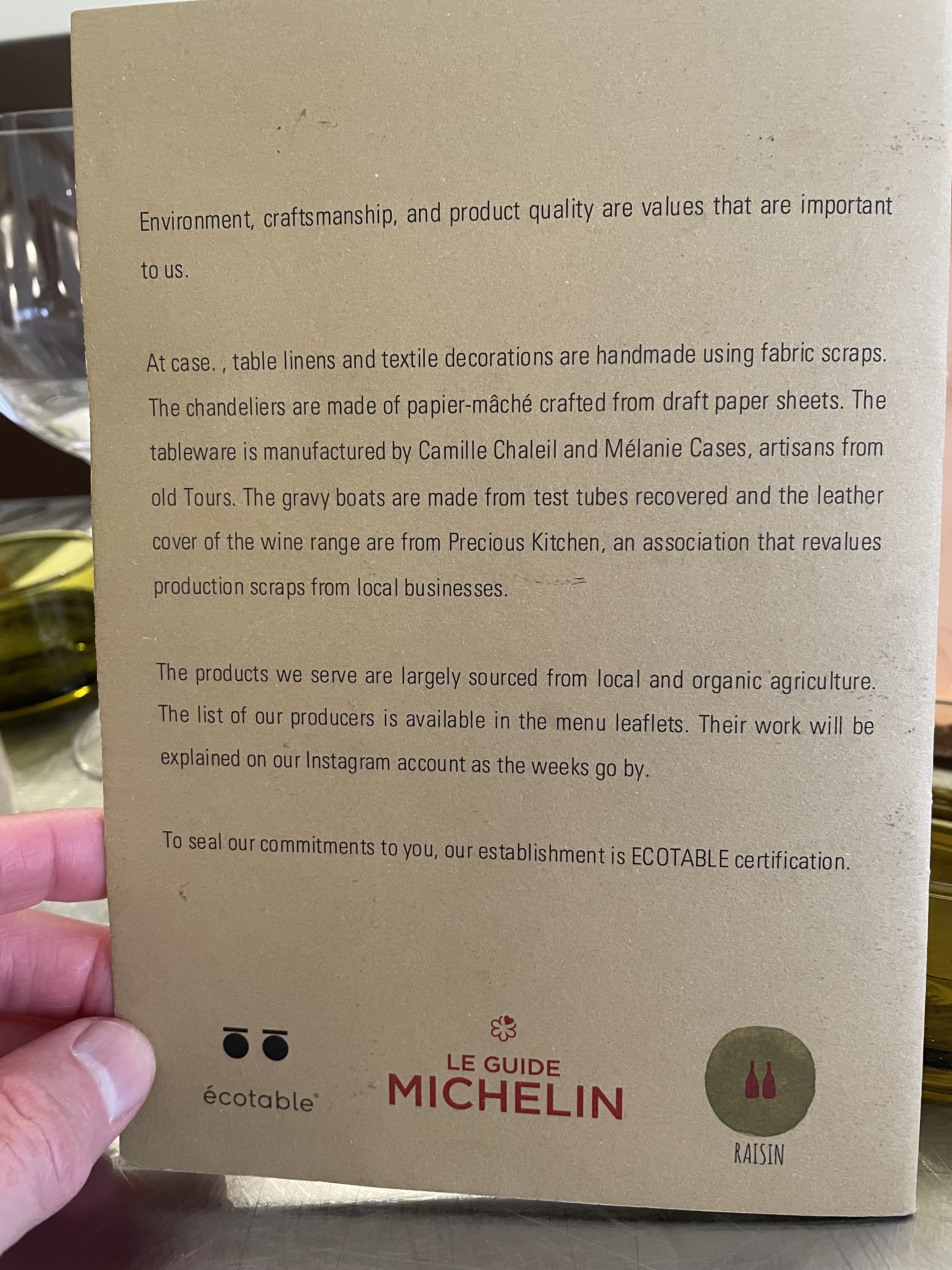
Throughout the week we ate deliciously prepared food and sampled a wide variety of local wines. The best of the restaurants was the bistro case. in Tours, where we enjoyed Sunday brunch. As the Michelin guide notes,
“In the kitchen, Rodolphe Boidron, with a wealth of experience in high-calibre establishments (Le Lucé, Auberge du Bon Laboureur, Les Hautes Roches), skilfully crafts creative, delicious bistro cuisine, using local ingredients as and when they are available, for example veal knuckle, peas, broad beans, sage juice and fregola.”


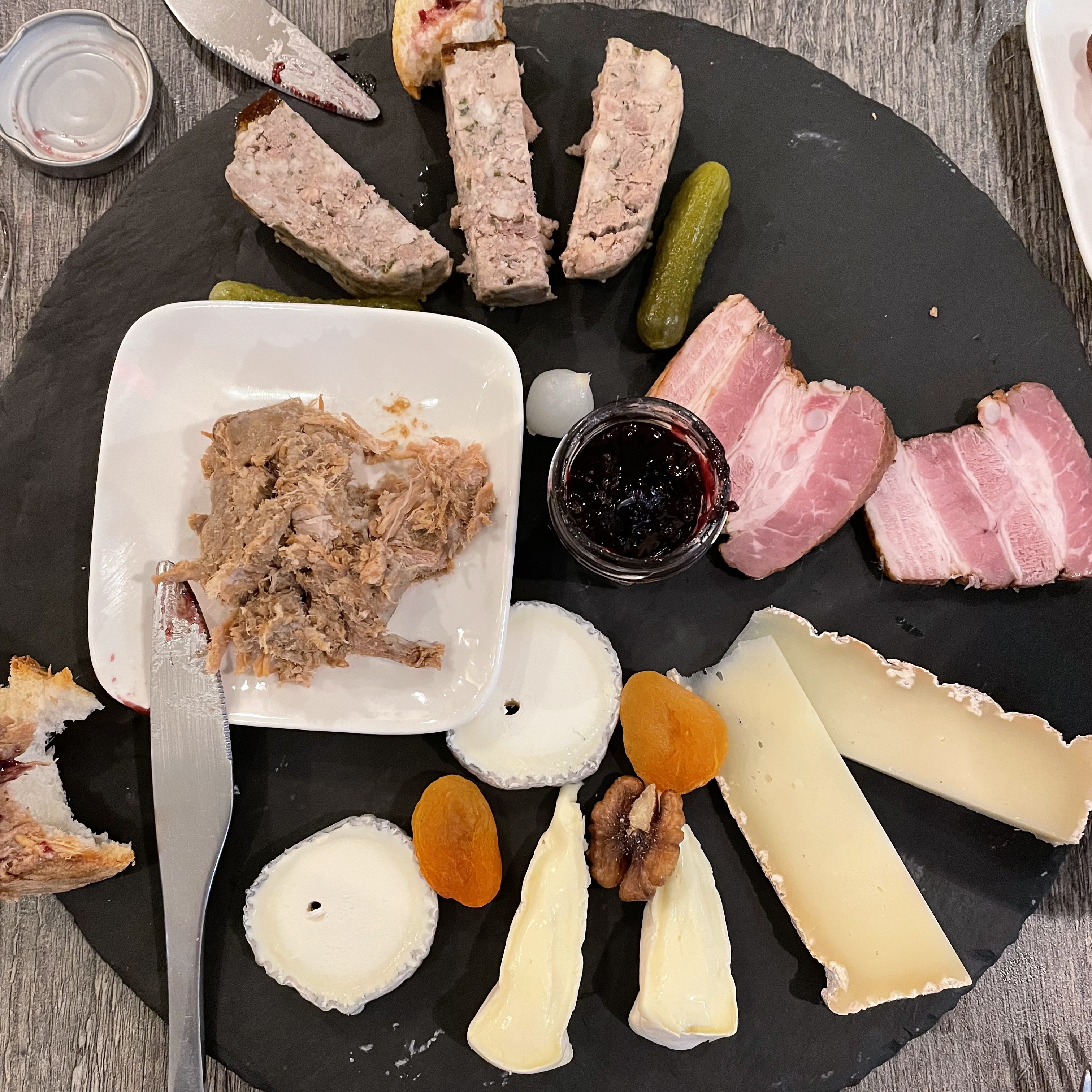
Staying on the edge of the Old Town . . . and across the street from the amazing food hall, which serves as the gastronomical heart of Tours . . . we didn’t have to travel far to enjoy a variety of delicious French pastries, cheese, local produce, and wine.



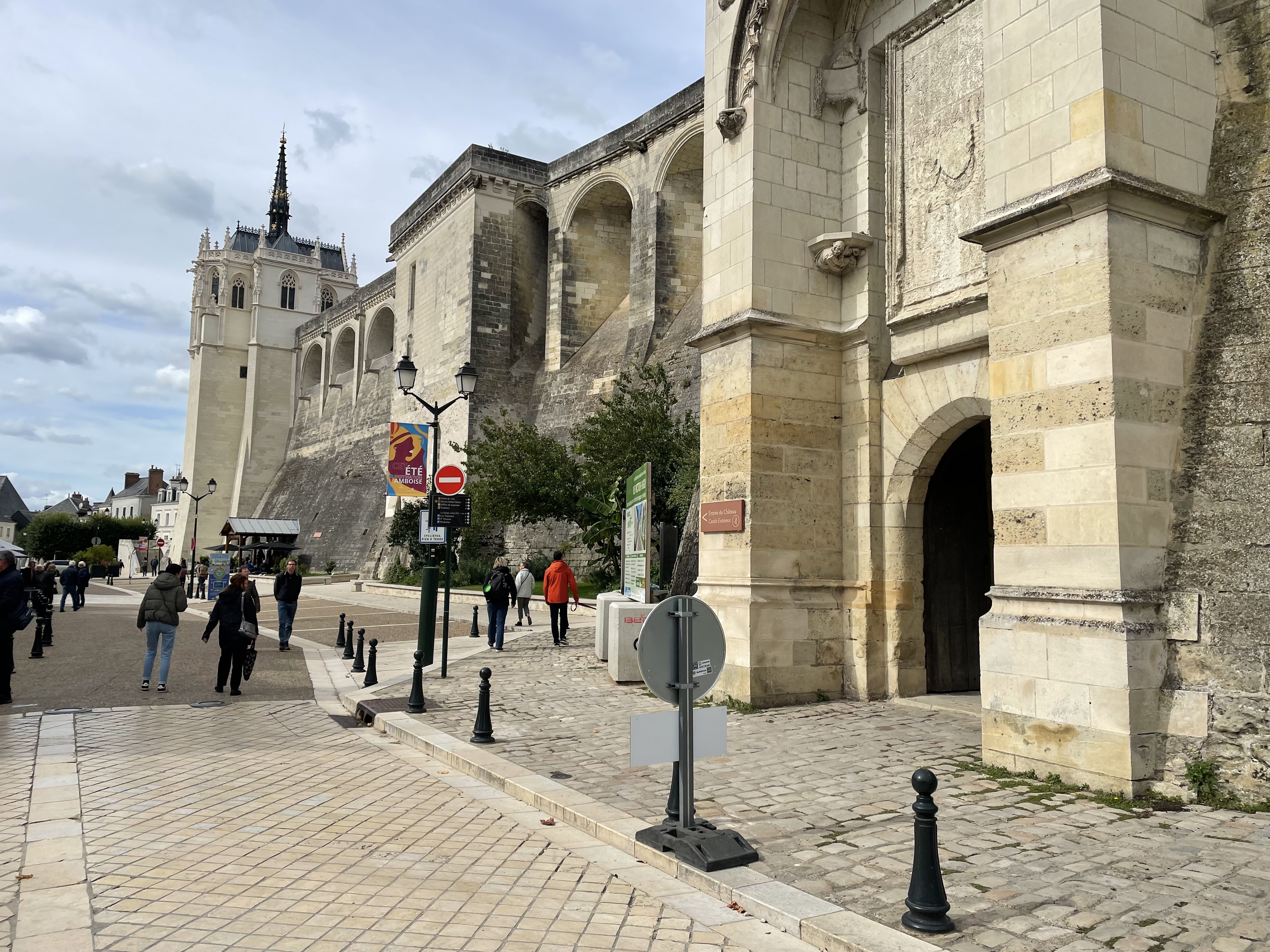
THE LITTLE JEWEL OF AMBOISE
Early in the week we took the short train ride to Amboise, a small market town that once hosted the royal court of King Francis I.




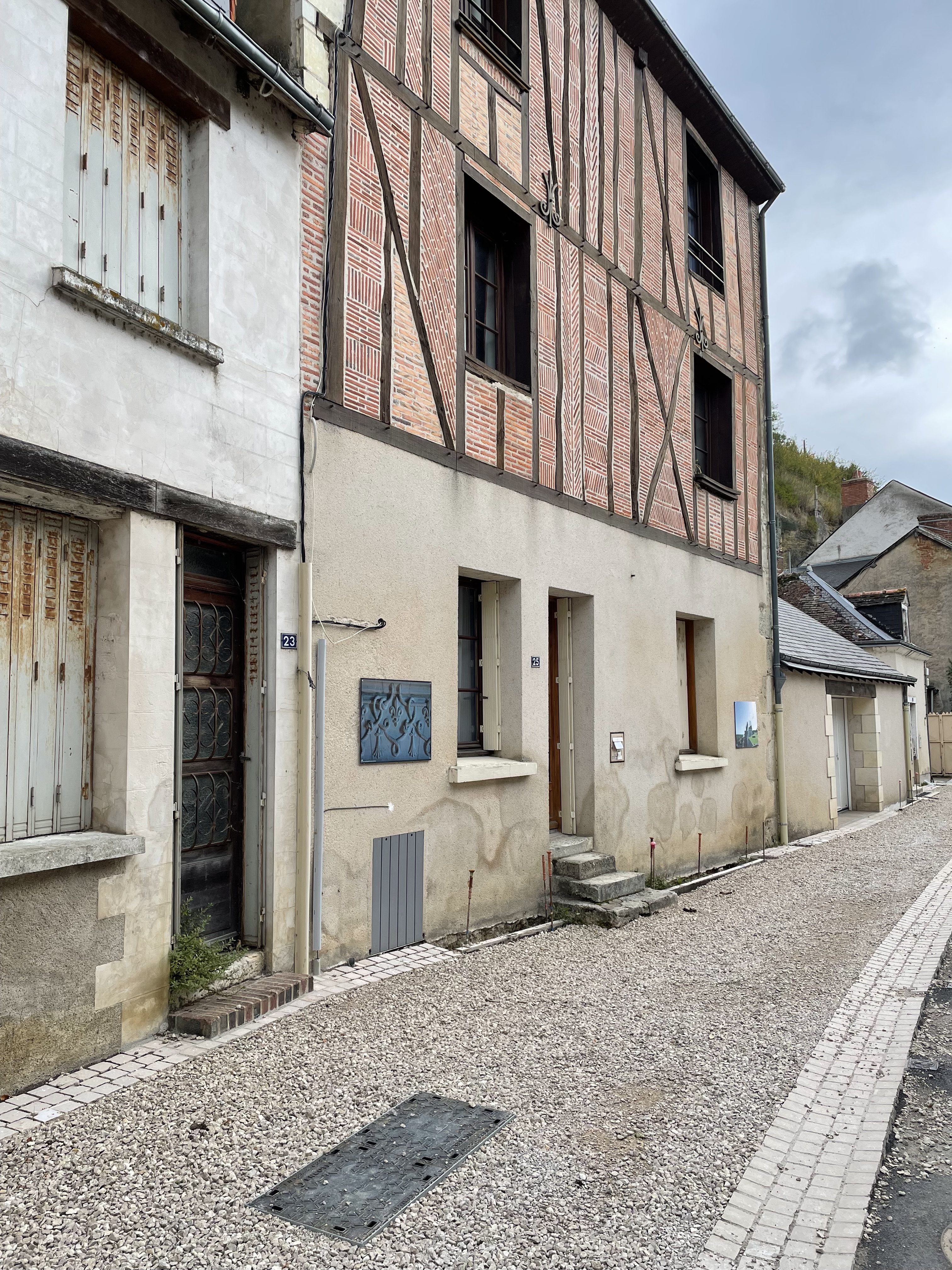

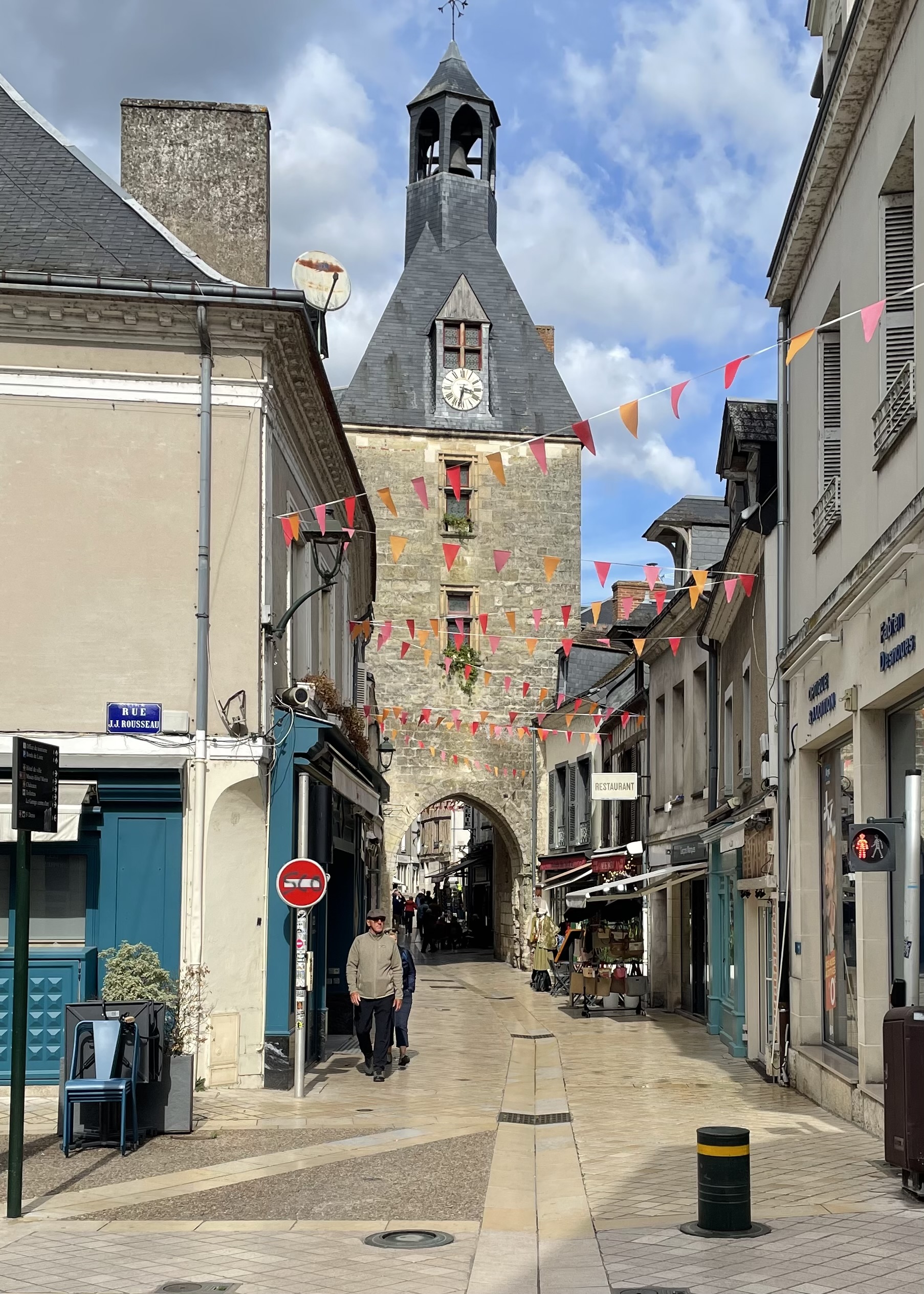
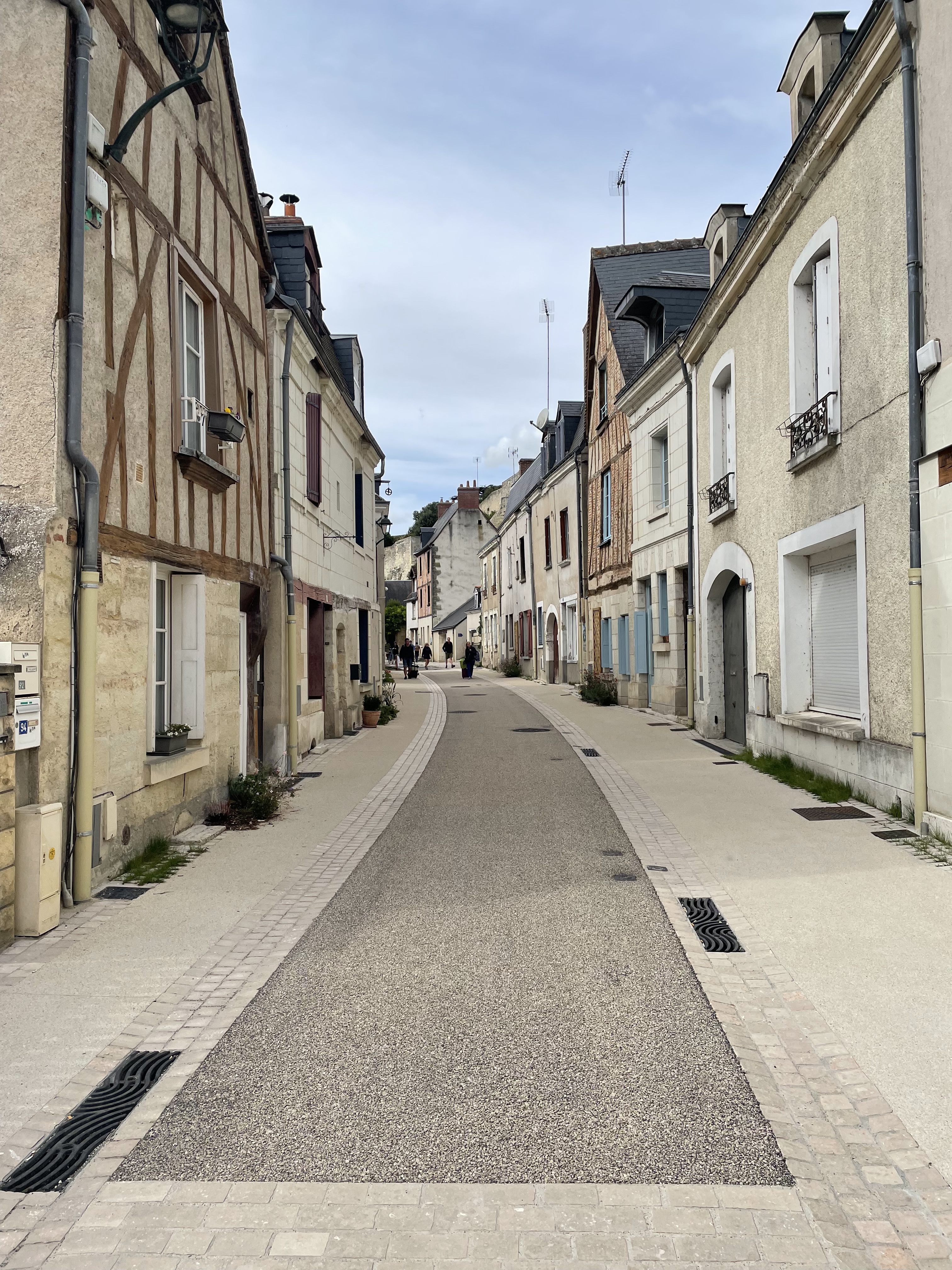
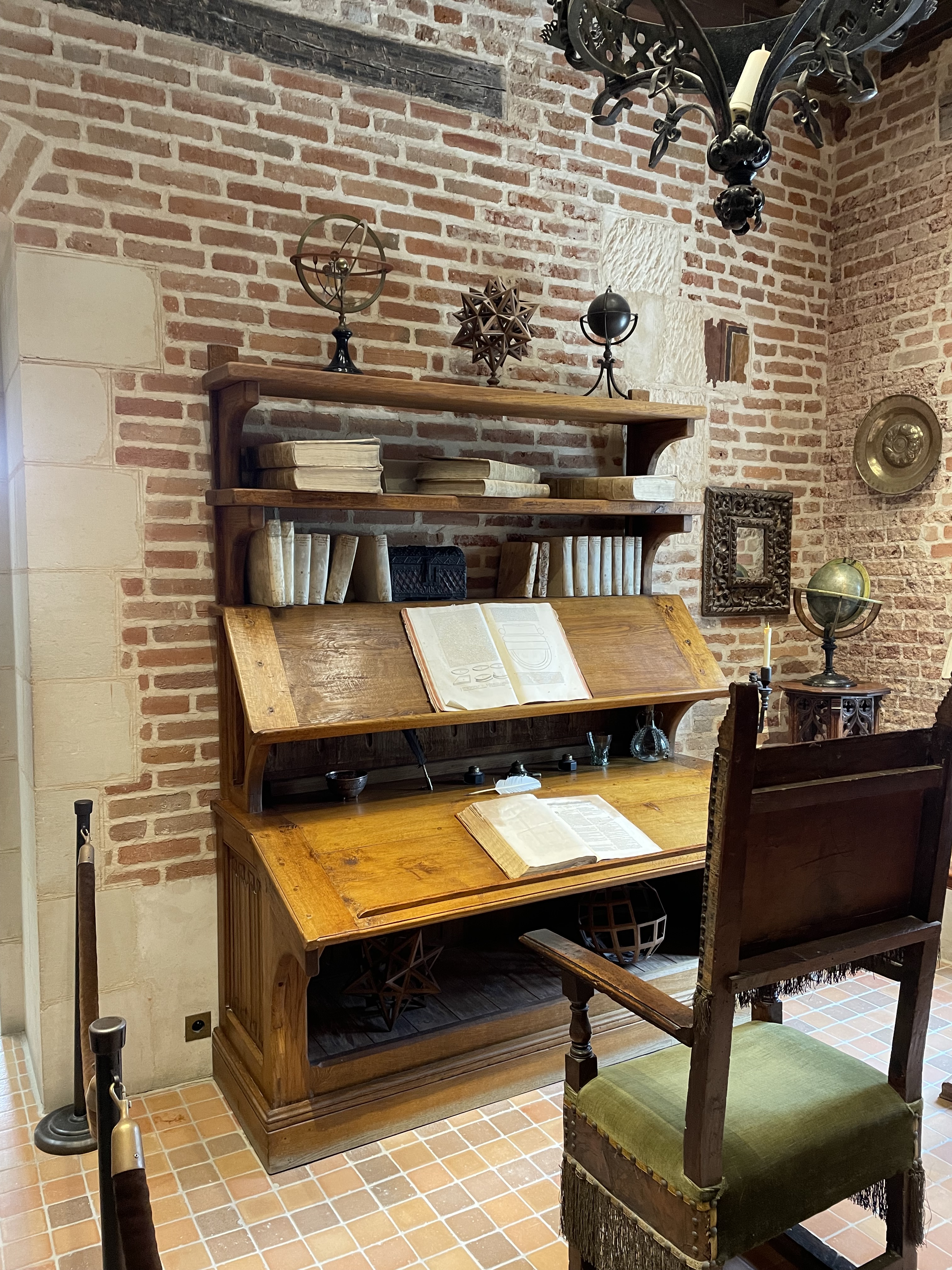
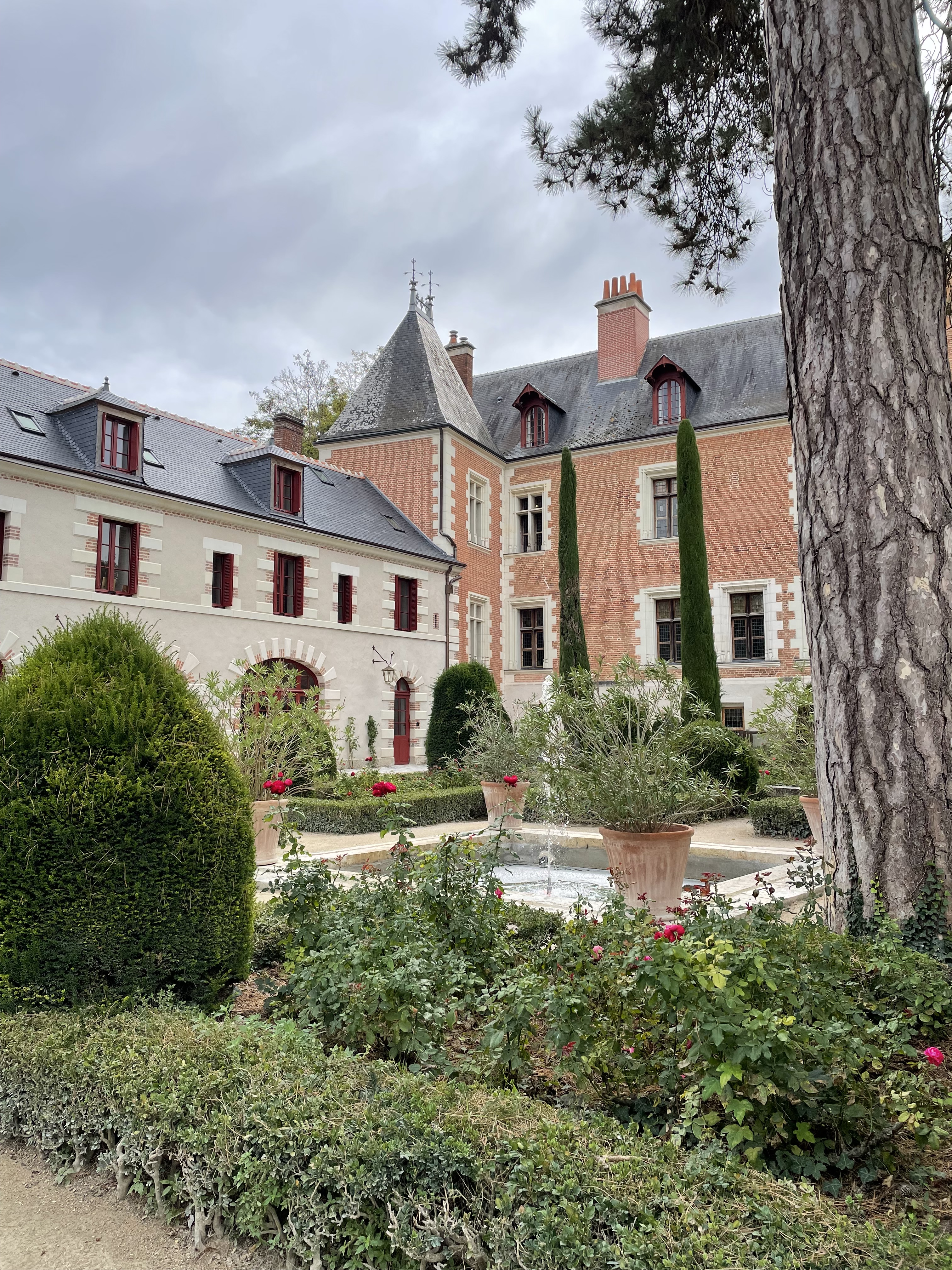
We bypassed the royal château and instead spent well over a half day exploring Le Château du Clos Lucé, the final home of Leonardo da Vinci.

Leonardo was a man who dreamed of making men fly and spent a lifetime imagining the future. A painter, inventor, engineer, scientist, humanist, and philosopher, he spent his last three years in France at the invitation of King Francis I, who named him “Premier Painter and Engineer and Architect of the King.” His final home is now an immersive museum and cultural center.




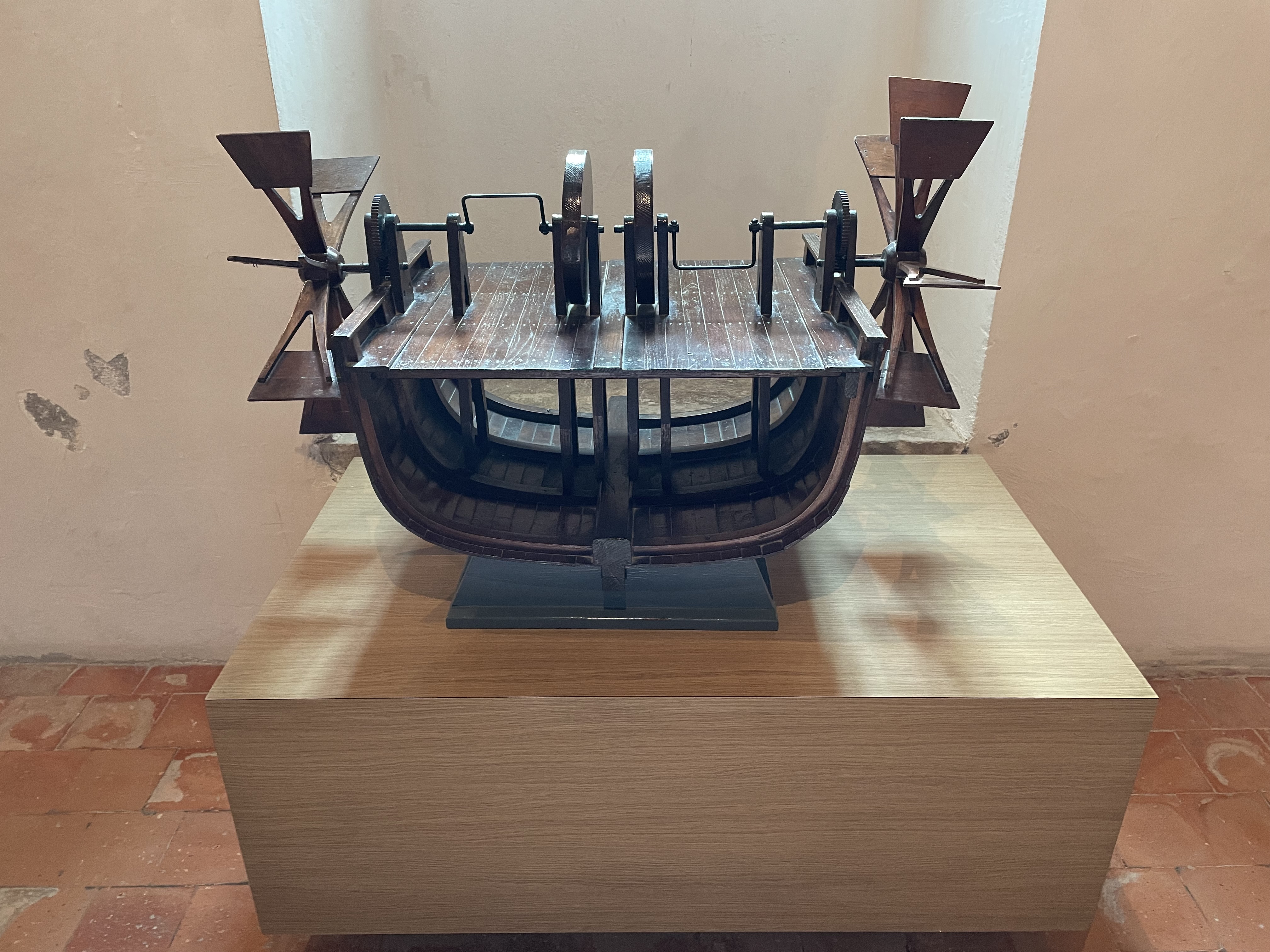


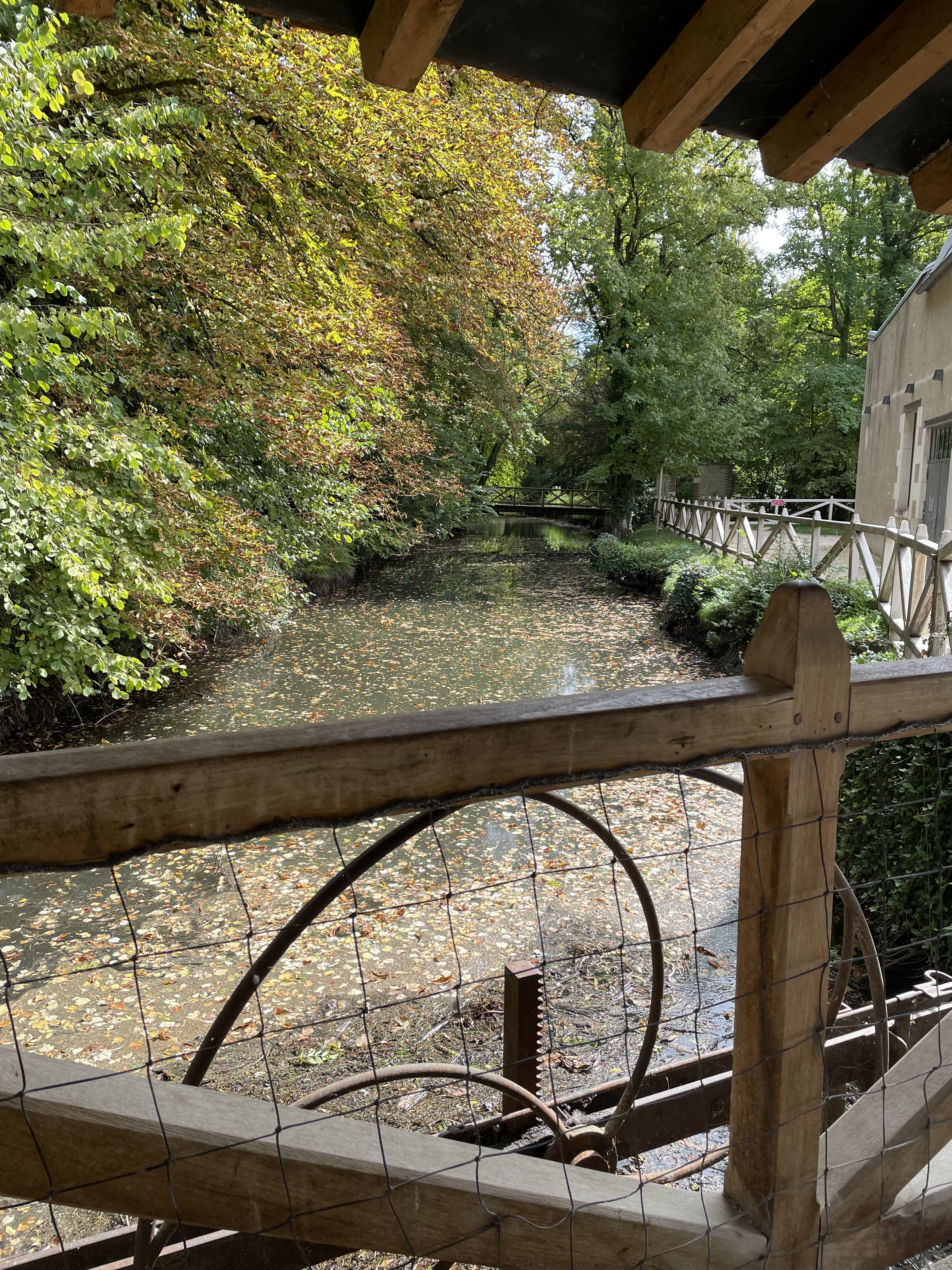
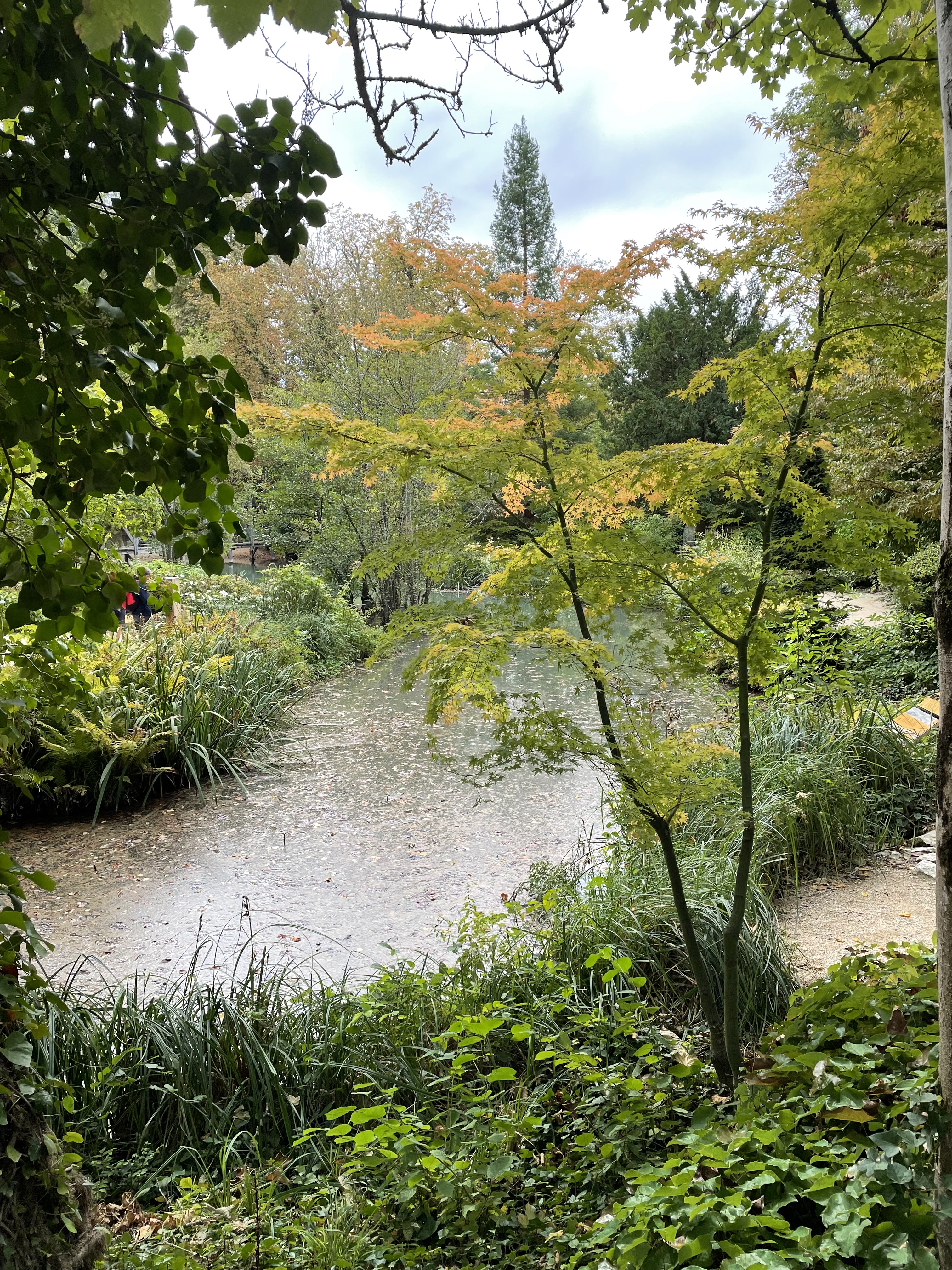
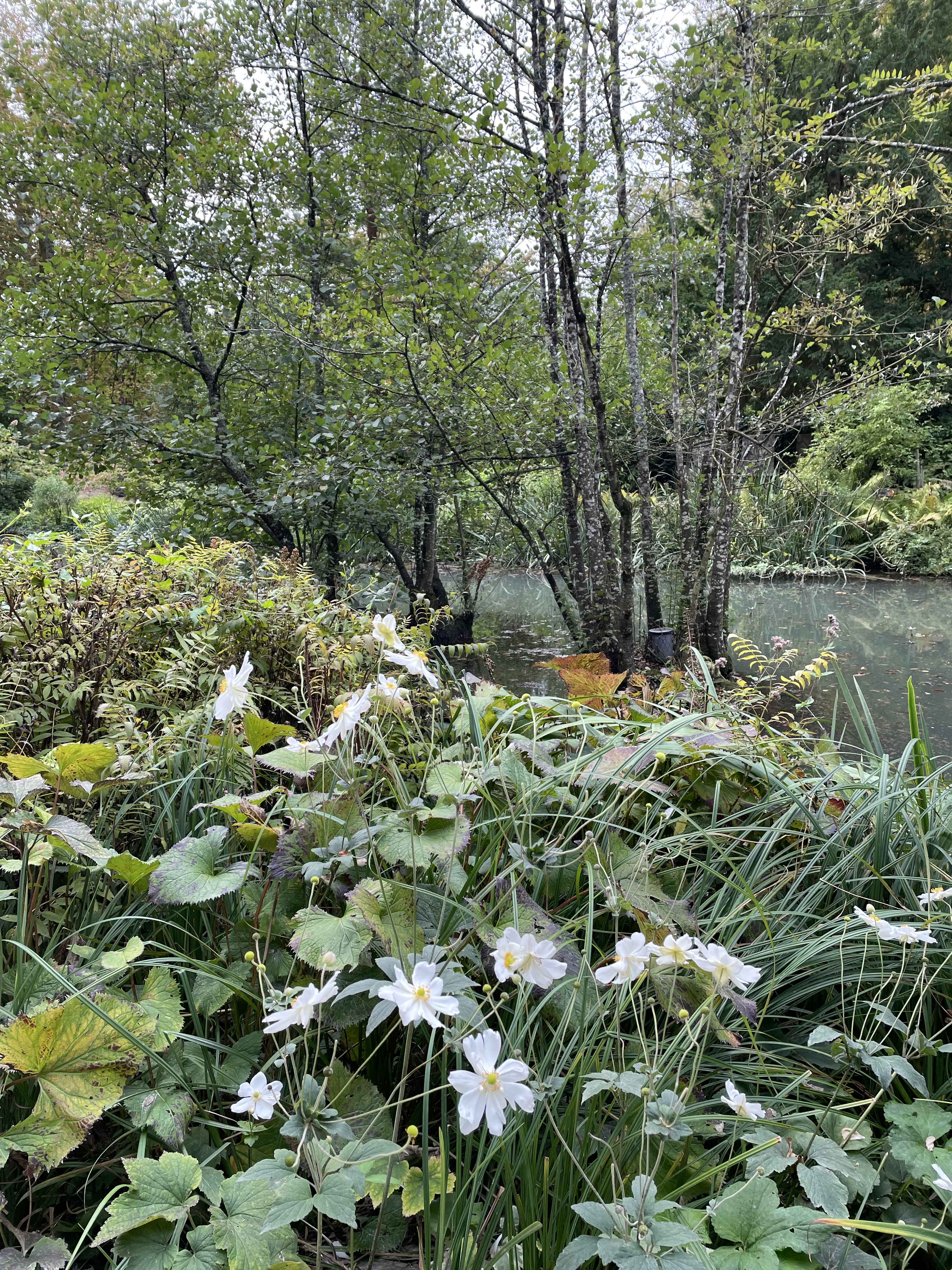
The château also features a beautiful park which includes another newly-opened exhibition building which delves even deeper into the genius that was Leonardo.



A DAY AMONG CHÂTEAUX OF THE LOIRE VALLEY

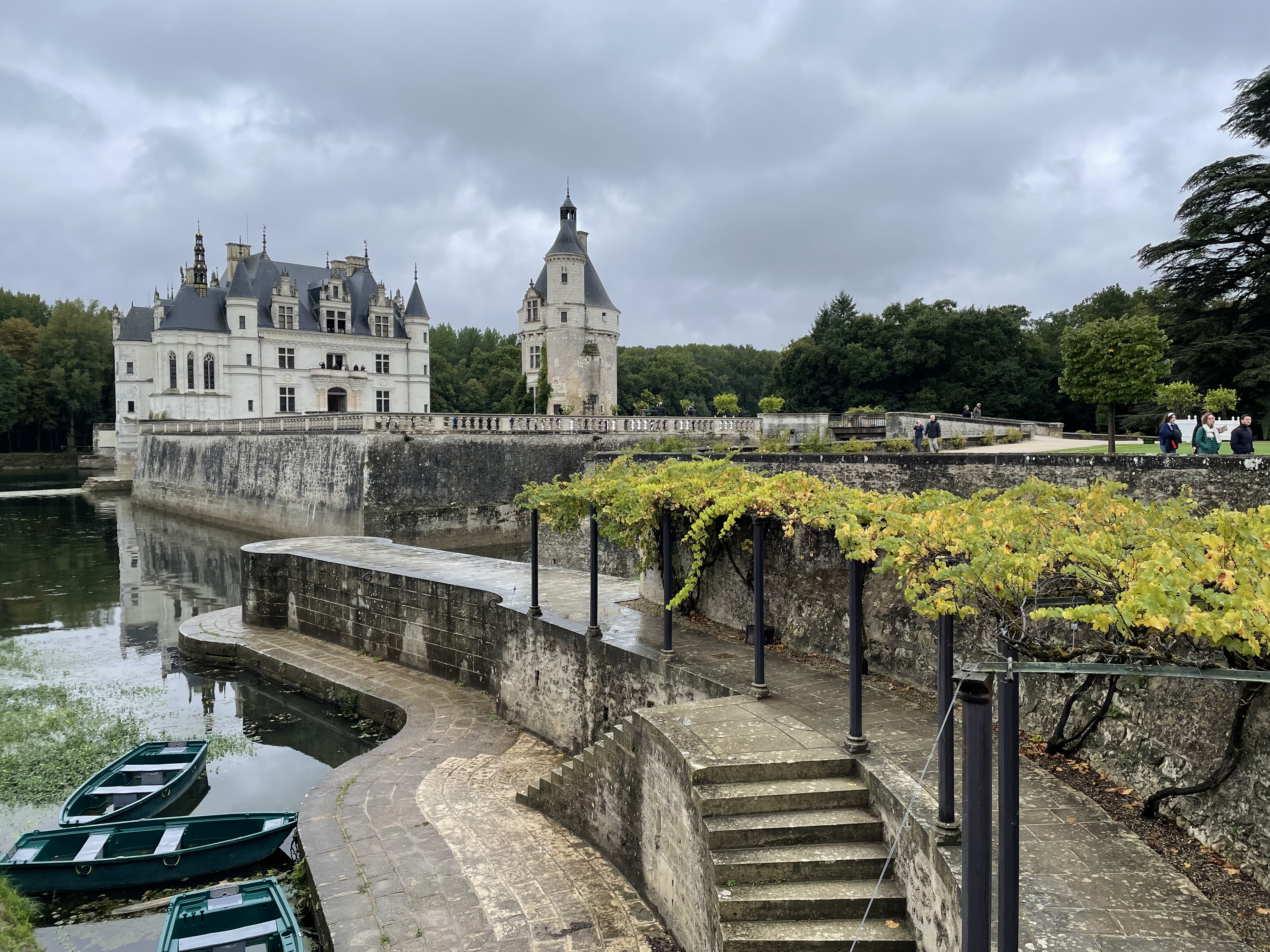
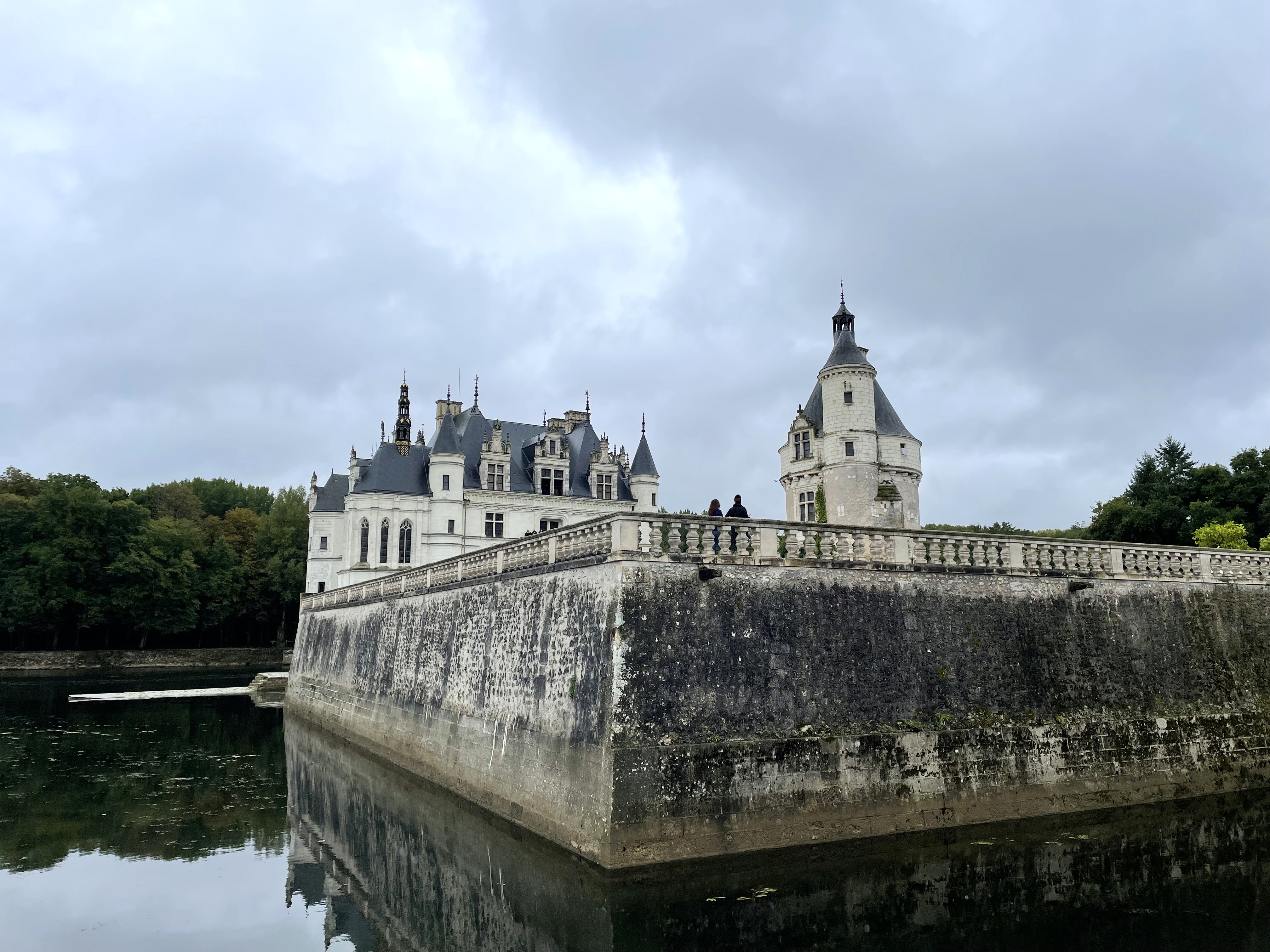
A couple of days later we left early with six other new friends and a guide to visit three châteaux in the region. The first on our tour was the Château de Chenonceau, where we were greeted with a sign that showcased what was ahead at this spectacular UNESCO World Heritage Site. Our talented and knowledgeable guide had us enter the estate via the gardens, outbuildings, and the historic dovecote . . . until we turned a corner and had our first glimpse of this imposing landmark.


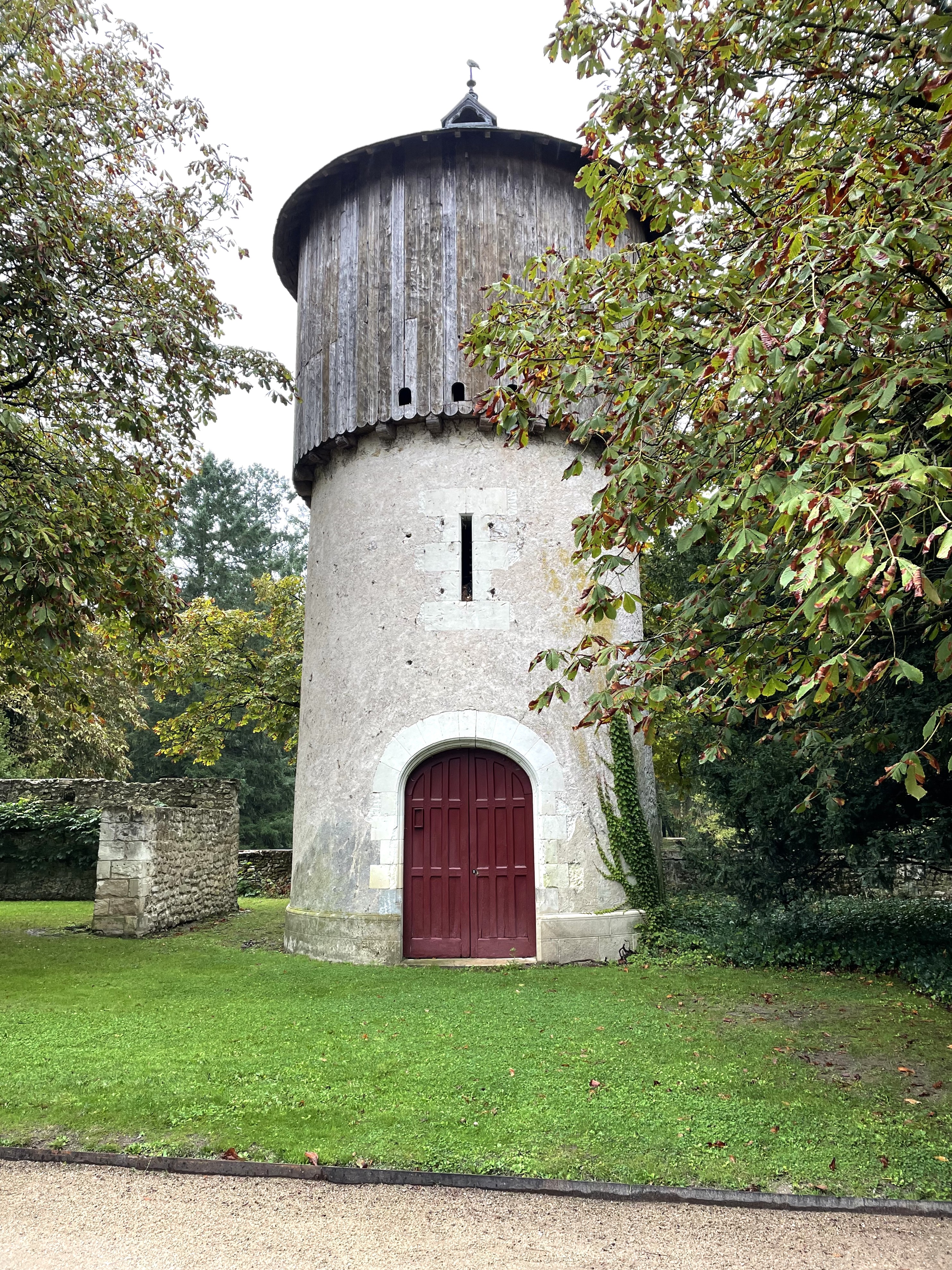


As we learned from our guide and the online site,
“The history of the Château de Chenonceau is defined by an almost uninterrupted succession of women who built, embellished, protected, restored and saved it. The first château was a medieval château dating from the 12th and 13th centuries, of which only the dungeon remains: the Tour des Marques. The château in its current form was built between 1513 and 1517, by Thomas Bohier and above all his wife, Catherine Briçonnet.”


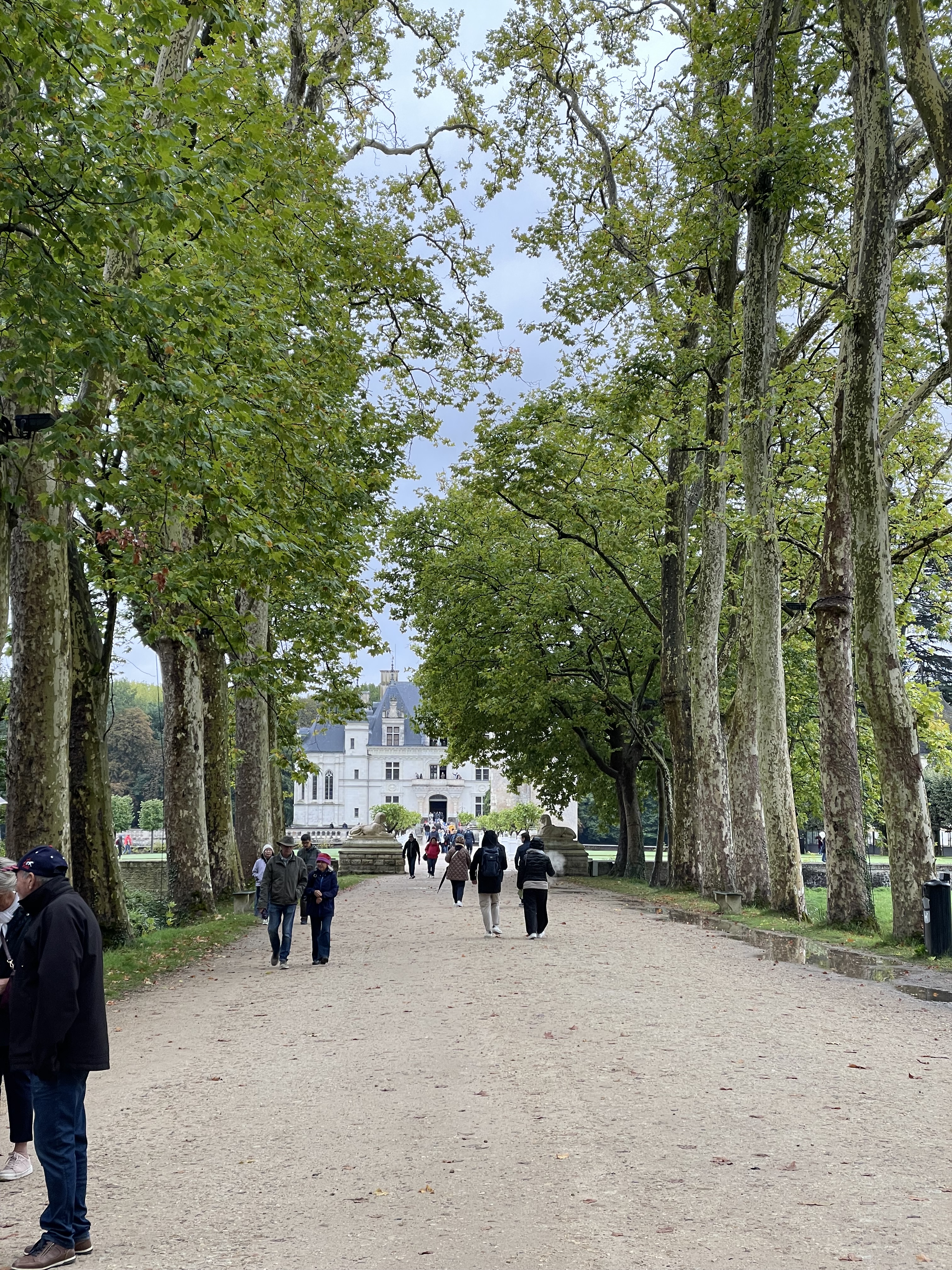
The château once belonged to the king until it didn’t (which probably saved it from destruction.)
“In 1535, King Francis I incorporated it into the Crown Estate as part of a debt settlement. Later, King Henry II decided to offer it not to the Queen, but to his Favourite, Diane de Poitiers, ‘in full right of ownership, seisin and possession, completely, peacefully and perpetually, to dispose of as her own and true patrimony.’ This artificial exit of Chenonceau from Crown Lands meant that it was saved, two centuries later, from the French Revolution.”
Over the next two hours we visited each level of the château, from the grand entrance into the main hall with windows looking out onto the river and countryside, and then down into the kitchen. “During the Second World War, the Grand Gallery at Chenonceau [which spans the river] became the sole point of access to the free zone, and the Menier family [the owners] helped to smuggle out people fleeing the Nazi tyranny.” US president Harry Truman visited the château on his first trip to France.


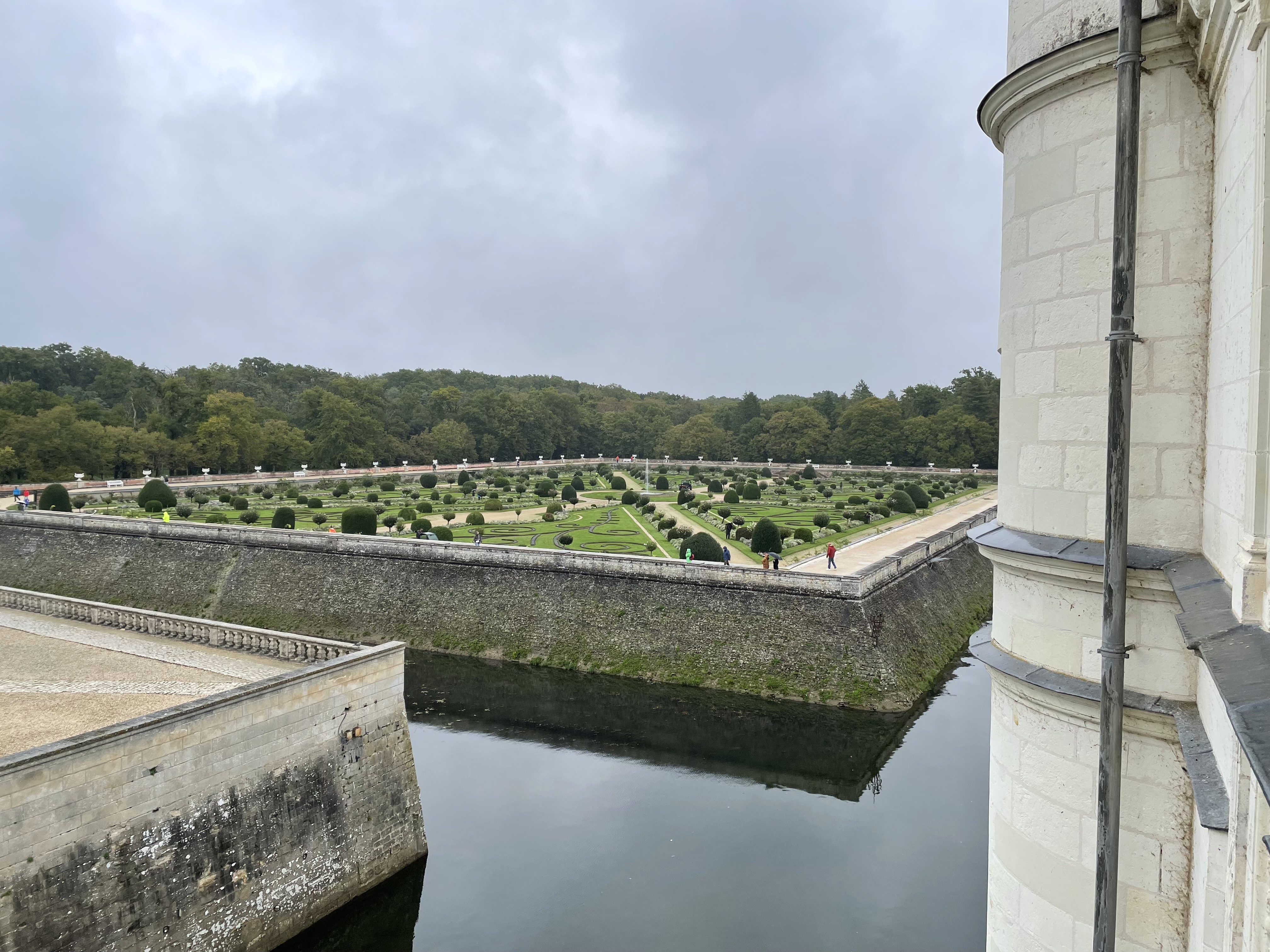

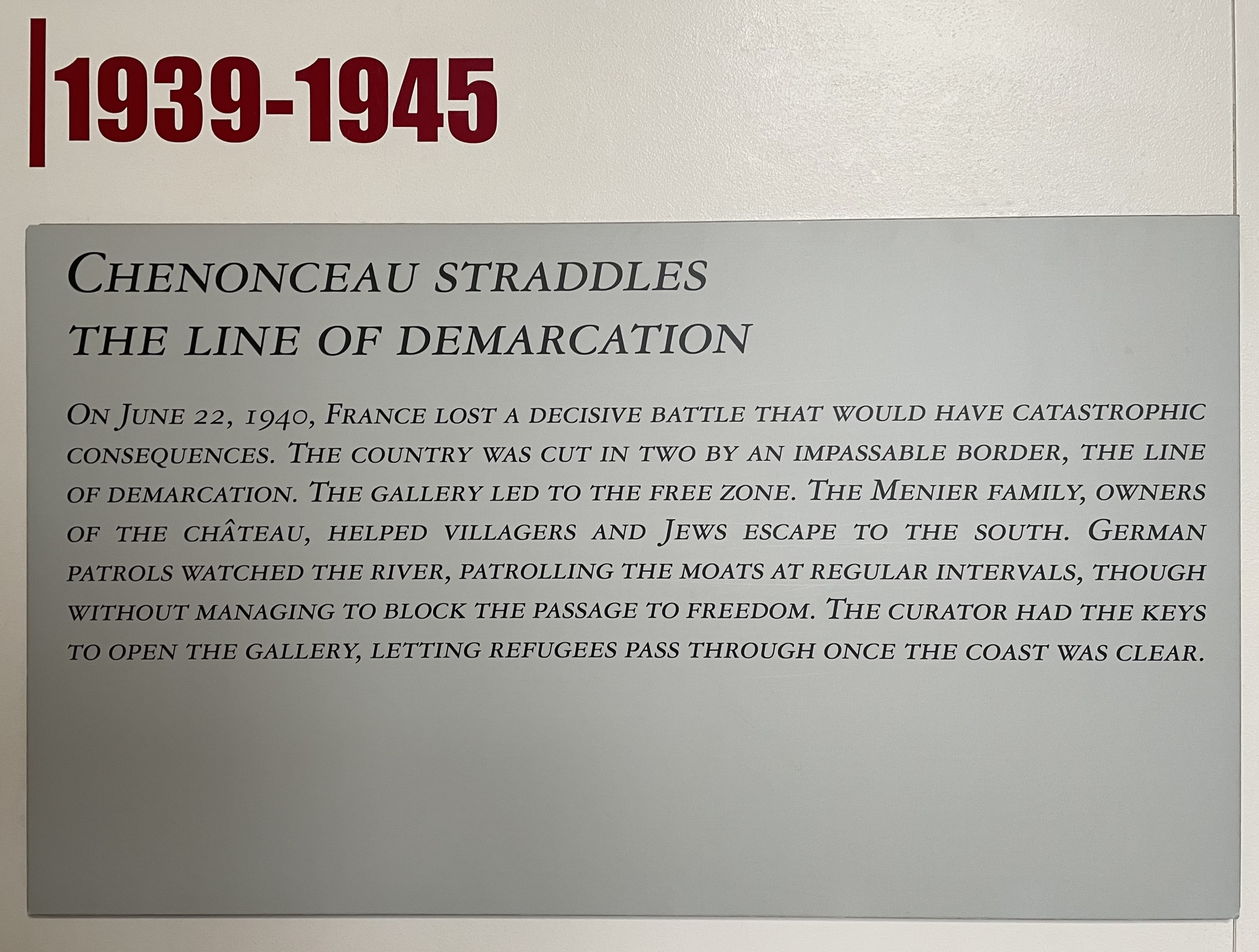
Even on a gray and rainy day, Château de Chenonceau took our breath away.

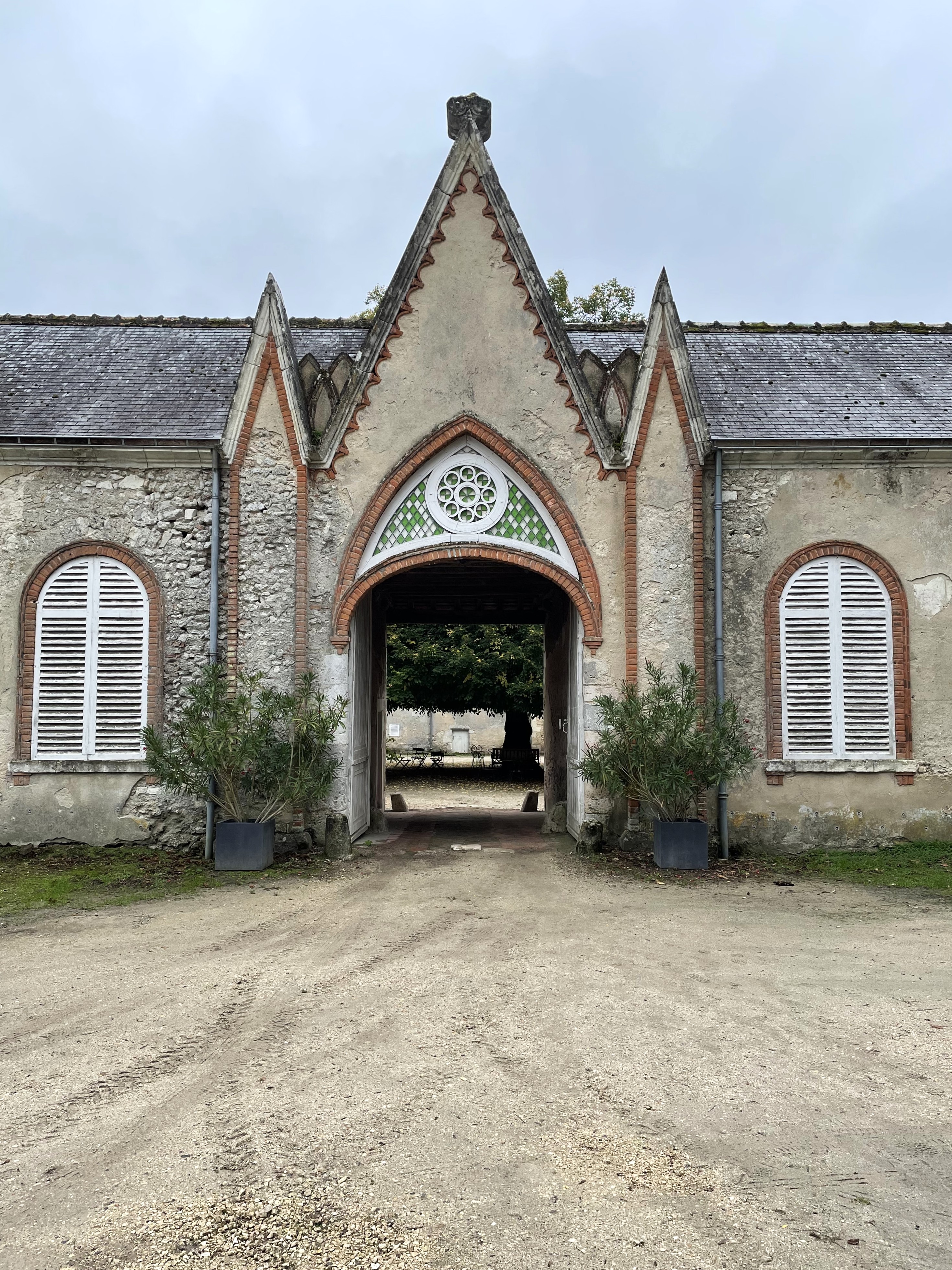
After a drive through a number of charming villages in the Loire Valley we stopped for a simple yet delicious lunch at the Château de Villesavin, a family owned estate.

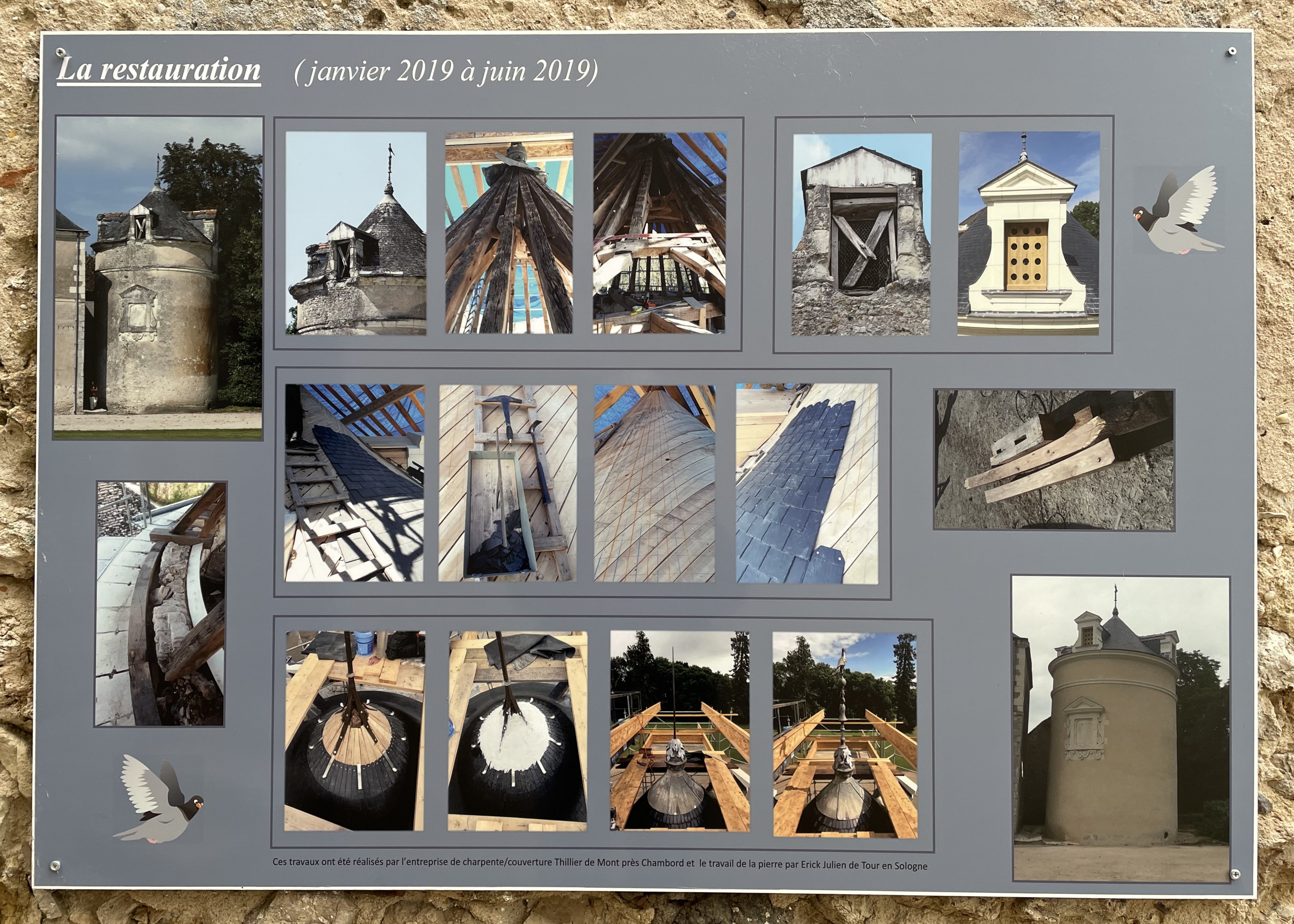
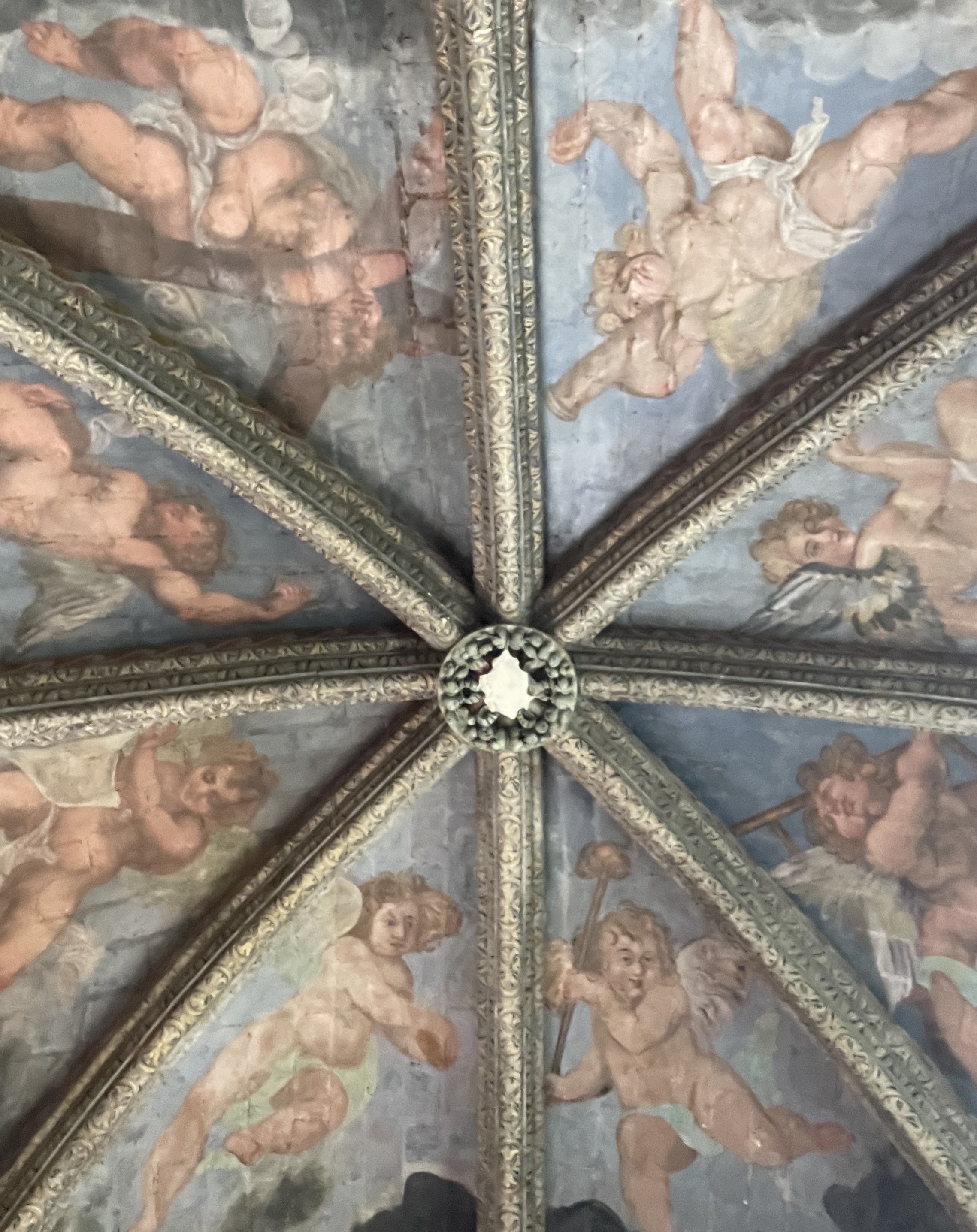
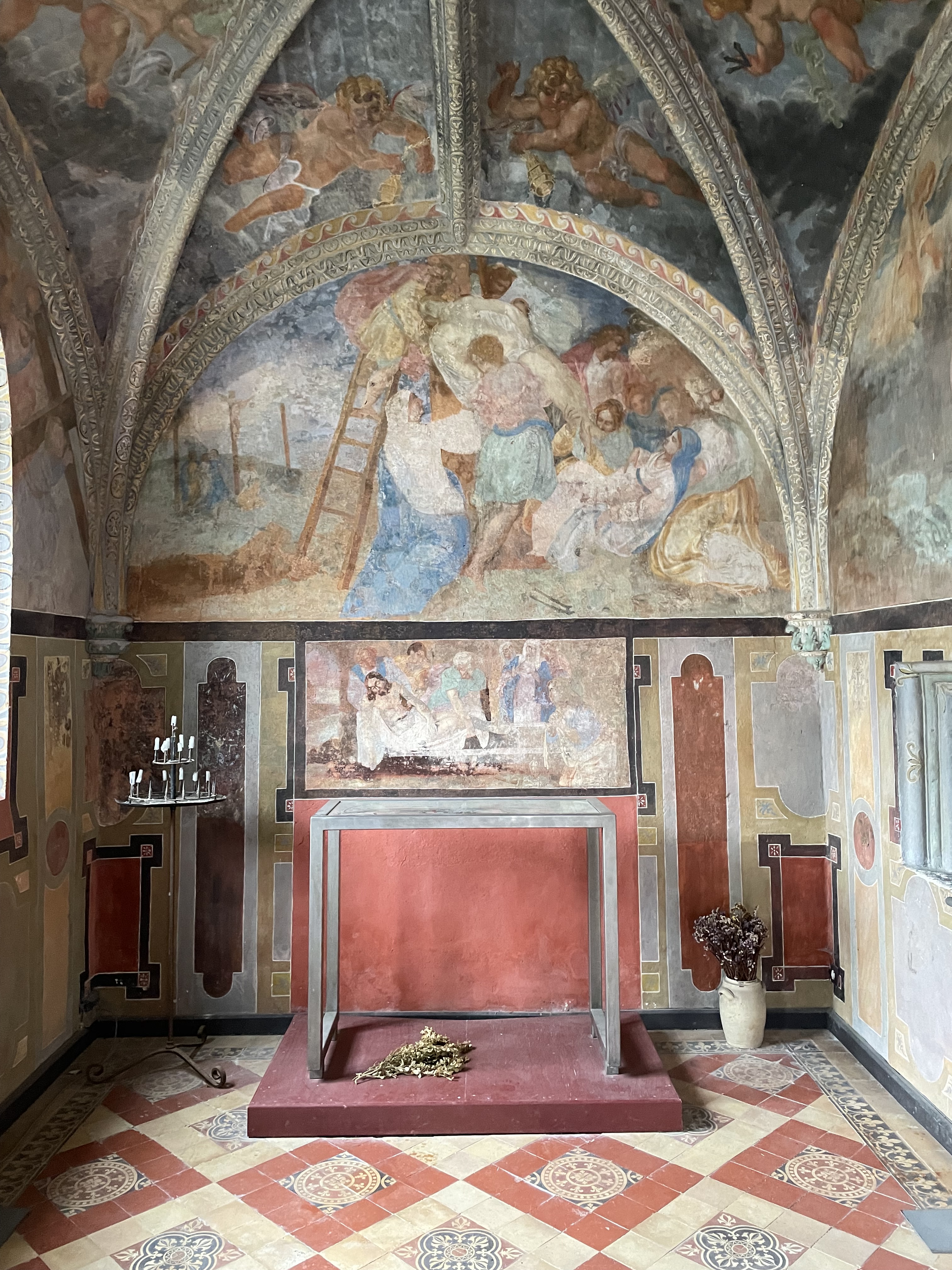
The historic dovecote at Villesavin had been extensively restored in 2019, and included exhibit panels on both the use and the restoration of this charming anachronism. The chapel was also a small treasure.




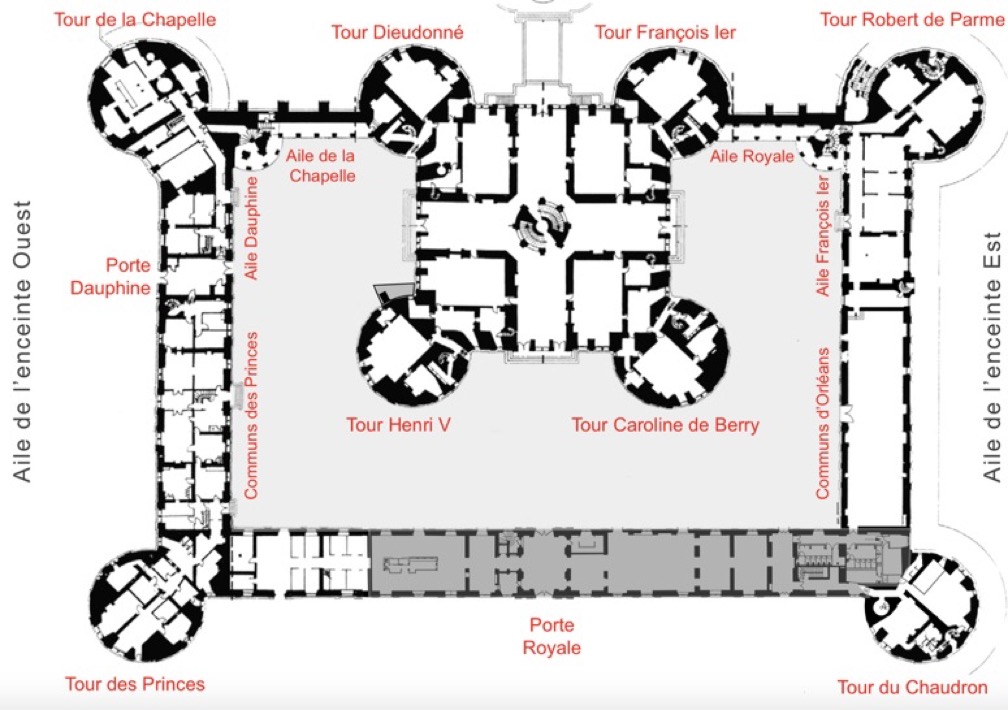
Suitably fortified, our group then drove a short distance to one of the country’s best known estates: Le Château de Chambord.

The château was basically built as a hunting lodge and as a show of power and wealth.
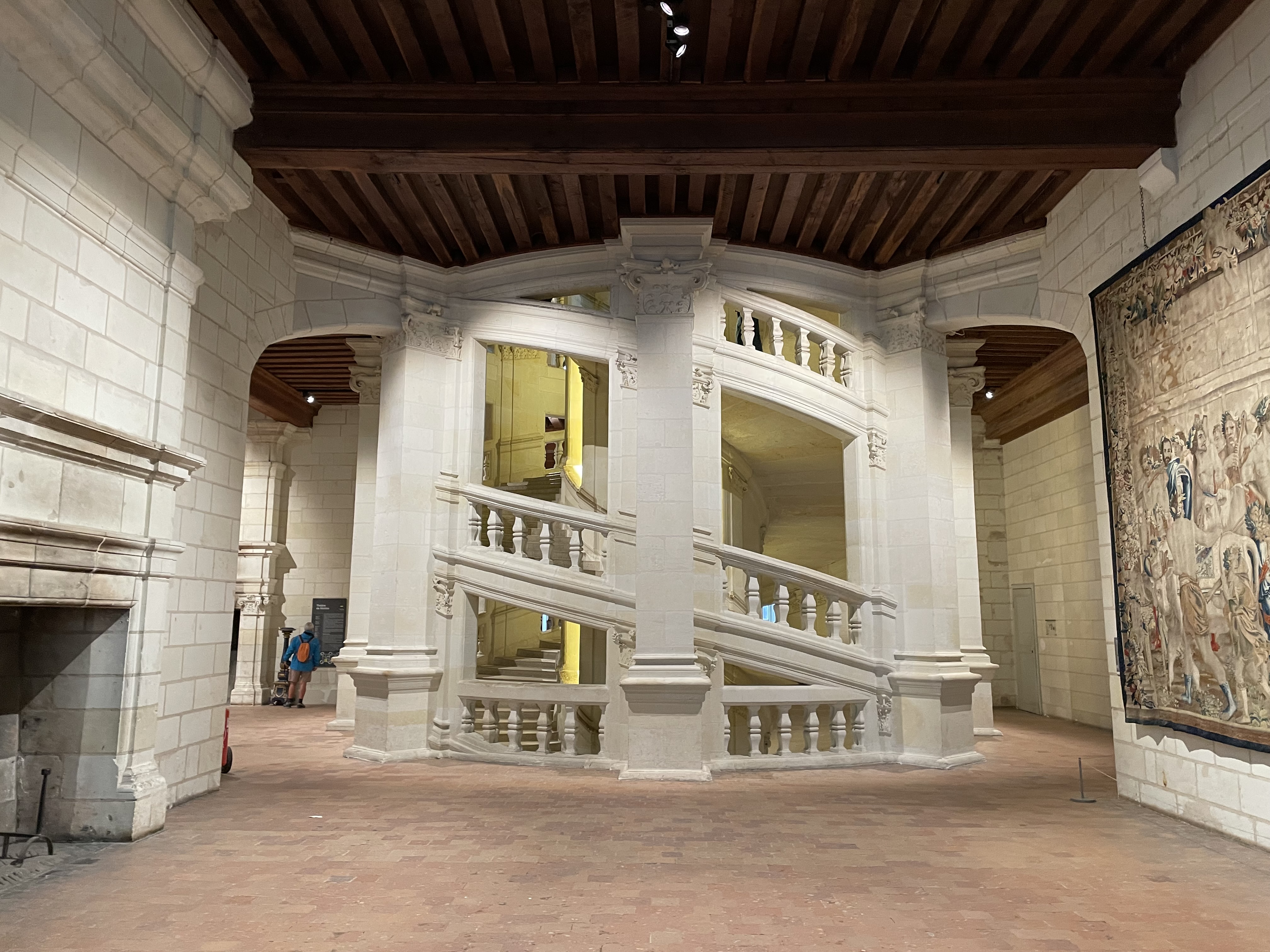
“A palace rises up from the heart of the Sologne marshlands. A dashing young king, François I, has ordered its construction. The château of Chambord is not designed as a permanent residence, and François only stays there for a few weeks. It is a remarkable architectural achievement that the king is proud to show to sovereigns and ambassadors as a symbol of his power engraved in stone. The plan of the castle and its decors stem from a central axis, the renowned double helix staircase, inspired by Leonardo da Vinci, an ascending spiral leading to a profusion of chimneys and sculpted capitals on the terraces.”
Once one enters through the main entrance hall that double helix staircase immediately catches the eye. No matter where one moves throughout the château it remains a touchstone and marvel of architecture and engineering.


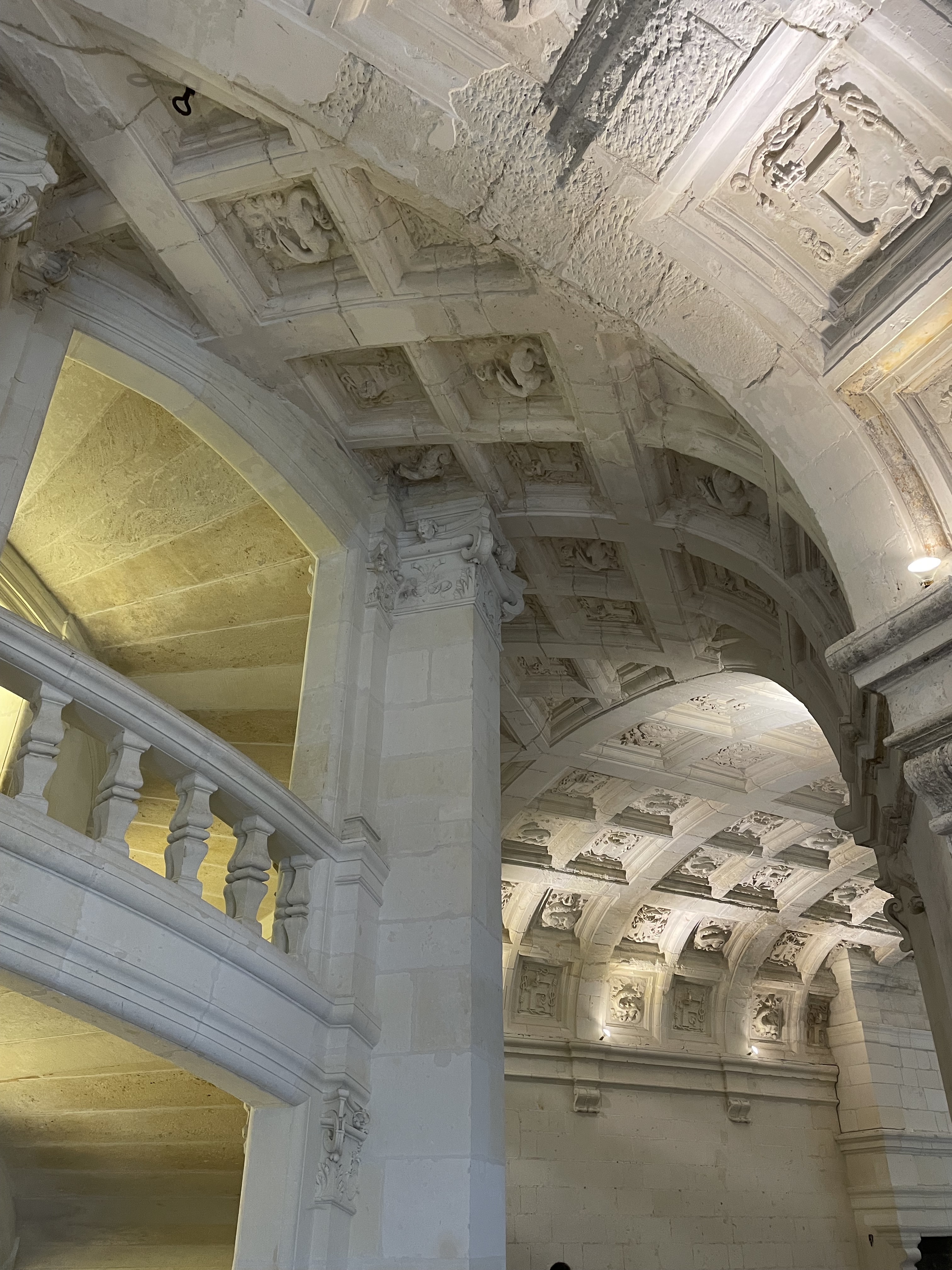
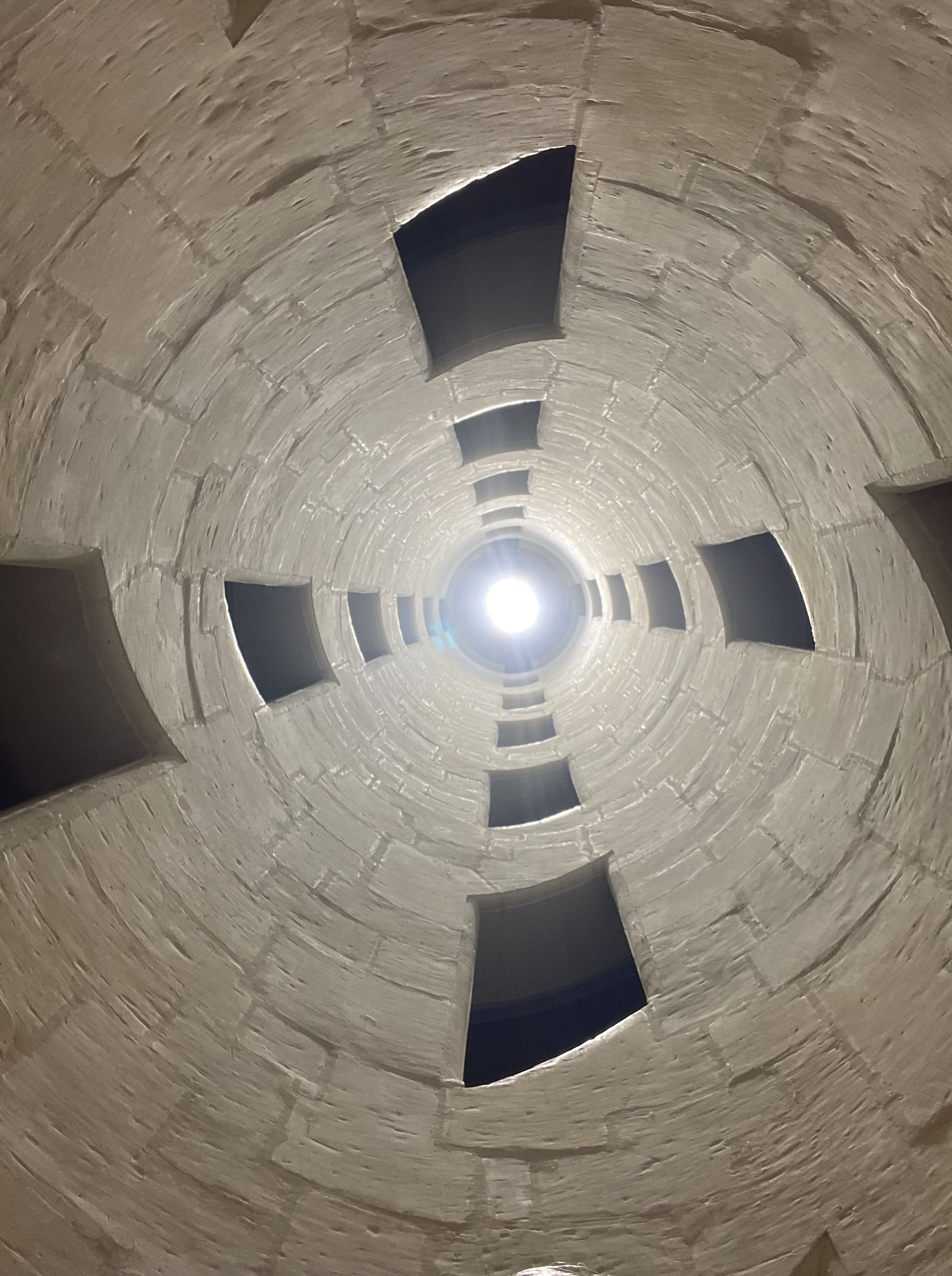


“Only under the reign of Louis XIV is construction finally completed. During the same epoch the areas surrounding the château take on shape and form. Stables are set up outside while the Cosson river, which meanders through the park, is partially canalized to sanitize the site. Several times, the Sun King resides in the monument in the company of his court; the royal sojourns are occasions for grandiose hunting parties and festive entertainment; it is in Chambord, in 1670, that Moliere presents the premiere of his celebrated comedy, Le Bourgeois Gentilhomme.”
The symmetry of the château is disrupted during Louis XIV’s reign, as apartments to mimic those at Versailles are created. Nonetheless, work continues on the building and over the years the estate passes through various hands—royal and otherwise—until it becomes the property of the state in 1930. In 1840, the Château of Chambord is registered on the first list of French historical monuments, as are the forest park and the wall in 1997. And since 1981 it has been inscribed on UNESCO’s world heritage list.
Because the house is not furnished, which respects the historical nature of the estate as a hunting lodge, I found the exterior features and expansive park views much more intriguing. That’s what caught the camera’s eye on our visit.

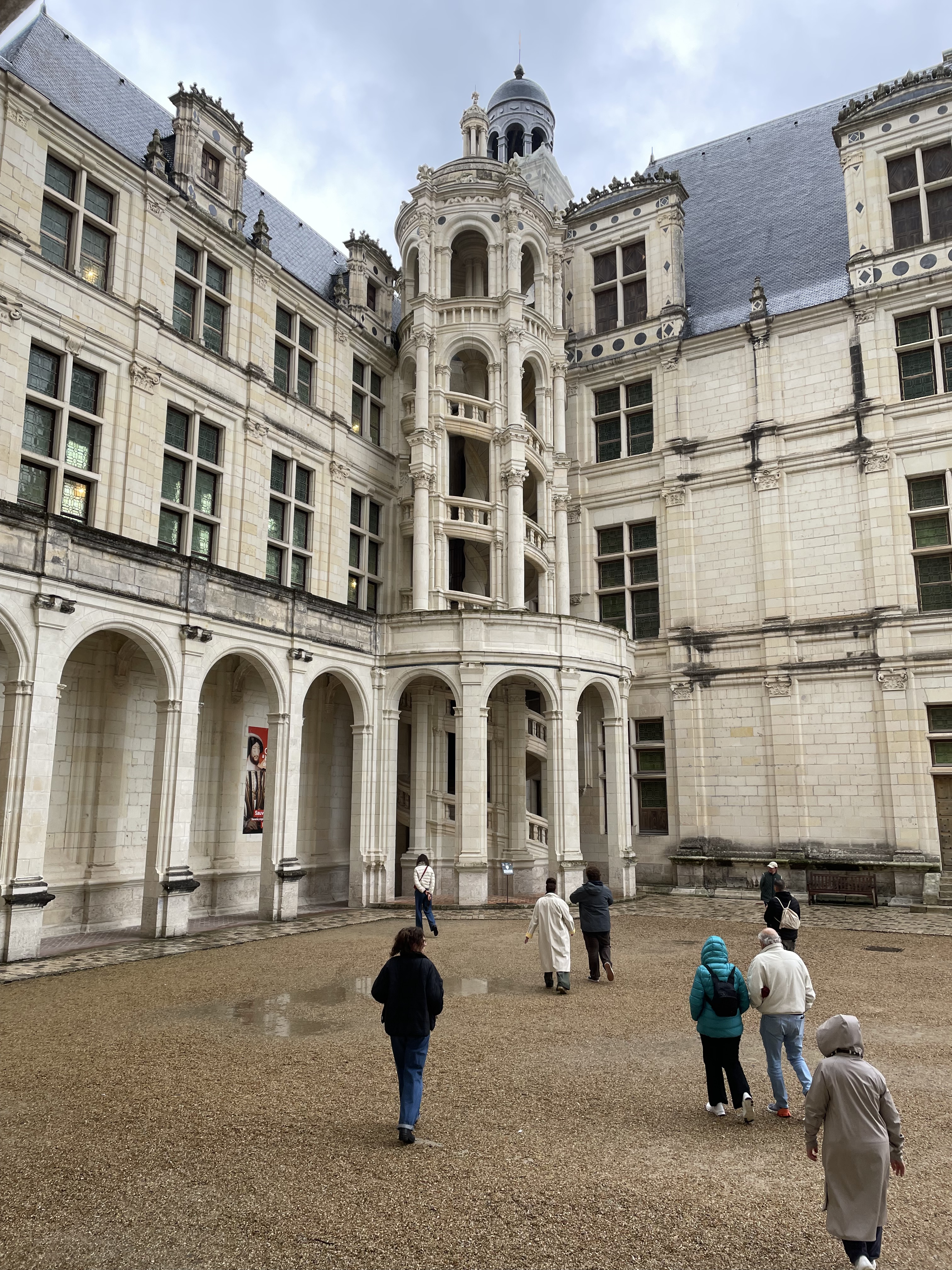
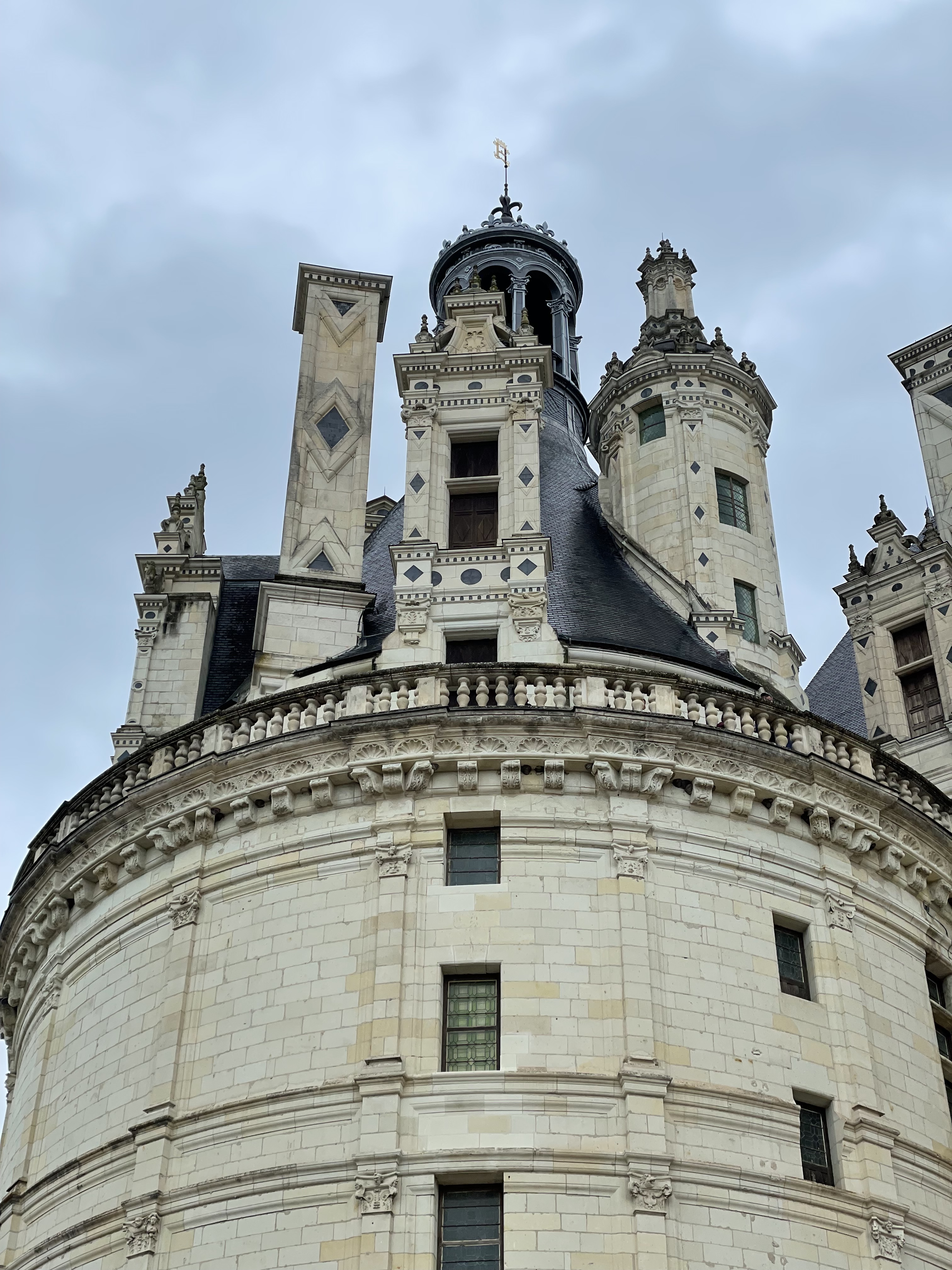
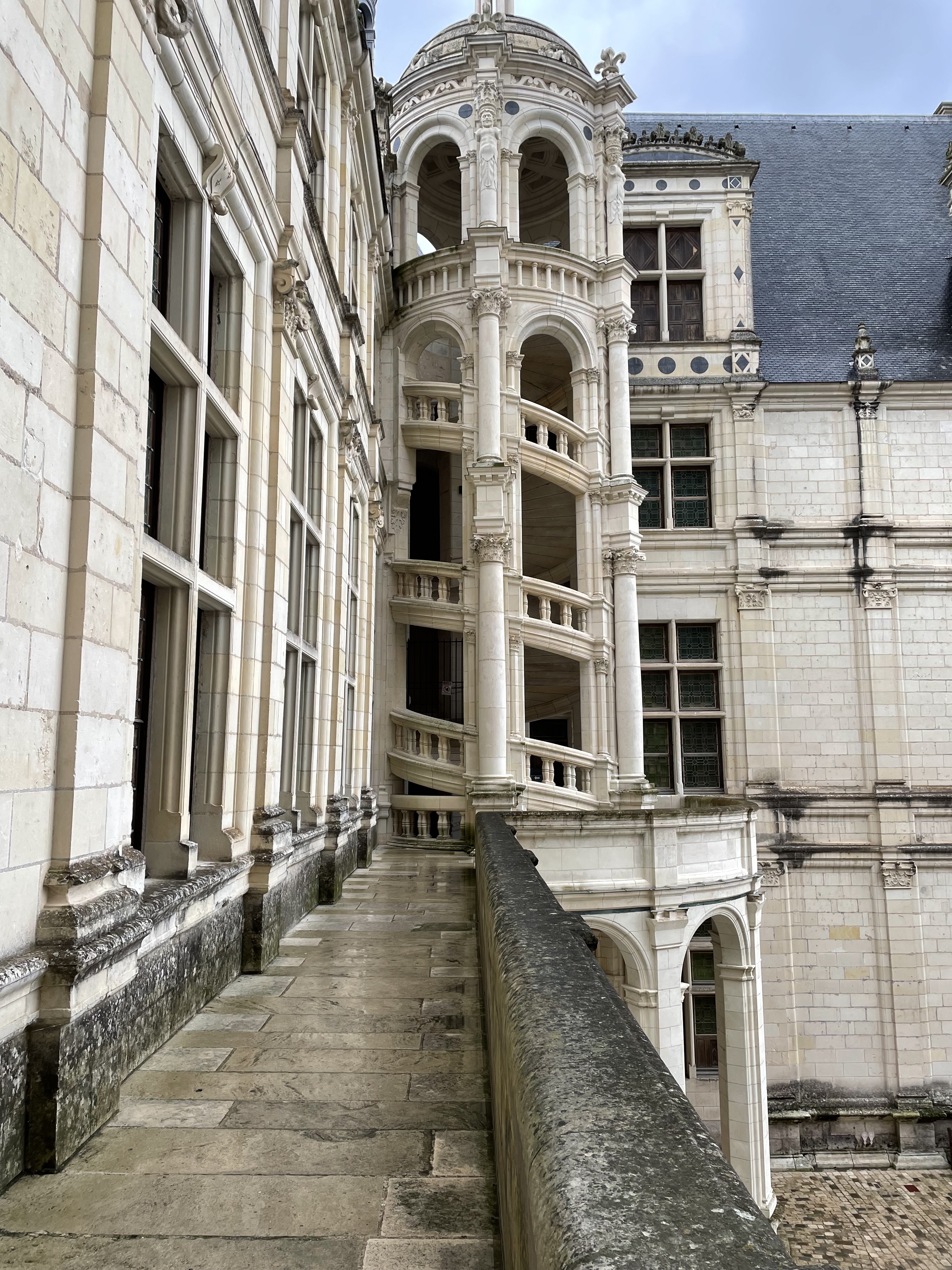
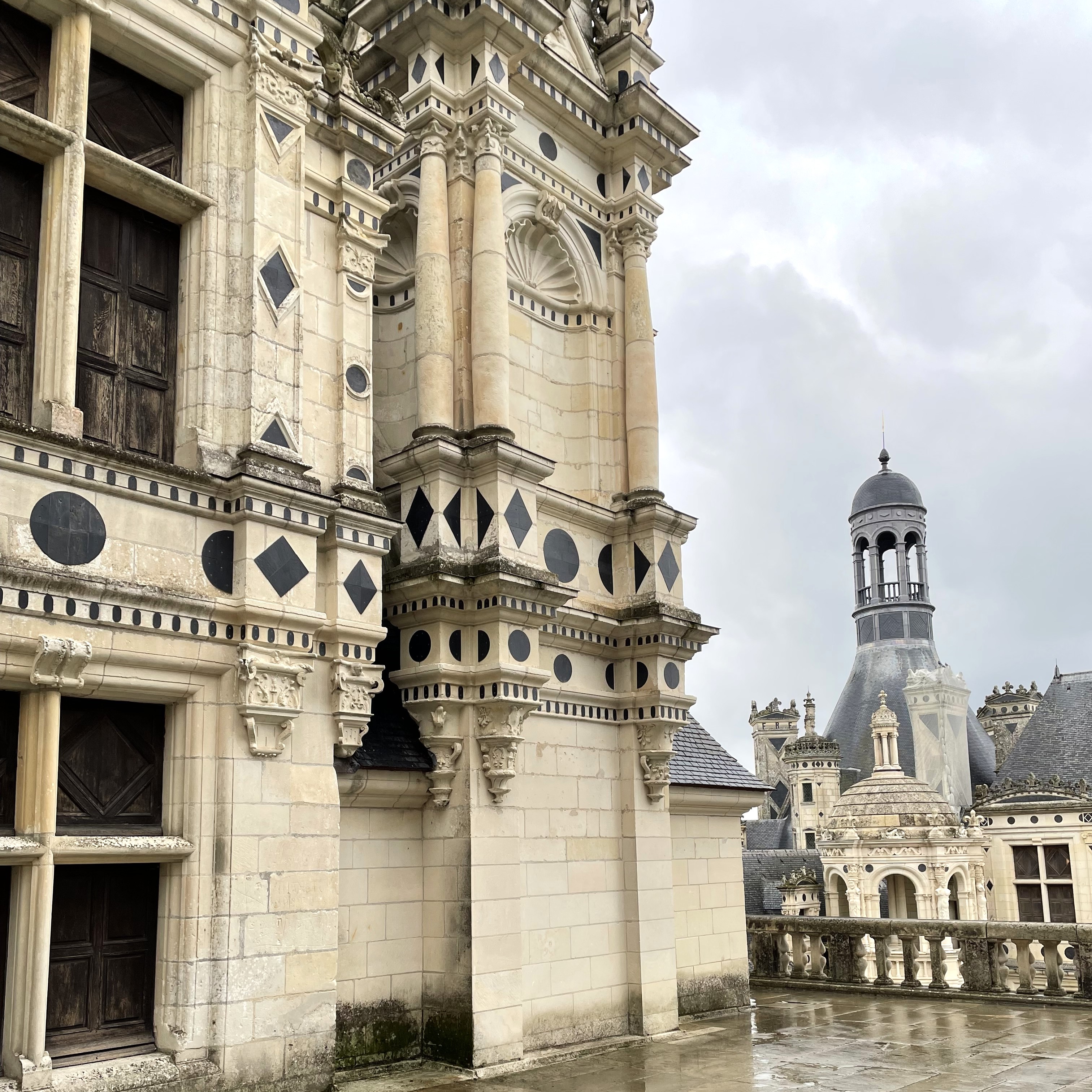
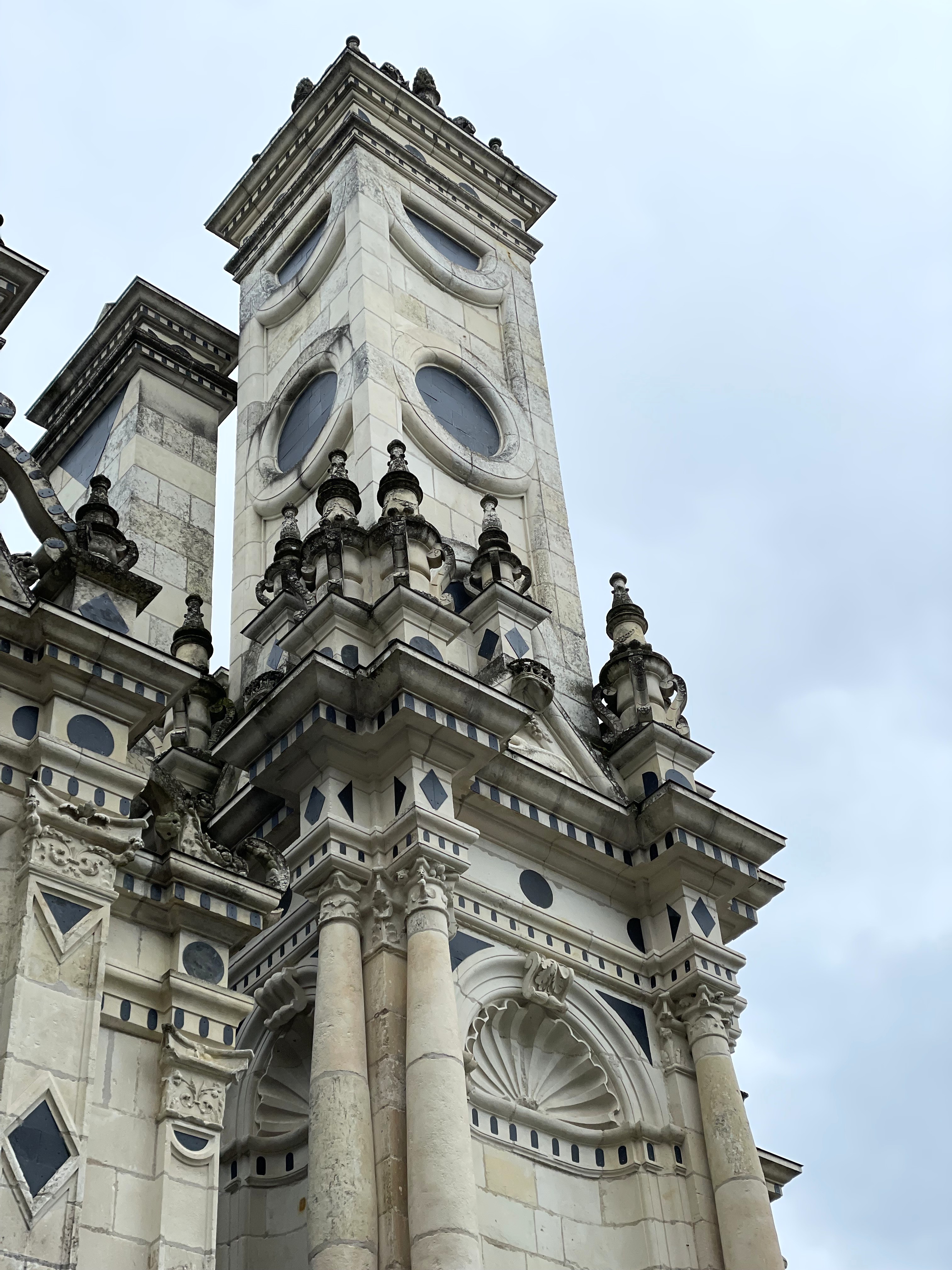

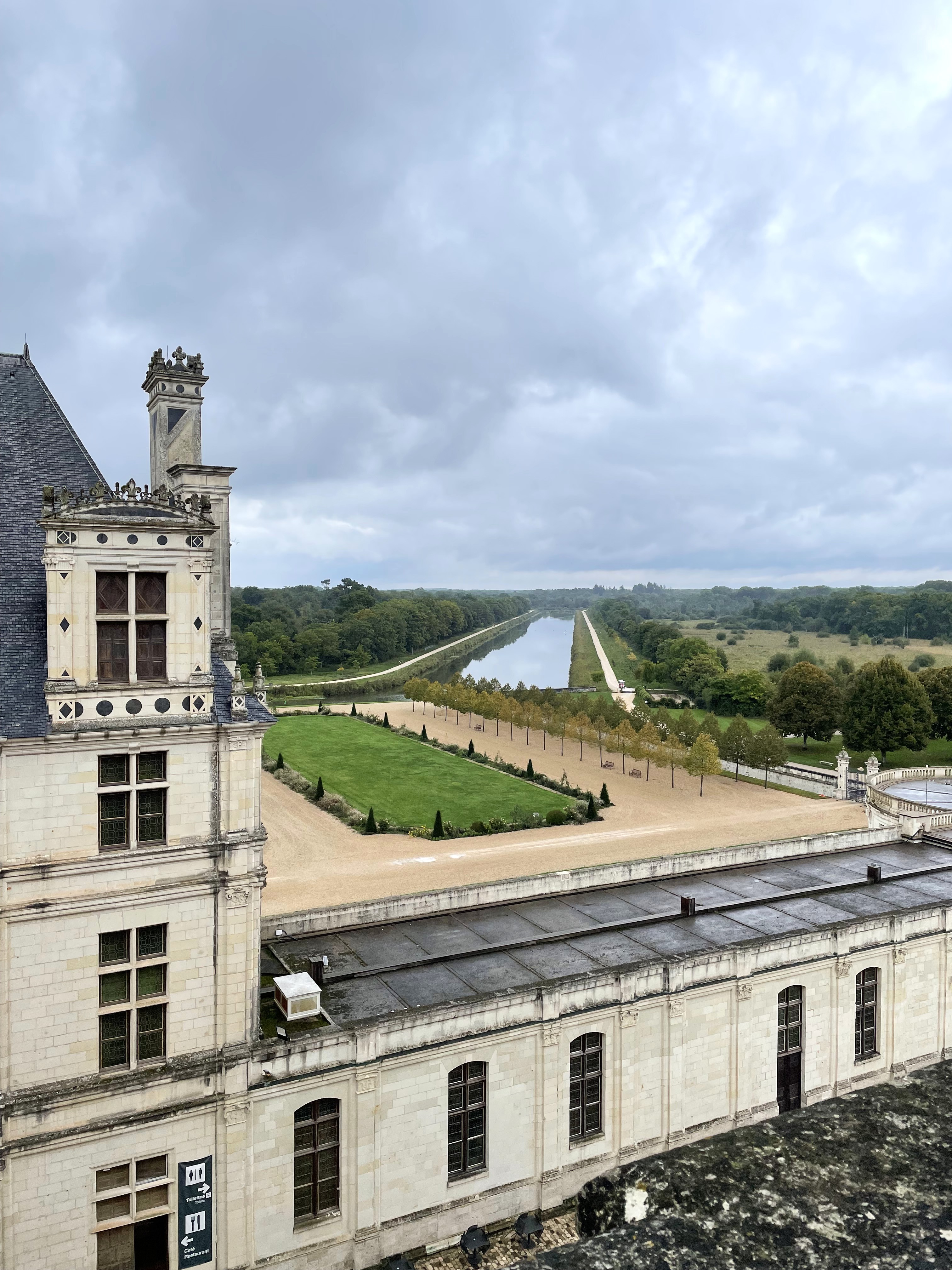
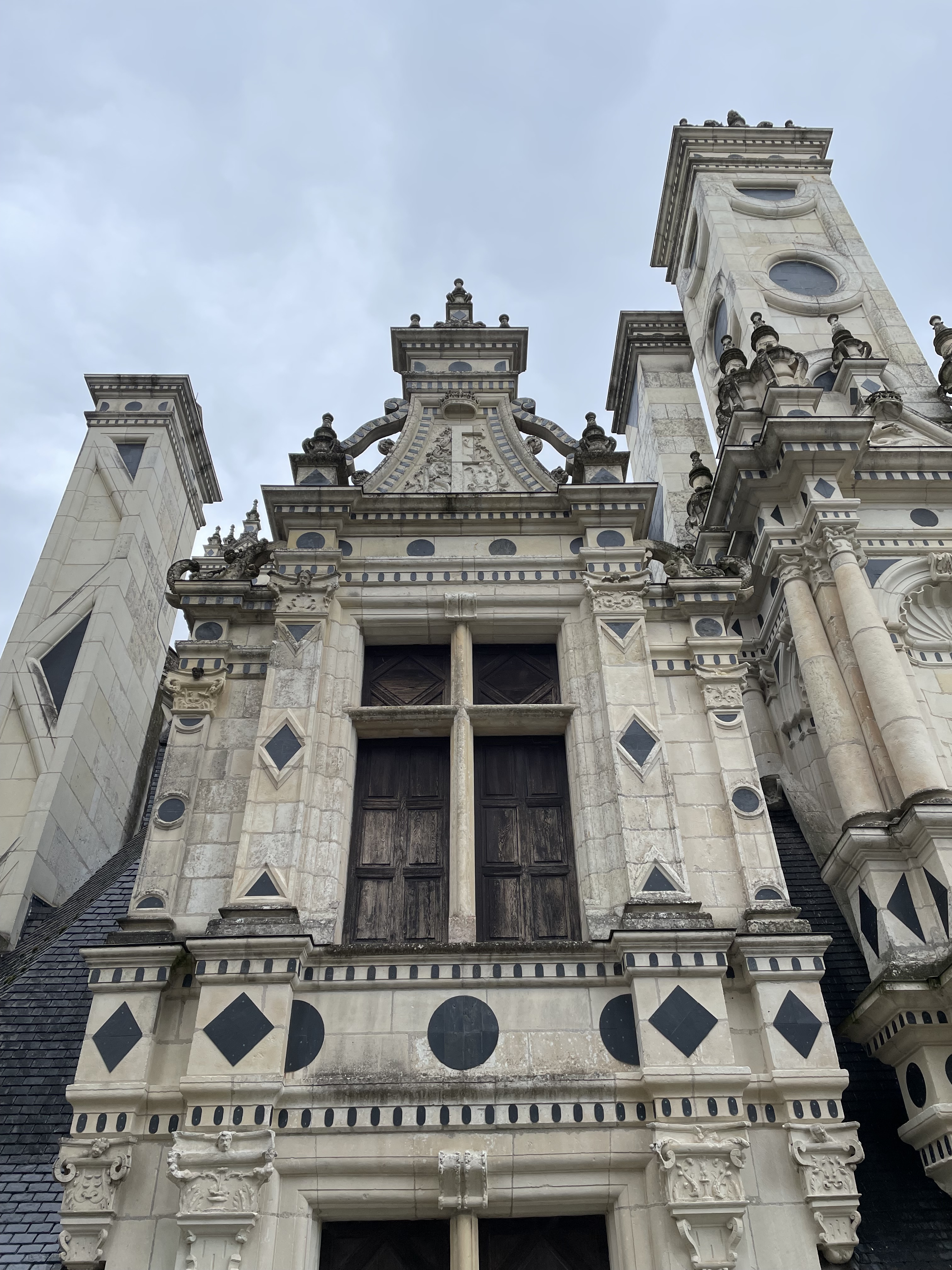


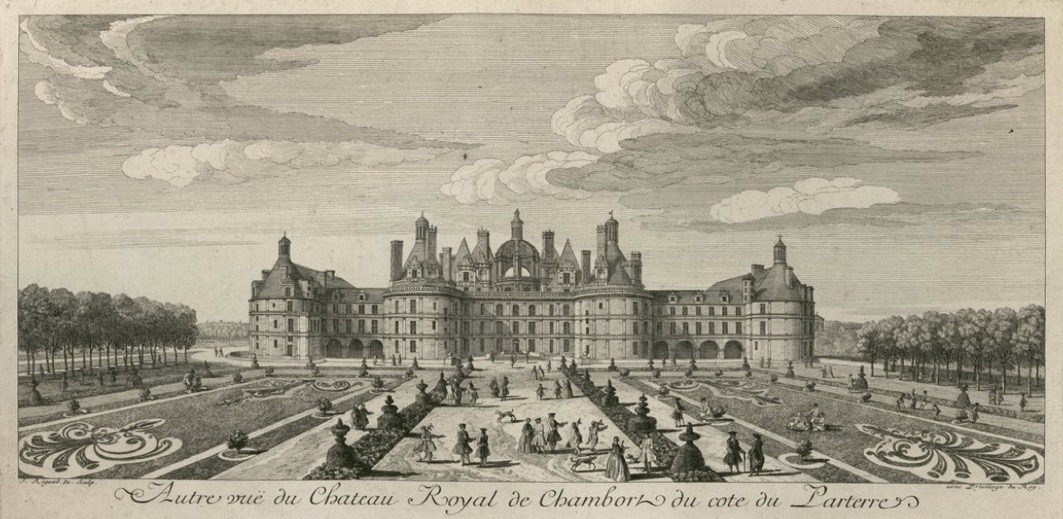
If you want to go down a rabbit hole, visit Bernard Smith’s website and read Château de Chambord – an exaggeration of an exaggeration. It is extensive and you’ll see historic images and contemporary photos such as these views of the estate and gardens that provide a better sense of both the scale and the complex detailing found throughout one of the most remarkable Renaissance-era buildings in the world.

As this introduction demonstrates, we had a wonderful week exploring the Loire Valley. Thanks for traveling along.
More to come . . .
DJB
For other posts on our fall trip to Ireland and France see:
- Healing begins within . . . — thoughts on the small oases of beauty, the personal stories, and the wholly unexpected treasurers that moved me in new and important ways over our time abroad (October 1)
- Life in song — an evening at the opera in Paris (October 4)
- I love Paris in the fall — the title says it all (October 11)
- May the wind always be at your back . . . but not too much wind — an overview of our time in Ireland (October 18)
Photo of Château de Chenonceau at the top of the post by DJB
 MORE TO COME...
Pingback: Observations from . . . October 2025 | MORE TO COME...
Pingback: Oh, the places we’ve seen! | MORE TO COME...