
Summarizing 20 conversations with authors about writing, truth, the past, the present, and life’s lessons.
Wednesday’s post—a conversation with author Rich Moran about his new book The Accidental Vineyard—was the 20th in a series that I call Author Q&As. Three years ago I asked my good friend, the writer and editor Janet Hulstrand, if she would answer some questions about her recently published memoir. She said yes and the idea took off from there.
After reading these 20 books and following up with conversations, I’ve learned so much about history, theology, historic preservation, planning, architecture, perspectives, social and environmental justice, the art of observation, the writing craft . . . and life. Contrary to the title, these interviews did not take place face-to-face but were completed by email. In the give-and-take of pulling those emails into a coherent story, I feel I’ve been in my own personalized writing seminar. Some of the authors are long-time friends. Others have been colleagues from my years in the preservation field. A couple, having found these interviews via the magic of the internet, reached out to see if I would find their work of interest and became new-found friends. Two came to me via the lecture circuit. In one instance I was at a book reading at our local independent bookstore and brazenly approached the author to see if this was something that would pique his interest. These are some of the most observant, smart, often funny, always thoughtful individuals I know.
This milestone has been on my mind for a while, and in response I’ve taken a snippet from each of these conversations—little pieces of wisdom if you will—and compiled them into this post. Listed alphabetically by title, each entry includes the book’s publication date and a link to the original interview.
With that introduction, let’s jump in to the first conversation—which is, conveniently, the one that started it all—and see what these writers have to say!
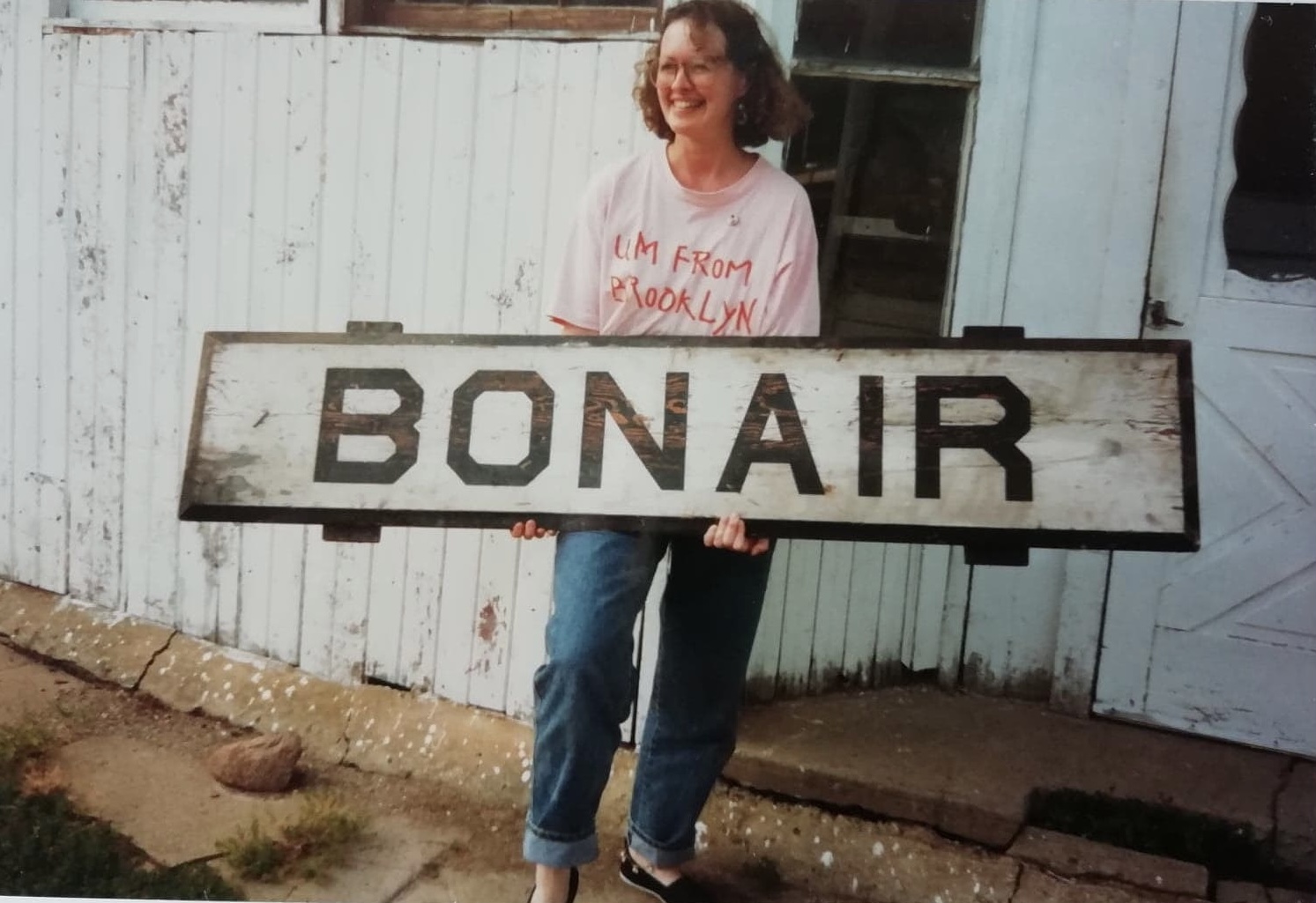
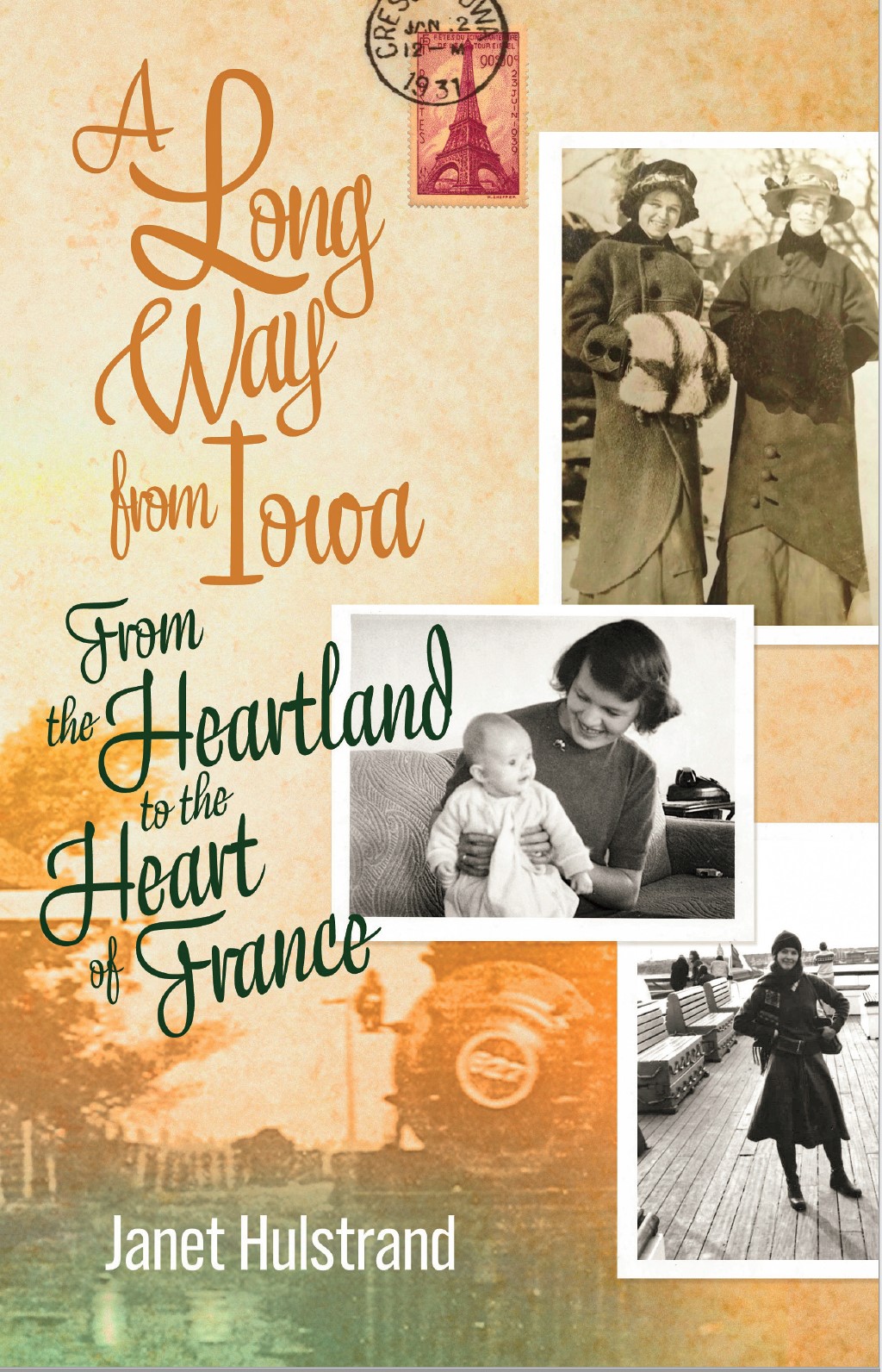
A Long Way from Iowa: From the Heartland to the Heart of France (2023) by Janet Hulstrand
Janet’s story, as seen in the title, is grounded in place. I was interested in knowing the importance of place—and these particular places—in understanding who she is.
“There are two main threads in my memoir: one is my coming to terms with my mostly positive, but often conflictual relationship with my mother, and to a lesser degree with my grandmother as well. And the other thread is about my becoming a writer. These two threads are very strongly interwoven, since I believe that both my mother and grandmother would have liked to be able to be writers themselves. But they didn’t have that chance . . . I wanted to pay tribute to them for the legacy they left me; so I’ve tried to tell a bit of their stories, as well as mine. . . . [Places] are very important [to these stories]. There are three places where I feel most at home: Minnesota, Brooklyn, and France. These places are very different from each other, and yet all of them are very important to me.“

AMEN? Questions for a God I Hope Exists (2022) by Julia Rocchi
I observed that doubt and mystery play an important role in Julia’s search for meaning, beginning with the book’s title. I wanted to know how important it is to recognize and support questions and doubt in our spiritual quests.
“From early on in my writing process, I developed a deep attachment to the question mark in my book’s title. For me, this simple punctuation captured the essence of what I was trying to communicate—that when we ask questions of God, the Universe, whatever it is that we believe to be bigger than ourselves, we do so not to arrive at answers, but to inspire still more questions . . . as I grow more comfortable with mystery, I’ve come to see questions and doubts as cairns on a winding, unmappable journey—little signposts asked and shared by others so we can grapple with unknowing, together.”


Books and Our Town: The History of the Rutherford County Library System (2023) by Lisa R. Ramsay
Linebaugh Library—flagship of the Rutherford County Library System—has been led by a number of strong women. My mother and sister were among them. I asked Lisa about the role of the women at Linebaugh in shaping the broader community.
“Many women connected to the library system have made a lasting impression on our community; some have been publicly recognized for their impact. The video series Leading Ladies of Rutherford County History highlighted the lives of fifteen women, three of whom had links to the library system: Linebaugh’s first librarian Myla Taylor Parsons, Mary Scales (a Linebaugh board member from 1968 to 1985), and Myrtle Glanton Lord, for whom the library at Patterson Park was named. These women made vital contributions as leaders, helping to provide access to educational resources and opportunities.”
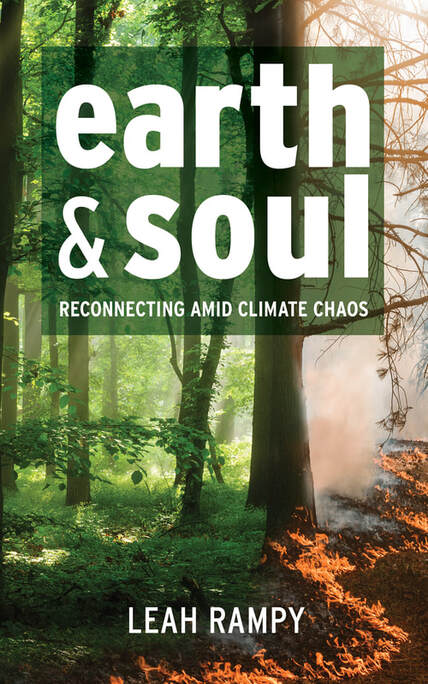
Earth & Soul: Reconnecting Amid Climate Chaos (2024) by Leah Rampy
In our conversation I noted that the writer Suzanne Simard had written that “the forest is a single organism wired for wisdom.” I asked Leah how believing and living into that perspective changes the way that we relate to nature.
“Teacher, author and long-time activist Joanna Macy offers four simple and profound sentences that continue to resonate deeply within me: ‘It’s all alive. It’s all connected. It’s all intelligent. It’s all relatives.’ If we could live into the truth of those statements, our relationship to the living world would change dramatically.”
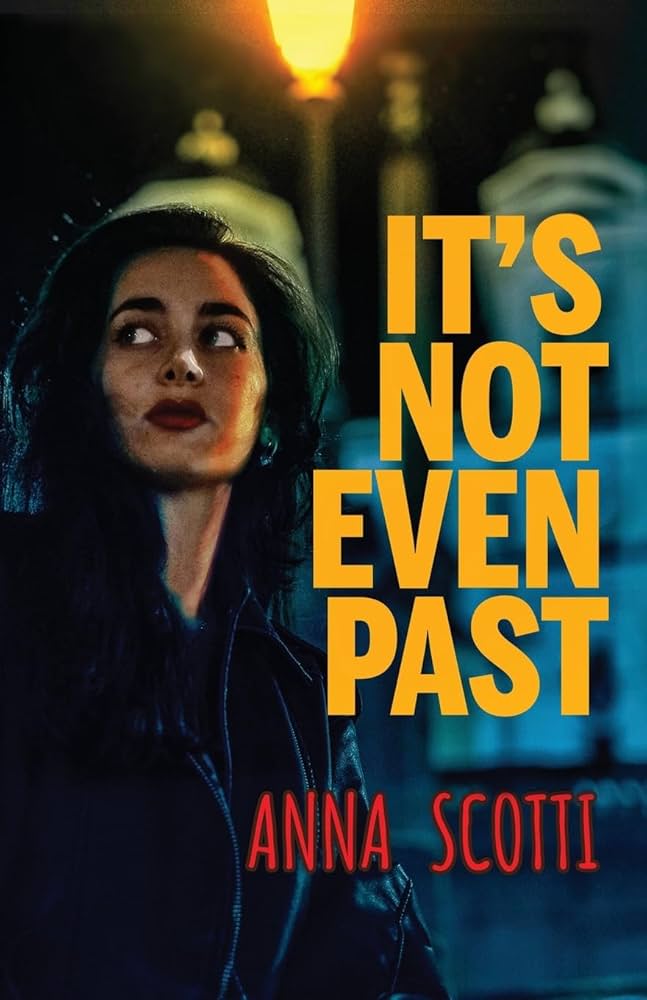
It’s Not Even Past (2025) by Anna Scotti
When I asked what writers working today inspired her, Anna—a mystery writer among other genres—had a long and wonderful list. You should check it out. Clearly good writers read the works of other writers for inspiration. Here’s one example.
“Elizabeth George’s Inspector Lynley novels are marvelous―she’s incredibly talented. What she did with the back-to-back novels, With No One as Witness and What Came Before He Shot Her provides a masterclass for mystery writers, as well as a feast for readers.”
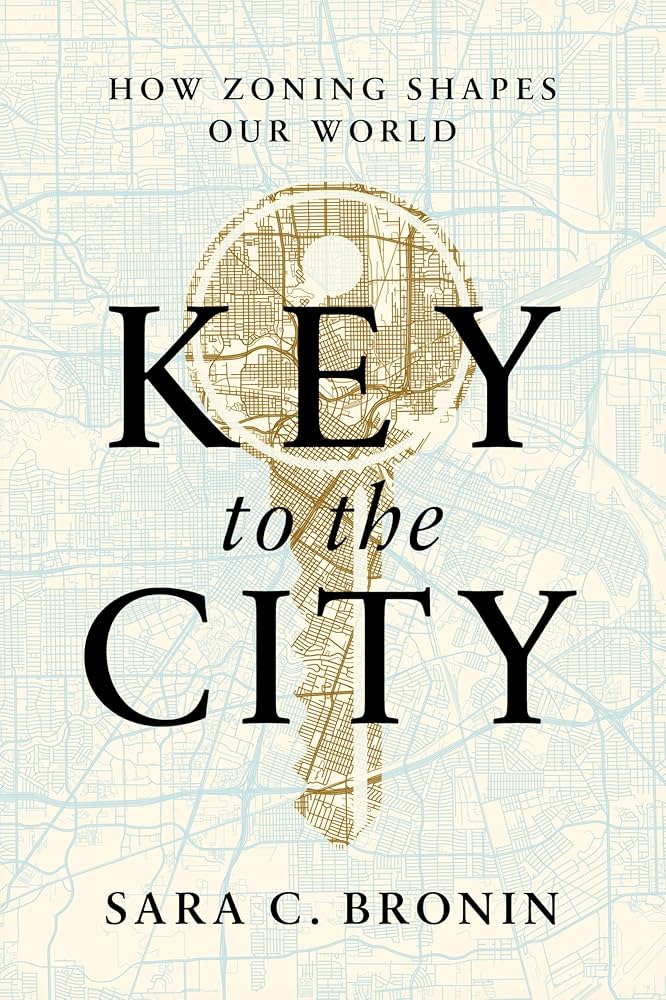
Key to the City: How Zoning Shapes Our World (2024) by Sara C. Bronin
Sara grew up in Houston which famously does not have a zoning code. I wanted to understand her take on the personal nature of zoning on all manner of Americans, and what lessons she wanted to share with her children and others of the next generation.
“Zoning affects all of us, whether we know it or not. In the book, I briefly mention my research project, the National Zoning Atlas, an online, public map that seeks to standardize information about zoning across the country . . . [E]ven if you live in one of those places [without zoning], the ways other communities zone have downstream effects. We’re all interconnected. And that’s why we have to collectively work to ensure that zoning, where adopted, works for all of us.”


Never Say Whatever: How Small Decisions Make a Big Difference (2023) by Richard A. Moran
I was interested in hearing from Rich, a successful business consultant, former college president, and venture capitalist, about the reason the word “whatever” has come to be such a toxic response in both our business and personal lives.
“The word ‘whatever’ can be both a lazy response and a way to avoid a decision. Both are behaviors that are not going to live a better life or enhance your career. The small decisions are especially susceptible to a ‘whatever’ but it’s all the millions of small decisions that make for a good life and a successful career. . . . In global surveys about the most annoying words we deal with, ‘whatever’ is always near the top. The simple act of removing that word from your persona will make you a better person.”

New Building in Old Cities: Writings by Gustavo Giovannoni on Architectural and Urban Conservation (2024) edited by Steven W. Semes, Francesco Siravo, and Jeff Cody
To open this interview, I checked in with the editors to determine why they decided to focus on Gustavo Giovannoni, an architect working in Italy over 100 years ago.
“We chose to focus on Gustavo Giovannoni because he was one of the first to understand the historic city not as a collection of isolated monuments but as a coherent, living organism—a complete system whose value lies as much in its ordinary fabric as in its landmarks. His work established an integrated approach to urban conservation that remains highly relevant today. Giovannoni introduced concepts that have since become foundational to the field: the importance of vernacular architecture (what he called edilizia), the need to respect the ambient character of historic areas (ambientismo), and the idea of incremental urban renewal (diradamento) as an alternative to both neglect and wholesale demolition.”
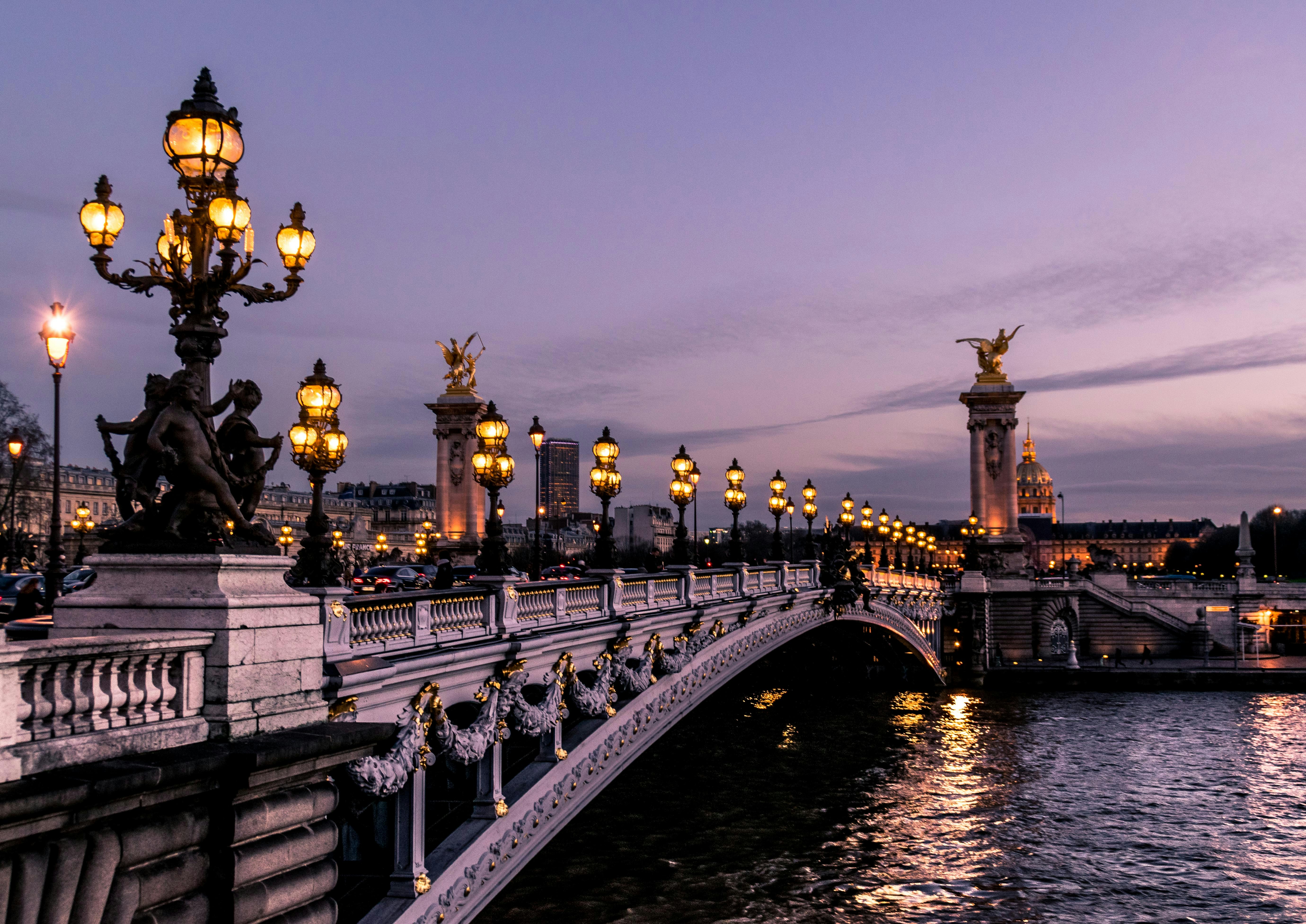

Paris: A Short History (2024) by Jeremy Black, MBE
As I was preparing to travel to Paris, I asked Jeremy what places off the beaten track he would recommend for someone wanting to know more about the history and essence of the city. His reply was short and direct.
“The Canal and its route from Arsenal via Stalingrad; Asnieres as example of a swallowed community; Vincennes for history that few visit; mint tea at the main Mosque. Also, I recommend a visit to the Hotel de Sens for its late medieval splendour.”
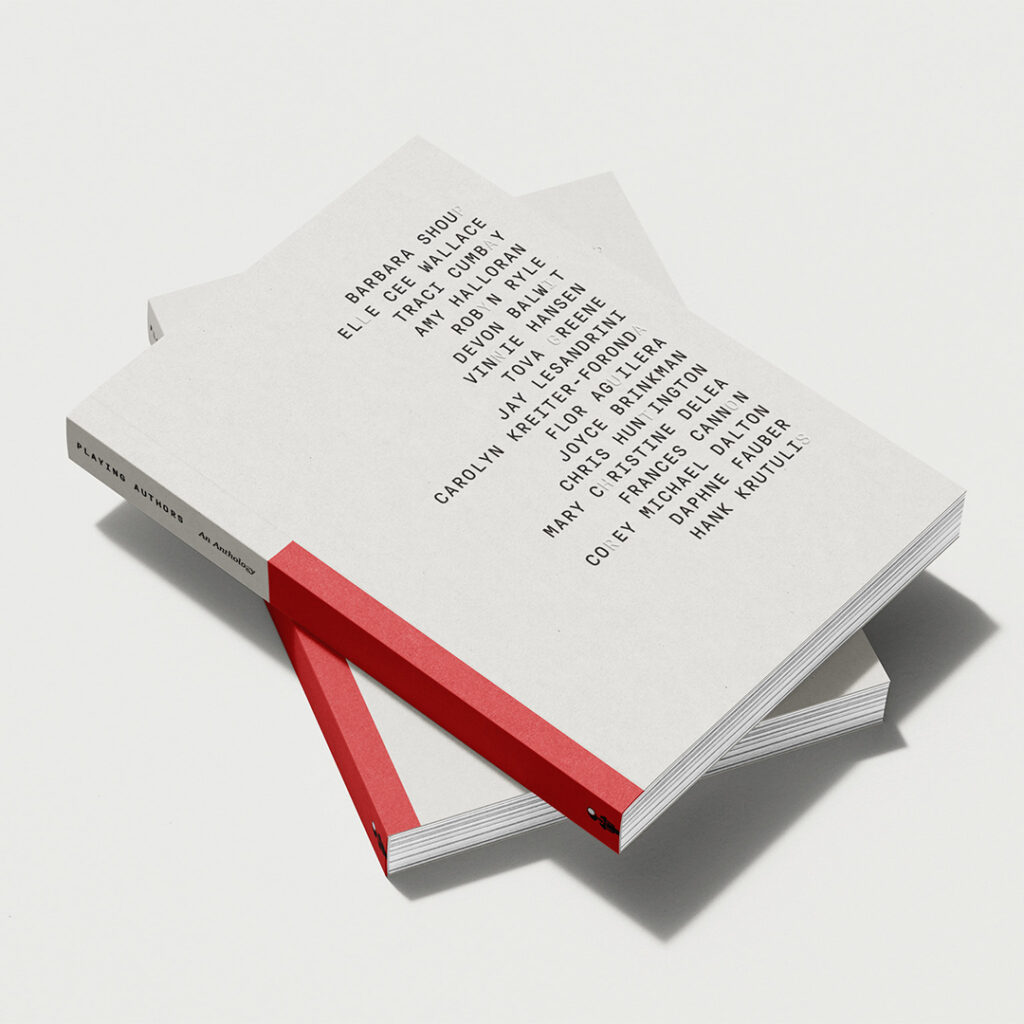
Playing Authors: An Anthology (2023) is a collection by 18 writers asked to consider this question of authorship; the anthology’s opening story, “Hemingway Goes on Book Tour,” is by Robyn Ryle
I noted that it reads as if Robyn had a great deal of fun in writing this story, and I wanted to know if other “famous authors on book tours” come to mind, and if so, which ones would she like to imagine in a sequel.
“For better or worse, Hemmingway’s the model against which a lot of American writers measure themselves. Plus, he really did create his own larger-than-life brand. Even as it was fun imagining Hemingway on book tour, there’s a sadness there, too. Book tours make you question your whole existence as a writer and a person. When I think of other writers on book tour, the sadness wins out over the humor. Virginia Woolf? Book tours would have been a nightmare for her. I like to think she would have stolidly refused to do any such thing. Maybe today’s authors should do the same. Jane Austen’s interesting with her wry sense of humor. I could imagine her getting into it, having a YouTube channel, a podcast, and thousands of Instagram followers.”

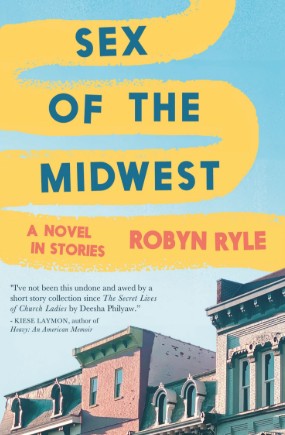
Sex of the Midwest: A Novel in Stories (2025) by Robyn Ryle
Despite the title, this is really a love letter to small towns. I asked Robyn, who lives in Madison, Indiana, if those places had lessons for the rest of the country. She responded with this thoughtful perspective.
“I think the loss of community is part of how we got to this very frightening place we’re in right now as a country. I think small towns can remind us how to live together, here, in this actual physical world, rather than in the cruel and terrifying spaces of social media and the internet and the news.”

Sleeping With the Ancestors: How I Followed the Footprints of Slavery (2023) by Joseph McGill, Jr. and Herb Frazier
Joe is the founder and director of the Slave Dwelling Project. In one of my questions, I wanted to know how his work has changed the way historic sites, museums, and preservation organizations present the narrative around slavery.
“Ten-to-twenty years ago, one would be hard pressed to encounter a historic site that interpreted slavery in a researched and respectful manner. Now historic sites are ridiculed if they don’t include the narratives of the people once enslaved at their sites. In my thirteen years of leading the Slave Dwelling Project, I’ve witnessed and influenced the changing of the narrative.”
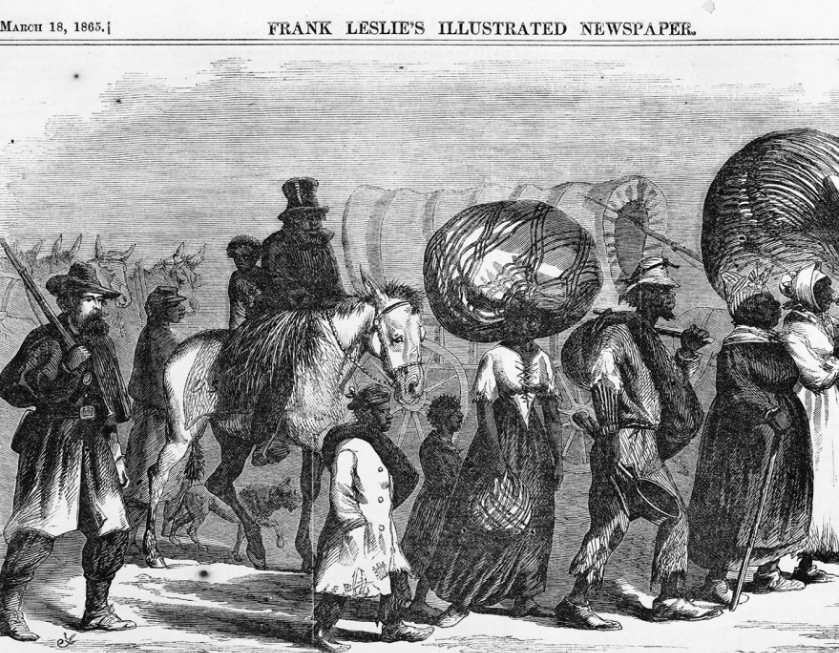
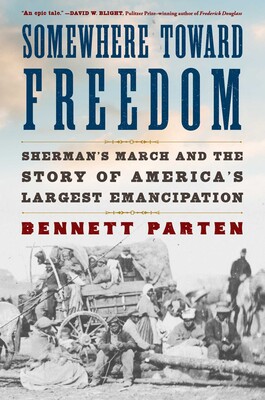
Somewhere Toward Freedom: Sherman’s March and the Story of America’s Largest Emancipation (2025) by Bennett Parten
Ben had asked his readers to reimagine the history of Sherman’s March to the Sea as a “veritable freedom movement” as well as “the first battle of reconstruction.” I wanted to know what important lessons we learn when we see the history of this seminal event through these lenses.
“First and foremost, we are able to see that the desire for freedom on the part of enslaved people pervades the campaign. It is quite clear just based on their actions that they viewed this as a march of liberation, which only underscores the central meaning of emancipation when it comes to understanding the Civil War. . . . Another thing we are able to see is just how important enslaved people were to the overall success of the campaign. They weren’t onlookers; rather, they were participants. . . . But there is also a large story to be told about Reconstruction. The fact is that the size of this emancipation event would go on to have an extraordinary influence on the early shape of Reconstruction.”
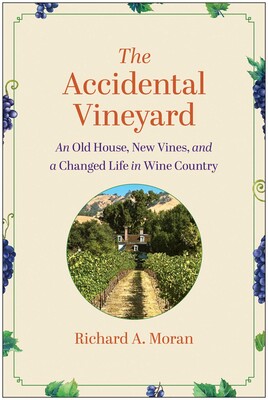
The Accidental Vineyard: An Old House, New Vines, and a Changed Life in Wine Country (2025) by Richard A. Moran
Restoring an old home, much less growing grapes and making a wine that can make the wine list at the Four Seasons, isn’t for everyone. I was interested in knowing what Rich discovered during this journey, and how each of us might apply those discoveries in our lives.
“When people are asked about regrets they’ve had in their lives, the answer almost always references the things they DID NOT do. I should have gone to medical school, I should have continued with the guitar, I should have married that boy/girl from college, I should have taken that big job. Of course, we all have regrets but I keep that philosophy in mind. That is, take the risk, I don’t want to regret not buying that house. I am glad we did.”
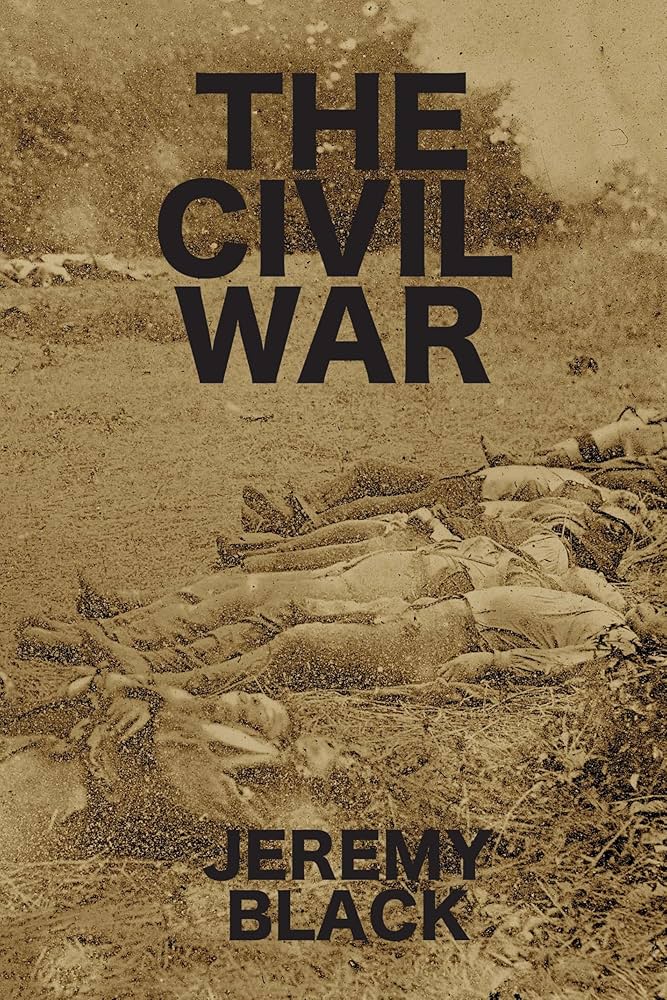
The Civil War (2025) by Jeremy Black, MBE
Jeremy wrote that “reconstruction was primarily about reunion rather than reconciliation.” In response to my question about reconstruction (the period following the Civil War), Jeremy responded with this insight.
“Circumstances came to trump ideology in Reconstruction with demobilisation a key context and the extent of Southern opposition leading to an emphasis on the fact of reunion rather than sustaining much that was broader.”
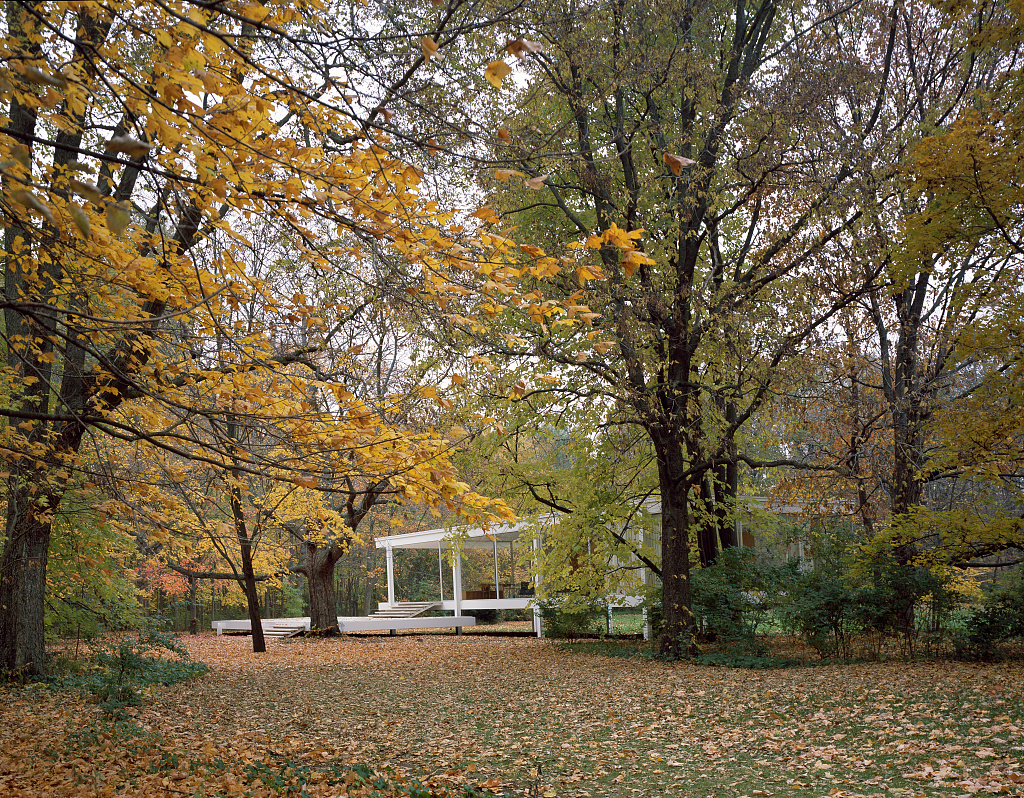
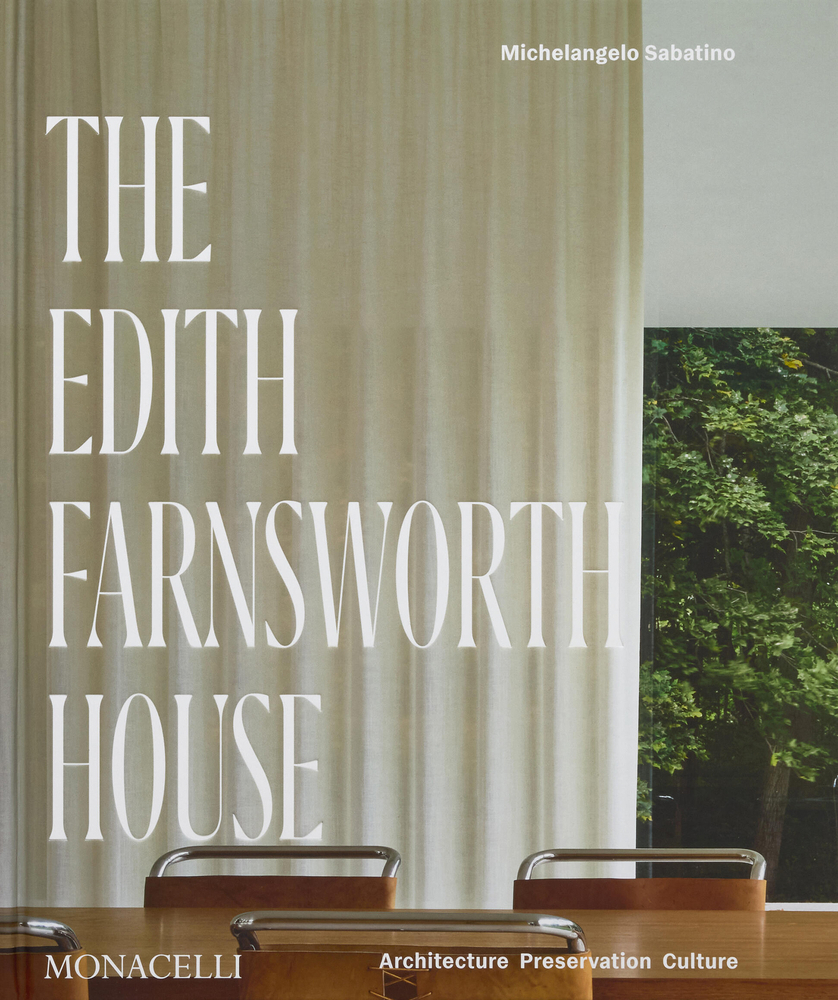
The Edith Farnsworth House: Architecture, Preservation, Culture (2024) by Michelangelo Sabatino
I asked Michelangelo why it was important to put Edith back into the story of the Farnsworth House.
“From the early 1950s onwards, visitors and writers alike did not refer to the house and site with Edith’s first name; in so doing they failed to acknowledge Edith, the client/patron who first commissioned this pioneering modern weekend country house. . . . Although Edith was single and therefore the only client, not acknowledging her name or her title as medical doctor (she was one of only 3 women to graduate in 1938 from Northwestern University’s School of Medicine), led most to associate the house primarily with its renowned architect, Ludwig Mies van der Rohe. Only by expanding the focus beyond the architect to include the client/architect relationship can social and cultural history enrich architectural history.”
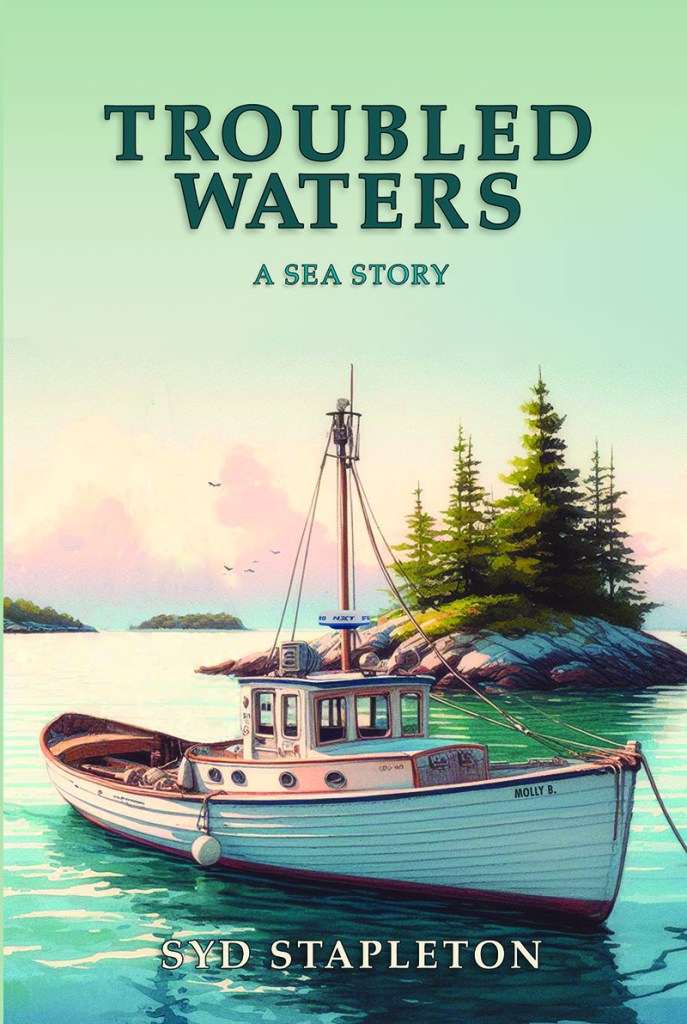
Troubled Waters: A Sea Story (2024) by Syd Stapleton
In one of my questions, I wanted to find out why Syd had chosen fiction―and specifically the mystery genre―to tell this story of environmental degradation and the subsequent coverup. He answered with the following.
“One of the big problems with coverups is that it’s hard to get the facts. We all know that more than a few humans, including officials, can be heavily influenced by money, power and pressure, and that can weave a very tangled web. I wanted to make the point clearly, and I’m afraid that in today’s world, fiction is sometimes one of the few ways to make the truth clear.”


Why Louisiana Ain’t Mississippi . . . or Any Place Else! (2022) by Jay Dardenne with photography by Carol M. Highsmith
In this discussion, I asked Carol how she became interested in photography and what subjects first drew her in as she was establishing her career.
“In the 70s I traveled to Russia and came home with some amazing images because it was so remote. When I arrived home I noticed all of downtown Washington, D.C. was under renovation. I decided to document it . . . starting with the Willard Hotel. And it went from there.”
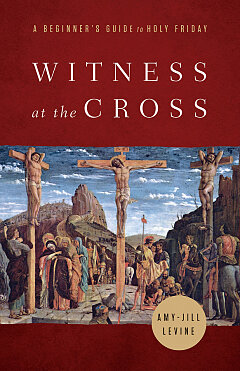
Witness at the Cross: A Beginner’s Guide to Holy Friday (2021) by Amy-Jill Levine
I was interested in learning from AJ how her work teaching Vanderbilt Divinity School courses at Riverbend Maximum Security Institute influenced her consideration of the two men who were crucified with Jesus.
“My insider students consistently ask about the men crucified with Jesus: who stood by their crosses to comfort them, to drive away the birds and wild animals, to mourn? Who recovered their corpses and buried them? My insider students help me to complicate the common identifications of “good thief” and “bad thief,” to recognize the desperation of the man who demands of Jesus, “Aren’t you the Messiah? Save yourself and us!” together with the irony that Jesus, by dying, is for the Gospel “saving” — giving life to — humanity. They see the additional irony in the other man’s plea that Jesus welcome him into his kingdom, since this man is the only person in the Gospel who understands that Jesus has a ‘kingdom.’”

Your City is Sick (2023) by Jeff Siegler
Jeff has been working for years to help communities look at their strengths and weaknesses, building on the former and addressing the latter. In our interview, I asked Jeff about the concept of civic health and how it will help heal our sick communities.
“For 70 years we have been building human habitats that aren’t fit for humans. A sick city is going to have sick residents and our places are making people physically, socially, mentally, and fiscally unwell. A healthy city will foster dignity, pride, connectedness, joy, companionship, and physical activity just to name a few. The concept of civic health is pretty simple, cities should be designed and managed with residents’ health and well-being as the primary concern.”
Many thanks to these wonderful authors for taking the time to share their wisdom with the readers of MORE TO COME. Look for additional interviews in the months ahead.
More to come . . .
DJB
UPDATE: To wrap up the year, my 21st conversation with an author, and the final one for 2025, was published in December when I spoke with Amy-Jill Levine about her new book A Child is Born: A Beginner’s Guide to Nativity Stories. AJ is always thoughtful, perceptive, and witty so you’ll want to check this out.
Image: Writing by Nick Morrison on Unsplash
 MORE TO COME...
Pingback: Observations from . . . November 2025 | MORE TO COME...
Pingback: What our books reveal about us | MORE TO COME...