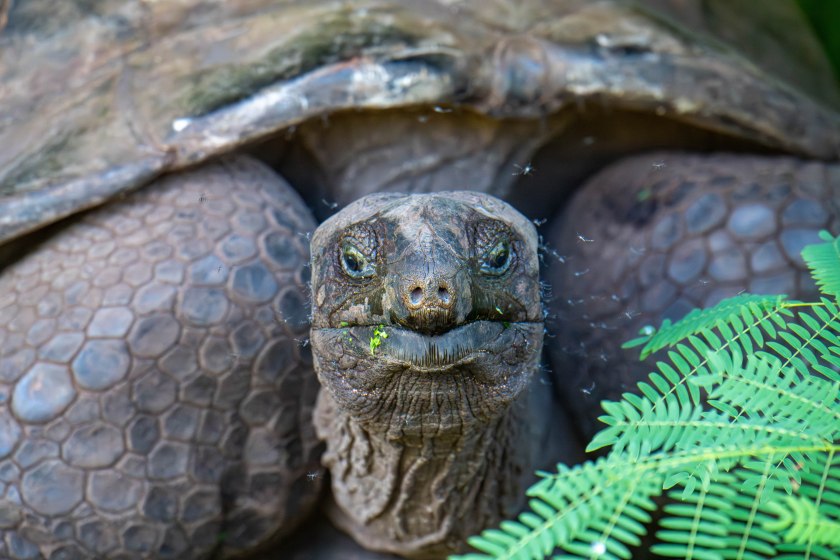
Thoughts and images from our recent trip to The Seychelles and Madagascar, with an assist from a remarkable book by Lulu Miller.
Our National Trust Tours visit earlier this month to the Seychelles and Madagascar was classified as an expedition. Think wet landings off of zodiacs, muddy trails, snorkeling around coral reefs, and mountain views accessible via “stairs” that contained more rough rocks than standard treads and risers. Seychelles and Madagascar are places where the natural environment is both awe inspiring and exotic to our Western eyes. The built environment is often an afterthought. As I toured and lectured, I worked to continually recognize the continuum of time in this place. What we saw—both the natural and built environment—is all a part of our shared story as humans.
Many of us were seeing nature in a fresh and completely different context. My perspective was widened when I came across the following quote in a book I was reading while on the tour. The author made the point that we should follow the dandelion principle to achieve a more accurate way of seeing nature.
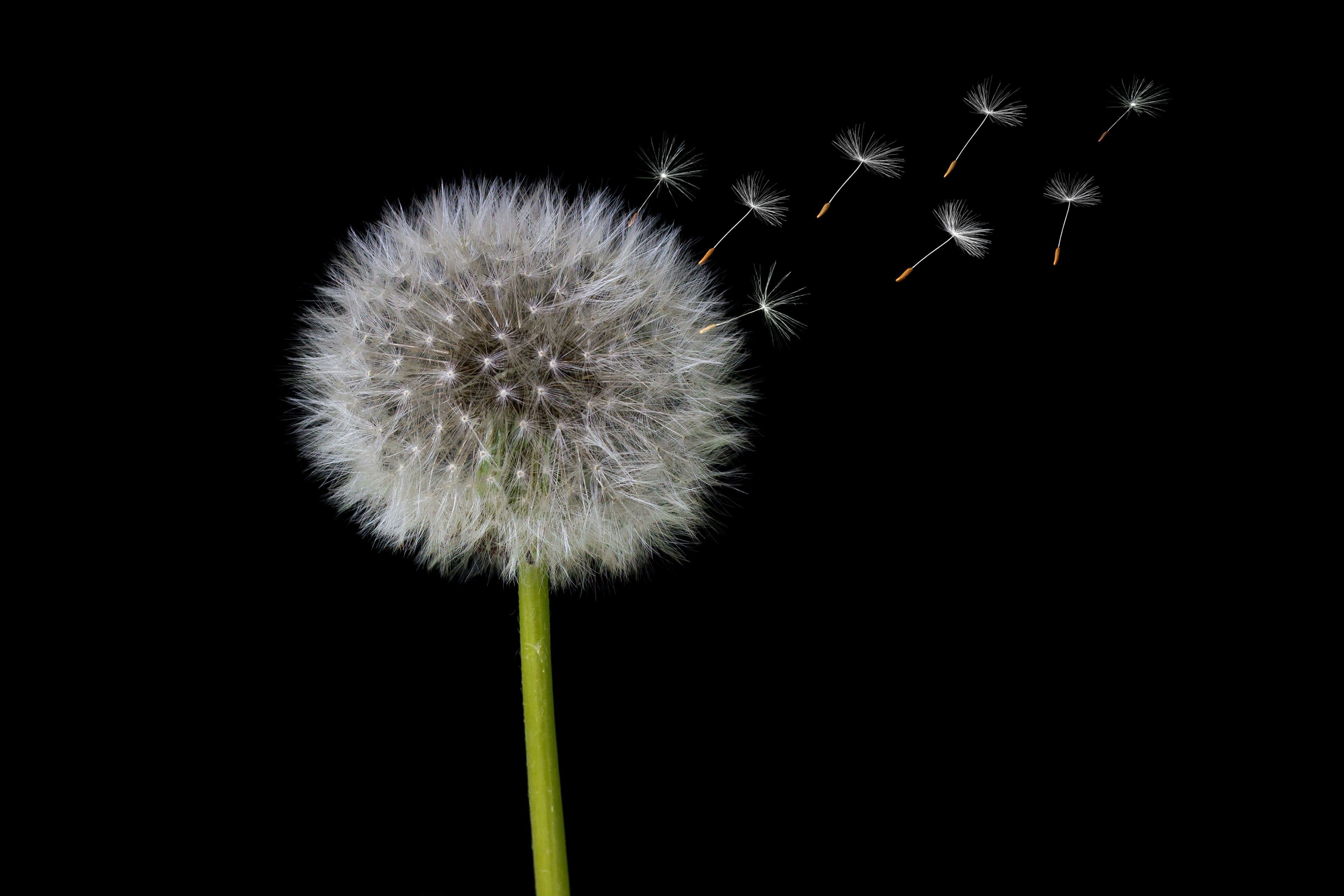
“To some people a dandelion might look like a weed, but to others that same plant can be so much more. To a herbalist, it’s a medicine—a way of detoxifying the liver, clearing the skin, and strengthening the eyes. To a painter, it’s a pigment; to a hippie, a crown; a child, a wish. To a butterfly, it’s sustenance; to a bee, a mating bed; to an ant, one point in a vast olfactory atlas.”
Lulu Miller in “Why Fish Don’t Exist”
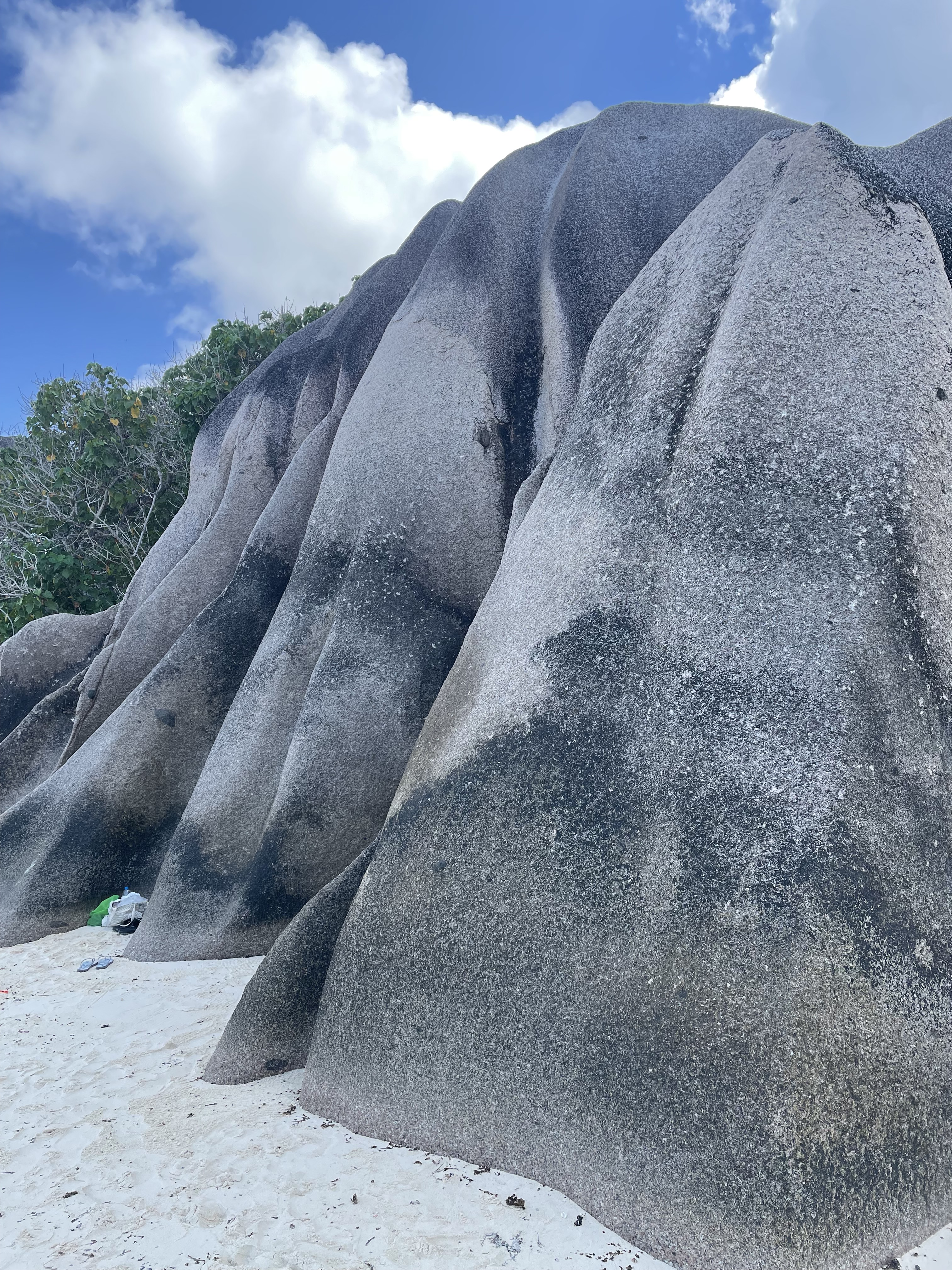
My fellow association lecturer Vincent Resh—Professor of the Graduate School Department of Environmental Science, Policy & Management at the University of California, Berkeley—spoke eloquently to our travelers about islands as laboratories of evolution. He ended his first lecture with the assertion that “We’re All Africans: Welcome Home!” The Ponant naturalist team, led by Katia Nicolet, added more site-specific context and helped us see and understand the complexity of nature on these island nations. Together they helped me and many of our fellow travelers move past one perspective to see “the messy truth of nature, the ‘whole machinery of life.”
It was as an afterthought that I picked up this particular book, a recommendation from my daughter and her boyfriend, to add to my backpack for reading on this trip to the other side of the world. I’m glad I did.
THE TRUE PATH TO PROGRESS IS PAVED NOT WITH CERTAINTY BUT DOUBT
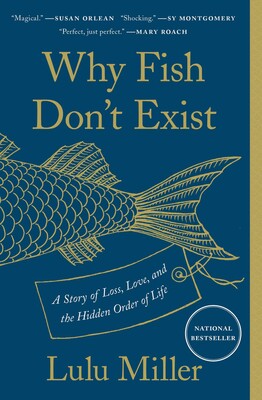
Why Fish Don’t Exist: A Story of Loss, Love, and the Hidden Order of Life (2020) by Lulu Miller is part biography, part memoir, and part scientific thriller. One of the founding producers of Radiolab, a contributing editor and co-founder of the NPR program Invisibilia, and a Peabody award-winning journalist, Miller began this work studying David Starr Jordan—a taxonomist, a man who would be credited with discovering nearly a fifth of the fish known to humans in his day, and the president first of Indiana University and then Stanford. Even though the universe seemed to conspire against his work—his specimen collections were demolished first by lightning, then by fire, and eventually by the 1906 San Francisco earthquake—Miller was initially taken with how he fought back against the chaos. Her life was falling apart at the time and she thought Jordan may have found a way to carry on in the face of multiple disasters which would have destroyed lesser individuals.
But as she dug deeper she discovered a darker, more troubling story which produced cracks in the heroic version Jordan wove for himself. As president Jordan worked to cover up the poisoning of university founder Jane Stanford at the time she was preparing to have him removed as president. After he eventually was forced out at Stanford, Jordan remained active in the scientific community of the day, enthusiastically embracing eugenics, the discredited movement of the late 19th and early 20th century broadly defined as the use of selective breeding to improve the human race. A Supreme Court decision in the famous Carrie Buck case paved the way for 60,000 forced sterilizations in America, the last taking place in the 1960s. We may think eugenics is ancient news confined to the dustbin of history by the Nazi atrocities, but advances in modern medicine, if left unchecked, could conceivably cause a resurgence of these old ideas. It is as current as today’s news.
Miller comes to the realization in this sometimes dark but ultimately uplifting book that from “the perspective of the stars or infinity or some eugenics dream of perfection” one life doesn’t seem to matter. But taking the dandelion principle, she makes the wonderful case that this is just one of infinite perspectives. Although Charles Darwin was often misunderstood, it is his creed, as we heard and saw in the Seychelles and Madagascar, that human beings . . . and all living creatures . . . in tangible, concrete ways matter to this planet.
A VISUAL APPETIZER
It will be at least until Wednesday when I can sort out the multitude of photos from the trip to share with you. Until then, enjoy this appetizer.
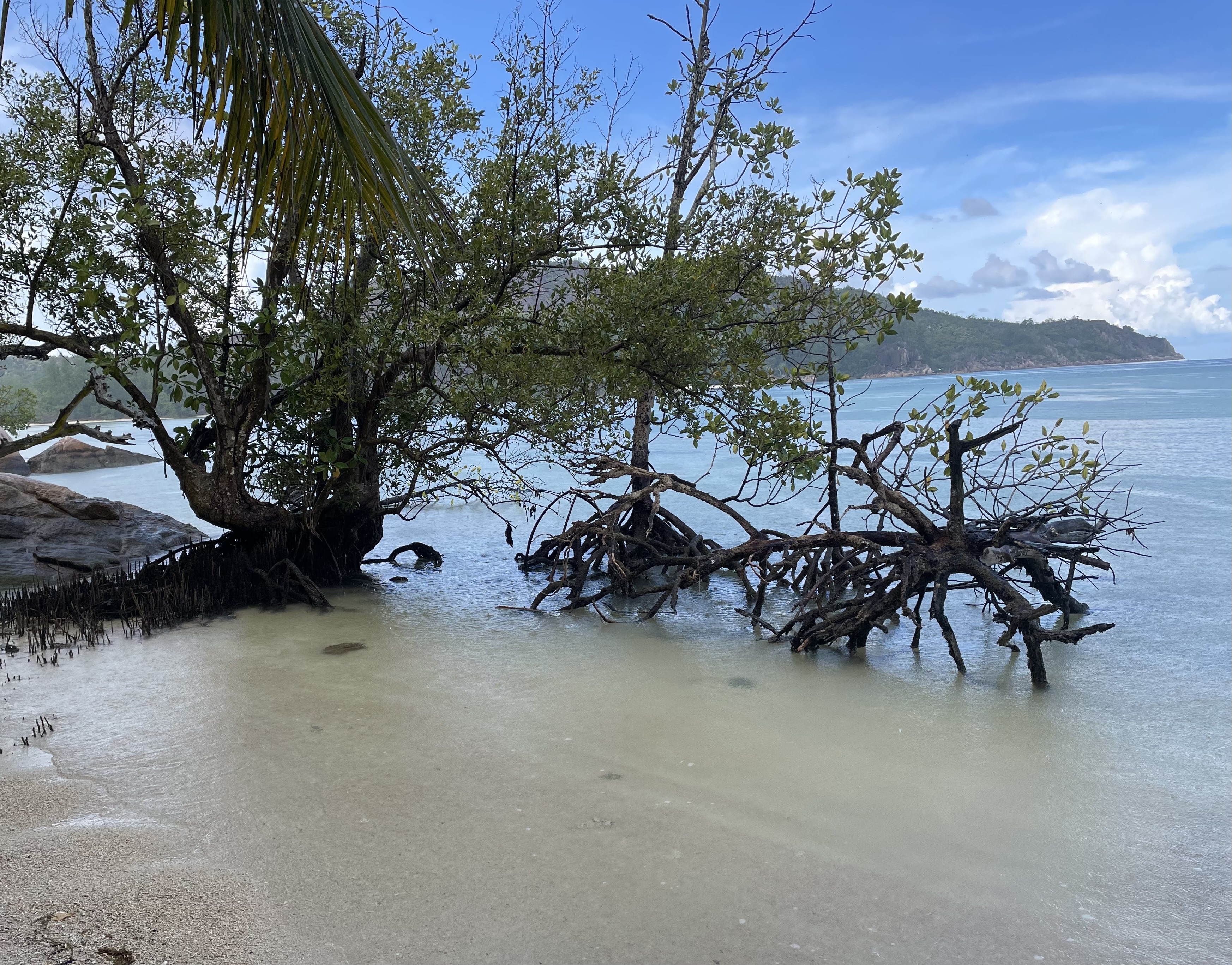
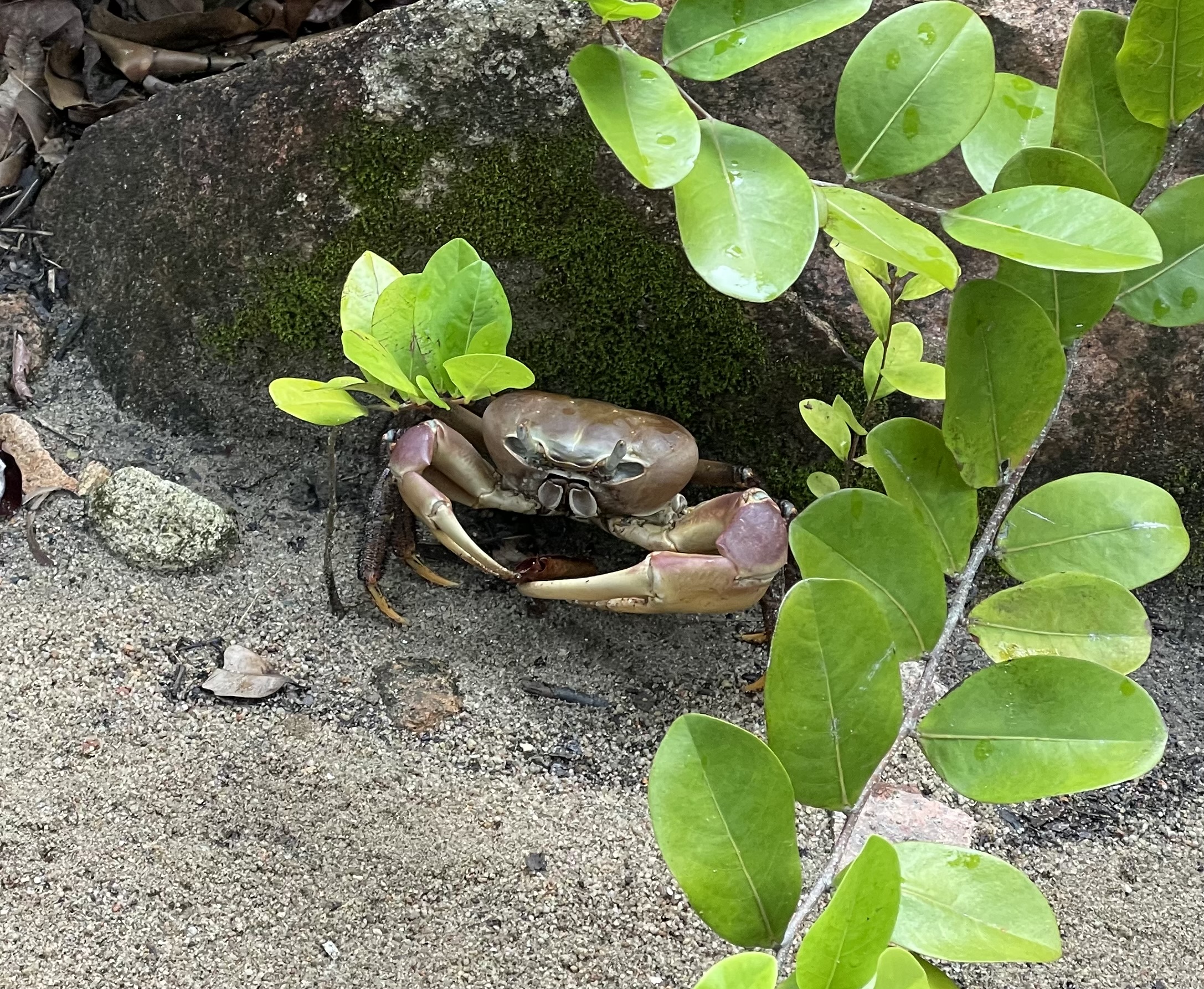
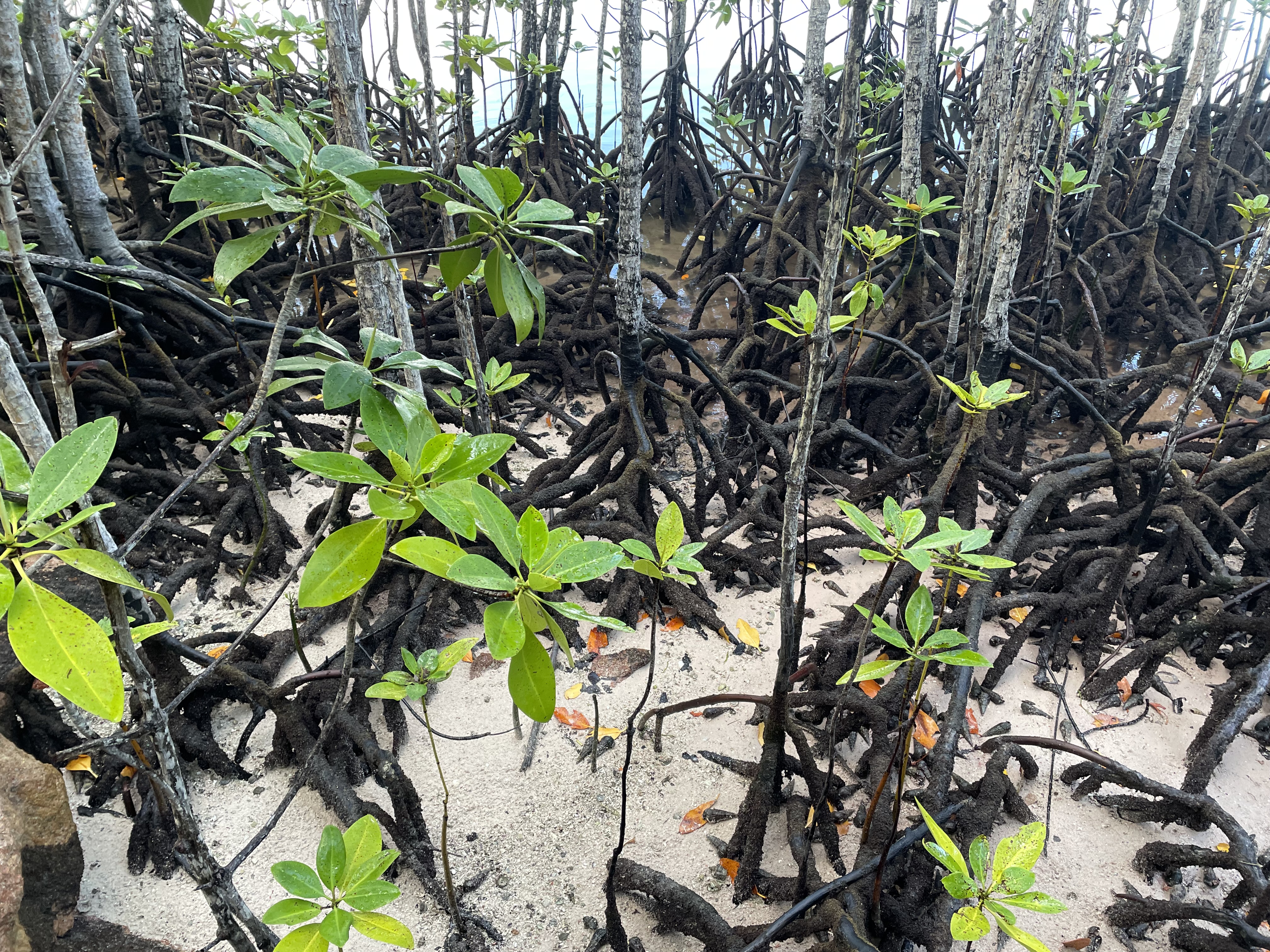
Mangroves, as seen on Curieuse Island in the Seychelles, are a great example of a part of the natural world that mean many different things, and provide a variety of essential habitats, to a multitude of species.
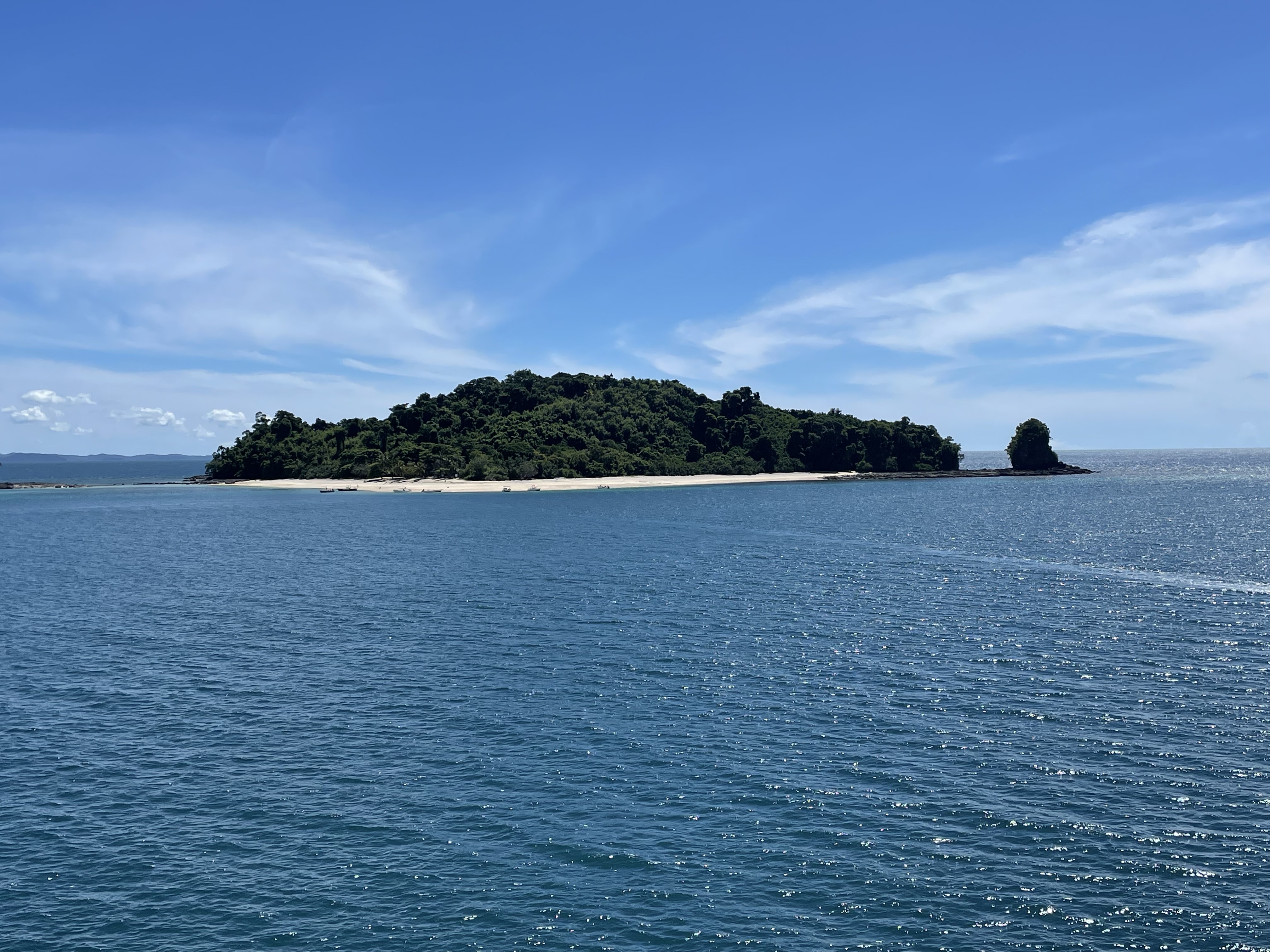
Madagascar’s Nosy Tanikeley—with its rich coral reef—was among the daily reminders that these are island nations: African in so many ways, but also deeply immersed in the Indian Ocean ecosystem.
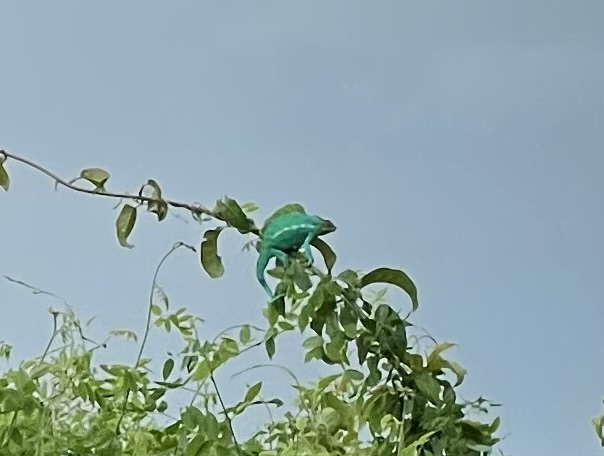
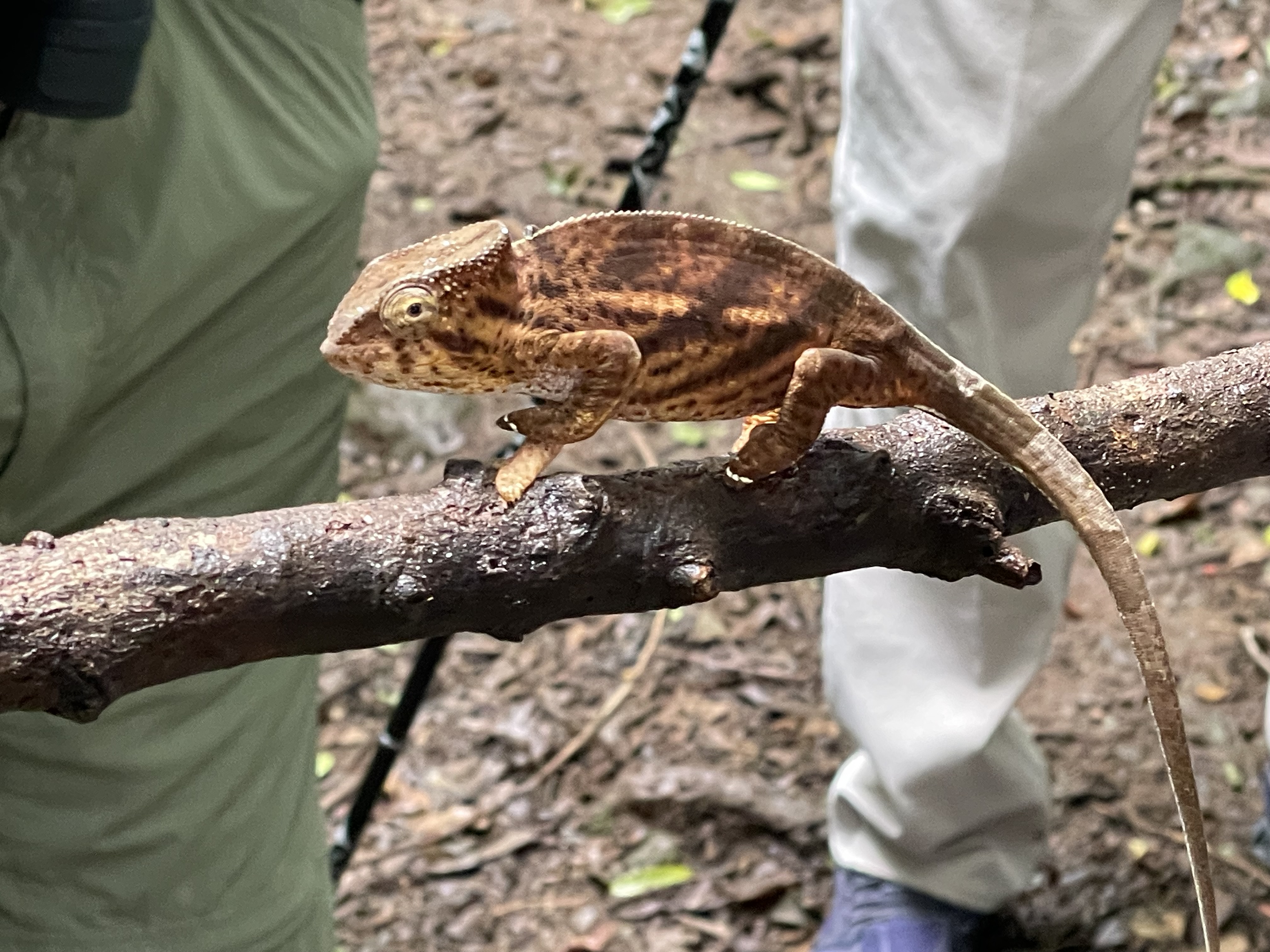
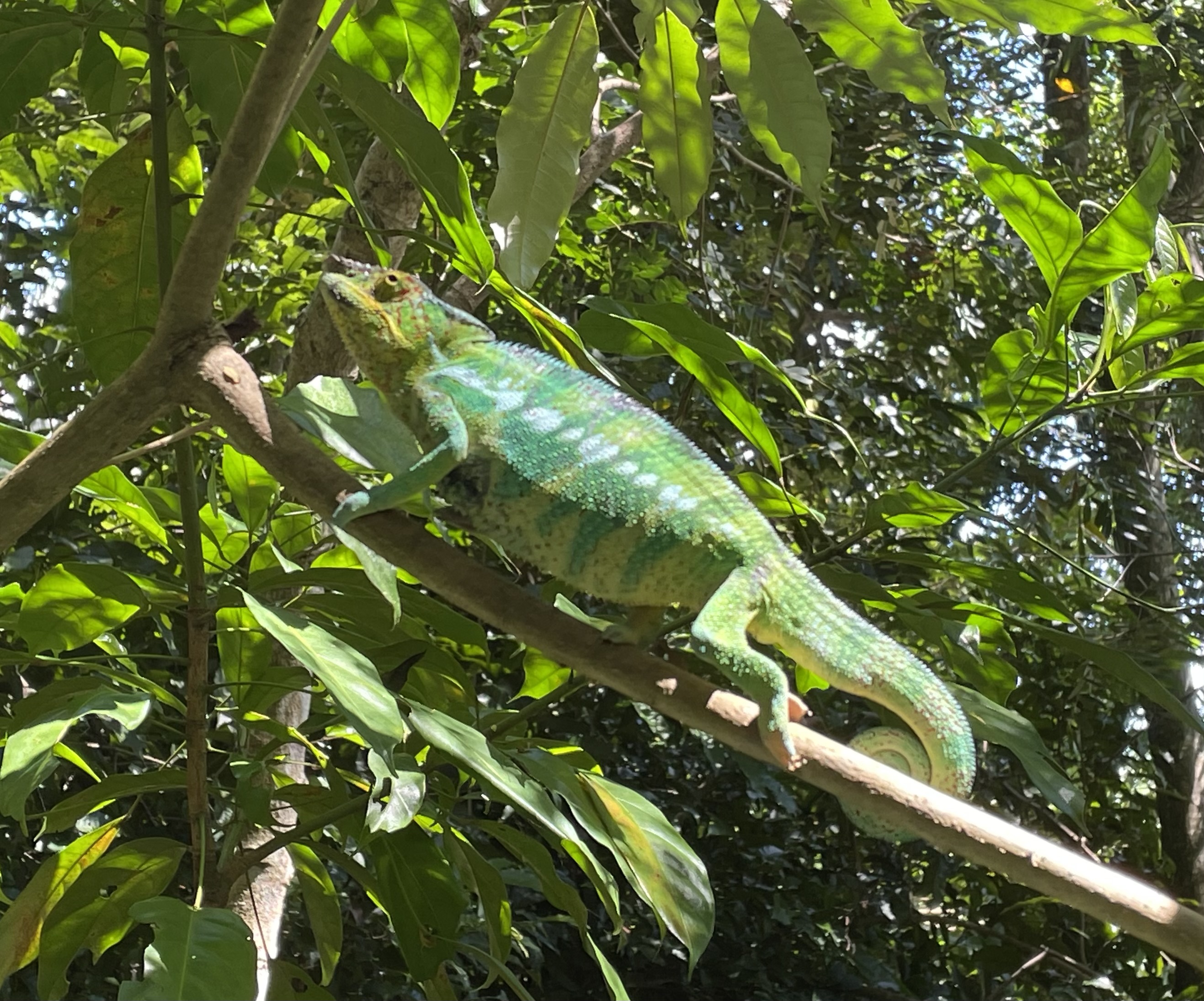
Thanks to our naturalist guides, we saw more chameleons up close and personal than would have been possible had we explored on our own.
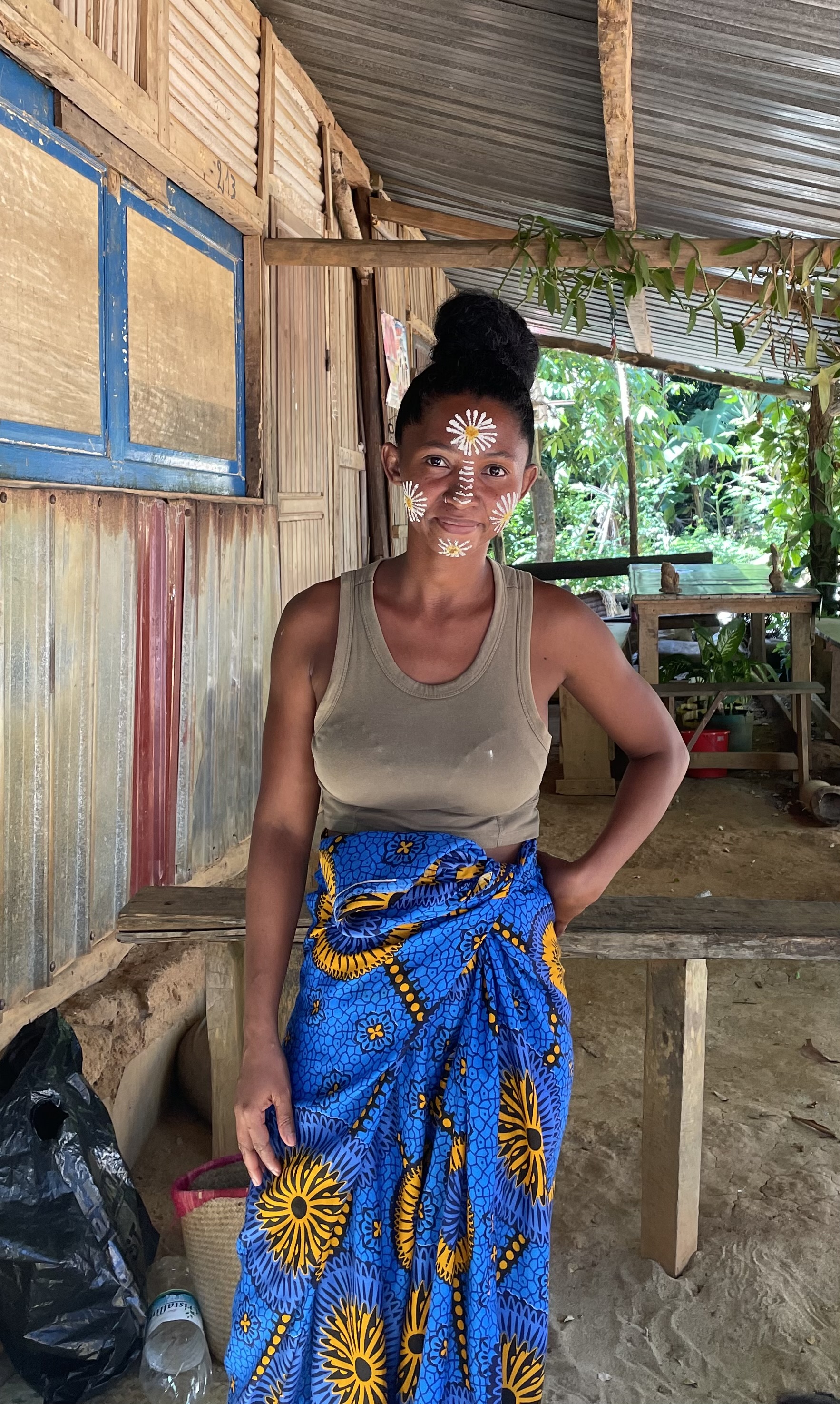
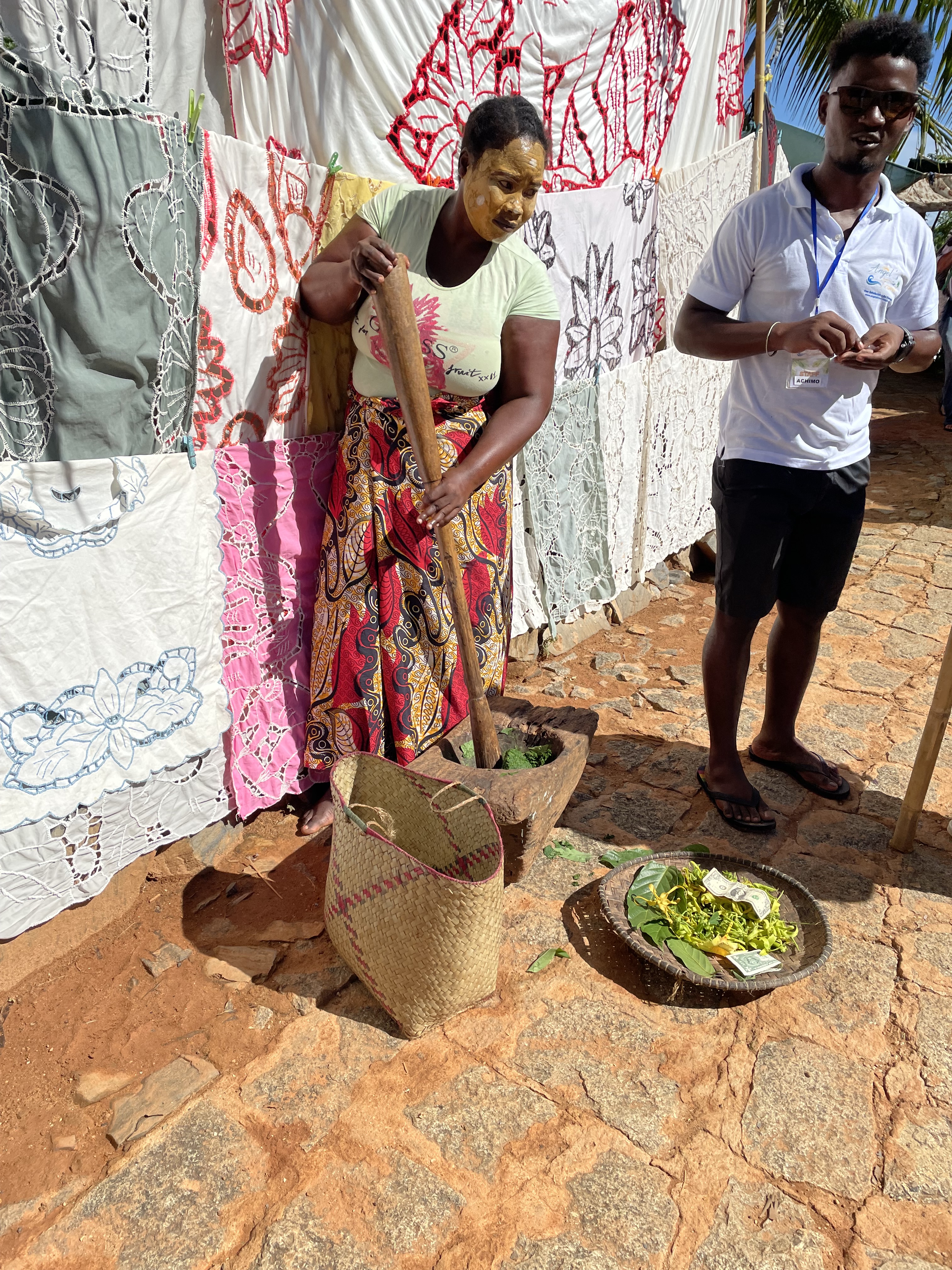
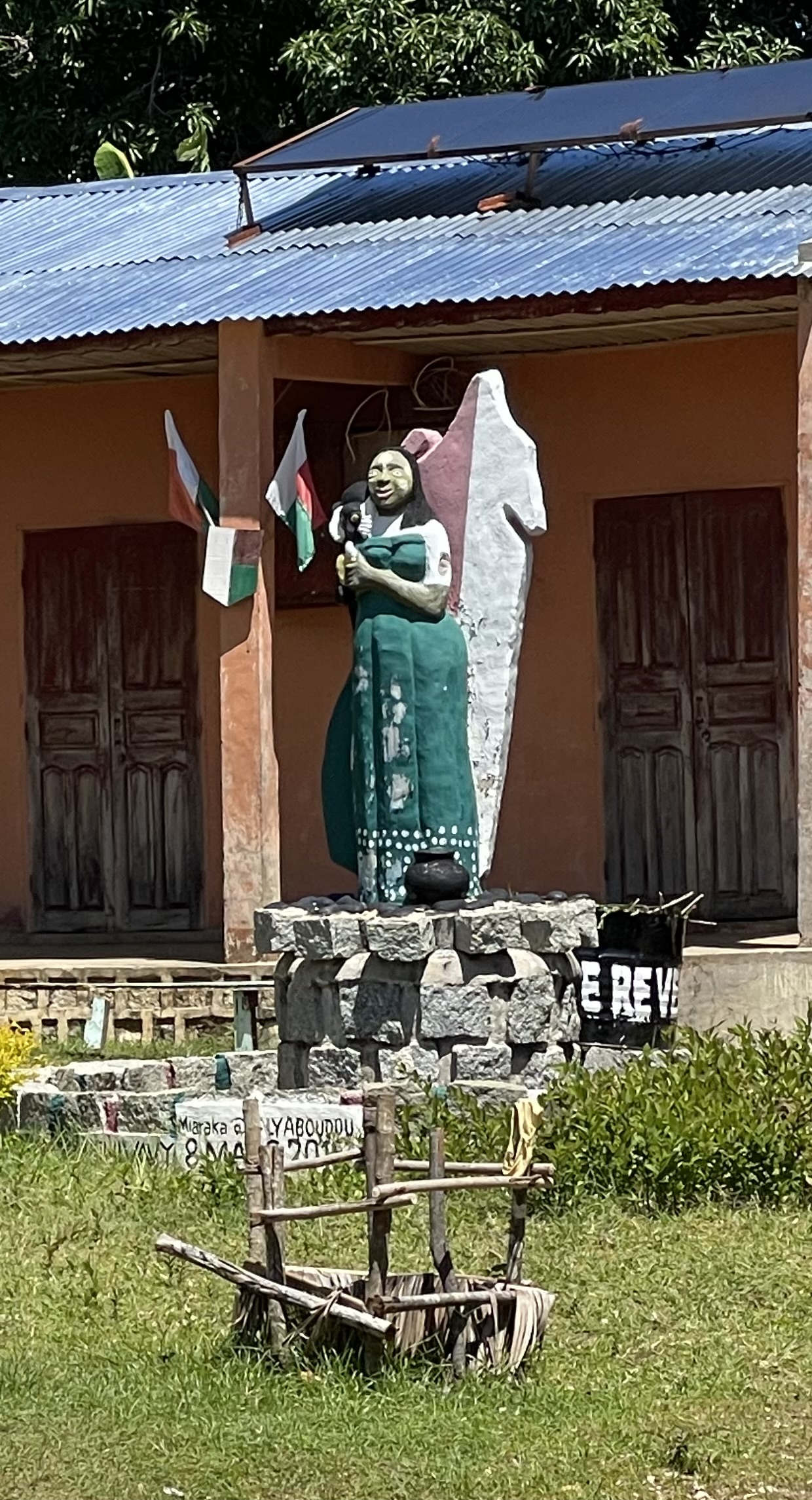
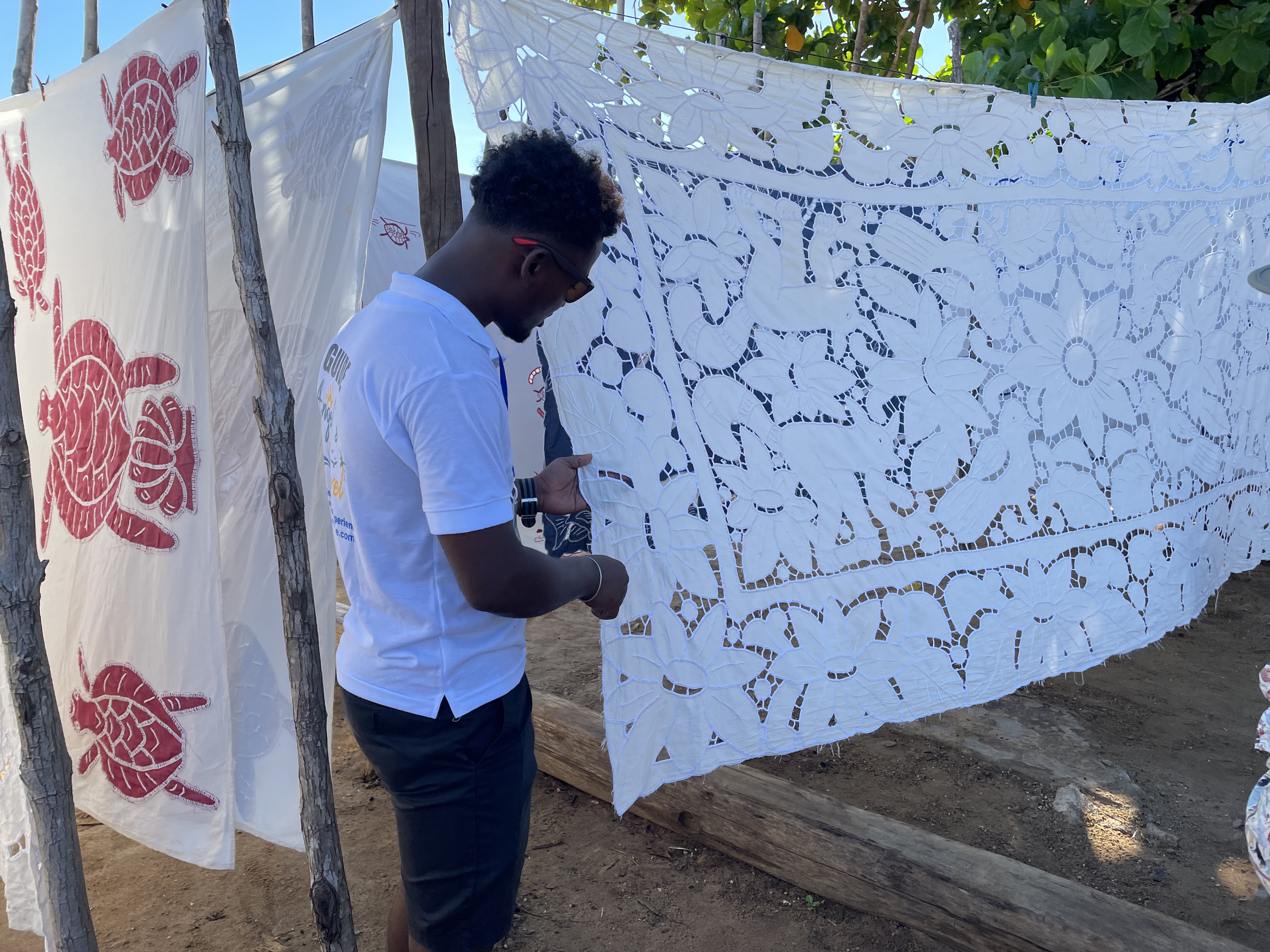
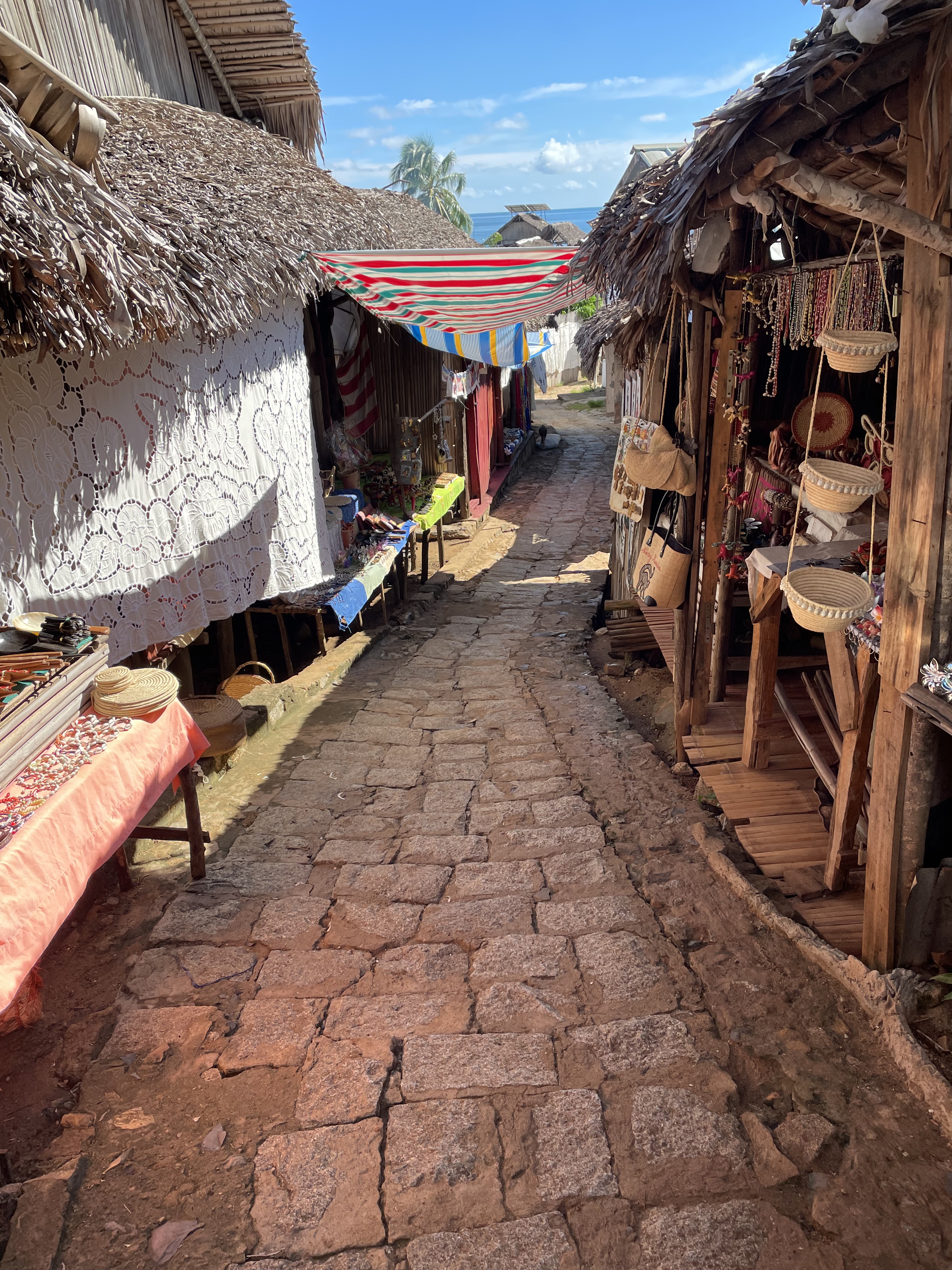
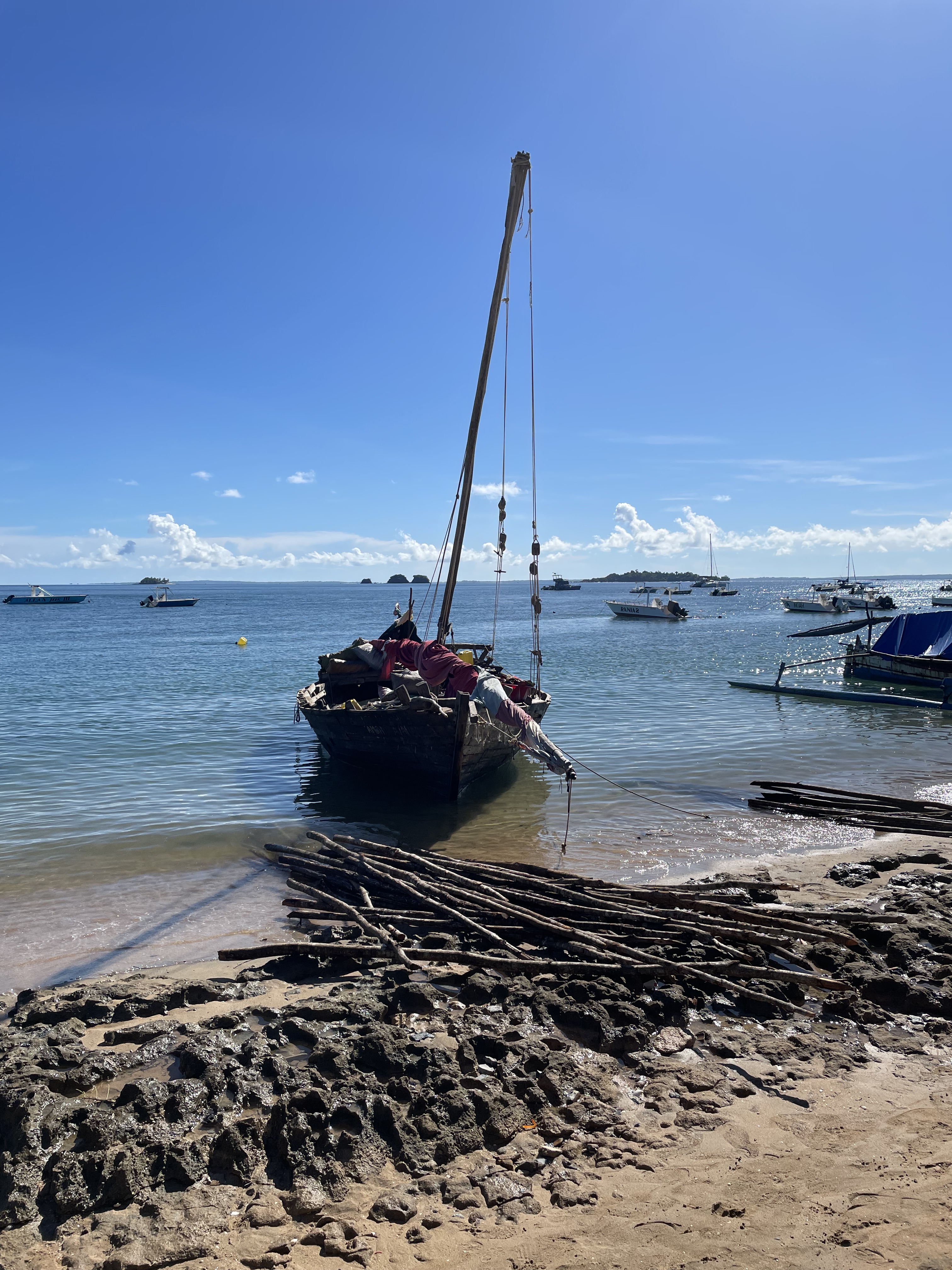
We did encounter village life along the way, as here on Madagascar’s Nosy Komba.
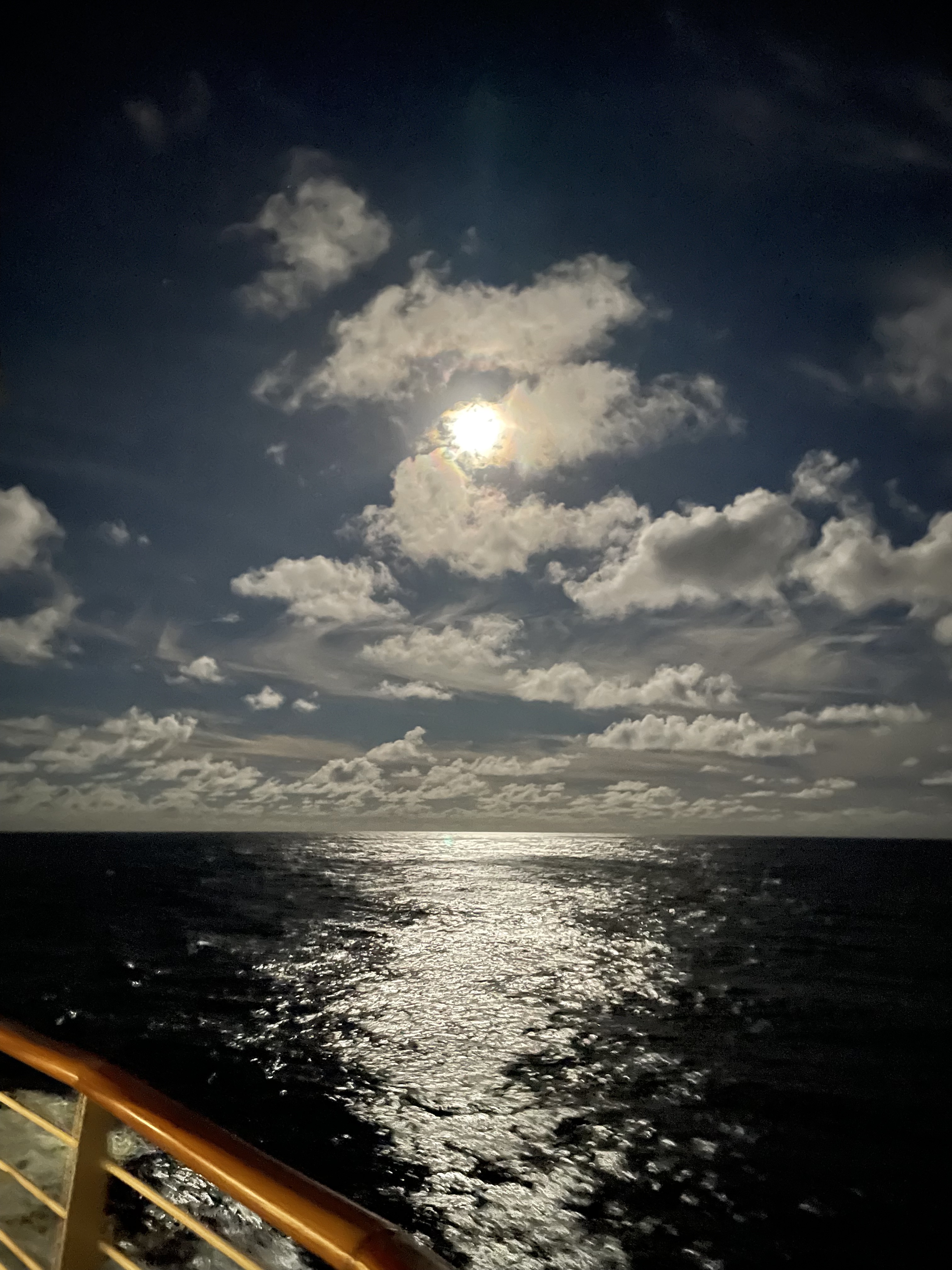
And I’ll end this preview with a view of the full moon over the Indian Ocean, a glorious sight no matter where in the world one lives.
More to come . . .
DJB
Photo of giant tortoise in The Seychelles from Studio Ponant March 2026. Dandelion photo from Unsplash. All other photos by DJB.
 MORE TO COME...
Pingback: Passage from the Seychelles to Madagascar | MORE TO COME...
Pingback: From the bookshelf: March 2026 | MORE TO COME...
Pingback: Observations from . . . March 2026 | MORE TO COME...