Quest for the Best (Picture): 2020 edition
My annual take on the movies nominated for the “Best Picture” Oscar.
This is where I put anything that is not easily categorized…
My annual take on the movies nominated for the “Best Picture” Oscar.

The top ten reader favorites from the first 1,000 posts on More to Come.
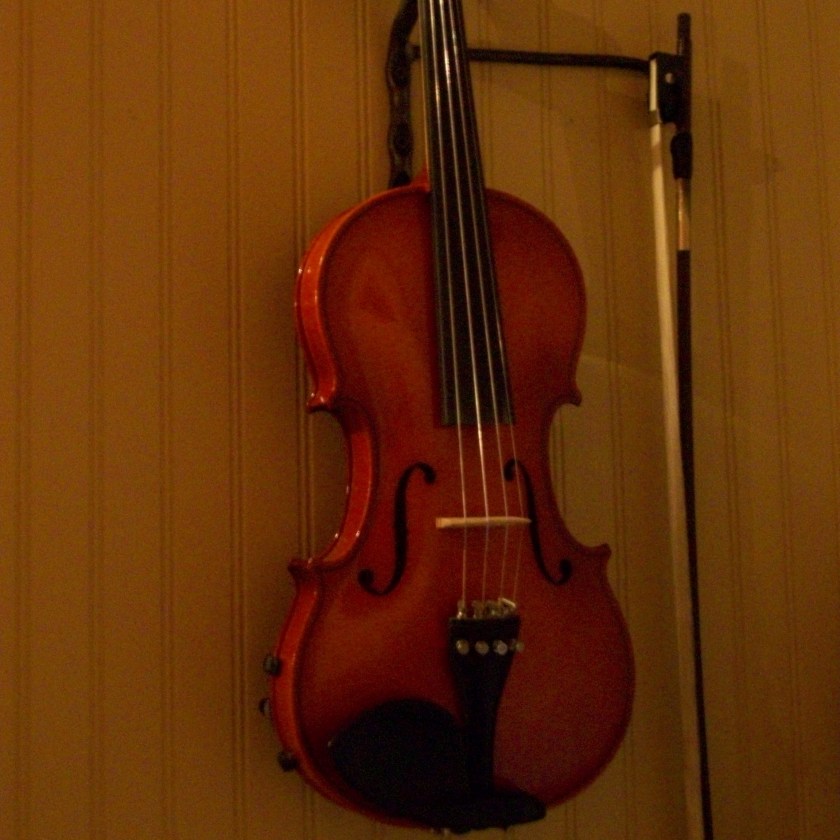
The 8th of January is an important historical anniversary, a good friend’s birthday, Elvis’ birthday, and a wonderful fiddle tune. I touch on all of that here!

It is time, once again, when I first look back over the past twelve months and then think ahead to where I want to go in the year to come. This annual review is one small part of a larger practice to have an honest conversation with myself in the hopes that I’ll then be able to have real conversations with the larger world. During 2019, I’ve thought a great deal about place, privilege, and—given the tenor of the times—paths forward individually as well as collectively. Why place? My career has been focused on older and historic places, what those places can tell us, and how they can nurture us (or not) into the future. Although I took a gap year from full-time work in 2019, I didn’t stop thinking about my life’s work. Knowing that emotions flow through place, in my writing over this year I’ve focused more on the buildings and landscapes in our cities and towns that, while coming from my professional life, also have deep personal meaning for me. Why privilege? …

College football bowl games should only be named after things that grow from the ground.

Regret and grief are very real. But there are ways to address the disconnect between our suffering and the hope and joy of the season.

Last evening a sold-out Georgetown crowd was treated to a sumptuous musical feast of the season by the English-based VOCES8 ensemble. The “impeccable quality of tone and balance” that has been recognized by Gramophone and many others was on full display in the splendid acoustics of historic St. John’s Episcopal Church. The program was varied, reaching back to the music of Tómas Luis de Victoria, Michael Praetorius, Giovanni Pierluigi da Palestrina, and Benjamin Britten, while also reaching forward to contemporary composers Jonathan Rathbone, Jonathan Dove, and David Pickthall, among others. For me, the evening’s highlight was the moving Philip Stopford setting of the Coventry Carol, the traditional English carol dating from the 16th century. Stopford’s Lully, Lulla, Lullay—filmed by VOCES8 earlier this year in St. Stephen’s Walbrook Church, London—is as haunting and beautiful on film as it was in the live performance last evening. Soprano Eleonore Cockerham‘s soft, clear, yet ethereal voice is a treasure. The subject of the carol—the massacre of the innocent male children of Bethlehem by King Herod’s army following the birth …

I continue my annual tradition of posting family photographs from the past year on More to Come.
When it came to the existential challenge facing our democracy, there was no debate at the debate. Every candidate for the Democratic nomination for president agreed that the corrupt and criminal enterprise in charge of the executive branch—now being called out day-after-day by the testimony of real patriots—needs to be removed. However, as you might expect, that wasn’t the surprise of last evening’s Democratic presidential debate, held in Atlanta. I watched the entire 2 1/2 hours and was generally captivated from beginning to end. I say that knowing that the debate wasn’t perfect. Where was former HUD Secretary Julián Castro, for instance? He has a much better chance of being first or second on the Democratic ticket than does billionaire Tom Steyer or Congresswoman Tulsi Gabbard. But even with its missteps, the debate was highly engaging on several fronts. Certainly, some credit for the night’s conversation with American voters goes to the smart group of candidates, even those who aren’t going to win. (I’m looking at Andrew Yang.) But I think a good deal of …

Abraham Lincoln wrote a letter in 1855 to Joshua F. Speed that became famous for the future president’s stand against the anti-immigration Know-Nothing Party. Lincoln and Speed met during the 1830s and remained friends even though their views differed on slavery. Speed grew up on a plantation and owned slaves. A turning point in Lincoln’s life that rekindled his interest in politics was the passage of the Kansas-Nebraska Act in 1854, repealing the Missouri Compromise of 1820 and opening the territories to slavery. It was in this context that the 1855 letter was written. In referring to the nativist Know-Nothing Party—which came out of a secret society in the 1850s and was primarily anti-Catholic, xenophobic, and hostile to immigration—Lincoln used his letter to make his point of view very clear: “I am not a Know-Nothing. That is certain. . . .Our progress in degeneracy appears to me to be pretty rapid. As a nation, we begin by declaring that ‘all men are created equal.’ We now practically read it ‘all men are created equal, except …
 MORE TO COME...