
Music as a healing force
Experiencing the healing power of music.
Experiencing the healing power of music.

How many memories are there because of misunderstandings or misremembrances?

Some old memorabilia reminds me that memory is more poetry than history.

Viet Thanh Nguyen writes on the creation of just and ethical memories by remembering others as well as our own.

A graduate seminar on preservation gave me the chance to discuss why old places matter.
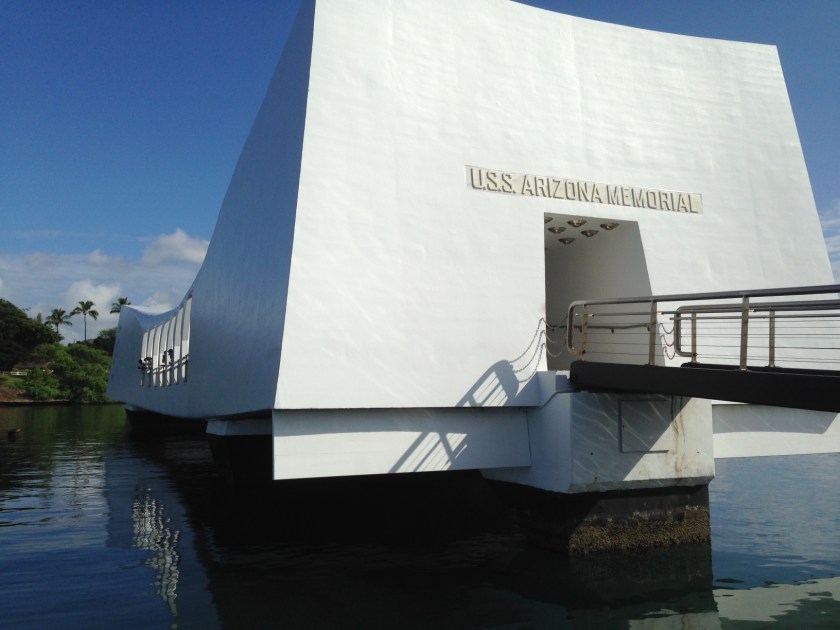
On the 80th anniversary of Pearl Harbor, it is more important than ever to remember why the U.S. went to war.

Places are imbued with sounds, smells, noises, and feelings that bring memories and human connections.
Pearl Harbor remains a place and a response fused into our national memories. Hope for our future is grounded in such memories.

Frederick Douglass is a 19th century prophet whose words still resonate in 21st century America.
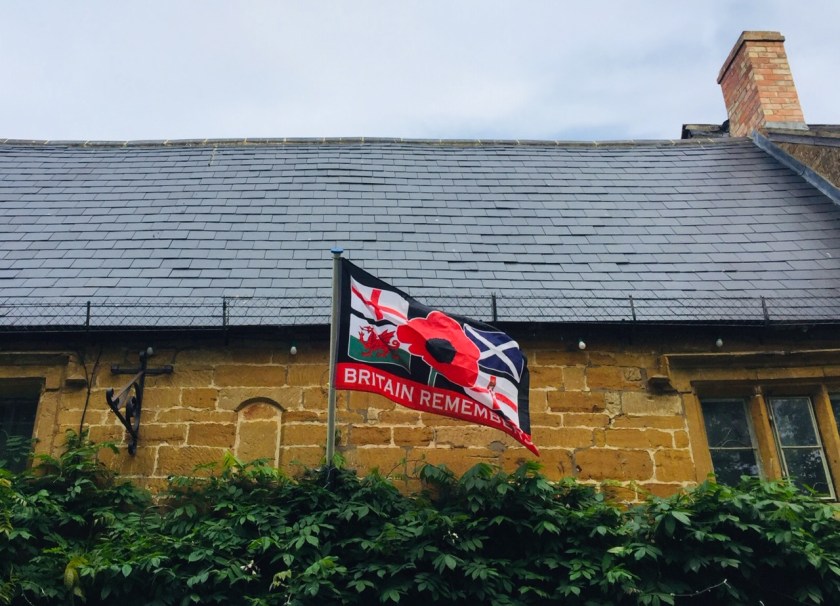
Seventy-five years ago today, almost 160,000 troops from the United Kingdom, Canada, and the United States — including smaller contingents from Australia, Belgium, Czechoslovakia, Denmark, France, Greece, the Netherlands, New Zealand, Norway and Poland — invaded Nazi-occupied Europe on the beaches of Normandy. Over the next three months of fighting, 209,000 Allied troops would die before the Nazis were pushed back across the Seine. June 6, 1944 — D-Day — should never be forgotten. It was a time when the countries of the world came together to combat bigotry, racism, and hatred. Many men and women made the ultimate sacrifice in that fight. To be in Britain for the 75th anniversary is a reminder of our better natures. We began to see the remembrances of the anniversary as we stepped off the bus in the small Cotswald village of Chipping Campden last week. There, in the center of this beautiful High Street, was a small World War I memorial covered with poppies, the now almost-universal symbol of remembrance for those killed in war. This week, …
 MORE TO COME...