
While I’m on a writing retreat from MORE TO COME this month, I’m posting one essay each week that you may have missed the first time it went online. This week I’m linking to three past essays featuring musicians I’ve highlighted in recent years during Black History Month.
Amythyst Kiah
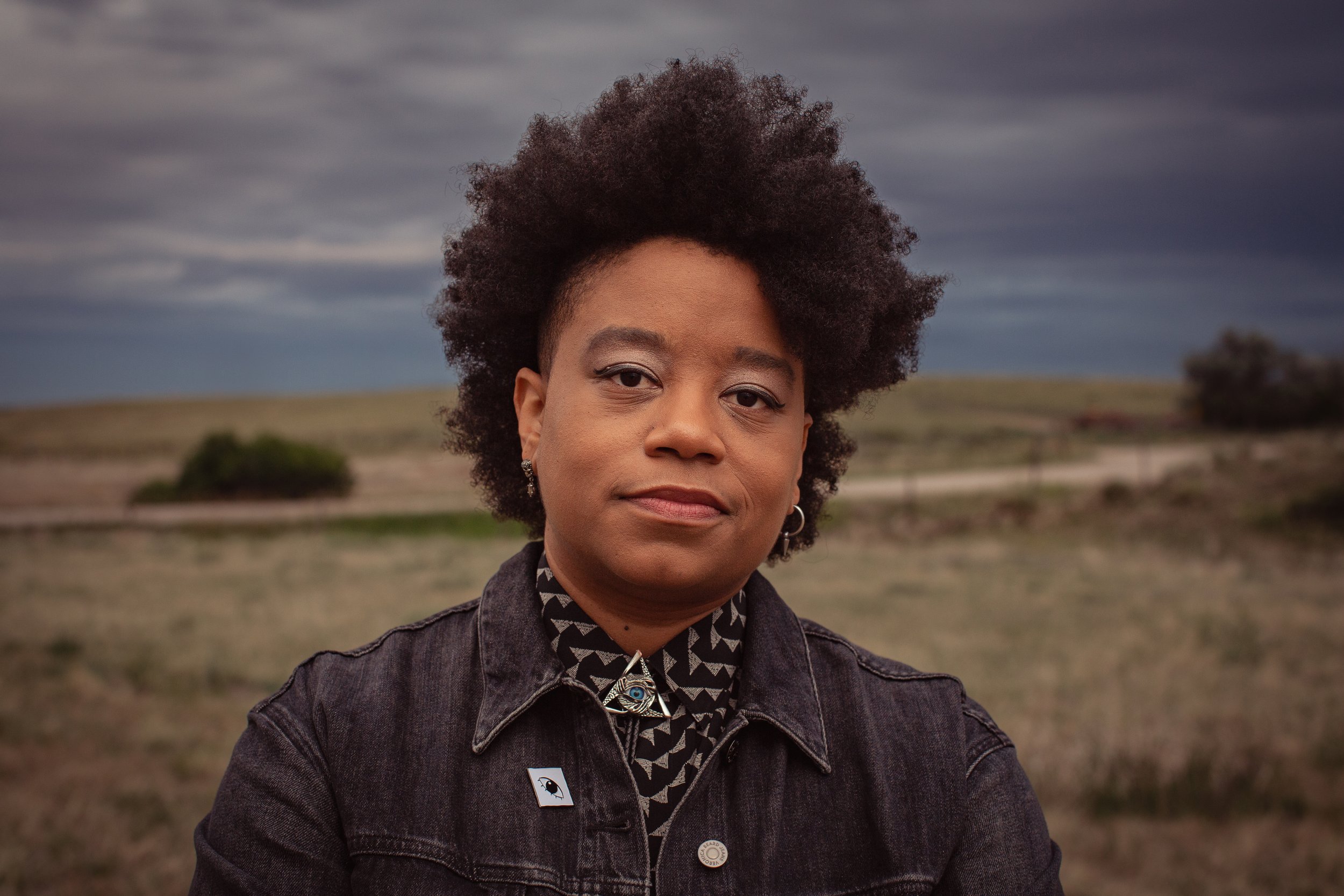
In 2020 I wrote about Amythyst Kiah who had burst onto the roots music scene with her powerful vocals and insightful songwriting. The native Tennessean is a self-described “Southern Gothic” singer of “alt-country blues” who had been receiving rave reviews and was nominated for a 2020 Grammy in the Best American Roots Song category for her spell-binding “Black Myself,” performed here with Our Native Daughters.
You can check out Kiah’s current offerings at her website.
Allison Russell
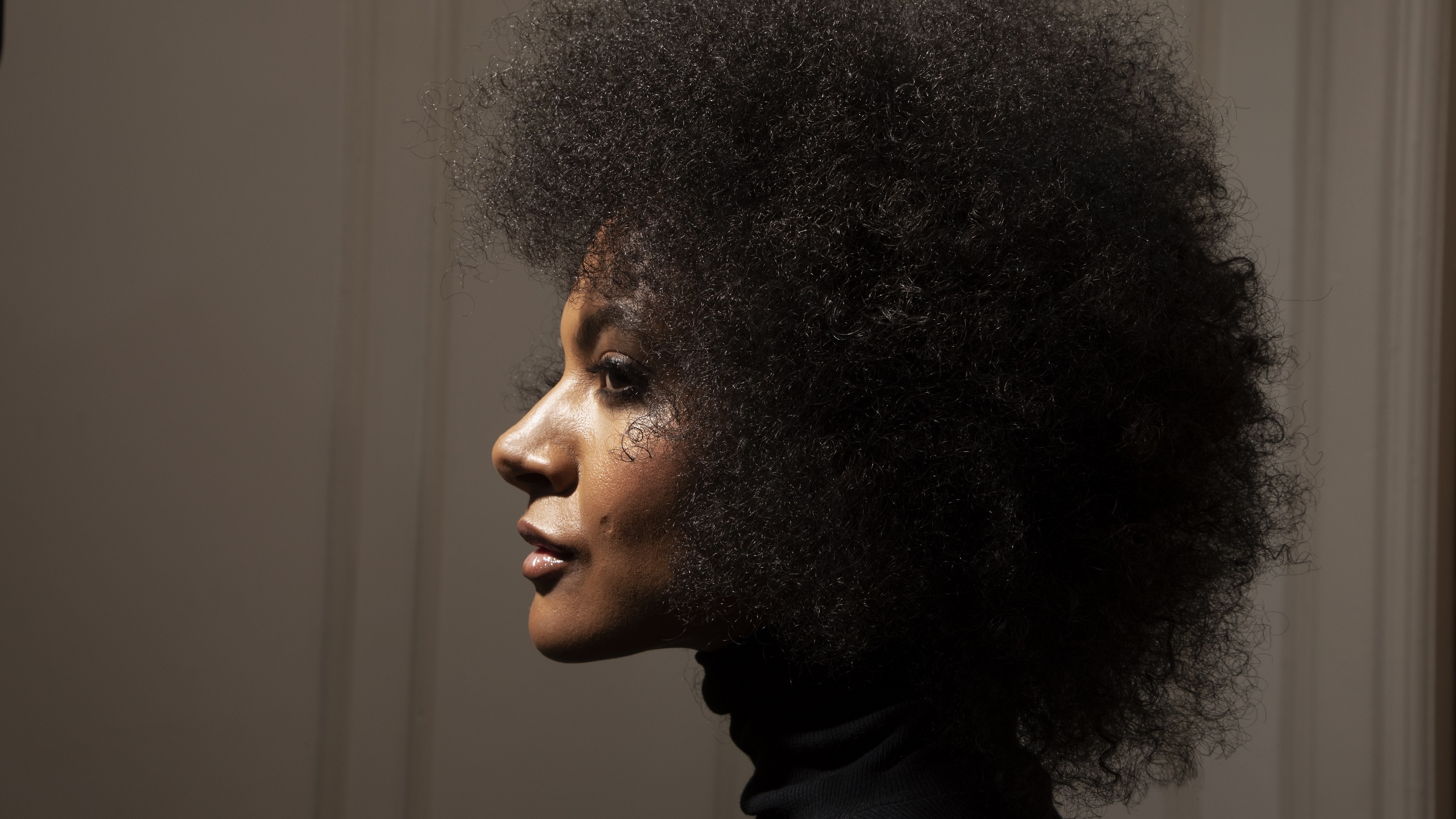
Earlier this month Allison Russell took home her first Grammy Award after eight nominations — for Best American Roots Performance for “Eve Was Black.”
Last year I featured Russell — a brave singer, songwriter, poet, and activist who had come through grief, abuse, and despair — in a Black History Month post. “Some of us come, later in life, to find our knees; while others slip young into trauma like a quarry stone gone under, held down by the weight of their own world.” As an abused child she grew into the “brave woman and fierce artist she would become — surviving being one of only two options, and not the most likely.”
You can check out Russell’s current offerings at her website.
The Black National Anthem
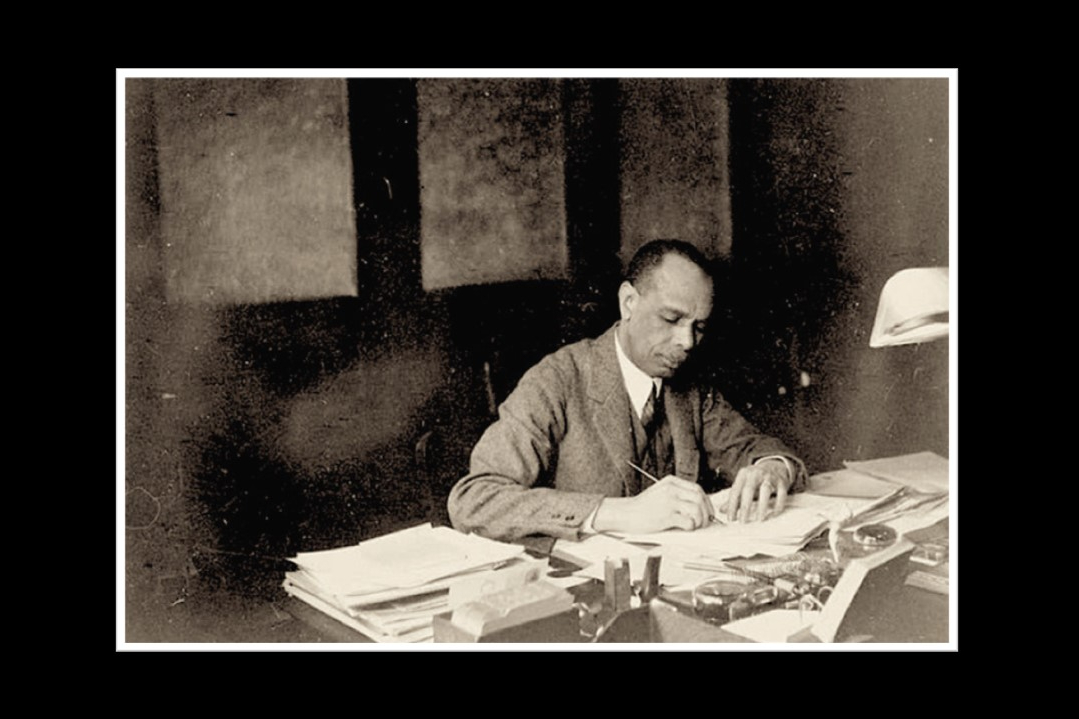
Last year I wrote a post on Lift Every Voice and Sing, which is known as The Black National Anthem. With words by James Weldon Johnson and music by his brother John, Lift Every Voice and Sing was written at the turn of the 20th century, a time when Jim Crow laws were beginning to take hold across the South and Blacks were looking for an identity. In a way that was both gloriously uplifting and starkly realistic, it spoke to the history of the dark journey of African Americans.
“It allows us to acknowledge all of the brutalities and inhumanities and dispossession that came with enslavement, that came with Jim Crow, that comes still today with disenfranchisement, police brutality, dispossession of education and resources,” Shana Redmond — author of Anthem: Social Movements and the Sound of Solidarity in the African Diaspora — says. “It continues to announce that we see this brighter future, that we believe that something will change.”
I’d vote tomorrow to have The Star Spangled Banner replaced as our anthem by This Land Is Your Land along with Lift Every Voice and Sing. Until that glorious day arrives, listen or sing along and remember that Black Lives Matter.
More to come . . .
DJB
Sanitation Workers in March 1968 outside Clayborn Temple (photo credit: Ernest C. Withers/Withers Family Trust)
 MORE TO COME...
Pingback: Observations from . . . March 2024 | MORE TO COME...