
NOTE: This is Book Week at MORE TO COME. As we come to the end of the year, I will have one post each day to close out my reviews and to showcase the 60 books I read during 2024. Today’s entry examines a short work by a well-known global spiritual leader, poet, and peace activist.
Dealing with anger, frustration, and conflict in the personal, community, and political spheres has been on my mind in recent months. To help, I’ve been reading books on gratitude, forgiveness, and reconciliation in an attempt to find a way forward that works for me. One of my friends shared a number of quotes on forgiveness that also helped in recognizing the importance of this step in the process.
“Forgiveness does not change the past, but it does enlarge the future.”
Paul Boese
“As I walked out the door toward the gate that would lead to my freedom, I knew if I didn’t leave my bitterness and hatred behind, I’d still be in prison.”
Nelson Mandela
Recently I came across a small book with a curious title written by a well-known Buddhist monk. Perhaps the counter-intuitiveness of a fighting monk drew me in. And yet the reader is told on the very first page that fights begins within us—not between us—as we decide how to respond to the literal and figurative slings and arrows of the world.
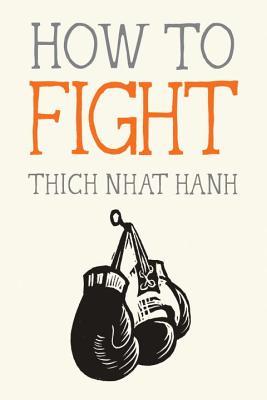
How to Fight (2017) by Thich Nhat Hanh with illustrations by Jason DeAntonis begins by reminding us that how we respond to unkindness by others is a practiced habit, resulting from well-worn pathways in our brains. We feel slighted and we generally retaliate immediately. However, we can change our minds and develop new habits, new ways of approaching life’s challenges. Something as simple as a pause before we respond gives us the opportunity “to bring more love and compassion into the world rather than more anger and suffering.”
“The weak can never forgive. Forgiveness is the attribute of the strong.”
Mahatma Gandhi
In these short meditations, Thich Nhat Hanh “instructs us exactly how to transform our craving and confusion.” Paradoxically, we have to learn to take good care of our suffering in order to help others do the same.
We are urged not to run away from suffering, but to “stay with it, look deeply into it, and to make good use of it.” Understanding needs to happen before transformation can take place. Suffering helps us learn and grow.
Listening, as always, is key. Listening to others. Listening to ourselves. “Sometimes,” writes Nhat Hanh, “when we attempt to listen to another person, we can’t hear them because we haven’t listened to ourselves first.” We have such strong emotions and feelings that they often overshadow what others are saying and what is happening in the world. Many have recognized that we put ourselves in a prison of our own making by following the well-worn paths in our brain that lead to instant retaliations in times of trouble.
“To forgive is to set a prisoner free and discover that the prisoner was you.”
Lewis B. Smedes
When we acknowledge suffering we also acknowledge that we need help. We need each other. “It is much easier to practice compassion if you have the energy and support of a community.” We can’t be skillful all the time. We need others. Finding those who know how to look and listen deeply, writes Nhat Hanh, will help us understand these difficult situations more clearly.
The book ends with practices for peace and reconciliation. Nhat Hanh suggests that with those we know and love, a hugging meditation allows us to breathe deeply together and recognize that we don’t want to waste our time together by being angry and hurting each other. In other situations, writing a love letter may be useful.
“Forgiveness is the final form of love.”
Reinhold Niebuhr
Finding ways to nourish the capacity for understanding, love, joy, and inclusiveness, Nhat Hanh writes, can “gradually transform the anger, violence, and fear that lie deep in my own consciousness.”
Gentleness is powerful. Stillness is strength.
More to come . . .
DJB
Helping hands (photo credit: James Chan from Pixabay)
 MORE TO COME...
Pingback: The 2024 year-end reading list | MORE TO COME...
Pingback: Rules for the road of life | MORE TO COME...
Pingback: From the bookshelf: December 2024 | MORE TO COME...
Pingback: The road less taken | MORE TO COME...