
The New Year is a time when many think of resolutions, perhaps focused on personal ways to respond to our current reality. Unfortunately, too many of us still find ourselves in “an in-between time of rupture and searching and unmourned losses and so many callings yet to heed, so much change to absorb and propel,” as Krista Tippett wrote in 2021.
For more than a decade, I have taken a route away from annual resolutions. In 2013 I established several rules of how I want to live day-to-day. “Life learnings” are what the essayist Maria Popova calls her list.
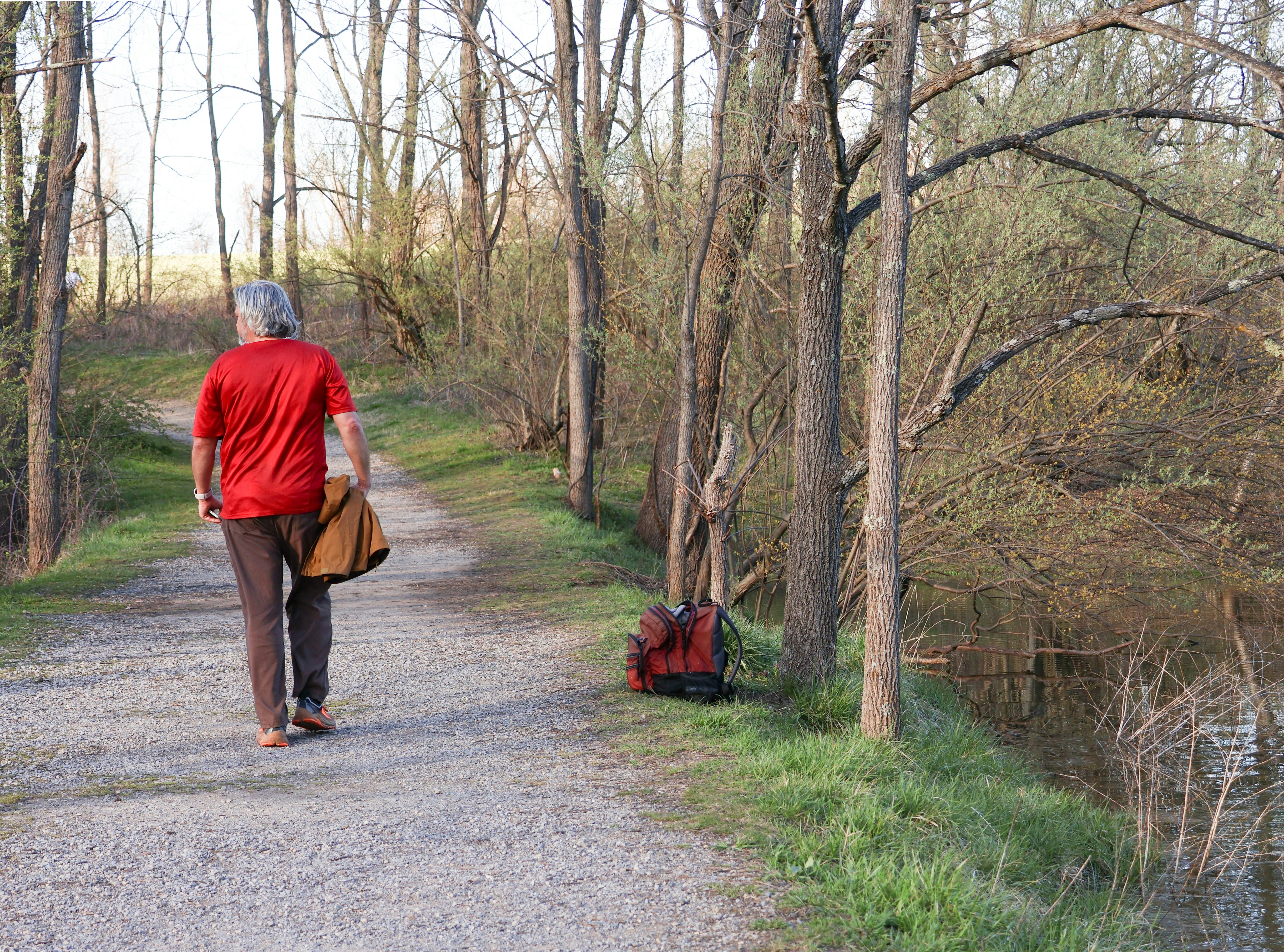
Designed to help direct me during both good and difficult times, my rules came as the result of a more intentional focus on life’s journey rather than relying on a changing list of resolutions to respond to the challenges of the moment. These personal guidelines are not quite principles but rather serve as reminders of how I want to live over time.

As has been the case in recent years, I highlight each rule followed by a reference to a MORE TO COME essay providing context and examples for these personal rules. They are given to provide hope in the remarkable nature of life, even in the midst of trying times.
Rule #1. Be Grateful. Be Thankful. Be Compassionate. Every Day.
Gratitude doesn’t always come naturally, which is why this rule leads my list. The practice of gratitude (November 23rd) speaks to the fact that it is all too easy to give thanks when everything is going well, but paradoxically it is in the most challenging of times when it is so very important to be open to gratefulness and to remember to be thankful. Thanksgiving itself came from a time of violence. Thoughtfulness becomes thankfulness. Gratitude leads to generosity and kindness to others.

Rule #2. Exercise six days a week for the rest of your life.
I like to observe the world at the speed of walking, which makes putting one foot in front of the other my main form of exercise. Committed to transformation (July 21st) considers how we can walk into a state of well-being. Walk into our best thoughts. Walk to be transformed.

Rule #3. Listen more than you talk.
Understanding needs to happen before transformation can take place. Listening, as always, is key. Listening to others. Listening to ourselves. Gentleness is powerful. Stillness is strength. (December 17th) explores the wisdom of Thich Nhat Hanh. “Sometimes,” writes the famous Buddhist monk, activist, and spiritual leader, “when we attempt to listen to another person, we can’t hear them because we haven’t listened to ourselves first.” We have such strong emotions and feelings that they often overshadow what others are saying and what is happening in the world. I still struggle with this life rule.

Rule #4. Spend less than you make.
In Margareta Magnusson’s witty look at how to age gracefully she encourages us to live within our means . . . always good advice no matter our stage along the journey. Magnusson’s book is full of great suggestions for a happier next third of life, which I explore in Living exuberantly (September 25, 2023). The necessity of winter (January 17th) suggests that fallow times are good periods to consider new practices.
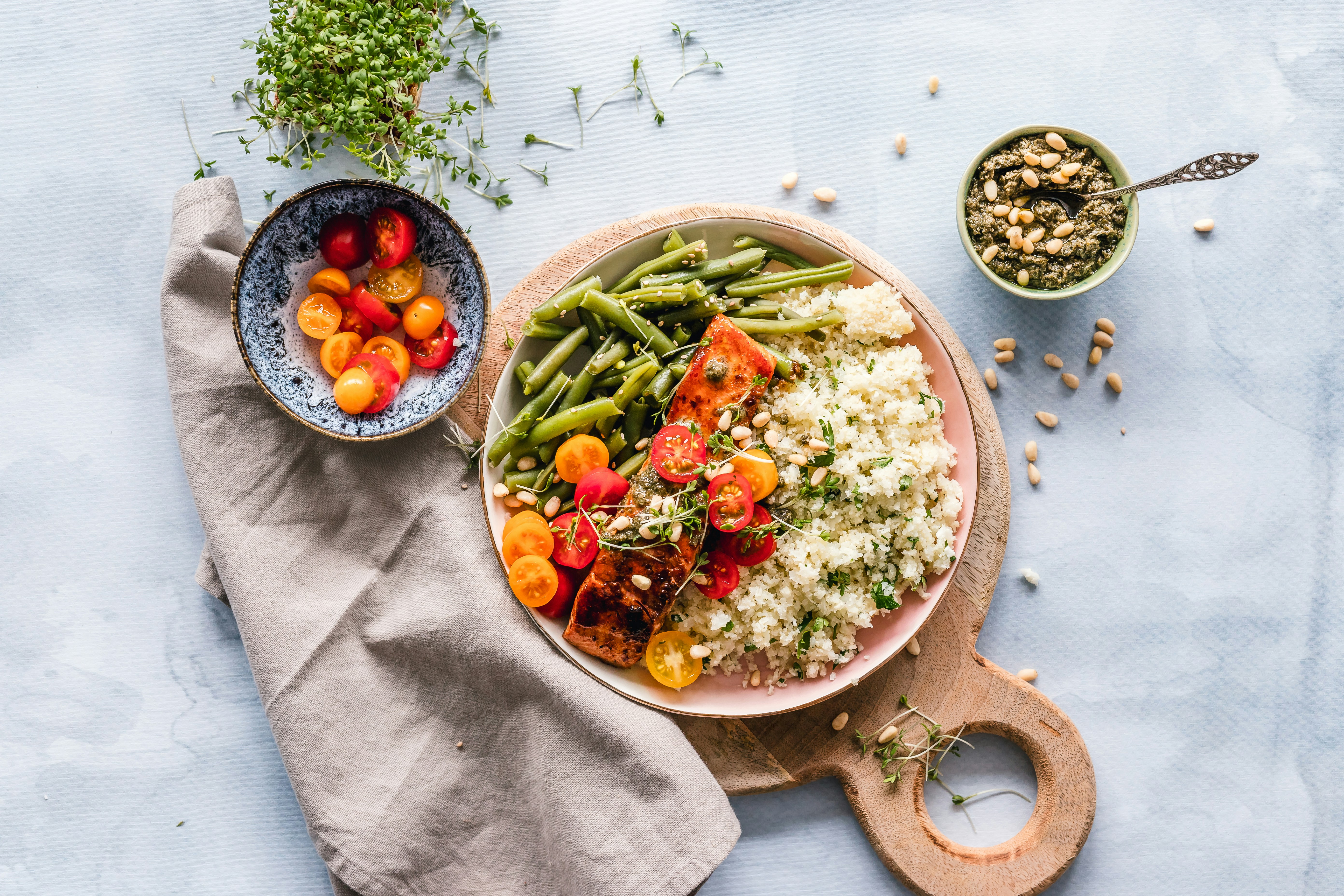
Rule #5. Quit eating crap! Eat less of everything else.
Laugh. Think. Cry. (January 8th) looks at the many ways our family tries to follow this life rule when it comes to food. The meditations of the compelling four-hour movie Menus-Plaisirs around what matters—a devotion to craft, the beauty of nature, the love of food, and familial bonds—touched me deeply in places too little explored in everyday life.

Rule #6. Play (music), read, write
I actually updated this one on the first day of 2025, after originally posting the essay on MTC. As I thought about this rule, I remembered that for several years I’ve had “Passions” on my daily task list and under that I remind myself to “play, read, write”—which is shorthand for play music, read from a book, and write something useful (at least to me) every day.
I grew up singing at home with my brothers and sisters while mom played the piano. A kind of alchemy (March 9th) makes the case that America needs more communal singing. Singing for many of us is something we do because we can. Singing together is something we should do because it helps break down the isolation that tears at too many souls, bringing us together into a supportive community and sustaining us during good times and bad. An increase in communal singing would be another small step towards healing the estrangements in our civic life.
Regular readers know that I come from parents who were voracious readers, and they passed that gene along to me. The 2024 year-end reading list (December 20th) is a good place to see how I did this past year.
And Letter to the world (November 6, 2023), where I discuss “why” this newsletter exists, helps explain my need to write something of value each day.

Rule #7. Connect and commit.
Conversation and connection are at the heart of living together as humans. “To communicate with someone, we must connect with them.” But I—like millions of others—consistently make a mess of this basic task. “The single biggest problem with communication,” said the playwright George Bernard Shaw, “is the illusion it has taken place.” How we communicate and connect (June 5th) is my reminder of the importance of this life rule.
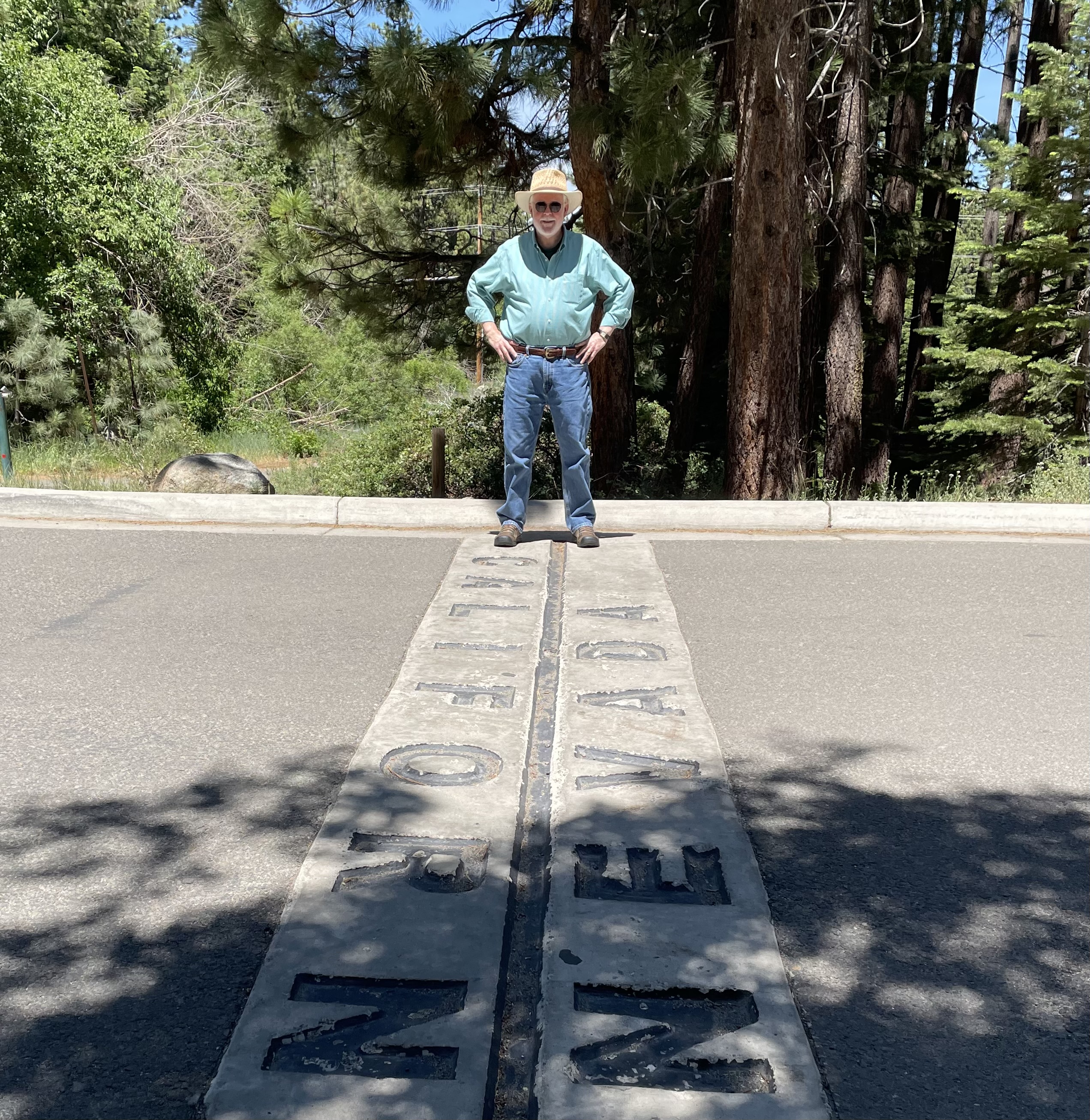
Rule #8. Don’t be a Grumpy Old Man. Enjoy life!
The purple iris as the antidote to worry and sorrow (April 25th) tells the story of how as I was walking through my Silver Spring neighborhood, I came upon a tiny handmade sign among some flowers. Since it is my custom to always read the plaque, I stopped to investigate.
The little plaque read:
“I have had more than half a century of such happiness. A great deal of worry and sorrow, too, but never a worry or a sorrow that was not offset by a purple iris, a lark, a bluebird, or a dewy morning glory.”
Mary McLeod Bethune, 1875-1955
The sign sat among a stand of beautiful irises in full bloom. I’ve always had a special place in my heart for the old-fashioned iris, my mother’s favorite flower. (Mom died on this day, January 1st, in 1998.) I’m glad to know that I share at least one thing with the great educator and civil rights pioneer Mary McLeod Bethune, and that a simple purple iris can help me follow this final life rule.
As you can see, I’m working to live into Kathryn Schulz’s admonition to treat each day as the exceptional experience it is while doing my best to bash into some joy along the way.
Best wishes for a wonder-filled and remarkable 2025. As you welcome the New Year, consider making gratefulness, thankfulness, and compassion an everyday practice. I can recommend the effort!
More to come . . .
DJB


Wh
Carol, I think your comment was eaten by the tech gremlins. Thanks for reading, and Happy New Year! DJB
Great rules of life, David AND I love the quote from Mary Bethune. Old-fashioned irises (bearded or German iris) are one of my favorites, too. When I was growing up, a friend of the families was a test grower for the American Iris Association (or whatever it was called) and used to get newly bred rhizomes to plant to see how well they would grow, divide, etc. Of course irises need to be thinned regularly, and he always had spare rhizomes which he gave to my mother. She had iris beds in our yard, and when Jim and I bought our house she sent some rhizomes to plant in ours. I added new ones over the years and not having a rainbow worth of iris to bring into the house every spring is one of the things I miss most now that I live in an apartment. (See attached photo of an iris from my back yard. . .)
Happy New Year!
Sandy
Sandy, this is so wonderful. And I’m not surprised you are a fan of the old-fashioned irises. They are beautiful flowers.
Happy New Year to you!
DJB
Pingback: Put your best cup forward | MORE TO COME...
Pingback: Observations from . . . January 2025 | MORE TO COME...
Pingback: 70 lessons from 70 years | MORE TO COME...
Pingback: Observations from . . . July 2025 | MORE TO COME...
Pingback: The beginning of awe is wonder. The beginning of wisdom is awe. | MORE TO COME...