
Imagine a scenario where a ruthless dictator kills so many people that the Grim Reaper gets fed up and goes on strike. That is the basis of a remarkable opera as well as a new graphic novel which opens the story to new audiences and new generations.
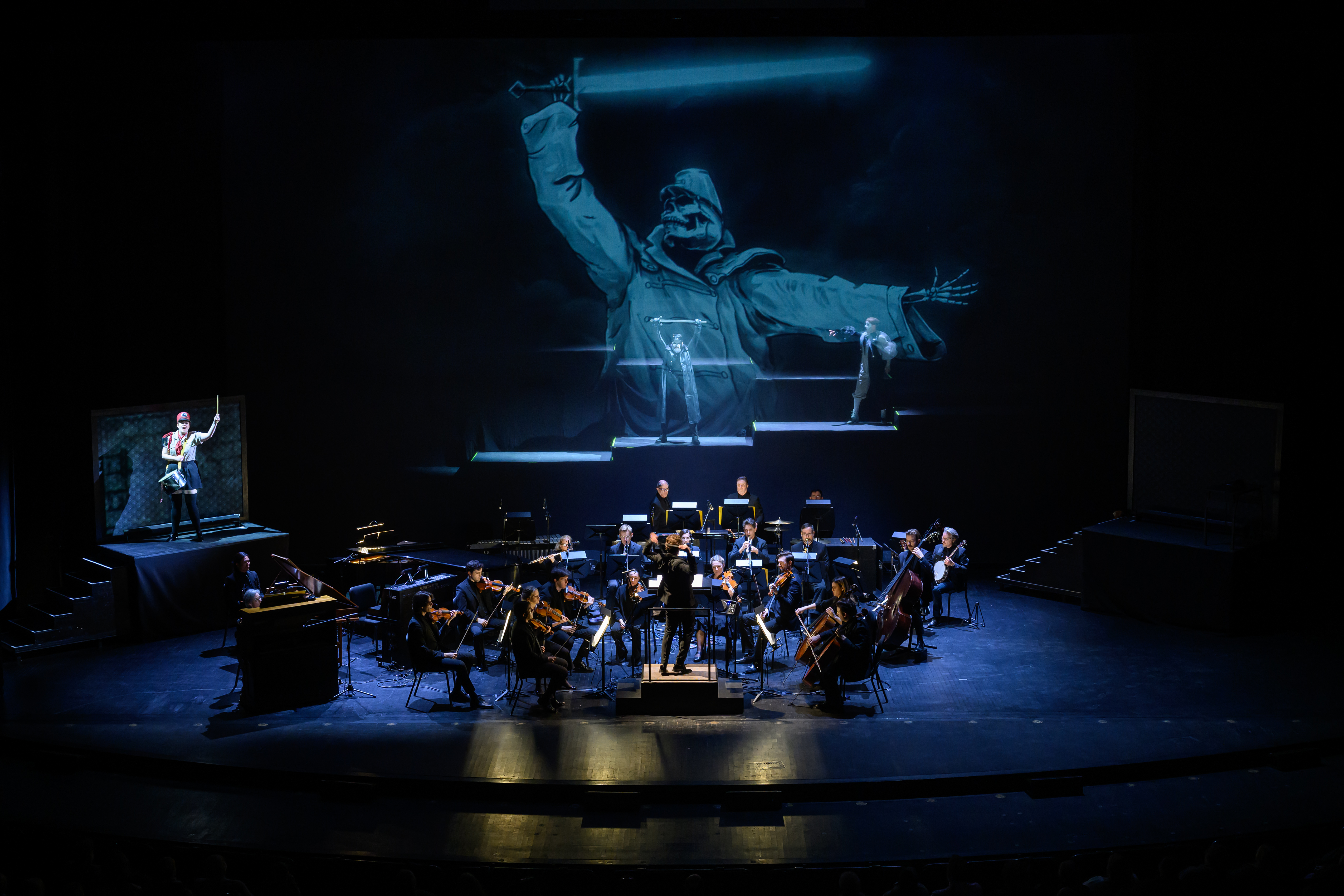
“Faced by the mechanized death on an industrial scale presided over by Emperor Overall of Atlantis, Harlequin and Death—‘life that can no longer laugh and death that can no longer cry’—are reduced to observers of a world ‘which has forgotten how to delight in life and die of death.’ When Overall declares a war of everyone against everyone, Death feels that he has been robbed of all dignity and refuses to serve the Emperor any longer.”
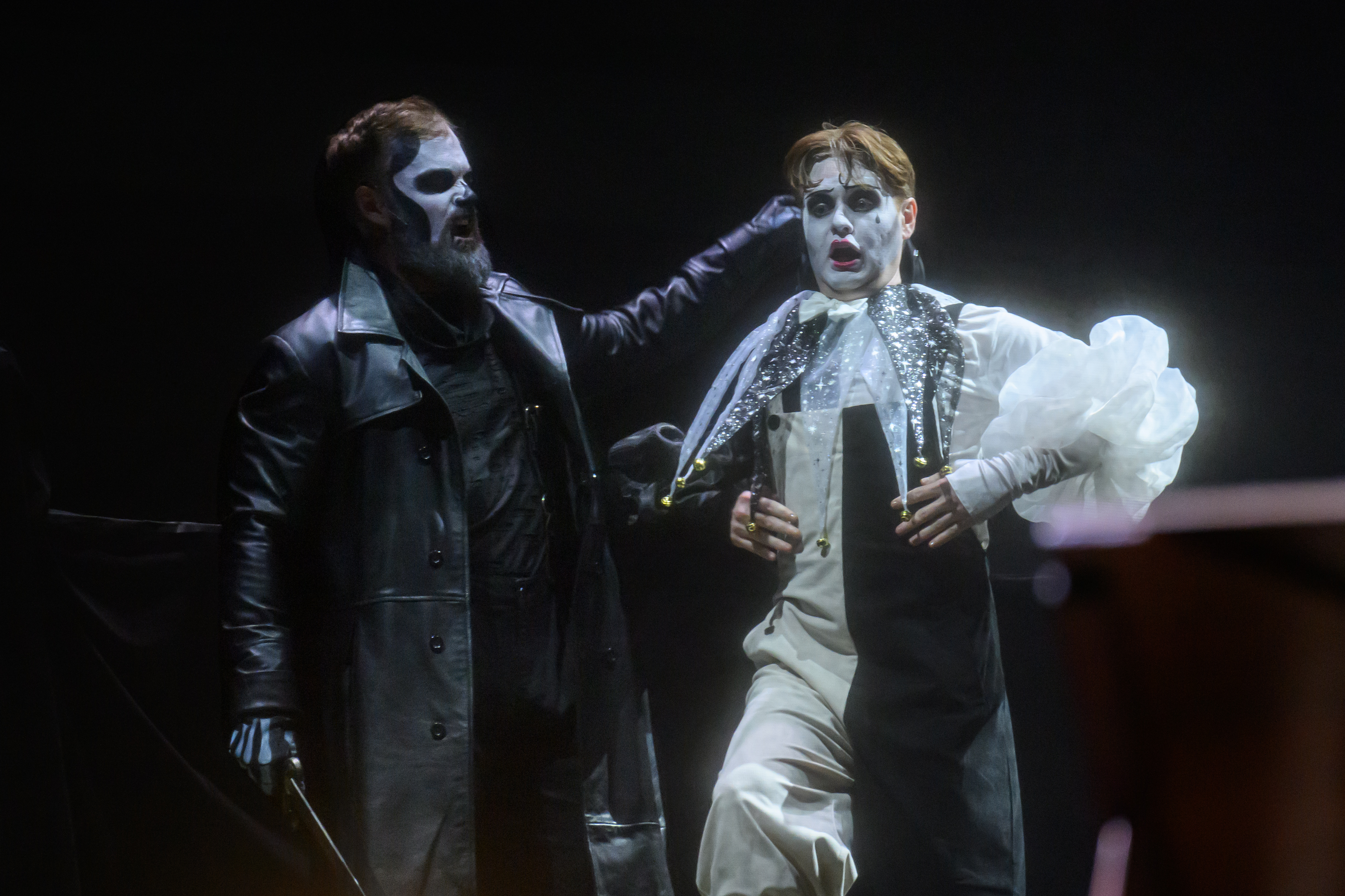
Der Kaiser von Atlantis is both a tragic and uplifting story.
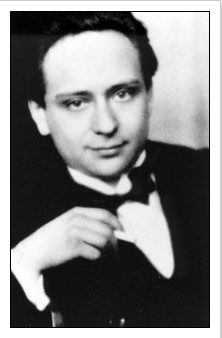
Viktor Ullmann was a respected Jewish composer in 1930s Austria. Educated in Vienna, he made “important contributions to both Czech and German cultural life as a composer, conductor, pianist and music critic.” As a young man Ullmann enlisted in the military and was decorated for bravery in World War I. He returned to university, where he became deeply influenced by composer Arnold Schoenberg and later, philosopher Rudolf Steiner. Their work helped him understand the role of art “as central to human spiritual and ethical development.”
In 1942, Ullmann was imprisoned in the Nazi internment camp Terezin (Theresienstadt in German) in the Czech Republic but was still permitted to compose and stage his self-penned dramas. Terezin was erected as a “model camp” meant to dupe the International Red Cross into thinking the interned were privy to an exceptional quality of life enriched with music, art and a full schedule of relaxed activities, but that was not the case.
“At Theresienstadt, under the auspices of the Freizeitgestaltung (the Administration of Leisure Activities), a cultural organ of the Jewish self–administration in the camp and officially sanctioned by the SS, Ullmann composed twenty–three works. These included three piano sonatas, a string quartet, arrangements of Jewish songs for chorus, incidental music for dramatic productions, his one–act opera Der Kaiser von Atlantis, as well as his final work, a melodrama based on Rilke’s Die Weise von Liebe und Tod des Cornets Christoph Rilke, which he completed in 1944.”
Ullmann’s String Quartet No. 3, a piece included on the Dover Quartet’s Voices of Defiance CD, was composed at the camp in 1943.
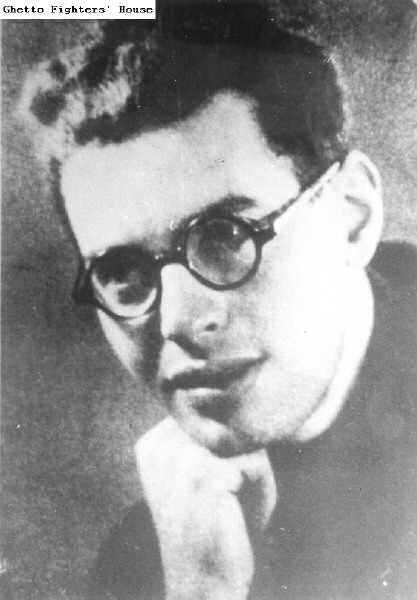
While at Terezin, Ullmann met Peter Kien, a young Czech poet and painter, who was also active in the cultural life in the camp. They worked together to produce Der Kaiser von Atlantis, a profound meditation on death that stages a dramatic confrontation between the Emperor of Atlantis and the character of Death. As the story unfolds, the Emperor declares a holy war against evil elements in his empire and seeks “to conscript Death to his cause.”
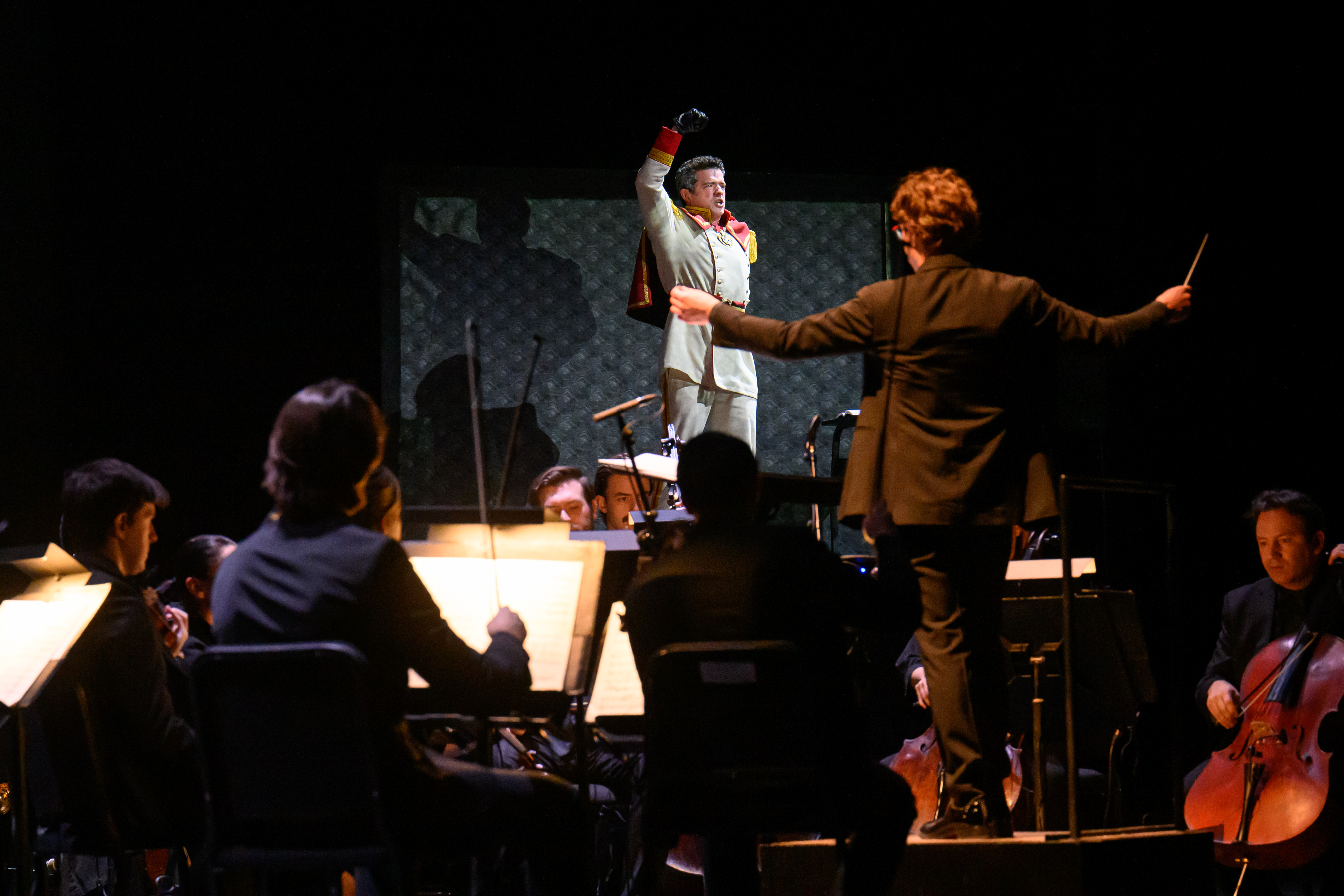
“Insulted by the Emperor’s effort to involve him in his modernized military campaign, Death—who is already offended by the ‘mechanization of modern life and dying’—refuses to cooperate. Instead, he decides to teach the Emperor and humanity a lesson that will demonstrate his centrality in regulating existence by making it impossible for anyone to die.”
One evening during a dress rehearsal of the opera in Terezin, the SS officers in view made the connection between the flamboyant Emperor and Hitler. They halted the production and quickly deported Ullmann and Kien and their families to Auschwitz. There they were murdered two days later, on October 18, 1944.
When Ullmann was deported to Auschwitz, he left his works in the safekeeping of the philosopher Emil Utitz, who gave them to H. G. Adler in 1945. Adler brought the scores to England in 1947. Prior to his deportation, Kien entrusted a suitcase containing close to 500 artworks and many of his letters to his assistant at the camp, Helga Wolfenstein. “He suggested that Helga hide the suitcase in the ward for infectious diseases where her mother worked, assuming that the Germans wouldn’t conduct searches there for fear of infection. Through her efforts, despite the danger involved, Helga managed to safeguard the artworks until liberation.”

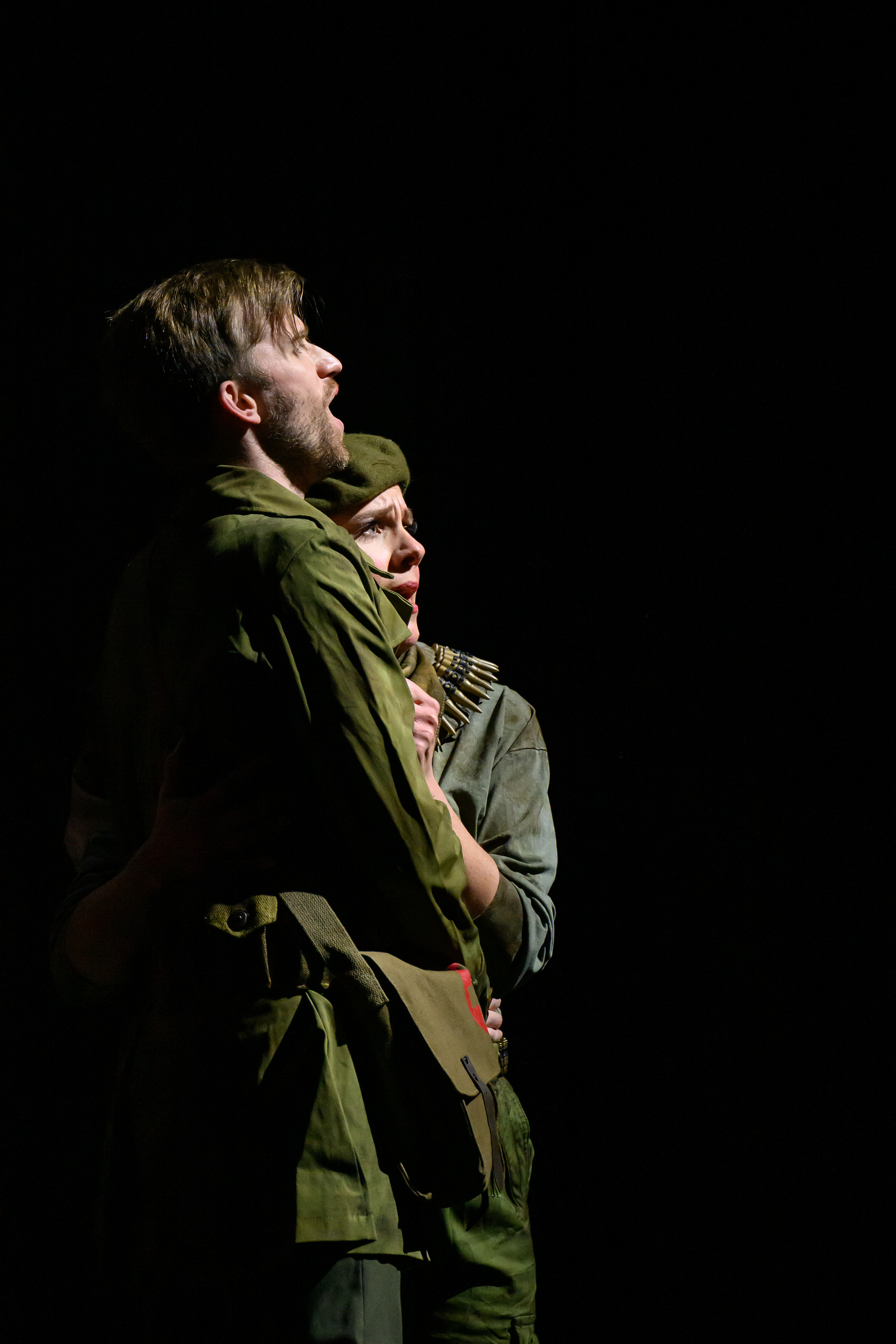
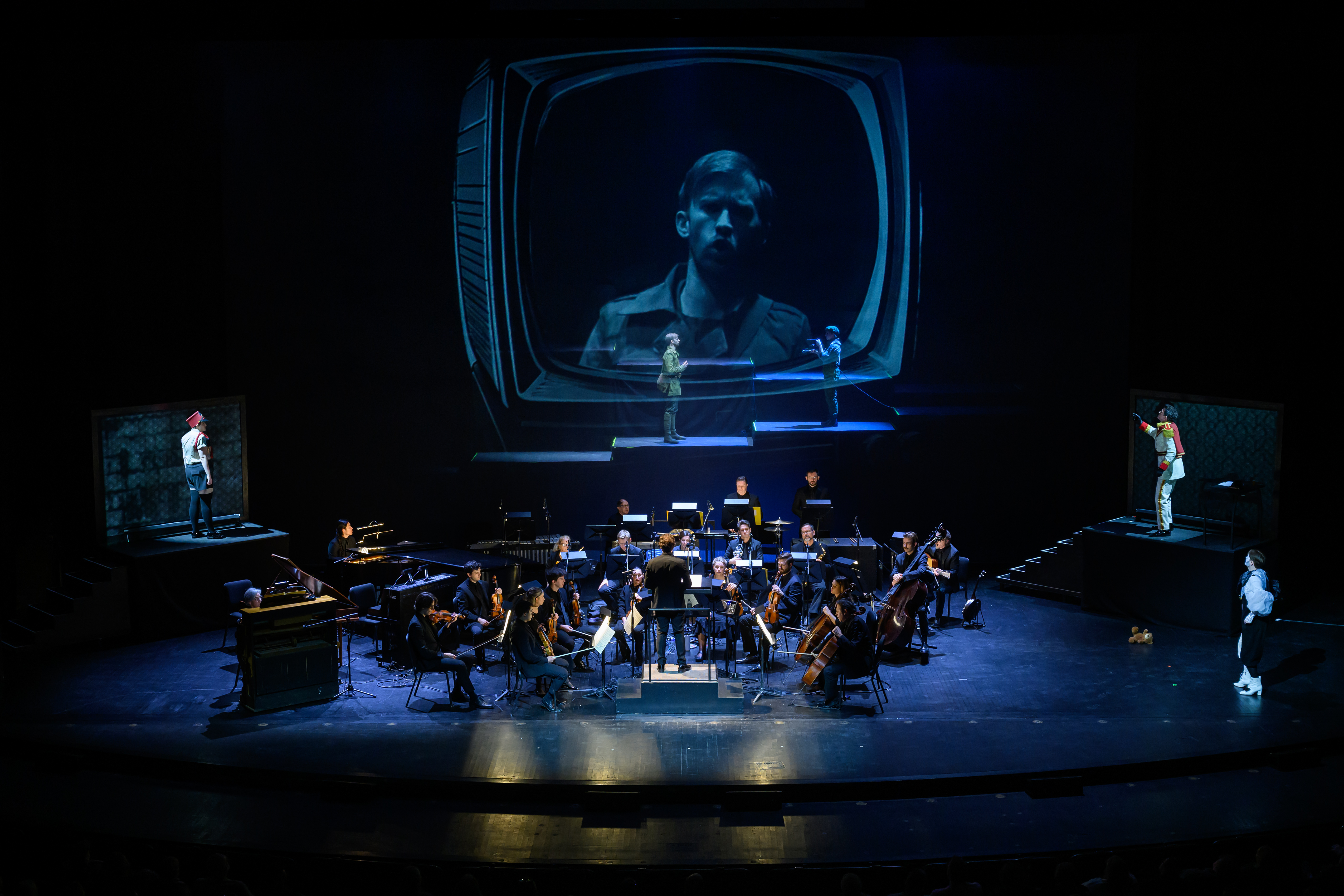
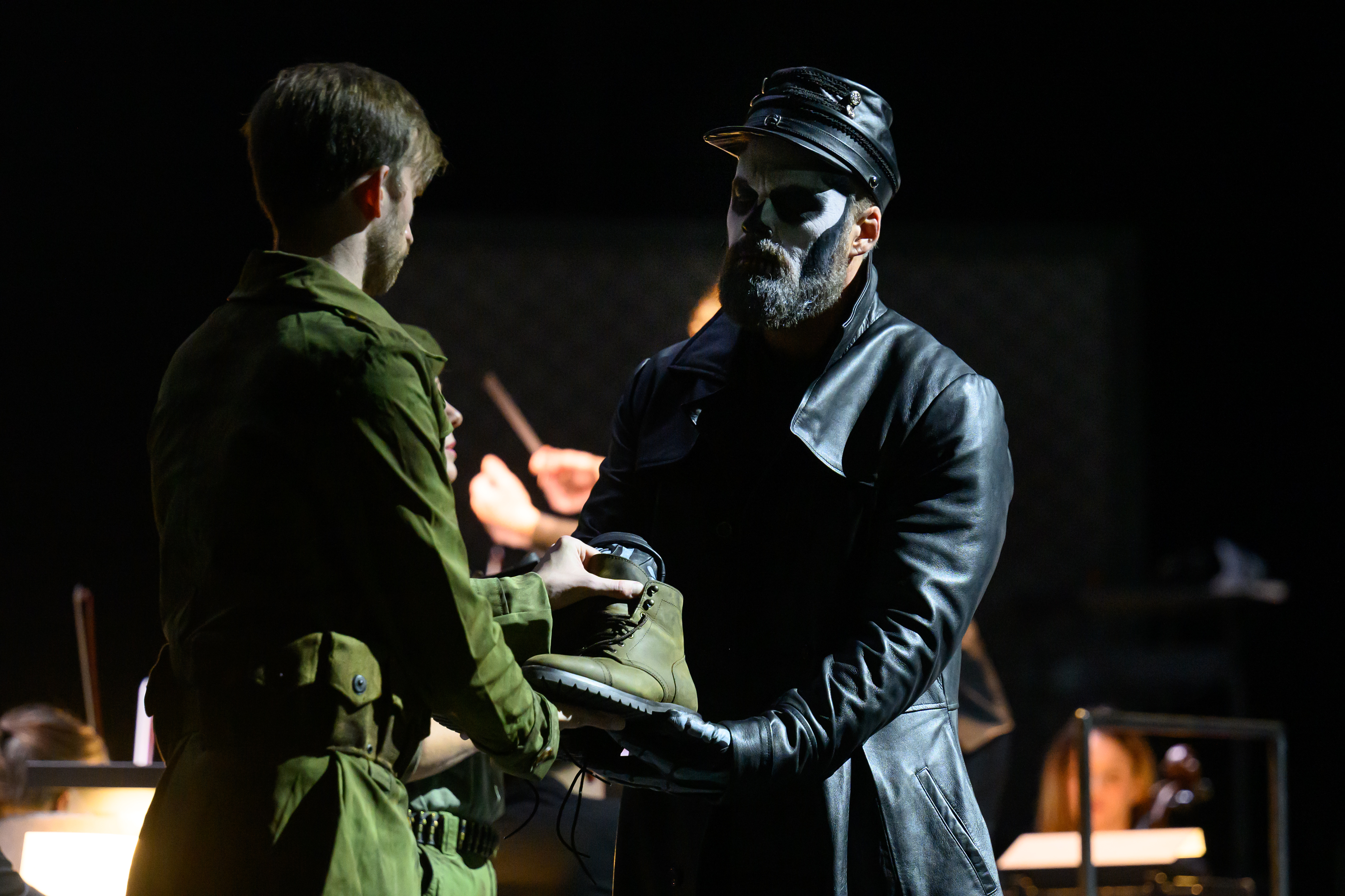
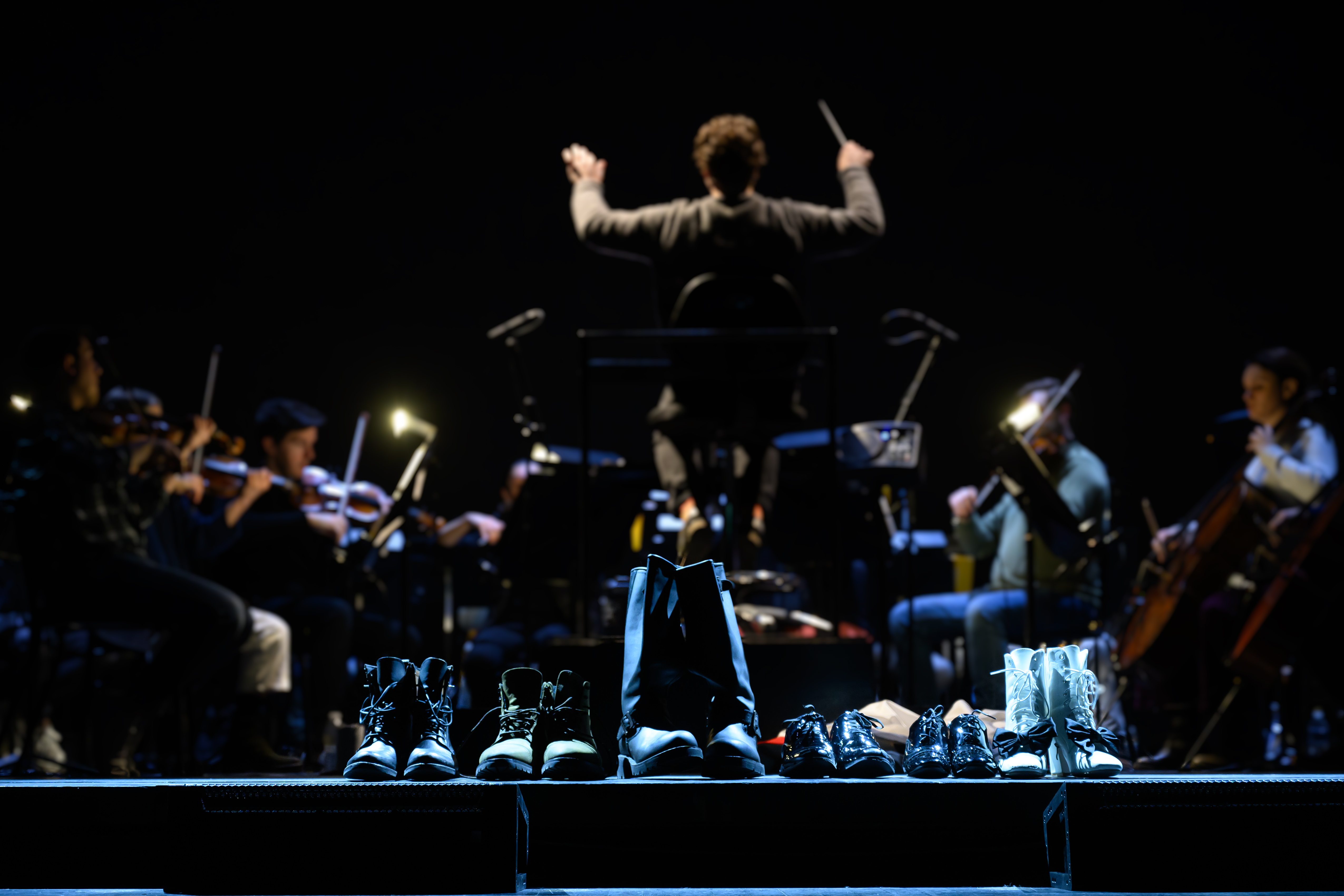
I came to know Der Kaiser Von Atlantis because our son, the tenor Andrew Bearden Brown, sang the role of the Soldier in the recent Louisville Orchestra production of the opera.
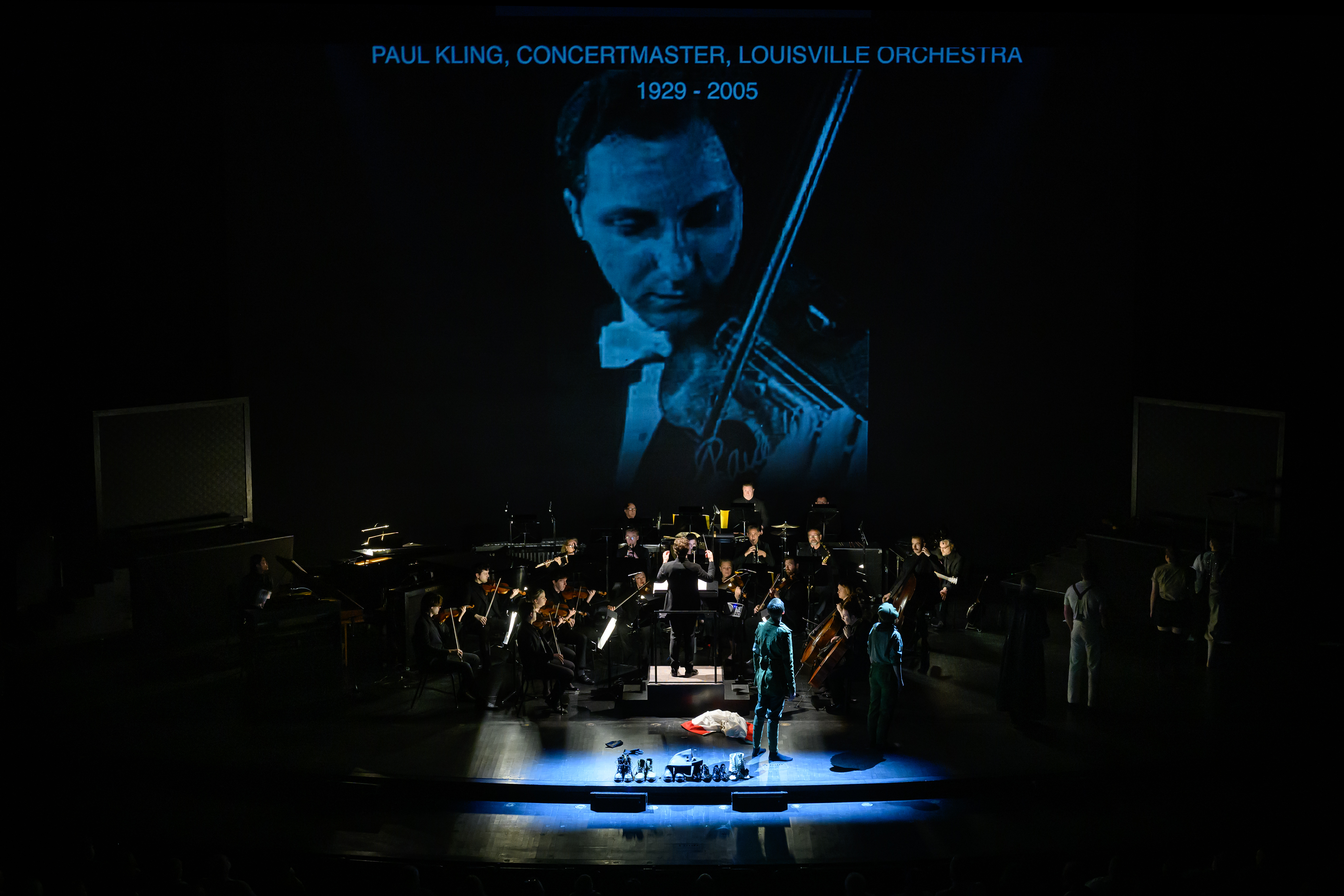
What follows is a short video featuring the orchestra’s musical director, Teddy Abrams, who discusses the career of Paul Kling, a Czechoslovakian violin prodigy who was deported to Terezin at just 14 years of age. There he participated in the rehearsals for Der Kaiser von Atlantis. Kling was transported to Auschwitz but managed to escape during a death march in early 1945, rebuilt his career, and eventually found his way to Louisville, where he was the long-time orchestra concertmaster.
The January 25th production honored Paul Kling and took place two days before the commemoration of International Holocaust Remembrance Day, marking the 80th anniversary of the liberation of Auschwitz-Birkenau on January 27, 1945.
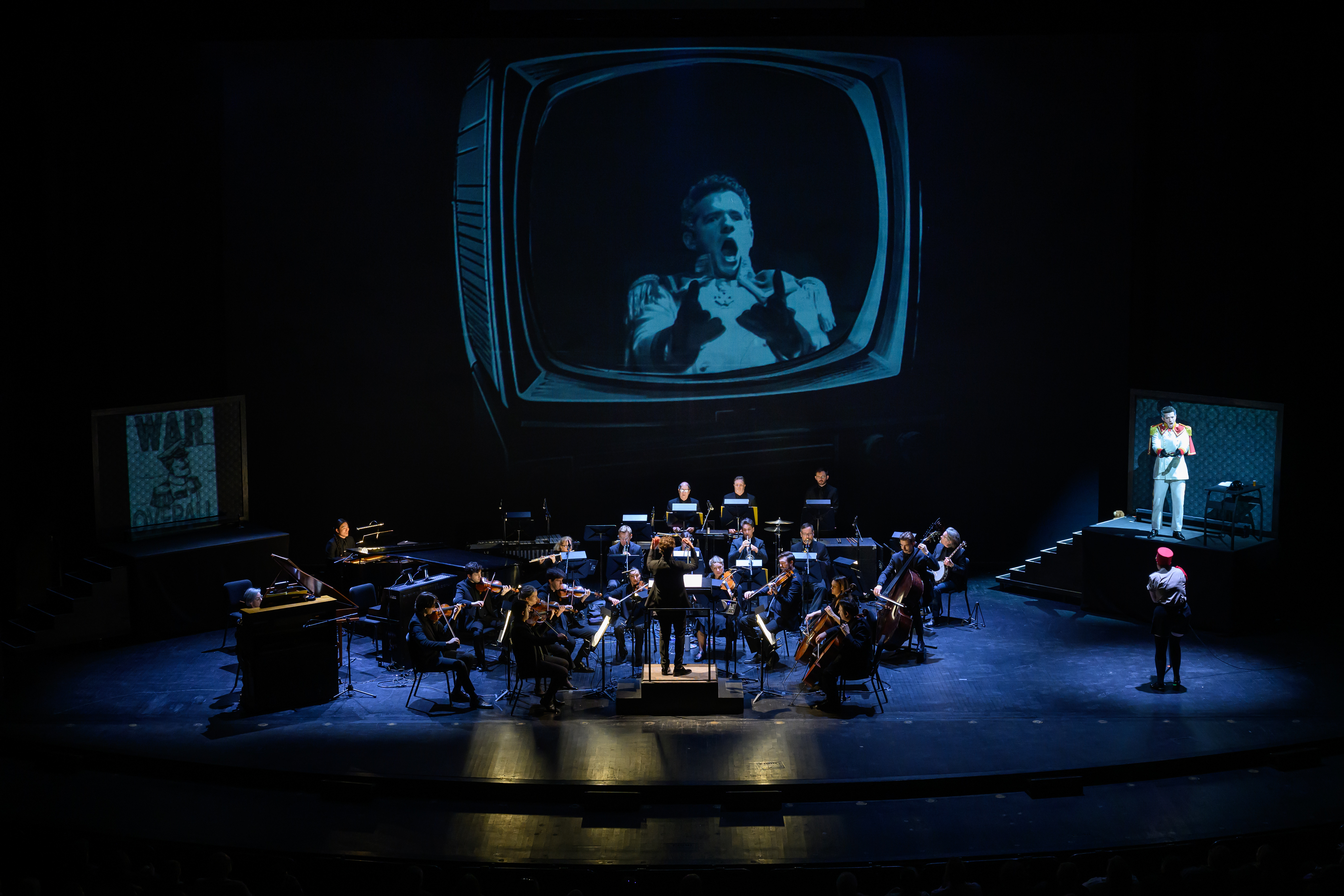
This trailer for the BBC’s Holocaust—A Musical Memorial Film includes The Emperor’s Farewell from the opera.
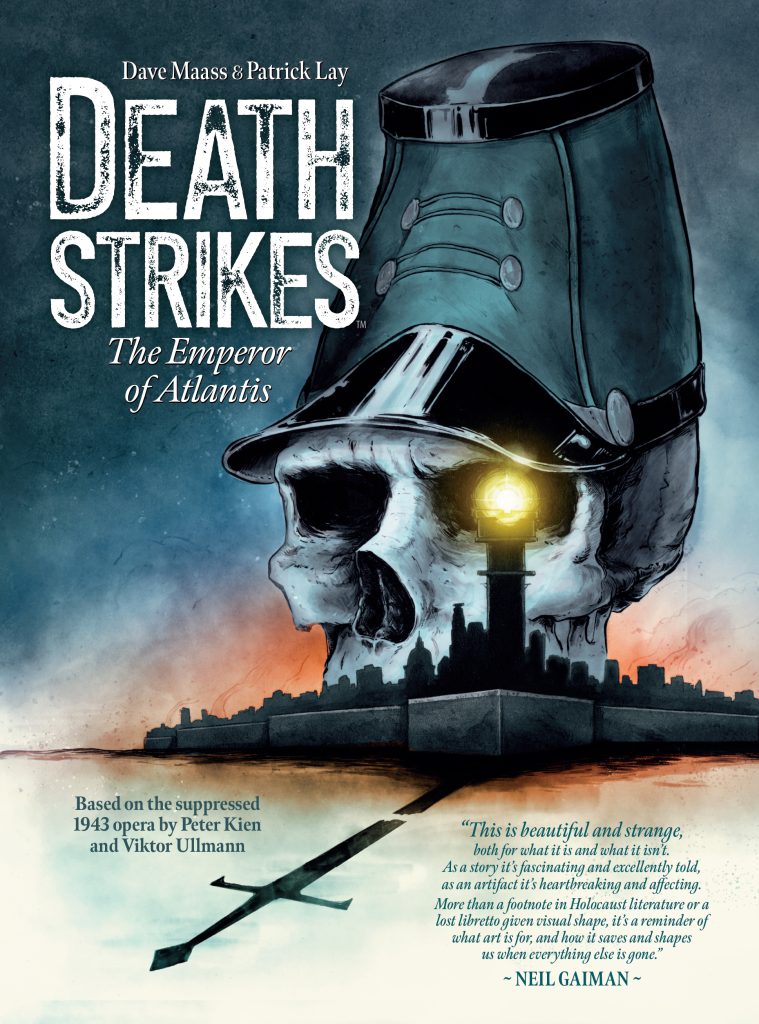
Death Strikes: The Emperor of Atlantis (2024) by Dave Maass and Patrick Lay is a new graphic novel that mixes “dystopian sci-fi, mythic fantasy, and zombie horror.” Atlantis did not sink in this alternative universe but instead became a technologically advanced tyranny. The “power-mad buffoonish Emperor declares all-out war—everyone against everyone.” Death, however, has other plans and goes on a labor strike, “creating a hellscape where everyone fights, but no one dies.”
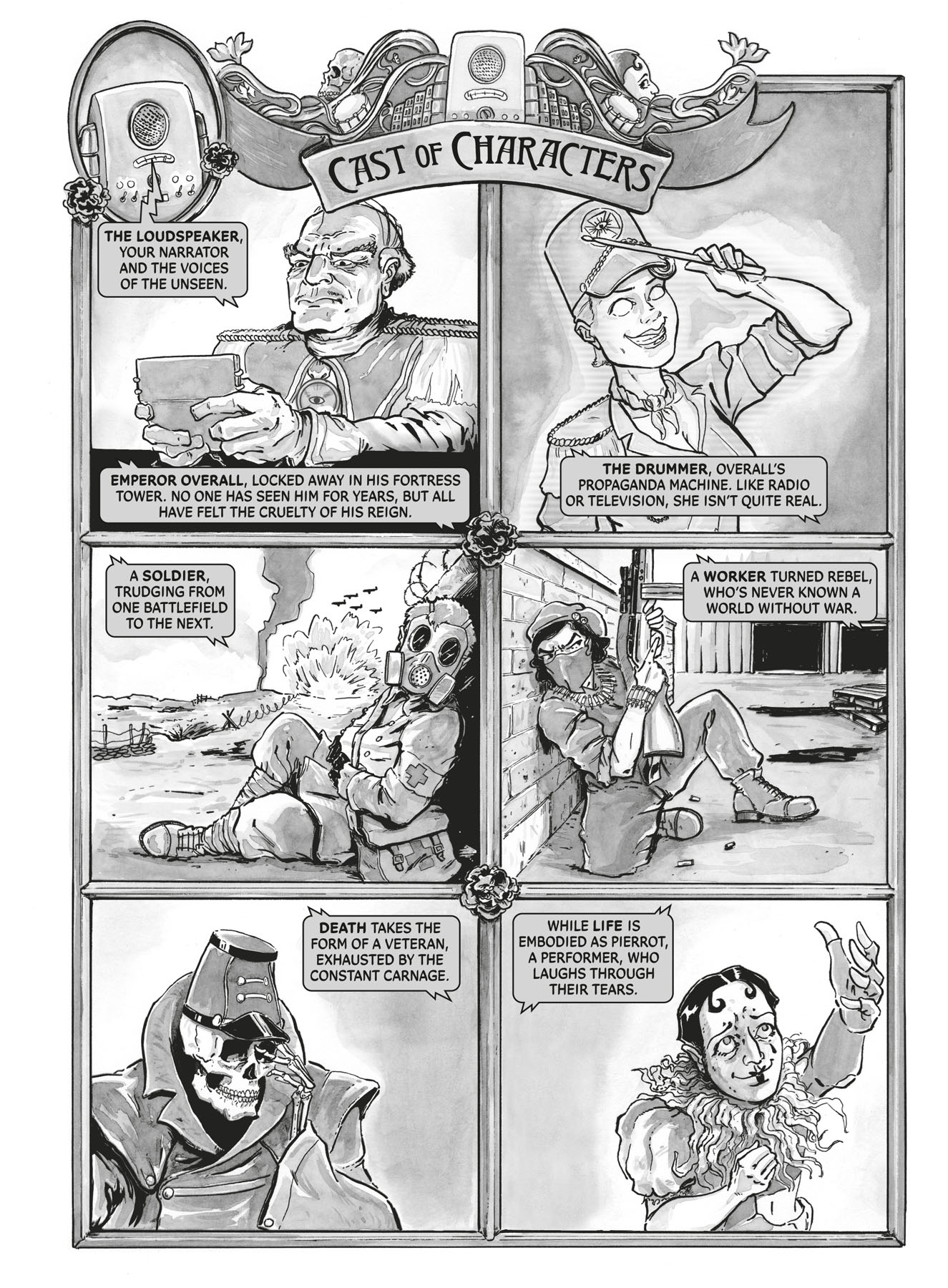
The novel’s illustrations by Patrick Lay are powerful and biting. Lay and Maass participated in the production of the opera in Louisville, and some of the illustrations were used as backdrops. The graphic novel includes drawings of Kien’s designs from the original opera, historical essays (unfortunately, set in the smallest of type), photographs from the prison camp, and more.
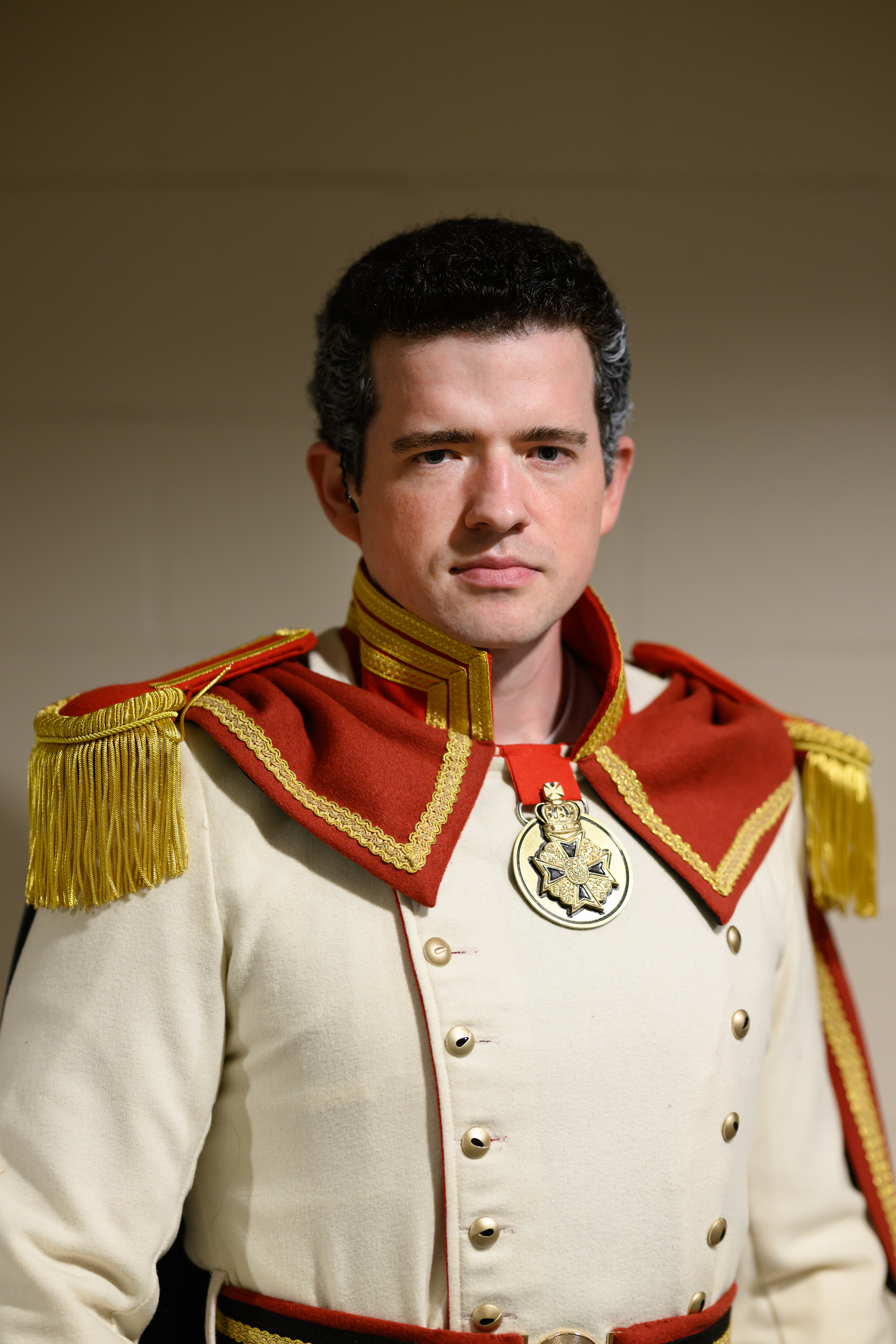
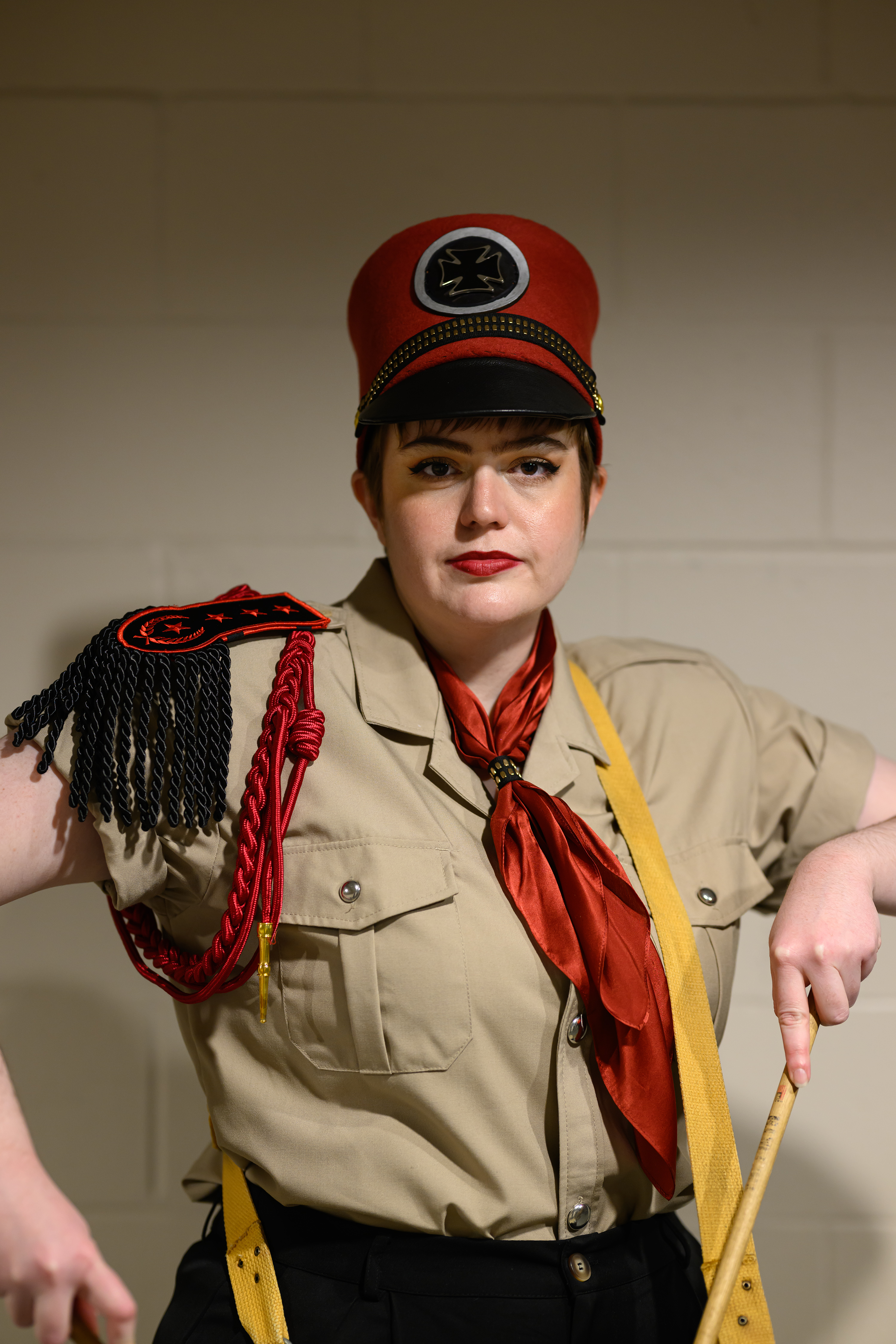


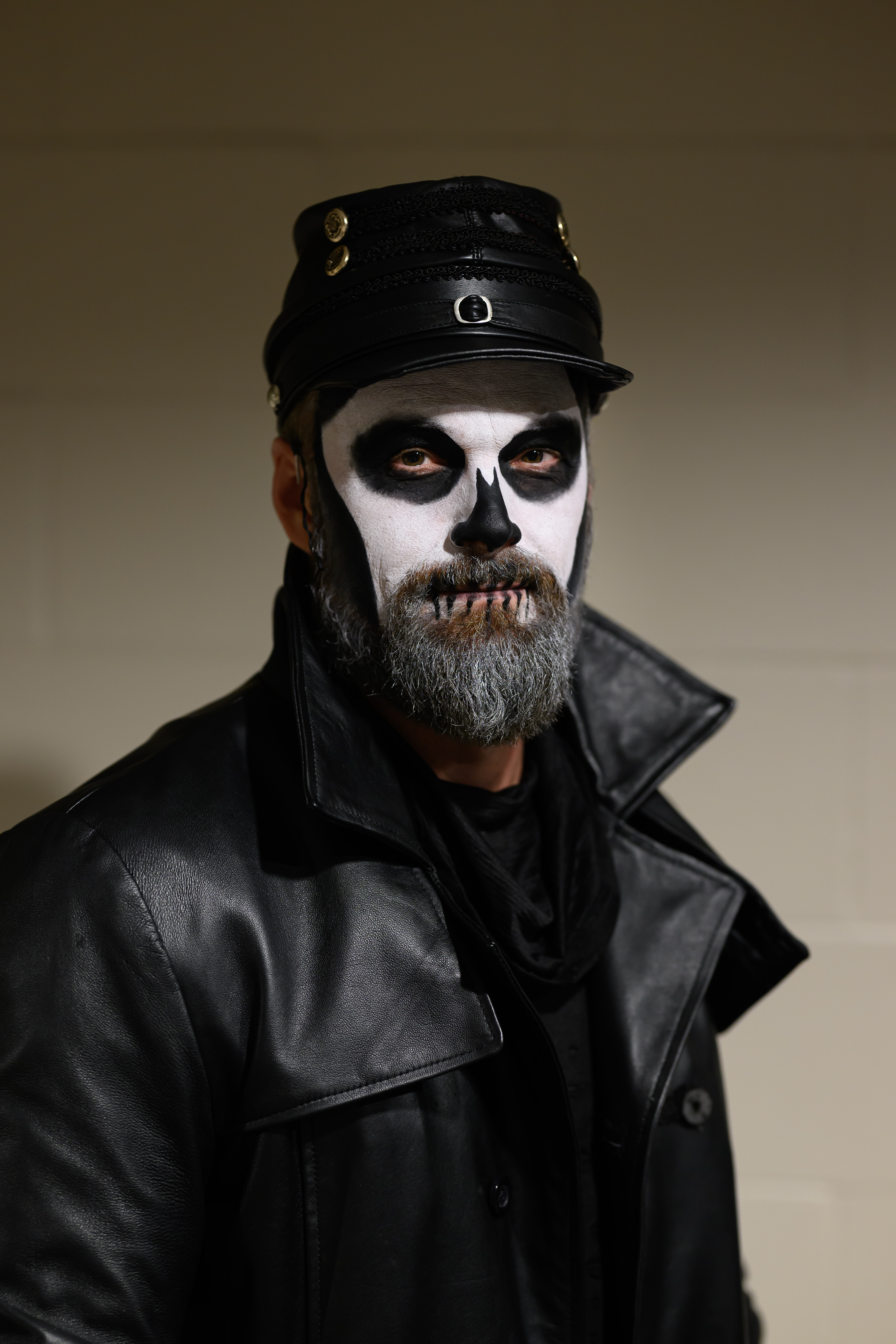
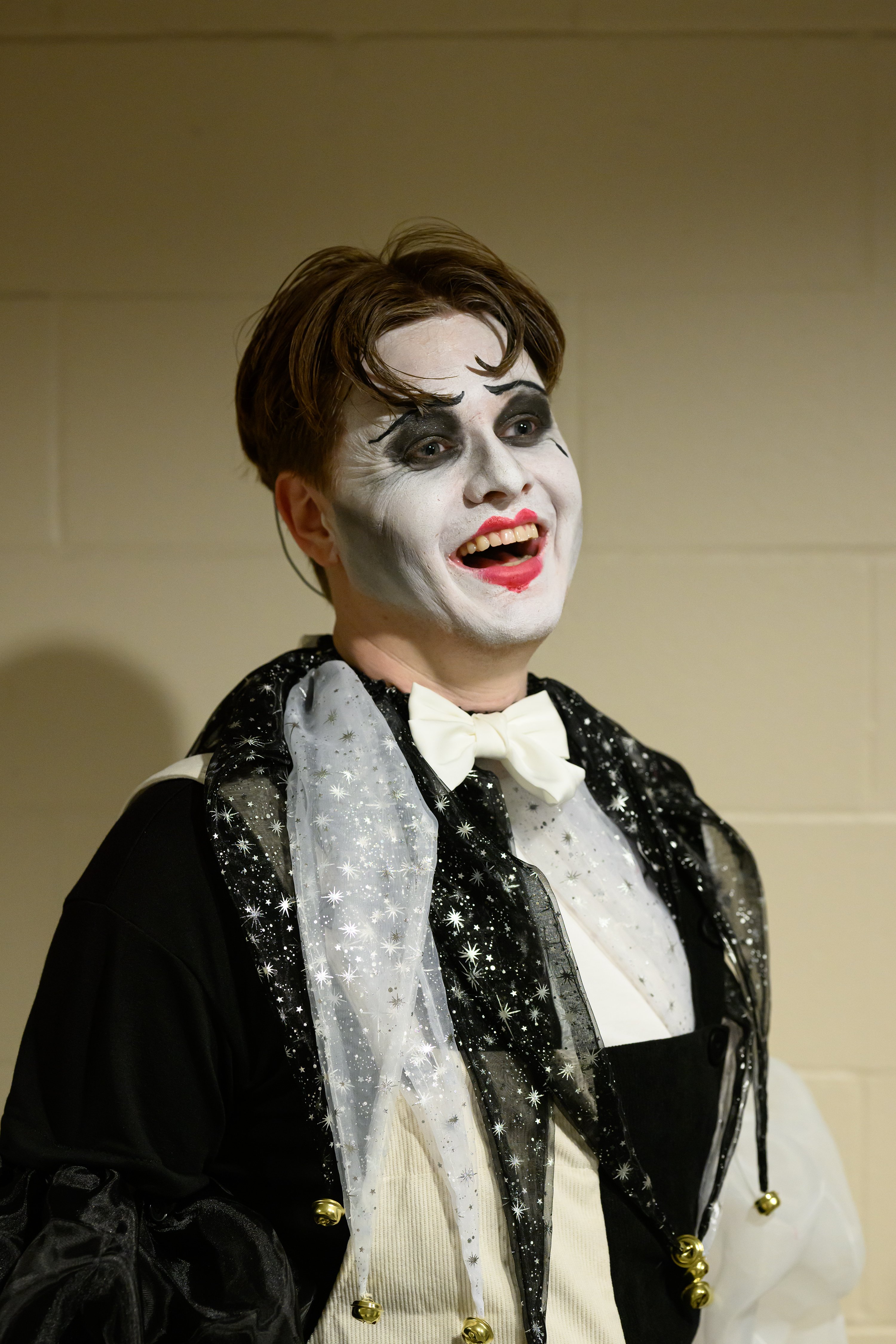
John Mangum has written that Ullmann “found words to live by” in the Goethe aphorism, “Live within the moment, live in eternity” as it “revealed the enigmatic meaning of art.” Ullmann wrote those words in one of his reviews from Terezin. “Der Kaiser von Atlantis is very much a work of the moment,” Mangum adds, “one that cannot be separated from its circumstances. Since its premiere in 1975, it has gradually been finding its way to life in eternity as well.”
Professor Herbert Thomas Mandl, in words shared on the Viktor Ullmann Foundation website, had this to say about the timeliness, and timelessness, of this work.
“The Emperor is—like a number of works of art created in Theresienstadt—proof of the human mind’s ability to remain free under the conditions of perfect slavery. Thus, all the mind’s capacities are concentrated into one focal point and lasting values are created even while the artist is facing annihilation.”
More to come . . .
DJB
Lead image: Peter Kien, watercolor of Terezin, 1944, a place where art and music was made against the dark rise of the Holocaust. All photos from the Louisville Orchestra January 25, 2025, production of Der Kaiser von Atlantis by O’Neil Arnold.
 MORE TO COME...
Pingback: Observations from . . . February 2025 | MORE TO COME...
Pingback: From the bookshelf: February 2025 | MORE TO COME...
Pingback: Our Year in Photos — 2025 | MORE TO COME...
Pingback: The year in books: 2025 | MORE TO COME...