
We have now taken two family trips to Paris: the first in the summer of 2022 and the second this fall. In our planning, we’ve asked each member of our family to choose an activity. To no one’s surprise and our utter delight, Andrew has chosen a night at the opera on each visit.
Which is how we arrived at the historic and beautiful Palais Garnier on October 1st for a performance of George Friedrich Handel’s Ariodante.


The hall itself is a wonder to behold. As described on the Garnier’s website:
“Beyond the Rotonde des Abonnés, the Bassin de la Pythia leads to the Grand Escalier with its magnificent thirty-meter-high vault. Built of marble of various colours, it is home to the double staircase leading to the foyers and the various floors of the theatre. At the bottom of the stairs, a true theatre within the theatre, two female allegories holding torches greet spectators.”


Ariodante is a story of life told in song. The program notes from a recent Boston Baroque performance lay out the basics of the tale.
“Ariodante is one of three Handel operas—Orlando, Ariodante, and Alcina—that are based on episodes from Ariosto’s great epic Orlando furioso. The story, set in Scotland, is the only one among his operas set in the British isles. A spurned lover undertakes a plot to destroy the reputation of the king’s daughter, Ginevra, and thereby puts her life in danger. The story of her downfall and ultimate rescue is told simply and straightforwardly with no subplots or digressions . . .“
Life, of course, is never quite as simple and straightforward as an opera libretto, but I still found the underlying story and the drama that Handel’s music creates to be a useful reminder that our times are not unique in the treachery, turmoil and trouble that surrounds us.
“The opera is in three acts. Most of the first act is a celebration of the love between Ariodante and Ginevra and anticipates their wedding. The true action of the drama with the unfolding of Polinesso’s plot begins only in Act II and builds into Act III. It is there in the darkest moments of the story that we hear Handel’s most inspired music, as he reveals the deep emotions of his characters. Ginevra, lighthearted and naïve in Act I, ends the second act with the deeply moving aria, “Il mio crudel martoro” (“My cruel torment”). Also in Act II, her lover Ariodante, thinking himself betrayed, expresses his profound grief in the famous aria “Scherza infida.” Here the striking orchestration reflects his anguish, as muted violins and pizzicato basses pulse over wailing long notes in the bassoon. Even the king sings a beautifully poignant aria in Act III, when, in a major key, he says farewell to his daughter.”
The second act of the National Opera of Paris production was profoundly moving. As the treachery and pure evil of the Duke Polinesso unfolds (he actually sings that “since my treachery has worked so well, I’m giving up on those who practice virtue”), what has seemed to be moving along so well—love, life—suddenly falls apart and deep despair begins to take over. Soprano Jacquelyn Stucker—who sang the role of Contessa in this summer’s Santa Fe Opera production of Le nozze di Figaro (where Andrew sang the role of Don Curzio)—was in the role of the princess Ginevra for the production we saw earlier this week in Paris. Her aria “Il mio crudel martoro” (“My cruel torment”) ends the second act in a performance that is gut-wrenching musically as well as in the dance and staging. Watching a nightmare play out in slow motion, knowing that the princess has been wrongly accused . . . as so many are in this life . . . hits one in the pit of the stomach.
Ukrainian soprano Olga Kulchynska was in the role of Ginevra two years ago in the same National Opera of Paris production and, in the absence of one from the current production, it is her remarkable version of the aria from YouTube that I have included here.
We had magnificent seats to view this wonderful performance that tells so much about both the pleasures and challenges of life.

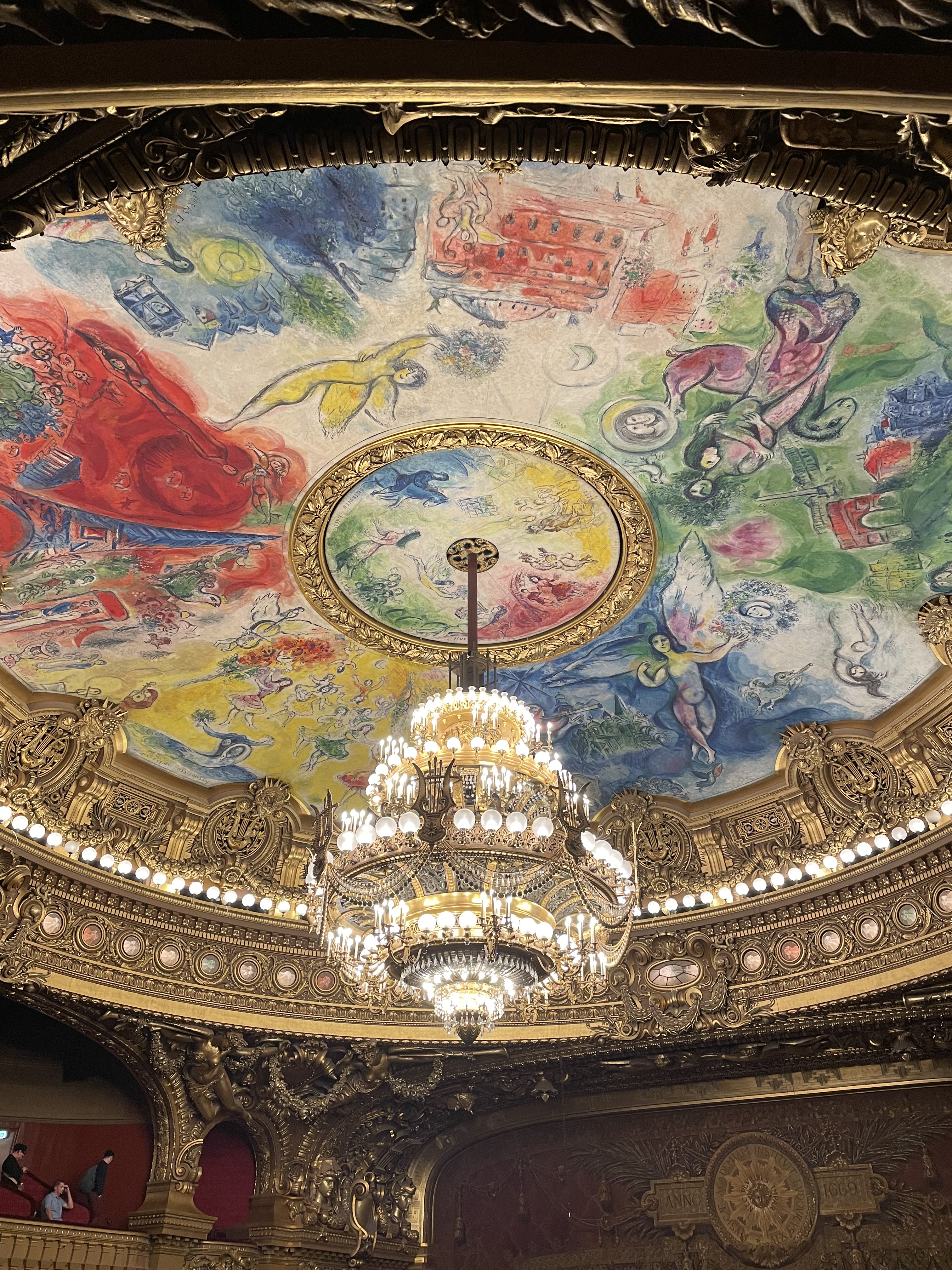
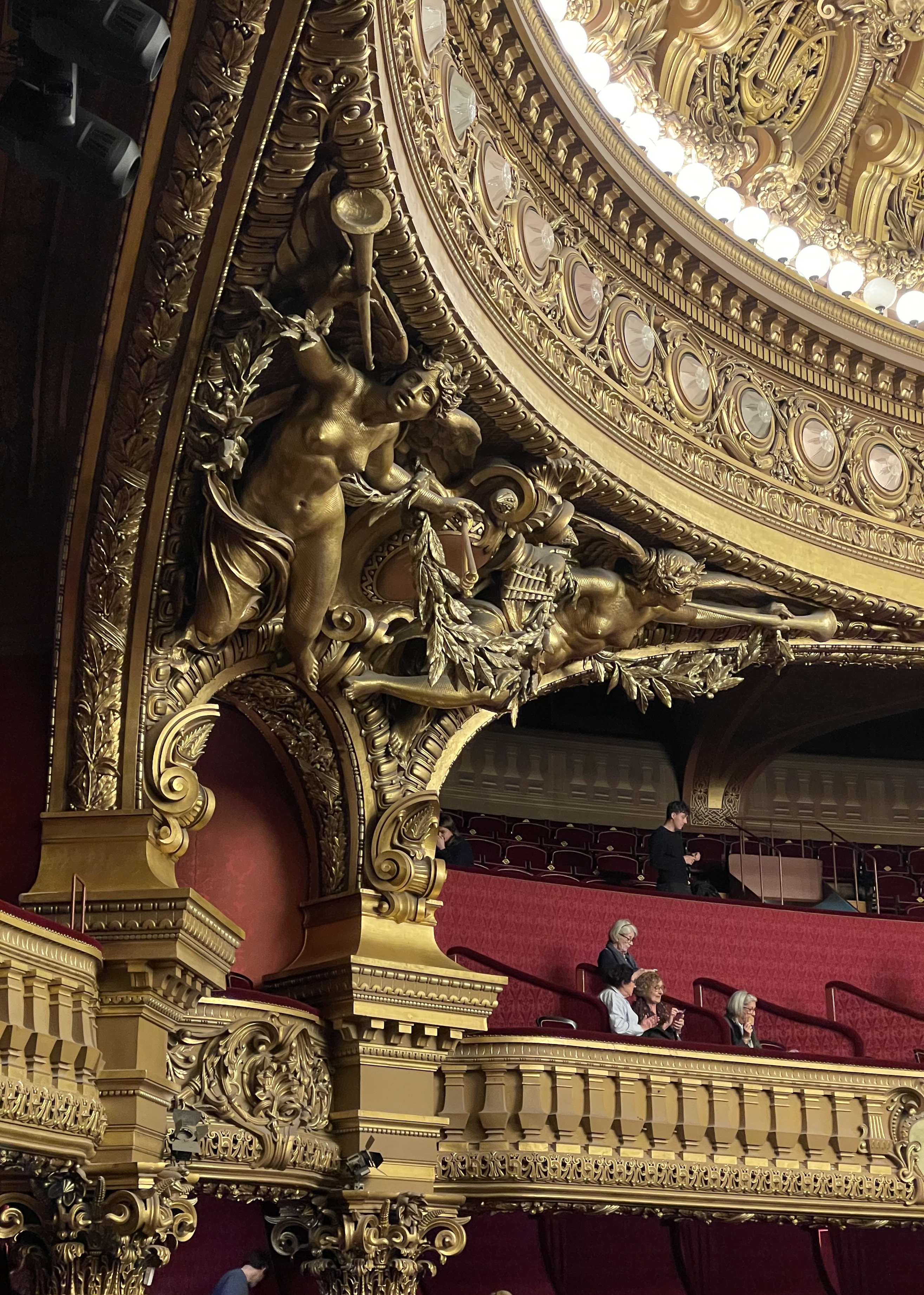
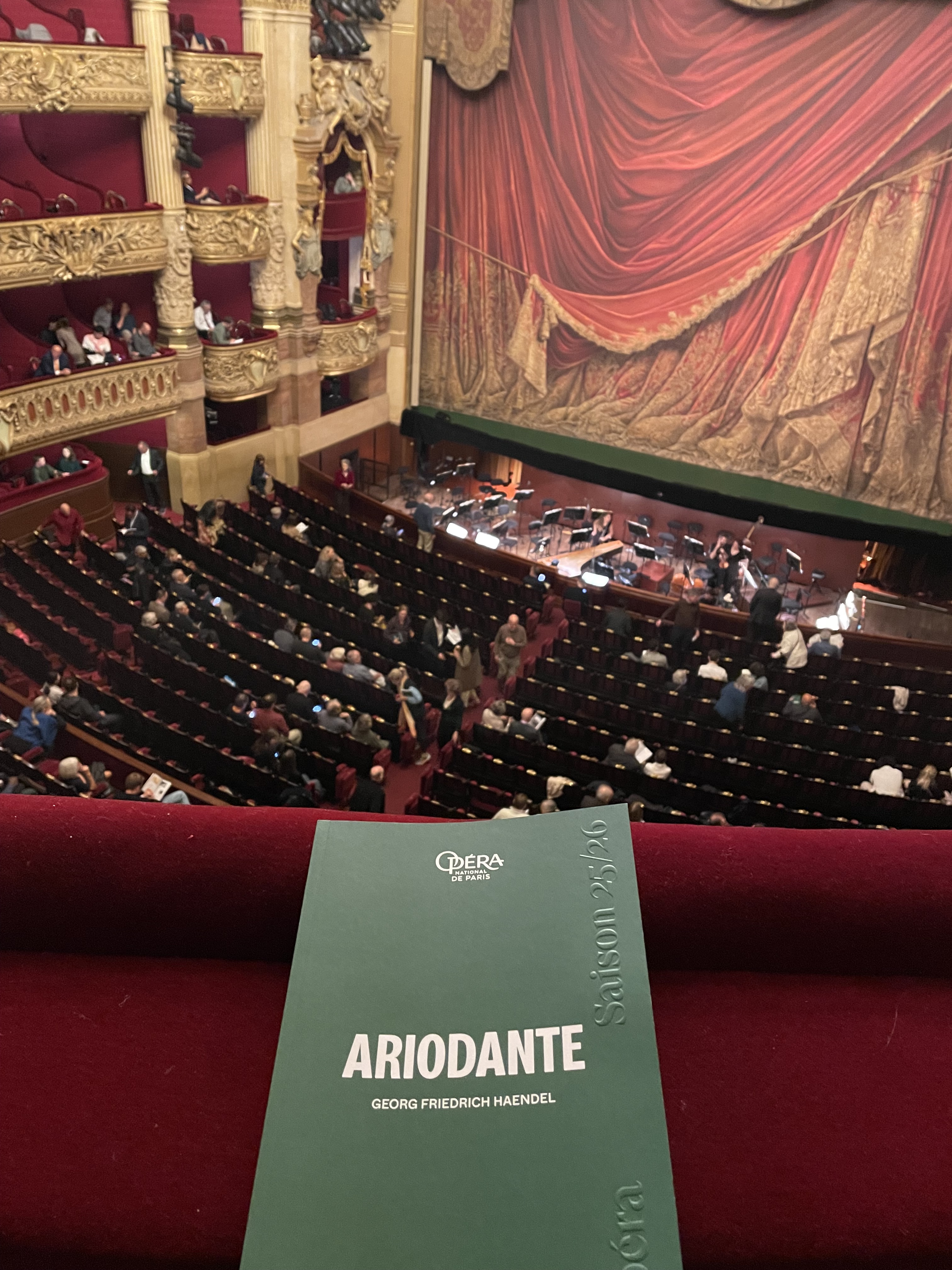
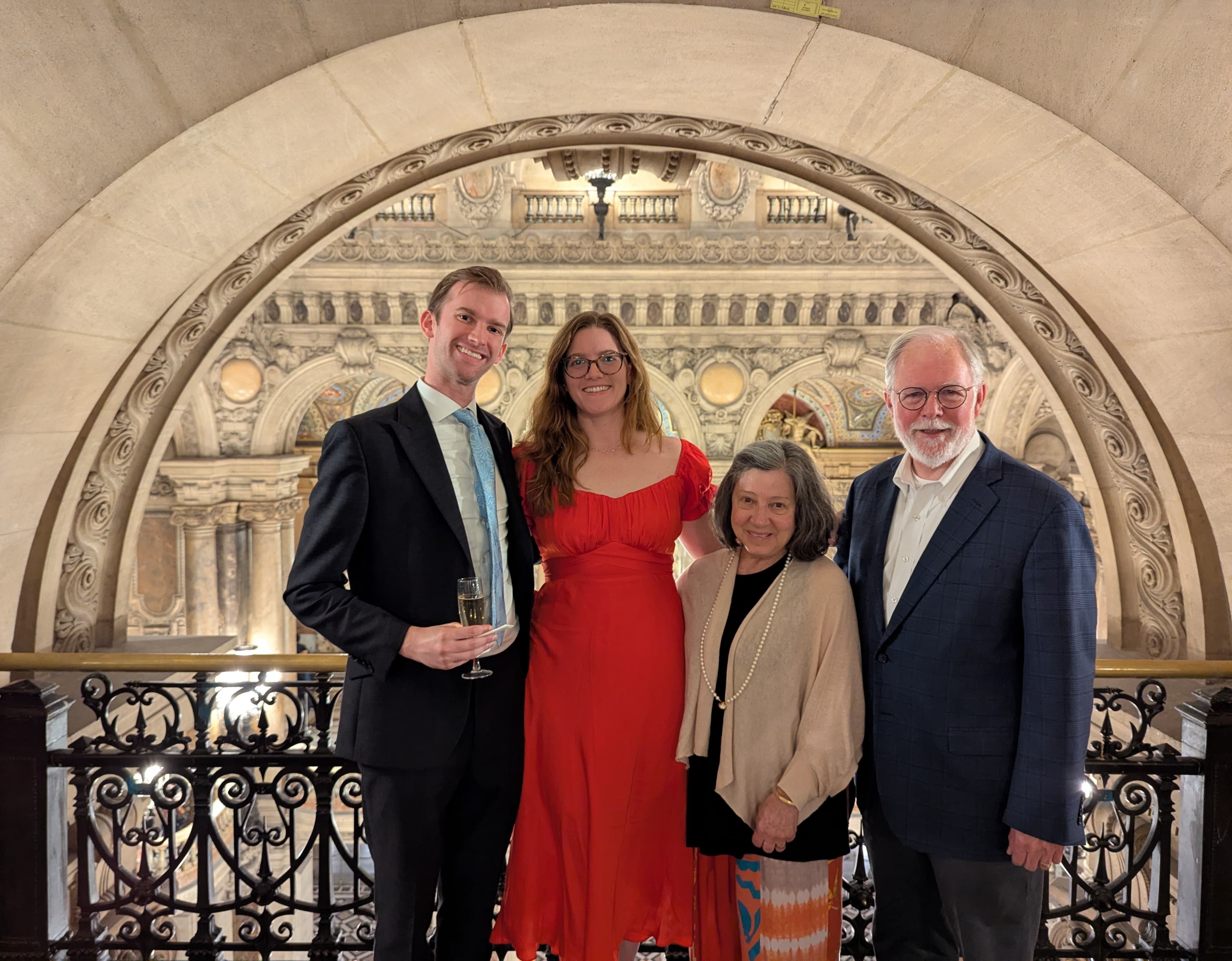
Once again Paris proves to be a unique place to bring memory, identity, and continuity together in art, music, history, architecture, and dance.
More to come . . .
DJB
 MORE TO COME...
Pingback: I love Paris in the fall | MORE TO COME...
Pingback: Observations from . . . October 2025 | MORE TO COME...
Pingback: Oh, the places we’ve seen! | MORE TO COME...