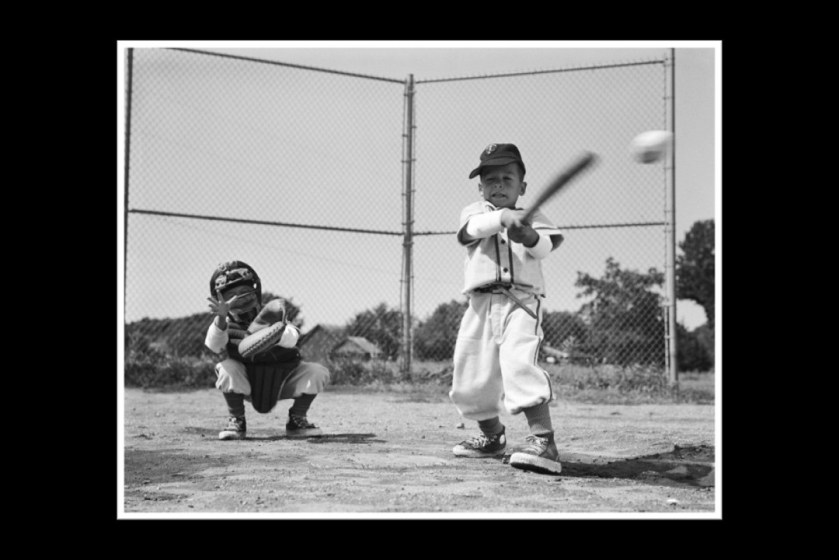
The World Baseball Classic reminded us of what it means to play for joy.
This is the first of three baseball-themed posts over the next few days as we wrap up the WBC and head toward opening day.
Regular readers know that I love Joe Posnanski. How, you may ask, can I love a balding, usually overweight, 59-year-old sportswriter?

It’s easy. He gets joy.
Joe looks for joy. He writes with joy. He brings a child’s joy to his craft. He understands that these are just games that are best approached with joy. He saves his wrath (such as it is) for suits, pompous players, and spoiled sports who work to dislocate the joy in our games.
Today’s short post is to urge you to drop what you are doing and read Joe’s take—entitled Freedom for What?—on the World Baseball Classic. I’ll give you a few excerpts, but you need to read the whole thing. Just do it. You can thank me later.
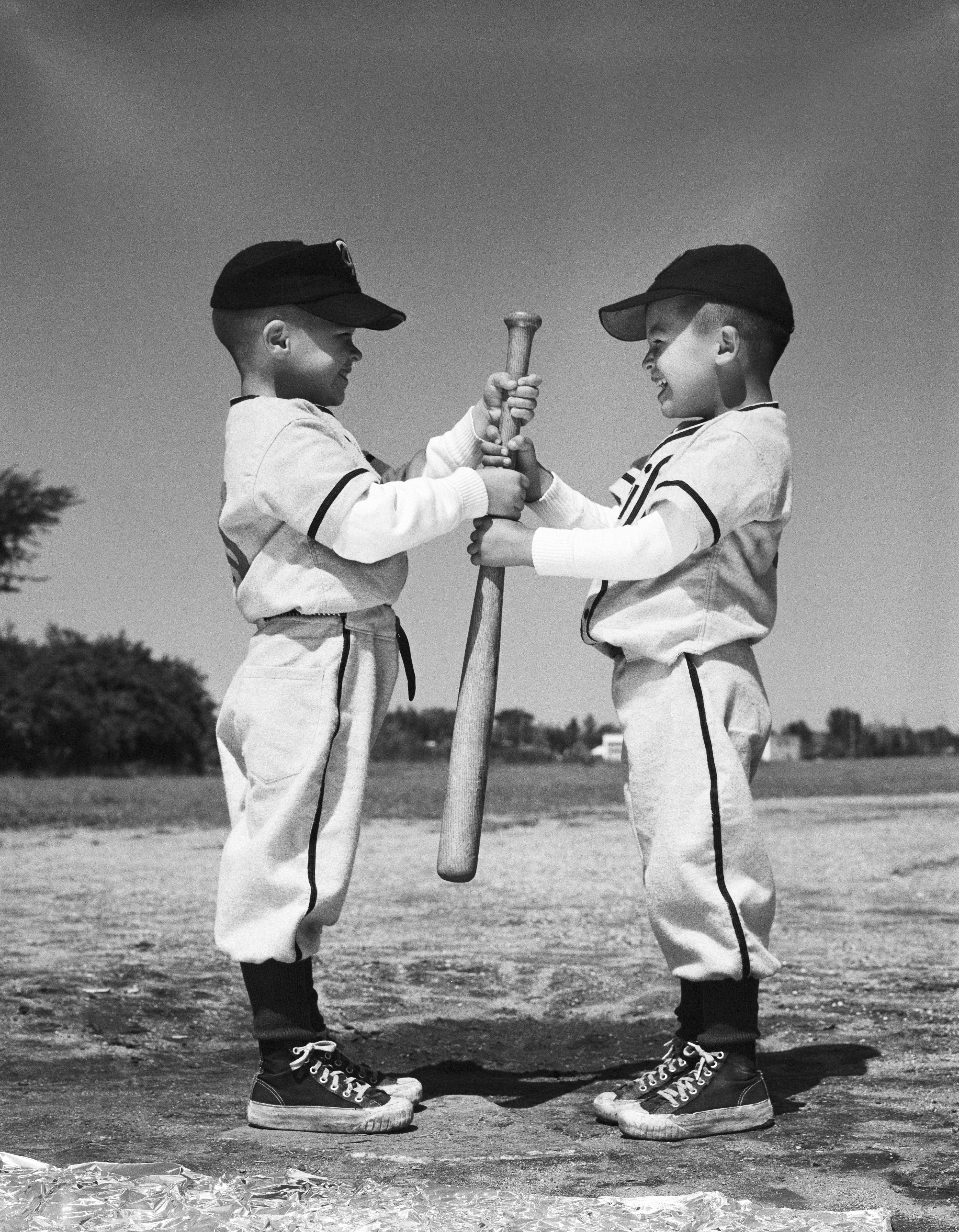
Joe begins by wondering why this tournament was “so absurdly awesome?”
“Why is it that I have friends, moderate baseball fans at best, who were OBSESSED with the WBC, who were constantly texting me to chat about the Italian baseball players taking shots of espresso and kissing each other on the cheeks, or the Mexican players putting a giant sombrero on the head of the guy who hit a home run, or that fun thing the U.S. team did where they … I’m just joking, they had no fun at all this entire tournament.”
That last sentence sets up the premise of this entire essay.
Unlike in the corporate culture of Major League Baseball, every team at the WBC was different.
“They played differently. They celebrated differently. They danced differently. They reflected their nation’s pride. Winning mattered, sure, but winning wasn’t everything. Playing was everything. Enjoying the moment was everything. This was baseball bursting with color, life, energy. Each hit was a party. Each run was a carnival.
And all the while, you had the loaded and glum U.S. team as a contrast, as if they were determined to represent the dreariest possible way to play baseball. The MLB way. Nobody ever seemed to even smile. . . . A lot has been written about the militaristic vibe this team disseminated (undoubtedly WITH the express written consent of Major League Baseball), but one thing that really struck me was how wrong they got it.”
There is a glorification of the military in a lot of the way MLB and other professional sports display their “patriotism.” The military is important, but we forget why we have a military when we fall into the FOX network jingoistic coverage. But as Joe points out, these athletes are being paid handsomely to sacrifice nothing. They are playing a kid’s game.
And with that, he goes into the heart of the essay.
“You can salute each other like children playing war games, and you can speak platitudes about freedom, but doing so, to me, misses the whole point. Freedom for what? If you believe deeply in American freedom, then you must believe in those things that make freedom worthwhile, no? What are those things? How about teachers who dedicate their lives to educating our children? How about the Grand Ole Opry? The Apollo Theater? Broadway? How about the first responders who arrive in the bleakest moments?
How about Casablanca and Sinners and Singing in the Rain?“
He’s just getting warmed up.
“How about the neighbors who mow the lawn of the elderly couple two houses down? How about the waiter or waitress who remembers your order at the diner, the bookstore owner who is dying to tell you about a book you will absolutely love, the bar band breaking into “Sweet Caroline,” and the way everyone in the place sings along? How about the crossing guards who know every kid’s name, the auto mechanics who tell you that, actually, the fix was a lot simpler than you thought, the mother who brings orange slices for everyone at Little League games?
How about chili in Cincinnati, pizza in New York, clam chowder in New England, hot dogs in Chicago, a Polish Boy in Cleveland, barbecue in Kansas City, gumbo in New Orleans, fajitas in Texas, fish tacos in San Diego?”
There’s more, but I’ll stop because I’m sure I’ve already exceeded fair use and I REALLY want you to read Joe’s entire column.
The top commentator on the piece wrote: “This is a more elegant and profound critique of US militarism than anything our so called leaders have managed this year. It’s a classic piece, rooted in the best of newspaper sports column writing.” I couldn’t agree more.
When Bryce Harper hit a massive game-tying home run in the bottom of the 8th inning, one that could have flipped the game over to the Americans, he didn’t dance around the bases or clap for joy. Instead, when he rounded third he stared at the camera, saluted something, and gave his best sports villain look. It was actually kind of embarrassing.
In Tuesday night’s final, Venezuela was just so much more fun to watch. As one commentator notes, the “US vibe was like watching a Cold War era Russian team stressing that if they didn’t win the gold medal it meant no food for their family.”
Based on the comments, Joe struck a nerve. Real patriotism, noted one, “is not the mindless, hollow jingoism that is so prevalent today. Real patriotism is celebrating all of the ordinary Americans that (often thanklessly) make this country work every day and all of the wonderful, diverse, unique aspects of American culture.”
In today’s America, we’ve so forgotten about the joy in life. People like Joe help us reclaim it.
More to come . . .
DJB
Photos from the 1960s from Getty Images on Unsplash.
 MORE TO COME...
This was amazing! Thanks for calling it to my attention. He summarized everything I felt watching Team U.S.A. but had not yet wrapped words around. They were joyless! Which is exactly one of the things that happens in the slide into authoritarianism, because joy is subversive. And, yes, when Harper hit that home run and saluted for the camera, I was grossed out, not impressed. It was all just very yuck.
Robyn, I’m so glad you went and read Joe’s column, as you were one of the people I had in mind when I posted this. And you know, Rebecca Solnit has a great essay that talks about how “joy is a fine initial act of insurrection” in her collection “Hope in the Dark.”
DJB
Pingback: Observations from . . . March 2026 | MORE TO COME...