Be a good boy…and follow your mother’s advice
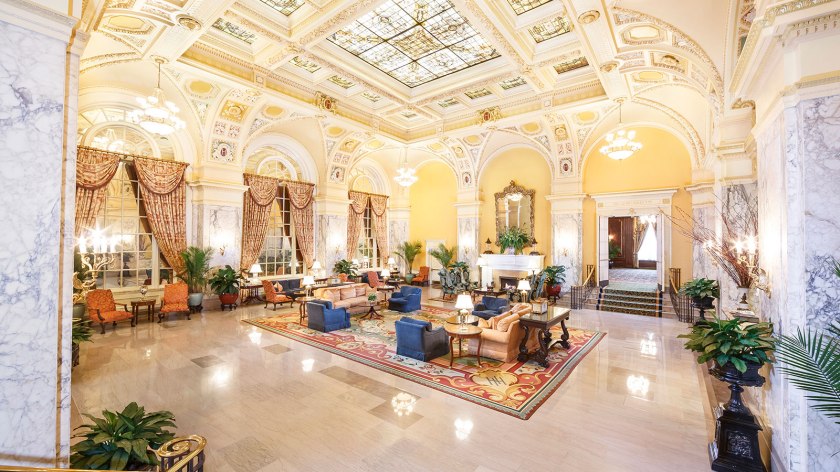
The story of the ratification of the 19th amendment – giving women the right to vote – has connections to Tennessee and a historic hotel in Nashville.
Addressing the challenges of our polarized times
The story of the ratification of the 19th amendment – giving women the right to vote – has connections to Tennessee and a historic hotel in Nashville.
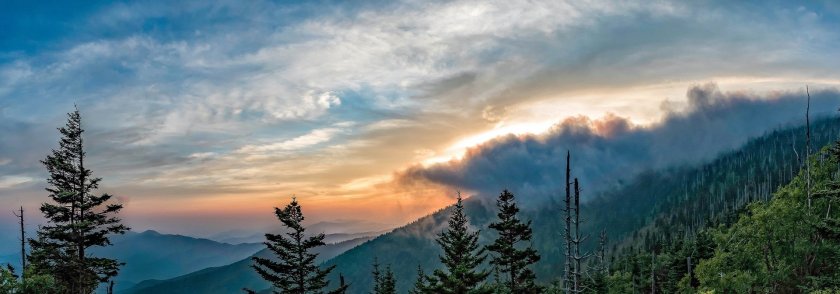
Folk songs often bring us to the intersection of place, history, and memory. In certain cases, digging into those songs gives us a chance to recover the true stories, long-hidden, from our past, bringing a reckoning with the history that did happen and a reimagining for our collective future. Recently, The Bitter Southerner posted a thoughtful article which examines how the popular folk tune Swannanoa Tunnel was taken from the wrongfully convicted black community in Western North Carolina. Forced to build the railroad tunnel as convict labor during the Jim Crow era, those convicts originally wrote the tune in the “hammer song” tradition of John Henry. Somebody Died, Babe: A Musical Cover-up of Racism, Violence, and Greed shows how the song was reshaped and romanticized into an English-based folk tune in the 1920s – 1960s to appeal to white audiences. As the site notes, “Beneath the popular folk song…and beneath the railroad tracks that run through Western North Carolina, is a story of blood, greed, and obfuscation. As our nation reckons with systematic racial violence, …
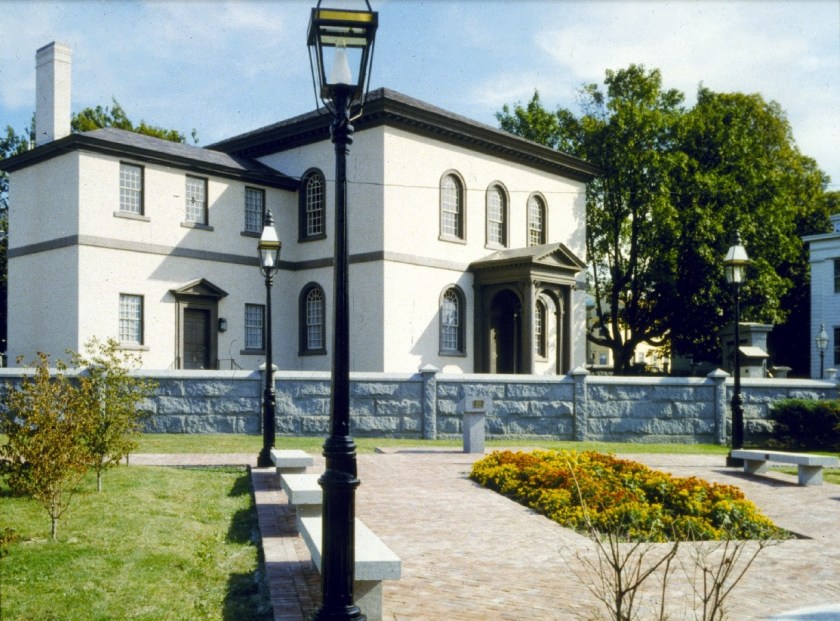
In following coverage of the fight over the Supreme Court*, don’t worry if you have become confused about the concept of religious liberty. Those making the most noise either do not understand — or do not want to understand — this fundamental First Amendment right enshrined in the Constitution. People who should know better often sow confusion around the history and meaning of “Congress shall make no law respecting an establishment of religion, or prohibiting the free exercise thereof.” Before we go all 2020 and take a virtual road trip to visit the places that help us see why the religious persecution faced by earlier generations led to this all-important amendment, let’s begin with a quick summary of why religious liberty is on the radar screen today. Recently two justices on the Supreme Court couldn’t pass up the chance to comment as they joined the court’s unanimous decision not to hear the appeal of Kim Davis, a Kentucky public official who refused to issue marriage licenses because of her personal religious views against same-sex unions. Justices …
The only surprising thing about Mike Lee’s statement saying democracy isn’t the objective is that he said the quiet part out loud.

How Democracies Die by Steven Levitsky and Daniel Ziblatt was tapped as my Book of the Year when I first read it in 2018. I bring it up again today, just three short weeks before our election, After yet another major violation of the Hatch Act, where an illegal political event was held on White House grounds on Saturday and labeled — with no sense of irony — a “Law & Order” rally; Soon after a right wing terrorist plot to kidnap the governor of Michigan was thwarted by FBI actions; The day before a rushed nomination of a hard-right judge begins to be pushed through the Senate with the benefit of Republican lies and against the will of the majority of the people; and During the weekend U.S. Senator Lindsey Graham of South Carolina said African Americans and immigrants can “go anywhere” in his home state but they “just need to be conservative.” It took me less than a minute to find these four recent threats to our democracy: flagrant disregard for the law, violent threats against …

Comfort is often a code word for the right to be unaware.

“Nobody’s free until everybody’s free.”

I first stood at Jamestown as a history-enthralled 11-year-old. The picture of the 17th century ruin of the church tower, abutted to the 1907 Memorial Church, is seared in my mind. I also remember the water lapping at the nearby shore, serving as a reminder that the people at Jamestown had the most tenuous of toeholds on this continent in those early years. While I didn’t know it at the time, the narratives of life in early 17th century Virginia — told by the guides, the plaques that lined the walls of the 1907 church, and the books I devoured — were incomplete and sometimes egregiously false. White Christian Europeans were the focus. If they were mentioned at all, Native Americans, along with the enslaved African Americans who began arriving against their will at Jamestown in 1619, were small, dependent actors; impediments, if you will, to the greater story of the colonists and settlers and the shaping of what it meant to be an “American.” Those Europeans were not home. They were the outsiders. Yet …
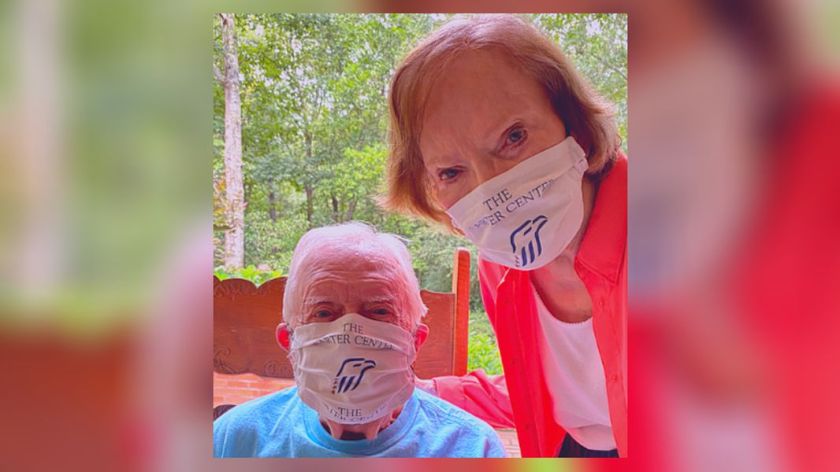
Happy 96th birthday, Mr. President! Yours has been a life well-lived that inspires millions.
My “egg on my face” update concerning Joe Biden’s fitness for office.

