
Democracy is never permanent…and the work to keep it never ends
My series of observations on the lessons of history in the fight for democracy.
Posts about places that matter
My series of observations on the lessons of history in the fight for democracy.

Early in my preservation career, I was privileged to serve five years as the executive director of Virginia’s Historic Staunton Foundation, an award-winning preservation organization recognized over more than four decades for its work to protect and revitalize this historic Shenandoah Valley community. Our children were born during the 15 years we lived in Staunton, it shaped each of us in significant ways, and we still have deep friendships that bring us “home” several times each year. Just as we like to return to this gem of a community, visionary leadership has made Staunton a year-round destination for tens-of-thousands of visitors annually and has generated national recognition for the city, including more than forty awards and accolades for its historic downtown from national organizations and media in the past ten years. Some of the top ones include : The Great American Main Street Award A National Trust for Historic Preservation Award Best Small Towns in America Award (Smithsonian magazine) The 15 Most Beautiful Main Streets Across America (Architectural Digest) That level of success does not …

The story of the ratification of the 19th amendment – giving women the right to vote – has connections to Tennessee and a historic hotel in Nashville.
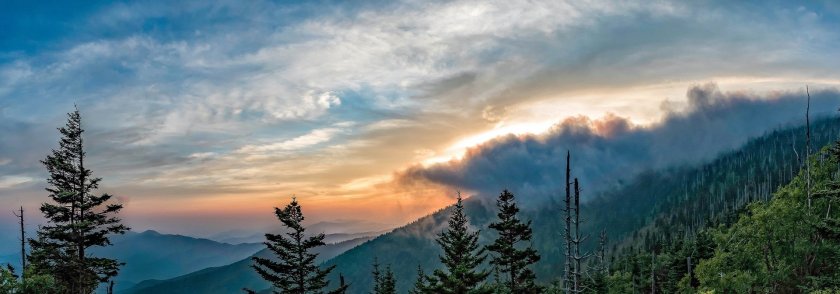
Folk songs often bring us to the intersection of place, history, and memory. In certain cases, digging into those songs gives us a chance to recover the true stories, long-hidden, from our past, bringing a reckoning with the history that did happen and a reimagining for our collective future. Recently, The Bitter Southerner posted a thoughtful article which examines how the popular folk tune Swannanoa Tunnel was taken from the wrongfully convicted black community in Western North Carolina. Forced to build the railroad tunnel as convict labor during the Jim Crow era, those convicts originally wrote the tune in the “hammer song” tradition of John Henry. Somebody Died, Babe: A Musical Cover-up of Racism, Violence, and Greed shows how the song was reshaped and romanticized into an English-based folk tune in the 1920s – 1960s to appeal to white audiences. As the site notes, “Beneath the popular folk song…and beneath the railroad tracks that run through Western North Carolina, is a story of blood, greed, and obfuscation. As our nation reckons with systematic racial violence, …

I first stood at Jamestown as a history-enthralled 11-year-old. The picture of the 17th century ruin of the church tower, abutted to the 1907 Memorial Church, is seared in my mind. I also remember the water lapping at the nearby shore, serving as a reminder that the people at Jamestown had the most tenuous of toeholds on this continent in those early years. While I didn’t know it at the time, the narratives of life in early 17th century Virginia — told by the guides, the plaques that lined the walls of the 1907 church, and the books I devoured — were incomplete and sometimes egregiously false. White Christian Europeans were the focus. If they were mentioned at all, Native Americans, along with the enslaved African Americans who began arriving against their will at Jamestown in 1619, were small, dependent actors; impediments, if you will, to the greater story of the colonists and settlers and the shaping of what it meant to be an “American.” Those Europeans were not home. They were the outsiders. Yet …
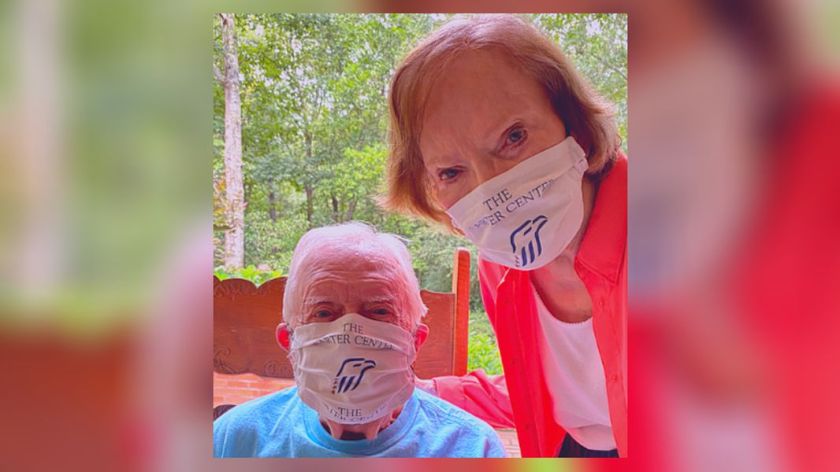
Happy 96th birthday, Mr. President! Yours has been a life well-lived that inspires millions.

Everyone has an origin story. Here’s mine.
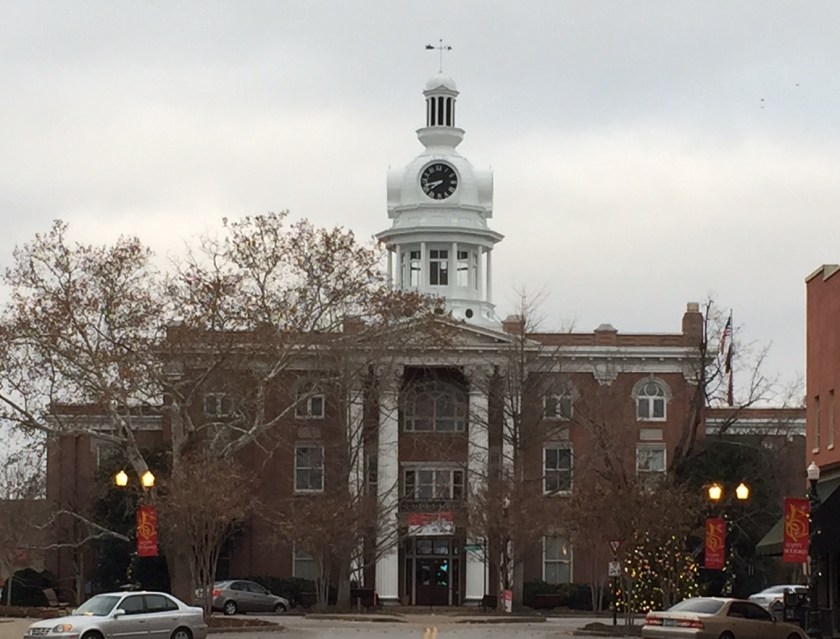
Are you afraid? It was an era when those protesting for civil rights had moved from nonviolent techniques to more confrontational stances, and the nightly news carried stories and photos of clashes in cities across the country between the police and protesters. The tribal nature of our communities was coming into focus for everyone to see. While we lived on Main Street, our neighborhood was mixed both economically and racially. And here I was, playing pickup basketball on a local court, when a player on the opposing team asked me that question. He wanted me to acknowledge that I was the only person scuffling around on the asphalt, shooting at hoops with torn nets and battered backboards, who was not African American. The question insinuated that I should feel out of place and uncomfortable and was followed by another: Don’t you feel scared? Playing on the local courts as a young teenager with whatever group of neighborhood kids came along was just what I did. “No,” I replied. I knew most of these guys, and …
Motoko Fujishiro Huthwaite had — by any account — an amazing life. Born in Boston on August 24, 1927 to Japanese citizens, her father was a prominent dentist and professor at Harvard. As noted on the Monuments Men Foundation website: “The family was befriended by Langdon Warner, the legendary scholar of Asian art and future Monuments Man in Japan following the end of World War II. The Fujishiro household became the center of the Japanese community in Cambridge, Massachusetts. Japanese students, professors, and scholars from the many universities surrounding Boston would flock to parties expertly hosted by Motoko’s mother.” She and her mother and brother were forced to relocate to Japan following the attack on Pearl Harbor, however, while her father was arrested for espionage and put into an internment camp. He later returned to Tokyo a broken man. Motoko survived the war and became one of 27 women who worked for the Arts and Monuments Commission — popularly known as the Monuments Men. After the war, she reinstated her United States citizenship, lived in …
During this pandemic, many of us are feeling vulnerable. Some may be wondering if or where we belong in a world that has dramatically changed. Brené Brown says that our belonging to each other can’t be lost, but it can be forgotten. She came to understand the simple yet profound answer to the question of the difference between fitting in and belonging out of a conversation with a group of middle school students. “Fitting in is when you want to be a part of something” they explained. “Belonging is when others want you.” With my background, Brené Brown’s thoughts on vulnerability and belonging led me to think about history, storytelling, and our use of selective memory to keep others out of our narrative, to ensure they don’t belong. If we confront our feelings during this pandemic, we may come to realize the ways that we have made others feel vulnerable in the past, perhaps by omitting or erasing their stories as if they don’t belong. History isn’t what happened. It is a story about what happened. …
 MORE TO COME...