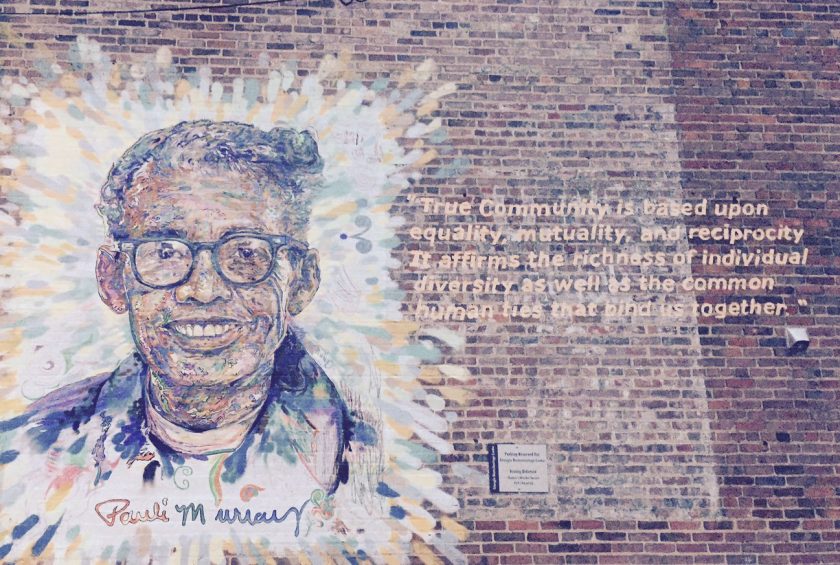
The Firebrand and the First Lady
Patricia Bell-Scott’s wonderful 2016 book raises the level of attention to the work and legacy of Pauli Murray.
Books (along with a smattering of movies and plays) that I have found of interest and want to share
Patricia Bell-Scott’s wonderful 2016 book raises the level of attention to the work and legacy of Pauli Murray.

E.B. White once wrote, “The curse of flight is speed. Or, rather, the curse of flight is that no opportunity exists for dawdling.” I’ve been reading White as we’ve dawdled the past few days near his long-time Brooklin home in Maine, our feet very much on the ground (and water). The first dictionary definition of dawdle is “to waste time,” but then options such as “moving slowly and idly” are put forth, as is “languid” and “saunter.” I prefer the latter choices, as we’ve been dawdling, but definitely not wasting time. Monday we sat outside the Pilgrim’s Inn, at water’s edge, and read for a couple of hours in the morning, enjoying a picture perfect Maine summer day. Then we sauntered (if you can do so by car) over for a late lunch at the Brooklin Inn. Our friends Tim Boggs and James Schwartz had invited us to their area home for an afternoon sail and dinner. As we were walking out of the Inn, James and Tim drove by, stopped, and encouraged us to …
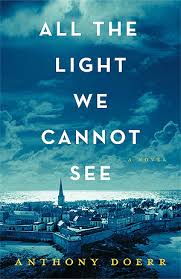
Now I understand. For the past two years — and especially since my time last March and April at the American Academy in Rome — friends have enthused over Anthony Doerr‘s writing. My only experience was through his short memoir Four Seasons in Rome, which while an interesting read struck me as something he did because he had journals from his time at AAR and decided to make something of them. Not a terrible thing to do, but also not up to the level of the reviews of Doerr’s work I was hearing from friends. Then over the first two weeks of August, I read All the Light We Cannot See. I’ll repeat myself. Now I understand. What a lovely, rich, engrossing, and uplifting book. First of all, Doerr is a poet with words, but he has a scientist’s mind. This is as finely crafted a story as I’ve ever read, with the shifts in time and character all put together in an amazing sequence that pulls the reader forward with anticipation. I can easily …
(In a recent post on the National Trust’s Preservation Forum blog, I highlighted the recent publication of 50 essays with ideas for the next 50 years of preservation. I’ve excerpted portions of that post for More to Come…. You can read the entire post here. Full disclosure: I was one of the contributors.) The 50th anniversary of the National Historic Preservation Act (NHPA)—the cornerstone of preservation practice in the United States—has spurred conferences, articles, and celebrations throughout 2016. One of the most lasting and influential looks to the future to emerge from this year could well be a new work from the University of Massachusetts Press, Bending the Future: 50 Ideas for the Next 50 Years of Historic Preservation in the United States. Edited by Max Page and Marla R. Miller, professors at the University of Massachusetts Amherst, Bending the Future features visions of the next five decades from some of the nation’s leading preservation professionals, historians, scholars, activists, and journalists. The editors invited “provocations,” and they certainly received a few. But what is almost universal …
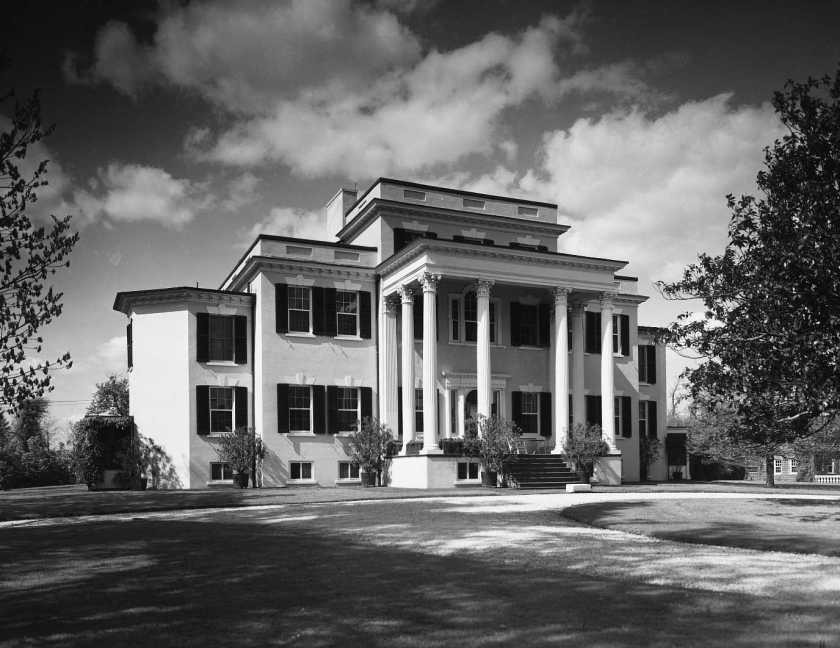
The story of Virginian Robert Carter III and the emancipation of 450 enslaved individuals shortly after the founding of the United States is one of the forgotten stories of American history. However, in our current period of political unrest — much of it centered on racism and questions around who owns the American story — this is an appropriate time to look at how this act of emancipation, and similar acts that took place throughout the South before the Civil War, were buried and forgotten. Thankfully, Andrew Levy’s complex and largely satisfying book The First Emancipator: Slavery, Religion, and the Quiet Revolution of Robert Carter brought this story the attention it deserves. Levy claims — powerfully and in a way that challenges our core national narrative — that Carter “did something that transcends our ability to listen to our own past.” A recent tour of the National Trust Historic Site Oatlands outside Leesburg, Virginia, with several senior staff led to a discussion of the story of slavery at the plantation. Robert Carter III was the …
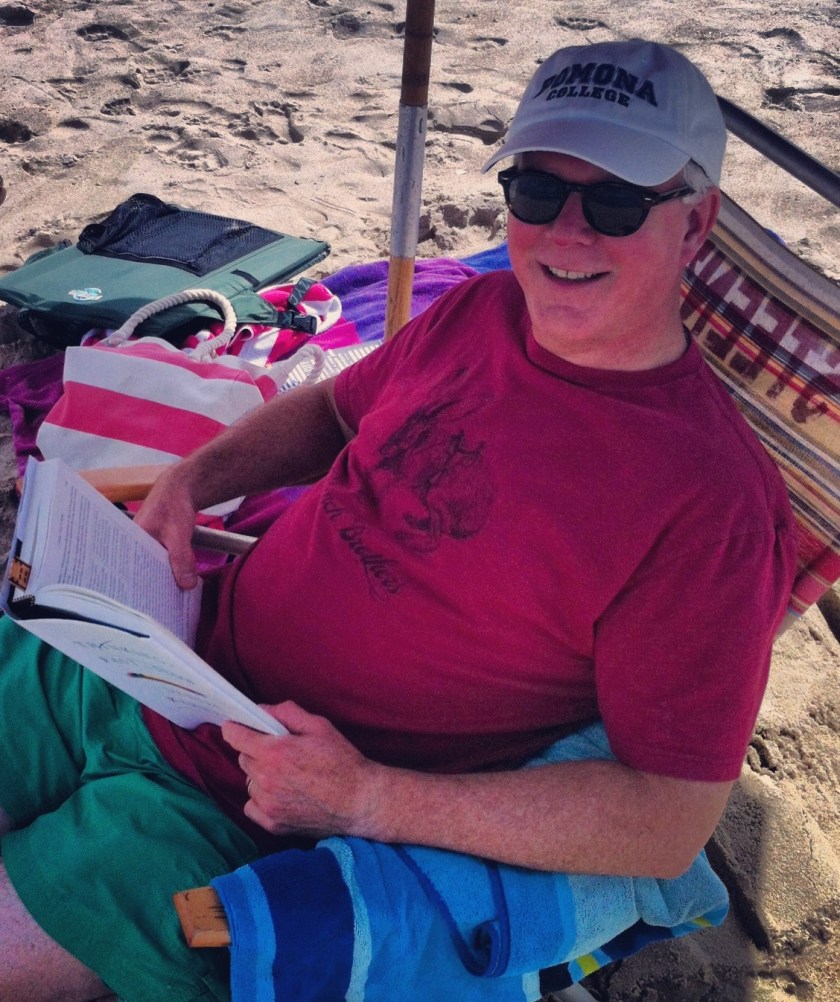
Author Fran Lebowitz once wrote, “Think before you speak. Read before you think.” I’ve been thinking about reading recently, because I will be out of the office as I complete the final two weeks of my sabbatical and link that with some personal days off. I have the opinion that summer reading lists should be light, but that may simply be an excuse to read another baseball book. Since this time is tied to my sabbatical, I’m going a bit more serious this August and I thought I’d share a few of the books which will be on night stand. (Regular readers can expect “mini reviews” in the coming weeks.) Bending the Future: 50 Ideas for the Next 50 Years of Historic Preservation in the United States (Edited by Max Page and Marla R. Miller) – This brand new work from the University of Massachusetts Press contains a wonderful introductory essay and then 50 short contributions from practitioners, academicians, journalists, community activists and more. I’m looking forward to digging into this work as one more …
Four restful days on the Patuxent River in Southern Maryland brought our summer holiday to a close. We used this time for unwinding from our western travels, reading, talking as a family – but mostly for being. The sunset on the river was illustrative of the four wonderful days of weather we experienced…nary a day when the AC was required…but it also struck us as appropriate for an end-of-summer-holiday post. We’ve been fortunate enough to have access to this retreat for nine years, and there are some traditional activities we’ve taken on during that time. While our visit was shortened this year, we were still able to visit Cone Island at Solomon’s to buy the traditional “Monster” ice cream cones that Andrew and Claire showcase below. It just wouldn’t be a summer without a Monster! Candice and I were also able to finish some reading over the weekend. Candice completed an out-of-print book she bought on Amazon entitled Nourishing the Soul: Discovering the Sacred in Everyday Life and said it was transformative in its insights. …
 MORE TO COME...