
Readjustment is the best word to describe our lives since we returned from the National Trust Tour to Scandinavia and the Baltic Sea. Body clocks have to reset after a seven-hour time difference. While we eat very well at home, it is nonetheless a change from cruise ship fare.
And as we visited countries from Norway to Estonia, we found ourselves occasionally putting on a fleece for an extra layer of warmth. We’re now shedding those clothes in the August heat and humidity of Washington!
But cooler temperatures are not really what we remember from this memorable twelve-day cruise. I’ve already captured thoughts about some of the special places here on MORE TO COME. * Now, as is my practice, I’m pulling a range of photos and impressions together for this wrap-up post as part of the Observations from . . . series. Enjoy!
Signs and street scenes
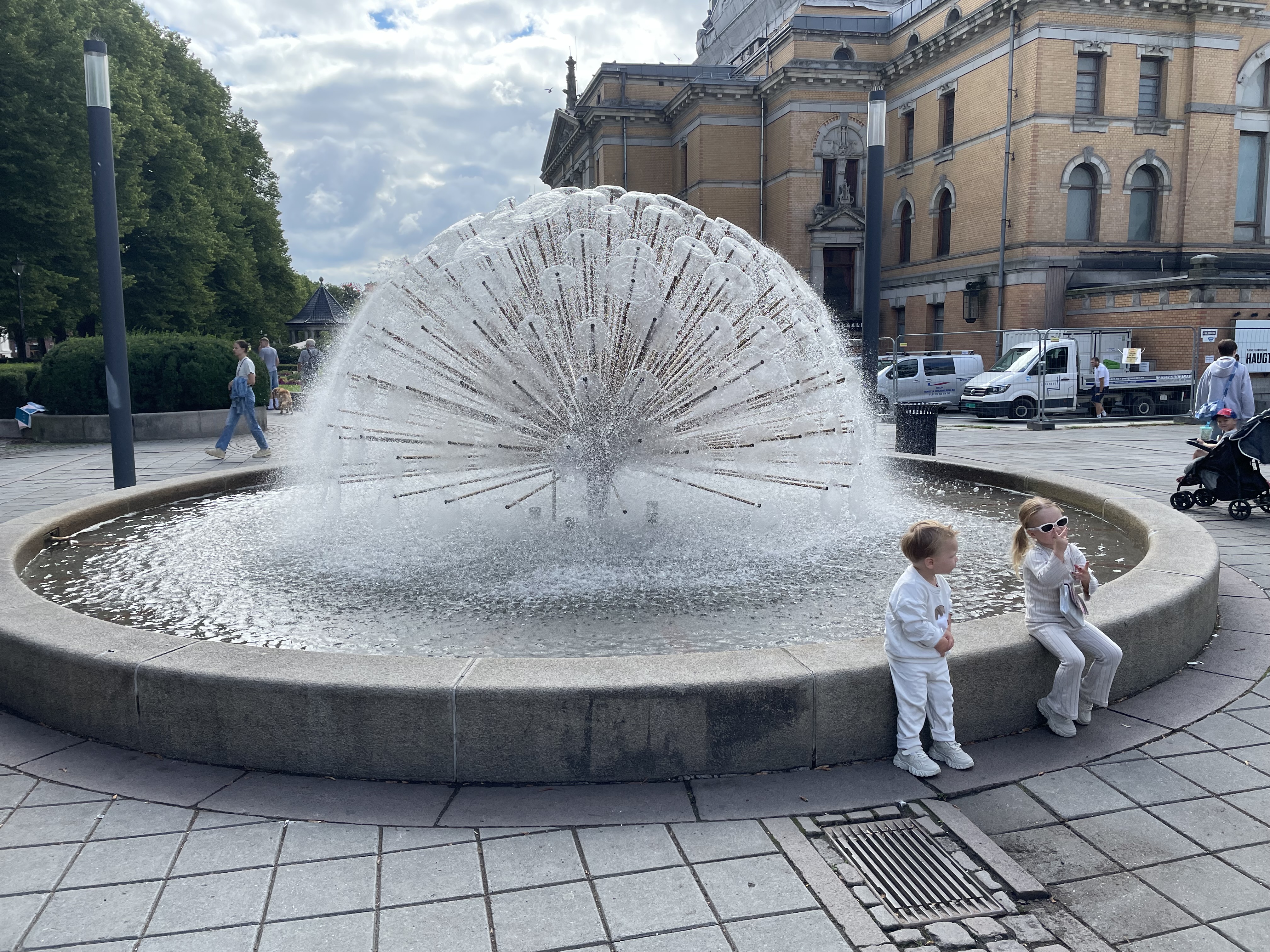
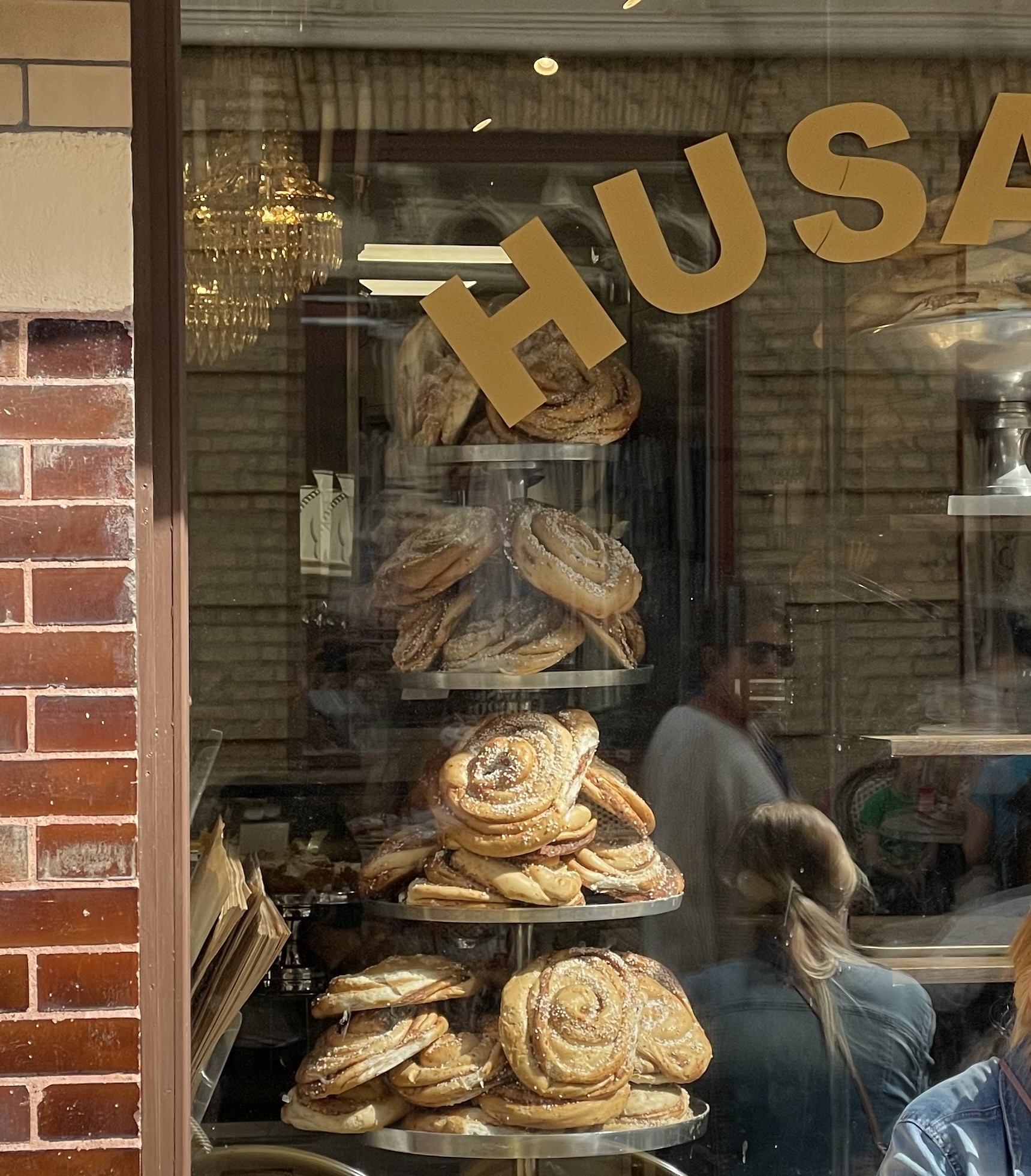
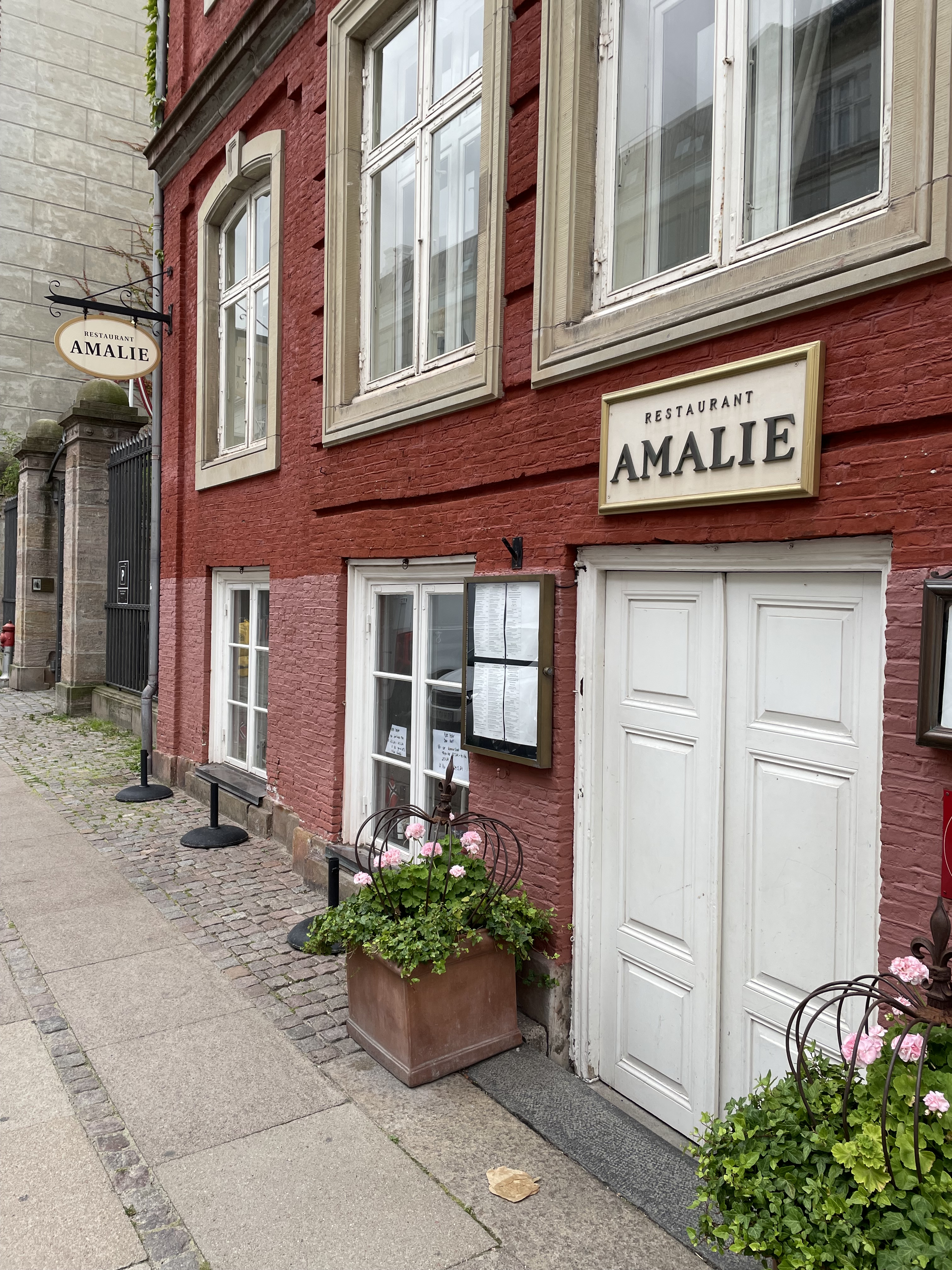
I tend to take pictures of buildings without people in front of them—a habit from my days of focusing primarily on the historic architecture. However, as I have come to appreciate that the essential feature of a landmark is not its design but the place it holds in a community’s memory, I’m now taking more photographs of people animating historic places. Here are a few examples from this trip along with a few signs that caught my eye.




A region that understands independence
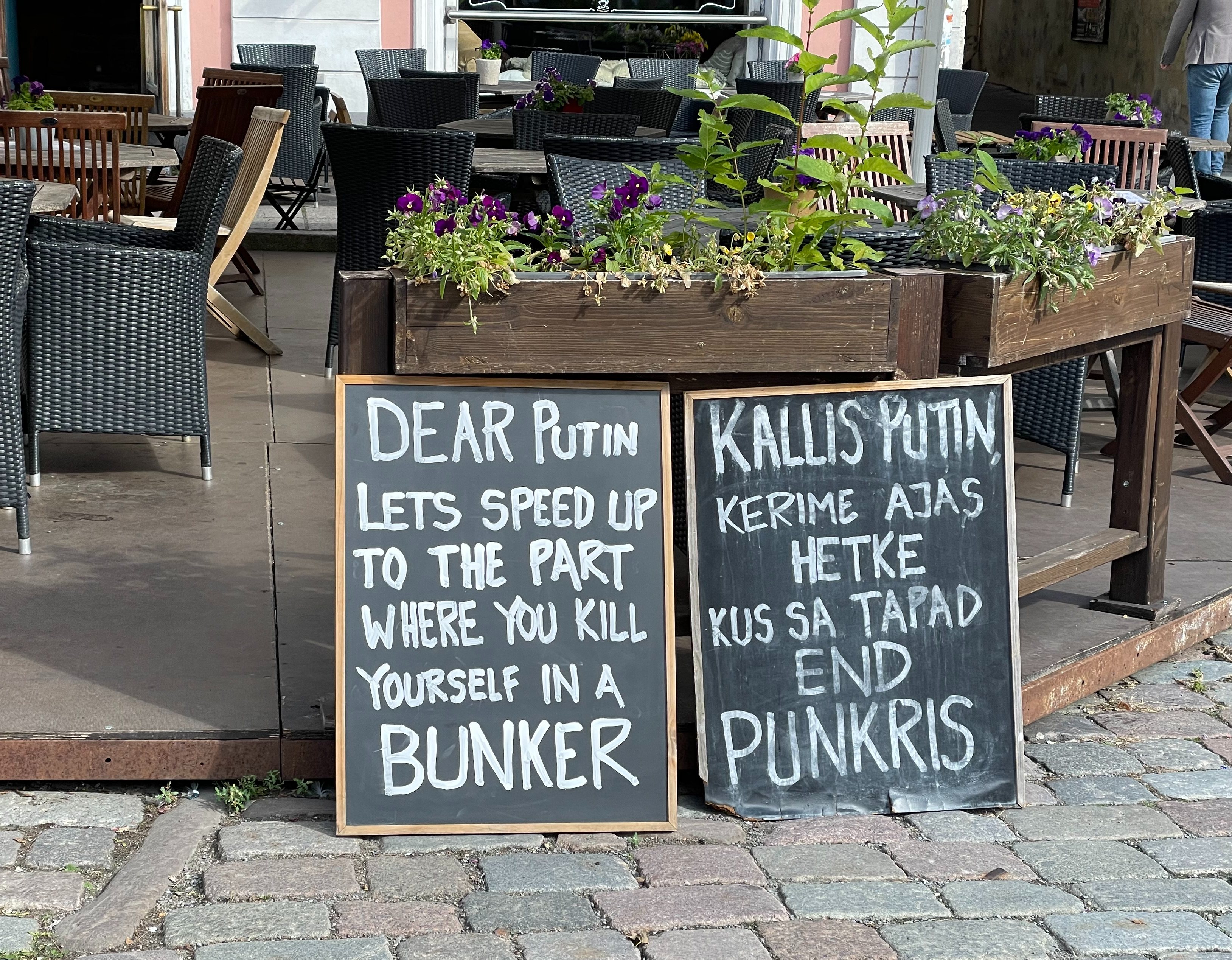
The history of the Scandinavian and Baltic countries we visited is one of fiercely independent people who have endured generations—even millennia—of conquest and occupation. Signs of support for Ukraine were everywhere, because they understand Russian designs on other countries in a visceral way that provides an urgency not seen in the U.S.


Sparking individual and collective memories
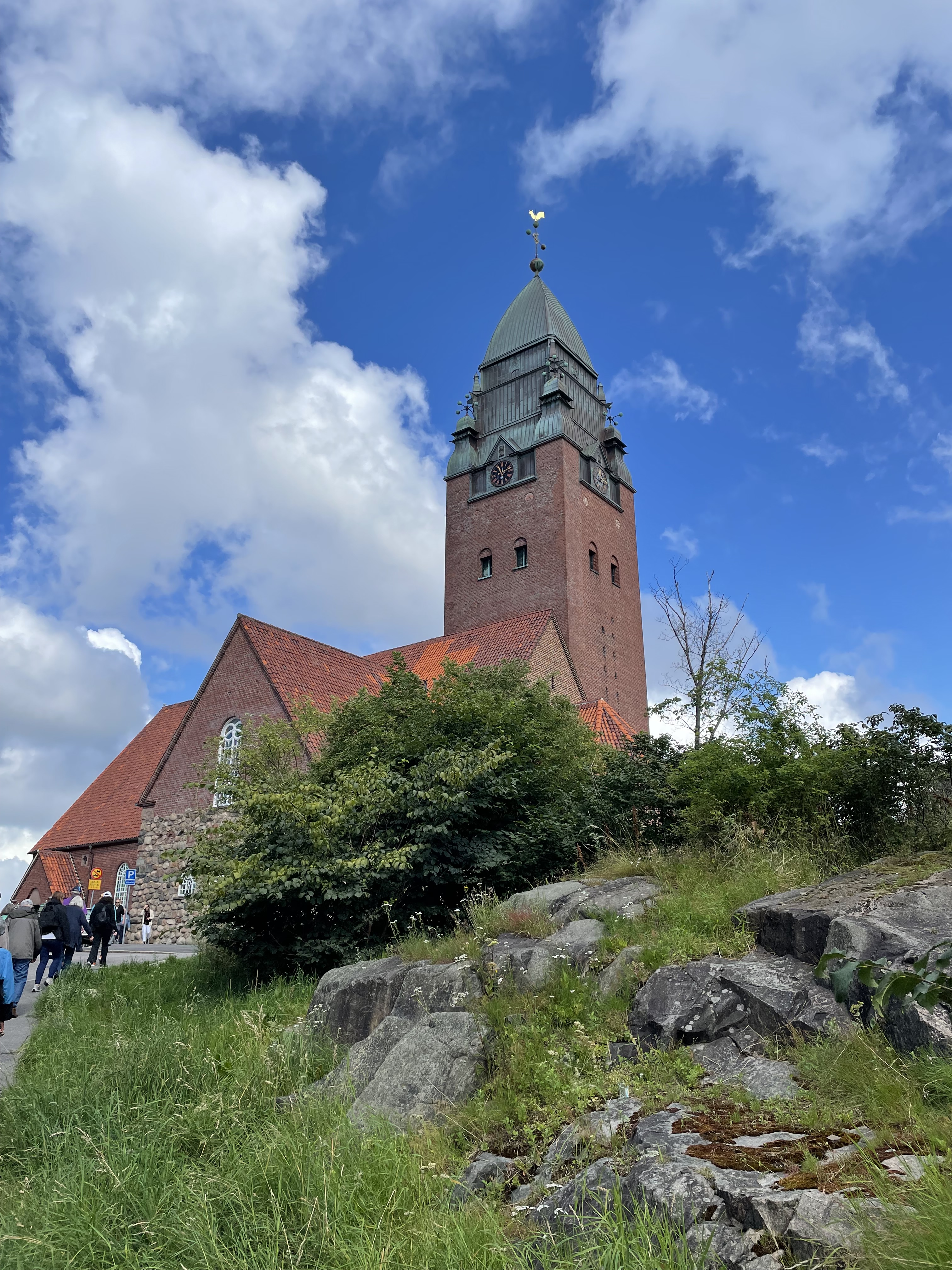
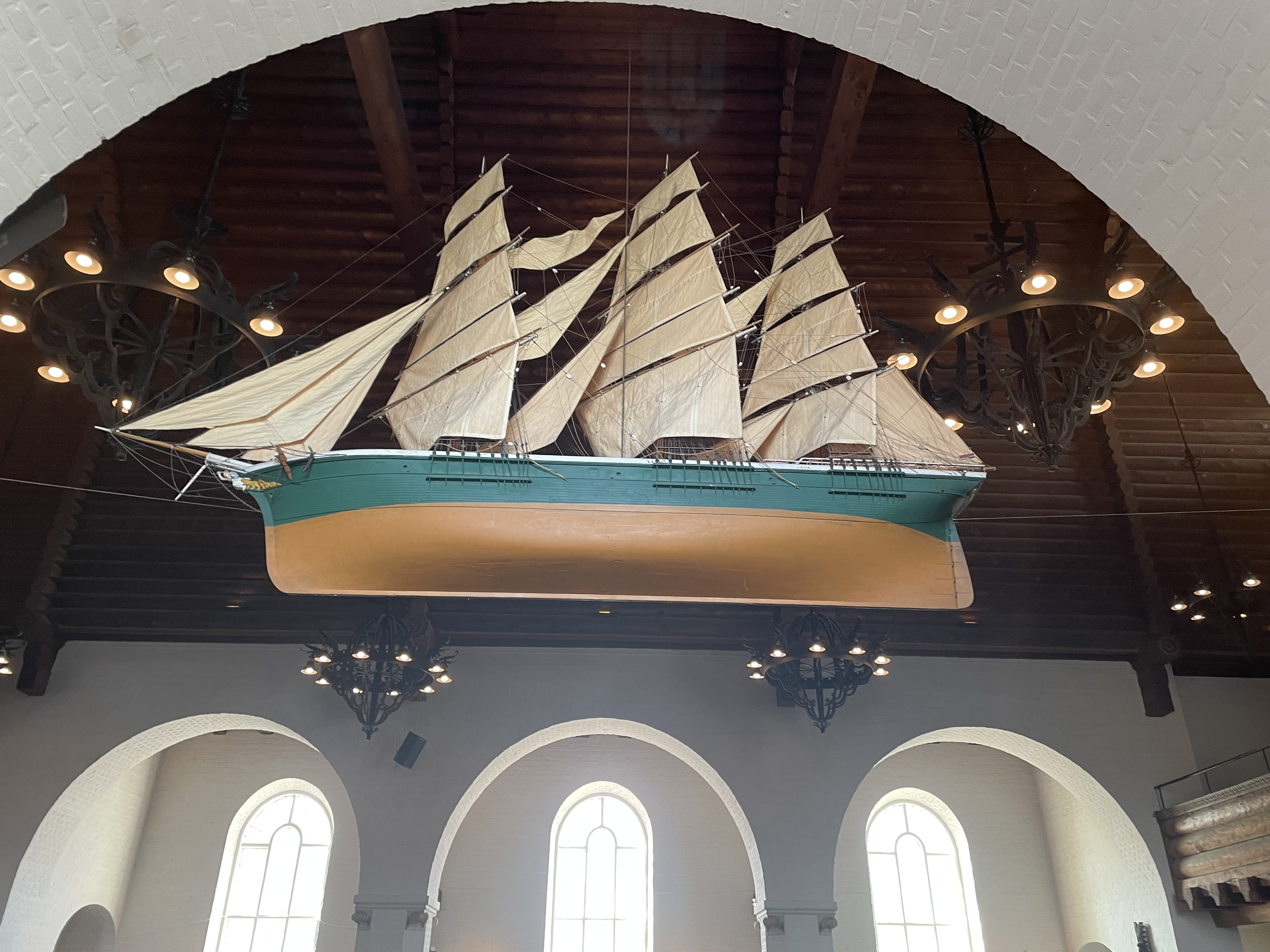
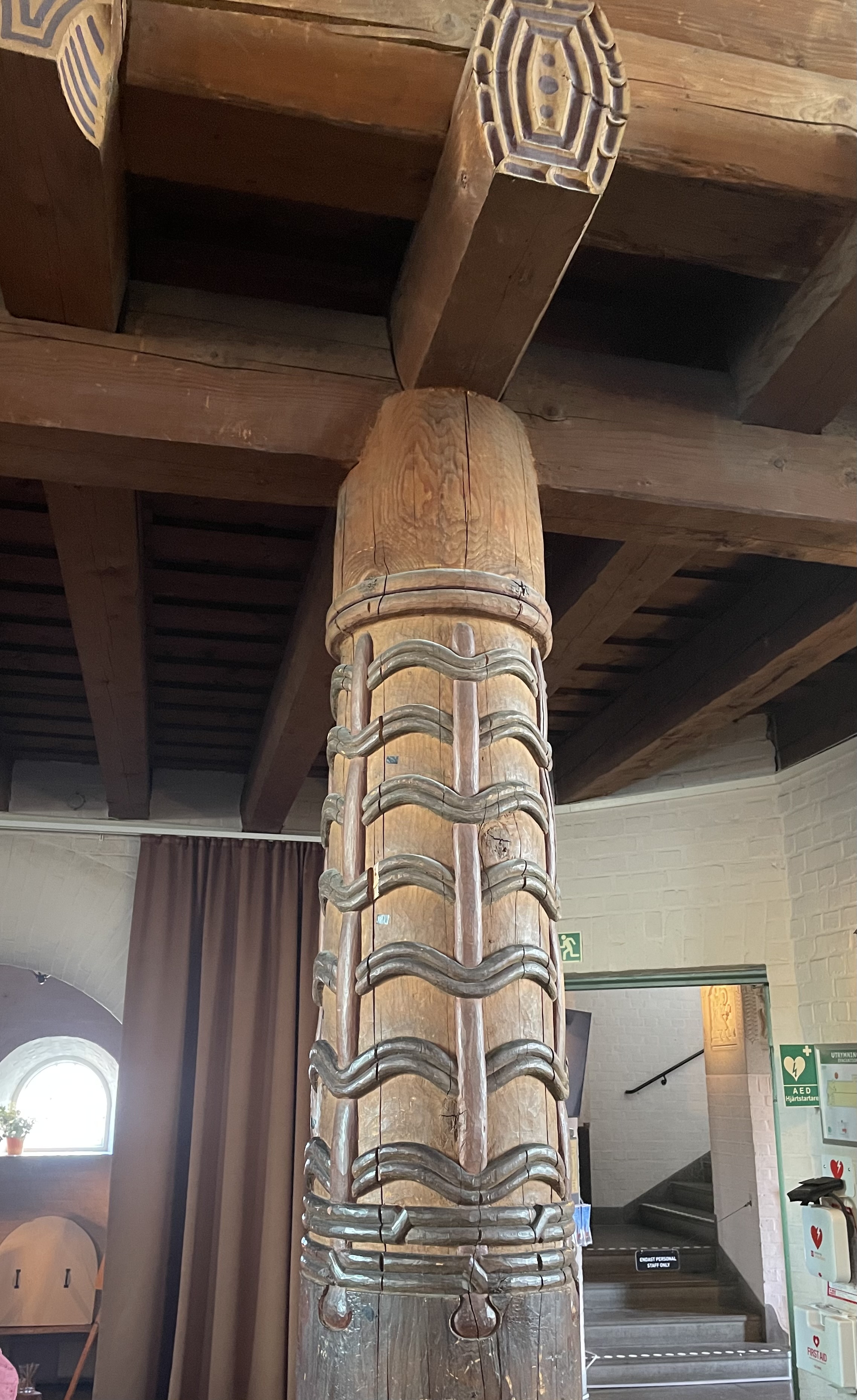
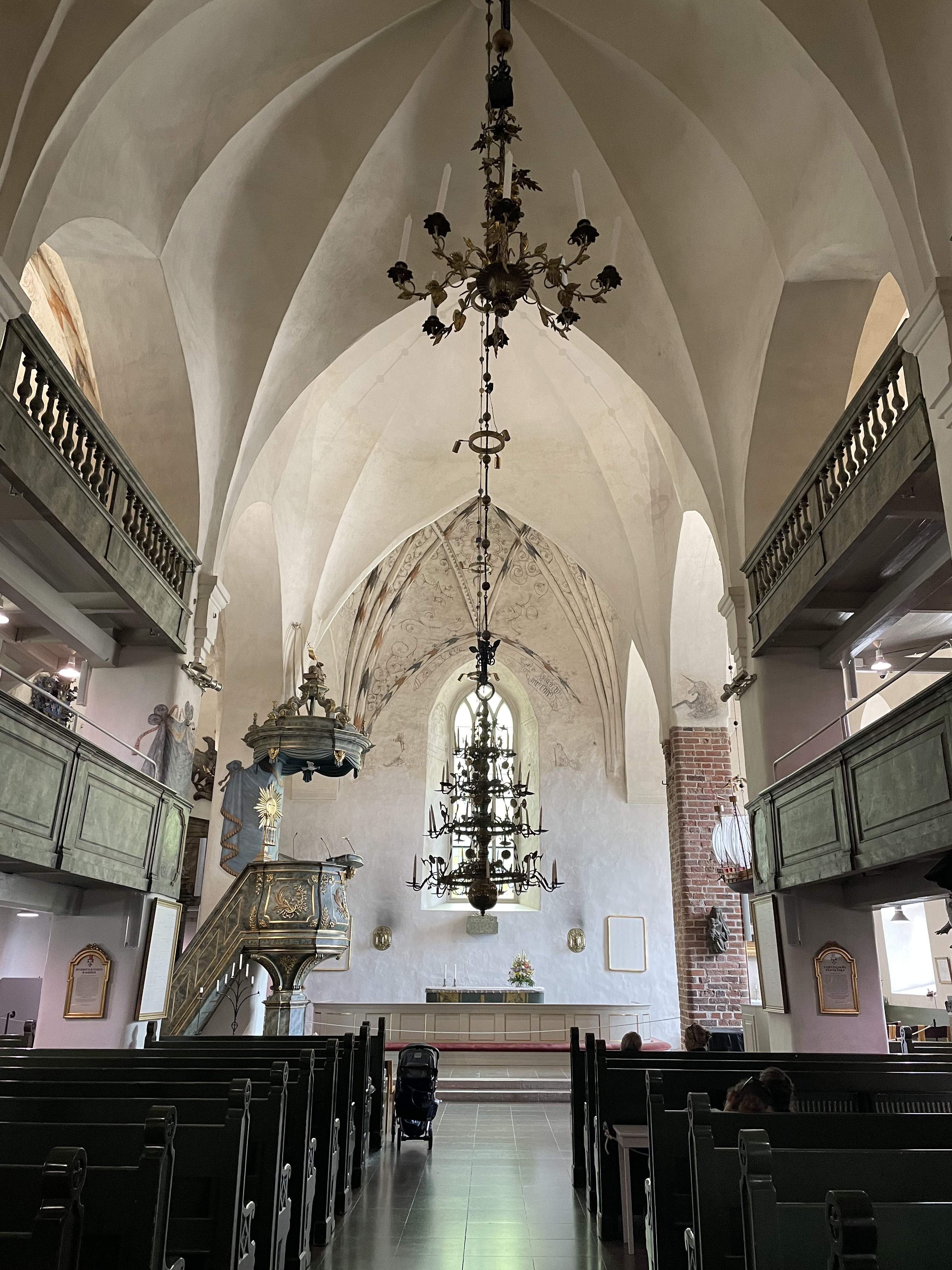
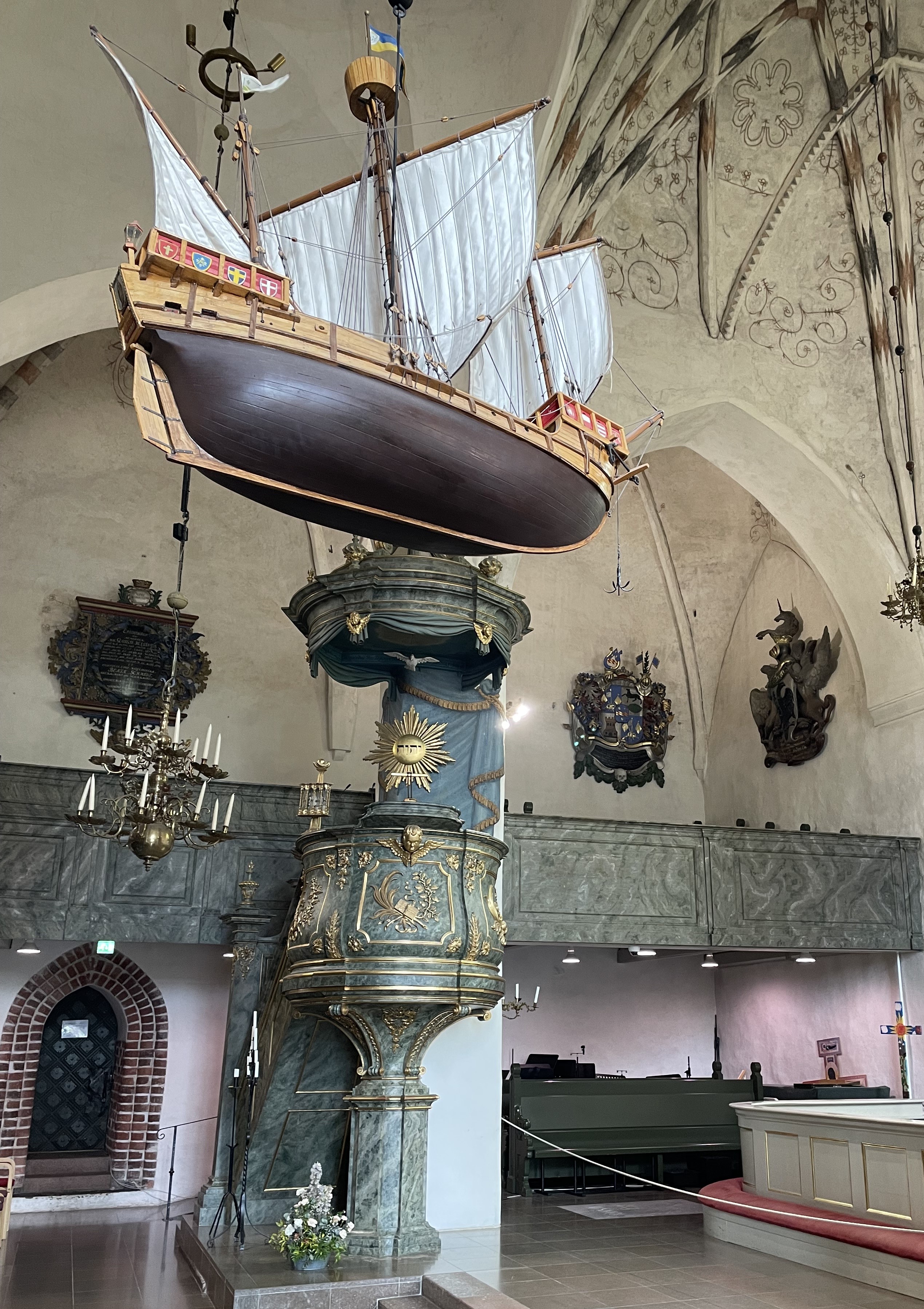
We visited a number of beautiful churches, large and small, while touring. Places of all types are so important in how we understand our past as they key both individual and collective memories and that is certainly true of religious sites.


As is appropriate for this region so dependent on access to harbors and oceans, many of those houses of worship we visited recognized the beauty, bounty, and danger of the sea.


Celebrating the sun-filled days of summer
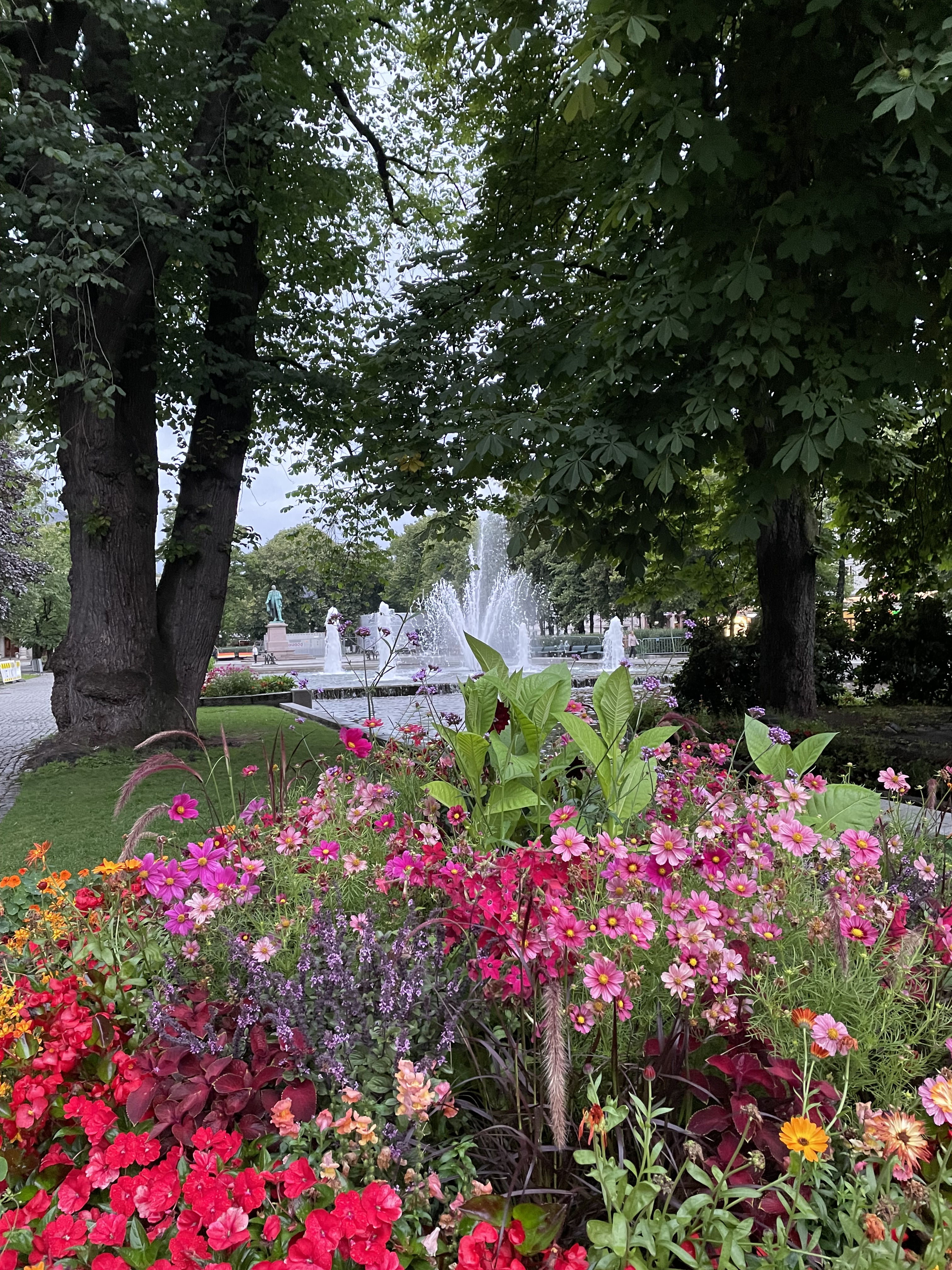
We spent time in a number of beautiful gardens and parks, with flowers and people all soaking in the 18-20 hours of summer sunlight.


From Medieval to Modern
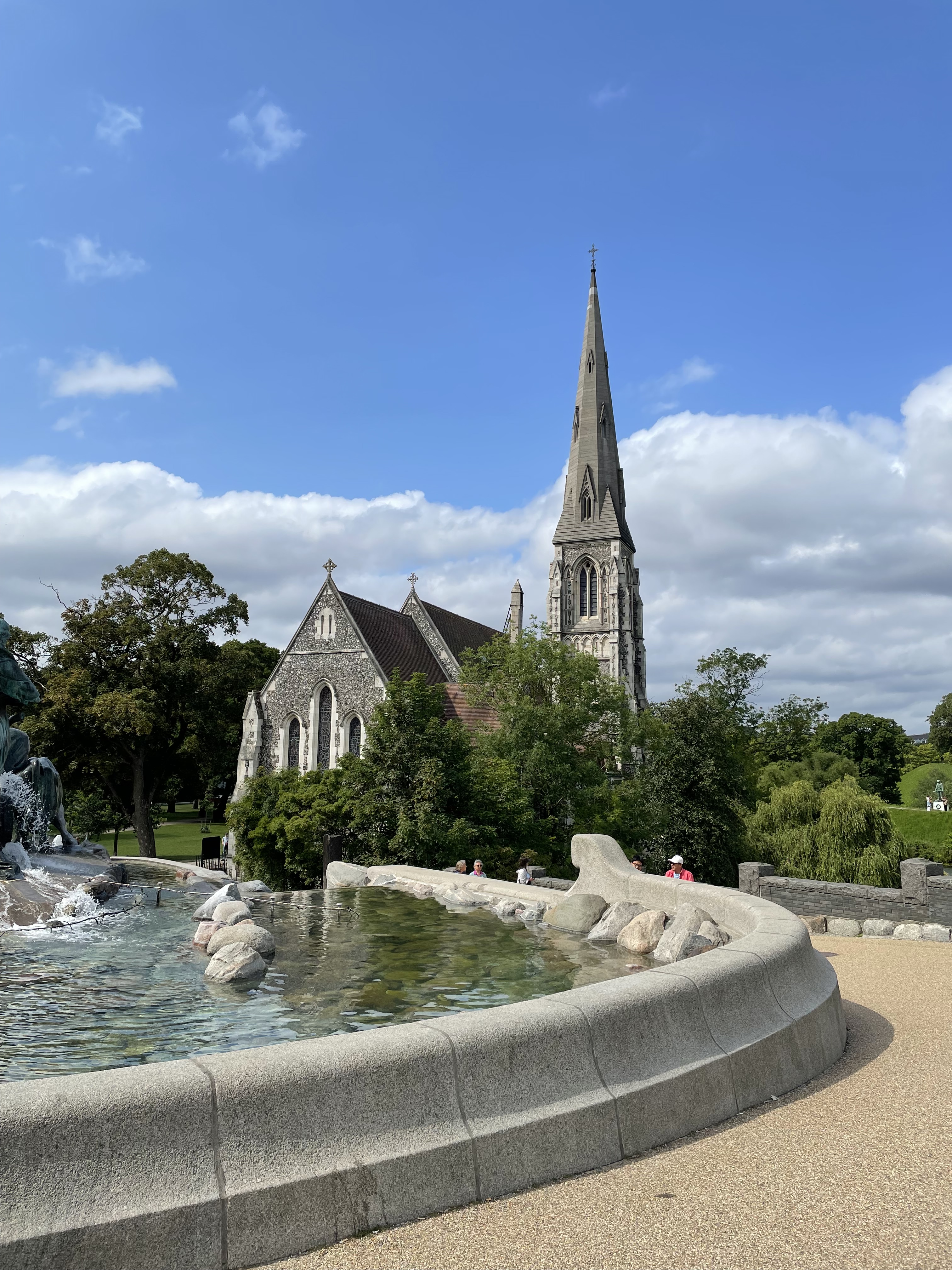
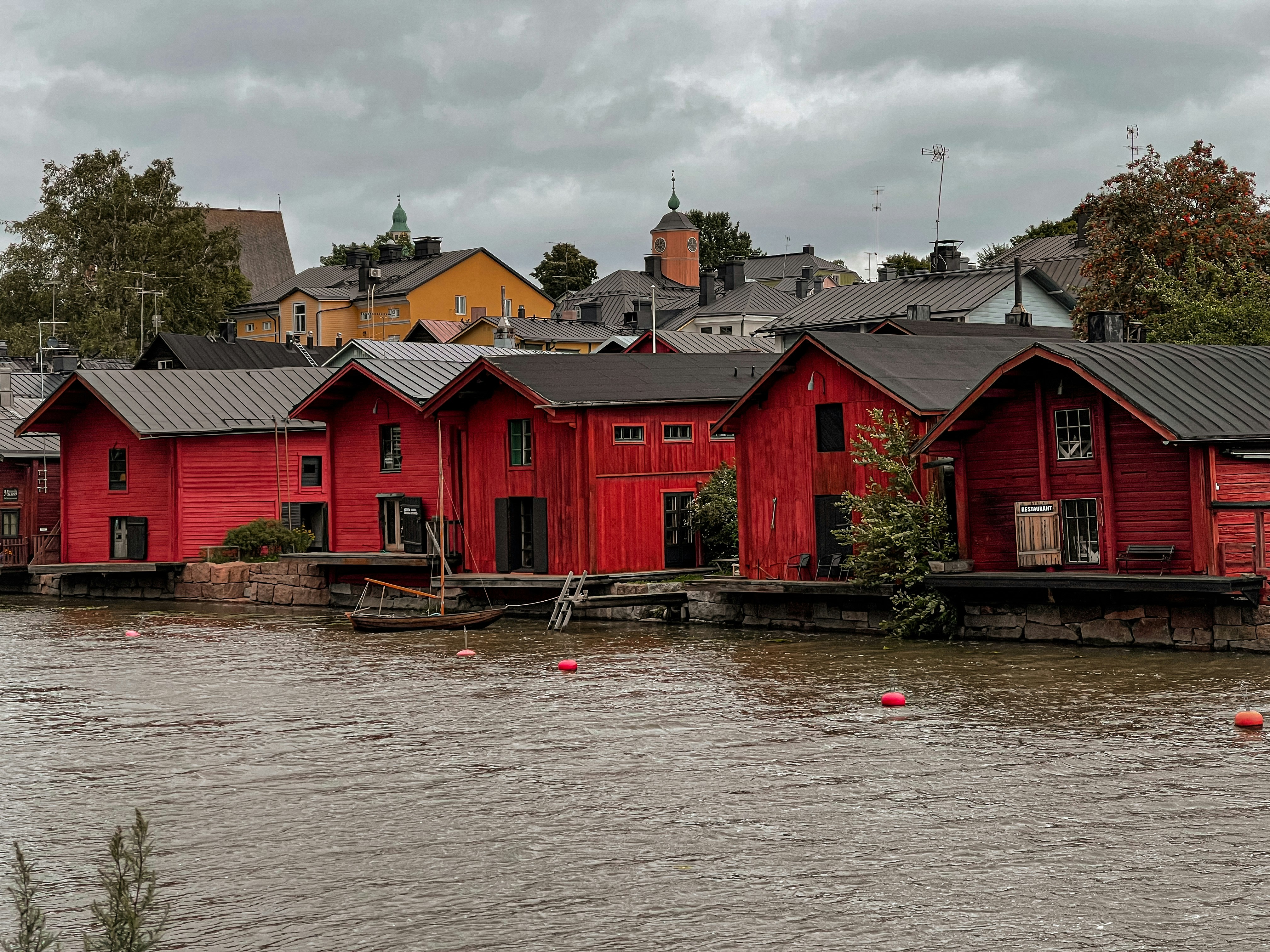
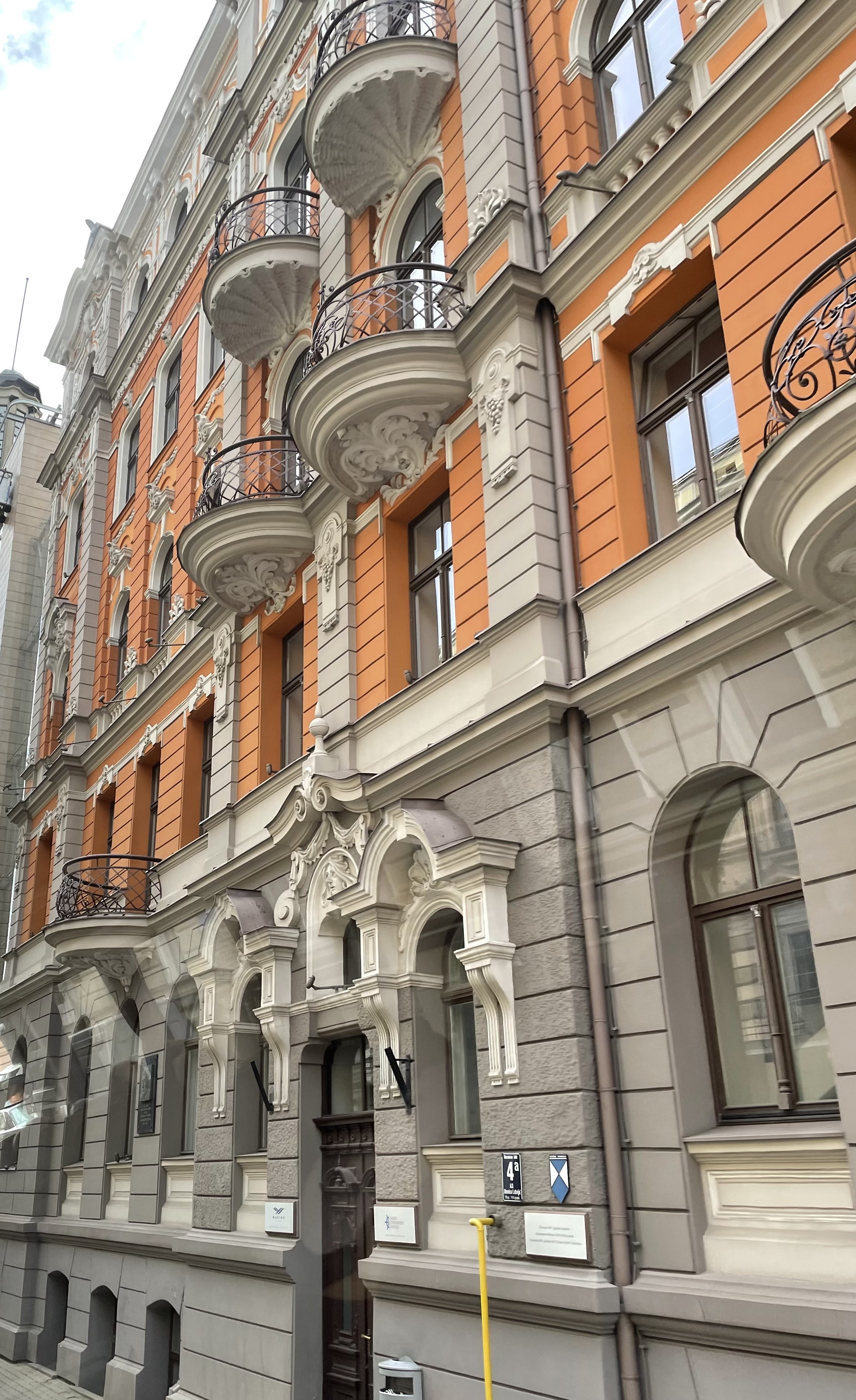
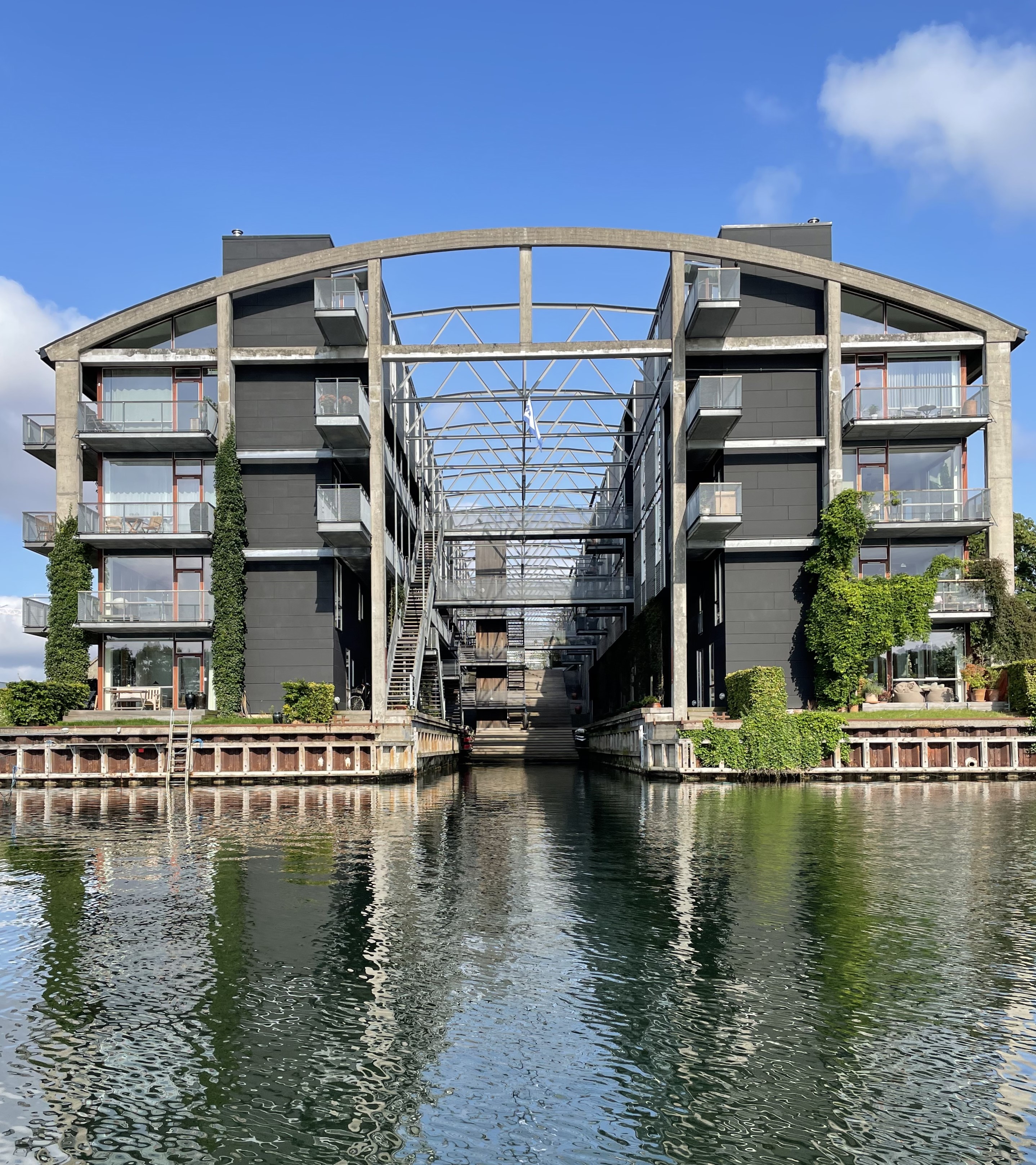
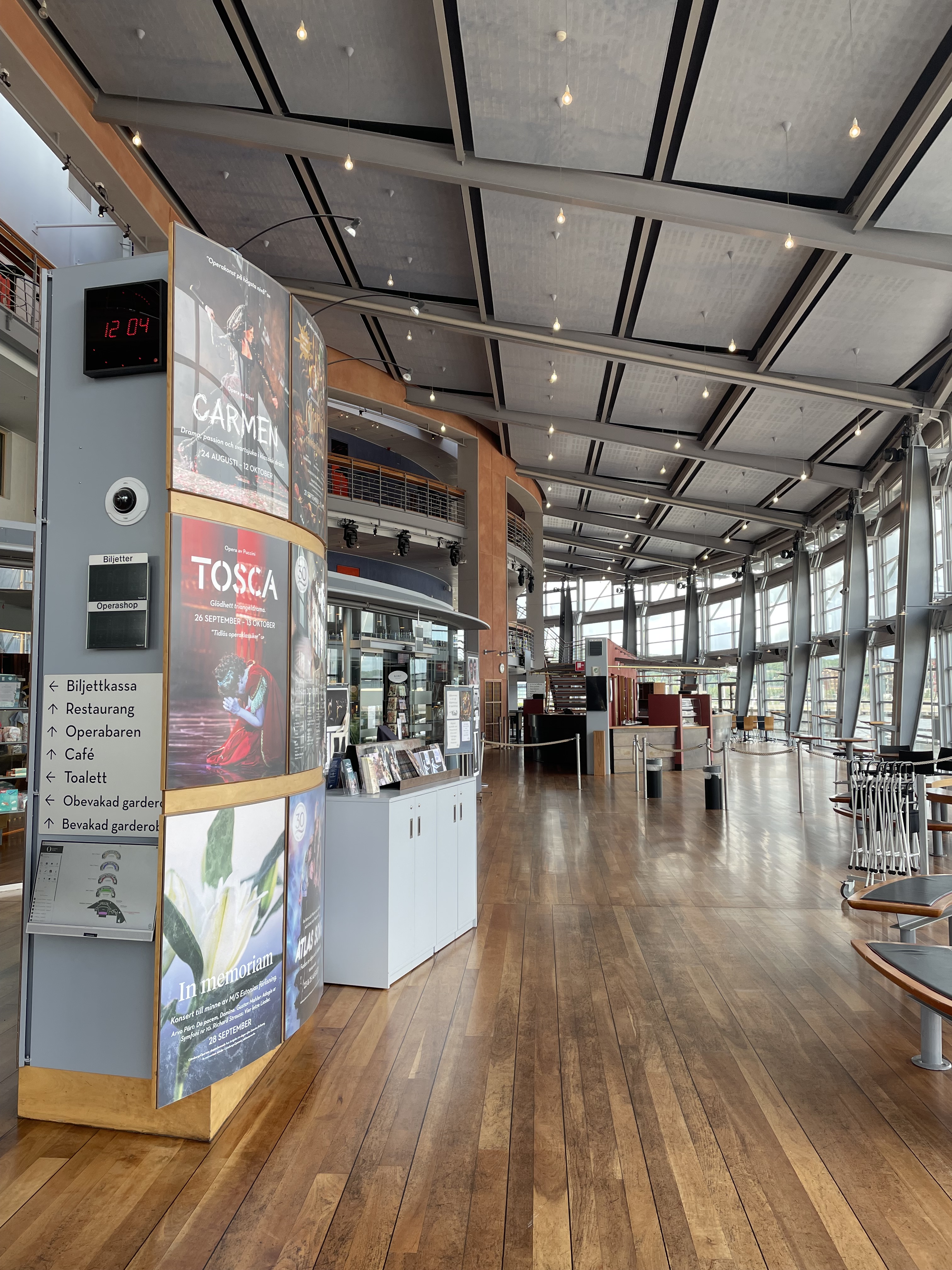
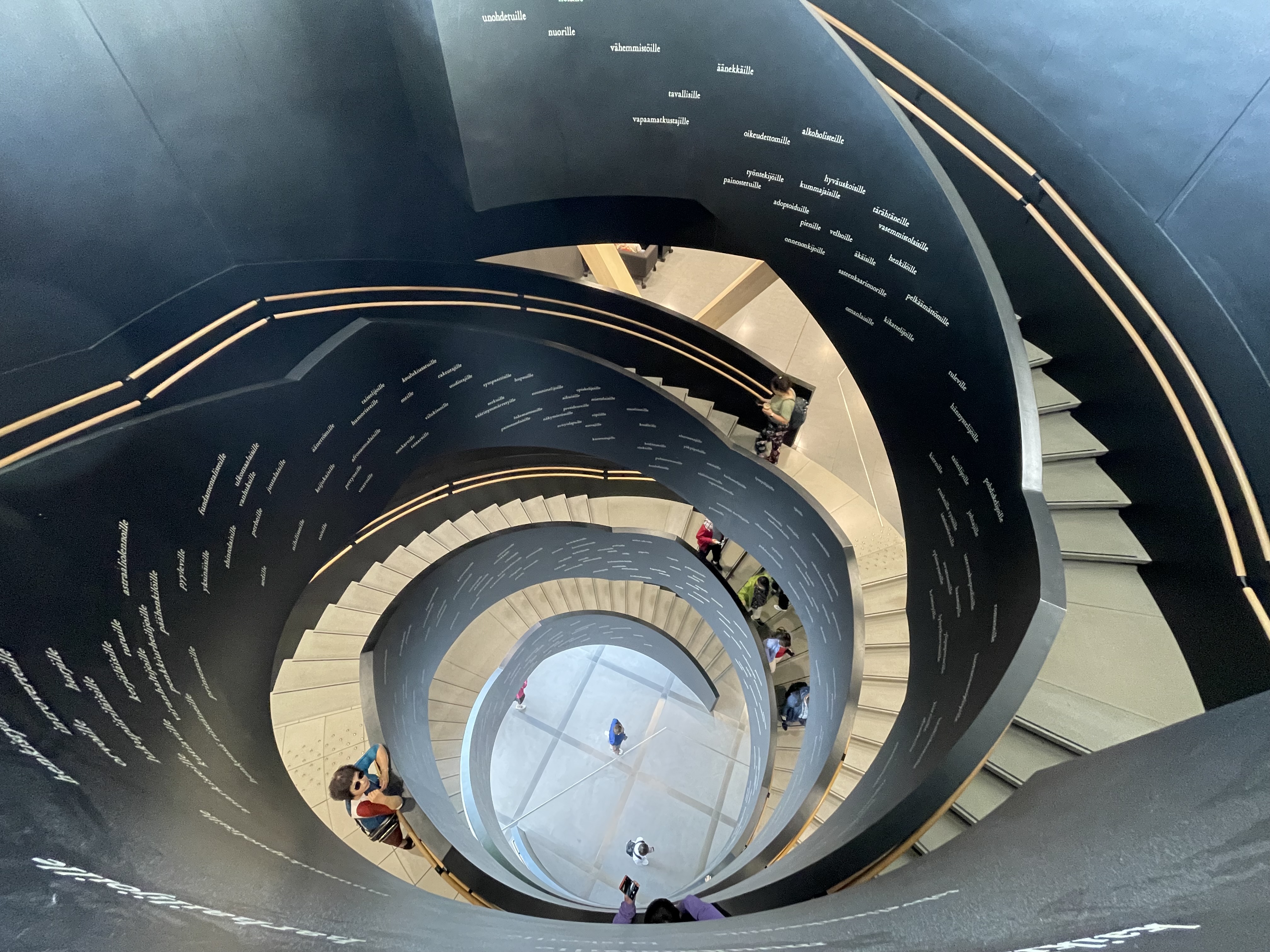
The architecture found in these seven countries runs the gamut from Medieval towns such as Tallinn, recognized as a UNESCO World Heritage Site; to some of the world’s best collections of Art Nouveau architecture; to stunning pieces of modern architecture. Here’s a sampling out of my collection of hundreds of photographs.

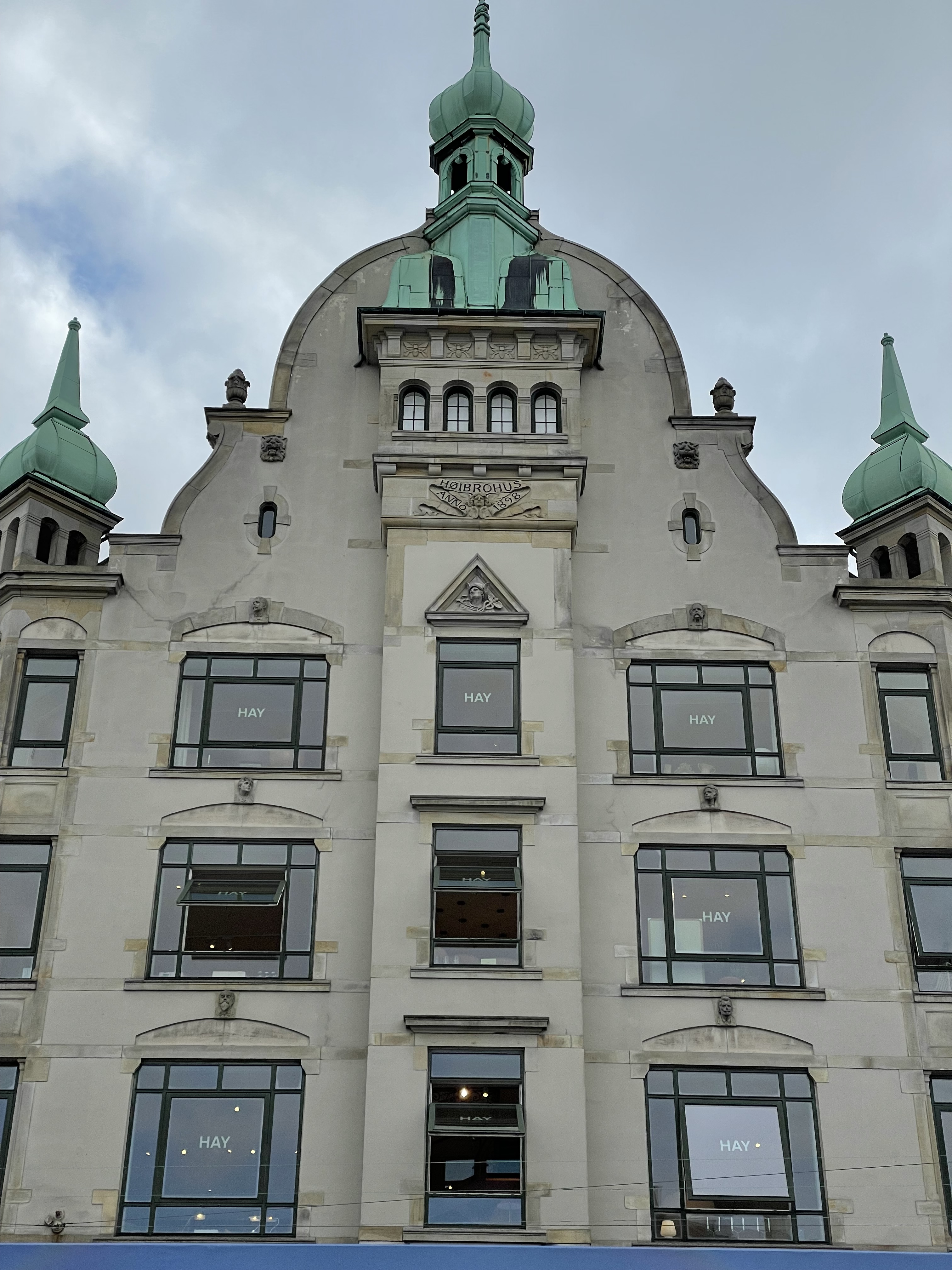
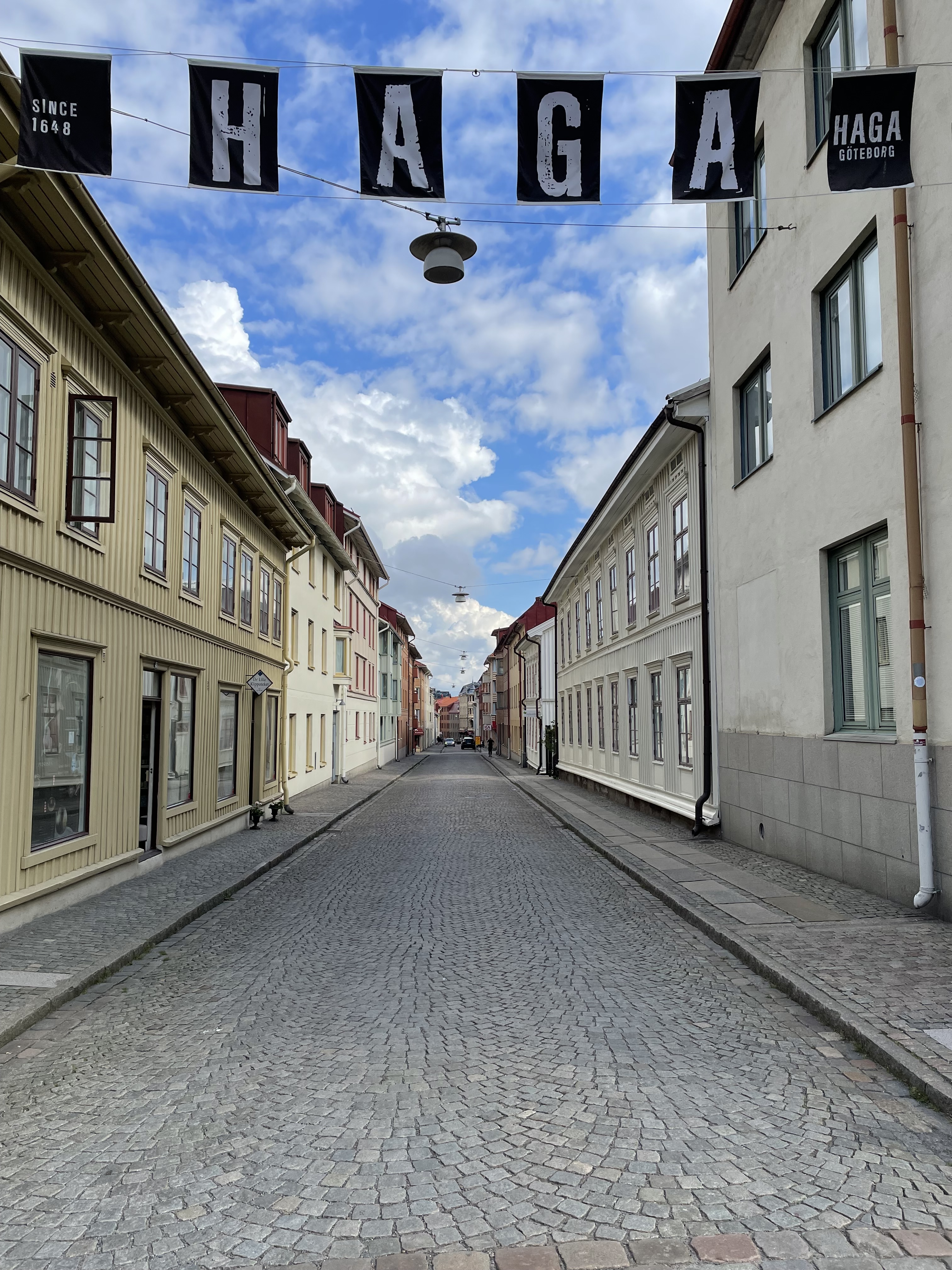
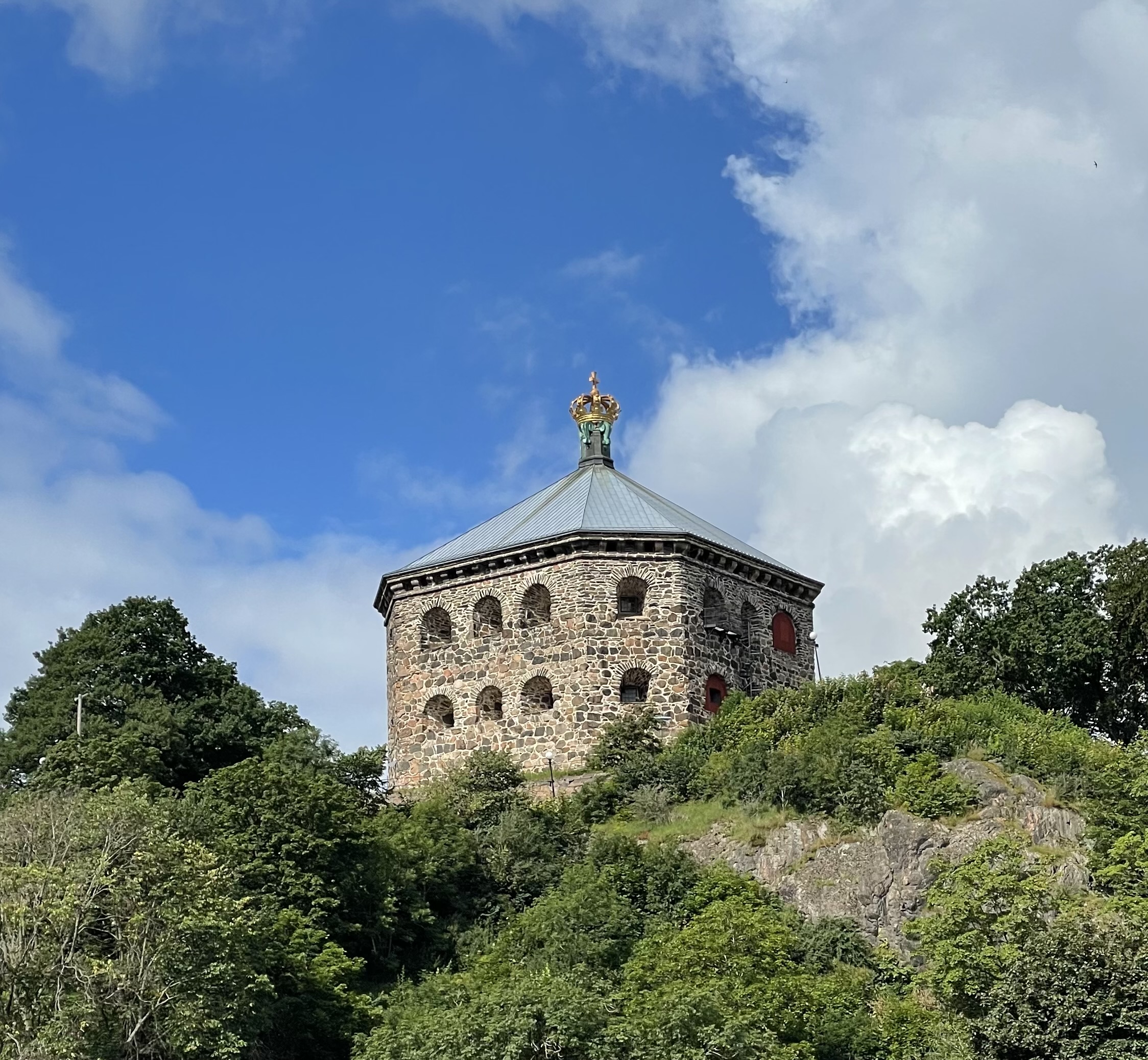

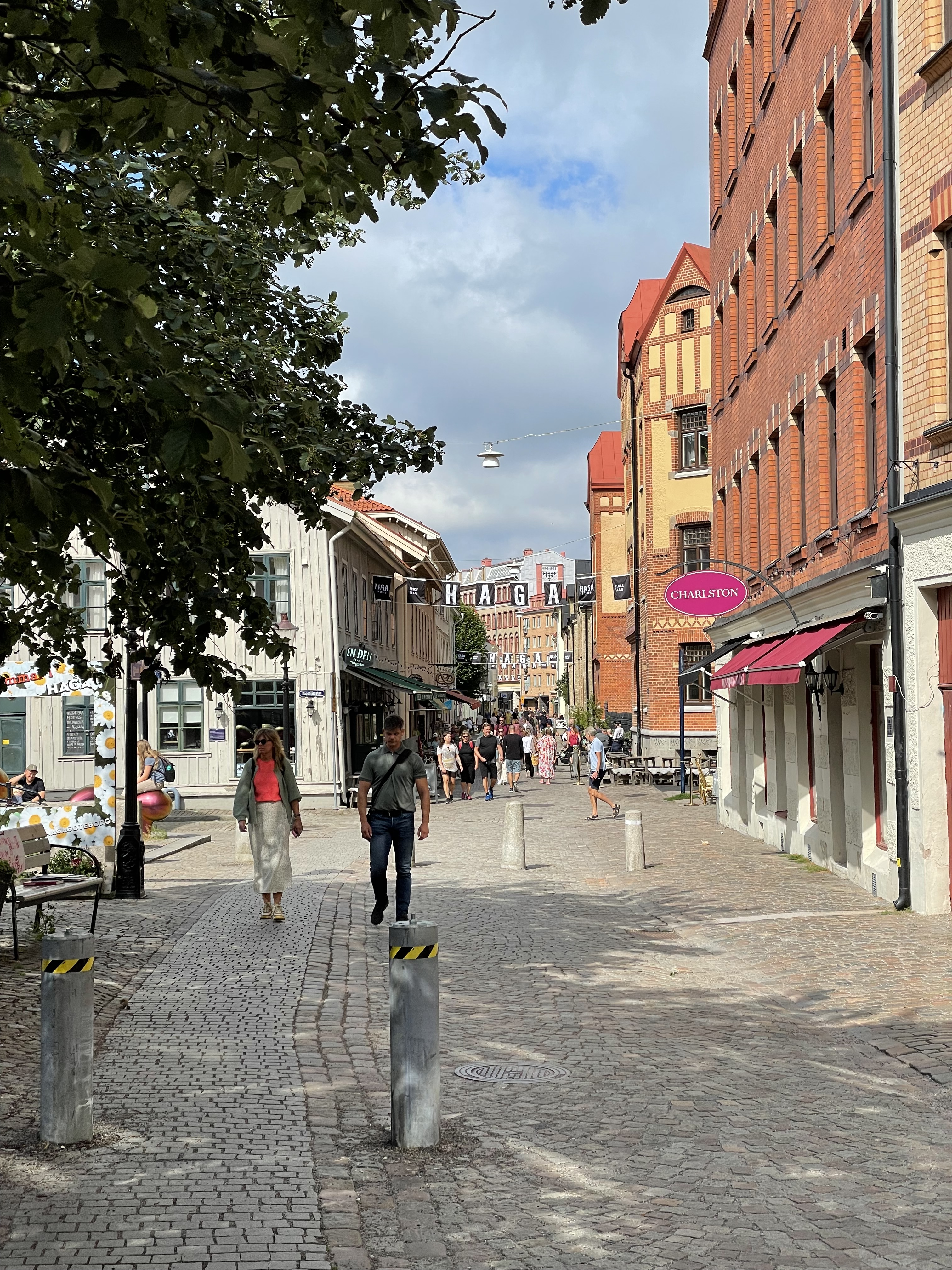


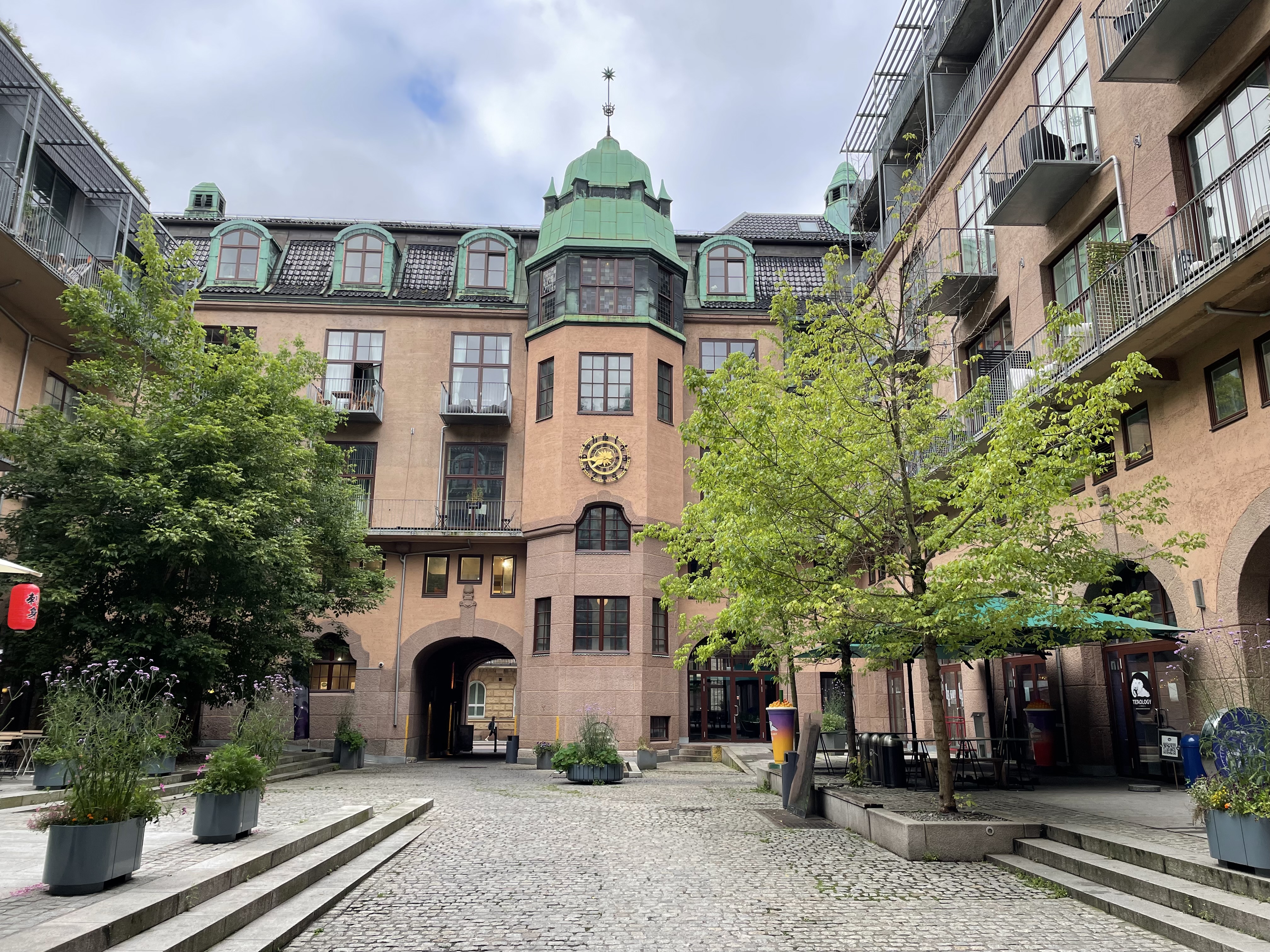
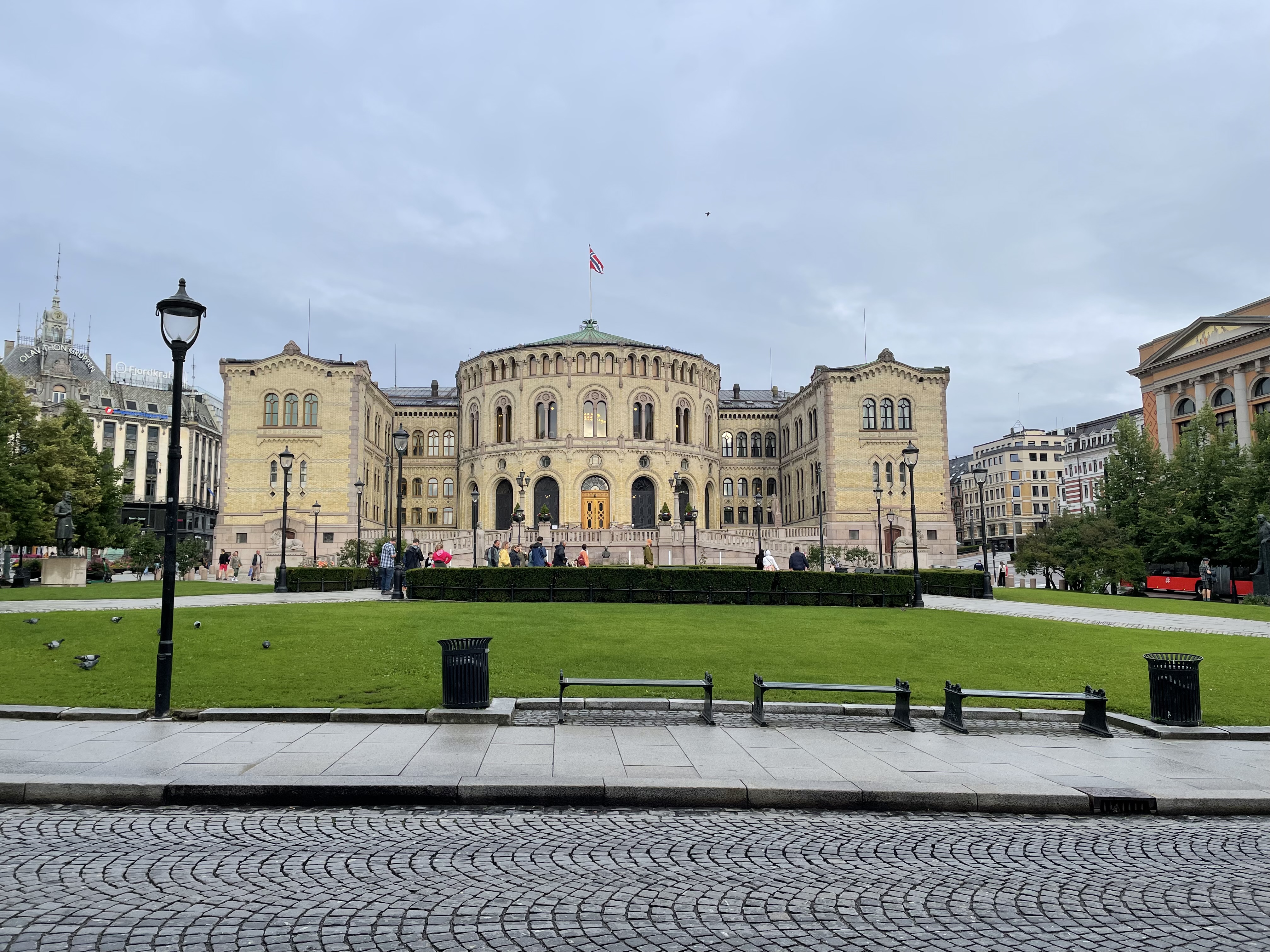
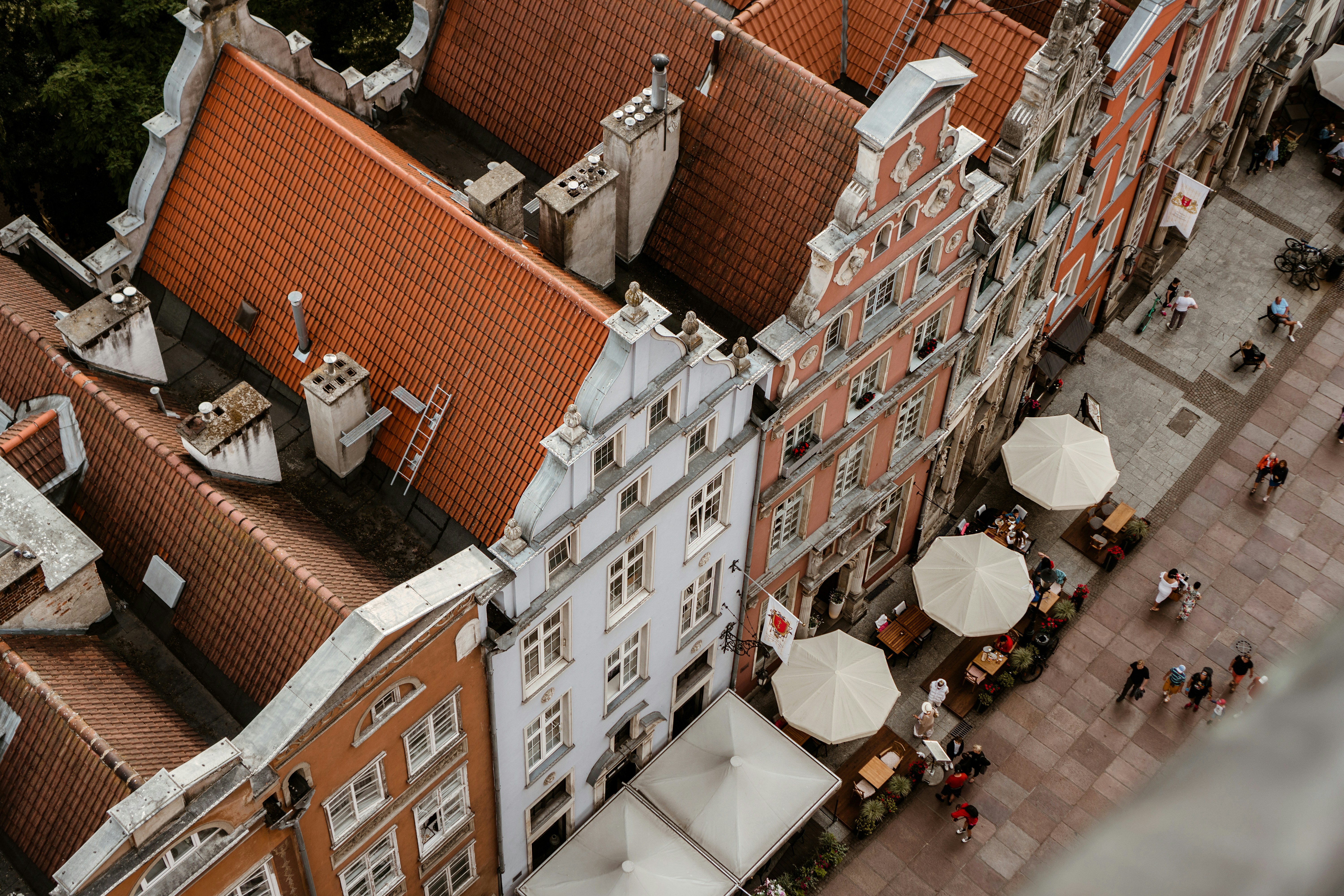
In the early 1900’s Riga became the European city with the highest concentration of Art Nouveau architecture. There are approximately 50 buildings of high architectural value in the medieval section of the city and more than 300 in the rest of the Historic Center.

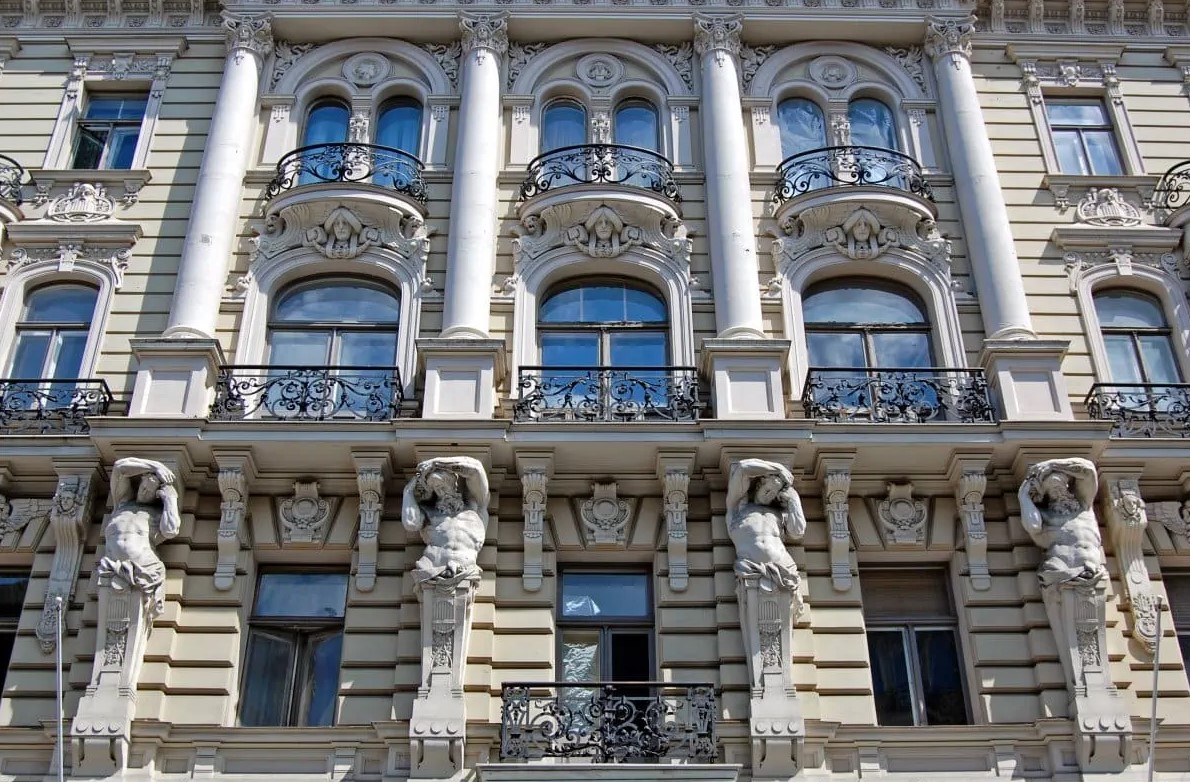
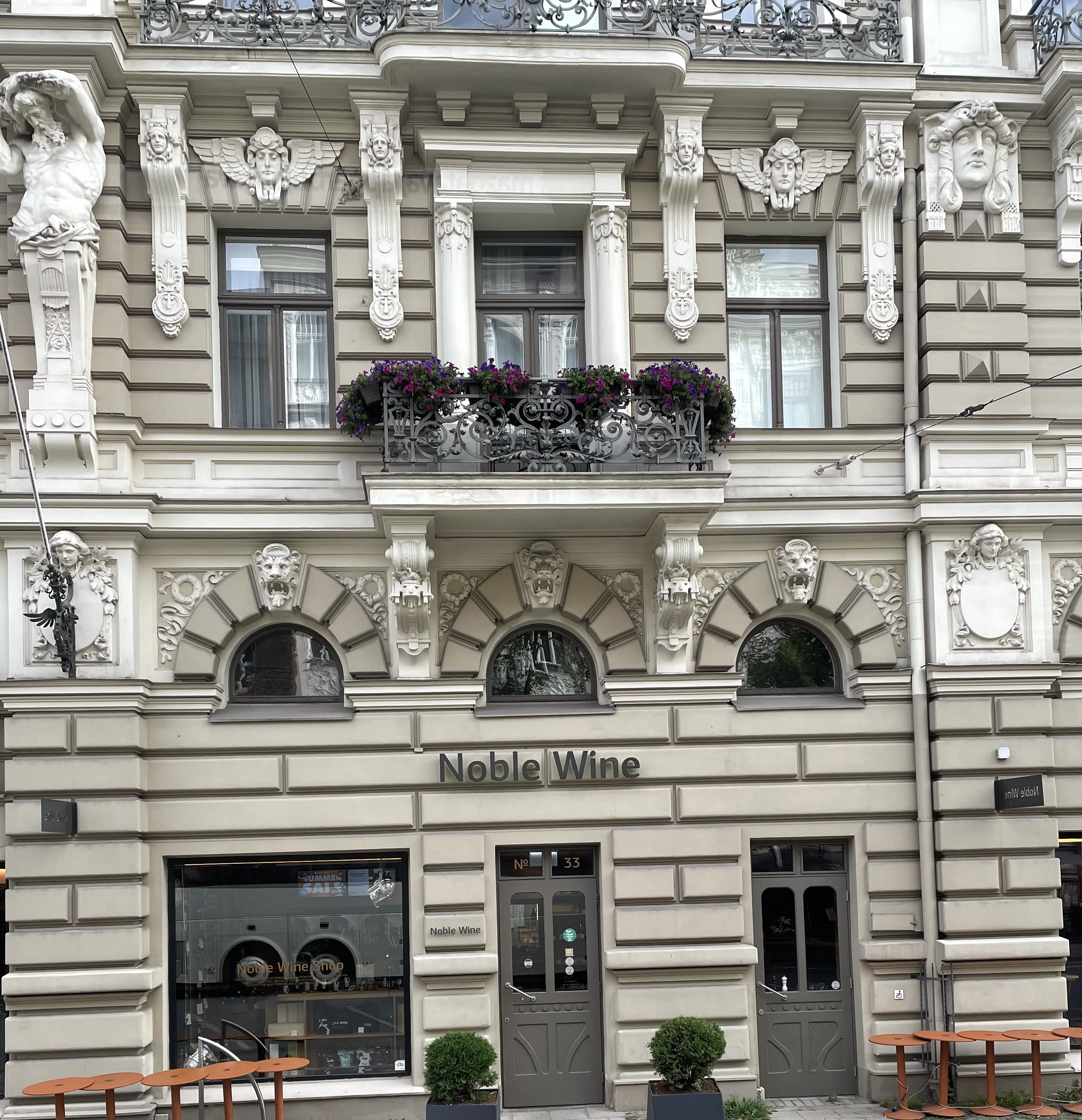

Virtually every city we visited mixed modern and historic buildings together, with varying degrees of success.


Expanding our understanding of history
Tjolöholm Castle, built in the Swedish countryside between 1898 and 1904 by James Fredrik and Blanche Dickson, provides a somewhat different way to look at the question of how older places help shape our identity. The Tudor castle, gardens, and surrounding village were built for a wealthy merchant and may remind us of the grand homes of the Gilded Age in the US—places such as Kykuit, Lyndhurst, or Filoli, all National Trust Historic Sites.
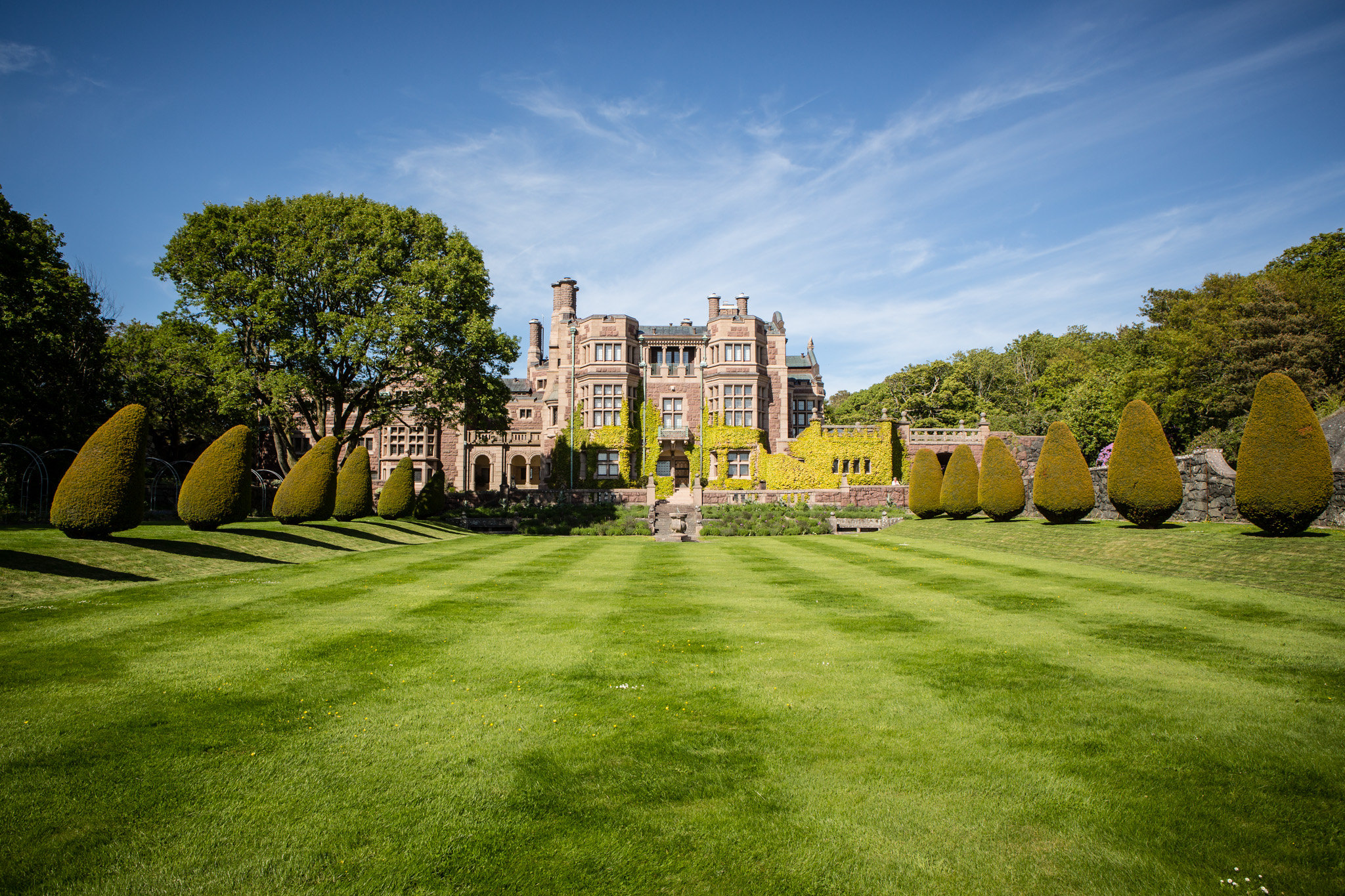

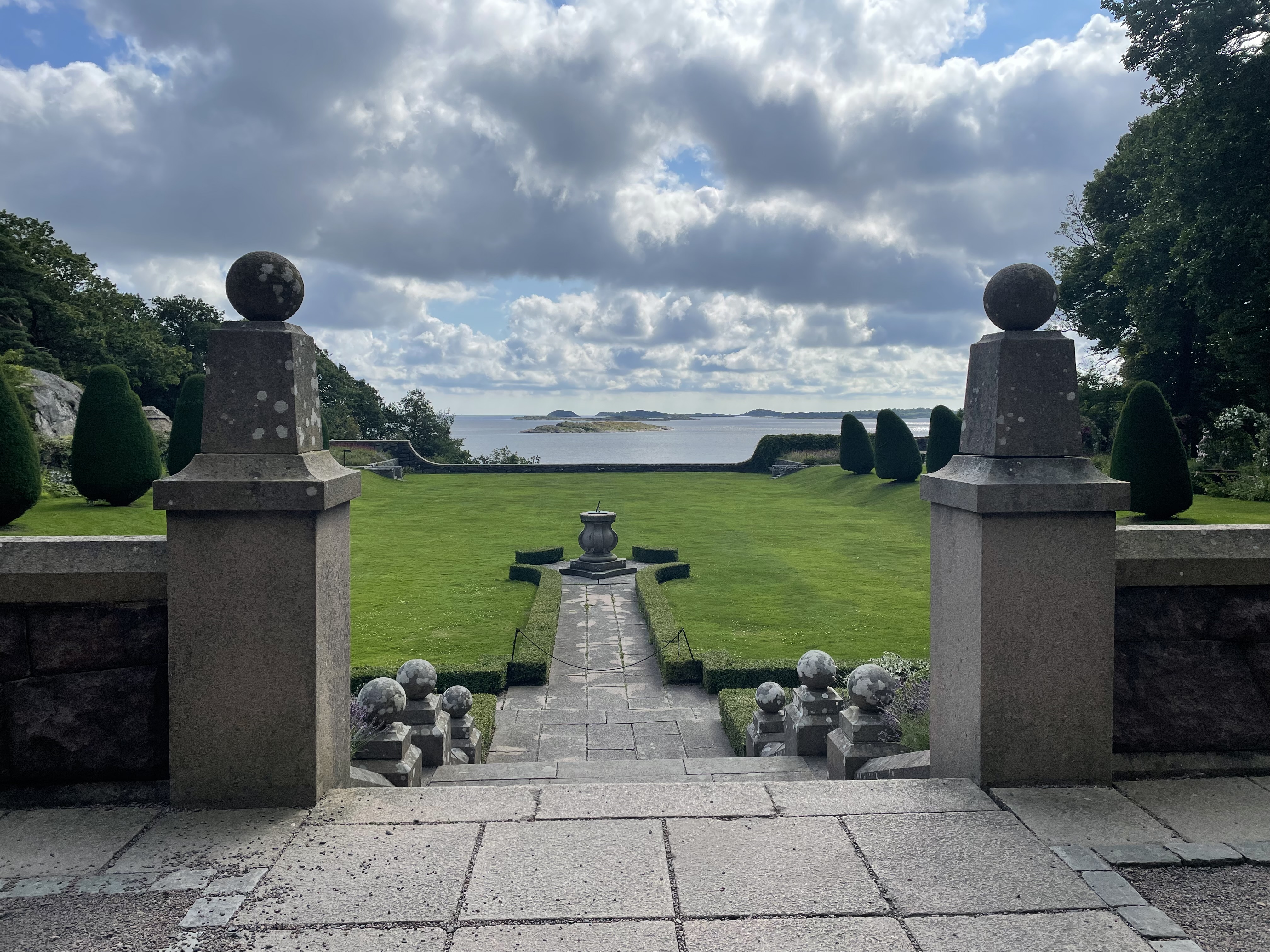

The Castle was largely completed under the direction of Blanche Dickson, as her husband passed away shortly after construction began. She had a vision and drive that was all her own, also commissioning a village with worker’s cottages in the National Romantic style. Her unquenchable ambitions turned the estate into a complete community. She built a castle church and a town hall where the estate’s workers could meet. The estate evolved into one of Scandinavia’s leading Arts and Crafts properties.


In recognizing the role of a female in the building’s conception, construction, and evolution, I am reminded of two National Trust sites in the US where identity has evolved over time through study and interpretation: the Edith Farnsworth House and Cooper-Molera Adobe.
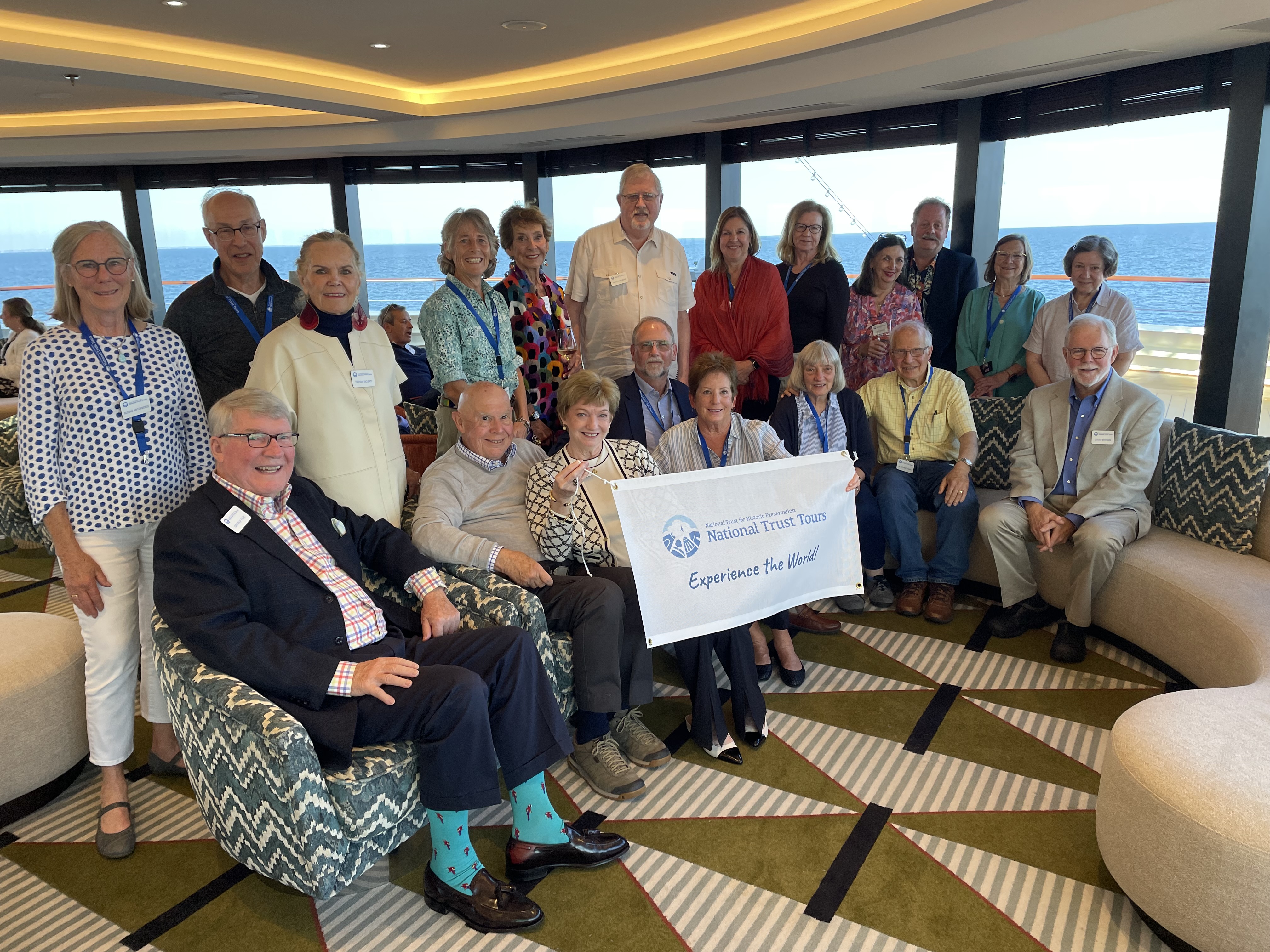
Come experience the world!
National Trust Tours are a great way to see the world and meet extraordinary people. Come join us on a future adventure.


More to come . . .
DJB
*For other posts about the Scandinavia and Baltic Sea trip see:
Photos by DJB except for a few additions from Unsplash
 MORE TO COME...
wonderful portfolio of photos! thank you
please change my email . . . aol was hacked – no further comment needed!!!
peace
jane
Jane, I have added your new email address to the subscribers list, and I’ll take off the AOL one. Thanks, as always, for reading and commenting. My next post will be on Wednesday. Please let me know if you don’t get a notice when it is posted (usually at 2 a.m.). Thanks again! DJB
Pingback: Observations from . . . August 2024 | MORE TO COME...
I love the way they built their cities. LOVED the great photos.
Kathy La Plante (she/her)
Thanks, Kathy. I too love the way they’ve built their cities. Appreciate the shout-out for the photos. It is fun to try and capture these special places. Thanks, as always, for reading. DJB