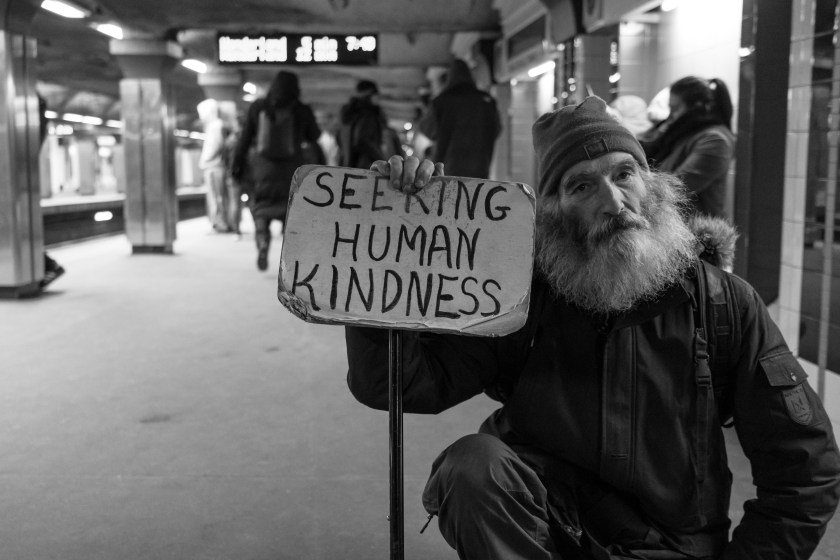
“Rudeness is the weak man’s imitation of strength.”
Occasionally I write simply because I need to hear something. As I was putting the finishing touches on this piece, I came to understand that this was one of those times.
When those in positions of leadership respond like petty dictators to questions that make them uncomfortable or when they prove themselves incapable of showing empathy to fellow human beings in times of trouble, it sets a tone that some feel emboldened to follow or even to escalate into violence. Social media, talk radio, and cable news often thrive on conflict, reinforcing rudeness in politicians, athletes, and business leaders. Interruptions, mockery, and cries to “shut up”—all obvious forms of rudeness heard in recent weeks—make us feel like the world is being held hostage by six-year-old schoolyard bullies.
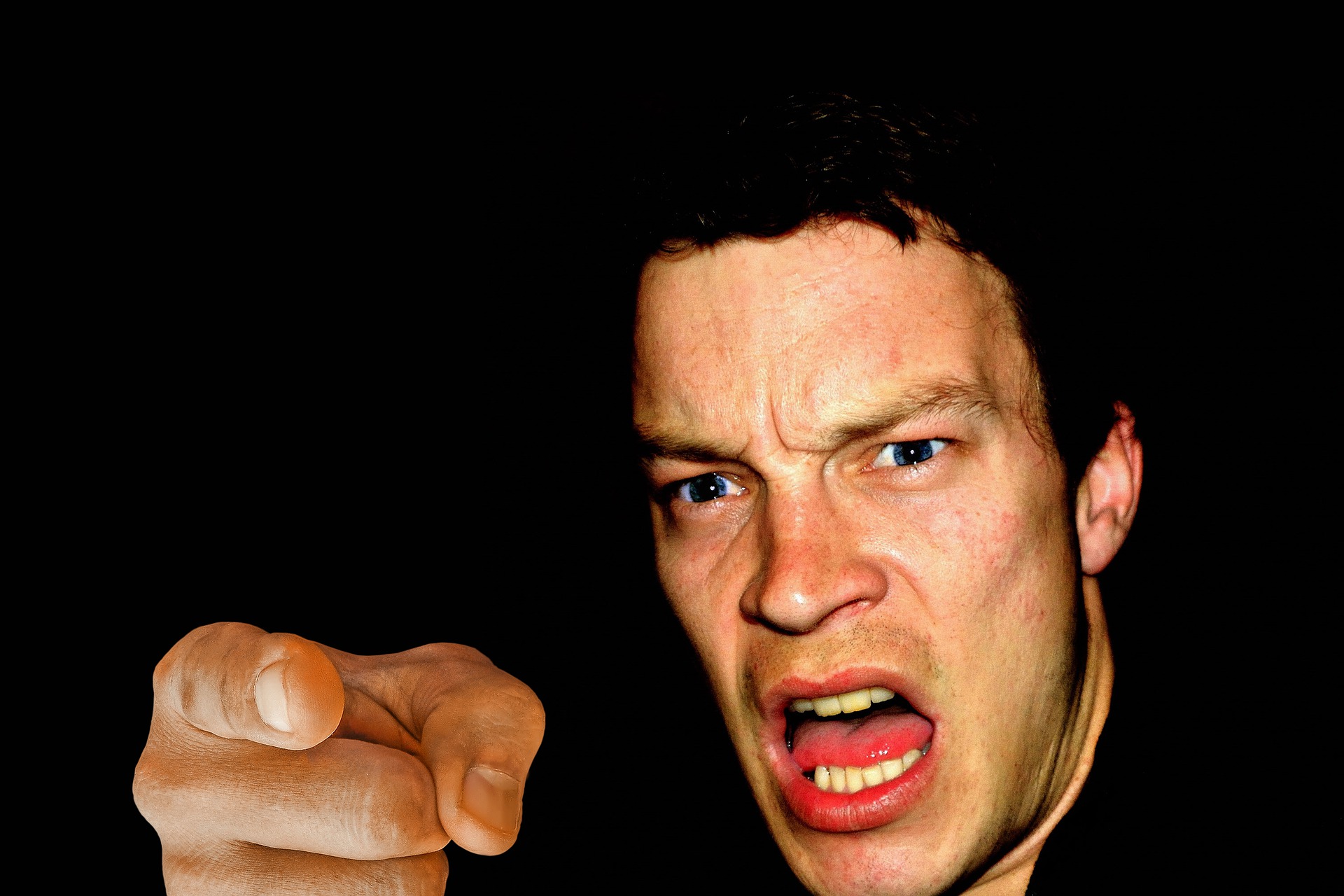
But it doesn’t have to be that way.


The philosopher Eric Hoffer famously said “rudeness is the weak man’s imitation of strength.” It may feel we’re being held hostage without much agency. But we have the power, the responsibility, the strength to push back.
Responding to rudeness with civility can be seen as a creative act. Lao Tzu wrote that “Kindness in words creates confidence. Kindness in thinking creates profoundness. Kindness in giving creates love.”
Taking a different path in the face of insolence, unseriousness, and rudeness doesn’t require us to surrender our rights, our values, or our dignity. We can still take strong stands in favor of those values we support. But it does ask us to consider our own role in perpetuating the tenor of today’s public discourse. We can begin by looking in the mirror. If we’re honest, we can all acknowledge that we’ve acted rudely, with a lack of civility to others, at various points in our own lives. I’m ashamed to say that I need more than one hand to count the times I’ve been guilty of acting out . . . and that’s only in the past month.
A writer who recognizes incivility in some of her actions says that she’s not rude because she dislikes people . . .
“I’m rude because I can’t always handle stress with grace. When I’m tired or anxious, my words tend to leave my mouth like they’re on fire. The poor person who happens to be in front of me; cashier, coworker, even family, gets singed. And the moment it happens, I know I’ve done it. That little wince on their face is like a mirror showing me at my worst.”
“. . . But a few minutes later you realize you’ve won nothing. You’ve only managed to make a stranger’s day worse and your own dignity a little smaller.”
In my core being I believe that answering rudeness or incivility in all its forms with a similar response is not the way to live a healthful life or build a more civil society. Yet why do I yell and shake my fist—even if I am in a closed car—when the driver behind me honks the millisecond the light changes? Perhaps a smile and a wave of the hand would be a better response. Perhaps that gesture might lead the other driver to reflect on the interaction and decide to be better in the future.
Some think that civility is simply being polite, and while that’s important it doesn’t go far enough. Civility is about respect. It is part of the glue that holds “trust, safety, and society together.” Civility is the act of showing regard for others. When we act out of a deep well of civility we are kind but we are also respectful, even if we do not agree with or even care for the person. The ethicist Aine Donovan writes that “civility [or a lack thereof] can be retraced to our language usage . . . From vulgarity to rudeness, words reflect values.” St. Paul in writing to the Galatians pointed to the values we should strive for as guides to life: Love, joy, peace, kindness, gentleness, self control.
I have options when stressed by something someone says, does, or doesn’t do. Through self control I have the ability to respond which—of course—is the basis for responsibility. Thich Nhat Hanh reminded us that how we respond to unkindness by others is a practiced habit, resulting from well-worn pathways in our brains. We feel slighted and we generally retaliate immediately. We fight rudeness with more rudeness. However, we can change our minds and develop new habits, new ways of approaching life’s challenges. Something as simple as a pause before we respond gives us the opportunity “to bring more love and compassion into the world rather than more anger and suffering.”

Gentleness is powerful. Stillness is strength. Mahatma Gandhi was another who contrasted weakness and strength and found the ways of the world wanting.
“The weak can never forgive. Forgiveness is the attribute of the strong.”
Extremism and fear thrive where kindness is absent and rudeness prevails. “Leaders trade integrity for noise when there is an erosion of civility. True leadership means choosing respect over rage, even when it costs. Civility is not weakness; it’s the strength that sustains community.”
Civility, interestingly, comes not only out of respect but also out of gratefulness. It is all too easy to give thanks when everything is going well, but paradoxically it is in these most challenging of times—with incivility and rudeness all around us and perhaps even directed towards us—when it is so very important to be open to gratefulness. Don’t forget that the Thanksgiving holiday itself came from a time of violence.
Thoughtfulness becomes thankfulness. Gratitude leads to generosity and kindness to others.
Civility may seem a small action. But as Mother Teresa reminds us, “I alone cannot change the world, but I can cast a stone across the waters to create many ripples.” The next time I feel the need to lash out, I’m hoping that I can pause to remind myself in the moment that “stress isn’t an excuse, and accept that rudeness is not strength, no matter how much it tries to wear the mask.”
More to come . . .
DJB
Seeking human kindness photo by Matt Collamer on Unsplash.
 MORE TO COME...
Hear, hear my friend!
Thank you, Judy! Glad it resonated. Happy Christmas to you!
Amen, David!
Thanks, Sandy!
Pingback: Observations from . . . December 2025 | MORE TO COME...