In a recent post entitled The Marker Tree, priest and writer Barbara Brown Taylor talks about places where one feels the sense “of being guided by a presence that does not speak my language but knows something I need to know.” In her telling, she is in a forest asking if this is where she belongs.
There are so many ways we hear from the divine that are not from scripture, a preacher, or a piece of sacred music. Ways that we’ve forgotten in our buttoned-down, always-in-a-hurry, modern world.
Talk like that makes some religious people uncomfortable, I know, though I don’t always know why. Biblically speaking, God is a ventriloquist, able to communicate through promising rainbows, burning bushes, bright stars, fiery serpents, pillars of cloud, ravens with bread in their beaks, thunderclaps, and even a stubborn donkey with a gift for seeing angels. Where is the fine print that says the possibilities stop there? Or to put it another way, who is the person who will tell God to stop?”
Quaker author Parker J. Palmer writes of something similar in his recent post A Wilderness Pilgrimage. He begins by noting that “we must protect space for ancient questions about what it means to be human, to live and to die.”
Sunset on Pose Lake, Minnesota, in the Boundary Waters Canoe Wilderness Area (via Wikimedia)
“When madness crowds out those questions,” Palmer continues, “we lose touch with our souls and our shared humanity, sources of the power we need to overcome tyranny.”
Palmer is writing from the Boundary Waters Canoe Area of northern Minnesota, a million acres of federally protected wilderness along the Canadian border that is currently under threat by the regime controlling our federal government.
“Years ago, before I had seen this place, a friend tried to describe it to me. ‘Everywhere you look,’ he said, ‘there’s a perfect Japanese garden.’ And so there is: rocks, trees, water and sky in endless permutations of elegance.”
Palmer has been coming to this place for three decades for a pilgrimage “to holy ground, to a place of healing and renewal.”
And when he isn’t able to visit there during the rest of the year, he makes the pilgrimage in his imagination whenever things get tough. In his mind he can hike or canoe, hear “the unforgettable call of the loon,” watch “the cosmic drama of the Northern Lights,” or eavesdrop on “the ancient conversation between those two old friends, the lake and the land, as the cold, clear water laps gently against the shore.”
But what gives him the most comfort in this place is seeing the resilience and persistence of nature.
“It’s not tranquility alone that makes this wilderness a place of healing for me. It’s the patient, resourceful, resilient way nature heals itself, reminding me what it takes to heal my own wounds so I can show up in the world as a healer. Watching wilderness overcome devastation has helped me see how suffering can serve as a seedbed for renewal. Even more, it has offered reassurance that in the great cycle of life and death, new life always gets the last word.”
The ancient questions often revolve around “how shall we live?” As we get older they often turn to “how shall we die?” Like Palmer, I don’t have much interest in heaven as a gated community where only people from my tribe are admitted. There is much that we do not know about how we shall die, if we are honest with ourselves.
Writing in the introduction to the C.S. Lewis meditation A Grief Observed, author Madeleine L’Engle notes that while no one can say what happens to the dead, “The important thing is that we do not know. It is not in the realm of proof. It is in the realm of love.”
As difficult as it seems at times, this period of trouble in our lives will end. Tyrants always fail. In both of these pieces, spiritual writers show us how in times of personal and political distress, “nature gives us a model of persistence and the promise of new life.” The darkness of night leads to dawn and a new day, where new possibilities await. It will be a day different from the one just completed.
And we can begin anew.
More to come . . .
DJB
The wilderness known as the BWCA is under threat. If you’d like to help protect it, please visit Friends of the Boundary Waters.
I just learned that a friend and former colleague passed away about a year ago after a difficult battle with pancreatic cancer. Nancy had moved away from Washington and although I had seen her at lunch once or twice over the past decade, I’d lost regular touch. A big redhead, Nancy was from Texas and could come across as larger than life. However, she was one of those individuals where you sit down after not seeing them for two or three years and the conversation just picks up mid-sentence where you last left off.
When Judy, another friend, passed along the news I was stunned.
Judy described Nancy best as “quite the over-bright star.” Anyone who spent any time with Nancy knew “she lived almost all her minutes fully and with great joy and emphatic honesty.”
Nancy and I first connected more than 20 years ago, as I was stepping aside from day-to-day fundraising and she was joining us to help build a professional, long-term development office. I learned so much from Nancy about how to gather support for the mission of nonprofit organizations. I also learned a lot about life. She left a legacy of grace and wisdom everywhere she went.
When I was interviewing Nancy, I noticed something on her resume. Soon after college she went to the U.K. and served as the personal assistant to Brian Epstein. Now anyone of a certain age would immediately recognize that name. I asked her about it and she said, “Yes, it was a long time ago but someone once told me to never take it off my resume!” That was great advice.
So I loved seeing the following in Nancy’s obituary:
“[S]he graduated from the University of Texas in 1967, where her love of the arts inspired seeking wide experiences.
This curiosity led Arata from Texas to England, working as a personal assistant to Beatles manager Brian Epstein. After two formative UK years, she headed west to San Francisco, serving as assistant company manager for the first ‘Hair’ touring production at the Orpheum Theatre. Roles followed at the American Conservatory Theater and San Francisco Opera, growing her arts career.”
I laughed out loud. That Beatles reference stayed in to the end!
Judy shared Nancy’s last message sent to friends and family just a few days before she passed. In it, Nancy talks about drawing from a great reservoir of gratitude for the wonderful life she’s been given. What a beautiful way to think about our time on earth, and it was so typically gracious of Nancy.
Then she ends by saying, “Please take good care of yourself and remember to love the people you love every day. Life is finite … love is not.”
I think Nancy would appreciate my ending with a couple of Beatles references. As John Lennon sang, there are special people we all remember who touch our lives.
A summary of the May posts from the MORE TO COME newsletter (sent a couple of days earlier than usual this month).
Earlier this week I returned to AFI Silver to watch a film on the big screen that I first saw days before the pandemic lockdown. As I wrote at the time, Portrait of a Lady on Fire is a gorgeous movie where perspective is all-important. A stirring romance coupled with a meditation on remembrance and regret, Portrait is a stunning work of art seen through a woman’s eyes.*
Detail of painting from “Portrait of a Lady on Fire” (credit: NEON)
During the month of May I’ve been thinking a great deal about perspective. As well as fragility.
And gaps.
In this era of moral cynicism I find myself questioning the perspective of many of the traditional narrators of our national story. Our news feeds reinforce the fragility of life and community. Throughout our busy days, as we rush from here to there, we should constantly remind ourselves that life is more than scenery.
In the post that ranked at the top of reader views this month, I also thought—probably more than is healthy—about the gaps in life. So let’s jump in to see what piqued my interest in the May MTC newsletter.
TOP READER FAVORITES
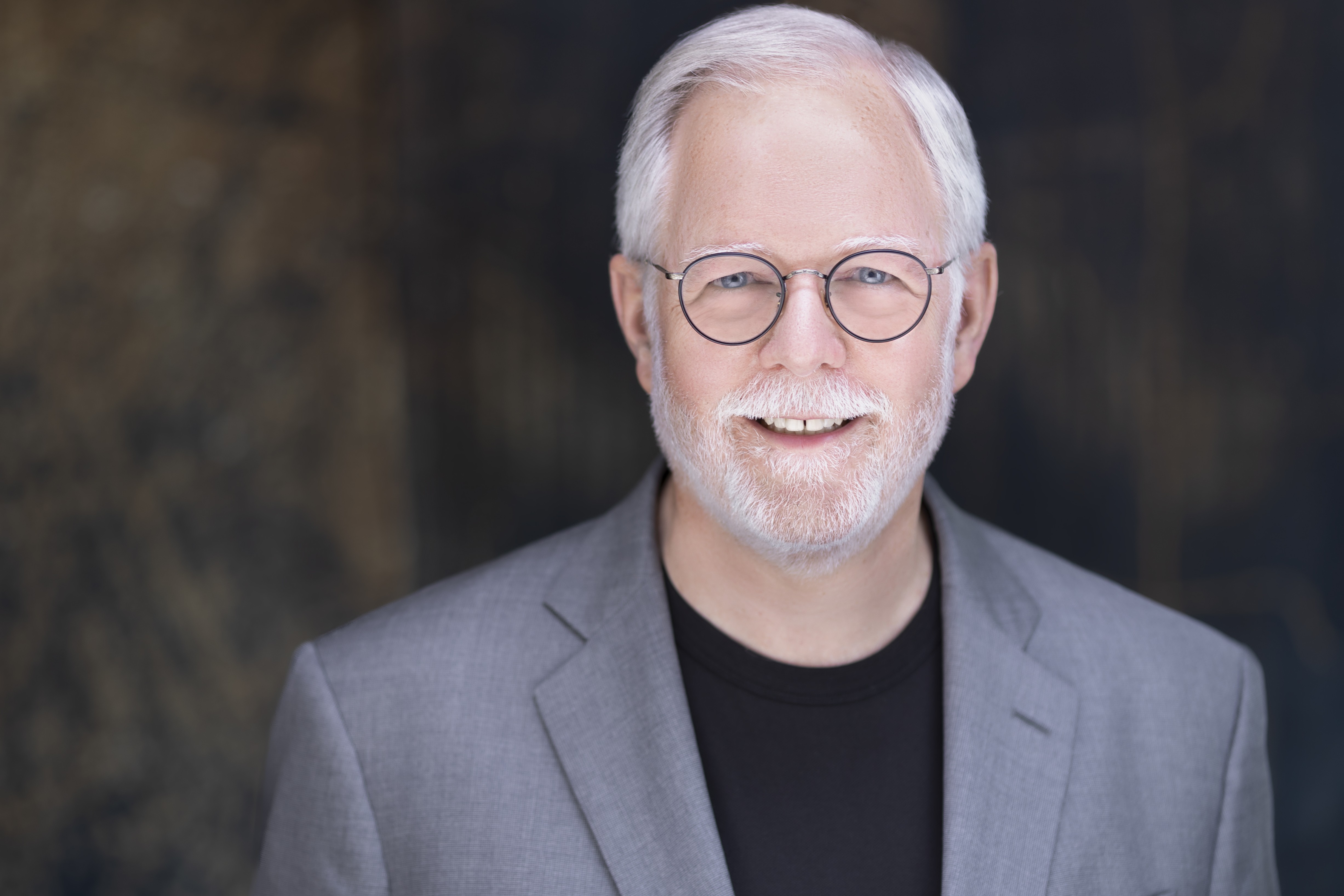
A gap in my front teeth—inherited from my father—had bothered me through the years. But a recent comment from a fellow traveler, my resolve to accept and even enjoy life’s imperfections, and a photo shoot led me to realize that the gap in my smile—rather than something to be ashamed of—was really about openness. Possibility. Room to savor. Gaps make life interesting was the top post in terms of reader views in May. Pair this with Bashing into joy and you just might decide that I’m throwing caution to the wind in my old age. I’m not there yet, but that’s the road I’m taking.
THE BOOKS I READ THIS MONTH
In May I highlighted four terrific books. It doesn’t happen every month, but I can honestly say I’d highly recommend them all.
As the winner of the 2025 Pulitzer Prize for fiction, the novel James by Percival Everett is the best known among the four. Reimagining perspective and agency is my review of Everett’s magnificent reimagining of Adventures of Huckleberry Finn from the perspective—there’s that word again—of Huck’s enslaved sidekick Jim. Do yourself a favor. Read this book.
A classic journey of self-discovery is about my reading of a major work of the Harlem Renaissance for the first time: Zora Neale Hurston’s Their Eyes Were Watching God.
A good friend and brilliant MTC reader loaned me her copy of A Better Man by Louise Penny, the fifteenth work in the Canadian author’s long-running Chief Inspector Armand Gamache series. She thought I’d enjoy it. I did, as you can discover in Be not afraid.
A conversation about the Oscar-winning film I’m Still Here led to thoughts on our own agency. Bringing our unique strengths to the task is a film review plus a bonus: music by Bruce Springsteen and Woody Guthrie.
We see things as we are explores another conversation, which led me to ponder how many of our memories are based on misunderstandings or misremembrances.
Travel can change us. In Traveling in order to be moved I share three instances of times where I was moved during our April visit along the Dutch waterways.
COMMENTS I LOVED
Two different comments this month jumped out and grabbed me. In response to Gaps make life interesting, brilliant reader Ellen wrote:
“I inherited my dad’s front teeth as well. My great-aunt once told me to tell my dad that I needed braces. I was about 10 years old at that time and I relayed her message to Dad at the dinner table that night. Dad looked at me and said ‘that space between your teeth gives you character!’ Thanks for your story!”
“This post gave me a lot to think about and helped me understand more of what you were saying at dinner the other night. It strikes me that contemplative prayer, sitting with the divine and simply being, allowing our thoughts to come and go, is a way of letting the manufactured self go to see things as they are. The former monk who gave that seminar recommended using a sacred word or phrase and sitting for a minimum of 21 minutes, because he said it takes 20 minutes to quiet our brains.”
CONCLUSION
Thanks, as always, for reading. Your friendship, support and feedback mean more than I can ever express.
As you travel life’s highways be open to love; thirst for wonder; undertake some mindful, transformative walking every day. Recognize the incredible privilege that most of us have and think about how to put that privilege to use for good. Women, people of color, LGBTQ+ individuals, immigrants, public servants, and others can feel especially vulnerable . . . because they are. Work hard for justice and democracy as the fight never ends.
When times get rough, let your memories wander back to some wonderful place with remembrances of family and friends. But don’t be too hard on yourself if a few of the facts slip. Just get the poetry right.
Remember that “we are here to keep watch, not to keep.” Pay attention. Be astonished. Tell about it. And bash into some joy along the way.
Life is finite . . . love is not. Try to be nice. Always be kind.
More to come . . .
DJB
*The last showings at AFI are, alas, today and Thursday, May 28th and 29th.
You can subscribe to MORE TO COME by going to the small “Follow” box that is on the right-hand column of the site (on the desktop version) or at the bottom right on your mobile device. It is great to hear from readers, and if you like them feel free to share these posts on your own social media platforms.
The narrator’s point of view is critical in any novel. We see the story unfold through their eyes. What we are learning may be the truth, if only a slice of it. In the case of the unreliable narrator the reader is being pulled along by lies and misdirection. What we often miss in most novels is the point of view of those who appear to have little agency in the story and in this world. Those who are poor, trapped, or at the mercy of others. Narrators—and the author—generally are content to tell us what those with less agency are thinking.
Sometimes a book comes along that reimagines something we thought we knew, however, and suddenly the world opens up to the reader in a completely new way.
James: A Novel (2024) by Percival Everett is a brilliant reimagining of Mark Twain’s Adventures of Huckleberry Finn told from the perspective of Huck’s enslaved sidekick Jim. The first part of the book follows Twain’s general outline, but when Huck and Jim are separated Everett takes James down different paths. A masterful writer, Everett works through tales and scenes that move between gripping terror and laugh-out-loud humor, all while putting forth observations from his protagonist that cut to the bone. James is depicted with intelligence, compassion, and agency in a way seldom seen in American literature about slavery.
Early in the book we learn that James—the name he chooses although his enslavers and Huck call him Jim—has taught himself to read and write during afternoons in Judge Thatcher’s library while the judge was out at work or hunting ducks. He has also taught other slaves to read, and they all speak “normal English” as their enslavers would call it when they are not in the company of those who expect them to be ignorant and lazy. James has imagined conversations with Voltaire, Rousseau, and John Locke about the nature of freedom and equality. And he wonders.
“I had wondered every time I sneaked in there what white people would do to a slave who had learned how to read. What would they do to a slave who had taught the other slaves to read? What would they do to a slave who knew what a hypotenuse was, what irony meant, how retribution was spelled?”
Runaway (Credit: Wisconsin Historical Society)
James is married and he and his wife have a daughter. It is when James learns that he is to be sold down river without his family that he decides to run. At the same time Huck has faked his own death to escape his violent father. They meet up on an island and begin the well-known journey on the Mississippi River “toward the elusive and unreliable promise of the Free States and beyond.”
The broad outlines of Twain’s book are used, although the time frame is shifted forward a couple of decades to the early 1860s and some scenes are left out while others are added. The reader slowly discovers that the bonds between Huck and James are much deeper than friendship.
One way that Everett demonstrates the intelligence and agency of the enslaved protagonist is by having James run every public utterance through what he calls his “slave filter,” to make himself sound “ridiculous and gullible, to pacify the truculent white people around him.” This comes to a head near the book’s end, when James has captured Judge Thatcher in order to find out where his wife and daughter have been sold. Their conversation is confusing to the Judge, but not because he has a pistol pointed at his head.
“Where are my wife and daughter? I know you handled the sale of them. I need to know where they’ve been taken.”
“Why are you talking like that?”
“Confusing, isn’t it?” I said.
“Slaves get sold. It happens,” he said.
“Who bought them? I cocked my head. I pointed the pistol at him again. “Have a seat.” I nodded to the chair in front of the desk.
He sat. “Why are you talking like that?”
“I’m pointing a pistol at you and asking about the where-abouts of my family and you’re concerned with my speech? What is wrong with you?”
And then, to have a little fun when the Judge asks if he plans to kill him:
“The thought crossed my mind. I haven’t decided. Oh, sorry, let me translate that for you. I ain’t ‘cided, Massa.”
By novel’s end, James will have killed men, freed fellow slaves, and set fire to a breeding plantation for slaves. He is a legend.
This book is also something of a legend. James was just awarded the 2025 Pulitzer Prize for fiction. In an interview, Everett notes, “I hope that I have written the novel that Twain did not and also could not have written. I do not view the work as a corrective, but rather I see myself in conversation with Twain.”
Among the many excellent reviews of Everett’s work is one by Dwight Garner in the New York Times that ends with these paragraphs:
“James is the rarest of exceptions [to wet-brained ‘reimaginings’ of famous novels]. It should come bundled with Twain’s novel. It is a tangled and subversive homage, a labor of rough love. ‘His humor and humanity affected me long before I became a writer,’ Everett writes of Twain in his acknowledgments. ‘Heaven for the climate; hell for my long-awaited lunch with Mark Twain.’
Everett does not reprint the famous warning that greets the reader at the start of Adventures of Huckleberry Finn: ‘Persons attempting to find a motive in this narrative will be prosecuted; persons attempting to find a moral in it will be banished; persons attempting to find a plot in it will be shot.’ Motives, morals and plot are here in abundance, of course. And Everett shoots what is certain to be this book’s legion of readers straight through the heart.”
A recent conversation began with a discussion around the Oscar-winning movie I’m Still Here. Nominated for Best Picture and the winner of Best International Feature Film in 2025, it follows a true story that is eerily prescient for our times.
When her husband disappears at the hands of Brazil’s military dictatorship in 1971, Eunice Paiva protects her close-knit family with courage and dignity. In a review for NPR, John Powers notes that “It’s one measure of Latin America’s arduous history that it has spawned so many books and movies about dictatorship.” What they all share, Powers asserts, “is the awareness that history hurts.”
“Few films have shown this with more delicate intelligence than I’m Still Here, a moving new drama set during Brazil’s military dictatorship that began with an American-backed coup in 1964 and ended in 1985. Based on a memoir by Marcelo Rubens Paiva, Walter Salles’ movie is no political tract or manipulative tearjerker (although it may make you cry). Exploring the dictatorship indirectly, I’m Still Here tells the heroic true story of a wife and mother who steers her family through the rapids of tyranny.”
Our discussion of the brilliant Fernanda Torres—whose performance, as Powers writes, “is so subtle, so internal, so quietly shattering that, in a just world, she’d win all this year’s big acting awards”—led us to ask what we are each doing to fight the authoritarian takeover of our government in America today.
We each have special skills which we can use in our own worlds. However, every one of us can speak with friends and contacts to convey the truth as we see it. We can all be a better citizen.
I’ve thought multiple times about that conversation and the unique skills and platforms each brings to this moment. We are in a fraught time in the U.S. because of coordinated attacks on the rule of law, rampant and open corruption, and overt racism. We can all speak out, in whatever ways we have, against these efforts to destroy American democracy.
The strength of musicians
One artist has decided how to use his strength to speak out to millions worldwide. Bruce Springsteen kicked off his latest tour in Manchester, England, and right from the start he let the audience know where he stood about our life in America. Springsteen launched this run of shows with three statements about the situation in the United States, with comments preceding his songs Land of Hope and Dreams, House of a Thousand Guitars and My City of Ruins.
“The mighty E Street Band is here tonight to call upon the righteous power of art, of music, of rock and roll, in dangerous times . . . Tonight, we ask all who believe in democracy and the best of our American experience to rise with us, raise your voices against the authoritarianism, and let freedom ring.”
Here’s a live version of Land of Hope and Dreams from a 2018 concert in New York City.
Musicians have often taken the lead in speaking up against fascism. The fact that today’s performers are attacked on social media by the would-be authoritarians tells us they are effective.
Just speaking up and not letting the truth get buried under lies matters. One way evil affects us is by isolating the mind and killing the heart. “Isolated minds disregard the essential value of others . . . when evil kills the heart it takes away love, compassion, understanding, forgiveness, and gentleness.” To combat that in your own life, remember the wonder amidst the horror. And consider a way of speaking up that works for you.
I’ve become my father, beginning with the way I repeat many of the same stories. (Did you know that I paid more for my last car than for my first house?) I am a dyed-in-the-wool Southern liberal. At age 70 I still have good-looking legs. Until I had my recent cataract surgery, I couldn’t see worth a damn without my glasses and—if you ask Candice—my hearing still remains suspect. I love to read and tell others about the books I’m reading.
One of the things I don’t mention, however, is that I also have my father’s teeth.
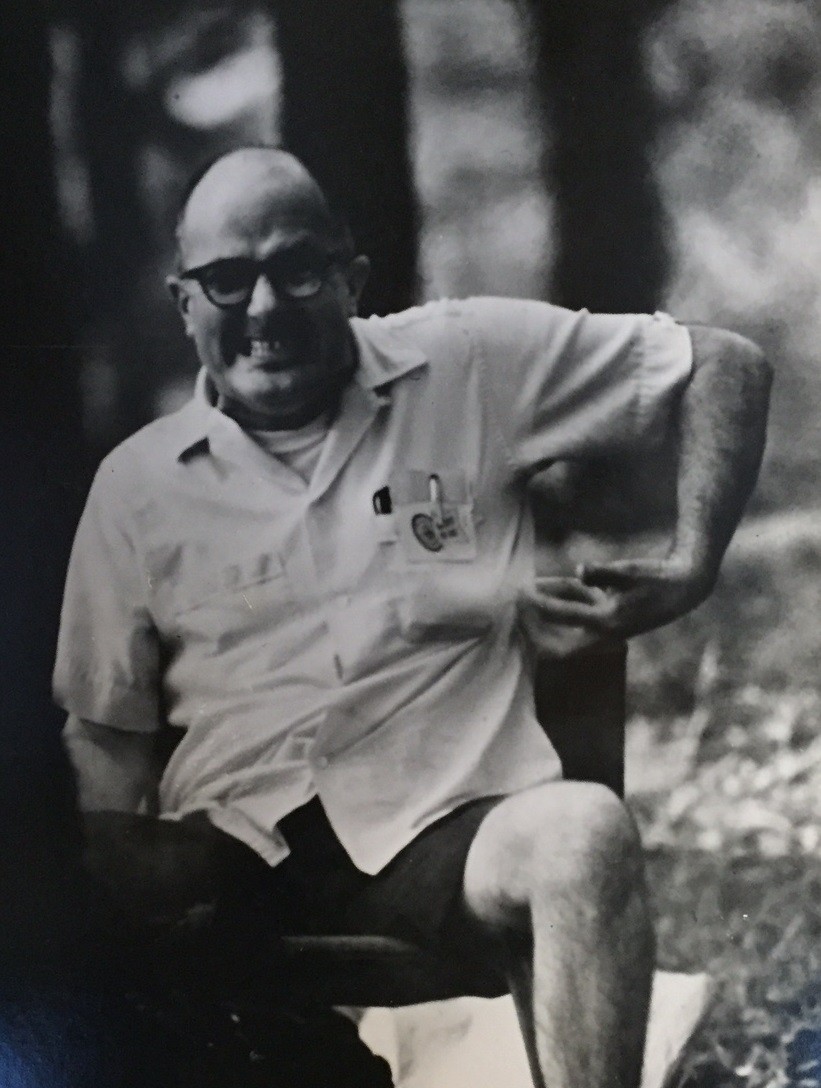
Chiggers (photo of Tom Brown by Don Williams)
As a child of the Depression Tom Brown had bad dental care and lost a few teeth over the years. Dentures were a part of his oral history.* And for as long as I can remember, Daddy also had a gap between his two front teeth.
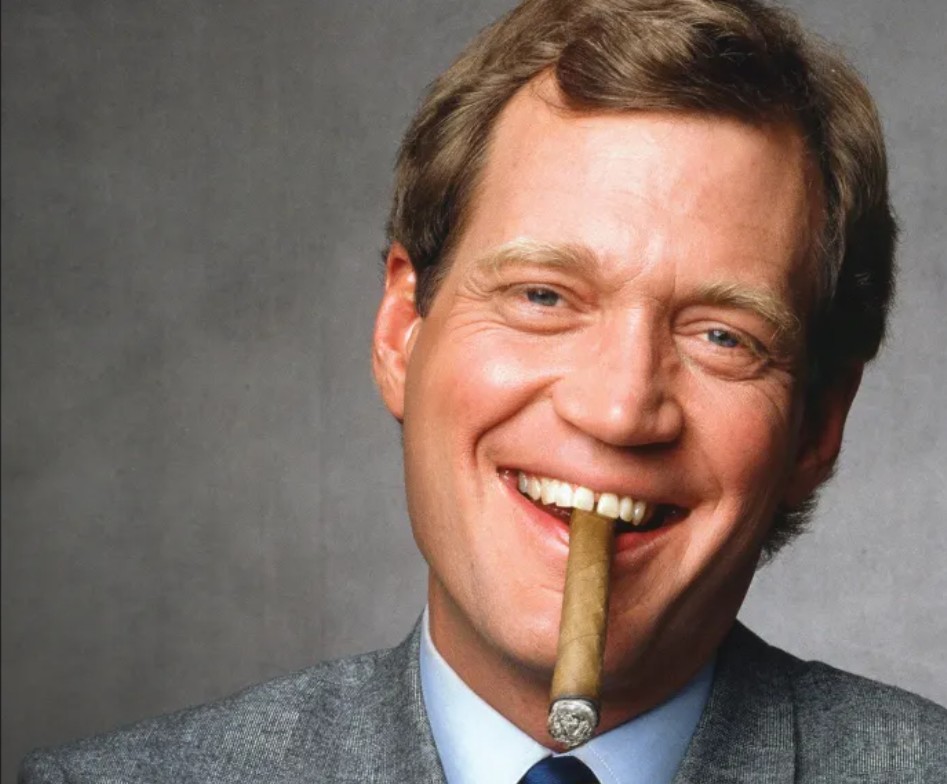
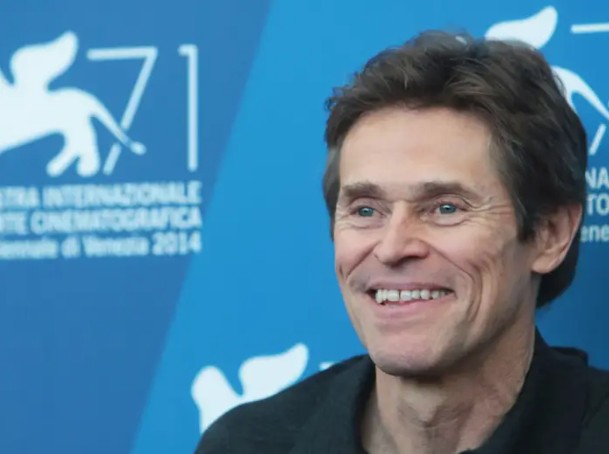
The spacing came naturally and was part of the gene pool he passed along to me. He used to say that if a gap-toothed grin was good enough for Ernest Borgnine it was good enough for him. Had he been from my generation Daddy could have referenced David Letterman, Madonna, Willem Dafoe, Michael Strahan, Eddie Murphy, Uzo Aduba, or other famous gap-toothed celebrities.
Ernest BorgnineDavid LettermanMadonnaMichael StrahanWillem DafoeUzo Aduba
Aduba, the Orange is the Next Black actress, says that “In Nigeria a gap is a sign of beauty and intelligence. People want it. My mother desperately wished she had the gap, but wasn’t born with one. She continued to lay on the guilt, explaining that my gap was ‘history in my mouth,'”
I love that thought: “History in my mouth.”
Willem Dafoe even starred in a short film about his “air cooled” teeth entitled Mind the Gap. The film star says gaps are “openness, possibility, room to savor . . . Everything I bite,” he adds, “stays with me a long time.” The strange, some would say alluring others would say weird two-minute film—which was sold at auction to benefit a children’s charity—ends with the intense actor coming down hard on his love of his imperfect teeth. “They say you can never be too thin or too rich. I say there can never be enough gaps.”
Gaps and crooked teeth are actually fairly normal to this day in Europe and the rest of the world. Only in America do we obsess so much over the perfection of our teeth.
It was the parents of my generation who began that trend for the middle classes. When we discussed braces in high school the orthodontist told my parents that I had “a mouth that was too big for my teeth.”** He would straighten them out and close the gap—which he did—but unless I wore a retainer the rest of my life, my natural gap would return.
As I aged, I worried about that growing space between my front teeth. I did actually return to a retainer in my 40s, but again got tired of wearing it every night while I slept. My answer was to smile with my lips closed. Not exactly the most open, inviting, and expressive look I have to admit.
A typical DJB look when posing for a camera . . . this one with Candice from 2020 who always has a wide, beautiful, welcoming smile
I see now that I had slipped into a form of personal body shaming, which is not good when applied to ourselves or when we apply it to others.
This began to change in retirement.
As we travel the world for National Trust Tours, I walk around with a face that has a perpetual look of wonder and amazement. On a recent trip, an older traveler approached me and said, “I love seeing you as you talk, or when you’re walking on a tour, or when I pass you in the hall because you always have this big smile on your face.” That stuck with me. I know when I smile naturally that my air cooled teeth are exposed. She was saying that she liked it.
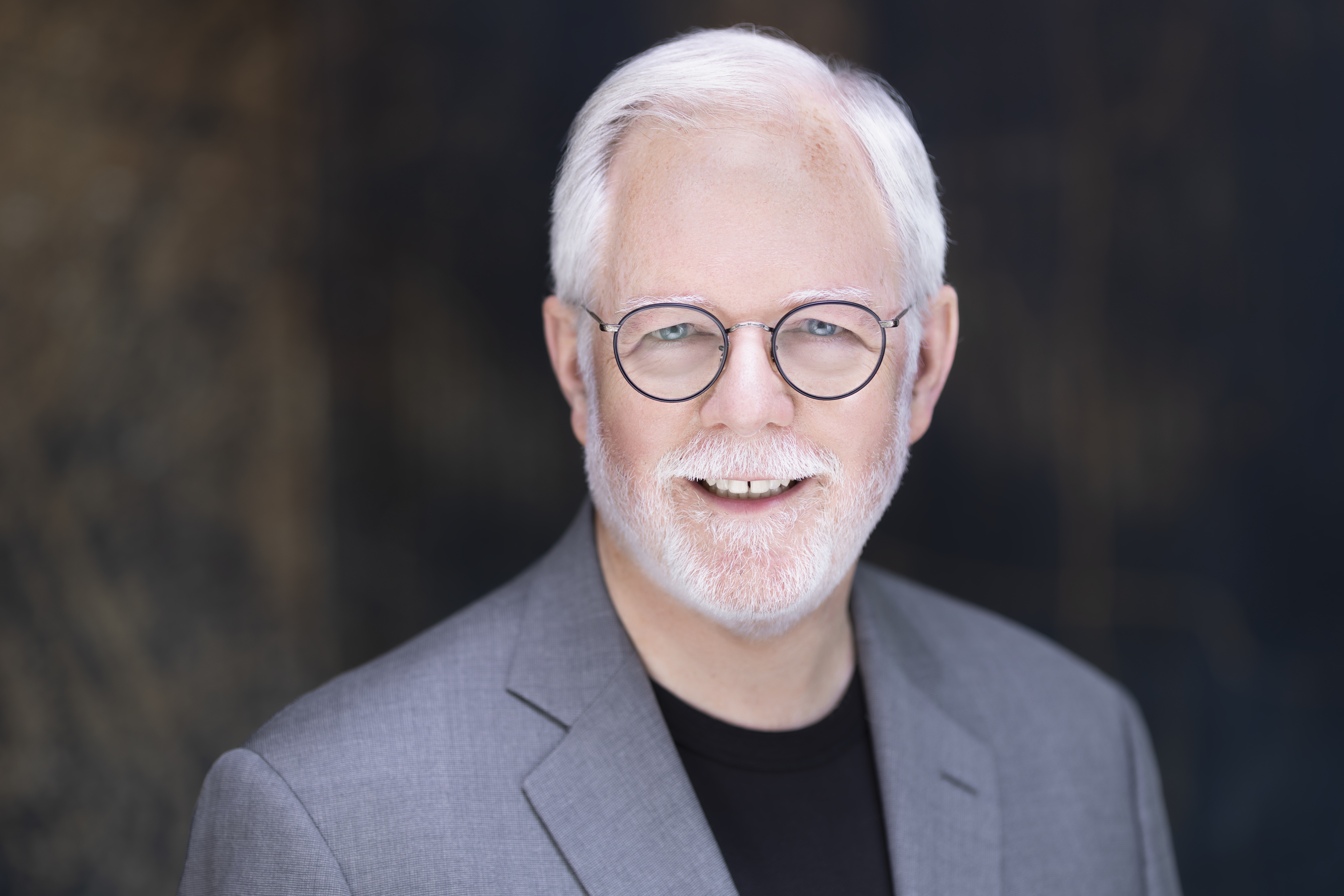
So I decided that at 70 years of age it was time to not just tolerate but to love the imperfections of my very imperfect teeth. And when I recently needed a new head shot, I decided to embrace the imperfections. Those teeth—and the open smile—would be front and center.
I rather like it.
I have come to realize how important gaps are in our lives as I wrote in the first of my Gap Year Chronicles in 2019. Writer Satya Robyn has said that when she steps out gently from the busyness of life to engage the world through curiosity and wonder, she also stops struggling. She floats as in a river, embracing the liminality. But you need the space to be able to bash into some joy along the way. And when I retired, one of our trustees told me not to be afraid of blank spaces on my calendar, because it was in those gaps where the good things happened.
In this new phase of life I’m now loving the openness. The possibility. The room to savor. You can never have too many gaps.***
**You can make up your own joke. I’ve heard them all.
***Pair this post with Bashing into joy and you just might decide that I’m throwing caution to the wind in my old age. I’m not there yet, but that’s the road I’m taking.
There is an unease in today’s world. Our would-be dictators are rushing about severing alliances, sabotaging support, undermining cooperation within the nation and across the world. As Rebecca Solnit puts it,
“It seems to be in their nature to segregate, isolate, and disconnect. They cut the United States off from the World Health Organization and the Paris Climate Treaty. They cut off the countless beneficiaries of USAID programs as they left USAID workers stranded across the world. They cut off crucial parts of the federal government with reckless disregard for how those parts contribute to the functioning of the whole—or maybe with enthusiasm for its malfunction, perhaps because they’re bought into the rightwing idea that all this stuff is unnecessary, obstructive. It’s certainly in the way of some of their ambitions.
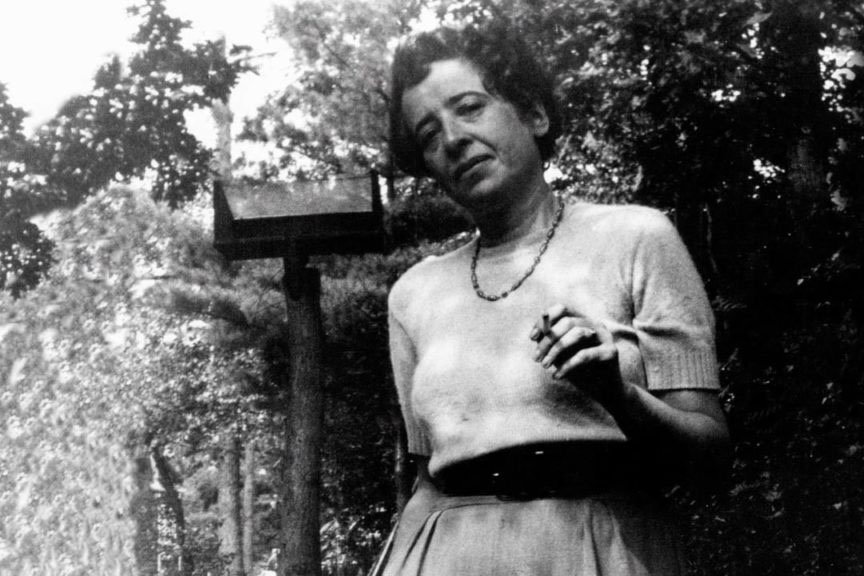
In this climate of separation and disconnection, I first became aware of an important new book from Solnit’s mention of it in her Meditations in an Emergency newsletter. Solnit noted that long before our era, the political theorist Hannah Arendt was very familiar with these type of men who seek to tear us apart.
“A few days ago, the Arendt scholar Lyndsey Stonebridge called my attention to this passage from Arendt’s On the Origins of Totalitarianism: ‘What binds these men together is a firm and sincere belief in omnipotence. Their moral cynicism, their belief that everything is permitted, rests on the solid conviction that everything is possible.…Yet they too are deceived, deceived by their impudent conceited idea that everything can be done and their contemptuous conviction that everything that exists is merely a temporary obstacle that superior organization will certainly destroy.’”
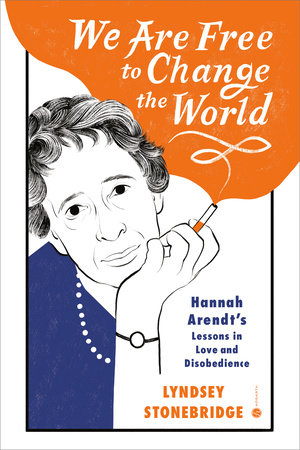
We Are Free to Change the World: Hannah Arendt’s Lessons in Love and Disobedience (2024) by Lyndsey Stonebridge is the book we need for these times. A compelling biography but also a primer for how to think if we want to be free. Arendt was not perfect and not always the easiest person to understand, as Stonebridge details, but she thought and cared deeply about humanity. Thanks to Stonebridge’s very accessible and thoughtful writing, readers are brought into Arendt’s world to see why she came to think the way she did. In doing so, Stonebridge takes us from fascist Germany to twenty-first century America.
The subtitle of the work is very important. These are lessons from one of the twentieth century’s foremost opponents of totalitarianism to those of us navigating the slide into what political scientists Steven Levitsky, Lucan Way, and Daniel Ziblatt have labeled “competitive authoritarianism.” As they note in their recent New York Times op-ed, “America’s slide into authoritarianism is reversible. But no one has ever defeated autocracy from the sidelines.” Arendt’s life and work is, in this masterful biography, in a dialogue with today’s turbulent times.
Many of us have only encountered Arendt in short, quotable snippets or perhaps in her famous (or infamous) New Yorker articles on the Adolf Eichmann trial. Stonebridge’s gift is to make Arendt’s work accessible and compelling for our era. As she writes in the first chapter, it wasn’t until she started to work out why we should be reading Arendt in the age of Donald Trump and Vladimir Putin that she realized “it was the stubborn humanity of her fierce and complex creativity” that we had most to learn from. Throughout her adult life Arendt was asking one question above all others: What is freedom?
That is also the title of the last of ten chapters in this book, which look at subjects such as “How to Think” and “How to Think—and How Not to Think—About Race,” the latter taking up Arendt’s missteps around racial inequality in America. In a 1959 essay called “Reflections on Little Rock” she criticized the campaign against the segregation of schools in the Jim Crow South. “Written in a lofty and chiding tone, her essay caused a scandal because in it she had forgotten one of her own lessons: you can’t co-create rights and freedom with people who you cannot see.” Hannah Arendt was far from perfect. She “did not know the children of Little Rock, Arkansas, nor did she comprehend the history of their fight.”
Arendt’s work on race simply proves that she was human. Yet her voice is one we should still hear today. Stonebridge talks of how Arendt’s 1958 book The Human Condition was, above all, about bringing people back to earth “so that they could appreciate what they had—and what they had to lose.” She worried that technology and overconsumption were alienating us from the earth. Hers was not the only voice making this case. In an extraordinary passage, Stonebridge notes that in an eight month period the New Yorker published the first installments of Eichmann in Jerusalem, Rachel Carson’s article from her ground-breaking Silent Spring, and a James Baldwin essay that would become The Fire Next Time. Even contemporary readers noted the change in the quality of the magazine’s truth-telling.
“There is a reason why James Baldwin, Hannah Arendt, and Rachel Carson are three of the writers from the last century whose voices speak to us most urgently in our own. They show us, yet again, possibly because people did not pay sufficient attention the first time, possibly because the very things they feared have indeed got much much worse, the beauty and fragility of existence.”
It was the chapter on “How to Love” that told me more about Arendt that one can glean from the anti-authoritarian quotes in memes. “Love is a paradox in Arendt’s thinking,” writes Stonebridge. “Love is what makes us human, plural, alive to one another and to the human condition itself.” It may be all we have. But because of its earthly power, love can be “more than human, possibly inhuman” and politically speaking, very dangerous.
“Love matters in our politics because it matters to us at the most intimate level of our lives. As we do now, Arendt lived in a world where there was far too much passionate intensity of the worst kind, and not nearly enough neighborly love.”
Totalitarianism to Arendt was not just a new system of oppression, it seemed “to have altered the texture of human experience itself.” The crime, which she explored in 1963’s Eichmann in Jerusalem: A Report on the Banality of Evil, was against “both large groups of people and against the very idea of human plurality.” Yes, the moral obscenity of the Holocaust had to be recognized, put on trial, grieved, and addressed. But existing methods and ideologies could not make it right. It was the banality with which the crime was executed that needed to be reckoned with, a reckoning that we have yet to undertake.
Early in life Arendt came to see one simple idea that set the stage for her life’s work: “that we think and that how we think has moral consequences.” Embracing perplexity became her first line of resistance against the absolutism that infects totalitarianism. Truth-telling is what you do when you have nothing else. Arendt once observed:
“To be sure, no one understood the rain better, no one showed so clearly what rain was like, than the person who happened to have no umbrella and therefore became soaking wet.”
In the end, Arendt’s work comes back to love and freedom. Nothing, she wrote, “perhaps illustrates the general disintegration of political life better than a vague pervasive hatred of everyone and everything.” Real freedom, which Stonebridge highlights as Hannah Arendt’s central political insight, “requires the presence of others so that we can test our sense of reality against their views and lives, make judgements, probe, and learn.”
Adolph Eichmann, she came to realize, “was thoughtless to the point that he no longer inhabited the real world—which was partly why he could wreck such terror upon it.”
Because we have would-be dictators and tech bros who also no longer inhabit the real world of the 99% of humanity, we are facing the same issues today. This courageous book is definitely a work for our era.
I’m With Her—Sara Watkins, Sarah Jarosz, and Aoife O’Donovan—at July 2015 Red Wing Roots Music Festival (photo by DJB)
For a band that has been around—off and on—for more than a decade, I’m With Her is only now getting around to putting out their second album, titled Wild and Clear and Blue. The title comes from a song “written after the passing of two of their most beloved musical forebearers, Nanci Griffith and John Prine.”
The band takes up the story from there.
“’When I was nine my mom took me to see Nanci Griffith and I sent a note backstage requesting ‘Ford Econoline,’ and she played it at the show,’ says O’Donovan. ‘We wrote ‘Wild and Clear and Blue’ thinking about growing up so in love with music and then actually making music ourselves—it’s very specific to our own lives, but I think there’s something universal about having those childhood memories tied up in the music your parents played for you.’ The first song written for Wild and Clear and Blue, the exquisitely wistful track soon catalyzed I’m With Her’s album-wide reflection on generational bonds and self-realization. ‘So much of this record is about connecting with your past and figuring out what you want for your future, finding yourself and finding the people you love,’ says Watkins. ‘It’s a journey that everybody takes, and this is our way of singing through it.’”
The references in the chorus to the Griffith song Love at the Five and Dime and Prine’s Paradise are lovely tributes within the larger tune. It reminds me of similar musical memories in my own life, although they aren’t recaptured in such a beautiful way.
“Ooh when I was nine | Heard you singing ‘bout the five and dime | What’s that I asked | And my mama said | They were everywhere when I was a kid | I hear the fiddle and bow | Still playing long after the show | Your voice runs like the Brazos through me | Wild and clear and blue
Ooh when I was nine | Heard you singing ‘bout paradise | What’s that I asked | And my mama said | That was everywhere when I was a kid | I hear the fiddle and bow . . .”
And then in the bridge comes sadness with the realization of the fading of memories.
“Now I’m rolling down all my windows | While the wild birds cut lines across the sky | Your voices are swirling around me | Driving into the west Texas night
Breathing in the scent of the sage brush | Tears cutting lines ‘cross my face | Now the static is slowly replacing | The sounds of my childhood days”
I cry at the strangest things. This one brought on a few tears.
All three women are exceptional multi-instrumentalists, so it may seem difficult to highlight one particular aspect of the group’s work. However, what most come away with after hearing the band are their luminous harmonies. Chris Thile once introduced them with the description: “When you go to heaven and hear singing, it will sound like these three women.”
In an interview with Variety, the band talked about the writing process and how these songs for the second album came together. Wild and Clear and Blue explores themes of “ancestry, lineage, and the collective human experience.” It is “a soul-searching body of work about reaching into the past, navigating a chaotic present, and bravely moving forward into the unknown.”
I’m With Her (credit: ImWithHerband.com)
O’Donovan is quoted in the Variety piece as saying . . .
“All of these songs went into the same door and, like you said, grew up in the same house, surrounded and nurtured by the same three voices. And I think that’s what definitely sets our band apart in many ways. When I bring an idea, I feel how you guys are receptive to the idea and then add to it in this very specific way that feels super organic and natural. It’s something I personally haven’t experienced in other co-writing situations.”
Mother Eagle (Sing Me Alive) begins simply with just the trio playing and singing. It differs in that way from the rest of the album, which has bigger production values. But even with just the three of them, the sound is luscious, building throughout the song as the chorus becomes “mantra like” in O’Donovan’s words.
The lyrics of Ancient Light speak to those themes of ancestry, lineage, and the collective human experience.
“Thinking of who came before | I hear them knock at the door | They’ve been a long time comin’
Mmmm when I let ‘em in | I feel their breath on my skin | They’ve been a long time gone
We’ll be dancing | Oh what a sight | When they get here I’ll be swimming in the ancient light”
Standing on the Fault Line speaks to the path each of us has to take as we move into the future we want.
“Is it when the reservoir dries out | And the birds stop flying south | How we gonna know it’s time to flee?
If we wait for a rainy day | When the opening sky just seems to say ‘stay’ | We’ll never leave
Standing on the fault line | Waiting for the ground to crack | Just put one foot in front of the other | Don’t look back”
All three members of I’m With Her came out of the roots, folk, and progressive bluegrass worlds. Find My Way to You let’s the band open up those chops and remind us that while they do sing beautiful harmonies, they are also terrific instrumentalists.
I’m With Her is touring this year to promote the new album. Catch them when they come to your part of the country.
Sometimes we find unexpected courage to act on instinct. It often takes more courage, however, to stop and consider the consequences. To look without blinking at what our actions might mean. To think before we act.
Considering the consequences of our actions—or inactions—is a constant theme of a book I just finished by one of Canada’s best-known and well-loved mystery writers.
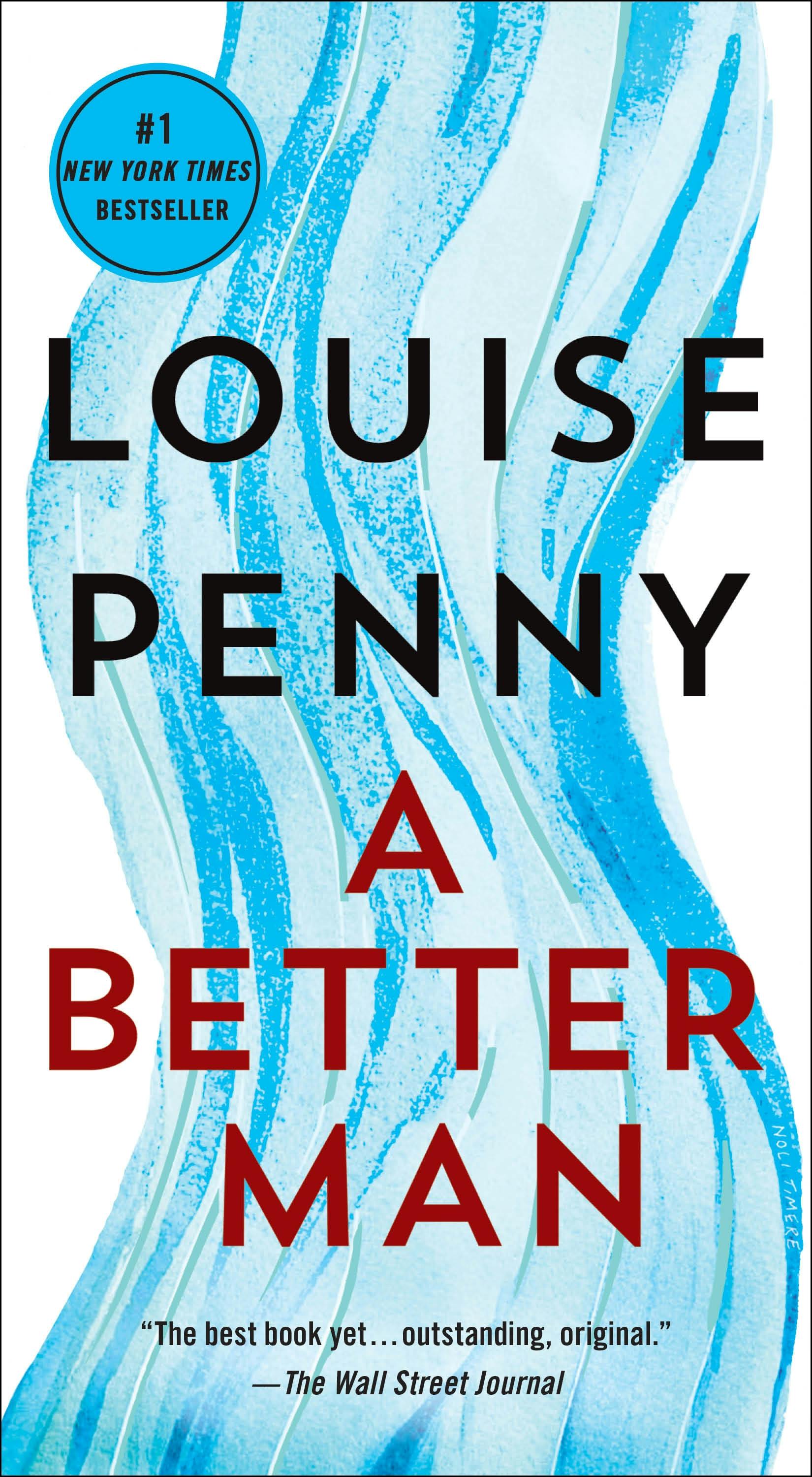
A Better Man (2019) by Louise Penny is the fifteenth work in the Canadian author’s long-running Chief Inspector Armand Gamache series. The former superintendent of the entire Sûreté du Québec, Gamache has returned after a controversial suspension and demotion and immediately faces devastating spring floods, relentless social media attacks, and a law enforcement force that appears split on the question of whether he should have even been allowed to return. Gamache is now sharing the position as head of the homicide department with his former second-in-command—and his son-in-law—Jean-Guy Beauvoir who is preparing to leave the force and move with his family to Paris. As if these challenges aren’t enough, Gamache is approached by a desperate father seeking help in finding his missing daughter. In the fast paced and multi-layered story, the Chief Inspector and many others are struggling to find their footing.
This book was loaned to me by a friend and faithful MTC reader who thought I would enjoy Penny’s story of the thoughtful and kind inspector, the interplay of the various characters both in the Sûreté as well as in the little village of Three Pines, the Canadian backdrop, and the psychological mystery at the heart of this tale. I wondered if I could pick up the story lines but Margit assured me that I could. The Library Journal review noted that by bringing “several character arcs to a close while resetting others” A Better Man serves both “as a beginning for new readers and a satisfying continuation for series fans.” Gamache, the Journal notes, “is an explorer of the human psyche, and the care he takes with the victims, their friends and family, as well as his own allows this series and his character continually to surprise, delight, and enthrall.”
Chief Inspector Gamache is clearly near and dear to Penny’s heart. This is not an easy story to tell. Characters have been emotionally and even physically damaged by physical abuse. As more than one observer notes, you can see steely determination in Gamache’s eyes as he works through the twists and turns as well as the sometimes brutal facts before him. But if you look especially carefully you will also see goodness. Penny has written that “her books are about goodness. And kindness. About choices. About friendship and belonging. And love. Enduring love.”
That goodness, along with an ability to rethink assumptions and look without blinking at the facts before him, leads Gamache to see that the “obvious” murderer of the missing woman might be telling the truth when he says he didn’t do it. The twists and turns to uncover the real story of what happened on a dark and lonely bridge above a raging, flooding river—and to handle that story carefully—makes for a satisfying read.
At one point, Gamache is telling his agents that when he was Chief Superintendent he had a framed poster in his office with the words Noli timere. They were the last words of poet Seamus Heaney and they mean “Be Not Afraid.” Penny wants us to remember that fear is a thief, just as Gamache is encouraging a young agent to speak his mind, even though he’s afraid.
In the world that Louise Penny has created, there is terror, fear, and murder. But there is also goodness, and the existence of that goodness is what we ultimately remember.
Author Fran Lebowitz famously said, “Think before you speak. Read before you think.” My goodness. What a concept! Wouldn’t our life be so much easier to navigate if more people in leadership positions (if not actually leaders) followed this bit of advice?
I don’t always think before I blurt something out, but it does help that I have a monthly intention to read a minimum of five books on a variety of topics from different genres. Here are the books I read in April 2025. If you click on the title, you’ll go to the longer post on MORE TO COME. Enjoy.
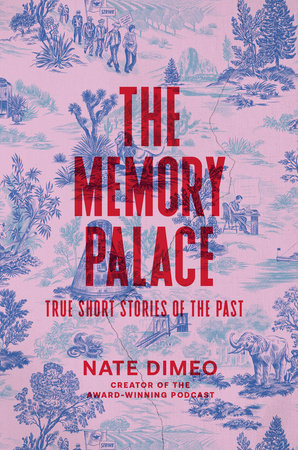
The Memory Palace: True Short Stories of the Past (2024) by Nate DiMeo is a wonder-filled collection of stories from our past. These “true short stories” are looks into the lives of people, some of them famous but many forgotten by time, whose stories deserve to be known. DiMeo looks at these places “between and beyond concrete facts and the well-worn language of familiar stories” to remind us that “life, in the present as in the past, is more complicated and more interesting and more beautiful and more improbable and more alive than we’d realized.” This is a work that surprises and informs and delights all while making us think.
Question 7 (2023) by Richard Flanagan is a genre-defying memoir that examines the choices we make and the resulting chain reactions that explode halfway around the world and decades into the future. The choices Flannagan considers begin with the love affair of H.G. Wells and Rebecca West. He then take the reader through the work of nuclear physicists in the 1930s, the horrors of Japanese slave labor camps near Hiroshima, the world-changing 1945 atomic bomb attack on that city, and the fear of a young man trapped in rapids on a wild river, unsure if he is to live or die. But to lay them out in this sequential order does a disservice to Flanagan’s extraordinary ability to meld dream, history, science, and memory in this masterpiece. Flanagan, as a friend of mine noted, “writes like a god.”
Their Eyes Were Watching God (1937) by Zora Neale Hurston is the story of Janie Crawford, a proud independent black woman who finds herself while navigating three marriages and a fair share of sorrow. Janie begins as a young girl, goes through a myriad of experiences in the Jim Crow South, and comes out a much wiser woman of 40. She learns that others—family, friends, lovers, busy-bodies—want to tell her how to live. Her Grandma reminds her that the black woman “is de mule of the world” and both white folks and black men will expect her to tote the heaviest load. But in the end Janie proclaims that she has done “two things everbody’s got tuh do fuh theyselves. They got tuh go tuh God, and they got tuh find out about livin’ fuh theyselves.” Hurston’s vivid writing and empathetic outlook towards Janie’s quest brings this story alive.
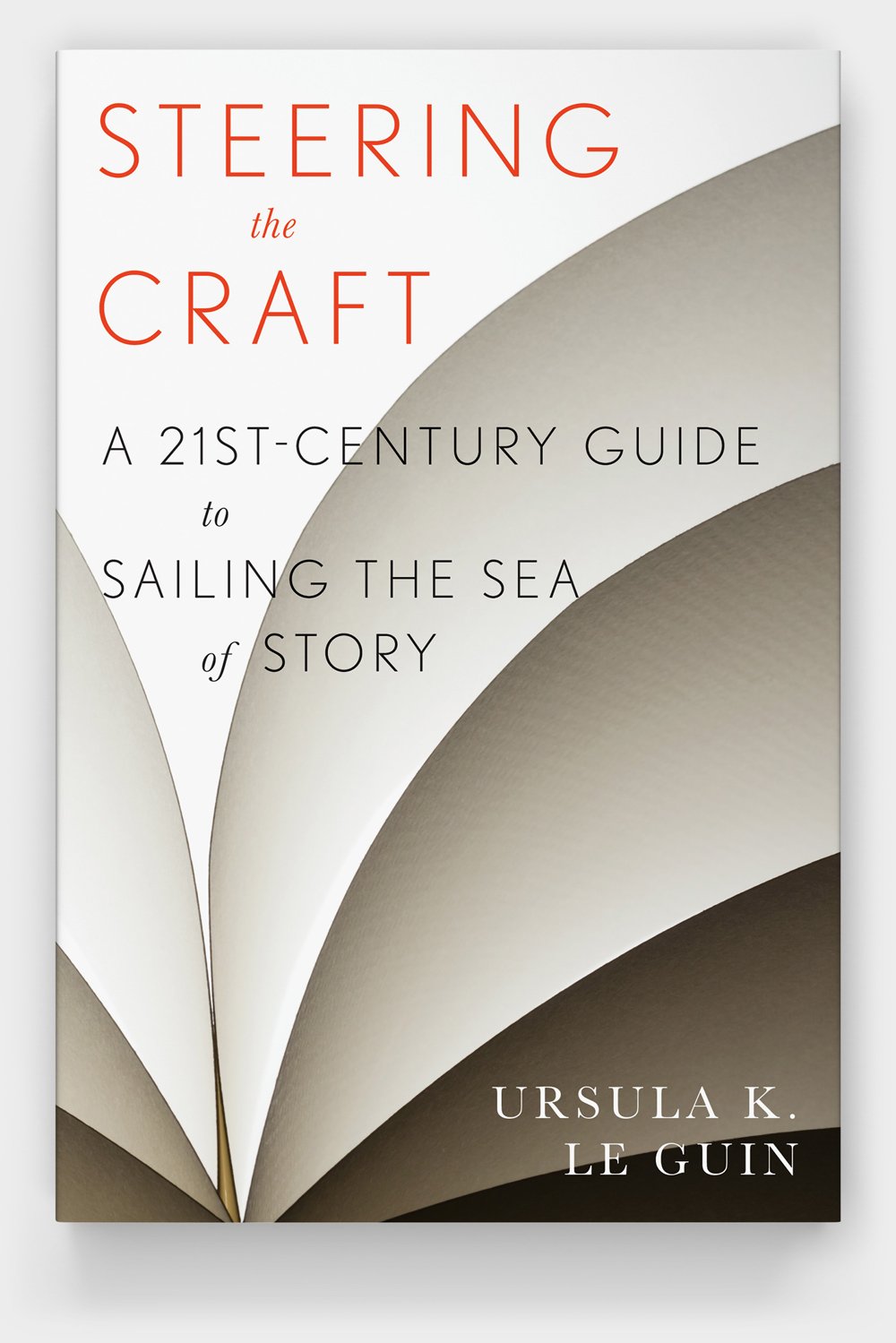
Steering the Craft: A 21st Century Guide to Sailing the Sea of Story (1998) by Ursula K. Le Guin is a handbook on writing well. This master practitioner examines the fundamental components of narrative in this useful, thoughtful, and—most importantly—readable work. Because story is about change, Le Guin wants writers to focus on movement. She examines the sound of language, the tools of punctuation, sentence construction, and more. This is a “deceptively simple” handbook that those wishing to communicate more effectively and skillfully through writing could return to again and again.
New Building in Old Cities: Writings by Gustavo Giovannoni on Architectural and Urban Conservation (2024) edited by Steven W. Semes, Francesco Siravo, and Jeff Cody is a highly relevant and richly illustrated book of the largely forgotten architectural work of an important early advocate for the conservation of historic cities. Because Giovannoni’s works had not been translated into English, his approach to architectural restoration and rehabilitation based on the “simultaneous consideration of the historical, technical, environmental, social, and aesthetic dimensions of ‘monuments’ and ordinary buildings” was not widely known internationally. From his base in Rome, Giovannoni urged the education of the “complete architect” who would be “multidisciplinary, practical designers capable of advancing an integrated vision of the city in all its spatial and temporal dimensions.” In this most recent installment of my Author Q&A series, I speak with the editors about this new work.
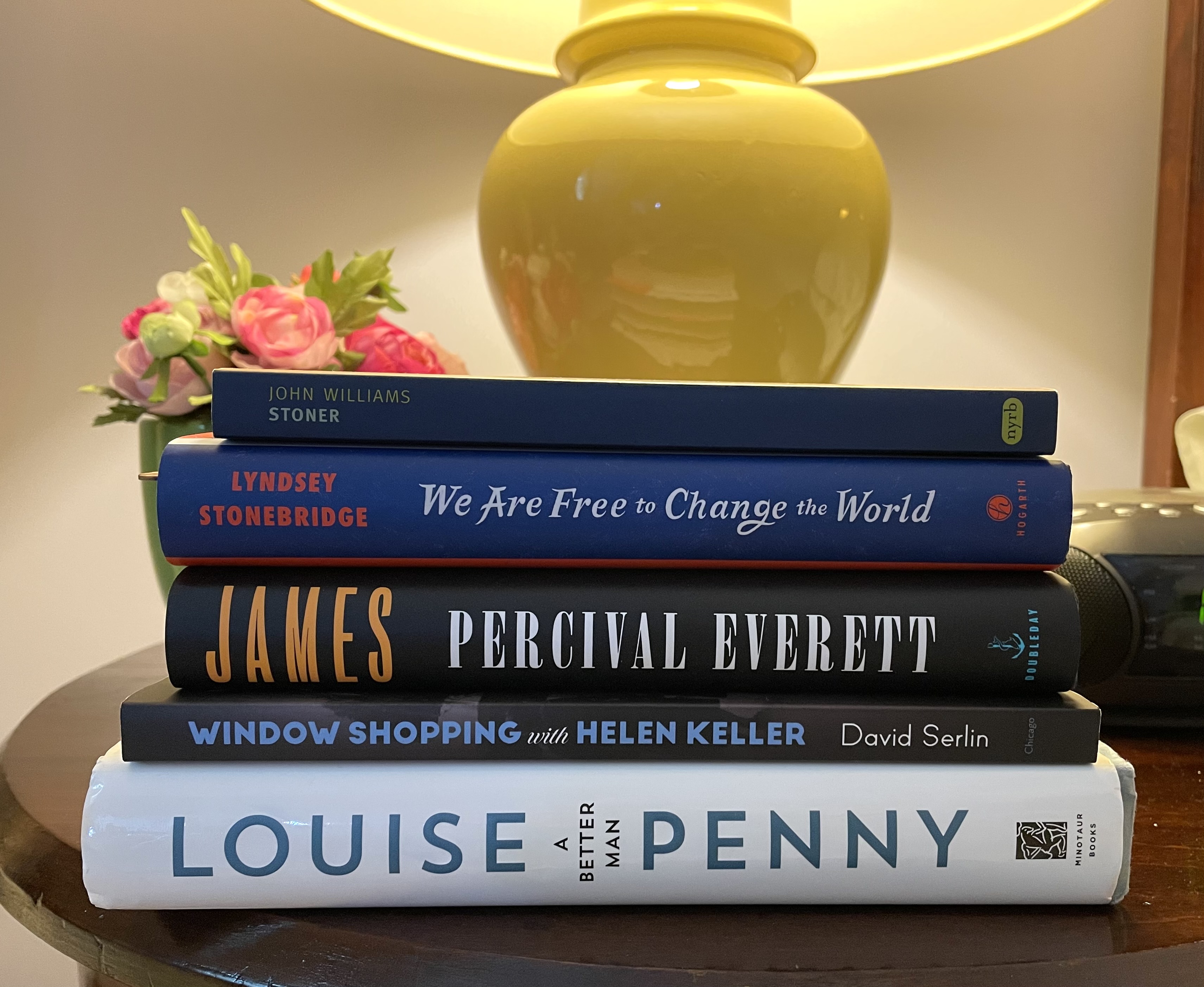
What’s on the nightstand for May (subject to change at the whims of the reader)


























 MORE TO COME...