Latest Posts

Dale Chihuly: Works in Seattle and Tacoma

Recent travels have taken me to both Seattle and Tacoma, Washington – described by writer Margery Aronson in the book Fire as “the new ‘Center of the Universe’ for the medium of glass, a shift in no small part due to (Dale) Chihuly’s decision to return to the Northwest to live, work, and continue his early commitment to education.”

Glass artist Dale Chihuly has been back in his home region since 1971, making amazing sculpture, seaforms, chandeliers, towers, and more.  He’s been in my consciousness for about the past 12 years, as I’ve come across more and more of his work in my travels.

So it was great to spend time recently in Chihuly’s  hometown of Tacoma and his current city of Seattle, viewing works both very public and more private.

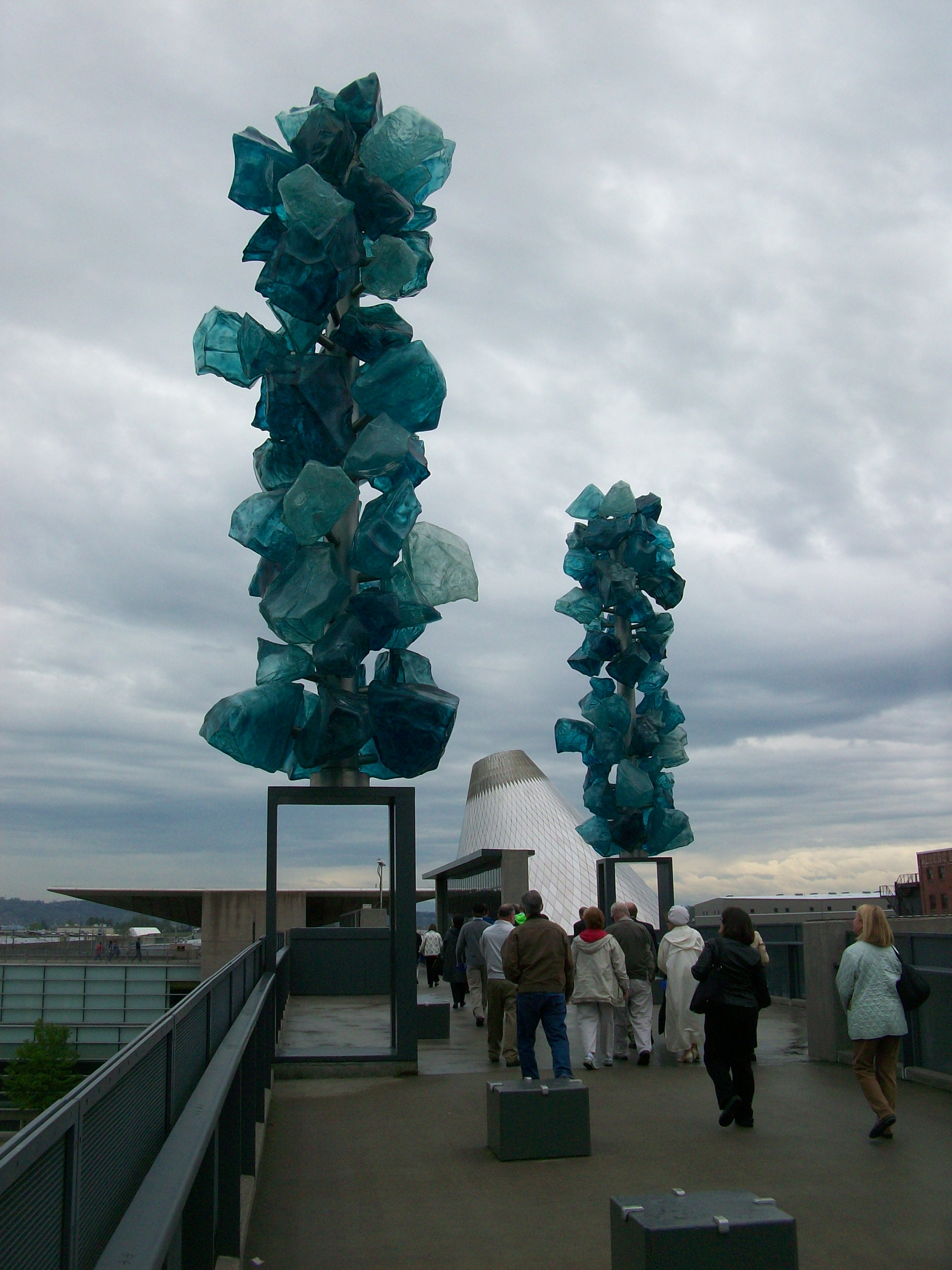
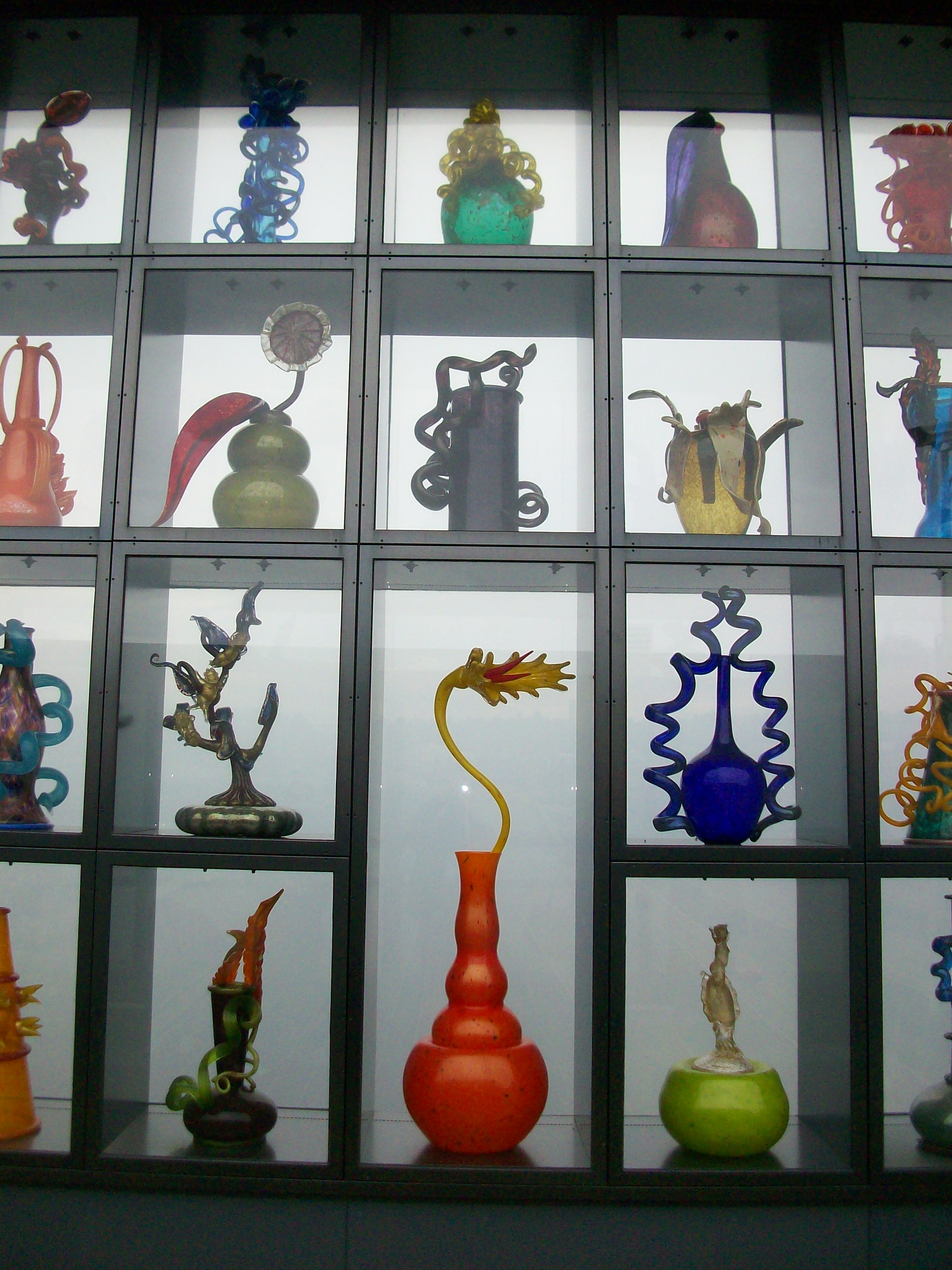
We began in Tacoma, where the 2002 Chihuly Bridge of Glass offers much for the eye.  As a welcoming gateway to downtown Tacoma, the Bridge of Glass has two rising crystal towers, a seaform ceiling that is beautiful in any light, and a Venetian wall composed of individual Chihuly pieces.

Later that same day we visited Chihuly’s Boathouse on Lake Union in Seattle, a 45,000 square foot studio, hotshop, and apartment.  The photo to lead off the post is of the glass work in the bottom of a lap pool.  The photos below are some of the beautiful chandeliers found throughout the building.

I hope you enjoy.

More to come…

DJB

Willie Mays: The Life, The Legend

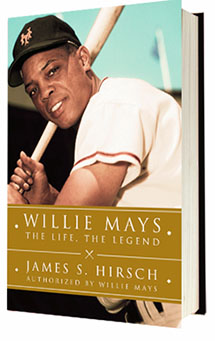
We’ve been blessed with two recent books about the greatest baseball player of all time – Willie Mays.  I wrote about the first, Willie’s Boys, in a post in January.  I’ve just finished the second, Willie Mays:  The Life, The Legend, and found it is as satisfying as a well-played game on a warm summer evening.  (Although at 556 pages it takes a bit longer to complete.)

Author James Hirsch, who never saw Mays play live, has nonetheless captured the essence of a deeply private, and in many ways unknowable, larger-than-life legend.   Mays is one of those people who touched so many people in so many ways.  As Hirsch notes, “If you write a book that allows you to talk to Bill Clinton, Woody Allen, Hank Aaron, Kareem Abdul-Jabbar, Sandy Koufax, and Tom Seaver, you’ve probably got a pretty good subject.”  Bill Clinton says that Willie Mays, “…lives his life with more than talent – he has the mind and heart of a champion.”  Woody Allen, in the movie Manhattan, said Willie Mays was one of the things that made life worth living, right after Groucho Marx but before “those incredible apples and pears by Cezanne.”

What kind of man makes presidents and famous film-makers swoon?  One who was humble (unlike DiMaggio, he did not require his introduction to be preceded by “greatest living player”) but also knew he was great (“I did things that no one else did”).  One who won the MVP award in his first full season, after leading the 1954  New York Giants to an improbable World Championship over the heavily favored Indians.  One who inspired a classic line, written by sportswriter Bob Stevens after Mays hit a game-winning triple in the eighth inning of the 1959 All-Star Game, which went, “Harvey Kuenn gave it honest pursuit, but the only center fielder in baseball who could have caught it hit it.”  One who lost a season to the Korean War and played his entire career in two ballparks that were murderous on right-handed gap hitters, yet still finished with 660 career home runs, a .302 batting average, 3,283 hits, 1,903 RBI’s and a .557 slugging percentage.

Hirsch goes into great detail about each year Mays was in the big leagues, and there are wonderful stories throughout.  While the accounts of his baseball exploits are fun, some of the most enlightening tales are not about bases stolen or home runs hit.  I was especially taken with Hirsch’s account of the role Mays played in the famous Juan Marichal-John Roseboro bat brawl.  Hirsch sets up the moment with great skill, describing how both the Giants and the Dodgers were responsible for elevating tensions in a hotly contested pennant race during the summer of the Watts riots.  Then came the pitch that set off one of the worst brawls in baseball history.

“Roseboro (the Dodger catcher) went to the mound and told Koufax to throw the ball down and in, which would position him to buzz Marichal (the Giant’s pitcher, who was batting) from behind the plate.  The first pitch was a strike, but the second was low and inside.  Roseboro dropped the ball, picked it up, and fired it back to Koufax.  Marichal later said that the ball nicked his ear, and it would have killed him if it had hit him squarely.  Roseboro said it was two inches past his nose, but he readily acknowledged his intent – to scare the shit out of Marichal, which he did.  (Maury) Wills said, ‘When a hard-thrown ball goes past you that closely, it makes a noise like a bullet.’  Mays, watching from the bench, couldn’t believe it.  He had never seen a duster thrown by a catcher, and he knew something bad was about to happen.”

What happened was that Marichal confronted Roseboro, who rose from his crouch.  Then Marichal raised his bat and, before anyone could reach him, he hit Roseboro three times in the head.  Blood came from Roseboro’s head – and all hell broke loose.  Benches and bullpens emptied and – in contrast to most baseball fights – the hostilities increased.  Players went berserk, the Dodgers thought Roseboro had lost an eye, and everyone lost their head.

Everyone, that is, except for Willie Mays.

As Marichal ran for the dugout, Roseboro – a former boxer – chased him.  But he never made it there.

“A massive right hand grabbed his jersey, next to his chest protector, and began walking him to the Dodger dugout.  The hand belonged to Willie Mays.  “You’re hurt, John, you’re hurt,” he said.  “Stop the fighting, your eye is out.”  On their way, Roseboro gave the finger to the fans, who booed him….Mays took Roseboro to the dugout and sat down next to him, which defied all tradition and logic – a player, in the heat of a brawl, taking a seat on the enemy’s bench.  Mays used some towels to stanch the bleeding then cradled Roseboro’s head while the trainer, Bill Buhler, examined the injury.

…So when the Dodgers and Giants staged their epic brawl, it was, to Mays, like a family being ripped apart.  He did what most would do in a serious family disagreement.  He tried to separate the belligerents.  He tried to make peace.  But the violence had occurred.  So in the dugout, his hands holding a towel soaked with blood from the deepest of wounds, he wept.“

A man of incredible talent, a man of contradictions, but — most of all — Willie Mays is a man of character.

In assessing whether Mays was the greatest player ever, Hirsch lets others make the arguments.  He simply notes that…

“His legacy, ultimately, will never be about his numbers, his records, or how he helped his team to win.  It will be about the pure joy that he brought to fans and the loving memories that have been passed to future generations so they might know the magic and beauty of the game.”

Say Hey — what a life.

More to come…

DJB

Mohonk Mountain House…A place like no other

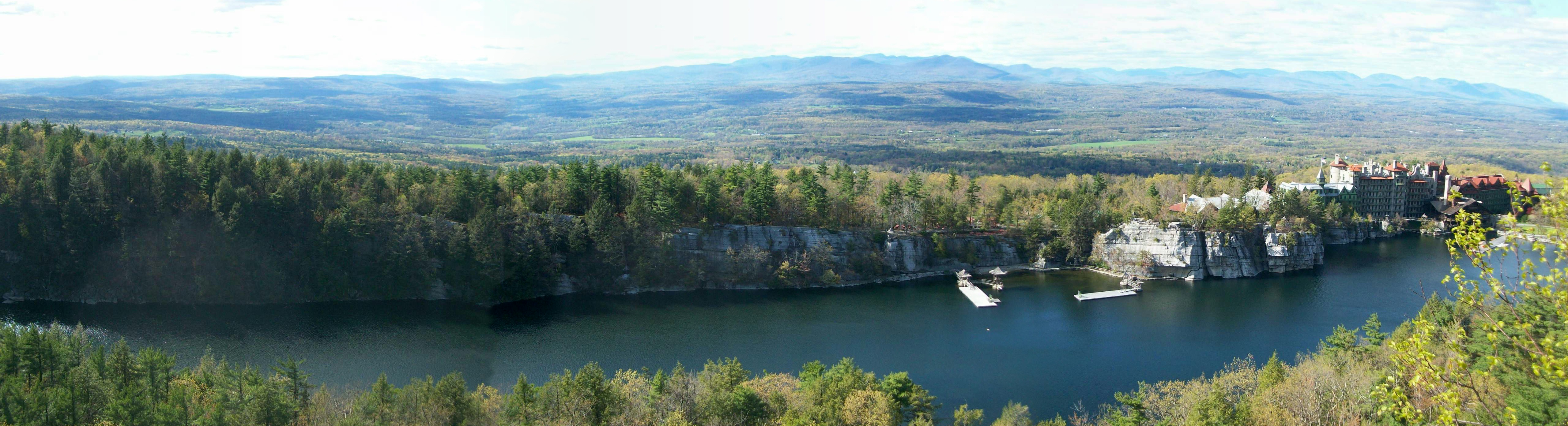
Mohonk Mountain House is one of those special places on this planet that nurtures the soul. If you don’t believe me then take the word of The Nature Conservancy, which has designated the thousands of unspoiled acres surrounding Mohonk as one of its Last Great Places on earth.

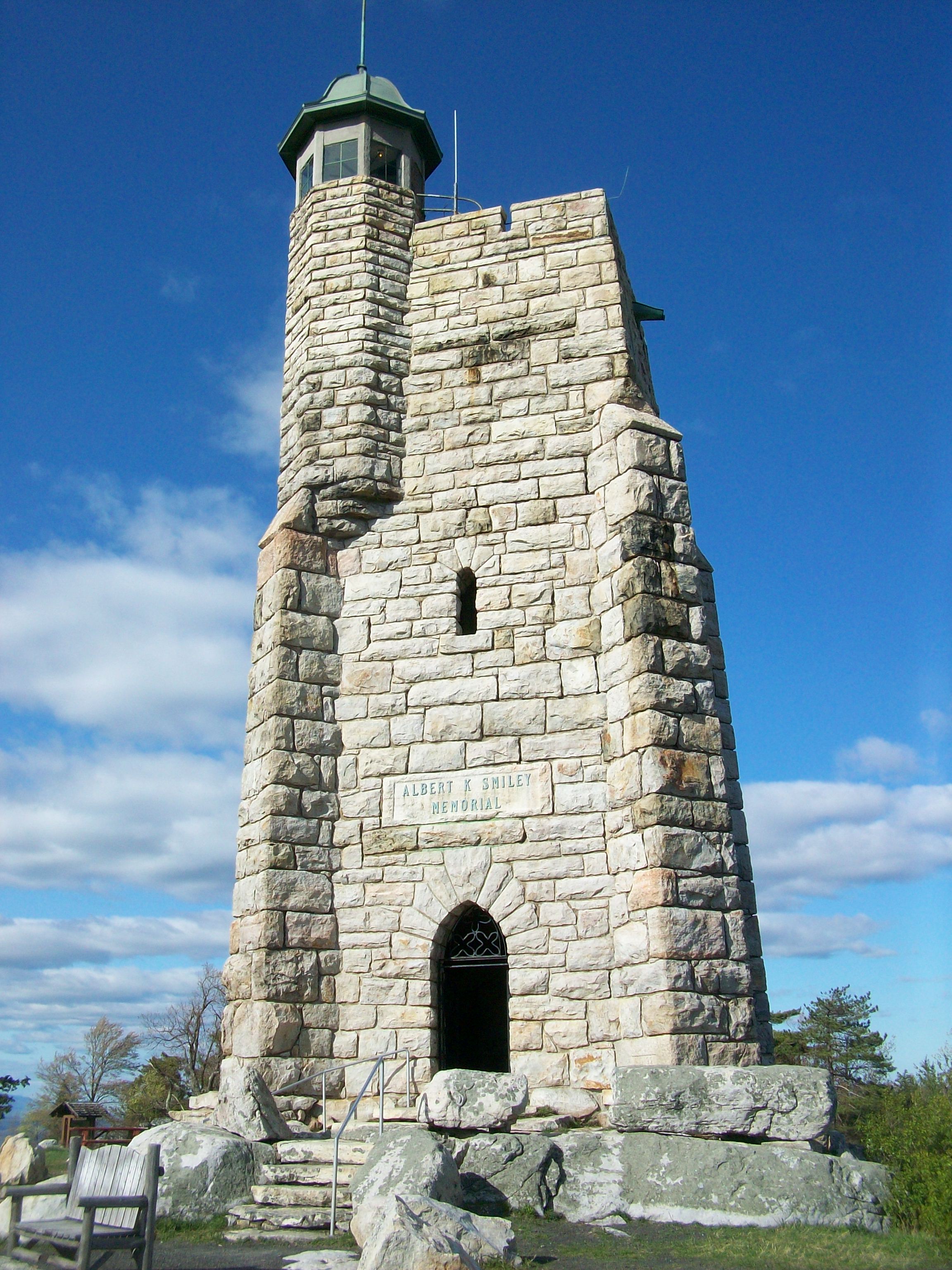
I’ve been here for the past two days for a series of meetings with colleagues and partners from the Northeast.  Together we’ve discussed, among other topics, the role historic preservation plays in environmental sustainability.  Last night when my friend Nina Smiley told the group of the wonderful history of Mohonk Mountain House, it was clear that few places showcase the relationship between nature, sustainability, and unique historic places better than Mohonk.

Nina gave a wonderful talk, full of tales of twin Quaker brothers establishing this hotel, but naming it the Mohonk Mountain House to avoid the unsavory reputation hotels and inns held in their day.  Over 141 years of ownership by the Smiley family, Mohonk has remained “the same…only better” to use Nina’s words.  As the website notes:

“Much as one sees Lake Mohonk today, Alfred H. Smiley saw it in 1869 when he visited the Shawangunk Mountains on a picnic outing. He and his twin brother, Albert K., envisioned a peaceful retreat where people could enjoy the beauty of nature in a truly spectacular setting. Albert purchased the property from John F. Stokes, and the brothers eventually turned the ten-room inn and tavern into the grand House it is today.“

I also learned at dinner last evening from my colleague Alicia that Lowell’s Boat Shop – a 2009 winner in the Boston Partners in Preservation program and a wonderful place in its own right – supplies the wooden dories for Mohonk that generations have enjoyed during the summer.  Lowell’s was one of my favorite sites from the Partners in Preservation program, so the connection with Mohonk seemed very appropriate.

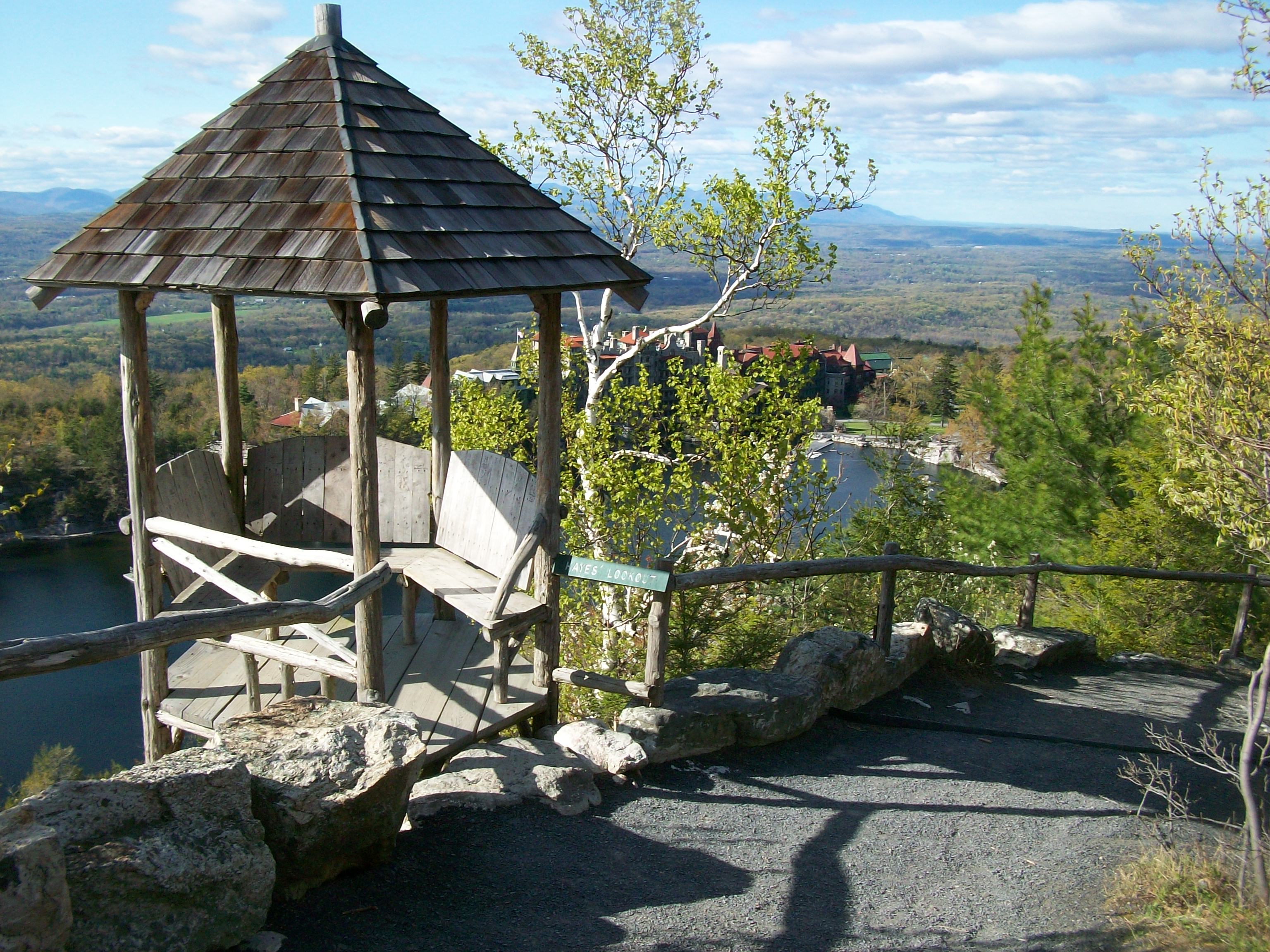
In between meetings, I’ve been hiking and taking photographs.  Visit the Mohonk website to learn more about the historic preservation and environmental stewardship that’s a part of everyday life – and corporate culture – for this unique place.  More importantly, find the time to visit Mohonk Mountain House at some point in your life and soak up the spirit of this place that’s like no other.  Finally, enjoy the photos below, taken on a glorious spring day in New York.

More to come…

DJB

A View from Home Plate

I’ve been to countless Major League Baseball games in my life, beginning with Wrigley Field in 1964 to see the Cubs vs. the Cardinals.  But I’ve never seen a game in the front row behind home plate.

Until last night.

Thanks to a local friend and colleague, who heard of my plan to visit all the MLB ballparks, a group of 12 – in town for today’s launch of Partners in Preservation and a National Trust Council meeting – headed out to Seattle’s  Safeco Field last evening to see the hometown Mariners take on the Oakland A’s.  Kevin told us the seats were great.  He wasn’t kidding.

On a beautiful cool evening we saw the Mariners top the A’s 4-2.  And when I say we saw it, we took it all in from the first few rows behind home plate.  You know the seats…the ones you see every night on television when the pitcher glares in on the batter.  I started out four rows back on the first base side, only a few bat-lengths away from future Hall-of-Famer Ichiro taking his practice swings in the on-deck circle.  The controversial Milton Bradley responded to a loud-mouth detractor sitting two rows away with a bases loaded, broken bat single in the 5th to tie the game.  By that time I had shifted over to sit in the first row on the third base side and felt I was in the action.  At one point I turned to my friend Camille and said, “That ball looked a little low”  and then I added, “And that’s the first time I could say that in a baseball game with any real authority.”  She laughed and said, “Yes, because we’re looking at the back of his knees.”  Indeed.

Safeco is an intimate park and – I can attest – a great place to watch a baseball game up-close.  To top it all off, the Mariners gave a scoreboard shout-out – and a great PSA – to Partners in Preservation.  Thanks, Kevin, for a terrific evening and for helping me mark one more stadium off the list!  With the combination of the up-close and personal seats, a tightly contested game, and the PiP PSA, I have a feeling my next game is going to be a bit of a let-down.

More to come…

DJB

55 is the New 25…Or How Facebook has Reconnected Me to People I Haven’t Seen in 30 Years

I didn’t think turning 55 last month would be such a big deal, having already dealt with those milestone birthdays of 40 and 50. Everyone knows (and pollsters bear this out) that Boomers always undercount their age by 7-10 years in any event.  I may be 55, but I believe I’m really only 45.  Don’t believe me?  Just ask any Baby Boomer how old he/she feels and you’ll soon get the sense that we’re all this way (i.e., delusional).

But this year has been very different and a little – well – just different.  And it is all because of Facebook.

First, a little back story.  I was not an early adopter for Social Media, as I had a wife, two teenagers, a demanding job, a guitar and mandolin sitting in the corner and other interests to fill my days.  But part of my job was to provide vision and direction to all parts of our online communications efforts at work.  It soon became clear that it was going to be difficult to do that job  well if I didn’t know what I was talking about when it came to Facebook, Flickr, YouTube, blogs and the like.  So I took  the steps that had already been taken by many of my friends and colleagues:  I had the web staff at work set me up on Facebook and I had both my children refuse to “friend” me.  I was off to a great start!  (More to Come…the DJB Blog was another outcome of my immersion in all things online, but that’s another story.)

Amazingly a group of 25-35 year old staff members at work did “friend” me on Facebook however and they were the ones who really showed me the power, reach and possibilities of this wonderful tool.  I was suddenly “welcomed” (if that’s the right word to use for people allowing their boss to see their status updates)  into an amazing set of conversations about everything from what’s for dinner tonight; gym habits; Lady Gaga’s gig with Elton John at the Grammys; Snowpocalypse; and the Caps chances to win the Stanley Cup to why old communities really are the most sustainable places on the planet; how we can respond to the devastation in Haiti; and life’s rhythms of births, new children, college searches, aging parents, and death.

Now to the real reason for this post.  I haven’t lived in my hometown since I was 22.  Many family members still live there, so I do go home regularly and see a small group of friends from my high school and college days – friends like Gary and Libby Green who are close to my sister and brother-in-law.  Van West, who I’ve known since his Mom was my 7th grade math teacher, is another friend I’ve stayed connected with due to personal as well as professional reasons.  Van is the very able director of Middle Tennessee’s Center for Historic Preservation.   But the more typical story is that I’ve lost connections with many friends who use to be very close.

And that’s where the 55th birthday comes in.

For some reason, as my classmates and I have faced the double nickles birthday (or the two-handed birthday as one of them called it), we’ve reconnected across all sorts of time zones and situations.  Someone set up a Facebook page for our high schools (we were the first graduating classes after the school system split up our Central High) and people started asking questions such as “Do you know where so-and-so is now?”  The Facebook group scheduled a “Hipwreck” dance in Murfreesboro for those who live nearby.  “Friend” requests have been coming from people I haven’t thought of – much less seen – in 25 years.  (They probably are thinking the same thing about me.) I’ve heard from dozens of classmates from my high school days in Tennessee.  One lived in Knoxville and through Facebook  I was able to connect her with my colleague who is the charismatic director of Knox  Heritage.  I now am very jealous when they tell me through Facebook they are going to attend the “Biscuit Festival” or “Big Ears” in downtown Knoxville.  Another has lived here in the Washington area since the 1980s but we never connected until Facebook came along.  We remedied that yesterday when Crouse and I had lunch to catch up on life and memories.  It seems like every other one of my birthday reminders on Facebook these days is for a former classmate facing 55.  (Happy Birthday tomorrow, Mary.)  Another dear friend who I had really regretted losing touch with turned up on Facebook yesterday as well.  We messaged back and forth and discovered that we now find ourselves in the same state after lives lived all across the country.

Having people look at your Facebook profile to ascertain what type of life you’ve lived for the past 30 years is another part of the experience that makes this…well, different.  Do they check out your photos and go, “Gee, it’s too bad David’s let himself go!” or do they say, “Hey, he held up pretty well!”  (One very kind and gentle friend said, “You have the same smile you did as a teenager.”)  My friends are probably saying, “David’s listening to the same music he was 30 years ago – doesn’t he ever change?”  (And it isn’t classic rock!  I will say that when I took Andrew to a Nickel Creek concert at the Kennedy Center I told him he should be impressed that I was among the oldest audience members there, by a factor of about 20 years.)  Your political leanings can come through in your Facebook profile – either directly or in a more subtle way.  Given my Tennessee roots, my classmates are more conservative than my colleagues at work, but I still see posts fighting homophobia and supporting health care reform.  Stories of marriages and relationships can also make their way into the Facebook profile, if one is so inclined, and so yesterday I “married” Candice on Facebook – 28 years after the fact – just so friends could find out more about her if they wished.  Of course, my children still refuse to “friend” me so my 17-year-old twins will just have to remain a mystery.

It has been wonderful to reconnect and part of the joy has been the process of discovery (and rediscovery).  I wrote a recent blog/Facebook post on my boy scout camping trips at Rugby, Tennessee (which were also my first experiences in historic preservation).  Lo and behold I heard back from my old scout master, the assistant scout master (and father of my best friend from high school), and the pastor of the church who sponsored our troop.  What memories!  I think about how different it will be for Andrew and Claire as they have the means to stay connected to their friends in ways that we couldn’t imagine back in 1973 when facing high school graduation.  There’s a sense of regret that we didn’t have Facebook then, but my twins won’t have as many opportunities to get a “friend” request one day and say, “WOW, I never thought I’d make this connection again!”

If you are reading this and are a classmate from 1973, write a comment on the blog or send me a “friend” request on Facebook.  55 be damned – we’re really only 45.  So while we’ve got plenty of time left, perhaps we should catch up!

More to come…

DJB

Iron Work for a Tennessee Farm

My younger brother Joe recently posted photos on his blog of the iron work on a barn project he just completed in Middle Tennessee.

This horse barn and the accompanying 19th century farmhouse near Pulaski were graced with Joe’s simple yet beautiful ironwork on the gates and in the tack room.  The owner and Joe agreed to an Iris theme that adds a little unexpected touch to the utility of the gates.

Check out the Joe Brown, Artist Blacksmith blog to see all the pictures and some of the other projects Joe has in the works.  And for those in Middle Tennessee, note that Joe usually participates in the Art Studio Tour as well as a few major shows throughout the year.

More to come…

DJB

Good Friday 2010

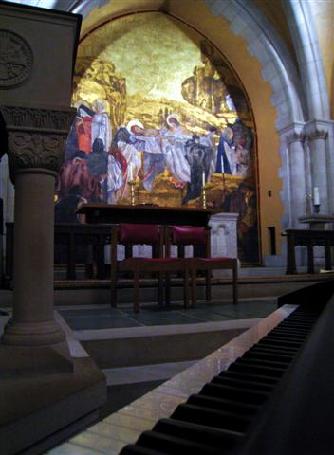
One of the treasures of Washington is the National Cathedral.  Earlier this evening Candice, Andrew, Claire and I gathered together in the Cathedral’s St. Joseph of Arimathea Chapel for the moving and beautiful Good Friday meditation.

There is no more appropriate place to spend Good Friday than the vault-like chapel deep in the heart of the Cathedral named for Joseph of Arimathea, the rich man who went to Pilate and asked for the body of Jesus in order to provide a proper burial in his own new tomb.  The stone and wood space is made for the chants, solo cello, and Taize music of this service.  The sounds have a special resonance that envelops the soul.

Cathedral Musical Director Michael McCarthy has structured a beautifully meditative service for this evening, beginning with Gita Ladd playing the groaning Sonata for Cello solo, Op. 28 by Eugene Ysaye.   The plainsong chant of Psalm 40 by the gentlemen of the Cathedral Singers begins in the traditional fashion, yet two-thirds of the way through McCarthy underpins the plainsong with spare piano chords that eventually lead into the Taize chant Wait for the Lord. Soprano Diane Atherton’s solos during the Taize chants are a delight throughout the evening.

To my mind, the highlight of this service every year is hearing Mike’s arrangement of the Troparian, and this year was no different.  Andrew used to sing as a Cathedral Chorister with many of the men we heard today, and he quickly identified Karl Hempel as the magnificent bass who sang the moving text while the choir repeated the “Give me that Stranger” figure underneath.

When he saw that the sun had hidden its rays, and that the veil of the Temple was rent as the Savior died, Joseph of Arimathea went to Pilate, pleaded with him, and cried out:  Give me the Stranger who since his youth had wandered as a stranger.  Give me that Stranger killed in hatred by his kindred as a stranger.  Give me that Stranger upon whom I look with wonder, seeing Him a guest of Death…

Mike told us later that he set these words to music about four years ago at the request of then-Presiding Bishop Frank Griswold specifically for this Good Friday service.  It is a marvelous piece that deserves to be recorded and shared.

I could always leave after that canticle, but there is a meditation and more music.  Tonight, the musical reflection following the meditation was the beautiful Sarabande to C major suite, BWV 1009 by Johann Sebastian Bach.  The solo cello was made to be played in that space on this day, and I’ve included a video of  Wen-SinnYang’s version of the same piece below.  Enjoy this special meditation on this Good Friday.

More to come…

DJB

Image: St. Joseph of Arimathea Chapel, Washington National Cathedral

The Business of Happiness

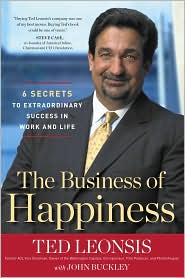
I took the occasion of an evening plane ride from Washington to Miami last month to read a new book by Washington Capitals owner and AOL co-founder Ted Leonsis called The Business of Happiness.   The fact that I was happy to be leaving the remains of Snowmaggedon in Washington for the warm climes of Miami (and spots further south) put me in the right mood.

The book has two parts, the first serving as biography and stage-setting for the second half listing of the “six secrets to extraordinary success in work and life.”  (What’s a popular business book without a list of secrets to success?)  When Candice saw the book on my bedside table she remarked, “He has happy eyes.”  That’s a pretty good summation of this book.  Leonsis looks on the world as a business-tested optimist – not a bad way to approach life.

His story of how he ended up at Georgetown University and then used the years in college to figure out his life’s calling is worth the price of the book for anyone with high school children thinking about college.  (I have two in that category.  Having just come off the spring break tour of schools I told them both I wanted them to read that portion of the book.)  It’s a love story to the value of higher education, curiosity, a balanced life, hard work, and planning.

That last point is worth exploring.  Leonsis makes the point over and over again that good businesses plan and that people who want to be happy need to be intentional about their goals.  After a near-death experience, Leonsis wrote out a life list and for a quarter of a century has worked through life goals.  The process, he tells you, has made him happy.  He does own a sports franchise (one of the items on his list), but he hasn’t made it into outer space (another life goal).  For those with more modest goals, Leonsis still makes the point that putting thoughts to paper gives one a systematic plan of aspirations.  And it keeps one open to opportunities.

This isn’t the deepest of books, but you can’t follow a Leonsis read without having a smile on your face and there is a lot to like.

More to come…

DJB

The Intersection of Preservation and Sustainability

Portland, Oregon is a city with a well-deserved reputation for livability and sustainable development.   I visited Portland late last week and was reminded again of how much this community can teach other American cities about building an environmental consciousness and offering transportation options that decrease reliance on the automobile.

In touring the city with friends and colleagues, I saw vibrant historic neighborhoods around an active downtown.  But I also learned of  preservation battles that ended with perfectly good buildings being demolished – even though preservation was the sustainable alternative.  Preservationists in Portland often feel left out of the discussions – and the decisions – on questions of livability.  It shouldn’t be that way.

While in Portland, I joined two colleagues in a discussion with Mike Francis, editorial board member at The Oregonian. We talked about the intersection of preservation and sustainability, as well as preservation’s ability to prime the pump for economic development.

In a piece entitled, To Be Sustainable, Use What You Have, Francis makes the case for preservation as a key to economic revitalization, sustainable development, and livability in Portland.  Here’s a section of his editorial on sustainability:

The case for preservation improving sustainability is more intuitive: Of course it’s less wasteful to reuse a building than to tear it apart, cart away the rubble, and import and erect new piles of steel, glass and concrete. That was what so maddening (to me, at least) with the arguments of those who wanted to tear down Memorial Coliseum to erect a “green” baseball stadium. As much as I appreciate the presence of baseball, beer and warm summer evenings, it seemed crazy to demolish a perfectly usable building a couple of miles away from the Beavers’ current home to relocate the team. The only argument in favor seemed to be that nobody had yet figured out how to put the coliseum to use since the Trail Blazers moved next door, so better to tear the place down than re-use it.

As cities across the country look for ways to enact policies that are environmentally sensitive, the intersection of historic preservation and sustainability – as Mike Francis suggests – is a great place to begin.

More to come…

DJB