Latest Posts

Faith to hand our children a better, stronger nation

Americans are confused.

We think of ourselves as a nation that makes stuff. In the past thirty years 63,000 factories have shuttered.

We think of ourselves as a free nation. We, Americans of all colors, are the most incarcerated people on the planet.

We are home to the most innovative healthcare system on the planet. High healthcare costs have been our nation’s leading cause of bankruptcy for decades.

We are home to many of the world’s greatest universities. Millions upon millions of our students and graduates are in massive debt.

The life expectancy for Black men remains low, “suppressed by sky-high homicide rates,” while the life expectancy for White men has been “declining for years” driven by suicide rates that are even “higher than the homicide rates for Black men and boys.”

It can be hard to remain optimistic about the future when we consider the harsh reality of life in 21st century America. Yet there are strong voices, speaking from a lifetime of activism, who tell us that having faith that we can hand over a better nation to our children is the “only path to national survival, let alone true greatness.”

They believe “we can rise up together to demand freedom on behalf of all our children.

But first we have to start listening to each other.”

Never Forget Our People Were Always Free: A Parable of American Healing (2023) by Ben Jealous is a work of pragmatic and enduring optimism in a sea of national malaise. President of People for the American Way, former president of the NAACP, civil rights leader, scholar, and former journalist, Jealous writes from a lifetime of reaching out to others and listening to what they have to say. In this engaging memoir, Jealous uses a series of more than 20 stories from his life — modern-day parables — to make the point that we must truthfully and fully address the tensions that have been building up throughout this century if we are to survive.

Jealous, the son of a White father and a Black mother, understands that we are all connected in ways both natural and spiritual. Early in the book he tells the story of meeting a man and woman from Los Gatos — the husband grew up in Minnesota and the wife in Virginia — at a retreat weekend in California for people who played important roles in their community. It turns out both Jealous and the woman of the other couple are from Petersburg. When he hears that “Bland” is her maiden name, he takes a big gulp of his drink and then says to the man, “I don’t know how to say this. I think your wife’s family used to own my mama’s family.” And the woman relates that she always knew she had Black family because “Mammy raised me until I was twelve” and “I could tell she was related.” Who is my family? is a familiar theme throughout the book. It turns out we’re all — in many ways — cousins.

Jealous uncovers and considers other revelations that would surprise many readers. Historians have documented that race, as we know it, was not a factor in the first century of the American experiment. Later, the civil rights movement helped Blacks get what they fought for but in the process they often lost what they had. The “legacy of race and racism has led our nation to equate poverty, addiction, and handgun deaths with Black people” and to ignore “even larger numbers of suffering White people and rendered uniting every one of those impacted communities all but impossible.”

Each of those narratives upends conventional wisdom in much of America.

Jealous finds friends and allies in unlikely places: Mississippi, Arkansas, and — that whitest of all states — Maine. “Race relations in America began with shared struggle, not mutually assured destruction.” We need to get back to working together for a better future.

Throughout this hopeful book, Jealous describes ways in which conversations, shared work, and thoughtful listening can lead to people striving towards freedom together. He gives specific examples that readers can relate to in their own lives. He has specific policy prescriptions, such as changing California law so that prisons no longer receive 50 percent more funds that state universities.

Jealous writes that he has long been indebted to General Colin Powell, who once told him, “Ben, it’s easy to recognize what you disagree with people on. What’s more urgent and important in any democracy is to spend your energy figuring out what’s the one thing that you can agree on with a political foe. Figure that out and you can get a lot done.”

As he does throughout, Jealous in the end calls on the wisdom of his grandmother, who died at 105 as he was finishing this book. He once confronted this woman — who had spent a lifetime in the struggle for civil rights, human rights — to ask how she could be so lighthearted and positive. Didn’t she know how much was wrong in the world?

“Baby it’s true. Pessimists are right more often, but optimists win more often. In this life, you have to decide what’s more important to you. As for me” — she smiled — “I’ll take winning.”

More to come . . .

DJB

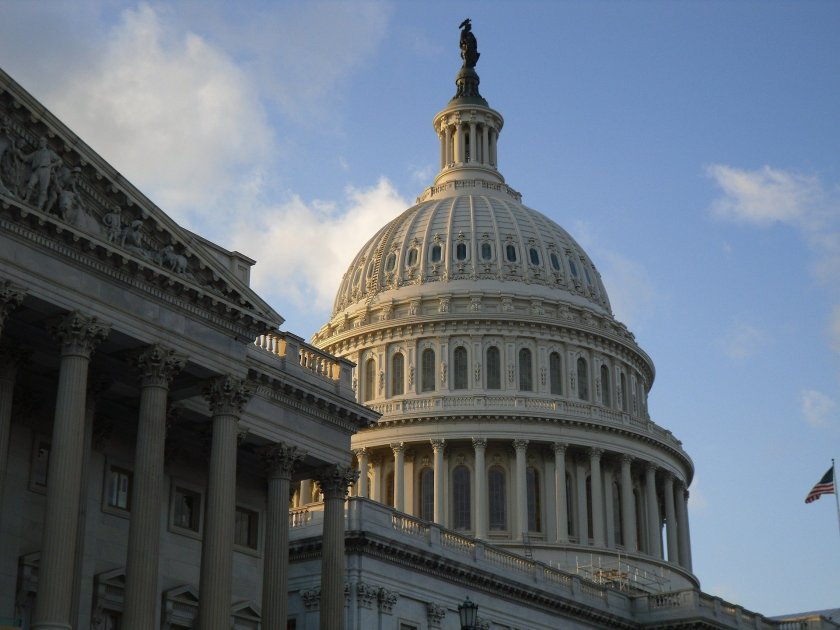
Photo by Jackson Hendry on Unsplash
Healing democracy’s heart

While I’m on a writing retreat from MORE TO COME this month, I’m posting one essay each week that you may have missed the first time it went online. This post — the last in these reprints — comes from my review of three different books on America’s future that I wrote in 2015.


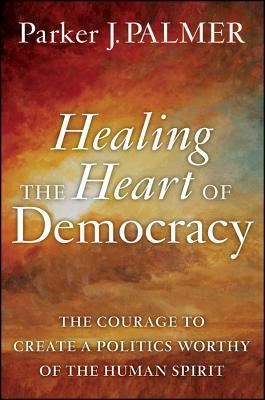
Healing the Heart of Democracy

I read Parker J. Palmer’s Healing the Heart of Democracy after reading a review of this 2011 book and decided to add it to my list of works on politics and our future as a country.

This is a very personal book, and I won’t attempt to delve into Palmer’s personal journey.  It is important to note that he writes this from a “season of heartbreak” – both personal and political.  From the prelude:

The politics of our time is the “politics of the brokenhearted” — an expression that will not be found in the analytical vocabulary of political science or in the strategic rhetoric of political organizing.  Instead, it is an expression from the language of human wholeness. . . .  If we cannot talk about politics in the language of the heart – if we cannot be publicly heartbroken, for example, that the wealthiest nation on earth is unable to summon the political will to end childhood hunger at home – how can we create a politics worthy of the human spirit, one that has a chance to serve the common good?

The prelude is as good a place as any to capture the essence of Palmer’s book.

It is well known and widely bemoaned that we have neglected our physical infrastructure – the roads, water supplies, and power grids on which our daily lives depend.  Even more dangerous is our neglect of democracy’s infrastructure, and yet it is barely noticed and rarely discussed.  The heart’s dynamics and the ways in which they are shaped lack the drama and the “visuals” to make the evening news, and restoring them is slow and daunting work.  Now is the time to notice, and now is the time for the restoration to begin.

For those of us who want to see democracy survive and thrive – and we are legion – the heart is where everything begins:  that grounded place in each of us where we can overcome fear, rediscover that we are members of one another, and embrace the conflicts that threaten democracy as openings to new life for us and for our nation.

Parker has a new edition of this book out, updated for the 2020s.

I am not as hopeful at the moment as Palmer, but historian that I am I know we have faced difficult challenges as a people in our past. Our nation was not forged from a natural unity but found a unity in spite of differences.  We fought one declared Civil War to begin to address the enslavement of African Americans (which — as Bryan Stevenson has eloquently put it — then simply evolved into other forms of slavery).  We fought an undeclared Civil War to take over western lands from our native peoples. We went through a Gilded Age of great income inequality and the suffering that resulted, and we appear determined to repeat the sins of that era today.  We have incarcerated immigrants and others who don’t fit our preconceived notion of an American.  We have allowed corporations to take over our government and wrest power away from the people.

But so many of our parents, and their parents, and their parents before them have also fought for our idea of America.  I have to believe that the spirit to fight for that idea remains and I believe that if we see our Constitution as the framework for having those arguments — instead of a piece of literal scripture with the answer for every issue — we can continue to thrive.

And finally, we need to focus in this work on e pluribus unum as opposed to the official U.S. motto that corporate America gave us when they invented Christian America in the era of the 1930s to the 1950s to push back against New Deal reforms:  In God We Trust.  But that’s another post.

More to come . . .

DJB

I Am A Man

A sampling of music for Black History Month

While I’m on a writing retreat from MORE TO COME this month, I’m posting one essay each week that you may have missed the first time it went online. This week I’m linking to three past essays featuring musicians I’ve highlighted in recent years during Black History Month.


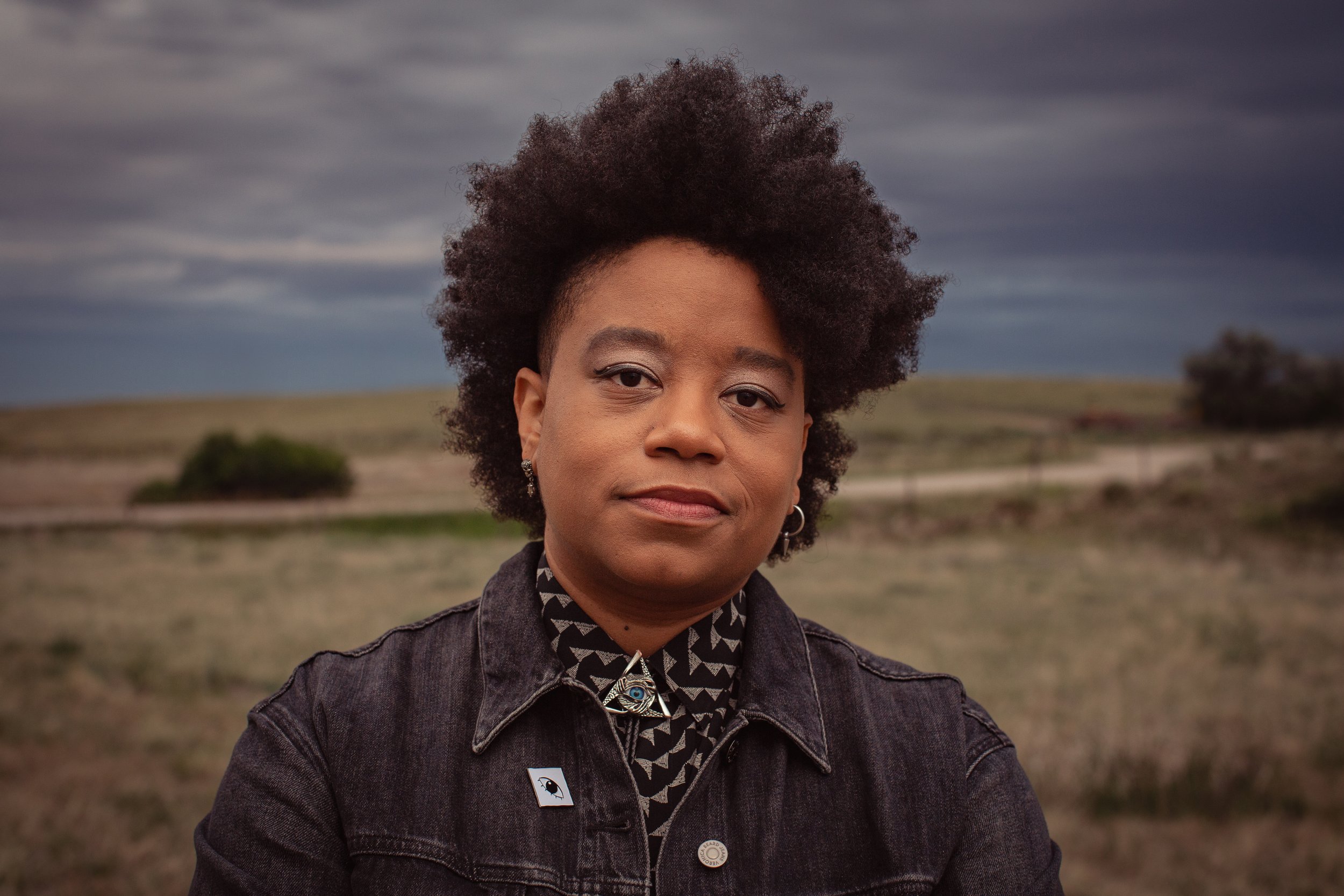
Amythyst Kiah

(Credit: AmythystKiah.com)

In 2020 I wrote about Amythyst Kiah who had burst onto the roots music scene with her powerful vocals and insightful songwriting. The native Tennessean is a self-described “Southern Gothic” singer of “alt-country blues” who had been receiving rave reviews and was nominated for a 2020 Grammy in the Best American Roots Song category for her spell-binding “Black Myself,” performed here with Our Native Daughters.

You can check out Kiah’s current offerings at her website.


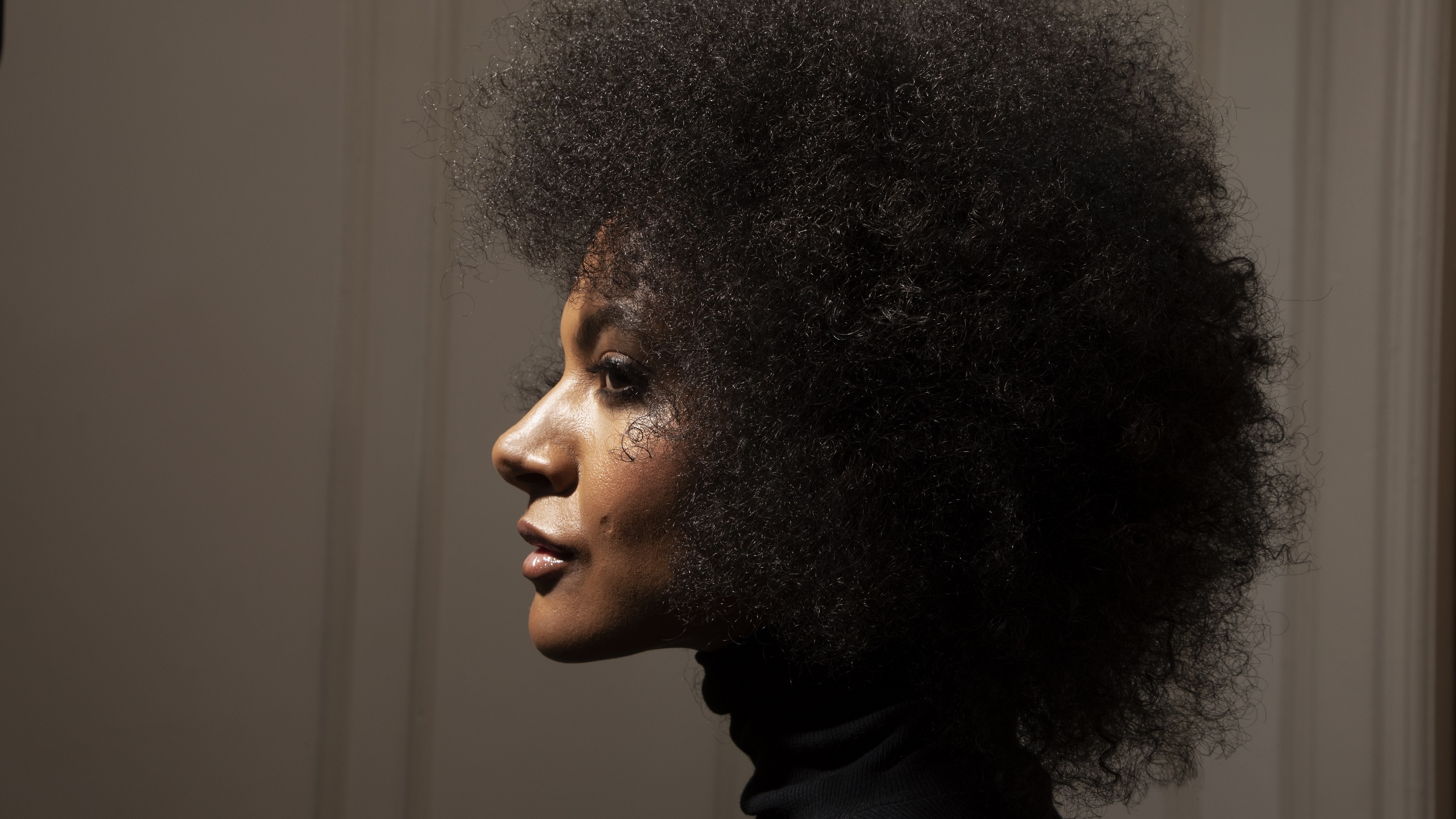
Allison Russell

(Credit: AllisonRussellMusic.com)

Earlier this month Allison Russell took home her first Grammy Award after eight nominations — for Best American Roots Performance for “Eve Was Black.” 

Last year I featured Russell — a brave singer, songwriter, poet, and activist who had come through grief, abuse, and despair — in a Black History Month post. “Some of us come, later in life, to find our knees; while others slip young into trauma like a quarry stone gone under, held down by the weight of their own world.” As an abused child she grew into the “brave woman and fierce artist she would become — surviving being one of only two options, and not the most likely.”

You can check out Russell’s current offerings at her website.


The Black National Anthem

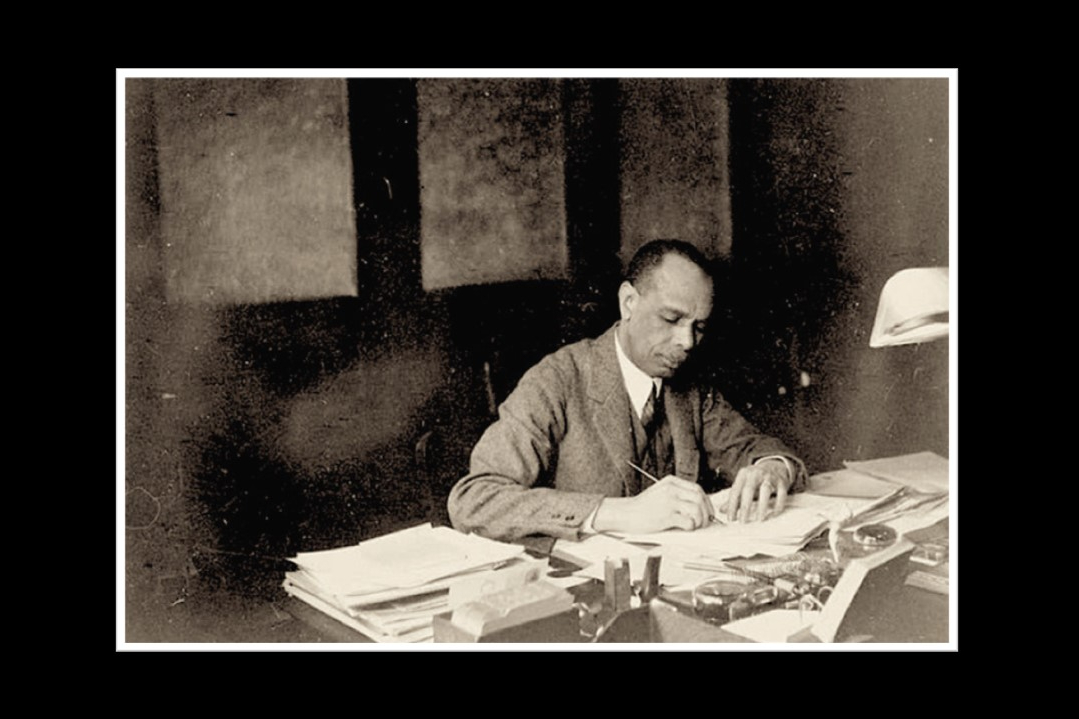
James Weldon Johson working at his desk

Last year I wrote a post on Lift Every Voice and Sing, which is known as The Black National Anthem. With words by James Weldon Johnson and music by his brother John, Lift Every Voice and Sing was written at the turn of the 20th century, a time when Jim Crow laws were beginning to take hold across the South and Blacks were looking for an identity. In a way that was both gloriously uplifting and starkly realistic, it spoke to the history of the dark journey of African Americans.

“It allows us to acknowledge all of the brutalities and inhumanities and dispossession that came with enslavement, that came with Jim Crow, that comes still today with disenfranchisement, police brutality, dispossession of education and resources,” Shana Redmond — author of Anthem: Social Movements and the Sound of Solidarity in the African Diaspora — says. “It continues to announce that we see this brighter future, that we believe that something will change.”

I’d vote tomorrow to have The Star Spangled Banner replaced as our anthem by This Land Is Your Land along with Lift Every Voice and Sing. Until that glorious day arrives, listen or sing along and remember that Black Lives Matter.

More to come . . .

DJB

Sanitation Workers in March 1968 outside Clayborn Temple (photo credit: Ernest C. Withers/Withers Family Trust)

There is always time for kindness

While I’m on a writing retreat from MORE TO COME this month, I’m posting one essay each week that you may have missed the first time it went online. This post from Valentine’s Day 2022 came from a longer version of the story about the kindnesses I received upon announcing my retirement. I also link to three additional posts on kindness and gratitude at the end. Valentine’s Day seems to be an especially appropriate time to remember the lessons found in these posts.


I expected to hear from a number of people after announcing that I was retiring. Two decades with the same organization gave me innumerable opportunities to connect and work with people across the country and around the world.  I wasn’t quite ready, however, for the nature of the notes, emails, phone calls, hallway conversations, and comments that came my way.  I felt a bit like a man who wakes up in the casket at his own funeral and decides to lie there for a while just to hear people say nice things about him.

The overwhelming kindness of the remarks truly caught me off guard. That led me to think about the nature and effects of kindness. I also found quotes about kindness — sappy, inspirational, nonsensical, insightful, and more — for every occasion. My favorite, from the poet Mary Oliver, reads:

I believe in kindness. Also in mischief. Also in singing, especially when singing is not necessarily prescribed.

Kindness — like good-natured mischief and spontaneous singing — can touch our souls in unexpected ways.

I also thought not just about the nature of the notes but also about the different types of responses I received.  These include:

  • The “pithy and poignant” note. A new friend who prepared copy for our appeal letters sent an 11-word note that spoke volumes. Messages of kindness can be very short and to the point while carrying extraordinary power.
  • The “playing against type” note. One famously cranky preservationist sent me a very gracious and thoughtful note. In my response I told this long-time friend that it was clear that his email account had been hacked and that the hacker was saying nice things about me. I suggested that if he didn’t regain control of his account quickly, I was afraid his curmudgeonly reputation would soon be in tatters.
  • The “voice from the past” note. People that I’ve known professionally over the past four decades reached out to me, some of whom I had not heard from in years. I was reminded that you can never lose touch, and a voice from the past can add context and richness to a time that can be bittersweet at best.
  • The “small acts of kindness” note. There is a whole inspirational industry built up around “small acts of kindness.” Small acts have ripple effects that we can’t even imagine. You never know who is watching your actions and where the ripples will reach.

Kindness often gets a bad rap for being soft. My experience is that it is possible to be kind and yet make the very difficult decisions required as we move through work and life.  Unfortunately, many people value so-called leaders who are never kind, granting a type of permission to bully those with whom they disagree.  John Steinbeck noted these contradictions when he said,

It has always seemed strange to me… the things we admire in men, kindness and generosity, openness, honesty, understanding and feeling, are the concomitants of failure in our system. And those traits we detest, sharpness, greed, acquisitiveness, meanness, egotism and self-interest, are the traits of success. And while men admire the quality of the first they love the produce of the second.

As we deal with turbulent times, I am reminded that history has leaders who can show us a better way forward.  Through the Great Depression and World War II, few dealt with more challenges than Franklin Delano Roosevelt.  Yet he recognized what mattered when he said, “Human kindness has never weakened the stamina or softened the fiber of a free people. A nation does not have to be cruel to be tough.”

I am very grateful for the many kindnesses shown to me over the years. Having been the recipient of extraordinary kindnesses as I retired, I know the positive effect kind words and gestures can have on an individual. Be kind to one another. It matters.

More to come . . .

DJB


NOTE: I have always found that kindness and gratitude are linked. Those who practice one tend to also practice the other. If you are interested in exploring further, here are other More to Come posts examining kindness and gratitude that you may find of interest.


Image of children walking by Annie Spratt from Pixabay. Photo of fall scene at Devotion, North Carolina by DJB. Photo of flowers by Roberta Sorge on Unsplash.

Tommy Emmanuel

Life is not a rehearsal

While I’m on a writing retreat from MORE TO COME this month, I’m posting one essay each week that you may have missed the first time it went online. This post from September 2018 features the amazing guitarist Tommy Emmanuel, but it about more than just music. I was reinspired when I read it again recently, and I hope you enjoy.


Tommy Emmanuel is one of the world’s best guitarists, yet he’s not widely known in a field that often places glitz above skill.  As Emmanuel explains in the opening to a very entertaining TEDx talk, when he told a fellow traveler in business class that he made a living playing the guitar, he had to respond to the question “What band are you in?” with the fact that he played solo guitar. His seatmate looked at him as if Emmanuel had stumbled into the wrong section of the aircraft.

But as he thought about it, Emmanuel explained that he does, in fact, play in a band.  A one man band. In his TEDx talk he showcases the amazing skills that have made him so in demand by demonstrating how he plays the bass line, the drummer’s riff, the fills from a rhythm section, and the melody line all at once. If you’re like me, your jaw will drop with the complexity of the music and you’ll laugh at the line “look at how much money I’m saving up here!”

This is clearly someone who has found how to blend his passion with his job.  As Emmanuel describes it, he has a calling.

Angela Duckworth, the MacArthur Fellow recipient and author of Grit notes that,

Fortunate indeed are those who have a top-level goal so consequential to the world that it imbues everything they do, no matter how small or tedious, with significance.  Consider the parable of the bricklayers:

Three bricklayers are asked: ‘What are you doing?’ The first says, ‘I am laying bricks.’ The second says, ‘I am building a church.’ And the third says, ‘I am building the house of God.’

The first bricklayer has a job.  The second has a career.  The third has a calling.”

Emmanuel is fortunate in that he recognizes that his work impacts people in special ways. He knows that what’s important is not the critics’ take on his work, but the connections he makes with those who come to hear him play. Connection with others is not just a musician’s stock-in-trade but is a skill many of us — not fortunate enough to have killer guitar chops — find important in taking a job to a calling.  To do work we are passionate about.  Emmanuel also notes that none other than the great Chet Atkins called him “the most fearless guitar player he’d ever heard.”  Emmanuel continues, “I think that being fearless is a huge part in breaking molds and in raising self-belief.”

Connecting with others. Fearlessness in what we do.  Building self-belief.  Remembering that you are the master of your own obituary.  Or, as Tommy Emmanuel says it at the end of his talk:  “Life is not a rehearsal, so you’d better get on with it.”

Have a good week.

More to come . . .

DJB

P.S. – For you Jason Isbell fans, you can hear Tommy play and Jason sing in the video above on a signature song by my first guitar hero, Doc Watson, from Tommy’s most recent album Accomplice One.  Enjoy.

Image: Tommy Emmanuel (credit: TommyEmmanuel.com)

Achieving a musician’s dream

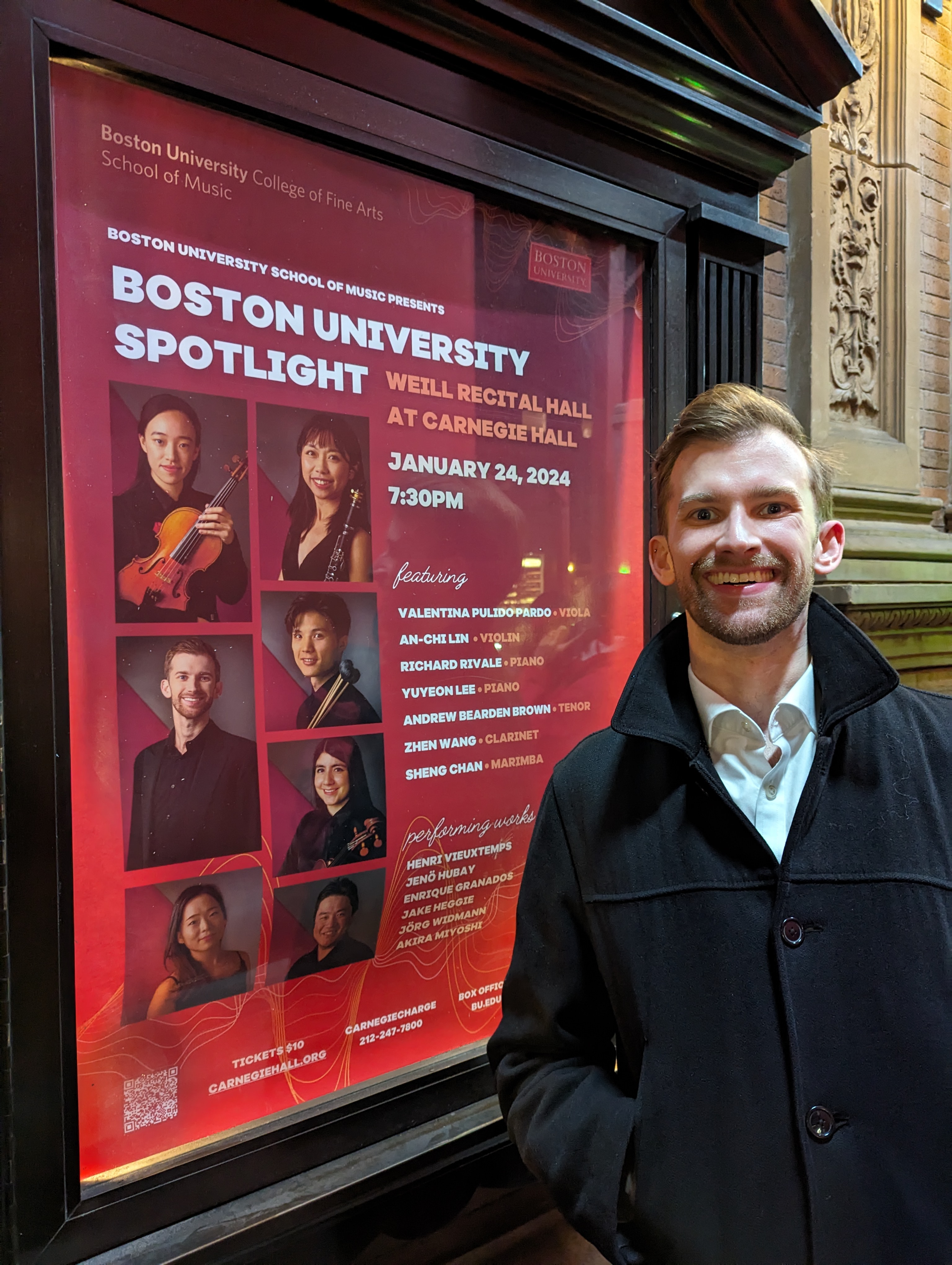
This morning’s post was going to be the last new one for February . . . but here’s an unexpected Saturday Soundtrack post on Monday evening! I didn’t realize that the folks at BU College of Fine Arts were going to release their video about Andrew and fellow graduate student Valentina Pulido Pardo preparing to perform at Carnegie Hall. Andrew said he had a great time sharing about what music means to him and what the experience was like.

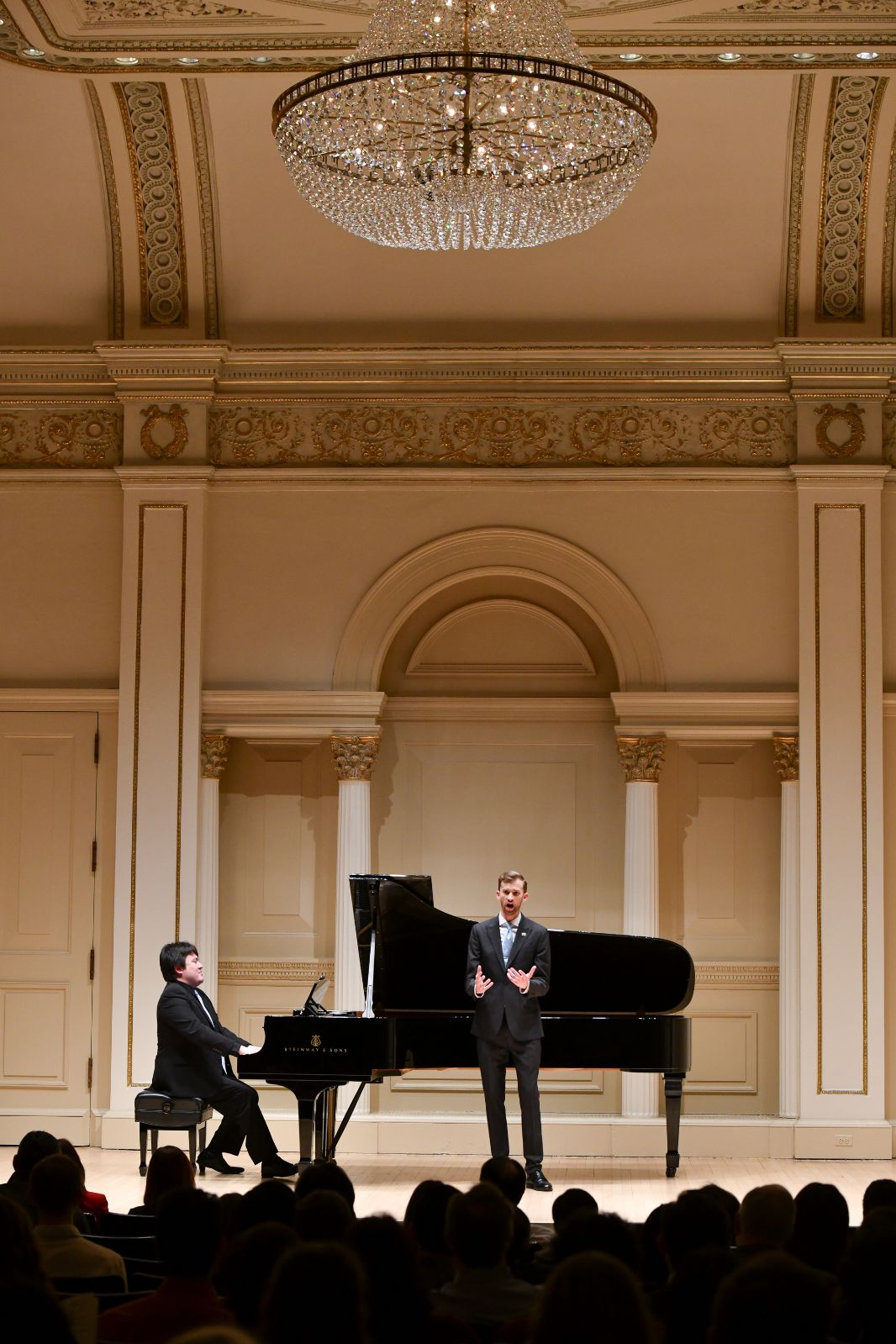
Andrew, accompanied by Richard Rivale on piano, at Carnegie Hall last month where they performed composer Jake Heggie’s art songs “Friendly Persuasions: Homage to Poulenc” 

I know my kind readers will grant me this one indulgence for the unexpected posting. Enjoy!

As always, you can keep up with Andrew’s upcoming concerts at his website: AndrewBeardenBrown.com.

Now I’ll go on my winter retreat!

More to come . . .

DJB

Photos courtesy of Boston University College of Fine Arts and Andrew Bearden Brown.

What hallows a space

NOTE: I’m taking a winter retreat from the newsletter to focus on other writing and travel. The next new post will arrive around the first of March. Until then, I hope you find time to rest, reflect, and even bash into some joy.


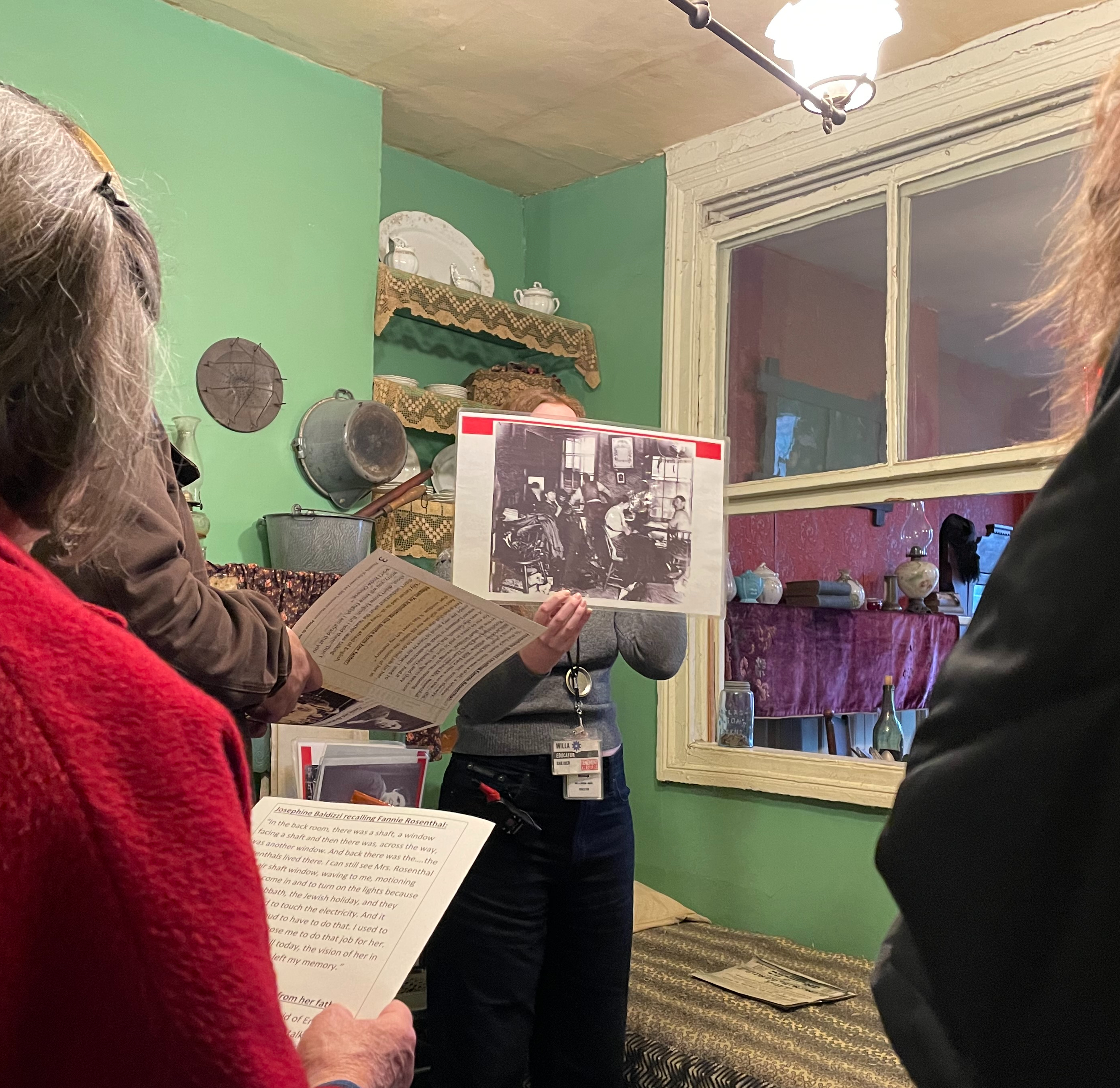
A recent trip to New York’s Tenement Museum has me thinking about the vastly different ways we experience home, work, rest, and productivity. Take the home office.

Although home is an elusive concept, many of us grew up thinking of home and the office as fundamentally different places. But the apartments of the Tenement Museum — bulging with families of immigrants who often worked, ate, slept, made love, lived and died in the same three small rooms — reminded me that the ideal (some would say fantasy) was, for many, unattainable. Living above the shop or actually in the workroom was common in many countries, including our own.

The kitchen/bedroom/workroom of a tenement apartment

The home/work division became more widespread for the middle and upper classes during the period when the late industrial revolution morphed into the information age. I’ve been fortunate to work in some amazing spaces in my career: in Staunton’s Wharf Historic District; Charleston’s William Aiken House; Washington’s historic McCormick Apartments/Andrew Mellon Building at 18th and Massachusetts; and the iconic Watergate Office Building, overlooking the Potomac River. All very different, but all important — yes, even hallowed in my mind — because of the work done there to save some of the country’s most important places that continue to link past, present and future generations together.

That all changed in 2020.

In these post-pandemic years of remote work, many have moved from makeshift solutions to create more permanent home offices. While retirement has all but ended the necessity of telework for me, I’ve nonetheless been thinking about the space I inhabit and the ways I honor and use it day in and day out. I’ve also thought about how the home office can easily intrude on the important time when we rest.

In writing on the joys of slowness, Cal Newport references a 1951 monograph by Abraham Joshua Heschel titled simply, The Sabbath. Early in the book, Heschel notes that the Abrahamic faiths found something Godly in a ritual of rest amid the flow of time.

The Sabbath is a day for the sake of life. Man is not a beast of burden, and the Sabbath is not for the purpose of enhancing the efficiency of his work.

Work is important and good, Newport writes. But it’s not everything. “Doing less should sometimes be about enjoying the beauty of right now.”

And for those who work from home, we have to be intentional as to how we find that rest.

Recent efforts to declutter as well as conversations focused on future housing options brought these thoughts top-of-mind. January’s snowy weather also kept me indoors to contemplate how I shape my space and the ways in which the space shapes me.

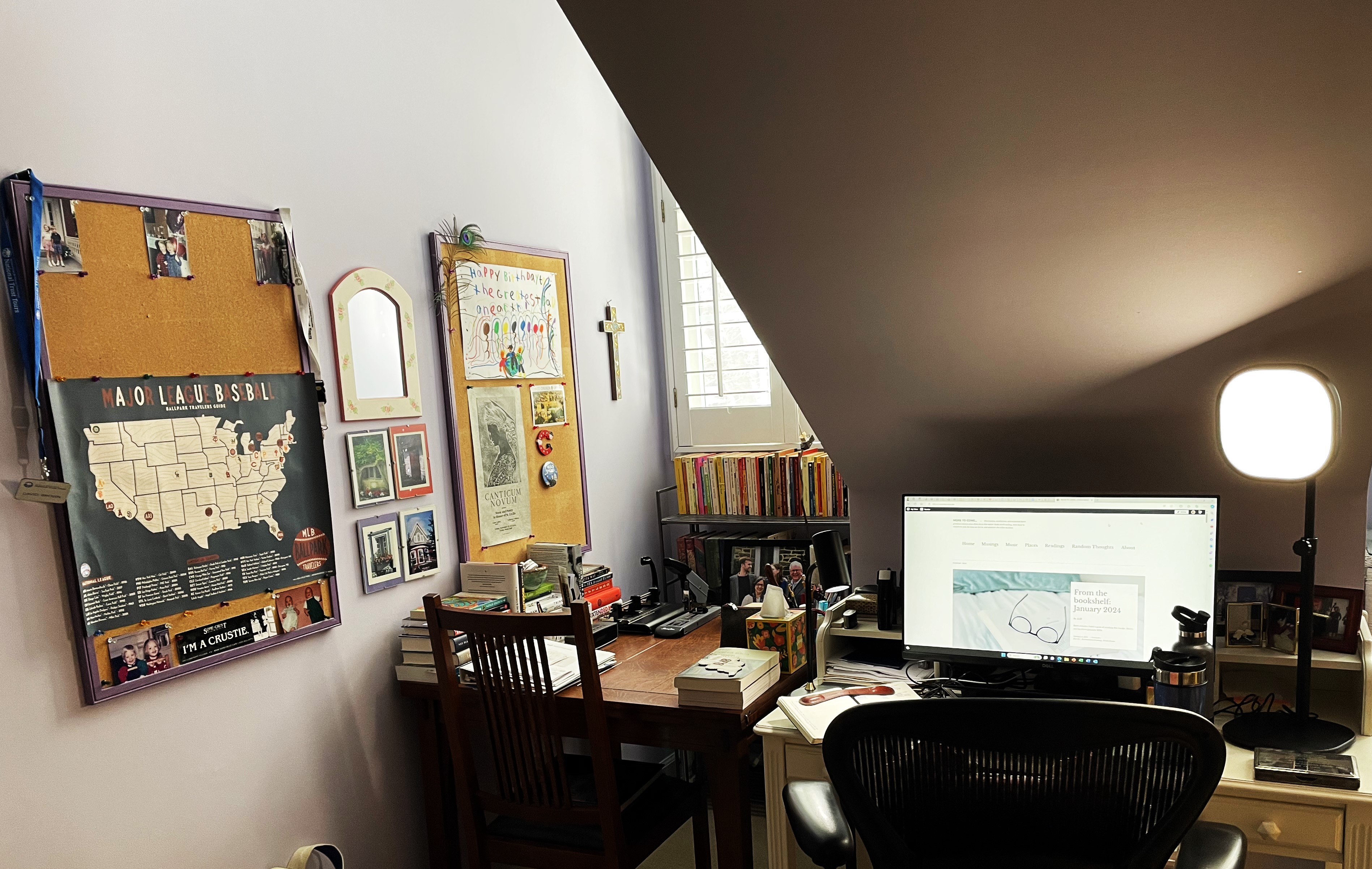
My writing studio is a work in progress. Claire gave me permission to continue shaping this top-floor retreat from her childhood bedroom into a more personal space that can nurture good writing habits and prompt inspiration.

In space both utilitarian and aspirational, the desk is situated between two gable windows, letting in lots of light. On one side are books (bags of books) and a table for project work.

On the other side sits a comfortable chair and ottoman for reading (and because I need the rest, the ever more frequent 20-minute afternoon nap), a small guitar when I’m ready for a break, and remembrances from travels.

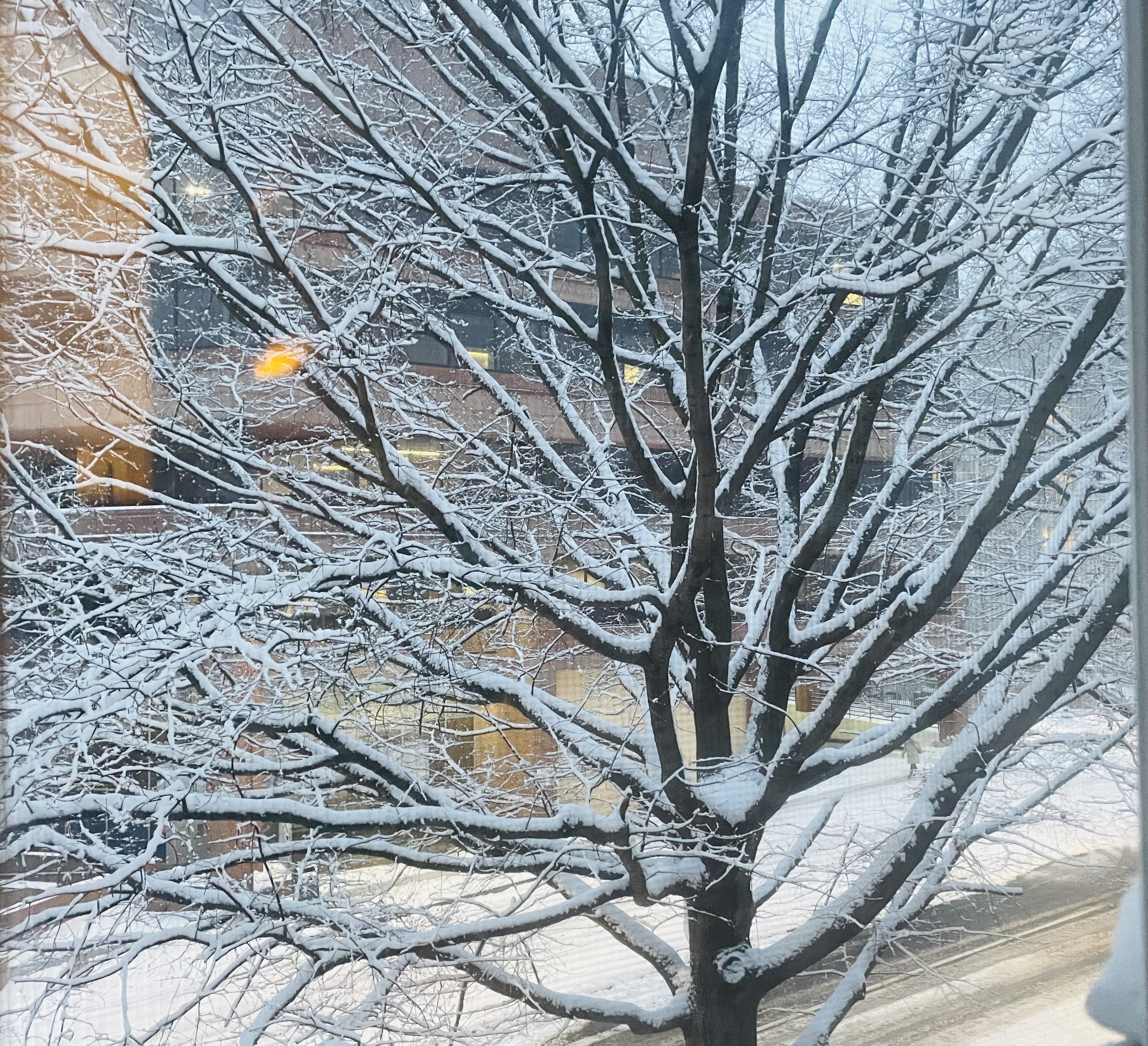
The windows bring their own delights: views of snow-covered trees as on a recent January day and the sounds of birds and squirrels in the other three seasons that make up our annual cycle of life.

View from the window of my writing studio during a January snowstorm

And since my writing studio doubles as the guest room or Claire’s bedroom, on the rare occasions she’s home, this spacious loft also holds some of her artful photography as well as the bedroom suite that my father received from his beloved uncle, David Jefferson Wagner (I was named for Uncle Dave and my grandfather).

Claire’s photography and CES artwork
Uncle Dave’s bed, covered with a cathedral window quilt lovingly crafted by Grandmother Brown

Elizabeth Dodson Gray suggests that “what hallows a space is what happens there.” Former New York Times architectural critic Herbert Muschamp was thinking along similar lines when he wrote that “the essential feature of a landmark is not its design, but the place it holds in a city’s memory.” In natural spaces, of course, what happens does not necessarily need to occur with humans present.

Jan Richardson notes:

From the contours of our inner selves to the places in which we live, play, and work to our home planet and beyond, we dwell in and move through spaces that take on meaning according to how we engage them. Sacred space is born of relationship, of care, of what we give and receive.

I am working to create and hallow a space to help me focus on craft, care, and thoughtfulness. The studio can lead, if I’m fortunate, to vibrant writing full of amazement, wonderment, joy, and love. And because it is at “home” I’ve also ensured there’s time and a place for rest. In this new era of shared homes and offices, we can still strive to create and utilize our spaces in ways that enrich us and give them meaning.

More to come . . .

DJB


*On the same day I took the picture of the snowy tree outside my window, Claire sent these pictures from her retreat center . . . in Costa Rica.

Photos from Claire’s week in Costa Rica

Top photo by Roberto Nickson on Unsplash. All others by DJB and Claire Holsey Brown.

From the bookshelf: January 2024

Each month my goal is to read a minimum of five books on a variety of topics from different genres. Here are the books I read in January 2024. If you click on the title, you’ll go to the longer post on More to Come. Enjoy.


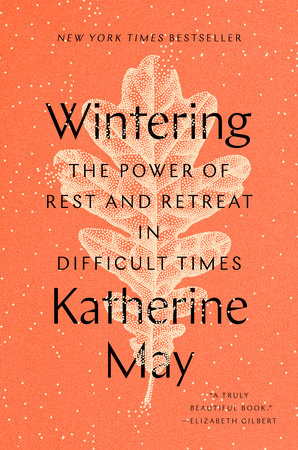
Wintering: The Power of Rest and Retreat in Difficult Times (2020) by Katherine May makes the case that the cycles of life seen in nature are the touchstones to how we should live as humans on this earth. Wintering, in this thoughtful memoir of a mindful year, is “a fallow period in life when you are cut off from the world, feeling rejected.” It’s also inevitable. Katherine May shows us how “an occasional sharp wintering” can help us heal and grow. We “must learn to invite the winter in” and while “we may never choose” to winter, “we can choose how.” Winter, you see, “is not the death of the life cycle, but its crucible.”


A Portrait of the Scientist as a Young Woman (2022) by Lindy Elkins-Tanton is much more than a memoir, as one of the nation’s leading planetary scientists updates the way science is presented and framed while challenging us to consider ways to ask the right questions to drive deeper analysis and change. Elkins-Tanton describes the debilitating impact of bullying and microaggressions especially on women and then pivots to describe the innovative ways she has built collaborative working groups. This book forces the reader to consider all the ways we contribute, for better or worse, to the culture in our organizations. We can address complex problems if we learn to ask the right questions . . . and then actually listen to the responses.


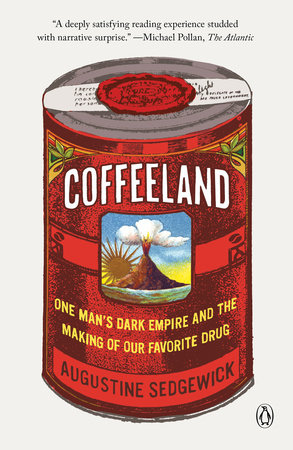
Coffeeland: One Man’s Dark Empire and the Making of Our Favorite Drug (2020) by Augustine Sedgewick is a compelling look at the volcanic highlands of El Salvador and the story of James Hill. In 1889, the 18-year-old Hill disembarked in El Salvador to sell textiles from Manchester, England. He wound up “bringing the industrial mentality of his native city to coffee cultivation in his adopted country,” in the process turning El Salvador into perhaps the most “intensive monoculture in modern history — a place of extraordinary productivity, inequality, and violence.” In this very satisfying brew, Sedgewick focuses on stories to weave a vibrant fabric, pushing the reader to consider “the actual choices made by the producers and importers and advertisers who merchandised the goods, the economic and political alliances they forged in the process, and the often harsh local consequences of their actions.”


Moving On: A Practical Guide to Downsizing the Family Home (2013) by Janet Hulstrand and Linda Hetzer is “a downsizing bible” which includes some of the lessons they have learned in helping others with this task we all seem to face. In that process they have found “throwers” relish clearing out and will empty a house quickly and “keepers” who want to preserve special things as well as memories and will linger over the process. Their advice: “keepers” and “throwers” can work effectively together to downsize and declutter.


The Dirty Duck (1984) by Martha Grimes is the fourth in the 25-book series of Richard Jury mysteries written by the best-selling author. Superintendent Jury is just passing through Stratford when he is brought into a murder investigation and a missing person report that puzzle his old friend Detective Sergeant Sam Lasko. The Dirty Duck is the name of a Stratford pub that generally teems with tourists, including on this fateful night Miss Gwendolyn Bracegirdle, who is drinking too much gin with an unnamed companion. Gwendolyn becomes the first of a number of rich American tourists murdered by an individual who leaves lines of Elizabethan verse for clues. Grimes is a good writer whose book has the reader considering almost all the main characters as prime suspects at one point or another, while moving swiftly towards a satisfying conclusion.


What’s on the nightstand for February (subject to change at the whims of the reader):

Keep reading!

More to come…

DJB


NOTE: Click to see the books I read in December of 2023 and to see the books I read in 2023. Also check out Ten tips for reading five books a month.


This special Saturday edition of the Weekly Reader links to the works of other writers I’ve enjoyed. I hope you find something that makes you laugh, think, or cry. 


Photo by Sincerely Media on Unsplash

North Dakota Sunflowers

“Google Sudetenland, 1938”

My subscription of newspapers (the New York Times and the Washington Post) and newsletters (from writers using the Substack, WordPress, and Medium platforms) totals twenty-five. The written word is my main source of news and information.

Out of these various sources, there’s only one I read every day on the day it arrives: historian Heather Cox Richardson’s Letters from an American. Each day, usually six days a week, Richardson looks at the day’s news — often focusing on something outside the topic du jour of the popular press — and takes a deeper dive in a way that serves as “an antidote to toxic news feeds.” In both her daily newsletter and her most recent book, Democracy Awakening, Richardson has a talent to “wrangle our giant, meandering, and confusing news feeds into a coherent story.” In easy-to-follow prose, she suggests what is important and helps prioritize our focus.

Letters from an American for January 31, 2024, is so important for all to read because it is so clear. After setting the stage on the Republican party’s playing games with our border to appease a criminal con man (my characterization, not hers), Richardson turns to what’s at stake in not funding Ukraine’s resistance to Russia and the murderous dictator Vladimir Putin. And she does it by extensively quoting a speech made on the Senate floor that evening by Senator Angus King (I-ME). King’s speech is clear and comprehensive, drawing on the lessons of history. It is also sobering to think about how we got to this point in time.

King harked back to the failure of European allies to stop Hitler when it would have been relatively easy. “Whenever people write to my office” asking why we are supporting Ukraine, he said, “I answer, Google Sudetenland, 1938.” “We could have stopped a murderous dictator who was bent on geographic expansion…at a relatively low cost. The result of not doing so was 55 million deaths.”

The upcoming vote on whether to support “the people of Ukraine as they fight for our values,” King said, “will echo throughout the history of this country and the history of the world for generations…. If we back away, walk away, pull out and leave the Ukrainians without the resources to defend themselves, it will compromise the interests of this country for 50 years. It will be viewed as one of the greatest geopolitical mistakes of the 21st century.”

Putin clearly has more than just Ukraine in mind with his invasion.

“Maya Angelou once said if someone tells you who they are, you should believe them,” King said. “Putin has told us who he is. He’s an autocrat. He’s an authoritarian. And he wants to rebuild the Soviet Union. And I believe he wouldn’t stop there….  We have to take him at his word…. He despises the west. He thinks NATO is an aggressive alliance, somehow designed to invade or otherwise threaten Russia. NATO doesn’t want to invade Russia. NATO wants to keep the lines where they are.” King noted that Russia’s invasion of Ukraine was “the first crossing of a border of this nature since World War II.”

The ending is a sober reminder of what’s at stake.

“[D]emocracy matters,” King said. “Values matter. Freedom of expression, the rule of law matter, and that’s what’s at stake…. This is a historic struggle between authoritarianism, arbitrariness, surveillance, and the radical idea that people can govern themselves. That’s what this is all about. This is a battle for the soul of our democracy in the world…. It’s worth fighting for. And in this case we don’t even have to do the fighting. We just have to supply the arms and ammunition.”

Please read the entire newsletter and, if you have the time, listen to Senator King’s speech. It is a warning about where Donald Trump and today’s radical Republican party are leading us, and it is not to a good place.


There are two other newsletters that I turn to soon after they arrive in my inbox. Former United States Attorney, law school professor, and chicken farmer from Birmingham Joyce Vance wrote yesterday in Civil Discourse about how Texas is ignoring the Constitution to score political points. And she started with this take on how “MAGA ‘patriots’ want to have their cake and eat it, too, when it comes to the involvement of the federal government in their lives.”

She doesn’t say so, but Republican-led states generally take in more dollars from the federal government than they send to the government through taxes. What she does say in this important piece on the legal implications of this manufactured border crisis is that Governor Abbott of Texas is playing dangerous politics with people’s lives at stake.

Lest you think Governor Abbott is just inexperienced in the subtle nuances of the law, this is from his official bio, “Before being elected Governor, he was the 50th and longest-serving Attorney General in Texas History. He also served as a Justice on the Supreme Court of Texas and as a State District Judge in Harris County.” So, a prosecutor and judge, both in trial court and appellate court. He graduated from Vanderbilt Law School. While I find it difficult to dislike a man with three Golden Retrievers named Peaches, Pancake, and Honey Butter Chicken Biscuit, you can’t avoid the conclusion that Abbott knows better and is disregarding clear law to score political points.

The other newsletter I generally read on the day it is published is Lucid from Ruth Ben-Ghiat, Professor of History and Italian Studies at New York University. Providing “big-picture thinking about threats to democracy around the world,” the January 31st post on Denial, Detachment, and the Desire for Normality is another must-read.

“Tyranny ‘advances with the pace of a tightening screw rather than with the dash of the executioner’s blade,’ wrote the Italian anti-fascist exile G.A. Borgese in 1937.”

Tyranny may advance bit by bit, but so does democracy protection. Each success brings more confidence that our actions matter, creating a groundswell of commitment and optimism. That’s how pro-democracy movements develop and how they bring in the detached and the disillusioned, giving politics new meaning and new life.

Three excellent pieces to better understand the world around us.

More to come . . .

DJB

Picture of sunflowers by Claire Holsey Brown

Observations from . . . January 2024

A summary of the January posts from the MORE TO COME newsletter.

January can be a time of rest, reflection, retreat, and renewal. Nature demonstrates this wisdom through the cycle of the seasons. There are times for growth and energy, and there are times for rest and rejuvenation. Life, like nature, is full of “seasons when we flourish and seasons when the leaves fall from us, revealing our bare bones. Given time, they grow again.” We can use the times when our bones are bare to rebuild our energies and reset our lives.

January’s MORE TO COME offerings often spoke to this reality.


TOP READER VIEWS

These months of winter are a good time to step back. They are also a metaphor for the idea of retreat. Winter, you see, “is not the death of the life cycle, but its crucible.” And the top two posts in terms of reader views built on this theme.

  • In Wintering: The Power of Rest and Retreat in Difficult Times, author Katherine May notes “when you start tuning into winter, you realize that we live through a thousand winters in our lives — some big, some small.” The necessity of winter considers that while winter offers us liminal spaces to inhabit, we still refuse them. “The work of the cold season is to learn to welcome them.”
  • Acknowledging the fullness of life highlights eight rules for the road, each followed by a link to a MORE TO COME essay providing context and examples for these personal guideposts.

MORE FROM THE BOOKSHELF

In addition to Katherine May’s Wintering, January turned up a variety of excellent books to consider during this month of reflection.

  • Change begins with a question is my take on the beautifully crafted memoir by Lindy Elkins-Tanton, A Portrait of the Scientist as a Young Woman. This book is much more than a memoir, as one of the nation’s leading planetary scientists updates the way science is presented and framed while challenging us to consider ways to ask the right questions to drive deeper analysis and change.
  • Our favorite drug looks at historian Augustine Sedgewick’s Coffeeland. The book is a satisfying brew, and the post is served up with iconic songs from Parton, Cash, and Dylan.
  • A recent bout of de-cluttering led me to consider whether I’m a “Keeper” or “thrower”. Janet Hulstrand and Linda Hetzer’s Moving On is “a downsizing bible” which includes some of the lessons they have learned in helping others with this task we all seem to face. 
  • Swift and satisfying is how I described a 1984 Martha Grimes mystery, where her favorite sleuth — Richard Jury — seeks the murderer of rich American tourists right in Shakespeare’s beloved town.

ACTS OF RESISTANCE

Many are frustrated by our politics and worried about the year ahead. There is reason to be concerned and we should definitely work to save our democracy. In doing so, consider hope, gratitude and joy as acts of resistance. “Joy is a fine initial act of insurrection” against tyranny.

  • Laugh. Think. Cry. This is a grab bag of recent experiences that moved me to laughter, reflection, or tears.
  • Finally, I love the pithy proverb — Volume 9 is the latest installment in my series of short bursts of truth. Simone Weil’s “attention is the rarest and purest form of generosity” is one of my favorites out of this group.

MUSICAL TREATS

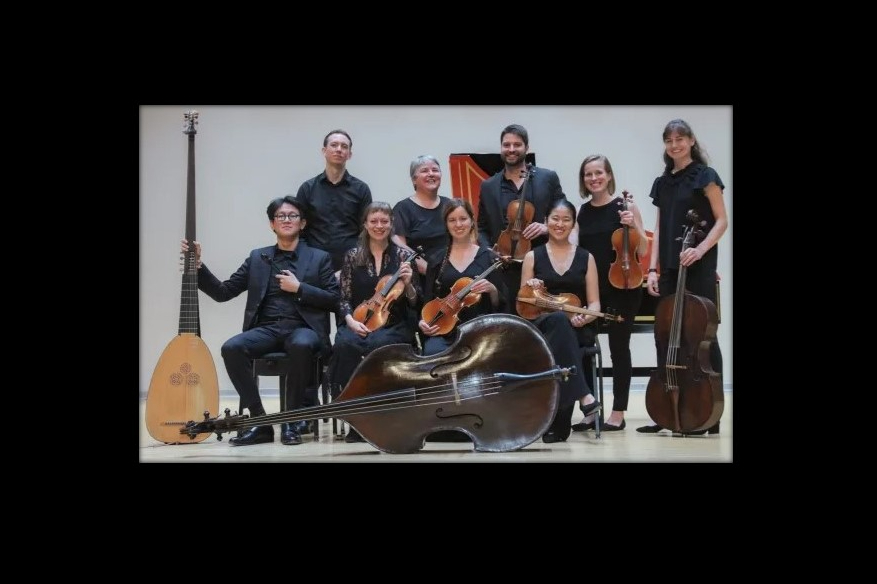
  • The old tunes features the Relic Ensemble, whose members are on a mission to spread their love for early music.
  • Rhiannon Giddens continues to explore hidden and forgotten contributions to American musical history, as I highlight in A creative life.

CONCLUSION

Please note that in a few days I’ll be taking my own winter retreat from the newsletter to work on some other projects. If all goes as planned, the next of these monthly updates will show up on March 29th.

Thanks, as always, for reading. Your support and feedback mean more than I can ever express.

As you travel life’s highways be open to love, thirst for wonder, undertake some mindful walking every day, recognize the incredible privilege that most of us have, and think about how to put that privilege to use for good. Women, people of color, LGBTQ+ individuals, immigrants, and others can feel especially vulnerable . . . because they are. Work hard for justice and democracy as the fight never ends.

Bash into some joy along the way.

And finally, try to be nice. Always be kind.

More to come . . .

DJB


For the December 2023 summary, click here.

You can follow MORE TO COME by going to the small “Follow” box that is on the right-hand column of the site (on the desktop version) or at the bottom right on your mobile device. It is great to hear from readers, and if you like them feel free to share these posts on your own social media platforms.


Image by Jörg Vieli from Pixabay