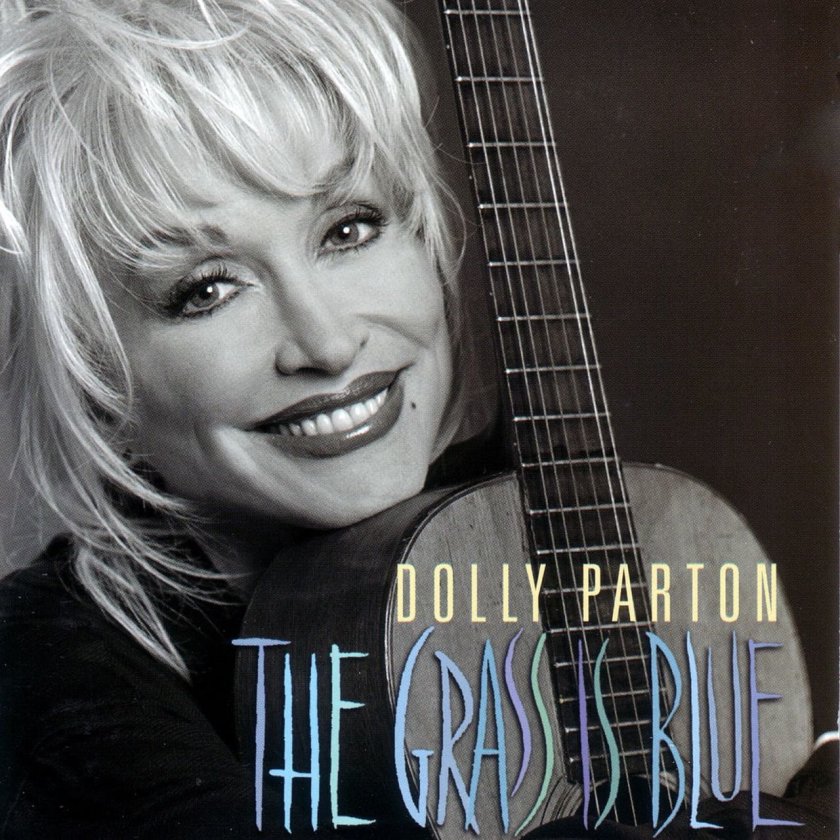
Did you have Dolly Parton helping to fund COVID-19 vaccine on your 2020 bingo card?
“Of course she did” was my response when news broke that Dolly was an investor for a COVID vaccine.
Few things are better than the sound of acoustic instruments
“Of course she did” was my response when news broke that Dolly was an investor for a COVID vaccine.

A dive into why Solas is my favorite Irish band, even if they are on indefinite hiatus.

Two musicians who “discover a new emotional urgency in songs about the slow, challenging, beautiful heat of living.”
The really grim and scary songs for Halloween were all hiding out in the roots music bin.
Music is a language that helps us process loss. We have needed that language too often in 2020.

I first became aware of The Steel Wheels somewhere around 2008. I had picked up a CD of the Shenandoah Valley-based band on one of our Thanksgiving trips to Staunton and was introduced to and intrigued by the unique voice and careful songcraft of lead singer and songwriter Trent Wagler. But it was at Merlefest in 2012 that the band pushed their way into the front part of my brain, and, I suspect, the brains of thousands of other music fans as well. After one of the main acts wrapped up their show, as I wrote at the time, a number of attendees were exiting the main stage area on the first night of the festival. Suddenly, The Steel Wheels began singing their powerful Rain in the Valley on a small side stage. And like bees flowing to honey, those leaving stopped, turned around, and were glued to their seats through a spirited 30-minute set. As expected, later TSW shows throughout the weekend were packed, as word spread fast. And just like that, they quickly …
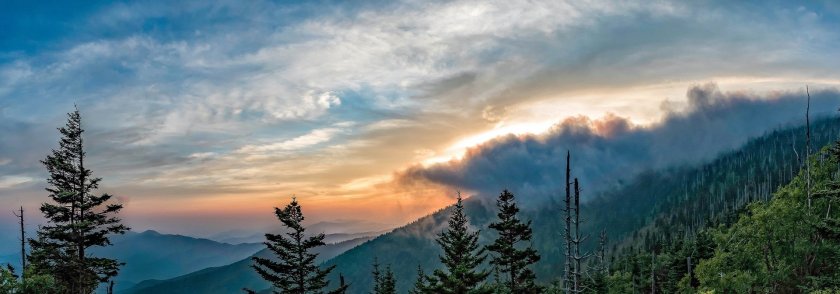
Folk songs often bring us to the intersection of place, history, and memory. In certain cases, digging into those songs gives us a chance to recover the true stories, long-hidden, from our past, bringing a reckoning with the history that did happen and a reimagining for our collective future. Recently, The Bitter Southerner posted a thoughtful article which examines how the popular folk tune Swannanoa Tunnel was taken from the wrongfully convicted black community in Western North Carolina. Forced to build the railroad tunnel as convict labor during the Jim Crow era, those convicts originally wrote the tune in the “hammer song” tradition of John Henry. Somebody Died, Babe: A Musical Cover-up of Racism, Violence, and Greed shows how the song was reshaped and romanticized into an English-based folk tune in the 1920s – 1960s to appeal to white audiences. As the site notes, “Beneath the popular folk song…and beneath the railroad tracks that run through Western North Carolina, is a story of blood, greed, and obfuscation. As our nation reckons with systematic racial violence, …

A look at the prolific and jaw-dropping talent of Mark O’Connor.
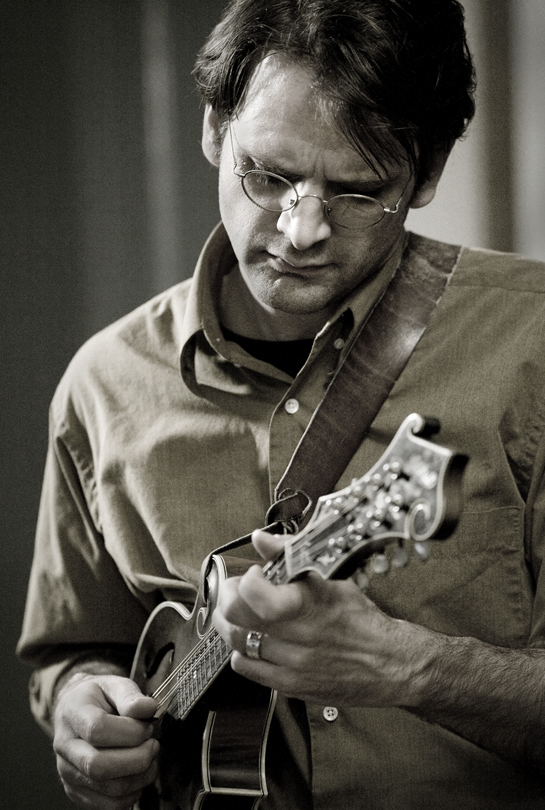
Matt Flinner is the top-shelf mandolinist and composer not enough people know. At least not in the way that music fans know that force of nature Chris Thile, or the Energizer Bunny clone Sam Bush, or the genre-bending trail-blazer David Grisman. But musicians have long been aware of this quiet master, who, in the words of the Associated Press, “blurs the lines between jazz and bluegrass, traditional and avant-garde” with the best of them. Flinner’s website bio showcases just how in-demand he is as a musician. “Multi-instrumentalist Matt Flinner has made a career out of playing acoustic music in new ways. Starting out as a banjo prodigy who was playing bluegrass festivals before he entered his teens, Flinner later took up the mandolin, won the National Banjo Contest at Winfield Kansas in 1990, and took the mandolin award there the following year. Since then, he has become recognized as one of the premiere mandolinists as well as one of the finest new acoustic/roots music composers today. He has toured and recorded with a wide variety …

Watchhouse plays compelling music that is warm, intimate, and thoughtful.
 MORE TO COME...