
From the bookshelf
One nonfiction and one fiction book consider how to respond when the world’s landscape shifts.
One nonfiction and one fiction book consider how to respond when the world’s landscape shifts.
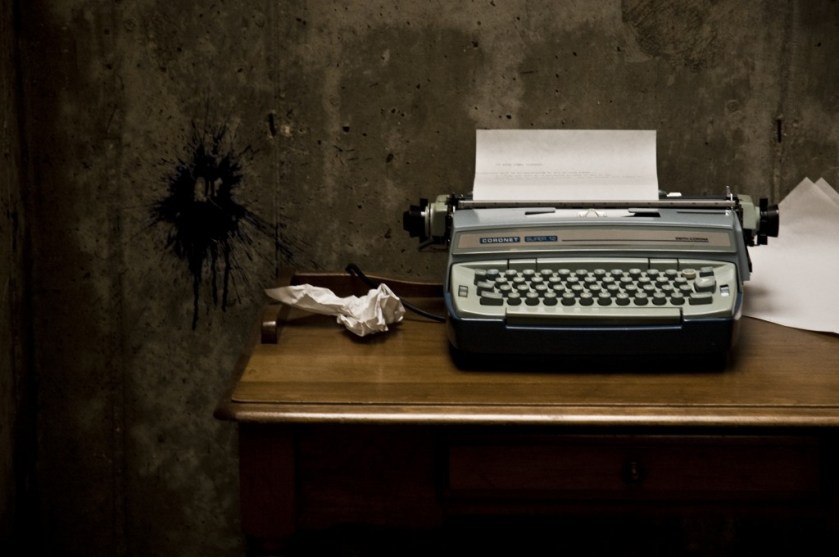
Vision. Skill. Time. All are usually required to produce something of lasting value. All are at the heart of craftsmanship. Traditionally linked to items made by hand, craftsmanship can be applied to a wider array of undertakings that benefit from an attention to detail through the application of a skill sharpened over time and practice. Take writing, for instance. For several years I’ve considered how best to refine my writing skills. However, other commitments became excuses for never taking serious steps forward to actually hone that craft until a former colleague recently noted that my passion has always been best expressed in my writing. It is where I seek to tell a story or share a memory in hopes of inspiring and making a meaningful connection to colleagues and friends. One of my favorite sayings is “Let’s see how it writes.” This same colleague suggested that I may have been the best first draft writer in the organization. I knew exactly what she meant, and it was that particular comment that led me to pick …

On my first day of unemployment – although planned – since 1977, I consider how I rise, stretch, and set off.
March is one of my favorite times of the year. The longest month—February—is past. Winter is nearing an end here in DC. Baseball players have reported to spring training camps. Hope springs eternal. Speaking of baseball, I have my own spring training ritual every year. Up first is a viewing of Bull Durham—the best baseball movie ever—followed by reading a new baseball book. Together the two get me in the mood for the season. I can report checking off both of those training regimens this year well before Opening Day. I actually read two baseball books recently, although one may not count because it is entitled The Is Not Baseball Book. You have to love a book which begins with a first chapter of “Sports Is Not a Metaphor. It’s a Symbol.” Afterwards it jumps into all matter of things, including pataphysical management systems leading to “self-learning” teams. That’s for another time. It is the second book, Smart Baseball: The Story Behind the Old Stats that are Ruining the Game, The New Ones that are …
When watching the In Memoriam segment of the Oscars last month, I learned that the French actress Stéphane Audran, who played the title role in the Danish film Babette’s Feast, passed away in 2018. Babette’s Feast—and Audran’s performance as the chef who moves from Paris to the desolate, western coast of Jutland in 19th century Denmark—are among my all-time favorites. (Babette’s Feast also ranks as Pope Francis’ favorite movie, but I’ll bet he hasn’t watched Bull Durham.*) Here is a short synopsis (spoiler alert: you will find out all the basics, but none of the real nuance that makes this such a wonderful film): The movie begins in a small Protestant village that has been led for many years by a very rigid pastor. The beliefs of the congregation are extremely Puritan, making the village a drab, grey place where there is hardly any joy. After the pastor has died, his two elderly daughters are forced into leading the older, dwindling congregation. They had hoped to marry when they were young and beautiful, but their …

“You are not your idea, and if you identify too closely with your ideas, you will take offense when they are challenged.”

Has it really been eight years since we decided to try to catch the Best Picture nominees before the Academy Awards show? Indeed it has. Truth be told, this has been an up-and-down process. There are years when I’ll see 7 of the 8 or 9 films nominated. Then, there are times such as last year when we took in four on one weekend…and that was it. This year was really different, in that I’ve seen all 8 of the films nominated, plus a few more that could have been in the running. 100 percent! That’s a first. As in years past, I’ll provide the caveat that I’m no movie critic, so these are totally personal views without any understanding of the nuances of filmmaking. I’ll also list these in the order I ranked them, which is where I get the most comments. So, my best picture award would go to If Beale Street Could Talk. Wait, you say, it wasn’t nominated! Well, that’s not my fault; it should have been. This was a beautiful …
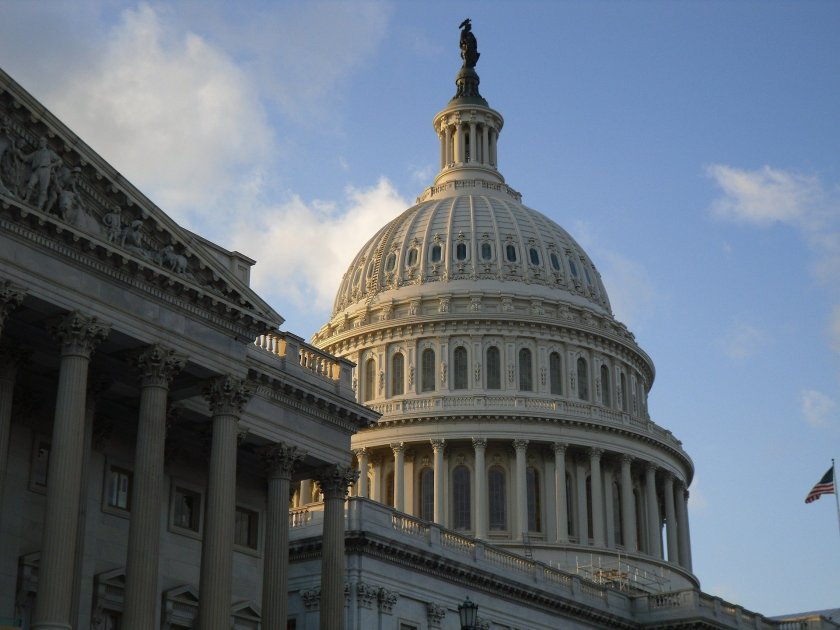
Joanne B. Freeman writes that slavery, and its future in America, was the key issue that led to bullying, fighting, and total breakdown of civil discourse in Congress prior to the Civil War.
Thomas Paine and Roger Williams are the two founding fathers whose work is most often forgotten yet remains among the most consequential today. My belief was strengthened upon reading Craig Nelson’s excellent 2006 biography, Thomas Paine: Enlightenment, Revolution, and the Birth of Modern Nations. Paine, born in England and truly a citizen of the Enlightenment world, wrote three of the bestsellers of the eighteenth century, topped only by the Bible. His Common Sense has long been recognized as a key work in changing the hearts and minds of the people of the United Colonies into citizens of what Paine was the first to characterize as the United States. Similarly, his Rights of Man helped shape the French Revolution and — although it would take more than a century — inspire constitutional reform in Great Britain and foreshadow Franklin Roosevelt’s New Deal. The Age of Reason, a forceful call against organized religion, finds Paine sticking to his Enlightenment and deist values even at the expense of his public reputation. Paine’s mind was clearly a force of …

Cynics. We’ve all encountered them. They make pronouncements with great certainty and take pride in not appearing foolish. Those who disagree with them are instantly branded, in the eyes of the cynic, as naïve. Thankfully, there are ways to combat cynicism. Over the holidays I finished reading author Rebecca Solnit’s most recent book, Call Them by Their True Names: American Crises (and Essays). Solnit includes an essay—Naive Cynicism—that flips the idea of cynicism and naivete on its head. “Naïve cynics shoot down possibilities, including the possibility of exploring the full complexity of any situation. They take aim at the less cynical, so that cynicism becomes a defensive posture and an avoidance of dissent. They recruit through brutality. If you set purity and perfection as your goals, you have an almost foolproof system according to which everything will necessarily fall short. . . . Cynics are often disappointed idealists and upholders of unrealistic standards. They are uncomfortable with victories, because victories are almost always temporary, incomplete, and compromised.” Change and progress require hard work, and cynics …
 MORE TO COME...