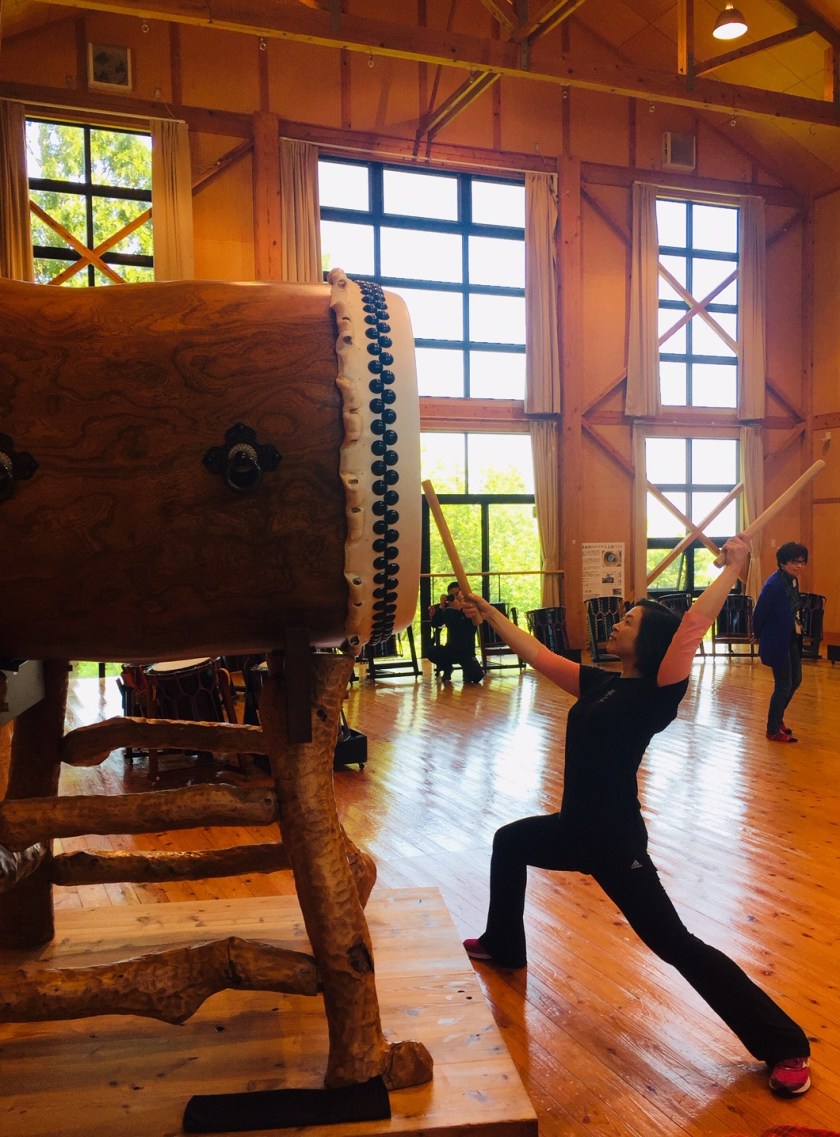
Children of the drum
We need to remember the basic things that make us human, helping us work together in community. We need to get to the heartbeat.
Thoughts to start off the work week
We need to remember the basic things that make us human, helping us work together in community. We need to get to the heartbeat.
I have only recently come to accept that I’ve spent my entire life as a worrywart. This is hard to admit, because I worry what people will think of me if they know that I’ve lived a life of constant concern about what can go wrong. Knowing I dwell unduly on difficulty or troubles, will family, friends, and colleagues think less of me? A quote attributed to Mark Twain (and recently repeated during a lecture I heard by a Zen Buddhist monk at Tenryu-ji Temple in Kyoto, Japan) gets at the heart of the issue: “I have been through some terrible things in my life, some which actually happened.” Until recently, I attributed my willingness to dwell on the worst case scenario to good planning. Having an advanced degree in planning led me to rationalize that I was simply trying to make sure things went well by gaming out all the things that could go wrong. But it was pointed out recently that perhaps I’ve taken that to extremes. I could tell I was driving …
Sometimes it’s hard to say good-bye. Last week, former Vice President Joe Biden—at 76 years of age and counting—became the twentieth announced Democratic candidate for President. As many have noted, he’s not even the oldest aspirant in the field. That would be 77 year old Senator Bernie Sanders, running again after coming in second to Hillary Clinton in the Democratic primary in 2016. Both white males are vying to replace another white male, 72 year old Donald Trump. So much for the generational change with diverse candidates who look more like America that was to occur when the 47 year old Barack Obama assumed the presidency in 2009. Not to mention the glass ceiling, which remains very much in place. Knowing how and when to step aside for a more diverse, younger generation of leaders is very much front page news for the Democratic Party as the nation heads into another presidential election cycle. A recent Suzanna Danuta Walters op-ed in the Washington Post argues that male politicians “have a responsibility—if they really do want …
A bad report from the doctor. An unexpected shift downward in job prospects. A jarring call in the middle of the night. An unwelcomed story on the front page of the New York Times. Each is a crisis. Crises are inevitable. How we respond says a great deal about our courage and fortitude. It was Stanford economist Paul Romer who coined the famous soundbite, “A crisis is a terrible thing to waste.” Others have used similar language, including former Intel CEO and Chairman Andrew Grove. When speaking of his company’s Pentium Processor flaw in 1994, Grove said, “Bad companies are destroyed by crisis, Good companies survive them, Great companies are improved by them.” In a recent Politics and Prose presentation, Reed Hundt—author of A Crisis Wasted* and former chairman of the Federal Communications Commission—discussed the global financial meltdown and Great Recession of 2008-2009. While his new book studies the courage and fortitude of those addressing this financial crisis, Hundt goes further to describe key elements in responding effectively to moments of upheaval. First, correct diagnosis of …

We have an “almost unlimited ability to ignore our ignorance.”
Who knew that Pope Francis was an urbanist? I’m not a Catholic and only occasionally follow news out of the Vatican, but I was taken by reports that Pope Francis had commented on driving habits during his most recent New Year’s Eve homily. As reported in the press, Francis — who is also the Bishop of Rome — included the following in his remarks: “’I feel gratitude in my soul, thinking about the people who live with open hearts in the city,’ Francis said. As examples of that spirit, the pope began with a for-instance that will echo the frustrations of many a Roman resident – ‘those people,’ he said, ‘who move in traffic with good sense and prudence.’ By consensus, the poor state of maintenance on Rome’s roads, the lack of accessible public parking, and the city’s paralyzing traffic, are among the top complaints from locals…. The pope then went on to cite other examples of heroism from the silent majority. He praised ‘those who respect public places, and report things that aren’t right; …
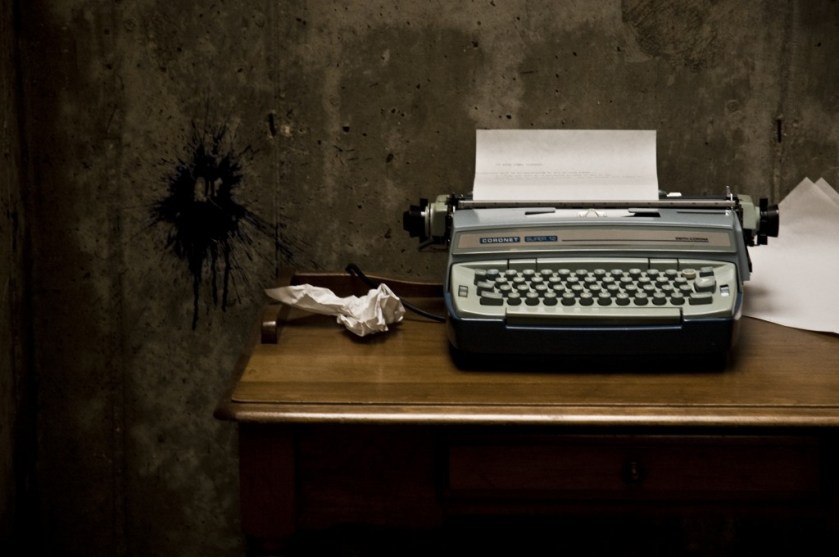
Vision. Skill. Time. All are usually required to produce something of lasting value. All are at the heart of craftsmanship. Traditionally linked to items made by hand, craftsmanship can be applied to a wider array of undertakings that benefit from an attention to detail through the application of a skill sharpened over time and practice. Take writing, for instance. For several years I’ve considered how best to refine my writing skills. However, other commitments became excuses for never taking serious steps forward to actually hone that craft until a former colleague recently noted that my passion has always been best expressed in my writing. It is where I seek to tell a story or share a memory in hopes of inspiring and making a meaningful connection to colleagues and friends. One of my favorite sayings is “Let’s see how it writes.” This same colleague suggested that I may have been the best first draft writer in the organization. I knew exactly what she meant, and it was that particular comment that led me to pick …

On my first day of unemployment – although planned – since 1977, I consider how I rise, stretch, and set off.

A farewell message I wrote to my colleagues after 22 years at the National Trust.
March is one of my favorite times of the year. The longest month—February—is past. Winter is nearing an end here in DC. Baseball players have reported to spring training camps. Hope springs eternal. Speaking of baseball, I have my own spring training ritual every year. Up first is a viewing of Bull Durham—the best baseball movie ever—followed by reading a new baseball book. Together the two get me in the mood for the season. I can report checking off both of those training regimens this year well before Opening Day. I actually read two baseball books recently, although one may not count because it is entitled The Is Not Baseball Book. You have to love a book which begins with a first chapter of “Sports Is Not a Metaphor. It’s a Symbol.” Afterwards it jumps into all matter of things, including pataphysical management systems leading to “self-learning” teams. That’s for another time. It is the second book, Smart Baseball: The Story Behind the Old Stats that are Ruining the Game, The New Ones that are …
 MORE TO COME...