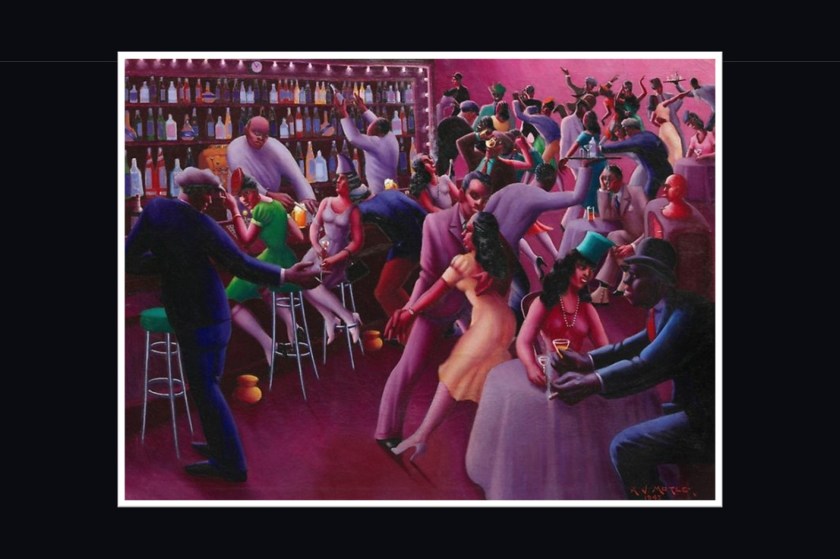
George M. Johnson’s Young Adult biography is a personal look at how American culture has been shaped by people who are both Black and queer.
Installment #27 in my series on the region’s independent bookshops.
Finding one’s identity is difficult even in the easiest of circumstances. We often turn to books for help as they have long been one useful way of discovering who we are and why we are attracted to certain people, places, and beliefs. Many of us, as we age, read a novel, a biography, or a history and wish we’d read it when we were young. Books are powerful tools that can sometimes change the way we think about the world, which is why those who gain their hold over society through authoritarian means generally don’t like them. Since knowledge is power, some people are always trying to keep other people from reading.
Black and Queer voices have often been at the forefront of the targets of book bans.
In mid-August, Andrew and I visited Loyalty Books—a Queer, Black, and Asian-owned bookstore in Washington’s Petworth neighborhood—as part of my quest to visit all 30 independent bookshops in the DC region. We found a welcoming and thoughtfully curated shop that highlights “the diverse voices and creatives that make our communities great.” Founded by Hannah Oliver Depp, a Black and Queer Bookseller, and co-owned by Christine Bollow, a Queer, disabled, and biracial Filipina bookseller, Loyalty works to create an inclusive, welcoming environment for the entire community.
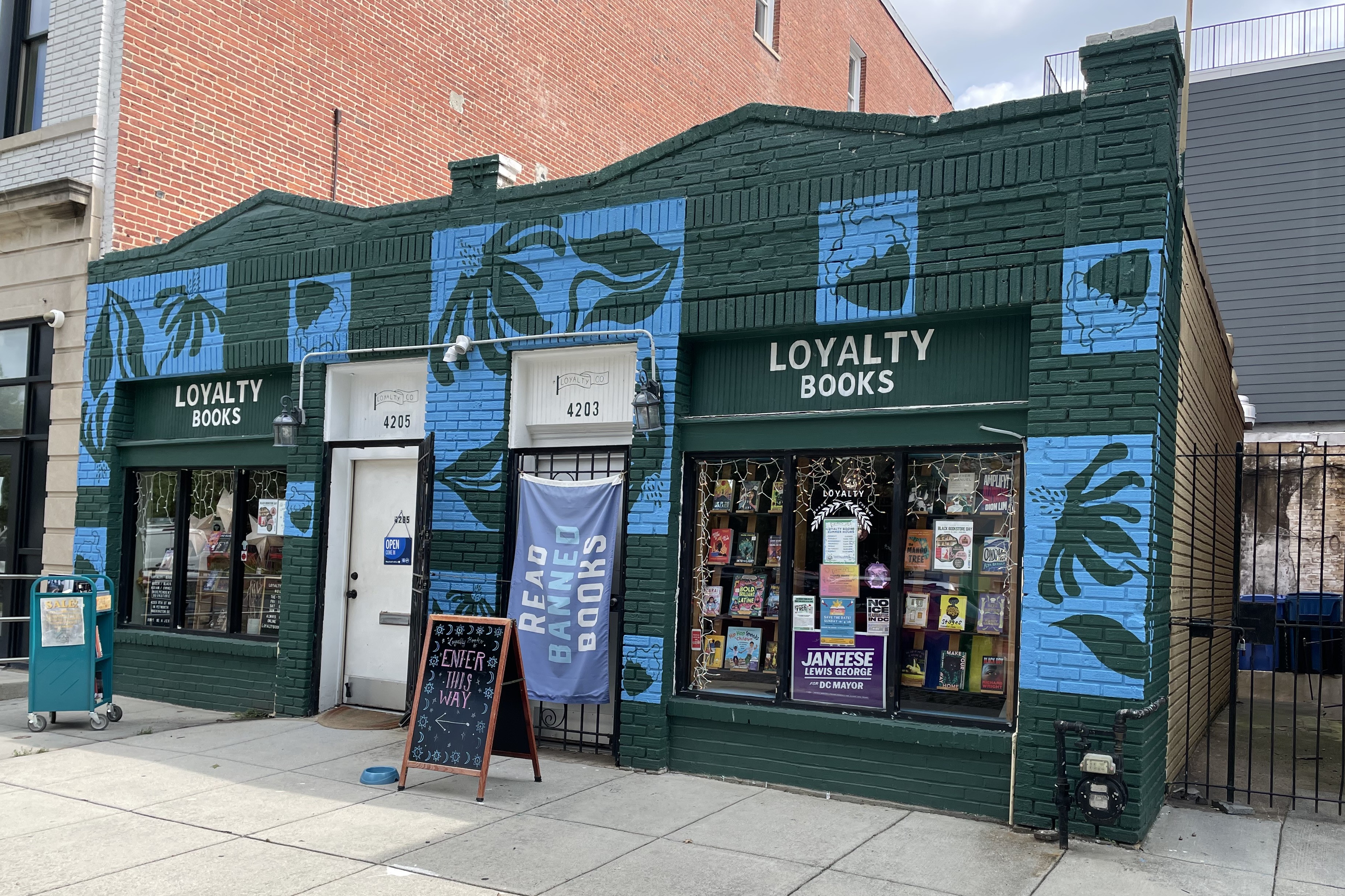
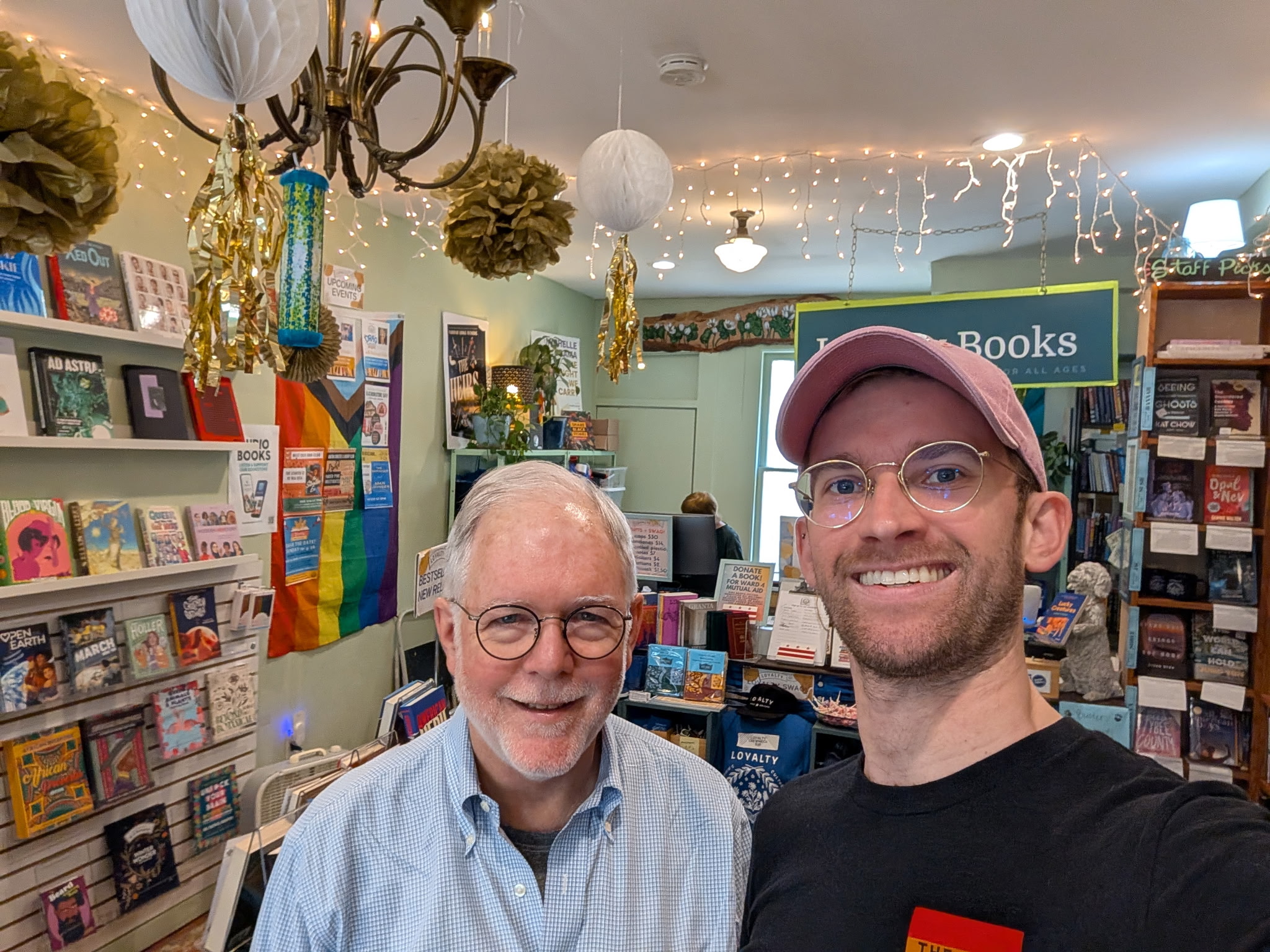
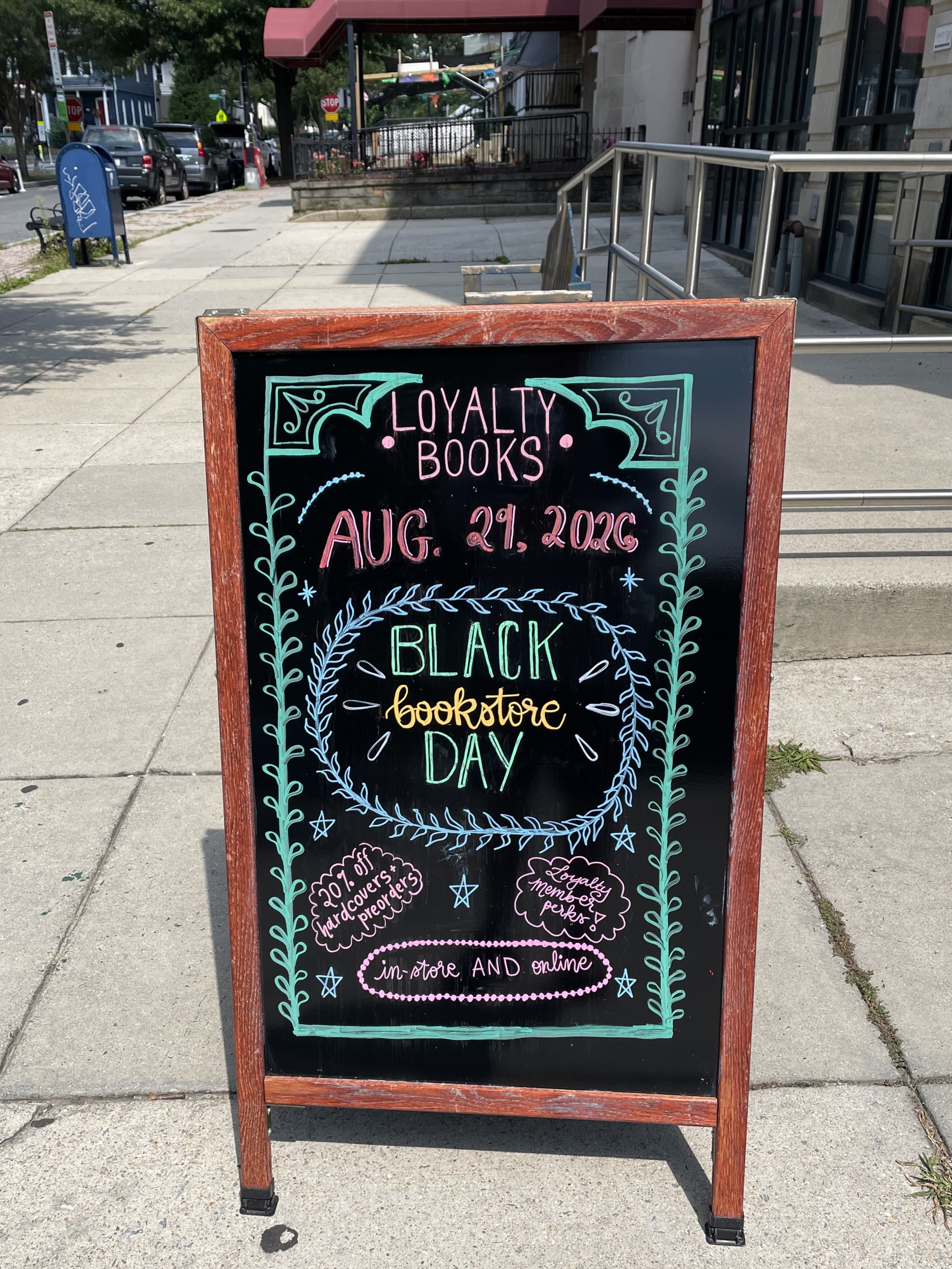
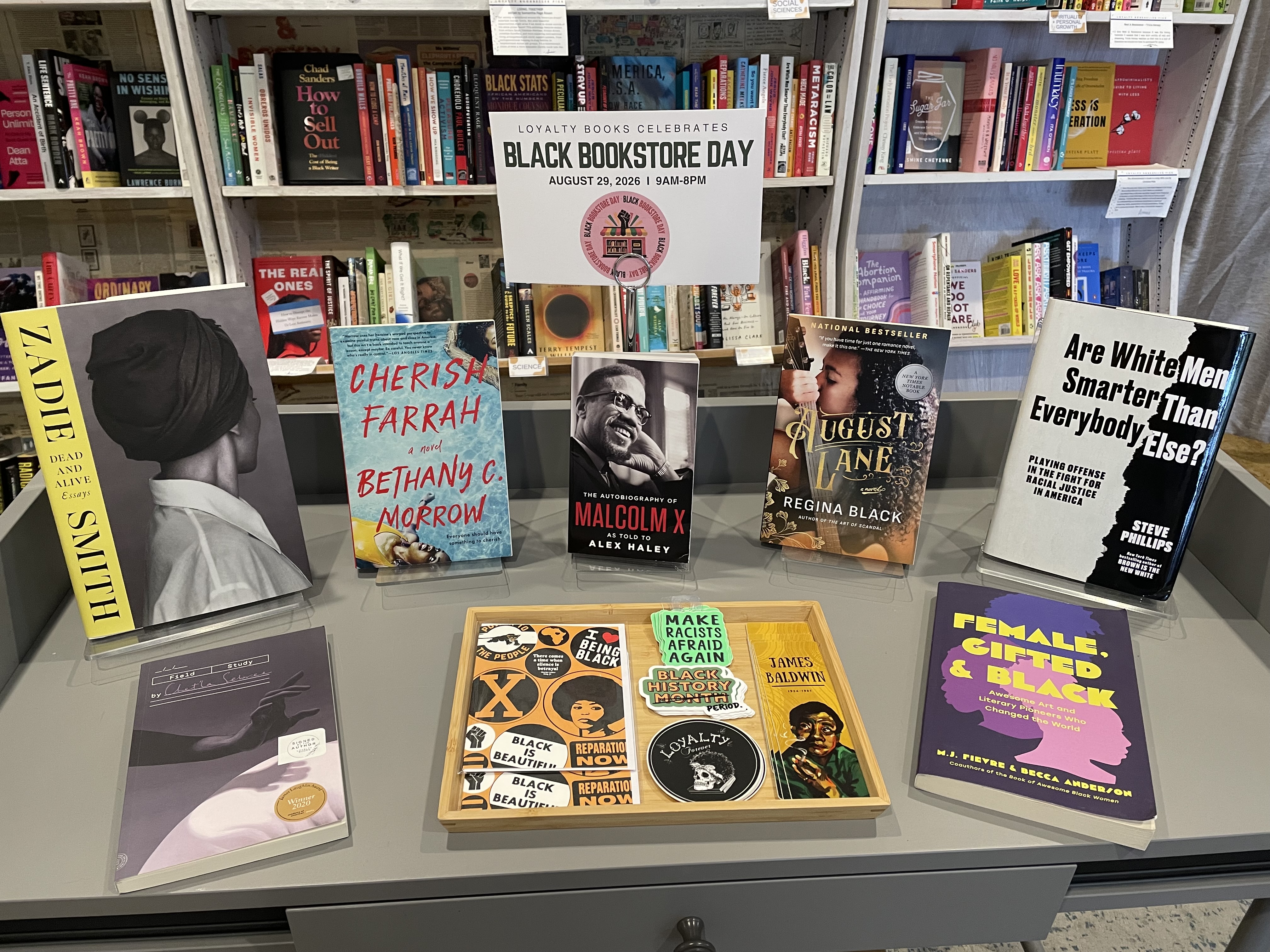
In talking with the friendly and knowledgeable staff I got some exciting and very personalized recommendations (they wanted to show me their “staff review” picks), saw the works featured for the upcoming Black Bookstore Day, and was able to get some perspective and suggestions from Andrew. I wanted to find books that spoke directly to Loyalty’s mission, and in the process of my search came across a work that took a personal look at how American culture has been shaped by creative people who are both Black and queer.
It was the book that the author wished they had read when they were young.
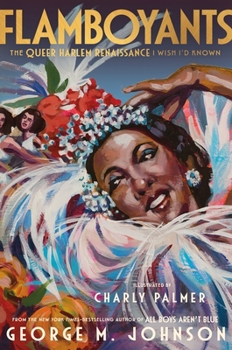
Flamboyants: The Queer Harlem Renaissance I Wish I’d Known (2024) by George M. Johnson is a very personal celebration of twelve writers, performers, and activists from 1920s Black America whose sexualities have been obscured throughout history. This Young Adult book is designed to help those growing into adulthood and their sexuality find creatives who blazed their own trail, often against great odds. Adults who only know the broadest outlines of these artists and the periods in which they lived will find the narratives of value as well. Flamboyants (I love the name) is a work that seeks to celebrate the full stories of individuals who are known today as iconic figures but who in their own time too often felt they had to hide their true natures in order to survive. Johnson writes that he “likes to operate under the Ghanaian principle of sankofa, which translates to ‘to go back and get it.’ It’s a process of reaching back to knowledge gained in the past and bringing it into the present in order to make positive progress.” For progress to be made today these stories from the past need to be told and understood—especially since, Johnson asserts, many have been suppressed or told inaccurately. I found this work to fit their description as “spiritual and ancestral work.”
An Emmy nominated, award-winning, and bestselling Black nonbinary author and activist, Johnson’s debut memoir, All Boys Aren’t Blue, was a New York Times bestseller and garnered many accolades. It was also the #1 most banned book of 2024 in the United States, according to the American Library Association. They know something about suppression of stories that those in power do not want others to hear.
The short biographies that make up the book cover a range of creatives who were active in the 1920s and who became known, in part, due to their association with the Harlem Renaissance:
“The Great Migration drew to Harlem some of the greatest minds and brightest talents of the day, an astonishing array of African American artists and scholars. Between the end of World War I and the mid-1930s, they produced one of the most significant eras of cultural expression in the nation’s history—the Harlem Renaissance. Yet this cultural explosion also occurred in Cleveland, Los Angeles and many cities shaped by the great migration. Alain Locke, a Harvard-educated writer, critic, and teacher who became known as the ‘dean’ of the Harlem Renaissance [and an individual profiled in Johnson’s book], described it as a ‘spiritual coming of age’ in which African Americans transformed ‘social disillusionment to race pride.’
The Harlem Renaissance encompassed poetry and prose, painting and sculpture, jazz and swing, opera and dance. What united these diverse art forms was their realistic presentation of what it meant to be black in America, what writer Langston Hughes [another Johnson profile] called an ‘expression of our individual dark-skinned selves,’ as well as a new militancy in asserting their civil and political rights.”
But these are not standard biographies. Johnson has the subjects in conversation with each other and with the present day.
Several were well known for pushing sexual and racial boundaries. Josephine Baker, who became famous for her Banana Dance before she became a spy for the French Resistance in World War II, is an early profile. Baker was bisexual, having four different husbands but also multiple known relationships with women.
Johnson uses the book to examine the issue of internalized homophobia, which may have been somewhat at play in Baker’s personal life. “People can be gay or lesbian or queer and homophobic.” One need look no further than the Harlem Renaissance. This period of great creativity and enlightenment “still denied many queer people the ability to own their identities safely.” Some of the subjects of the book who were “not open about their queerness had issues with other figures in this book being public about theirs.”
All of the subjects, in one way or another, have inspired Johnson in their life and work. They can relate to the blues of Ma Rainey and Bessie Smith, both of whom were bisexual if not always public about it . . .
. . . and also appreciate the very public queerness of Gladys Bentley.
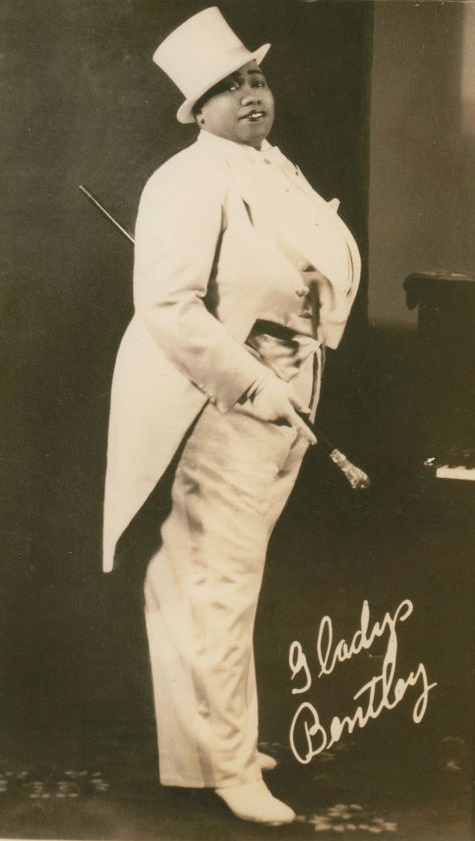
Langston Hughes, who is also profiled here, wrote an essay entitled “When the Negro Was in Vogue” that refers to Bentley as “a perfect piece of African sculpture, animated by her own rhythm.” It was clear that they dressed the way they felt comfortable and loved whoever they wanted to.
“Bentley challenged traditional gender roles by performing suggestive songs, openly expressing attraction to women, and wearing masculine clothing. In 1930, Bentley lived with a woman named Beatrice Robert. In 1931, Bentley had a civil ceremony in New Jersey, in a public union with a white woman.”
Wikimedia
One can hear of their sexuality in the lyrics of her Worried Blues, which is unrelated to other more famous country blues songs by that title.
“The lyrics are a good example of the complaint-about-a-man genre, with a memorably funny final line. Here Bentley takes on all three roles, singer, instrumental soloist, and pianist, as on the famous records made by such blues queens as Bessie Smith, who memorably had Louis Armstrong playing cornet obligato fills between Smith’s voice. On ‘Worried Blues,’ Bentley is her own band, scatting spare, bluesy, growled riffs.”
Elliott Hurwitt, New York Festival of Song
And those final lyrics?
"Ain't no one did more for you than the good Lord ever done.
Did more for you than the good Lord ever done.
Put clothes on your back; you know darn well you wasn't born with none."
Other profiles look at writer and painter Richard Bruce Nugent and author and anthropologist Zora Neale Hurston. Throughout the book Johnson includes their poetry as well as exuberant illustrations by Charly Palmer.
Johnson is celebrating these pioneers for their contributions to American thought and culture, while recognizing that they are only human. Their hope is that the road map provided by these pioneers can be helpful to young people living today, who seek to create art “fully immersed in a queer experience. And lead a flamboyant life!”
I think there are many others, perhaps not so young, who can also learn from Johnson’s work. I count myself among them.
More to come . . .
DJB
Painting of club scene during Harlem Renaissance by Archibald Motley from Messy Nessy’s Cabinet

