Latest Posts

Summer in the City

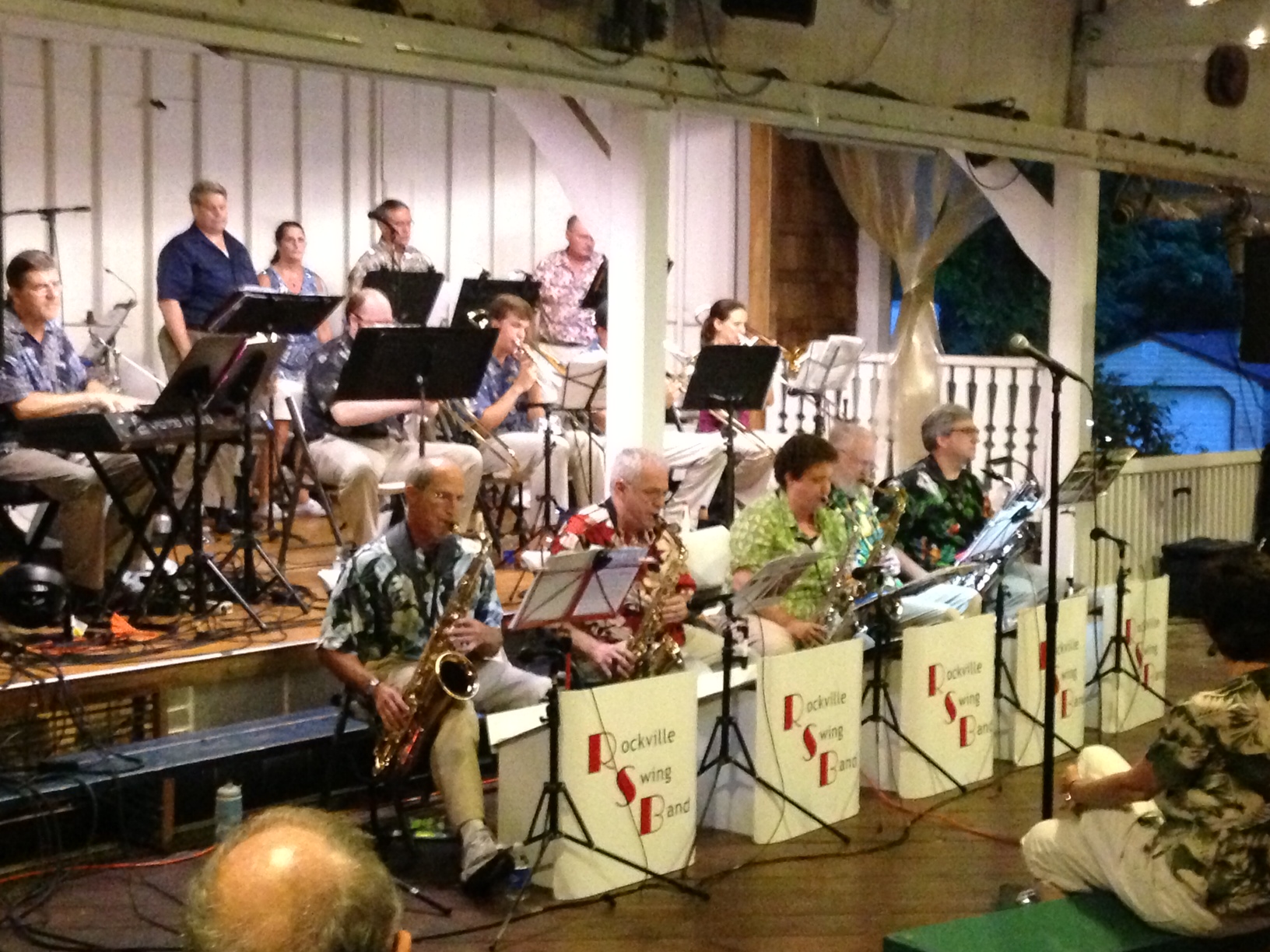
Rockville Swing Band at Glen EchoTaking a vacation in  your hometown – or a staycation as it is commonly referred to – can be a great experience when you live in a city as rich in talent and activities as Washington.

Earlier this evening Candice, Andrew, and I enjoyed dinner at the Irish Inn at Glen Echo (technically, Andrew only joined us for tea at the end of the meal) and then walked next door to the wonderful Glen Echo park to take in the free Thursday evening concerts.  Tonight’s entertainment came via the Rockville Swing Band, and they had the old bumper car pavilion jumping.  It was hard to know where to keep your eyes – on the musicians or on the terrific dancers, some of whom were in their late 70s and still cutting the rug with the best of them.

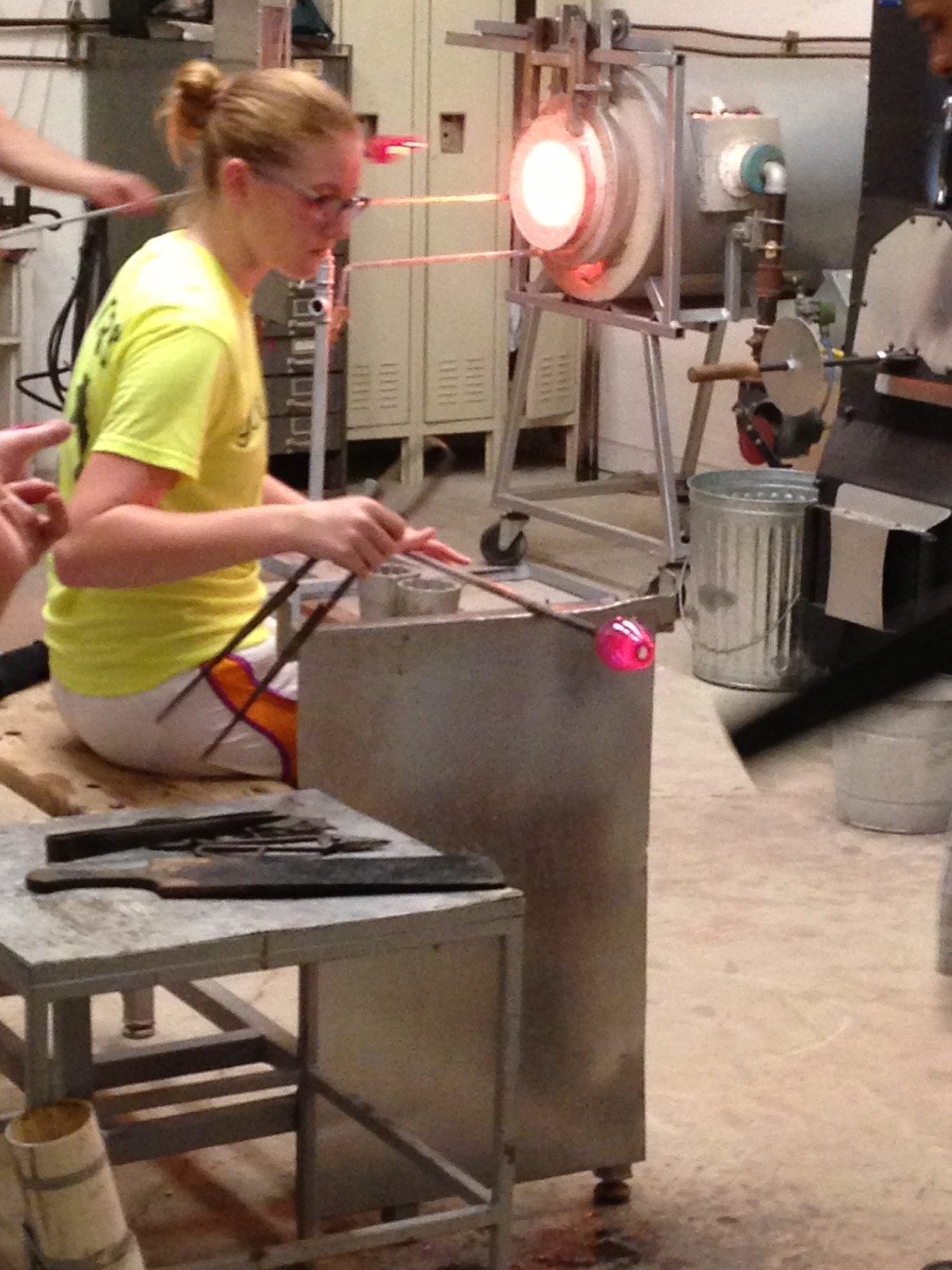
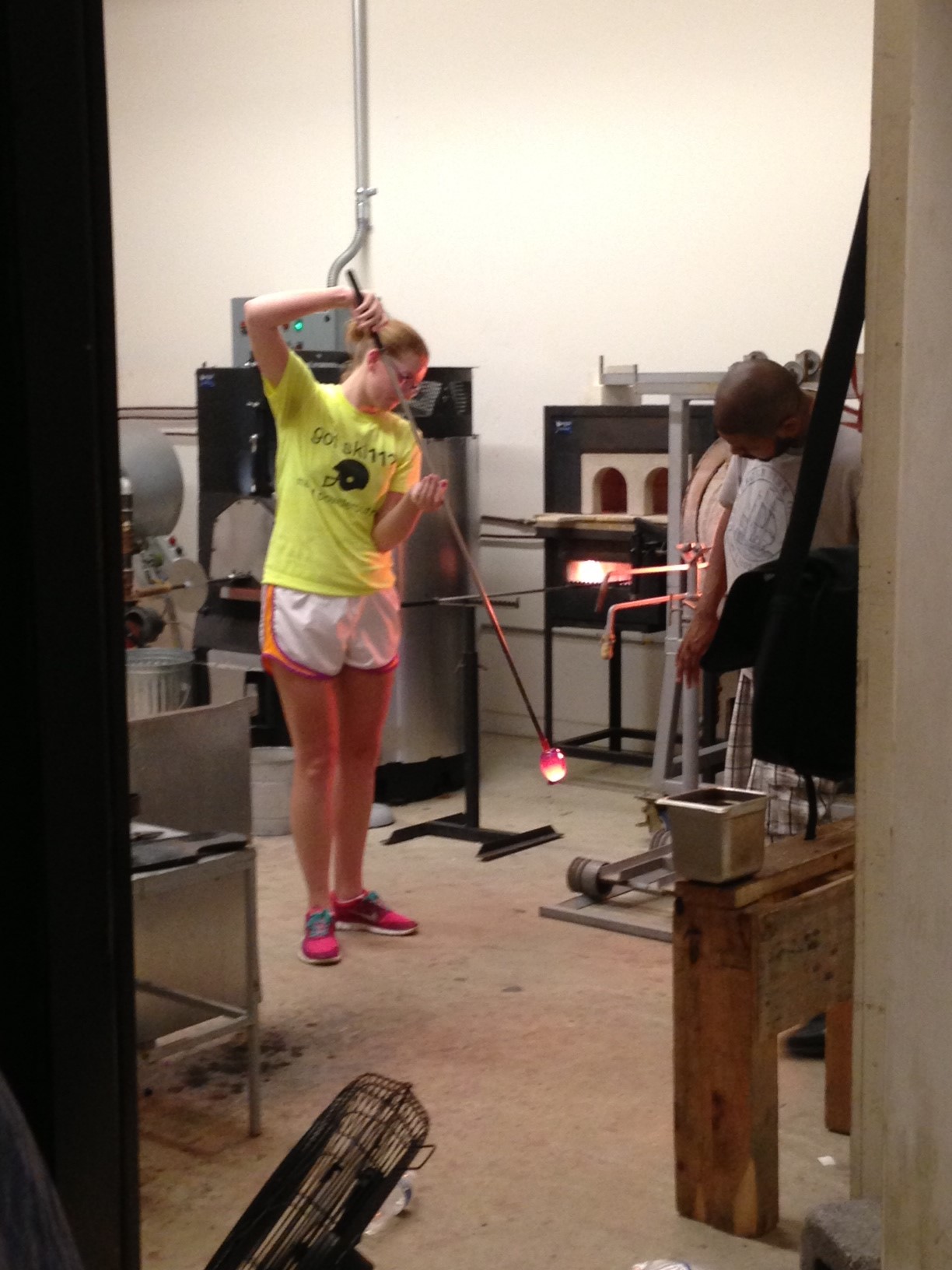
We were in Glen Echo because Claire was wrapping up a six-week glass blowing course.  Claire decided that she wanted to take two arts classes – totally non-credit – over the summer just to feed her curiosity and her soul.

I took a couple of snapshots of our Claire at work, and I hope you’ll enjoy them.

More to come…

DJB

Claire glassblowing at Glen EchoClaire in glassblowing class at Glen Echo

Summer Reading 2013, Part II: Or How the Nats Lost Their Way

Way of BasballTechnically, I read Shawn Green’s unique little memoir/meditation The Way of Baseball before summer began, but after a night at the ballpark watching our Nats utterly fold in a three-game series sweep by the division leading Braves and reading Tom Boswell’s insightful (as always) column about how this year’s season went so wrong, I was reminded of how much I enjoyed this book.

Let’s begin with Boswell and the Nats.

For two-thirds of a season we’ve been told that the Nats had “too much talent” to keep playing this poorly, and that they would switch it on in time to get back in the pennant race.  But the Braves put an end to that kind of talk, with as utterly dominating a three-game series as you could have where the total run differential was only 5 runs for the three games.  Boswell put it best when he described the sweep as “an execution by proper execution.”

Amen.

The Nats played so effortlessly last year that it is easy to forget how difficult baseball can be if your head is just a little bit out-of-whack.  And with the Nats, these heads are more than a little out-of-whack. They are head cases, but as a friend says, “They are our head cases.” The equilibrium on the team was changed when Michael Morse’s big bat and free spirit was traded away and Denard Span’s terrific defense but anemic offense was put in its place. Drew Storen…well, let’s don’t go there…but his problems are emblematic of the bullpen as a whole.  And Davey Johnson, after his infamous “World Series or Bust” mantra for 2013, too often looks clueless and old, and very much not in control of his clubhouse and especially his hot-headed, talented but not perfect 20-year-old left fielder.  Boswell nails it all much more eloquently than I ever would, so I’ll direct you to his column.  But these Nats have played horrible fundamental baseball all season long, and that’s just inexcusable for a team with this type of talent.

Boswell sums it up with the following:

The Nats really are a talented, hard-working team with a good clubhouse and decent people. But they’ve been rattled, pressing, joyless and awful at fundamentals since April. They should reduce their season to a manageable goal: Play smart, focused baseball as a group, work to improve individually and have a reasonably loose and enjoyable time while you’re doing it. That actually can be done. The rest always takes care of itself.

And that brings me to Shawn Green’s book.

Green, a former Dodger (along with three other teams), has written a short memoir on his baseball career and the art of hitting that is really a meditation on how to approach life. A Jewish ballplayer drawing on Buddhist principles, Green describes the art of hitting as “finding stillness at 95 miles per hour.”  The chapter titles fit a baseball book (“The Zone”) as well as a handbook on eastern philosophy (“Awareness” and “Stillness.”)

In the chapter entitled “Ego,” Green has a quote that fits this Nats team to a T.  He says,

“…it’s not uncommon to make the mistake of comparing where we are in our lives to where we should be. The truth is that there is no such thing as where we should be; we are where we are, period.”

The Nats need to realize they are where they are and just start to enjoy the game today.  And for us fans, a long-time Red Sox fan and friend of mine reminded me that we really are “short-suffering Nats fans.”  Wait until we go 80+ years without a title before we bring out the poison.

Let’s all chill.  See you at Nationals Park on Sunday evening.  I still believe in the Church of Baseball.

More to come…

DJB

My That’s Spicy!

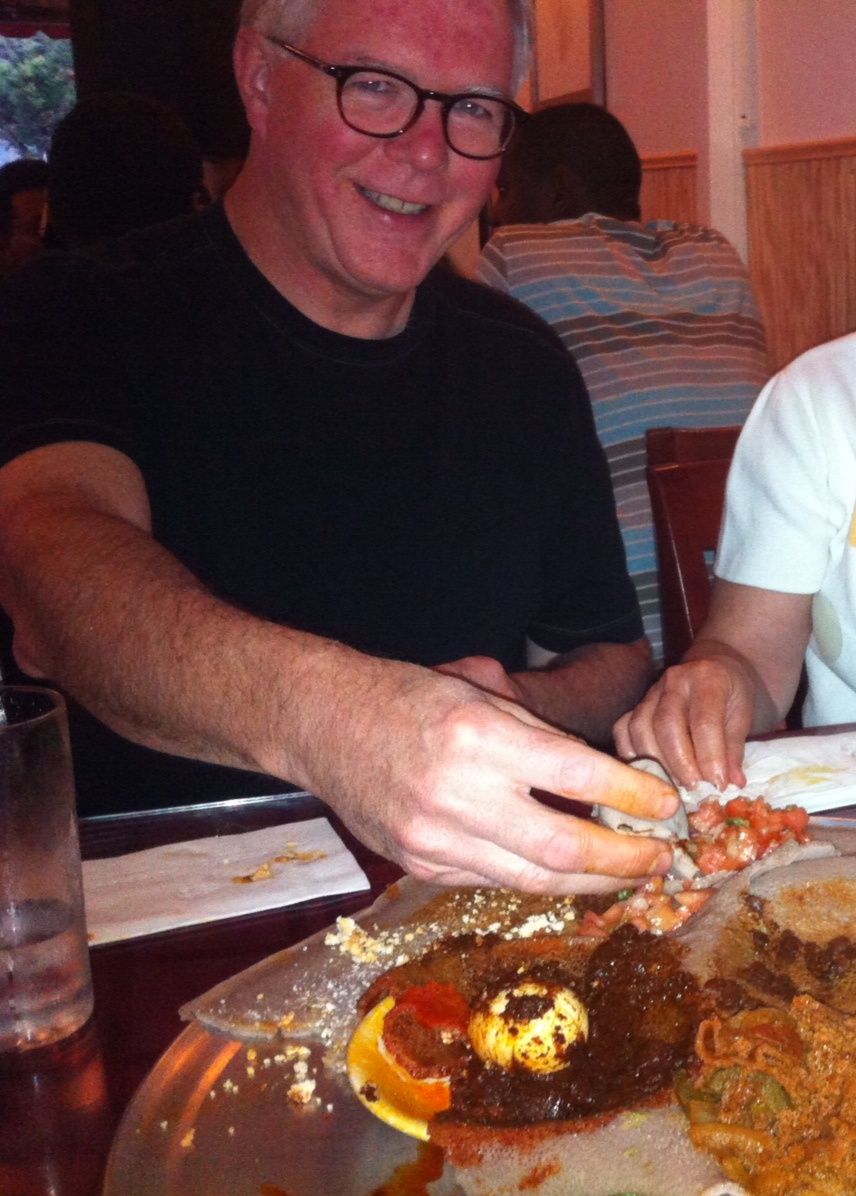
David at Lucy's with Candice, Andrew and ClaireIn planning this year’s staycation, everyone in the family picked one thing (or a series of related things) for the family to experience.  Andrew’s contribution?  Why four nights of ethnic dining in and around the Washington area.

First up:  Lucy’s Ethiopian Restaurant in Silver Spring!

Andrew and Claire have both discovered Ethiopian food over the past year, and they love it.  For Candice and me, it was a first.

The Washington Post recently had a strong review of Lucy’s which we took along for the evening, and the reviewer sent us toward some terrific tasting dishes. Between the four of us we enjoyed lamb, beef, collard greens and a wonderful misir wot dish (or split lentils).

Lucy’s is fast gaining a reputation as one of the best Ethiopian restaurants in the region, with food that is spicy and delicious.  But if you chose to go, just remember – you can leave your knife and fork at home.  Thanks to the injera (a spongy bread) for wrapping, this is all finger food.

Enjoy.

More to come…

DJB

Fallingwater (Revisited)

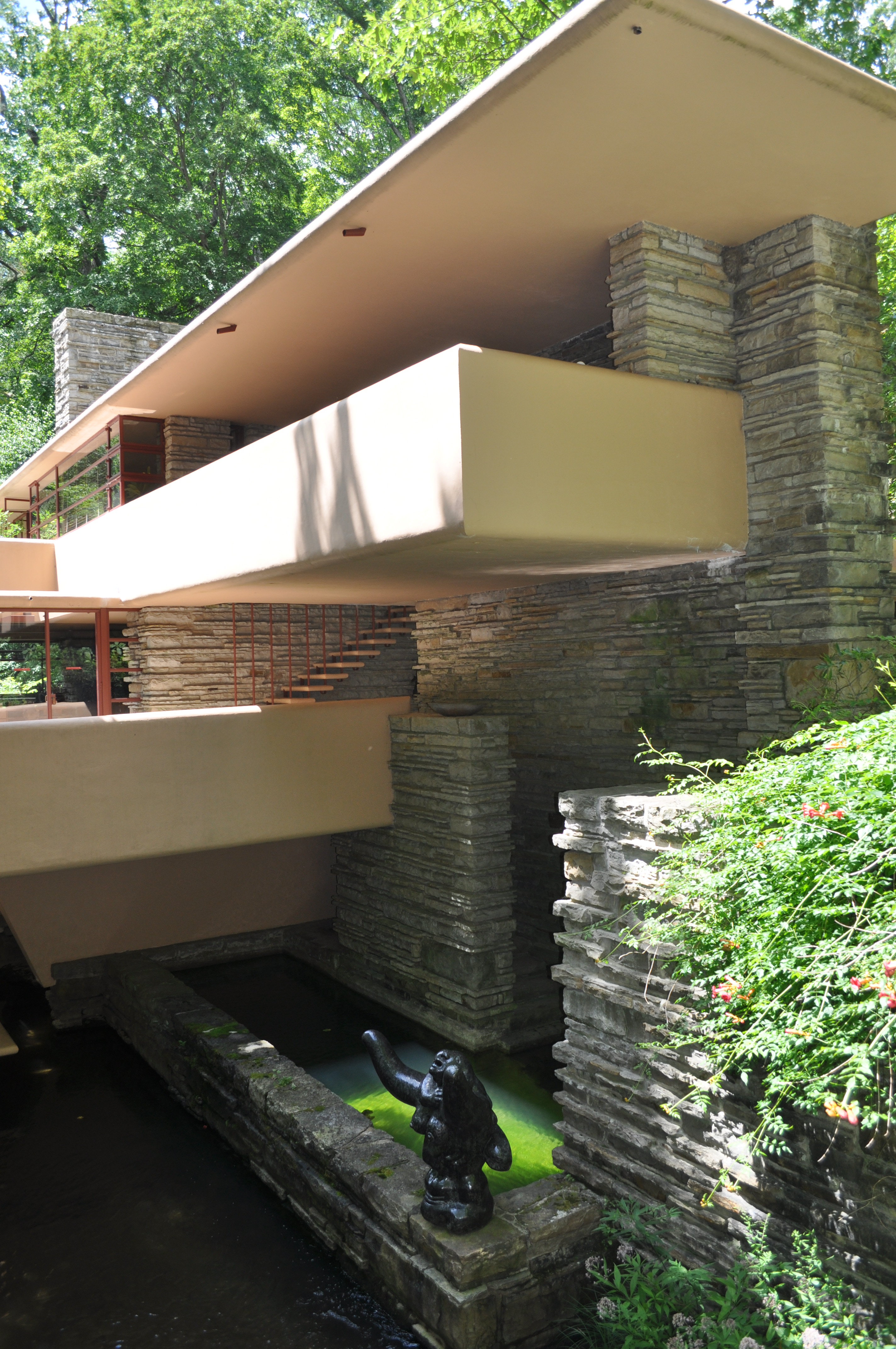
Fallingwater with Andrew and Claire May 1998Fallingwater with Andrew and Claire August 2013

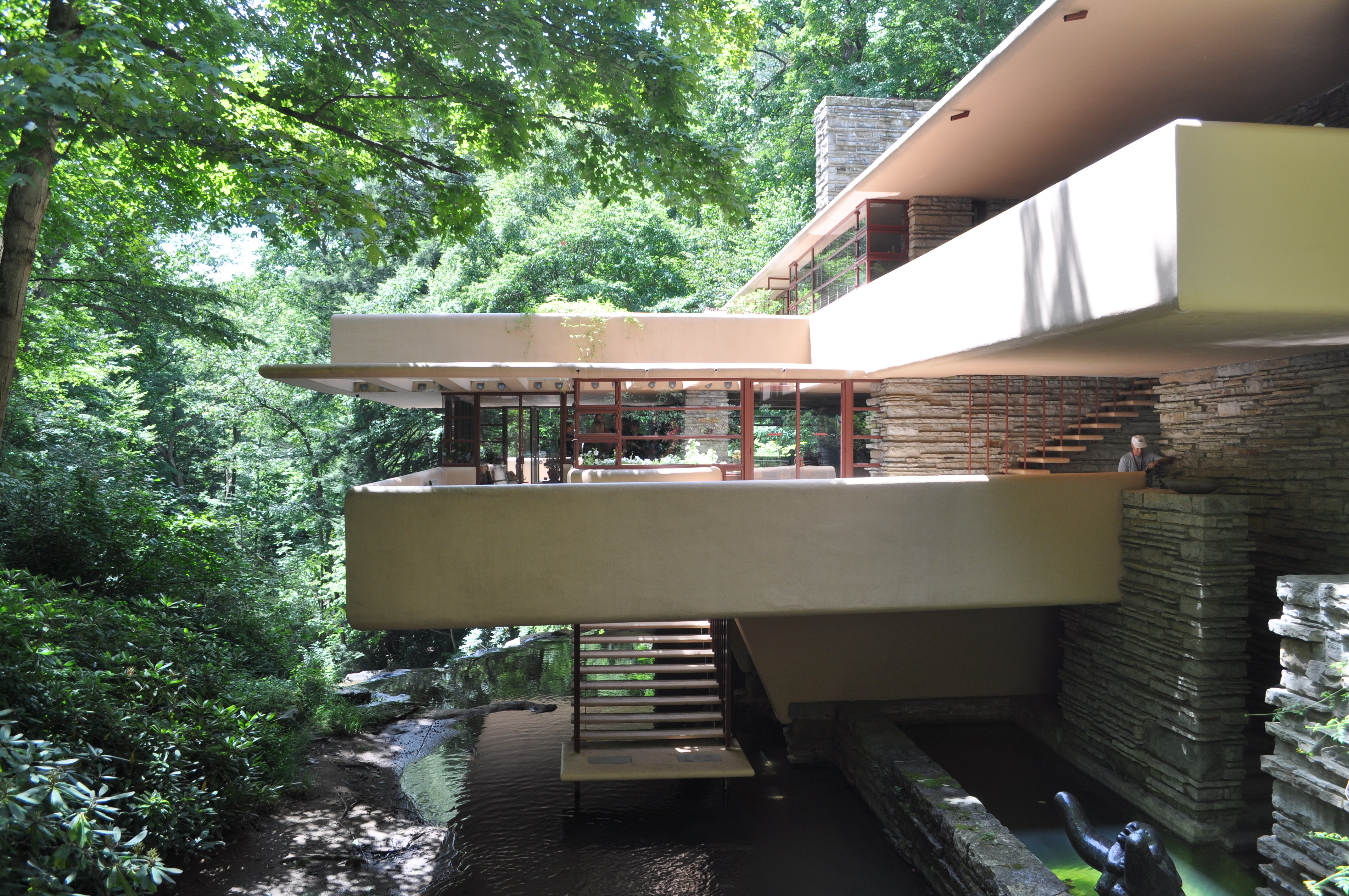
Frank Lloyd Wright’s Fallingwater is one of the architectural wonders of the world.  In the midst of the depression, when the Kaufmann family of Pittsburgh commissioned Wright to design their vacation home along Bear Run in the mountains of southwestern Pennsylvania, they envisioned a location that would give them a view of the beautiful 30′ waterfall that ran through their property. However, as the world soon discovered, Wright – who was then in a period of critical decline among architectural critics and the public – saw things differently.

The results immediately captivated the country when the home was featured on the cover of Time magazine in 1938, and it hasn’t stopped attracting visitors and attention since.

Our family is no different.  After a business trip to the National Historic Landmark in early May 1998, I immediately booked a return trip a week later with Candice and our twins – Andrew and Claire – who were five years old at the time.  Both children were eager to see this place that mom and dad described with such wonder and reverence.

When we arrived, we found that children under the age of six were not allowed on the regular tour.  At that time the site had a children’s supervised play area where Andrew and Claire colored and played with Wright building blocks, and then after our tour we walked them all around the outside of the house and up to the guest house and servants quarters.  Although the site’s director – who is a friend – was not in at the time, the staff gave the children a tour of their offices located in the servants quarters, which we reminded them were not on the regular tour.  We ended up by taking the photo of Candice and the twins above that has long sat on my desk at the office to remind me of my twin passions (no pun intended) of family and preservation.

Fast forward 15 years.  We had scheduled a family weekend in Pittsburgh and added a stop at Fallingwater on the drive home.  Andrew was now an urban studies major in college who spent last summer studying modern architecture and was eager to see this Wright masterpiece inside and out.  Claire’s love of nature has never abated and she was eager to learn more about the conservation work of the Western Pennsylvania Conservancy.  Candice and I…well, we still think Fallingwater is one of the great places on earth.

We arrived on a picture perfect Monday morning – low humidity, temperature in the low 80s, clear skies – and spent almost three hours at the home.  We had a great tour (my experience is that virtually all the tours at Fallingwater are professional with knowledgeable guides), followed by a short visit with Lynda Waggoner, site director and VP for the Western Pennsylvania Conservancy which owns Fallingwater. It was great to hear about – and see – the strides the site has made in 15 years. (Fallingwater welcomed its 5 millionth visitor earlier this year.) We enjoyed lunch outdoors at the cafe, and spent time (and money) in the wonderful shop.

And this time, I made the family portrait.  After recreating the shot above, a kind gentleman offered to take one where I was included.  When he heard why we were so particular in posing the first one with just the three of us, he said, “I’ll see you back here in 15 years.”  Now that would be a great story!

Enjoy the photos and – if you are ever in the area, stop and see the real thing.  Fallingwater should be on everyone’s bucket list!

More to come…

DJB

Fallingwater with the Browns August 2013

Fallingwater August 2013

Fallingwater's Hatch August 2013

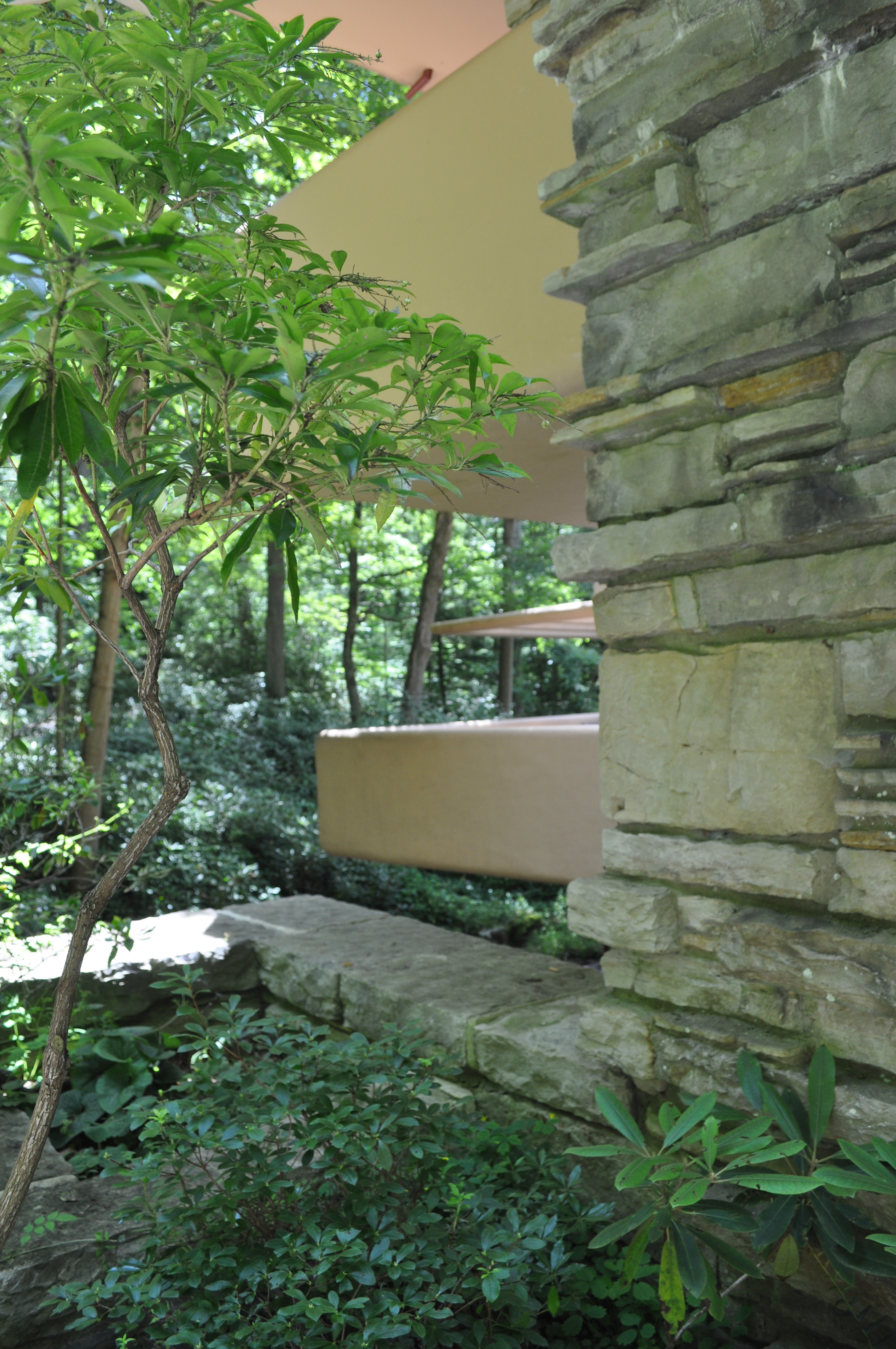
Fallingwater Detail August 2013

Fallingwater - The View August 2013

A Perfect Day for Baseball…and to Reach the Halfway Mark

The Browns Visit PNC Stadium in PittsburghSunday in Pittsburgh was a perfect day for baseball.  The hometown Pirates are playing the best baseball in both leagues at the moment.  The ballpark was packed with fans caught up in a pennant race.  The weather was picture perfect with temps in the low 80s. And Pittsburgh’s PNC Park – #15 on my list of 30 MLB parks to visit by 2015 – is a terrific place to watch a game.

My request for this year’s “staycation” was to take a short road trip to Pittsburgh so i could check another ballpark off my bucket list of visiting all 30 Major League Baseball stadiums.  We saw that the Rockies were in town to play the Bucs for a weekend series, and so I scored four tickets behind home plate and we set out to build a trip around my baseball pilgrimage.

This morning we all slept in a bit, and then after trips to the fitness center and showers, we took off for brunch at DeLuca’s – a Pittsburgh landmark in The Strip.  Pancakes, blintzes, eggs, bacon…you name it…showed up at our table at this down-home diner.  We decided we could easily skip lunch, and since food at most ballparks is overpriced and under-whelming that was an easy choice to make.

We walked over to the park from our hotel, and the excitement built as we joined thousands others crossing the Roberto Clemente Bridge at 6th Street.  We found our seats, endured some sun for about 5 innings, and watched the Pirates’ A.J. Burnett toss a complete game 5-1 win before an enthusiastic crowd.  I had a chance to explain some nifty baserunning by the Bucs’ Neil Walker to the family (once the third baseman steps on third base with the bases loaded, the runner – i.e., Walker – who had been on the bag could return there if he wasn’t tagged). Those baseball smarts – which our hometown Nats haven’t shown much all year – allowed the Pirates to score early in the game as they were building momentum.  We checked out the stadium (good seats, terrific views – right up there with the best in baseball – but bad circulation, especially after the game).

A very satisfying day at the ballpark (except for the Nats loss to the Brewers) that took me to the halfway point in my quest.  If you want to read the full “rules” I’ve set for myself, check out last year’s post linked above.  If you want to help me get to see one of the 15 left on my list, let me know.

For those keeping score, here’s the ballparks visited list:

  • Atlanta Braves – Fulton County Stadium (multiple visits in 1980s; still need to visit Turner Field)
  • Baltimore Orioles – Camden Yards (multiple visits in 1990s and 2000s)
  • Boston Red Sox – Fenway Park (1988)
  • Chicago Cubs – Wrigley Field (1964, 2007, 2012)
  • Colorado Rockies – Coors Field (2008)
  • Kansas City Royals – Kauffman Stadium (2009)
  • Milwaukee Brewers – Miller Park (2005)
  • Oakland A’s – Oakland Coliseum (2008)
  • Philadelphia Phillies – Citizens Bank Park (2008)
  • Pittsburgh Pirates – PNC Park (2013)
  • San Francisco Giants – AT&T Park (2012)
  • Seattle Mariners – Safeco Field (2009)
  • St. Louis Cardinals – Busch Stadium (old – 1993; new – 2012)
  • Tampa Bay Rays – Tropicana Field (2012)
  • Washington Nationals – RFK (multiple times) and Nationals Park (multiple times + part of a season ticket group since 2012)

And here are the ballparks remaining to visit list:

  • Arizona Diamondbacks – Chase Field
  • Cincinnati Reds – Great American Ball Park
  • Chicago White Sox – US Cellular Field (I’ve seen it from the outside, but haven’t made a game)
  • Cleveland Indians – Jacobs Field (I drove by this on a game day, but had to give a speech while the opening pitch was taking place. Darn those adult responsibilities!)
  • Detroit Tigers – Comerica Park (Another park I’ve seen but haven’t made a game.)
  • Houston Astros- Minute Maid Park
  • Los Angeles Angels – Angel Stadium
  • Los Angeles Dodgers – Dodger Stadium (This is the only park that a family member – Claire – has seen before I have had the opportunity.  That’s just not fair!)
  • Miami Marlins – Marlins Park
  • Minnesota Twins – Target Field
  • New York Mets – Citi Field (I think this is an easy one to do, but it never works out.)
  • New York Yankees – Yankee Stadium (I know – how can I not have made it to Yankee stadium yet?!  Just goes to show I’ve never been a big Yankees fan)
  • San Diego Padres – Petco Park
  • Texas Rangers – Texas Stadium
  • Toronto Blue Jays – Rogers Centre

And here are some photos from the day.

More to come…

DJB

PNC Stadium Pittsburgh

DJB and Candice at PNC Park

Pirate fans at PNC Stadium

Congratulating the team on the win

Still the most beautiful building on campus

We were touring the University of Pittsburgh campus this afternoon at the suggestion of a friend who is a student there, when we turned the corner and it happened again…

the most beautiful building on campus was peaking out at me, seemingly atop a flower basket hanging from a light post, just waiting to be discovered.

I’ve written before about how college chapels are often the most beautiful – and ignored – buildings on campus.  I have no idea if the Heinz Memorial Chapel is ignored on campus tours, but from my very brief visit and admittedly small sample size (having seen only about 1/10th of the Pitt facilities), there is no more beautiful building on this campus.  This is a wonderfully light and delicate Gothic design that is – as Andrew phrased it  upon seeing it head on – drop dead gorgeous.  I agree.

We were in Pittsburgh for one major reason: to attend a Pittsburgh Pirates game tomorrow at PNC Park and check another MLB ballpark off my bucket list. (Look for that post tomorrow.)  But since the game is tomorrow afternoon and we arrived in town today, we hit the city with friends recommendations in hand.

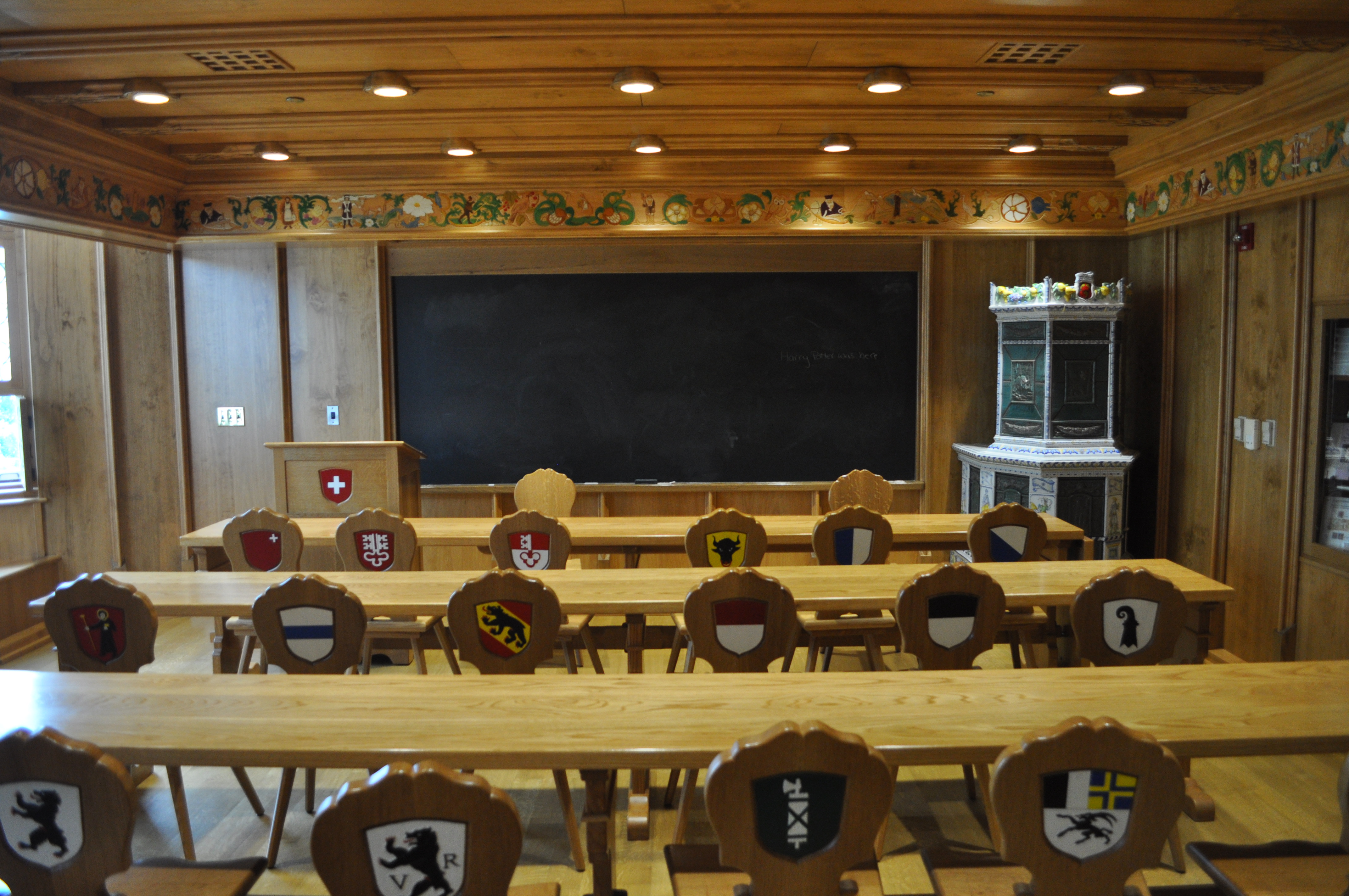
After checking in at the wonderful William Penn Hotel downtown (where I spent a memorable week several years ago as part of the National Preservation Conference), we headed out to view the mansions of the industrialists on Fifth Avenue, the University of Pittsburgh, the Shadyside neighborhood, and The Strip district, currently undergoing a major transformation. It was a wonderful start to our vacation (this year we’re calling our two weeks a “modified staycation” – given the fact that we have two three-day out-of-town jaunts included in the fourteen days.)  After all the walking around we ended the evening at Meat and Potatoesa terrific restaurant that goes well past comfort food.  We loved the Cathedral of Learning with the amazing classrooms from more than 20 countries, and The Cork Factory in The Strip is a great example of adaptive reuse.  Just the kind of place I would have loved to live in when I was in my 20s…or after I retire!

But I am getting tired, so I’ll just post a few pictures and let you enjoy the city on your own.  We have another full day in front of us, followed by a stop at Fallingwater on the way home.

More to come…

DJB

The Armenian Room at the Cathedral of Learning 080313
The Swiss Classroom at the Cathedral of Learning 080313
Heinz Memorial Chapel 080313

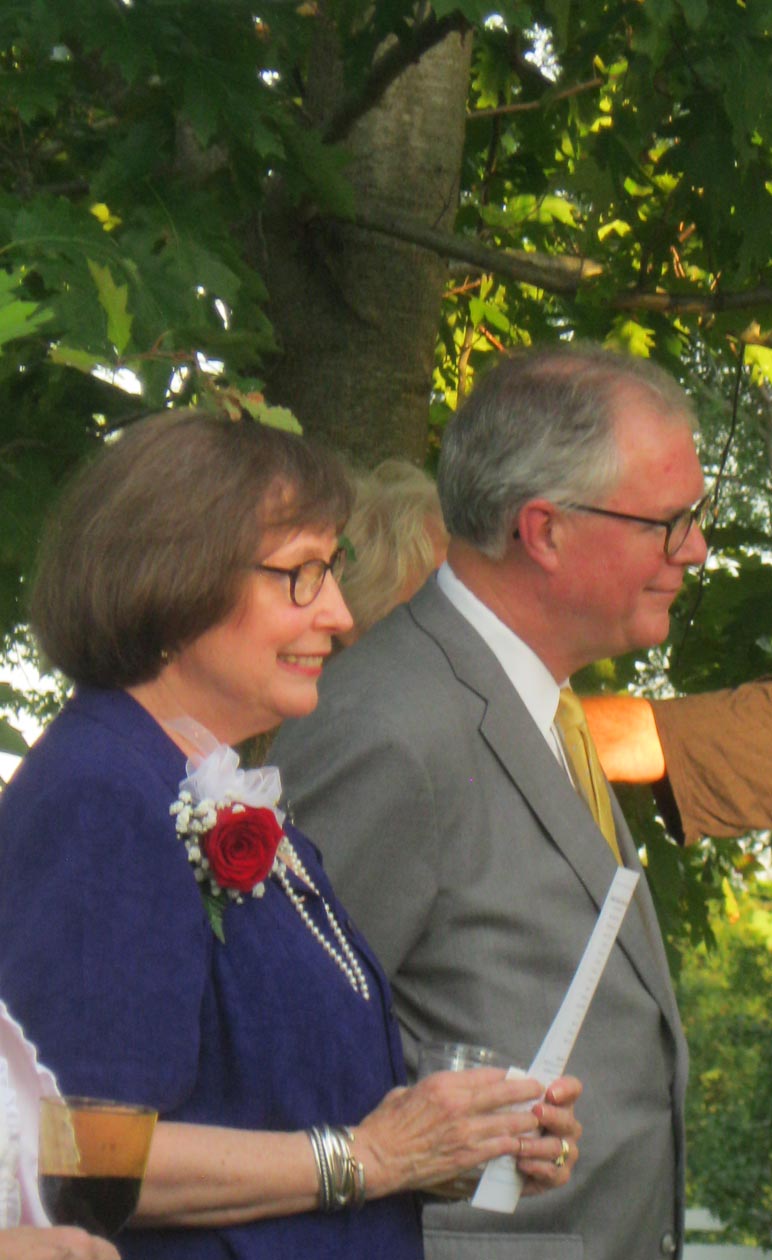
In celebration of Elizabeth

(I don’t often use More to Come… for work-related posts, but last Friday evening at the National Trust we celebrated the retirement of a dear friend — Elizabeth McClung — and I wanted to share my admiration for this stalwart of preservation.  I was privileged to speak at Elizabeth’s retirement celebration.  The following are my remarks.)

Leadership comes in many forms.  We all know of the alpha male, Type A personalities who are celebrated as leaders on Wall Street and in the halls of Congress.  These are the types who bark out orders and expect others to follow.

These are the “born leaders” — or so they say.

But there is another type of leadership that is — to my mind — much more effective.  It generally comes from people who learn to be leaders, rather than assume they know it all from birth.  I put more stock in these types of leaders in part because I am reminded of the tale of a group of tourists visiting a picturesque village not unlike nearby Strasburg.  They walked by an old man sitting beside a fence and in a rather patronizing way, one tourist asked, “Were any great men or women born in this village?”  “Nope” the old man replied.  “Only babies.”

This other type of leadership is — to paraphrase Jim Rohn — resolute, but not rude.  Humble, but not timid.  Proud, but not arrogant.  Humorous, but without folly.

I want to use my few minutes today to talk about an extraordinary leader who exemplifies these qualities:  our friend and colleague Elizabeth McClung.

Elizabeth and I joined the National Trust just months apart from each other in 1996, and we shared a common connection through our preservation work in the valley town of Staunton, Virginia.

I didn’t know Elizabeth exceptionally well when we were in Staunton, but I have come to know — and admire — her after 17 years of truly effective leadership here at Belle Grove.

Elizabeth is a leader who sees opportunity where others see challenges.  When she arrived at Belle Grove and found the financial systems and computer infrastructure “a little short of adequate” she didn’t balk or complain.  She made her typical light-hearted comment — “We were the mule train on the information highway” — and then set about to fix the problem.

When development threatened the view shed, Elizabeth didn’t fret.  She picked up the phone and spoke with my boss at the time — Richard Moe — and with me and others at the National Trust and told us of her plan for raising the money and buying the land.  At the Trust, we didn’t say yes to every site director who came with a big idea, but in Elizabeth we knew we had a partner — and a leader — who could deliver.

Later, Elizabeth called me with this hare-brained scheme to help birth a National Park like no other…a National Park where the Park Service didn’t own the land!  It was unconventional, but Elizabeth and her colleagues knew that this was just the type of park that was needed here in the Shenandoah Valley and she was certain that Belle Grove could be the lynchpin to making it happen.

She was right of course, and over the course of what seemed like 25 years (but was really only ten) she never gave up, always collaborating with others, always leading in her quiet, humorous, but oh-so-effective way.  And we now celebrate the Cedar Creek and Belle Grove National Historical Park and the stories it tells of our nation’s history.

There are so many ways I could describe Elizabeth’s leadership, but I went to see a number of my colleagues at the National Trust and said, “If you had one word you could use to describe Elizabeth, what would it be?”  And the words just poured out.  Words like:

  •  Joyful
  • Warm
  • Enthusiastic
  • Gracious
  • Collaborative
  •  Visionary
  • Songstress (This had something to do with a ribald, hillbilly West Virginia song that she learned from her family and sang one evening at a site director’s meeting.  I am sure that alcohol was involved!)

I also heard the words:

  • Giving
  • Committed
  • Optimistic

These all describe the Elizabeth I know and have loved working with for 17 years.  But that optimism is the value she brings that I want to remember most about her as she heads into retirement.  Elizabeth can look at any situation and find the path forward…the good in the person…the way to get everyone to make the right choice.

Our National Trust president, Stephanie Meeks, could not be with us today, but she asked me to make a special presentation on her behalf.  It is the President’s Award, and I’ll ask Elizabeth to join me while I read the citation.

In recognition of her nearly 17 years of service as the Executive Director of Belle Grove, Inc., the National Trust honors Elizabeth McClung for her unwavering leadership and enthusiastic embrace of collaboration at our important National Trust Historic Site in Middletown, Virginia.  Under Elizabeth’s guidance, Belle Grove tripled the size of its holdings and entered into a partnership with the National Park Service; achieved great success in fundraising; and firmly established Belle Grove as a community, state, and national treasure.  We will always be grateful for her effusive optimism, well-known throughout the Shenandoah Valley and by her colleagues across the nation, as well as for her extraordinary commitment to Belle Grove and the National Trust.  For these accomplishments and many more, we join the Belle Grove Family in offering Elizabeth McClung our deepest affection and thanks.  Signed:  Stephanie K. Meeks, President

Max DePree is the retired CEO of the furniture and design pacesetter Herman Miller, and through the years I’ve come to appreciate his definition of leadership.  DePree says:

“The first responsibility of a leader is to define reality. The last is to say thank you. In between, the leader is a servant.”

Elizabeth has always been willing to recognize and define reality.  She always says thank you.  And she is the epitome of the servant leader.

Elizabeth, thank you for being such a terrific leader, colleague, and friend.  And all the best wishes in your retirement from all your friends and colleagues at the National Trust.

More to come…

DJB

Image: Elizabeth McClung and DJB at Belle Grove
Summer Reading 2013: Part 1

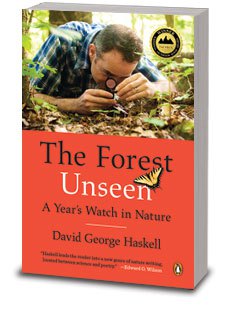
The Forest UnseenIt is that time of year again, dear readers, where I have finished a couple of books on my summer reading list and pass along thoughts and recommendations.

First up is the best natural history/science book I’ve read in years.  Now that’s a low bar, because I don’t usually read natural history/science books.  But in this case, with the reviews in, my reading habits don’t really matter as others use the same accolades.

A colleague, who also happens to be an alumnus of The University of the South,  recommended Sewanee professor David George Haskell’s The Forest Unseen:  A Year’s Watch in NatureEver since I finished the book I’ve been meaning to thank George for the suggestion.  This is a gem of a little book.
Haskell’s work is a meditation of a year’s worth of observation on a small patch of old growth forest near Sewanee in Tennessee.  Several reviewers commented that the book is both very modern and very old-fashioned, and I had the same reactions.  As a modern-trained biologist, Haskell’s knowledge of science touches on all the current themes.  Yet he also sounds like the naturalists from the 19th century who were explaining the vast American continent to a new nation.
Haskell’s frame is to visit the same patch of forest throughout the course of one year and to write essays about his observations on specific days.  On May 25th a mosquito lands on his hand and he lets her probe his skin.  He describes what the mosquito does as she hits a blood vessel, what happens to the mosquito as she flies away, and heads into an explanation of malaria that includes the tidbit that the forest is here for the mosquito because it has been protected by the university, which was established – in part – because of malaria.

Like many of the older universities in the East, the school is located on a plateau, away from the swamps the breed malaria and yellow fever.  The cool temperatures and relative freedom of the Tennessee hills from mosquitoes made them an ideal place to send the offspring of the southern gentry. The school  year ran through the summer, allowing students to escape the heat and disease of the cities.

This little excerpt is just a small sample of the way Haskell looks at one part of nature and expands its reach throughout nature and humanity.  But it doesn’t really give a taste of the poetic nature of this book.  How many biologists would write, “When laughing children chase after fireflies, they are not pursuing beetles but catching wonder….” and make you believe that they believe it.  Haskell does, and he goes on to add,

When wonder matures, it peels back experience to seek deeper layers of marvel below.  This is science’s highest purpose.  And the firefly’s story is rich in hidden wonder.  The beetle’s flash invites admiration for evolution’s ability to cobble together a masterpiece from unremarkable raw materials:  the lantern at the tip of the firefly’s abdomen is made from standard-issue insect materials but assembled in such a way that the insect become a glowing forest sprite.

Haskell loves nature, but not at the expense of humanity.  Finding golf balls that have been misplayed from a nearby course into the woods leads to a longer meditation on man’s place in the world.  Instead of removing the golf balls and “tidying” up nature, he decides to leave them.

The impulse to purify might fail on a second, deeper level.  Human artifacts are not stains imposed on nature.  Such a view drives a wedge between humanity and the rest of the community of life. A golf ball is the manifestation of the mind of a clever, playful African primate. This primate loves to invent games to test its physical and mental skill.  Generally, these games are played on carefully reconstructed replicas of the savanna from which the ape came and for which its subconscious still hankers. The clever primate belongs in this world. Maybe the primate’s productions do also….To love nature and to hate humanity is illogical. Humanity is part of the whole. To truly love the world is also to love human ingenuity and playfulness. Nature does not need to be cleansed of human artifacts to be beautiful or coherent. Yes, we should be less greedy, untidy, wasteful, and shortsighted. But let us not turn responsibility into self-hatred. Our biggest failing is, after all, lack of compassion for the world. Including ourselves.

On Christmas Eve, as his year in the forest is nearing an end, Haskell explains what he has done and why.  As is expected by this time, it is thoughtful, lucid, and respectful prose.

This year I have tried to put down scientific tools and to listen: to come to nature without a hypothesis, without a scheme for data extraction, with a lesson plan to convey answers to students, without machines and probes. I have glimpsed how rich science is but simultaneously how limited in scope and in spirit. It is unfortunate that the practice of listening generally has no place in the formal training of scientists.  In this absence, science needlessly fails. We are poorer for this, and possibly more hurtful. What Christmas Eve gifts might a listening culture give its forests?

…My experience of animals is richer for knowing their stories, and science is a powerful way to deepen this understanding….all stories are partly wrapped in fiction – the fiction of simplifying assumptions, of cultural myopia and of storytellers’ pride.  I learn to revel in the stories but not to mistake them for the bright, ineffable nature of the world.

This is a wonderful book.  Read it yourself.  Give it to someone you love.  You’ll both be thankful.

More to come…

DJB

Red Wing Swings

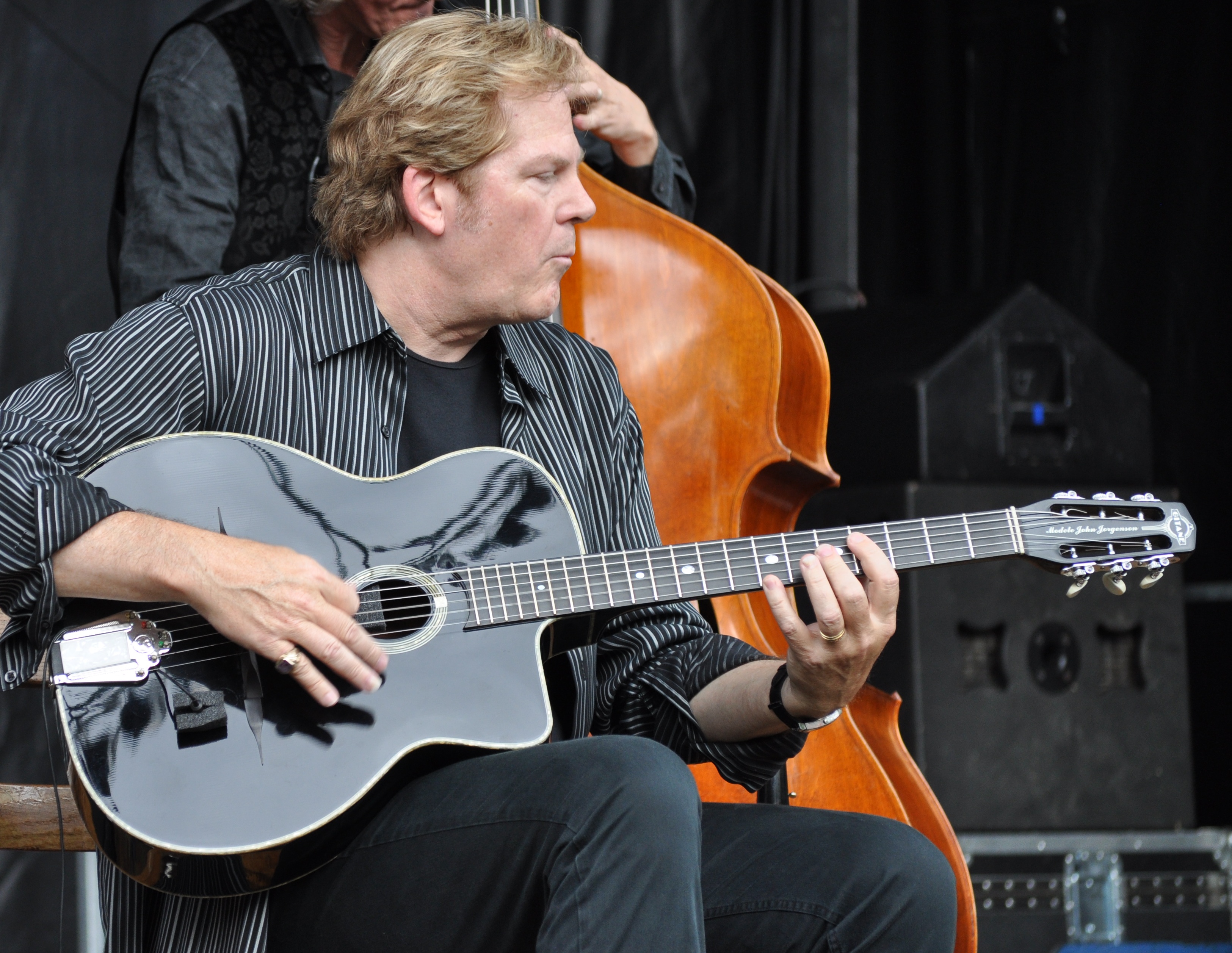
John Jorgenson at Red Wing Festival 2013The sun broke through on Day 2 of the inaugural Red Wing Roots Music Festival just as John Jorgenson hit the stage.

Somewhere, Django Reinhardt was smiling.

Jorgenson’s quintet – channeling the Hot Club of France – displayed an amazing level of musicianship while having a great time in the process as one of the headliners at the Shenandoah Valley’s first Red Wing Roots Music Festival.  Now some may ask how jazz fits into the Americana roots music pantheon, but the European string jazz of Reinhardt and Stephane Grappelli from the 1930s had a direct and transformative impact on roots musicians from David Grisman, to Saturday evening’s headliner Sam Bush, to fiddler extraordinaire Mark O’Connor, to mandolin phenom Chris Thile.

Jorgenson’s quintet got to show their chops on Mediterranean Blues, a song written by a Vietnamese-born composer who grew up in England and now lives in Amsterdam.  Every solo was inventive and exhilarating – which is just as true about the songs in Jorgenson’s entire set.

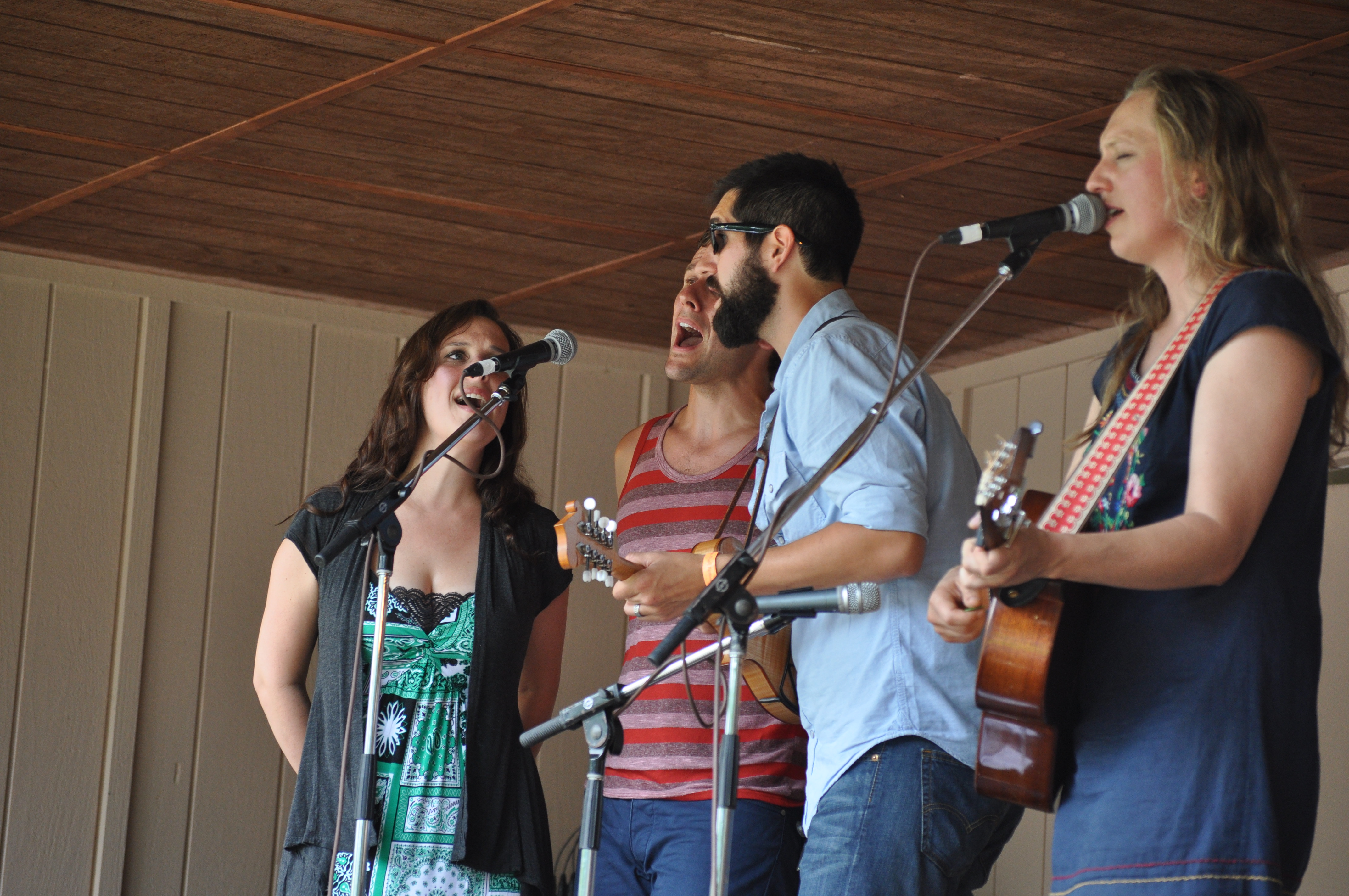
Ana Egge with Sarah Siskind and Members of TSW at Red Wing Festival 2013

Saturday’s music began for us with Staunton native Nathan Moore’s performance on the main stage.  We knew the Moore family a bit when we lived in the Valley, so it was great to hear this young and impressive singer-songwriter who has already won a Telluride Troubadour Award.  His Get Me Off the Chain was dedicated to all the folks (like me) who are not on Facebook. Moore’s songwriting, to quote a friend from Staunton, is seriously good. Ana Egge (photo above, with Sarah Siskind and members of The Steel Wheels) was another new find for us.  Her Hole in Your Halo was just one of a full set of smart songs.

Brooklyn-based Pearl & the Beard were easily the most unique band of the weekend.  Their website description of “three voices, one cello, one guitar, one glockenspiel, one melodica, several drums, one accordion, ninety-six teeth, and one soul” is pretty accurate.  This was one band that Candice and I were still talking about on the ride home on Sunday.

Eilen Jewell at Red Wing Festival 2013

Eilen Jewell, the Queen of the Minor Key, has a fine honky-tonk voice that worked well on Loretta Lynn’s Give Me a Lift.  Her original Bang, Bang, Bang with the tale of Cupid at a Texas gun show really showcased her alt-country sensibilities.

That little cupid, he’s a real sharp shooter
I don’t believe he’s got an arrow and bow
People all think he just couldn’t be cuter
But I saw him down at the gun show

He appeared to be about two years of age
A really freaky thing to see
He was bragging about his sawed-off six gauge
Hidden right up his tattered sleeve

I asked him if the gun had a sight
How can you hit your mark that way
Little cupid, he just laughed outright
He said I don’t take aim I just bang bang bang
I don’t take aim I just bang bang bang

He fired off a few hot rounds
Right into the sorry crowd
No blood, no gore, no one hit the ground
They all just fell in love
With whoever they happened to be around

It’s funny, till it happens to you
But be sure you stay well out of his way
Love is careless, random and cruel
He don’t take aim he just —
He don’t take aim he just bang bang bang

He don’t take aim he just bang bang bang
He don’t take aim he just bang. Bang. Bang

Well worth a listen.

Steel Wheels on the Main Stage at Red Wing Festival 2013

After a break for supper, we were ready for the main stage set of the host band, The Steel Wheels.  I wondered if I would tire of the group after three performances in three days, but they wear well.  The set was familiar, but the musicianship and energy on their big night as hosts more than carried the day.  The light rain that came and went throughout the evening mostly stayed away during their set, and the crowd was definitely not going to let a little moisture dampen their spirits.

Trent Wagler of The Steel Wheels at Red Wing Festival 2013Earlier in the day a white-haired fellow a couple of years older than me, in a New York Yankees cap and a Tony Rice t-shirt, walked up and said, “I don’t like your hat, but I like that shirt.”  I, of course, had on my Washington Nationals cap and a Sam Bush Band t-shirt.  So I looked him over and said, “The feeling is mutual.”  We laughed, and he said, “Are you prepared to stay awhile?  The last time I saw Sam he played late into the night.” I allowed as how that was my experience as well and off we went – just your two, typical Sam Bush fans.

Sam Bush at Red Wing Festival 2013

It took over 30 minutes for the band set-up, and a number of the festival-goers who came for The Steel Wheels abandoned ship as the light rain continued.  Sam isn’t everyone’s cup of tea (Candice isn’t a fan), but I’ve loved Sammy’s energy, chops, wicked sense of humor, and musical sensibilities since I first saw him in Nashville one summer evening in the early 1970s at the old Exit/In with the first incarnation of The Newgrass Revival (yes, Ebo was playing bass that night) with special guest Vassar Clements.  I had never seen such energy and rock sensibilities fused with bluegrass chops on acoustic instruments, and I became a lifelong fan.

Scott Vestal at Red Wing Festival 2013

Sam opened with the Delmore BrothersFreight Train Boogie – which surprised me a bit until at the end of the tune when he said it was in memory of Doc Watson. Doc single-handedly kept the memory of Alton and Rabon alive through the years, and Freight Train Boogie is considered by some the first rock-n-roll song. Sam was a long-time occasional sideman for Doc, and one of my last full-length concerts I heard Doc play was when he and Sam played the Birchmere a few years ago.

Casey Jones he was a mighty man
But now he’s resting in the promised land
The kind of music he could understand
Was an eight wheel driver under his command

He made the freight train boogie
All the time
He made the freight train boogie
As he rolled down the line


Sam Bush plays Red Wing Festival 2013

Sam’s set included old favorites (Riding That Bluegrass Train; One Love) and “a song by a band that never played this venue” (I’ve Just Seen a Face). Even in the rain, the energy and musicianship were there in abundance.

Gospel Time at Natural Chimneys Park

By Sunday morning when we returned, the sky was blue and the crowd gathered next to the Natural Chimneys that give the park its name was ready for some gospel with the Steel Wheels.  The group and a few friends helped get us all ready for the festival’s final day.

Robin and Linda Williams at Red Wing Roots Festival 2013

The band we most wanted to see on Sunday was long-time Shenandoah Valley (and Prairie Home Companion) favorites Robin and Linda Williams and Their Fine Group.  Robin was recovering from a recent fall and cracked ribs, but he hung in there with the rest of the group and helped put out their own brand of Americana.  (Robin and Linda were Americana before there was an Americana.)  Linda’s voice is still powerful, the two still harmonize like songbirds, and they continue to write terrific songs (like Rolling and Rambling:  The Death of Hank Williams).  Their recent trip to the Country Music Hall of Fame in Nashville led them to write a song to two of the more iconic instruments in country music:  Maybelle’s Guitar and Monroe’s Mandolin. Forty years into their act (and marriage), Robin and Linda still have a playful sense of humor that – as Garrison Keillor says – is all you need for a good time.

So to go out with that good vibe from a wonderful inaugural Red Wing Roots Music Festival, here are two videos of Robin and Linda: the first from PHC – with Sam Bush, Jerry Douglas, and Stuart Duncan as their backing band – singing Rolling and Rambling on New Year’s Eve.  Then enjoy Maybelle’s Guitar and Monroe’s Mandolin.

Long live Red Wing!

More to come…

DJB

Red Wing takes flight

Well, that certainly was a promising start.

Day 1 of the 1st Annual Red Wing Roots Music Festival promised a talented and spirited mix of the roots and branches of American music.  And in spite of gloomy skies and the occasional (and thankfully brief) rain shower, this brand new festival — located deep in the heart of the beautiful Shenandoah Valley — pretty much delivered.

The festival is the brainchild of an energetic, talented, and amazingly entrepreneurial (for a bunch of roots music players) band The Steel Wheels, fronted by one of the great voices in Americana music, Trent Wagler.  Candice and I arrived back in our old Valley stomping grounds (we lived for 15 years in nearby Staunton, Virginia) after the soggy drive down from Washington just in time to walk in on the 4 p.m. set of the hosts under the tent at the Carolina Old Time Family Stage.  And given the weather, could The Steel Wheels really begin this festival with any song other than their iconic Rain in the Valley?

This was the song that turned heads at Merlefest 25, and the Red Wing crowd – made up of the band’s many loyal fans and taking up every square inch of the huge tented area — exploded when Wagner took his cymbal stick (or whatever you call that thing he slams on the floor to set the beat) and was joined by Eric Brubaker, Jay Lapp, and Brian Dickel around a single mic for some amazing four-part harmony singing.

The Steel Wheels Kick Off Red Wing 2013

The hosts had a spirited hour-long set, with old favorites (Cluck ‘Ole Hen) and songs from the new album No More Rain. If you haven’t heard The Steel Wheels — on either record or live — both are highly recommended.  This is a terrific band.

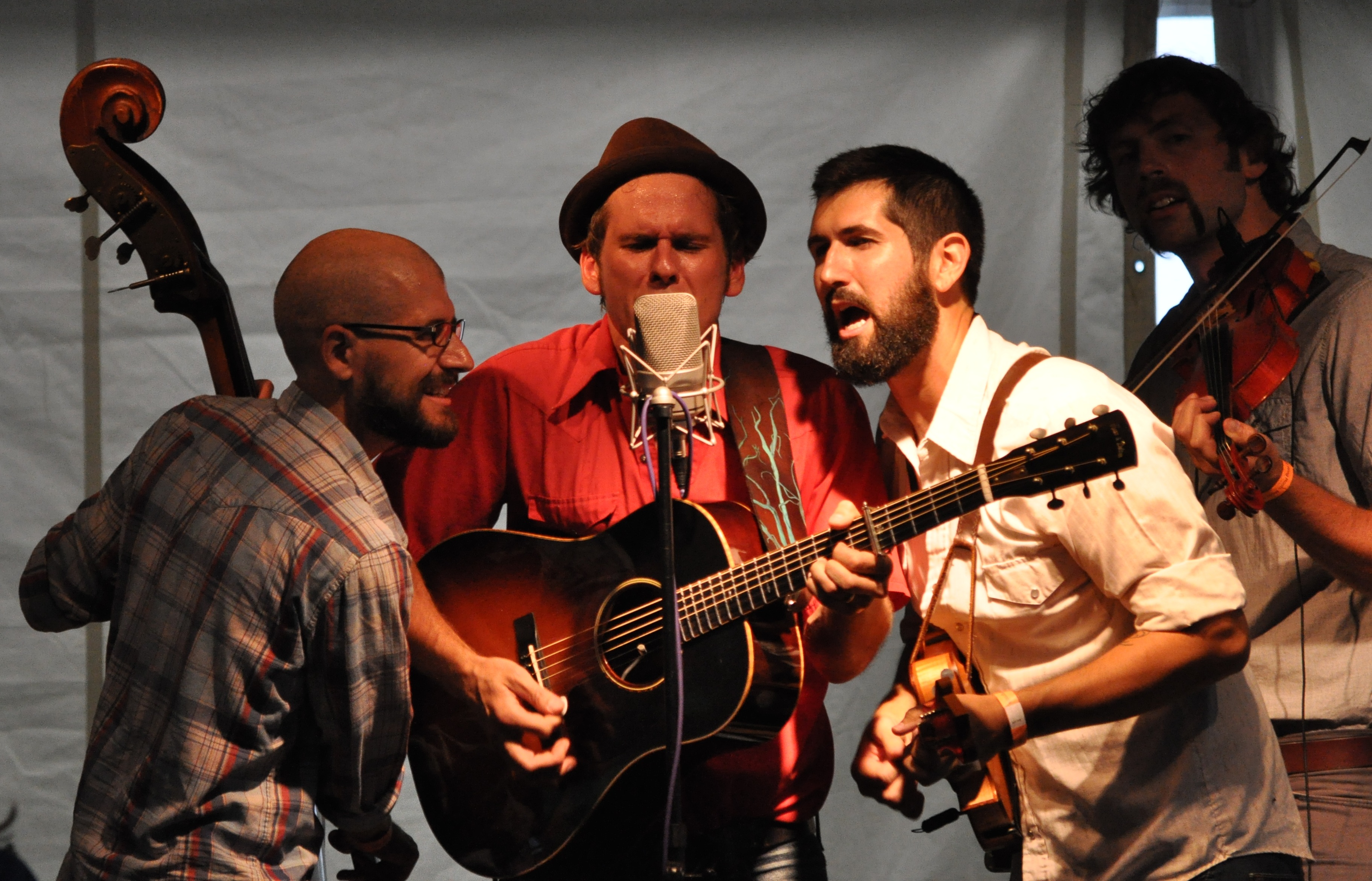
The Steel Wheels Sing at Red Wing 2013

When The Steel Wheels finished rockin’ the final number (and Candice turned to me as said, “That feels like a song you end the festival on!” and not just the first of three shows they’ll have this weekend), we scooted across beautiful Natural Chimneys Park to the main stage to hear one of my favorites – the Claire Lynch Band. Claire is one of the originals in bluegrass music and gifted with one of the most beautiful and expressive voices on the scene today.

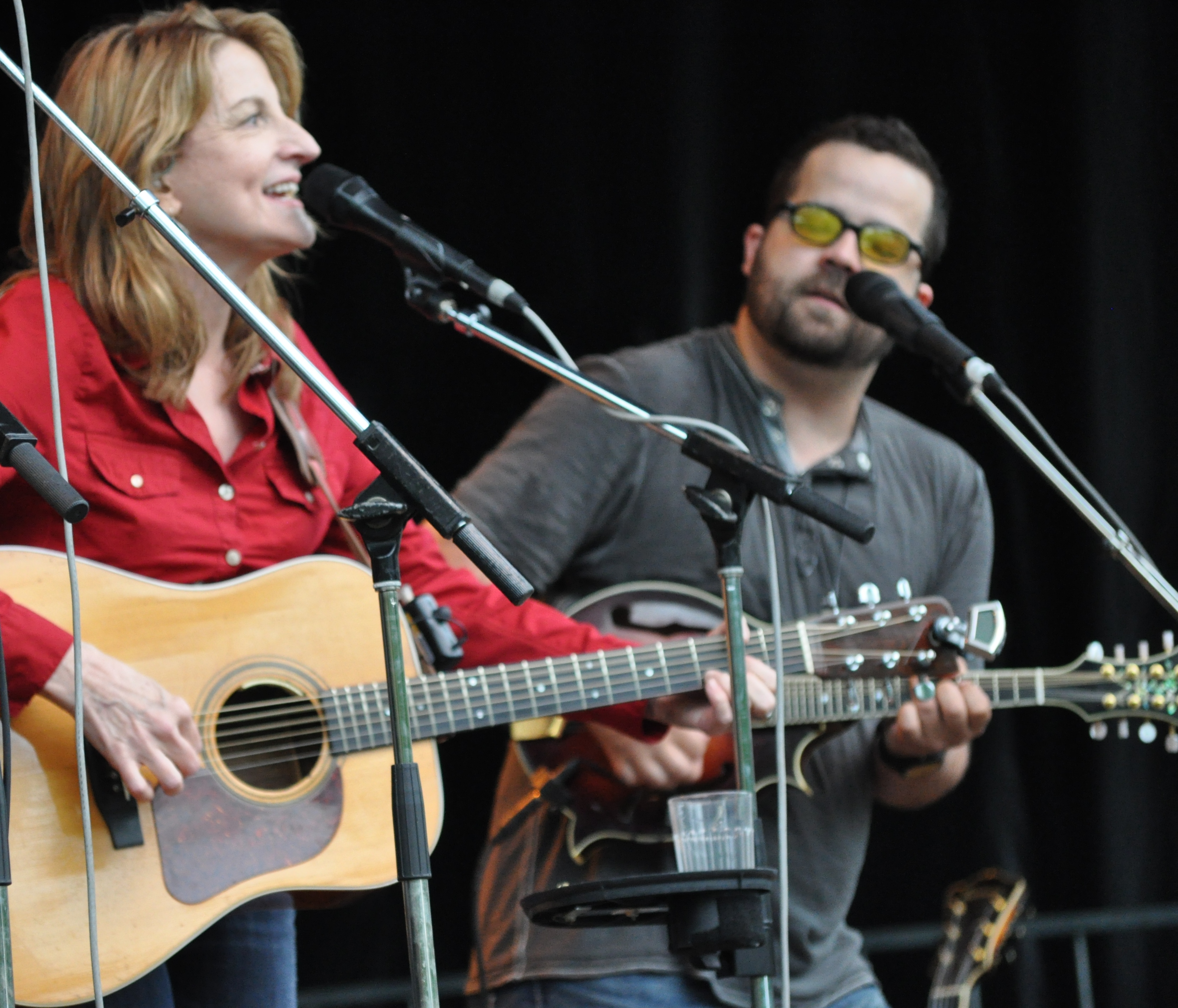
Claire Lynch and Matt Wingate

Claire is as unpretentious a performer as you’ll see on stage.  (At one point after the group was fumbling around a bit to get itself organized, she turned to the audience and said, “Let us know if we’re getting too slick for you.” Claire’s the antidote to the Dailey and Vincents of the bluegrass world — and in my book that’s a good thing.)  But her songwriting is superb (check out the beautiful Dear Sisters — the title tune from her new album — which is taken from letters written by Civil War soldiers before the Battle of Stones River in my hometown of Murfreesboro). And her band is killer (Matt Wingate’s take on Sting’s She’s Too Good for Me is a highlight). And that voice can do just about anything…from the lick-and-a-promise gospel of Children of Abraham, to the swing of Who Knows What Tomorrow Will Bring, to the hard-core bluegrass of the Osborne Brothers’ Be Alright Tomorrow.  After her too-fast hour-long set, I renewed acquaintances with Claire (my cousin Hershey produced the first Front Porch String Band album and wrote one of her festival favorite songs) and picked up my own signed copy of Dear Sisters. That’s what good festivals are supposed to provide — plenty of space and time for these amazing performers to have a “shake and howdy” with their fans.

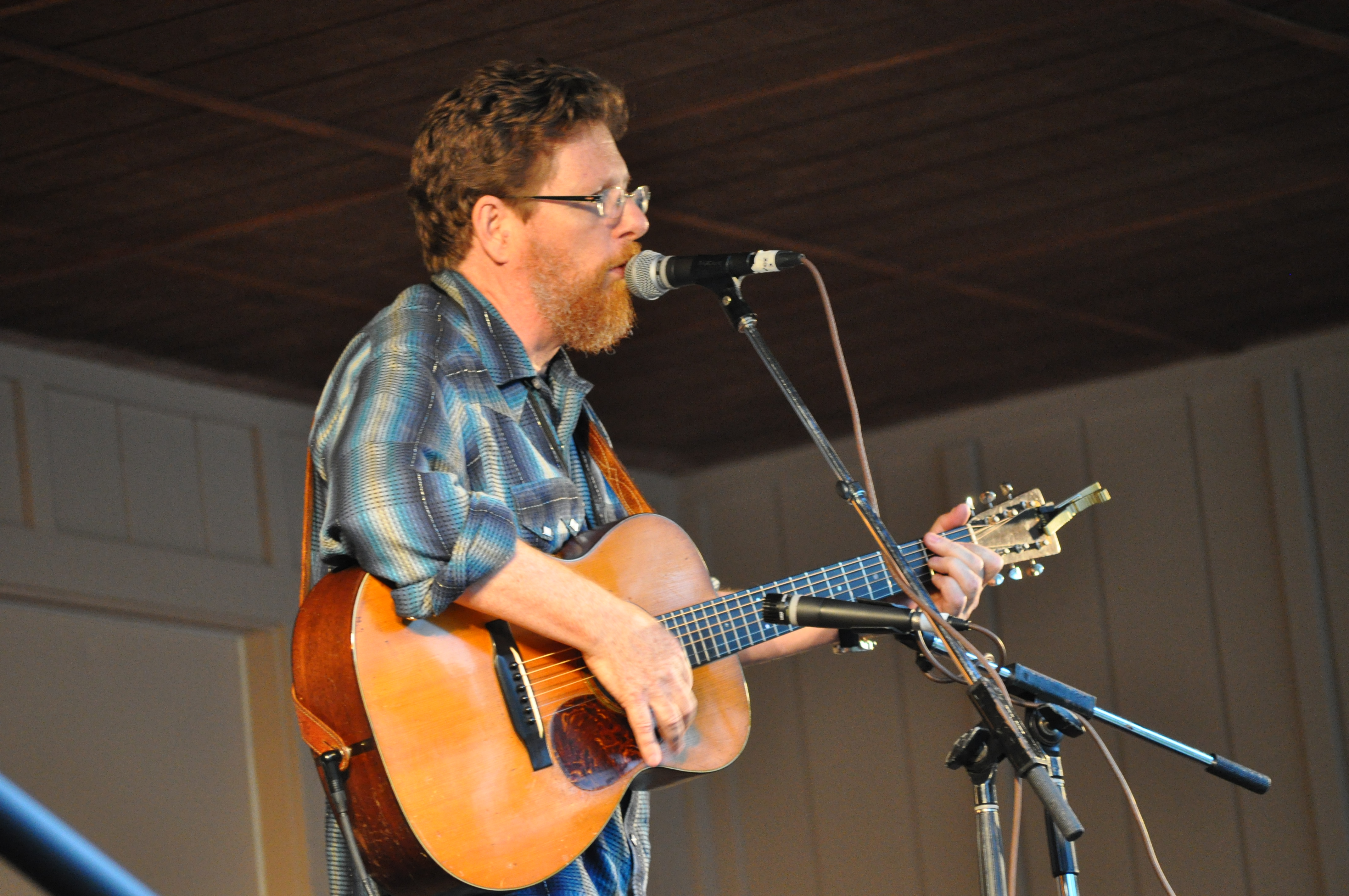
Tim O'Brien at Red Wing Roots Festival 2013

In fact, the first person I heard use the shake and howdy turn-of-phrase was the festival’s next performer, multi-instrumentalist Tim O’Brien.  Performing solo at Red Wing, O’Brien can still sound like a full band as he displays his impressive chops on guitar, mandolin, and fiddle.  But as impressive an instrumentalist and singer as he is, songwriting is where O’Brien really shines in my book.  He worked in originals throughout the set, along with great traditional tunes such the gospel number Keep Your Lamp Trimmed and Burning that he recorded with Darrell Scott several years back.  But his encore is among my favorite tunes of all time, the beautiful Like I Used to Do. 

There was a time when we’d be the last to leave
Watching the sun come up while everyone fell asleep
The music was always loud and I’d smoke and drink too much
Until I’d fall in your arms and into your lovin’ touch
Now as the years roll by, time has reeled me in
I’ve slowed down a notch or two from the way things were then

Those old ways of mine, I’ve left them behind
Those crazy days are through
The only thing I still do like I used to do
Is carry this torch for you…

Simply beautiful.

At the 7 and 8 o’clock hours, we caught a couple of performers that were new to me.  Gregory Alan Isakov had a strong show on the main stage, followed by a loud…but not necessarily to my taste…performance by the band Yarn.  That gave us some time to eat dinner, catch up with long-time friends from Staunton, and buy my raffle ticket. (Yes, I will win that beautiful Huss & Dalton guitar.) And when 9 p.m. rolled around, we were back in our chairs for the kickoff show of the summer reunion tour of The Duhks.

The Duhks at Red Wing Roots Festival 2013

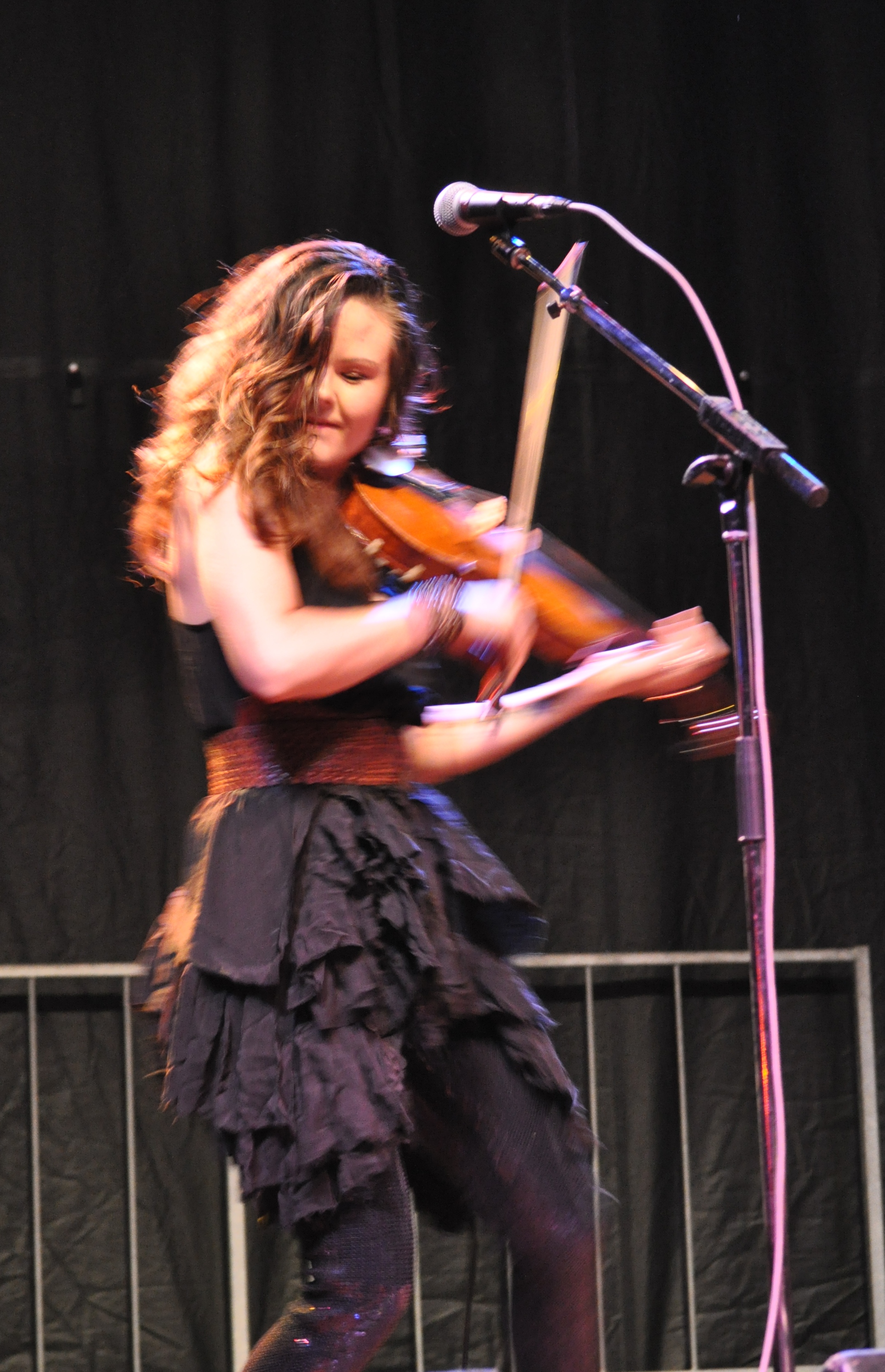
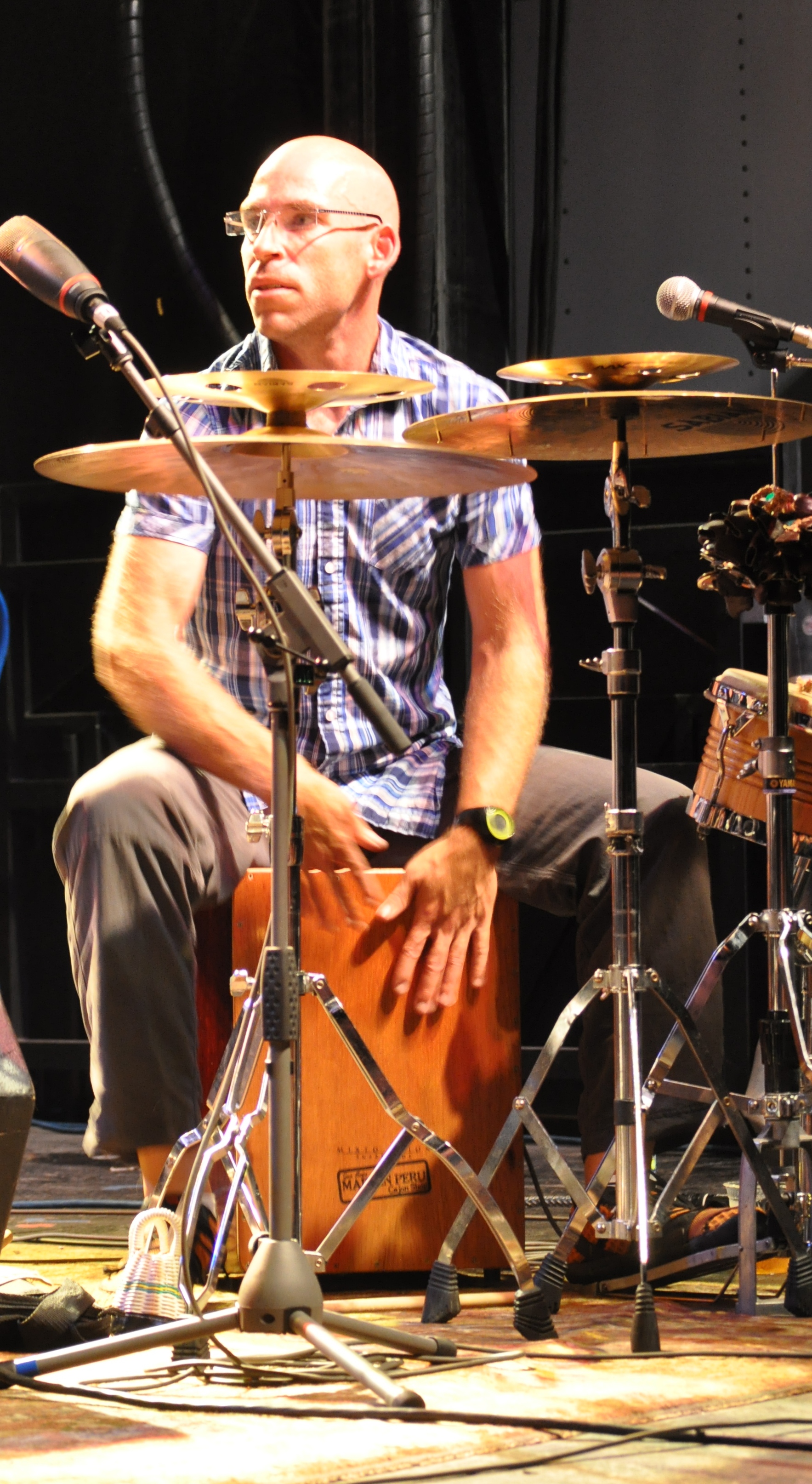
I first heard this Canadian band – in the original incarnation – several years ago at Merlefest.  I’ve heard them off-and-on through the years, and while always strong, this particular line-up has always been a favorite.  Singer Jessee Havey has a voice that fits this energetic and innovative group, and last evening they had the crowd clamoring for more from the traditional jigs all the way through to Death Came a Knockin’. Percussionist Scott Senior adds an especially non-traditional beat to this neo-trad band.  Great show!

Scott Senior of The Dhuks

By 10:30 p.m., the moisture in the air was heavy, but that didn’t faze the wonderful hair — or terrific spirit — of bluegrass master Del McCoury.

Del McCoury at Red Wing Roots Festival 2013

Playing with sons Ronnie (mandolin) and Rob (banjo), Del’s voice sounded a little tired but classic nonetheless.  (A tired Del McCoury beats about 99% of the lead singers in traditional bluegrass on their best days.) Candice had never seen Del’s act, and when he opened his mouth to speak, she turned to me and said, “He sounds like your dad!” which I took as a favorable comparison, since she loves Tom Brown.

Ronnie McCoury at Red Wing Roots Festival 2013
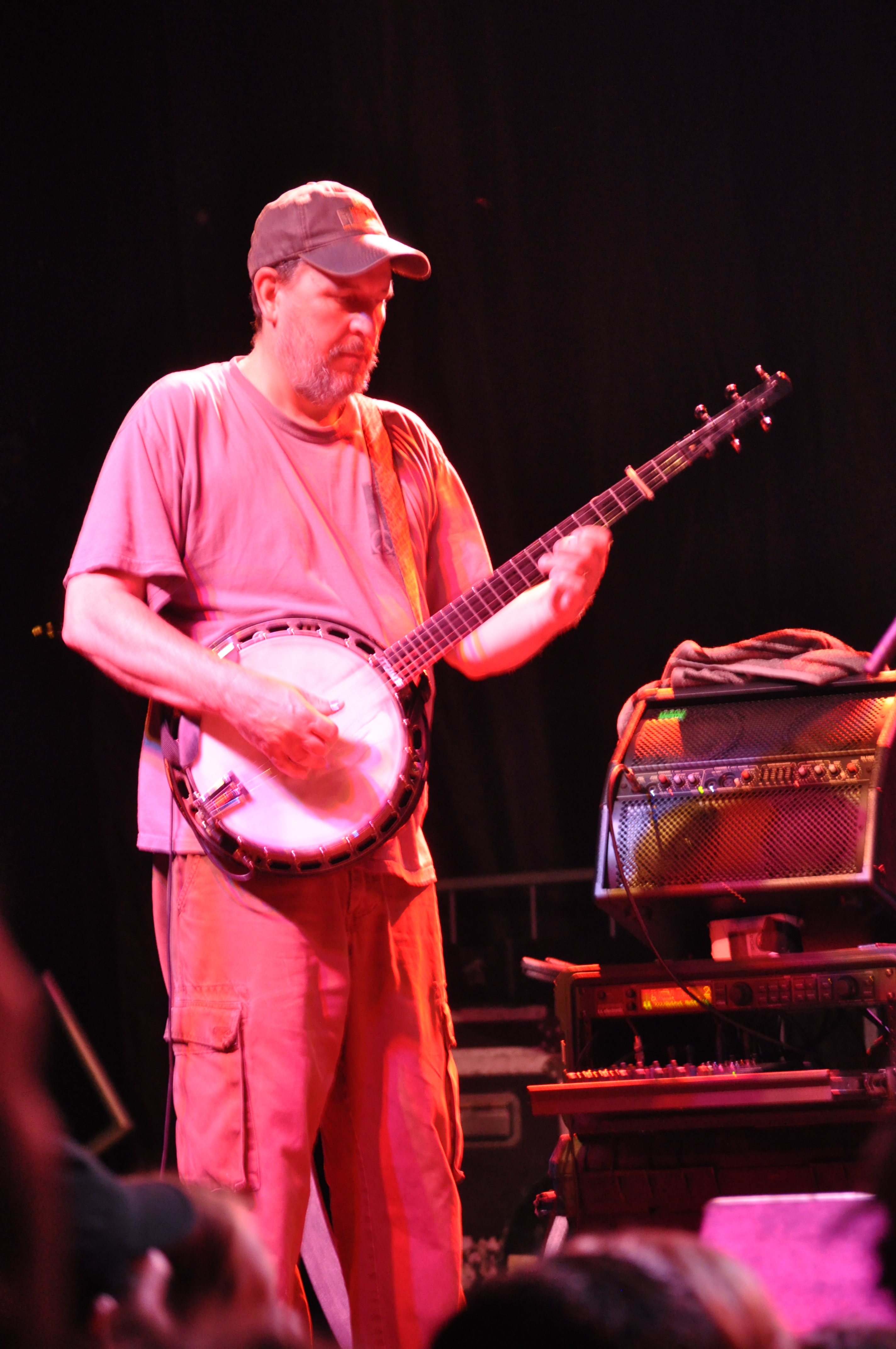
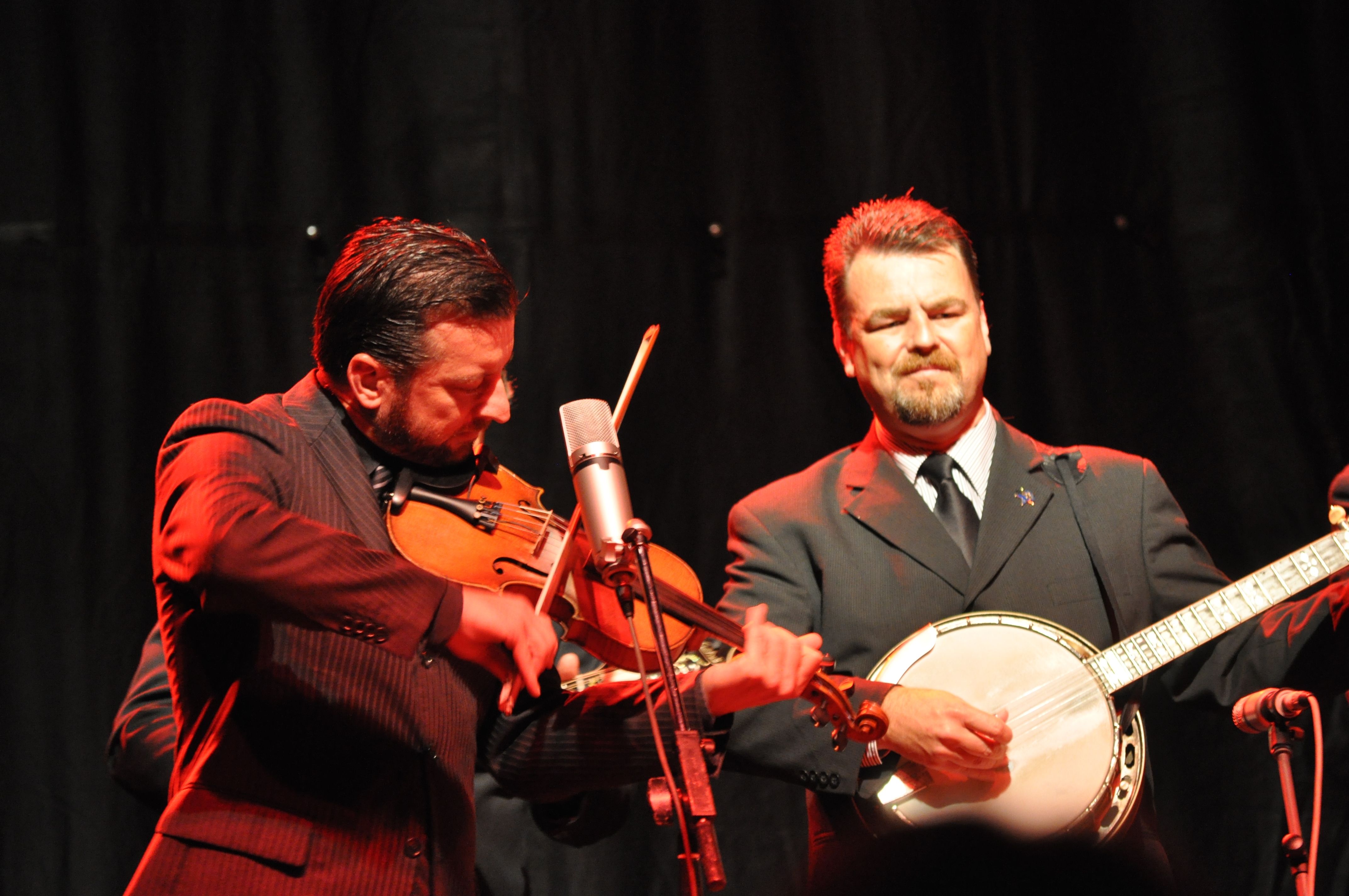
Rob McCoury and Jason Carter at Red Wing Roots Festival 2013

The best place to watch a Del McCoury Band show is up-close and right in front.  There you get the interplay of the musicians — like a finely tuned machine — working that single mic.  Del mugs for the crowd, a fact which is lost in the back rows, and the sound washes over you like a rippling mountain stream.  When Del answered a request and played Richard Thompson’s classic 1952 Vincent Black Lightning, I knew that Day 1 of the first Red Wing Roots Music Festival had been appropriately christened by the master.

I said that Like I Used to Do was a favorite of mine, so I’ll take us out of Day 1 with an old video of the tune featuring a much younger Tim O’Brien (along with much younger versions of Mary Chapin Carpenter, Jerry Douglas, and Mark O’Connor).  Enjoy!

More to come…

DJB