Latest Posts

Adding clarity and perspective to our tumultuous news feeds

One of the major challenges of our time is finding a proper response to politics that aspire to make us fearful, alienated, and isolated. To help, we need historians, writers, and thinkers who “illuminate, rather than obfuscate the chaos of our current world.”

As a first step, Rebecca Solnit suggests a fine initial act of resistance to authoritarians is joy. Heather Cox Richardson takes a deeper dive through her daily newsletter that serves as “an antidote to toxic news feeds.”

We need joy and perspective in this moment. And we need the reminder that the true history of democracy is that it is never finished.

Democracy Awakening: Notes on the State of America (2023) by Heather Cox Richardson is an engaging and accessible work that tells the story of how we got to this moment in time. The writer of the Letters from an American newsletter and professor of history at Boston College, Richardson’s newest volume takes us back through our past to see precedents that led to our most recent authoritarian experiment in the ascendancy of Donald Trump. As she notes on the very first page, democracies die more often “through the ballot box than at gunpoint.” Her work is also a reminder, as one reviewer notes, that “far from being an outlier, Donald Trump was inevitable after 70 years of Republican pandering to big business, racism and Christian nationalism.”

The use of language and false history is the key to the rise of authoritarians. With our false sense of security and optimism, Americans believed it could not happen here. But as Richardson shows us time and again, there has always been a small group of wealthy people who have made war on American ideals.

In both her daily newsletter and Democracy Awakening, Richardson has a talent to “wrangle our giant, meandering, and confusing news feeds into a coherent story.” In easy-to-follow prose, she suggests what is important and helps prioritize our focus. The historical perspective helps make sense of life in 21st century America. And perhaps most importantly, Richardson has an optimism about democracy in our country that points to some unexpected pathways forward.

Richardson breaks her book into three sections. The first considers American conservatism and the fight against the liberal consensus. She discusses the anti-democratic views of elite enslavers and others in 18th and 19th century America, but her focus really zeroes in on those who — after nearly destroying the country in the financial meltdown of the Great Depression — quickly sought to fight the democratic and liberal ideas of the New Deal. The birth of modern conservatism in the 1930s through the 1950s leads directly to the chaos of the Freedom Caucus today.

It was William F. Buckley, Jr, the most famous conservative pundit of his era, who promoted the canard that liberals were basically communists. Among Buckley’s mortal enemies, Richardson writes, were everyone “who believed that the government should regulate business, protect social welfare, promote infrastructure and protect civil rights” — and who “believed in fact-based argument.”

The second section of Democracy Awakening is truly scary, as Richardson brings back memories from Trump’s first authoritarian experiment, from Charlottesville to the first impeachment, from destabilization of the government to the Big Lie.

Based on our foundational story, the third section focuses on a pathway forward.

The fundamental story of America is the constant struggle of all Americans, from all races, ethnicities, genders, and abilities, to make the belief that we are all created equal and have a right to have a say in our democracy come true. We are always in the process of creating “a more perfect union.”

It is often the marginalized, those looking from the outside in, who call us to our better natures. This is the hopeful section, as Richardson recounts progressive successes. The commitment to democracy of the marginalized — women, people of color, immigrants — has moved us forward, and it is their commitment that will once again help see us through our present turmoil.
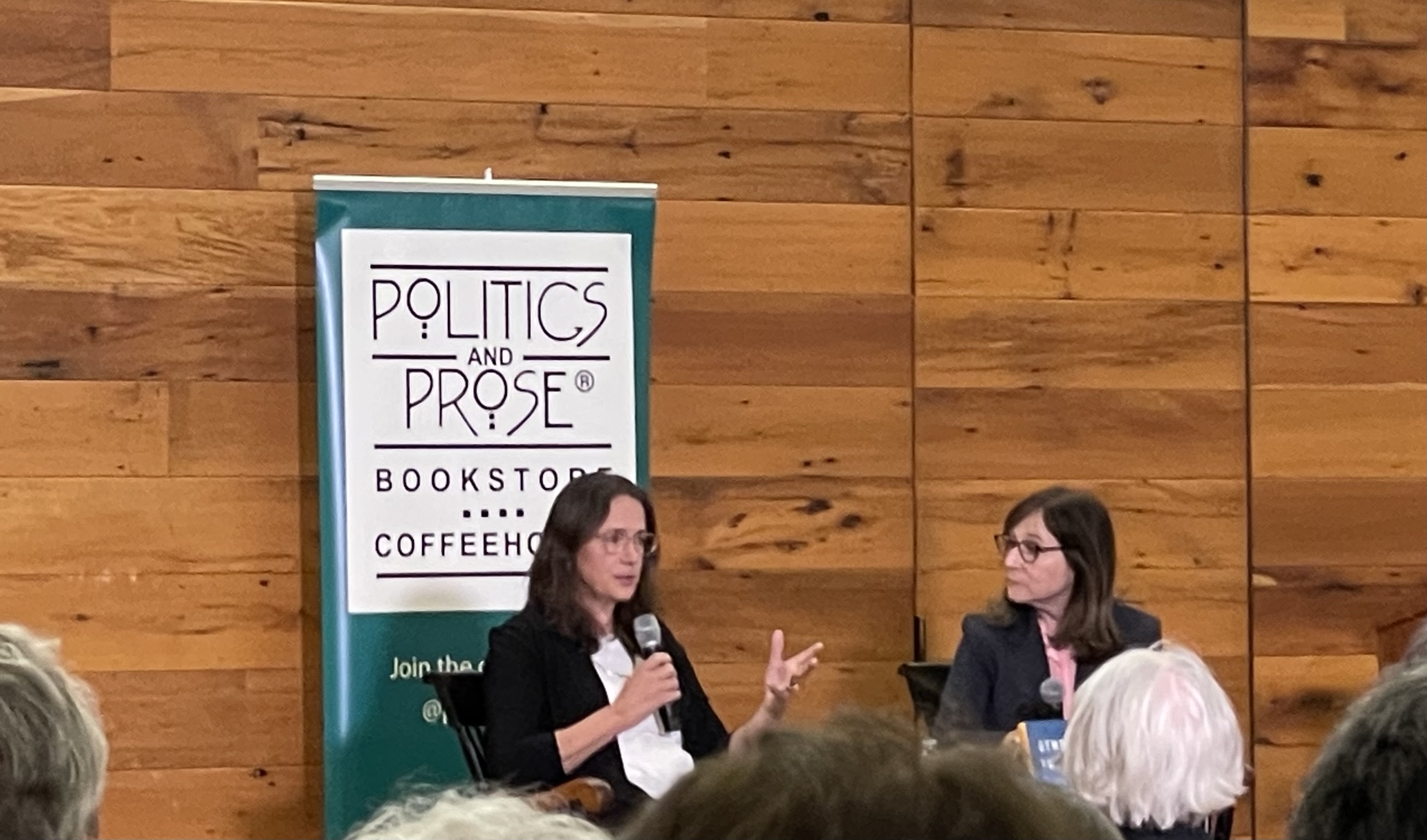

I recently heard Richardson speak at her sold-out book tour event sponsored by Politics and Prose in Washington. A similar conversation was sponsored by The Booksmith in Haight-Ashbury and posted online. There Richardson was in dialogue with Rebecca Solnit. While Solnit is a better writer than interviewer, this is nonetheless a delightful conversation in so many ways.

Both remind us that we’ve been here before. We’ve faced challenges with bleak prospects. At the 16:50 mark, Richardson shares this example:

In 1853, elite enslavers controlled the presidency, Supreme Court, and the Senate and were making inroads into the House. Those who believed that a few elite white men should rule over others looked to expand their vision. In 1854 they get Congress to pass a law that makes enslavement across the country possible. Abolitionists and those who sought democracy looked defeated. Yet by the mid-1850s, a new political party was formed that called for freedom and the right to rise of the lower and middle classes. By 1859 they had recruited a young lawyer to help articulate their vision. In 1860, that lawyer — Abraham Lincoln — was elected to the presidency. In 1862 he had drafted the Emancipation Proclamation and in November of 1863 he delivered the Gettysburg Address, dedicating the nation to a new birth of freedom based in the Declaration of Independence.

In ten short years, the entire course of history was changed.

Solnit replies that the beginnings of the anti-slavery movement were actually “puny.” Female abolitionists sold crafts at fairs to make enough money to bring men like Frederick Douglas to speak at events.

Who the hell thinks they are going to sell pin cushions to bring down a powerful institution? Except they did.

Richardson’s excited response is, “I love that.” People think they are only one person. What can they do?

Make a damn pin cushion.

Democracy Awakening, is a galvanizing reminder that we can do this. Others who love democracy have done it before. After reading this important new work, we may find our own pin cushion that we can make to take down the authoritarianism of MAGA and push towards our loftiest ideals.

More to come . . .

DJB


UPDATE: For a shorter interview than the one above, I encourage you to watch the 10-minute report by Judy Woodruff where she interviews Richardson for the PBS News Hour at President Lincoln’s Cottage, a National Trust Historic Site.


UPDATE #2: HCR was on a recent Why Now? podcast of historian Claire Potter. Their conversation included several points that I found of interest about the writing of the book.


The Weekly Reader links to the works of other writers I’ve enjoyed.


Image from Pixabay
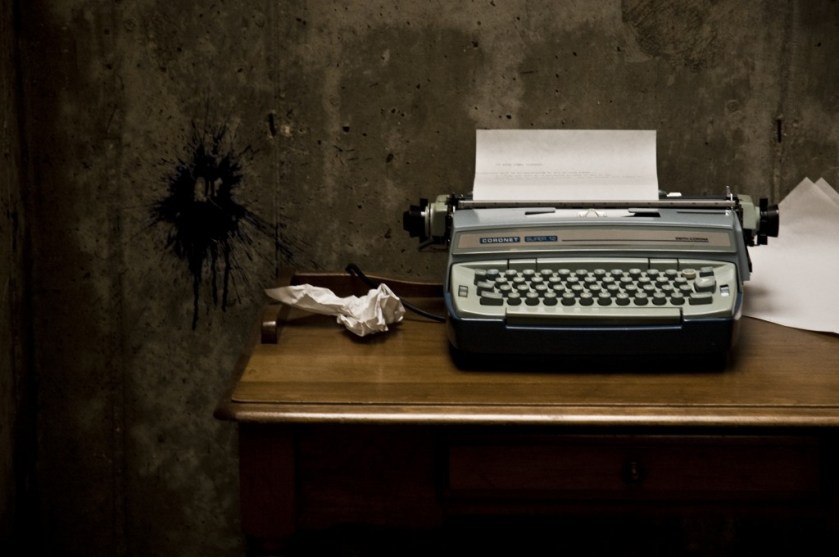
Writer's Block

Letter to the world

Curious friends ask, “Why do you write?” In fact, it is the second most common question about the newsletter following “How do you read five books a month?”

Ten tips for reading five books a month addressed the how, so now let’s tackle the why.

As life moves from certainty to mystery, I write to explore ideas, issues, and questions that change with time. Poet and songwriter Carrie Newcomer writes because she has a question, not because she has an answer. “I’m writing myself into my next becoming.”

I love that thought.

Paul Graham suggests in Writing, Briefly that, “Writing doesn’t just communicate ideas; it generates them.” My best essays serve to work through questions I need to address. In the process I gain new levels of understanding.

MORE TO COME also shares parts of life I love or find fascinating: a photographer’s wonder-filled portraits of America, a musician’s embrace of the intersection of the sacred and the ordinary, meditations on our country’s ideals, baseball’s instantaneous shift from boring to magical, a historian’s analysis that prompts a new way of looking at the world, the awe of watching children grow into adults.

Life is hard because mystery is hard. Life is also joyful and full of wonder. Life, like all truth, is a paradox. With a growing realization that our time here is limited, unpredictable, and sacred, I write to think through the questions and to share the joy I encounter along the way. It’s generally that simple.


Who cares?

In my mind, the MTC audience skews young, attractive, intelligent, and curious. That’s my story and I’m sticking to it!

My friend George Farr is a retired senior director at the National Endowment for the Humanities. George, whose late wife Judith wrote two seminal books on the works of Emily Dickenson, says that MORE TO COME is my “Letter to the World.” I love this description in part because of my affection for George and in part because of what Dickenson’s This is my letter to the World says about poetry’s attempts “to translate the broader mysteries of nature into language and communicate them to other people.”

This is my letter to the World
That never wrote to Me—

An important question for every writer is “does anyone care?” As I continue this writing habit, I need to ask myself the “who cares” question more frequently. I certainly write essays just for myself, but more often I have family, friends, and an ever-shifting definition of community in mind. I generally hear about what resonates, sometimes through online comments but more often in real-life conversations. I like it that way.


Editors

I’m also asked if I have an editor. I would have thought the answer would be obvious.

My wife taught reading and grammar in elementary school and both children had solid training in grammar, English, and creative writing. The three of them have forgotten more rules of grammar than I ever knew.

Yet sometimes I’ll purposely break those rules I do know.

Colum McCann notes, “On occasion we write a sentence that isn’t, in fact, correct, but it sings.  And the question is:  Would you rather be the ornithologist or the bird?”

Mrs. Swafford, my eight-grade English teacher, would shriek with horror at that thought, but I don’t care. On my good days, I’m striving to be the bird.


Topics

I opine about all manner of things on MTC. In some instances, I even know what I’m talking about.

Books, travel, conversations, essays, and lectures are a springboard to consider certain issues while helping me discover new appreciation for the world’s diversity and wonder. Unwrapping and sharing those discoveries brings me joy. Unsurprisingly, I often find myself working in the rich stew of our messy, often misunderstood, increasingly weaponized, yet always fascinating history.

Inspiration also comes in unexpected places. At this stage I find myself at more funerals than weddings. Sad to say I often discover I didn’t know very much about the deceased. That realization has me eager to hear stories from those around me while they are still alive. Agatha Christie wrote that Funerals Are Fatal but I’m finding that funerals push me to open up to others.

Listening, as always, is key. In fact, Natalie Goldberg suggests in Writing Down the Bones that writing is 90% listening.

If you want to become a good writer, you need to do three things. Read a lot, listen well and deeply, and write a lot.

Oh, and she adds, “don’t think too much.” I have the “not thinking” part down pat, but there’s always work to do with the listening.

“Pay attention. Be astonished. Tell about it.” Mary Oliver’s recommendation to writers has become my North Star.


Gratitude

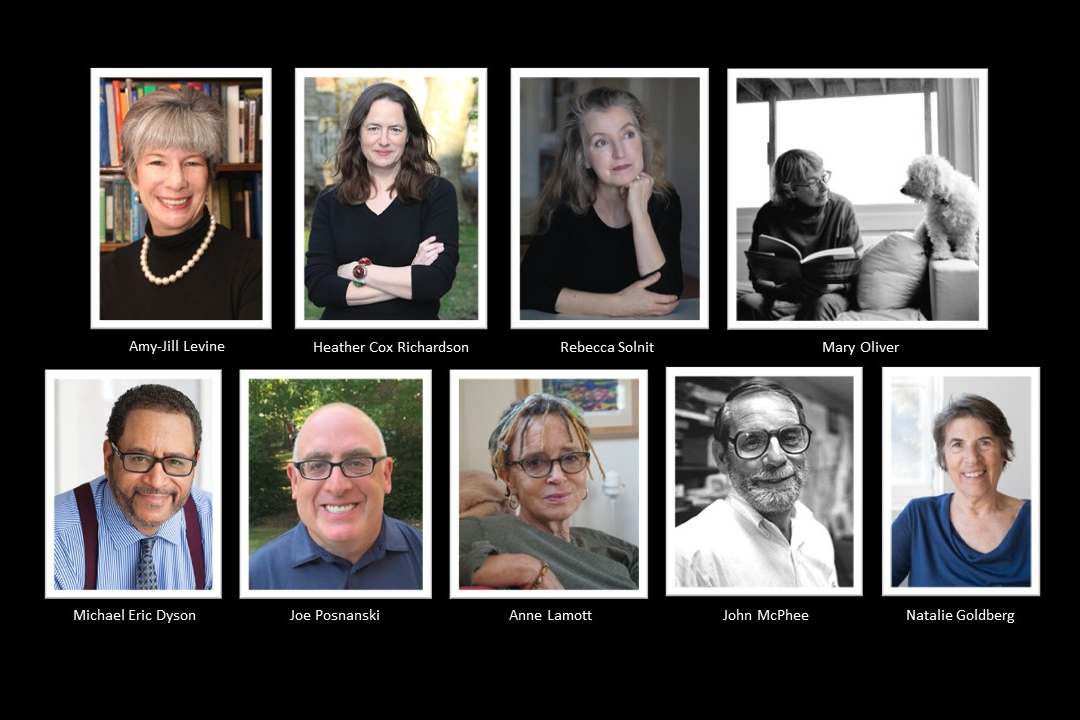
Anyone who writes owes a debt to others. Poet and essayist Mary Oliver, who always seemed to choose just the right word, is near the top of my list. The historian Heather Cox Richardson — who uses her Letters from an American newsletter “to wrangle our giant, meandering, and confusing news feed into a coherent story” that singles out priorities, precedents, and pathways — is also there.

Amy-Jill Levine considers life’s mysteries and makes me laugh and think simultaneously. Michael Eric Dyson brings passion and urgency to all his work. Others help me think about the craft of writing. Anne Lamott is great, as is John McPhee.

Joe Posnanski is the antithesis of the terse Paul Graham. Joe writes about sports, his hometown of Cleveland, and Taylor Swift because he can’t help it. His old subtitle of Curiously Long Posts was perfect, as Joe can go on forever like a favorite uncle who knows more stories than anyone.

Finally, I’ve often praised the writing of Rebecca Solnit, who understands the long view.

Joy doesn’t betray but sustains activism.  And when you face a politics that aspires to make you fearful, alienated, and isolated, joy is a fine initial act of insurrection.

I hope others find some joy in what I write. If joy is an act of insurrection in these days of outrage and hatred, count me among those scaling the castle walls.

Thanks for reading.

More to come . . .

DJB


Photos: Writer’s Block (Center for Documentary Studies); others from Pixabay and Unsplash.

Watchhouse Duo goes back to the basics

A post that continues to capture the interest of visitors to this site is my 2020 review of the warm, intimate, and compelling music of Watchhouse. I first heard the North Carolina folk duo — then known as Mandolin Orange — at the 2014 Red Wing Roots Music Festival and was instantly smitten. Singer-songwriter Andrew Marlin and multi-instrumentalist Emily Frantz crafted songs that were simple yet compelling. Over the years the band expanded to include other musicians and continued to produce warm, intimate music even as they became more widely known, explored new sonic palettes, and played larger venues.

But with the release of the Watchhouse Duo project, Andrew and Emily — now married and with children — are back on the road as they began: two individuals “with profound chemistry, performing earnest yet masterfully crafted songs that encompass the unknowable mysteries, existential heartbreak, and communal joys of modern life.” This new album is a self-produced project that reduces the songs from their 2021 introductory album as Watchhouse down to its basic acoustic elements.

Andrew Marlin and Emily Frantz (credit: Charlie Boss)

The Duo album opens with Wondrous Love — not the familiar folk hymn but one of Andrew’s compositions which stands in amazement of a universe “abound with wondrous love.”

I think of all the traveling that I’ve done
I think of all the traveling I could do
I could travel on and on and only
Travel ’round in circles ’til I’m blue
This sort of thought leaves me no despair
It pours me out then fully fills me up
It leads my heart infinitely onward
Across a universe abound with wondrous love

New Star celebrates an addition to the family.

We settled in for the winter
The cast in our lives, found a new star
And all of our remaining hours
Were bundled up tight and placed in our arms

Someday we’ll be older
Our eyes may cry
Look what’s become of me and my former
Steal away, steal away, remember
At least we’re all here together

Finding our way as a teacher
Stumbling along a little unrested
If only one lesson could reach her
She’ll know our love could never be tested

The sentimental video to the tune as originally released on the Watchhouse album “explores how the ritual of fire — across birthday candles, sky lanterns, sparklers and more — unites people.”

Coming Down from Green Mountain is a simple, yet beautiful instrumental with guitar (Emily) and mandolin (Andrew).

Watchhouse has also been playing dates with Emmylou Harris in recent months. Although the quality of this video isn’t great, I cannot pass up a chance to share Emily and Andrew singing harmony on Emmylou’s iconic Boulder to Birmingham, written after the death of Gram Parsons.

I would rock my soul in the bosom of Abraham
I would hold my life in his saving grace
I would walk all the way from Boulder to Birmingham
If I thought I could see, I could see your face

The Watchhouse Duo is touring this fall, with shows on the West Coast, in the Southeast, and ending with a few in the Northeast. The closest shows to the Washington area will be in Roanoke (December 6th) and Wilmington (December 7th).

It is a joy to see this band continue to grow in its work. Enjoy!

More to come . . .

DJB

Photo Credit: Shervin Lainez

End of the season

The 2023 baseball season is history after MLB crowned the Texas Rangers as World Series champions. Thinking back a few years, I know how much fun those fans will have celebrating their first championship. Enjoy the parade!

Here are a few of my immediate, off-the-cuff World Series observations.


The games

As World Series go, this wasn’t the best or the worst. Game 1 was, however, an instant classic. Here’s Joe Posnanski with the recap of the finish:

The game had been thrilling, the Diamondbacks ran the bases like Whitey Herzog was in charge, the Rangers tied it in the ninth because Corey Seager is a Marvel Superhero, and in the 11th inning, Adolis García stepped to the plate.

Joe then notes that three weeks ago, “the majority of people who would call themselves light-to-moderate baseball fans had never heard of Adolis García.” Then the Houston Astros hit him with a pitch in the ALCS and he simply went off for the rest of that series and subsequently carried it over to the World Series.

That was three weeks ago. And what strikes me now is not only that baseball fans of all dimensions have come to appreciate the awesomeness of Adolis García, it is that when he stepped to the plate in the 11th inning to face Diamondbacks reliever Miguel Castro with the bases empty and the score tied, every part of the baseball brain thought: “Home run.” My wife, Margo, one of those light-to-moderate baseball fans, said out loud: “Home run.” When the count got to 3-1, I said aloud: “The home run happens now.”

Of course he hit the game-winning home run. Go read Joe’s full post on that game . . . it is so much fun. The rest of the series? Not boring (except for Game 4) but not terribly exciting either.


The Rangers

Texas is certainly a deserving champion. In the regular season they fell into a tie for their division with Houston, thanks to a disastrous final weekend. The tiebreaker put them in the wild card slot. However, they have a strong team that came together at the right time. They have absolutely the best postseason manager of all time in Bruce Bochy. As 2019 reminds us, you can go all the way with the right chemistry and timely streaks. And as Joe Posnanski wrote, for the Rangers to win 11 road games in a row under these playoff circumstances, “well, it’s an all-timer.”


The Diamondbacks

Arizona was a good team that over-achieved in the playoffs. They have definitely turned a corner, and their fans were great in the few games they got to play at home. Their big achievement in 2023: beating the hated Phillies in the NLCS.


The Dodgers, Braves, Astros, and Phillies

All of these teams thought they were going to the World Series this year but didn’t make it. This is a pattern for the Dodgers. I think manager Dave Roberts knows how to handle 162 games but he’s somewhat clueless in the postseason. The Braves? They have to get over the hump of having the Phillies in their head, just as the Red Sox finally did with the Yankees. The Astros got what they deserved, although I’ve become a big Yordan Alvarez fan. He’s a monster! And the Phillies? Well, I’m pleased with how it turned out. Those stars better start winning championships soon because those long-term contracts on aging players are going to drag them down not too far in the future (hello Ryan Howard). And no amount of giving Trea Turner standing ovations will ever make up for Philadelphia fans booing Santa Claus.


The announcers

Joe Davis has become a pretty good play-by-play announcer on Fox, although he’s still no Vin Scully (who is?) or Jon Miller. However, John Smoltz won’t shut up. I liked Smoltz as a player, but as an announcer he talks as if he wants to say all the words he used to get into the 3 1/2-to-4-hour games before the pitch clock into the 2 1/2-to-3 hours of this year’s games with the pitch clock. His mom or best friend or boss needs to tell him to stop talking so much!

I listened to parts of the games on ESPN radio. The crew of Jon Sciambi, Jessica Mendoza, Eduardo Perez, and Buster Olney was much more enjoyable, and I really appreciate having a woman’s voice in the conversation. Some of the most knowledgeable baseball fans I know are women. It only makes sense to add their perspective to the broadcast.


The commercials

When you watch five baseball games in a row, you see a lot of the same commercials. Endlessly. Every half-inning is a feast for our capitalistic, consumer society. I’ve probably seen Melissa Griffey thrown out of the Geico commercial by Umpire Jim Joyce about 50 times for arguing over Ken Griffey, Jr.’s cute Hawaiian shirt. The Kid also makes a cameo in Geico’s concession ad, which is pretty funny. I wish that piano in the Liberty Mutual ad would fall on the ad agency that makes these stupid commercials. I must have tuned them out, because I don’t recall seeing as many gambling ads in the World Series as I saw on TBS during the earlier games. And I wonder why Geico didn’t run more of their classic horror movie ads about how to make decisions. I still love it!


Rules changes

The changes to the rules are great! The pitch clock makes the games move much faster, the ban on shifts has returned the game “to its original aesthetics,” and the limitations to throwovers plus the larger size of the bases have led to more base stealing. The Diamondbacks really excelled at this phase of the game, even reverting to some “small ball.”

There is a problem with the lack of quality starting pitchers which needs to be addressed. I don’t have an answer, but Barry Svrluga wrote a good column for the Washington Post where he outlined the issue and offers up his thoughts.


Spring training

And yes, only 100 days until spring training.

Spring Training
Credit: SpringTrainingCountdown.com

More to come . . .

DJB

Photo by Nicole Wilson on Unsplash

Confronting complicit silence

One of the key reasons authoritarians can get away with horrific acts and even murder is because of the complicit silence of “good people” in the community. None is more damning than the silence of the church. In his famous Letter from a Birmingham Jail, the Rev. Dr. Martin Luther King, Jr. wrote of his surprise that the white churches did not support the famous bus boycott against racial segregation on public transit. Some showed outright hostility, he wrote, but “all too many others have been more cautious than courageous and have remained silent behind the anesthetizing security of stained-glass windows.”

Of course, sometime the church is itself the authoritarian power. Ireland’s infamous Magdalene laundries certainly existed — and even thrived — because of complicit silence both inside and outside the church. *

Thankfully, confrontations against complicit silence come in all sizes. And even the small challenges can have tremendous impact.

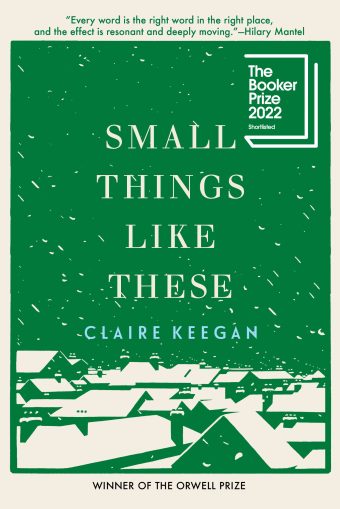
Small Things Like These (2021) by Claire Keegan is a short yet deeply moving novel set in small-town Ireland during the Christmas season of 1985. Bill Furlong is a coal and timber merchant who works hard supporting his family while running a small business that employs several other men in the community. Well-liked and well respected, Furlong “had come from nothing. Less than nothing, some might say.”

His mother became pregnant at the age of sixteen while working as a domestic for Mrs. Wilson, a Protestant widow who lived “in the big house a few miles outside of town.” With no father in sight, Furlong’s mother is disowned by her family; yet her employer takes her in and helps raise young Bill. He goes to school and eventually becomes a local merchant, meets his wife Eileen, and they have four girls who, when we meet them, are doing well at the local Catholic school for young women.

As Christmas approaches, Furlong takes a load of coal to the local convent and makes a discovery that forces him to consider his past and the choices he must make in the face of complicit silence.

The silence hits very close to home when Eileen reminds him that the discovery “Tis not one of ours.” He responds, “Isn’t it a good job Mrs. Wilson didn’t share your ideas?” When he takes his yardmen to the local pub for a Christmas dinner, the owner, Mrs. Kehoe, lets him know that she had heard that Bill “had a run-in with herself above at the convent.”

Her advice? “You want to watch over what you’d say about what’s there. Keep the enemy close, the bad dog with you and the good dog will not bite.” Surely you must know, she adds, “these nuns have a finger in every pie.”

Magdalena cemetery in Donnybrook (credit: Justice for Magdelena’s Research)

Shortlisted for the 2022 Booker Prize and winner of the Orwell Prize, Small Things Like These brings us face-to-face, in a simple yet memorable story, with how we confront our past and with the evils of a community’s complicit, self-interested silence. It is also a deeply moving story of “hope, quiet heroism, and empathy.”

Small Things Like These is a little gem of a novel.

More to come . . .

DJB


*What were the Magdalene laundries?

From the foundation of the Irish Free State in 1922 until 1996, at least 10,000 girls and women were imprisoned, forced to carry out unpaid labour and subjected to severe psychological and physical maltreatment in Ireland’s Magdalene Institutions. These were carceral, punitive institutions that ran, commercial and for-profit businesses primarily laundries and needlework. After 1922, the Magdalene Laundries were operated by four religious orders (The Sisters of Mercy, The Sisters of Our Lady of Charity, the Sisters of Charity, and the Good Shepherd Sisters) in ten different locations around Ireland (click here for a map). The last Magdalene Laundry ceased operating on 25th October, 1996. The women and girls who suffered in the Magdalene Laundries included those who were perceived to be ‘promiscuous’, unmarried mothers, the daughters of unmarried mothers, those who were considered a burden on their families or the State, those who had been sexually abused, or had grown up in the care of the Church and State. Confined for decades on end — and isolated from their families and society at large — many of these women became institutionalised over time and therefore became utterly dependent on the relevant convents and unfit to re-enter society unaided.

Justice for Magdalenes Research

The Weekly Reader links to the works of other writers I’ve enjoyed. I hope you find something that makes you laugh, think, or cry. 

Observations from . . . October 2023

A summary of posts included in the MORE TO COME newsletter in October 2023.

October finally feels like fall. The leaves have displayed an array of stunning colors, reminding us again of nature’s wonder. Many of our days have brought cooler temperatures, open windows, and nights under the quilt. We can see the restoration of a more natural daily cycle with the end of daylight savings time just around the corner.

And . . . I’m writing about the baseball playoffs in MORE TO COME.

It just so happens that wonder and baseball were among the subjects of the three different October posts that outpaced the rest of the field in terms of reader views.


TOP READER VIEWS

The first celebrated the work of Carol Highsmith. 

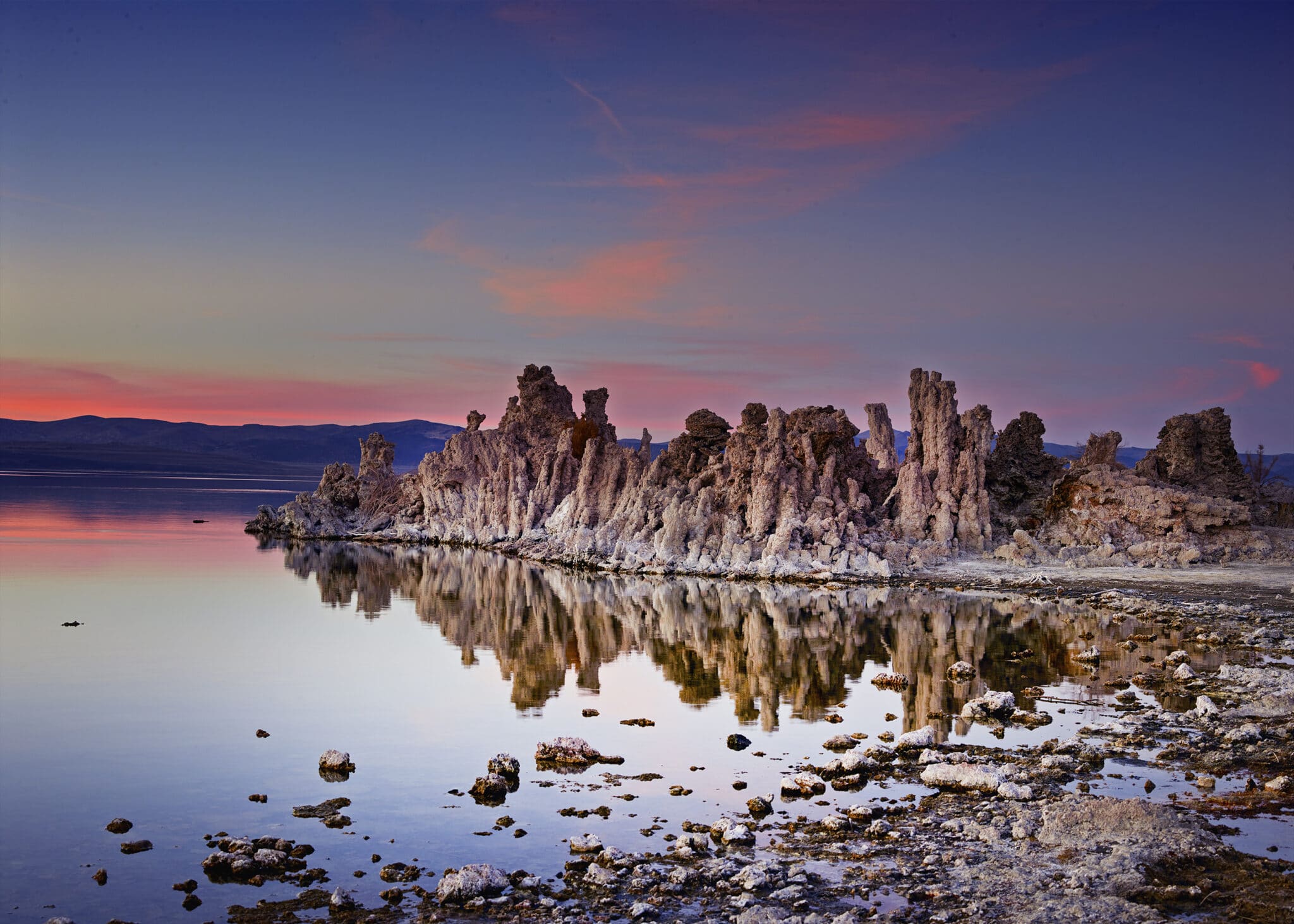
Mona Lake by Carol M. Highsmith

Carol is an artist and photographer who has taken the time to see the wonder in America and take in the good.

  • Through an extraordinary 43-year project of visiting all 50 states and donating her images from those travels, copyright free, to the Library of Congress, Carol has “engaged in the important work of growing a robust commons built on gratitude and usability.” Her singular archive “is a testament to one woman’s passion and generosity.” In A gift to America, I highlight some of Carol’s evocative and timeless photographs, salute her generosity, and recognize her wisdom in seeing the good, the wonder, the joy in life. Because that post received so much great feedback, I followed it two days later with another group of her photographs: More gifts of joy and wonder.  Take the time today to see the wonder in America through Carol’s eyes.

Then there were those baseball posts.

After three weeks of blah baseball, the script flips. We’re treated to “sudden and startling lead changes and late-inning heroics and key mistakes and controversy and titanic performances, and there’s ecstasy and heartbreak and anger and joy and all the things that make this game so durably wonderful . . . I never argue with people who say baseball is boring. Baseball is boring. And then it isn’t. And that’s the magic.”

  • Those lines come from Joe Posnanski, written after a magical day in the League Championship Series (both of which went the full seven games). Joe also wrote the book that I reviewed in A brilliant love letter to baseball. That post ― in which I provide my slightly biased take on Posnanski’s Why We Love Baseball: A History in 50 Moments ― was also right at the top of the MTC reader views list for October. Even Statcast™ couldn’t measure how fast this post rose to the top! Check it out and be sure to click on the link to see the video of Jose Canseco’s head giving an assist to a home run! Priceless! And for a related take on the playoffs, read my piece If I were commissioner of baseball.

And then there was my most recent author Q&A.

The sixth of this year’s MTC author interviews was also near the top of this month’s reader views.

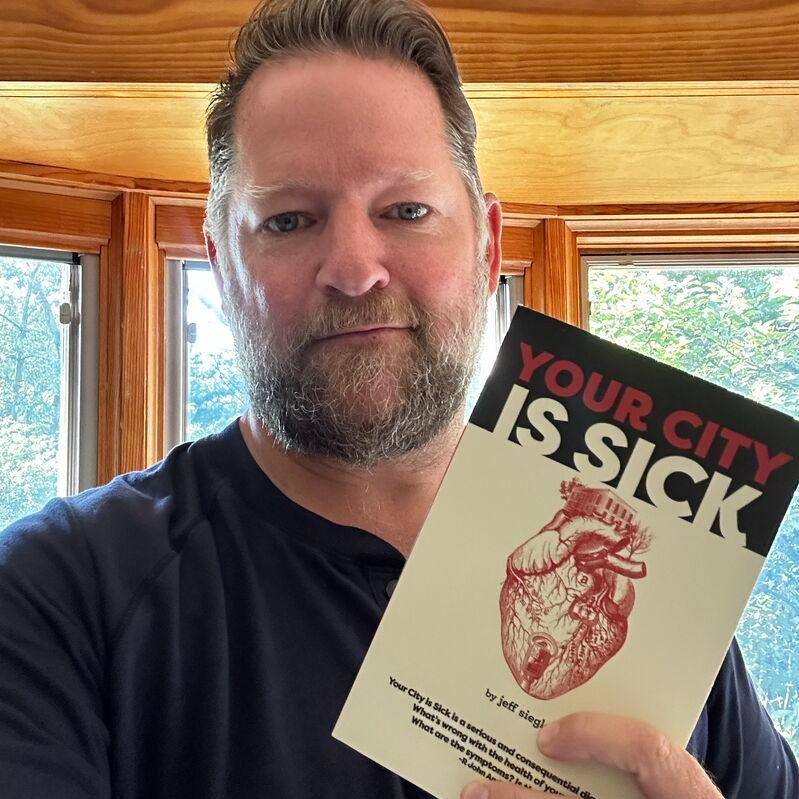
  • A prescription for sick cities captures my conversation with Jeff Siegler, author of Your City is Sick. Like a blunt yet perceptive doctor, Jeff first helps us understand the disease. Then in straightforward, no-holds-barred language he prescribes treatments to push his readers to transform their cities through relentless, incremental improvements. Jeff, a long-time friend and colleague, recently chatted with me about his hard-hitting yet essential new work.

MORE READING

October found me reading a typically eclectic list of books and newsletters. Besides baseball and city revitalization, I also pass along my takes on:

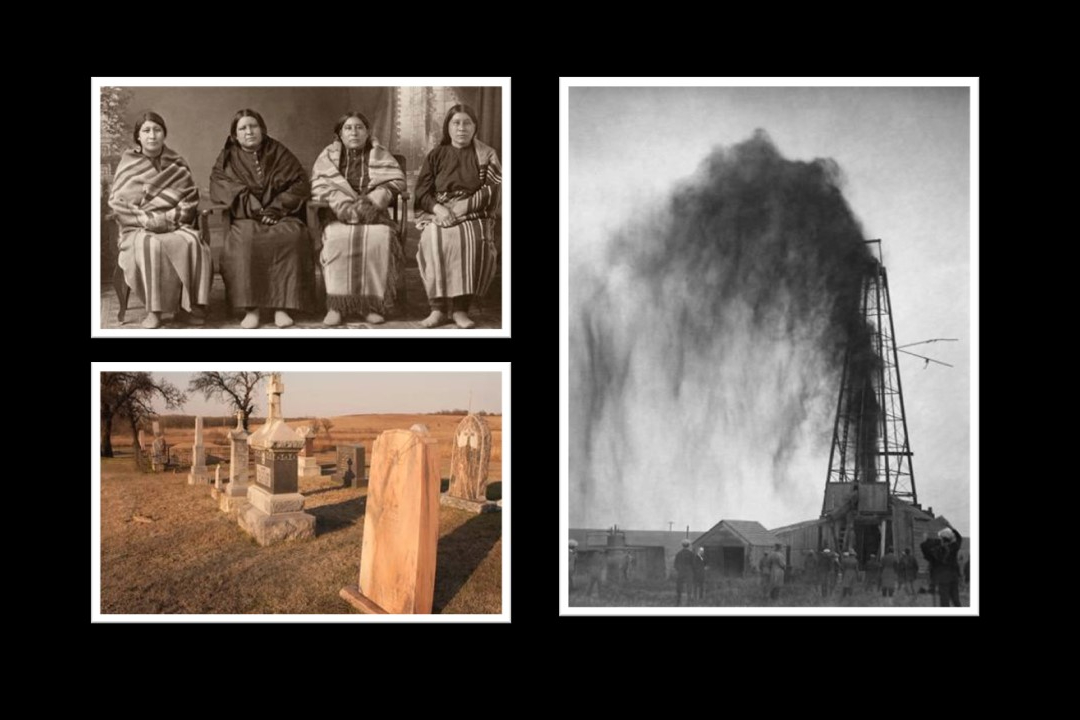
  • Many of you may have already seen the new blockbuster movie Killers of the Flower Moon. The blood cries out from the ground is my take on David Gann’s heart-shattering book upon which the movie is based.

SATURDAY SOUNDTRACKS

Each weekend in October also featured something musical.

Carrie Newcomer
  • A Great Wild Mercy highlights the just-released album of singer, songwriter, and storyteller Carrie Newcomer. As one would expect, it is simply beautiful.
  • The Irish pianist and composer Joan Trimble was a new name for me. But when a work friend recommended her music, I checked it out and was hooked. You can see my response in Free to be myself, regardless of fashion.
  • October has seen a great deal of bullying behavior both at home and abroad, so I naturally thought of the old fiddle tune Bully of the Town.

CONCLUSION

Thanks, as always, for reading. Your support and feedback mean more than I can ever express.

As you travel life’s highways be open to love, thirst for wonder, undertake some mindful walking every day, recognize the incredible privilege that most of us have, and think about how to put that privilege to use for good. Women, people of color, LGBTQ+ individuals, immigrants, and others can feel especially vulnerable . . . because they are. Work hard for justice and democracy as the fight never ends.

Bash into some joy along the way.

And finally, try to be nice. Always be kind.

More to come . . .

DJB


For the September 2023 summary, click here.


You can follow MORE TO COME by going to the small “Follow” box that is on the right-hand column of the site (on the desktop version) or at the bottom right on your mobile device. It is great to hear from readers, and if you like them feel free to share these posts on your own social media platforms.


Photo by Phil Henry on Unsplash

Ghosts, goblins . . . and roots music

Happy Hallowe’en!

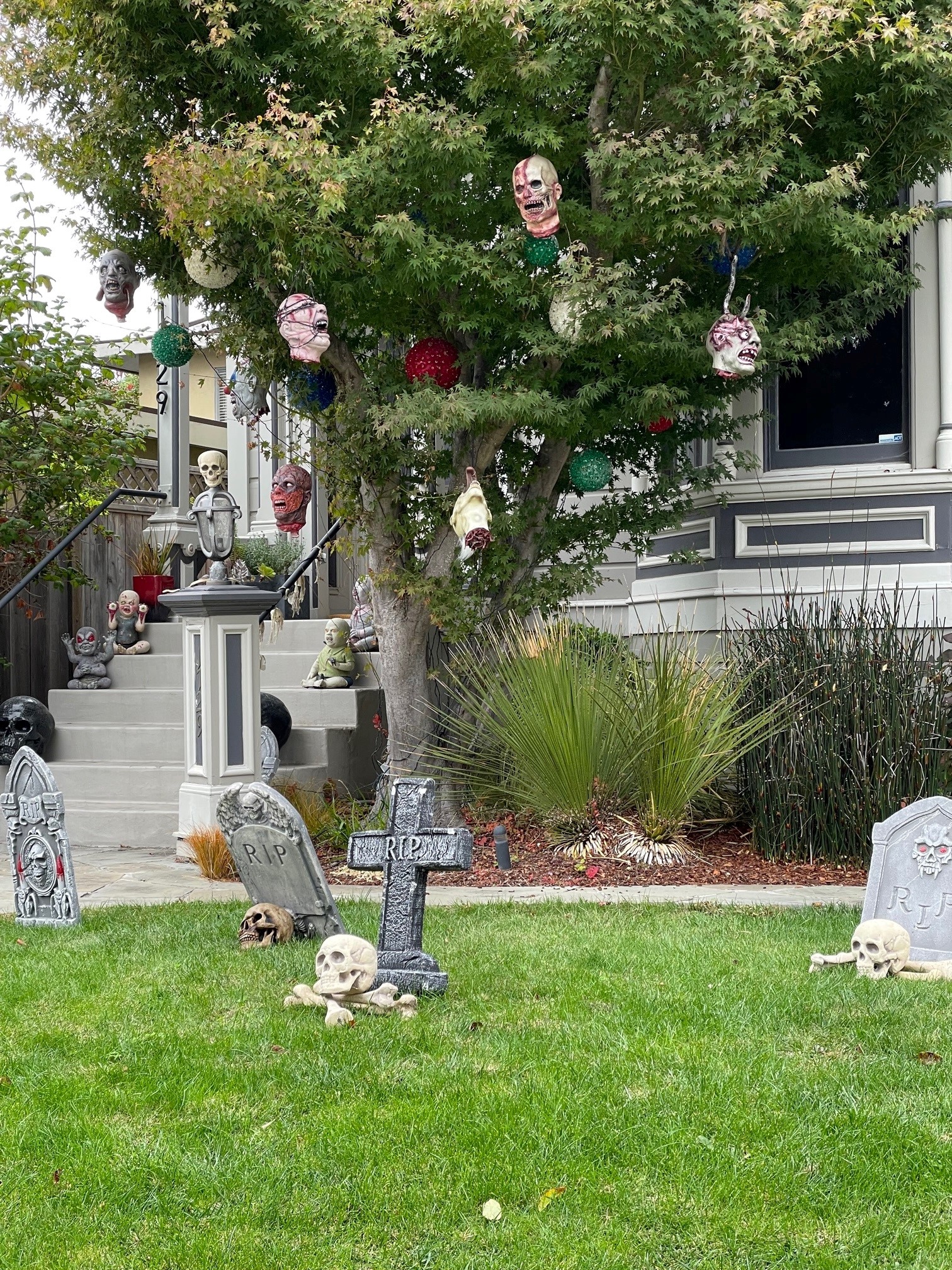
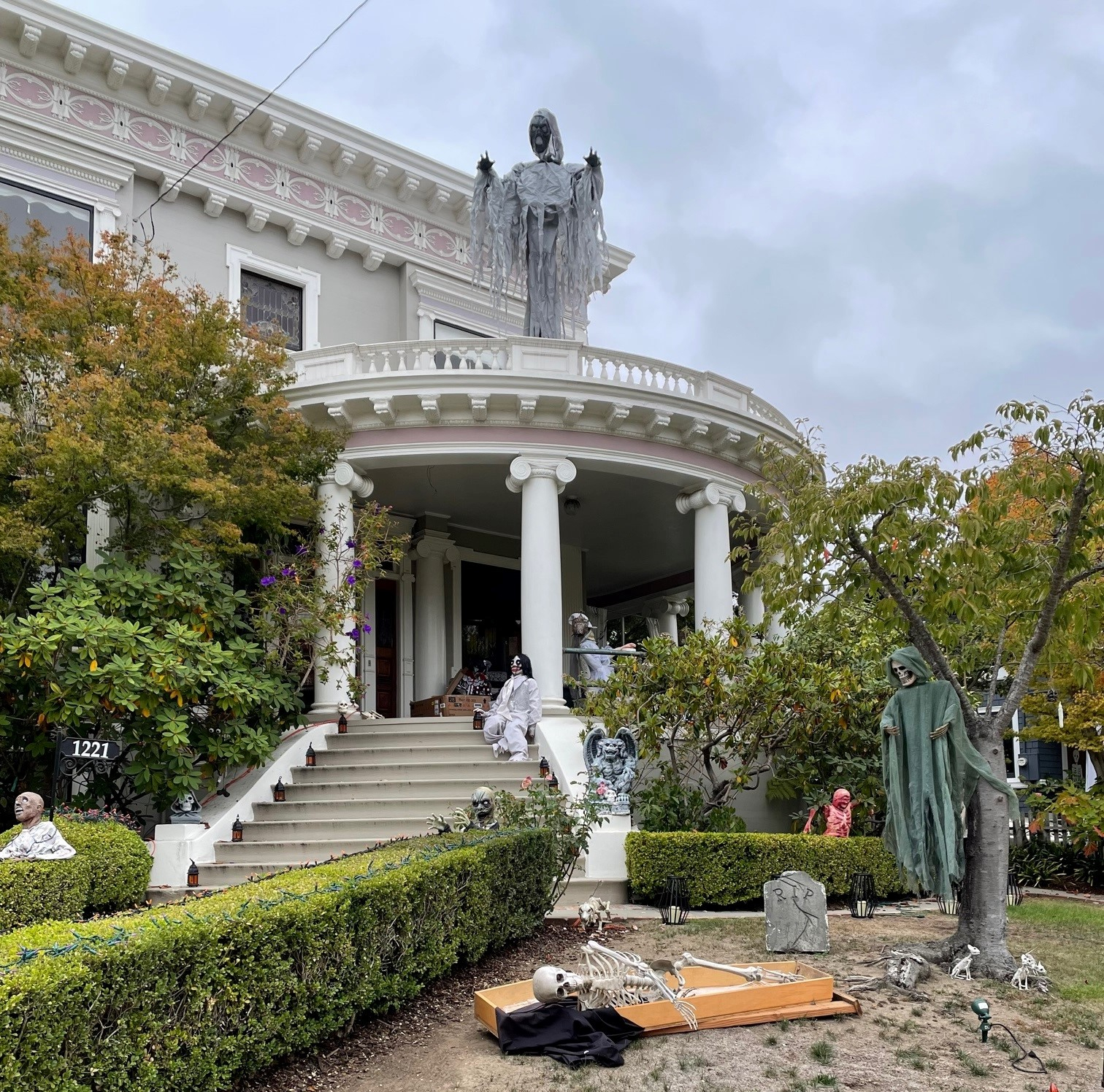
Over the last three years, the Saturday Soundtrack before Halloween has featured roots music and pictures of homes decorated to celebrate the season. For this fourth installment I’m bringing some of the best of those together as we prepare for another evening of ghosts and goblins.

Spooky farewells

The legs of the Wicked Witch of the East — which is all we see after Dorothy’s house falls on her in the classic film The Wizard of Oz — have become a Halloween staple. Here’s a great display in the Georgetown neighborhood of Washington.

Rhiannon Giddens sings a version of O Death (popularized by Ralph Stanley in the film O Brother, Where Art Thou?) from her album, They’re Calling Me Home. Giddens, with partner Francesco Turrisi, bases this version on a different source — Bessie Jones of the Georgia Sea Island Singers. As the Bluegrass Situation (BGS) site notes, it is a good reminder of “just how much of American music and culture are entirely thanks to the contributions of Black folks.”

And here’s the Ralph Stanley version.

Hanging around in Alameda, CA

Murder and suicide ballads

Here’s a classic on a DC house from a few years ago: Four pandemic tombstones, for those who trusted Tucker Carlson, didn’t trust the science, thought it was all a hoax, or self-treated with animal medicine. Each a spooky suicide story (in its own way).

The family bluegrass band Cherryholmes caused a stir with the modern murder ballad Red Satin Dress. I note the comment by the writer on the BGS website who pondered, “…with so many songs about murderous, deceitful women in bluegrass — the overwhelmingly male songwriters across the genre’s history couldn’t be bitter and misogynist, could they? Could they?”

Of course they could. If you have to ask you haven’t been paying attention.

Only in California (Alameda) could you have a skeleton doing a cannonball dive into a pool in late October!

As I wrote in 2021, leave it to national treasure Dolly Parton to recast murder and suicide ballads from the point of view of the abused, forgotten, and often murdered woman. The Bridge is a brilliant “sad-ass” Parton song**, focused on the last words of a pregnant woman about to jump to her death, on the spot she first kissed the lover who deserted her.

BGS also had a take on Jake Blount’s Where Did You Sleep Last Night.

“In the Pines” is one of the most haunting lyrics in the bluegrass lexicon, but ethnomusicologist, researcher, and musician Jake Blount didn’t source his version from bluegrass at all — but from Nirvana. That’s just one facet of Blount’s rendition, which effortlessly queers the original stanzas and adds a degree of disquieting patina that’s often absent from more tired or well-traveled covers of the song. A reworking of a traditional track that leans into the moroseness underpinning it.

Blount’s version, as another commentator notes, goes back to a more authentic version of the song, removing the aspects of a love story and revealing the harsher truth about the lynching mobs and sudden disappearances in the woods. Chilling but brilliant.


Why won’t they stay in the grave?

Everybody seems to be coming up from the grave at this Alameda house

The Folklore Center at the Library of Congress had a blog post a few years ago entitled Ghost Stories in Song for Halloween. The first tune recommended was Jean Ritchie singing The Unquiet Grave, “which is both a tender love song and a frank conversation with a ghost.” Writing about Ritchie’s version, the liner notes suggest that the song…

“…is notable for its exhibition of several universal popular beliefs, including a talking ghost, the idea that excessive grief on the part of mourners disturbs the peace of the dead, the troth plight that binds lovers even after death (with the death-kiss perhaps indicating a return of the troth), and the belief that the kiss of a dead person may result in death.

One of the most haunting versions of this tune was recorded by my favorite Irish band, Solas. And this snippet from the lyrics give a hint of what’s to come.

One kiss, one kiss of your lily white lips, one kiss is all I crave
One kiss, one kiss of your lily white lips and return back to your grave…”

Well, you get the idea. Give it a listen.

Bringing Mary Home is a classic “ghost” hit by the Country Gentlemen, in part because the ending sneaks up on you. This version from a 1992 reunion show at Woodstock — featuring Eddie Adcock (banjo and backing vocals), the late John Duffy (mandolin and high tenor), the late Charlie Waller (guitar and lead vocal) and Tom Gray (bass) — is priceless. Yep, John Duffy’s pants are pretty scary on their own!


Hellhounds on my tail

An Alameda resident takes movie titles and gives them a Halloween twist!

The blues and jazz cats also have a great number of songs for the season. Nina Simone does her usual masterful job with the Screamin’ Jay Hawkins hit I Put a Spell on You. Of course, no Halloween-influenced roots music list would be complete without at least one song from bluesman Robert Johnson. “Legendarily making a Faustian deal at a mythological crossroads,” Johnson recorded “Hellhound on My Trail” during his second Texas sessions, a year before his mysterious, and untimely death. 

Climb under the sheets if you need to, but don’t get spooked.

Halloween self-portrait of the “unofficial official photographer” of MORE TO COME, Claire Holsey Brown, with a less-than-enthusiastic Chai from 2022.

More to come . . .

DJB


*To read the earlier posts, check out 2020, then 2021, and again last year in 2022.


**Parton self-described some of her work from the early years as “sad ass songs.” In those works, she was often taking traditional murder ballads like Knoxville Girl and recasting them from the woman’s (i.e., the victim’s) point of view.


Image of werewolf from Pixabay. Image of ghost from Stefan Keller on Pixabay. Image of house decorations from Claire Holsey Brown and DJB.

Step back to see what’s good

On the day after the Republicans selected election-denier Mike Johnson as the next Speaker of the House and the former president was hit with yet another fine for violating the gag order that protects witnesses and court officials, it can be difficult to see beyond the dysfunction and disarray. *

But step back and take in the broader view. Democracy has persisted throughout our history despite the many attempts to undermine it.

House minority leader Hakeem Jeffries (D-NY) took the broad view yesterday.

House Democrats (he said) will continue to protect Social Security, protect Medicare, protect Medicaid, protect our children, protect our climate, protect low-income families, protect working families, protect the middle class, protect organized labor, protect the LGBTQ community, protect our veterans, protect older Americans, protect the Affordable Care Act, protect the right to vote, protect the peaceful transfer of power, protect our democracy, and protect a woman’s freedom to make her own reproductive health care decision.”

Jeffries pointed out that “Joe Biden won the 2020 presidential election,” and “[h]e’s doing a great job under difficult circumstances.” No amount of election denial “will ever change that reality.”


In fact, people are noticing that Joe Biden is in the midst of the most successful Presidency in the last 60 years.

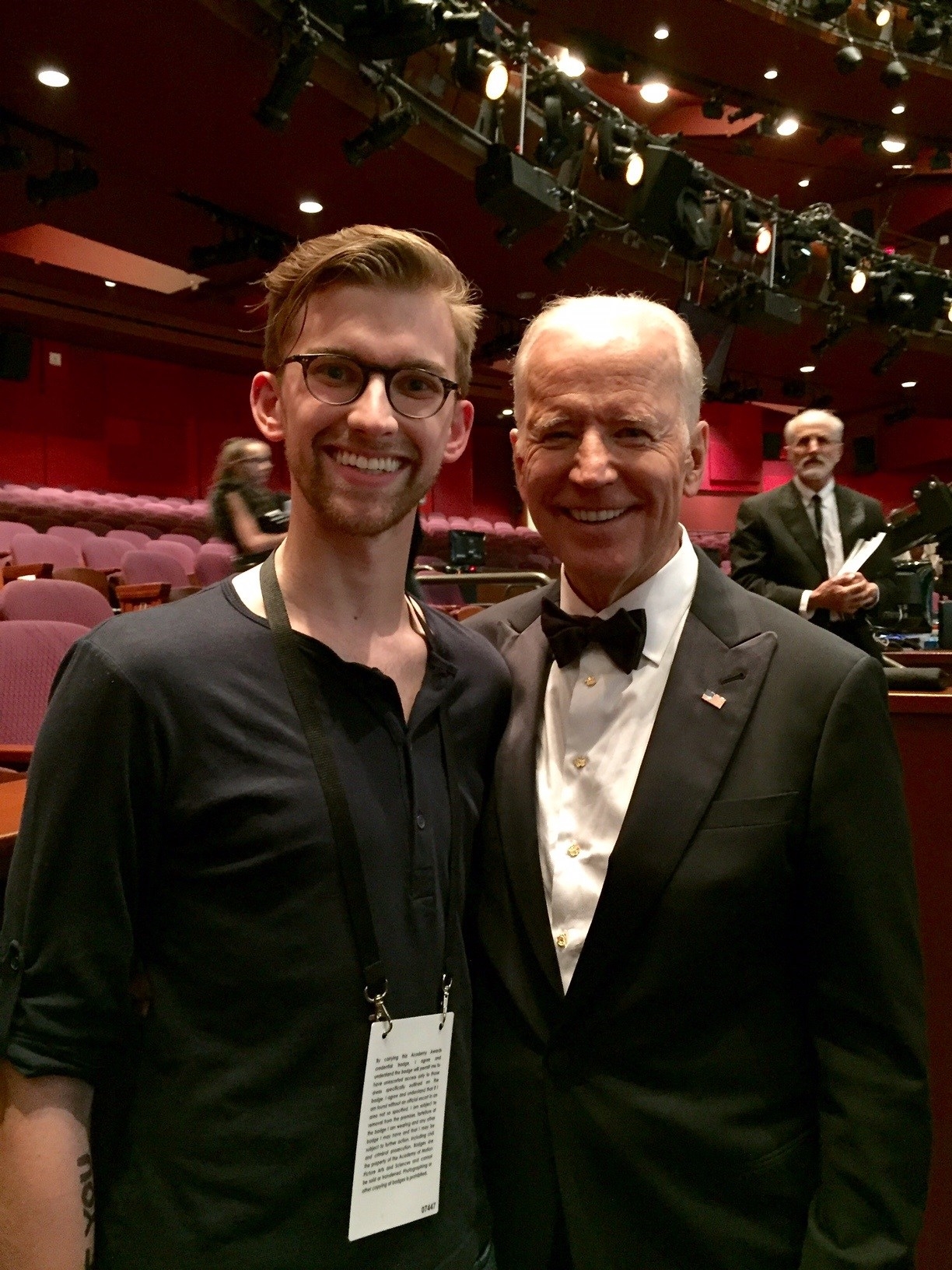
Andrew with the VP
Andrew with the 46th President of the United States, taken in 2016 when Biden was VP.

The facts speak for themselves. With small (or nonexistent) majorities and with constant right-wing attacks, Joe Biden continues to be what historian Heather Cox Richardson calls a transformational president. He is, in her words, putting the nail in the coffin of the Reagan Revolution which has failed our country again-and-again. Here are a few top line examples of Biden’s accomplishments:

Part of the driver of this big number was strong consumer spending, another sign that Americans are not down and distressed. This “everything is terrible” narrative about the economy is increasingly feeling . . . like the false red wave narrative in 2022 . . . there is a great deal of data showing that people are content in their work and lives, spending money, aware that things are not as bad as many say.

  • Biden’s “Big Deal” at the recent G-20 summit will integrate railway lines and port connections from India to Europe, across the UAE, Saudi Arabia, Jordan and Israel, leading to faster transit of goods. 

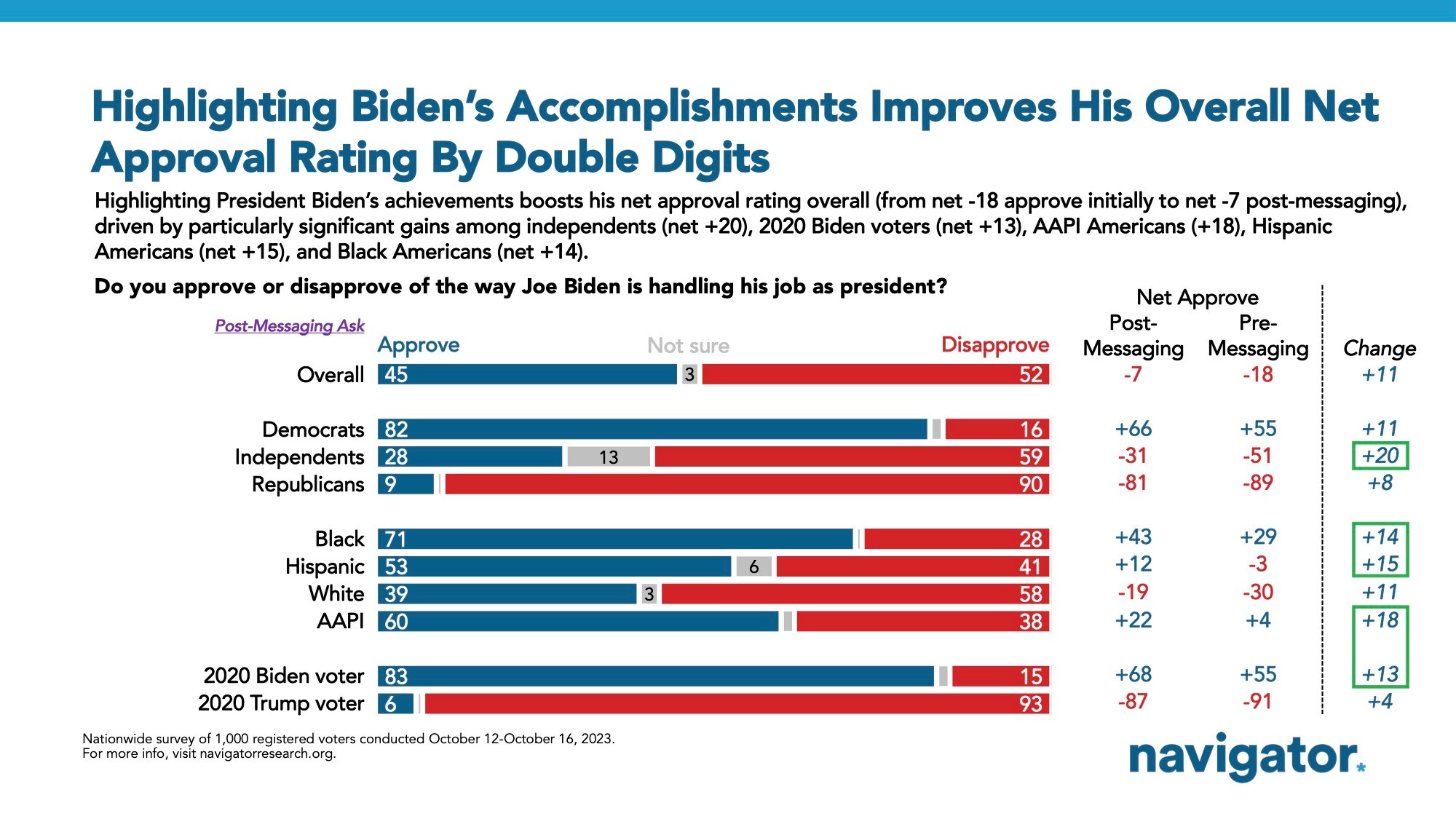
Voters Respond Positively When Informed About Biden Accomplishments

“Voters don’t know much about what Biden has done, and when they are informed (what campaigns do) his approval jumps.” Navigator just released some new research looking at this dynamic, which includes these two key charts:

Check out this compilation to read more about why Joe Biden, while not perfect, is the transformational president America has needed.


Journalist and author Krista Tippett says “we each have a calling, to be “friends, neighbors, family, citizens, lovers of the world.” Yes, “we are still reeling from so many kinds of loss and fear and enduring, unnerving uncertainties that the pandemic surfaced. But as humans, “we are called to wholeness.”

Seek out the wholeness. Don’t be afraid to take in the good.

More to come . . .

DJB


*The entire House Republican caucus — in complete defiance of their oath to protect the constitution — voted unanimously for Mike Johnson:

Johnson was instrumental in Trump’s attempt to overturn the results of the 2020 presidential election. Routinely in touch with Trump, he rallied his colleagues to object to counting the electoral votes from states that Democratic candidate Joe Biden won. As Trump’s legal challenges to the results failed, Johnson pushed a Texas lawsuit against the four states that had given Biden the win, calling for the invalidation of millions of his fellow Americans’ ballots, and echoed lies about Venezuelan interference with ballots. 

Johnson is also a far-right culture warrior, a Christian nationalist who “is staunchly anti-abortion, anti-LGBTQ rights, anti-union, and anti-immigration;” someone who supports Russian dictator Vladimir Putin by opposing further aid to Ukraine. Johnson has also called for trillions in cuts to Social Security and Medicare.


      Jeffries, in his response to the vote, noted, “Our country has often confronted adversity, and the good news is we always find a way to make it to the other side.”

      “We faced adversity in the 1860s, in the middle of the Civil War, when the country was literally tearing itself apart. We faced adversity in October of 1929 when the stock market collapsed, plunging us into a Great Depression. We faced adversity in December of 1941, when a foreign power unexpectedly struck, plunging us into a world war with the evil empire of Nazi Germany.

      “We faced adversity in the Deep South in the 1950s and 60s, when the country was struggling to reconcile the inherent contradictions between Jim Crow segregation and the glorious promises of the Constitution. We faced adversity on September 11th, 2001, when the Towers and the Pentagon were unexpectedly struck, killing thousands of lives in an instant.”

      And then, “by placing House Republicans in this list, Jeffries tied them to the wrong side of history.”

      “We faced adversity right here in the House of Representatives when on January 6, 2021, a violent mob of insurrectionists incited by some in this chamber overran the House floor as part of an effort to halt the peaceful transfer of power.”

      “Every time we faced adversity, the good news here in America is that we always overcome….”


      Read my disclaimer for political posts here.

      More gifts of joy and wonder

      I heard from a number of readers about how much they enjoyed Monday’s post of Carol Highsmith’s photographs of America. The beauty and evocative nature of her work captured many hearts, but others appreciated her outlook to “keep on the sunny side” as well as the generosity of her gift to America.

      Kathryn Schulz reminds us that there is both a wonder and fragility to life. While many feel small and powerless in the face of that reality, it is also easy to feel amazed and fortunate to be here. Carol’s work helps us feel amazed and fortunate. With that in mind, I decided to post more of Carol’s photographs today. Enjoy another appetizer from what I promise will be a long and delicious feast!


      Amazing landscapes, from coast to coast

      Light streams into a “slot canyon” near Page, AZ
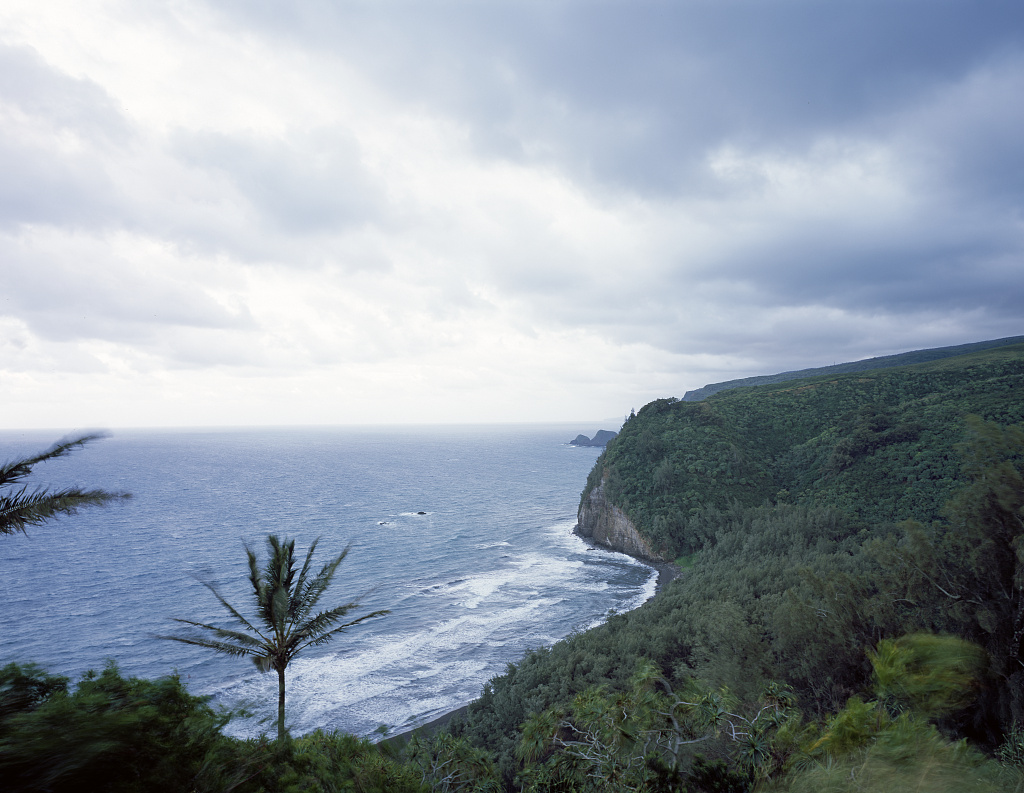
      Hawaii’s Volcanoes National Park
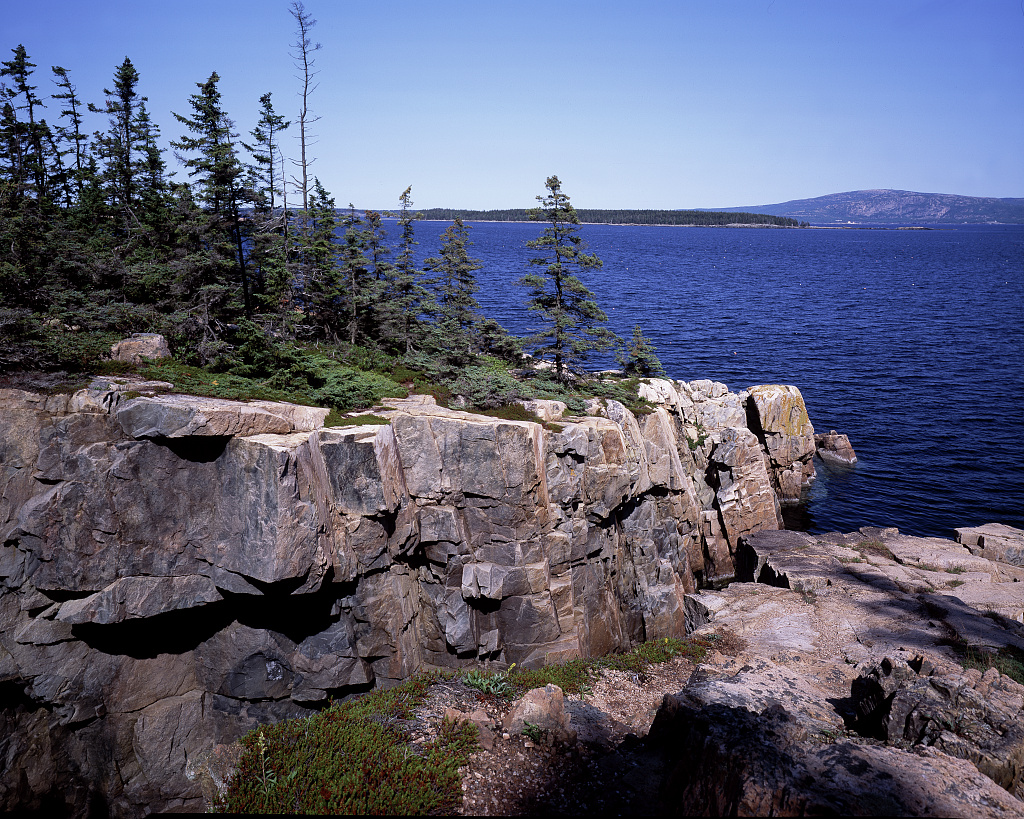
      Maine’s rocky coast
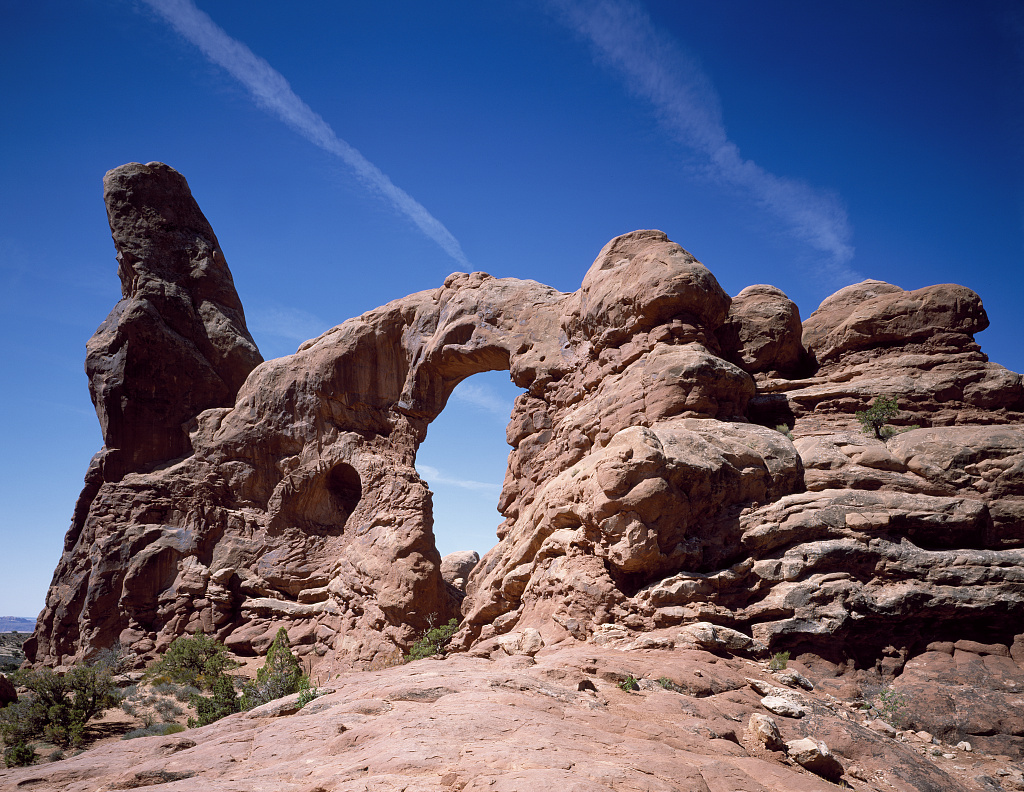
      Utah’s Arches National Park
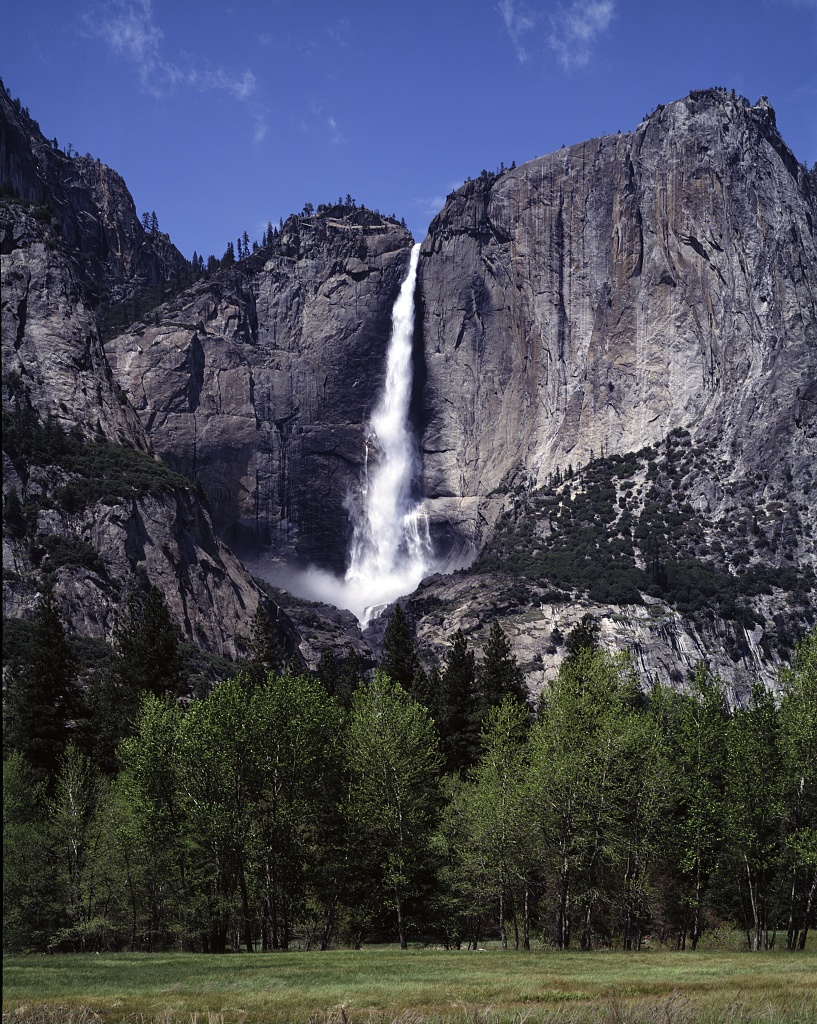
      Spectacular Yosemite Falls, Yosemite National Park
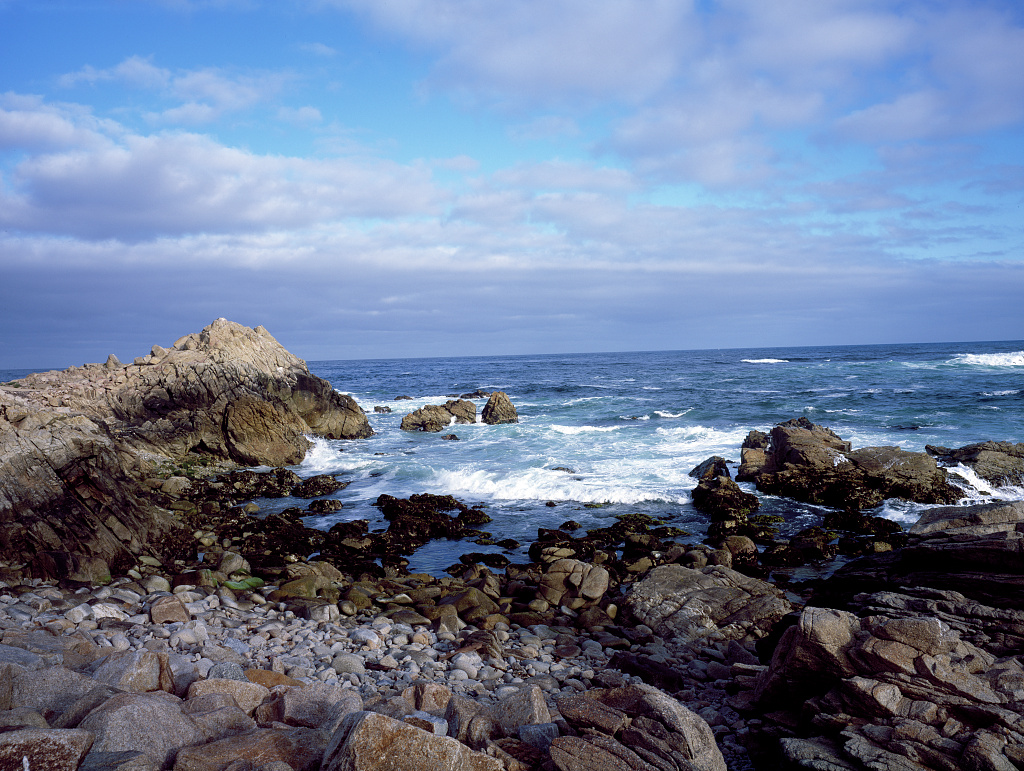
      California’s Pacific coast
      Unspoiled north shore of Hawii’s Oahu Island
      Scenic view from the Seward Highway in Alaska’s Chugach National Forest

      Scenes on Main Street

      In a remarkable 43-year project, Carol has visited all 50 states and photographed the people and places of this incredible country. Hundreds of thousands of these images will eventually be donated copyright free to the Library of Congress for use by the American people.

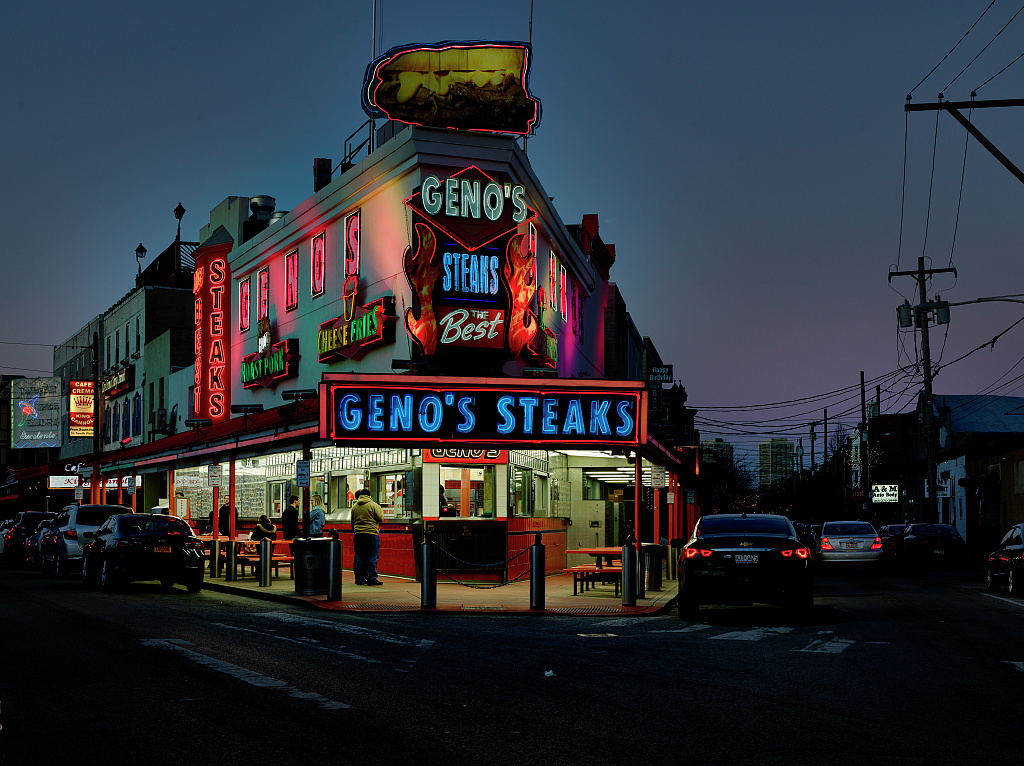
      Dusk shot of South Philadelphia’s famous Geno’s Steaks advertising the city’s Philly Cheesesteak
      Contestant and owner at the annual Weiner Dog Races sponsored by Main Street Charleston, WV
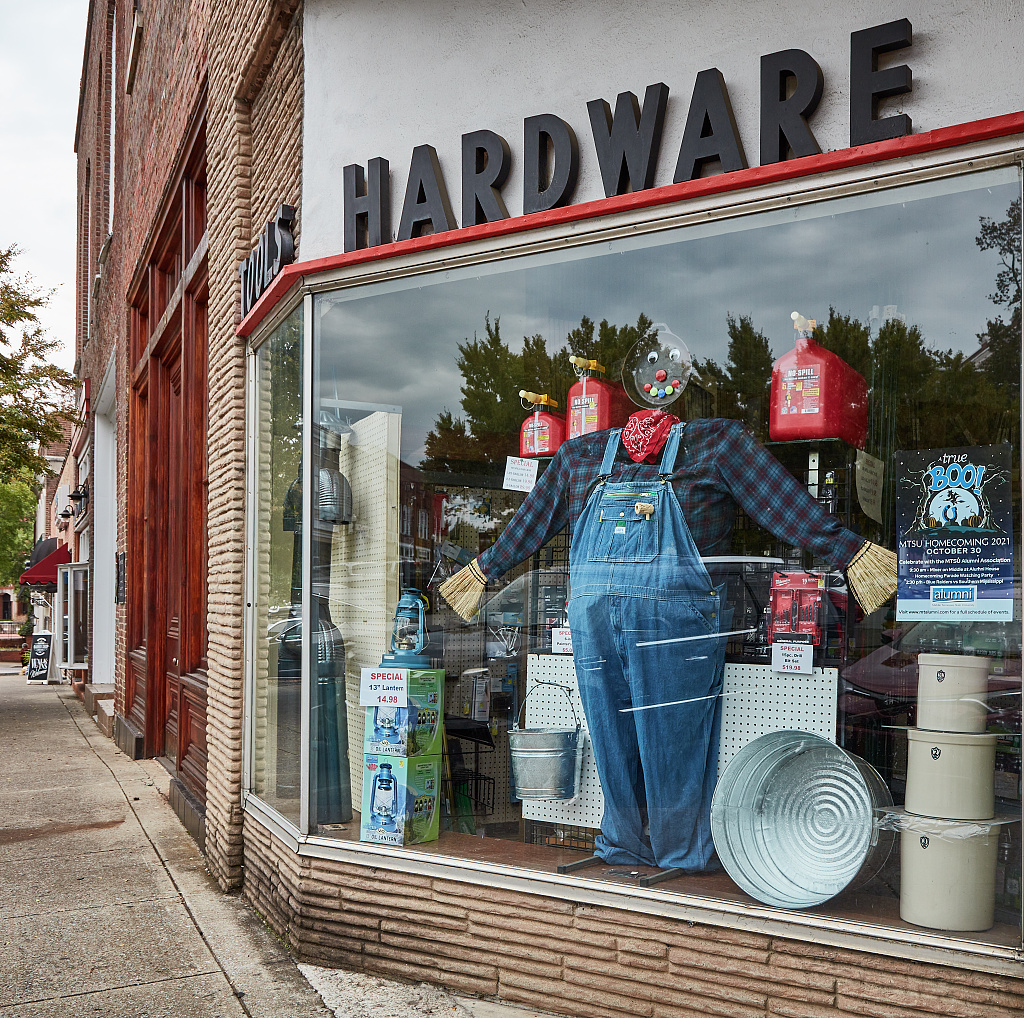
      Store window at Holden’s Hardware in my hometown of Murfreesboro, TN
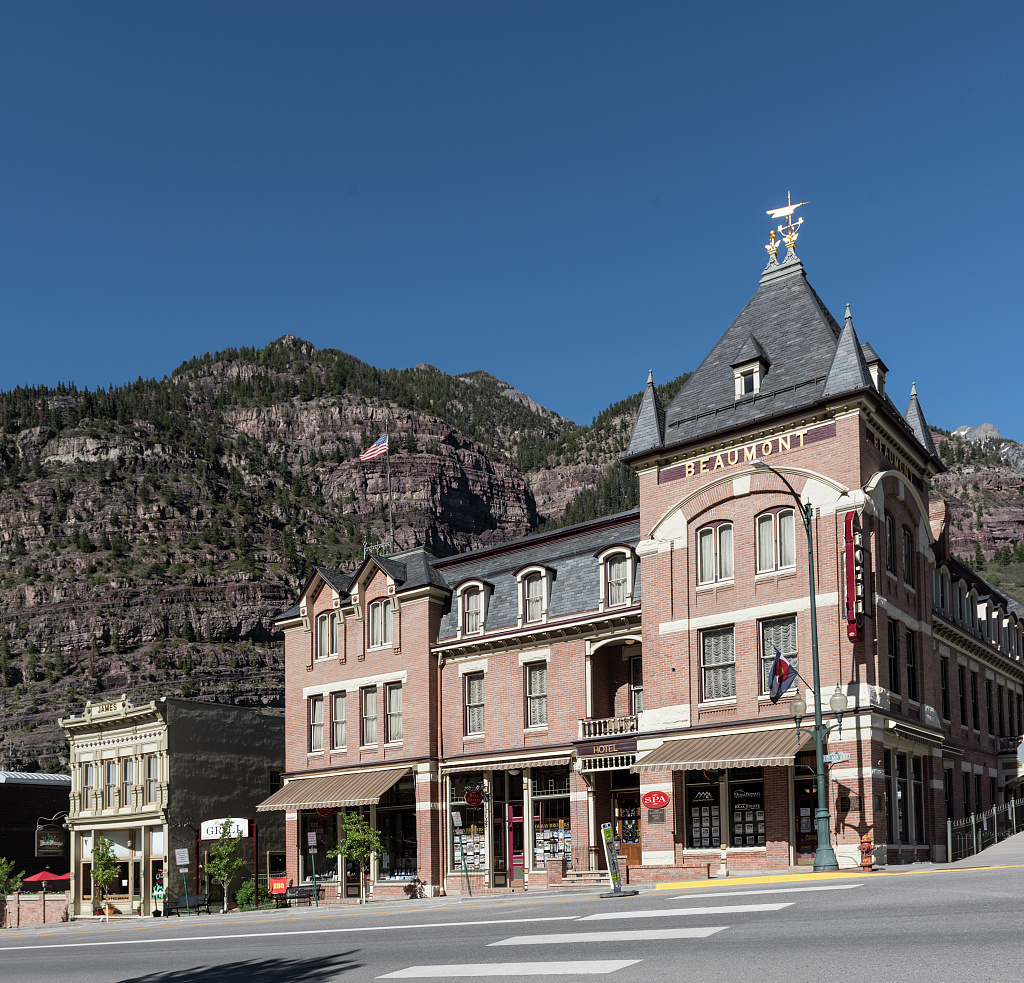
      A block of Main Street that includes the 1886 Beaumont Hotel in Ouray, CO, an old mining community (pronounced “you-RAY”) high in the San Juan Mountains
      Main Street in the Flushing neighborhood of the New York City borough of Queens

      Roadside America

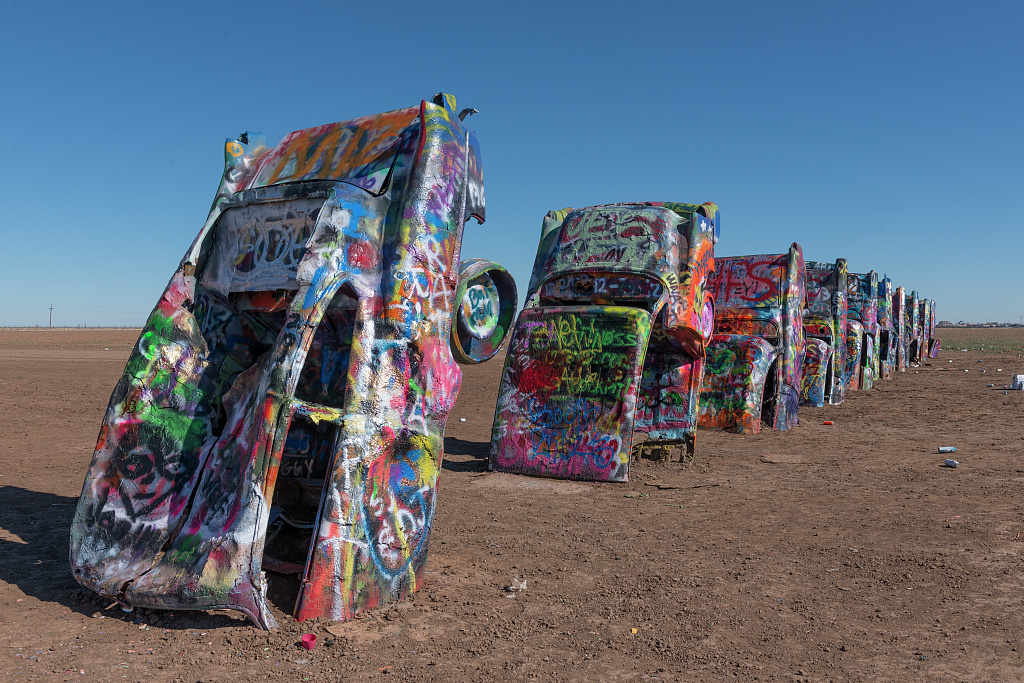
      “Cadillac Ranch” along Old U.S. Route 66 outside Amarillo, TX, where visitors are encouraged to bring along a spray can to add a touch or two to the unusual public art installation, keeping the overall look the same over time, but with daily changing details
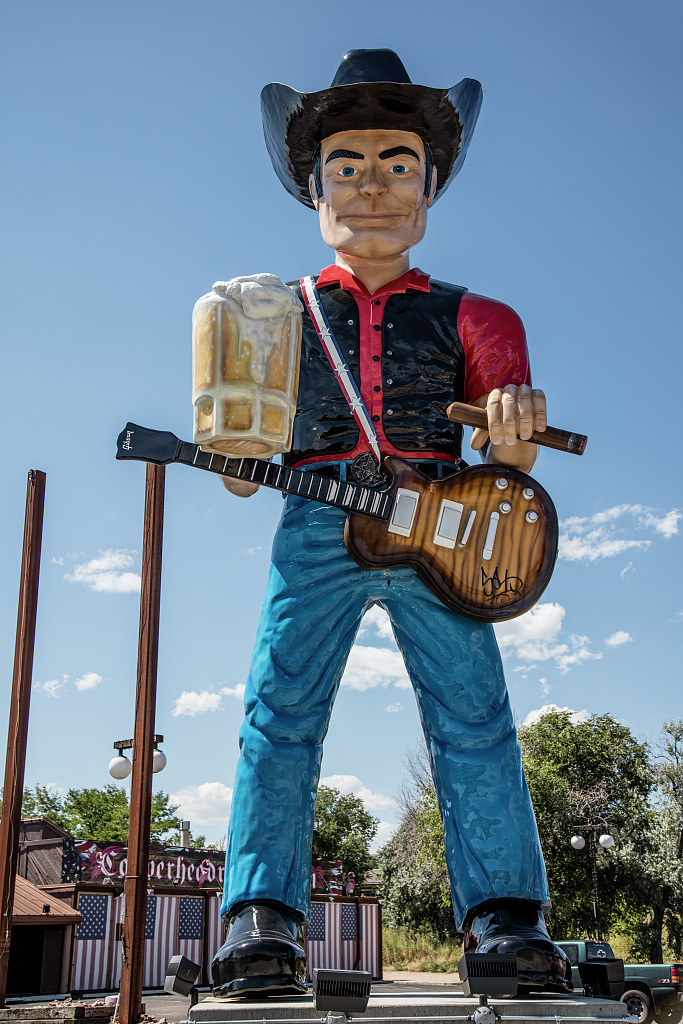
      A beer-drinking, guitar-playing “Muffler Man” cowboy at the Copperhead Road Bar in Colorado Springs, CO that has nothing directly to do with automobile mufflers, but is inspired by a series of large, molded fiberglass sculptures that were placed as advertising icons in the early days of travel across long-distance, two-lane highways
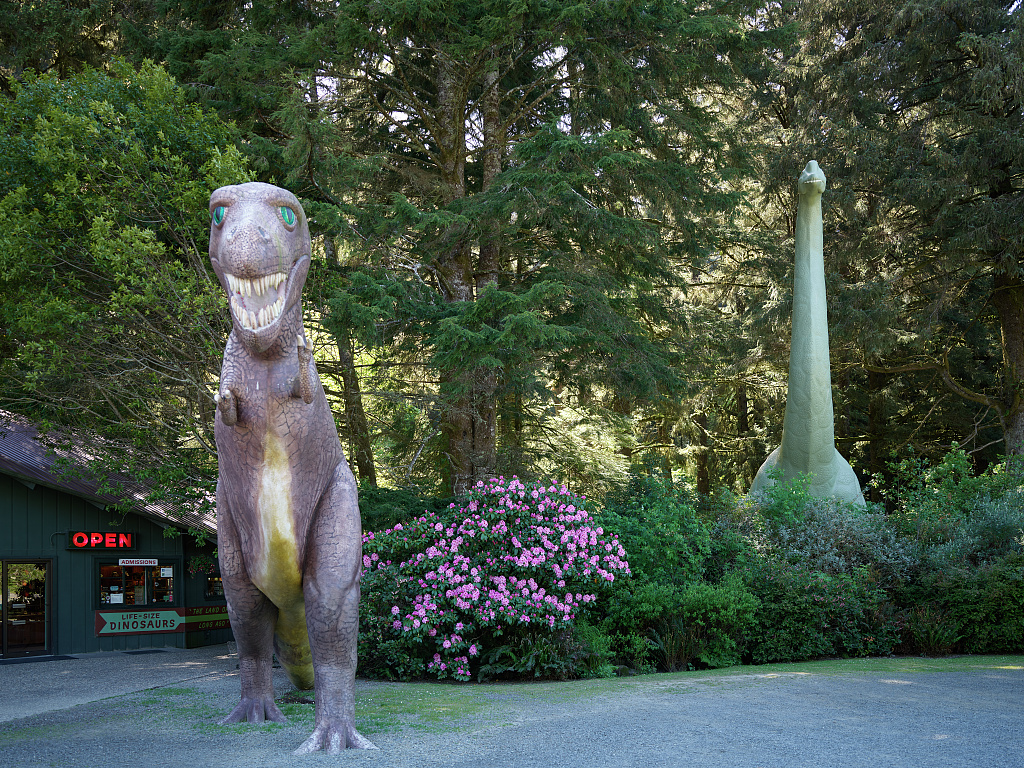
      The Prehistoric Gardens in Port Orford, OR, an old-time roadside attraction founded by amateur paleontologist E.V. Nelson, that opened in 1955 but continues to transport vacationers through an ancient rainforest in which lurk 23 gigantic dinosaurs

      Remembering our heroes

      We can purchase photographs through Carol Highsmith’s America Shop. We can also do what I’ve done here: simply pull them from the LOC archives.

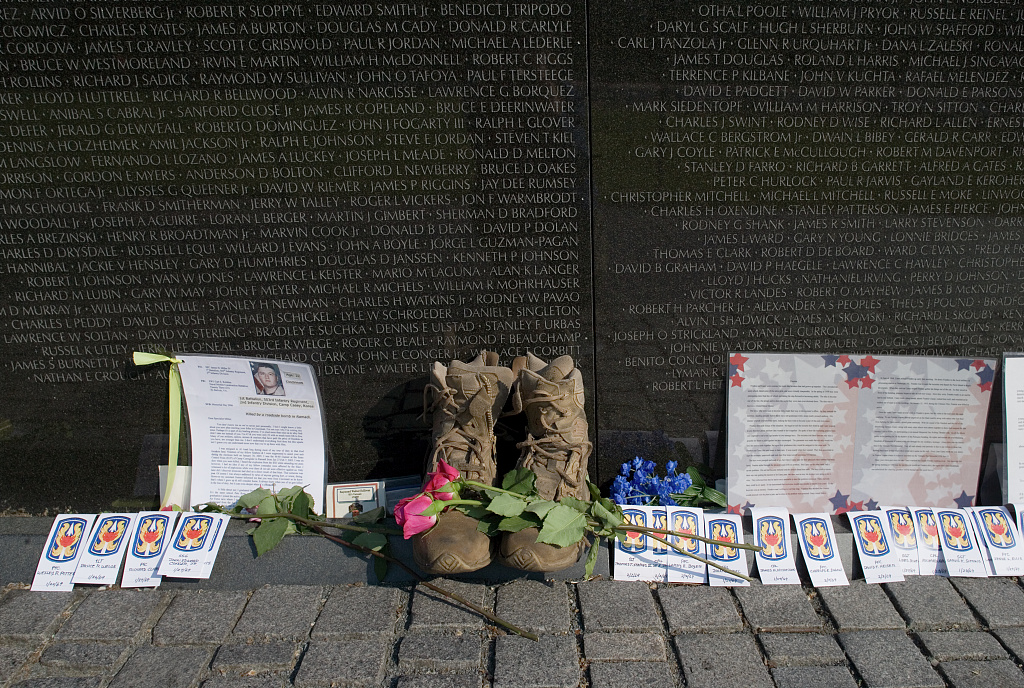
      Vietnam Memorial, Washington, DC, on Memorial Day
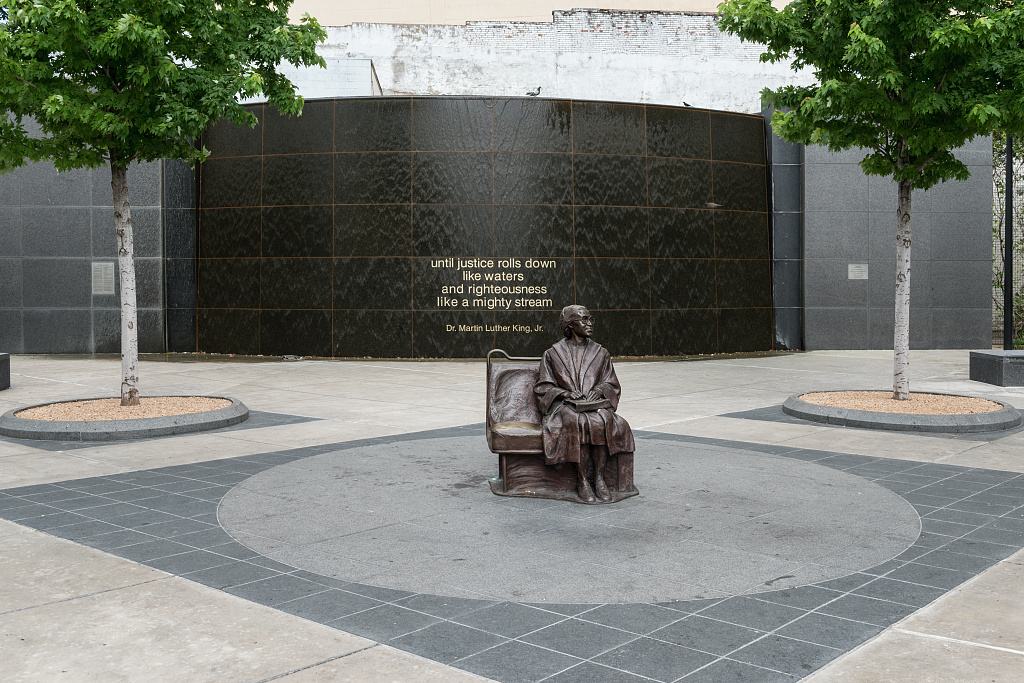
      A life-size bronze statue of African-American civil-rights stalwart Rosa Parks, sitting on a bus bench, the focal point of a plaza at a Dallas Area Rapid Transit, or DART, station in Dallas, TX
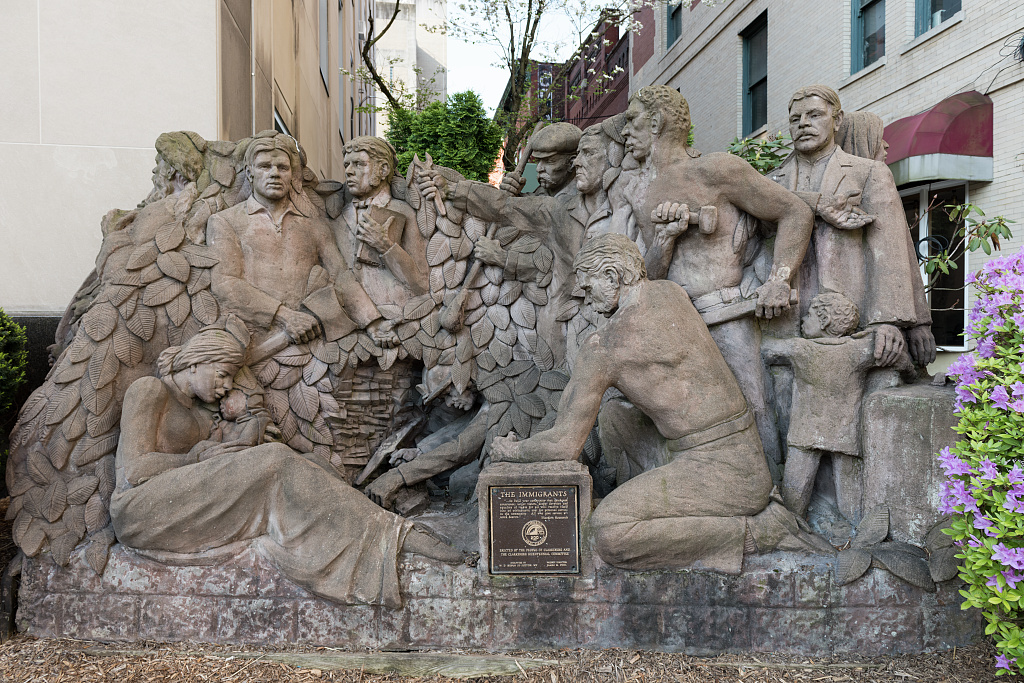
      Immigrants, who helped build America, are remembered in the Immigrants statue, erected outside the Harrison County Courthouse in Clarksburg, WV as part of the celebration of the city’s bicentennial in 1985
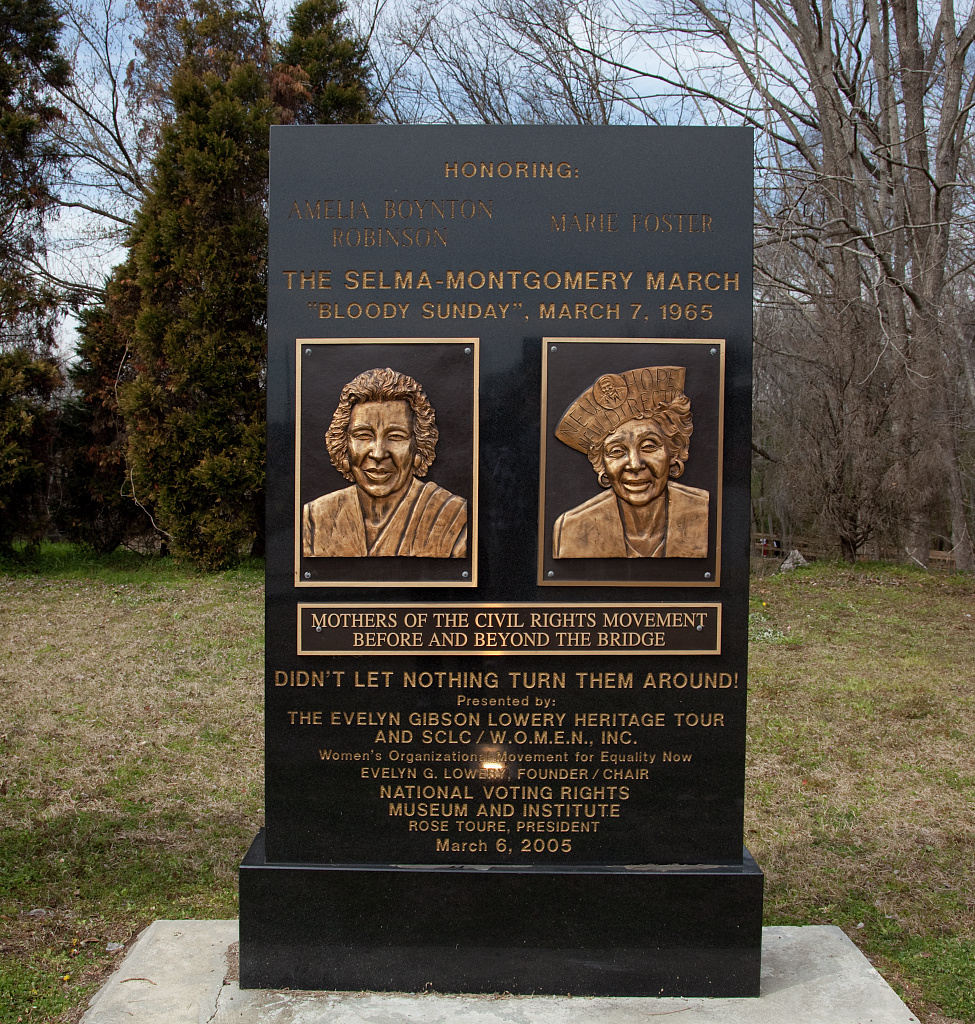
      The Civil Rights Memorial at the Edmund Pettus Bridge in Selma, AL
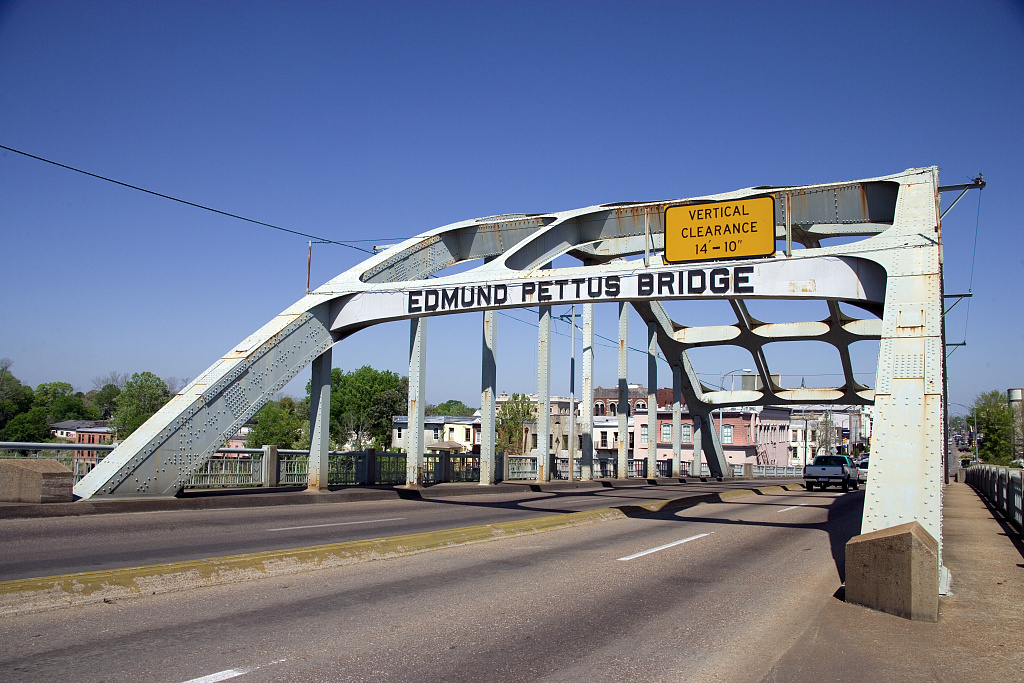
      Edmond Pettus Bridge located in Selma, AL, where on “Bloody Sunday,” state and local lawmen attacked marchers with billy clubs and tear gas and drove them back into Selma
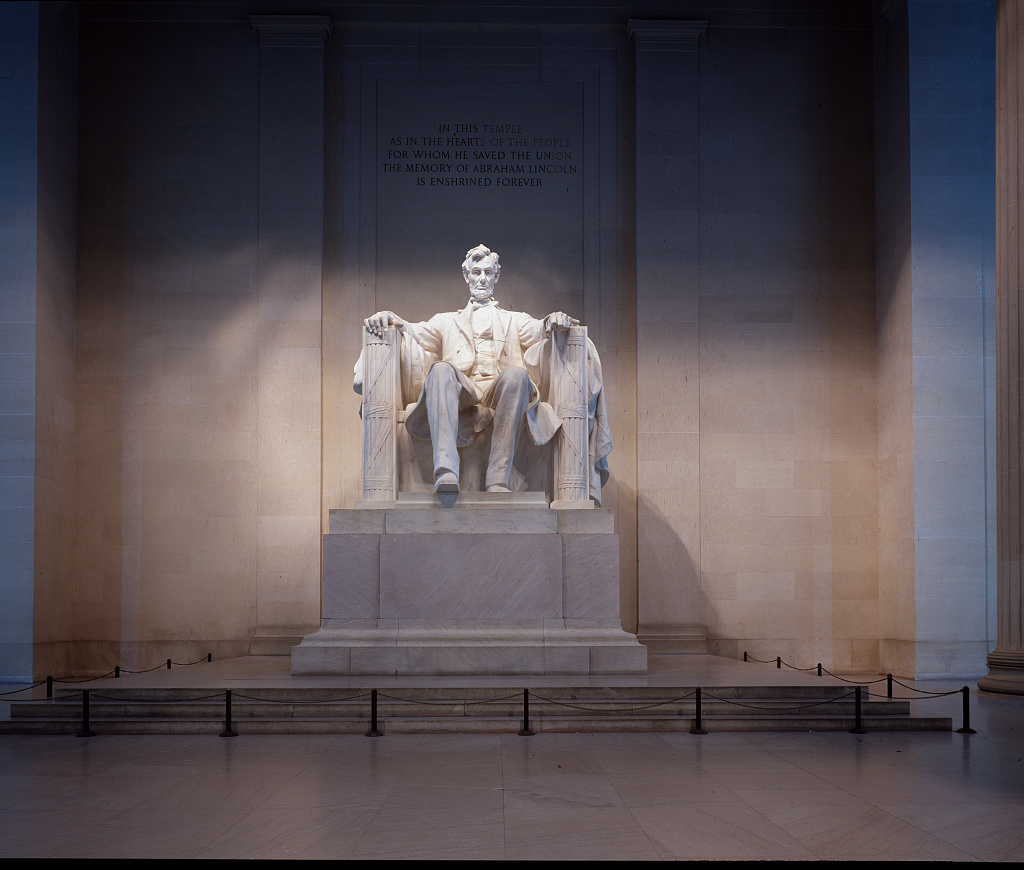
      Daniel Chester French’s “Seated Lincoln” at the Lincoln Memorial in Washington DC

      Gathering together

      An array of pies for sale at the “Back to Church Sunday” festival, organized by the nearby St. Paul’s Episcopal Church, on the grounds of the New Hampshire state house in Concord
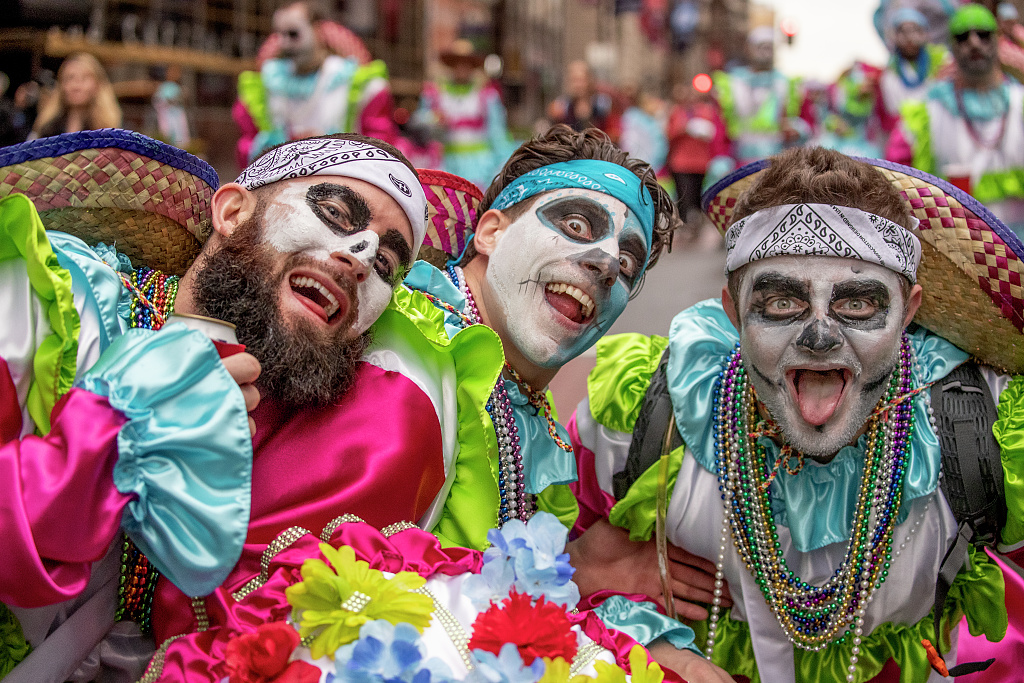
      Mummers at the annual New Year’s Day parade in Philadelphia
      University of Alabama Spring Football scrimmage where 92,000 football fans attended what amounts to a practice
      A street band on Bourbon Street in New Orleans’s French Quarter

      Monumental architecture

      Stained glass in the San Francisco Neimann Marcus store
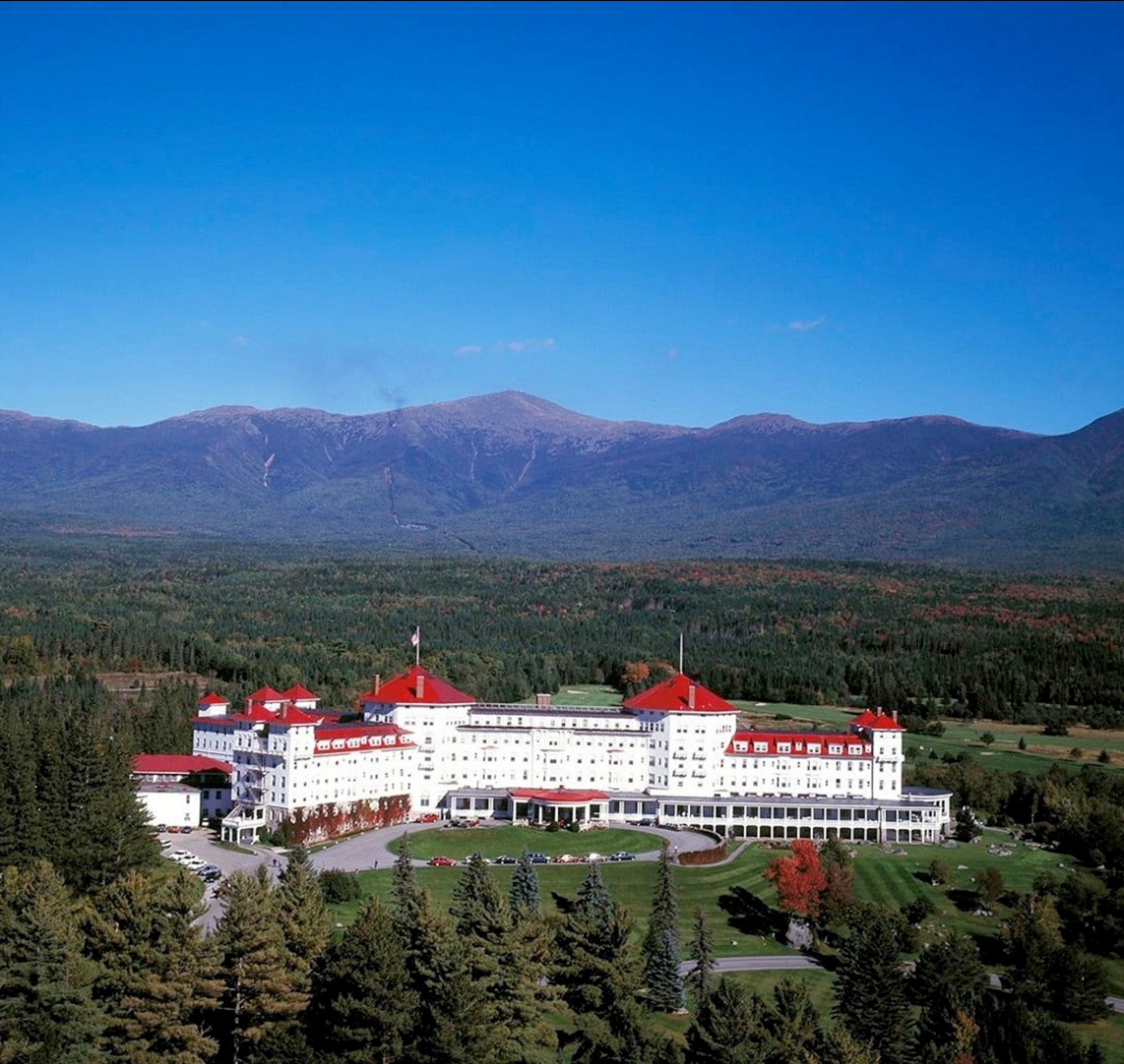
      Mount Washington Hotel, Bretton Woods, NH
      George Peabody Library, Baltimore
      Lyndhurst, a historic site of the National Trust and a Gothic Revival country house within its own 67-acre park beside the Hudson River in Tarrytown, NY

      And a few final views

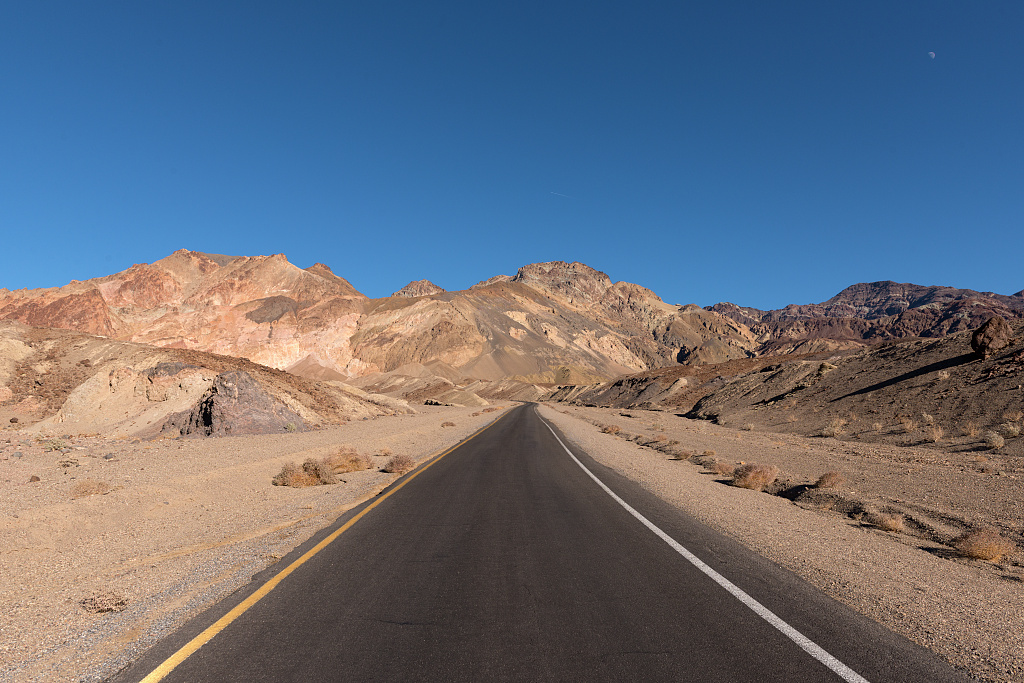
      “Road to Nowhere” view along Artists’ Drive in Death Valley National Park
      Infrared view of a streetcar on St. Charles Avenue in New Orleans, the oldest continuously operating street railway system in the world
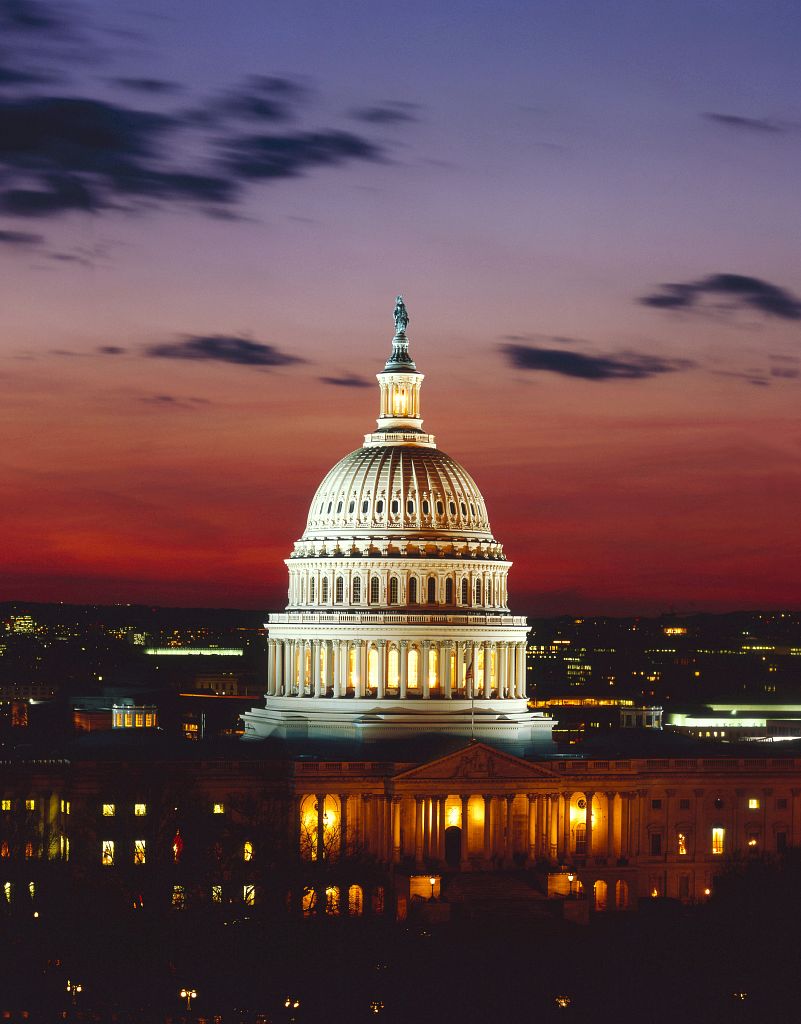
      U.S. Capitol, Washington DC as photographed from the Thomas Jefferson Building

      Thank you, Carol, for capturing glimpses of the good in America.

      More to come . . .

      DJB

      Image of the Colorado River’s Horsehoe Bend in Arizona and all other photographs from the Carol M. Highsmith Archive, Library of Congress, Prints and Photographs Division.

      A gift to America

      Journalist and author Krista Tippett suggests that the first practice in a life of wisdom is to see the generative narrative of our time. “We are fluent in the narrative of catastrophe and dysfunction and disarray” but that is not all there is to this world. “There is also an abundant reality of things going right at any given time.” Those practicing a life of wisdom “take in the good.”

      Our brains are hardwired for protection, so we quickly look for the worst in order to build our defenses. But we also have a calling to be “friends, neighbors, family, citizens, lovers of the world.” We are called, Tippett says, “to wholeness.”

      Seeing the generative narrative in today’s world can seem difficult. Yet there are artists, poets, writers, mentors, and friends who regularly take in the good, the wonder, the joy around us and share it with others.

      Carol Highsmith is a photographer who has taken the time to notice and share the wonder.

      While a student at Washington’s Corcoran School of Art, Carol began documenting the restoration of the Willard Hotel, once called the “Hotel of Presidents.” And it was there that she “first saw the astonishing images of Frances Benjamin Johnston, a pioneer female photographer who had also shot in the Willard Hotel 75 years earlier. She had donated her life’s work to the Library of Congress.”

      I was inspired and energized by her work, and her generosity, and I was determined to follow in her footsteps. I, too, would give my work to our great national library — with no stipulations or restrictions, just as Frances did.

      In a remarkable 43-year project, Carol has visited all 50 states and photographed the people and places of this incredible country. Tens of thousands of those images now reside with the Library of Congress. Hundreds of thousands will eventually be donated copyright free to the American people.

      I came to know Carol’s extraordinary work through her photographs of the historic sites of the National Trust for Historic Preservation, where I worked for more than two decades. Her evocative and timeless images of iconic Trust sites were imprinted on my mind.

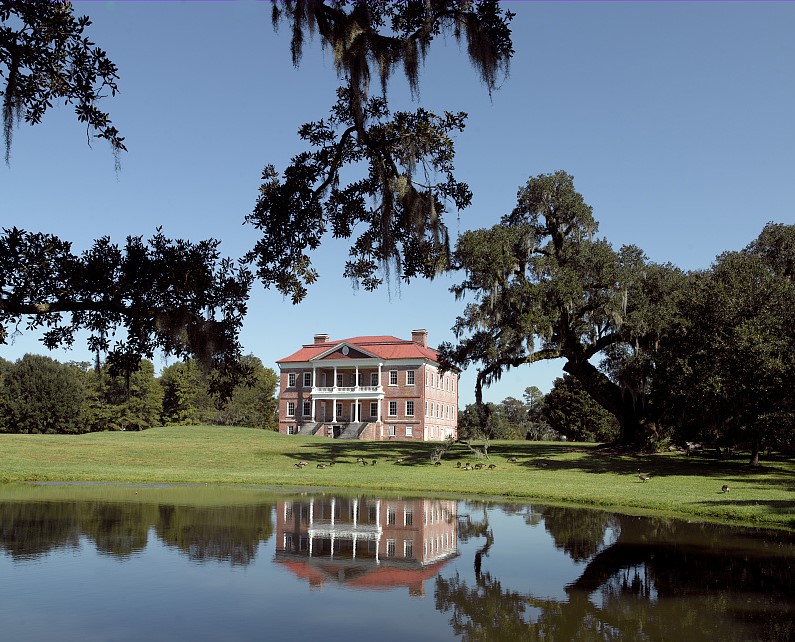
      Drayton Hall Plantation, Charleston, South Carolina, a National Trust Historic Site and one of the most handsome examples of Palladian architecture in North America.

      Creative Commons noted that “by removing copyright restrictions from her photographs, Highsmith is engaged in the important work of growing a robust commons built on gratitude and usability; her singular archive at the Library of Congress is a testament to one woman’s passion and generosity.”

      Here are a handful of Carol’s photographs that have caught my eye through the years.


      Ordinary people doing extraordinary things

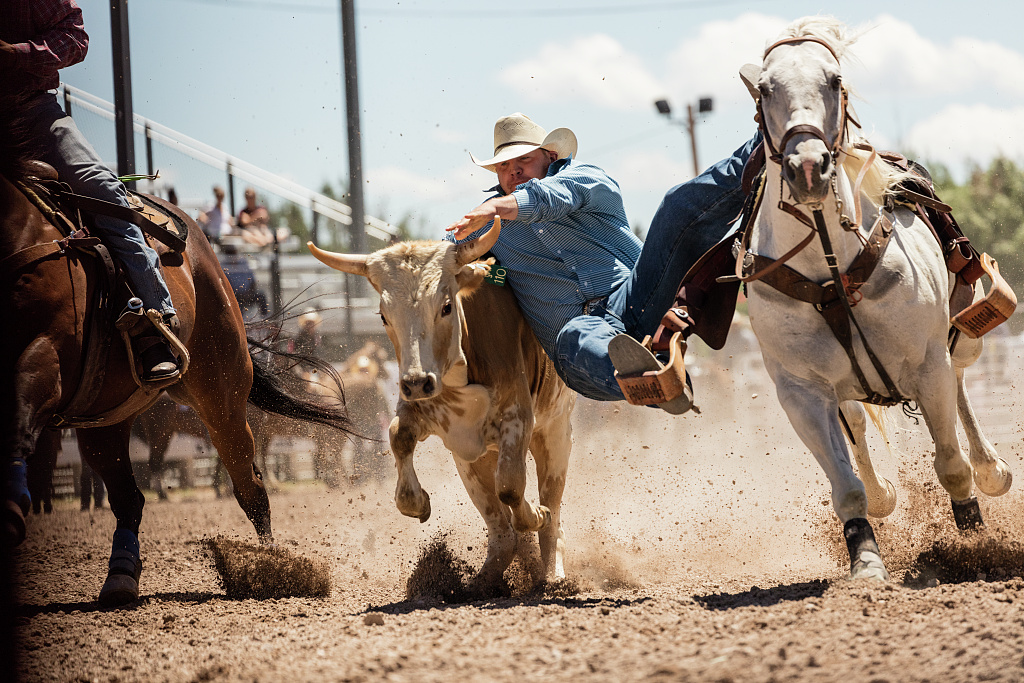
      Rodeo action at the Cheyenne Frontier Days celebration, a mountain-states tradition since 1897.
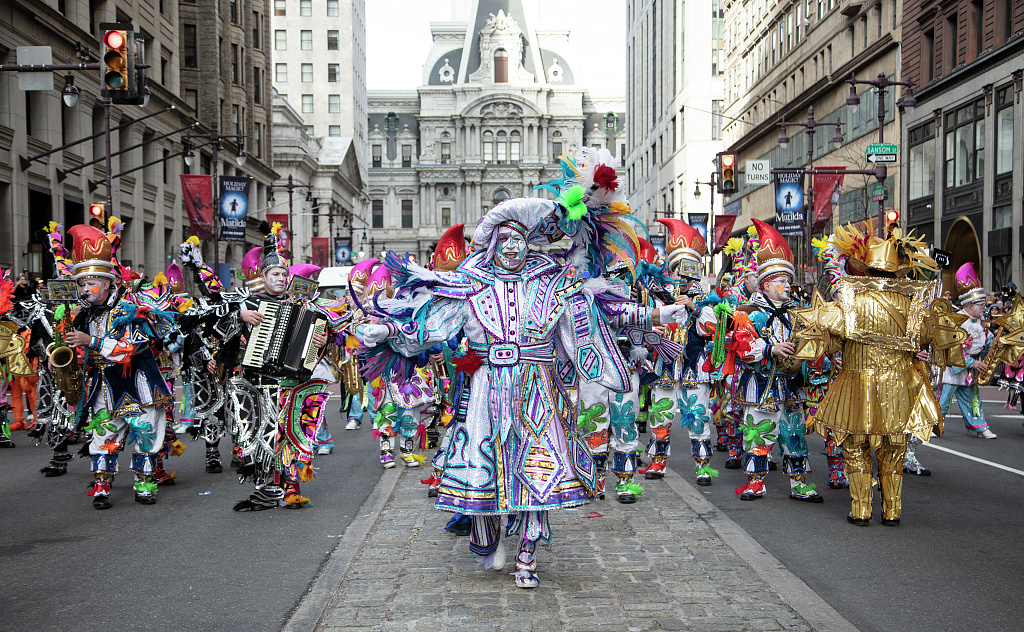
      The Mummers Parade, held each New Year’s Day in Philadelphia. It is believed to be the oldest folk festival in the United States, with the first parade held January 1, 1901.
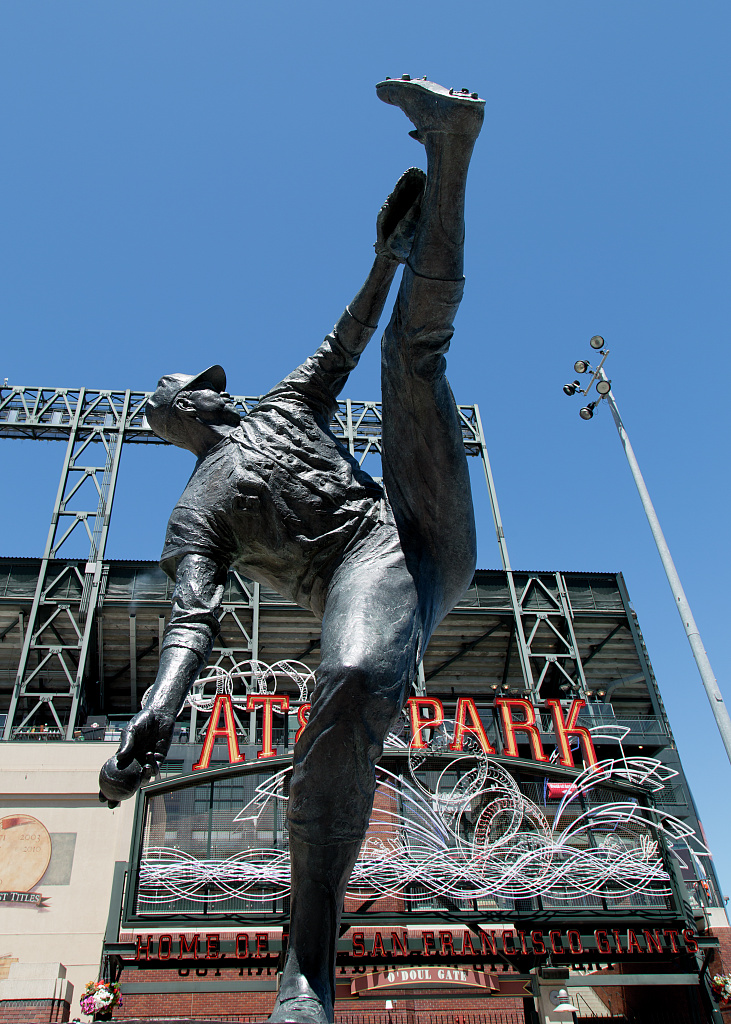
      Statue of the magnificent Juan Marichal outside Giant’s ballpark in San Francisco.
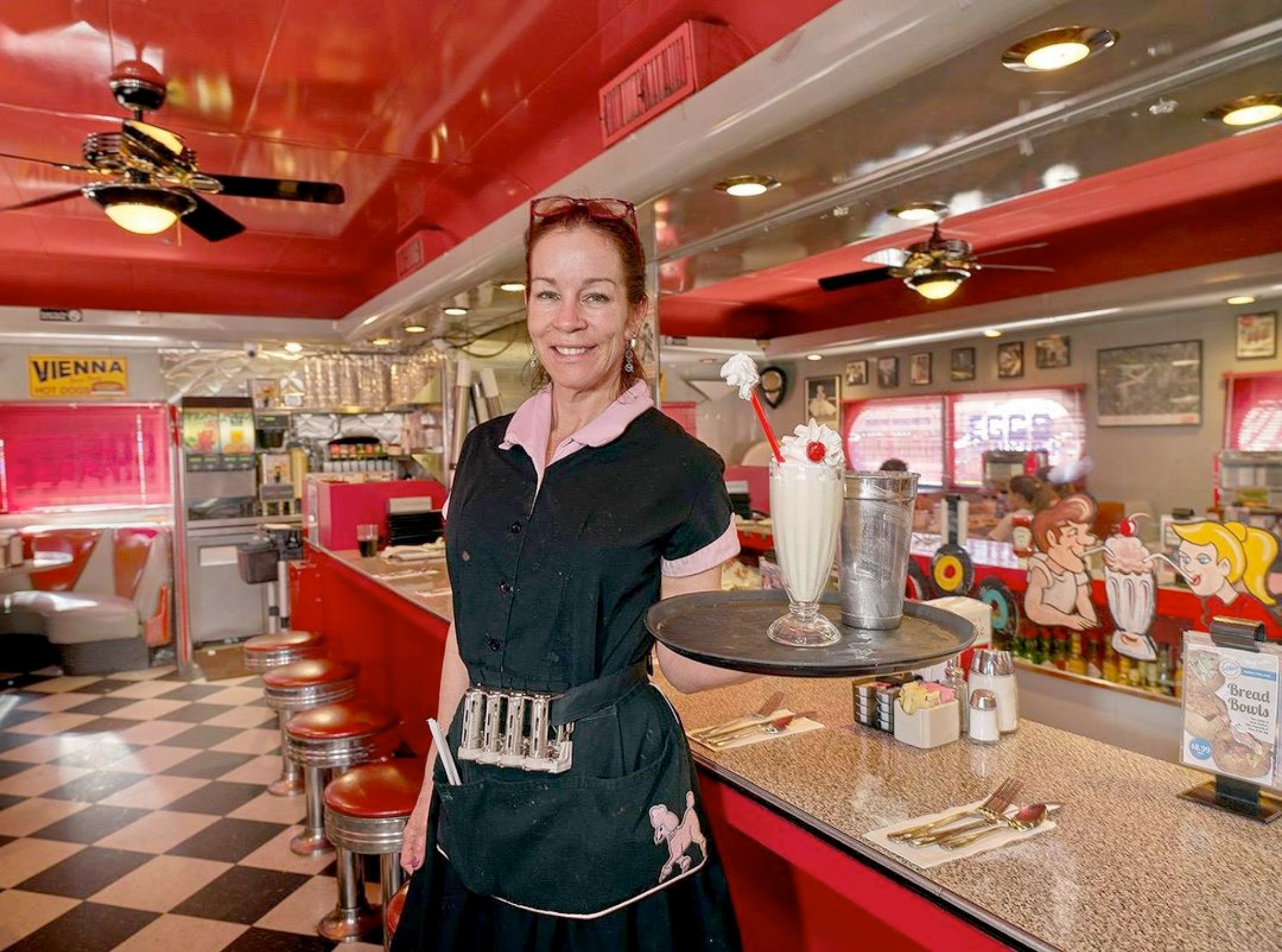
      Waitress Tara Keogh serves a vanilla ice-cream soda at the Five & Diner diner-style restaurant in Phoenix.

      The passages of life

      Carol’s work is, to put it simply, a gift to America. While we can purchase photographs through Carol Highsmith’s America Shop, we can also do what I’ve done here: simply pull them from the LOC archives.

      Navajo Eula M. Atene holds three-month-old Leon Clark on a ridge in Monument Valley Navajo Tribal Park.
      Andrea Prada, holding the flowers, and Luis Castano have just been married on the Brooklyn Bridge. Flanking them are best man Jose Prada and bridesmaid Andrea Bolaños.
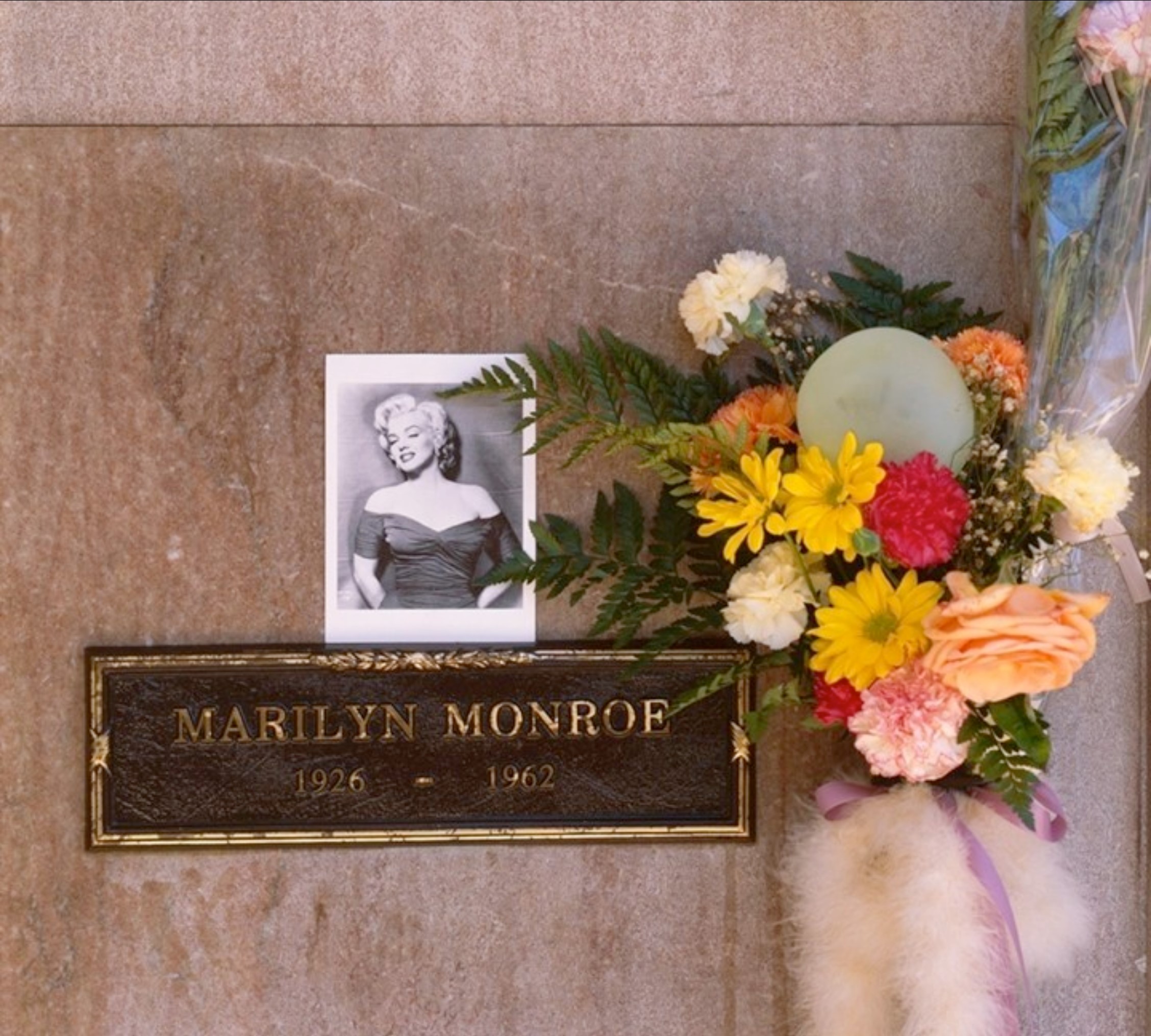
      Marilyn Monroe’s vault at the Westwood Village Memorial Park and Mortuary, Los Angeles, California.

      Lighting up the night

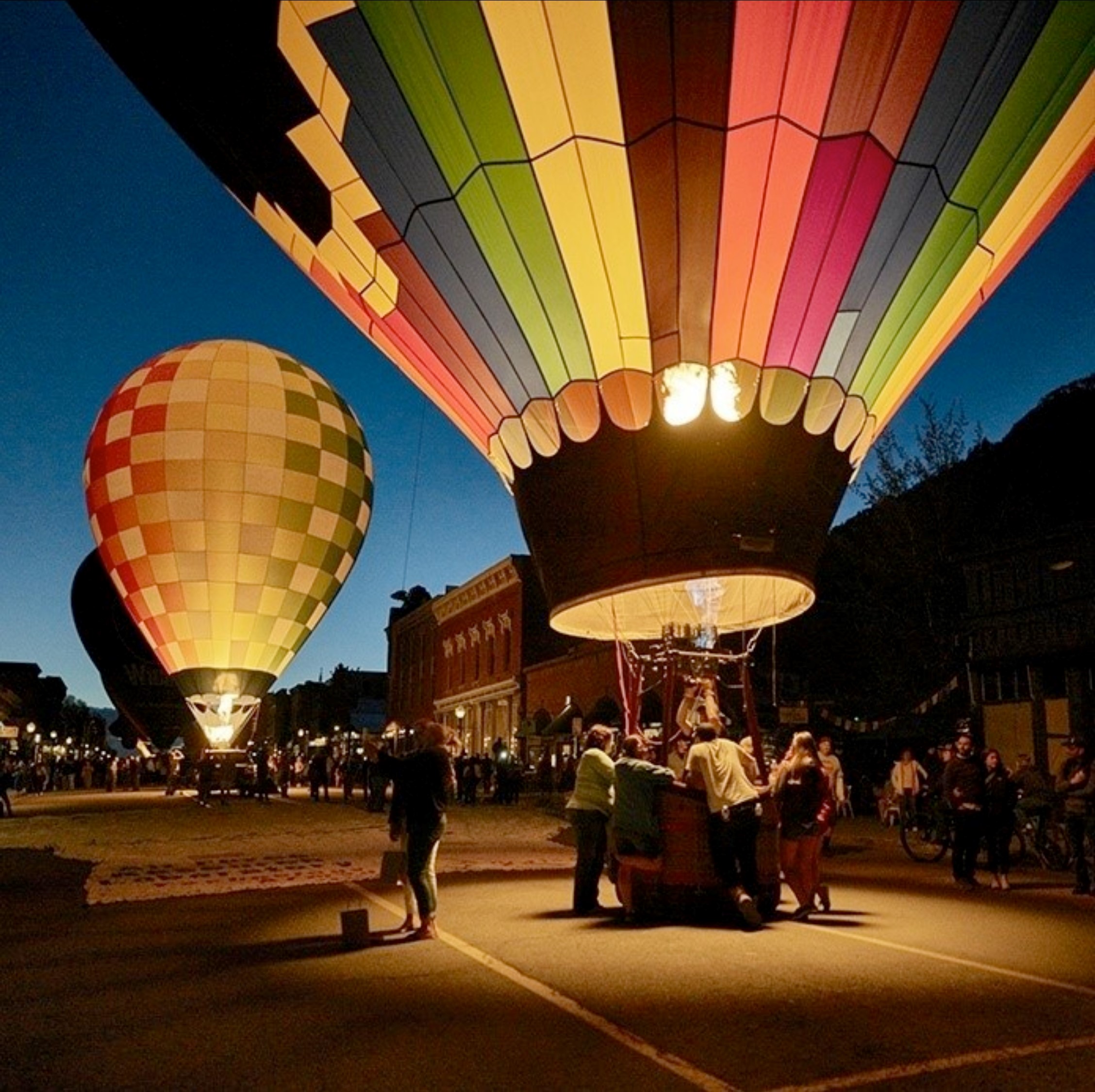
      Telluride Balloon Festival in Colorado
      Old Las Vegas casino, taken in the 1980s at the beginning of Carol’s career.
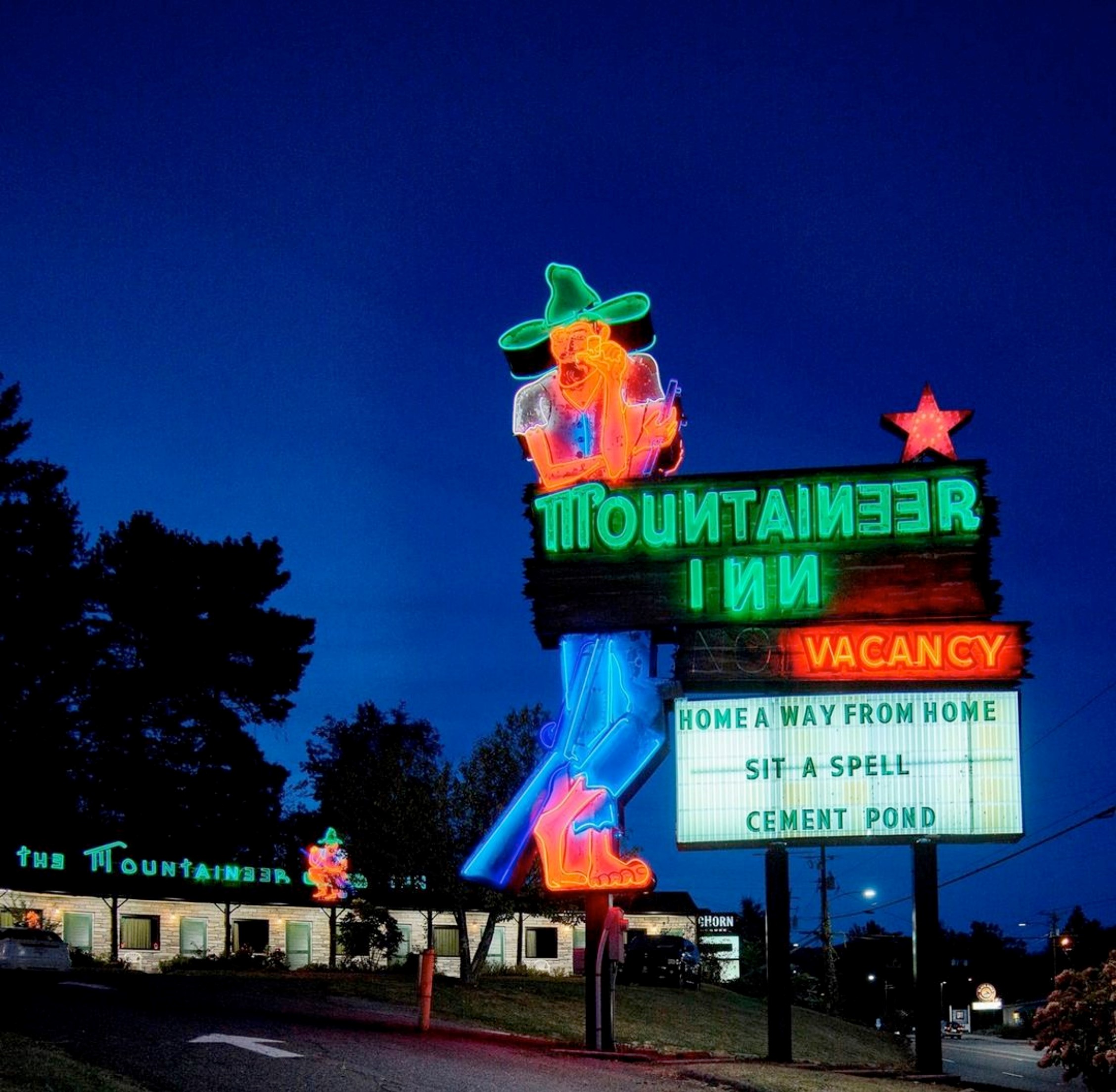
      Mountaineer Inn in Asheville, NC
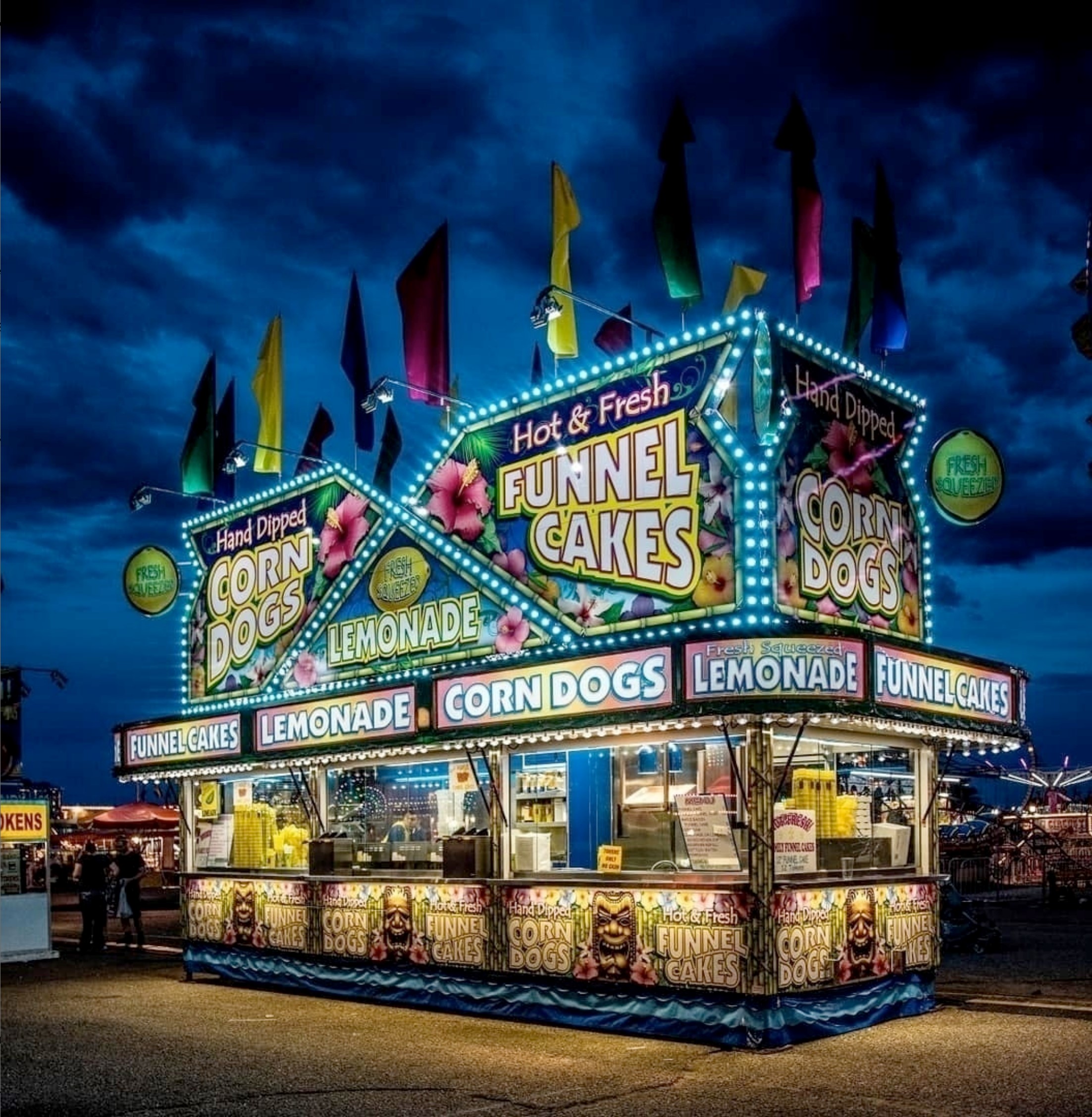
      Bring your sweet tooth to the Colorado State Fair in Pueblo
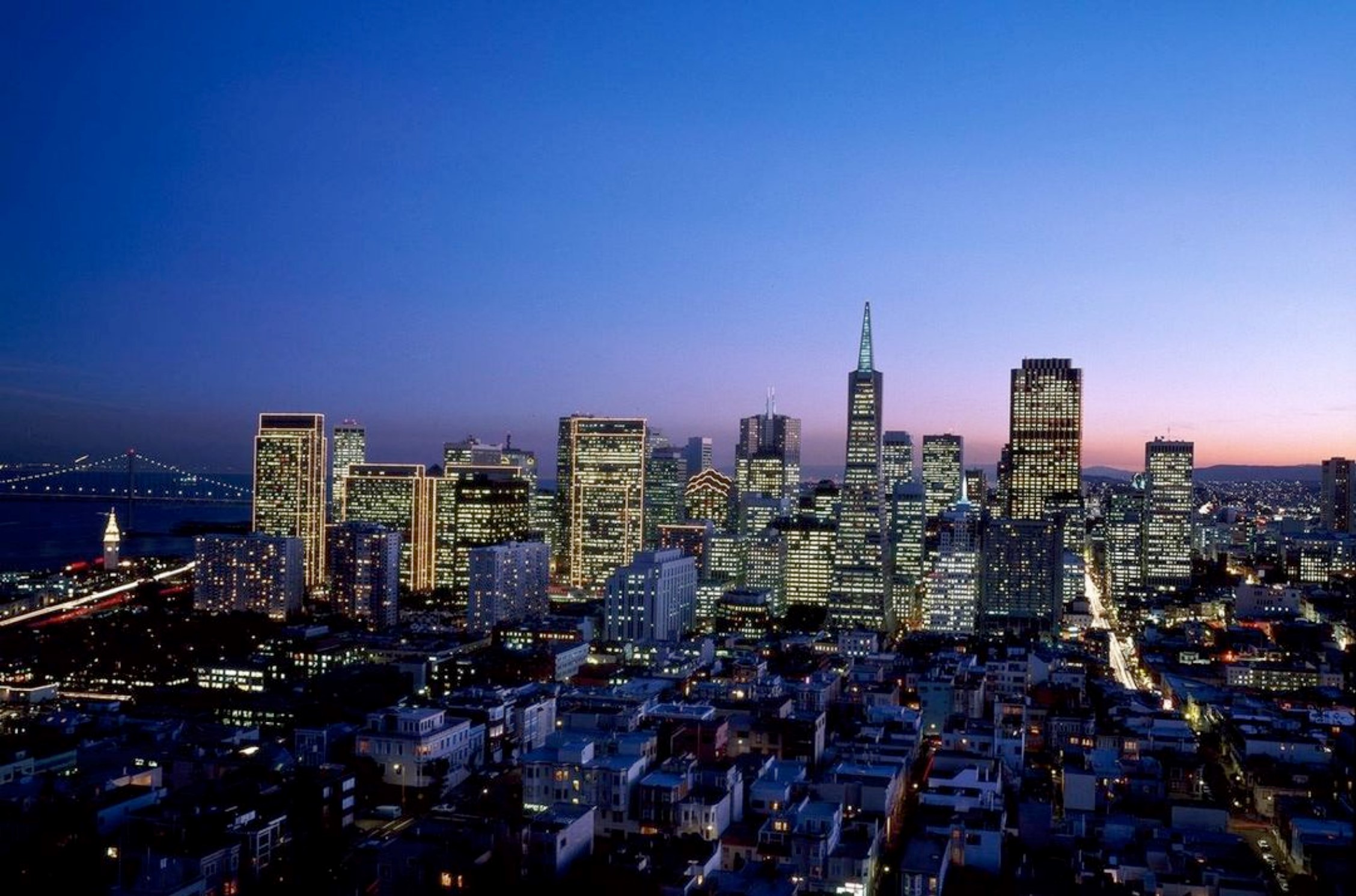
      San Francisco at night

      Houses big and small

      Courtyard in Sky City, one of four Native American communities that make up Acoma Pueblo in north central New Mexico and a National Trust historic site. Still home to a number of families, Acoma is the oldest continuously occupied community in the United States.
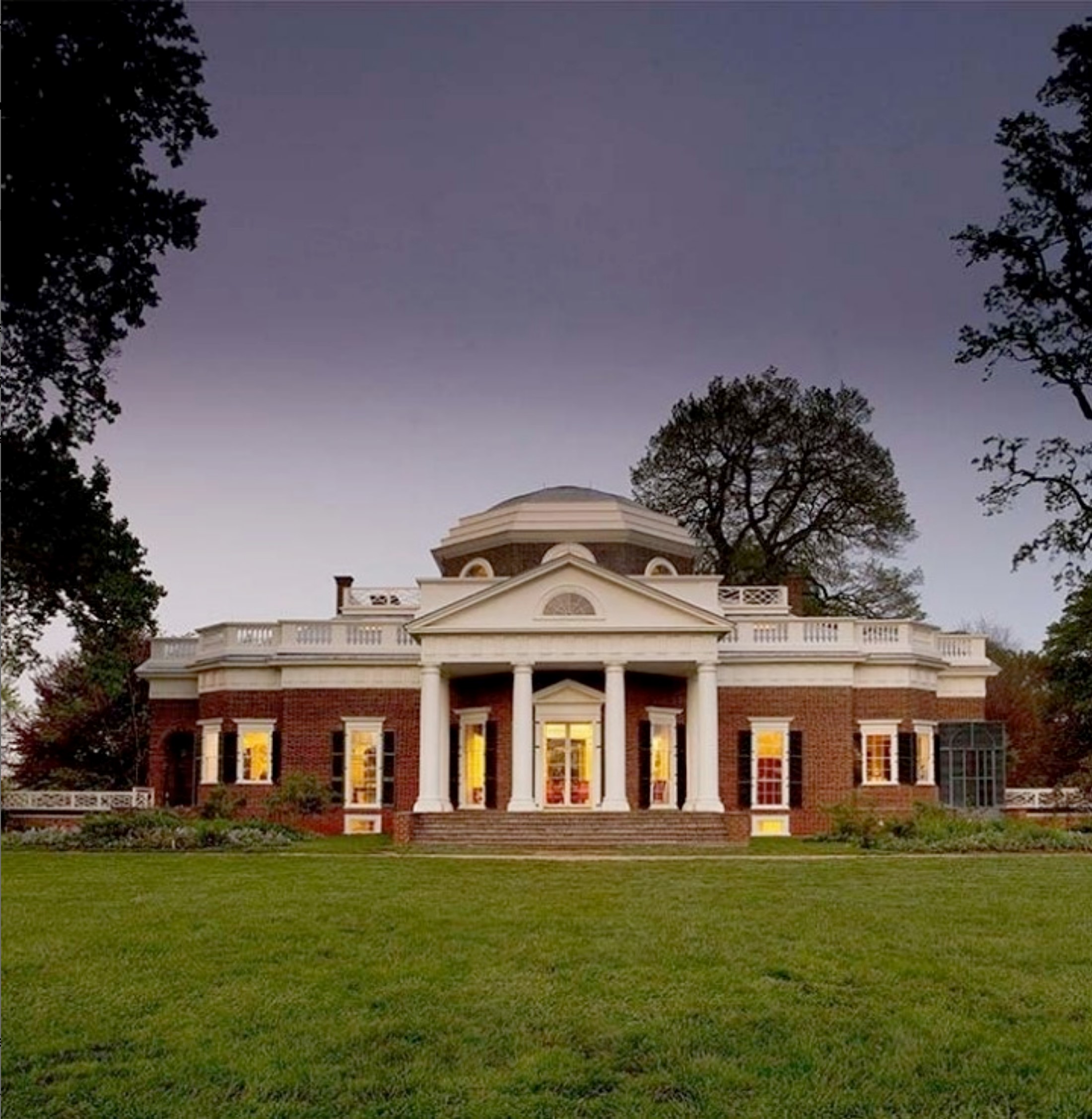
      Monticello at dusk
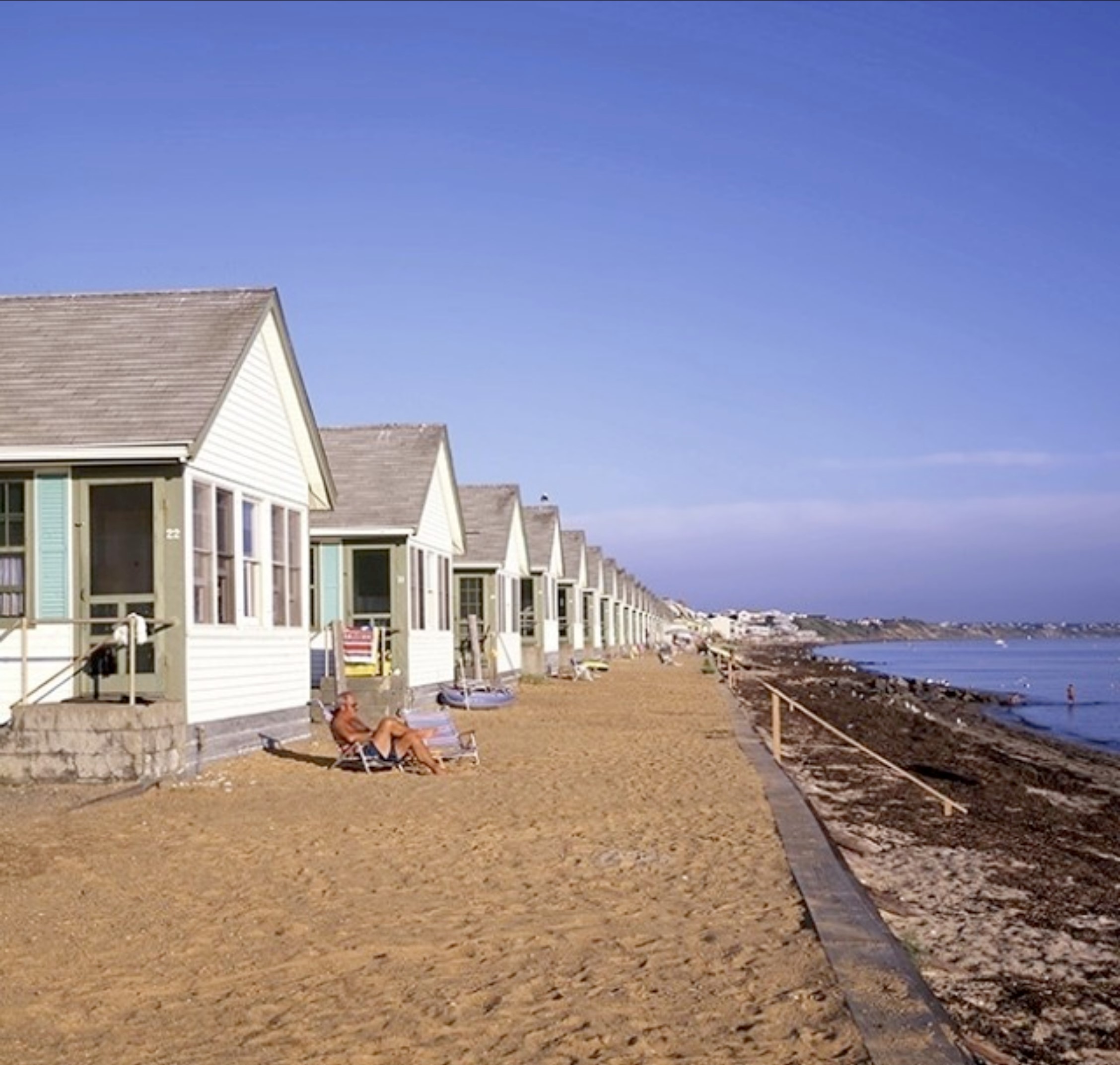
      Truro in Cape Cod is known for its rolling dunes; pristine beaches; the historic Highland Light; and Cape Cod’s oldest golf course, Highland Links.
      Interior of Frank Lloyd Wright’s Harold C. Price, Sr. House, Paradise Valley, AZ
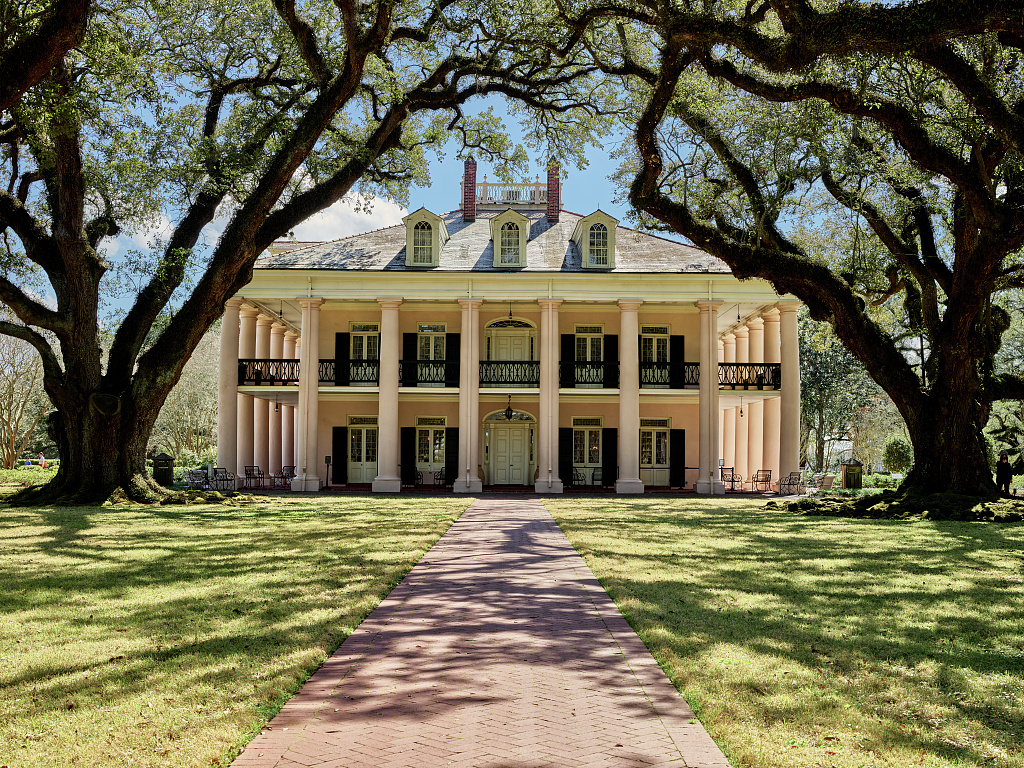
      The Greek Revival-style manor house at Oak Alley in Vacherie, Louisiana. The exterior features a free-standing colonnade of 28 Doric columns on all four sides that correspond to the 28 oak trees in the “allée,” The home’s first owner, French Creole Valcour Aime was known as the King of Sugar.

      America the beautiful (and strange)

      Anytime I feel the need to take in the good, I’m going to post 15-20 more photographs from the Carol M. Highsmith collection. So consider this just the very first appetizer in a long and delicious feast.

      Denali (“The Great One”) in Alaska is the highest mountain peak in North America, at a height of approximately 20,320 feet (6,194 m) above sea level.
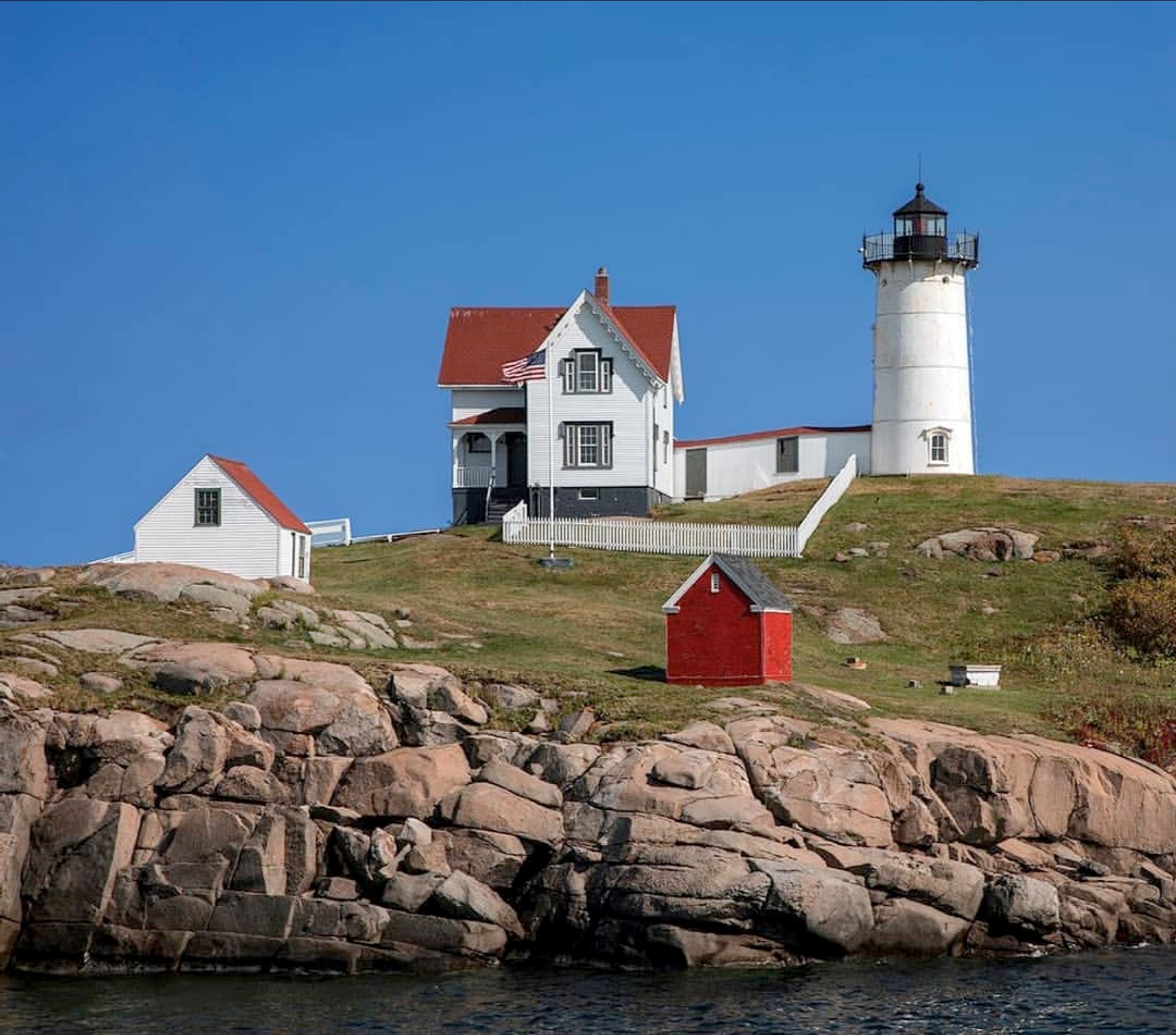
      Cape Neddick lighthouse in York, Maine. A digitized image of the lighthouse was sent into space aboard Voyager II as part of the collection of materials designed to teach extraterrestrials about Earth.
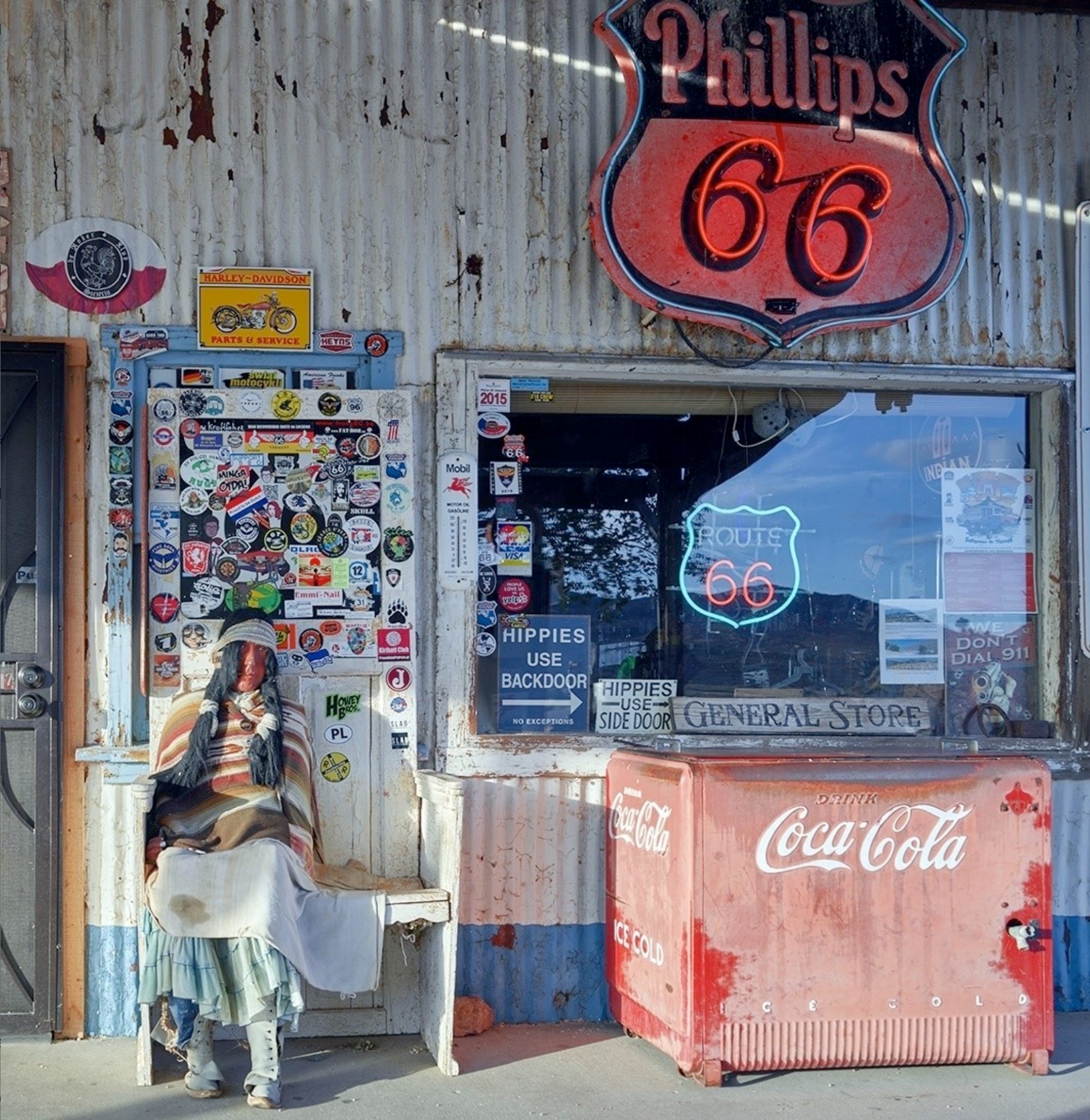
      Hackberry General Store along old Route 66 in Hackberry, Arizona.
      Idaho farm and field
      You see the strangest things in the South Dakota countryside.
      The George Peabody Library in Baltimore. Designed by architect Edmund G. Lind in collaboration with the first provost, Dr. Nathaniel H. Morison, the Peabody Stack Room contains five tiers of ornamental cast-iron balconies, which rise dramatically to the skylight 61 feet above the floor.
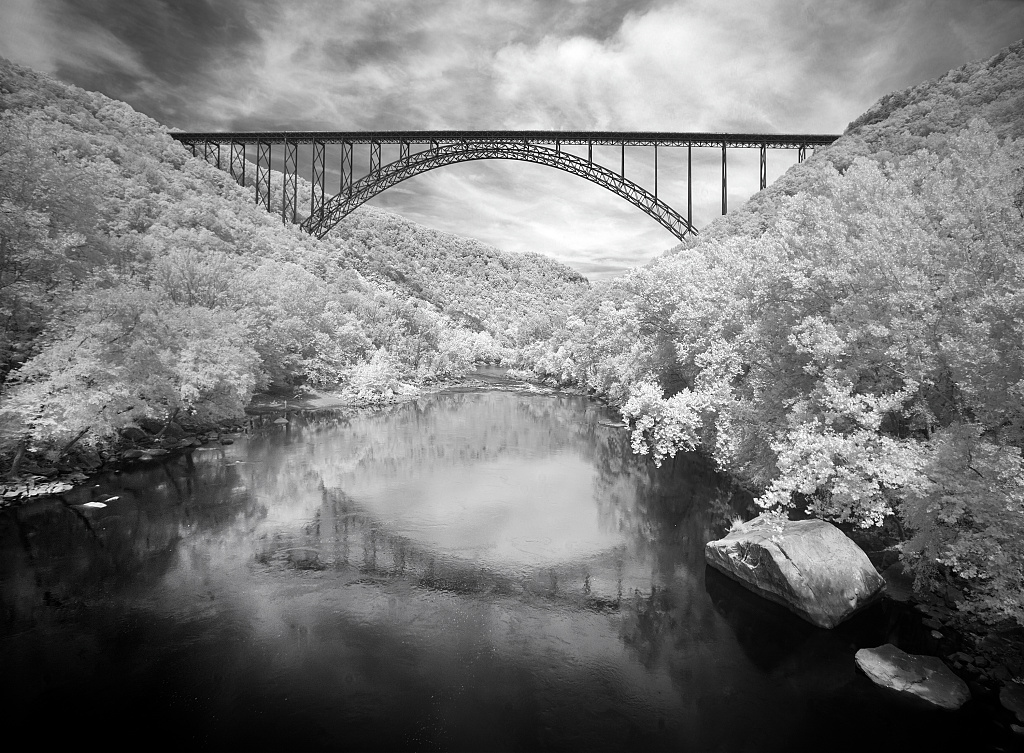
      Infrared-camera view of the New River Gorge Bridge in West Virginia.

      Thank you, Carol my friend, for your incredible generosity. As the old Carter Family song reminds us, “Keep on the Sunny Side.”

      More to come . . .

      DJB

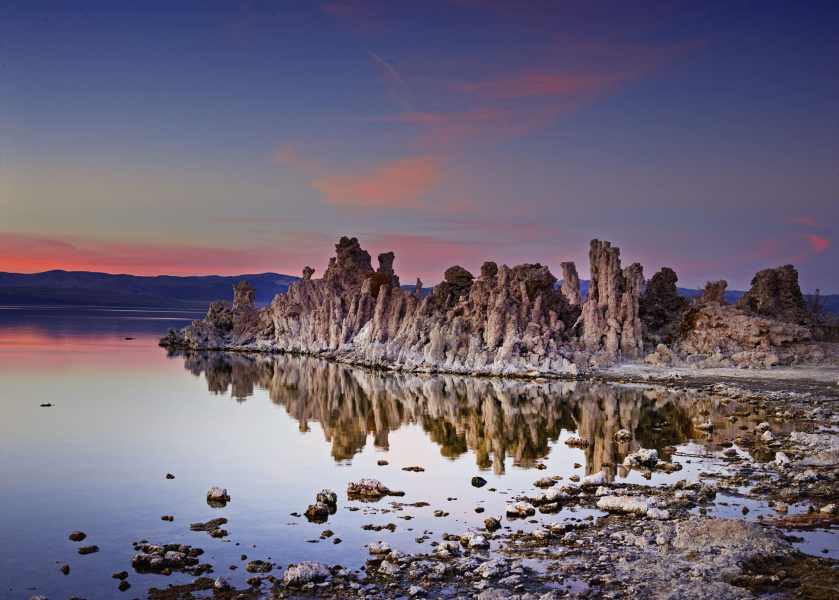
      Image of Mono Lake, a large, shallow saline soda lake in Mono County, California, and all other photographs from the Carol M. Highsmith Archive, Library of Congress, Prints and Photographs Division.