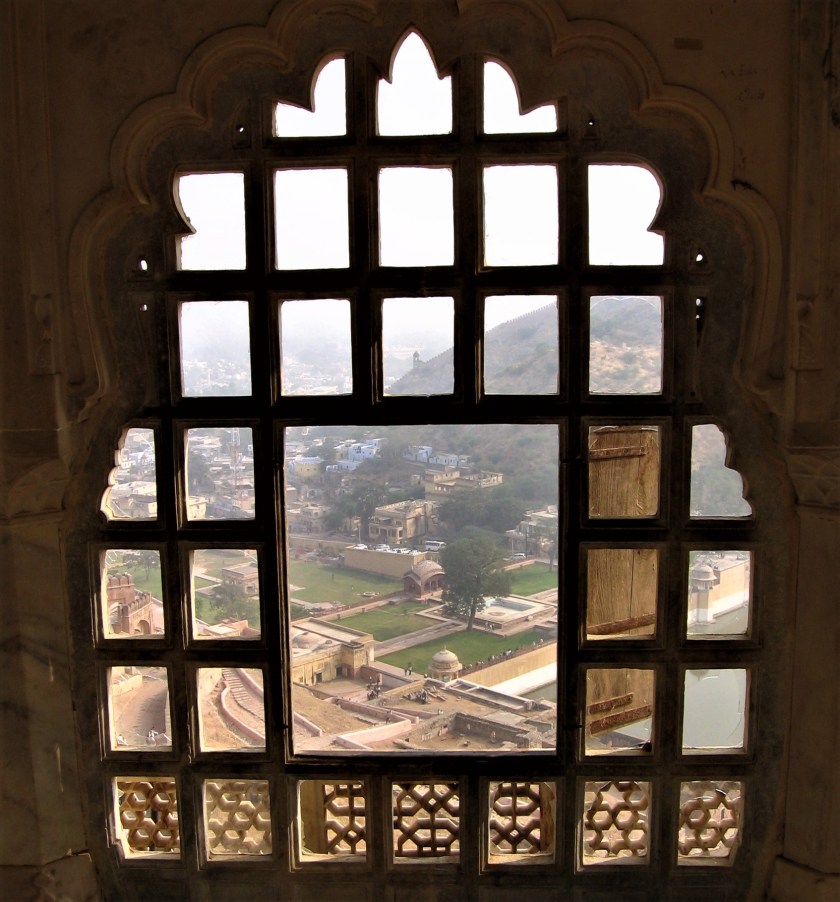
Saving the historic city
The richly illustrated “Historic Cities” has a scope sure to interest both practitioners and the merely curious layperson.
Posts about places that matter
The richly illustrated “Historic Cities” has a scope sure to interest both practitioners and the merely curious layperson.

Pearl Harbor remains a place and a response fused into our national memories. Hope for our future is grounded in such memories.
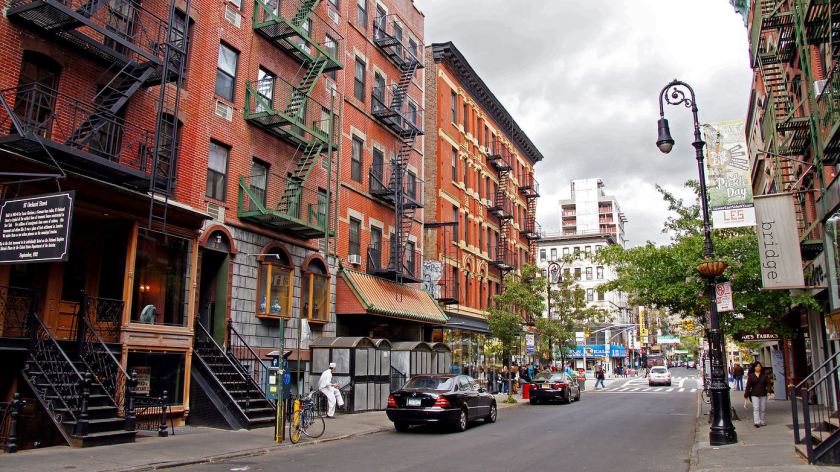
The books which have shaped the work of a leader at one of my favorite historic sites.

During the pandemic we are reminded of how much we need fresh air. Which leads me to the Dumb House and a nice sweater.

My series of observations on the lessons of history in the fight for democracy.

Early in my preservation career, I was privileged to serve five years as the executive director of Virginia’s Historic Staunton Foundation, an award-winning preservation organization recognized over more than four decades for its work to protect and revitalize this historic Shenandoah Valley community. Our children were born during the 15 years we lived in Staunton, it shaped each of us in significant ways, and we still have deep friendships that bring us “home” several times each year. Just as we like to return to this gem of a community, visionary leadership has made Staunton a year-round destination for tens-of-thousands of visitors annually and has generated national recognition for the city, including more than forty awards and accolades for its historic downtown from national organizations and media in the past ten years. Some of the top ones include : The Great American Main Street Award A National Trust for Historic Preservation Award Best Small Towns in America Award (Smithsonian magazine) The 15 Most Beautiful Main Streets Across America (Architectural Digest) That level of success does not …

History tells us that fake news and disinformation are long-standing American traditions. They remain a threat to democracy.

The story of the ratification of the 19th amendment – giving women the right to vote – has connections to Tennessee and a historic hotel in Nashville.

Folk songs often bring us to the intersection of place, history, and memory. In certain cases, digging into those songs gives us a chance to recover the true stories, long-hidden, from our past, bringing a reckoning with the history that did happen and a reimagining for our collective future. Recently, The Bitter Southerner posted a thoughtful article which examines how the popular folk tune Swannanoa Tunnel was taken from the wrongfully convicted black community in Western North Carolina. Forced to build the railroad tunnel as convict labor during the Jim Crow era, those convicts originally wrote the tune in the “hammer song” tradition of John Henry. Somebody Died, Babe: A Musical Cover-up of Racism, Violence, and Greed shows how the song was reshaped and romanticized into an English-based folk tune in the 1920s – 1960s to appeal to white audiences. As the site notes, “Beneath the popular folk song…and beneath the railroad tracks that run through Western North Carolina, is a story of blood, greed, and obfuscation. As our nation reckons with systematic racial violence, …
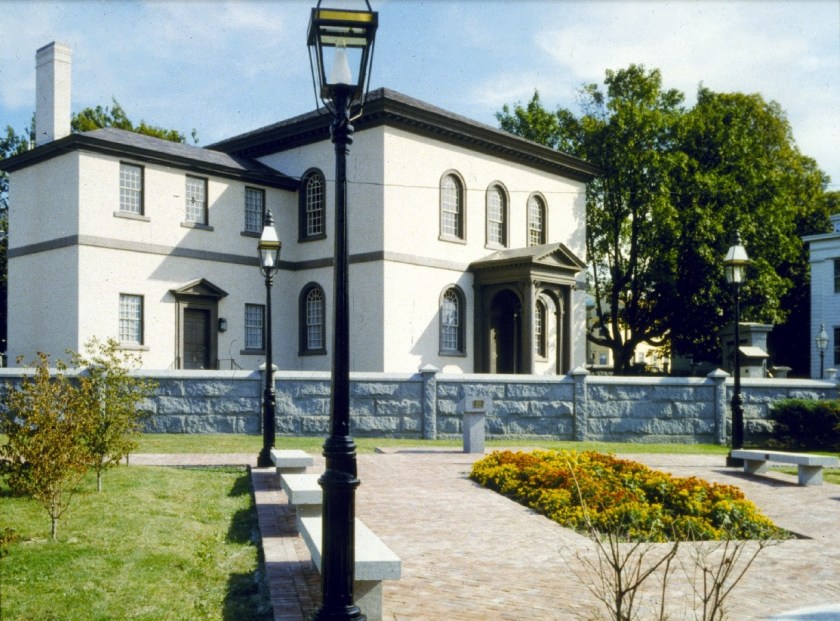
In following coverage of the fight over the Supreme Court*, don’t worry if you have become confused about the concept of religious liberty. Those making the most noise either do not understand — or do not want to understand — this fundamental First Amendment right enshrined in the Constitution. People who should know better often sow confusion around the history and meaning of “Congress shall make no law respecting an establishment of religion, or prohibiting the free exercise thereof.” Before we go all 2020 and take a virtual road trip to visit the places that help us see why the religious persecution faced by earlier generations led to this all-important amendment, let’s begin with a quick summary of why religious liberty is on the radar screen today. Recently two justices on the Supreme Court couldn’t pass up the chance to comment as they joined the court’s unanimous decision not to hear the appeal of Kim Davis, a Kentucky public official who refused to issue marriage licenses because of her personal religious views against same-sex unions. Justices …

