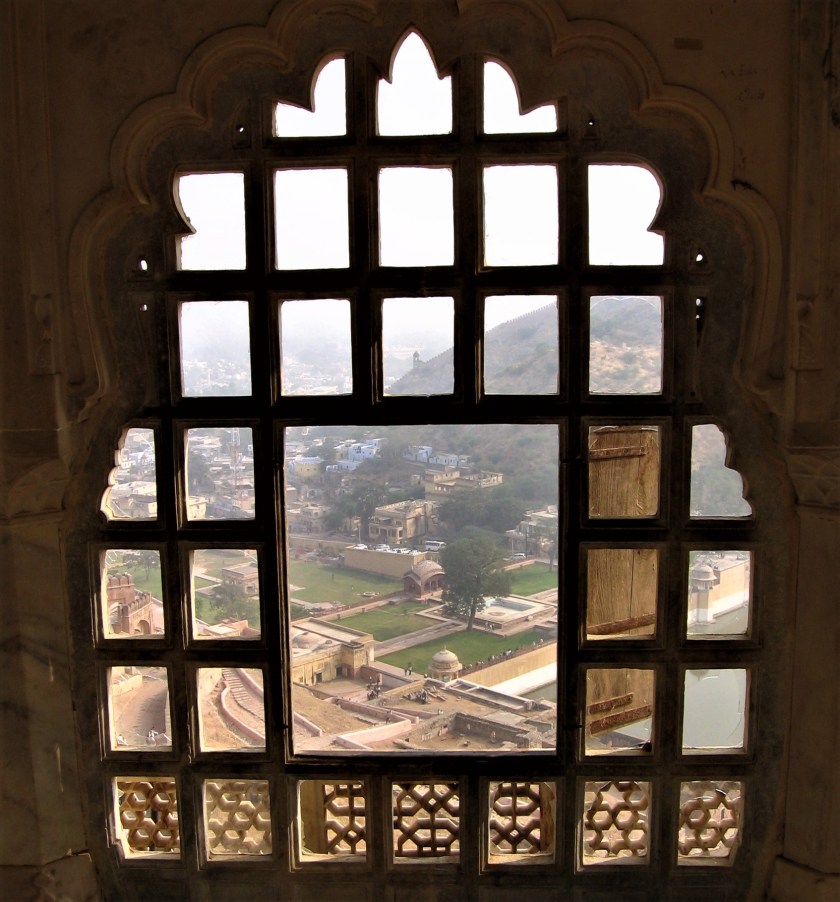
Saving the historic city
The richly illustrated “Historic Cities” has a scope sure to interest both practitioners and the merely curious layperson.
The richly illustrated “Historic Cities” has a scope sure to interest both practitioners and the merely curious layperson.

The books which have shaped the work of a leader at one of my favorite historic sites.

Frederick Douglass is a 19th century prophet whose words still resonate in 21st century America.

Ibram X. Kendi’s “How to Be An Antiracist” is a powerful reminder of our personal responsibilities in fighting racism.

Steve Almond’s “Bad Stories” is a good book to revisit when considering our ongoing information crisis.

In “Our Towns”, James and Deb Fellows found a surprisingly relevant bellwether institution: the public library.

Yesterday we took a walk through Brookside Gardens. It was a beautiful fall day, the colors were vibrant, and the air was clean. Along the path were small signs of “Garden Mindfulness” with reminders to “feel the air moving across your skin” and to “bring awareness to those parts of the body where you could feel the wind.” After a while we came upon a labyrinth placed in a tranquil meadow setting. As I slowly walked the curving stone path, I recalled the rules and morals of the practice from my reading of Rebecca Solnit’s delightful book Wanderlust: A History of Walking. “…sometimes you have to turn your back on your goal to get there, sometimes you’re farthest away when you’re closest, sometimes the only way is the long one. After the careful walking and looking down, the stillness of arrival was deeply moving.” In these troubled times, we are all on a difficult journey. It is important to recall that sometimes the only way is the long one. Work that is meaningful takes time …

In my journey to write with clarity and passion, I often turn to what others have to say. I look for inspiration in works such as Yale’s Why I Write series. Writing should be easy, you say. Just turn on the computer and start typing, right? Or go old school, pull out the legal pad, and put pen to paper. Easy peasy. Getting a bad first draft can be fairly effortless for me. I did it with this short post, for instance. In a rush, I unfortunately called it a day and hit publish. Wrong decision. Writing well, as opposed to simply writing, is hard. Understanding why one is compelled to write can be an even more difficult journey. In many ways, each of us needs to answer that particular question, which differs individual to individual, before good writing truly begins to sing. I came to pick up the slim volume entitled Devotion by the musician and author Patti Smith because I was looking for inspiration and answers to those questions of how and why. …

How Democracies Die by Steven Levitsky and Daniel Ziblatt was tapped as my Book of the Year when I first read it in 2018. I bring it up again today, just three short weeks before our election, After yet another major violation of the Hatch Act, where an illegal political event was held on White House grounds on Saturday and labeled — with no sense of irony — a “Law & Order” rally; Soon after a right wing terrorist plot to kidnap the governor of Michigan was thwarted by FBI actions; The day before a rushed nomination of a hard-right judge begins to be pushed through the Senate with the benefit of Republican lies and against the will of the majority of the people; and During the weekend U.S. Senator Lindsey Graham of South Carolina said African Americans and immigrants can “go anywhere” in his home state but they “just need to be conservative.” It took me less than a minute to find these four recent threats to our democracy: flagrant disregard for the law, violent threats against …

Comfort is often a code word for the right to be unaware.

