
Do they get paid when they are wrong?
Politics is much more dynamic than the coverage suggests. 2021 is not 2022.
Politics is much more dynamic than the coverage suggests. 2021 is not 2022.

The past has much to teach us. Yet elders are not our masters, but guides.

Three stories on how agendas often shape our historical narratives.

Beat poet Lawrence Ferlinghetti and Dolly Parton: both global yet grounded in place.
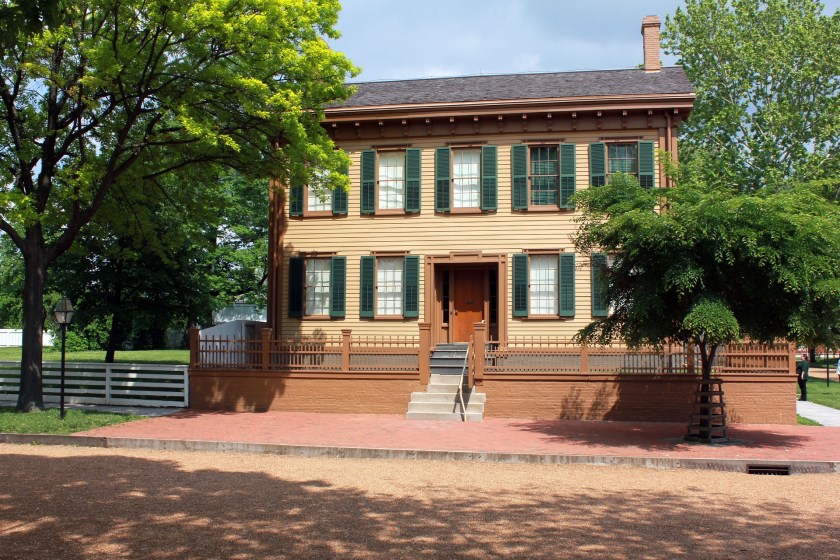
Presidents Day thoughts: extraordinary presidents can come from and be shaped by ordinary places.

December is for “Best of…” lists. To celebrate 2020 here are the top 10 posts based on reader views.

Frederick Douglass is a 19th century prophet whose words still resonate in 21st century America.
My series of observations on the lessons of history in the fight for democracy.
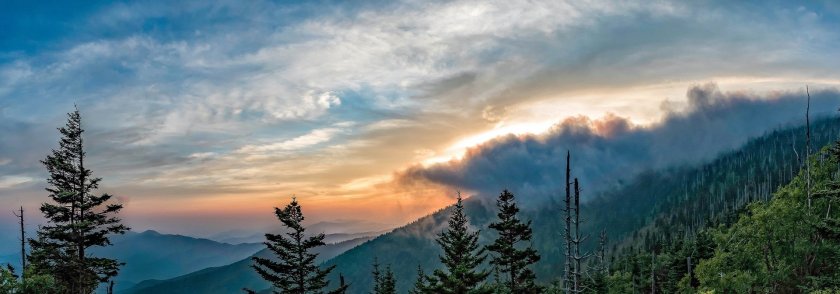
Folk songs often bring us to the intersection of place, history, and memory. In certain cases, digging into those songs gives us a chance to recover the true stories, long-hidden, from our past, bringing a reckoning with the history that did happen and a reimagining for our collective future. Recently, The Bitter Southerner posted a thoughtful article which examines how the popular folk tune Swannanoa Tunnel was taken from the wrongfully convicted black community in Western North Carolina. Forced to build the railroad tunnel as convict labor during the Jim Crow era, those convicts originally wrote the tune in the “hammer song” tradition of John Henry. Somebody Died, Babe: A Musical Cover-up of Racism, Violence, and Greed shows how the song was reshaped and romanticized into an English-based folk tune in the 1920s – 1960s to appeal to white audiences. As the site notes, “Beneath the popular folk song…and beneath the railroad tracks that run through Western North Carolina, is a story of blood, greed, and obfuscation. As our nation reckons with systematic racial violence, …

I first stood at Jamestown as a history-enthralled 11-year-old. The picture of the 17th century ruin of the church tower, abutted to the 1907 Memorial Church, is seared in my mind. I also remember the water lapping at the nearby shore, serving as a reminder that the people at Jamestown had the most tenuous of toeholds on this continent in those early years. While I didn’t know it at the time, the narratives of life in early 17th century Virginia — told by the guides, the plaques that lined the walls of the 1907 church, and the books I devoured — were incomplete and sometimes egregiously false. White Christian Europeans were the focus. If they were mentioned at all, Native Americans, along with the enslaved African Americans who began arriving against their will at Jamestown in 1619, were small, dependent actors; impediments, if you will, to the greater story of the colonists and settlers and the shaping of what it meant to be an “American.” Those Europeans were not home. They were the outsiders. Yet …
 MORE TO COME...