
A plethora of pithy proverbs
I love a pithy proverb…Volume 2.
I love a pithy proverb…Volume 2.

The top ten reader favorites from the first 1,000 posts on More to Come.
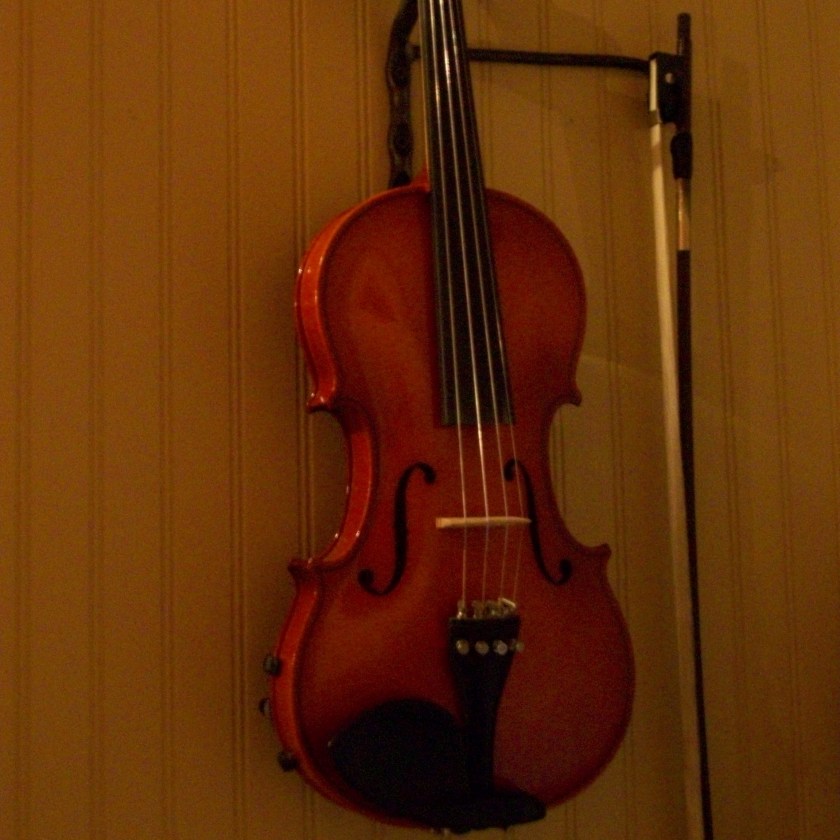
The 8th of January is an important historical anniversary, a good friend’s birthday, Elvis’ birthday, and a wonderful fiddle tune. I touch on all of that here!

College football bowl games should only be named after things that grow from the ground.

Last evening a sold-out Georgetown crowd was treated to a sumptuous musical feast of the season by the English-based VOCES8 ensemble. The “impeccable quality of tone and balance” that has been recognized by Gramophone and many others was on full display in the splendid acoustics of historic St. John’s Episcopal Church. The program was varied, reaching back to the music of Tómas Luis de Victoria, Michael Praetorius, Giovanni Pierluigi da Palestrina, and Benjamin Britten, while also reaching forward to contemporary composers Jonathan Rathbone, Jonathan Dove, and David Pickthall, among others. For me, the evening’s highlight was the moving Philip Stopford setting of the Coventry Carol, the traditional English carol dating from the 16th century. Stopford’s Lully, Lulla, Lullay—filmed by VOCES8 earlier this year in St. Stephen’s Walbrook Church, London—is as haunting and beautiful on film as it was in the live performance last evening. Soprano Eleonore Cockerham‘s soft, clear, yet ethereal voice is a treasure. The subject of the carol—the massacre of the innocent male children of Bethlehem by King Herod’s army following the birth …

I continue my annual tradition of posting family photographs from the past year on More to Come.

Late yesterday afternoon I was watching a bit of ESPN. Suddenly, the excitement level of the announcers’ voices rose significantly as they began talking about “THE FIRST NFL PRE-SEASON GAME OF THE YEAR” scheduled for later that evening. On August 1st. Doesn’t this thing ever go away? Heaven help us. We’re in the midst of a baseball pennant race where, with two months to go, 17 teams are either division leaders or within four games of the two wild-card slots in each league and thus have a legitimate chance at making the playoffs. Teams are going on improbable streaks (I’m looking at you, New York Mets and San Francisco Giants). Strong teams (Houston) just made themselves better with deadline trades, while other teams (New York Yankees and Washington Nationals) left their fans disappointed by their lack of imagination and just plain guts in filling in their weaknesses. Suffice it to say, there’s a lot to watch (and talk about) around baseball. But noooo. We have to hear about pro football ad infinitum. Well, I’m (still) …

Last Friday, my colleagues at work hosted a wonderful send-off party. There was a “B” theme to evening, as we had barbecue (Rocklands, my local favorite); bourbon (with gifts of several very nice bottles of whiskey over the course of the week); and bluegrass (the latter supplied live by the By-and-By Band). The band was even kind enough to let me sit in with them on a spirited rendition of Sitting On Top of the World! Friends, former and current colleagues, and partners came in from as far away as Los Angeles to celebrate. I used the occasion to say a few words (no surprise there), beginning with the observation that I was finding that almost anything that was said in the office brought to mind something that happened 10, 20, or 30 years ago—what I’ve dubbed the Old War Stories part of my transition. I knew everyone would be thankful if I kept it short, so I brought notes. On the occasion of my 60th birthday, I composed a post entitled 60 Lessons From …

Photos of family and travel from 2018.
It is a great weekend to live in Washington… Stanley Cup Celebrations Continue — From bars in Arlington to today’s game at National Park to the Georgetown Waterfront, the Stanley Cup Champion Washington Capitals are having a great time celebrating the franchise’s first Stanley Cup championship with the hometown fans. While I was across the country when they clinched on Thursday evening, I could hear the city explode from Phoenix. We’re ALL CAPS here in D.C. It was an especially satisfying run, given 1) that they weren’t expected to go very deep due to losses of players to the expansion draft, and 2) that they got through a couple of perennial stumbling blocks: John (Torts) Tortorella of the Columbus Blue Jackets and—most significantly—the Pittsburgh Penguins. Too bad Martin St. Louis—who was always a playoff pest—no longer plays for Tampa Bay. If you want another thrill, watch the highlights from the cup-clinching game. Pride 2018 Celebration — Thousands have descended on DC this weekend for the annual Pride celebration. Andrew almost always makes it to Pride, but because of …

