
At a time when poor examples of leadership abound, I want to showcase the work of two servant leaders.
In the past I’ve written about servant leaders I’ve known, at the local, national, and international level. Robert K. Greenleaf’s 1977 book Servant Leadership: A Journey into the Nature of Legitimate Power and Greatness defines the servant-leader as “servant first.” These individuals begin with the natural feeling that they want to serve.
Leadership comes in many forms. We all know of the alpha male, Type A personalities. These are the “born leaders”—or so they say.
But there is another type of leadership that is—to my mind—much more effective. It generally comes from people who learn to be leaders, rather than assume they know it all from birth. I put more stock in these types of leaders in part because I am reminded of the tale of a group of tourists visiting a picturesque village. They walked by an old man sitting beside a fence and in a rather patronizing way, one tourist asked, “Were any great men or women born in this village?” “Nope” the old man replied. “Only babies.”
This other type of leadership is—to paraphrase Jim Rohn—resolute, but not rude. Humble, but not timid. Proud, but not arrogant. Humorous, but without folly.
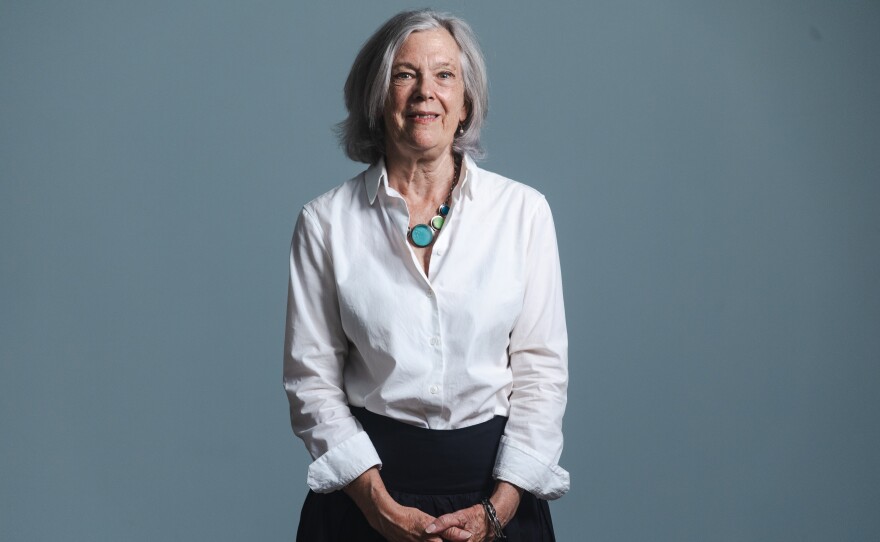
When Elizabeth Kostelny retired at the end of October after 34 years at Preservation Virginia, including several decades as the CEO, I was honored to be asked to add a few thoughts to a celebratory video produced for her retirement dinner. The video begins with Elizabeth stating a core belief: that historic places matter.
“They are dynamic forums for dialogue about the people and events of the past and how the legacies of those moments continue to shape our present and our future.”
I’ve long admired Elizabeth for her courage in taking on difficult issues—such as Confederate statues in the capitol of the Confederacy—in a way that was thoughtful, inclusive, and respectful of various perspectives. With that approach, she has been able to bring distinct and often overlooked voices to the table for rich conversations that produced results.
I also used this opportunity to recognize her servant leadership.
“I think of Elizabeth as one of those quiet but effective servant leaders, where it is not about her being the person out front, but it’s really about how do we bring everyone together . . . I think of that quiet, effective leadership and I know it is going to be missed, but I know it is going to leave a long legacy.”
Several years ago, I wrote about the leadership skills of my dear friend and colleague Catherine Leonard, Secretary General of the International National Trusts Organisation (INTO). Catherine will use the phrase “Not just consuming, but contributing,” which comes from her crafting of values which she seeks to internalize in work and life. We all take up space on this earth, and she was reminding me when she articulated that value that what we do with our time and talent will be weighed against what we take away as consumers of limited resources.
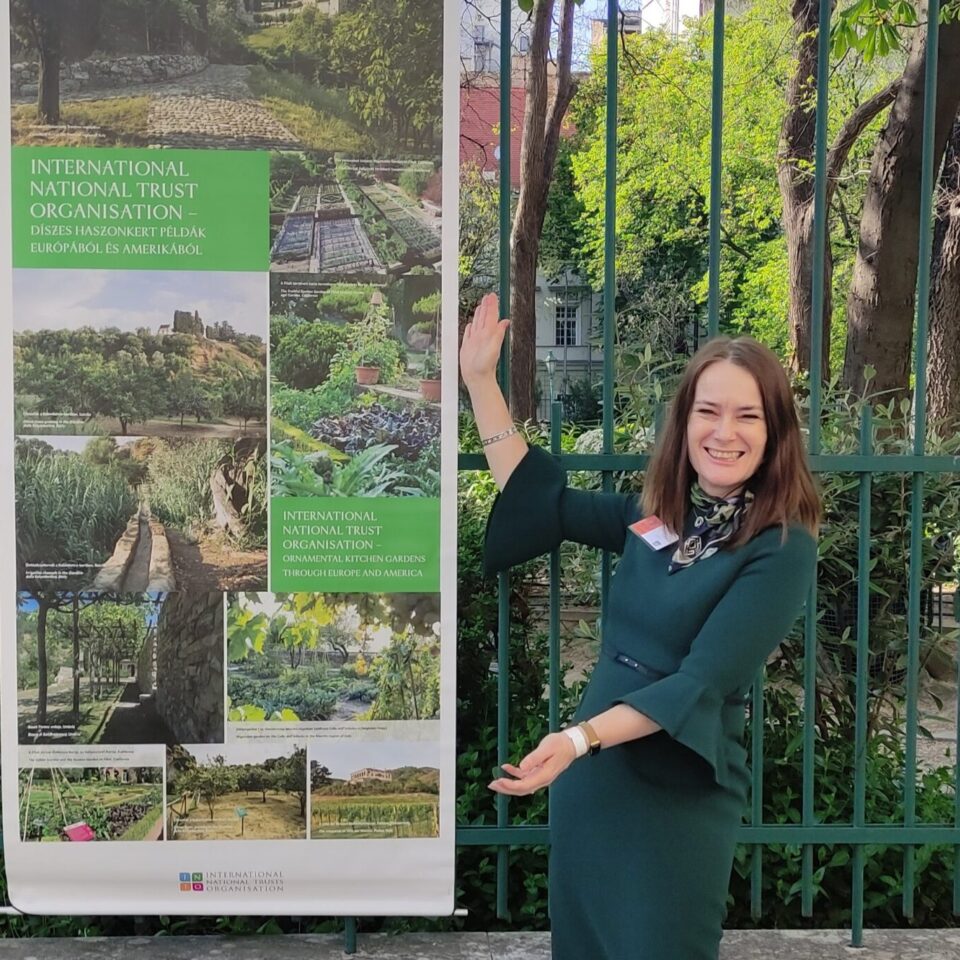
Over the past decade-and-a-half, Catherine has been busy contributing to the work of creating, building, and strengthening National Trusts—and a new set of heritage conservation leaders—all around the world. INTO just released this short video prepared out of one such gathering of Island Trusts.
Catherine sets the stage for what we are about to see:
“So we’ve brought together national trusts from Fiji to Bermuda, from Saint Helena to Jersey, from all across the globe who share many of the same values and aspirations for nature, for the built environment, for communities and people.”
But she then turns the spotlight on these leaders—young and not-so-young, newcomers and veterans—to let them tell their stories about the important work they are doing in their homelands. As she notes, it’s fascinating for these participants to come together and “learn that actually what we do is the same wherever we are in the world and we share many of the same values and aspirations, but also challenges.”
Servant leaders bring people together and help them find their way. As Max DePree, the long-time CEO of the furniture and design pacesetter Herman Miller wrote in a small but influential book Leadership is an Art, “The first responsibility of a leader is to define reality. The last is to say thank you. In between, the leader is a servant.”
With thanks for my friends and colleagues Elizabeth and Catherine, along with many others who have found a way to serve first.
More to come . . .
DJB
Photo of the Cape Henry Lighthouse, a historic site of Preservation Virginia.


From Catherine Leonard’s LinkedIn post:
“According to Harvard Business Review, 70% of people are embarrassed by giving or receiving compliments. I’d count myself among that number, although I’m working at getting better at it …
Grateful to former INTO trustee, David Brown for mentioning me in his blog about leadership, recognising work “creating, building, and strengthening National Trusts—and a new set of heritage conservation leaders—all around the world” and our role in bringing people together.
With thanks to David, the International National Trusts Organisation Secretariat team and our wonderful movement of national trusts without whom none of this would be possible.”
Pingback: Observations from . . . November 2024 | MORE TO COME...