
Five books at a minimum. Every month. A variety of topics from different genres. Here is the list from April 2026.
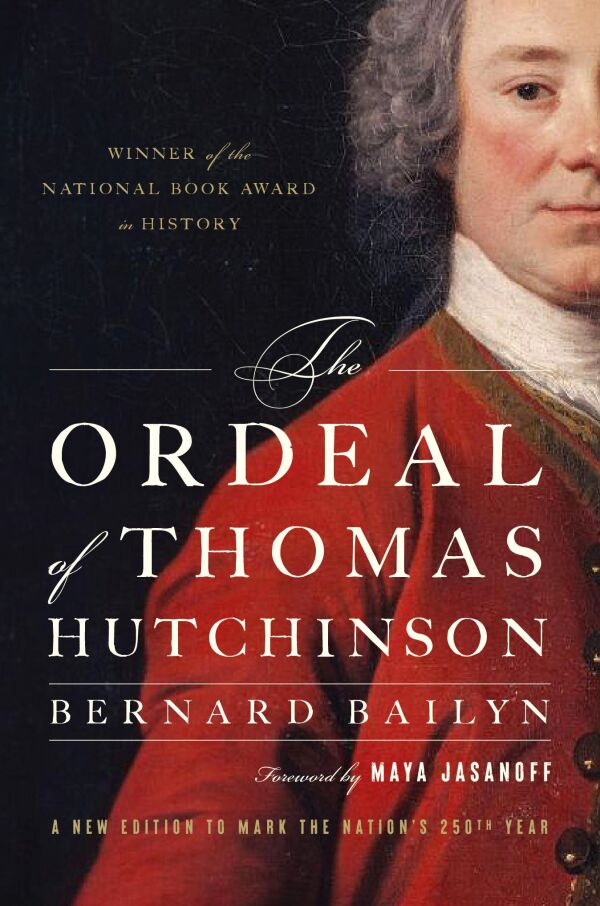
The Ordeal of Thomas Hutchinson (1974; new 250th anniversary edition published in 2026) by Bernard Bailyn is the history of the native-born royal governor of Massachusetts Bay from 1771–1774 and his fellow American loyalists who found themselves on the losing side of the Revolutionary War. In the preface Bailyn writes that he was taking on this subject to help us see the “tragedy” of the Revolution. Not the sadness, or the error or wrongness of it. But to better understand “the limits within which men struggled . . . the famous and the obscure, the best and the worst, the winners and the losers.” We have to understand those stories—especially of those “who suffered violence and vilification, who were driven out of the land and forced to resettle elsewhere in middle life, and died grieving for the homes they had lost”—if we are to make sense of the Revolution. Thomas Hutchinson was the best-known embodiment of those Americans who still clung to England and who died in exile longing for their native home, a home that was transformed and unrecognizable to them as a result of revolution. This National Book Award-winning masterpiece succeeds in being largely free “of myths, wish fulfillments, and partisan delusion” and also marked “a turning point in historiography, illuminating the overlooked dimensions of American history and the stories that shape nations.”
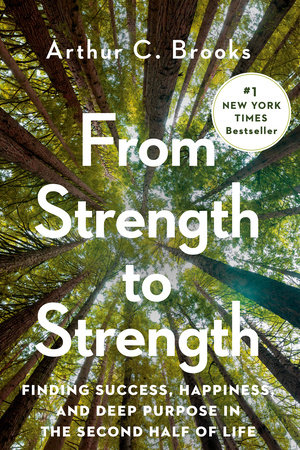
From Strength to Strength: Finding Success, Happiness, and Deep Purpose in The Second Half of Life (2022) by Arthur C. Brooks begins with the premise that too many of us believe that the more successful we are the less susceptible we become to the sense of professional and social irrelevance that often accompanies aging. But Brooks asserts that our belief in our ongoing relevance simply isn’t true. Aging and decline are inevitable. A social scientist, Brooks chronicles his own journey, beginning at age 50 at the height of his career, to see if he could transform his future from disappointment to an opportunity for progress in new and unexpected ways. Depending on your perspective and personal experience, he either succeeded or simply finally found wisdom about the world as it works that many intuitively know or find through family, experience, or faith without having to read a self-help book.
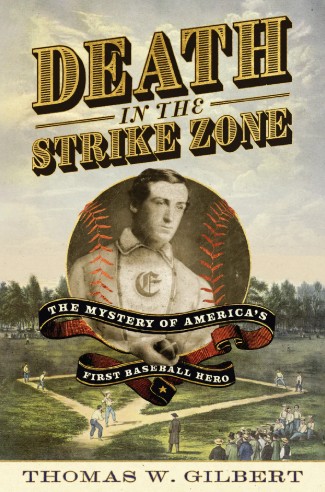
Death in the Strike Zone: The Mystery of America’s First Baseball Hero (2026) by Thomas W. Gilbert has been accurately described as “part biography, part detective story, and part time machine.” A baseball historian who has written extensively on the early years of the game, Gilbert brings to life the story of James Creighton, a young Brooklyn ballplayer who shot to prominence during the Amateur Era, forever changed how the game is played, and then mysteriously died at the young age of 21 after suffering an injury. Creighton, who invented something new for the game—modern pitching—threw the first fastball and the first curve ball. Because of his prowess, baseball had to invent the strike zone. The young phenom’s death shocked the sport and inspired the first grand baseball-themed monument, which can still be seen in Brooklyn’s Green-Wood Cemetery. The story of how those who wanted to grow the game rushed to blame the death on cricket—which Creighton also played—and not baseball opens up Gilbert’s examination of a cover up as well as the nativist roots of our first national sport. As a result of their actions, Creighton’s singular role in changing the nation’s pastime has been largely missing from baseball’s history, until now.
The Great Divorce (1945), by C.S. Lewis is a Christian allegorical tale about a bus ride from hell to heaven. This is the book where Lewis first introduces the revolutionary idea (for some) that the gates of hell are locked from the inside. Amazingly, Lewis tells us, anyone who wants to stay in heaven can. “If we insist on keeping Hell (or even earth) we shall not see Heaven,” Lewis insists. Without getting too deep into questions of judgement, let me just say that I agree with his perspective. Returning to this work written more than 80 years ago, however, I found myself underwhelmed. The tale itself was not particularly compelling. From my perspective the book works somewhat better as a meditation upon good and evil, grace and judgment.
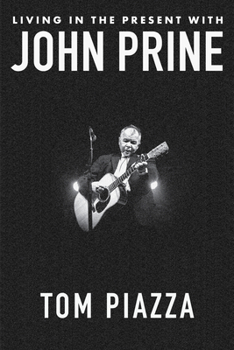
Living in the Present with John Prine (2025) by Tom Piazza was to be Prine’s memoir. But after the songwriter’s untimely death from Covid it became an intimate and personal narrative of the artist’s last few years. In a series of road trips, late night jam sessions, meals enjoyed in John’s favorite diners, and interviews, Piazza succeeds in capturing Prine’s unique voice. As fans we have heard this voice most frequently in his unforgettable songs. The joy of this new work is that we now experience John’s take on life in his everyday speech and off-hand remarks. In the end, Piazza has written a beautiful and personal work about friendship, love, and loss.
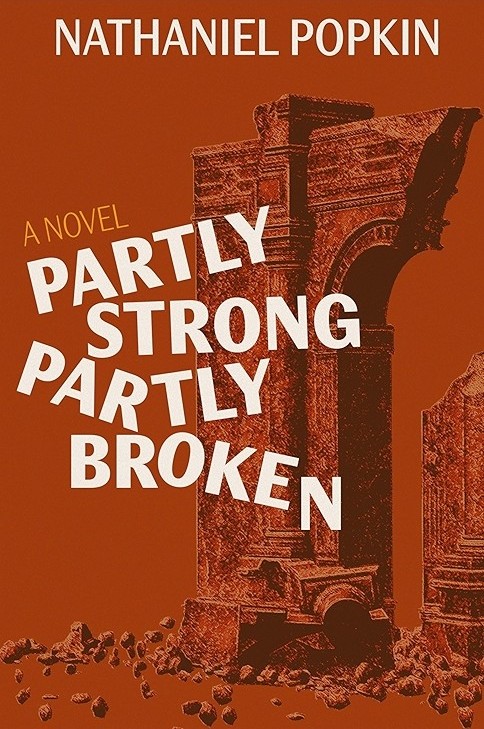
Partly Strong, Partly Broken (2026) by Nathaniel Popkin is a work full of compassion and understanding as it explores the difficult questions around politics and racism that vex us today. The novel, told through the eyes of the passionate, inclusivity-minded Rabbi Adinah, focuses on political divisions poisoning an American Jewish community and a multifaith coalition in New Jersey. Set in the fall of 2023, the story unfolds before the attacks on Israel by Hamas and the subsequent devastation of Gaza in retaliation. Rabbi Adinah returns from a trip to Israel to find both her synagogue and her congregation falling apart. Many of the guardrails that guided our life together have been broken and refuge is difficult to find. Popkin creates a story for today’s world in which all can relate, and he examines these tensions with honesty and sensitivity.
WHAT’S ON THE NIGHTSTAND FOR MAY (Subject to change at the whims of the reader)
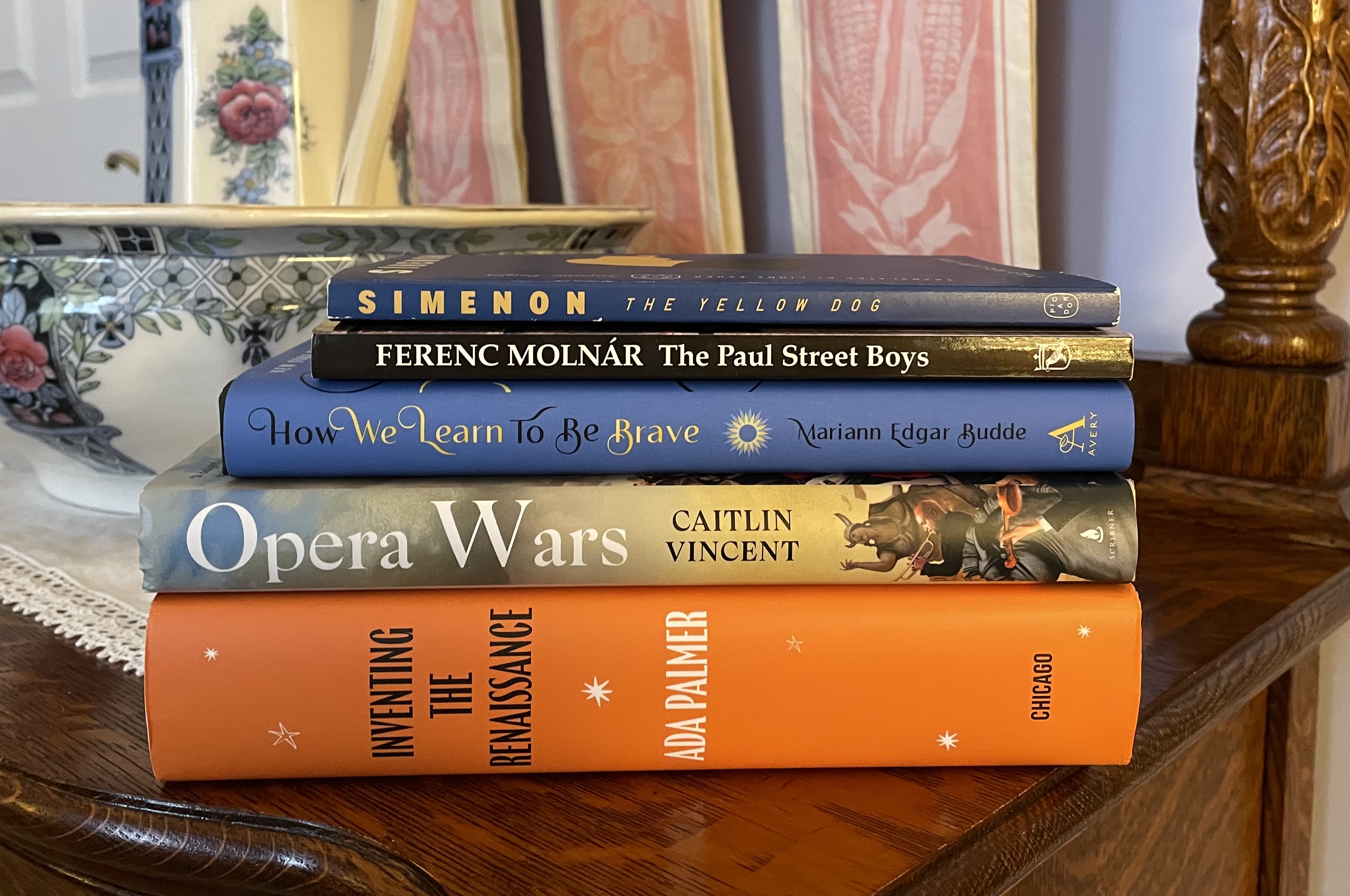
- How We Learn to Be Brave: Decisive Moments in Life and Faith by Mariann Edgar Budde
- The Paul Street Boys by by Ferenc Molnár
- Inventing the Renaissance: The Myth of a Golden Age by Ada Palmer
- The Yellow Dog by Georges Simenon
- Opera Wars: Inside the World of Opera and the Battles for Its Future by Caitlin Vincent
Keep reading!
More to come . . .
DJB
NOTE: Click to see the books I read in March of 2026 and to see the books I read in 2025.
Photo of the George Peabody Library, Baltimore, from the Carol M. Highsmith Archive, Library of Congress, Prints and Photographs Division.


Pingback: Observations from . . . May 2026 | MORE TO COME...
Pingback: From the bookshelf: May 2026 | MORE TO COME...