
A summary of the May posts from the MORE TO COME newsletter.
In the midst of the disruption and turmoil that can be found around us, I have been reminded of the quote that began somewhere in the 19th century but is most popularly associated with the great Negro League pitcher and philosopher Satchel Paige:
“It’s not what you don’t know that hurts you, it’s what you know that just ain’t so.”
My friend Alan Gregerman says that “not knowing” stuff is actually our superpower in a world calling out for fresh and better thinking. But not knowing something is very different than knowing something “that just ain’t so.” Unfortunately, we seem to be having an epidemic these days of “what you know that just ain’t so-itis.”
We’ve all seen or known people who fear what’s next. They want to hang on to what they have and what they wish to be true. Fortunately, as the writer Ursula K. Le Guin notes, there are also those who realize the incredible amount we learn “between our birthday and our last day.”
To complicate the situation we’re bombarded with information that requires work on our part to filter and understand. In today’s over-stimulated, algorithm-driven social media environment, there is so much to absorb. Unfortunately, what comes through our phones and computers is usually designed to drive a certain—and not always beneficial—response.
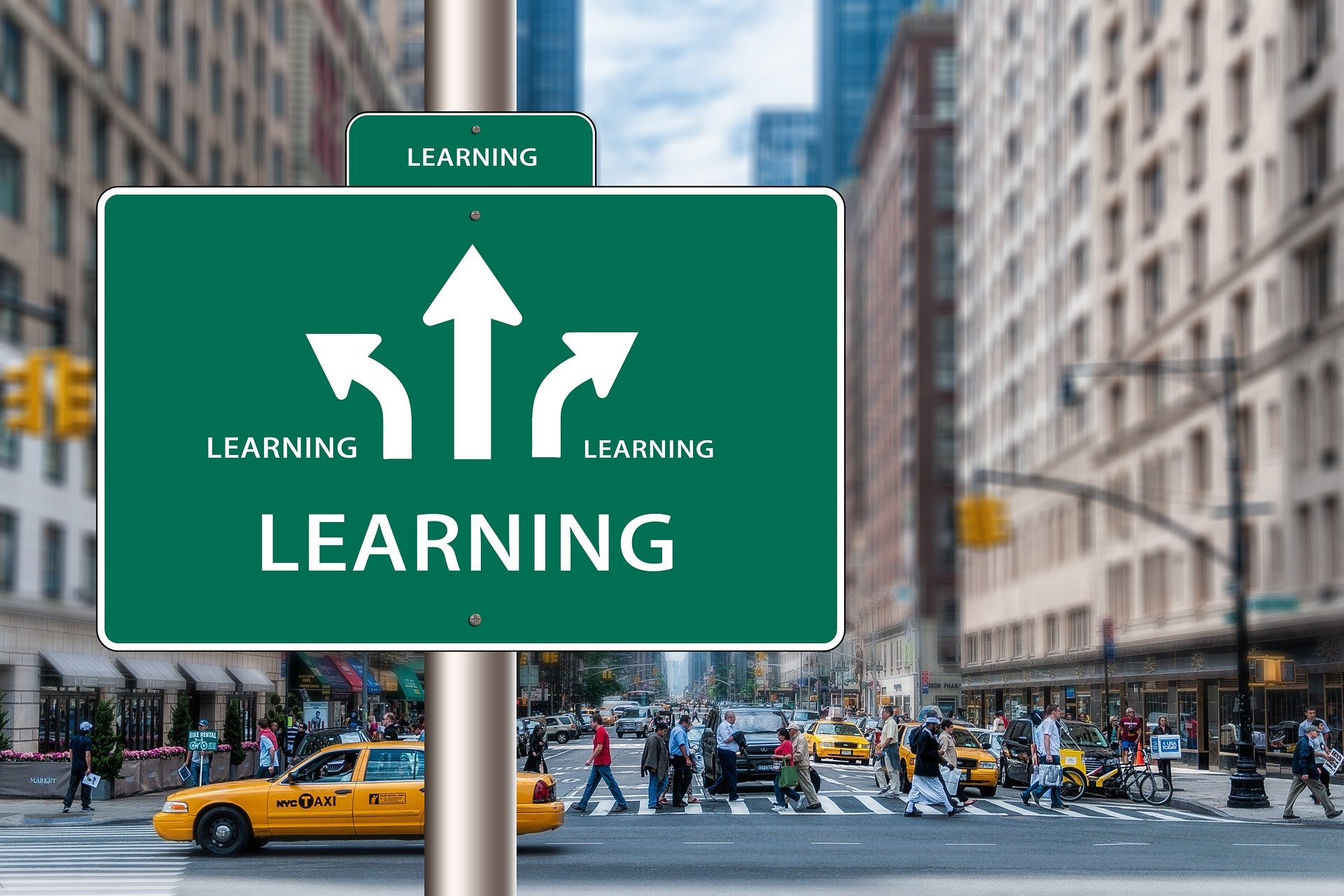
As this month unfolded I found myself thinking, reading, and writing about the how, what, and why of learning.
Our parents, of course, are among our first teachers. Mother’s Day lessons from Mom highlights a few of the ways I was shaped by my extraordinary mother.
Yogi Berra famously said, “You can observe a lot by just watching.” Nobel laureate Annie Ernaux, in a work I reviewed this month, demonstrates that although we learn by observing, “the interpretations of reality are practically infinite.” Ernaux won the Nobel prize “for the courage and clinical acuity with which she uncovers the roots, estrangements and collective restraints of personal memory.”
Memory is a part of observation and key to our understanding of history. It is important, however, to remember Marie Howe‘s assertion that “memory is a poet, not a historian.” Memories fade with time and they change as others share the story of the same event. Points get lost—or found—in translation. What begins as metaphor ends up being repeated as fact. Memories are shaped and reshaped in thousands of ways we seldom recognize or acknowledge.
Travel is another way we learn. In three separate posts I wrote about some of my observations from a recent trip and the lessons absorbed from our guides, from the people we met in those countries, and from the sites themselves.
Finally, the lucky among us grow under the tutelage of mentors as I wrote in the top post in terms of reader views for May. If we are flexible enough in mind and spirit to recognize “how rich we are in knowledge, and in all that lies around us yet to learn,” we can maintain the seeking, trusting capacity for learning that we had as a two-year-old.
Let’s jump in and see what lessons I learned and what else I observed from the slow lane of life in the month of May.
READER FAVORITES
The top post in terms of reader views in May is a celebration of the knowledge I gained both professionally and personally from one of the first mentors in my life: Elizabeth Lyon. Liz, who celebrated her 100th birthday in May, was my first true role model as an executive leader and I have been telling others of the lessons I learned from her ever since. A mentor turns 100 is my appreciation for an extraordinary individual.
April’s top post—my interview with author Nathaniel Popkin about his new book Partly Strong, Partly Broken—continues to attract readers. Released on May 5th, the book has received strong press notices (click here). If you are interested in more of Nathaniel’s work, I recommend his Substack newsletter Two Feet On the Ground.
DOORWAYS TO LEARNING
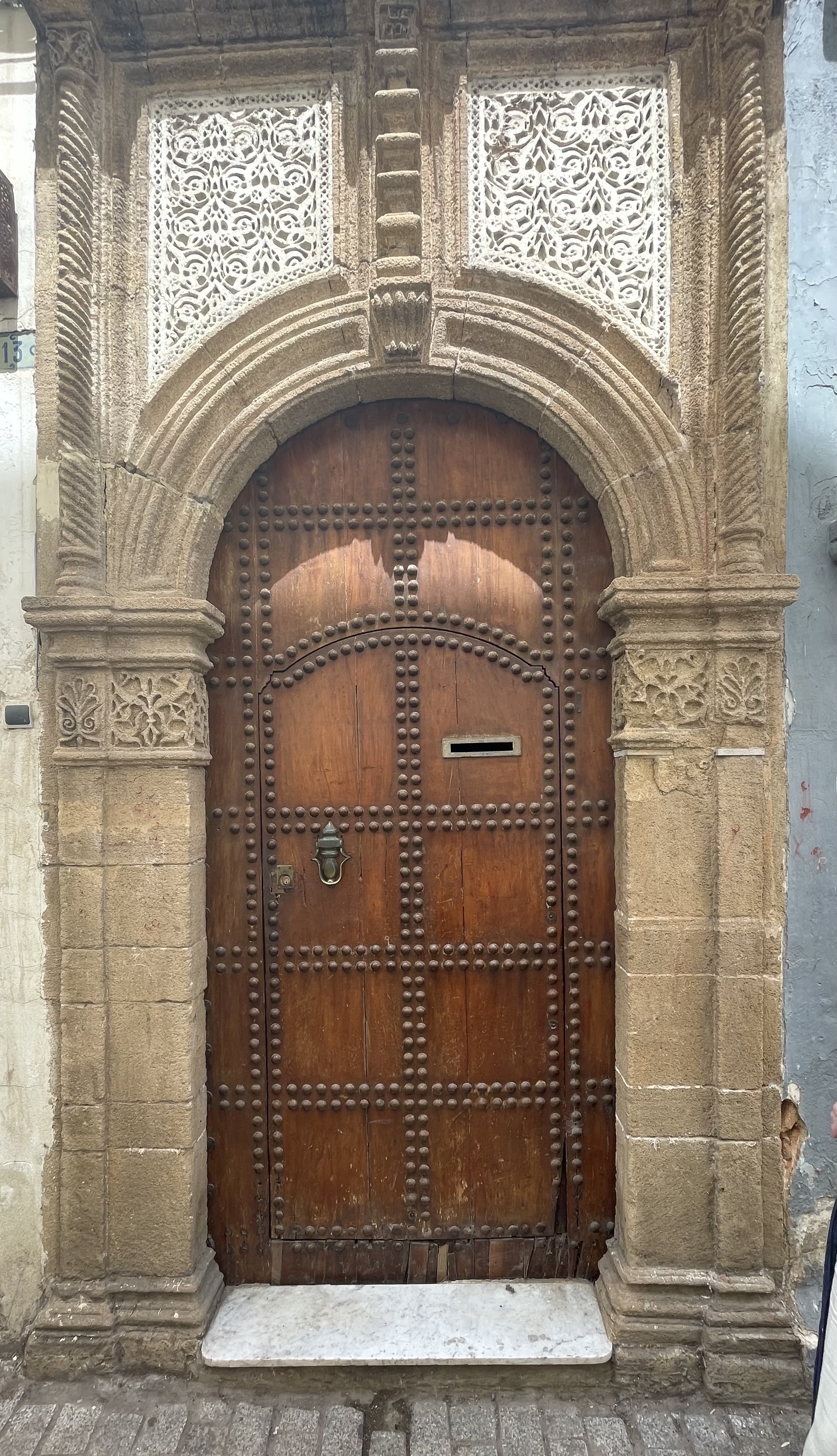
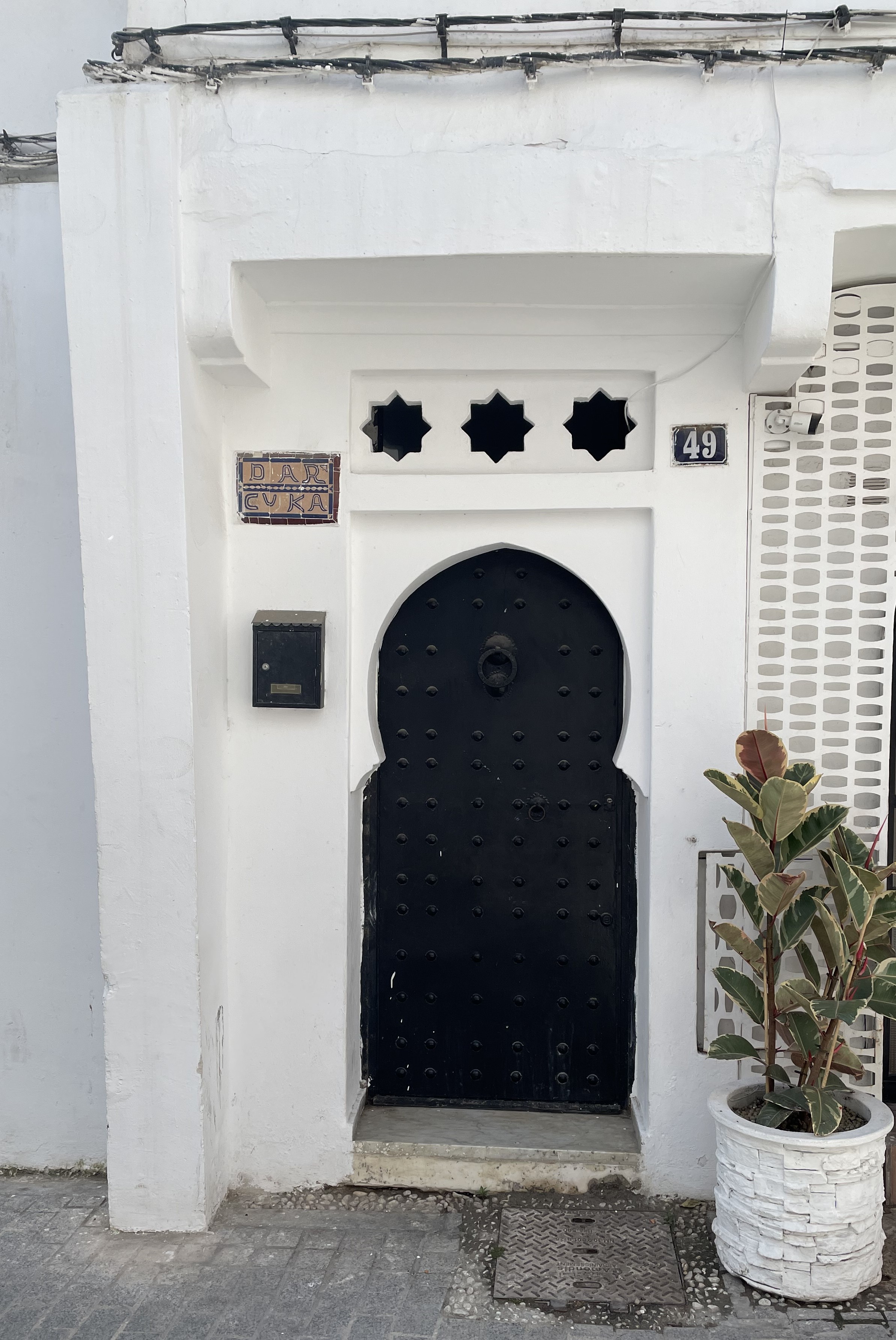
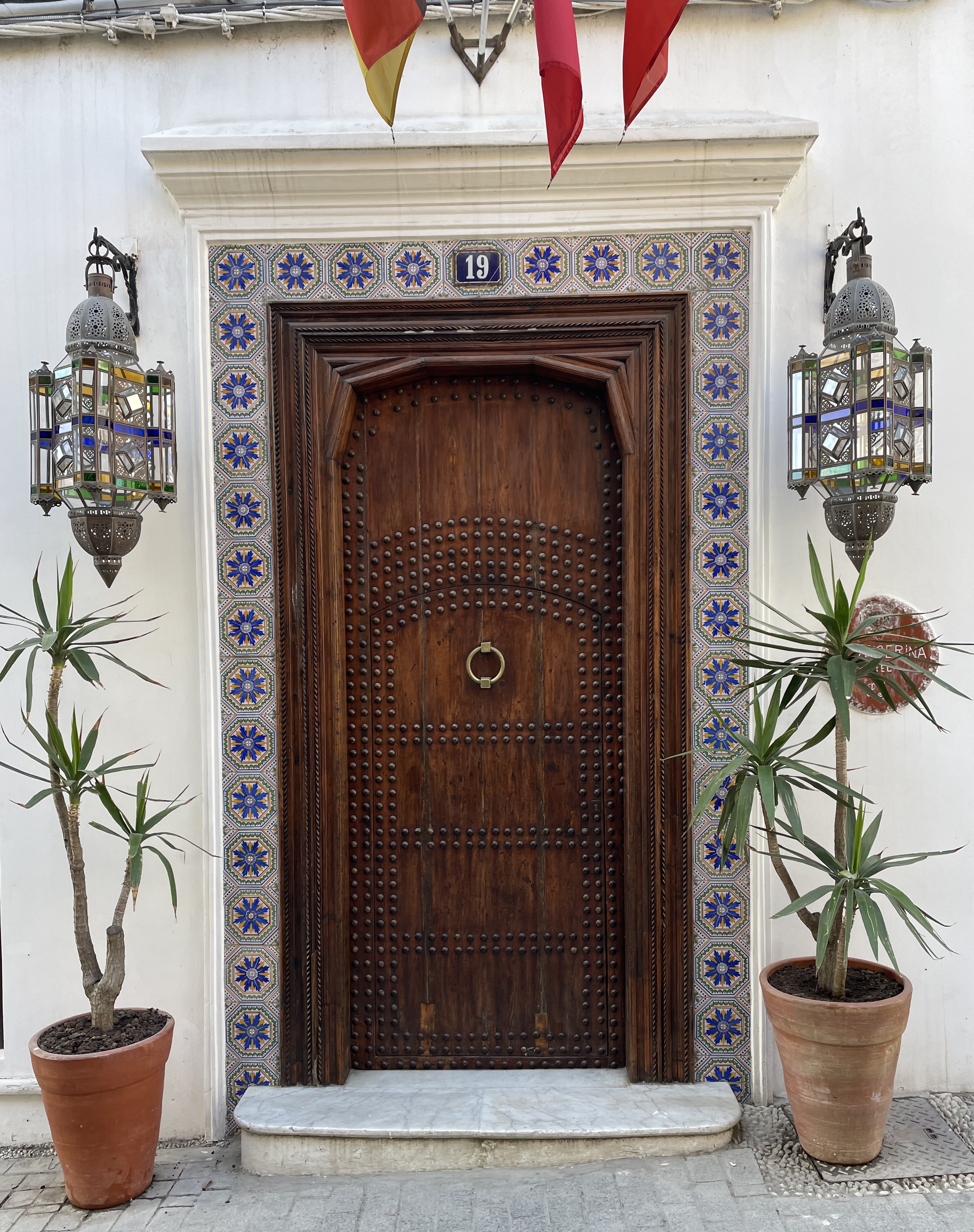
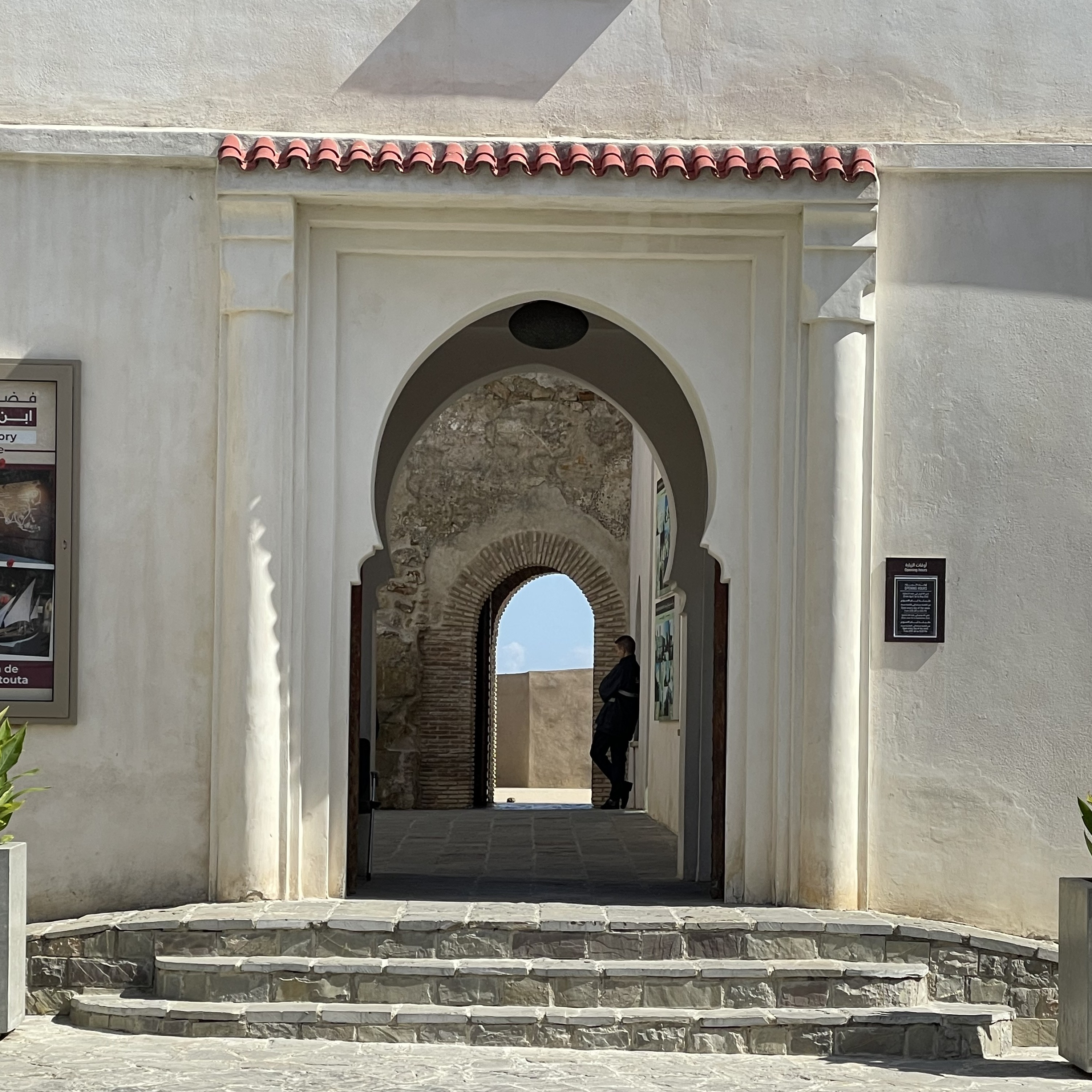
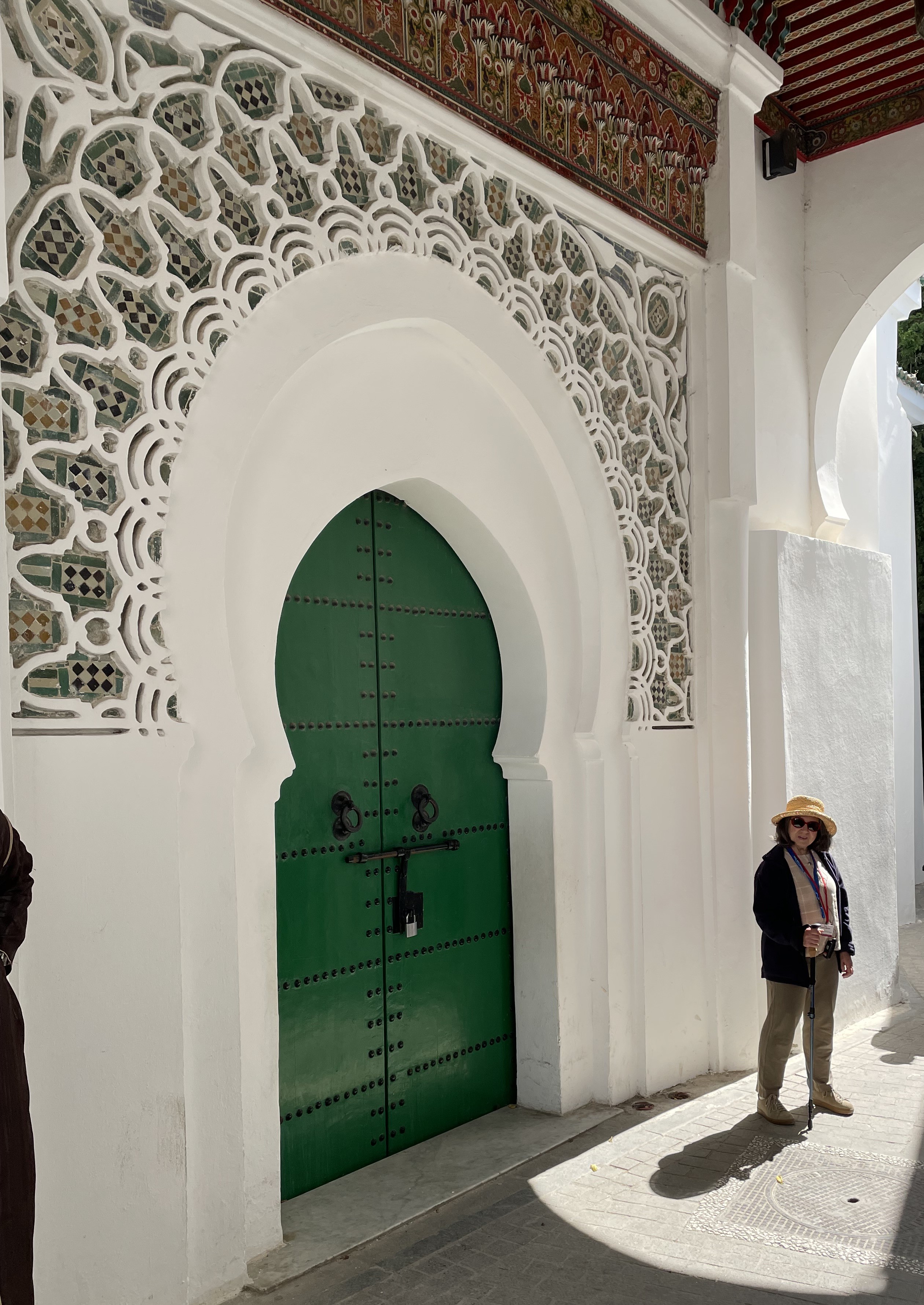
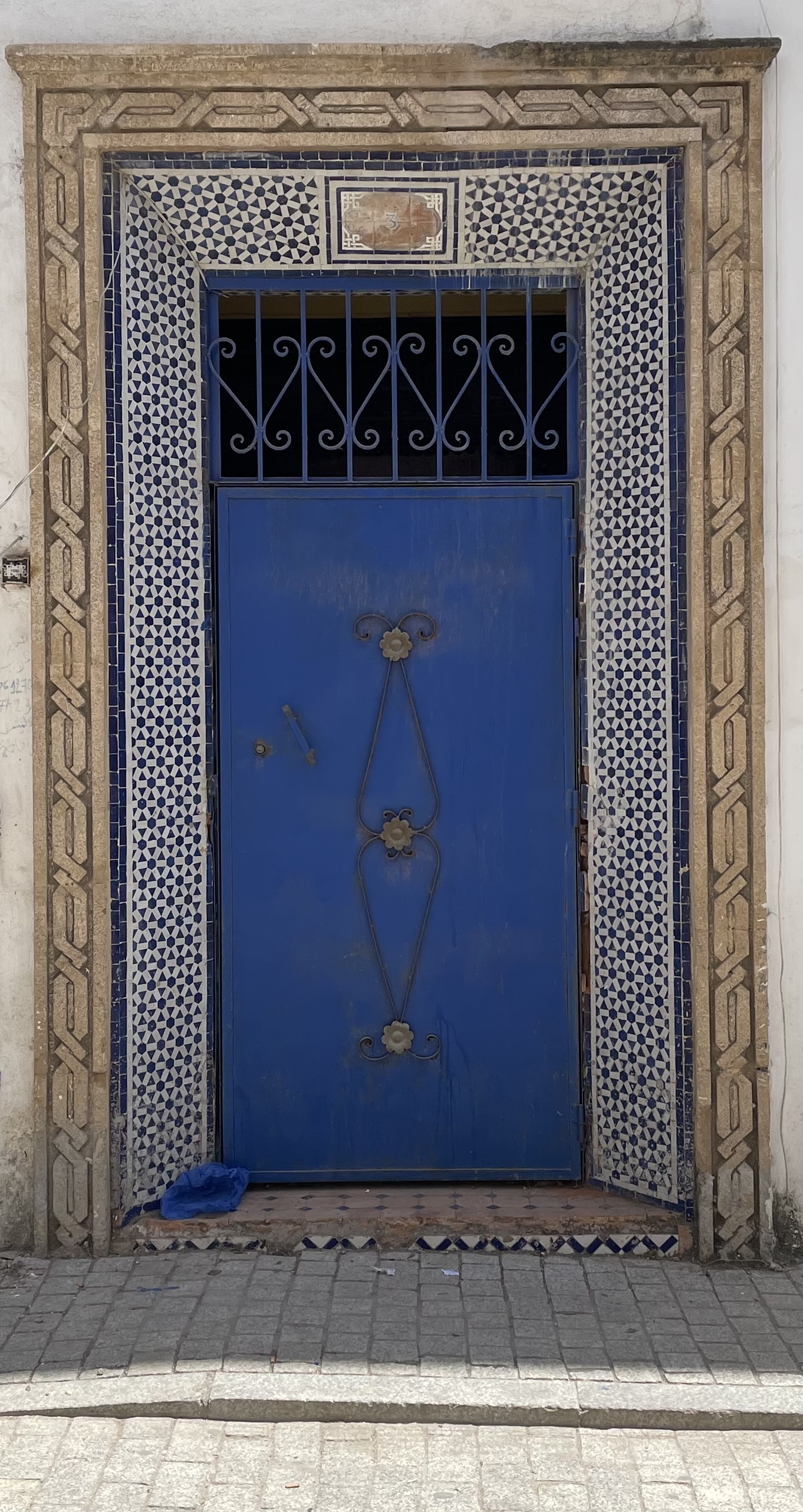
Travel opens many opportunities for learning. In late April we boarded a plane to begin our most recent journey with National Trust Tours, this one a two-week trip to visit four countries and two continents. We opened with a week in Morocco, a fascinating, captivating, and altogether welcoming part of the world distinguished by its Berber, Arabian and European cultural influences. In three photographic essays I focus on highlights from our Moroccan explorations as well as a trip to see The Alhambra, in Spain. An expansive and beautiful World Heritage Site, I found myself drawn to the lessons provided in some of the smaller spaces at this Andalusian treasure.
Early next month I’ll wrap up with thoughts and photos from our visits to Seville, Gibraltar, and Portugal.
EXPLORING INDEPENDENT BOOKSHOPS
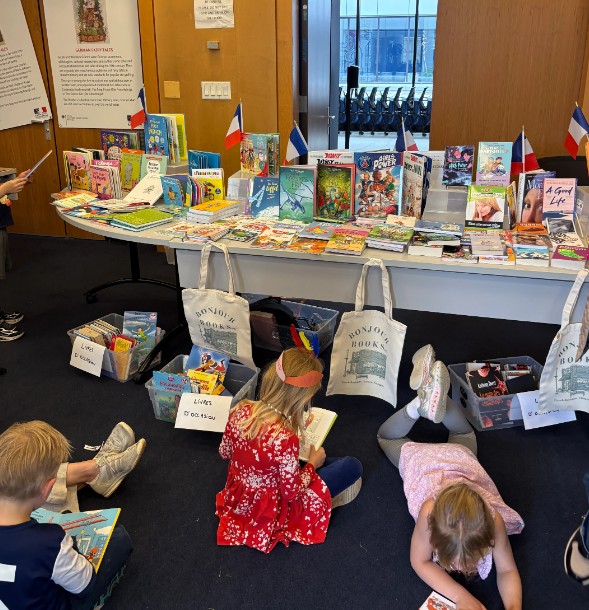
I continued to delight in my quest to visit all 29 independent bookshops in the DC region, this month with reviews of two books and the stores where I found them.
- The impossible sister is the first in Beverly Cleary’s Ramona Quimby series. Published in the year of my birth (an important fact as revealed in the post), I wasn’t surprised to find such a classic at Politics & Prose—perhaps the premier independent bookshop in Washington.
- Bonjour Books, DC is a delightful gem of a bookstore featuring French authors and subjects located in downtown Kensington. I feature that independent bookseller, and the book I uncovered there, in the post With one foot in fiction and the other in memoir.
ANOTHER BUSY MONTH FOR READING

Long airplane rides, days at sea, and holiday weekends provided ample time for reading in May. Besides the two books included in my posts on independent bookstores, I also reviewed:
- Declaring our independence—An enlightening new book provides the history and context for how the Declaration of Independence became the genre-defining document that changed the world.
- A classic that speaks to our times—Ferenc Molnár’s classic Hungarian young adult novel of the early twentieth century provided an unexpected pleasure in May of 2026.
- You must remember this—“Maybe there are better films than Casablanca, but there are probably none better loved.”
- Courage—An uneven yet ultimately useful look at how we learn to be brave by Bishop Mariann Budde.
- Navigating small town dynamics—An early work in Georges Simenon’s Inspector Maigret series leads the reader to consider the human condition in all its shades.
Also, the Supreme Court was back in the news in May for all the wrong reasons. The court’s ruling gutting the last of the landmark Voting Rights Act was not surprising. In many ways this has been the Chief Justice’s mission since his appointment. In A revolt against the future I link to several books I’ve reviewed through the years by historians, law professors, and journalists who have written about the work to cement inequality into American life. Anand Giridharadas reminds us that “We are living through a revolt against the future. The future will prevail.”
From the bookshelf: April 2026 captures short snippets on the six books I read in April . . . in case you missed one or more of them.
COMMENTS I LOVED
In my review of the Ramona Quimby children’s classic, I began by noting that readers may wonder why this made my reading list. Brilliant Reader Janet Hulstrand gave a strong defense of an adult’s right—and perhaps need—to read children’s literature.
“I suppose some people would (yes, reasonably) wonder why a 71-year-old man was reading a children’s book but I would definitely not be one of them. “Children’s literature is literature” is what I like to say whenever it seems that an explanation for why an adult might read a kid’s book for his or her own pleasure may be needed. I love reading classic children’s literature anytime but especially when I am feeling particularly discouraged about the state of the world, or maybe just the state of my own life. In those moments I often turn to Winnie the Pooh or Wind in the Willows, or Frog and Toad to cheer me up. The little-known Emil and the Soup Tureen by Astrid Lindgren (who is more famous as the creator of Pippi Longstocking) is also a guaranteed cheerer-upper; and any book with the irrepressible Ramona Quimby in it is on that list also.“
Yet another lesson learned.
DON’T POSTPONE JOY
Thanks, as always, for reading. Your friendship, support and feedback mean more than I can ever express.
As you travel life’s highways be open to love; thirst for wonder; undertake some mindful, transformative walking every day. Recognize the incredible privilege that most of us have and think about how to put that privilege to use for good. Women, people of color, LGBTQ+ individuals, immigrants, public servants, and others can feel especially vulnerable . . . because they are. Work hard for justice and democracy as the fight never ends.
But also keep some room in your heart for the unimaginable. Take time to dawdle and dream. Let yourself be bewildered!
Leave enough empty space to feel and experience life. Those gaps are where the magic begins. When times get rough, let your memories wander back to some wonderful place with remembrances of family and friends. But don’t be too hard on yourself if a few of the facts slip. Just get the poetry right.
Be comfortable in the mystery. Seek the uplifting spirit that leads to a life of grace and wonder.
Grace to help us remember that we can do hard things. “Grace to never sell yourself short; Grace to risk something big for something good; and Grace to remember the world is now too dangerous for anything but the truth and too small for anything but love . . .”
Wonder to help us remember that “we are here to keep watch, not to keep.” Pay attention. Be astonished. Tell about it. And bash into some joy along the way.
Life is finite . . . love is not.
Try to be nice. Always be kind.
More to come . . .
DJB
For the April 2026 summary, click here.
You can subscribe to MORE TO COME by going to the small “Follow” box that is on the right-hand column of the site (on the desktop version) or at the bottom right on your mobile device. It is great to hear from readers, and if you like them feel free to share these posts on your own social media platforms.
Photo of flowers by Georg Eiermann on Unsplash.


you’re like the birds in Eliot’s Burnt Norton, and Huxley’s The Island: Calling us to attend, calling us in to mystery. Thank you, David.
Thank you, Bob. That’s quite a literary compliment! I think one thing we must share is the belief that mystery is something we need to embrace as a part of life. Take care, and all the best. DJB
Pingback: Observations from . . . June 2026 | MORE TO COME...