A new book on the bridges of Washington, DC—a treasure found at Kensington Row Bookshop—brings to mind the way that both books and bridges reach across gaps and make unexpected connections.
Installment #23 in my series on the region’s independent bookshops.
Books connect readers across time, space, and cultures in ways unexpected, enlightening, challenging, and often delightful. They bridge gaps in our experience and knowledge.
I was thinking of these similarities between books and physical bridges while reading a recently published work I discovered in one of DC’s independent bookshops.
Last April Candice and I spent a delightful morning in the bustling downtown of Kensington, Maryland, a close-in DC suburb that’s just minutes north of our home in Silver Spring. The excitement of spending time in three independent bookshops—all located within two blocks of the heart of town and each with staff passionate about books and the sharing of their treasures with the public—whetted my appetite for undertaking visits to all 30 independent bookstores in the DC region over the course of the year.
Kensington Row Bookshop was one of those morning stops in April and I’ve now returned for further exploration on two other occasions. Each visit found me perusing—and buying—from an intriguing mix of new and old books that connect readers across time and from around the globe. The small rooms that make up the shop create a cozy atmosphere that encourages lingering and sampling. Owner Elisenda Sola-Sole is warm, welcoming, and knowledgeable about her collection.
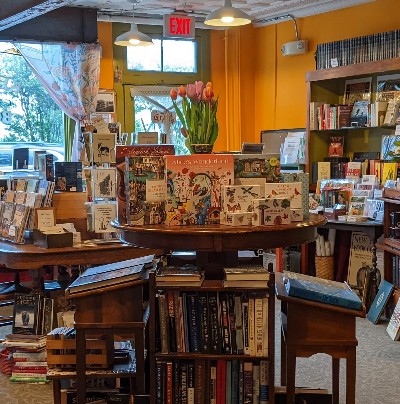
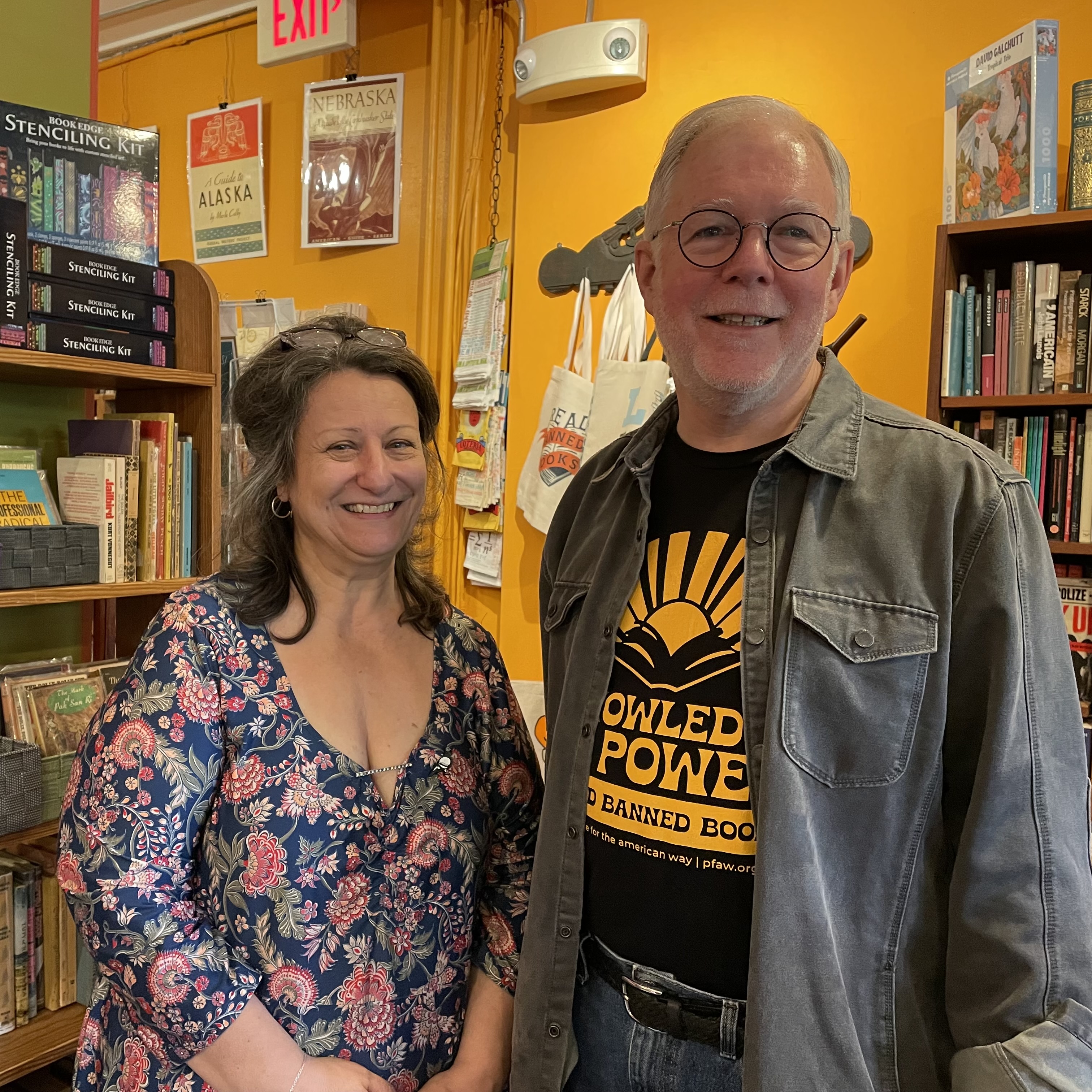
Elisenda provided me with helpful suggestions and was eager to put the right book into my hands. On a recent visit we spent time discussing the mix of local authors featured in a prominent display. One in particular piqued my interest. And yes, it was that book about bridges.
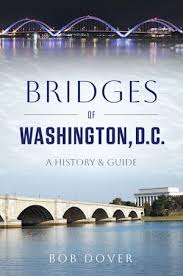
The Bridges of Washington, D.C.: A History & Guide (2026) by Bob Dover is a treat for lovers of the city, architecture and engineering aficionados, history buffs, and just about any resident who spends time on the streets, in the parks, and crossing the rivers and creeks that make up the capital city’s unique landscape. Dover is a geologist with decades of experience studying the role geology and topography play in influencing human settlement patterns, architecture, and historic events. This perspective is evident from the book’s earliest chapters, when Dover reminds the reader that Washington, which sits on the Fall Line, straddles the boundary between two distinct geological regions: “the crystalline bedrock of the Appalachian Piedmont and the soft, unconsolidated sediments of the Coastal Plain.” This location with two different physical settings for bridges, provides many opportunities where connections across rivers, streams, and marshland are needed.
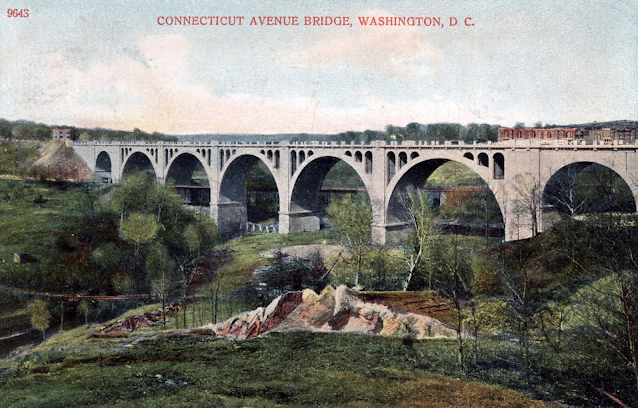
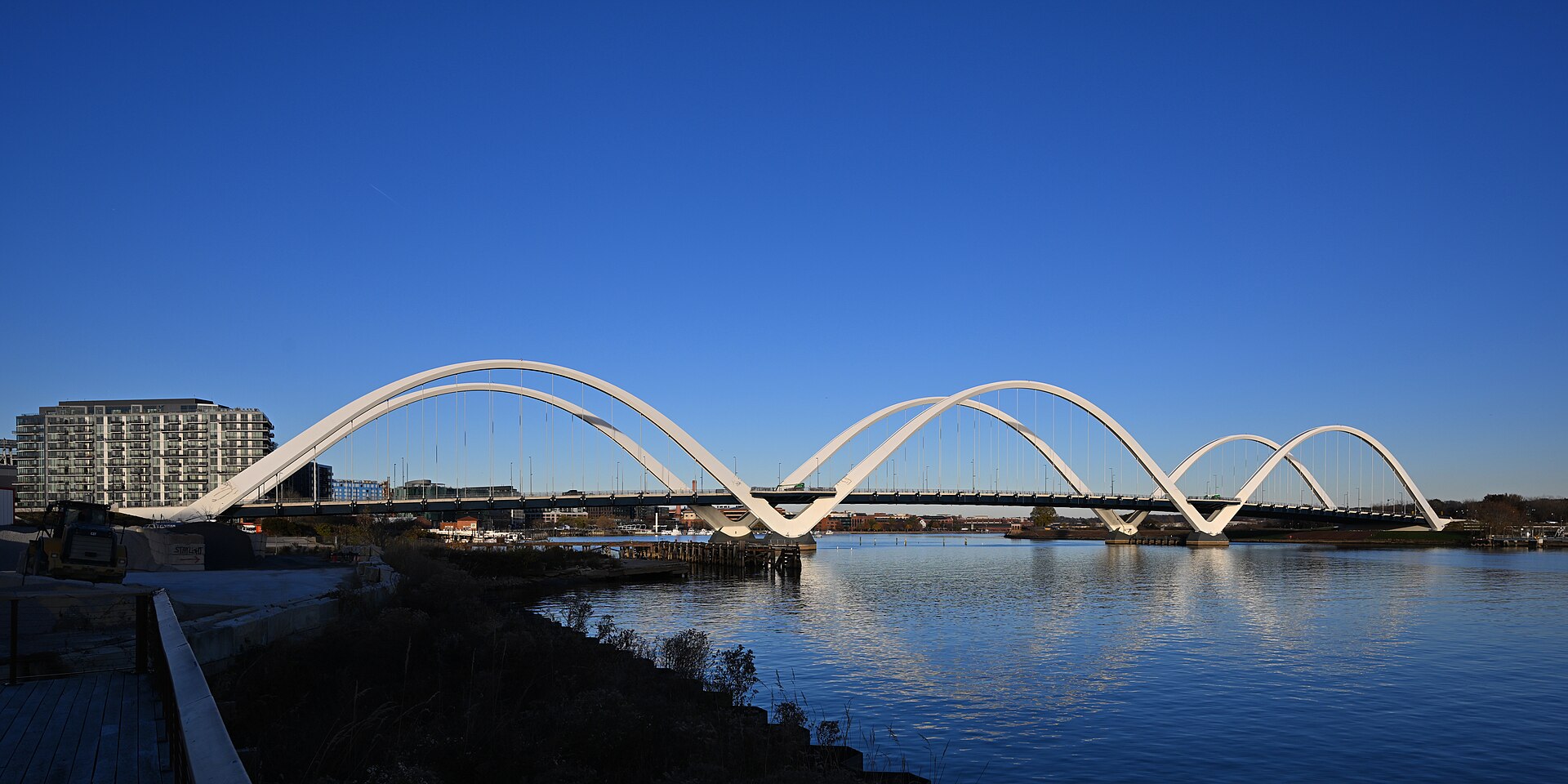
In Washington we can find tall, imposing bridges such as the William Howard Taft Bridge carrying Connecticut Avenue across Rock Creek Valley; small, picturesque bridges such as the historic Boulder Bridge in Rock Creek Park; the sculptural Woodrow Wilson Bridge carrying beltway traffic across the Potomac near Alexandria; and the recently completed modernist Frederick Douglass Bridge that now graces the Anacostia River.
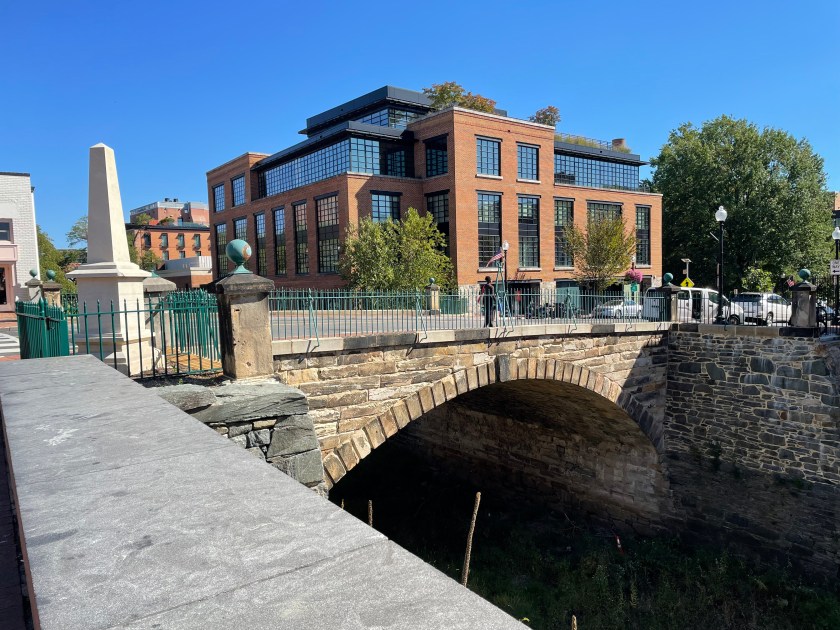
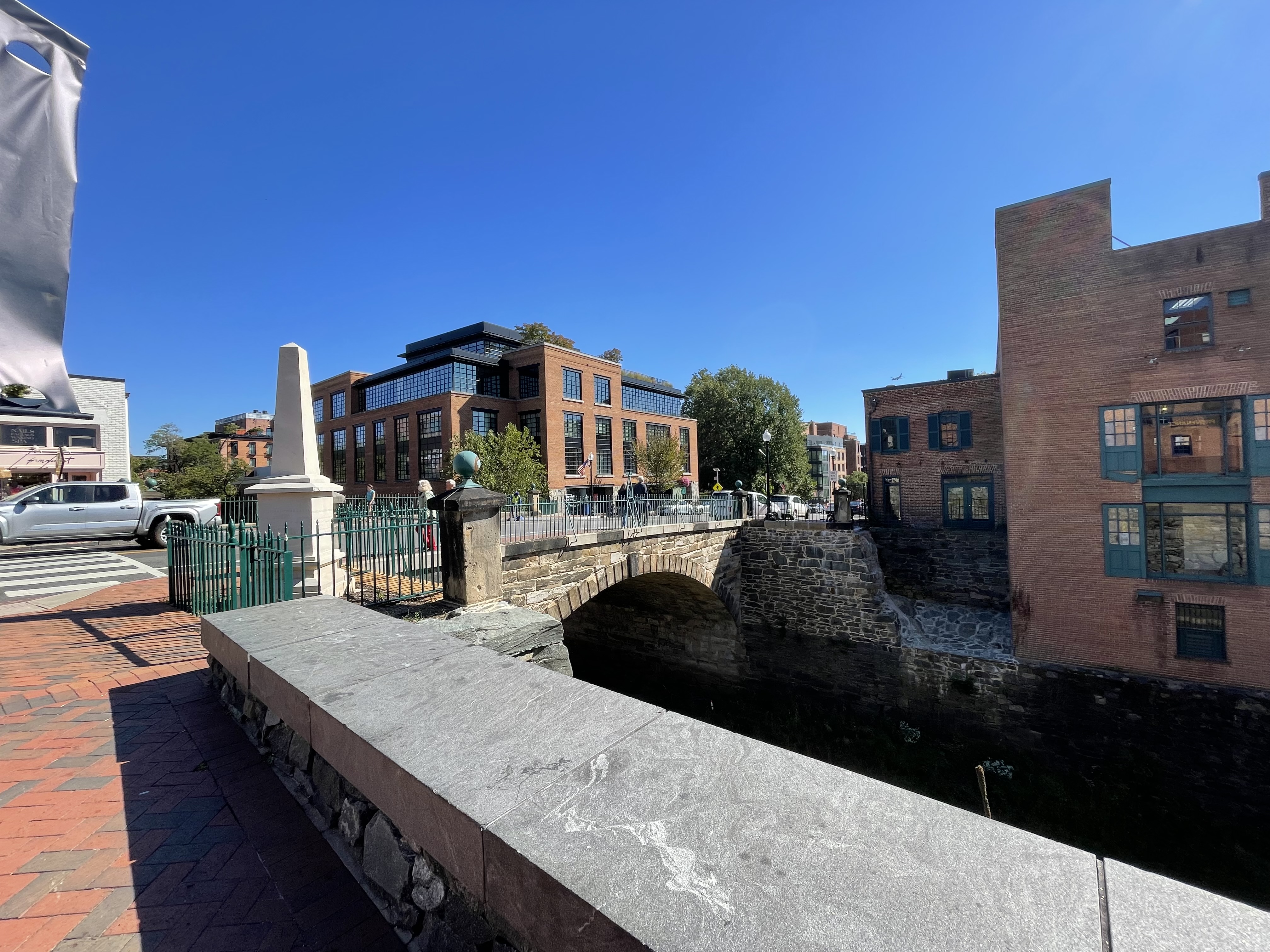
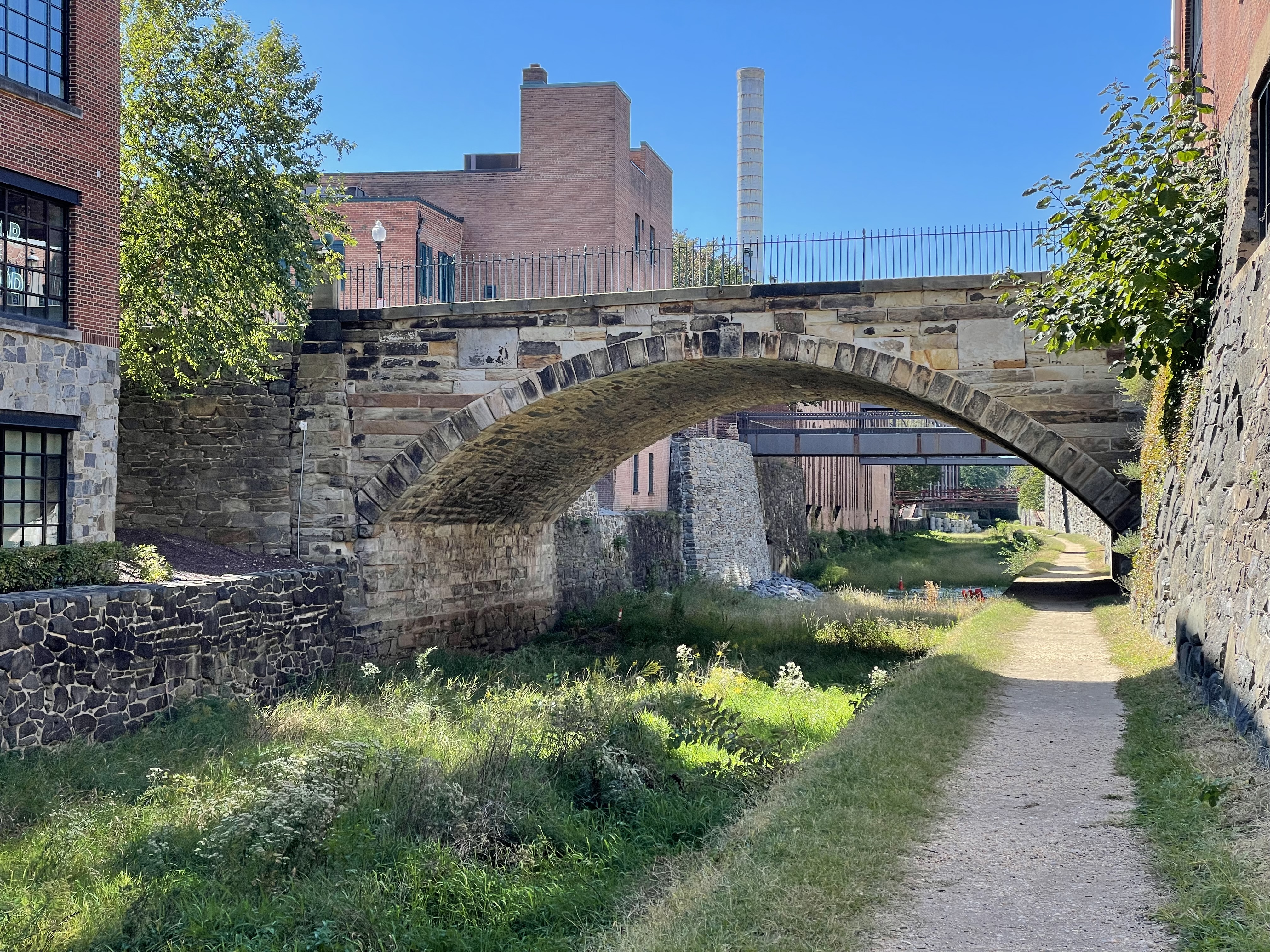
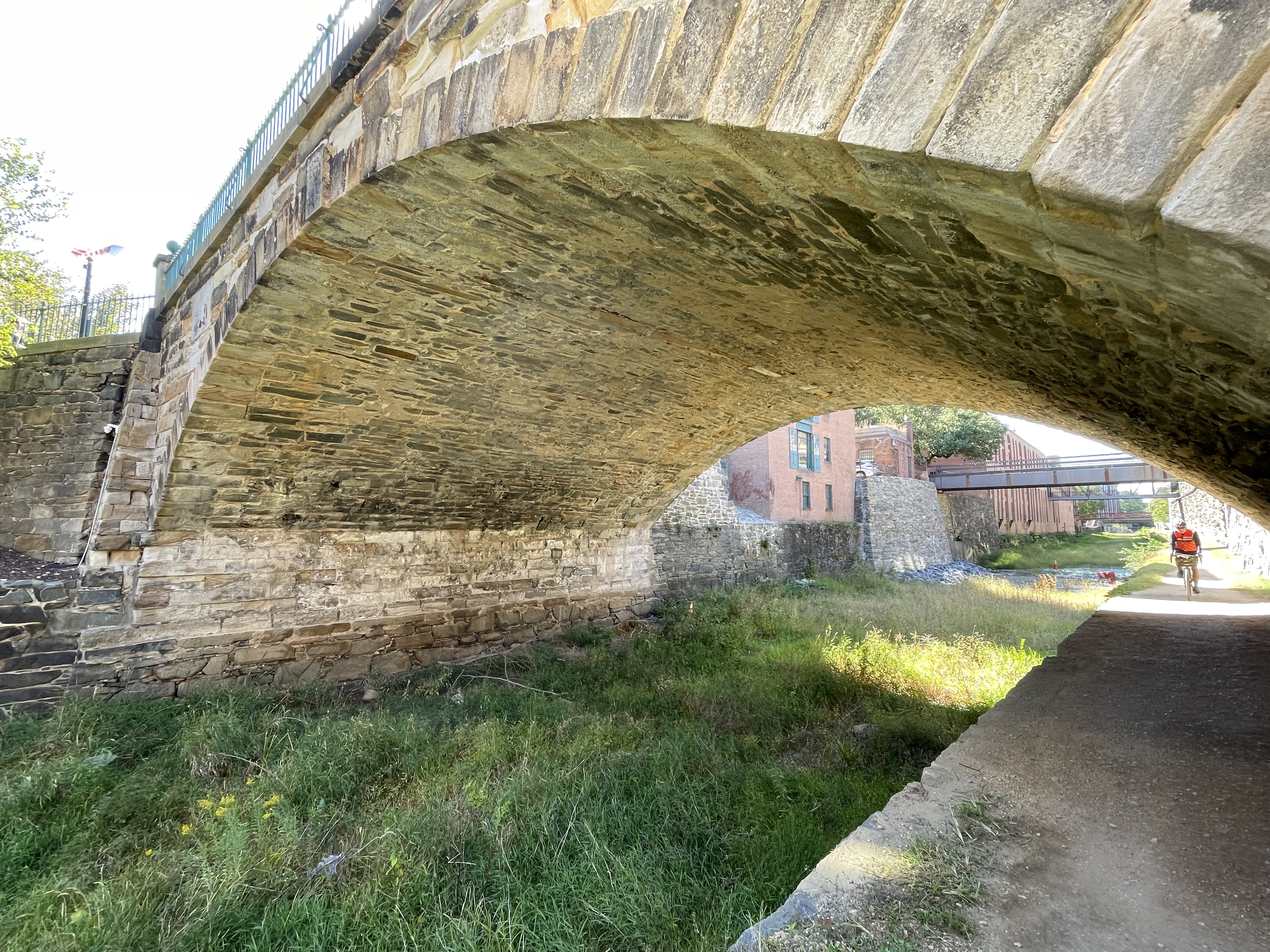
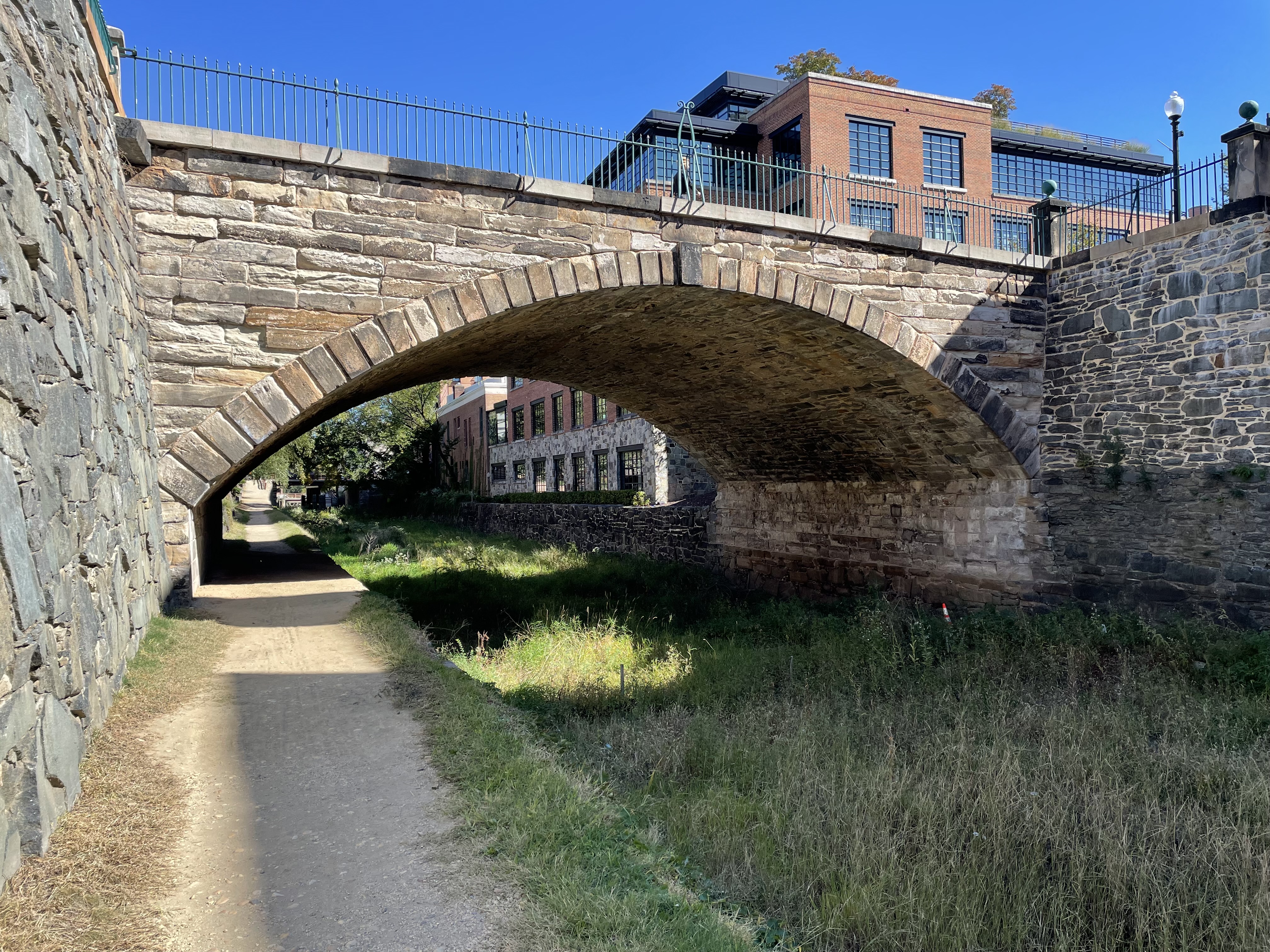
The oldest bridge in Washington is the small High Street Bridge in Georgetown. Built in 1831 and restored as part of the creation of the C&O Canal National Park, this stone bridge on what is now Wisconsin Avenue between the short section from M Street to the Potomac River is a delight for the eyes from both street and canal level.
Dover takes the reader through the historical framework of DC’s bridges, providing information on connections, infrastructure, and the impact of the McMillan Commission and the City Beautiful movement of the early 1900s. He then provides specific looks at bridges in areas such as the Potomac River, C&O Canal, Anacostia River, Rock Creek Park, Rock Creek and Potomac Parkways, and Rock Creek’s tributaries. He ends with a short chapter looking to the future projects on the boards.
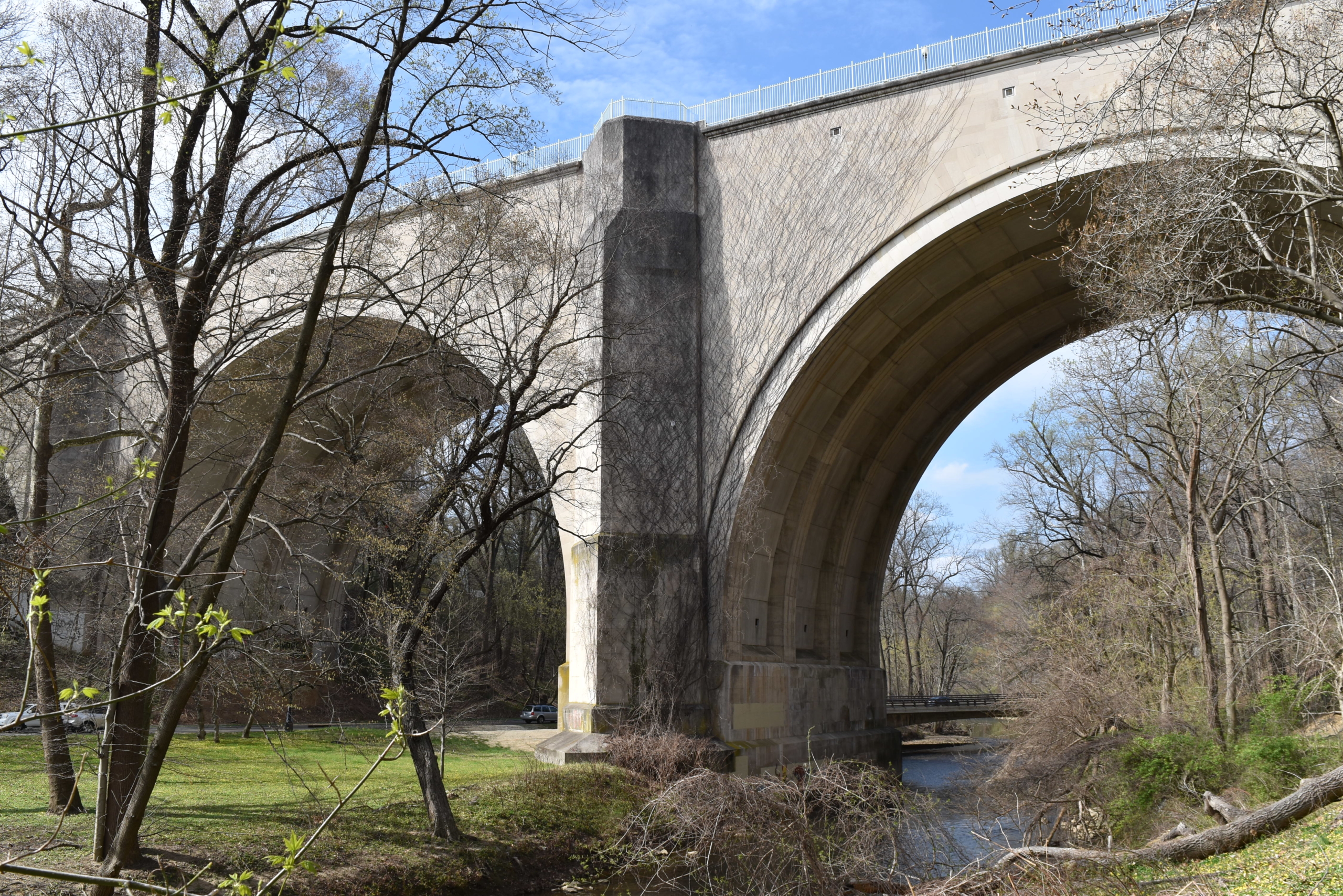
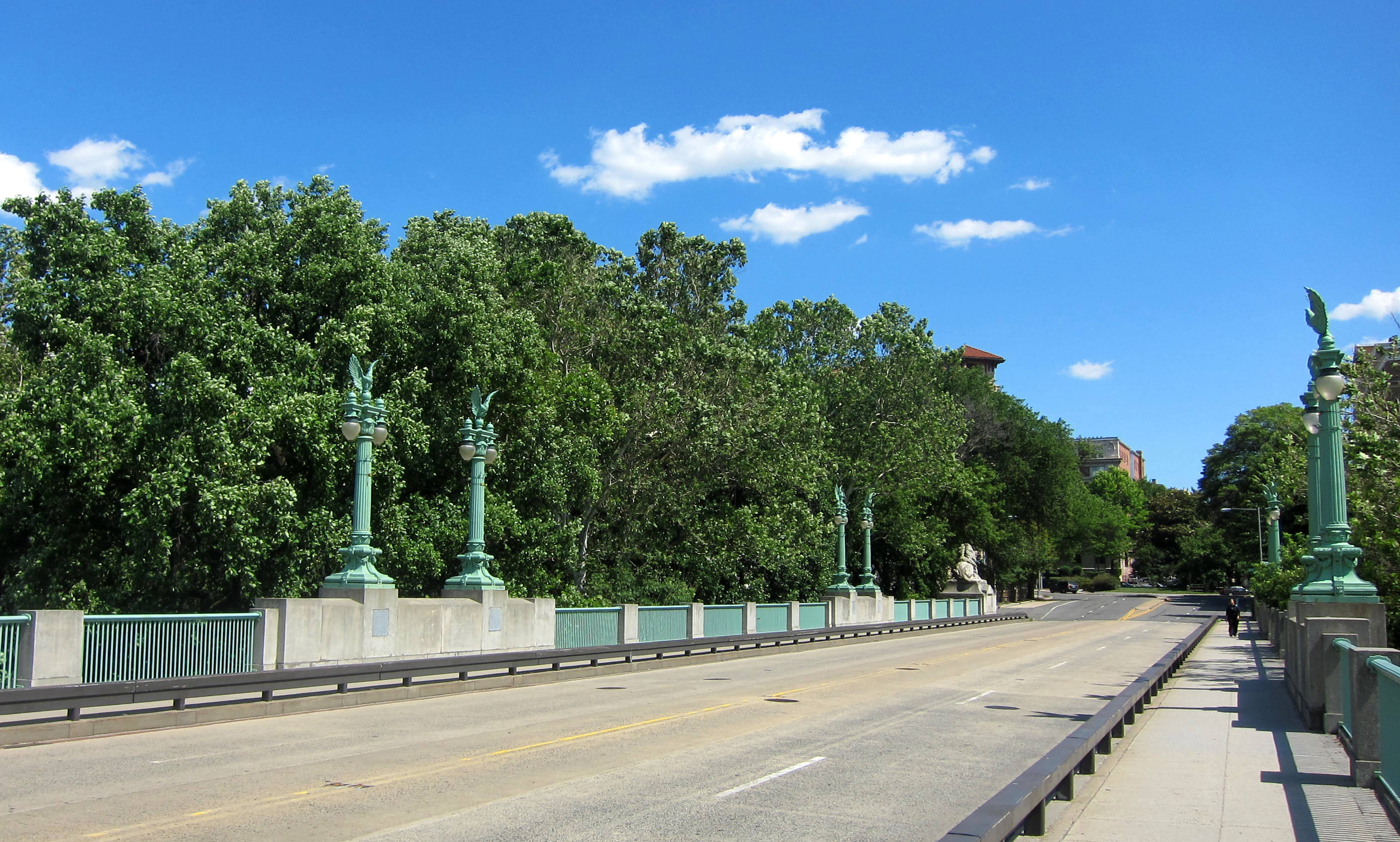
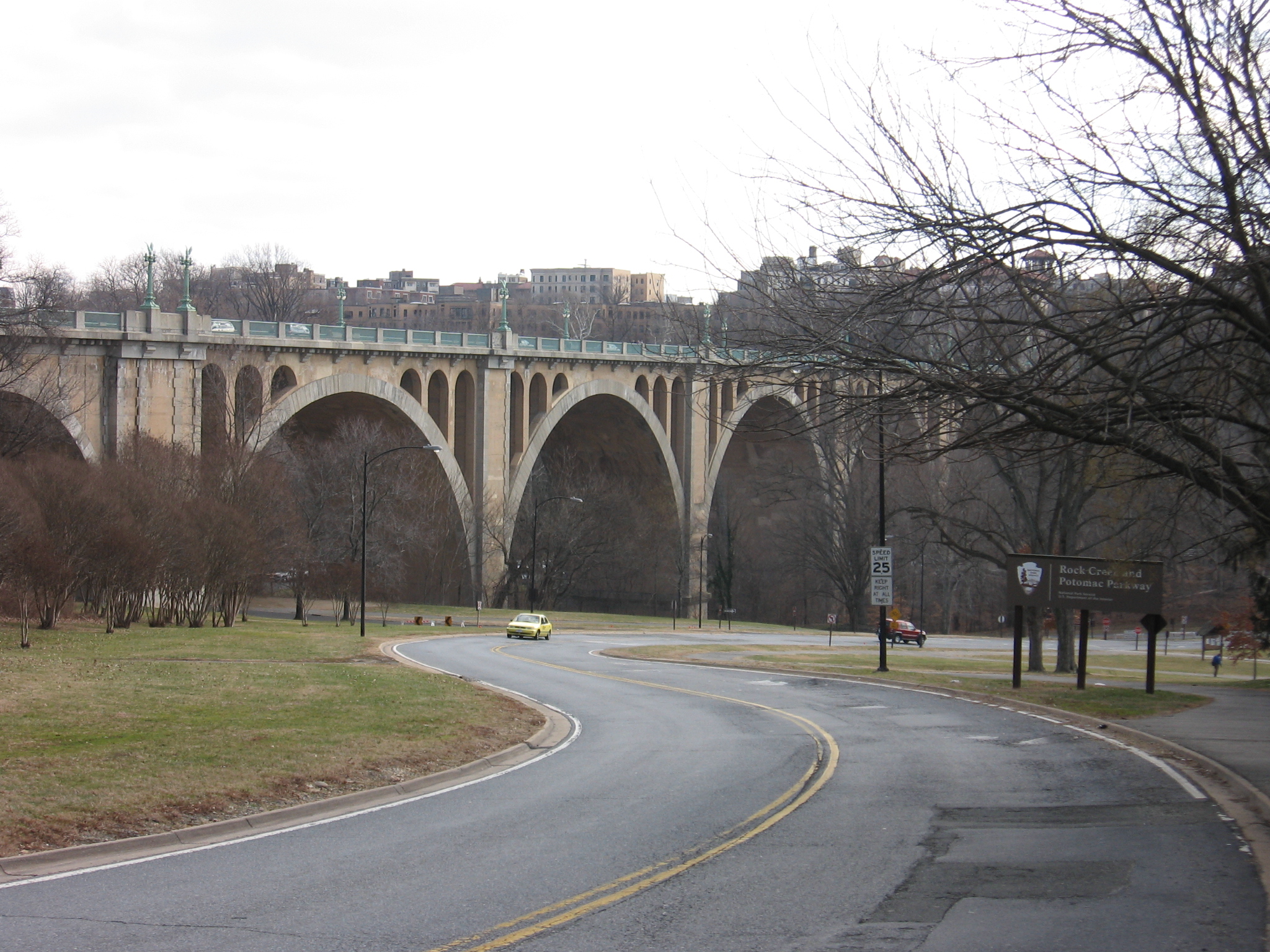
While the book is a fascinating read as a whole, it is also useful as a guide for when one moves around the city. This is a good work to stick in a backpack or the glove compartment of the car for reference when passing over a connection—such as the beautiful William Howard Taft or Duke Ellington bridges—for either the first or the hundredth time. I guarantee you’ll learn more about the city and its wonders thanks to Bob Dover’s thoughtful work.
More to come . . .
DJB
Photos of High Street (now Wisconsin Avenue) Bridge in Georgetown by DJB. Built in 1831 to cross over the C&O Canal, it is the city’s oldest bridge. Other photos of the Duke Ellington Bridge, the William Howard Taft Bridge, and the modern Frederick Douglass Bridge are via Wikimedia.

