This list is your selection of the top posts for the year of 2024.
Because MTC is not your typical single-focus newsletter, I want to thank you once again for reading this eclectic mix of observations. I am so grateful that readers keep checking in, providing feedback through their choices of what’s of interest.
Here’s a baker’s dozen of the top stories from the past year, as selected by the readers of MORE TO COME. And yes, you have to scroll almost to the bottom to see what’s #1.
THE JOYS OF TRAVEL
Two top posts from this year provided readers with views of my travels as an educational expert on National Trust Tours.
While on a visit to Scandinavia and the Baltic Sea, we visited eight harbor cities in seven countries. A tale of two harbor cities was a look at Copenhagen and Tallinn, two of my favorites.
I’ve had the opportunity to both lead and learn on visits to some of the world’s most picturesque and historic cities, towns, and landscapes. In what became a reader favorite, I looked ahead at six exceptional upcoming tours in Exploring places that matter.
BOOKS OPEN UP NEW FRONTIERS
Reviews of several of the sixty books I read in 2024 made the list of top reader views.
Keep some room in your heart for the unimaginable, an Earth Day post that featured the musings of Barbara Brown Taylor and the poetry of Mary Oliver, continues to bring readers to MTC to drink in the wisdom of these two extraordinary seekers.
I’m convinced that the catchy title of There is no “Dr. No” caught the interest of some search engine algorithm, for while I found the stories of art thefts to be fascinating, I never expected this review to make the top views list. Shows how much I know.
The annual summary of books I’ve enjoyed over the past twelve months—The 2024 year-end reading list—was a big hit with my readers.
CHANGES
DJB at Easter in 1958. Hey, I had good-looking legs even then!
Two top posts from this year explored passages in life, in this case cataract surgery and the celebration of yet another trip around the sun.
Perhaps it was because of all the cute pictures of the author in his youth, or perhaps it is because so many people who read the newsletter have undergone cataract surgery, but for whatever reason Seeing the world with new eyes was a big favorite. I wrote about the fact that the weirdest part of this seemingly ubiquitous surgery comes when your self-image gets all screwed up along with your eyesight.
A lifetime of letting go is my annual birthday post from March 4th (the only day that is a command). This year I’ve been noticing the value of slowing down in order to see the wonder around us, to focus on my place and calling in life, and—simply—to enjoy the ride.
FAMILY
I’ve always included family stories as part of this newsletter. Four of those posts from 2024 made this list.
Our year in photos – 2024 is the latest in an annual collection of family photographs that began in 2008.
Achieving a musician’s dream captures one of Andrew’s trips to sing at Carnegie Hall. It includes a cool video produced by Boston University.
Speaking of music, I include A kind of alchemy here in the family section because I really learned to love communal singing around the piano with my mom, brothers, and sisters. (Daddy was not allowed to sing!)
The fifteen years our family lived in Staunton, Virginia, remain among our most important and treasured memories. I wrote about that time, and our support of a great new project in the city, in the post Celebrating the creators. It was near the top of the MTC 2024 list of favorites. And when we returned to Staunton for Thanksgiving, I got to see the poster that Pam and Thom Wagner of the Arcadia project produced that highlighted this very piece. How cool is that!
AUTHORS TELL THEIR STORIES
In a series of questions & answers, five authors graced MORE TO COME this year with their presence. Two of those conversations were among this list of top reader views, including the post which garnered the most views in 2024.
Undermining the conventional has been an integral component of the Edith Farnsworth House since Dr. Farnsworth and Mies van der Rohe met at a dinner party one fateful winter evening in 1945. To help expand our understanding of this iconic place, Michelangelo Sabatino and his fellow authors produced a richly illustrated, deeply researched, and well-crafted source of unending pleasure for the eyes, mind, and soul. Michelangelo graciously agreed to answer my questions about this important new book, which made the list of reader favorites in 2024.
AND THE WINNER IS . . .
What happens when one of the most transformative events in human history, the crucifixion of Jesus of Nazareth at the hands of the Roman Empire sometime around the third decade of the Common Era, has to rely on witnesses for transmission across centuries? The transformational power of stories—my Q&A with author Amy-Jill Levine which topped this year’s list of most-read MTC posts—considers the book Witness at the Cross: A Beginner’s Guide to Holy Friday which examines the stories, texts, social contexts, religious background, and perspectives of those who watched Jesus die. Dr. Levine, known as AJ to friends, brings her deep understanding of scripture, insightful commentary, broadness of perspective, and engaging wit to our conversation to help us consider this climatic moment in the Christian story.
BTW, I WAS RATHER FOND OF THESE AS WELL
These are a few additional pieces that I was fond of but that didn’t get quite so much notice:
Citizenship (April 15th) — We each choose what type of country we want. How we respond to others is part of that choice.
Whatever you found to enjoy this year on MTC, Thanks, as always, for reading!
More to come . . .
DJB
Last year’s listing of the top posts on MORE TO COME as selected by reader views can be seen by clicking on the link. You can also check here to find similar lists from:
Photo credits: Windmills on the Greek Island of Mykonos by DJB; Meteora monasteries from Getty Images on Unsplash; Shrouded valley by Pine Watt on Unsplash; Photo of DJB by the “Celebrating the Creators” poster in Staunton by Andrew Brown; View of the Edith Farnsworth House, now a property of the National Trust for Historic Preservation, from the Carol Highsmith Collection, Library of Congress; Crucifixion by a Strasburgian painter, possibly Hermann Schadeberg.
UPDATED on January 8, 2025: As Washington honors former president Jimmy Carter today as he lies in state at the U.S. Capitol and tomorrow with a state funeral at the Washington National Cathedral, I wanted to share a copy of the program from the funeral which Andrew will sing as a member of the Cathedral Choir.
My friend Carol Highsmith, who has photographed America for decades and has shared those images with the American public through her Carol Highsmith Collection at the Library of Congress, shared a photograph today of the Carters taken at the Maranatha Baptist Church in 2017.
Several times each year former U.S. president Jimmy Carter discusses the meaning of biblical passages during his Sunday School lessons at the Maranatha Baptist Church in Carter’s hometown of Plains, Georgia. And following each lesson, he and his wife, former First Lady Rosalynn Carter, also a Plains native, wait to greet each and every parishioner — including this mother and baby — who wished to be photographed with the former First Couple.
“You can argue over whether Jimmy Carter was America’s greatest president, but he was undoubtedly one of the greatest Americans to ever become president. He and Rosalynn eliminated fatal diseases, championed human rights, and literally negotiated world peace. He still believes in us.”
UPDATED on December 30th: New links and remembrances.
Jimmy Carter official presidential portrait
With today’s passing of former president Jimmy Carter, we will all discover stories throughout the media—some written several years ago on special occasions such as his 100th birthday—that exemplify the type of man he was.
Such as the time Jimmy Carter risked his life to help save Ottawa by lowering himself into a melting nuclear reactor. In 1952 as a young Naval officer, Carter was in the early stages of his life and career. He had recently been sent to work under Captain Hyman Rickover at the Naval Reactors Branch of the Atomic Energy Commission in Washington, D.C. Carter, who worked closely on the nuclear propulsion system for the Sea Wolf submarine, was one of the few people in the world who had clearance to go into a nuclear power plant.
On December 12, 1952, a 28-year-old Carter was called into action after an accident occurred on a new experimental nuclear reactor at Chalk River, Canada. “Carter and his team were a part of the group of people who needed to clean and fully shut down the reactor. The short amount of time Carter and his team could spend at any stretch meant they needed to be precise.”
The fact that the capital of Canada was not decimated in a nuclear accident attests to their success. Carter exposed himself in 89 seconds “to the same amount of radiation that the general population absorbs in one year. He later said his urine continued to test positive for radioactivity for six months.”
“We have lost Jimmy Carter, but Carter’s presence will be felt around the world for decades to come. Now that he has died, consider his hidden legacies—because he has literally saved millions upon millions of people from excruciating pain, debilitating disease, and blindness. That, surely, is a legacy we can all agree is worth celebrating.”
My memories of Jimmy Carter began while I was in college but have lasted a lifetime.
The 1976 campaign, when former Georgia Governor Jimmy Carter took on the incumbent Gerald Ford, was the first time I was eligible to vote for president. A few weeks before Election Day, I was in Philadelphia as a young college student studying history and historic preservation, attending the National Trust Annual Preservation Conference—the first of 41 I attended over my career.
Philadelphia in 1976 moved me. I loved exploring a real city, a gritty city at the time, with my friends and classmates. It was so different than Murfreesboro or Nashville. We ate food that had never before passed my Southern lips and heard strange accents that sounded foreign to my ears. I was able to see and touch Independence Hall and Carpenters Hall, iconic places that I had explored only in books as my interest in the past expanded and deepened. Being in the room where the delegates debated concepts such as the self-evident truths of life, liberty and the pursuit of happiness made it all come alive.
Photo of Jimmy Carter campaigning in Philadelphia. Candice has confirmed my original suspicions that I’m captured in this photograph, just to the left of the hat being waved in the front of the crowd. The long black hair and mustache was my look at the time, and that’s where I remember standing that day in relation to the platform.
And the real-time relevance of history and place exploded in my face during that trip. I was there near the end of the presidential campaign; the first time the people would have a voice after the upheavals of Watergate. Jimmy Carter was scheduled for a massive downtown rally late in the week. Several classmates and I wedged our way into the tens of thousands of people who filled four streets that came together at the intersection where the candidate would speak.
My heart raced as I heard the roars for that now-familiar Southern lilt coming from a man who in a few short days would be president-elect. My mind thrilled as I realized that here I was, in the city where the concept of a government, deriving powers from the consent of the governed, had its most powerful realization. Somehow, I also understood that, in casting my first vote for president, which went to President Carter, I would soon be a part of what Abraham Lincoln noted was the ongoing fight to see if a nation dedicated to the proposition that “all men are created equal” can long endure.
Meeting First Lady Rosalynn Carter in Plains, Georgia, in 1978. I was beginning research on a National Register historic district for the town when Mrs. Carter stopped by.
Two years later I was living in Americus, Georgia, just ten miles from Carter’s hometown of Plains. I was the first historic preservation planner in a joint program between what were then called Area Planning and Development Commissions and the state historic preservation office. I had moved to a place with a complex history, as histories usually are.
I spent two years of the Carter presidency living near Plains. In his book The Outlier, Kai Bird describes South Georgia’s racial inequality, the poverty, the patriarchy, the over-the-top religious piety that was part of the atmosphere but that could also serve up deep hatred towards the interracial Christian Koinonia community. As someone who lived there in the 1970s, it all rang true. Jimmy Carter was shaped by those forces and also reacted against them.
And as we celebrate Jimmy Carter today, let’s remember the many and varied accomplishments of the Carter administration. On the domestic side Carter began the deregulation of American business that brought everything from lower airline prices to the emergence of craft beer. His energy policies saw a decline in foreign oil imports and led to investments in solar, wind, and other renewable energy sources. Consumer regulations from automobiles to pharmaceuticals led to the saving of thousands of American lives each year. We ended his administration with cleaner water and air along with the protection of valuable parts of the country’s wilderness. Inflation was whipped at a steep political cost and the judiciary saw its first large influx of women and minorities. Foreign policy achievements included the ratification of the Panama Canal and SALT II treaties, normalization of relations with China, and the Camp David agreement between Israel and Egypt.
Memories from my 2023 visit to the Carter Presidential Museum in Atlanta
Jimmy Carter was a complex man who lived a very consequential life.
Rest in peace, Mr. President. May your life of service inspire other leaders to follow your pragmatic yet hopeful belief in the ideal of America.
More to come . . .
DJB
For other MORE TO COME posts on President Carter, see:
The coming of the new year is a time for reflection and promise. I’ve always liked the old phrase “turning of the year” to describe this time of change and thought it would be interesting to hear how several musicians have treated this phrase in song.
Jennifer Cutting is “a composer and bandleader by family tradition and a musician and ethnomusicologist by training.” Her grandfathers, “one from England and the other from Ireland, were the inspiration for her natural synthesis of British and Irish musical traditions.”
Cutting’s song The Turning Year (A New Year’s Toast), as performed by the acappela quartet Windborne on her video, begins with this verse:
“Oh, kind companions gathered here, all at the turning of the year, The hour grows late, our hearts grow fond, in melody shall be our bond. We live in hope, we pray for peace, we meet with joy the year’s new lease, The falling snow, the icy moonlight shining clear, SO LET US SING TO WELCOME IN THE TURNING YEAR.”
I love the sentiment that we take our battle-scarred selves into the new year with a sense that no matter the trouble, we can prevail.
“Now Yule is past, the old year fades; time heals all wounds, or so they say. Though battle-scarred, we will prevail; we hold the pen that writes the tale. Do not regret the flow of years; for there is naught that disappears; Our every kindness written large, among the stars; SO LET US SING TO WELCOME IN THE TURNING YEAR.
And while we’re toasting the turning year, let’s remember to make amends to those we’ve hurt.
The tallest trees, the barest boughs, the callow choir of earnest vows. Whatever boon we ask of life, we ask it here, we ask it now. So let us toast to absent friends; to those we’ve hurt, let’s make amends; And those we love, let’s set them free, yet hold them near, SO LET US SING TO WELCOME IN THE TURNING YEAR.“
“The minutes pass, the hour strikes, the mighty flares light up the night Now let us raise a festive glass, that all we hope may come to pass. I wish you joy, I wish you peace, I wish you health, but more than these The power to know, just what to keep and what let go. SO LET US SING TO WELCOME IN THE TURNING YEAR… SO LET US SING TO WELCOME IN THE TURNING YEAR.”
Windborne at the 2024 Music of Midwinter concert sponsored by the Institute of Musical Traditions (photo by DJB)
Jimmy Aldridge & Sid Goldsmith emerged onto the British folk and acoustic scene in the 2010s. Their website bio suggests it is the combination of outstanding vocal work, sensitive instrumentation, and powerful social conscience that has brought them critical acclaim.
Their tune Turning of the Year has a chorus that speaks to how we see this time as one where we can clear away the challenges of the past year.
In a rolling storm that clears a year away | A rolling storm that clears our year away
On Jennifer Cutting’s Song of Solstice album, which included The Turning Year, she also has this poignant piece that reminds us that not all are as fortunate as we are in these difficult months of winter. Time to Remember the Poor is performed here by Cutting’s Ocean Orchestra along with acoustic guitar master Al Petteway.
For a slightly different take, Windborne also included a version of this song on their 2024 album To Warm the Winter Hearth.
Finally, I will end with Roger Eno, a British composer and musician, whose “distinctive style as a recording artist has attracted a cult following.”
In this video for the album The Turning Year’s title track, “Eno’s melodic solo piano is underscored by a beautiful string orchestration.” This was recorded at Berlin’s Teldex Studio.
Let’s all sing (and play) to welcome in the turning year.
Mystery and paradox have been on my mind as the days grow shorter and the darkness envelopes us. Mystery is a good place to land when considering life’s limitations. Paradox is helpful in understanding this season’s growing darkness and hopeful anticipation of what’s to come.
Perhaps we can embrace what we cannot see in a way that our eyes can be opened.
On a Winter Solstice’s Walk last Saturday afternoon with Beth Norcross of the Center for Spirituality in Nature, Candice and I stopped in the middle of a very busy holiday season to spend quiet time along the shores of the Potomac River. We wanted to honor this shortest day of the year and experience both the darkness and the light it offers. Beth used Jan Richardson’s poem A Blessing for Traveling in the Dark as the framework for our reflections.
Go slow if you can. Slower. More slowly still. Friendly dark or fearsome, this is no place to break your neck by rushing, by running, by crashing into what you cannot see.
Then again, it is true: different darks have different tasks, and if you have arrived here unawares, if you have come in peril or in pain, this might be no place you should dawdle.
I do not know what these shadows ask of you, what they might hold that means you good or ill. It is not for me to reckon whether you should linger or you should leave.
But this is what I can ask for you: That in the darkness there be a blessing. that in the shadows there be a welcome. that in the night you be encompassed by the Love that knows your name.
Jan Richardson
Go slow, Richardson writes. Oliver Burkeman’sparadox of limitations suggests the more one tries to rush through our days and manage time with the goal of achieving a feeling of total control, the more stressful, empty, and frustrating life gets. But the more one confronts “the facts of finitude” instead—and works with them, rather than against them—the more meaningful and joyful life becomes.
A simple fact of finitude is that we are all wounded. Perhaps our wounds come from crashing into things we did not see. Or perhaps life crashed into us when we were unawares. We saw this in the trees along the Potomac, but we also saw how nature uses winter and darkness as a time of healing. Slowing down in the darkness and at fallow times to deal with our wounds ultimately helps us live in the light. It may be a miracle, just not the one we expected.
Seasons have their ebbs and flows, and Diana Butler Bass writes about the spiritual flow of the winter season. First, we are awaiting light in the darkness (Advent); then light overcomes darkness (Christmas); and finally we follow the light to its glorious source (Epiphany). The Christian story “moves from flickering candlelight to the light of the cradle, to seekers welcomed into the widening circle of light.”
When we are moving at a mindful speed where we can recognize these changes in light, we naturally want to talk about it. As Bass writes on a different holy day, “speaking is a kind of transfiguration. From creation through the New Testament, words transform worlds.”
“Speaking is a reflection of that sacred attribute in us; it is an aspect of the image of God in humankind. We, too, can bless and announce. We name the world around us, gifting even the animals with the beauty of our words. We confront Pharaoh or Caesar. We tell of God’s faithfulness from generation to generation. We declare peace. We recite poetry and stories. We proclaim Good News. We pronounce mercy, forgiveness, and love. We share thanks.
But we often get it wrong. For, like other aspects of God’s image, our speech can be distorted.”
As we walked along the Potomac, we used words to describe our reflections. But we also walked and sat in silence, to see what the interplay of darkness and light could teach us.
If we slow down and live fully in the moment . . .
“Speech and silence—the right kind of speech and the right kind of silence at the right time—can transfigure the world.
And us.
“It is countercultural; this is the beginning of wisdom. It takes time to learn. It grows with practice.“
Take the time today—on Christmas Day and every day that follows—to slow down. Remember that “we are here to keep watch, not to keep.” Seek to live in life’s liminal spaces. Pay attention. Be astonished. Accept the facts of finitude in life and use that knowledge to be awed and amazed by the wonder around you. Hold on to love over hate.
On that first Christmas, no one was really sure what they were witnessing. But the stories of the parents, the shepherds, and the astronomers from the east suggest that they knew they were in the midst of a miracle.
“Watch. Listen. Wait. The miracle isn’t always what it seems at first.”
Happy Christmas to you and yours.
Happy Christmas from the Brown family (photo by DJB)
A writer posted an essay on Substack last year entitled What our books reveal about us. She began asking that you think about all the books you’ve read over the past year.
“Imagine them all around you, covers closed, titles on top. What do they tell you about the year you’ve just lived? What do they say about your state of mind, stage of life, your desires? If it’s easier, imagine a friend coming upon you, surrounded by these books, looking at each one and then at you. What would they say the books reflected about you? Would they be surprised?”
I was intrigued when the essay first arrived and after posting my list of the books I read in 2024 I returned to that question. Here are eight totally subjective observations about what I discovered. *
This was a hard year — It is clear from the books I read that I found 2024 difficult to navigate while keeping a sense of equilibrium about life and empathy for our fellow humans. I searched for answers in books by spiritual leaders, political scientists, poets, and more. Most had something of value to add to the discussion in my head.
I read history as “a lesson in proportions” — That quote from the late David McCullough has become a guide star for my reading and life during these difficult times. In 2024, 17 of the 60 books I read were histories, and almost all spoke to what the past can tell us about today’s sometimes trying and perplexing world.
I can’t get enough of some authors — Six of the books on my list were ones I had read in the past. It seems that their messages were just what I needed to read again in these times. And then there are other authors—Rebecca Solnit comes most easily to mind—who I seek out to help me think through difficult periods or issues.
Patmos
Travel has become an increasingly important part of life — Since retirement I have taken on the role of educational lecturer on National Trust Tours. I find myself reading more books about the history of these fascinating places, both to prepare for my lectures and then afterwards, as I read the treasures I found in bookstores along the way. This year I read essays from writers in Costa Rica, histories of coffee production in Central America, celebrations of new architecture in Helsinki, and observations about Greek life. Fascinating!
Home of Books, Inc., one of the oldest independent bookstores in the west
I follow my instincts more than the plan I’ve prepared — Each January I put together a carefully constructed month-by-month plan of which books I already own I want to read. Then I make my first visit to an independent bookshop and the plan goes out the window! I don’t seem to have it in me to walk into a shop full of books and not find—and buy—at least one that looks intriguing. By my count, at least 20 of the books I read this year just leapt out at me from the shelves of some bookstore.
I remain open to suggestions — 22 of the 60 books—or a little more than a third—were recommended by friends and other readers. And many other works recommended or loaned by readers are still sitting in my TBR pile. I’ll get to them eventually!
Beach Reading – the best kind
I have become a big fan of memoirs — Perhaps it is my age, but as I get older I have become increasingly fascinated with the stories people tell in memoirs. Those who wrote the memoirs I read have a wide variety of life experiences. But whether it be about surviving a fallow period in life, writing music for a genre where your presence is unexpected and often ignored, or simply looking back at key moments that shaped the author, I find these books lead me to reflect more on how I’ve lived and who has touched and shaped me.
I continued my effort to diversify the voices in my books — It became apparent last year that I could benefit from reading more diverse voices. Last year, ten of the books I read came from ethnically diverse authors, and I had roughly the same number this year. That can always improve, but even this relatively modest number is resulting in changes to my perspective.
Think about it: what do the books you’ve read reveal about you?
More to come . . .
DJB
*UPDATE: After posting this essay I thought of a ninth observation which I wanted to add:
As I age, I find myself reading about subjects that would never have attracted my attention during the first 60 years of my life — Take sheep, for instance. When a book I had ordered (on the recommendation of a friend—see #6 above) arrived, my wife got a puzzled look on her face and said, “who would write a book about sheep?” It turns out that in recent years I’ve read books about beavers, eels, fungi, trees (lots of tree stories), coffee production, mathematics, quantum physics, and more. Perhaps I’m just waking up to the natural world after a lifetime of working in offices, or perhaps I have become more adventuresome in my old age. Who would have thought it!
The Saturday Soundtrackthat falls just before Christmas is when I traditionally send a gift to readers of some of my favorite Yuletide tunes of the season.
The Duke Chapel Choir and soloists, accompanied by Mallarmé Music with Dr. Zebulon M. Highben conducting, performed G.F. Handel’s Messiah before sold-out audiences at Duke University Chapel on December 6, 7, and 8, 2024. Our son Andrew Bearden Brown was the tenor soloist, and we’ll begin this Yuletide special with Andrew singing the Recitative Comfort Ye, My People followed by the Aria Every Valley. Here’s the link to the full performance (where there are some nice comments about the tenor soloist).
We have been hearing O Come, O Come, Emmanuel throughout Advent. Here VOCES8 is joined by members of Apollo5 and The VOCES8 Foundation Choir and Orchestra to perform Taylor Scott Davis’s beautiful arrangement of the tune.
Jesus Christ the Apple Tree is another pre-Christmas Day piece, as Christ speaks from Mary’s womb in this well-loved and familiar tune. It is performed here by Ensemble Altera (including our son, Andrew) from a 2020 pandemic-era recording (thus the spacing of the singers).
“Whether its provenance is English or American is still the subject of debate, but the transcendentalist beauty of its narrator communing with the divine through nature is not. Elizabeth Poston sets the deeply personal text without affectation in a quiet, almost shape-note hymn style.“
Robin Bullock’s album Christmas Eve is Here, is full of beautiful guitar, cittern, and mandolin arrangements of the old chestnuts. Here from that album is In the Bleak Midwinter—based on a poem by Christina Rossetti—which is one of Candice’s most beloved songs of the season.
VOCES8 has, as one might expect, a hauntingly beautiful take on the Ola Gjeilo’s arrangement of Gustav Holst’s In the Bleak Midwinter.
I cherish the combination of words and music speaking to hope and life springing from the darkness in this tune. Kate Rusby included a setting in one of her holiday albums with Bleak Mid-Winter (Yorkshire).
Candice’s other Christmas favorite is “Canada’s oldest Christmas Carol.” The Huron Carol was written by a Jesuit missionary, Jean de Brebeuf, in 1643. This setting is performed by the Exultate Chamber Singers of Toronto.
Andrew is a regular member of Ensemble Altera, which brings beautiful and thoughtful music to every performance. In December of 2023 they presented a concert of seasonal music in Boston and Providence, which included this Michael Garrepy arrangement of O Holy Night.
Bring a Torch began as a French dance tune for nobility in the 17th century, but quickly became a Christmas standard, as played here by the wonderful musician and composer Alex de Grassi.
The characters “Jeannette” and “Isabelle/Isabella” are two female farmhands who have found the Baby Jesus and his mother Mary in a stable. Excited by this discovery, they run to a nearby village to tell the inhabitants, who rush to see the new arrivals. Visitors to the stable are urged to keep their voices quiet, so the newborn can enjoy his dreams.
The Southern Harmony shape-note tune Star in the East is one of those Yuletide songs not heard as frequently as it deserves, yet it has always been a personal favorite, with the lyrics pointing to what’s really important.
Vainly we offer each ample oblation, / Vainly with gifts we his favor secure; / Richer by far is the heart’s adoration, / Nearer to God are the prayers of the poor.
Here is a traditional version, sung by one of the country’s premier early music groups, The Rose Ensemble.
Al Petteway and Amy White pair Star in the East as part of an instrumental medley with Born in Bethney.
Next is a 2021 recording by the sopranos, altos, and countertenors of Ensemble Altera as they sing the traditional English carol Tomorrow Shall Be My Dancing Day in an arrangement by John Rutter. While it first appeared in written form in 1833, the carol is undoubtedly older. “The verses of the hymn progress through the story of Jesus told in his own voice. An innovative feature of the telling is that Jesus’ life is repeatedly characterized as a dance.” That is followed by Robin Bullock‘s instrumental setting of the same tune that can best be described as “frisky.”
The Wexford Carol is one of Ireland’s oldest Christmas carols, played here by Alison Krauss, Yo-Yo Ma, and Natalie MacMaster in a 2009 video
My friend Custer LaRue is one of the best ballad singers in the land. Her 2009 album with the BaltimoreConsort, Bright Day Star, was rightly described by one music critic as “One of the finest Christmas recordings ever made.” I’ll feature the traditional Cherry Tree Carol followed by the delightful Hey for Christmas! written by John Playford.
I have featured this VOCES8 rendition of the Philip Stopford setting of the Coventry Carol, the traditional English tune dating from the 16th century, before here on MTC. Stopford’s Lully, Lulla, Lullay—filmed by VOCES8 in St. Stephen’s Walbrook Church, London—is so haunting, and soprano Eleonore Cockerham’s soft, clear, yet ethereal voice is a treasure.
Windborne reminds us that this time of year is one of community, as heard in the traditional Here We Come a-Wassailing.
As Christmas passes Kate Rusby‘s rendition of Let the Bells Ring calls on us to cast off the cruel past and look to a new year, while Windborne calls on us to Welcome in Another Year as we “let the old one burn.”
However you celebrate the season, Happy Yuletide to one and all!
NOTE: This post is long but is written to be skimmed. Scroll through and see what piques your interest. It is also the final entry for Book Week at MORE TO COME. As we come to the end of the year, I began on Monday with one post each day to close out my reviews and to showcase the 60 books I read during 2024. Today’s entry is that year-end review.
With 2024 drawing to a close, I’m delighted to share the annual list of books I’ve (mostly) enjoyed over the past twelve months.* I’ve grouped these 60 books into broad categories, to help you find those of special interest.
The top reads (I’ll revisit these over the years)
Author interviews (talking with writers)
History and biography (and all that entails)
The places where we live (natural and man-made)
The times we live in(politics and civic life)
Memoir (tell me your story)
Fiction (novels, murder mysteries, short stories, poetry)
Theology and more (thinking about purpose and mindfulness)
Outbursts of radical common sense and whatever else tickled my fancy (otherwise known as the miscellaneous section)
I hope you enjoy learning about the treasures I pulled from my reading shelf this past year. Clicking on the link under the book title will take you to my original review. After the first two categories, I begin each additional section with my top choice for the year followed by the others in that subject area listed alphabetically by author. And please feel free to use the comments to tell me which books most touched you in 2024.
Now, let’s jump in and see what was on the list.
THE TOP READS (I’ll revisit these over the years)
The Rediscovery of America: Native Peoples and the Unmaking of U.S. History (2023) by Ned Blackhawk opens with the provocative question, “How can a nation founded on the homelands of dispossessed Indigenous peoples be the world’s most exemplary democracy?” Winner of the 2023 National Book Award for Nonfiction, Blackhawk’s important new work seeks to reimagine our history “outside the tropes of discovery.” Blackhawk wants the reader—and ultimately the nation—to recognize the centrality of Native Americans to our history and ongoing story. A significant piece of new scholarship.
A Portrait of the Scientist as a Young Woman (2022) by Lindy Elkins-Tanton is much more than a memoir, as one of the nation’s leading planetary scientists updates the way science is presented and framed while challenging us to consider ways to ask the right questions to drive deeper analysis and change. Elkins-Tanton describes the debilitating impact of bullying and microaggressions especially on women and then pivots to describe the innovative ways she has built collaborative working groups. This book forces the reader to consider all the ways we contribute, for better or worse, to the culture in our organizations.
Small Things Like These (2021) by Claire Keegan is a short yet deeply moving novel set in small-town Ireland during the Christmas season of 1985. Bill Furlong is a coal and timber merchant who, while delivering a load to the local convent, makes a discovery that forces him to consider his past and the choices he must make. This little gem of a book brings us face-to-face, in a simple yet memorable fashion, with how we confront our past while also serving as a deeply moving story of “hope, quiet heroism, and empathy.”
When We Cease to Understand the World (2021) by Benjamin Labatut (translated from the Spanish by Adrian Nathan West) is a troubling and haunting book that I could not put down “about the complicated links between scientific and mathematical discovery, madness, and destruction.” By taking the real-life discoveries of scientists and adding rich fictional detail to link their compelling stories with real-life consequences, Labatut makes the reader face uncomfortable truths. Labatut “has written a dystopian nonfiction novel set not in the future but in the present.”
The Overstory: A Novel (2018) by Richard Powers is a work that—like all brilliant pieces of fiction—tells us more about reality than we often care to see. This majestic fable is actually an interlocking collection of nine human stories that, in the end, center trees as the main characters. It takes time to understand how these stories might be connected, but Powers begins to drop hints in the very first pages: we should be listening to the trees to truly understand connection. The Overstory changed the way I will see the world. One simply cannot ask more of a piece of literature.
To Free the Captives: A Plea for the American Soul (2023) by Tracy K. Smith, the former Poet Laureate of the United States, is a “memoir-manifesto” which examines her life and her family history as a microcosm of the Black experience in America. Smith writes of the spirituality of the soul, her move toward sobriety and accountability, and her own growing spiritual practice. She makes the case that the soul is not merely “a private site of respite or transcendence,” but it is also a tool forfulfilling our duties to each other. It is a powerful and moving prayer for Americans to accept accountability and do the hard but necessary work of living together with others.
AUTHOR INTERVIEWS (talking with writers)
Key to the City: How Zoning Shapes Our World (2024) by Sara C. Bronin is an illuminating survey of the omnipresent tool driving the development of most American communities. Writing in an accessible and approachable style, Bronin shows the real-life consequences of codes that maintain racial segregation, build inequality, prioritize cars over people, and force us into choices that harm our health, our civic life, and the world in which we live. In this ultimately optimistic work, Bronin makes a compelling case for what reformed and reimagined zoning codes can achieve. Sara chats with me about the future of zoning in America.
Why Louisiana Ain’t Mississippi . . . or Any Place Else!(2022) by Jay Dardenne with photography by Carol M. Highsmith is a companion book to a Louisiana Public Broadcasting documentary and a beautifully illustrated guide to a fascinating piece of America. Dardenne is a long-time politico who provides a short but insightful introduction. The bulk of the book is composed of Highsmith’s wonderful photographs, capturing the flavor of this place which calls us back again and again. Carol answered my questions and shared some of her favorite photographs in this author interview.
Witness at the Cross: A Beginner’s Guide to Holy Friday (2021) by Amy-Jill Levine examines the stories, texts, social contexts, religious background, and perspective of those who watched Jesus die. Dr. Levine, known as AJ to friends, brings her deep understanding of scripture, insightful commentary, broadness of perspective, and engaging wit to help us consider this climatic moment in the Christian story. AJ also graciously agreed to answer my questions about this work.
Earth & Soul: Reconnecting Amid Climate Chaos (2024) by Leah Rampy comes from an “intersection of spirituality, ecology and story.” In helping us understand why our souls ache for a deeper connection with the earth, Rampy invites us to think, contemplate, live, and act differently. She travels to edges—where sea, land, and sky meet—because “the division between heaven and earth, past and present, living and dead can blur, and a sense of oneness permeates time and place.” These thin places are where we can choose our stories for the future, stories that will last long beyond our lifetimes. Leah answers my questions about her work in another of the MTC author interviews.
The Edith Farnsworth House: Architecture, Preservation, Culture (2024) by Michelangelo Sabatino is a richly illustrated, deeply researched, and well-crafted source of unending pleasure for the eyes, mind, and soul. Sabatino and his fellow authors Ron Henderson, Hilary Lewis, Scott Mehaffey, and Dietrich Neumann, have produced a work that broadens our perspective while helping undermine the conventional view of the house as merely a formal object sitting on its site as conceived wholly out of the mind of Mies van der Rohe. In this author interview, Michelangelo talks about key aspects of this important new book.
HISTORY AND BIOGRAPHY (and all that entails)
The CIA: An Imperial History (2024) by Hugh Wilford sheds important and eye-opening light on an agency shrouded in secrecy and cloaked in conspiracy theories. Wilford’s new work—with appeal to both scholar and the general public—is a thoughtful look at the CIA’s ties to European empires and America’s own imperial instincts. At a time when we are debating the importance and very future of democracy, this book is timely, informative, at-times deeply troubling, and an altogether vital work about the often unintended and disastrous effects of unaccountable power.
Stealing Rembrandts: The Untold Stories of Notorious Art Heists (2012) by Anthony M. Amore and Tom Mashberg is a detailed look at the high-stakes world of art theft. Major art theft is generally committed by common criminals associated with local crime rings, and the reader learns how they run the gamut from comical bunglers to cunning and dangerous thieves who will stop at nothing in the commission of their crimes.
Vermeer’s Hat: The Seventeenth Century and the Dawn of the Global World (2008) by Timothy Brook uses the paintings of Johannes Vermeer to encourage readers to view certain objects as doors which we can “step through into the teeming social, economic and political context which lies beyond.” Once we step into these worlds, Brook then deftly explains how the early years of the seventeenth century took mankind from isolated communities to interconnected worlds.
Follow the Flock: How Sheep Shaped Human Civilization (2021) by Sally Coulthard weaves the rich and fascinating story of sheep into a vivid and colorful tapestry. While there are at least a thousand breeds and crossbreeds, Coulthard makes the point that these unique animals have changed us as much as we have changed them.
Revolutionary Summer: The Birth of American Independence (2013) by Joseph J. Ellis combines original accounts, insightful analysis, and first-class storytelling skills to bring the reader into the critical summer of 1776. Few historians write as knowledgeably and effectively about the revolutionary period in America as Ellis, who in this short work brimming with fresh perspective addresses what he calls the “crescendo moment” in American history.
The Bookshop: A History of the American Bookstore (2024) by Evan Friss is an eye-opening and charming tour of bookshops through the years and across the country. Benjamin Franklin was there at the founding of the country’s love affair with bookshops and Friss takes us all the way to Ann Patchett’s Parnassus bookshop in Nashville, the face of today’s renaissance of independent stores devoted to the buying and selling of books.
The Demon of Unrest: A Saga of Hubris, Heartbreak, and Heroism at the Dawn of the Civil War (2024) by Erik Larson examines the motives and actions of a small minority of rich white men who decided that slavery—and the lavish lifestyle owning other human beings enabled for them and their families—was worth defending to the point of tearing the country apart. Larson focuses on the chaotic months between Abraham Lincoln’s election and the Confederacy’s shelling of Fort Sumter: a period marked by “tragic errors and miscommunications, enflamed egos and craven ambitions, personal tragedies and betrayals.”
Biography of a Phantom: A Robert Johnson Blues Odyssey (2023) by Robert “Mack” McCormick (and edited by Smithsonian curator John W. Troutman) is the musicologist’s long-awaited biography of Johnson that isn’t, in fact, a biography. As Troutman details in an extensive preface and afterword, this work may not be the book one expects, but as a study of the biographer’s craft and a window into the Delta during Johnson’s brief lifetime, it is one well worth considering.
The Costa Rica Reader: History, Culture, Politics (2004) edited by Steven Palmer and Iván Molina expands the perspectives around this intriguing Latin American nation by bringing new voices to the conversation. This work is composed of short pieces that give a much fuller understanding of Costa Rica, showing it “as a place of alternatives and possibilities that undermine stereotypes about the region’s history and call into question the idea that current dilemmas facing Latin America are inevitable or insoluble.”
Coffeeland: One Man’s Dark Empire and the Making of Our Favorite Drug (2020) by Augustine Sedgewick is a compelling look at the volcanic highlands of El Salvador and the story of James Hill. In 1889, the 18-year-old Hill disembarked in El Salvador from Manchester and wound up “bringing the industrial mentality of his native city to coffee cultivation in his adopted country,” in the process turning El Salvador into perhaps the most “intensive monoculture in modern history—a place of extraordinary productivity, inequality, and violence.”
THE PLACES WHERE WE LIVE (natural and man-made)
G.E. Kidder Smith Builds: The Travel of Architectural Photography(2022) by Angelo Maggi (Foreword by Michelangelo Sabatino) is a beautifully illustrated and long overdue assessment of the work of George Everard Kidder Smith (1913–1997), a “multidimensional figure within the wide-ranging field of North American architectural professionals in the second half of the twentieth century.” Trained as an architect, Kidder Smith did not build buildings; instead, he designed, researched, wrote, and photographed a remarkably diverse collection of books focused on architecture and the built environment. This abundantly illustrated overview of Kidder Smith’s work is full of wonder, joy, and some sadness and is—in the end—simply a book to savor.
Avant-Garde in the Cornfields: Architecture, Landscape, and Preservation in New Harmony (2019) edited by Ben Nicholson and Michelangelo Sabatino is a scholarly exploration of an iconic small town in Indiana that provides insights and new perspective into architecture, landscape, preservation, spirituality, and philanthropy. The book traces how nineteenth century utopian aspirations based on the renewal of society through faith and later science became the touchstone for a transformation through preservation and reinvention of New Harmony’s traditions.
Not Too Late: Changing the Climate Story from Despair to Possibility (2023) edited by Rebecca Solnit and Thelma Young Lutunatabua is a project “to try and return hope and power” to our path forward in the climate crisis through twenty-six essays written by climate scientists, indigenous people, activists, religious leaders, historians, and futurists. Movements rarely “win” in the complete sense, Solnit writes, but “naming and reviewing the movement’s progress helps build momentum for the next win and the win after that.”
Helsinki’s New Living Room—Oodi Library(2021) by Wif Stenger (for the Scandinavia Review) describes the public enthusiasm for the design of the city’s new flagship library. Oodi is a “wavy, radiant structure” that opened in late 2018 as Finland celebrated its 101st Independence Day. Creativity is at the heart of Oodi (“Ode”), a spirit that has been taken in kind by its visitors.
THE TIMES WE LIVE IN(politics and civic life)
Age of Folly: America Abandons Its Democracy (2016) by Lewis H. Lapham surveys the period from 1990 to 2015 to make the strong case that America’s imperial impulses have shaken our democratic principles. Drawn from monthly commentaries produced as the editor of Harper’s Magazine and essays written as backstory to various issues of Lapham’s Quarterly, Lapham makes the case for history as folly’s antidote. Lapham wants to teach us that “we have less reason to fear what might happen tomorrow than to beware what happened yesterday.” A nation denied knowledge of its past, he asserts, “cannot make sense of its present or imagine its future.”
American Oligarchy (2024) by the editors of Mother Jones provides a single-issue focus on the rise and ramifications of the American Oligarchy, pulling back the curtains that have been hiding their rampant pilfering of our country’s wealth. This eye-opening read shows again and again that it’s not only about the spoils but also about “what everyone else is losing in the process.”
Red Notice: A True Story of High Finance, Murder, and One Man’s Fight for Justice (2015) by Bill Browder is the story of an unlikely hero who took on the oligarchs and political leaders of post-Soviet Russia. Once the largest foreign investor in Russia, Browder was expelled from the country in 2005 as a threat after exposing corruption in business and government. His Russian lawyer, Sergei Magnitsky, ended up in jail where he was tortured and killed, changing the direction of Browder’s life with a transformation told in this thriller-like account.
Supreme Inequality: The Supreme Court’s Fifty-Year Battle for a More Unjust America (2020) by Adam Cohen is a devastating and damning argument against today’s Supreme Court and the Republican party’s fifty-year plan to circumvent the Constitution, overturn the gains of the New Deal and Civil Rights eras, and cement inequality into American law and life. I returned to this book after investigative reporters for the New York Times uncovered the cynical moves of Chief Justice Roberts to give former president Trump everything he wanted and more, at the expense of our democracy.
The Problem with Everything: My Journey Through the New Culture Wars (2019 with a new 2022 Foreword) by Meghan Daumcould be summarized as a work about “feeling old, spending too much time online, and getting ornery about the politics of young people.” There are plenty of times when Daum comes across as that person yelling “get off my lawn” at the kids, but there are also thoughtful questions around outrage vs. empathy as the author suggest that “to deny people their complications and contradictions is to deny them their humanity.”
Think Again: The Power of Knowing What You Don’t Know (2021) by Adam Grant makes the strong case that to have real intelligence, we need to rethink and unlearn what we believe and assume. Although we favor the comfort of conviction over the discomfort of doubt, we need to let go of knowledge and opinions that “are no longer serving us well” and anchor our sense of self in flexibility rather than consistency.
Don’t think of an elephant: Know your values and frame the debate (2004) by George Lakoff is about framing messages. “Framing is about ideas—ideas that come before policy, ideas that make sense of facts, ideas that are proactive not reactive, positive not negative, ideas that need to be communicated out loud every day in public.” Finding language that fits your worldview—your values—is key. And yet it goes beyond language because ideas are core. Language simply “carries those ideas, evokes those ideas.”
On Disinformation: How to Fight for Truth and Protect Democracy (2024) by Lee McIntyre shows how the effort “to destroy facts and make America ungovernable” is the culmination of decades of strategic denialism designed to deny facts that clashed with financial or ideological interests. Political parties learned about denialism from the tobacco lobby, which sprang into action following the first scientific report in 1953 linking smoking to lung cancer, and January 6th was “the inevitable result of seventy years of lies about tobacco, evolution, global warming, and vaccines.”
Hope in the Dark: Untold Histories, Wild Possibilities(2016, originally published in 2004), by Rebecca Solnit begins with a discussion around the demands of hope but soon pivots to note that joy is an especially good way to support the work which hope demands. This year seems a good a time to consider Solnit’s thoughts on hope and joy in the face of despair, and to take the long view which she favors.
On Tyranny: Twenty Lessons from the Twentieth Century (2017) by Timothy Snyder is a guide to resisting authoritarianism. This small but powerful work provides present-day advice in the vein of that used by the Founding Fathers when they sought to build a governmental system of checks and balances that would be resistant to the tyranny that overcame ancient democracies.
MEMOIR (tell me your story)
Wintering: The Power of Rest and Retreat in Difficult Times (2020) by Katherine May makes the case that the cycles of life seen in nature are the touchstones to how we should live as humans on this earth. Wintering, in this thoughtful memoir of a mindful year, is “a fallow period in life when you are cut off from the world, feeling rejected.” It’s also inevitable. Katherine May shows us how “an occasional sharp wintering” can help us heal and grow. We “must learn to invite the winter in” and while “we may never choose” to winter, “we can choose how.” Winter, you see, “is not the death of the life cycle, but its crucible.”
To Fall in Love, Drink This: A Wine Writer’s Memoir (2022) by Alice Feiring is a self-described “love letter to wine and a lifelong coming of age story.” Feiring believes that the best wine writing is about life, and in a series of eleven personal essays she explores her own life’s story while sharing her love of natural wine.
Never Forget Our People Were Always Free: A Parable of American Healing (2023) by Ben Jealous is a work of pragmatic and enduring optimism in a sea of national malaise. Jealous uses a series of more than 20 modern-day parables from his life to make the point that we must truthfully and fully address the tensions that have been building up throughout this century if we are to survive.
My Black Country: A Journey Through Country Music’s Black Past, Present, and Future (2024) by Alice Randall is memoir, history lesson, and manifesto that upsets the stereotypes about Country Music. Randall’s goal is to make certain that everyone recognizes and remembers the First Family of Black Country Music, and this engaging and enriching book—along with a companion album featuring young Black female artists playing the Alice Randall songbook—is an important step along that path.
Unthinkable: Trauma, Truth, and the Trials of American Democracy (2023) by Jamie Raskin is a searing memoir covering the first forty-five days of 2021 that saw Congressman Raskin lose his only son to suicide, endure a mob’s violent attack on the U.S. Capitol, and lead the second impeachment against the former president who planned the outlines of the assault and incited that mob. The work is a “vital reminder of the ongoing struggle for the soul of American democracy and the perseverance that our Constitution demands from us all.”
FICTION (novels, murder mysteries, short stories, poetry)
The Fellowship of Puzzlemakers (2024) by Samuel Burr is the tale of a group of extraordinary minds gathered together by Miss Pippa Allsbrook: polymath, a professional enthusiast of crossword puzzles, creator of The Sunday Times puzzles, and—most importantly—Chief Cruciverbalist, Founder and President of The Fellowship of Puzzlemakers. She is one of thirteen members of the Fellowship who live together in her historic family estate in the English countryside, moving through the many puzzles put before them and ultimately addressing the puzzle each of us faces to belong, to find our own missing pieces, to discover who we really are.
The Mysterious Affair at Styles (1920), Agatha Christie‘s first novel, finds Arthur Hastings going back to England from the First World War due to injury. He is invited to spend his sick leave at the beautiful Styles Court by his old friend John Cavendish, whose stepmother, Mrs. Inglethorp, is soon found poisoned. When suspicion falls on the family, Hercule Poirot is invited to investigate.
The Mystery of the Blue Train (1928) by Agatha Christie begins with famed detective Hercule Poirot, now semi-retired, on the luxurious Blue Train running from London to the Riviera. Another passenger, the pampered millionaire’s daughter Ruth Kettering, is murdered en route and her expensive jewels are missing. While perhaps not in the top tier of Christie novels, this work is nonetheless worth the ride.
The Dirty Duck (1984) by Martha Grimes is the fourth in the 25-book series of Richard Jury mysteries written by the best-selling author. Superintendent Jury is just passing through Stratford when he is brought into a murder investigation for Miss Gwendolyn Bracegirdle, a rich American tourist who is murdered after drinking too much gin with an unnamed companion who leaves lines of Elizabethan verse for clues after the crime.
The Word in the Wilderness (2014) by Malcolm Guite features a poem for each day of Lent. In this thoughtful forty-day journey through the season in which we traditionally reorient ourselves, slow down, and recover from distractions, Guite suggests that in the hands of writers such as the great Irishman Seamus Heaney, poetry—much like prayer—can be “banquet, music, journey, and conversation.”
Magpie Murders (2016) by Anthony Horowitz is the talented writer’s tale of intrigue involving editor Susan Ryeland, her crime-writing author Alan Conway, and Conway’s detective, Atticus Pünd, “who solves mysteries disturbing sleepy English villages.” Ryeland knows she must put up with the writer’s troubling behavior in order to keep the successful works flowing, as we discover in this delightful whodunit within a whodunit.
Death at La Fenice (1992) by Donna Leon, the first in the Commissario Guido Brunetti Mystery series, is set in the celebrated opera house La Fenice, where the world-famous conductor, Maestro Helmut Wellauer, is poisoned between the second and third acts of a performance of La Traviata. Leon sets themes that will return in her series: the truth can be very hard to discover in this life and justice isn’t always simple and easy. In the end Brunetti finds himself having to balance what happens against the challenges of seeking a just outcome.
Willful Behavior (2018) by Donna Leon is the eleventh in what is now a 33-book series featuring the Venetian detective Guido Brunetti. The story begins as Brunetti receives a visit from one of his wife’s students “with a strange and vague interest in investigating the possibility of a pardon for a crime committed by her grandfather many years ago.” The girl becomes a stabbing victim, and Brunetti’s next case, leading the detective toward long buried secrets of Nazi collaboration and the exploitation of Italian Jews during World War II.
A Thousand Mornings (2012) by Mary Oliver covers a lifetime of daily experience. Oliver, who writes in a style that has been described as a “pathway of invitation,” returns to the land around her Provincetown, Massachusetts home—the marshland and coastline—to observe and be amazed by the everyday.
Felicity(2015) by Mary Oliver is a wonderful work where “great happiness abounds.” Described as “our most delicate chronicler of physical landscape,” Oliver examines what it means to love another person” in this short book of poems. Don’t Worry, the work’s very first poem, helps us understand the notion that love, like time, works in ways mysterious and wonderful.
THEOLOGY AND MORE (thinking about purpose and mindfulness)
How to Fight (2017) by Thich Nhat Hanh with illustrations by Jason DeAntonis begins by reminding us that how we respond to unkindness by others is a practiced habit, resulting from well-worn pathways in our brains. We feel slighted and we generally retaliate immediately. However, we can change our minds and develop new habits, new ways of approaching life’s challenges. In these short meditations, Thich Nhat Hanh “instructs us exactly how to transform our craving and confusion.” Paradoxically, we have to learn to take good care of our suffering in order to help others do the same.
No Man is an Island (1955) by Thomas Merton reflects on the vital nature of community and the commandment to love our neighbor. In a series of sixteen essays, the twentieth century American monastic and writer looks at the life of the spirit and makes the case that “by integrating us in the real order established by God,” this life puts us “in the fullest possible contact with reality—not as we imagine it, but as it really is.”
Attitudes of Gratitude: How to Give and Receive Joy Every Day of Your Life (1999) by M.J. Ryan begins with thoughts on gifts—what happens in our lives when we begin to practice gratitude—before turning to the underpinnings of action and ending with practical ways we can develop and maintain thankfulness in our daily lives. In this series of brief motivational essays, Ryan reaches back to timeless wisdom to teach us how to unlock the fullness of life—no matter the current circumstances—through the simple joy of living from a grateful heart.
The Power of Reconciliation (2022) by Justin Welby addresses the issues of peacemaking for facilitators of community and societal, rather than religious, issues. It is challenging in its message and, at times, in its applicability to issues more relatable to the common reader. However, in tackling an issue that is front-and-center in today’s fractured world, it is also vitally important.
OUTBURSTS OF RADICAL COMMON SENSE AND WHATEVER ELSE TICKLED MY FANCY (otherwise known as the miscellaneous section)
How to Be: Life Lessons from the Early Greeks (2023) by Adam Nicolson looks at the pre-Socratic philosophers from between 800 and 450 BCE who moved us beyond the oppressive world of god-kings and their priests, and on the importance of place—Megale Hellas (Greater Greece)—in shaping how they thought. He makes the brilliant case that day-to-day existence in the “bustling port cities” of archaic Greece, where there was an emphasis on “fluidity . . . interchange and connectedness,” gave birth to philosophy. Trade, along with the coming and going of peoples and ideas that trade brings, required “new ways of thinking about the world, of configuring our relationships with one another.” It required, Nicholson asserts, a “harbor mind.”
The Greek Way (originally published 1930, reprinted in 2017) by Edith Hamilton is a well-known survey of Greek literature and art that is definitely a product of its time. Hamilton was a powerhouse of her age, with influences that still exist. There is much to admire in this slim work, but also much is required to place this book and Hamilton’s worldview into its proper context.
Why The Museum Matters (2022) by Daniel H. Weiss makes the case that art museums have been vital in the growth and understanding of our culture and continue to have a critical role in our communities today. A short history includes his look at the way Enlightenment ideals of “shaping ideas, advancing learning, fostering community, and providing spaces of beauty and permanence” were key to the development of the modern art museum. The future of art museums is far from secure, but Weiss sees a future “where the museum will serve a greater public while continuing to be a steward of culture and a place of discovery, discourse, inspiration, and pleasure.”
Now and Forever: Windows by Kerry James Marshall at Washington National Cathedral with Original Poem by Elizabeth Alexander (2023) by Washington National Cathedral tells the story of the decision in 2017 to permanently remove windows that honored Confederate Generals and replace them with two new windows at the nation’s best-known house of worship. This richly illustrated and easily accessible guide helps the reader—and ultimately those who view the new windows by acclaimed American artist Kerry James Marshall and accompanying poem by Elizabeth Alexander—put these works in context.
Enjoy!
More to come…
DJB
*To check out previous lists, click here for the posts from
NOTE: This is Book Week at MORE TO COME. As we come to the end of the year, I will have one post each day to close out my reviews and to showcase the 60 books I read during 2024. Today’s entry looks at the art of Johannes Vermeer for clues as to what was happening historically at the time it was produced.
When a brilliant friend recommends a book saying, “It’s the kind of history I wish I could write,” I pay attention. I’m so glad I did.
Vermeer’s Hat: The Seventeenth Century and the Dawn of the Global World (2008) by Timothy Brook is a work of history that opens up the world for the reader. Using the paintings of Johannes Vermeer, Brook encourages his reader to view certain objects as doors which we can “step through into the teeming social, economic and political context which lies beyond.” Those doors include a beaver hat, Chinese porcelain, a geographer’s map, an African servant, and more. Once we step into these worlds, Brook then deftly explains how the early years of the seventeenth century took mankind from isolated communities to interconnected worlds. It is, as one reviewer noted, an exhilarating piece of history.
Let’s begin with that hat, for it is here where Brook introduces this exploration of globalization. The painting, which adorns the cover, is Vermeer’s Officer and Laughing Girl, dating from around 1658. Brook explains how hats became ubiquitous during this period, and especially once the East Canadian fur trade opened up in the 1610s. Beavers were the fur of choice and the transition in Dutch society—‘from military to civil society, from monarchy to republicanism, from Catholicism to Calvinism, merchant house to corporation, empire to nation, war to trade”—put the Dutch in a favorable position to build extensive trading connections to the wider world.
The Geographer by Johannes Vermeer (probably 1669)
Each chapter takes a similar tour through the door of an object into the wider world. Five come from Vermeer paintings, while three others relate to objects or the work of a different artist. A porcelain dish holding fruit takes us into the trade wars between the Spanish, English, Portuguese, and the Dutch. A simple figure of a Chinese smoker, produced by a European porcelain maker, sets the stage for a deep dive into the history of smoking and how it shaped and reshaped the world. In each chapter, Brook delves deeply into what was taking place around the globe to help us understand the interconnectedness of our world.
“Brook’s point, really, is that while most of the figures in the paintings of the Dutch golden age look as if they have never strayed more than a day or two from Delft, the material world through which they move is stuffed with hats, pots, wine, slaves and carpets that have been gusted around the world by the twin demands of trade and war.”
In his very first examination of a Vermeer painting, the View of Delft painted in 1660 or 1661, Brook explains his motive.
“[T]he paintings into which we will look to find signs of the seventeenth century might be considered not just as door through which we can step to rediscover the past, but as mirrors reflecting the multiplicity of causes and effects that have produced the past and the present. Buddhism uses a similar image to describe the interconnectedness of all phenomena. It is called Indra’s net. When Indra fashioned the world, he made it as a web and at every knot in that web is tied a pearl. Everything that exists or has every existed . . . is a pearl in Indra’s net . . . Everything that exists in Indra’s web implies all else that exists.”
Later, in his history of smoking, Brook asks us to think about the seventeenth-century world as Indra’s net . . .
“. . . but one that, like a spiderweb, was growing larger all the time, sending out new threads at each knot, attaching itself to new points whenever these came into reach, connecting laterally left and right, each new stringing of a thread repeated over and over again.”
Behind the china and glinting silver that appear in Vermeer’s paintings “lay real-life narratives of roiling seas, summary justice and years of involuntary exile.” Everything is connected, and “many things were swept along in the movement of people who traveled across the globe without anyone intending that this should happen,” asserts Brook, “remaking the world in ways no one thought possible.” It is a fascinating tale, and one well worth reading and understanding.
NOTE: This is Book Week at MORE TO COME. As we come to the end of the year, I will have one post each day to close out my reviews and to showcase the 60 books I read during 2024. Today’s entry returns to a book I first read more than a decade ago. It still has resonance today.
When he was eleven years old, John Quincy Adams was protesting to his mother that he did not want to make the hard voyage across the Atlantic with his father. Abigail Adams wasn’t having it.
“These are the times in which a genius would wish to live. It is not in the still calm of life or the repose of a pacific station that great characters are formed. The habits of a vigorous mind are formed in contending with difficulties. Great necessities call out great virtues. When a mind is raised and animated by scenes that engage the heart, then those qualities which would otherwise lay dormant wake into life and form the character of the hero and the statesman.”
Since the election many are saying that everything is awful and they want to totally disengage from politics and governance. I understand that impulse but want to suggest a different way than total abandonment of the field. Smart thinkers—from historic figures like Marcus Aurelius to modern-day writers like psychologist Oliver Burkeman—have long suggested that making thoughtful choices about where to focus one’s attention is the way to live a productive and useful life. Thoughtfulness and focus are key.
Yes, we need to work to get better at choosing the right things to value, the right things to think, the right things to focus on, the right response to difficult situations. No, we should not give up or give in.
I would go so far as to suggest that these are also times in which a genius would wish to live.
The day after my post on right-wing disinformation, Paul Waldman asked a fundamental question looking at the other side of the coin: “What are the essential things Democrats believe?” The “vagueness of Democratic identity is something its candidates at every level struggle to overcome. Just imagine if its identity was a wind at their backs and not in their faces.”
Waldman makes the point that for a long time Republicans could summarize what they believed in four bullet points:
Small government
Low taxes
A strong defense
Traditional values
What they meant and how it was translated by the public differed, but every politician in the party could say it in their sleep. Now, of course, that has changed. “The foundations of Trumpism, which have now become the foundations of the GOP, are about who and what it hates.” This aligns with Adam Serwer’s thesis that “the cruelty is the point,” and it can be seen most recently in Trump’s invitation of Jordan Neely’s killer Daniel Penny to the Army-Navy game.
Knowing our values and being able to articulate them in ways to frame the debate and counter the hate is difficult. Democratic messaging experts come up with ten-point lists of values that no one will remember. When it comes to values statements, shorter is better. Leaders and supporters have to be able to quickly recite them and, most importantly, the public has to remember them.
We’ve seen effective messaging on values from Democratic leadership in the past. In 1941, Franklin Roosevelt took a stance against the calls for isolationism to issue a call “to preserve the fundamental freedoms that defined life in a free, democratic society.”
Those four freedoms were:
The freedom of speech.
The freedom to worship in one’s own way.
The freedom from want.
The freedom from fear.
These freedoms—of speech and worship, and from want and fear—gave those who went to war a clear purpose and a clear set of values.
All of which brought me back to a book I first read several years ago.
Don’t think of an elephant: Know your values and frame the debate (2004) by George Lakoff is about framing messages. “Framing is about ideas—ideas that come before policy, ideas that make sense of facts, ideas that are proactive not reactive, positive not negative, ideas that need to be communicated out loud every day in public.” Don’t use the language that the right-wing wants you to use, Lakoff asserts, because their language picks out a frame—and it won’t be the frame we want. Framing is about getting language that fits your worldview—your values. And yet it goes beyond language. Ideas are core. Language simply “carries those ideas, evokes those ideas.”
Donald Trump’s recent Meet the Press interview gave examples of how he frames ideas to his advantage. Truth doesn’t matter, because Donald Trump is lying when he opens his mouth. But he specifically famed one issue—fear of others—to fit his worldview and that of his supporters. Trump lied about the specifics, even when the moderator called him out on it. That’s who he is.
VOTING FOR VALUES, NOT NECESSARILY INTERESTS
It has been pointed out that Trump supporters voted against their self-interests. Lakoff insists that this line of thinking is a problem. Democrats think voters are rational and will be persuaded by facts. However, people vote against their self-interests all the time. “They vote their values. They vote for who they identify with.”
Many of us are paying our taxes at this time of year, and one could argue that I regularly vote against a purely selfish interest—i.e., “lower taxes”—on this issue. Republicans have taught the country to believe that “taxes are bad. The government is stealing your hard-earned money.”
When I heard this comment recently, I responded with “taxation is what you pay to live in a civilized country.” It is an investment. Lakoff uses this frame. Our parents invested in the future and gave us everything from a safe and fair financial system to the social safety net. From the interstate highways to the internet, the space program, and more. We are reaping the benefits of their tax investments and we need to do the same for our children.
Taxation is paying your membership fee in America.
For that idea to work, we have to get back to Waldman’s basic question about what Democrats value. I value a government of us, “working together to make and carry out decisions about what kind of society we want to live in.” Not turning it over to the oligarchs to plunder and ruin.
“Musk has named his project after a meme, DOGE, a crypto scam . . . He’s treating the whole thing as a joke . . . Let’s call this project what it really is: Destruction of Government by Elon.”
No matter how it all plays out, understanding values and being able to articulate ideas for the country based on those values is the only way we begin to really change the debate. And we all need to participate.
NOTE: This is Book Week at MORE TO COME. As we come to the end of the year, I will have one post each day to close out my reviews and to showcase the 60 books I read during 2024. Today’s entry examines a short work by a well-known global spiritual leader, poet, and peace activist.
Dealing with anger, frustration, and conflict in the personal, community, and political spheres has been on my mind in recent months. To help, I’ve been reading books on gratitude, forgiveness, and reconciliation in an attempt to find a way forward that works for me. One of my friends shared a number of quotes on forgiveness that also helped in recognizing the importance of this step in the process.
“Forgiveness does not change the past, but it does enlarge the future.”
Paul Boese
“As I walked out the door toward the gate that would lead to my freedom, I knew if I didn’t leave my bitterness and hatred behind, I’d still be in prison.”
Nelson Mandela
Recently I came across a small book with a curious title written by a well-known Buddhist monk. Perhaps the counter-intuitiveness of a fighting monk drew me in. And yet the reader is told on the very first page that fights begins within us—not between us—as we decide how to respond to the literal and figurative slings and arrows of the world.
How to Fight (2017) by Thich Nhat Hanh with illustrations by Jason DeAntonis begins by reminding us that how we respond to unkindness by others is a practiced habit, resulting from well-worn pathways in our brains. We feel slighted and we generally retaliate immediately. However, we can change our minds and develop new habits, new ways of approaching life’s challenges. Something as simple as a pause before we respond gives us the opportunity “to bring more love and compassion into the world rather than more anger and suffering.”
“The weak can never forgive. Forgiveness is the attribute of the strong.”
Mahatma Gandhi
In these short meditations, Thich Nhat Hanh “instructs us exactly how to transform our craving and confusion.” Paradoxically, we have to learn to take good care of our suffering in order to help others do the same.
We are urged not to run away from suffering, but to “stay with it, look deeply into it, and to make good use of it.” Understanding needs to happen before transformation can take place. Suffering helps us learn and grow.
Listening, as always, is key. Listening to others. Listening to ourselves. “Sometimes,” writes Nhat Hanh, “when we attempt to listen to another person, we can’t hear them because we haven’t listened to ourselves first.” We have such strong emotions and feelings that they often overshadow what others are saying and what is happening in the world. Many have recognized that we put ourselves in a prison of our own making by following the well-worn paths in our brain that lead to instant retaliations in times of trouble.
“To forgive is to set a prisoner free and discover that the prisoner was you.”
Lewis B. Smedes
When we acknowledge suffering we also acknowledge that we need help. We need each other. “It is much easier to practice compassion if you have the energy and support of a community.” We can’t be skillful all the time. We need others. Finding those who know how to look and listen deeply, writes Nhat Hanh, will help us understand these difficult situations more clearly.
The book ends with practices for peace and reconciliation. Nhat Hanh suggests that with those we know and love, a hugging meditation allows us to breathe deeply together and recognize that we don’t want to waste our time together by being angry and hurting each other. In other situations, writing a love letter may be useful.
“Forgiveness is the final form of love.”
Reinhold Niebuhr
Finding ways to nourish the capacity for understanding, love, joy, and inclusiveness, Nhat Hanh writes, can “gradually transform the anger, violence, and fear that lie deep in my own consciousness.”
Gentleness is powerful. Stillness is strength.
More to come . . .
DJB
Helping hands (photo credit: James Chan from Pixabay)


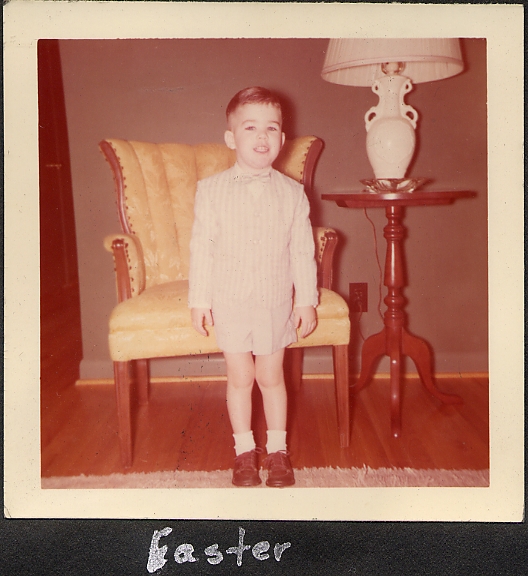


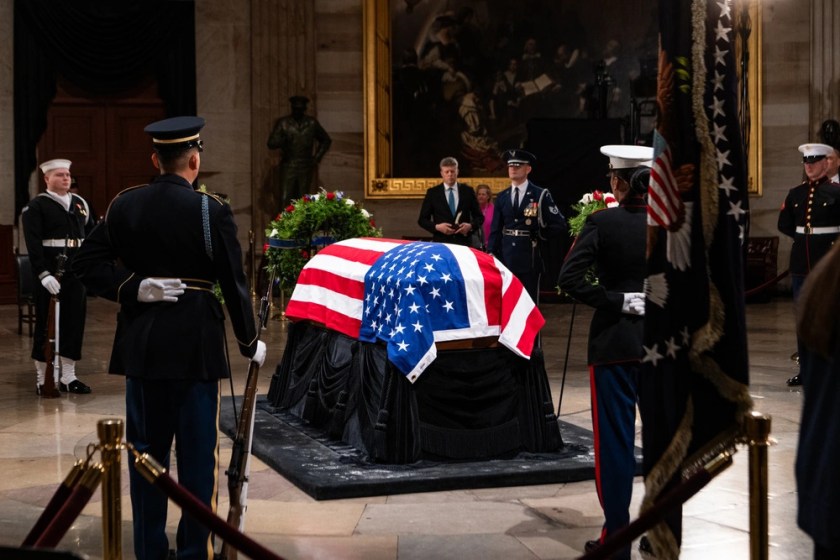


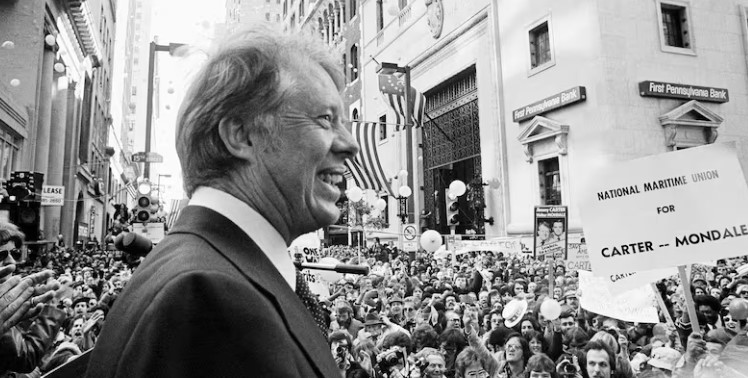
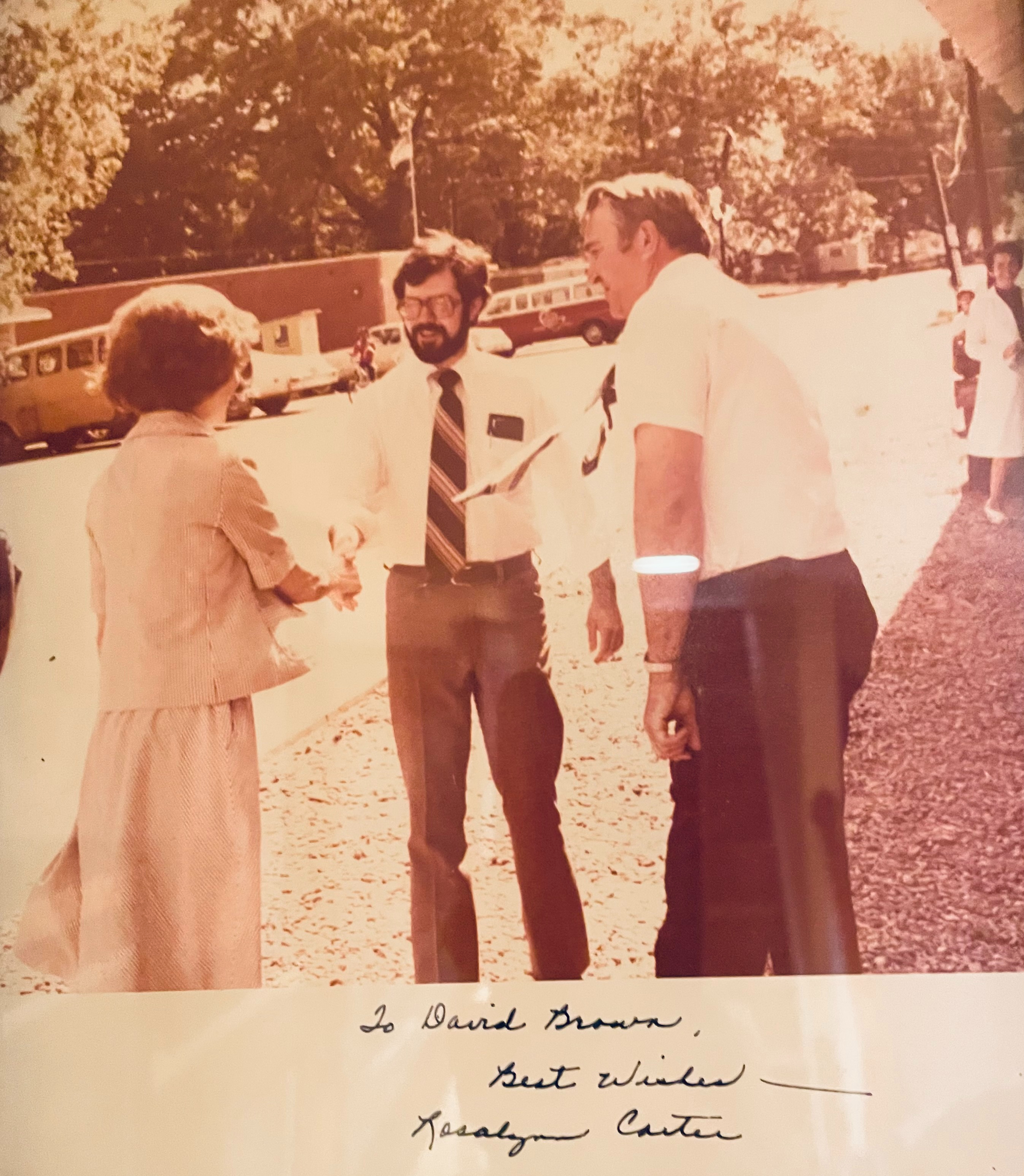




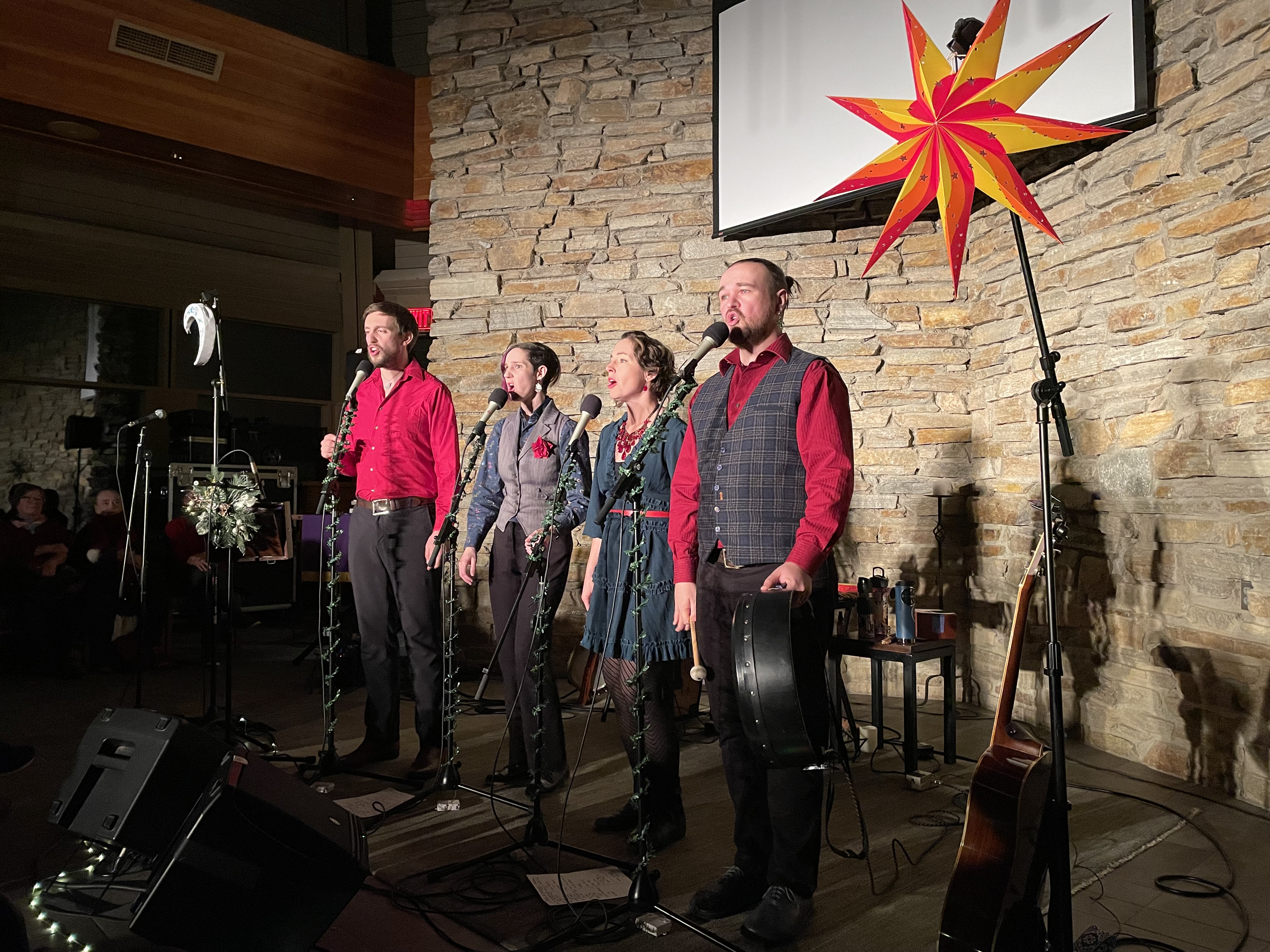
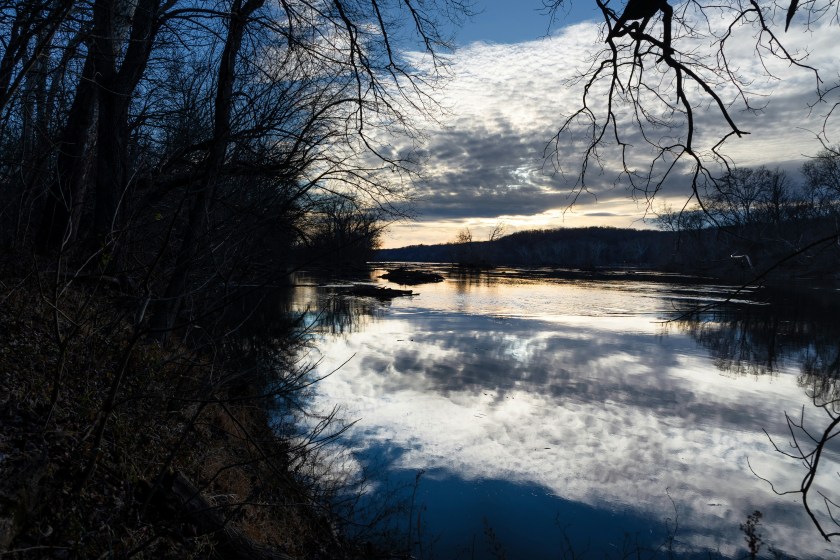


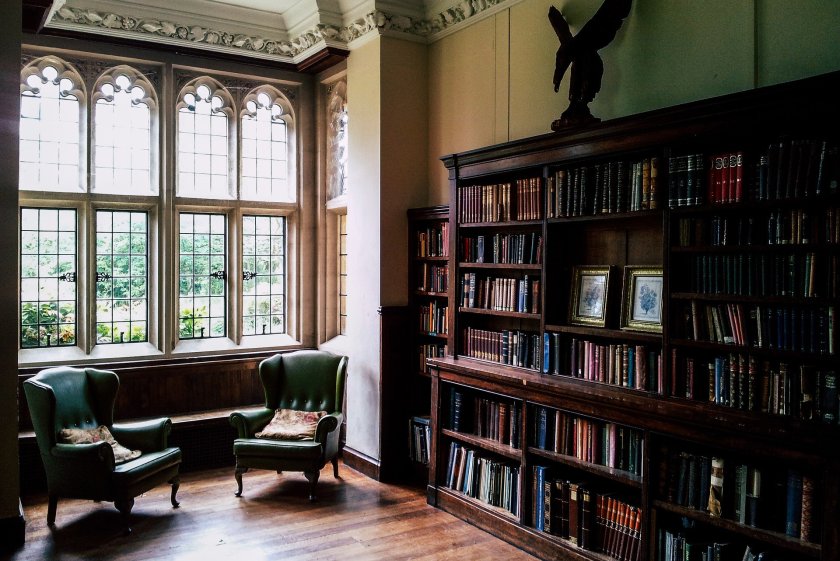


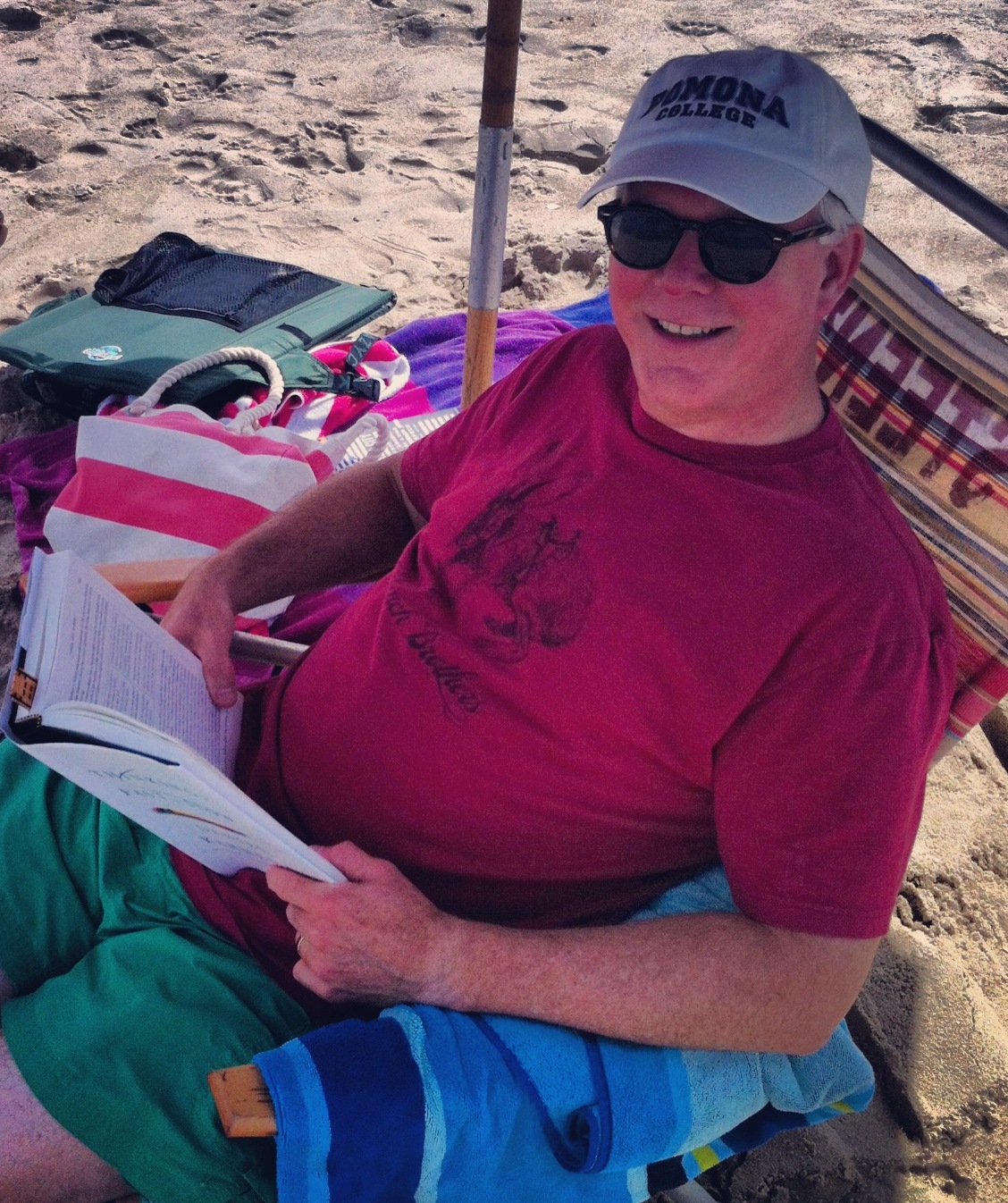

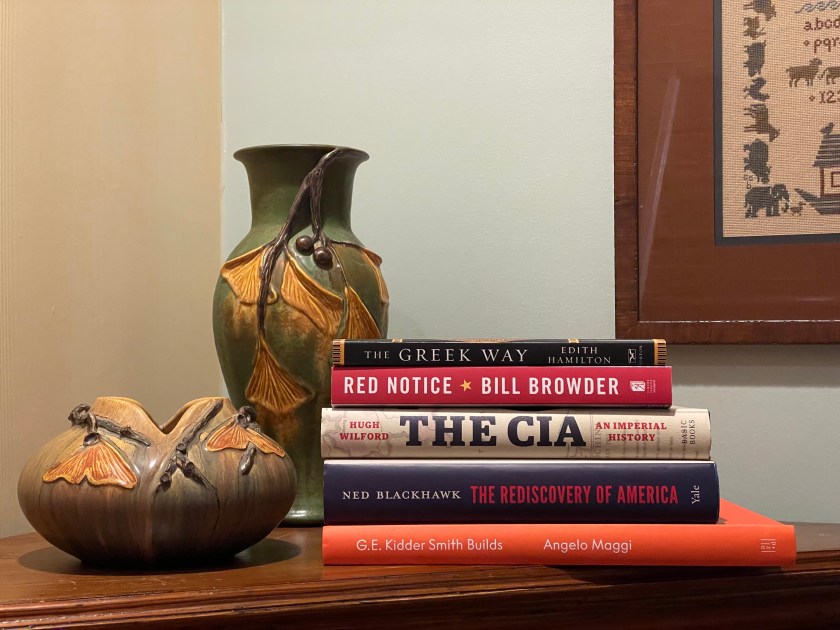


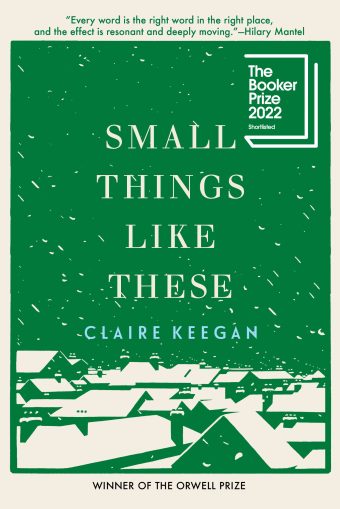
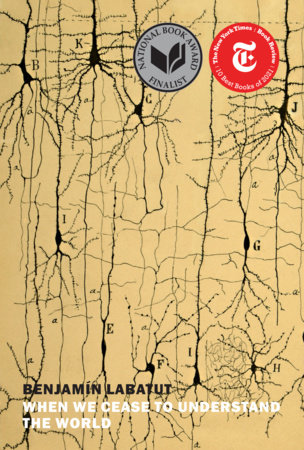

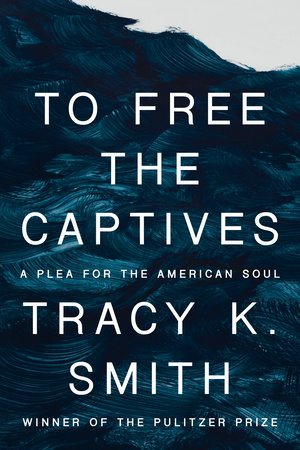
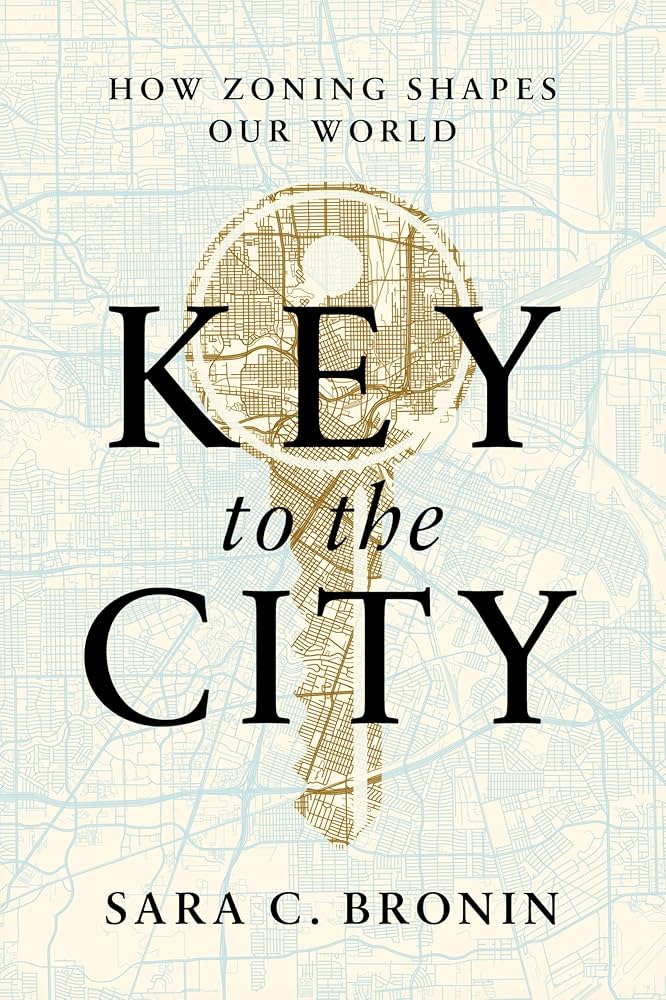

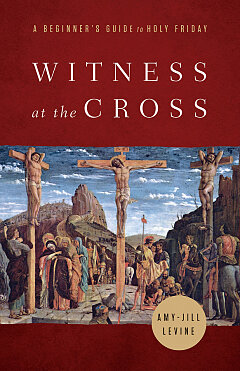
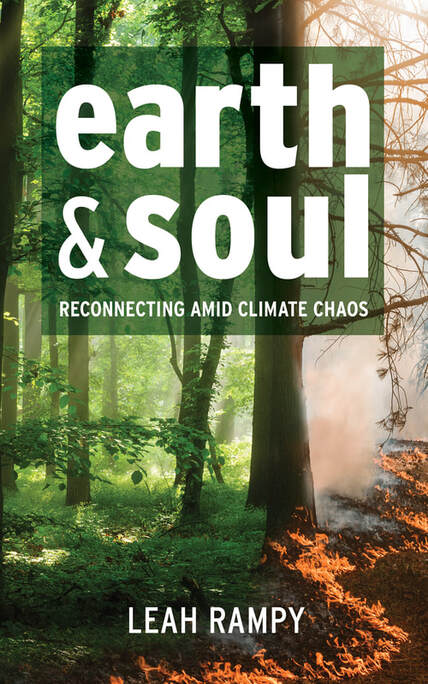
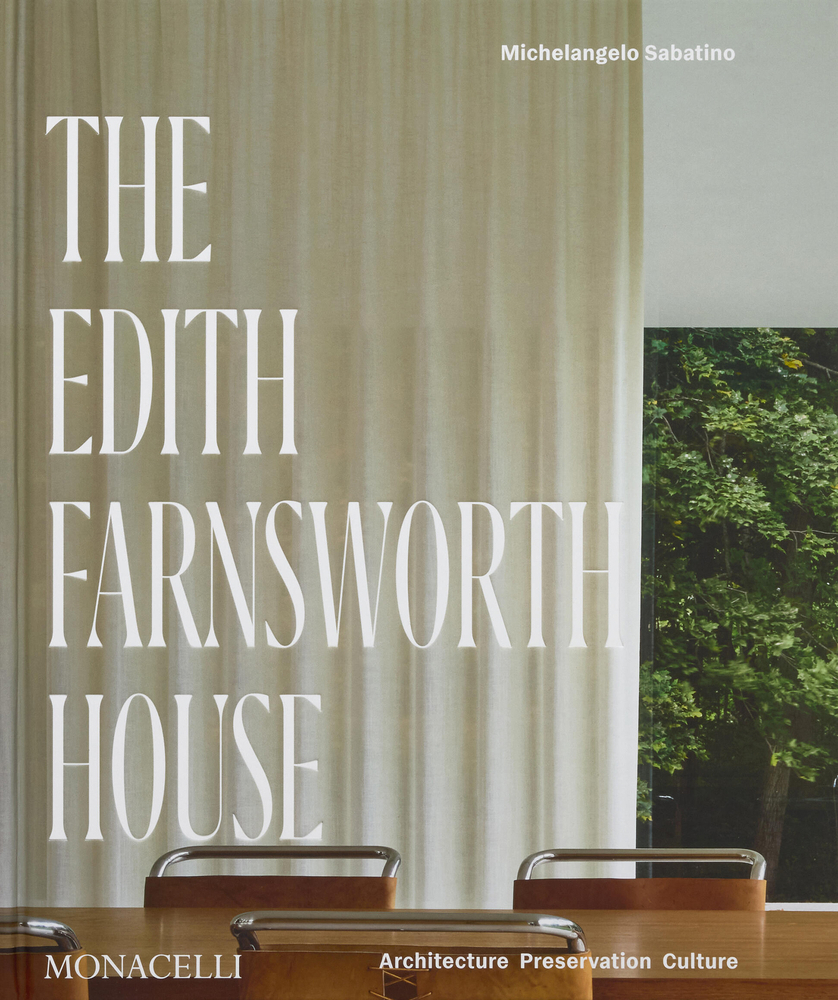





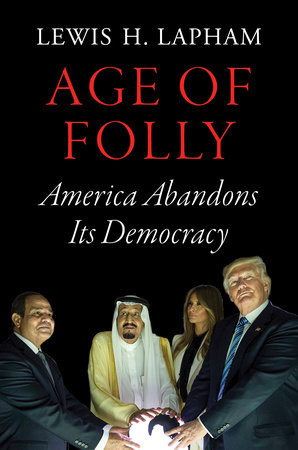

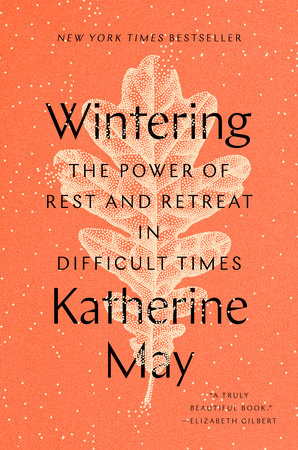


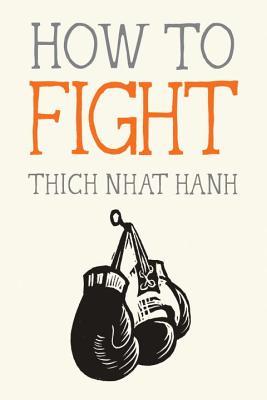







 MORE TO COME...