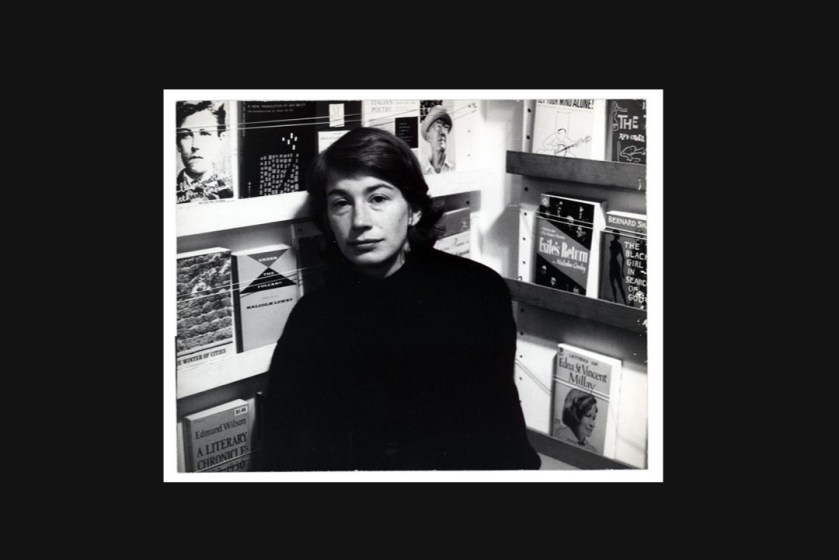
Reading Mary Oliver’s poetry handbook, viewing a beautiful documentary on the poet’s life, and browsing in one of Washington’s premier independent bookstores: not a bad way to spend a day.
Installment #15 in my series on the region’s independent bookshops.
On a recent day in Washington an unexpected Mary Oliver trifecta landed right in my lap.
I had planned the third and final encounter with one of America’s most significant and well-loved poets, but the other two were pure serendipity. Thankfully, I was paying attention.
Let me begin at the end.
Candice and I saw the new documentary film Mary Oliver: Saved by the Beauty of the World last Wednesday evening at the historic Avalon Theater. The main house was sold out for what was to be the only showing, prompting the Avalon to add more viewings through this coming Thursday. To put it simply, we both loved it. The movie trailer gives a hint of the grace and beauty of this work. Oliver, who passed away in 2019, “has a seemingly universal appeal that transcends age, gender, and politics: everyone seems to think she is speaking directly to the concerns of their soul,” notes one reviewer. I have appreciated her work and written about both her poetry (here, here, and here) and her essays (here) on MORE TO COME. Candice has been a long-time admirer and often reads one of Oliver’s poems as part of her morning meditation.
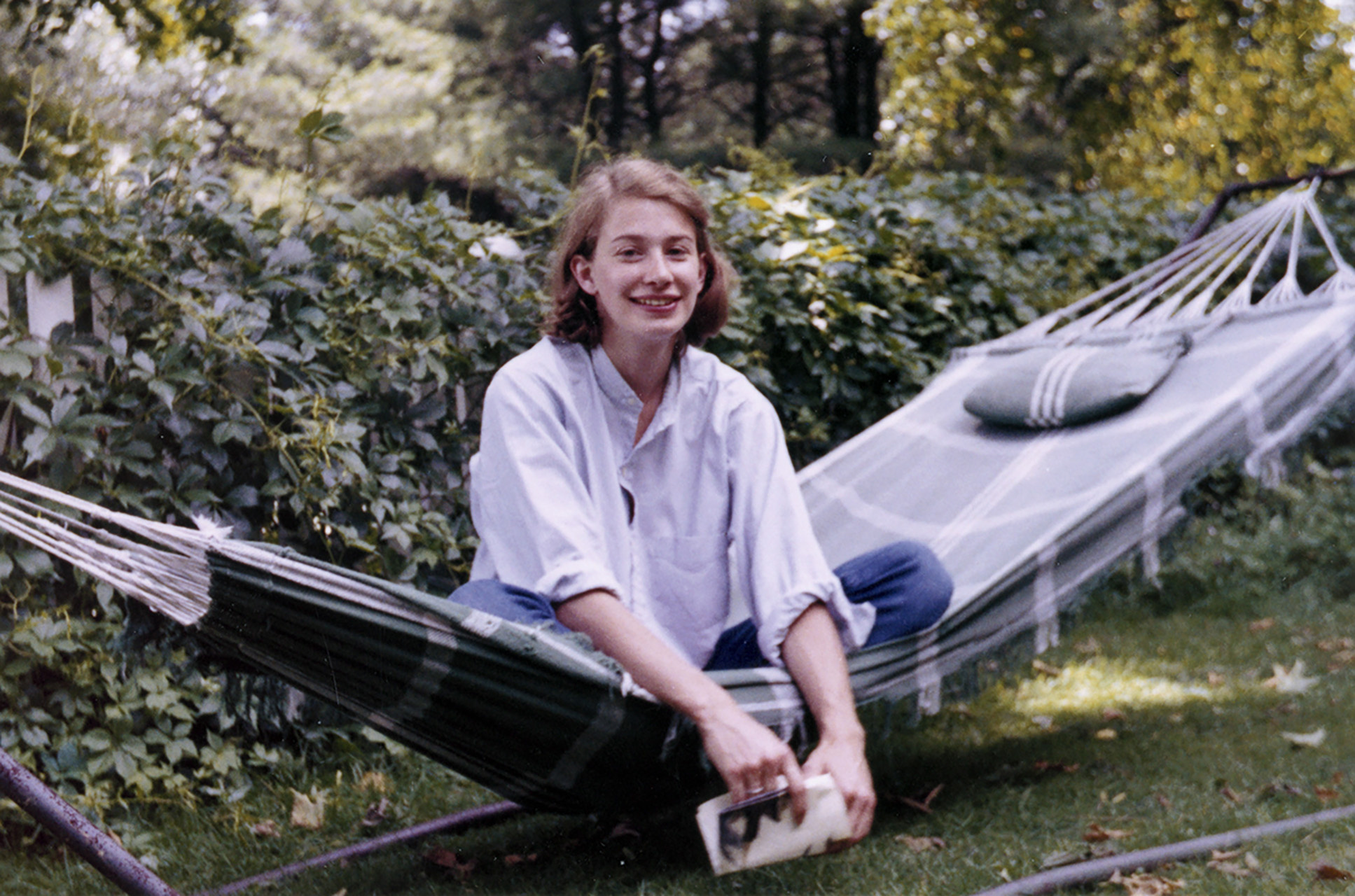
The feature-length film was released this summer and it will make its streaming premiere in the fall as part of PBS’s American Masters series. But the documentary was only the third and last of my three Oliver-related connections that day.
Earlier I had traveled to Dupont Circle to pick up an order at JF Books, one of the independent bookshops I’ve reviewed as part of my journey to visit all 30 in the DC region. The store, however, didn’t open until 11 a.m. and I suddenly had 40 minutes free to browse through Kramers, which is literally next door on Connecticut Avenue. Kramers is a DC institution, now celebrating its 50th year in Dupont Circle. During the years I worked in the neighborhood I was a frequent visitor (and shopper). My most recent trip had been in April, when Kramers was our 6th and final stop on the 2026 Independent Bookstore Crawl.
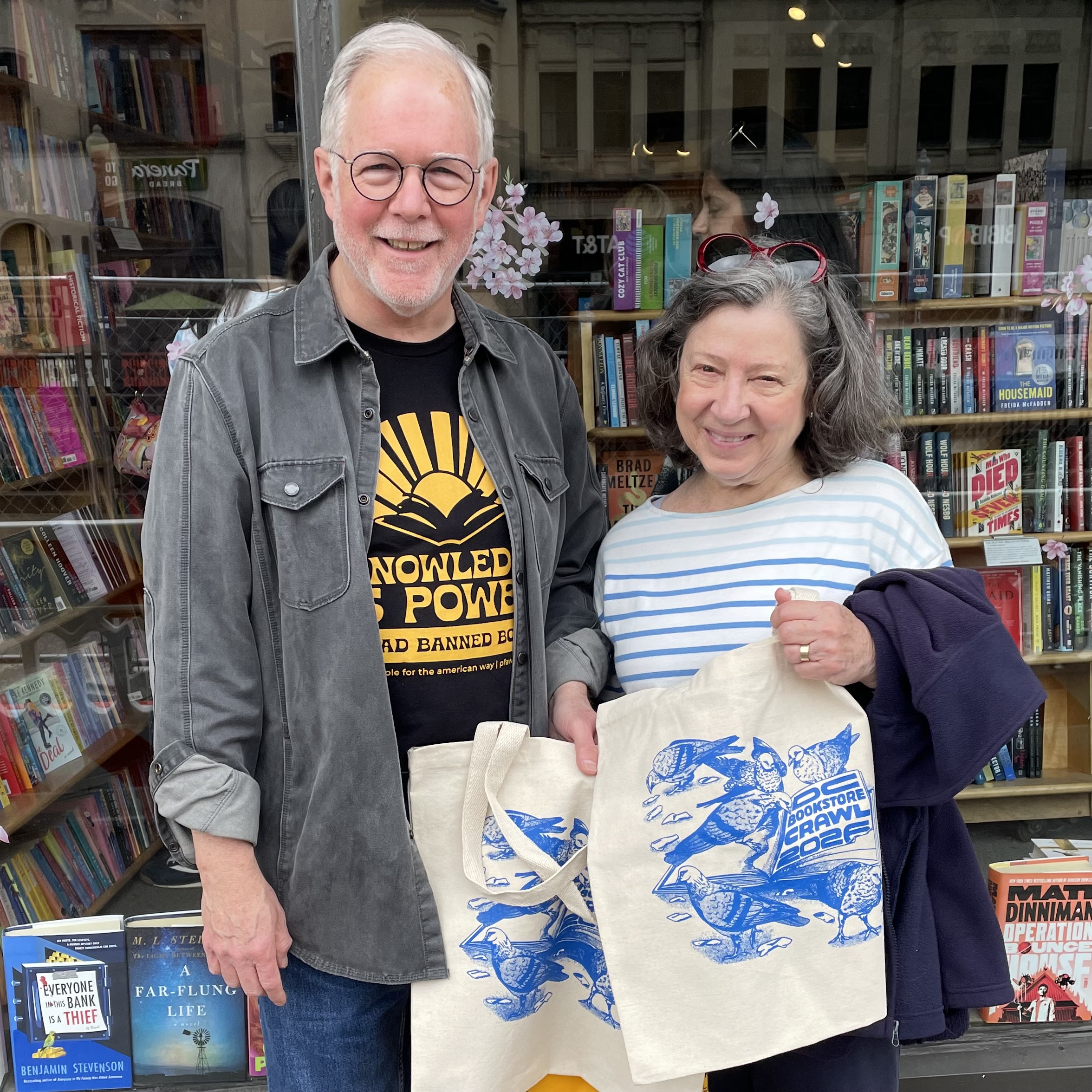

Last Wednesday I found myself checking out sections of the store that were all but inaccessible on that crowded Saturday last spring. Kramers has a good selection on a wide variety of topics. This is one of those bookshops which features an author’s older works as well as the latest releases. As expected in a neighborhood like Dupont Circle, there is a strong emphasis on diversity and empathy. A range of voices are featured.
As I was browsing on this quiet morning I stumbled across the literary criticism and poetry section. There I found a book that was written for those wanting to write poetry, and for those of us who simply want to be better, more understanding readers.
Yes, it was a classic from Mary Oliver: my first encounter of the day. I made my purchases at Kramers, picked up my order at JF Books next door, and found a nearby coffee shop to begin reading Oliver’s handbook: my second encounter. I was quickly drawn into the mind and craft of this beloved poet.
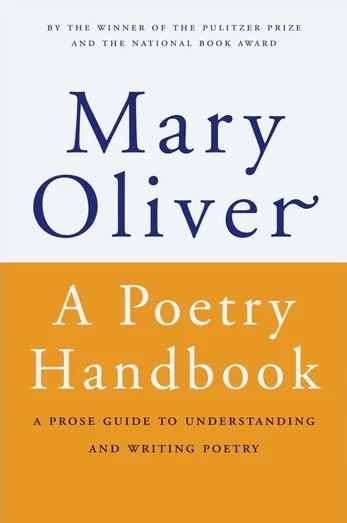
A Poetry Handbook: A Prose Guide to Understanding and Writing Poetry (1994) by Mary Oliver was written with writers in mind, but it is also a welcoming space for readers of poetry to gain insights into the “thoughtful machinery” of the poem. Oliver asks her readers to be mindful about each part of the process of creating “a type of love affair between something like the heart (that courageous but also shy factory of emotion) and the learned skills of the conscious mind.” To write well and memorably, she reminds us, “it is entirely necessary to read widely and deeply. Good poems are the best teachers.” Even those who love and write contemporary poetry should understand that the truly creative force is something “that is built out of the past, but with a difference.” Through an introduction, twelve chapters, and a conclusion, Oliver takes the reader through the various parts of a poem. She begins with sound, for to make a poem we must make sounds.
To illustrate her point, she helps the reader see why a “rock” is not a “stone.” There is, or can be she writes, “a correlation between the meaning, connotation, and actual sound” of a word. The amount and type of silence at the end of a word has an effect on our understanding. If you say the two words out loud, you will understand her point. “In my mind’s eye I see the weather softened roundness of stone, the juts and angled edges of rock.”
Language is rich, and malleable, Oliver notes in another passage.
“It is a living, vibrant material, and every part of a poem works in conjunction with every other part—the content, the pace, the diction, the rhythm, the tone—as well as the very sliding, floating, thumping, rapping sounds of it.”
Throughout this slim but rich volume, Oliver draws on the works of other poets—Walt Whitman (one of her favorites), Robert Frost, Ezra Pound, Emily Dickinson, William Carlos Williams, and more—to help us see how to read, write, and understand poetry. With only an occasional connection to this form of literature, I found A Poetry Handbook to be accessible yet full of insight from a master practitioner.
So in one very ordinary yet extraordinary day, I found a guide from an experienced teacher while searching through so many possibilities at Kramers. I began to read and learn what Oliver herself had written about the wonders of poetry. And then I heard and saw one filmmaker’s take on this individual whose work will stay with us long past her time on earth.
Like the documentary, I’ll end with this passage from Oliver’s collection of essays Upstream:
“Teach the children. We don’t matter so much, but the children do. Show them daisies and the pale hepatica. Teach them the taste of sassafras and wintergreen. The lives of the blue sailors, mallow, sunbursts, the moccasin flowers. And the frisky ones—inkberry, lamb’s-quarters, blueberries. And the aromatic ones—rosemary, oregano. Give them peppermint to put in their pockets as they go to school. Give them the fields and the woods and the possibility of the world salvaged from the lords of profit. Stand them in the stream, head them upstream, rejoice as they learn to love this green space they live in, its sticks and leaves and then the silent, beautiful blossoms.
Attention is the beginning of devotion.”
Indeed.
More to come . . .
DJB
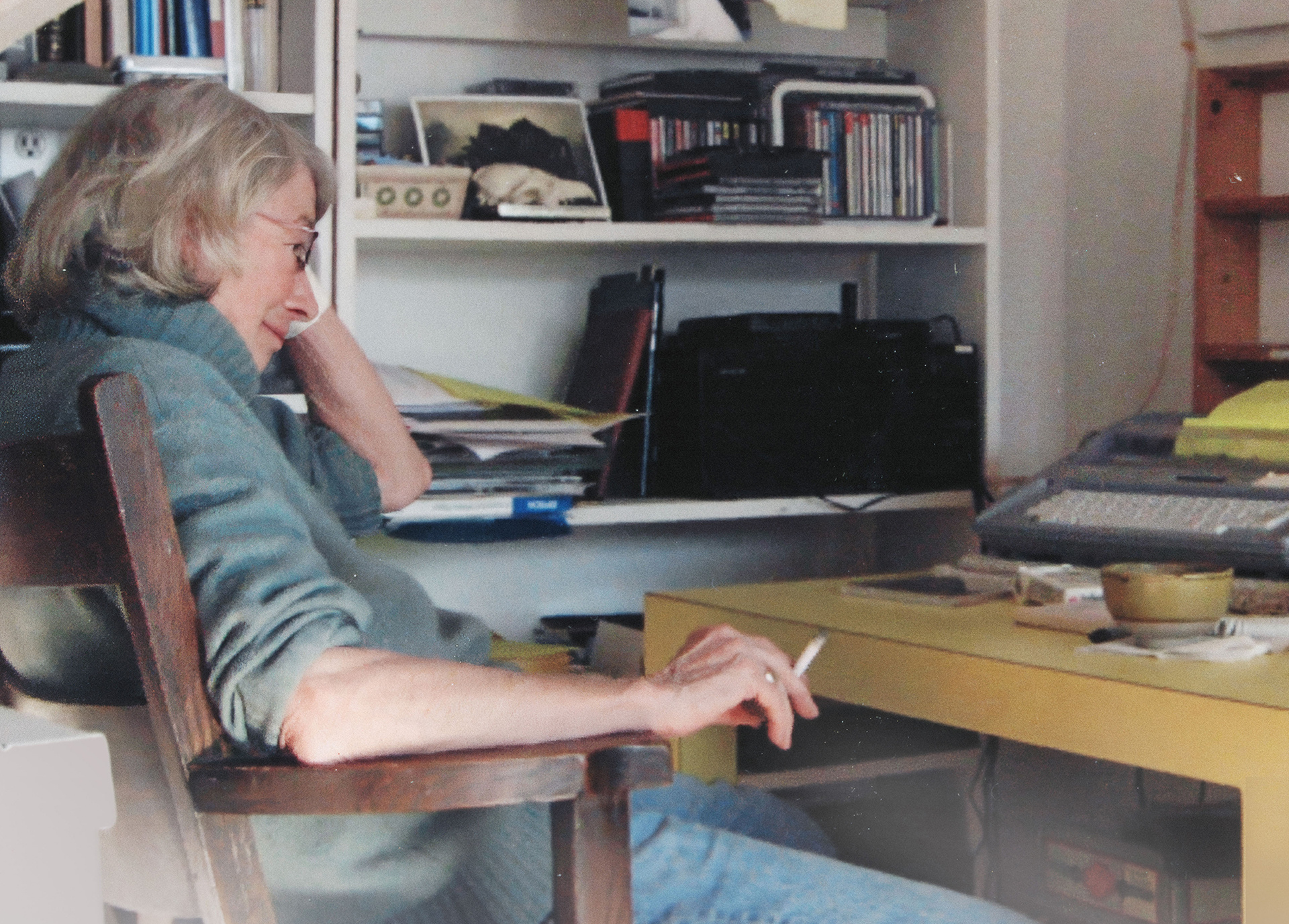
Photo of Mary Oliver from the documentary Mary Oliver: Saved by the Beauty of the World (credit: Kino Lorber films)


My AI spell-checker must still be asleep.Shalom,BobOn Aug 11, 2026,
“Inspire” and “Know”, are perfectly good words when needed, but not when “
My friend and Brilliant Reader Bob was having some challenges with a comment on Word Press, so he sent it to me. I’m copying it in here to make sure it is captured:
Pingback: Observations from . . . August 2026 | MORE TO COME...
Pingback: Exploring DC’s independent bookshops: A Labor Day update | MORE TO COME...
Pingback: From the bookshelf: August 2026 | MORE TO COME...