
This summary of the August posts from the MORE TO COME newsletter finds me considering the stories and myths that we tell ourselves in today’s world.
We all choose our myths. Some can be illuminating and positive; others are powerfully destructive. Many have elements of both, mixed together in this crazy stew of life. John Updike called them both the deliverance and the curse:
“We tell ourselves a story to survive and then that story consumes us, destroys us.”
Myths help us chart our way and make sense of what is essentially mystery. We latch onto myths in our origin stories, in our memories of family, in our national narratives, in our deepest spiritual beliefs. Like you, I have my own personal myths, some of which I have explored and deconstructed.
This month I interviewed Wright Thompson for the latest in my Author Q&A series on MORE TO COME. Myth plays an important role in Thompson’s writing. A native of Mississippi, he thinks about being Southern and how there’s a responsibility to “shake off the comforting blanket of myth and see ourselves clearly . . . (with) our long history of trying to do the right thing while benefiting mightily from the wrong thing.”
Myths can be uplifting but they can also subvert freedom. The latter “work hard to prevent change from happening. They are powerful. But they are not all-powerful,” asserts journalist Nesrine Malik.
The strength of myths is not in facts but in narratives. That’s true for both positive and negative myths. It is impossible to fight the fake facts of negative or destructive myths with other facts. What is needed are new stories that are not just the correction of old stories, but are visions that assert that “for societies to evolve, an old order must change.” Minnesota-based novelist Heather Demetrios wrote “The only thing I know that can effectively change hearts and minds is story. The ONLY thing that I have ever, ever seen melt an icy soul is when someone hears another’s story.”
The stories of the people of the Twin Cities earlier this year helped change destructive myths about immigrants.
Dolly Parton, who passed away this month, spent a lifetime living out of an abundance of kindness while sharing her story that exploded negative myths about women, rural poverty, appearance, and exclusivity.
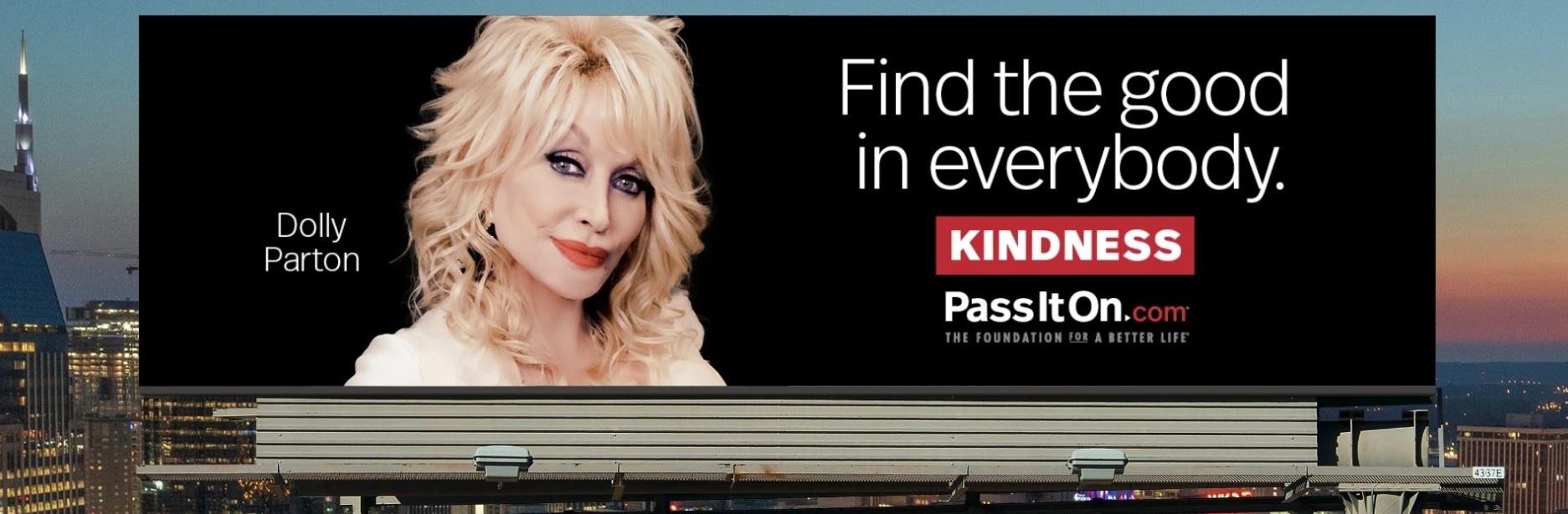
Stories—told by real people—can change the myths that subvert freedom.
I’ve been reading and thinking about myths and stories and responsibility and kindness and change during these dog days of summer. Let’s begin by seeing which ones resonated with the readers of MORE TO COME.
READER FAVORITES
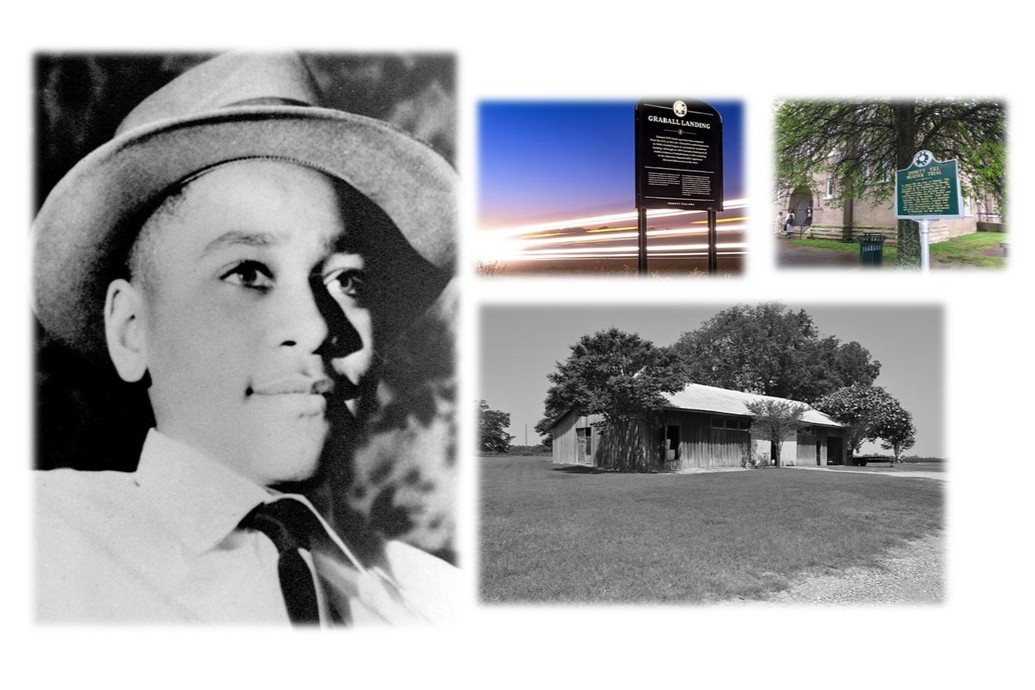
On a hot August Delta day in 1955, fourteen year old Emmett Till of Chicago became an unintentional martyr of the modern Civil Rights movement. Till was abducted, tortured, and murdered while visiting relatives in Mississippi. His mother’s insistence on a public funeral and open casket, so others could see how the murderers had beaten and mutilated her son, focused attention on America’s racism and violent caste system as few events up to that time had done.
Two years ago a native son of the Delta revisited Till’s murder, producing a searing, powerful work—an incredible piece of writing, reporting, and reflection—that reminds us of what is at stake in the current attempt to erase difficult histories from the national narrative. That author, Wright Thompson, wrote The Barn: The Secret History of a Murder in Mississippi, which was named TIME‘s #1 Nonfiction Book of the Year for 2024.
In The wages of erasure is reenactment—a MTC reader favorite for August—Wright spoke with me about the book, deep history and inherited sin, heroes, William Faulkner and Charley Patton and Muddy Waters, the effects of the erasure of history, and more. Wright’s thoughts are well worth your time.
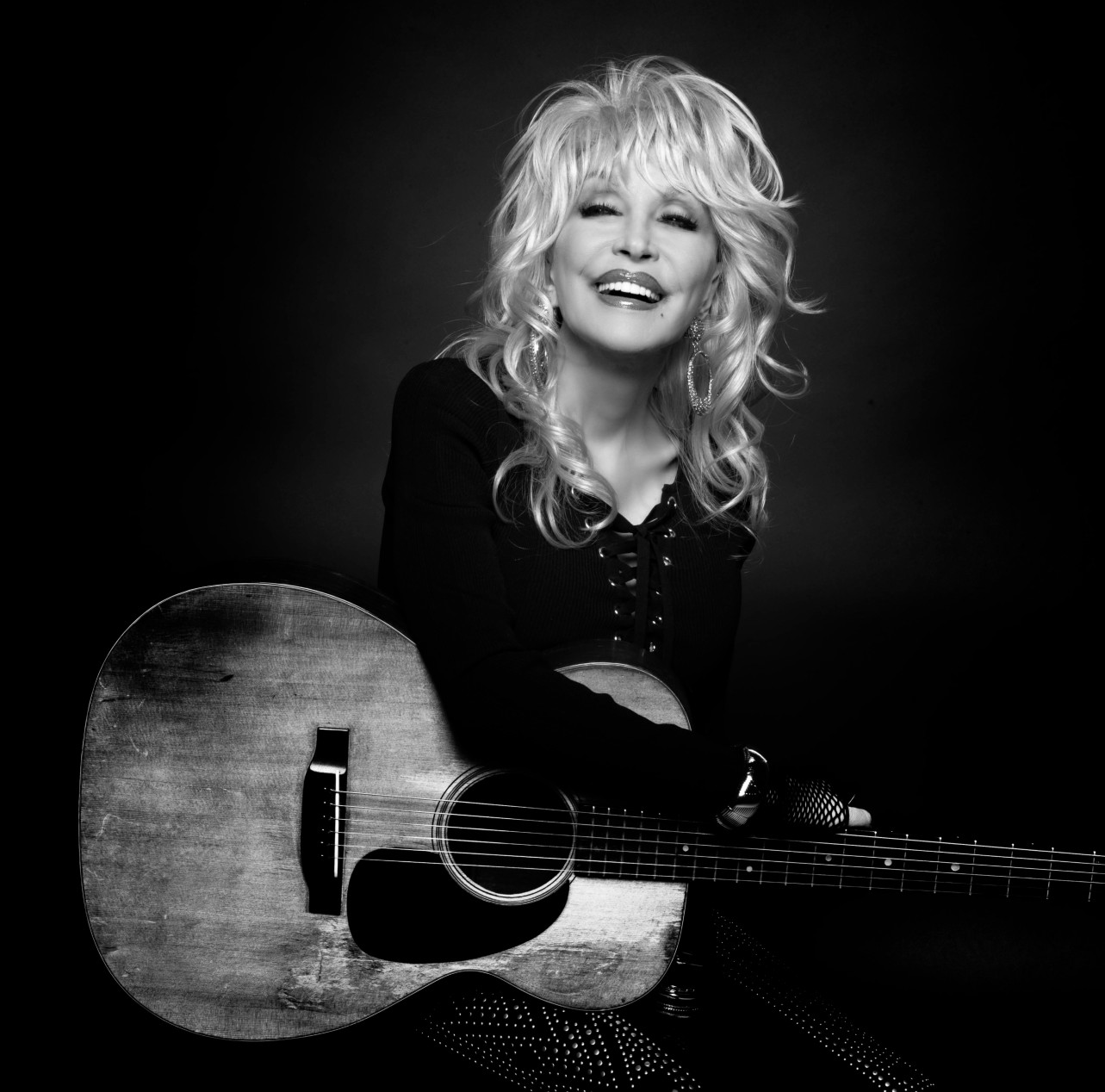
The other Reader Favorite this month was my remembrance of Dolly Parton—singer, songwriter, entertainer, actress, entrepreneur, philanthropist, and “what your mom used to refer to as just plain good people”—who passed away at the age of 80.
Dolly Parton, RIP was my post for one of the few people who could bring together blue and red Americans, straight and gay communities, grandmothers and granddaughters, rich and poor. Dolly bridged all those divides and more.
Too many people in our country believe the myths that the right place for a woman is in the home, that kindness is weakness, that some people are better than others. One of the writers I quote in this piece—after noting the debt that country and female artists owed to Parton for her trailblazing work over almost 60 years—placed a nice frame around Dolly’s ability to destroy those myths:
“And, really, anyone with a sense of moral decency, is in her debt for the simple but unending good she promoted, whether it was through children’s literacy programs, scholarships, vaccine research or the obvious right that everyone, regardless of genre, race, sexual orientation or ethnic background was deserving of love, respect and acknowledgement.
The latter may prove to be the most vital and lasting component of Parton’s legacy. Exclusivity simply did not exist in her world. Her music and life embraced everyone. And let’s face it, folks, not all artists and entertainers, especially select members of country music’s more self-righteous regions, promoted such generosity.”
Her passing leaves a hole in hearts all around the world.
EVEN IN THE HEAT OF SUMMER, THE INDEPENDENT BOOKSTORE TOUR CONTINUES!
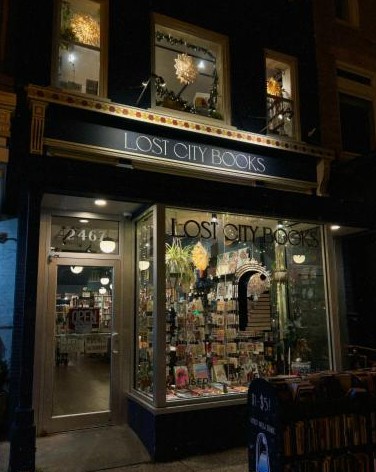
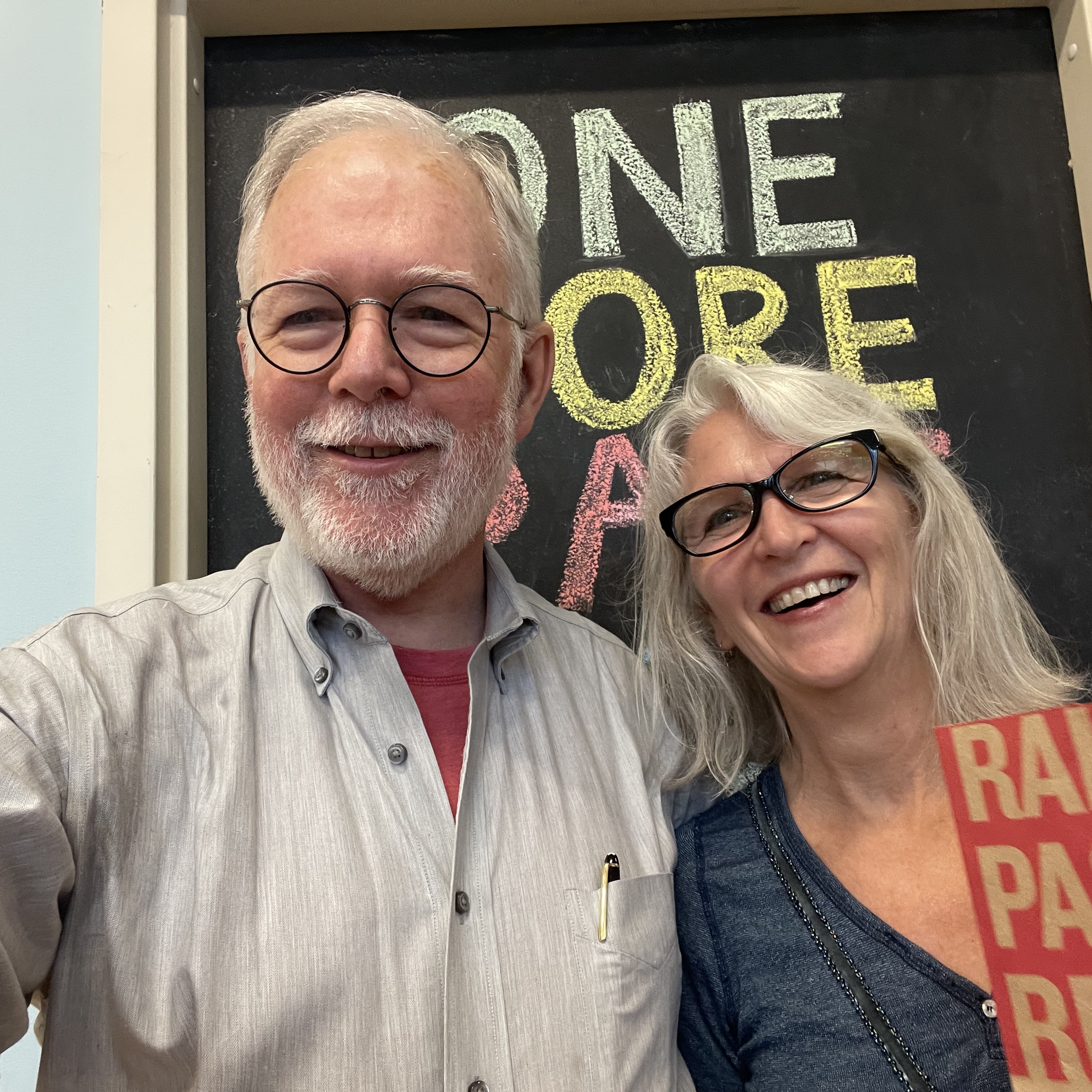
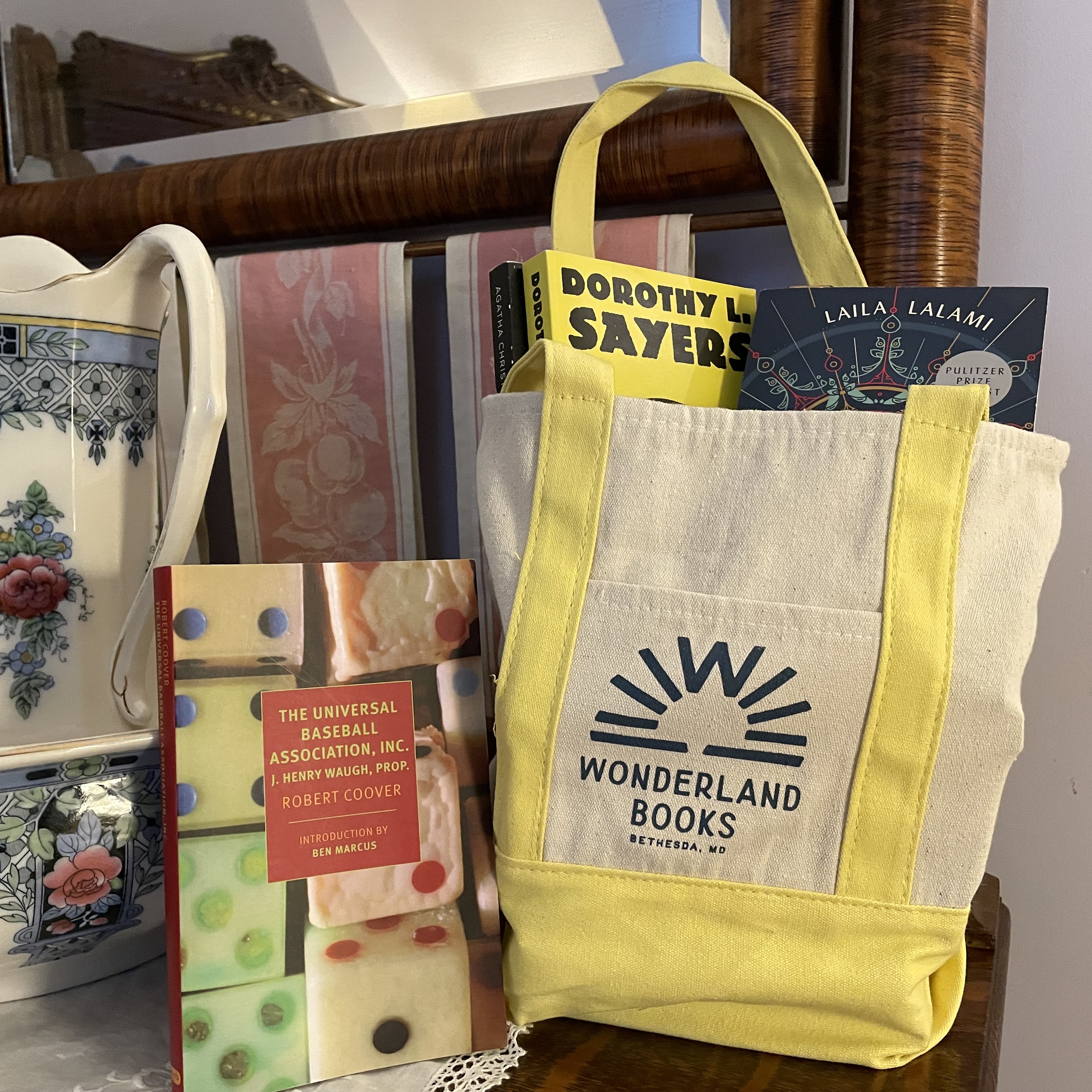

I’ve picked up the pace in visiting the DC region’s 30 independent bookstores and writing about these wonderful places and the treasures I discovered along the journey. We’re now past the half-way mark! Here are the shops and books I reviewed in August:
- Installment #13: FRIENDS TO LOVERS BOOKSTORE, Alexandria
- When you don’t see it coming—Review: The Cloak and Dagger Club by Jackie McMahon
- Installment #14: EAST CITY BOOKSHOP, Capitol Hill
- Stories that resonate—Review: So Late in the Day: Stories of Women and Men by Claire Keegan
- Installment #15: KRAMERS, Dupont Circle
- Attention is the beginning of devotion—Review: A Poetry Handbook: A Prose Guide to Understanding and Writing Poetry by Mary Oliver
- Installment #16: CAPITOL HILL BOOKS, Capitol Hill
- So you want to find a treasure?—Review: So You Want to Own Greenland? Lessons from the Vikings to Trump by Elizabeth Buchanan
- Installment #17: LOST CITY BOOKS, Adams Morgan
- Molded by the past, yet inevitably changed by the future—Review: Here Where We Live Is Our Country: The Story of the Jewish Bund by Molly Crabapple
Look for a more complete update around Labor Day.
During August I also completed a challenge for Bethesda’s Wonderland Books which you can see at Summer reading . . . check! And to find short reviews of the works I read last month see From the bookshelf: July 2026.
Those who read more books live longer.
EVERYTHING ELSE THAT TICKLED MY FANCY
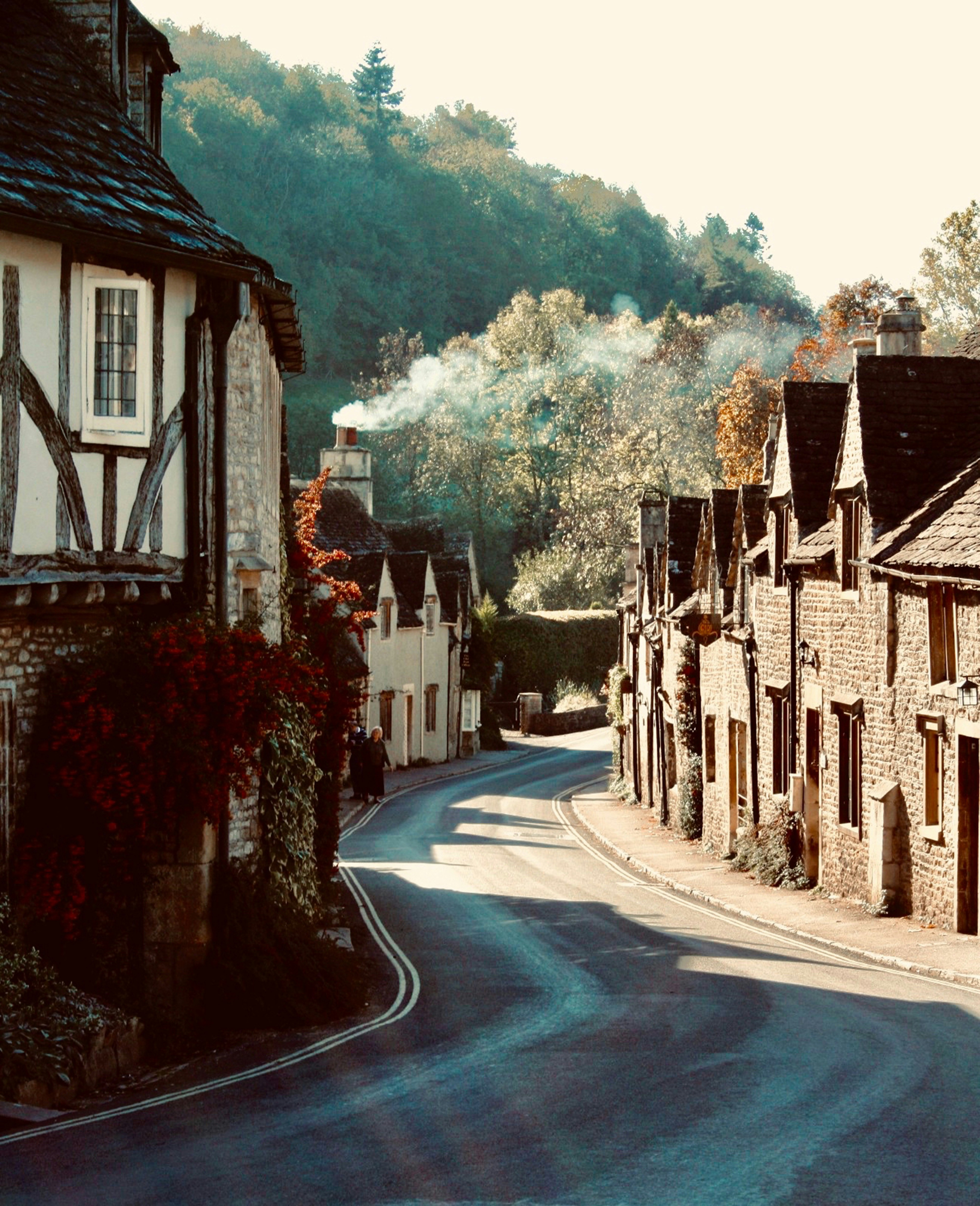
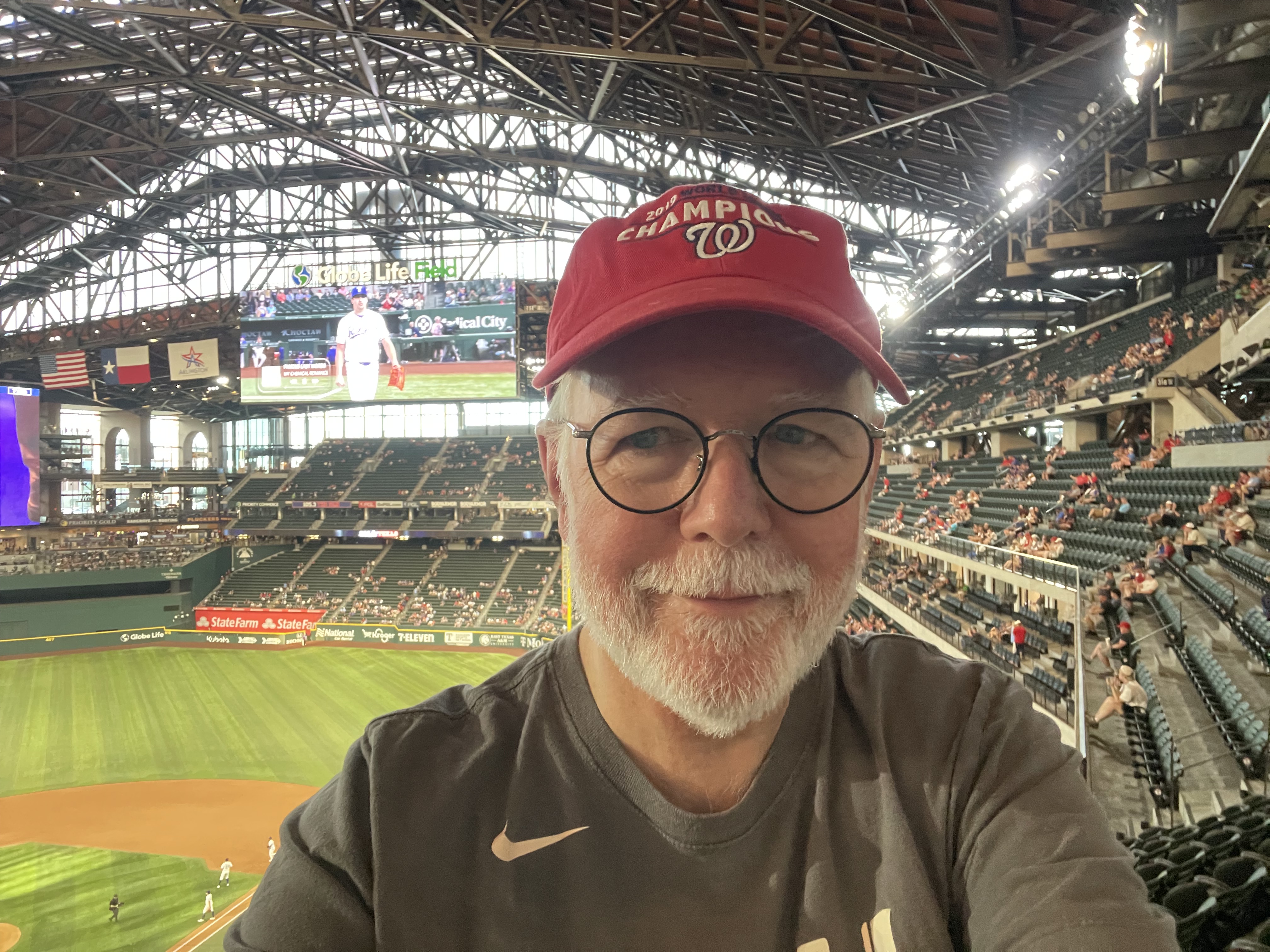

Five other posts rounded out my August writings on MORE TO COME:
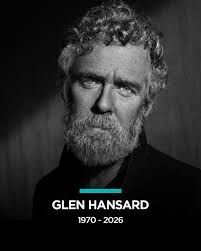
- Glen Hansard, RIP—Hansard, who passed away in late July—“gathered people together,” showing “that kindness is its own kind of song.”
- Gimmie that old Brooklyn Bluegrass—A celebration of the music of Damn Tall Buildings.
- A belated farewell to “A Dark and Stormy Night”—All celebrations of bad opening sentences must, alas, come to an end.
- Beware the English murder village—Think twice before booking that dream vacation to the English countryside.
- Twenty-four down, six to go!—Reporting on my recent visit to Globe Life Field, home of the Texas Rangers, part of my journey to visit all 30 MLB ballparks.
WE ALL NEED SOMEONE
Here’s a little bonus for this month . . . because we all need someone to lean on.
DON’T POSTPONE JOY
Thanks, as always, for reading. Your friendship, support and feedback mean more than I can ever express.
As you travel life’s highways be open to love; thirst for wonder; undertake some mindful, transformative walking every day. Recognize the incredible privilege that most of us have and think about how to put that privilege to use for good. Women, people of color, LGBTQ+ individuals, immigrants, public servants, and others can feel especially vulnerable . . . because they are. Work hard for justice and democracy as the fight never ends.
But also keep some room in your heart for the unimaginable. Take time to dawdle and dream. Let yourself be bewildered!
Leave enough empty space to feel and experience life. Those gaps are where the magic begins. When times get rough, let your memories wander back to some wonderful place with remembrances of family and friends. But don’t be too hard on yourself if a few of the facts slip. Just get the poetry right.
Be comfortable in the mystery. Seek the uplifting spirit that leads to a life of grace and wonder.
Grace to help us remember that we can do hard things. “Grace to never sell yourself short; Grace to risk something big for something good; and Grace to remember the world is now too dangerous for anything but the truth and too small for anything but love . . .”
Wonder to help us remember that “we are here to keep watch, not to keep.” Pay attention. Be astonished. Tell about it. And bash into some joy along the way.
Life is finite . . . love is not.
Try to be nice. Always be kind.
More to come . . .
DJB
For the July 2026 summary, click here.
You can subscribe to MORE TO COME by going to the small “Follow” box that is on the right-hand column of the site (on the desktop version) or at the bottom right on your mobile device. It is great to hear from readers, and if you like them feel free to share these posts on your own social media platforms.
Dog days photo by Ignacio Amenábar on Unsplash


Pingback: A Saturday grab bag: The 2026 Autumnal Equinox edition | MORE TO COME...
Pingback: Observations from . . . September 2026 | MORE TO COME...