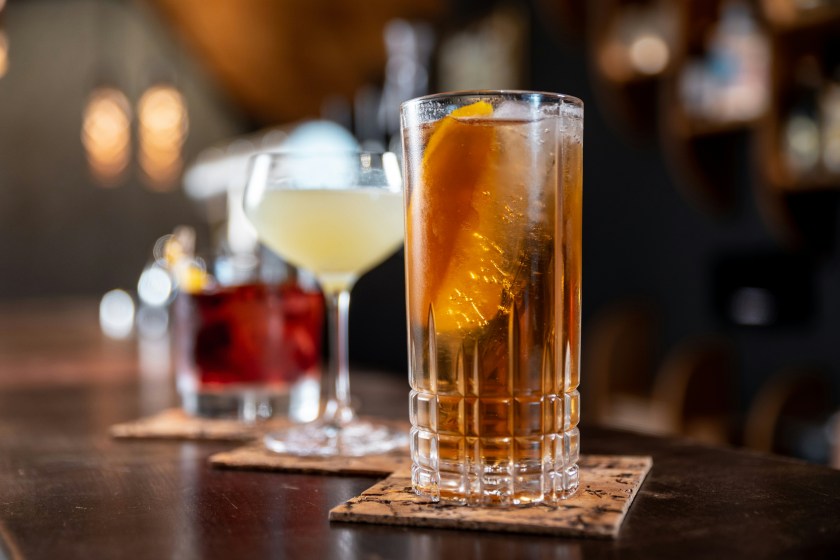
Tom Standage writes that beer, wine, spirits, coffee, tea, and Coca-Cola tell the story of humanity, from the Stone Age to the twenty-first century, in ways you may never have imagined.
Installment #18 in my series on the region’s independent bookshops.
On my tour of the Washington region’s 30 independent bookstores I have met dozens of individuals who greet you with a cheery hello, point inquirers towards a section of the shop that may be hidden within the maze of stacks, stock (and restock) the shelves to ensure customers can browse the full collection, and stop what they are doing to have a discussion about a favorite book or an author. Bookstore staff are, almost without fail, knowledgeable and passionate.
Those traits are often on display in the written staff recommendations.
One of the fascinating aspects of bookshops is the staff review. Typically handwritten and signed notes of 30 words or less, these little missives are taped to the shelf underneath particular works. Occasionally they may involve something as simple as a post-it note describing a book as “Moving and brilliant—a novel about connections.”
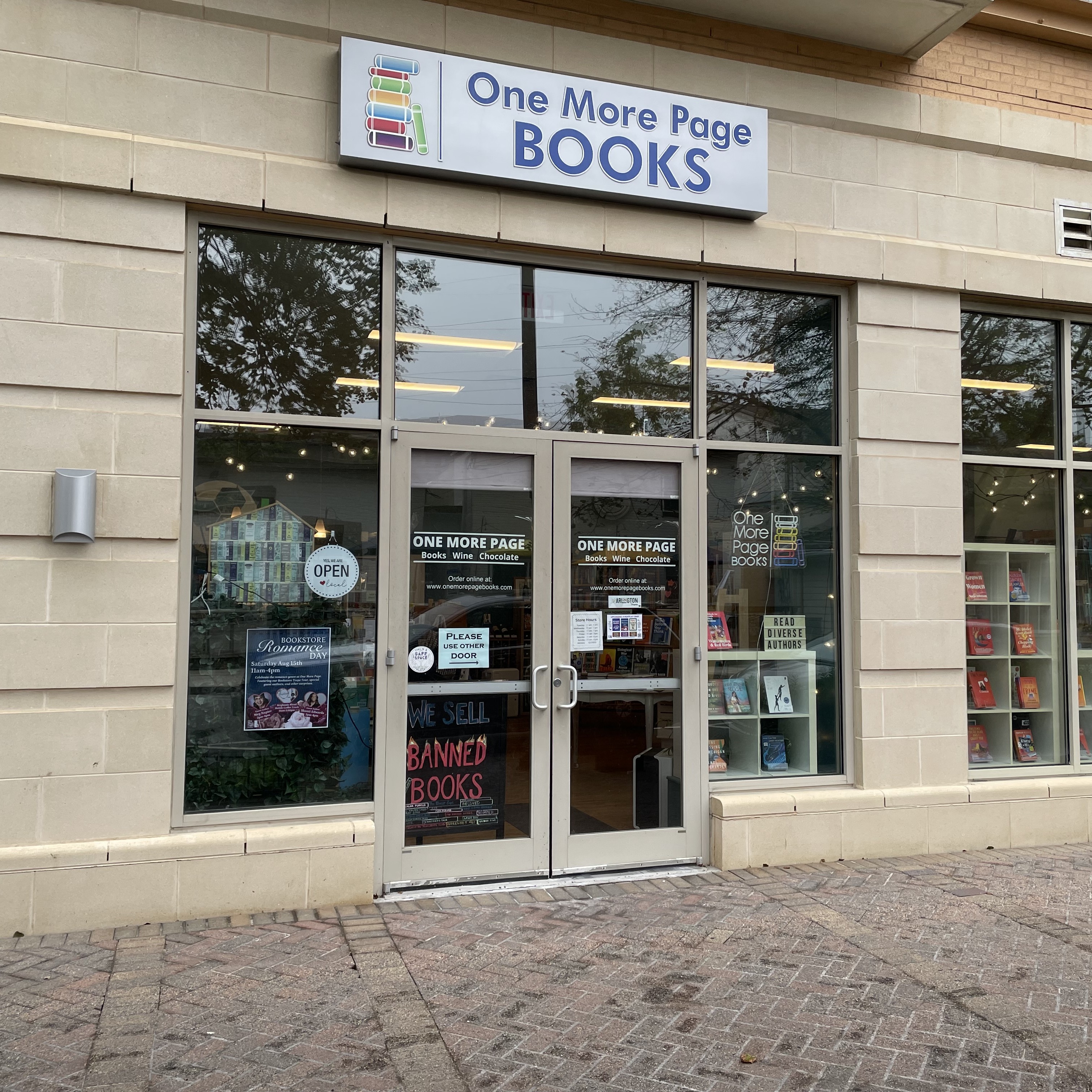
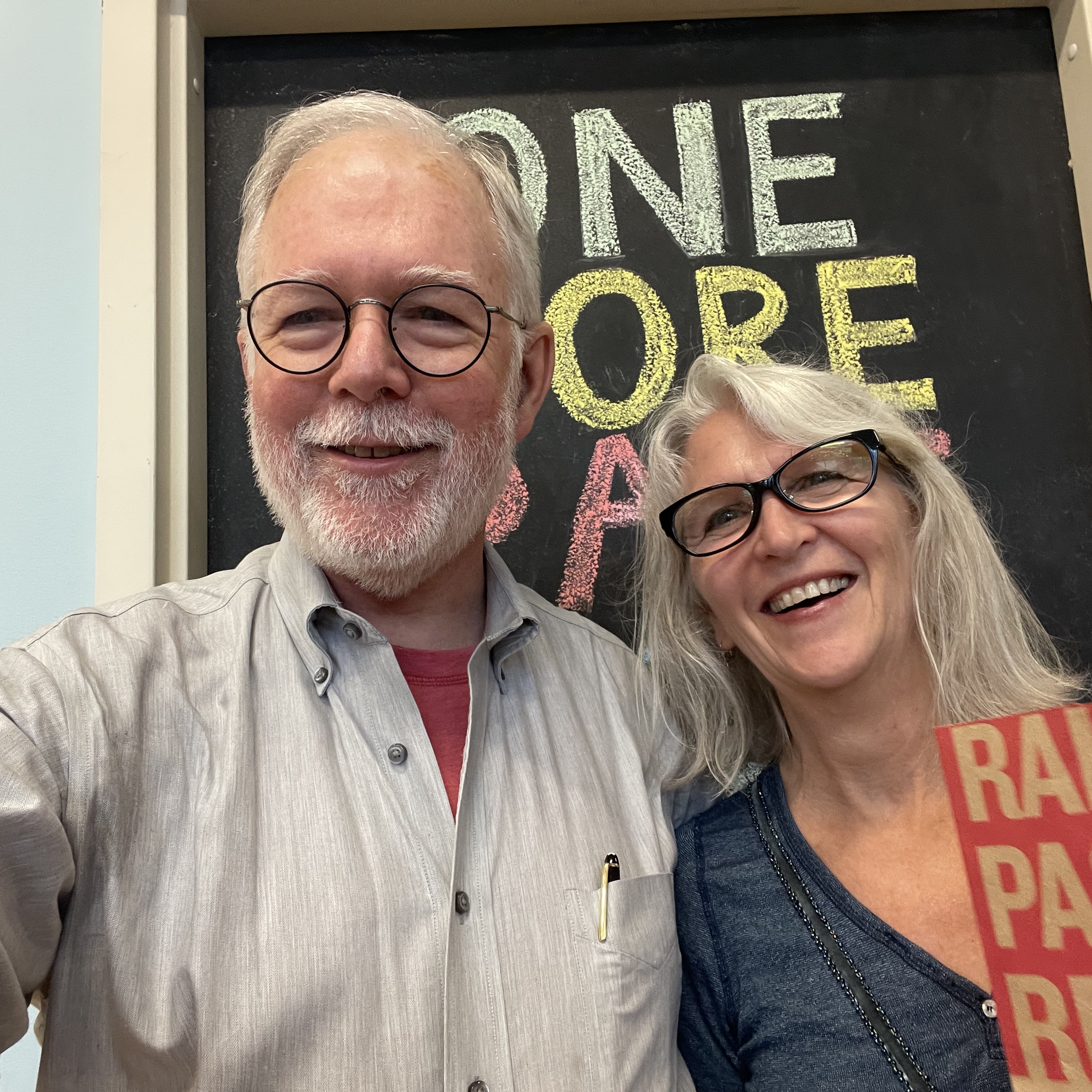
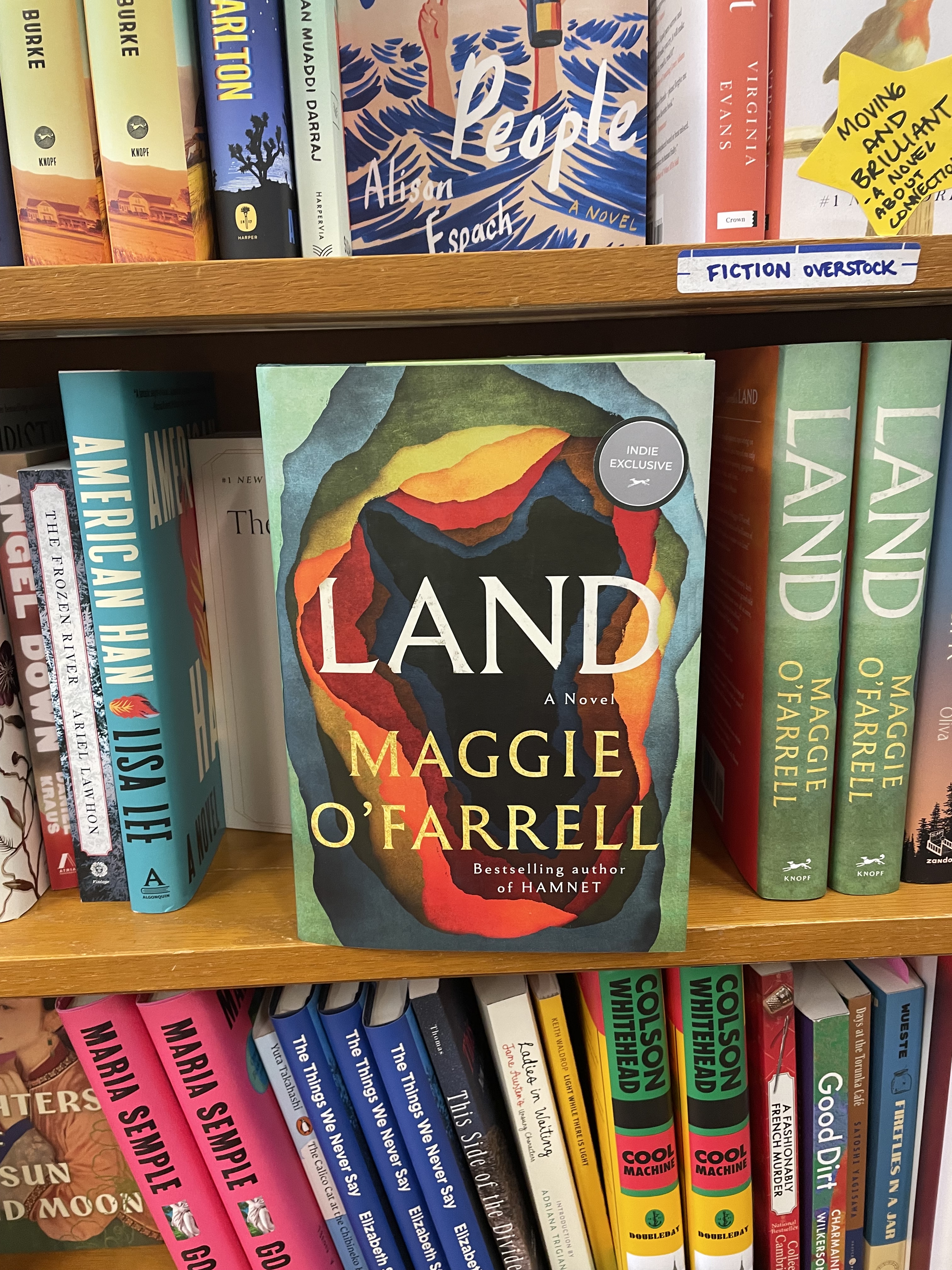
Staff reviews were part of the experience when my dear friend and former colleague Judy Moak joined me on my recent visit to One More Page Books in Arlington. A store that promises “books, wine, and chocolate” has just about all the necessities of life covered. Suggestions of special treats from the staff help in making choices among the shop’s many delights.
Before Judy arrived I introduced myself and my bucket list quest to Leila, the store’s welcoming and informative manager. One More Page was founded in 2011 and is a woman-owned independent bookshop “where a love of reading is cultivated alongside friendship, acceptance, and connection.” The shop strives “to be a gathering place for the community and nurturing environment for diverse authors and readers.” My friend and author Julia Rocchi told me that the book launch party in 2022 for her debut work Amen? Questions for a God I Hope Exists was hosted by One More Page. Leila directed me to the local authors’ shelves along with other sections of interest. It quickly became clear she knew her inventory and her customers.


Judy arrived and we spent the better part of an hour working our way through the stacks, discussing various books we’d read (or wanted to read). As is my habit I ended up with more than one selection. But near the end of our time we turned to the shelves with staff recommendations. Judy pulled out one selection with an ingenious title and said she had read it and found it fascinating. Her recommendation, plus those of the staff member and Leila, sealed the deal.
Lesson learned: when you visit the treasures that are independent bookshops take the time to check out the staff reviews. More often than not they will open new worlds and introduce talented new authors into your reading rotation.
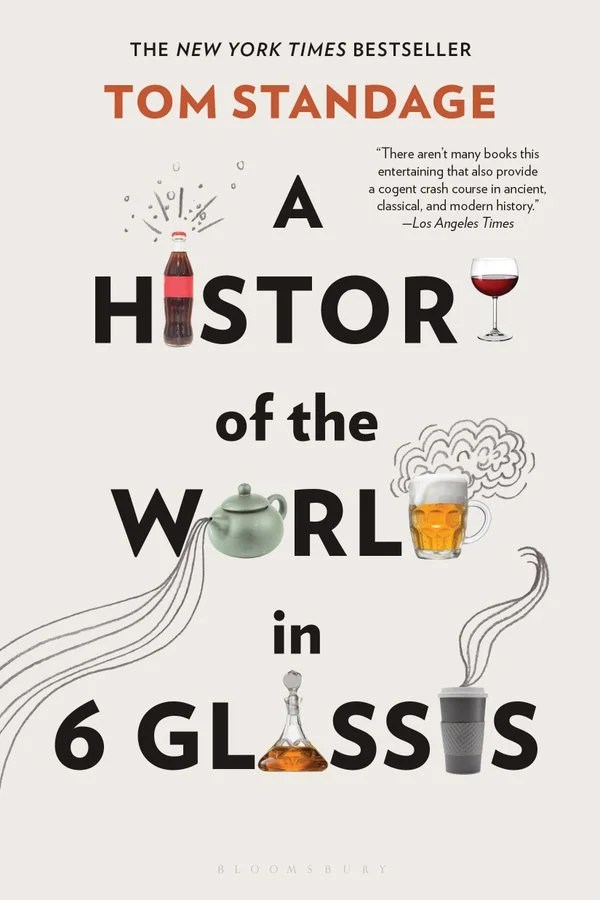
A History of the World in 6 Glasses (2005) by Tom Standage is a delightful and thoughtful way of seeing history through a different lens. In this case the author divides world history into beer, wine, spirits, coffee, tea and Coca-Cola ages. While it may sound frivolous, Standage has important points to make about how our tastes for beverage evolved and why that drove major changes throughout the world. As humans moved from hunter-gatherers to agriculture our ancestors began to cultivate grain. That led to storage, which led to fermentation and beer. Add the creation of crockery and humans finally had an alternative to water, which six millennia ago was the only beverage available. Around 4000 BCE, human beings learned to stick straws into big, communally shared beer vessels. And as we discover throughout this work, once a new drink is created, our world changes.
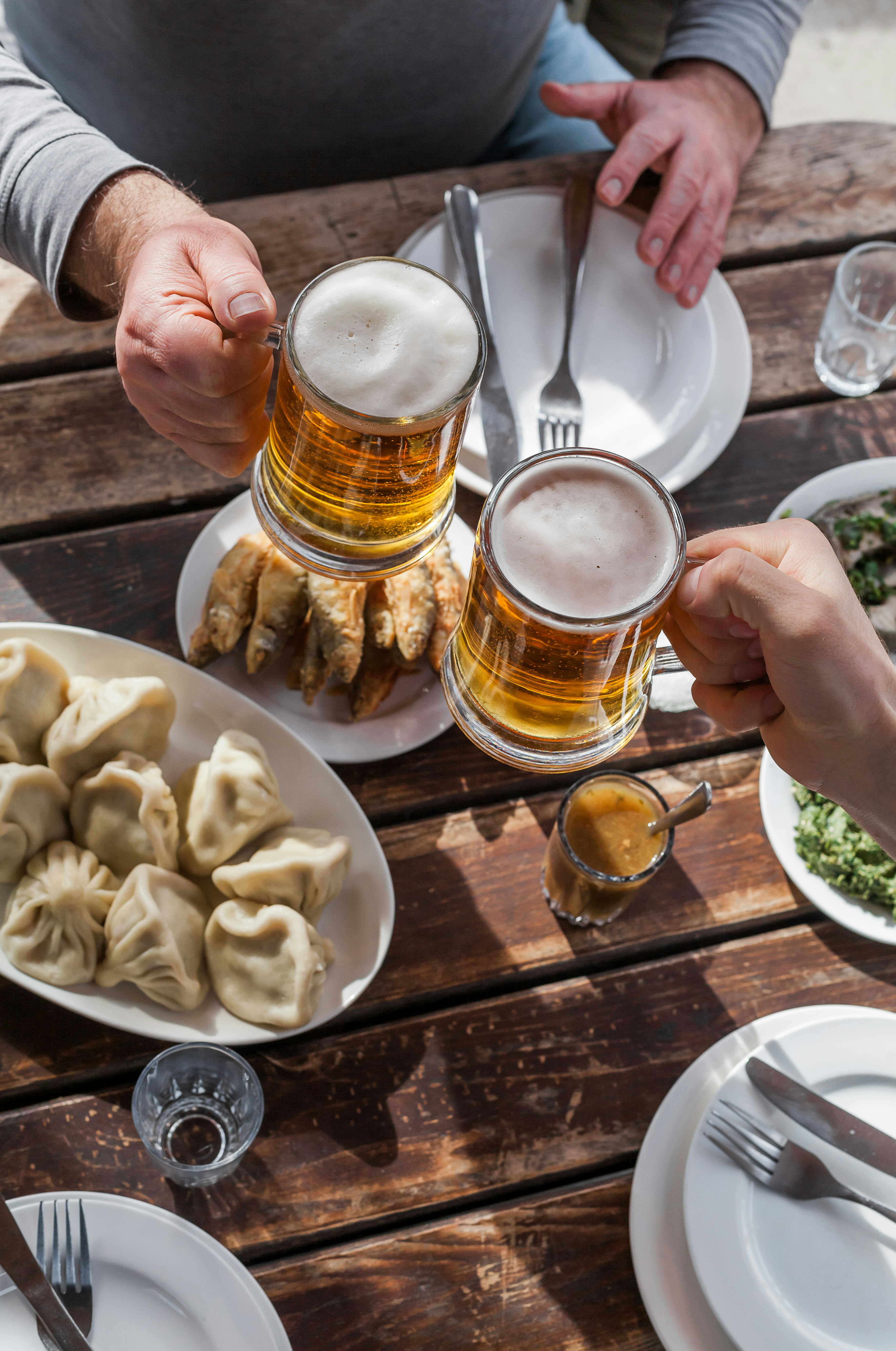


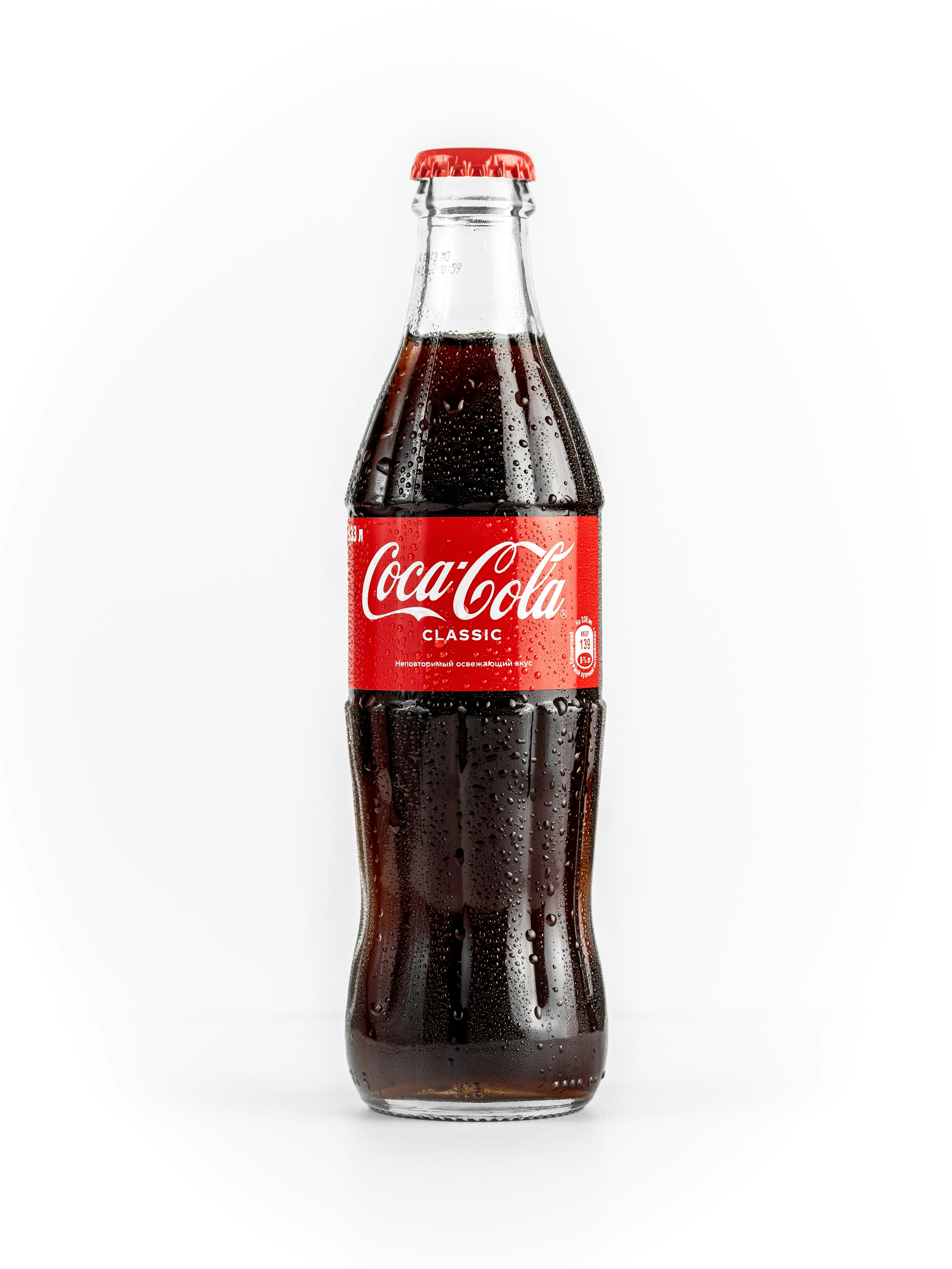
For each of these eras, Standage begins with an in-depth dive into how the beverage was discovered or invented. Beer seems, from the start, to have had an important function as a social drink and as a driver of civilization. This Stone Age brew became the drink of the Civilized Man in the Fertile Crescent of Mesopotamia, and it quickly became a form of currency. The builders of the pyramids were paid in beer. Standage also shows us a somewhat cryptic description of the brewing process that suggests that beer was the focus of the world’s oldest written recipe.
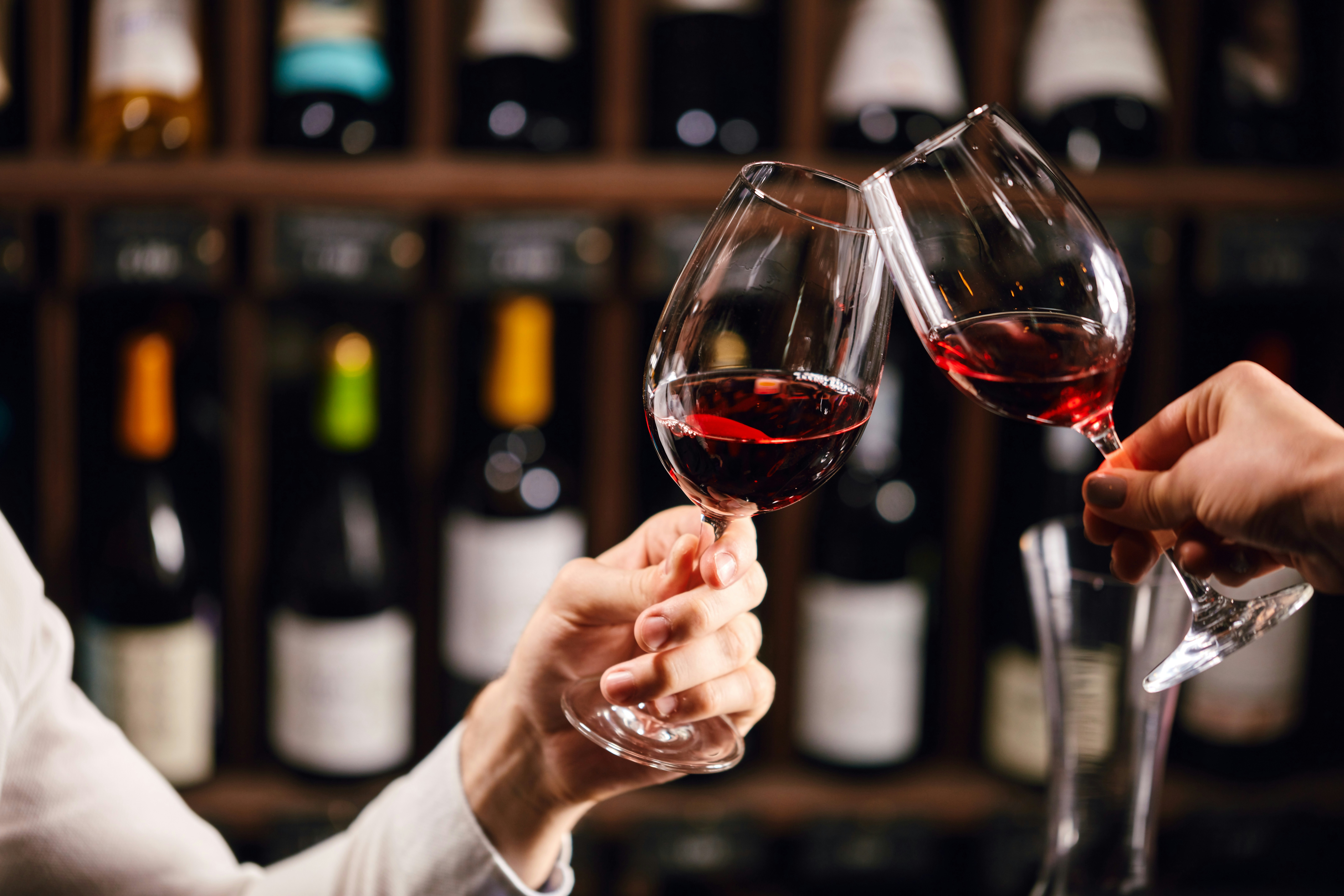
Wine’s origins also stretch back to prehistory and many first hear about it in the biblical story of Noah, who is said to have planted the first vineyard on the slopes of Mount Ararat after being delivered from the flood. Vines were being cultivated on Crete by 2500 BCE and possibly on mainland Greece as well. It is the Greeks who brought wine to the world and, along with it, the foundations for modern Western politics, philosophy, science, and law. Wine was consumed at formal drinking parties, or symposia, which were venues for “playful but adversarial discussion.” The climate and terrain of the Greek islands and mainland were ideal for viticulture. As with beer, wine became a symbol of wealth and commerce. By the sixth century BCE, the property owning classes in Athens were categorized according to their vineyard holdings. In so many ways wine embodied and helped shape Greek culture.
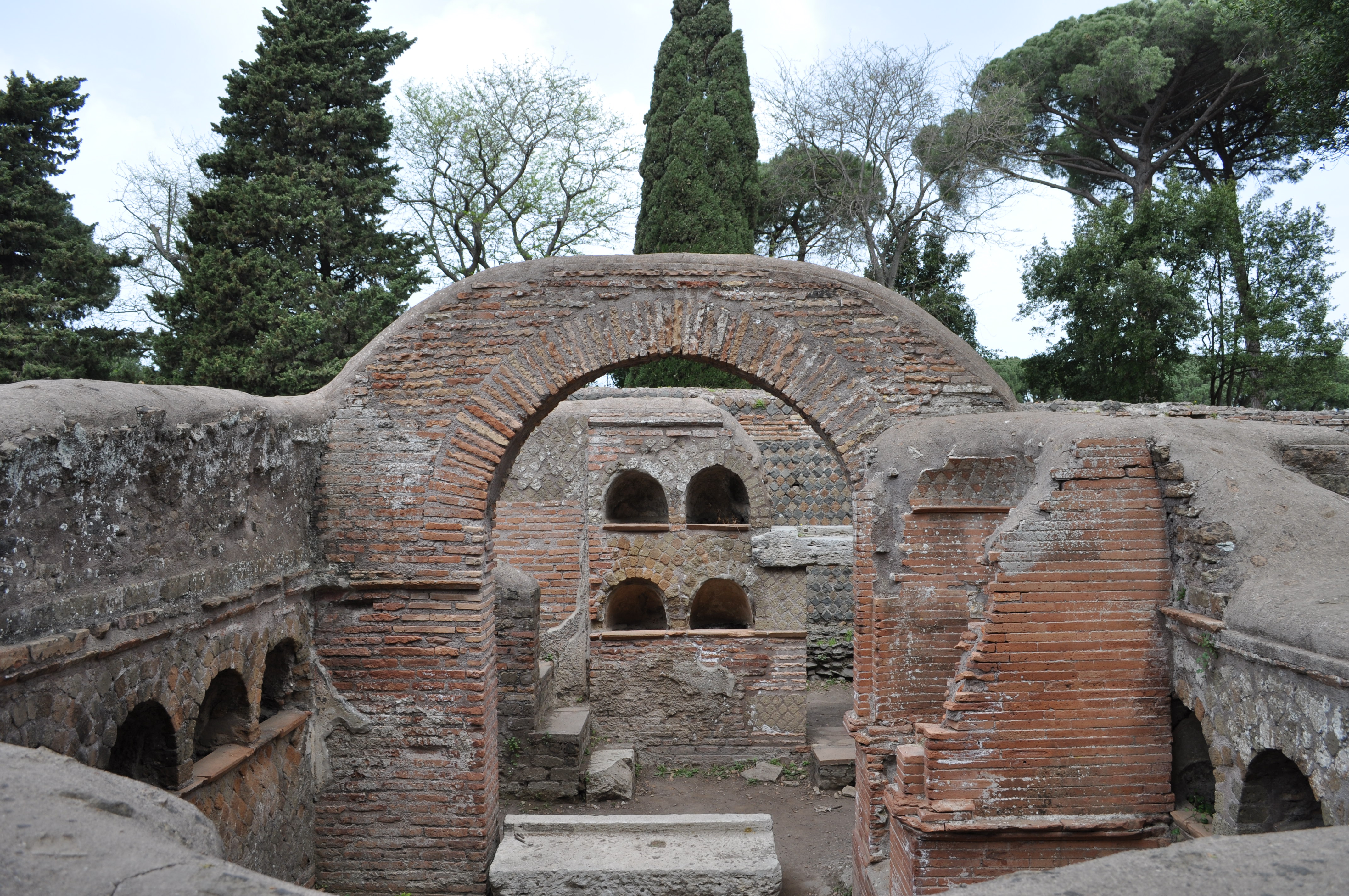
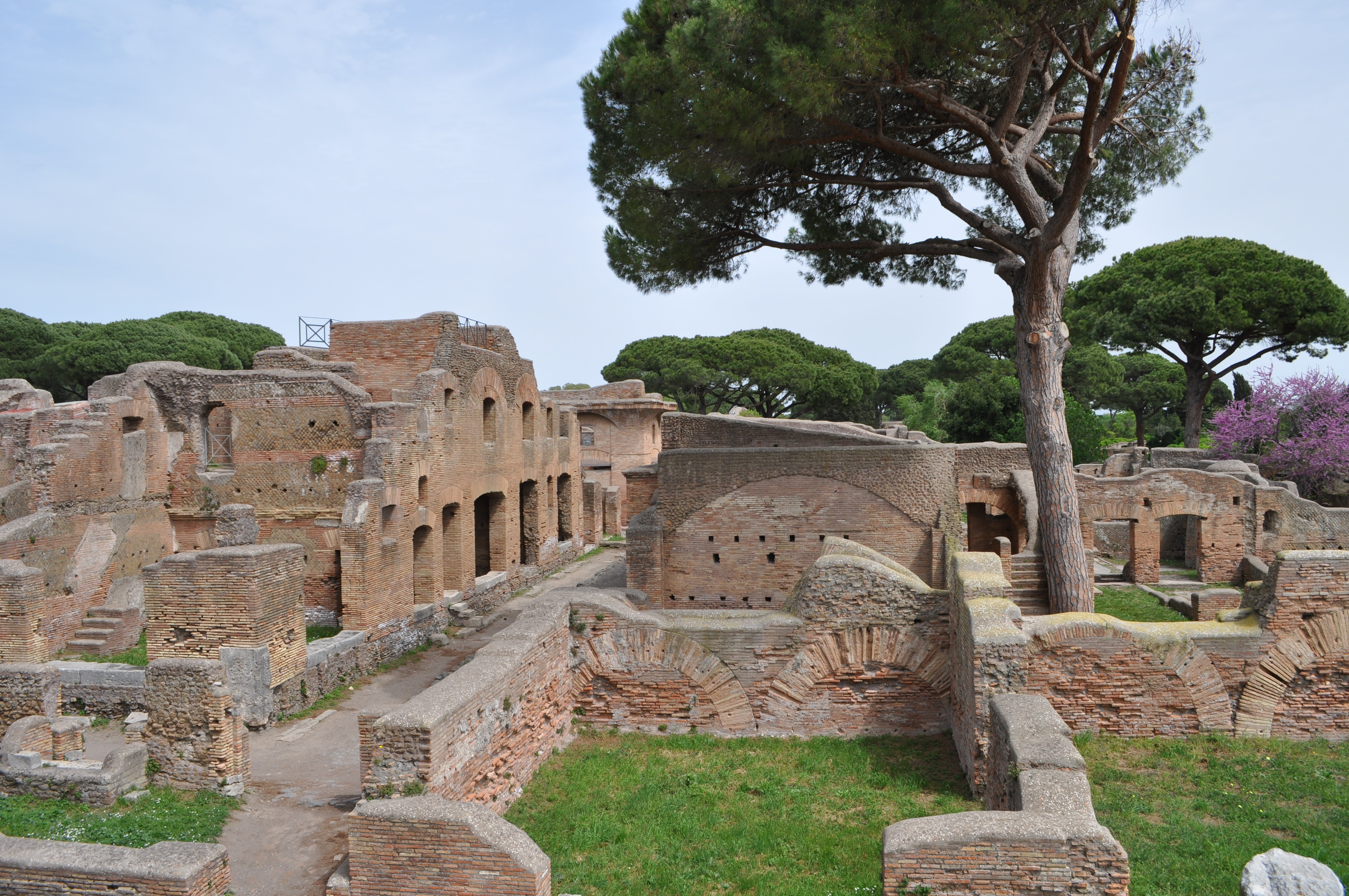
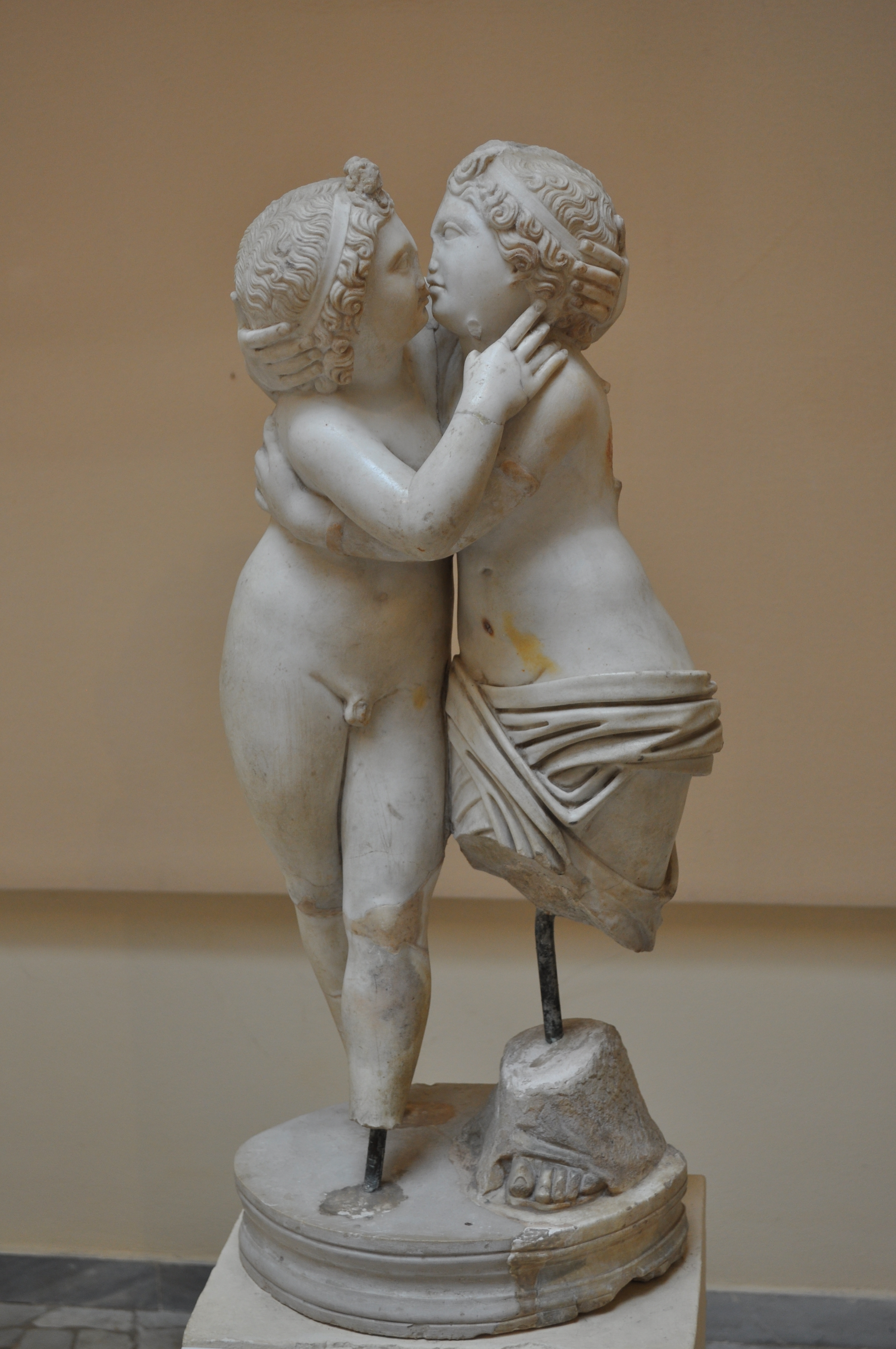
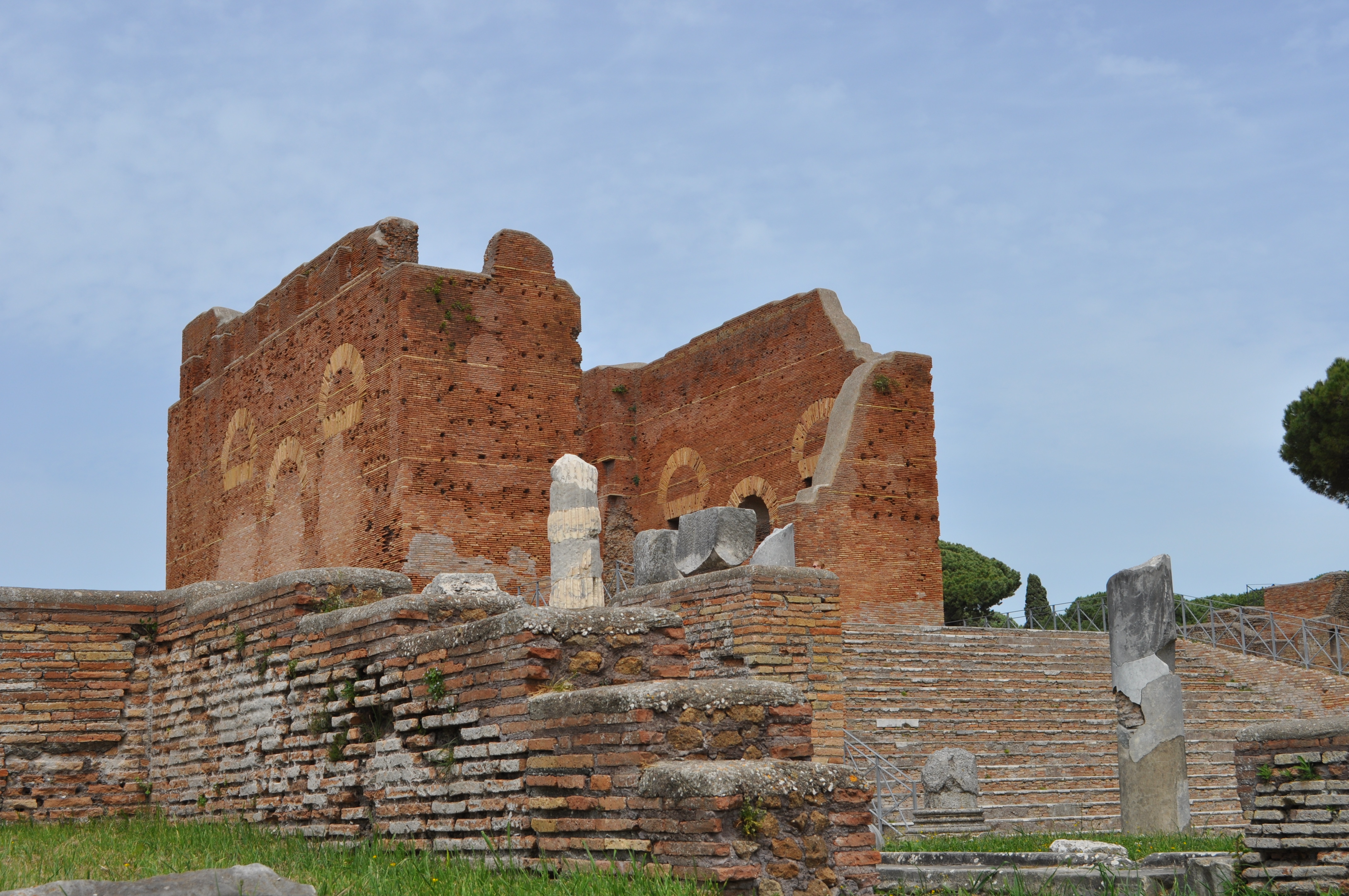
As they did with architecture, religion, philosophy, governance and more, the Romans took wine from the Greeks and made it their own. In the hands of the Romans, who by the middle of the second century BCE had displaced the Greeks as the central power in the Mediterranean basin, wine was central to the growth of empire. The Romans replaced the ideal of the noble farmer with a much more commercial approach to wine, based in large estates operated by slaves. As their empire spread, so did the cultivation of vines, but the best wine always arrived at the port of Ostia (now a fascinating archaeological site) and ended up in Rome.
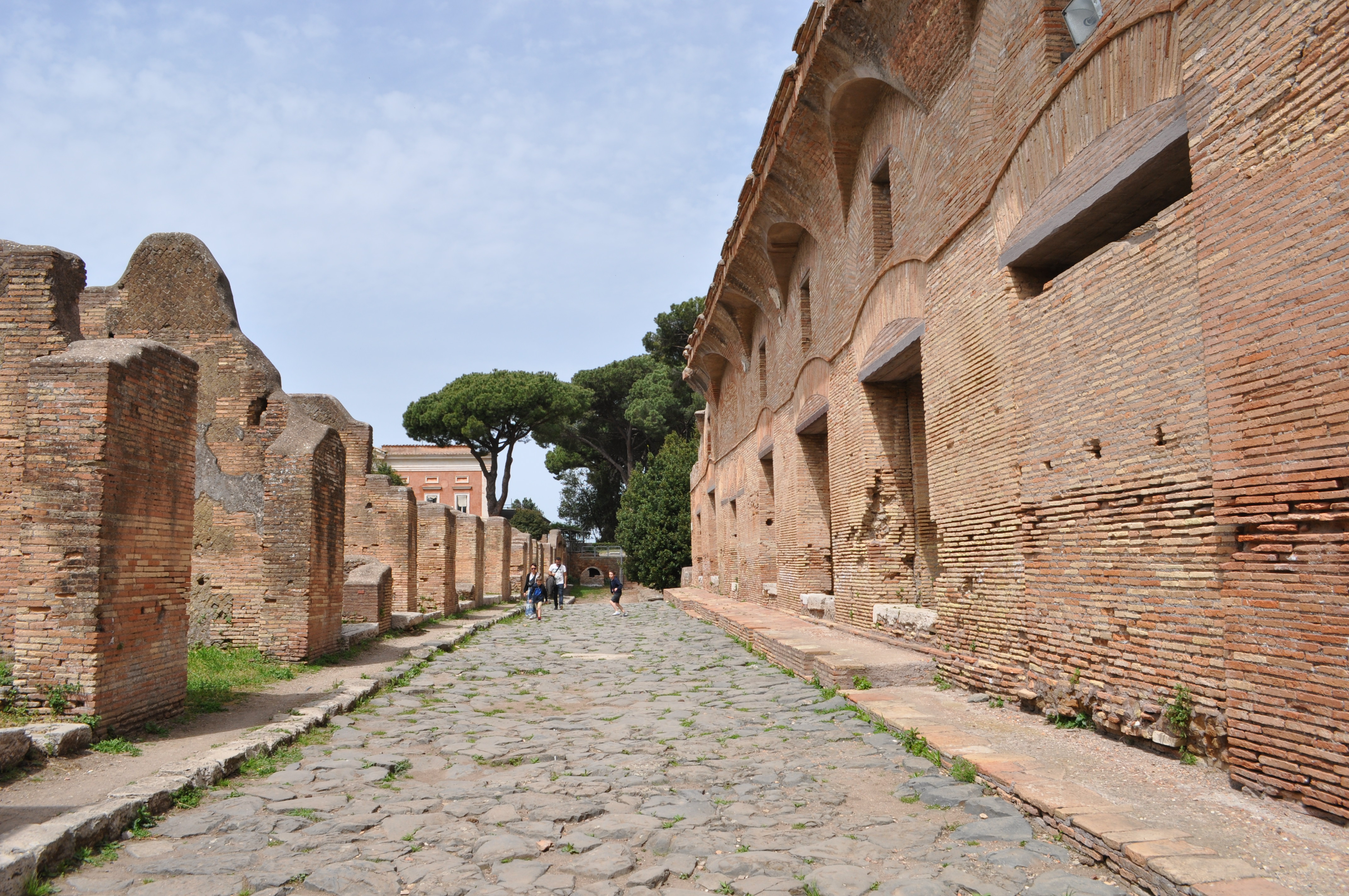
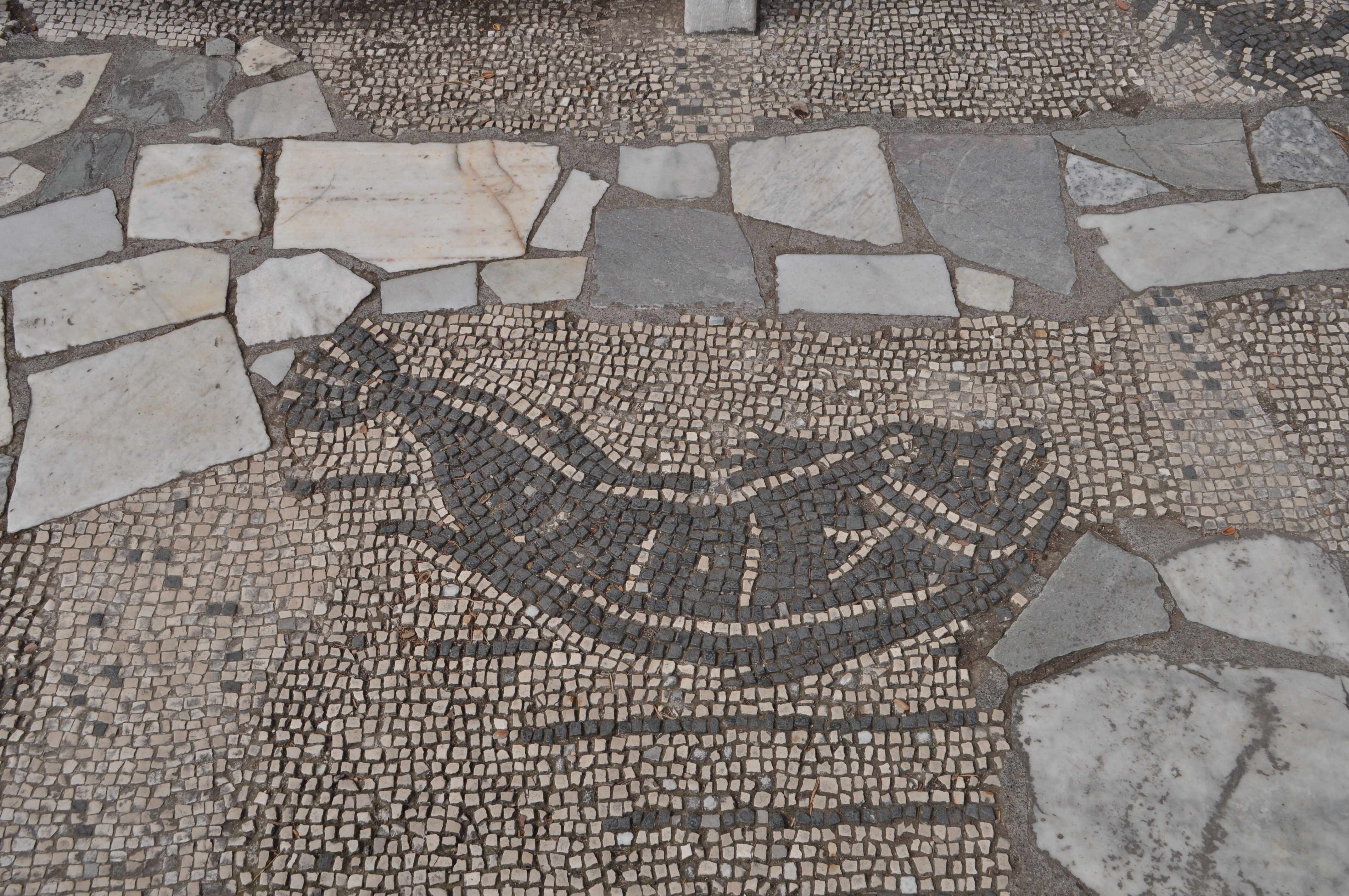
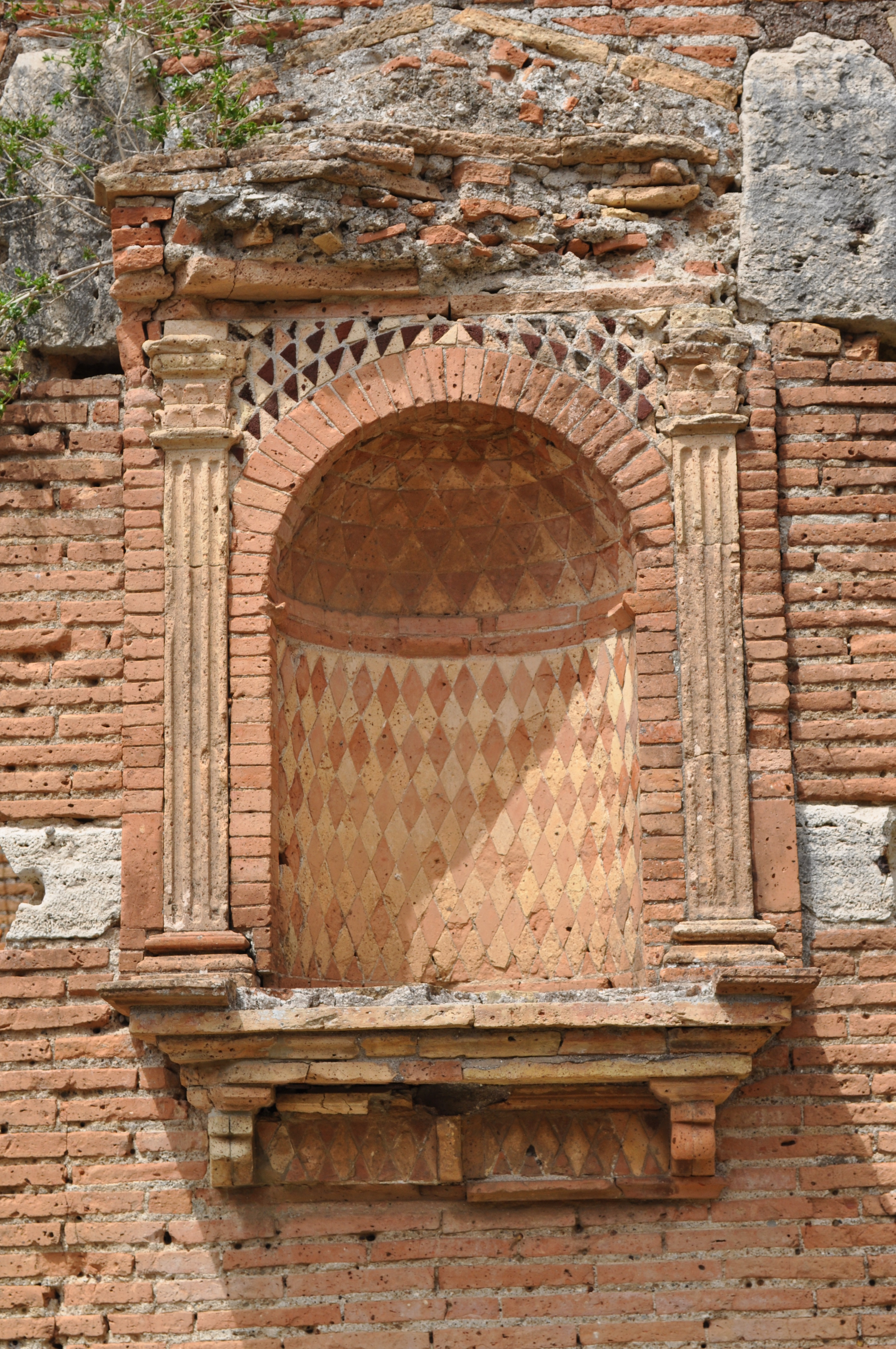
Wine was a universal staple in both Greece and Rome, but the Romans developed it into a symbol of social differentiation. Standage also explores the reasons why Christians drink but Muslims don’t; the drinking patterns of modern Europeans (beer in northern Europe, wine in the south); and the way that the wine culture continues to shape our politics, business development, and social patterns.
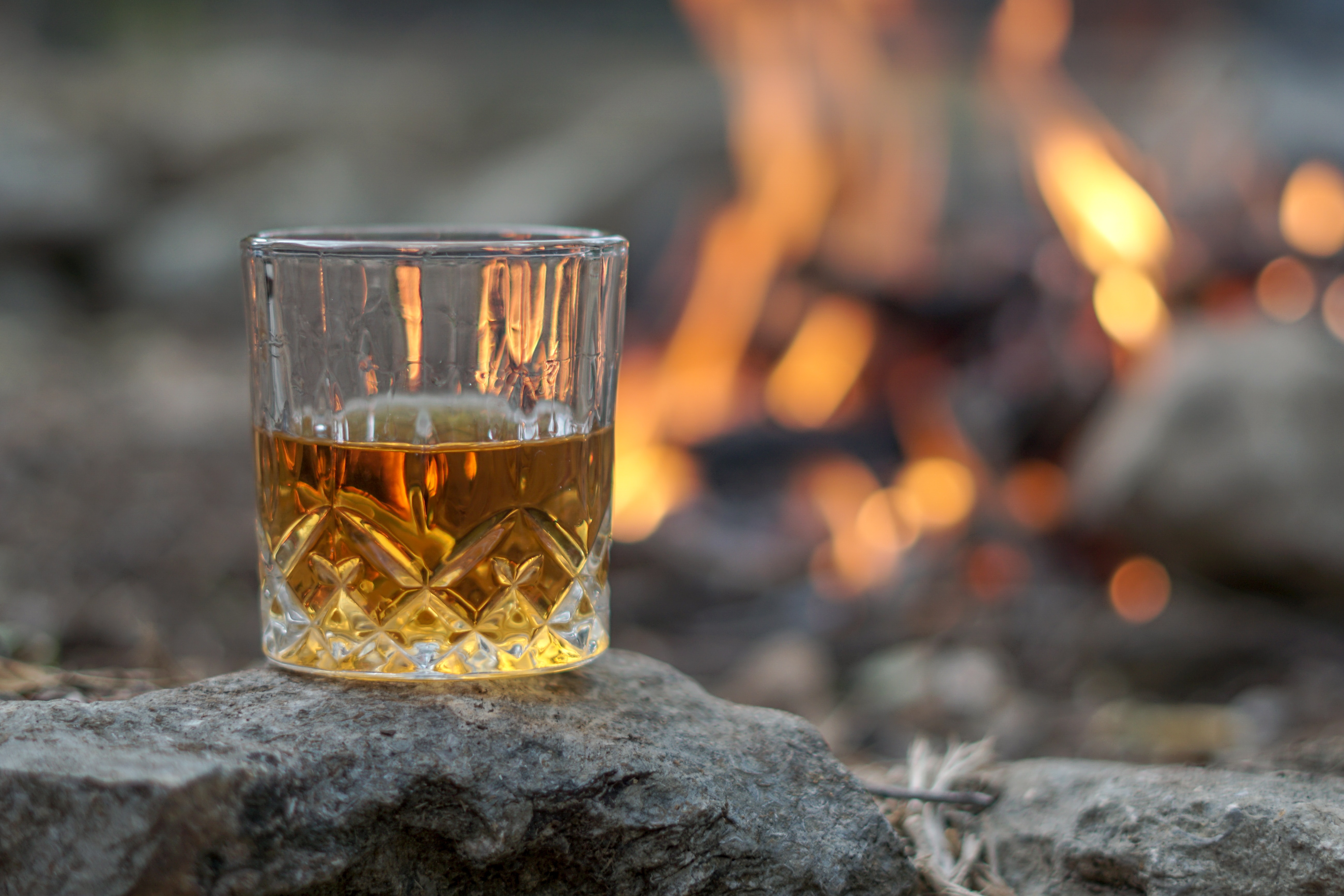
The middle sections of the book examine the rise of spirits and the role distilled liquors played in colonialism and the growth of America; the coffee-fueled Age of Reason that sobered up both business owners and workers to help shape the Industrial Revolution; and the fascinating rise of tea, the drink the British used to conquer the world. The ties between these beverages and the history of the age are examined in depth, and always with the author’s clever focus and tight reliance on historical evidence.
The final chapters look at Coca-Cola and the rise of America. Coca-Cola’s creation myth, as told by the company, is bunk. John Pemberton was “an experienced maker of patent medicines, the quack remedies that were hugely popular in America in the late nineteenth century.”
“Its creation was not the accidental concoction of an amateur experimenting in his garden, but the deliberate and painstaking culmination of months of work by an experienced maker of quack remedies.”
While popular in the United States, Coca-Cola only became a truly global brand in the wake of America’s emergence as a global superpower, with the abandonment of its longtime policy of isolationism. Standage has a fascinating section of how the Coca-Cola company worked tirelessly to tie the brand to patriotism and the war effort during WWII. As an example, Robert Woodruff, president of the company, issued an order that “every man in uniform gets a bottle of Coca-Cola for five cents, wherever he is, and whatever it costs the company.” Standage notes that the company “missed no opportunity to emphasize the totemic nature of the drink to America’s distant servicemen.” That kick-started Coke’s global growth that continued through the rest of the 20th century, as America extended its reach into every part of the world. Coke was “unquestionably the drink of the twentieth century and all that went with it: the rise of America, the victory of capitalism over communism, and the rise of globalization.”
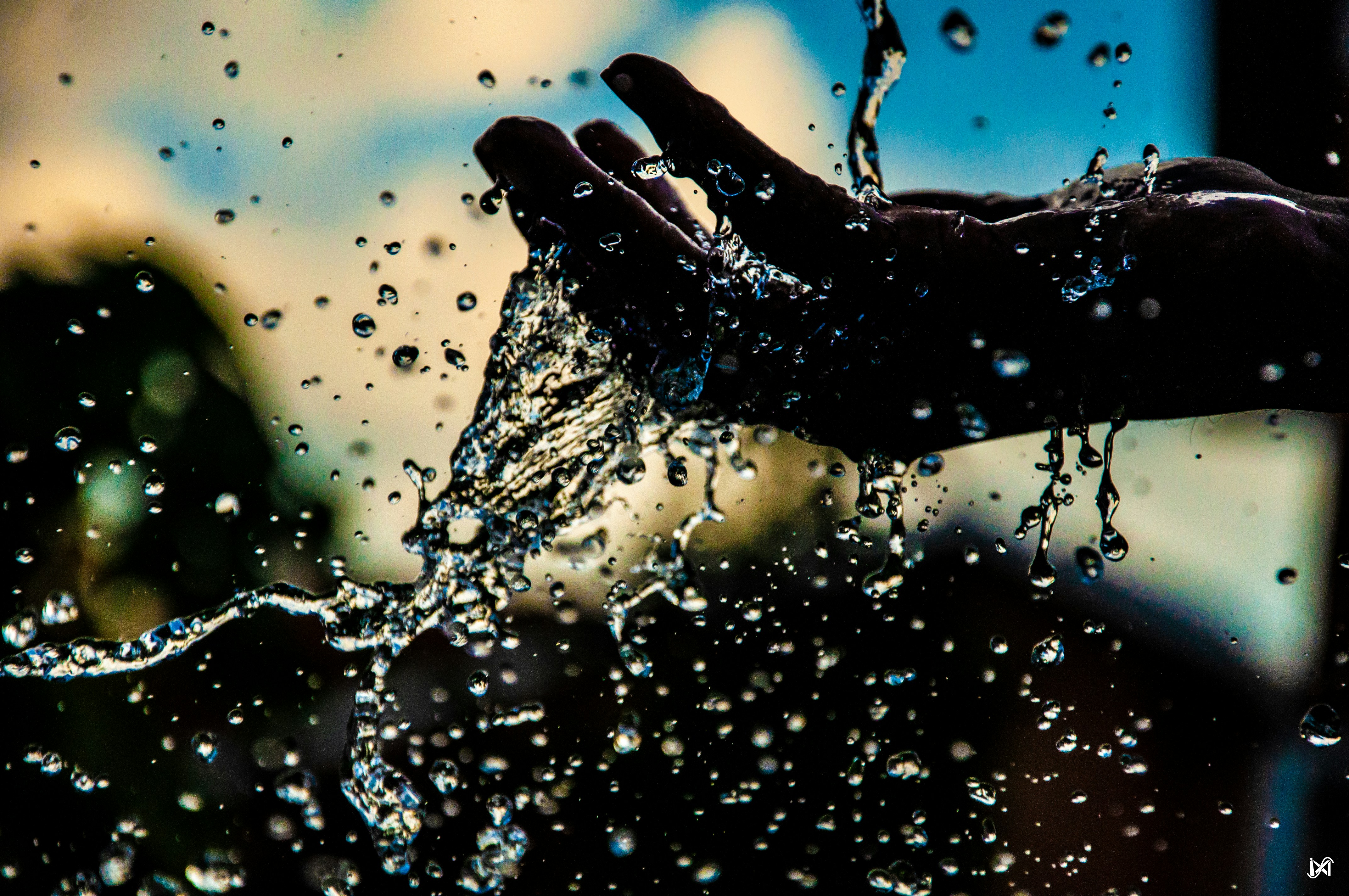
However, as the twenty-first century has begun, Standage brings the reader back to the beginning. Water, the first drink to “steer the course of human history,” now ten thousand years later, is back in the driver’s seat.
This fascinating work provides an effective and engaging way to consider history and human development. “When you next raise some beer, wine, spirits, coffee, tea, or Coca-Cola to your lips,” Standage writes, “think about how it contains more than mere alcohol or caffeine. There is history, too, amid its swirling depths.”
More to come . . .
DJB
Photo of drinks at the top of the post by Moritz Mentges on Unsplash. Other photos of drinks from Unsplash. Photos from Ostia by DJB from 2016.


David,
This sounds like a very interesting book, indeed. Do you remember when St. Alban’s did an adult forum series on Food and Faith? I was reminded of that series by your review of this book, particularly the parts about wine and beer. Did the book contain this fact about beer (from my speaker notes from that forum series)?
Wine cultivation and the distillation of spirits are also closely associated with monasteries, of course.
Cheers! Sandy
Sandy, thank you for the comment and especially for the notes about St. Arnold of Soisoons. I do not believe that was mentioned in the book, but it should have been! What a great story!
And yes, every great monastery seems to have either a vineyard or a brewery (or both).
Take care, and thanks for the note!
DJB
I received the following note from Lelia, the manager of One More Page Books, after she read the post:
Pingback: Exploring DC’s independent bookshops: A Labor Day update | MORE TO COME...
Pingback: Observations from . . . September 2026 | MORE TO COME...