During two recent weeks of both personal time and travel with National Trust Tours in Milan and Lake Como we sampled a variety of delectable foods, visited a number of remarkable historic sites, walked the old streets of thriving communities, and engaged with welcoming locals and curious visitors from around the world.
Part 1 highlights our five days in Milan. Magnifico!
Candice and I arrived five days early for our National Trust Tours excursion to the Italian Lakes and Lombardy. In addition to the practical necessity of resetting our body clocks following an international flight, we wanted to spend personal time in Milan, the capital of the Lombardy region, before moving to focus on Lake Como with the NTT tour.
It had been ten years almost to the month that I’d last visited the region, so I was eager to see how it had changed. And since the last trip was a solo flight, I also wanted to introduce Candice to this part of a country we came to love in 2016 on a six-week sabbatical.
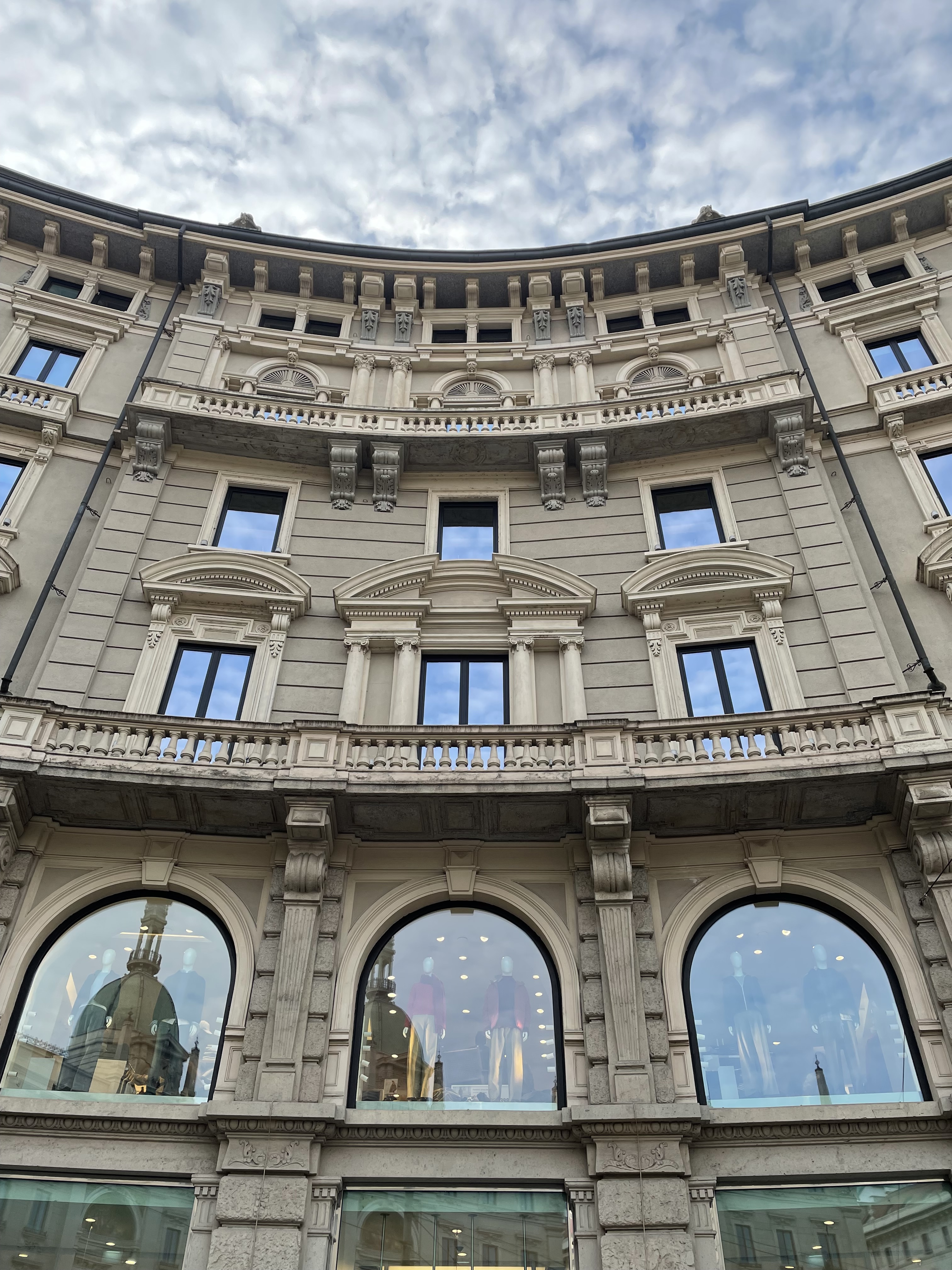
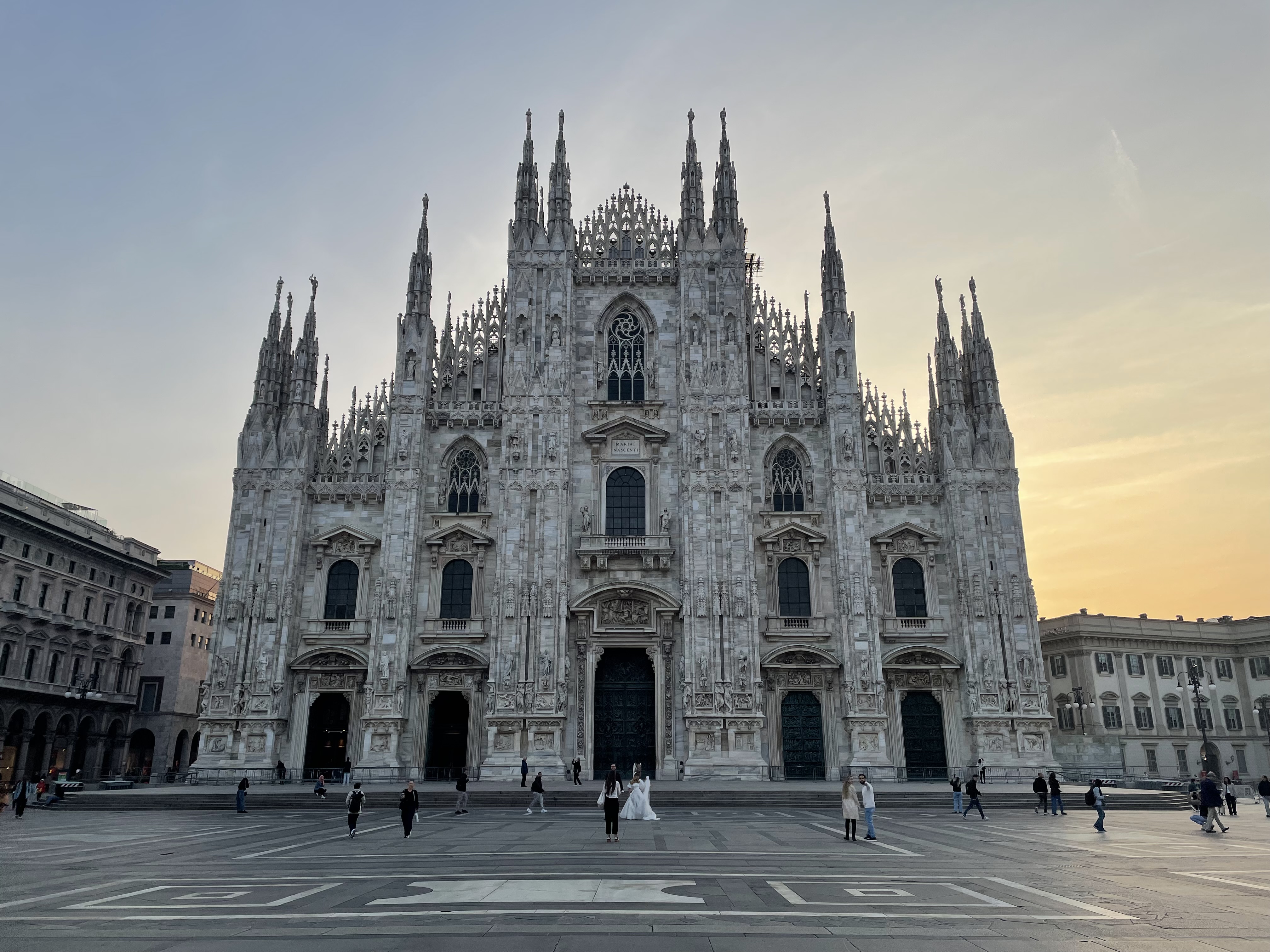
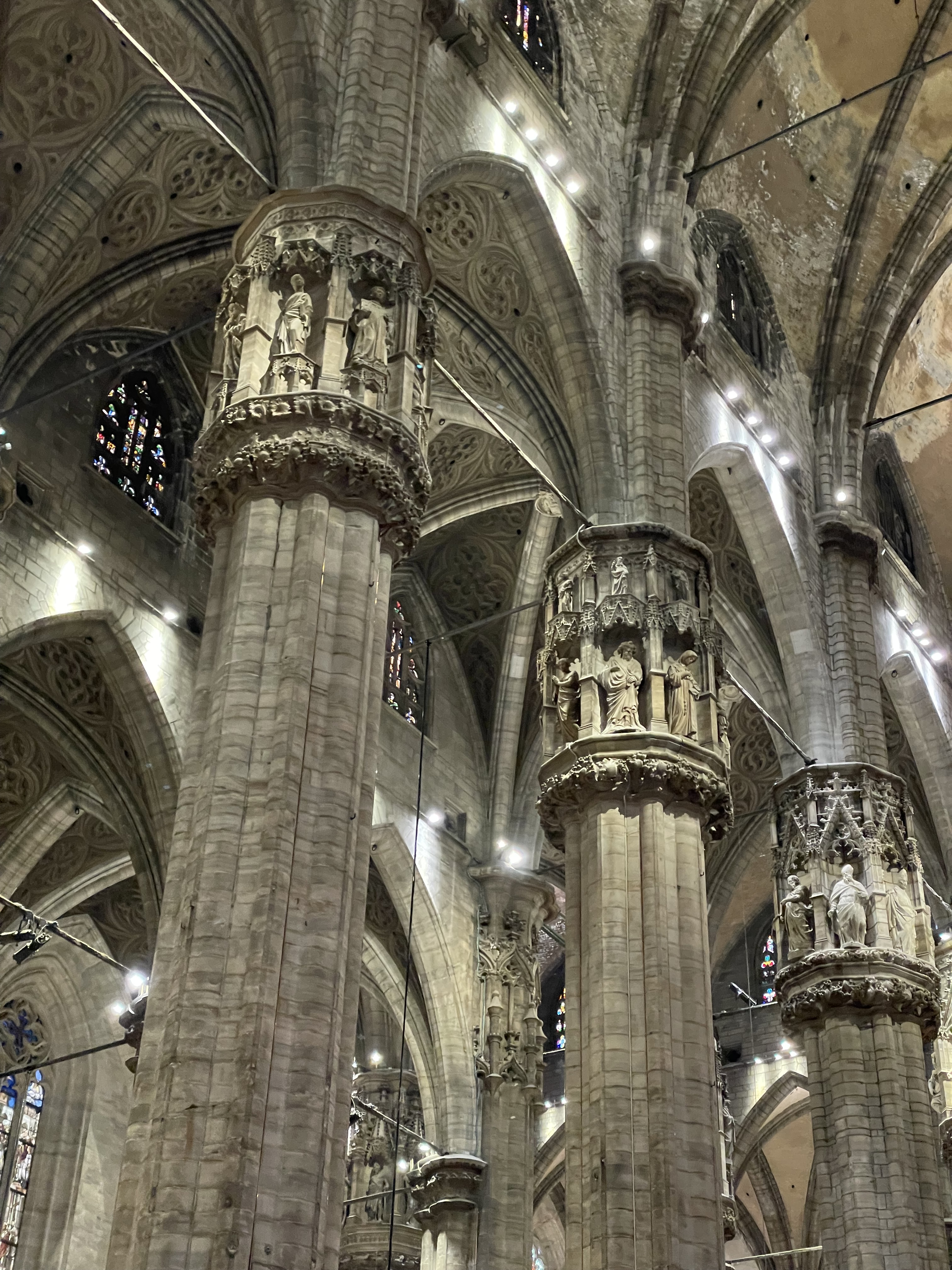
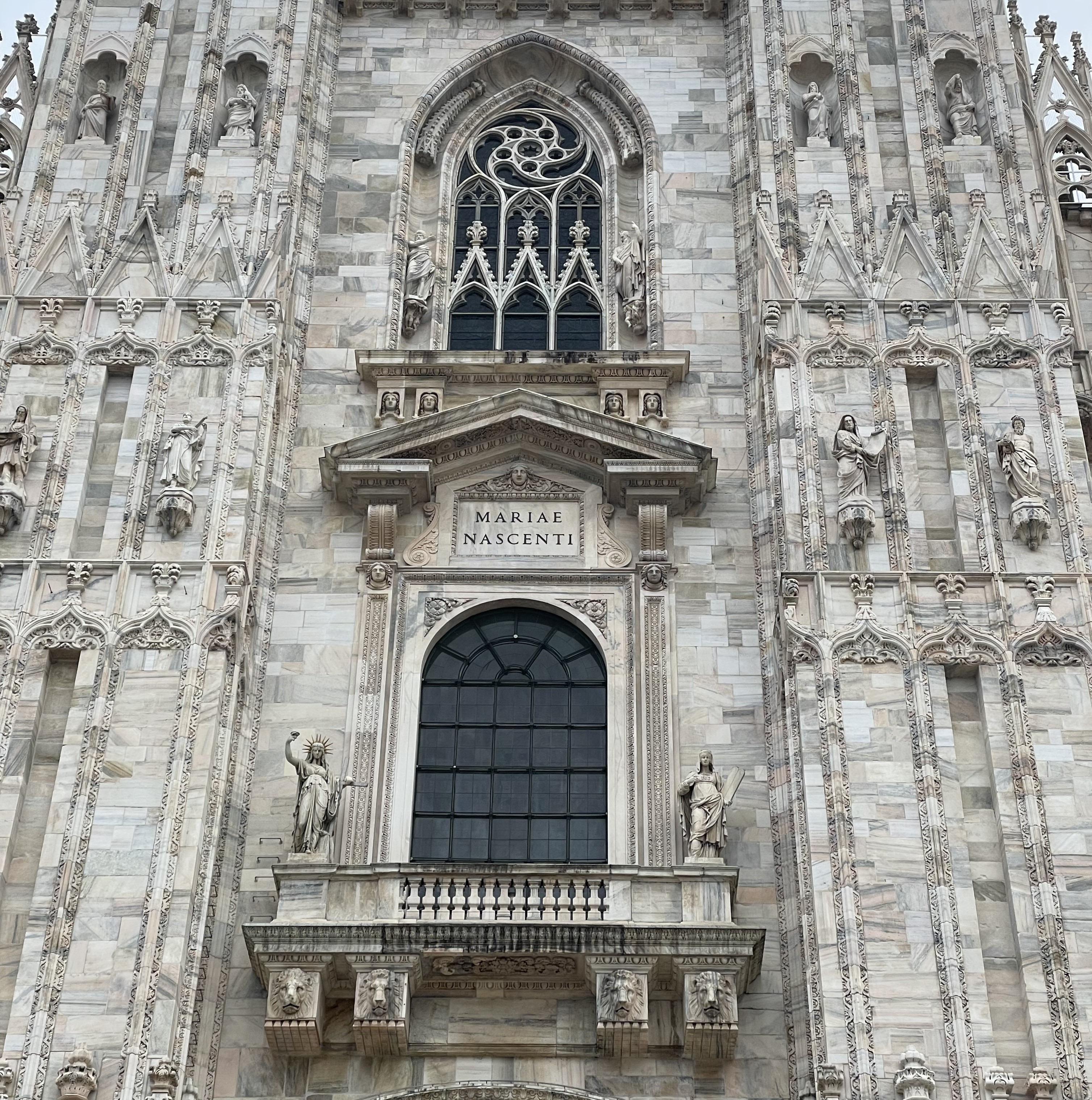
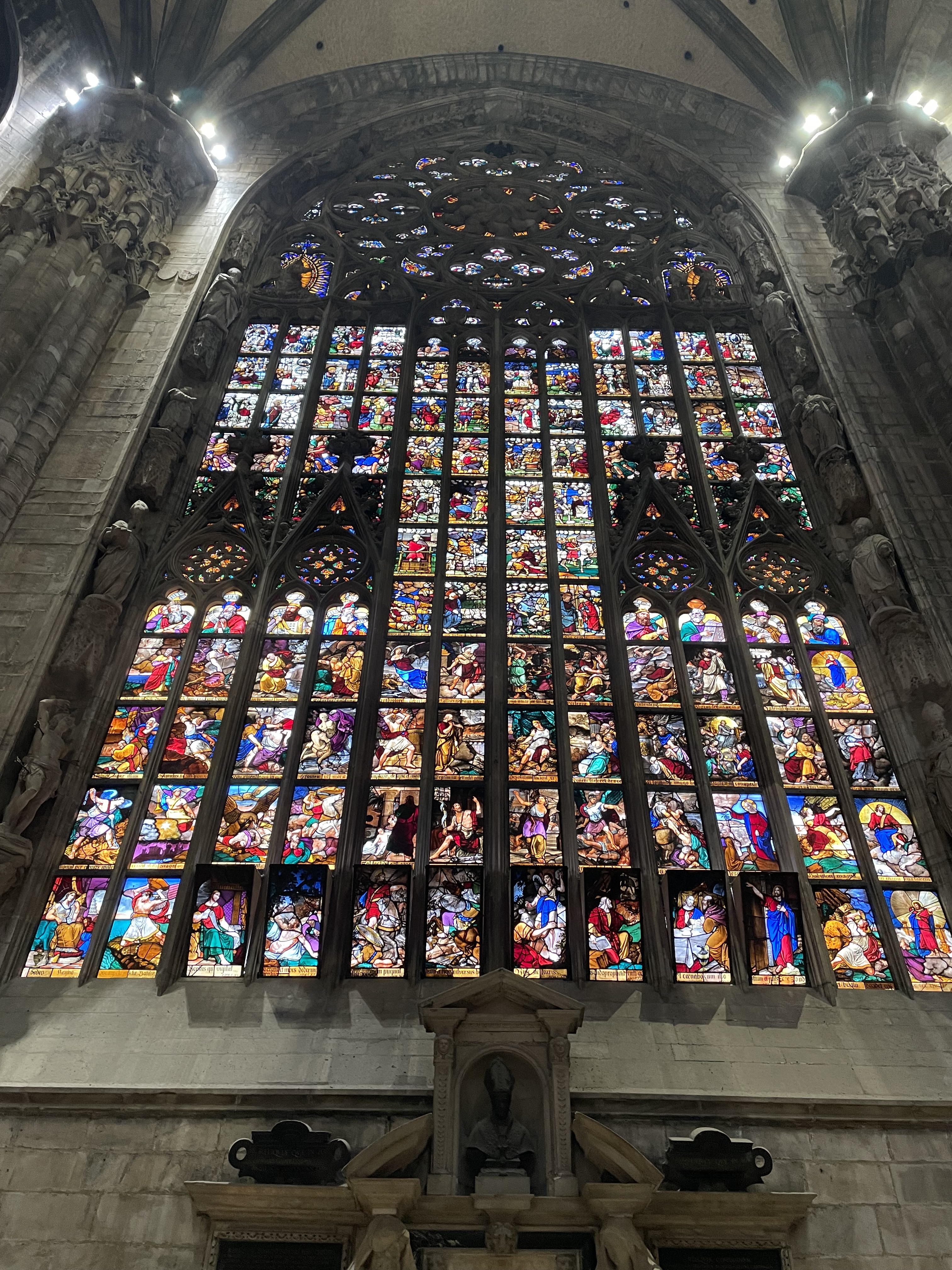
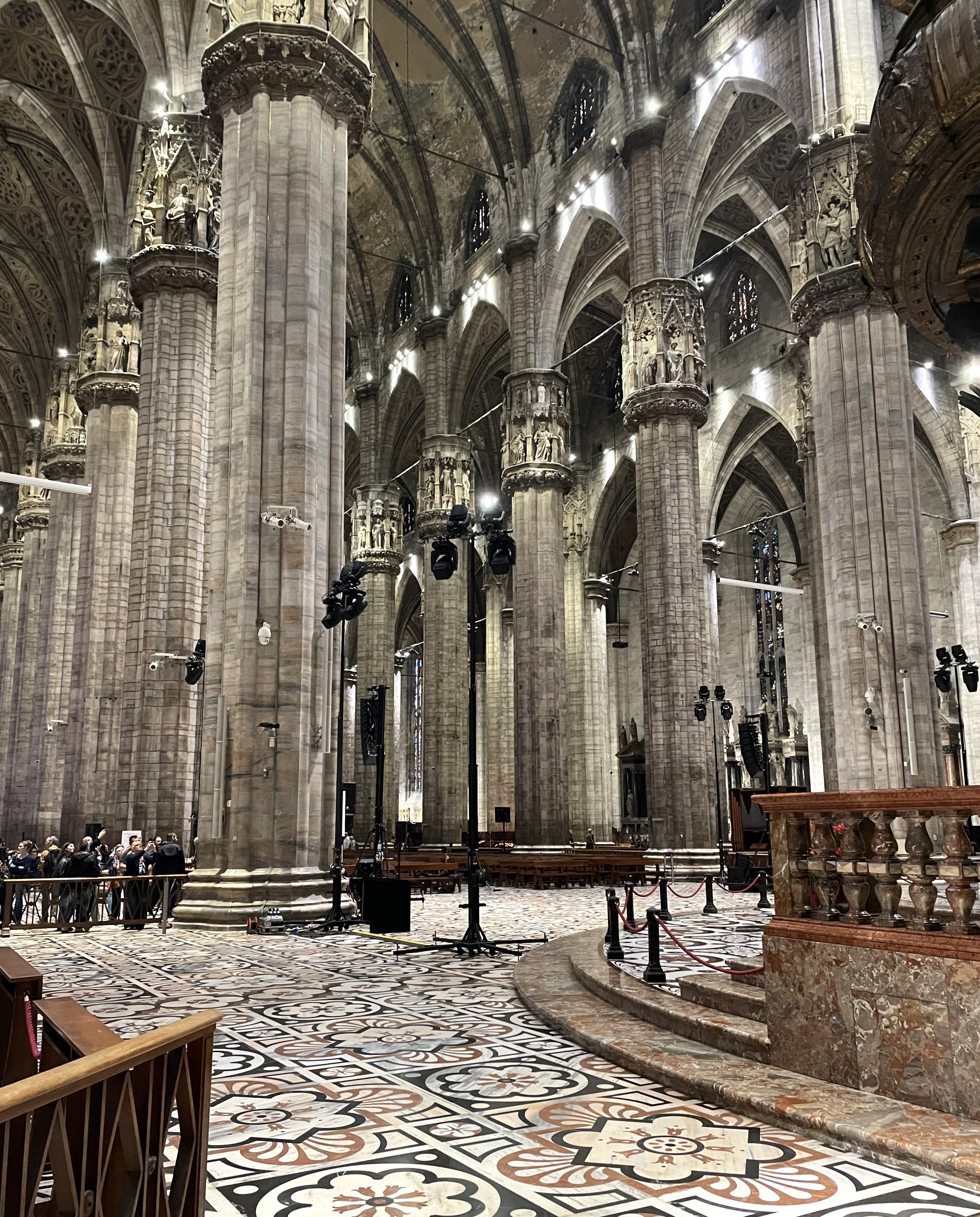
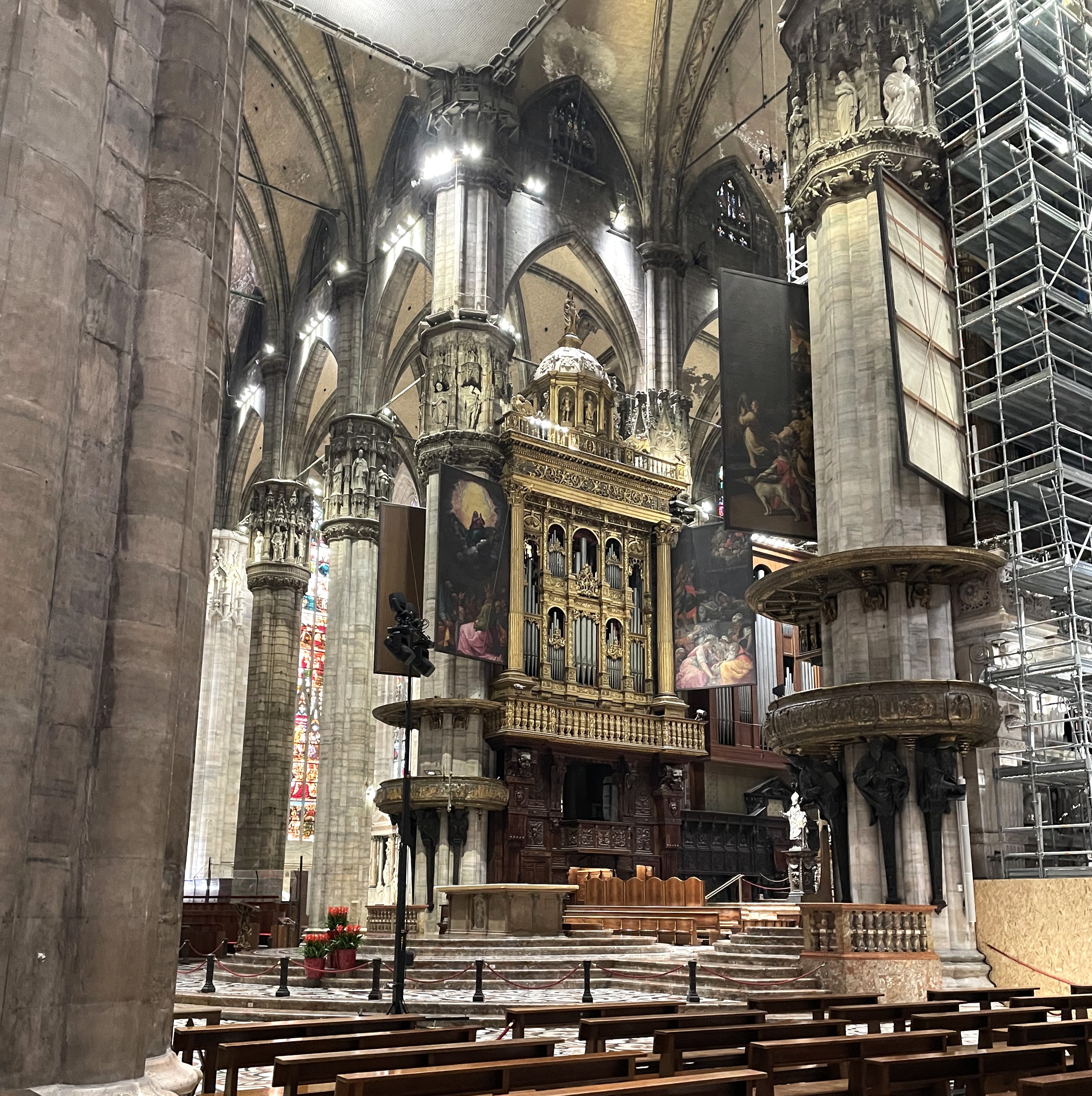
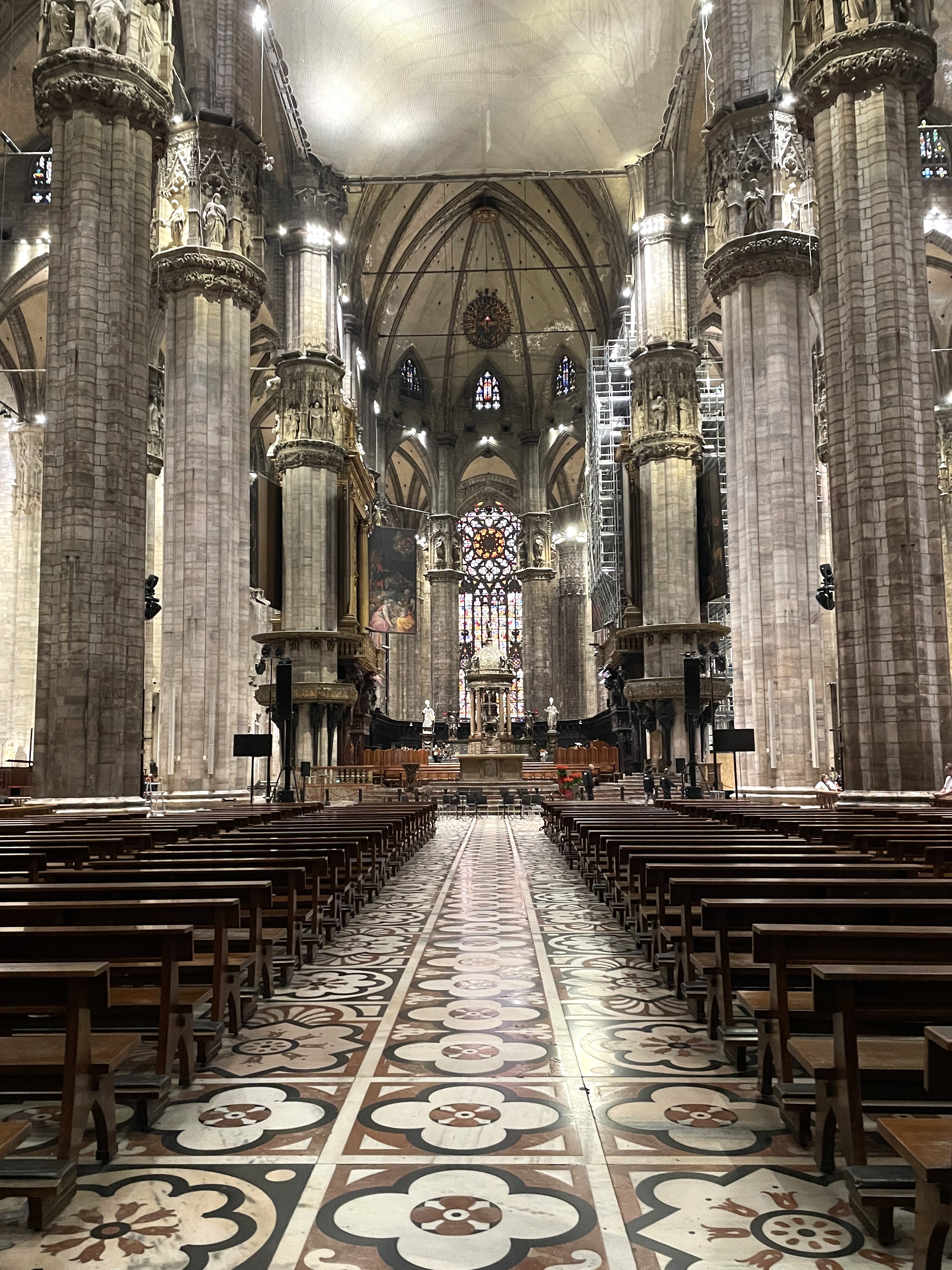
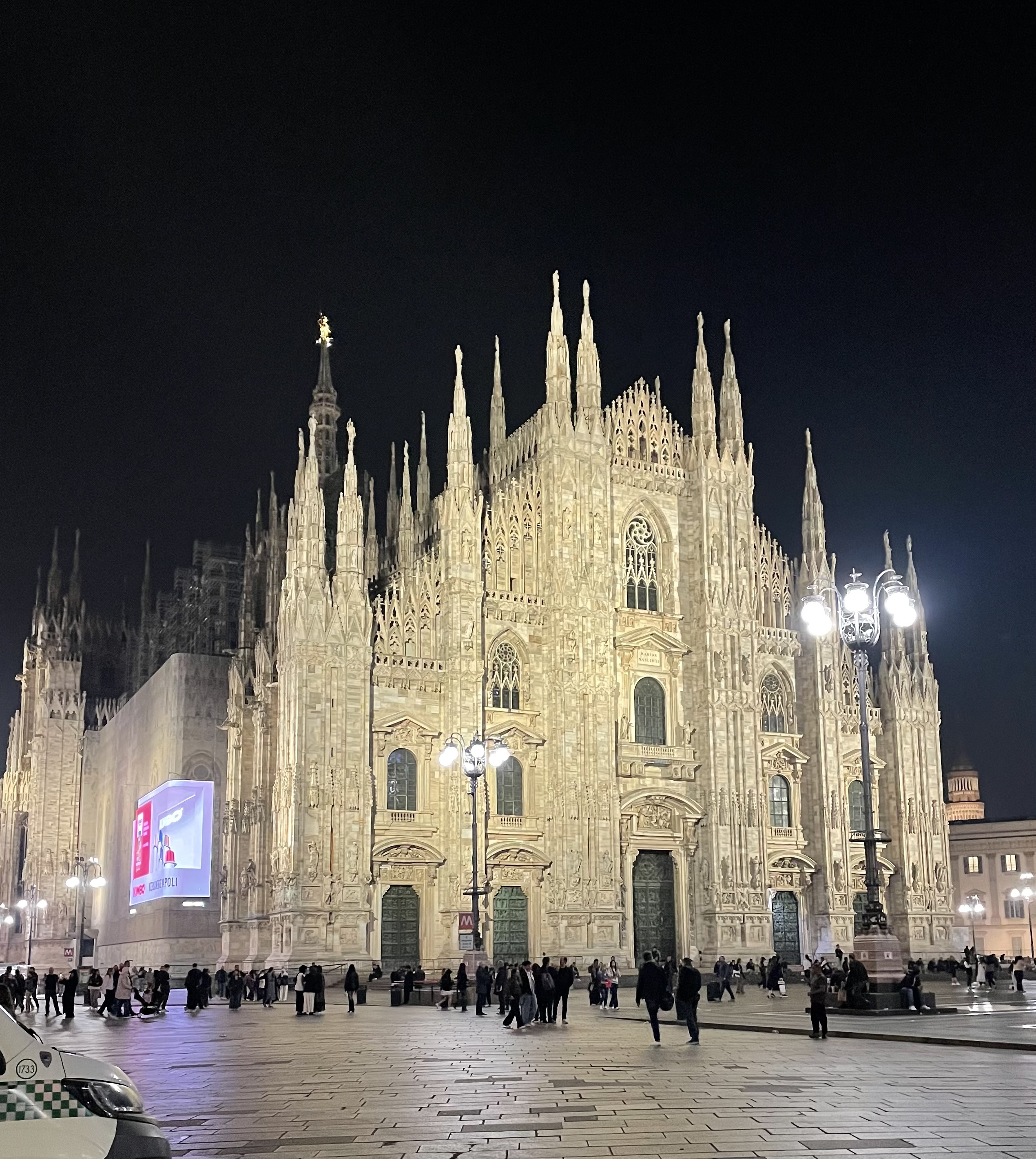
Milan is Italy’s economic powerhouse, and it is no surprise that the country’s wealth—both financial and cultural—can be seen in superb architecture, splendid works of art, and world class museums. Over the course of our days in Milan (both privately and with NTT) we walked city streets that are often compared to Paris (best seen in the early morning light); toured the Sforza Castle; spent time in the Galleria, the world-renown shopping district; made two visits to the Ambrosiana museum; and spent several hours at the flamboyant 14th-century Duomo, a Gothic masterpiece with 2,244 marble saints and nearly 100 gargoyles.
Finally, as is our custom, we used those first days in Milan to take a culinary tour, sample some of the city’s various restaurants and food halls, and enjoy a first class meal at one of Milan’s finest Michelin-rated restaurants.
This photo essay will walk you through these six days in Milan.
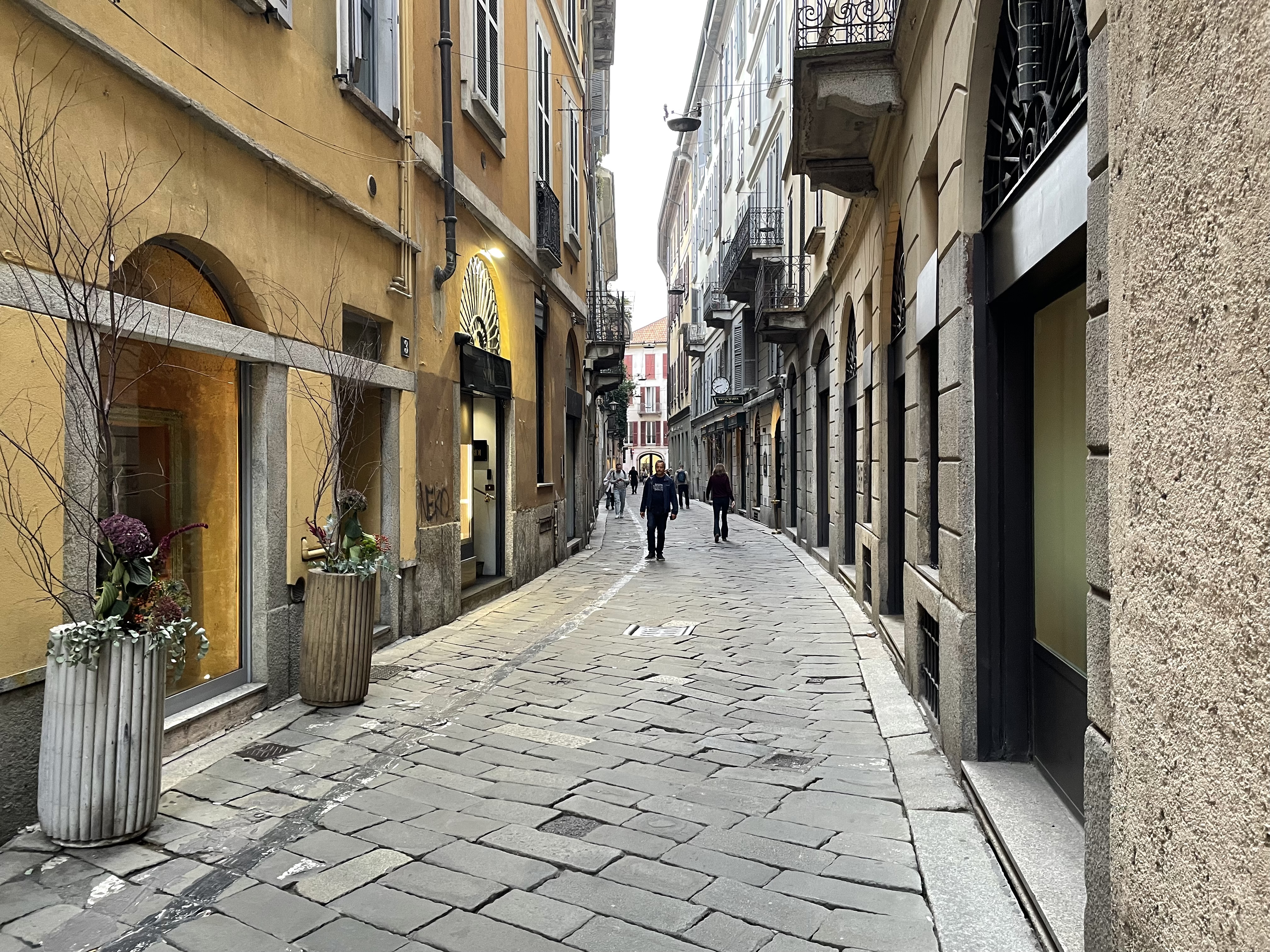
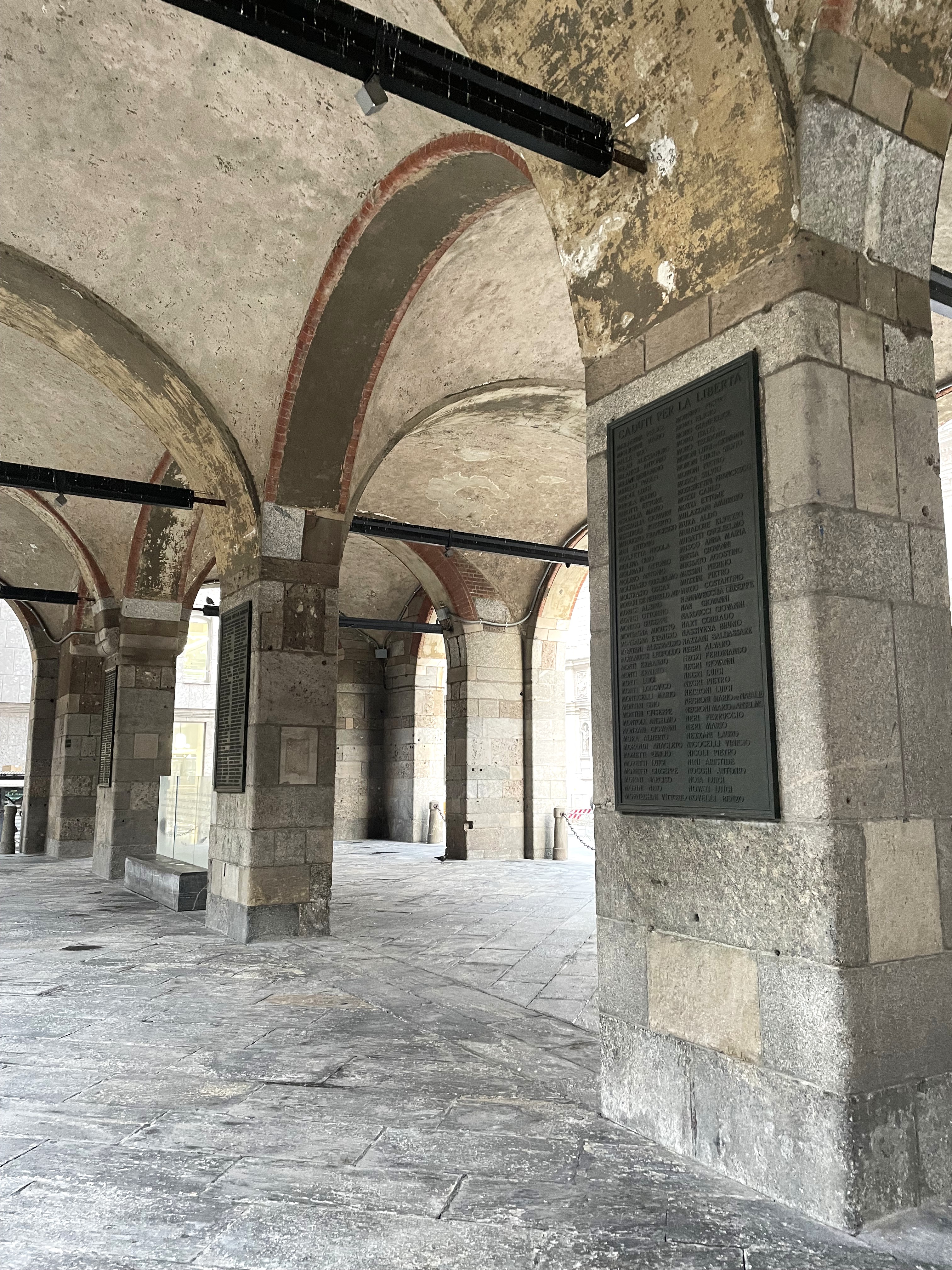
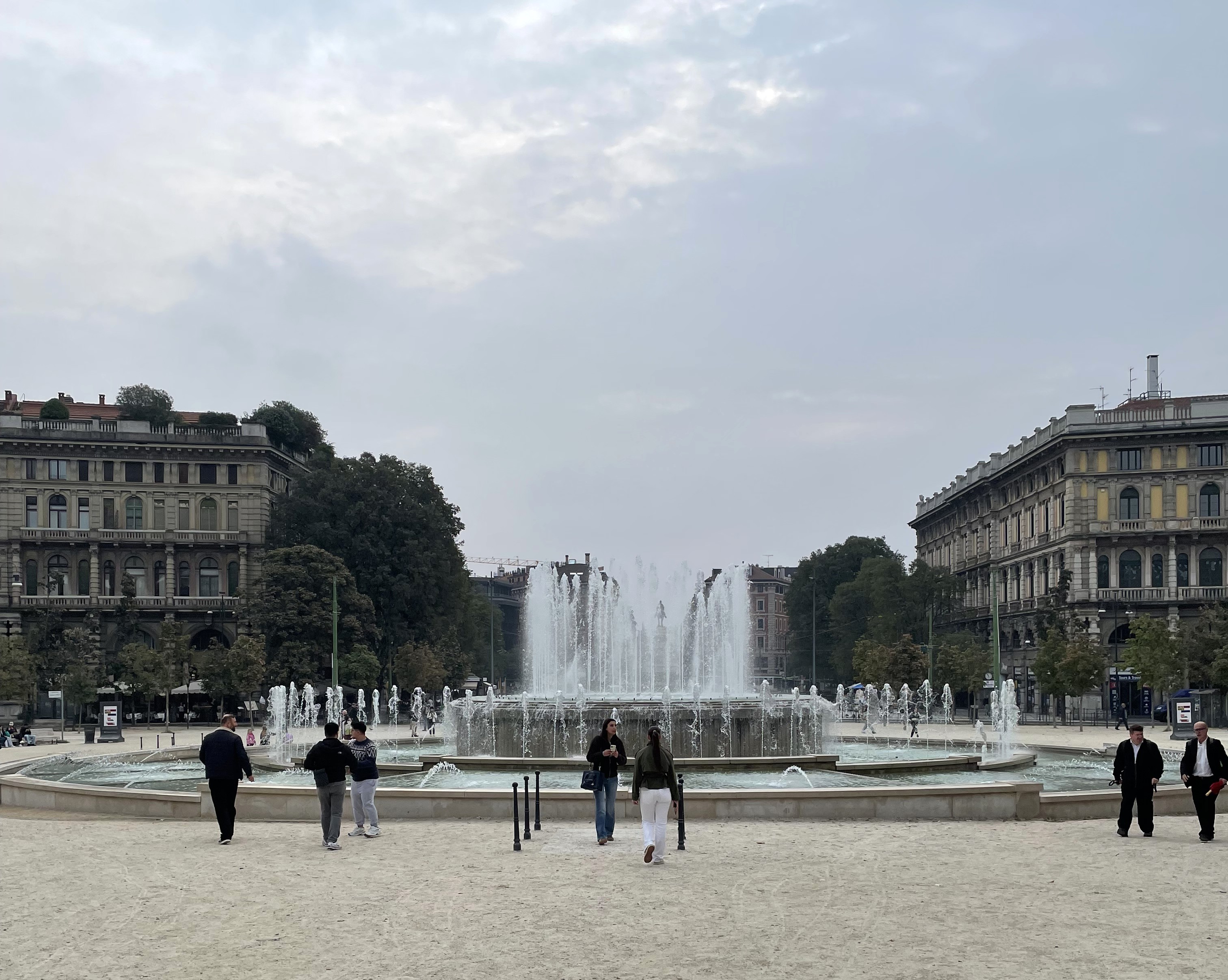
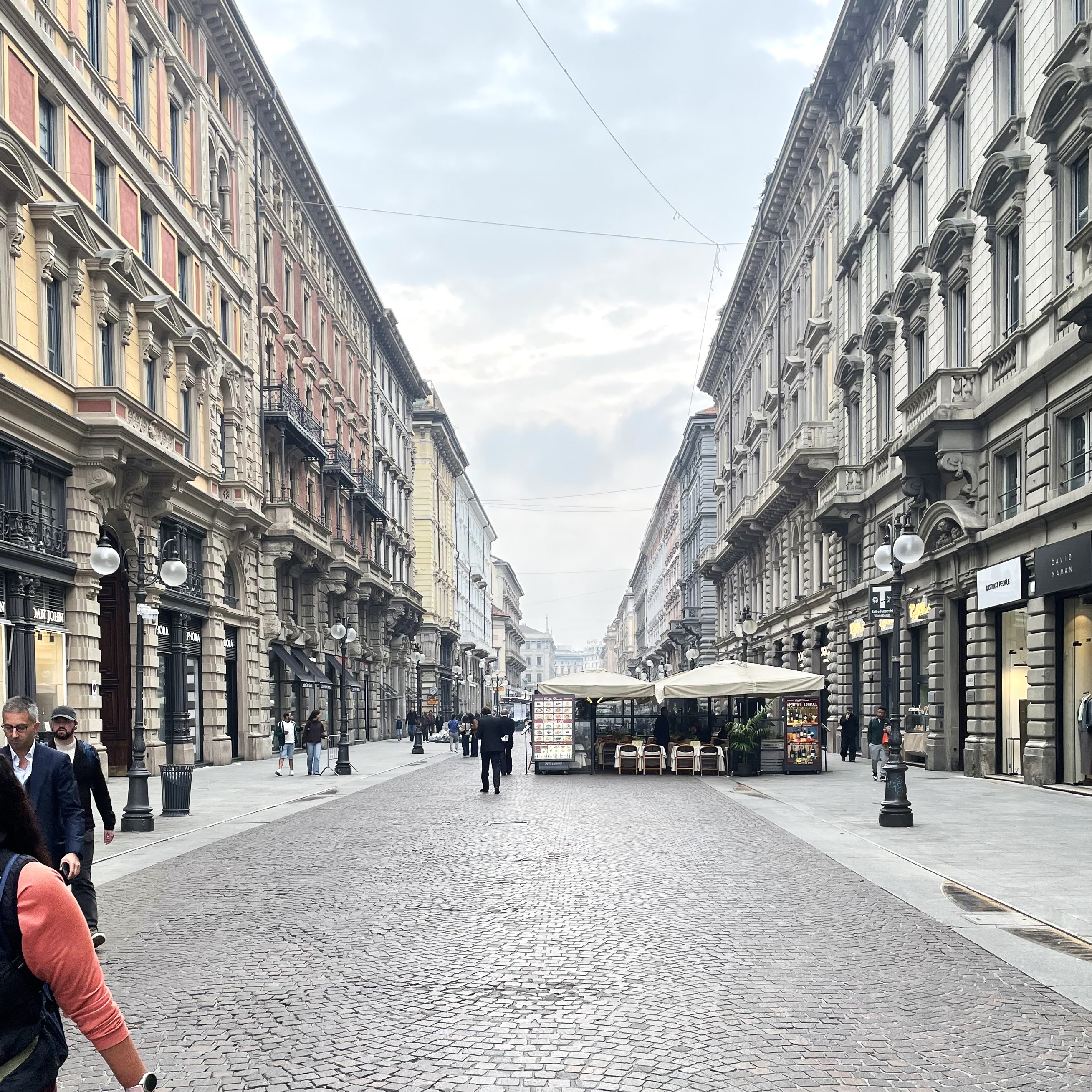
STREETSCAPES OF MILAN
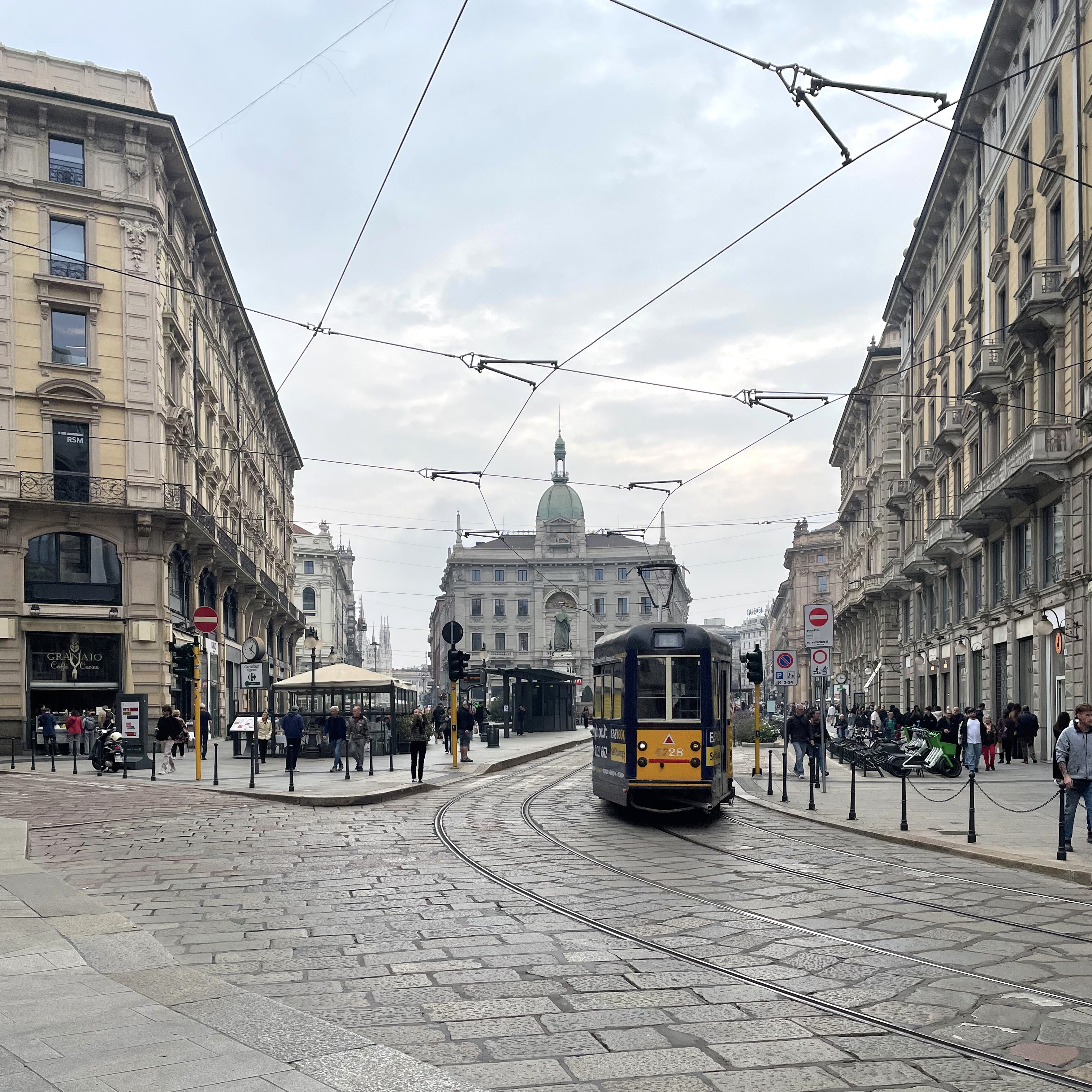
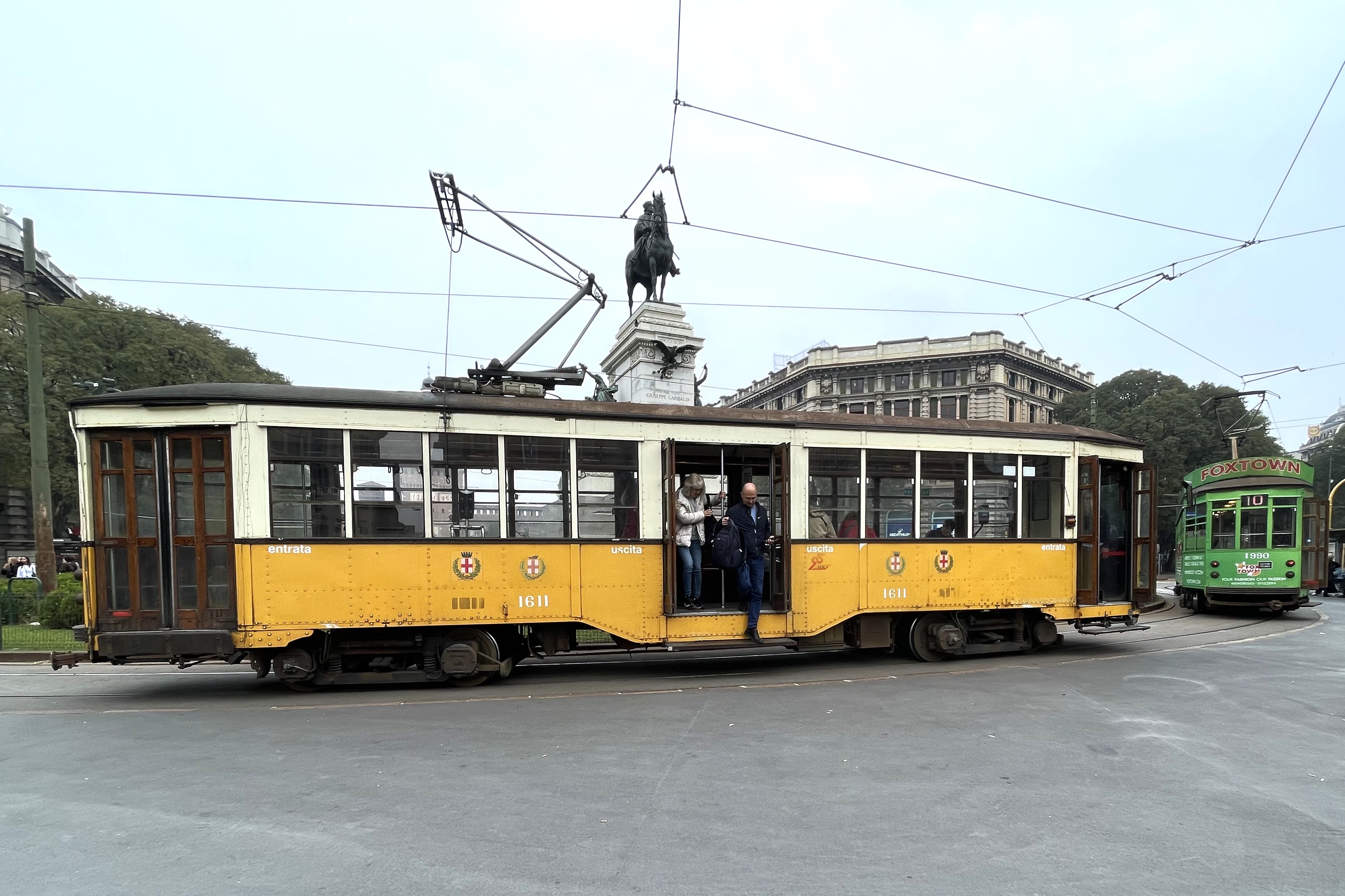
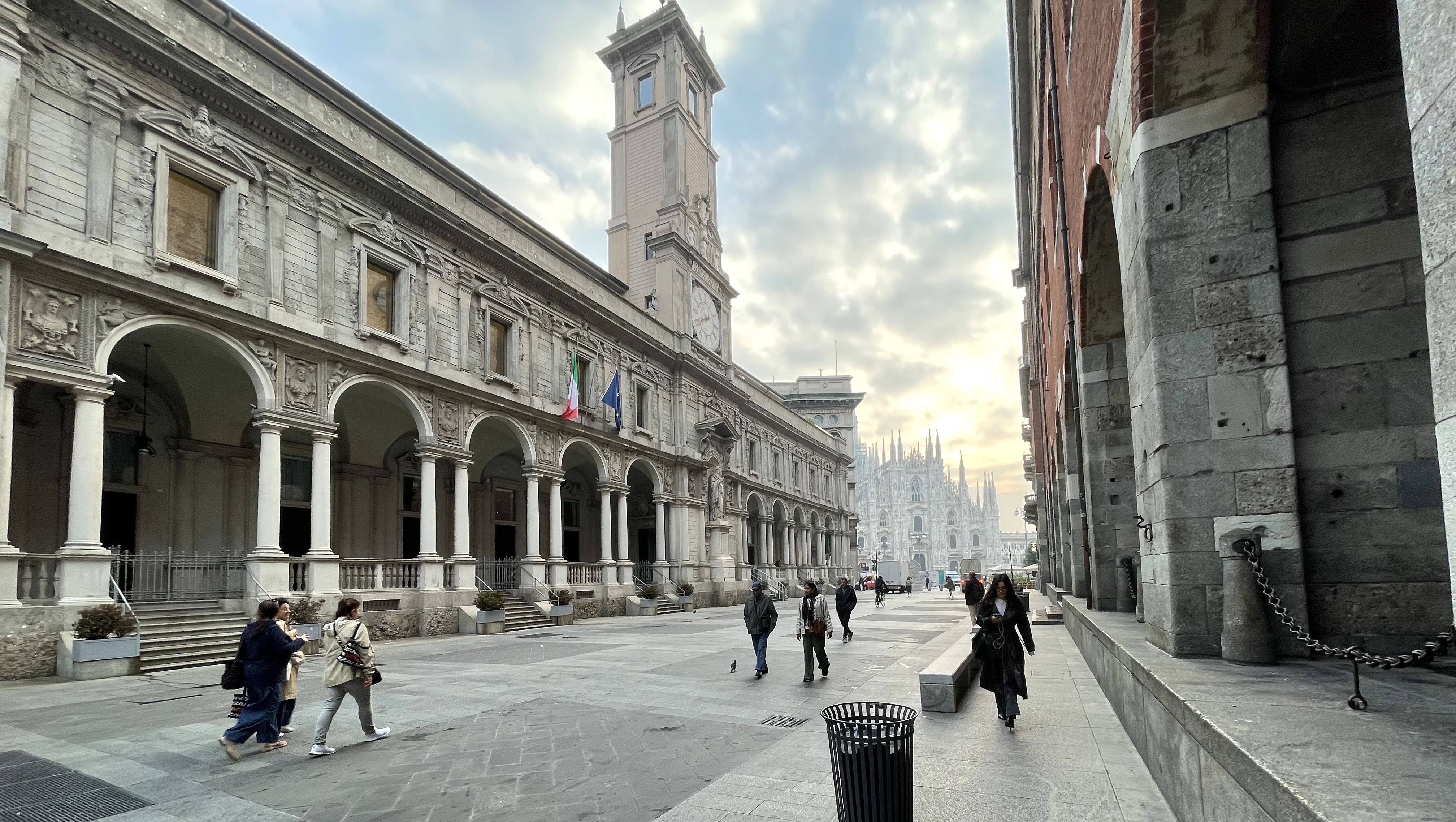
Milan is a very walkable city and I explored it at all parts of the day. The streetcars—from all eras of the city’s growth—were a special touch for me.
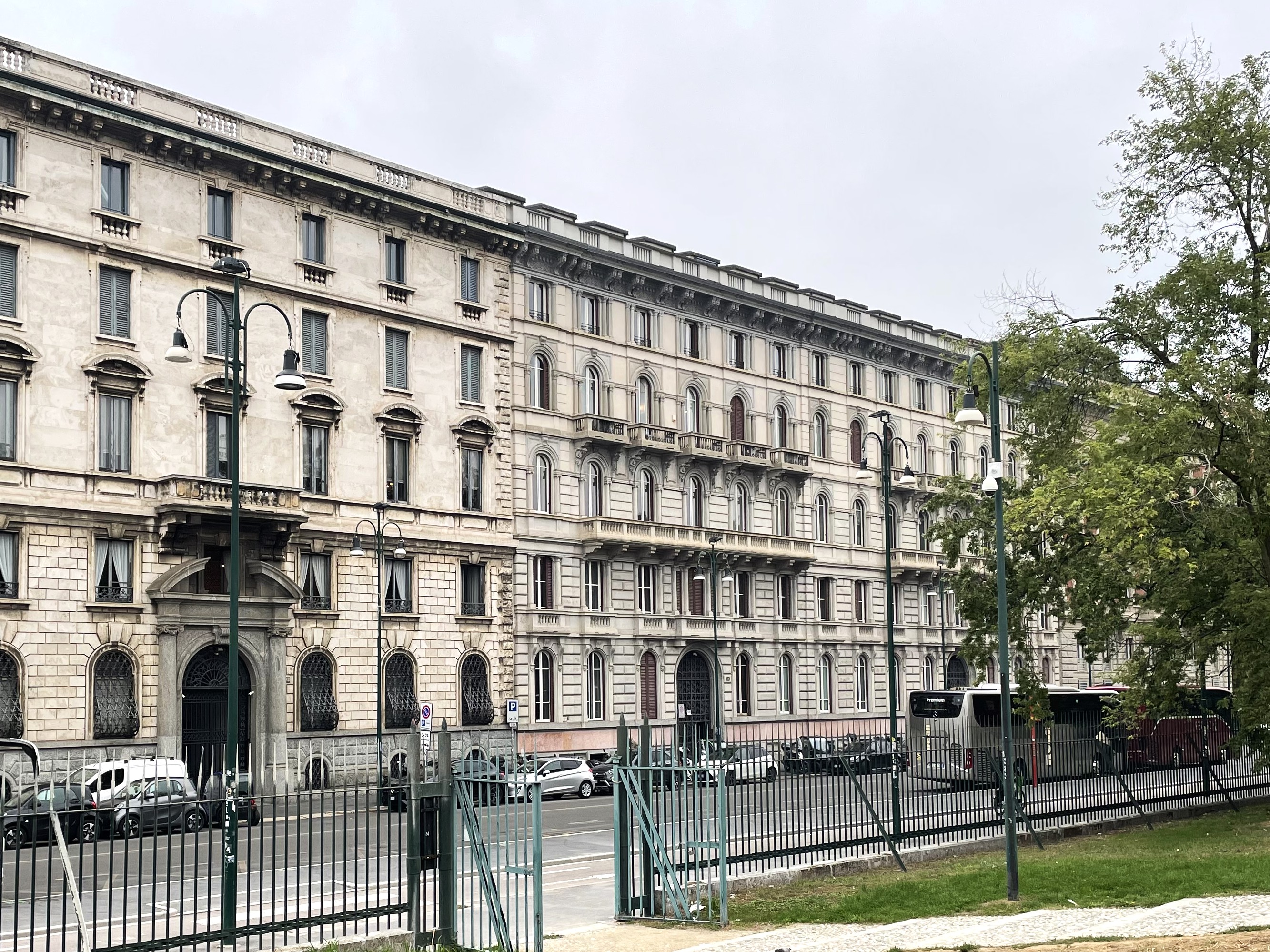
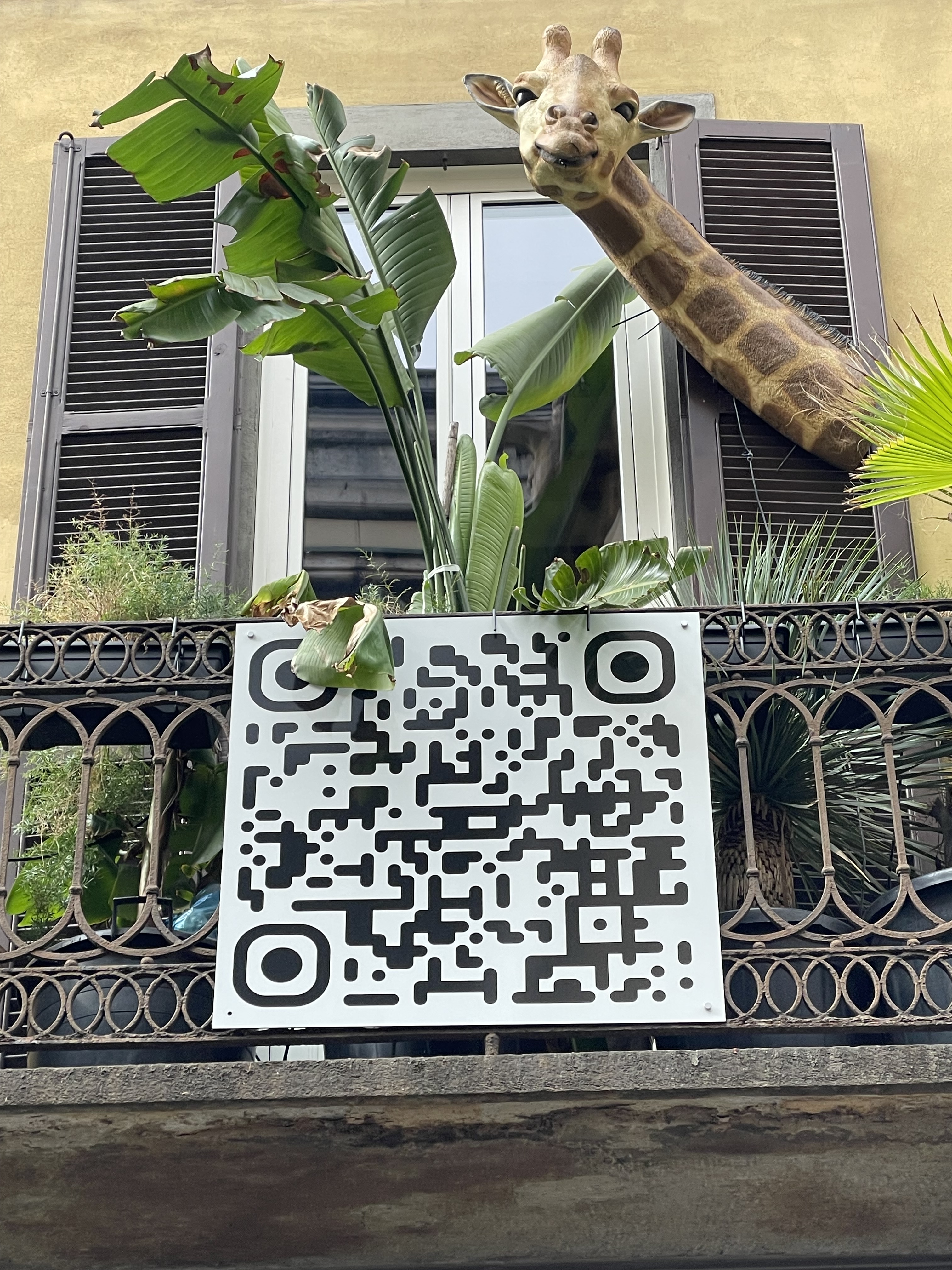
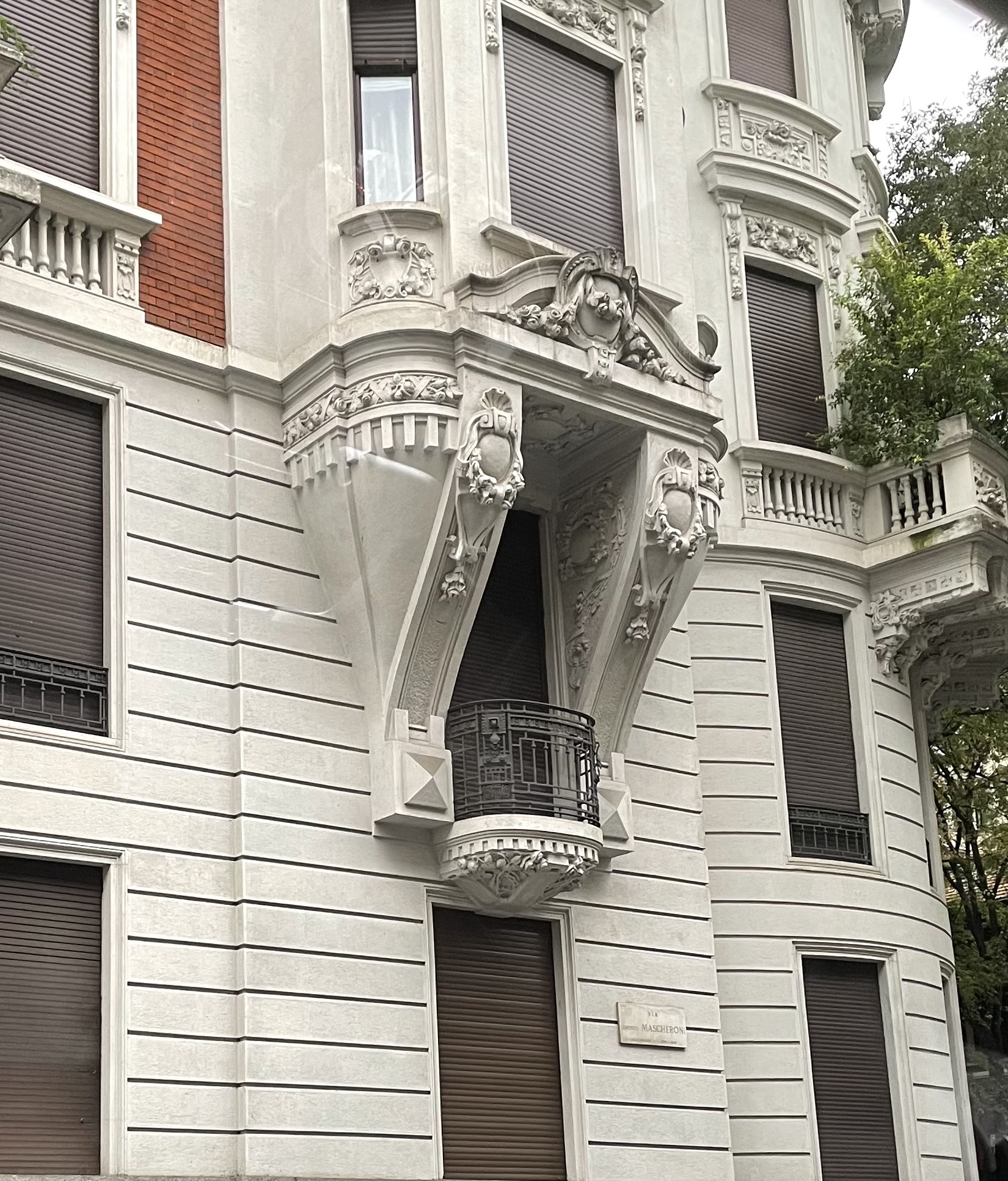
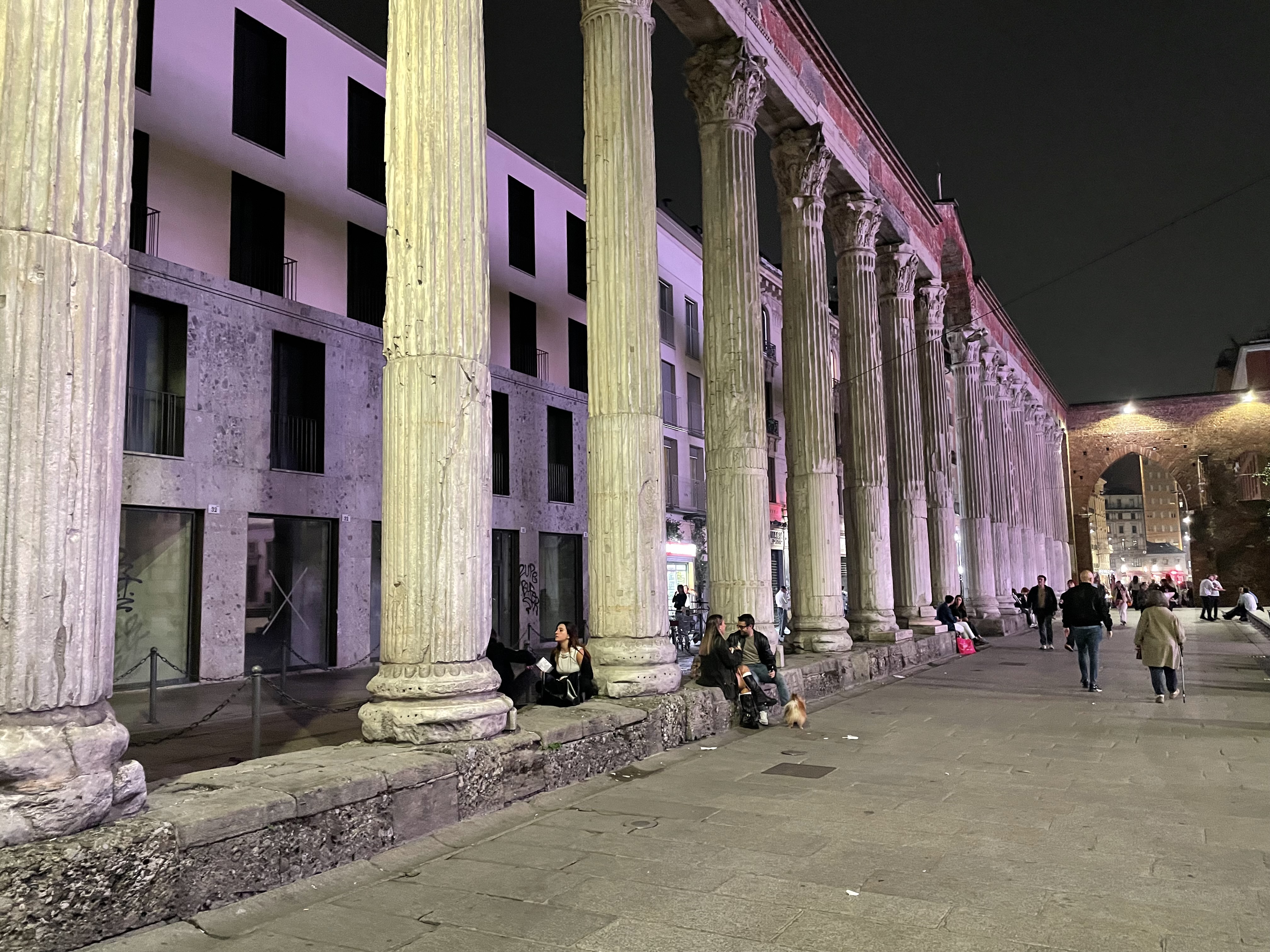
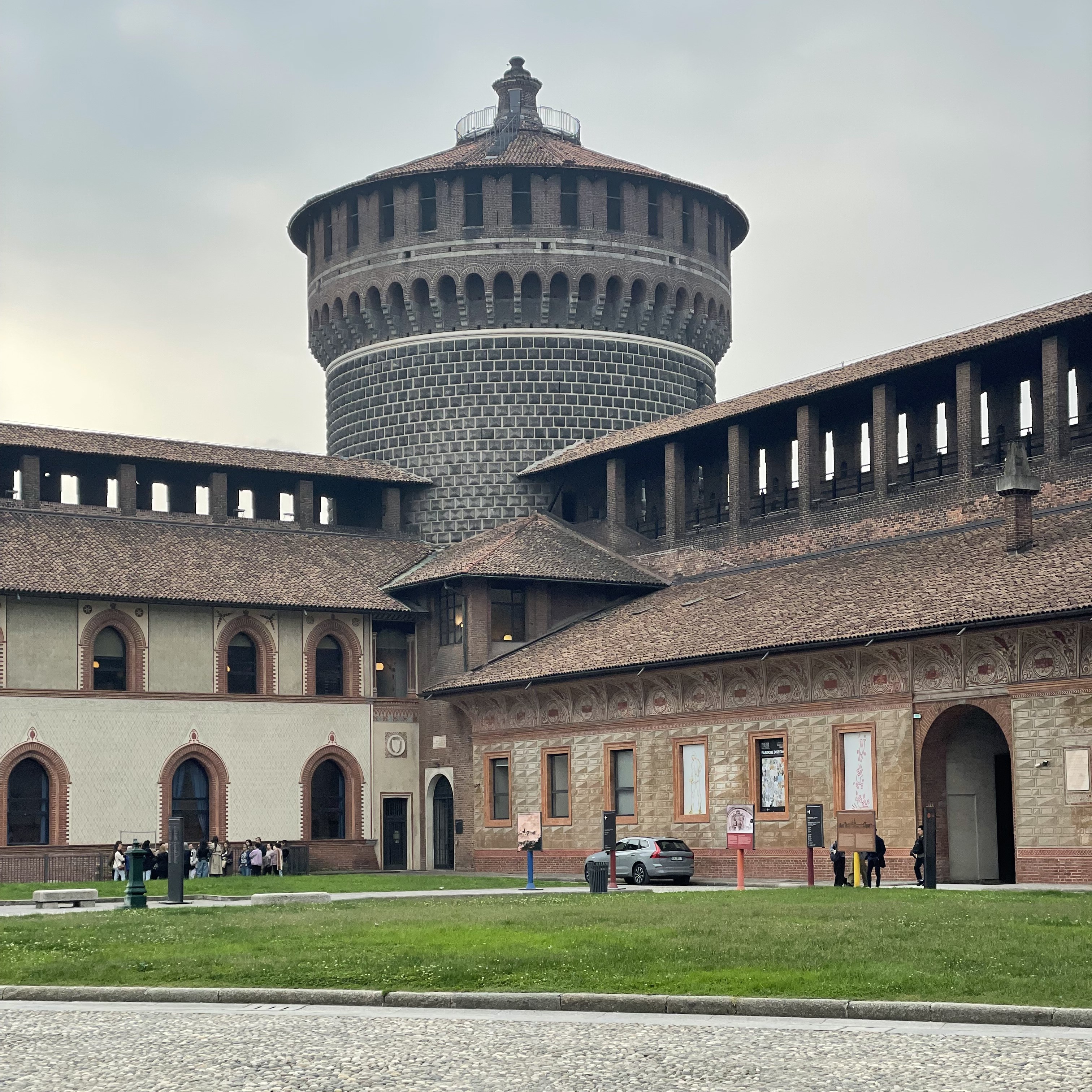
SFORZA CASTLE
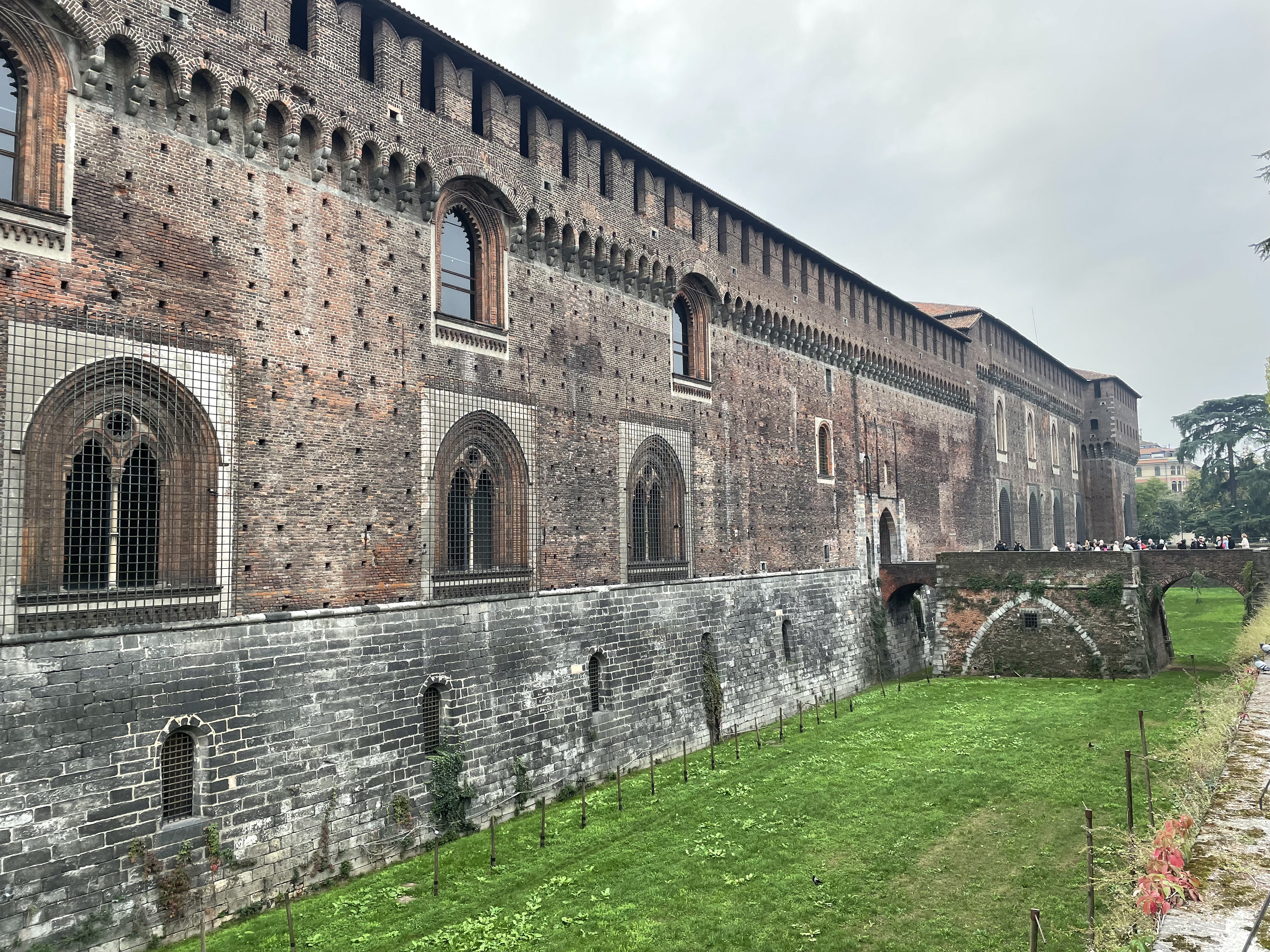
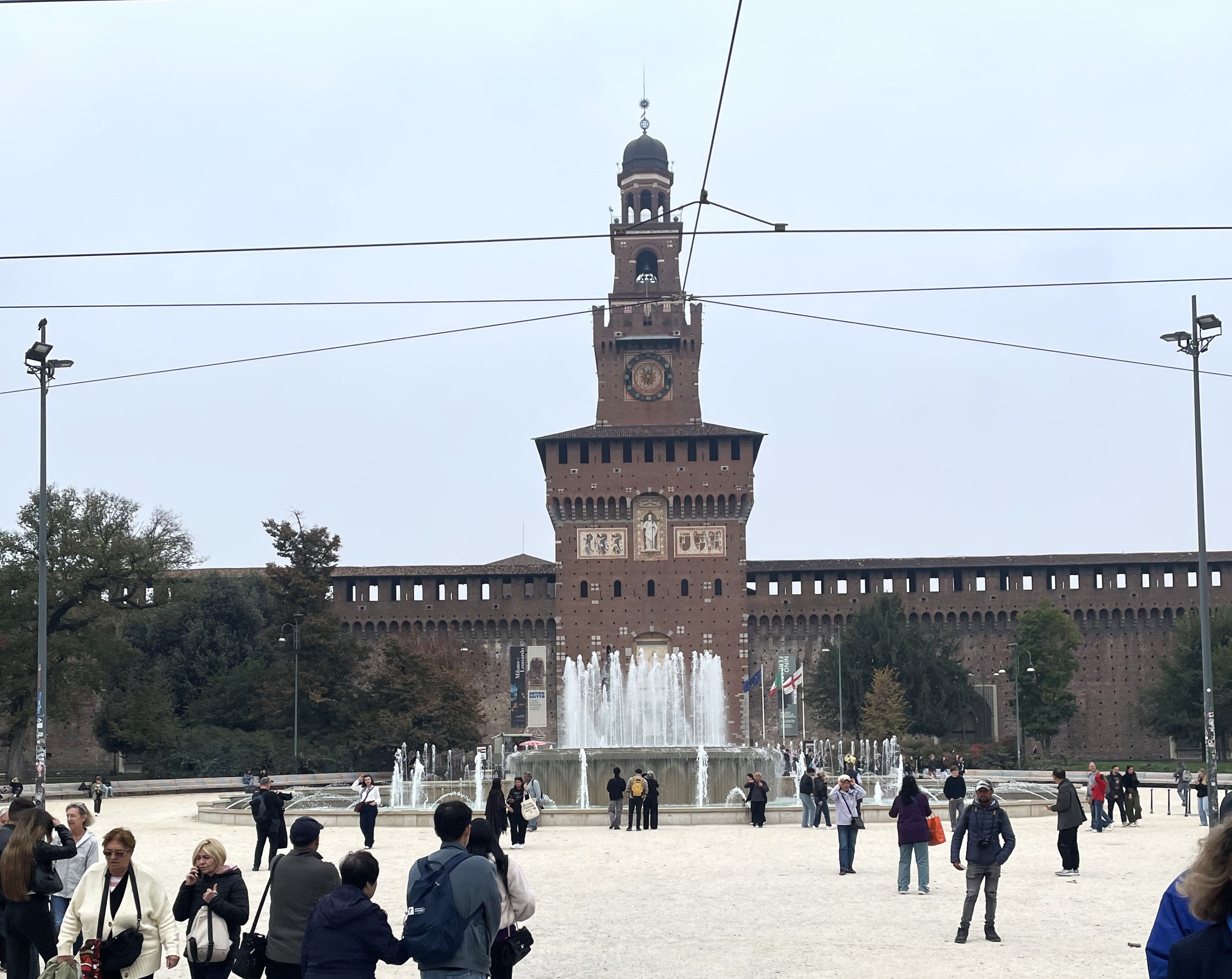
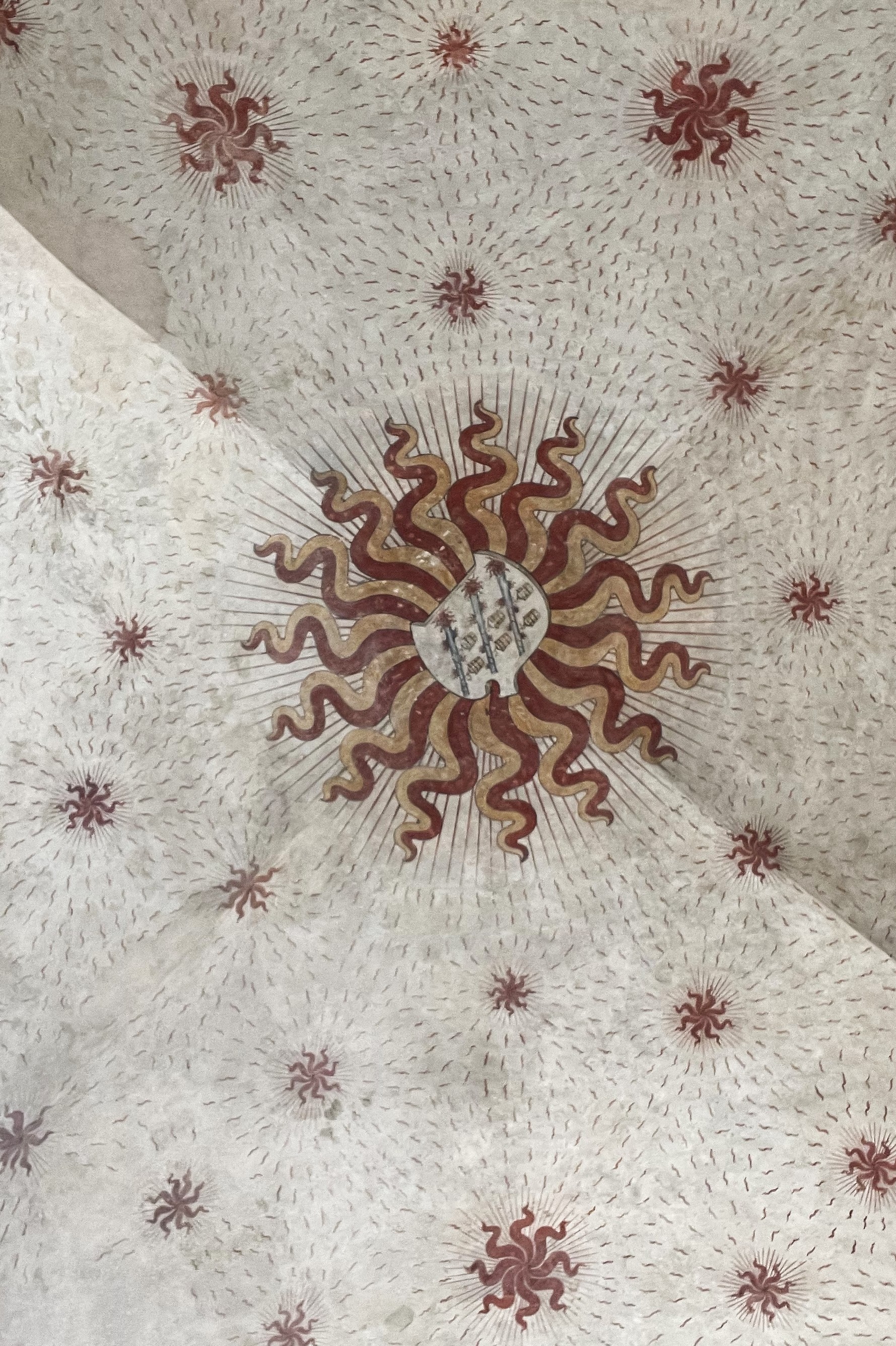
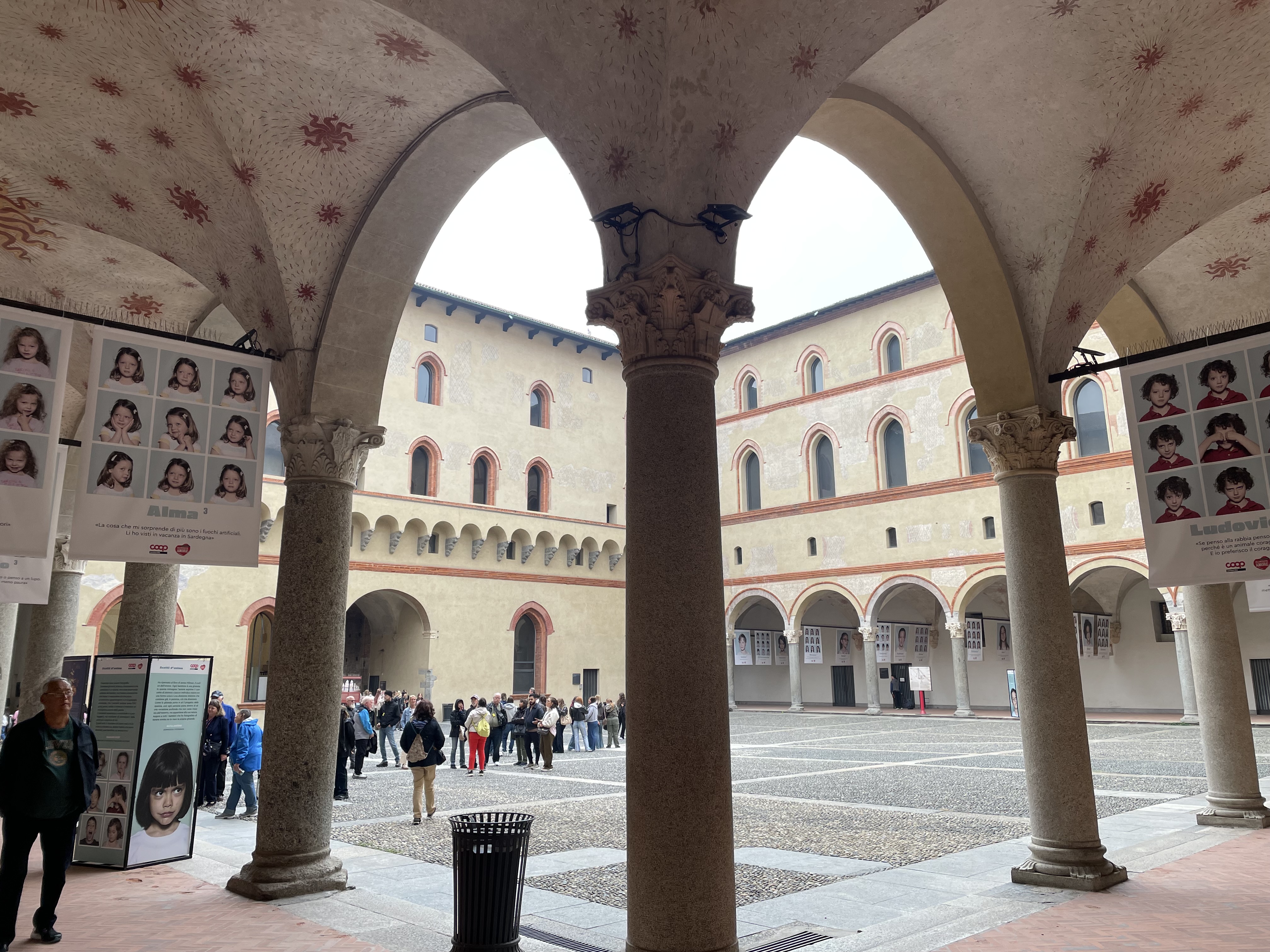
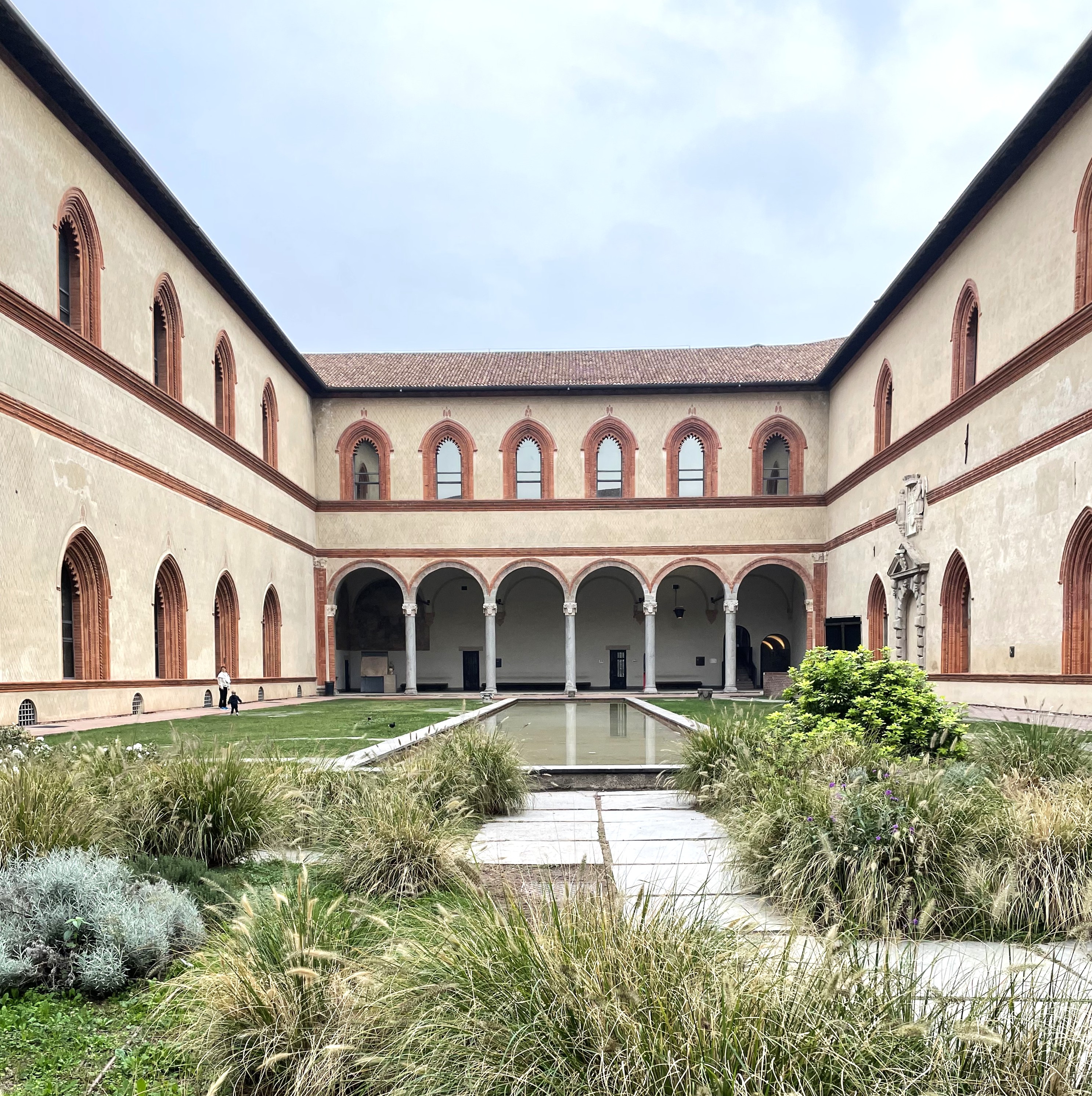
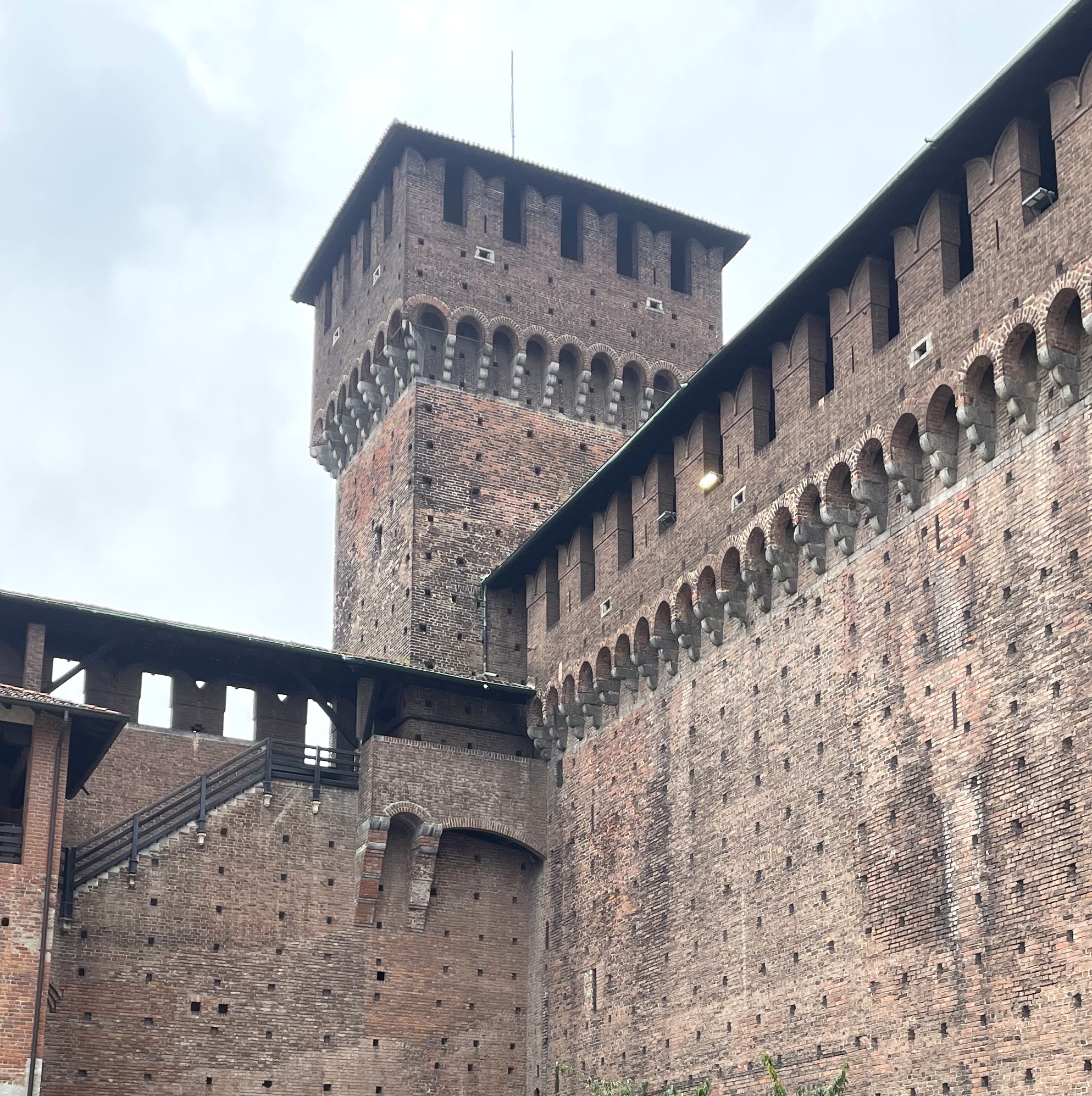
The Sforza Castle encompasses seven centuries of history and is an extraordinary testimony to Milan’s past and future.
“A stronghold built by order of Galeazzo II Visconti between 1360 and 1370 , the Castle became a ducal residence during the Visconti era, undergoing partial demolition during the Ambrosian Republic (1447-1450). Rebuilt by the new lord of the city Francesco Sforza, it became the elegant setting for one of the most sumptuous European courts during the time of Galeazzo Maria Sforza and Ludovico il Moro, in an era that saw artists such as Leonardo da Vinci and Bramante in Milan.”
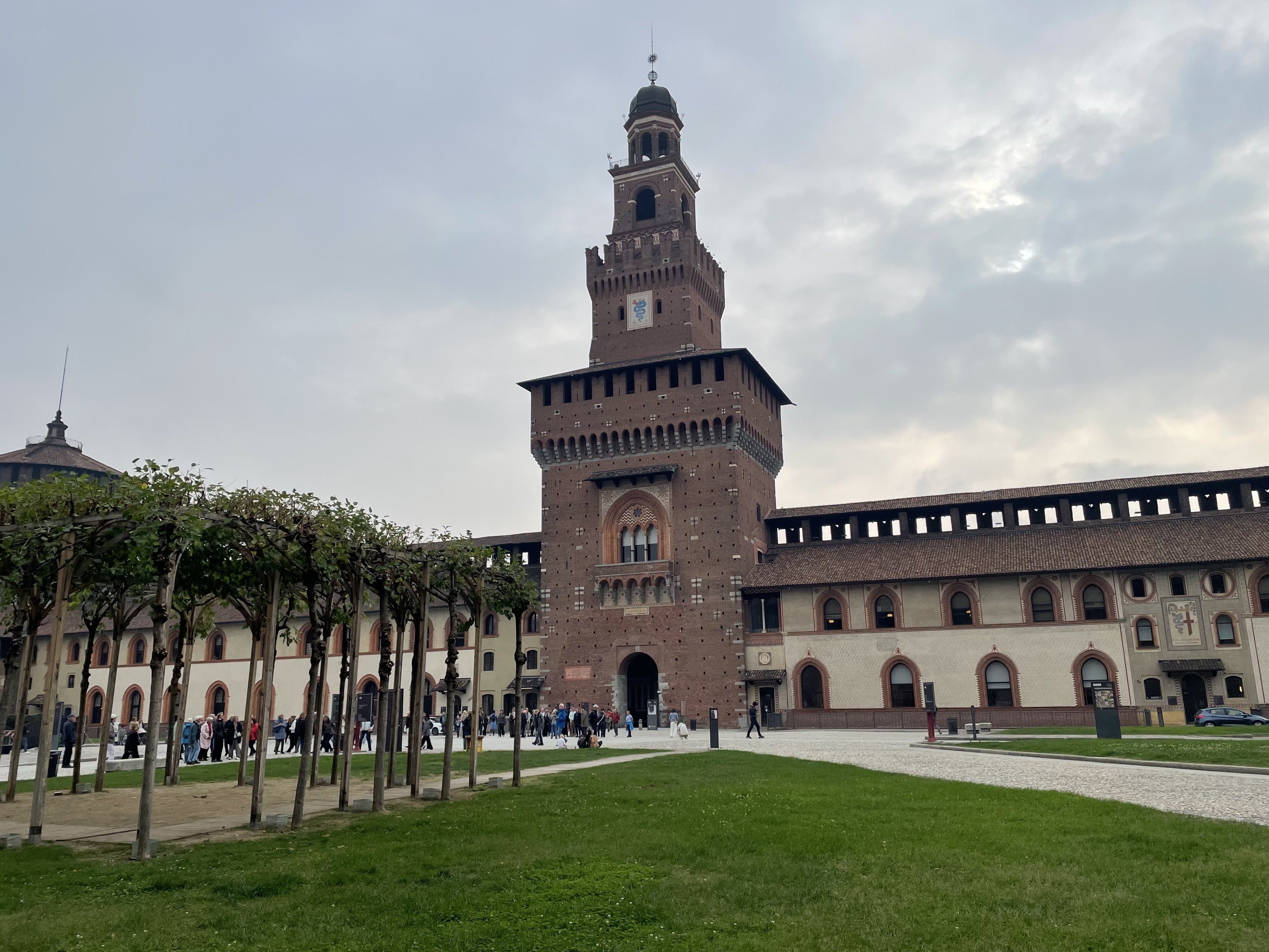
Today the Castle houses museums and cultural institutes and is one of the most significant monuments in the city.
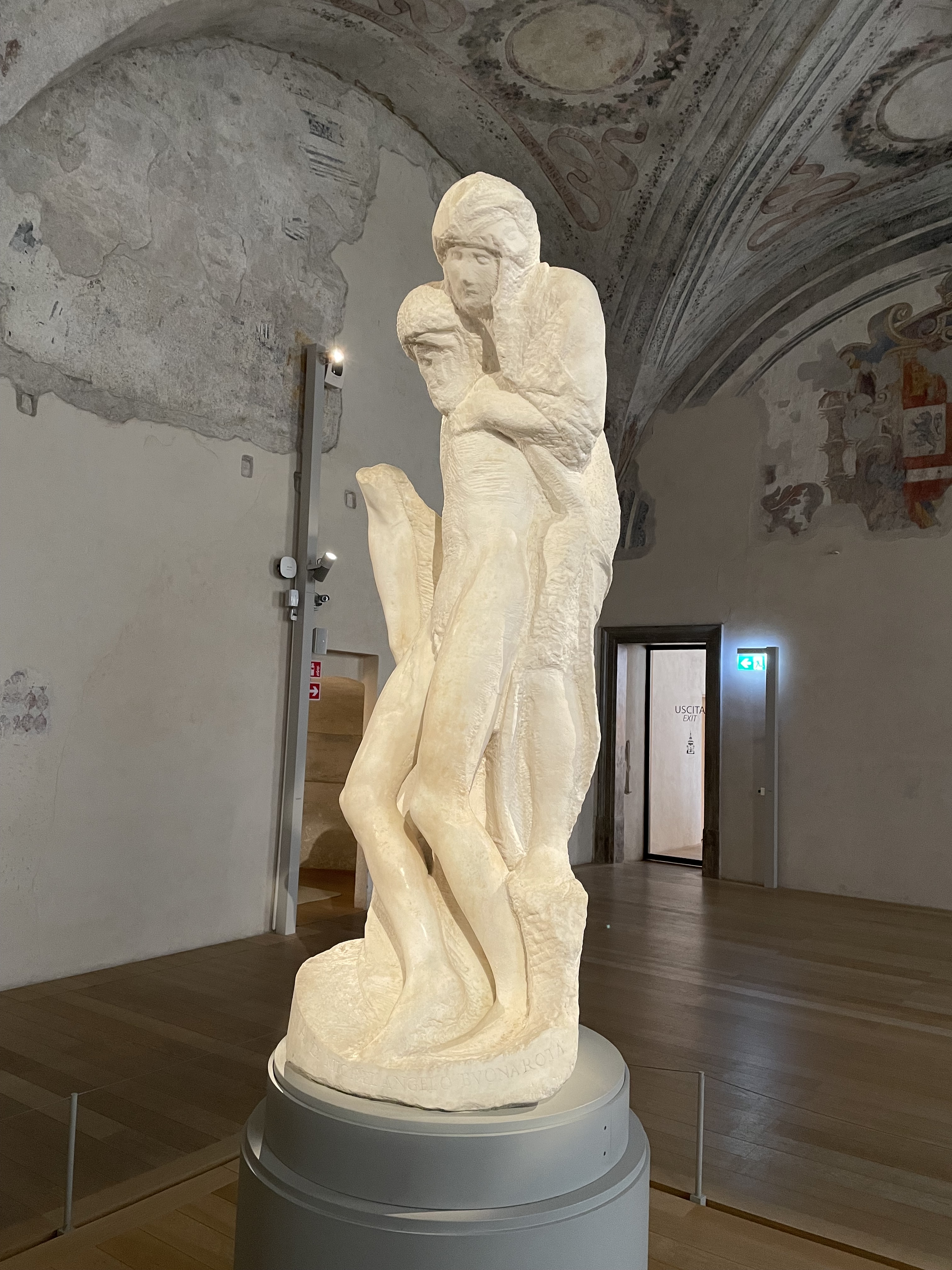
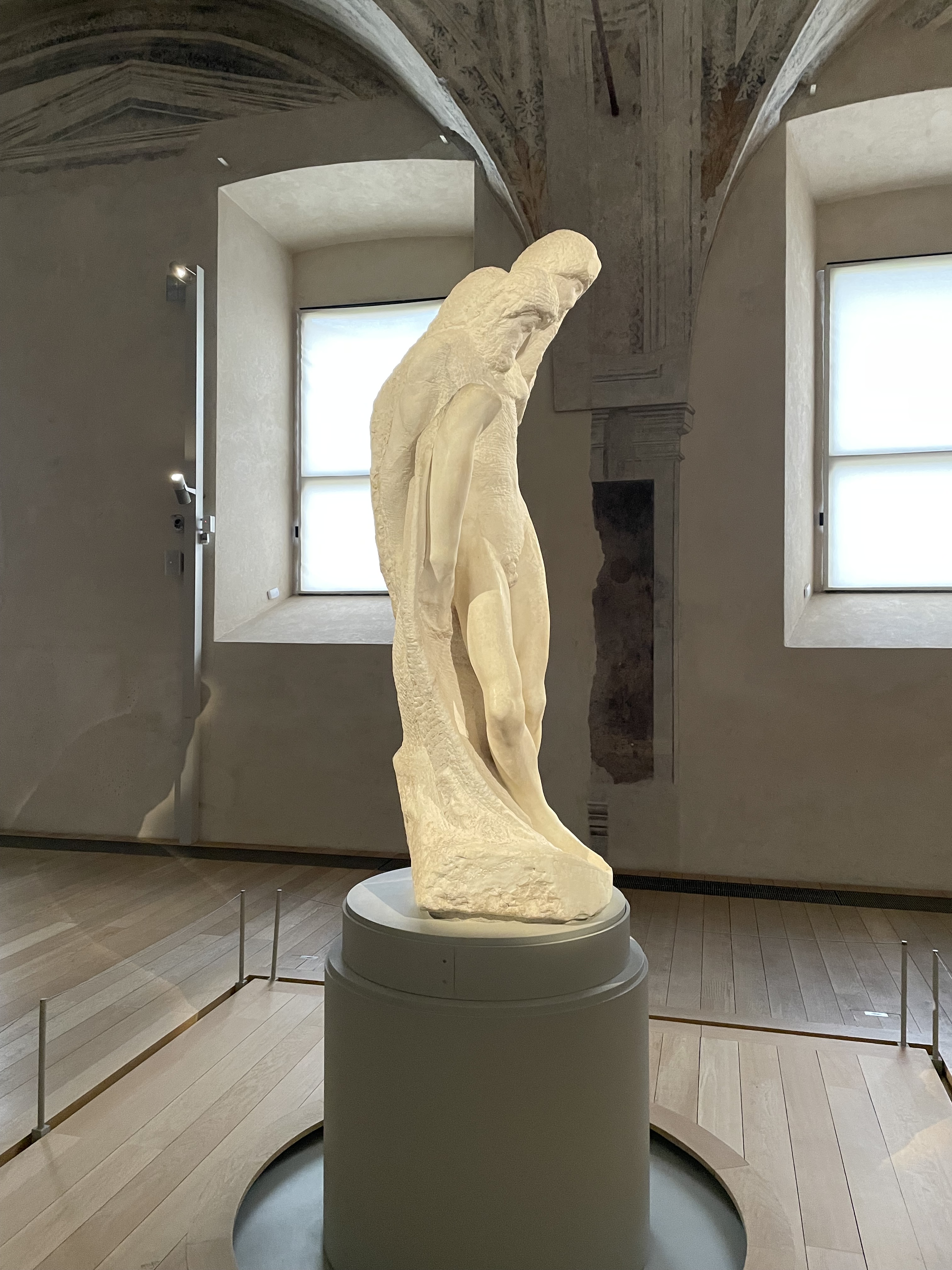
Since 2015, the space of the ancient Spanish Hospital of the Castle has offered a suggestive setting for the poignant, last masterpiece of Michelangelo Bonarroti (1475-1564): the Pietà Rondanini .
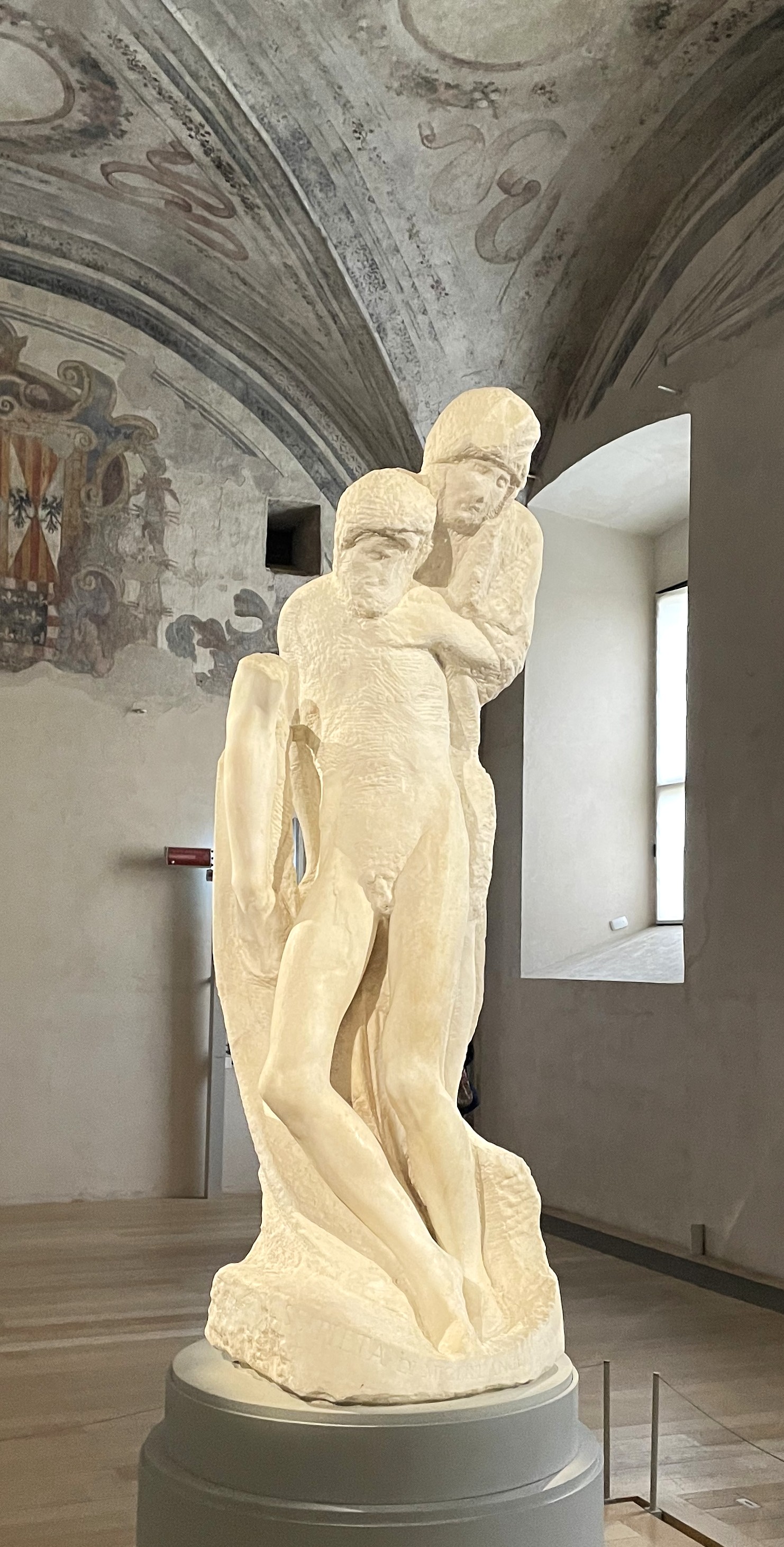
The sculptor worked on the Pietà during the last ten years of his life, gradually modifying its layout. The sculpture . . . is the elder artist’s testament and meditation on death and the salvation of the soul . . . The positioning of the bodies of Mary and Jesus at different heights seems to suggest the intertwining of multiple moments in Christ’s story: the deposition from the Cross, the burial, and even the Resurrection, in the dissolution of the Son’s body in his mother’s embrace.
GALLERIA
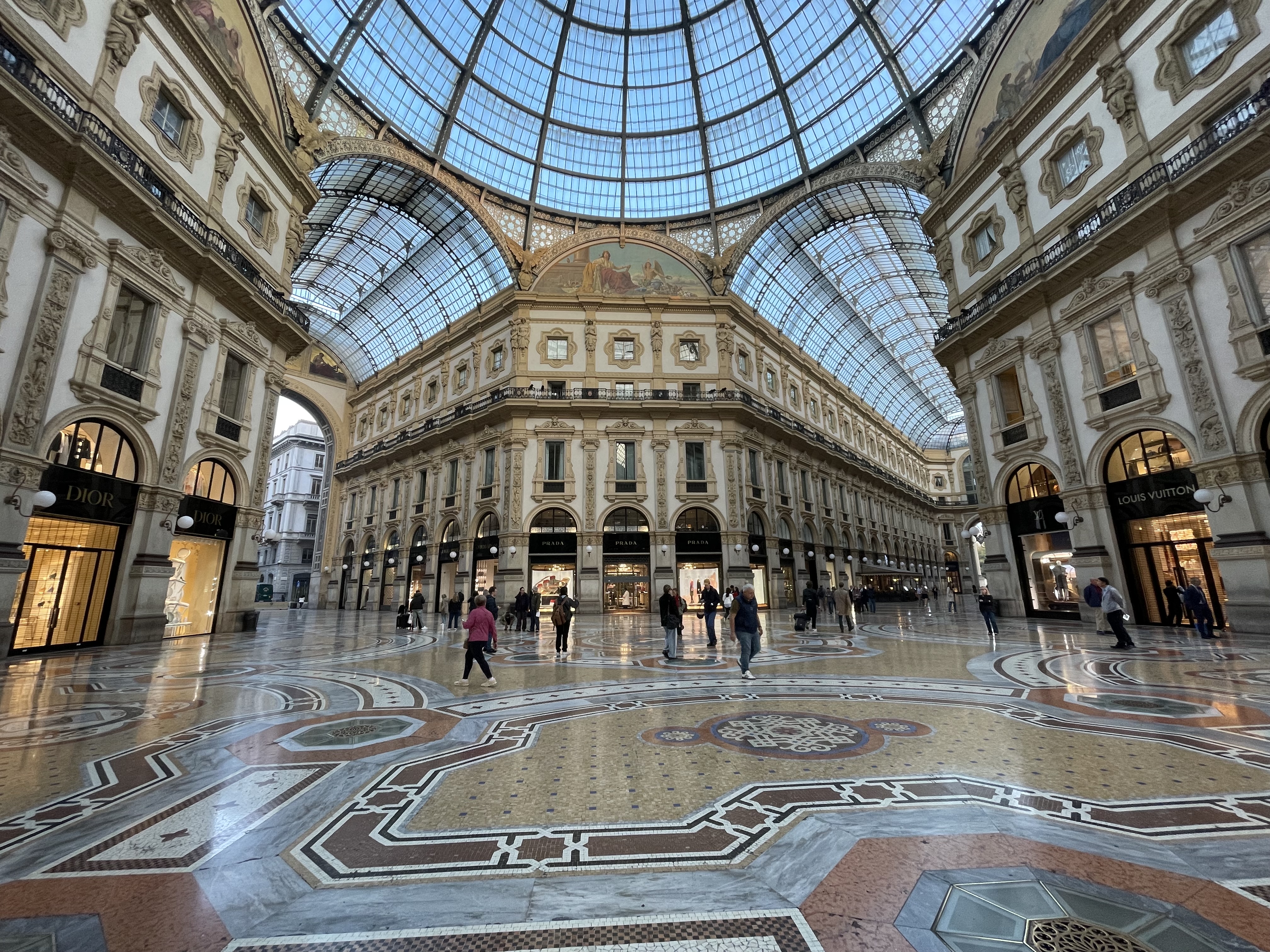
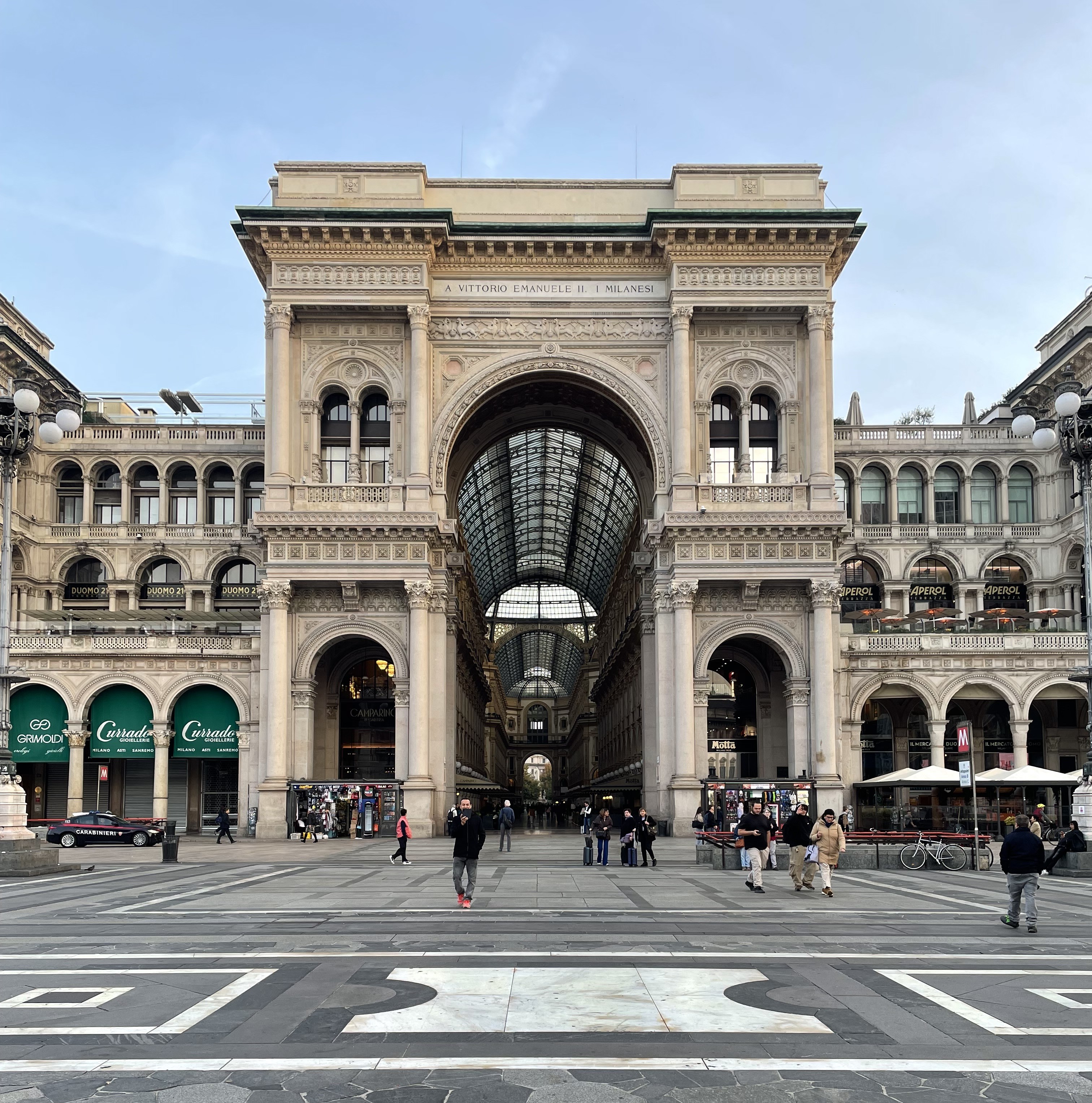
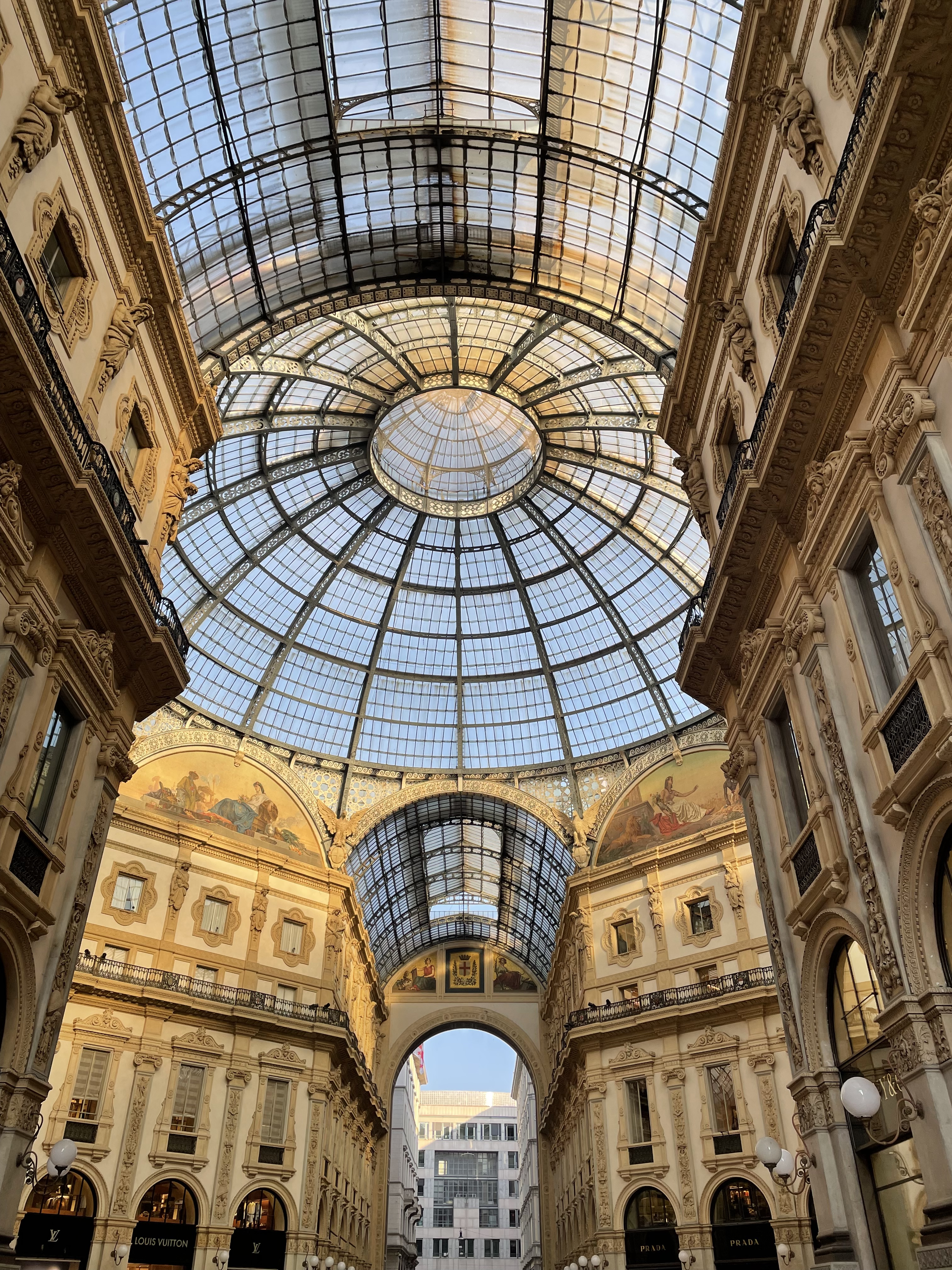
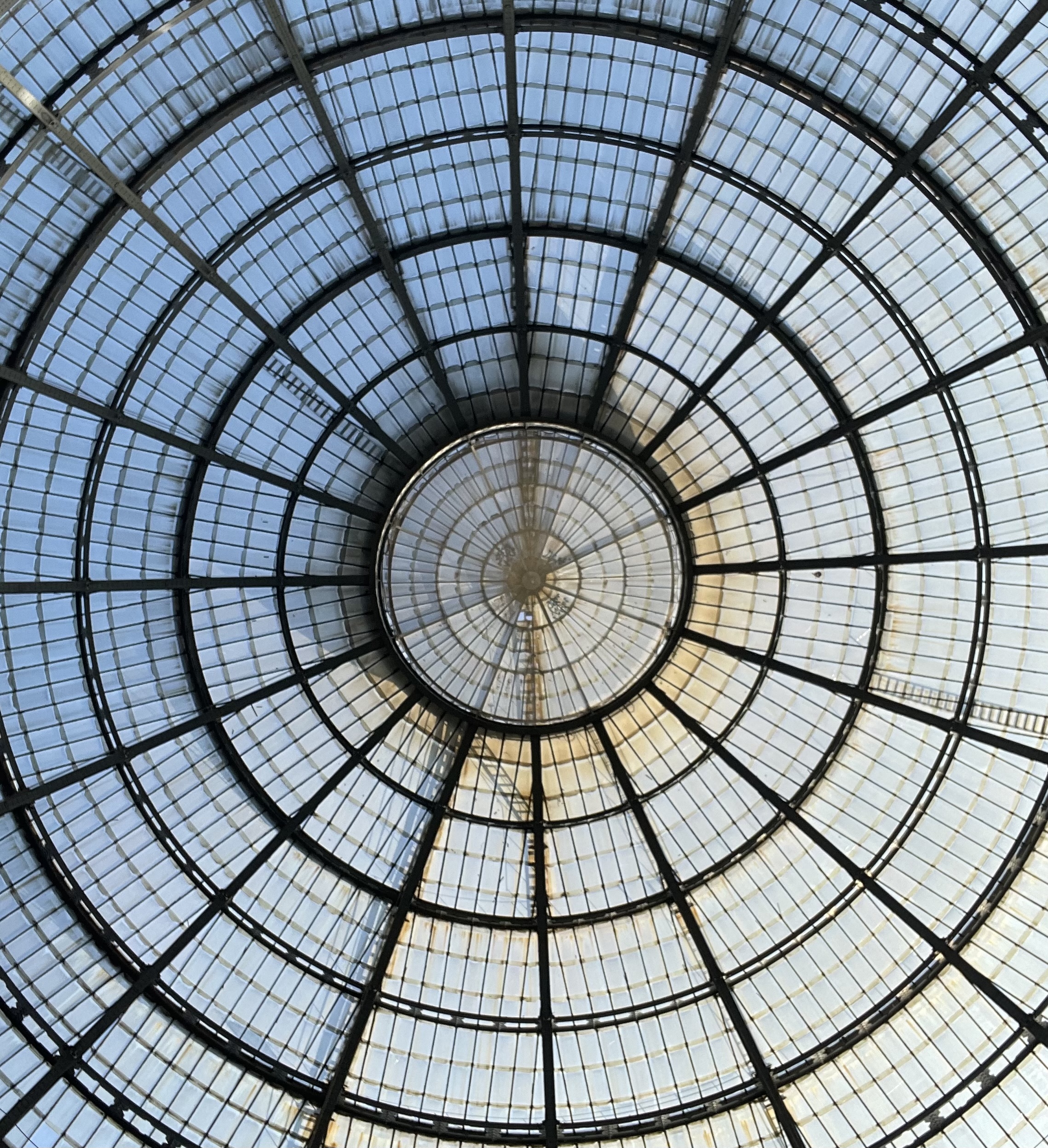
I’ve never seen The Devil Wears Prada, but some in our group were very excited to visit this space that is apparently featured in an iconic scene from the movie. I was more excited about two wonderful meals we enjoyed in a classic Italian restaurant across from the original Prada store.
THE AMBROSIANA
Founded in April 1618, the Pinacoteca Ambrosiana was born “thanks to the vision of Cardinal Federico Borromeo, who donated his precious collection of paintings, sculptures, and drawings to the Biblioteca Ambrosiana—which he had established in 1607.”
It was a place our friend and Brilliant Reader George had encouraged us to visit, so we made two trips to explore the treasure trove of unique artwork which serves as a meeting place for art, culture, and beauty.
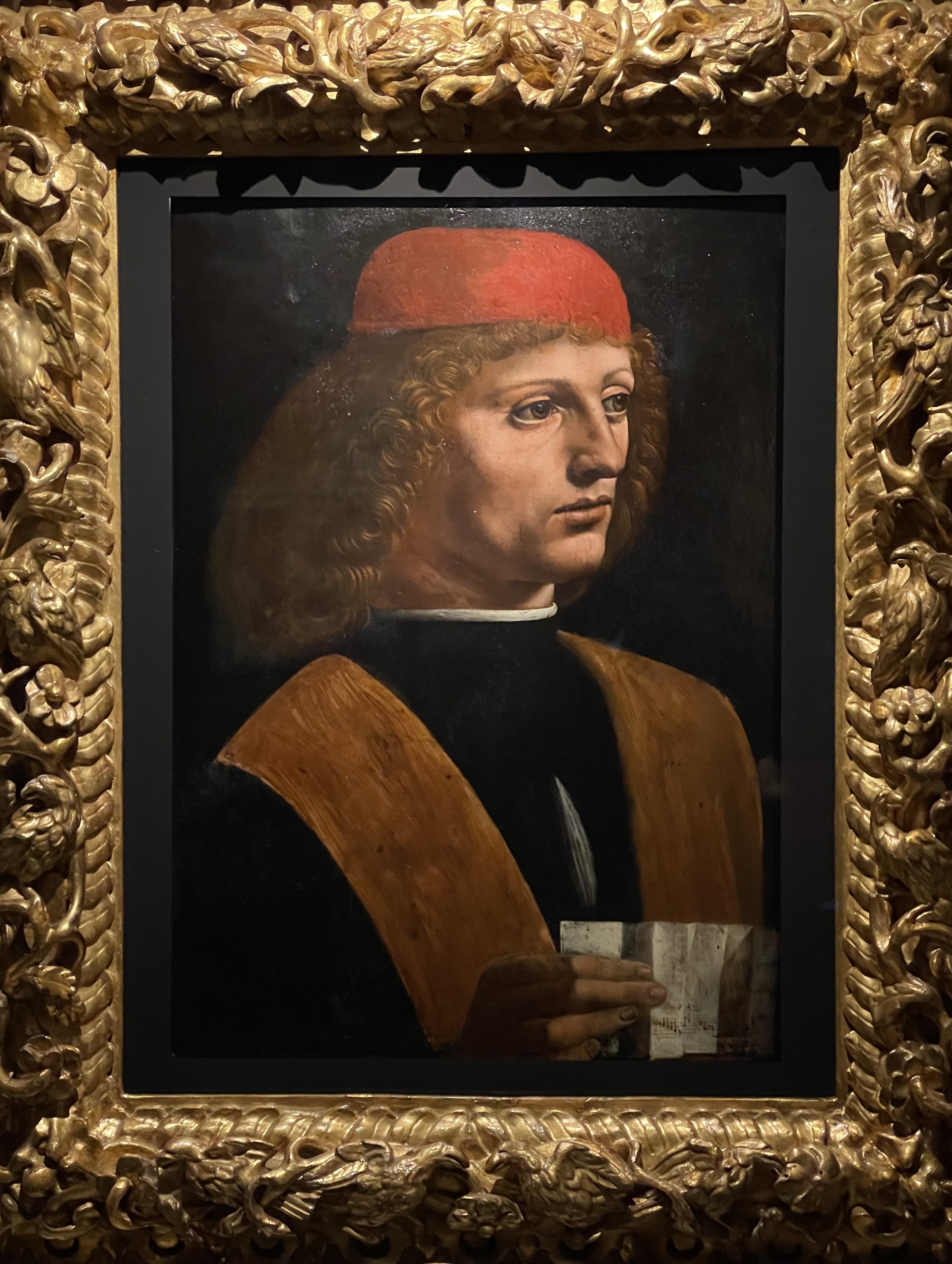
The museum contains a number of masterpieces, including Leonardo da Vinci’s Portrait of a Musician, the only painting by Leonardo on wood to have remained in Milan; . . .
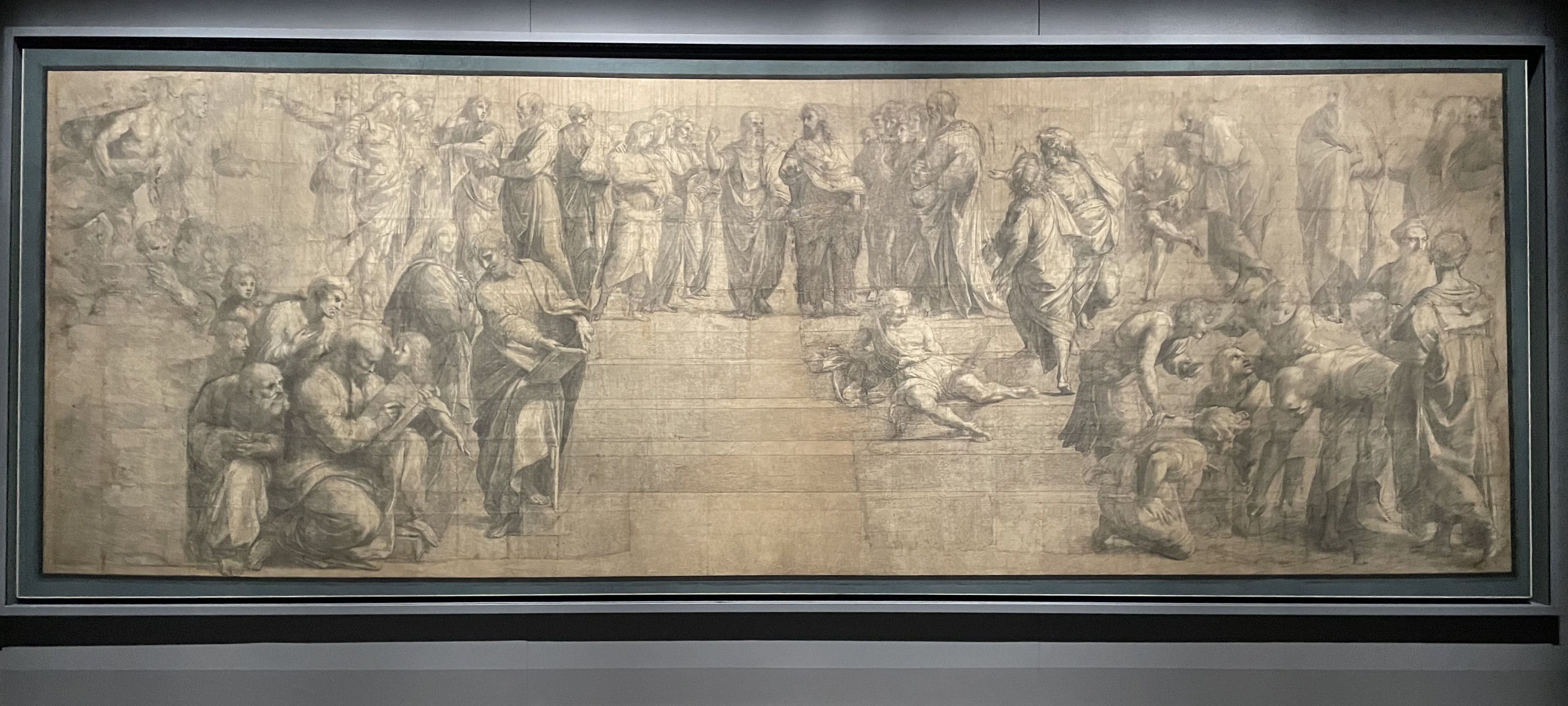
Raphael’s Preliminary Cartoon for the School of Athens, the largest Renaissance cartoon that has survived to this day, made by Raphael as a preparatory work for the Stanza della Segnatura in the Vatican, which was commissioned by Julius II; and . . .
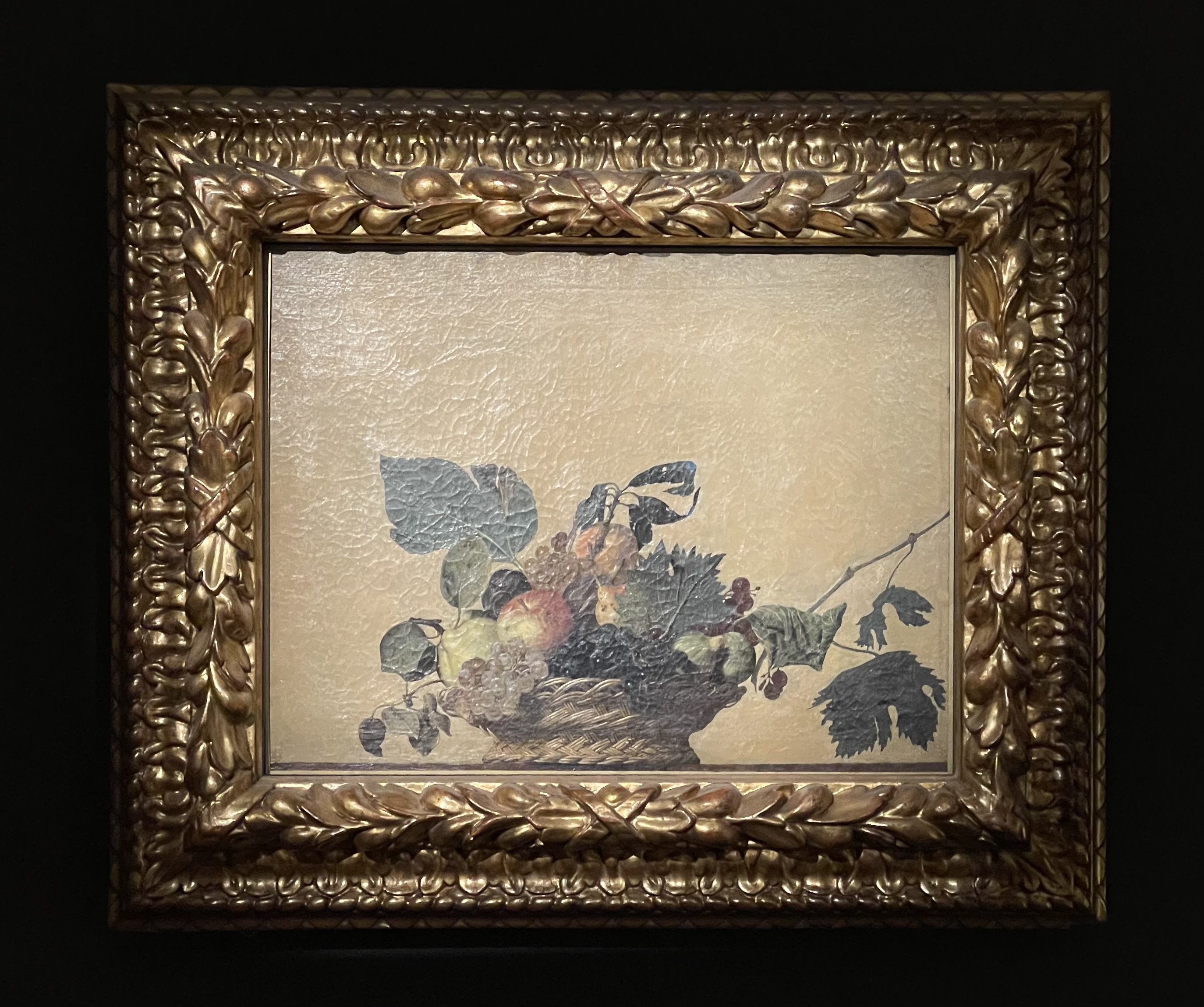
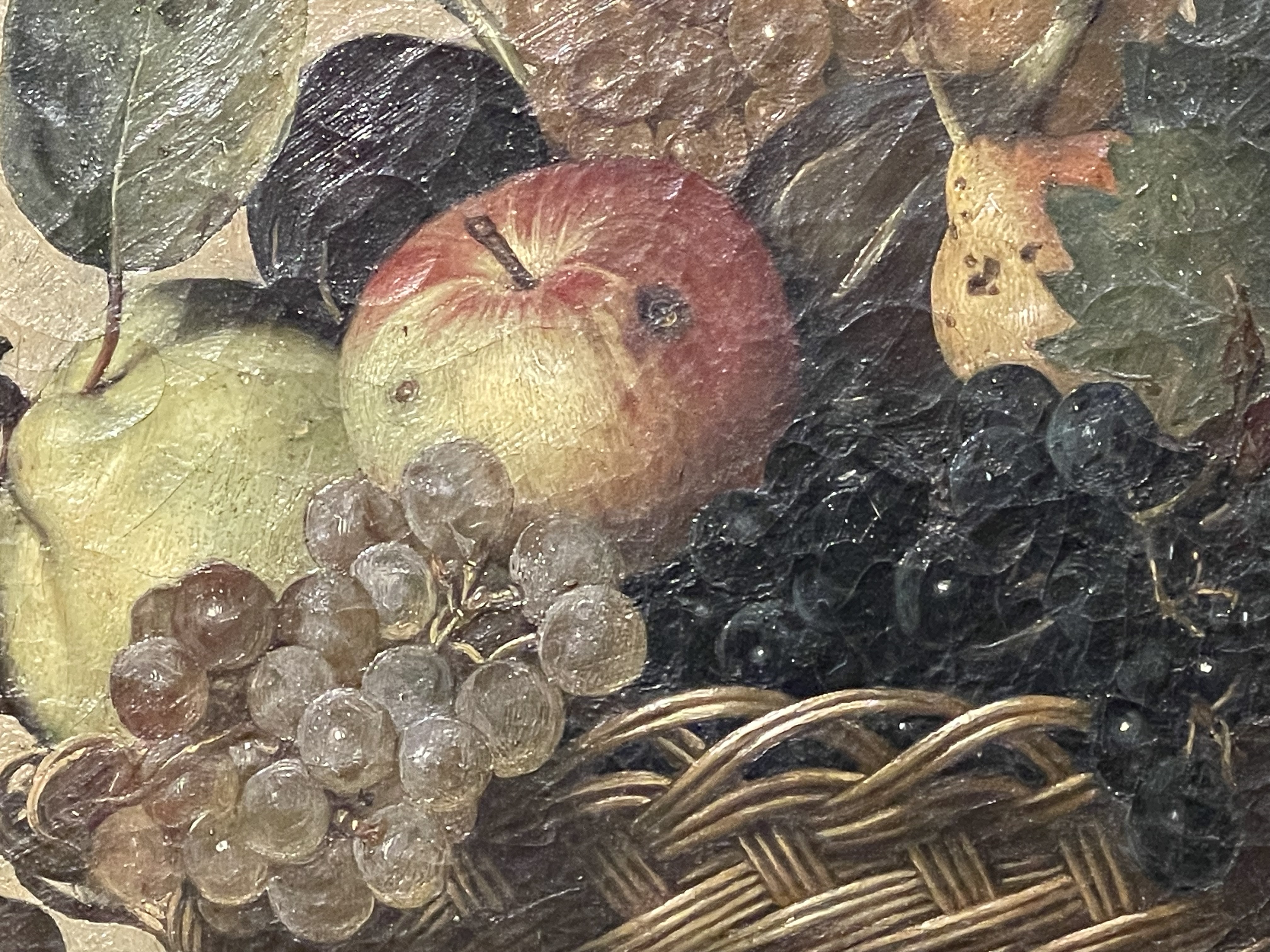
Caravaggio’s Basket of Fruit, probably “the most famous painting in Cardinal Federico’s collection . . . It is justly considered to be a sort of prototype of what was to become known as the ‘still life’ genre.”
THE DUOMO
CUISINE
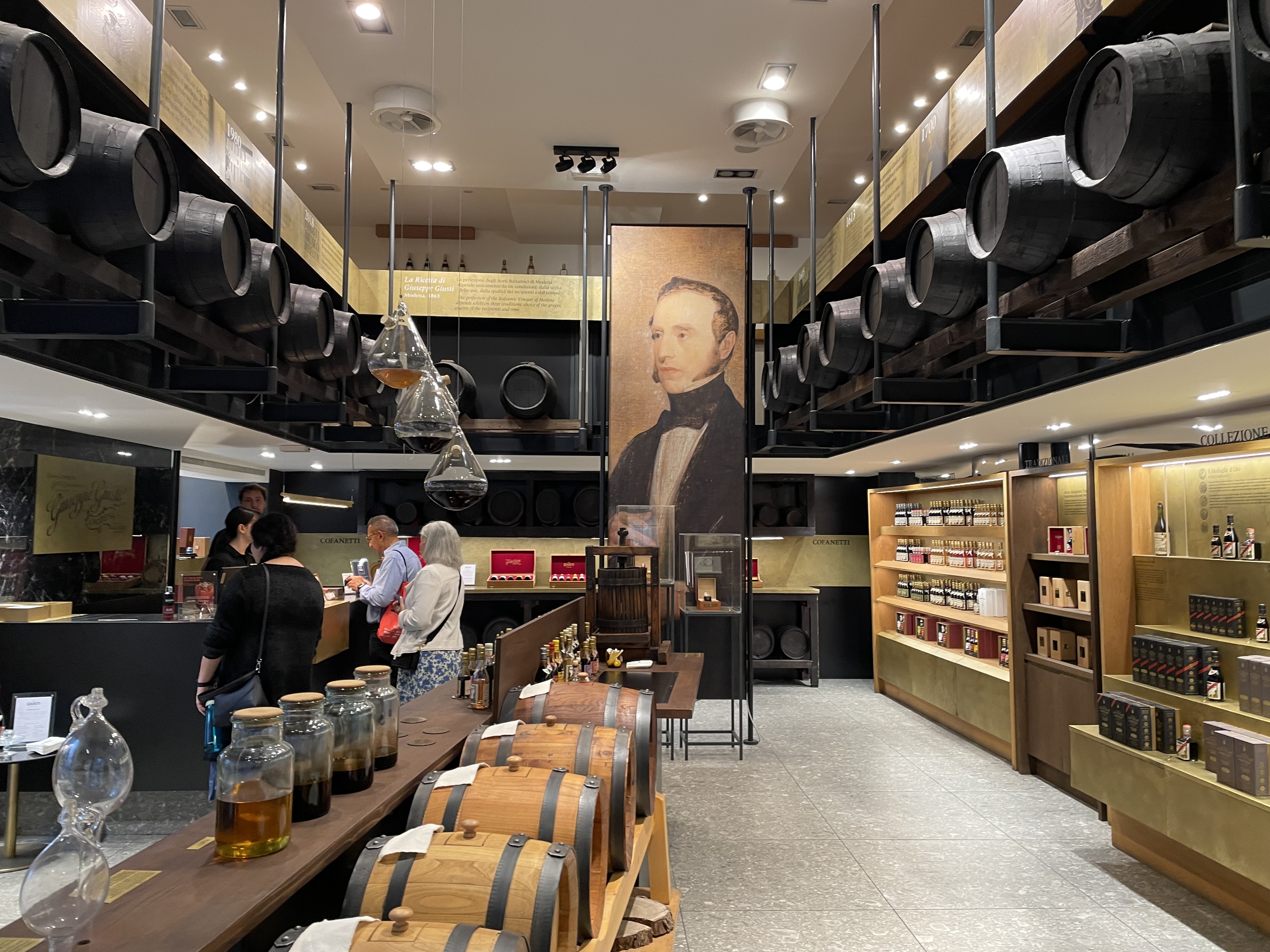
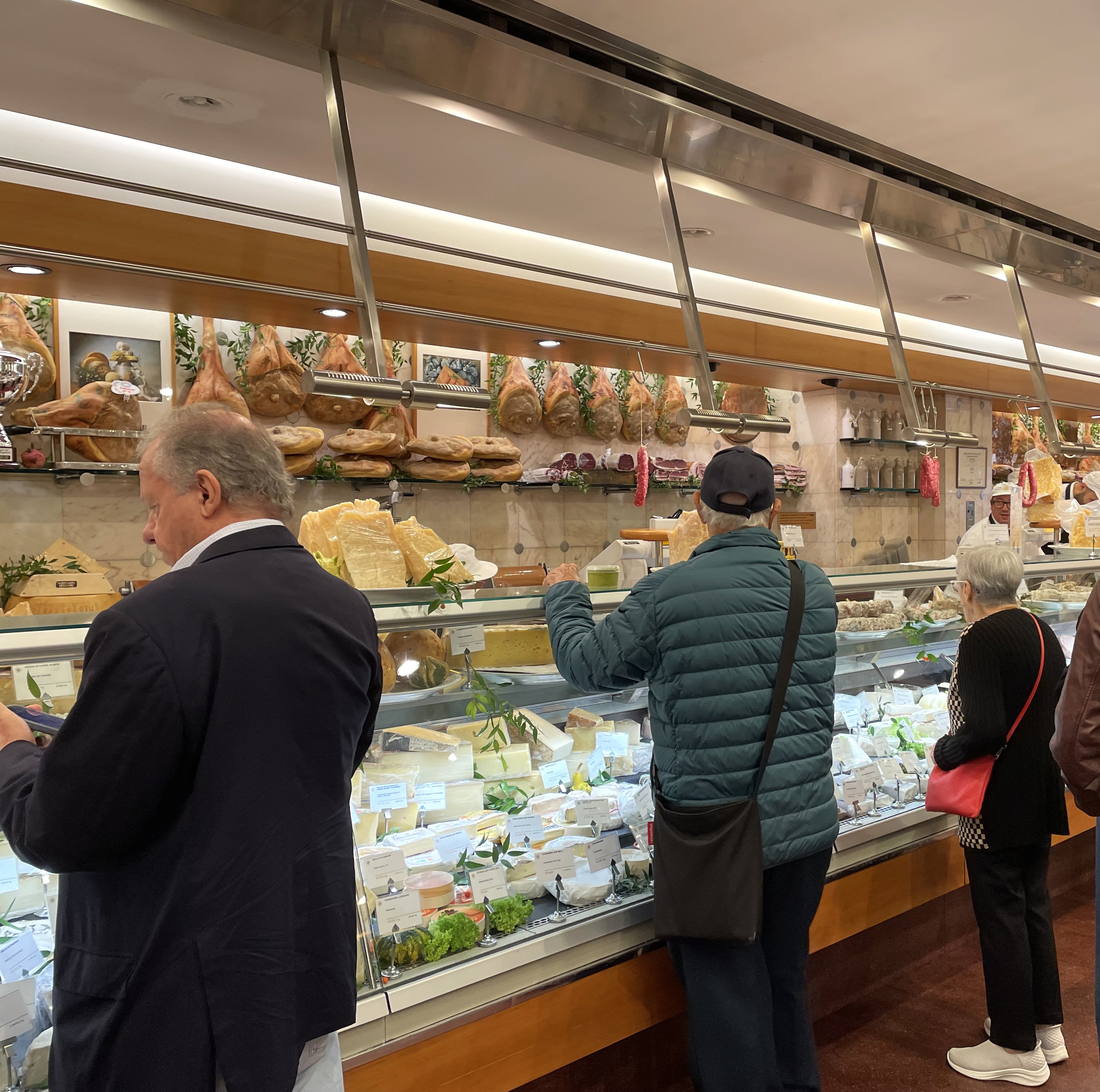
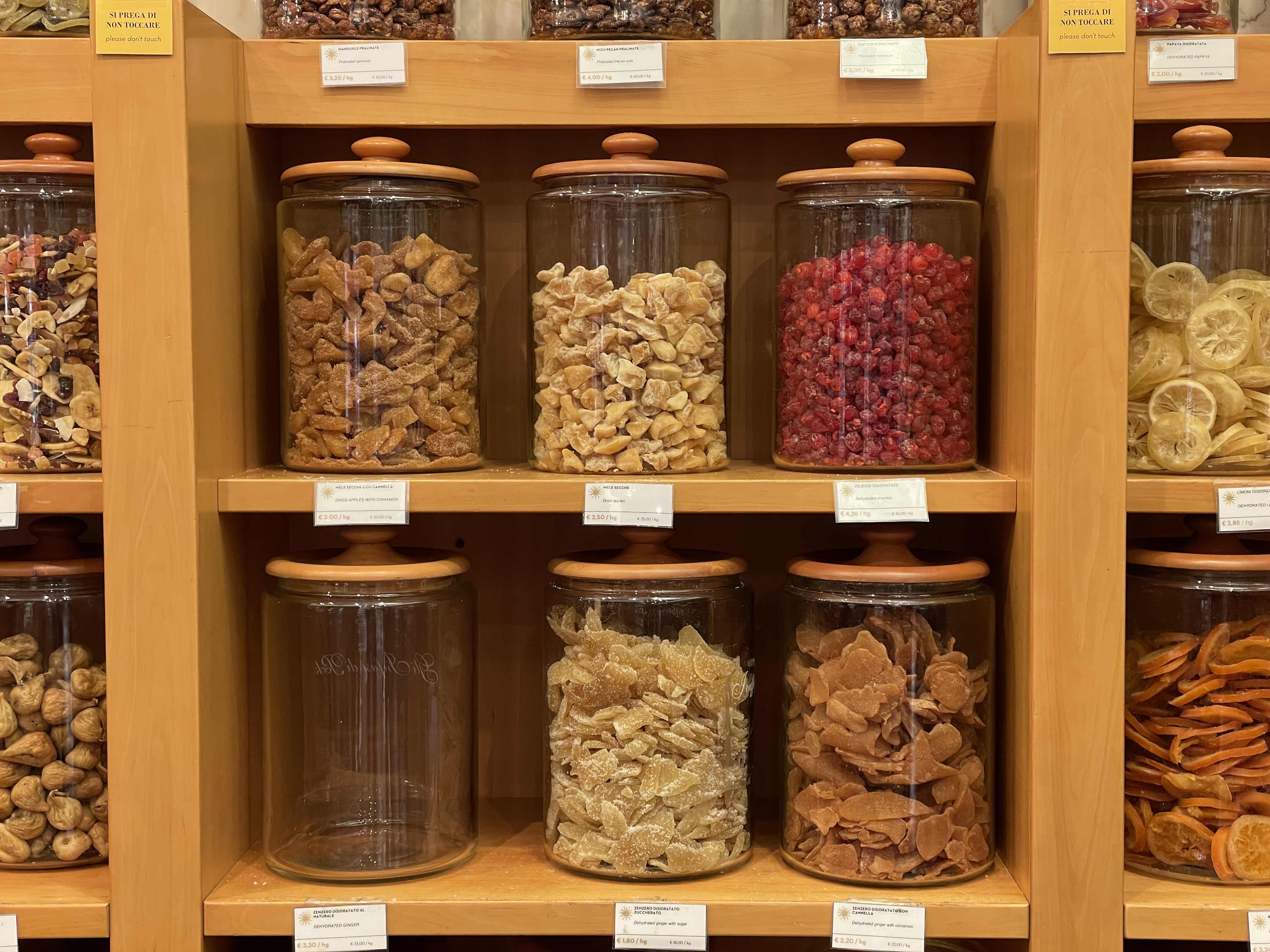
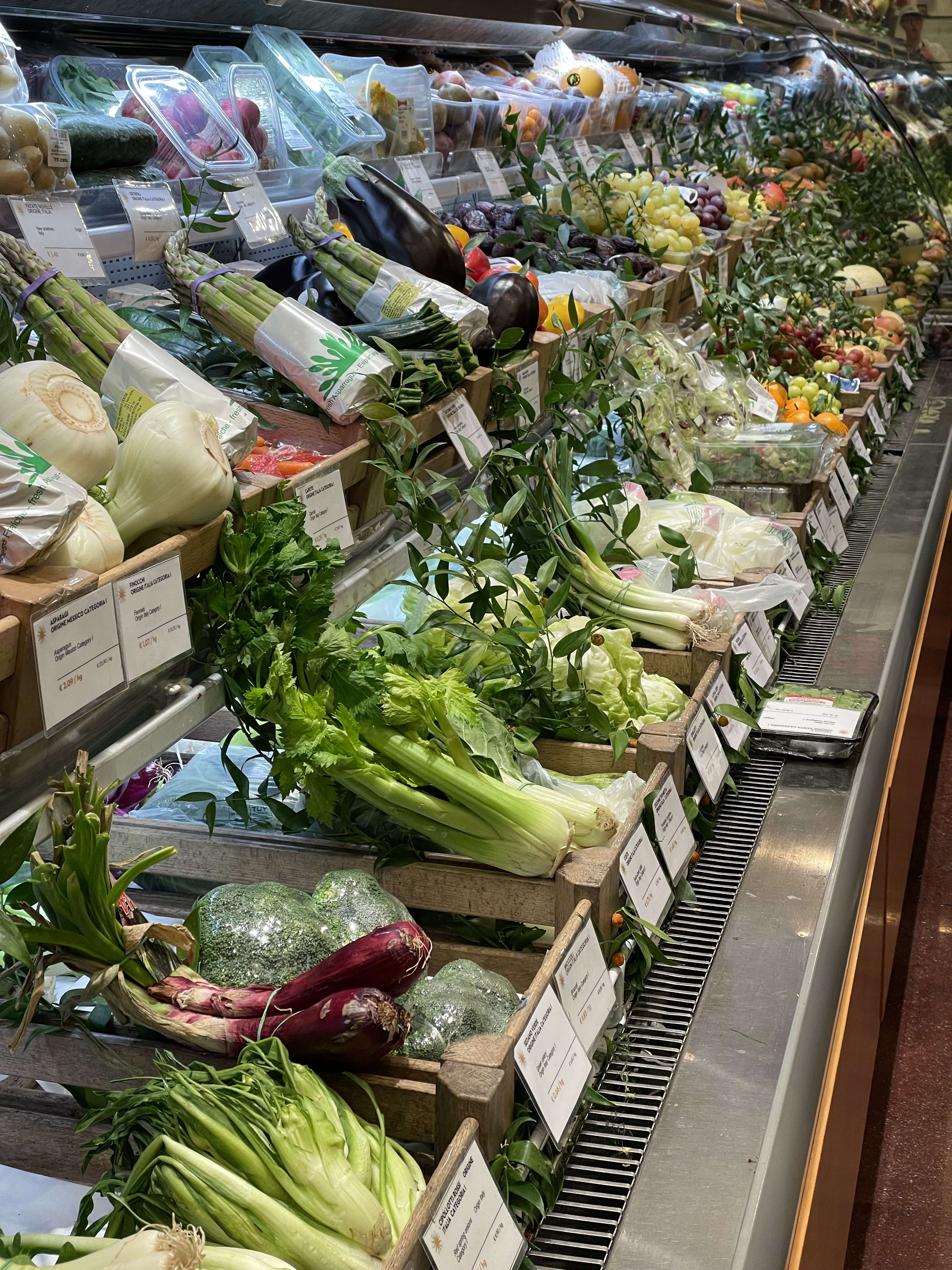
We enjoyed sampling restaurants and culinary shops during our time in the city, including such well known food halls as Peck and the nearby Giusti balsamic vinegar boutique.
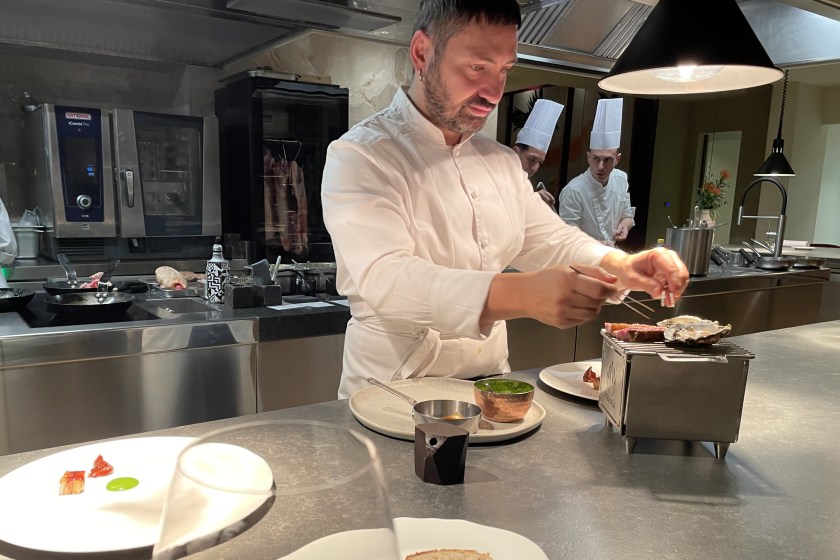
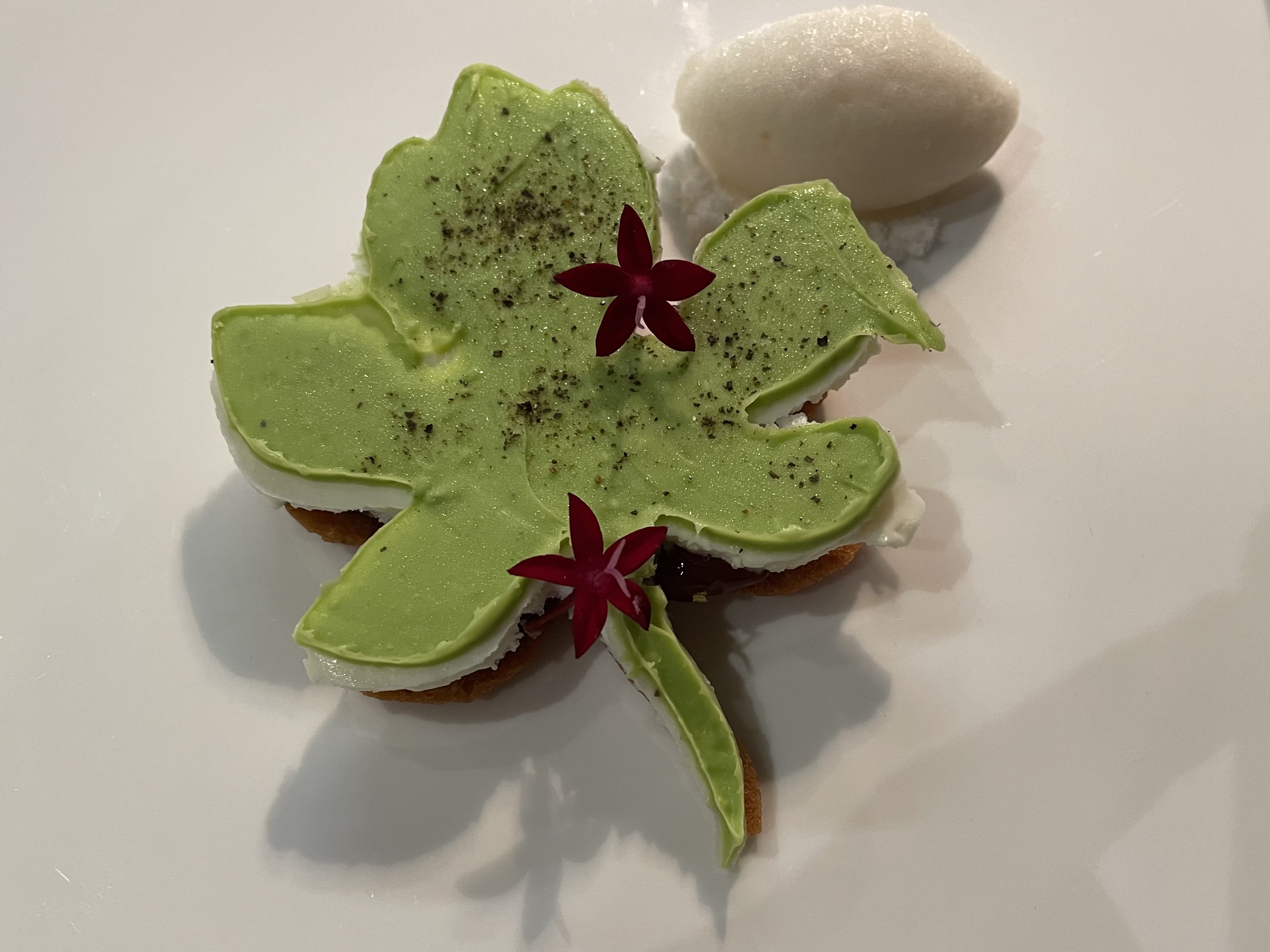
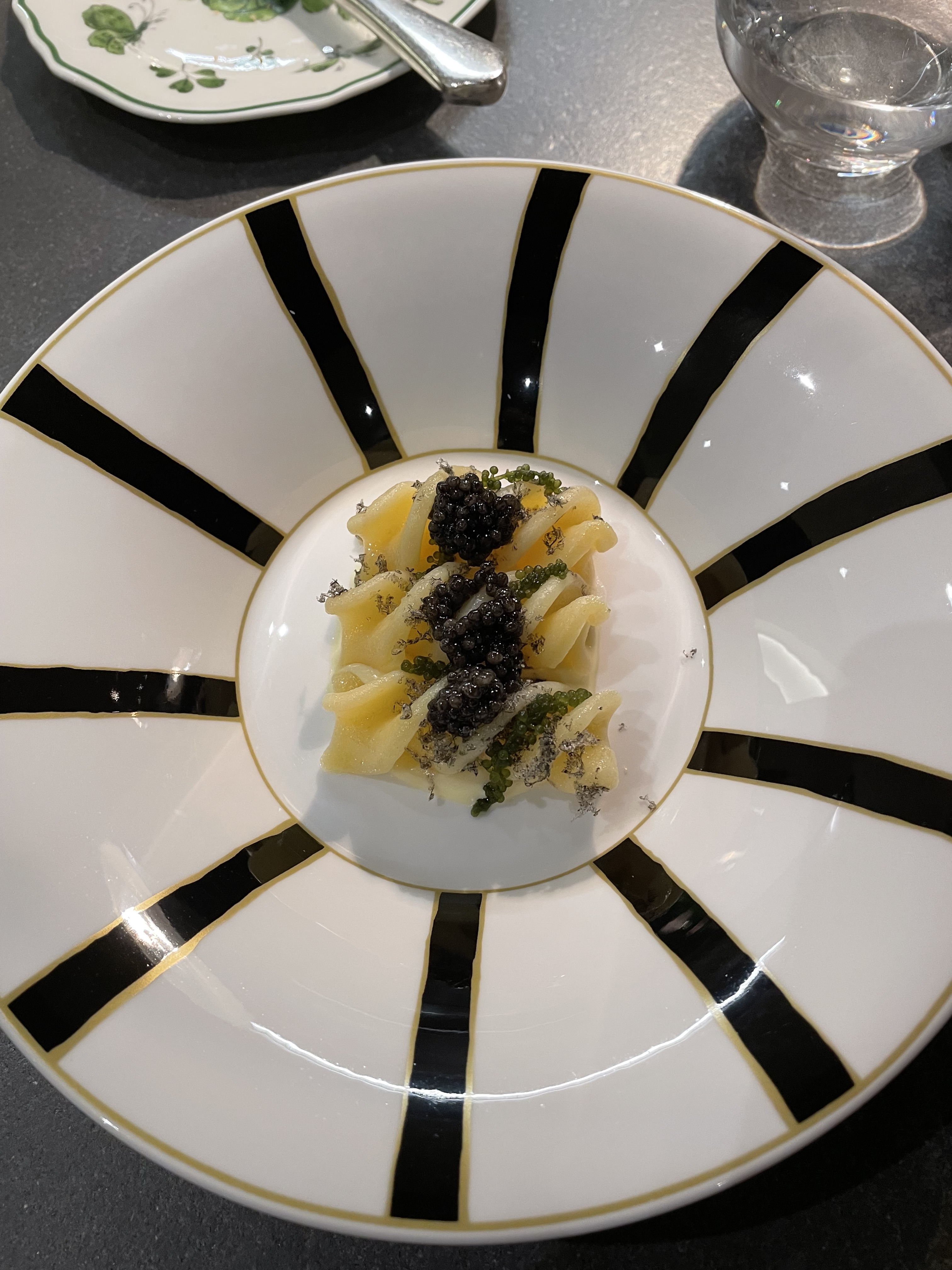
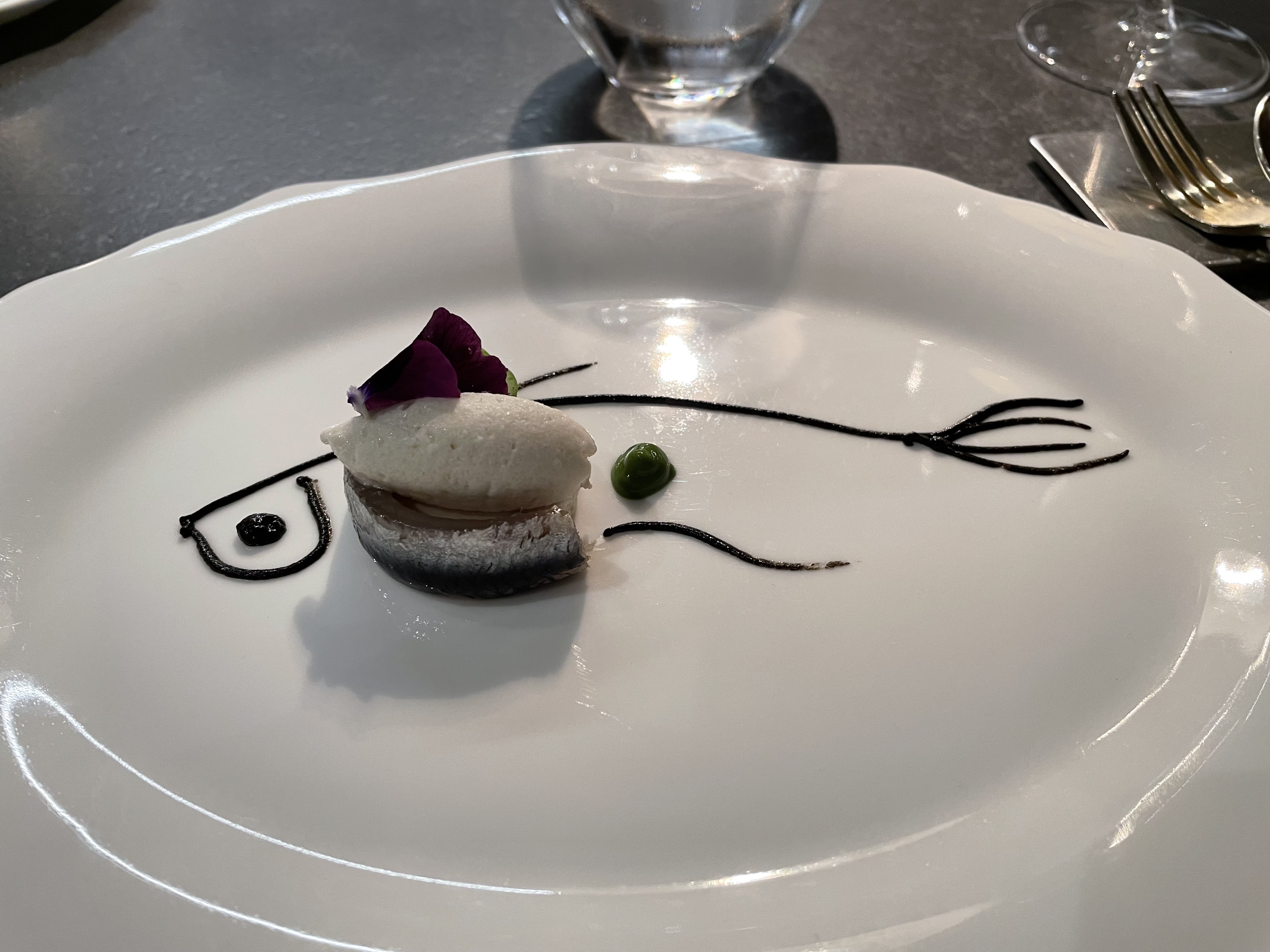
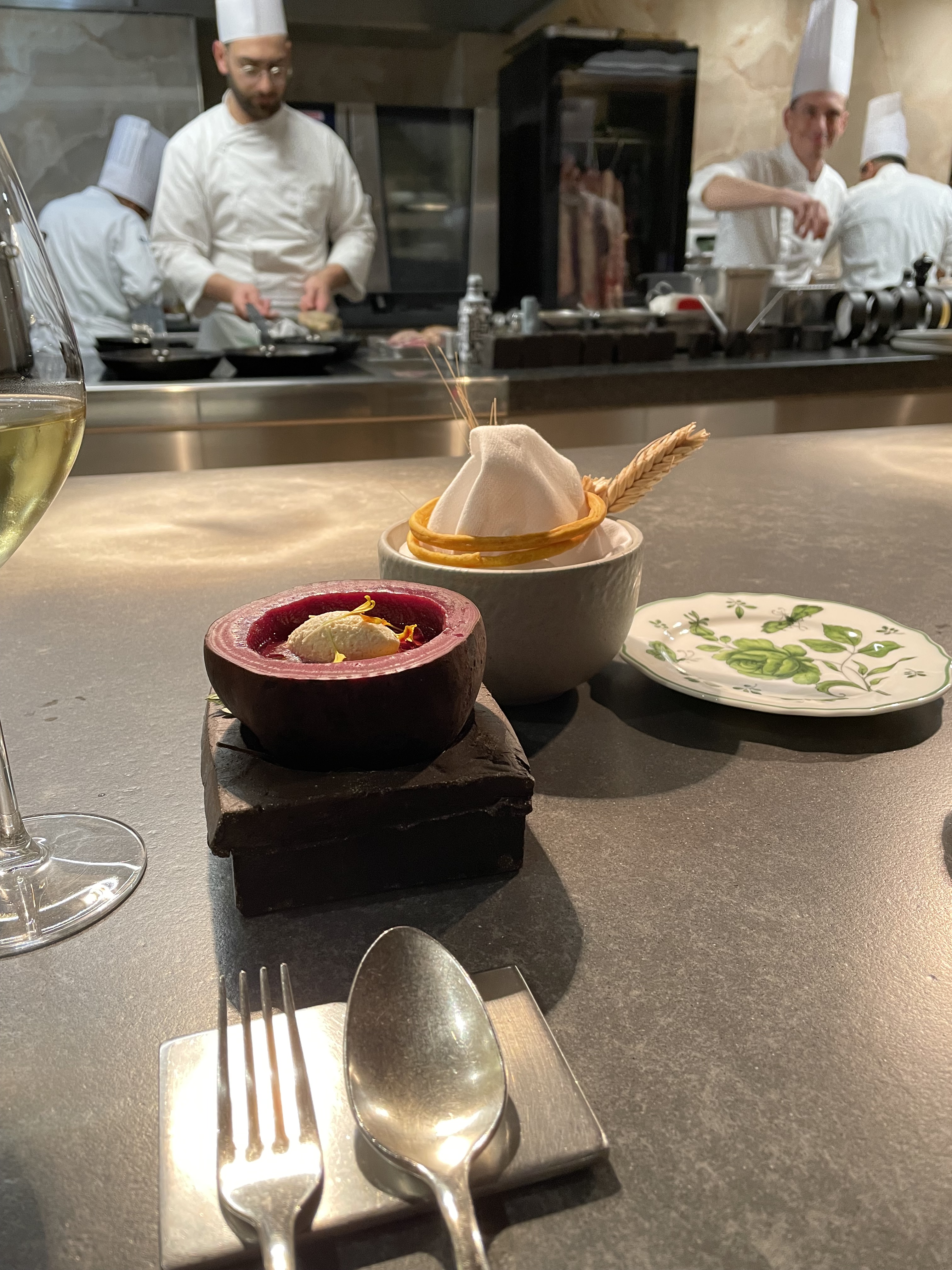
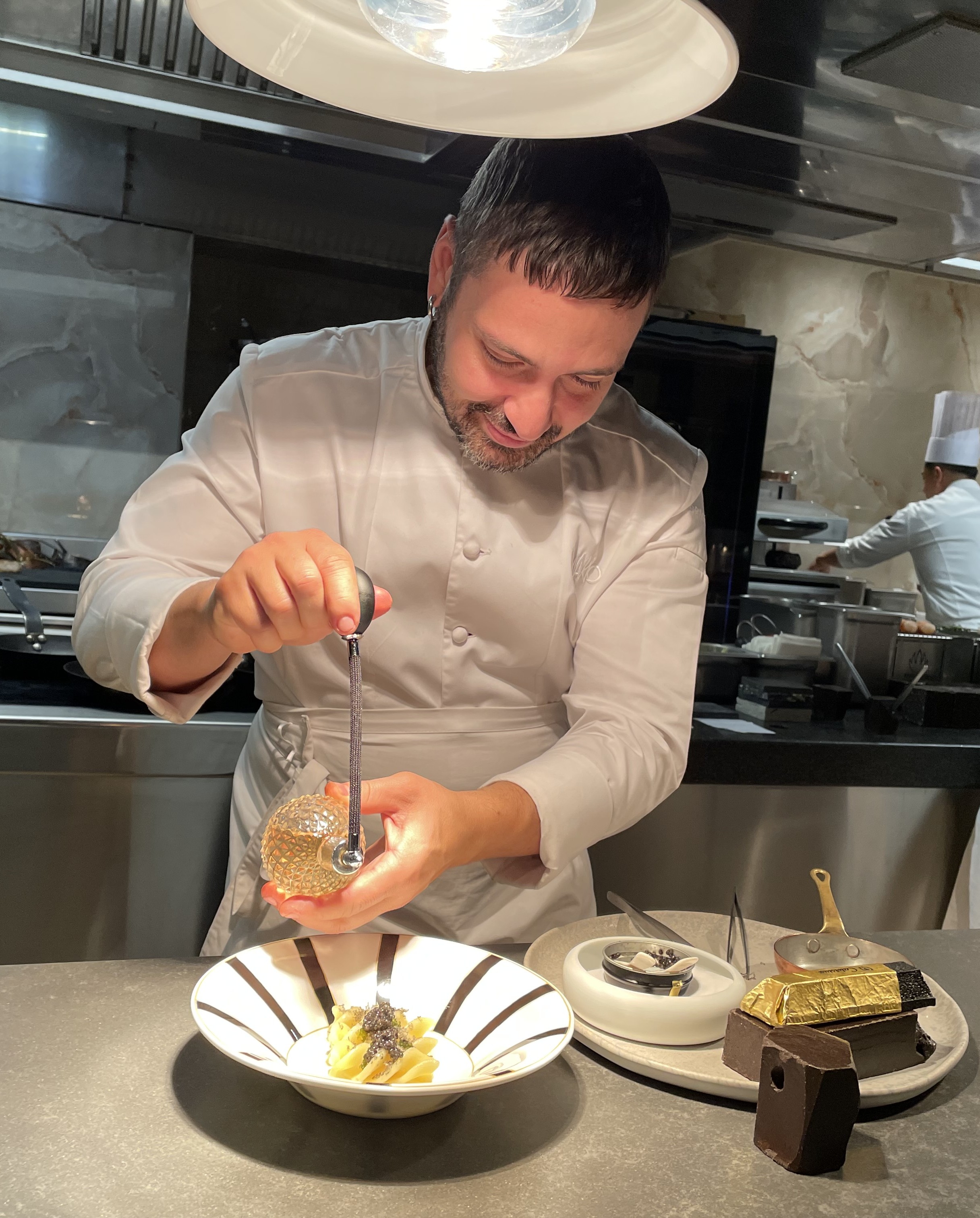
The highlight of our culinary experience in Milan was an evening Candice and I spent at the Michelin two star restaurant Verso Capitaneo. The creation of two brothers, Remo and Mario, Verso is an open kitchen restaurant where all twenty diners watch the chefs craft creative and delectible dishes.
The Elite Traveler describes the experience:
“Verso, located in Milan’s Piazza Duomo, offers a refined dining experience with an intimate setting. Brothers Remo and Mario Capitaneo helm the kitchen, presenting a cohesive vision born from experience in other Michelin-starred establishments. The restaurant has earned two Michelin stars, a testament to their dedication and skill. With limited seating and an open kitchen, Verso provides an unusual dining experience where guests can witness the culinary artistry firsthand. The ambiance is pleasant and informal, designed to make diners feel welcome and experience a different perspective from that of a traditional restaurant.”
As a welcome gesture, everyone receives the house snack: an intriguing rose made with beet petals and caviar, “the latter has captured attention on social networks, becoming one of the restaurant’s most popular posts on Instagram.”
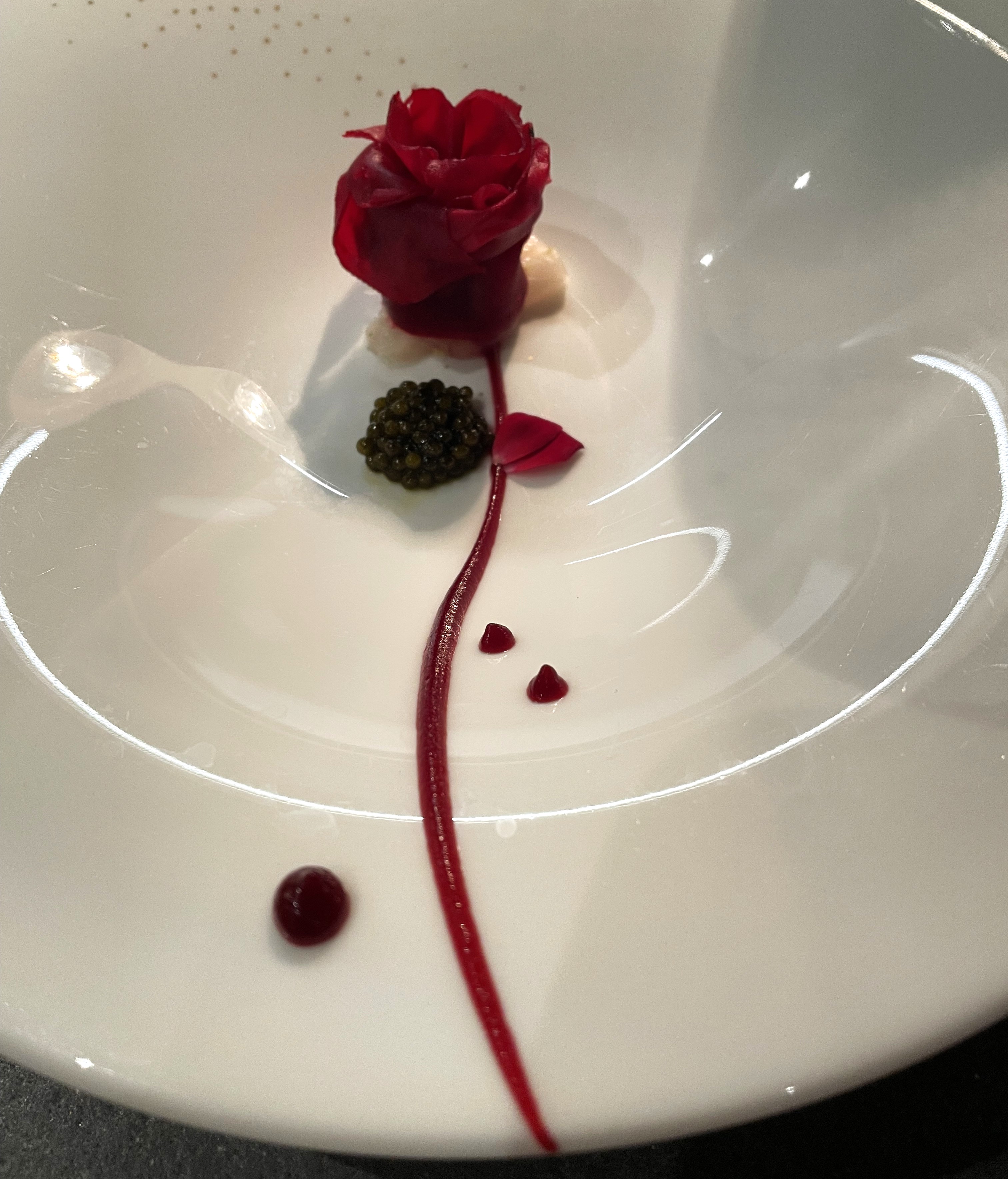
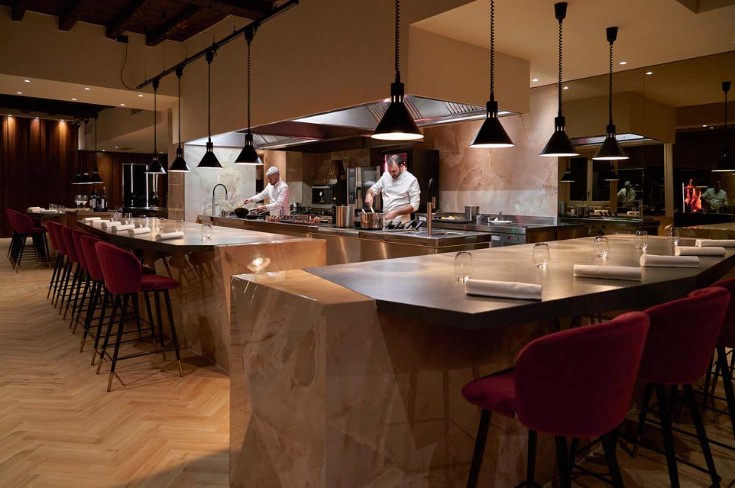
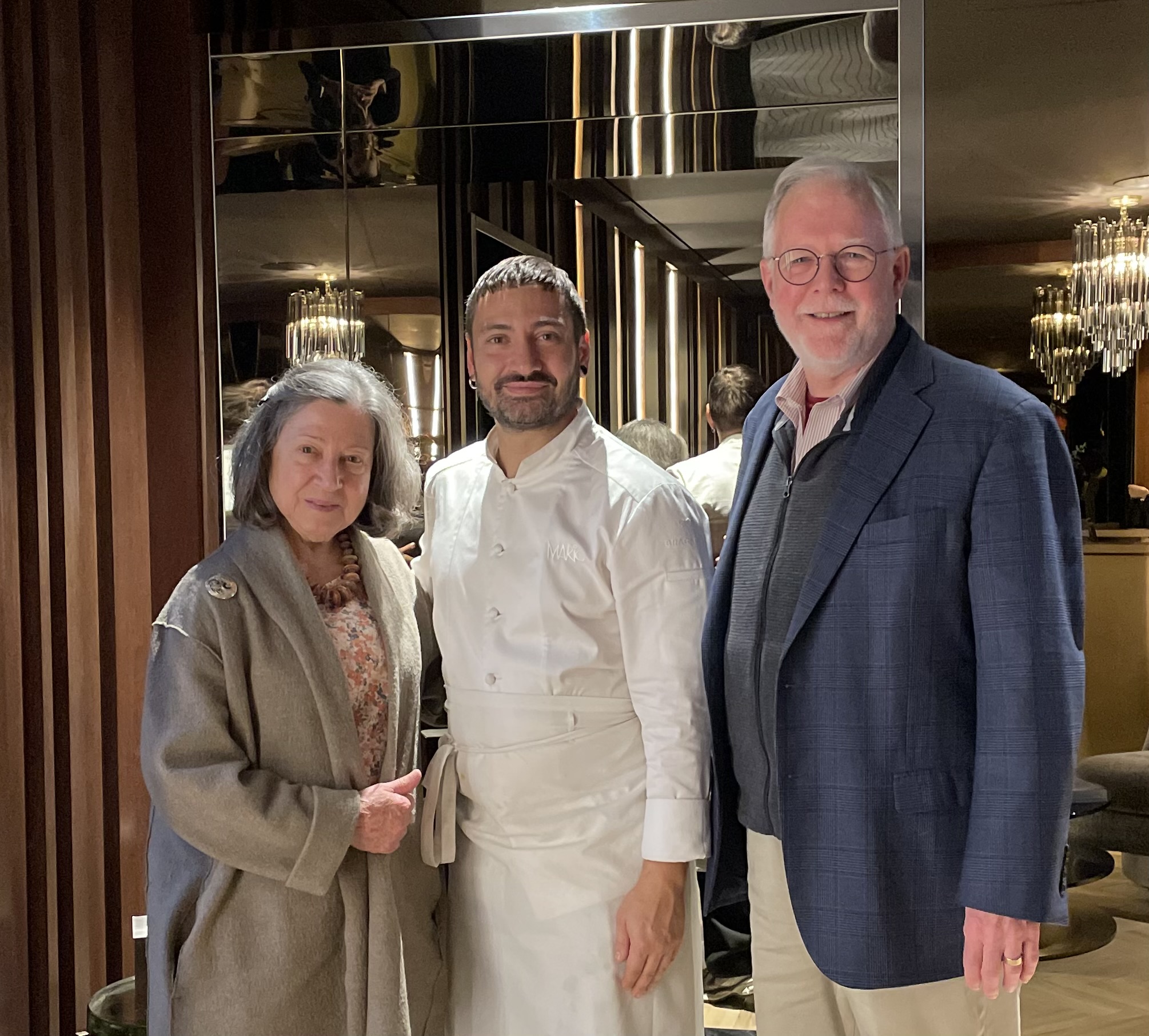
Chef Mario was at the helm during our three-hour feast. I’ve included less than half of the dishes from the meal. The entire evening was, to fall back on a classic, magnifico!
More to come . . .
DJB
Part 2, with photos from our time on Lake Como, will arrive sometime next week.
All photos by DJB except for the Verso interior (credit the restaurant) and the photo of Candice and DJB with Chef Mario (credit the hostess).

