
In a year of turmoil and challenge, it is important to remember that no one has it all figured out. As we continue to look to the promise of what America is about and work to make it a land for everyone, here—in a Saturday grab bag—are thoughts from writers and songs from musicians to help us move forward.
GUIDING US THROUGH A WORLD WE CANNOT UNDERSTAND
My friend and mentor Frank Wade likes to remind us that the job of God is already taken. That’s always important to remember, but especially in times like these. Frank, an Episcopal priest, sent around a sermon for Palm Sunday to his many friends and he added this coda:
“With the tragic events of Holy Week and the similarly tragic events in the news, it is important to remember that our faith does not explain the world. It guides us through a world we cannot understand.”
Anne Lamott, writing in her Hallelujah Anyway! Substack, notes that a friend told her once “that when he thinks he is in charge of all of life, he remembers little kids sitting in car seats with steering wheels, thinking they are making the car turn left, or right.” She also is fond of reminding people who are working to keep the faith in democracy and love in these times, to remember Wendell Berry’s line about being joyful although you have considered all the evidence.
Good advice.
CURIOSITY AND A BEGINNER’S MIND
Our daughter, in her wonderfully named Substack The Clairevoyant Report, posted a terrific April Fools Day post on The Wisdom of Naïveté. Claire begins by noting that in our culture, we tend to look down upon naïveté, considering this quality the sign of someone immature, unintelligent, unrealistic, or simply less “evolved.”
“But what do we miss out on when we insist that we must have everything figured out before we even embark? Curiosity and a beginner’s mind allow us to explore new possibilities, consider divergent paths, and perceive what lies ahead with fresh eyes. Embracing the ‘not knowing’ can lead us in directions beyond our prior imagination.”
Claire is using naïveté as a positive force, and I agree with her perspective. Later in the post, she asks her readers to consider “where in my life am I getting in my own way by believing I already know how things will go?”
The writer Rebecca Solnit has one example that responds to Claire’s question.
In her book Call Them by Their True Names: American Crises (and Essays), Solnit includes an essay—Naive Cynicism—that flips the idea of cynicism and naïveté on its head.
“Naïve cynics shoot down possibilities, including the possibility of exploring the full complexity of any situation. They take aim at the less cynical, so that cynicism becomes a defensive posture and an avoidance of dissent. They recruit through brutality. If you set purity and perfection as your goals, you have an almost foolproof system according to which everything will necessarily fall short. . . . Cynics are often disappointed idealists and upholders of unrealistic standards. They are uncomfortable with victories, because victories are almost always temporary, incomplete, and compromised.”
Claire is a thoughtful writer. I encourage you to read her post . . . and to subscribe!
ACTIVISM AS THE ANTIDOTE TO FEAR
On “No Kings” Saturday, A. D. Blair reminded us in Why We Fight that “politics doesn’t stop in an authoritarian system and we cannot give up the struggle.” The most direct and reliable consequence of cynicism isn’t wisdom, it’s passivity.
As my Congressman, Jamie Raskin, reminds us, “Activism is the antidote to fear.”
THIS LAND IS OUR LAND
This is as good a day as any to return to celebrate the Woody Guthrie 1940 classic This Land is Your Land. Many of us believe, for a variety of reasons, that it should be the national anthem. No less an authority than Bruce Springsteen has said, it is “one of the most beautiful songs ever written about America.”

Guthrie wrote This Land is Your Land during the Great Depression in response to Irving Berlin’s God Bless America. There’s a wonderful book by John Shaw entitled This Land That I Love: Irving Berlin, Woody Guthrie, and the Story of Two American Anthems. As Shaw describes it, Guthrie was hitchhiking his way to New York City when he became upset over hearing the Kate Smith version of Berlin’s song over and over again during the trip. Guthrie sat down and wrote a song in anger, but his revisions over time turned it into one of the most shared and beloved songs in our nation’s history. I’ll begin with the unvarnished recording from Woody, with the bonus of a picture of him playing his famous “This machine kills fascists” guitar. (Note: The song ends about the 2:40 mark in the video)
I also have a couple of other great takes on the song. Sharon Jones & The Dap-Kings play a wonderfully up-tempo soul version that goes all the way with the inclusion of the verses usually left out. Jones commands the stage and I could listen to this celebration of America over and over again.
As I’ve written before, one of the most moving versions—with an emotion that cuts to the heart of what Woody was saying—is the one by Bruce Springsteen, which he began adding to his live shows in 1980. In this deeply felt and chilling version from a 1985 concert at LA’s Memorial Coliseum, Springsteen notes in his intro that, “What’s so great about (the song) is that it gets right to the heart of the promise of what our country was suppose to be about.” He adds that he sings it with the reminder that “with countries, just like with people, it’s easy to let the best of yourself slip away.”
WHO MATTERS
The history of this country, writes Rebecca Solnit in Visions of Life / Agents of Death: On Love Thy Neighbor and Love Thy Nature is, at its best . . .
” . . . a broadening and deepening of who matters, with the end of slavery, the beginning of rights for women, movements for racial justice and disability and LGBTQ rights, the very recent public recognition of the profound wrongness of the genocide and dispossession of the indigenous peoples of the Americas.”
Her newest book looks at all that we’ve achieved in these areas. The current administration supported by the Republican Party “is all about trying to run the process backward to make women and BIPOC people less equal again, to erase the ‘certain inalienable rights’ that undocumented immigrants and refugees share with the rest of us, to make gender back into airtight boxes, to reinstate the inequality behind colonialism.”
To see the implications of this attempt to turn back the clock, read Alan Elrod’s Abuser Politics: Christian Male Supremacists Want Women to Shut Up in Liberal Currents. “The desire for quiet women—really for silent women—in every public forum is neither about adherence to Biblical truth nor the revelation of natural law.”
Solnit and Elrod’s perspectives fit in well with Celeste Davis and her writing in the Substack newsletter Matriarchal Blessing about the one word that is seldom used to explain why so many men are in the Epstein files. We talk endlessly about the factors that make rape easier, but never about the factors that cause rape in the first place. It isn’t wealth, elite networks, institutional failure, or blackmail.
It is patriarchy.
And yes, I know that as a straight, white, male in America today, I have received privileges that gave me a certain confidence as I navigated life. A confidence that was often undeserved and unearned. But beginning with the guidance of two broad-minded and inclusive parents, I have been working hard to ensure that my world view includes, as Davis puts it, an unshakable understanding of women as living human beings who have just as much to contribute to the world as men. I work to ensure that my sense of worth has absolutely nothing to do with domination.
To return to Davis and her post on the Epstein files:
“. . . if we keep only talking about all the things that make rape easier (money, power, elite networks, anonymity) and never talk about the things that actually cause the desire to rape in the first place (entitlement, domination, patriarchy), then we will continue on our insane, unending weed whacking quest without ever pulling up the root.”
WE CAN DO HARD THINGS
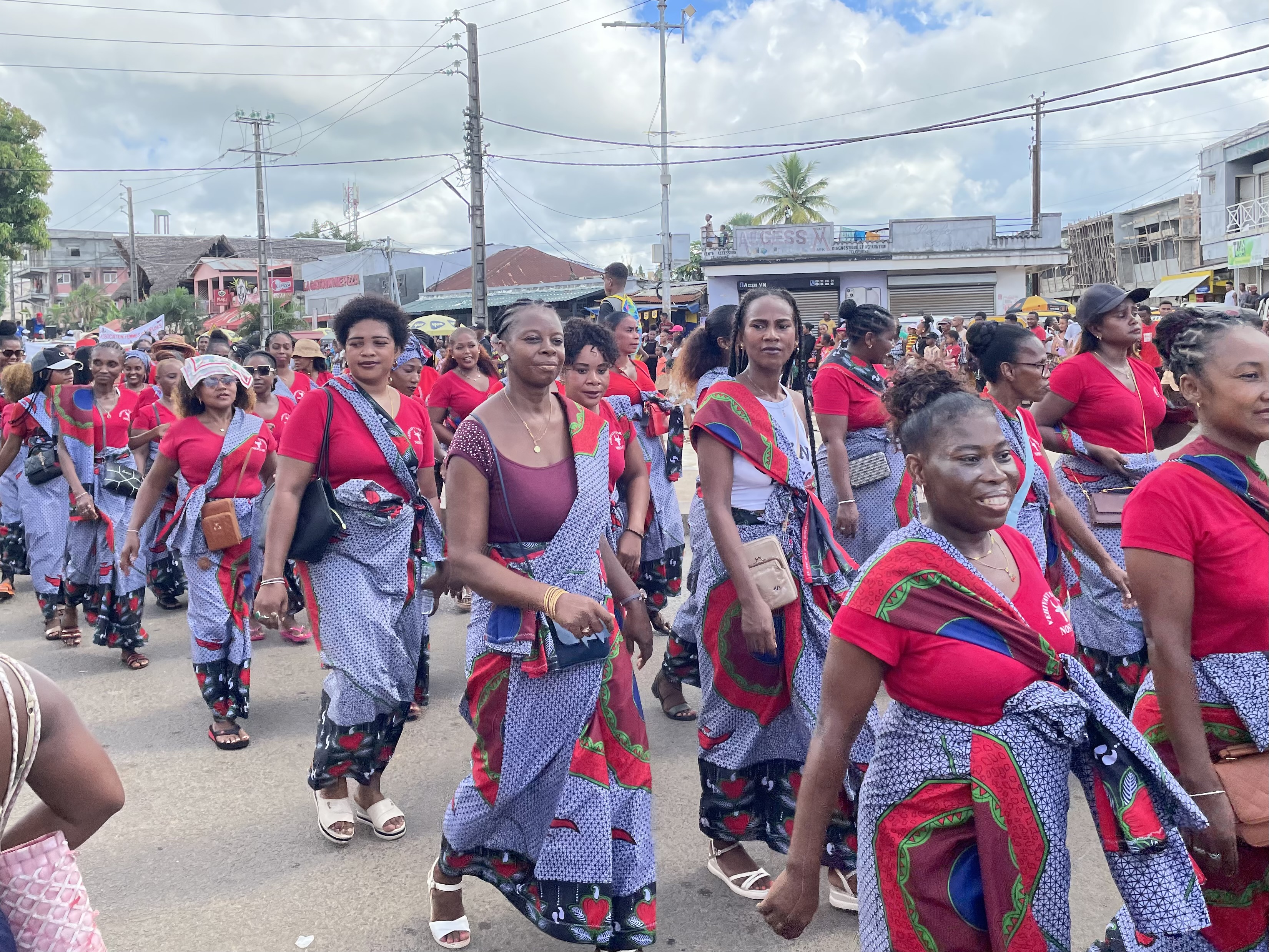
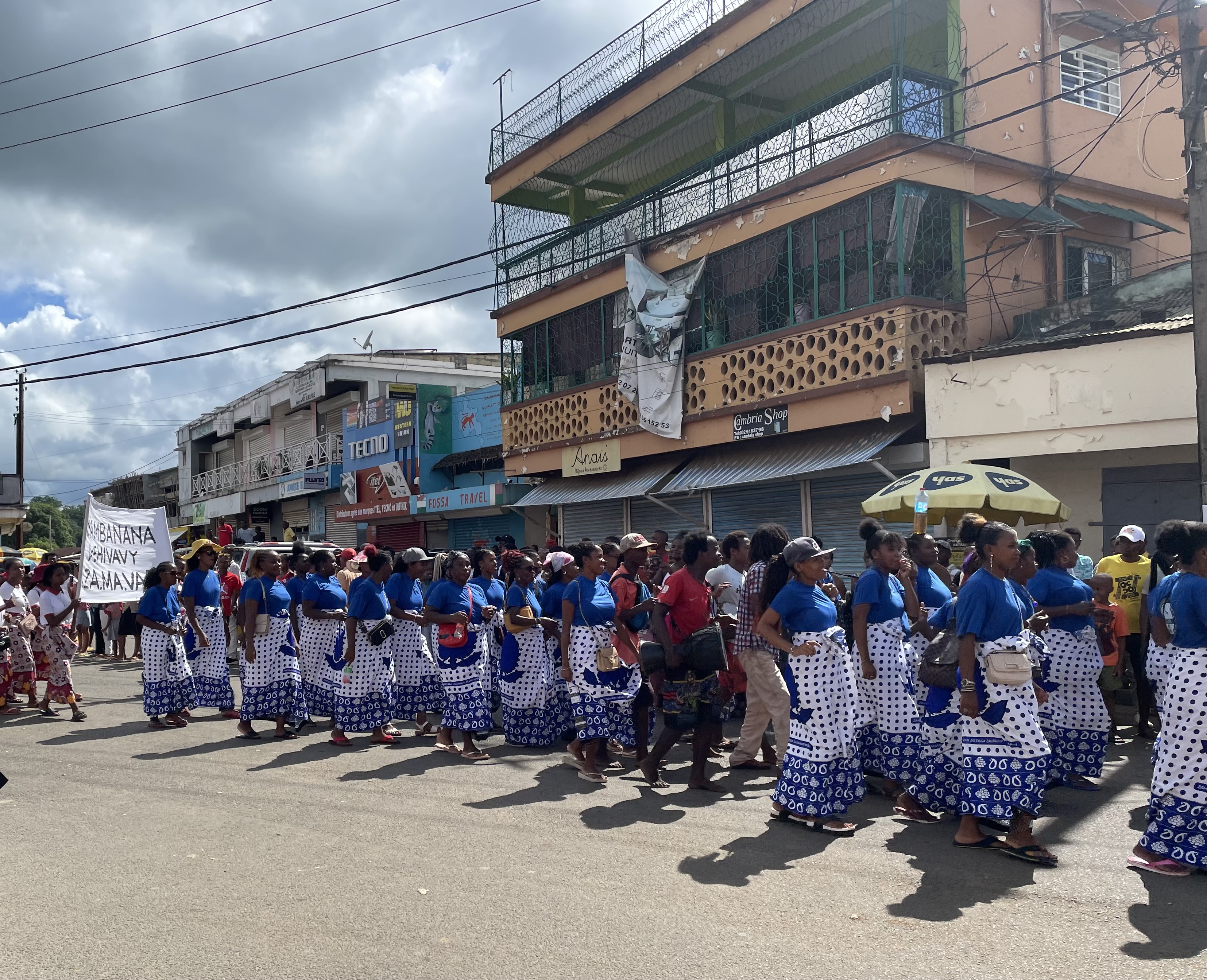
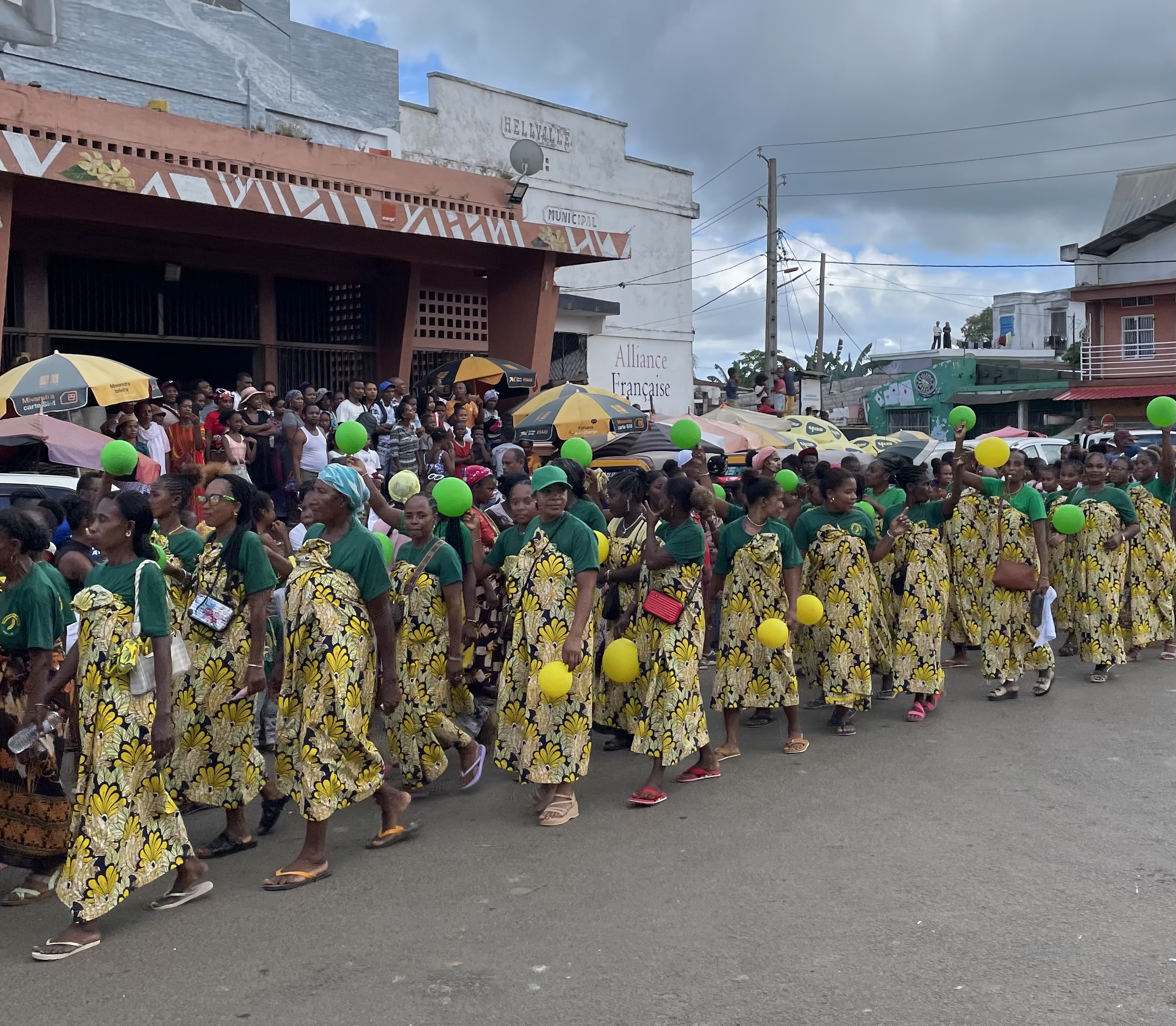
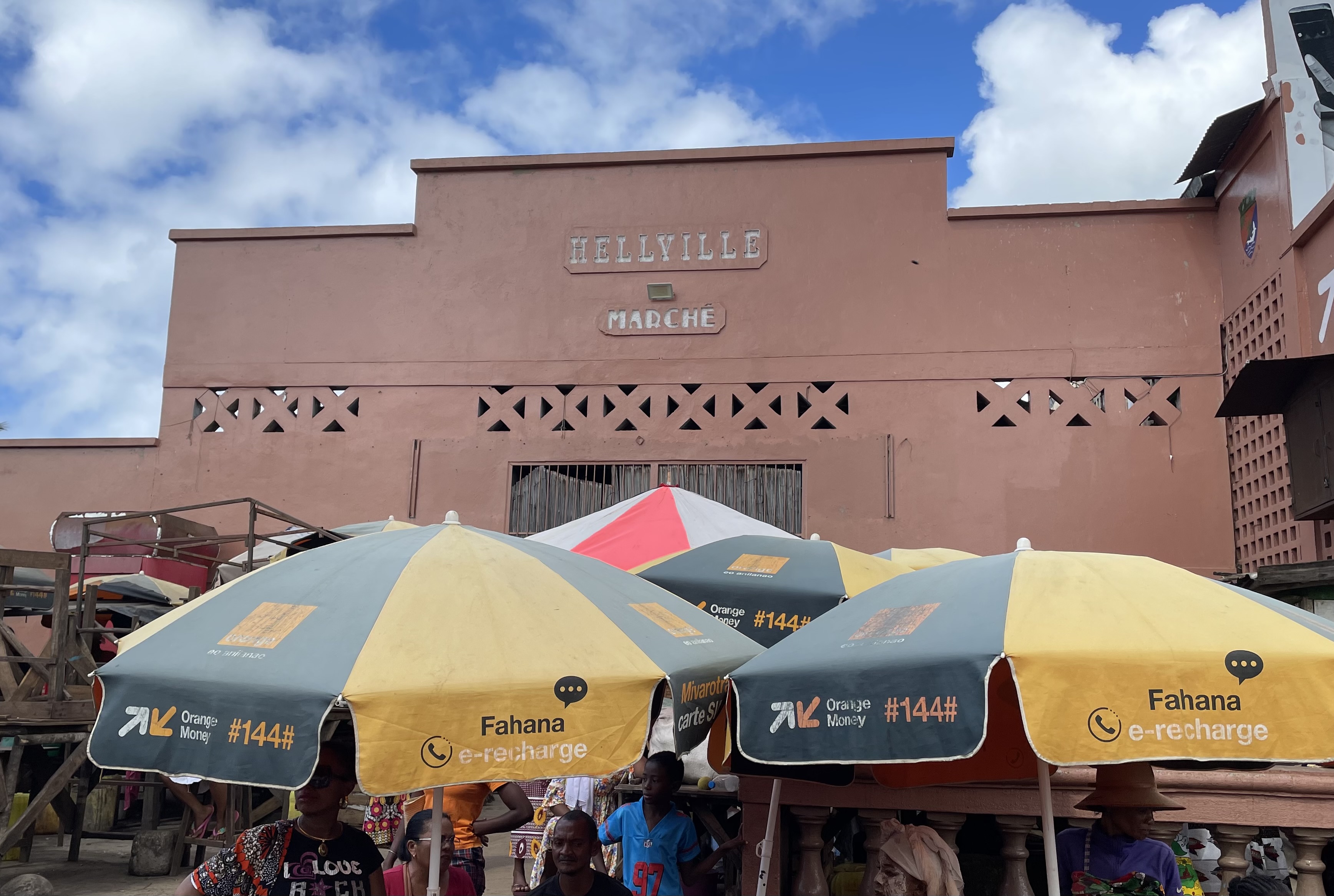
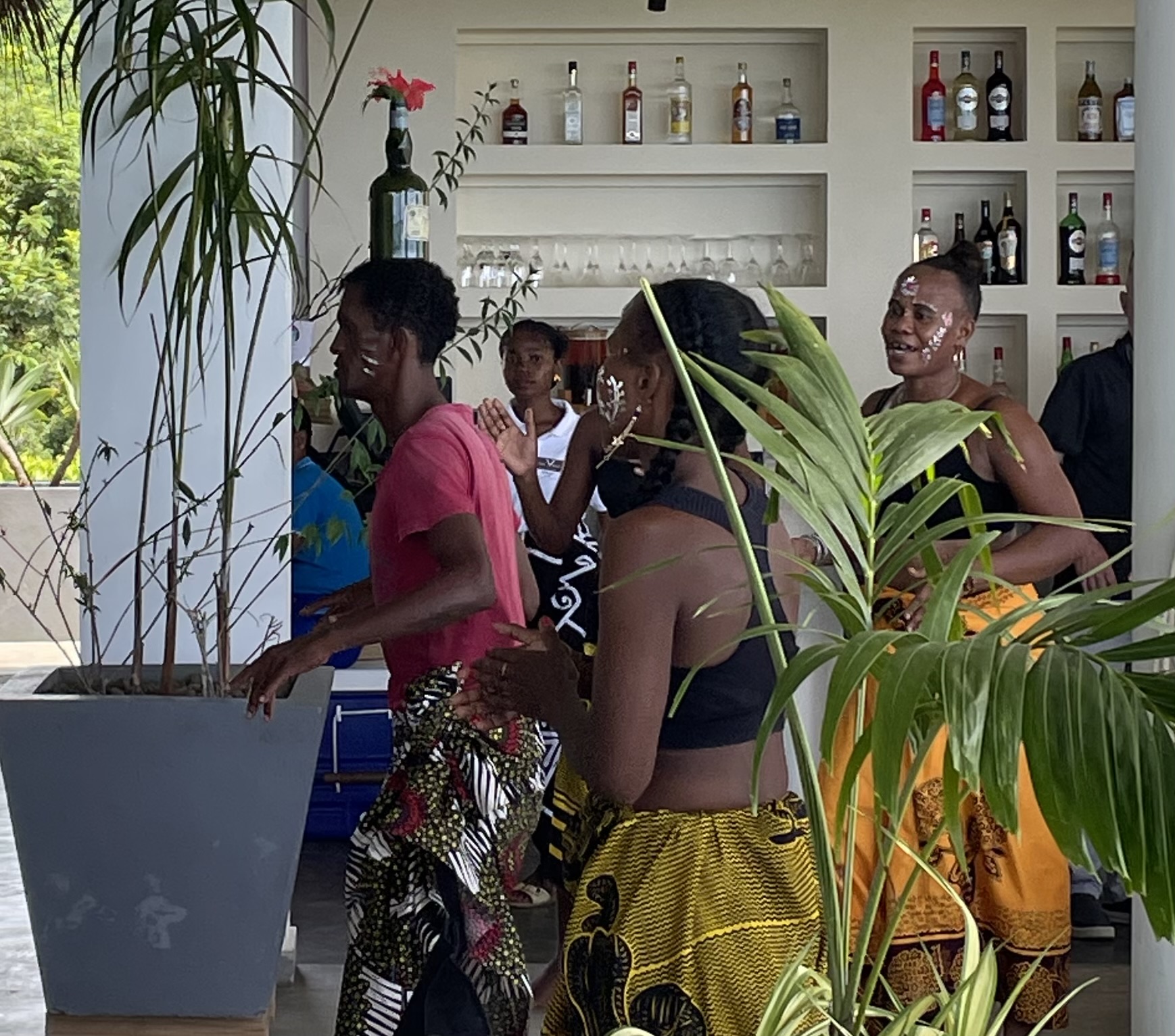
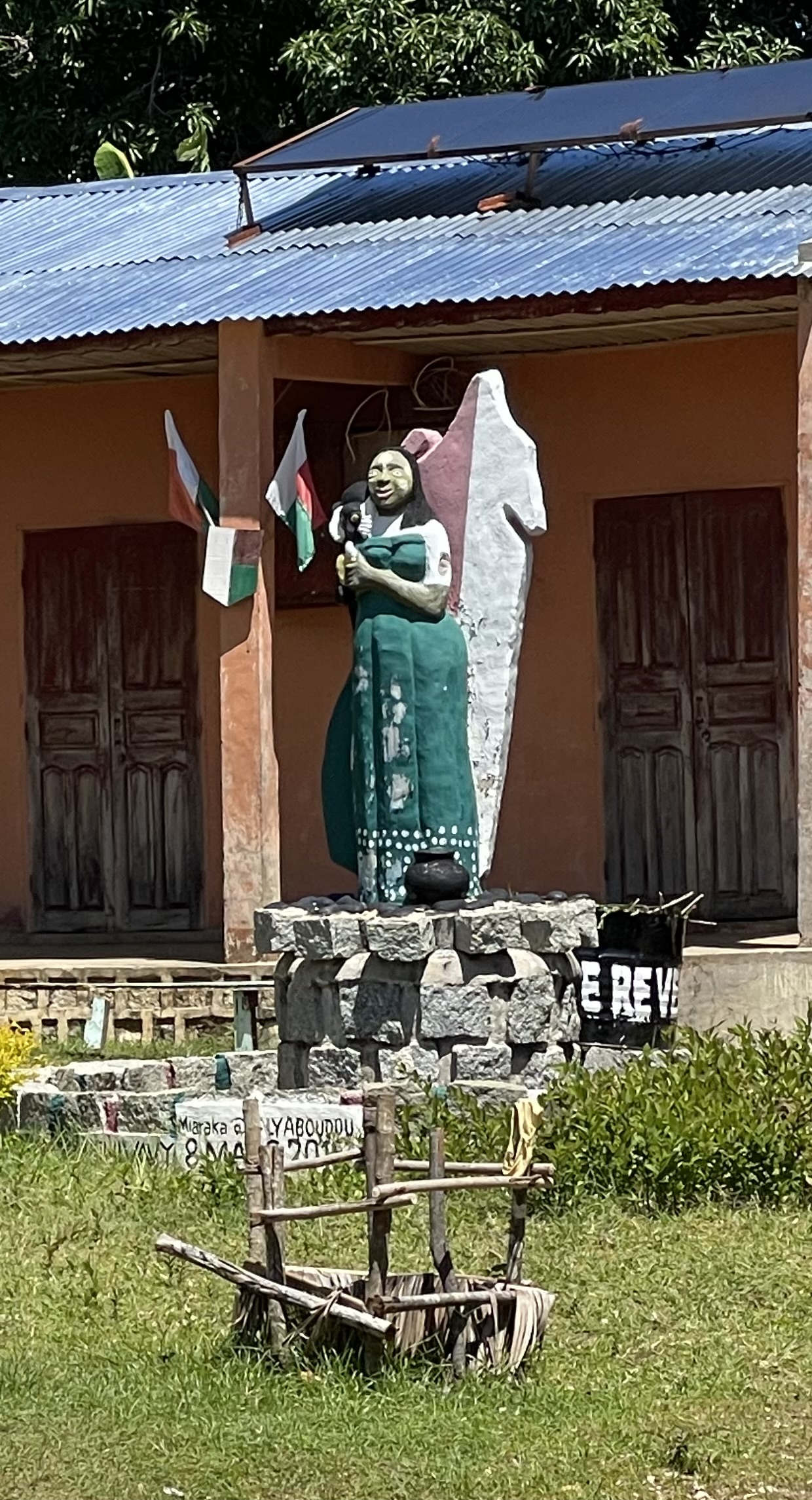
The posts about the attempted silencing of women reminded me of an amazing occurrence I witnessed in Madagascar on March 8th during International Women’s Day. As I wrote a few weeks ago, we arrived in the city of Hellville (Andoany) amidst a huge celebration of International Women’s Day, referred to as “Valo Mars” in Madagascar.
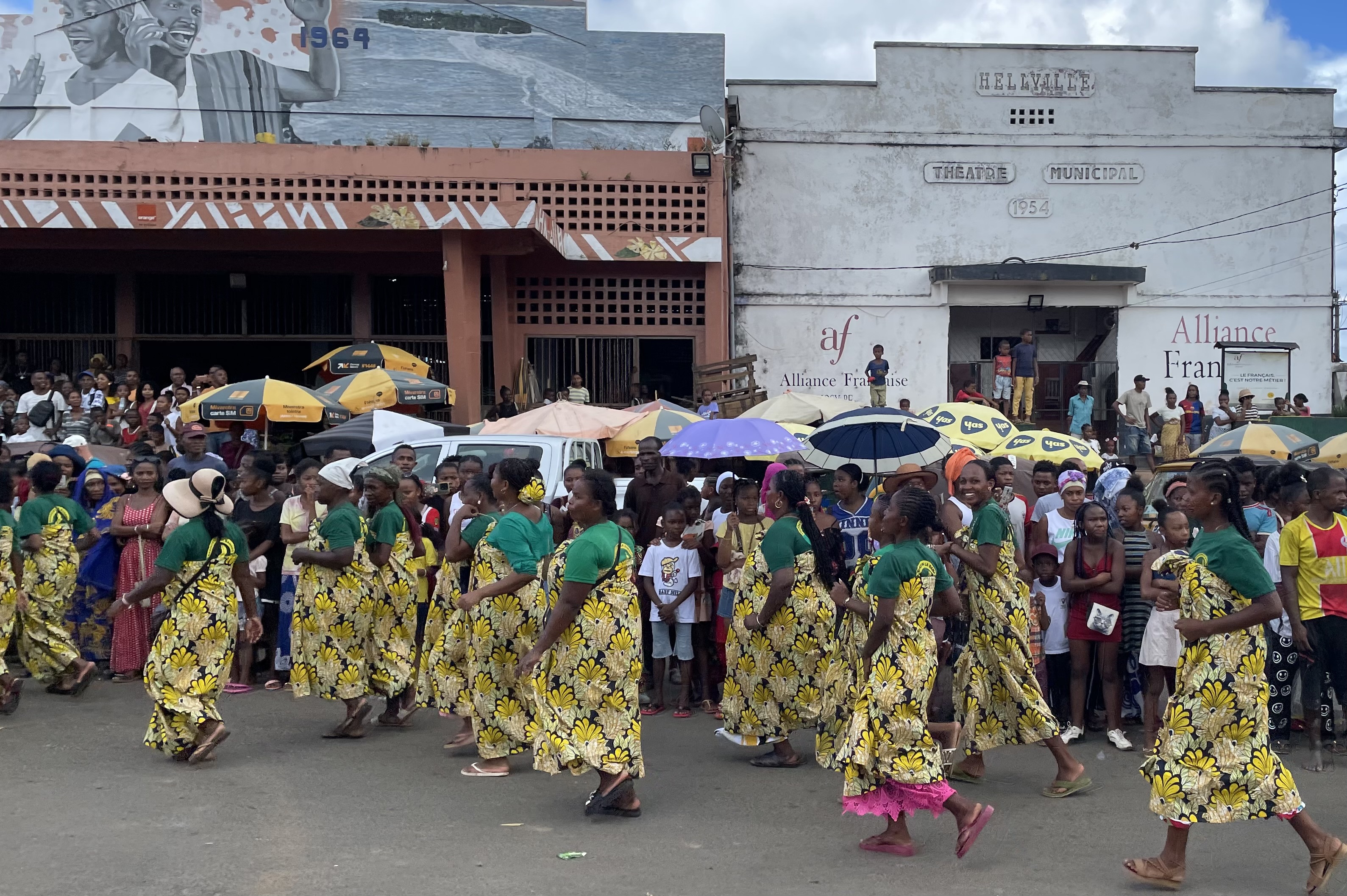
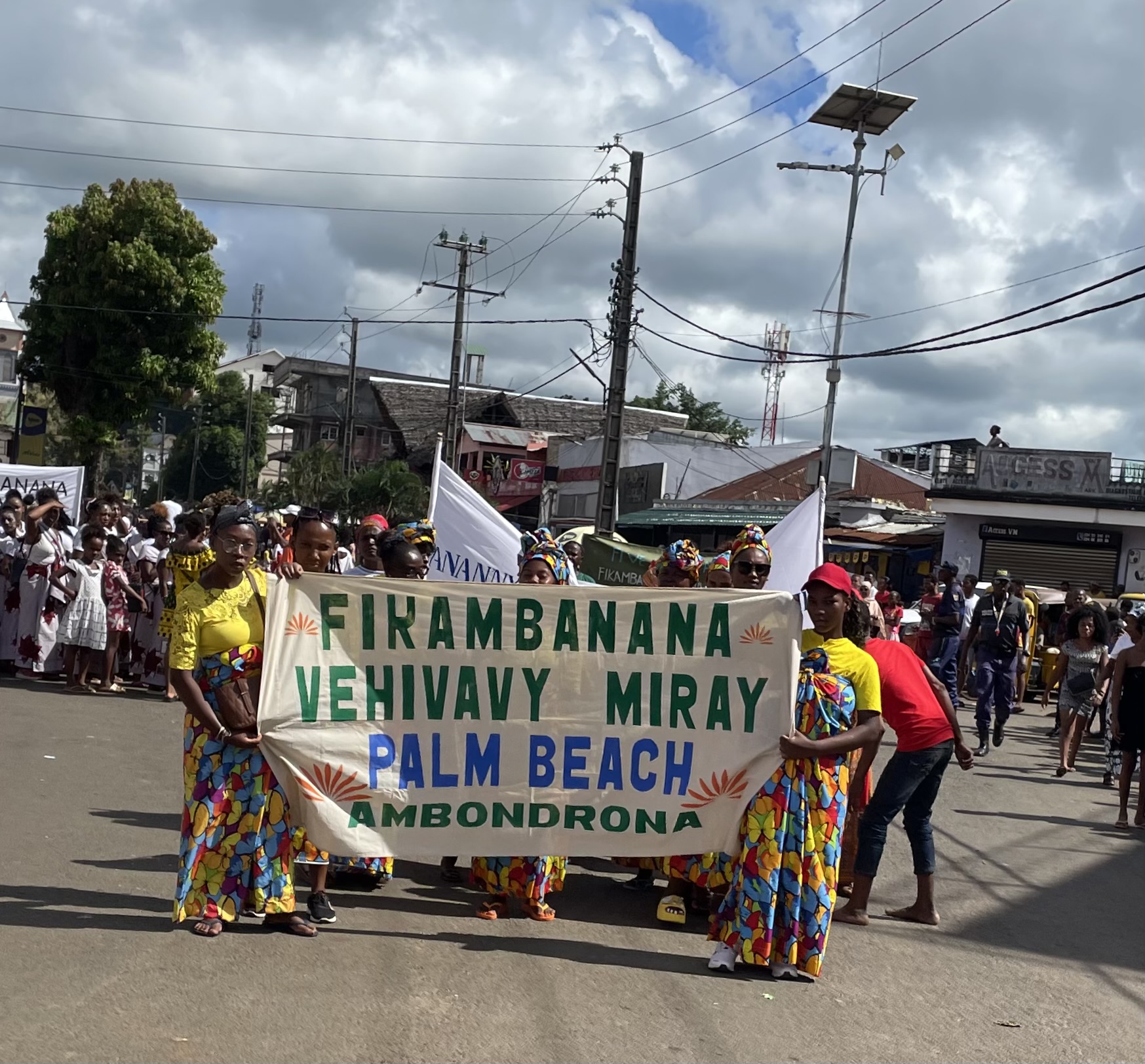
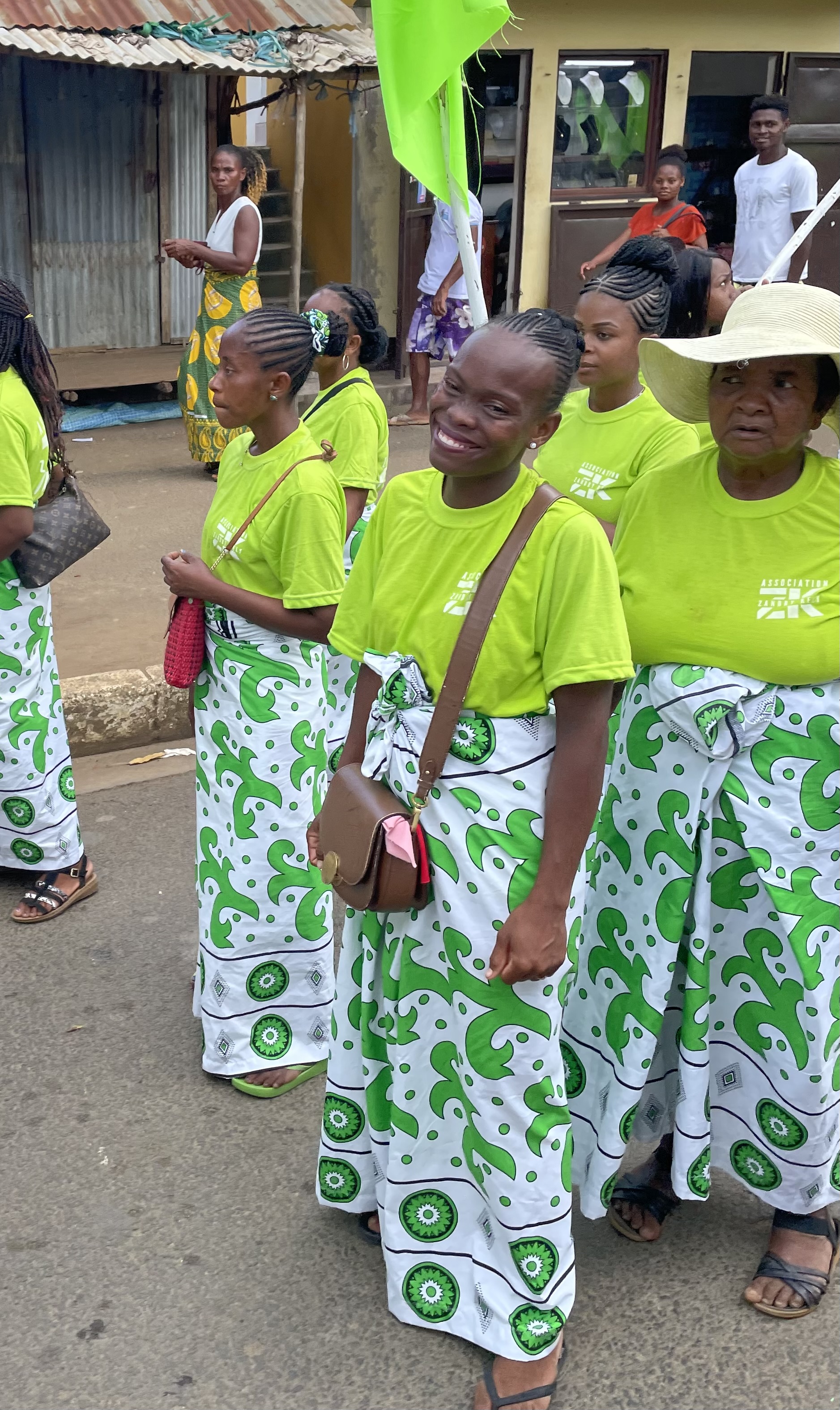
Women’s groups came to Hellville from throughout the region to march in the local parade. Focused on honoring women’s strength, heritage, and contribution to society, it is a significant day for recognizing local women’s roles in development, culture, and craftsmanship. The parade of women dressed to represent their local communities or organizations was an amazing sight that stretched for more than a mile throughout the main section of the city.
In 2022, poet and songwriter Carrie Newcomer sang the song You Can Do This Hard Thing live at an annual International Women’s Day Performance, and it includes a wonderful introduction. It seems an appropriate coda to what all these writers and musicians are telling us in these times.
More to come . . .
DJB
Rainbow by Cindy Lever from Pixabay. Photo of lightening strikes by Marc Renken on Unsplash. Monarch butterfly (the only monarch we want) and images across America by DJB. Grand Canyon by Claire Brown. Madagascar parade by DJB.



























 MORE TO COME...